

Running News Daily
Running News Daily is edited by Bob Anderson and team. Send your news items to bob@mybestruns.com Advertising opportunities available.
Index to Daily Posts · Sign Up For Updates · Run The World Feed
Articles tagged #2026 Boston Marathon
Today's Running News
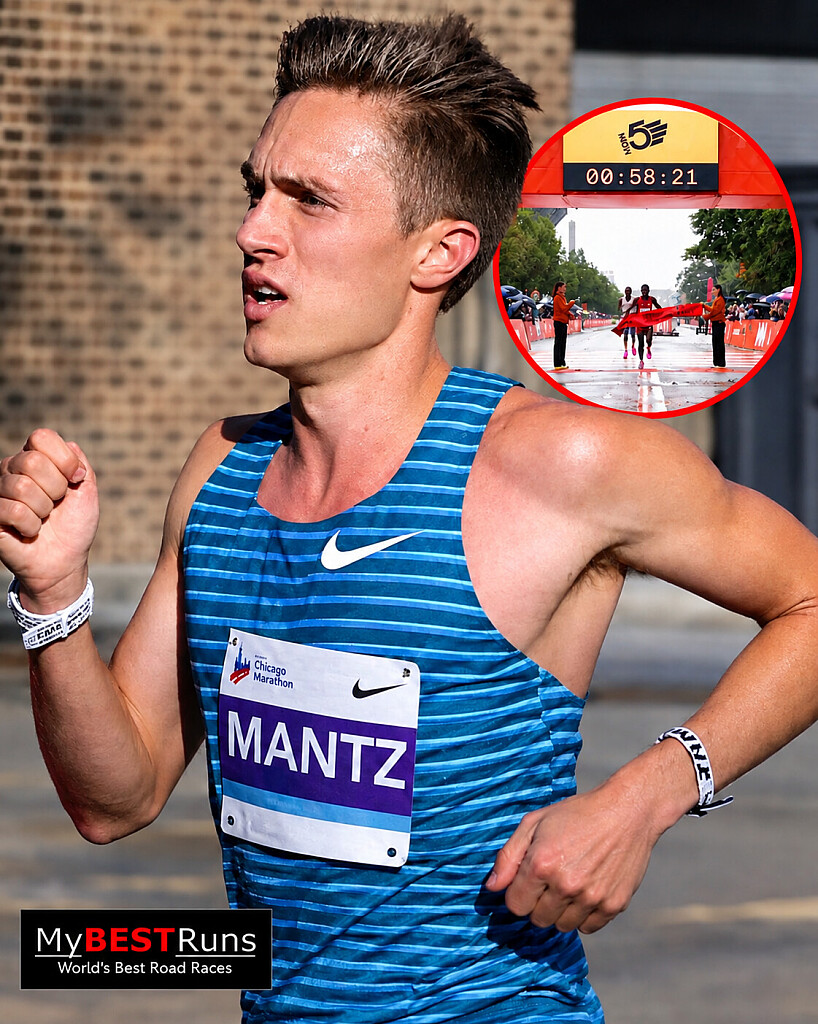


Conner Mantz’s Long Road Back: From American Record Holder to World Championship Return
Less than a year ago, Conner Mantz was rewriting American distance-running history. Now, after months of injury, rehabilitation and rebuilding, the American record holder is preparing for another major test — this time on the world stage in Copenhagen.
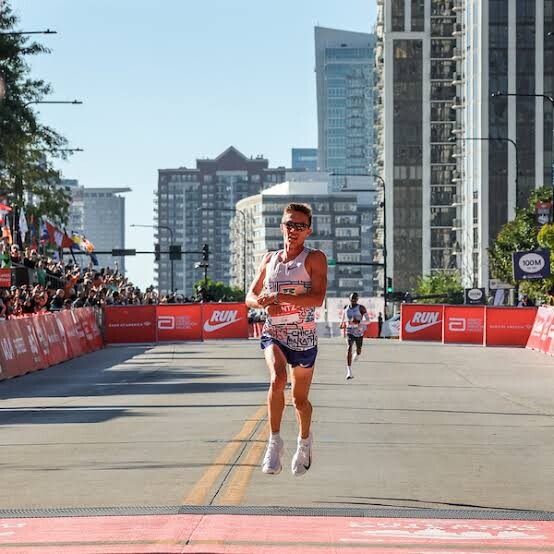
On October 12, 2025, Mantz produced the performance of his career at the Chicago Marathon, running 2:04:43 to break Khalid Khannouchi’s long-standing American record of 2:05:38, set in London in 2002. The performance made Mantz the fastest American marathoner in history and confirmed his place among the country’s elite distance runners.
But what followed was far removed from the glory of Chicago.
Only weeks after the marathon, Mantz began experiencing hip pain that was eventually diagnosed as a sacral stress fracture. The injury forced him away from running for 12 weeks and disrupted what had been shaping up to be another important season. He ultimately withdrew from the 2026 Boston Marathon during race week after acknowledging that his fitness had not returned sufficiently.
Rather than forcing the comeback, Mantz had to rebuild from the ground up.
Swimming became a major part of that process. Long sessions in the pool gradually became faster, with his pace progressing from around 1:43 per 100 yards to below 1:30. Some sessions stretched close to three hours. Cycling also became part of his training, while running was carefully introduced whenever his body allowed it — and stopped whenever the injury demanded caution.
For an athlete accustomed to racing at the highest level, it was a frustrating period of patience.
Mantz finally returned to competition at the ASICS Falmouth Road Race in August, almost ten months after his historic Chicago performance. He finished as the second American, a result that may not have been the comeback statement he wanted, but was nevertheless an important step forward.
Now comes a much bigger examination.
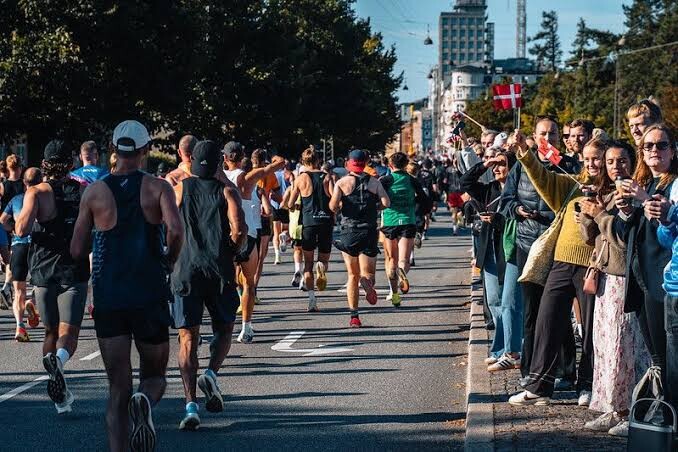
On Sunday, September 20, Mantz will line up in Copenhagen for the men's half marathon at the 2026 World Athletics Road Running Championships. It will be his first global championship appearance since the Paris 2024 Olympics.
And Mantz is not arriving merely as another member of the American team. He is the reigning American record holder in the half marathon.
That record came in 2025, when he ran 59:17 in Houston to erase Ryan Hall's 59:43 American record, which had stood for 18 years.
In the same year, Mantz would go on to claim the American marathon record as well.
Two national records. One extraordinary season. Then an injury that forced him to step away from the racing world for months.
Now, the question is no longer simply how fast Mantz can run on his best day. It is about what remains after everything he has been through.
Copenhagen offers the perfect stage for that answer. With the world's best runners gathered for a global title, Mantz will have the opportunity to measure himself against the strongest competition while continuing his journey back to his best.
He has already shown that he can break records. He has already shown that he can compete with the world's best.
This time, he is simply trying to rediscover the runner who did it.
Records can redefine the ceiling. Injuries can force an athlete to rediscover the foundation. On Sunday in Copenhagen, we will find out just how much of the old Conner Mantz is back — and how much stronger the journey has made him.
by Erick Cheruiyot for My Best Runs.
Login to leave a comment
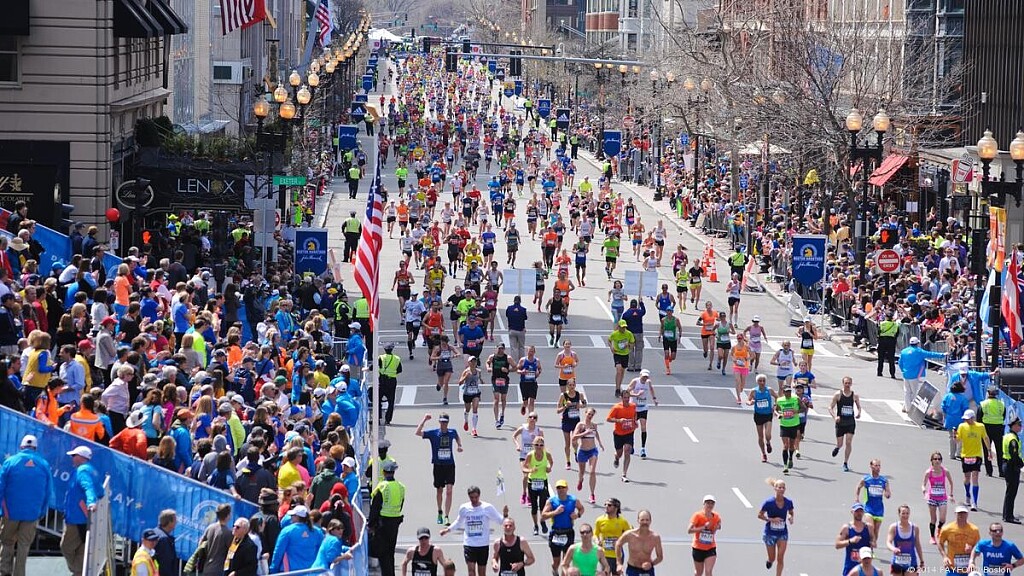
The Boston Marathon Trap: Why A “BQ” May Still Not Be Enough
For thousands of marathon runners around the world, qualifying for the Boston Marathon is more than a race goal — it is a badge of honour, a symbol that months and sometimes years of disciplined training have finally paid off.
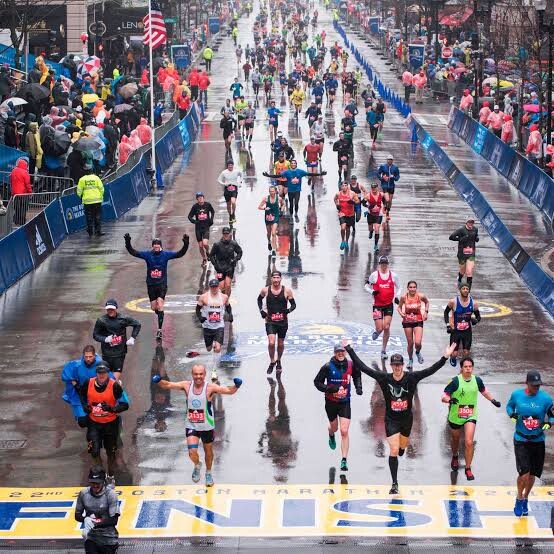
But there is an important distinction every aspiring Boston runner needs to understand: running under the official Boston qualifying standard does not automatically guarantee a place on the starting line.
That reality has caught out countless runners who believed that crossing the finish line a few seconds inside their qualifying mark meant their Boston dream was secured.
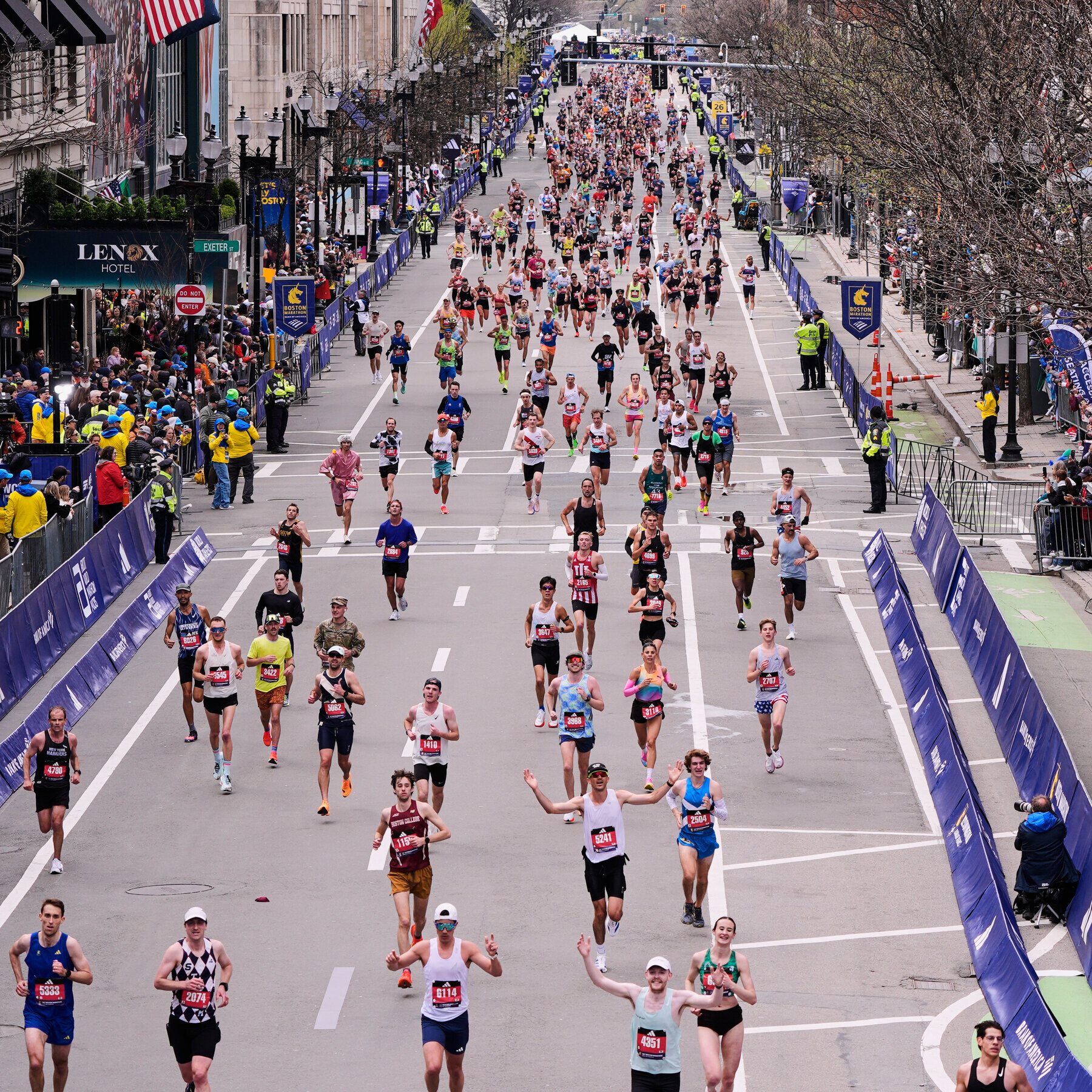
It does not.
The Boston Athletic Association (B.A.A.) sets qualifying standards according to age and gender, but the race also has a limit on the number of participants. When the number of qualified applicants exceeds the available places, the fastest runners within the qualifying pool are given priority. In other words, simply achieving the published standard gives you the opportunity to apply — it does not guarantee acceptance.
The Cutoff Is The Number That Really Matters
This is where the famous Boston “cutoff” comes into play.
The cutoff represents how much faster than the official qualifying standard a runner needed to be in order to gain entry that particular year. And it can change significantly depending on how many runners apply and how fast the qualifying field is.
The numbers tell the story.
For the 2024 Boston Marathon, the cutoff was 5:29. For 2025, it climbed sharply to 6:51. For the 2026 race, the cutoff settled at 4:34, meaning accepted qualifiers needed to be at least four minutes and 34 seconds faster than their applicable age- and gender-based standard.
That means a runner who finishes a marathon just 30 seconds under the published qualifying standard can technically be a Boston qualifier — yet still miss out on an actual place.
And that is where the heartbreak begins.
Imagine spending months building mileage, sacrificing weekends, surviving brutal workouts and finally producing the race of your life. You cross the line, look at your watch and discover that you have beaten the Boston standard.
For a moment, you believe you are going to Boston.
Then registration closes.
And you discover that the field was faster than expected.
Don't Train For The Bare Minimum
For runners serious about making the journey to Hopkinton, Massachusetts, the lesson is straightforward: don't make the official qualifying standard your ultimate target.
Make it your starting point.
If your age-group standard is 3:00:00, for example, training specifically to run 2:59:59 may leave almost no margin for the realities of Boston qualification. A stronger strategy is to set a substantially faster personal target, giving yourself a buffer against an unpredictable cutoff.
A five-minute cushion is often discussed among Boston hopefuls as a sensible ambition, but runners should understand that there is no guaranteed “safe” buffer. The cutoff is determined after registration based on the qualifying pool, and even a five-minute margin cannot promise entry in every year.
The smartest approach is therefore to aim as far under your standard as your training and ability realistically allow.
Boston Is Getting Faster
The growing difficulty of earning a place reflects the popularity and competitiveness of the marathon.
The B.A.A. has acknowledged that demand for Boston has increased while marathoners have continued to get faster. For the 2026 race, the organisation tightened qualifying standards by five minutes for runners aged 18–59, yet the race still received far more qualifying applications than available places.
For the 2026 Boston Marathon, the B.A.A. received 33,249 qualifier applications. Of those, 8,887 applicants were ultimately not accepted, despite having achieved the official qualifying standard.
Those numbers provide a powerful reminder: Boston qualification is no longer simply about beating a published time. It is about beating it by enough.
And There Is Another Detail Runners Must Watch
For the 2027 Boston Marathon, the B.A.A. has also introduced time-index adjustments for qualifying performances on courses with more than 1,500 feet of net elevation drop.
Depending on the amount of net downhill, a qualifying performance can receive a five- or ten-minute adjustment during the registration review process. That makes course selection an increasingly important part of the Boston qualification strategy.
So runners chasing Boston should not only ask, “Can I run the qualifying time?”
They should also ask:
“Can I run significantly faster than it — on a course that meets Boston's qualification rules?”
The Dream Is Boston. The Goal Should Be Faster Than Boston.
Qualifying for Boston remains one of the most prestigious achievements in recreational marathon running. But the difference between qualifying and getting accepted is now more important than ever.
The official standard gets you into the conversation.
Your margin gets you closer to the starting line.
So if Boston is the dream, don't build your entire training cycle around scraping under the qualifying mark by a few seconds. Give yourself room. Chase a faster marathon. Choose your qualifying race carefully. Prepare for the possibility that the cutoff may move.
Because the ultimate goal isn't simply to say:
“I qualified for Boston.”
It is to wake up on Patriots' Day, make your way to Hopkinton, and finally hear the words every Boston hopeful has dreamed about:
“You're going to Boston.”
by Erick Cheruiyot for My Best Runs.
Login to leave a comment
Boston Marathon
Among the nation’s oldest athletic clubs, the B.A.A. was established in 1887, and, in 1896, more than half of the U.S. Olympic Team at the first modern games was composed of B.A.A. club members. The Olympic Games provided the inspiration for the first Boston Marathon, which culminated the B.A.A. Games on April 19, 1897. John J. McDermott emerged from a...
more...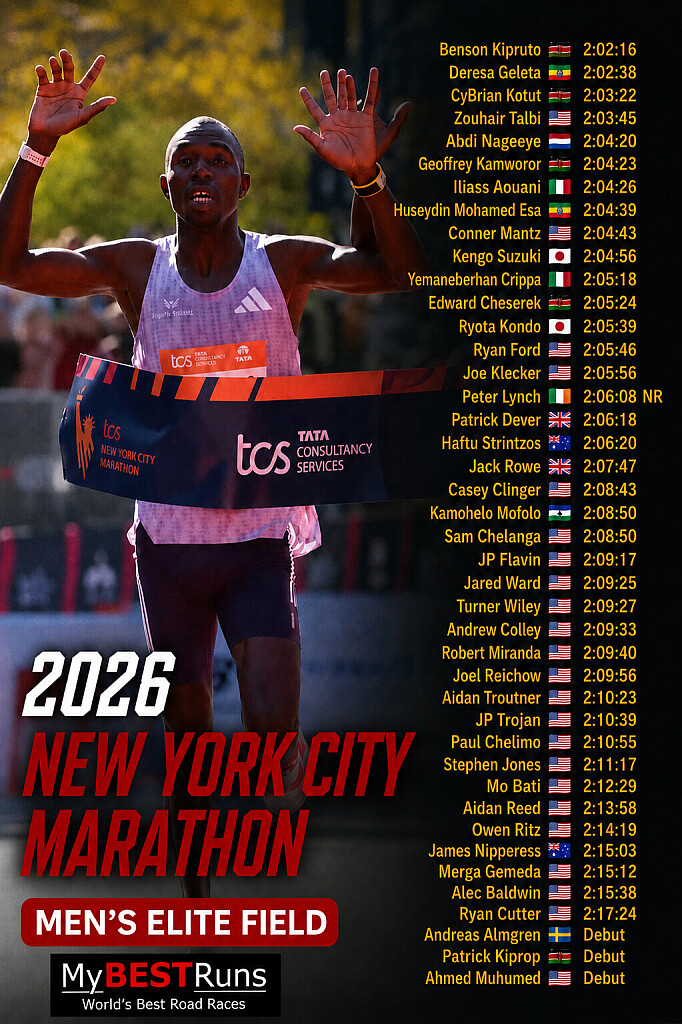
New York Marathon Set For Blockbuster Showdown As America’s Two Fastest Men Collide
The 2026 TCS New York City Marathon is shaping up to be one of the most anticipated editions in recent history, with New York Road Runners unveiling a remarkable men’s professional field that brings together the two fastest American marathoners ever on the same starting line.
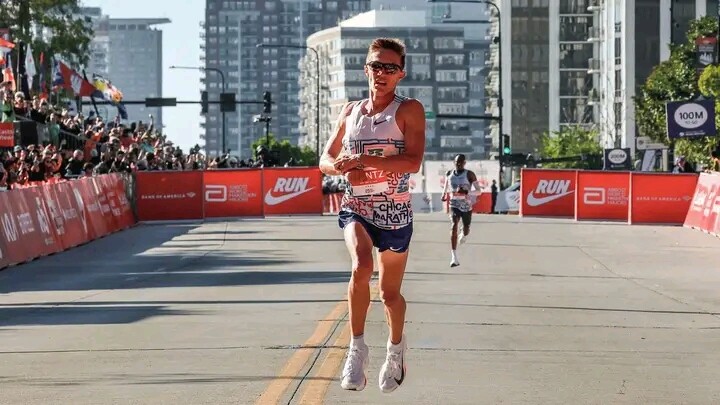
The race, scheduled for November 1, will feature American record-holder Conner Mantz (2:04:43) and Zouhair Talbi (2:03:45), whose performance at the 2026 Boston Marathon is the fastest marathon ever run by an American by clock time. However, because Boston is not a record-eligible course, Talbi’s mark does not replace Mantz’s official American record.
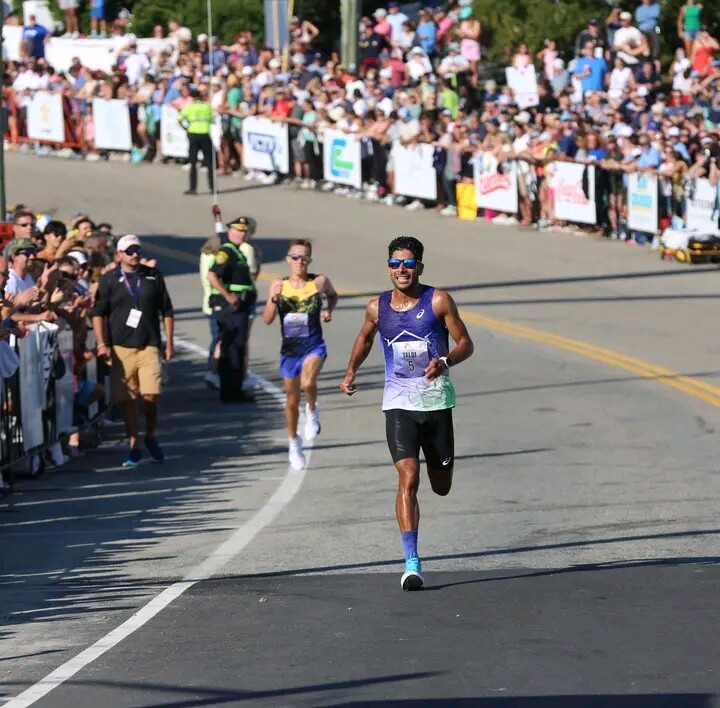
Mantz established the American record with his 2:04:43 fourth-place finish at the 2025 Chicago Marathon, breaking a national record that had stood since 2002. Talbi went even faster in Boston in April, crossing the line fifth in 2:03:45 and adding another extraordinary chapter to the rapid evolution of American marathon running.
That makes New York particularly intriguing. For the first time, the two men who occupy the top two positions on the all-time American marathon performance list will have the opportunity to race each other over a record-eligible course, with the streets of New York providing the stage.
And the American showdown will be only one part of a much bigger battle.
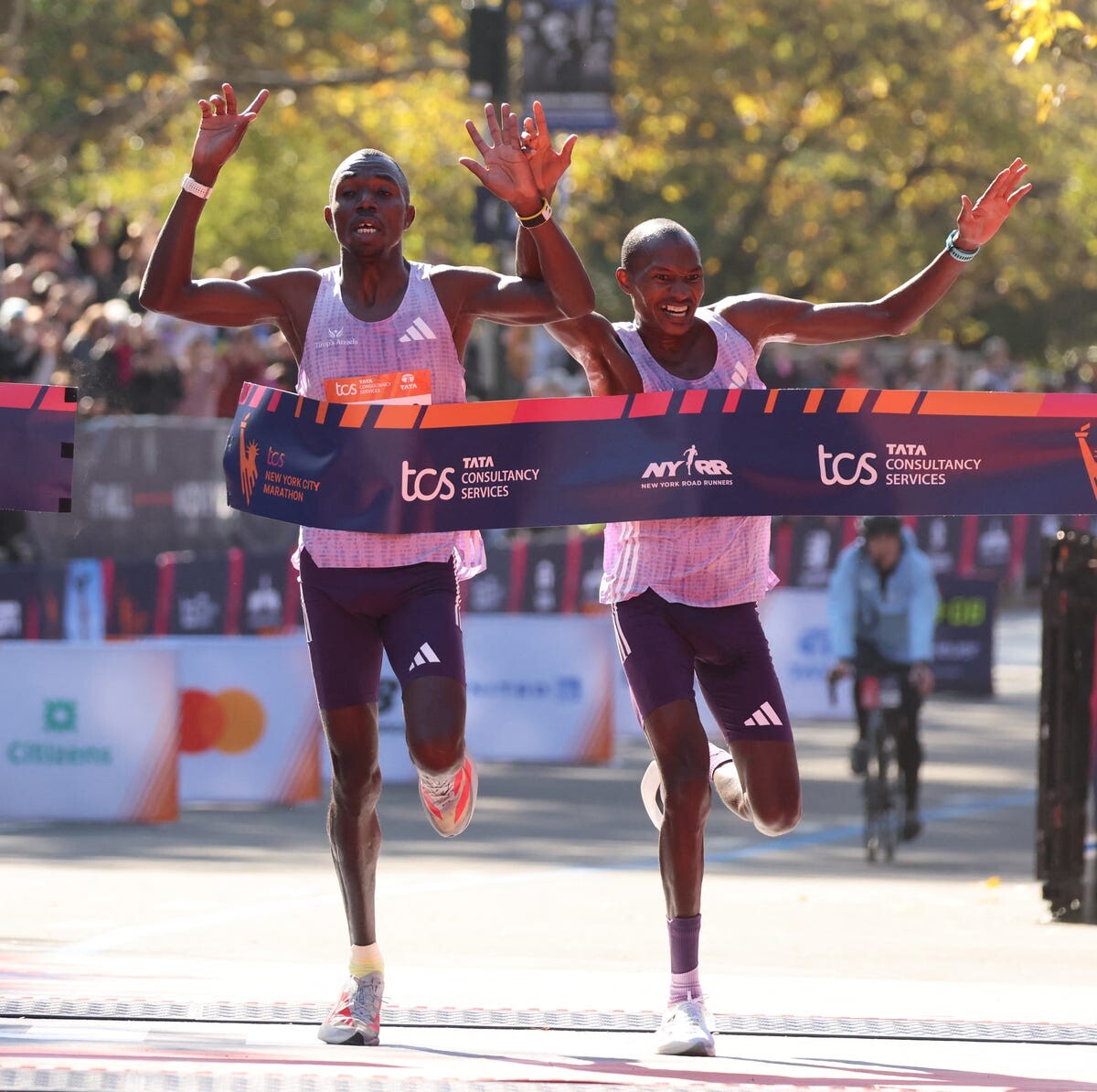
The international challenge is formidable. Defending champion Benson Kipruto (2:02:16) leads the field, followed by Ethiopia’s Deresa Geleta (2:02:38) and Kenya’s CyBrian Kotut (2:03:22). The lineup also includes the Netherlands’ Abdi Nageeye (2:04:20), Kenya’s Geoffrey Kamworor (2:04:23), Italy’s Iliass Aouani (2:04:26) and Ethiopia’s Huseydin Mohamed Esa (2:04:39).
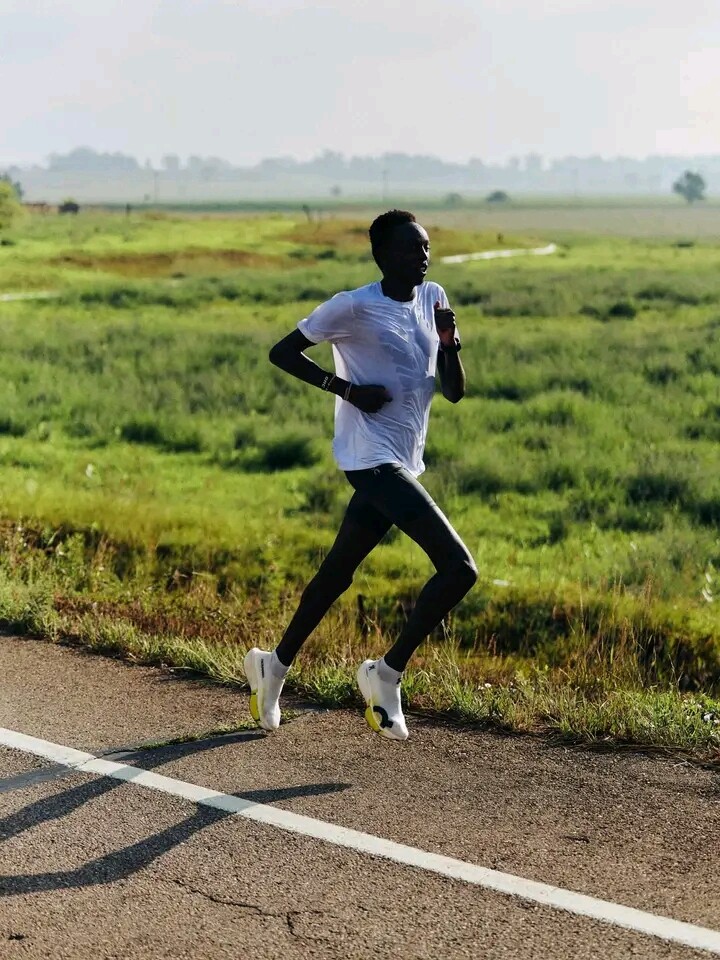
Just behind that group is Japan’s Kengo Suzuki (2:04:56), Italy’s Yemaneberhan Crippa (2:05:18), Kenya’s Edward Cheserek (2:05:24) and Japan’s Ryota Kondo (2:05:39). Ireland’s Peter Lynch (2:06:08), Great Britain’s Patrick Dever (2:06:18), Australia’s Haftu Strintzos (2:06:20) and Britain’s Jack Rowe (2:07:47) further strengthen a field that possesses extraordinary depth.
The American contingent is just as fascinating. Alongside Mantz and Talbi are Ryan Ford (2:05:46), Joe Klecker (2:05:56), Casey Clinger (2:08:43), Sam Chelanga (2:08:50), JP Flavin (2:09:17), Jared Ward (2:09:25), Turner Wiley (2:09:27), Andrew Colley (2:09:33), Robert Miranda (2:09:40) and Joel Reichow (2:09:56).
The depth continues with Aidan Troutner (2:10:23), JP Trojan (2:10:39), Paul Chelimo (2:10:55), Stephen Jones (2:11:17), Mo Bati (2:12:29), Aidan Reed (2:13:58), Owen Ritz (2:14:19), Merga Gemeda (2:15:12), Alec Baldwin (2:15:38) and Ryan Cutter (2:17:24). Australia’s James Nipperess (2:15:03) and Lesotho’s Kamohelo Mofolo (2:08:50) are also on the start list.
Three athletes will make their marathon debuts in New York: Sweden’s Andreas Almgren, Kenya’s Patrick Kiprop and American Ahmed Muhumed. Almgren, in particular, brings tremendous track credentials into his first attempt at 26.2 miles after winning the European 10,000m title in Birmingham in a championship-record 27:23.44.
The numbers tell the story of just how deep this field is. Ten men have personal bests faster than the existing New York City Marathon course record of 2:04:58, set by Tamirat Tola in 2023. Remarkably, Tola himself is not entered, nor is Alexander Mutiso, who finished runner-up to Kipruto in last year’s dramatic race.
For Mantz and Talbi, however, the stakes extend beyond the American record books. No American man has won the New York City Marathon since Meb Keflezighi in 2009, meaning the American contingent will arrive carrying a 17-year wait for another homegrown champion. Mantz and Talbi will have to overcome a formidable international field if either is to end that drought.
New York’s course will add another layer of difficulty. The bridges, sharp turns, rolling sections and notoriously demanding final miles toward Central Park have humbled some of the world’s fastest marathoners. Raw personal-best times will matter, but so will patience, positioning, tactical intelligence and the ability to produce a decisive move when the race reaches its most unforgiving stages.
With the official American record-holder, the fastest American by clock time, a defending champion, multiple 2:04 marathoners and a host of world-class contenders all converging on the Big Apple, the 2026 New York City Marathon has the ingredients of a classic.
On November 1, the streets of New York could become the setting for another extraordinary chapter in marathon history.
by Erick Cheruiyot for My Best Runs.
Login to leave a comment
TCS New York City Marathon
The first New York City Marathon, organized in 1970 by Fred Lebow and Vince Chiappetta, was held entirely in Central Park. Of 127 entrants, only 55 men finished; the sole female entrant dropped out due to illness. Winners were given inexpensive wristwatches and recycled baseball and bowling trophies. The entry fee was $1 and the total event budget...
more...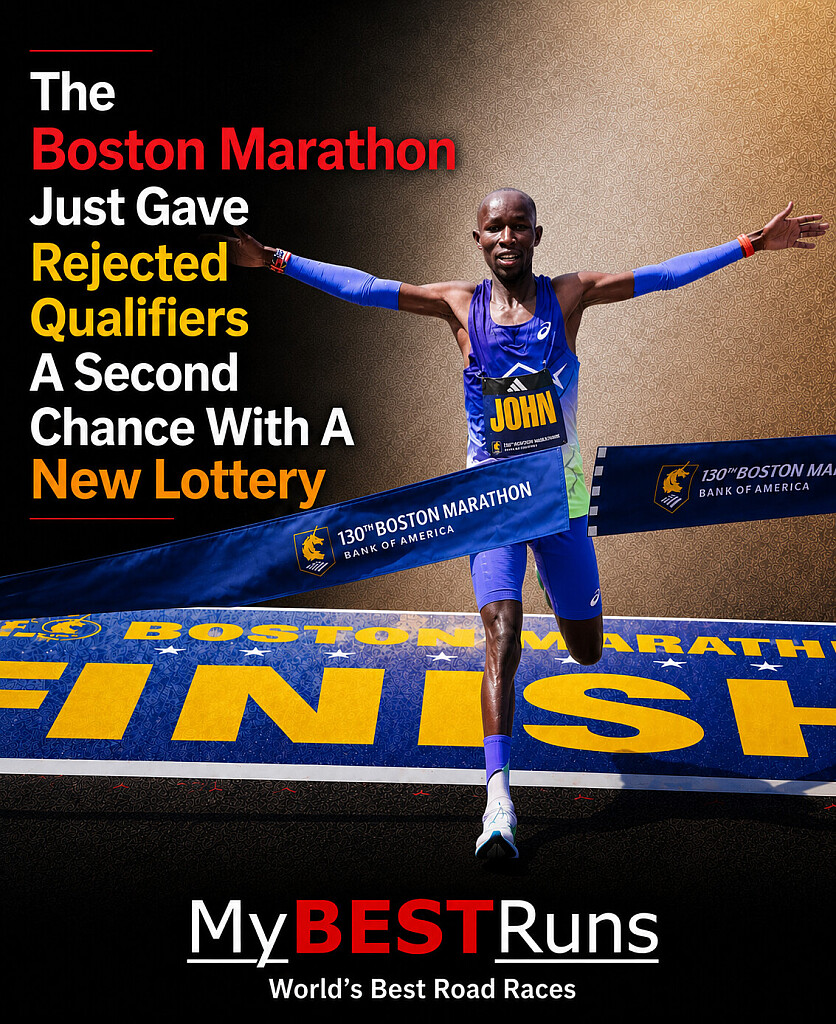
Boston Marathon Opens a New Door: Historic Lottery Gives Rejected Qualifiers a Second Chance in 2027
For generations, earning a place at the Boston Marathon has been one of the toughest achievements in distance running. Unlike most of the world's major marathons, Boston has always stood by one uncompromising principle: meet the qualifying standard—and beat everyone else who qualified—or miss out. That long-standing tradition is now evolving.
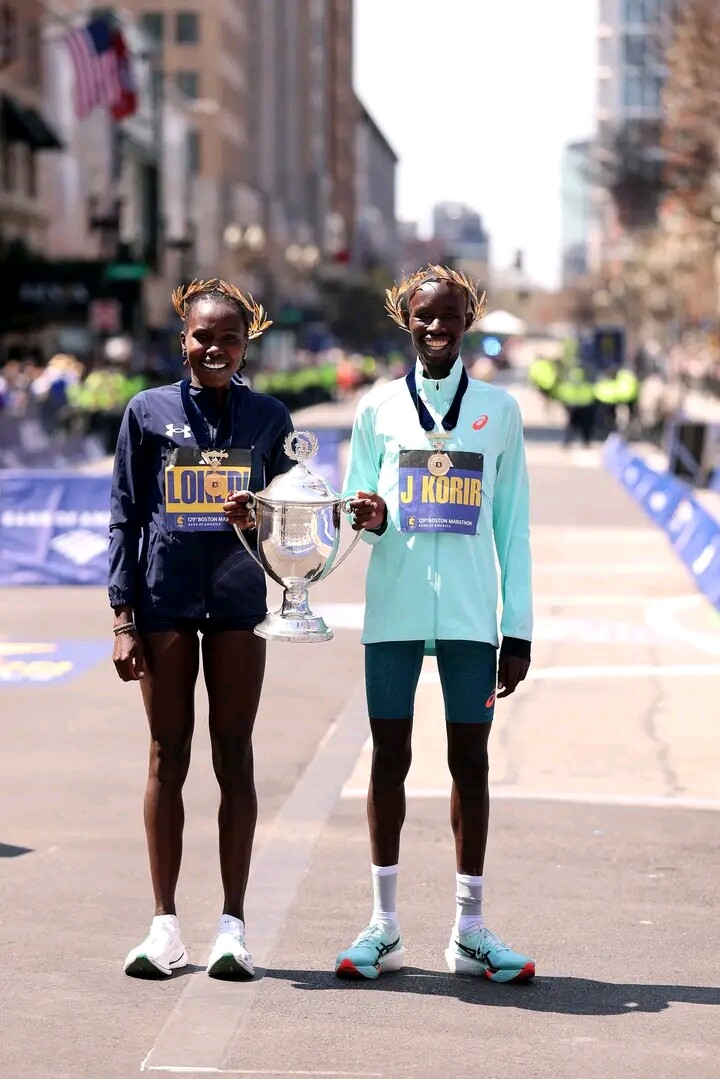
In a landmark announcement, the Boston Athletic Association (B.A.A.) has confirmed that the 2027 Boston Marathon will introduce a new lottery system, giving approximately 1,000 runners who achieve a Boston qualifying time—but narrowly miss the annual entry cut-off—a second opportunity to reach the iconic starting line in Hopkinton.
The move marks one of the most significant changes to Boston's qualification process in decades, while preserving the race's elite qualifying standards.
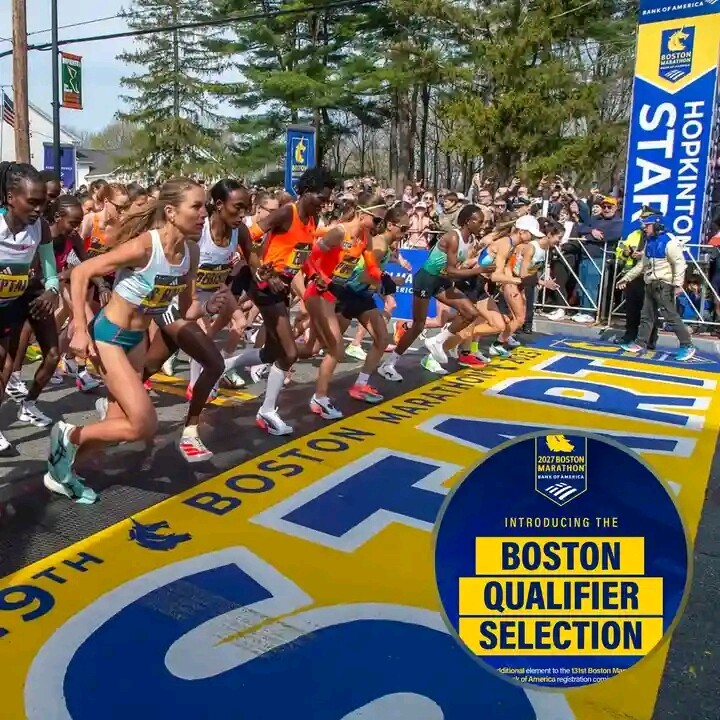
The new system will not replace Boston's traditional selection process. Instead, all applicants will continue to be ranked according to how much they exceeded the official qualifying standard for their respective age group and gender. After race times are verified, the fastest qualifiers will receive guaranteed entry until the field reaches capacity, establishing the annual cut-off time.
What changes in 2027 is what happens next.
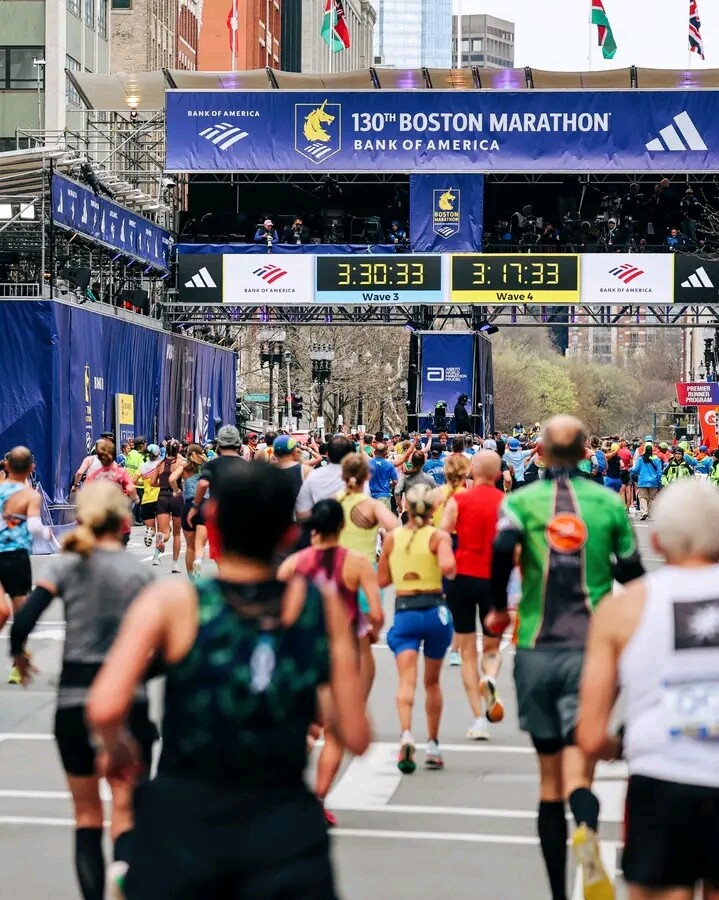
Rather than ending the process there, the B.A.A. will randomly select around 1,000 additional runners from the pool of qualified athletes who fell below the cut-off. Any runner who meets the qualifying standard but is not initially accepted will automatically be entered into the draw, with no separate application required.
The announcement comes after several years of record-breaking demand.
More than 11,000 qualified runners were denied entry for both the 2024 and 2025 editions despite posting official qualifying performances. In 2024, 11,039 qualifiers missed out, while that number climbed to a record 12,324 for the 2025 race. Even for the 2026 Boston Marathon, approximately 8,900 qualified applicants were left disappointed after 33,249 runners applied for just 24,362 available places.
Under the new format, the additional 1,000 lottery entries would have provided an opportunity to roughly one in every nine to twelve rejected qualifiers based on recent registration figures.
B.A.A. President and Chief Executive Officer Jack Fleming said the initiative reflects the increasingly competitive nature of marathon running.
"With the increasingly fast times in our sport, our random Boston Qualifier Selection gives all those who have met the standard for their age group a chance to run Boston," Fleming said.
The decision also brings Boston closer to the registration models used by its fellow Abbott World Marathon Majors. While Boston has traditionally relied almost exclusively on qualifying performances, races such as London, New York City, and Chicago have long allocated significant portions of their fields through public lotteries.
Alongside the lottery announcement, the B.A.A. also confirmed another notable update for the 2027 qualifying process. For the first time, qualifying performances achieved on courses with more than 1,500 feet (457 metres) of net elevation loss will be adjusted through a downhill indexing system, ensuring a more consistent comparison of performances across different marathon courses.
Registration for qualified runners will take place from September 14–18, 2026, with all applicants expected to receive their acceptance status in early October.
While Boston's qualifying standards remain among the most demanding in the sport, the introduction of a lottery offers hope to thousands of runners whose dreams have previously been decided by mere seconds. For the first time in the race's storied history, qualifying alone may no longer guarantee disappointment for those who narrowly miss the cut—because chance will now have a place alongside speed on the road to Boston.
by Erick Cheruiyot for My Best Runs.
Login to leave a comment
Boston Marathon
Among the nation’s oldest athletic clubs, the B.A.A. was established in 1887, and, in 1896, more than half of the U.S. Olympic Team at the first modern games was composed of B.A.A. club members. The Olympic Games provided the inspiration for the first Boston Marathon, which culminated the B.A.A. Games on April 19, 1897. John J. McDermott emerged from a...
more...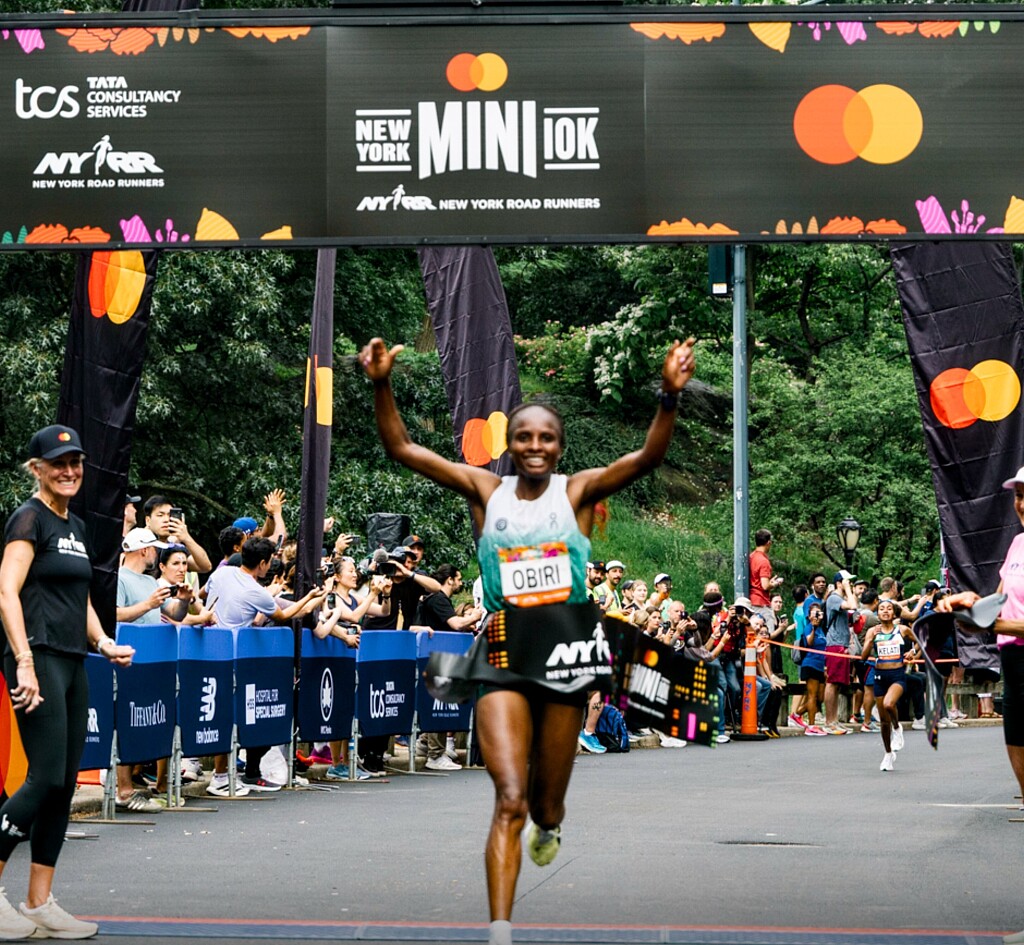
Queens of Distance Running Set for Explosive Showdown at 2026 Mastercard New York Mini 10K
The streets of Central Park are once again preparing for a spectacle of speed, rivalry, and history as the 54th edition of the iconic Mastercard New York Mini 10K returns on Saturday, June 6. Widely celebrated as the world’s original women-only road race, the event has assembled one of the strongest fields ever seen in global road running, headlined by Olympic champions, world record holders, and national icons ready to ignite New York City.
At the center of attention will be Kenya’s marathon queen Hellen Obiri, who returns to defend her crown after establishing herself as one of the most dominant athletes on the New York Road Runners circuit. Obiri already owns an extraordinary NYRR triple crown, having conquered the Mini 10K, the NYC Half, and the New York City Marathon, and now faces another major test against a world-class lineup hungry to dethrone her.
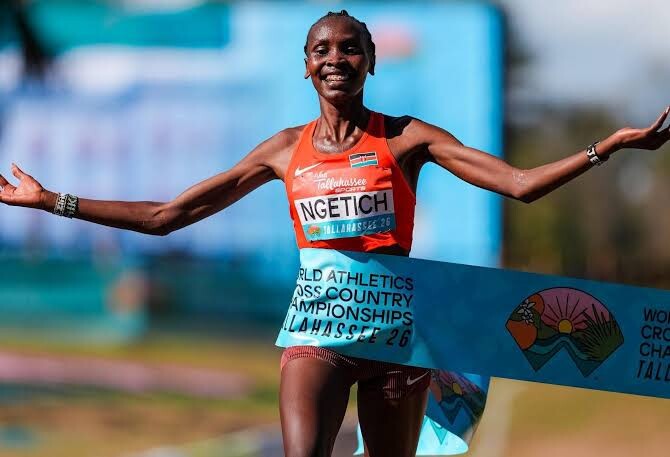
Standing directly in her path is fellow Kenyan sensation Agnes Ngetich, the reigning world 10K record holder whose astonishing 28:46 performance rewrote history and made her the first woman ever to break the 29-minute barrier on the roads. Ngetich arrives in New York carrying immense momentum after capturing victory at the 2026 World Cross Country Championships, and her Mini 10K debut immediately elevates the race into must-watch territory.
The highly anticipated clash becomes even more compelling with the return of Sharon Lokedi. Fresh from cementing her status as a two-time Boston Marathon champion, Lokedi is eager to improve on last year’s runner-up finish in New York. Her recent rivalry with Obiri has already captivated the distance running world, and fans who were left wanting more after their dramatic Boston battle will now witness another thrilling chapter unfold in Central Park.
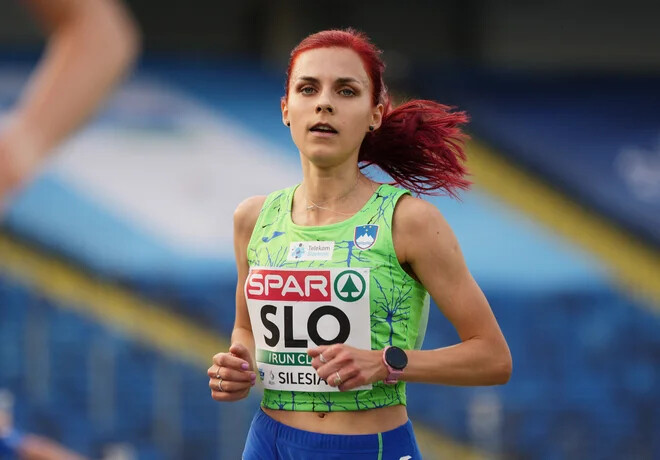
Adding further international firepower is Slovenia’s Klara Lukan, who continues to redefine European distance running standards. Lukan recently became the first European woman in history to run under 30 minutes for 10 kilometers, and her NYRR debut introduces yet another dangerous contender capable of shaking up the podium.
The American challenge is equally formidable. Leading the home contingent is Weini Kelati, the fastest American woman ever over 10 kilometers and the newly crowned American half marathon record holder following her brilliant 1:06:04 run in Barcelona. Kelati’s rise has positioned her among the world’s elite, and racing on home soil could provide the perfect stage for another breakthrough performance.
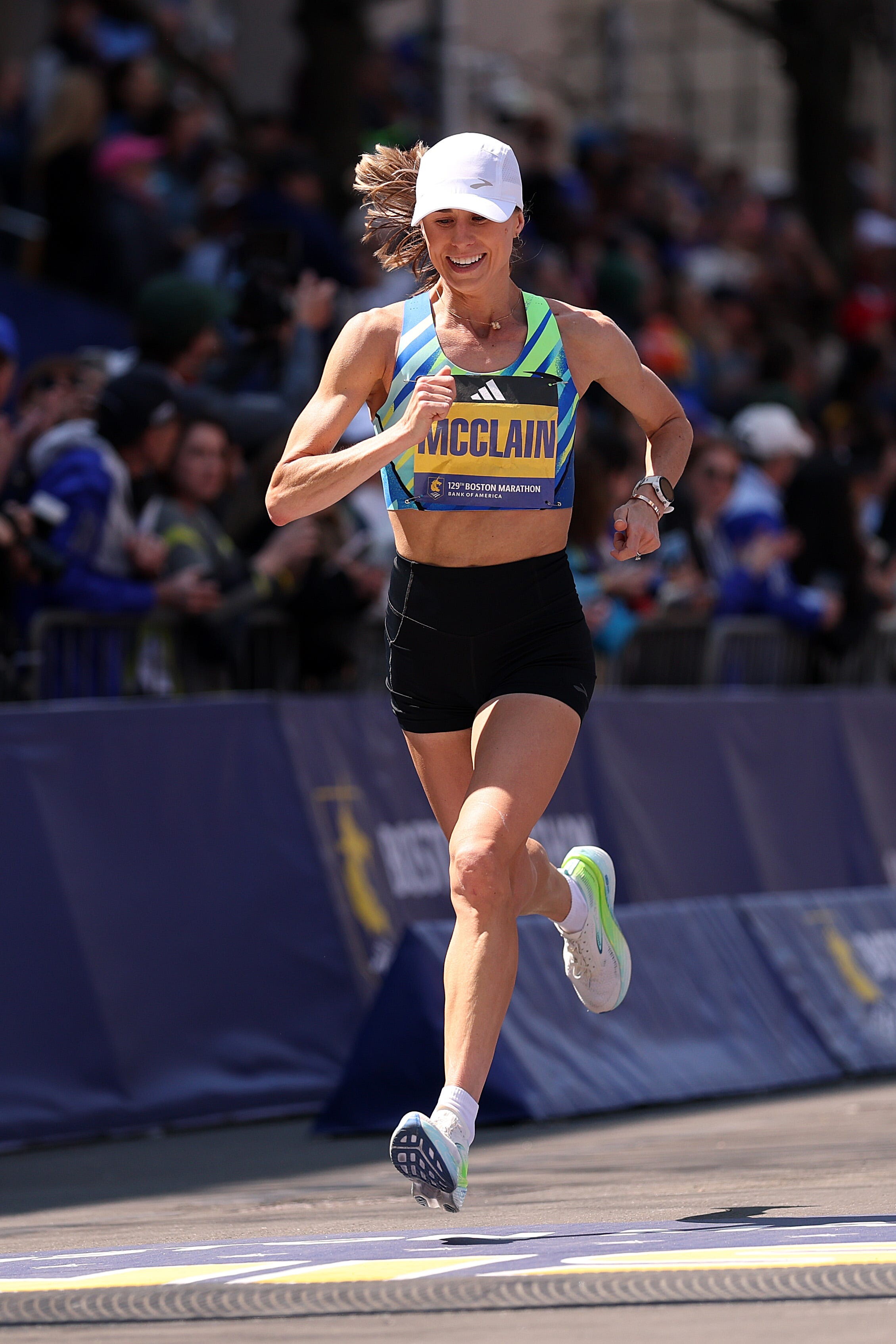
Jess McClain also enters with confidence soaring after finishing as the top American at the 2026 Boston Marathon while simultaneously breaking the women’s course record. Emma Grace Hurley, the American 8K record holder and two-time national champion, further strengthens the domestic lineup alongside notable names such as Annie Frisbie, Dakotah Popehn, Ednah Kurgat, and Amanda Vestri.
With Olympic pedigree, world records, national milestones, and fierce rivalries all converging in one race, the 2026 Mastercard New York Mini 10K promises far more than a traditional road event. It is shaping up to be a celebration of women’s distance running at its absolute highest level — a race where legends defend their legacy and rising stars chase history beneath the iconic skyline of New York City.
by Erick Cheruiyot for My Best Runs.
Login to leave a comment
New York Mini 10K
Join us for the NYRR New York Mini 10K, a race just for women. This race was made for you! It’s the world’s original women-only road race, founded in 1972 and named for the miniskirt, and it empowers women of all ages and fitness levels to be active and to look and feel great on the run. Every woman who...
more...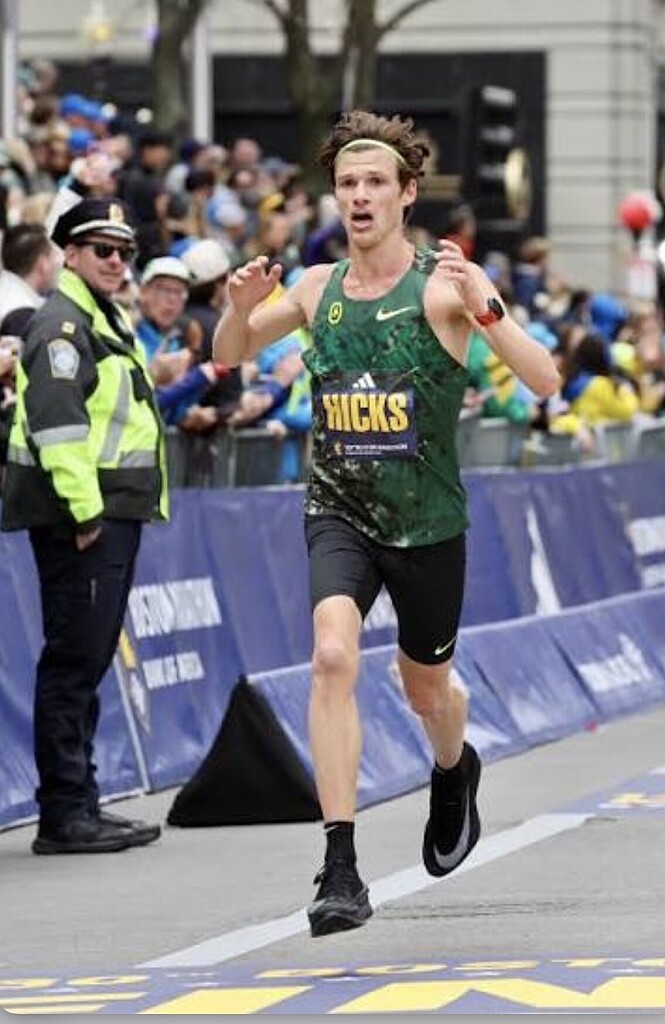
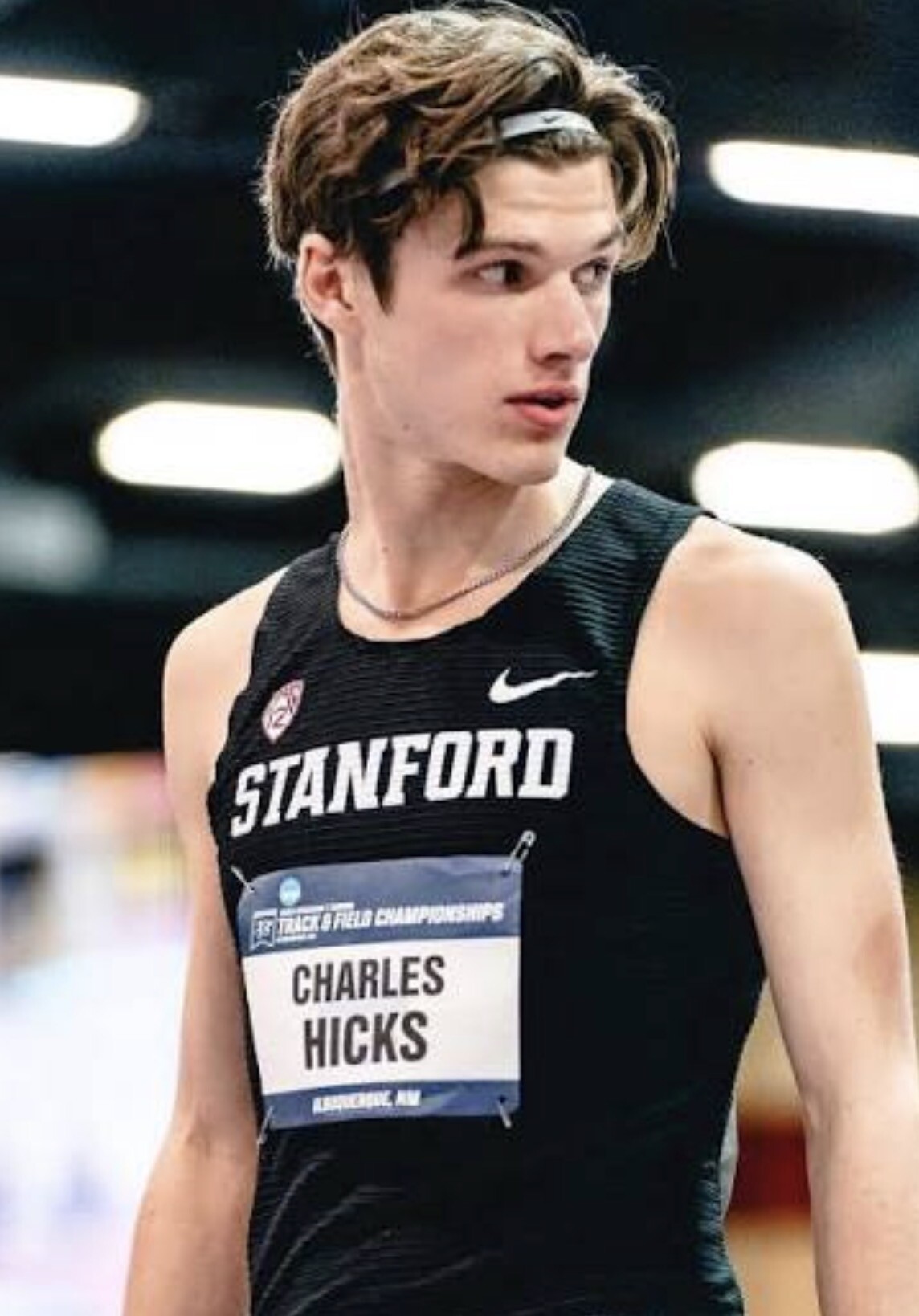
Charles Hicks Delivers One of the Fastest American Marathons Ever at Boston
In just the second marathon of his young career, Charles Hicks has already placed himself among the fastest American marathoners in history.
The 24-year-old ran 2:04:35 to finish seventh at the 2026 Boston Marathon, recording the second-fastest marathon ever by an American man. On a course that does not qualify for record purposes, Hicks’ performance still stands as a major statement—one that confirms his rapid rise in the sport.
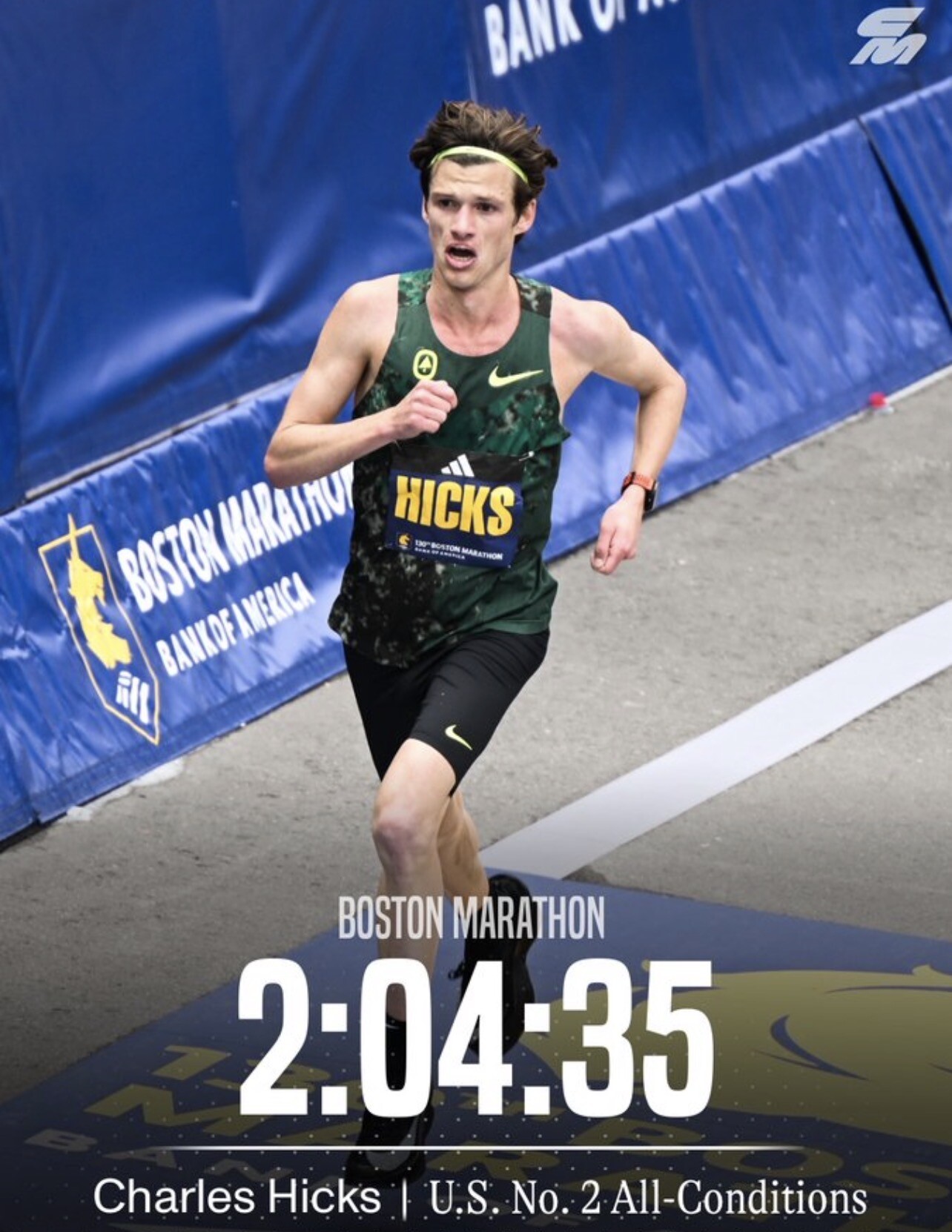
Boston is not a place where fast times come easily. The point-to-point course, unpredictable weather, and late-race challenges make it one of the most difficult marathons in the world to master. Yet Hicks handled it with the composure of a far more experienced runner, staying competitive with a deep international field and closing strong over the final miles.
What makes the performance even more impressive is how quickly it has come.
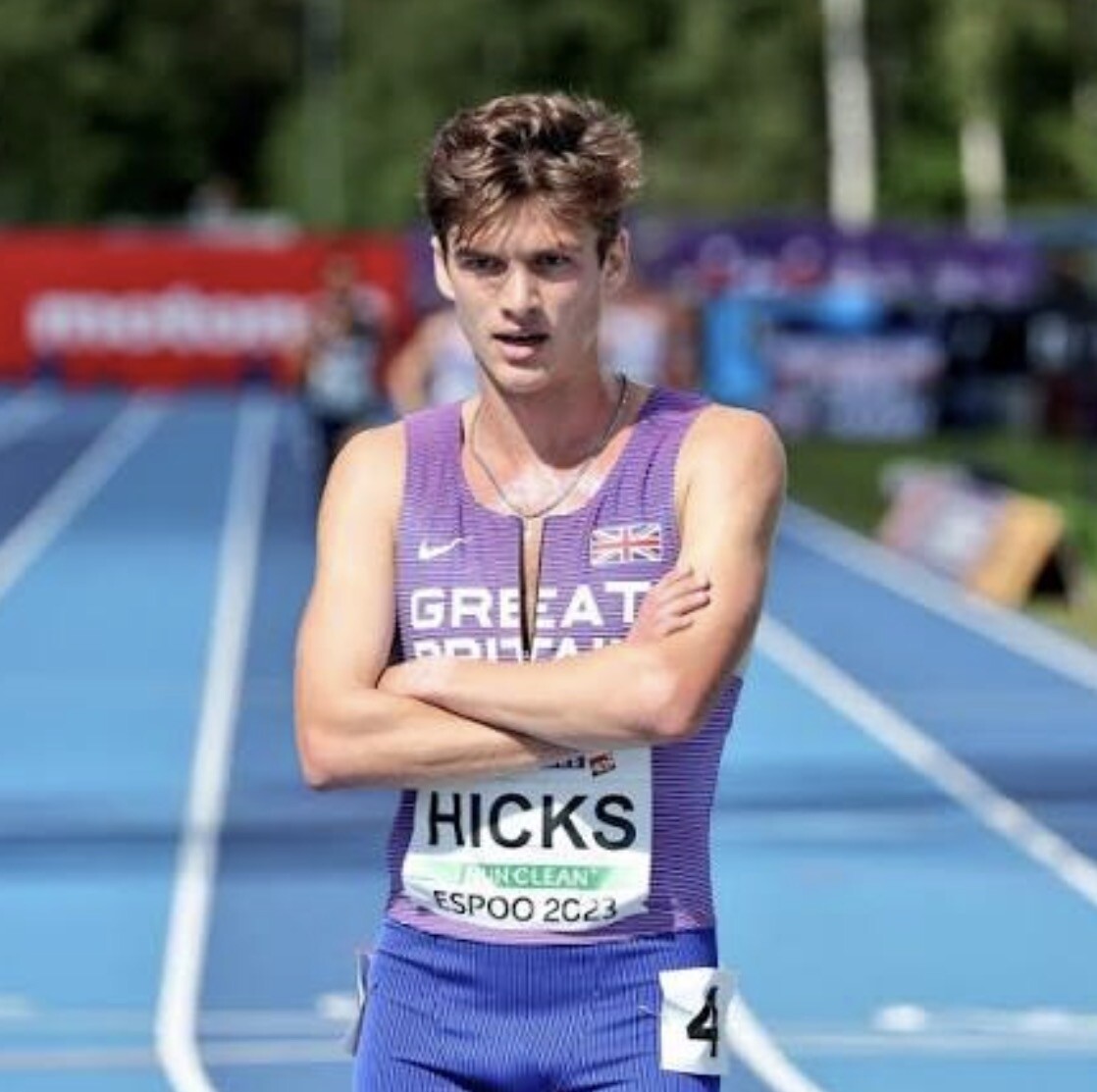
Hicks made his marathon debut in New York, where he finished sixth, immediately showing that he could compete at the highest level. In Boston, he nearly matched that placing while significantly improving his time, taking a major step forward in just his second attempt at the distance.
At 24, Hicks represents the next wave of American distance running—young, fearless, and capable of producing world-class performances early in his career. His 2:04:35 places him in elite company and signals that he may have even more to come as he gains experience.
His progression also highlights the depth currently building in American marathoning. With athletes like Zouhair Talbi, Conner Mantz, and Clayton Young pushing the front, Hicks now firmly joins that group as a runner to watch on the global stage.
Boston has long been a proving ground, and Hicks passed the test in emphatic fashion.
This was not just a strong performance.
It was the kind of run that suggests a major career is just beginning.
by Boris Baron
Login to leave a comment
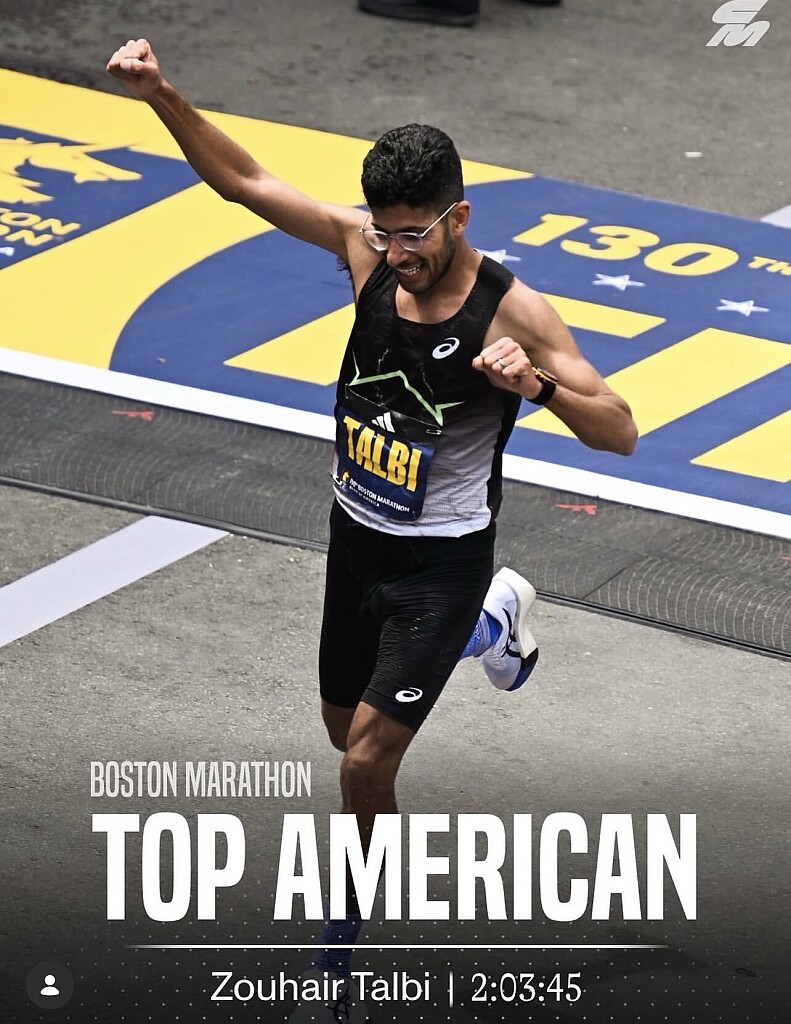
Zouhair Talbi: The New American Force Who Just Rewrote Boston’s History
At the 2026 Boston Marathon, a new name moved firmly into the spotlight of American distance running.
Zouhair Talbi, racing under the U.S. flag for the first time as a newly minted citizen, delivered one of the most remarkable performances ever by an American on the historic Boston course. Finishing fifth overall in 2:03:45, Talbi did more than place among the world’s best—he ran faster than any American ever has in Boston Marathon history.
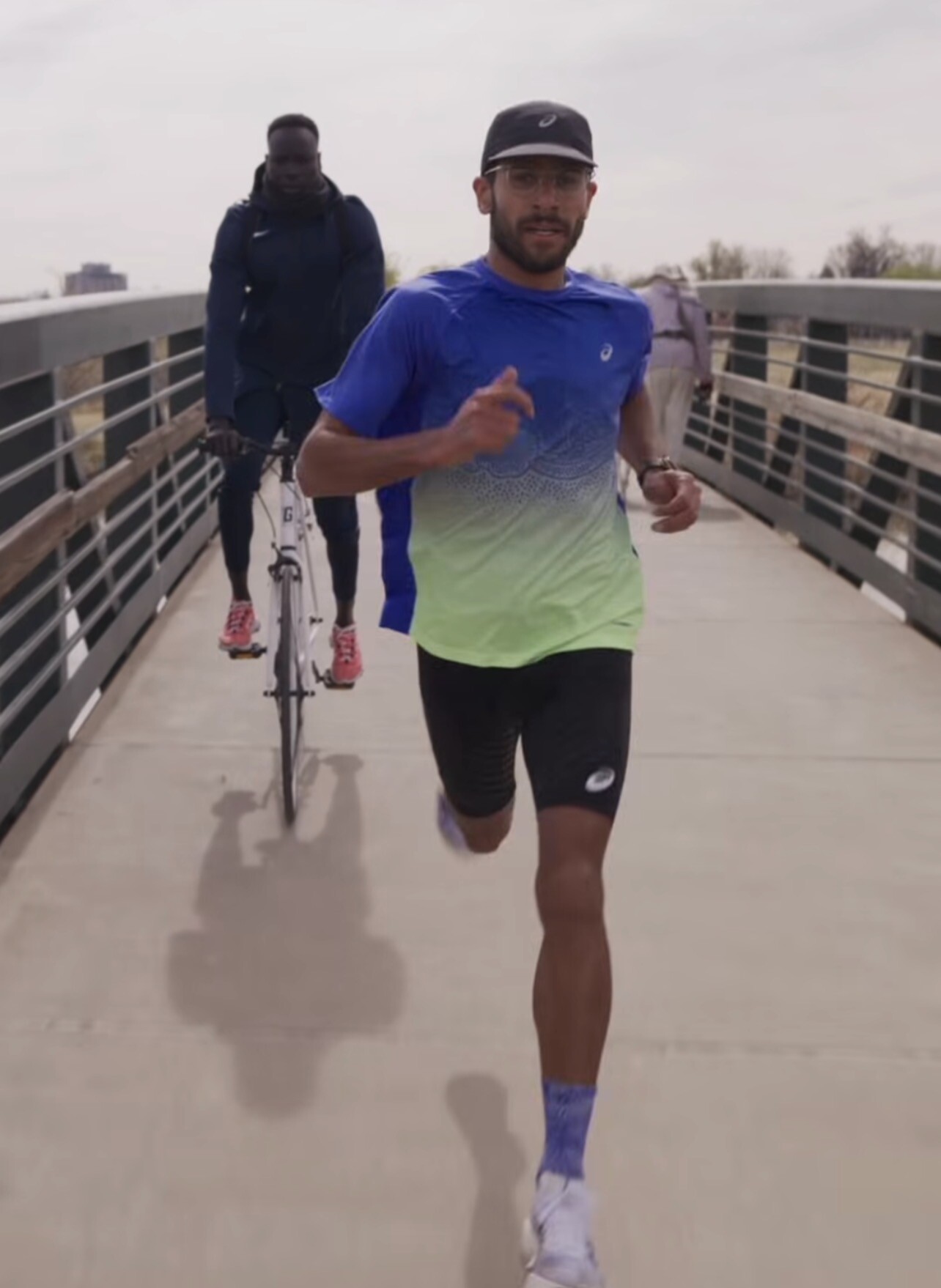
While Boston’s point-to-point course prevents official record status, the performance stands as a powerful statement. Talbi’s time eclipsed the long-standing benchmark set by Ryan Hall, whose 2:04:58 in 2011 had defined the upper limit of American success on this course for over a decade.
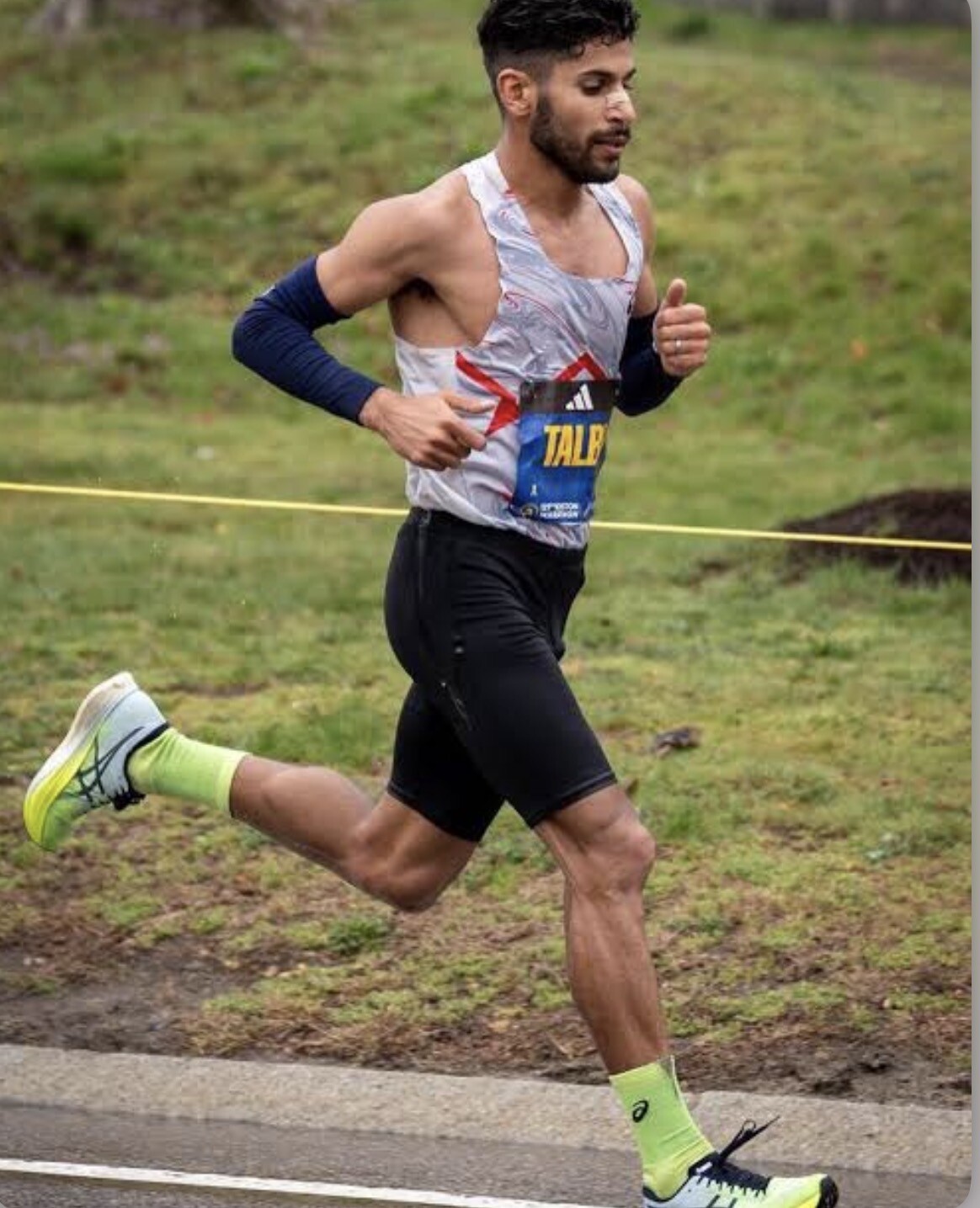
Talbi’s rise has been steady, but in 2026 it has become undeniable
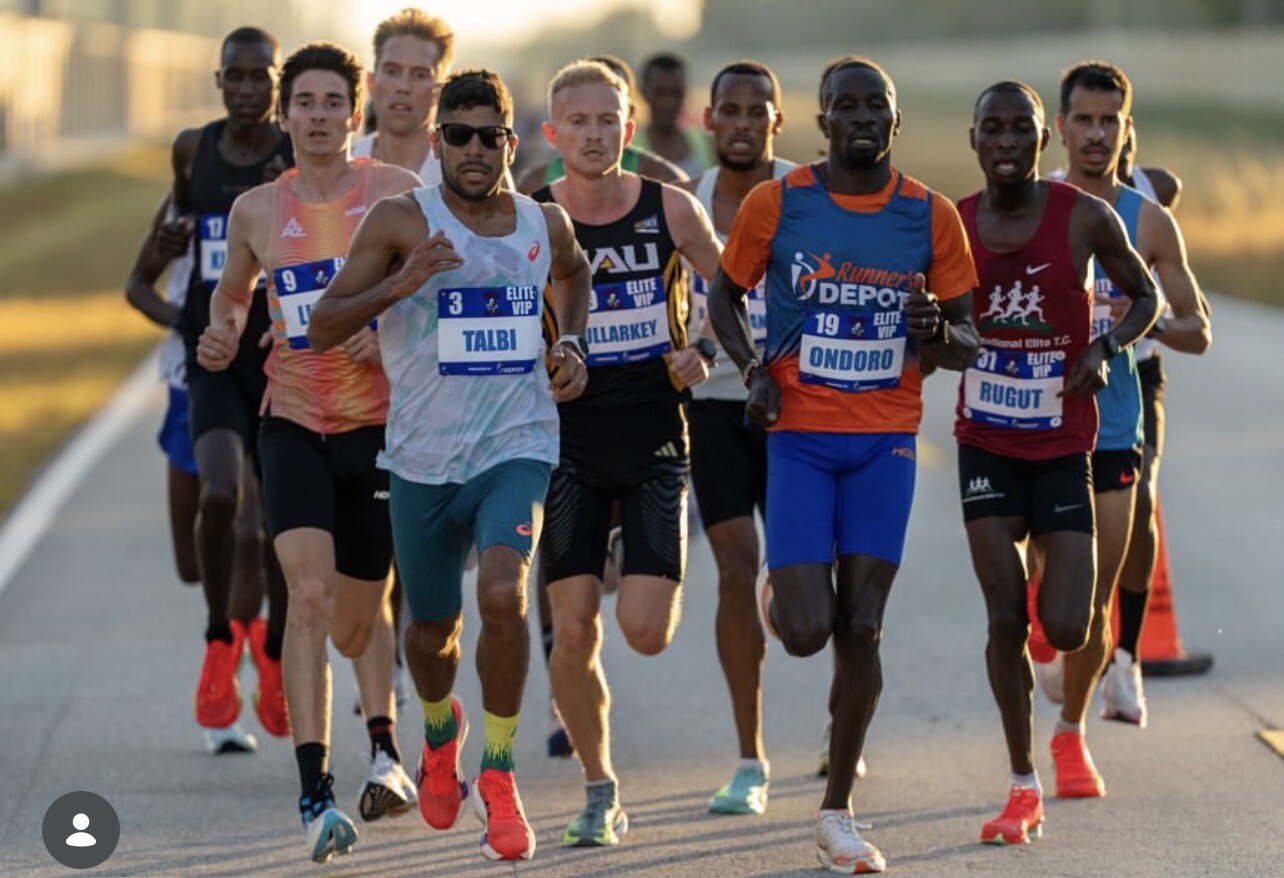
Earlier this year, he captured the Houston Marathon title in 2:05:45, instantly placing himself among the fastest American marathoners of all time. That performance signaled his arrival. Boston confirmed it.
What makes Talbi’s story especially compelling is his journey. Born in Morocco, he came to the United States to attend Oklahoma City University, where he developed both academically and athletically. Over time, the U.S. became home. In 2025, he officially became an American citizen.
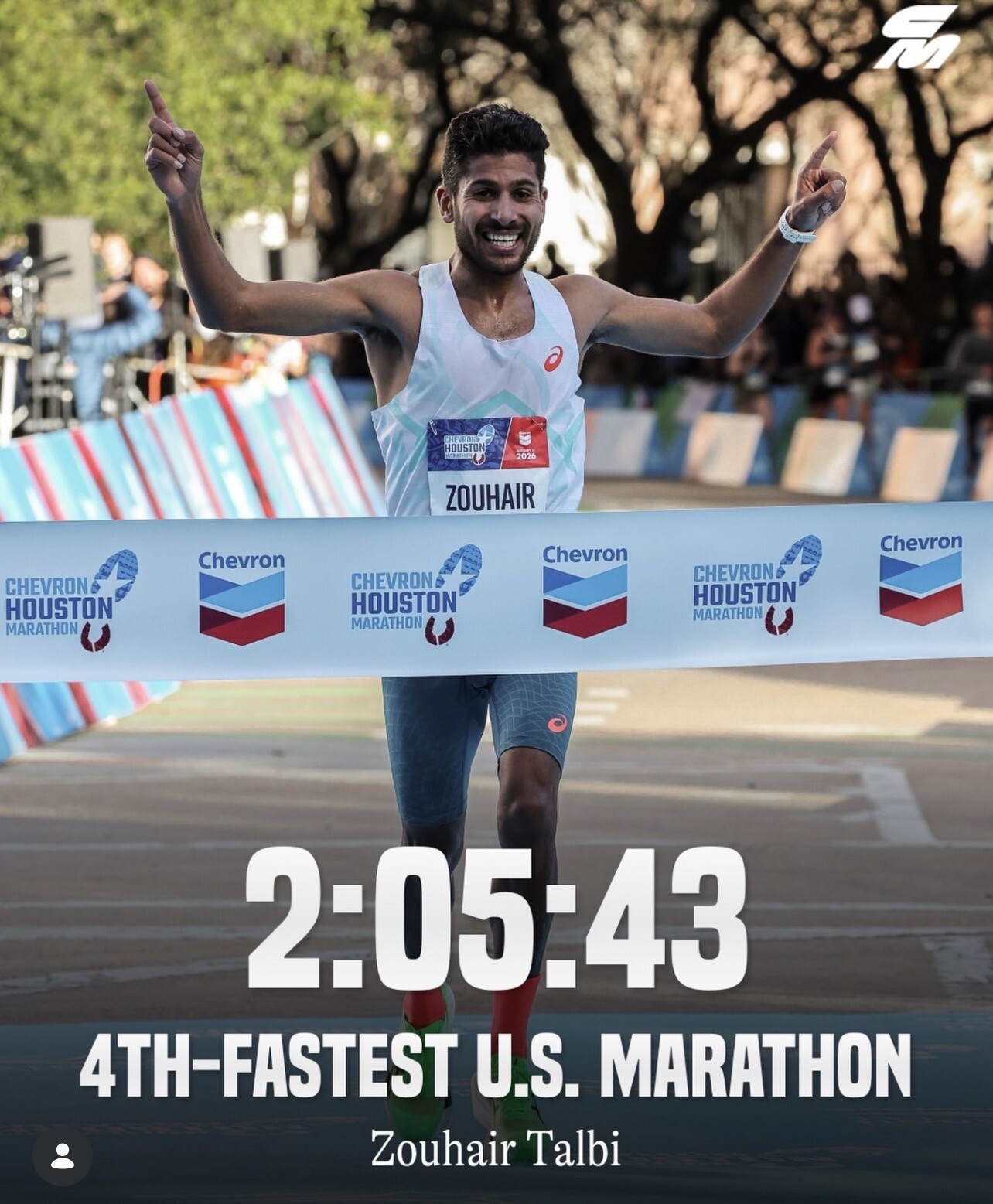
Now, less than a year later, he has already etched his name into American marathon history.
Talbi also serves in the United States Army Reserve, balancing elite-level training with military service—another layer that speaks to both discipline and commitment. His progression reflects a blend of international roots and American opportunity, a combination that is increasingly shaping the modern landscape of U.S. distance running.
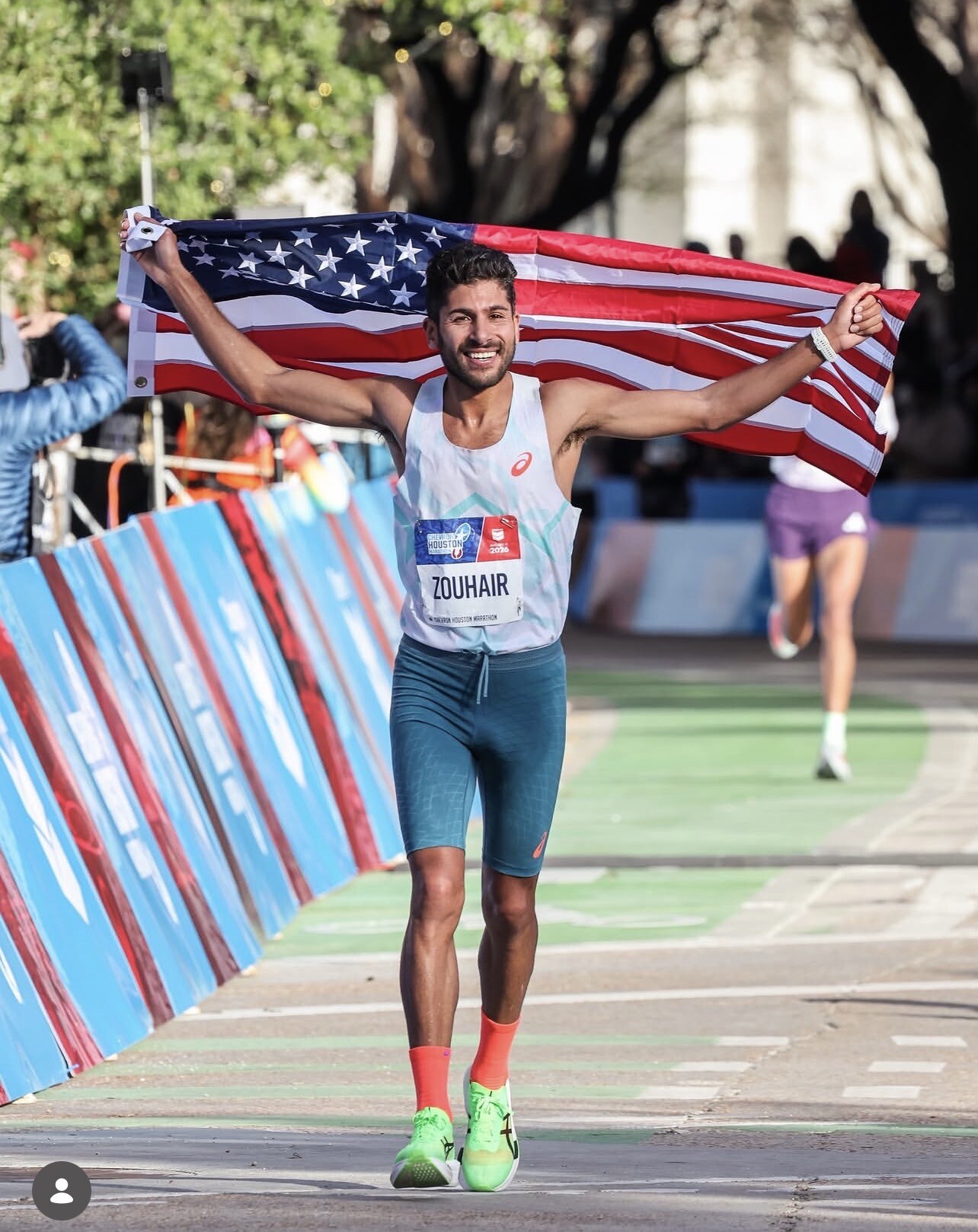
His Boston performance did not come in isolation. It came in one of the deepest and fastest eras the sport has seen, where American men are once again pushing toward global relevance. Talbi now stands alongside the likes of Conner Mantz and Clayton Young as part of a group redefining what is possible.
But Boston felt different.
There was no hesitation, no sign that he was simply aiming to compete. Talbi ran with authority, positioning himself among the leaders and holding strong through the late miles on a course that punishes even the most experienced runners.
Fifth place at Boston is always meaningful. Fifth place in 2:03:45 changes the conversation entirely.
For American distance running, it signals something bigger than one result. It suggests that the ceiling is rising again.
Zouhair Talbi is no longer a developing talent.
He is now a central figure in the future of the American marathon.
by Boris Baron
Login to leave a comment
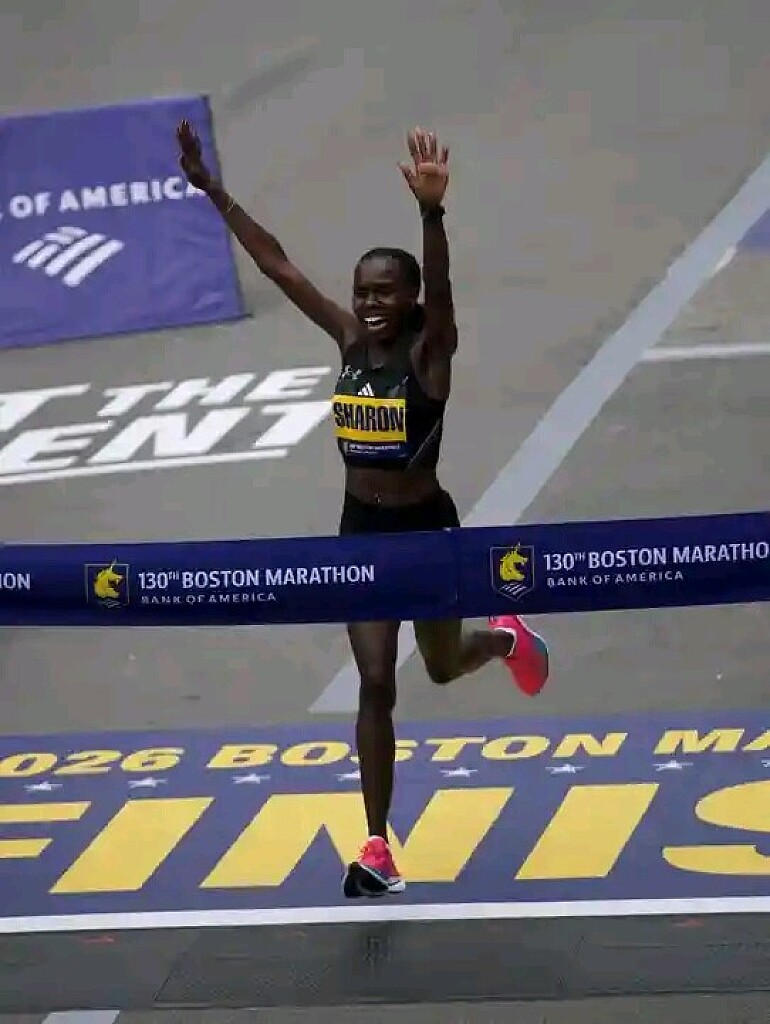
Lokedi Reigns Again as Kenya Completes Historic Boston Domination
Kenya delivered a masterclass in marathon excellence at the 2026 Boston Marathon as Sharon Lokedi successfully defended her title, leading an extraordinary clean sweep in the women’s race and reaffirming the nation’s unmatched pedigree in distance running.
With calm authority and flawless execution, Lokedi surged to victory in 2:18:51, retaining her crown in one of the world’s most prestigious road races. Under the pressure of expectation, the Kenyan star rose magnificently, proving once again that champions are defined not only by winning once, but by returning to win again.
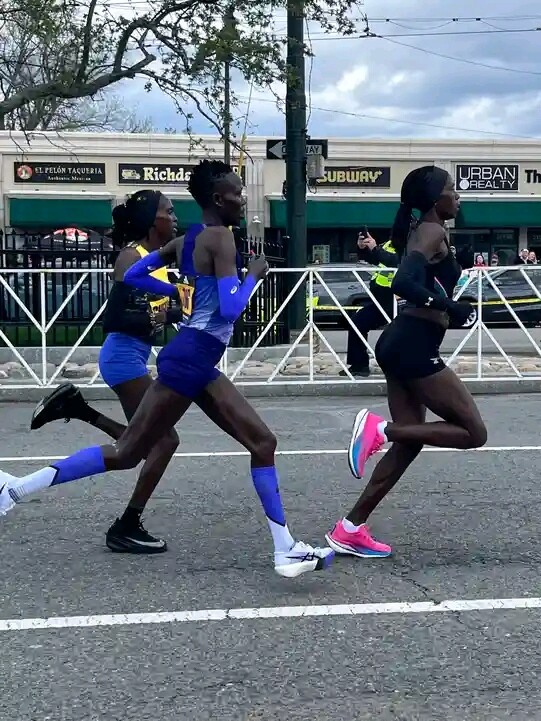
The defending champion successfully retained her title in 2:18:51, the second-fastest winning time ever recorded in Boston. Running with poise and authority, Lokedi controlled the decisive stages before unleashing a powerful late surge that left her rivals behind. It was a victory carved out through strength, tactical intelligence, and elite composure—another magnificent chapter in her growing legacy.
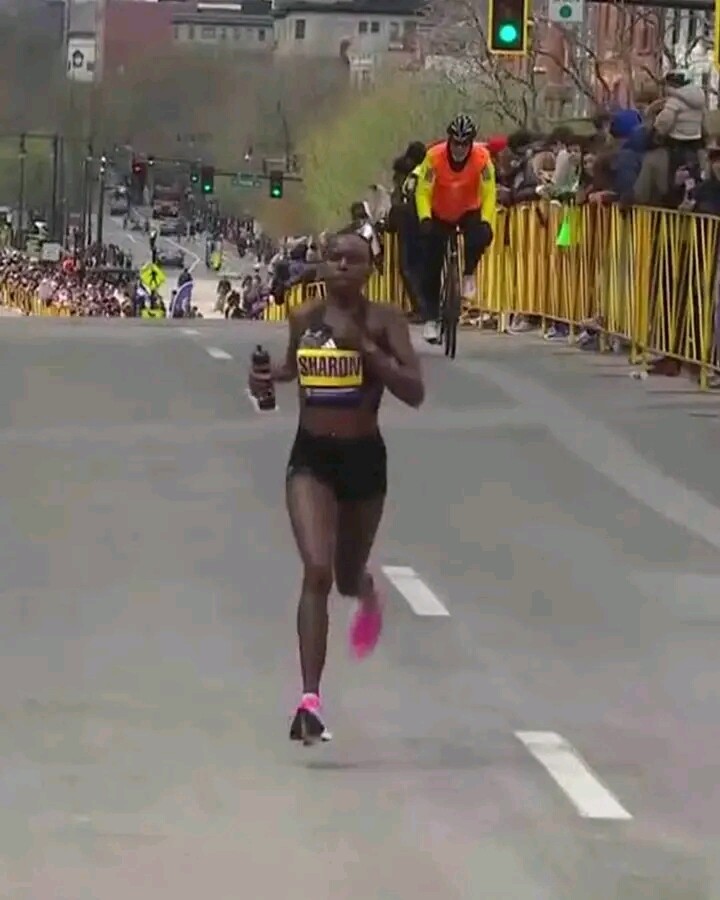
Her triumph was only the beginning of a remarkable Kenyan celebration. Loice Chemnung produced the performance of her career to secure second place in 2:19:35, running with courage and composure from start to finish. Close behind, the experienced Mary Ngugi-Cooper claimed third in 2:20:07, adding yet another major achievement to her distinguished journey in the sport.
Mercy Chelagat completed the stunning display by finishing fourth, ensuring that Kenya dominated the front of the field in emphatic fashion. It was more than just a victory—it was a statement of depth, class, and sustained excellence from a nation that continues to shape the history of long-distance running.
From the early pace battles to the decisive closing miles, the streets of Boston belonged to Kenya. Every stride reflected discipline, resilience, and the relentless spirit that has made Kenyan athletes icons across the globe.
Women’s Professional – Top 10
1. Sharon Lokedi (KEN) – 2:18:51
2. Loice Chemnung (KEN) – 2:19:35
3. Mary Ngugi-Cooper (KEN) – 2:20:07
4. Mercy Chelangat (KEN) – 2:20:30
5. Jess McClain (USA) – 2:20:49
6. Irine Cheptai (KEN) – 2:20:54
7. Workenesh Edesa (ETH) – 2:21:52
8. Annie Frisbie (USA) – 2:22:00
9. Emily Sisson (USA) – 2:22:39
10. Carrie Ellwood (USA) – 2:22:53
At the heart of it all stood Sharon Lokedi—composed, powerful, and untouchable when it mattered most. Her successful title defence now becomes another golden chapter in Boston Marathon history, while Kenya’s clean sweep will be remembered as one of the finest collective performances the race has ever witnessed.
by Erick Cheruiyot for My Best Runs.
Login to leave a comment
Boston Marathon
Among the nation’s oldest athletic clubs, the B.A.A. was established in 1887, and, in 1896, more than half of the U.S. Olympic Team at the first modern games was composed of B.A.A. club members. The Olympic Games provided the inspiration for the first Boston Marathon, which culminated the B.A.A. Games on April 19, 1897. John J. McDermott emerged from a...
more...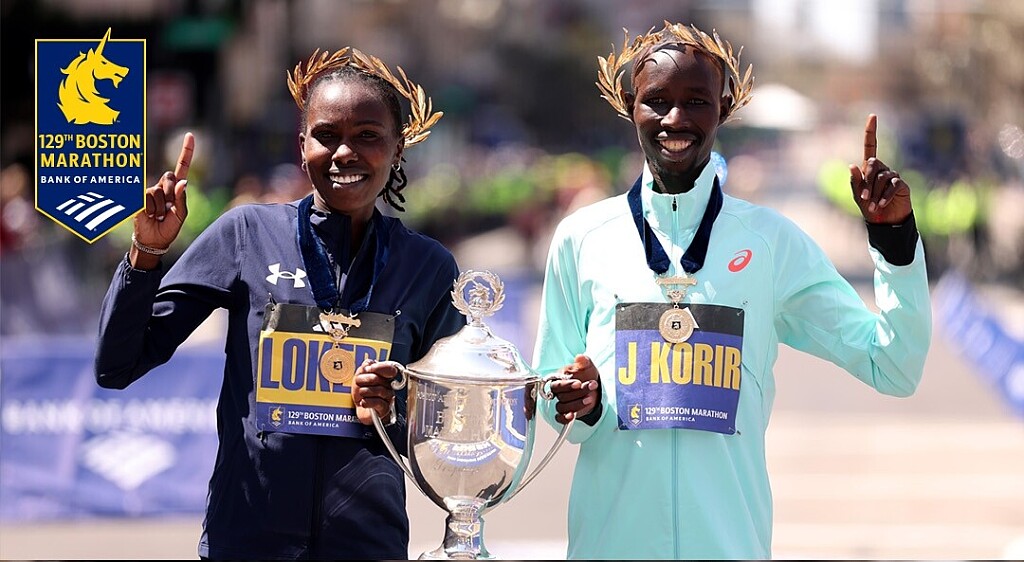
Champions Return: Korir and Lokedi Set the Tone Ahead of Boston Marathon Showdown
Anticipation is steadily building in Boston as defending champions John Korir and Sharon Lokedi have already arrived in the historic city ahead of the 2026 Boston Marathon, scheduled for Monday, April 20.
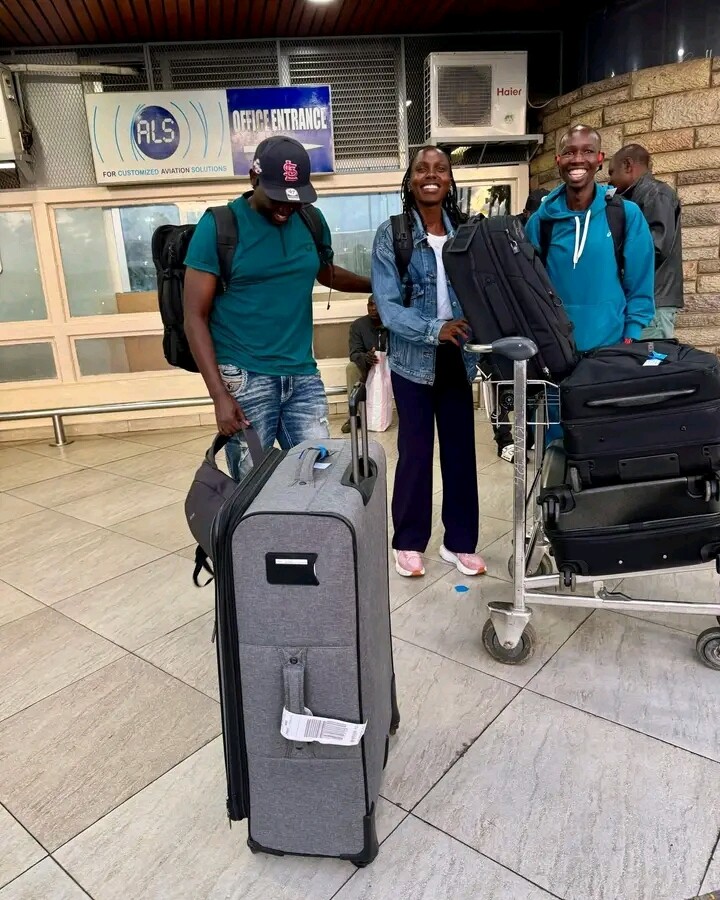
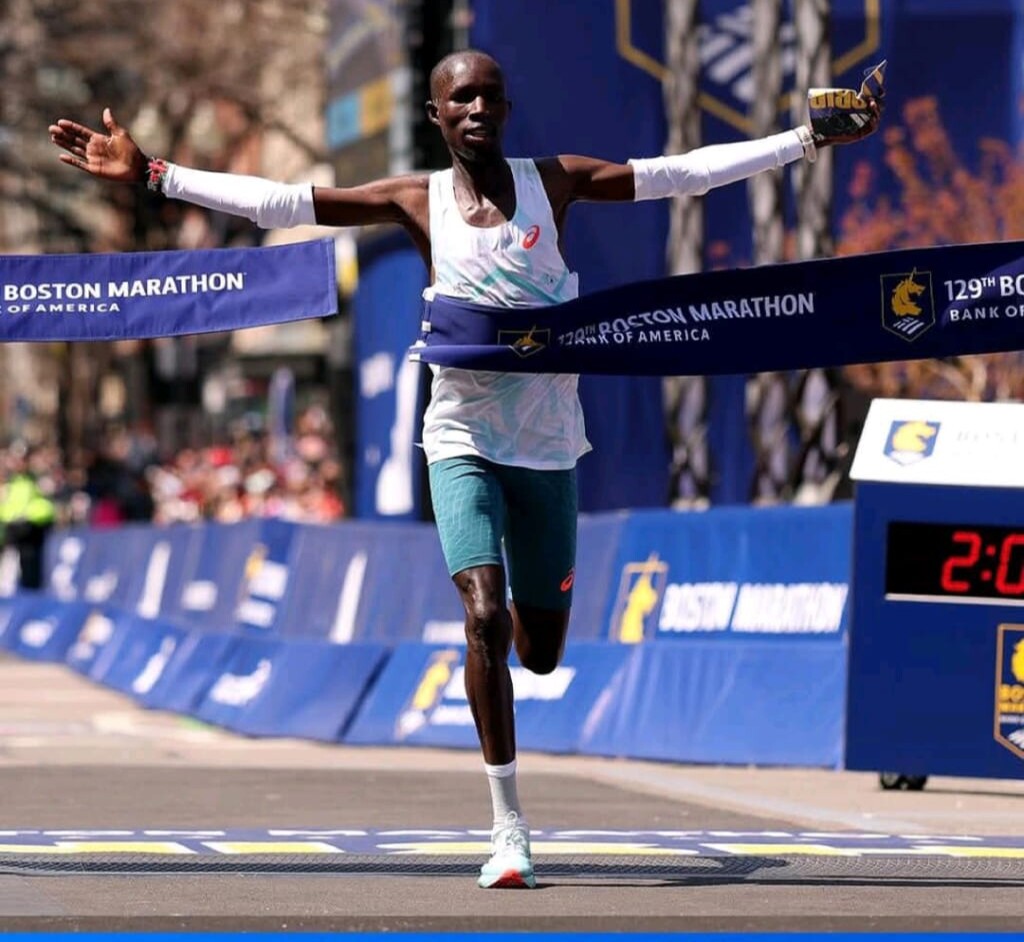
The early arrival of both athletes signals not only intent, but quiet confidence. Boston is no ordinary race—it is a course steeped in tradition, unpredictability, and prestige. For Korir and Lokedi, returning as reigning champions brings a unique blend of expectation and opportunity.
Korir, known for his strength and tactical discipline, will be aiming to defend his crown against a field that is certain to test every ounce of his endurance. The men’s race in Boston often rewards patience and resilience over pure speed, qualities the Kenyan star has consistently demonstrated on the global stage.
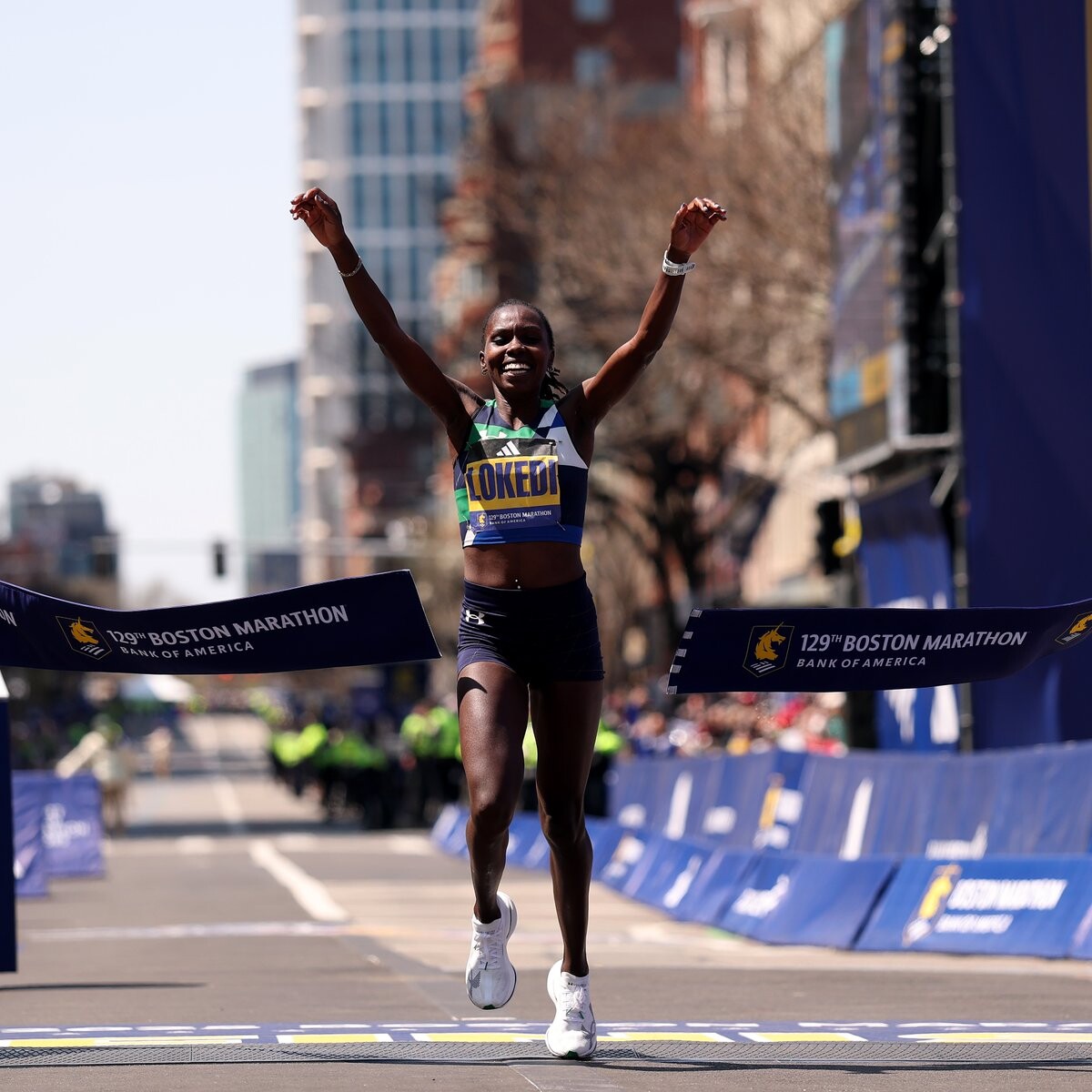
On the women’s side, Lokedi returns to a course where she has already etched her name into history. Her composure, combined with a powerful finishing kick, makes her one of the most formidable contenders once again. With the spotlight firmly on her, she will be looking to reaffirm her dominance against an elite international lineup.
Their presence in Boston days before race day reflects a deliberate approach—fine-tuning preparations, adapting to the course, and embracing the atmosphere of one of the world’s most iconic marathons. From the rolling hills to the legendary Heartbreak Hill, every detail matters.
As race day approaches, the narrative is already taking shape: can the defending champions rise again, or will new challengers seize the moment? One thing is certain—the stage is set for a compelling chapter in Boston Marathon history, and Korir and Lokedi are right at the heart of it.
by Erick Cheruiyot for My Best Runs.
Login to leave a comment
Boston Marathon
Among the nation’s oldest athletic clubs, the B.A.A. was established in 1887, and, in 1896, more than half of the U.S. Olympic Team at the first modern games was composed of B.A.A. club members. The Olympic Games provided the inspiration for the first Boston Marathon, which culminated the B.A.A. Games on April 19, 1897. John J. McDermott emerged from a...
more...
2026 Boston Marathon Qualifying Standards Among the Most Demanding Ever Issued
The Boston Athletic Association (B.A.A.) has confirmed new qualifying standards for the 2026 Boston Marathon, scheduled for April 20, 2026, and they are among the most demanding ever issued in the event’s 130-year history. For runners aged 18 to 59, the time standards have been made five minutes faster than those used for the 2025 race — a reflection of both the extraordinary growth in marathon participation and the deepening field of competitive age-group runners.
These updates reinforce the B.A.A.’s commitment to maintaining the Boston Marathon as the pinnacle of achievement for amateur and professional runners alike. With more applicants qualifying each year than the race can accept, meeting the standard no longer guarantees entry — runners must often exceed the qualifying mark by several minutes to secure a bib.
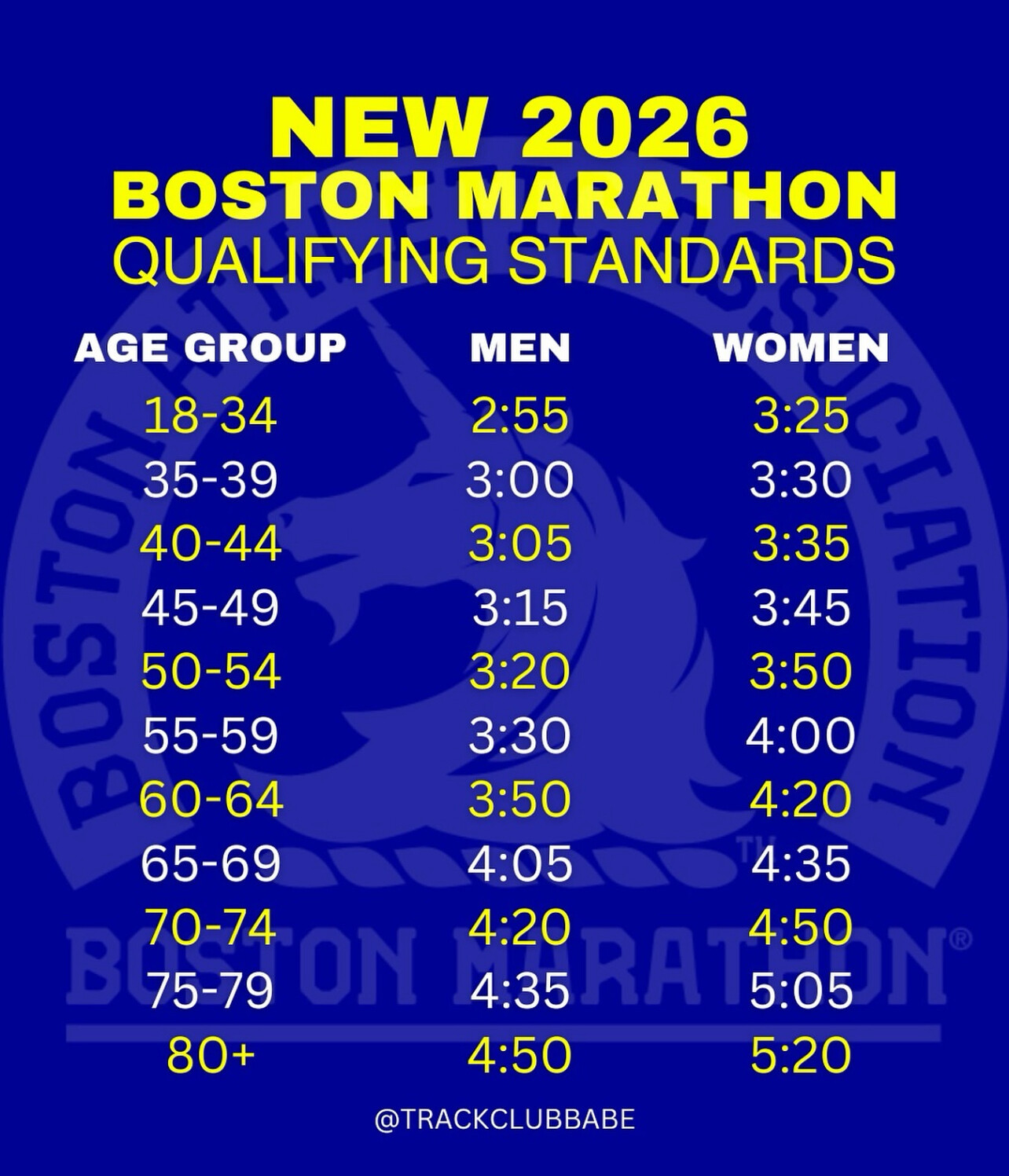
2026 Boston Marathon Qualifying Standards
Age Group – Men – Women
18–34 – 2:55:00 – 3:25:00
35–39 – 3:00:00 – 3:30:00
40–44 – 3:05:00 – 3:35:00
45–49 – 3:15:00 – 3:45:00
50–54 – 3:20:00 – 3:50:00
55–59 – 3:30:00 – 4:00:00
60–64 – 3:50:00 – 4:20:00
65–69 – 4:05:00 – 4:35:00
70–74 – 4:20:00 – 4:50:00
75–79 – 4:35:00 – 5:05:00
80+ – 4:50:00 – 5:20:00
These standards closely match the official 2026 qualifying table published by the B.A.A. Standards for runners aged 60 and above have changed little or remained consistent with prior years, while younger age divisions (18–59) now face significantly faster requirements.
Meeting these times makes a runner eligible to apply for registration, but acceptance depends on the number of applicants. For the 2025 Boston Marathon, runners needed to be 6 minutes and 51 seconds faster than the posted standard to gain entry. For the 2026 edition, the cutoff narrowed but remained steep — 4 minutes and 34 seconds faster than the standard.
Elite Field Entry
The B.A.A. does not publicly post official qualifying times for elite athletes. Instead, entries are extended by invitation to runners who have recently achieved world-class performances. While not formalized, typical benchmarks for consideration are around sub-2:20 for men and sub-2:45 for women, depending on the depth of the field and prior race results.
Course Adjustments Coming for 2027
Beginning with the 2027 Boston Marathon, new rules will redefine which marathon courses count toward qualification. Races with net-downhill profiles will face time “indexing” to ensure fairness:
• Courses dropping 1,500–2,999 feet: +5 minutes added to finishing time
• Courses dropping 3,000–5,999 feet: +10 minutes added
• Courses dropping 6,000 feet or more: will no longer count as qualifiers
These adjustments, already confirmed by the B.A.A., are designed to standardize qualifying efforts across all marathon courses and eliminate advantages from steep downhill profiles.
What This Means for Runners
For competitive marathoners worldwide, the 2026 standards mark one of the most significant tightening periods in recent memory. The message from the B.A.A. is clear:
• Run faster than ever before.
• Choose a certified, fair course.
• Don’t aim to meet the standard — aim to beat it decisively.
The Boston Marathon remains the benchmark for excellence in distance running. With the 2026 standards now in place and additional adjustments ahead for 2027, the pursuit of a Boston Qualifier (BQ) remains one of the most respected — and challenging — achievements in the sport.
by Boris Baron
Login to leave a comment
Boston Marathon
Among the nation’s oldest athletic clubs, the B.A.A. was established in 1887, and, in 1896, more than half of the U.S. Olympic Team at the first modern games was composed of B.A.A. club members. The Olympic Games provided the inspiration for the first Boston Marathon, which culminated the B.A.A. Games on April 19, 1897. John J. McDermott emerged from a...
more...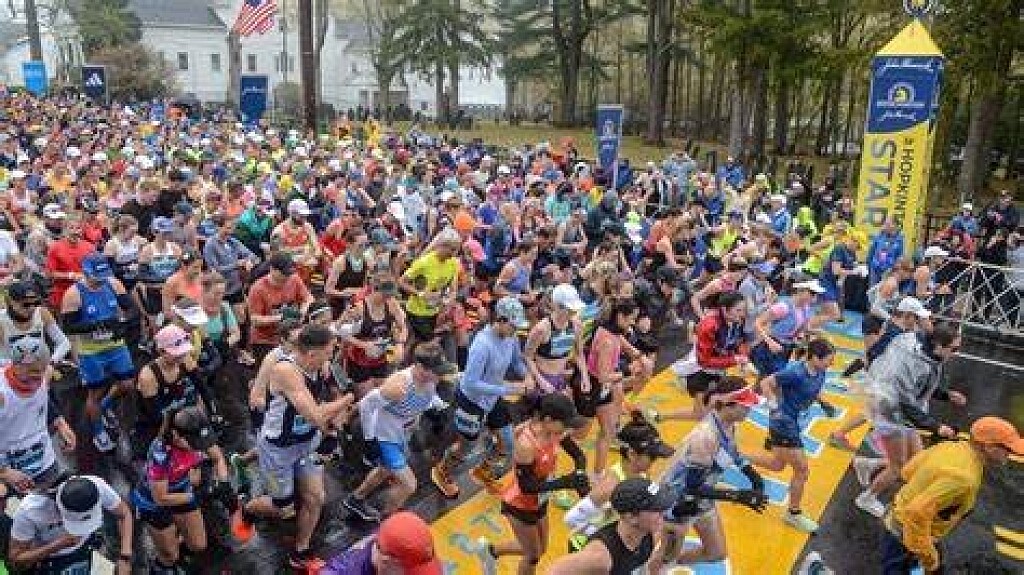
Hoping to qualify for the 2026 Boston Marathon? You'll have to run even faster
All age groups under 60 will have to run five minutes faster as demand to participate grows.
Runners hoping to qualify for the 2026 Boston Marathon are going to have to pick up the pace.
The Boston Athletic Association has updated its qualifying times for the world's oldest annual marathon, asking most prospective competitors to run a 42.195 kilometre race five minutes faster than in recent years to earn a starting number.
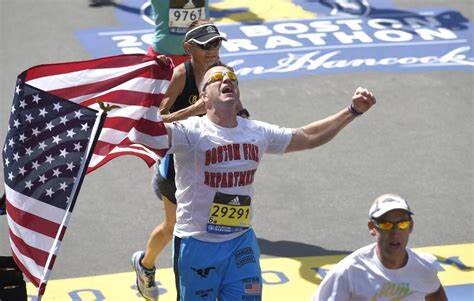
"Every time the BAA has adjusted qualifying standards — most recently in 2019 — we've seen athletes continue to raise the bar and elevate to new levels," Jack Fleming, president and CEO of the BAA, said in a statement posted Monday.
"In recent years we've turned away athletes in this age range (18-59) at the highest rate, and the adjustment reflects both the depth of participation and speed at which athletes are running."
The BAA introduced qualifying times in 1970 and has expanded and adjusted the requirements through the decades.
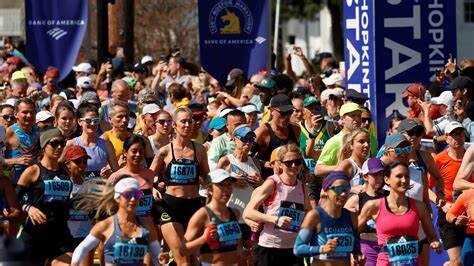
Runners participating in the event to raise money for charity do not have to meet the qualifying standards.
All age groups up to age 60 will be required to run five minutes faster than in previous years. This means men between the ages of 18 and 34 will have to run a marathon during the qualification window in two hours, 55 minutes or faster to earn a spot in the 2026 race.
Women and nonbinary applicants age 18-34 need to complete the distance in three hours, 25 minutes.
The BAA said it decided to tighten its times after turning away "thousands of runners" in the past who met the qualifying time. In his statement, Fleming said athletes have gotten faster, the sport of marathon running is growing and so is demand to participate in the Boston Marathon.
Athletes are getting faster
The qualifying times for runners age 60 to 80-plus didn't change. The slowest competitors that can earn qualification are in the 80 and over age group. The men in that category must complete a marathon in four hours, 50 minutes, while women and nonbinary competitors must finish in five hours, 20 minutes.
The BAA said it had 36,406 qualifier entry applications for next year's race, more than ever before.
"The record number of applicants indicates the growing trend of our sport and shows that athletes are continuously getting faster and faster," Fleming said.
The qualifying window for the 2026 race began on Sept. 1 and will run through the conclusion of the registration period of that race next September.
Next year's Boston Marathon will take place on April 21.
by The Associated Press
Login to leave a comment
Boston Marathon
Among the nation’s oldest athletic clubs, the B.A.A. was established in 1887, and, in 1896, more than half of the U.S. Olympic Team at the first modern games was composed of B.A.A. club members. The Olympic Games provided the inspiration for the first Boston Marathon, which culminated the B.A.A. Games on April 19, 1897. John J. McDermott emerged from a...
more...