

Running News Daily
Running News Daily is edited by Bob Anderson and team. Send your news items to bob@mybestruns.com Advertising opportunities available.
Index to Daily Posts · Sign Up For Updates · Run The World Feed
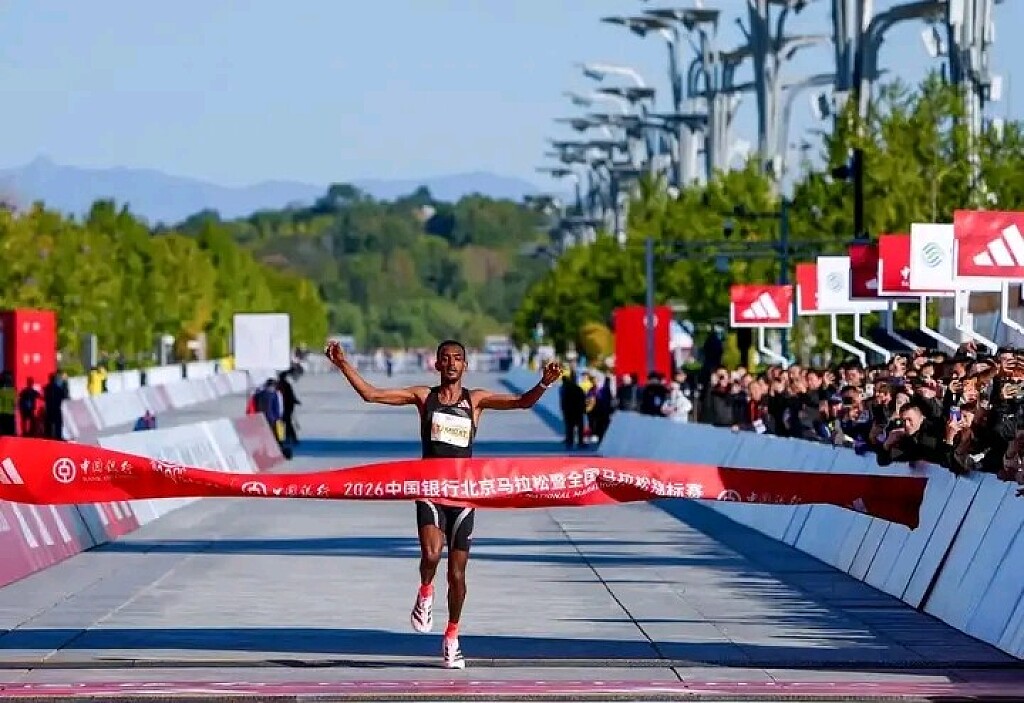


Tamirat Tola Shatters Beijing Marathon Record With 2:03:10 as Ethiopia Dominates in China

Ethiopia’s Olympic marathon champion Tamirat Tola delivered a sensational performance at the 2026 Bank of China Beijing Marathon, storming to victory in 2:03:10 on Sunday, October 18, to set a new course record and establish the fastest marathon time ever recorded on Chinese soil.
Tola produced a commanding display in the Chinese capital, becoming the first man to break 2:04 at the Beijing Marathon. His remarkable performance demolished the previous course record of 2:07:06 by almost four minutes, underlining his position among the world’s leading marathon runners.
The Ethiopian star also surpassed the previous reported best marathon time on Chinese soil of 2:05:34, set by a Kenyan runner in Shanghai in 2023, ushering in a new era for marathon running in China with his outstanding 2:03:10 performance.
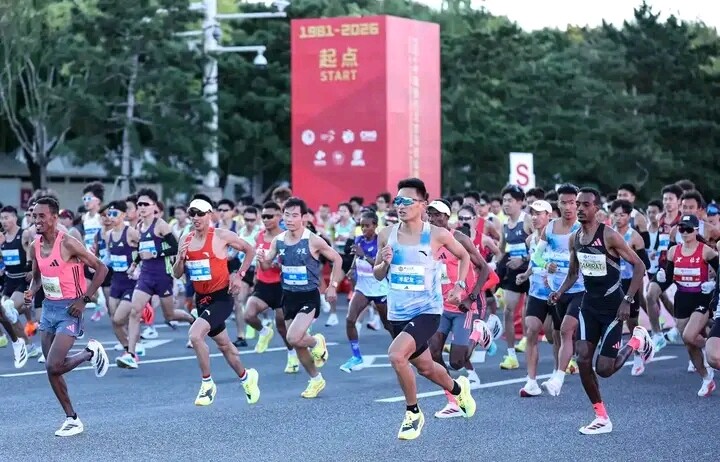
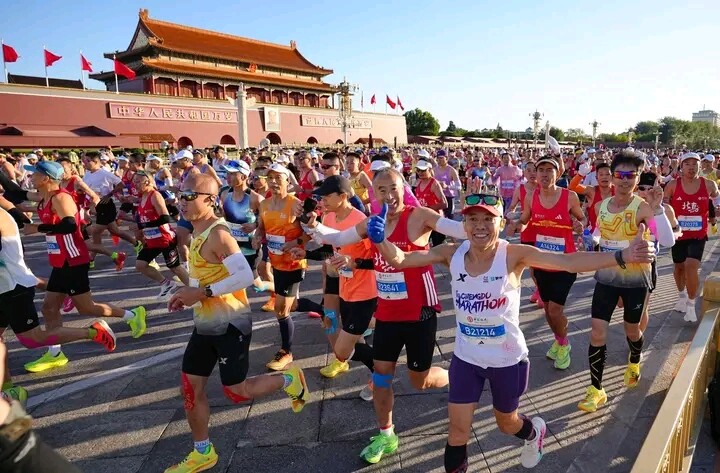
The 2026 Beijing Marathon and National Marathon Championships attracted approximately 32,000 runners, transforming the streets of the Chinese capital into a celebration of distance running. The race began near the iconic Tian’anmen Square before heading towards the Olympic Park, with elite athletes and amateur runners setting off together under the same starting gun on a beautiful autumn morning.

More than 23,000 participants, representing over 70 per cent of the field, travelled from outside Beijing, highlighting the event’s national appeal and its ability to bring together runners from across China and beyond. The combination of world-class competition and mass participation made the marathon a major sporting occasion, with Tola’s record-breaking run providing the standout performance of the day.
Over more than four decades, the Beijing Marathon has evolved through changing courses, growing participation and increasingly impressive performances. However, its connection to the Chinese capital’s distinctive identity remains unchanged. Known as the “Dual Olympic City” for hosting the 2008 Summer Olympics and the 2022 Winter Olympics, Beijing once again provided a memorable stage for an event that combined elite athletics, community participation and the beauty of the city in autumn.
Ethiopia completed a clean sweep of the men’s podium, demonstrating the country’s remarkable depth in marathon running. Muktar Edris finished second in 2:04:34, while Adane Kebede Gebre took third place in 2:05:10, giving Ethiopia all three top positions in a high-quality international field.
China’s Dalin Li led the home contingent in fourth place in 2:08:30, followed by compatriot Tianyu Chen in fifth in 2:09:09. Fakun Jiang finished sixth in 2:09:29, while Yunce Xie secured seventh in 2:09:47. Jinh u Mao placed eighth in 2:10:39, Shaohui Yang finished ninth in 2:10:42, and Ciren Zhaxi completed the men’s top 10 in 2:11:13, rounding off a competitive race dominated by Ethiopia at the front and featuring a strong Chinese presence among the leading finishers.
Tola, the Paris 2024 Olympic marathon champion, arrived in Beijing with high expectations and delivered emphatically. His performance not only rewrote the course record but also established a new benchmark for marathon racing in China, making the 2026 edition a landmark moment for the event.
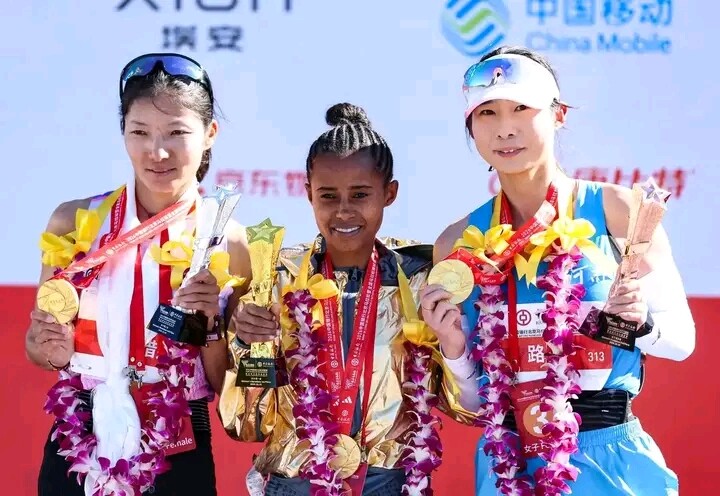
Anchinalu Dessie Leads Ethiopian Success in Women’s Race
Ethiopia also celebrated victory in the women’s race, with Anchinalu Dessie Genaneh taking the title in 2:20:36 after an impressive performance over the 42.195-kilometre distance.
Dessie’s victory gave Ethiopia a memorable double at the Beijing Marathon, with the East African nation claiming the top spot in both elite races. China’s Cuomu Ciren finished second in 2:23:48 to lead the home challenge, while compatriot Ying Lu secured third place in 2:24:24.
The women’s race also showcased considerable depth, with nine athletes finishing inside 2:30:00. Qing Zhu placed fourth in 2:27:26, followed by Yuyu Xia in 2:27:33. North Korea’s Hye-Song Kim finished sixth in 2:28:14, ahead of Shuangshuang Xu in 2:28:25 and Yiting Yang in 2:28:47. Hongmei Jiang took ninth in 2:29:56, while Yi Tian completed the top 10 in 2:30:31.
The 2026 Beijing Marathon will be remembered for Tola’s extraordinary course-record victory, Ethiopia’s dominance in the men’s race and the country’s success in the women’s contest. With tens of thousands of participants filling the streets, the event once again demonstrated the power of marathon running to unite elite athletes and everyday runners in one of the world’s most historic cities.
by Erick Cheruiyot for My Best Runs.
Login to leave a comment

Beijing Marathon
The Beijing Marathon is an annual marathon held in Beijing, People's Republic of China. The race was first held in 1981 and has been held every year since. The race begins at Tiananmen Square and finishes at the National Olympic SportsCenter stadium. Beijing Marathon is now a full marathon only marathon race. At the 2009 edition of the race, 4897...
more...Latest Running News
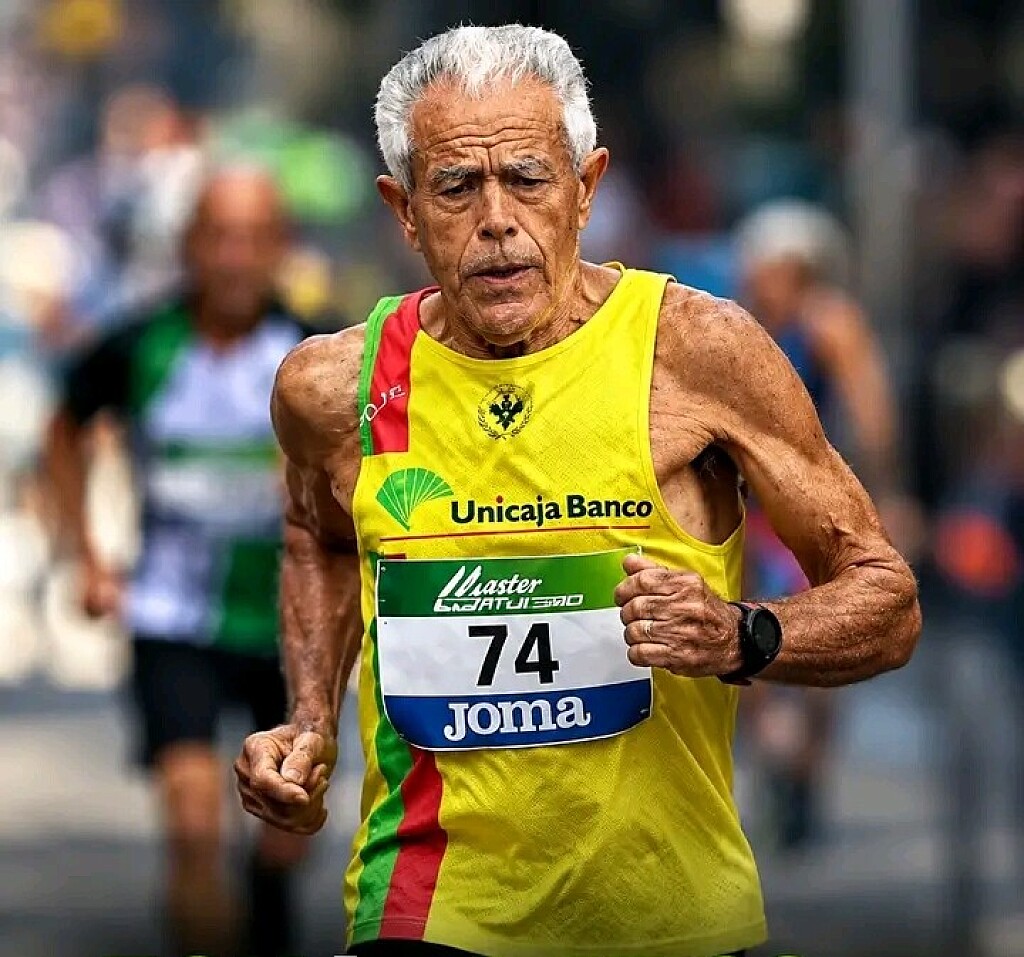
At 81, Juan López Smashes 50K Record After Starting Running at 66: Meet the Spanish Mechanic Defying Age
At 81, Spanish endurance runner Juan López García is challenging conventional ideas about ageing, proving that extraordinary athletic achievements can emerge long after most people believe their sporting years are behind them. In 2025, López clocked an astonishing 4:47:39 for 50 kilometres, reportedly shattering the men's 80-and-over world record by nearly 50 minutes.
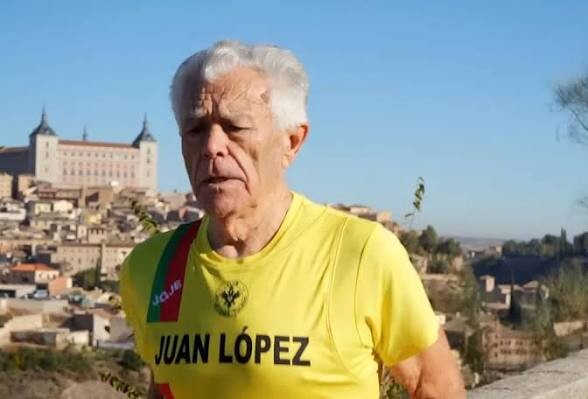
Known affectionately as “Super López,” the Spaniard has become an extraordinary example of late-life athletic development. His story is even more remarkable because he did not spend his youth chasing medals or building a career in competitive running. Instead, he spent decades working as a mechanic in Toledo, Spain, fixing engines and earning his living before discovering his own remarkable endurance potential in retirement.
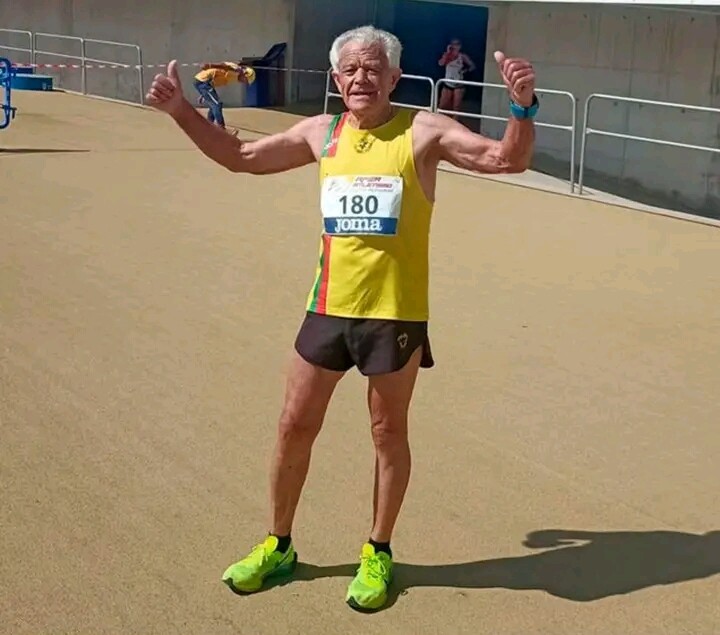
López did not begin running until he was 66, and he did not enter his first race until he was 70. What started as a simple way to stay active gradually developed into a passion that would transform his life. Rather than accepting the limitations commonly associated with advancing age, he continued training, racing and discovering what his body could achieve.
His journey offers a powerful reminder that sporting potential does not always emerge early. Sometimes, it takes decades of life experience before a person discovers an ability they never knew they possessed.
The scale of his achievement became even clearer when researchers examined his physiology. In a scientific study published in Frontiers in Physiology, López recorded a maximum oxygen uptake, or VO₂ max, of 52.8 millilitres per kilogram per minute. This measures the body's ability to take in and use oxygen during intense exercise and is a key indicator of aerobic fitness. Researchers described the value as the highest they knew of in an individual over 80, comparable to the 70th percentile among healthy men aged 20 to 30.

His other physiological measurements were equally remarkable. López reached his lactate threshold at 10.5 kilometres per hour, precisely the average speed he maintained during his record-breaking 50K. His maximum fat oxidation rate was measured at 0.55 grams per minute, achieved at 84 per cent of his VO₂ max. Researchers also found evidence of exceptionally well-preserved muscle oxygen utilisation, helping explain how he could sustain such a demanding effort for nearly five hours.
López's performance was no accident. Reports indicate that he runs between approximately 65 and 120 kilometres per week, training across six days and incorporating faster sessions alongside endurance work. His approach reflects the discipline of his former profession: consistency, attention to detail and a willingness to keep working towards a goal. Although genetics undoubtedly contribute to his extraordinary physiology, his training demonstrates the potential for endurance fitness to develop well into later life.
His achievements extend beyond ultrarunning. In 2024, López ran the marathon in 3:39:10, establishing a European record in the men's 80-and-over category. He has also claimed the world marathon title in his age group, further underlining his remarkable versatility across long-distance events.
What makes López's story so compelling is not simply the time he ran or the records he broke. It is the fact that his journey began when many people would consider their opportunity for competitive sport long gone. He did not grow up dreaming of world records, nor did he spend his younger years building an elite running career. He discovered the sport in retirement and gradually transformed a simple recreational activity into an extraordinary pursuit of endurance.
His case also offers valuable lessons for sports science. Ageing inevitably brings physiological changes, but regular physical activity can help preserve cardiovascular fitness, muscle function and the body's ability to use oxygen efficiently. López's results cannot be expected of every older athlete, and his individual genetics may play an important role. Nevertheless, his example provides researchers with a rare opportunity to understand how training and exceptional physiology can combine to support high-level endurance performance in advanced age.
At 81, Juan López García was not merely participating in sport to stay active. He was running 50 kilometres at an average pace of approximately 5:45 per kilometre, demonstrating a level of endurance that would challenge many younger runners. His story is a powerful reminder that age does not have to mark the end of ambition, discovery or physical achievement.
For anyone who believes they have waited too long to start running, the Spanish mechanic offers an extraordinary example. He began at 66, entered his first race at 70 and went on to produce one of the most remarkable age-group performances in endurance running.
Super López did not spend his life chasing youth. He discovered running late, committed himself to the process and continued to push his limits. At 81, his message is unmistakable: it is never too late to begin, and sometimes the most extraordinary chapter of an athletic life comes when nobody expects it.
by Erick Cheruiyot for My Best Runs.
Login to leave a comment
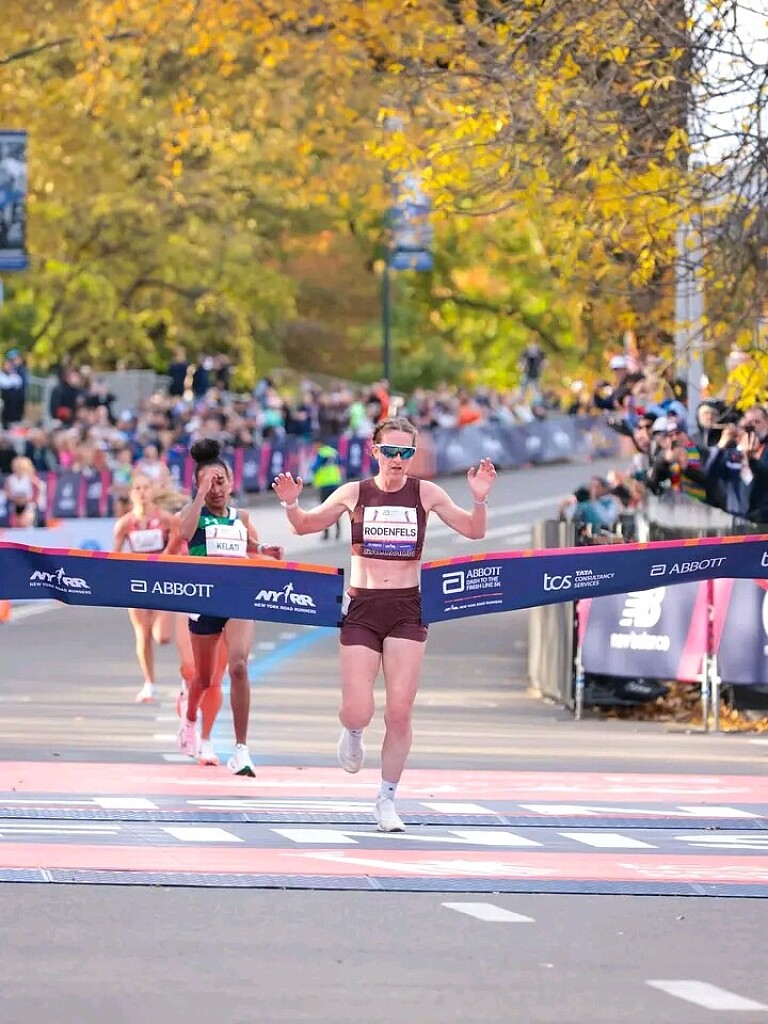
National Champions And Rising Stars Set To Light Up NYC Marathon Weekend 5K
The 2026 TCS New York City Marathon weekend will get an early burst of elite racing when a stacked field of national champions, established distance runners and emerging talents line up for the Abbott Dash to the Finish Line 5K on Saturday, October 31.
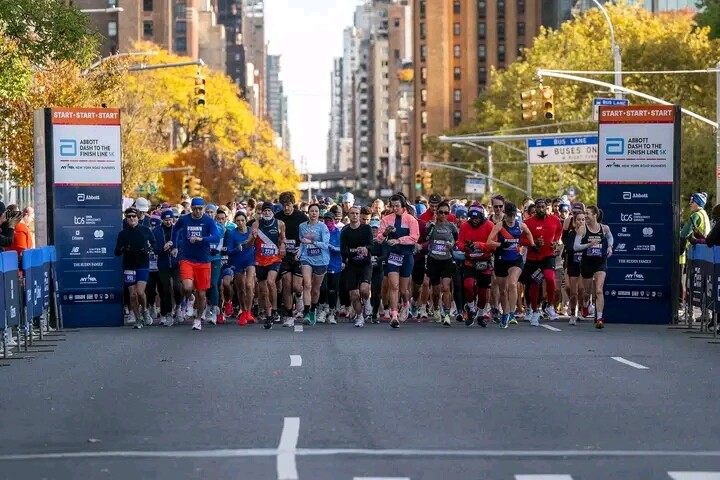
With the world’s biggest marathon taking place the following day, the popular Central Park race promises to deliver a thrilling showcase of speed and depth, bringing together elite athletes from the United States and several other countries ahead of Sunday’s main event.
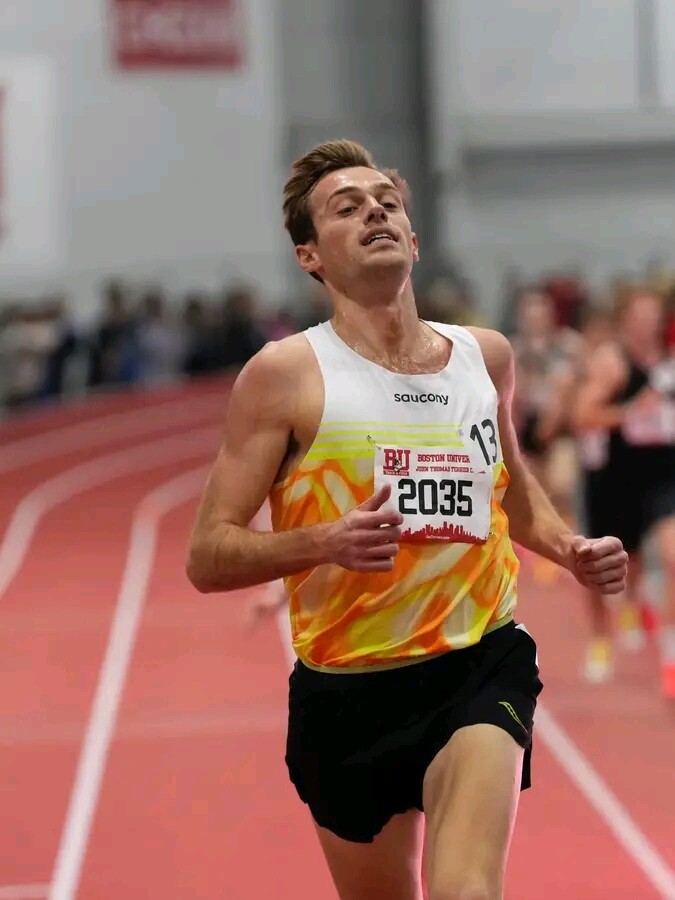
The men’s field features a formidable international lineup, led by Kenya’s Edwin Kurgat, whose personal best of 12:57.52 places him among the fastest entrants. Fellow Kenyan Amon Kemboi, with a best of 12:58.51, adds further strength to the field, setting the stage for a potentially exciting contest over the five-kilometre distance.
Australia’s Morgan McDonald, boasting a personal best of 13:00.48, is another major contender, while American Anthony Camerieri enters with a best of 13:04.07. Other notable names include Jackson Sharp of Australia, American Bob Liking and Reid Buchanan, Latvia’s Arturs Medveds, H abtom Samuel of Eritrea, and American Luke Tewalt.
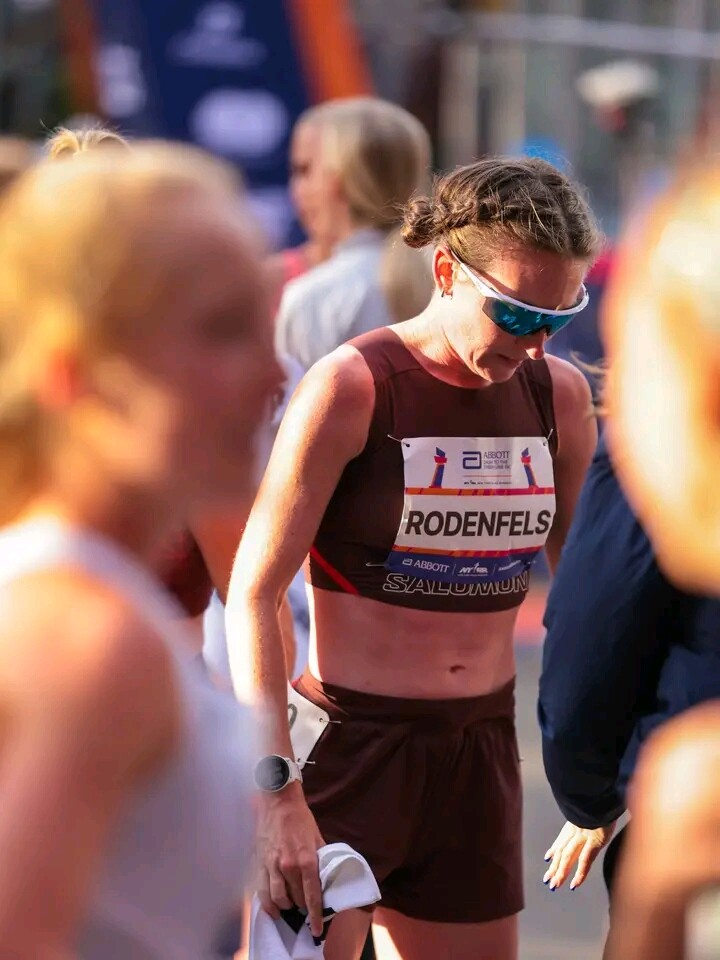
The women’s race is equally compelling, featuring a deep field packed with American talent and international challengers. Josette Andrews headlines the entries with an impressive personal best of 14:25.37, while Annie Rodenfels, whose best stands at 15:00.64, adds further quality to the American contingent.
Bailey Hertenstein and Elly Henes are also among the leading entrants, with personal bests of 14:48.91 and 14:47.15, respectively. Great Britain’s Alex Millard, with a best of 15:02.64, provides international competition, while Whittni Morgan, Ednah Kurgat, Katelyn Tuohy, Rachael R udel, Madie Boreman and Ella Donaghu strengthen an impressive domestic lineup.
Kenya will also be represented in the women’s race by Hilda Olemomoi, whose personal best of 14:52.84 makes her one of the athletes to watch. With several runners capable of producing a fast performance, the battle for the podium could be fiercely contested.
Beyond the individual names, the event offers a compelling opportunity for elite athletes to test their speed on one of the most prominent stages of New York’s running calendar. The short, fast-paced contest also provides fans with a chance to see some of the sport’s leading distance runners in action before marathon Sunday.
The Abbott Dash to the Finish Line 5K will take place through Central Park on Halloween, Saturday, October 31, one day before the 2026 TCS New York City Marathon on Sunday, November 1.
With national champions, international contenders and promising rising stars all in the mix, the race is shaping up to be a major highlight of an action-packed marathon weekend in New York City.
by Erick Cheruiyot for My Best Runs.
Login to leave a comment

Dash to the Finish Line
Be a part of the world-famous TCS New York City Marathon excitement, run through the streets of Manhattan, and finish at the famed Marathon finish line in Central Park—without running 26.2 miles! On TCS New York City Marathon Saturday, our NYRR Dash to the Finish Line 5K (3.1 miles) will take place for all runners who want to join in...
more...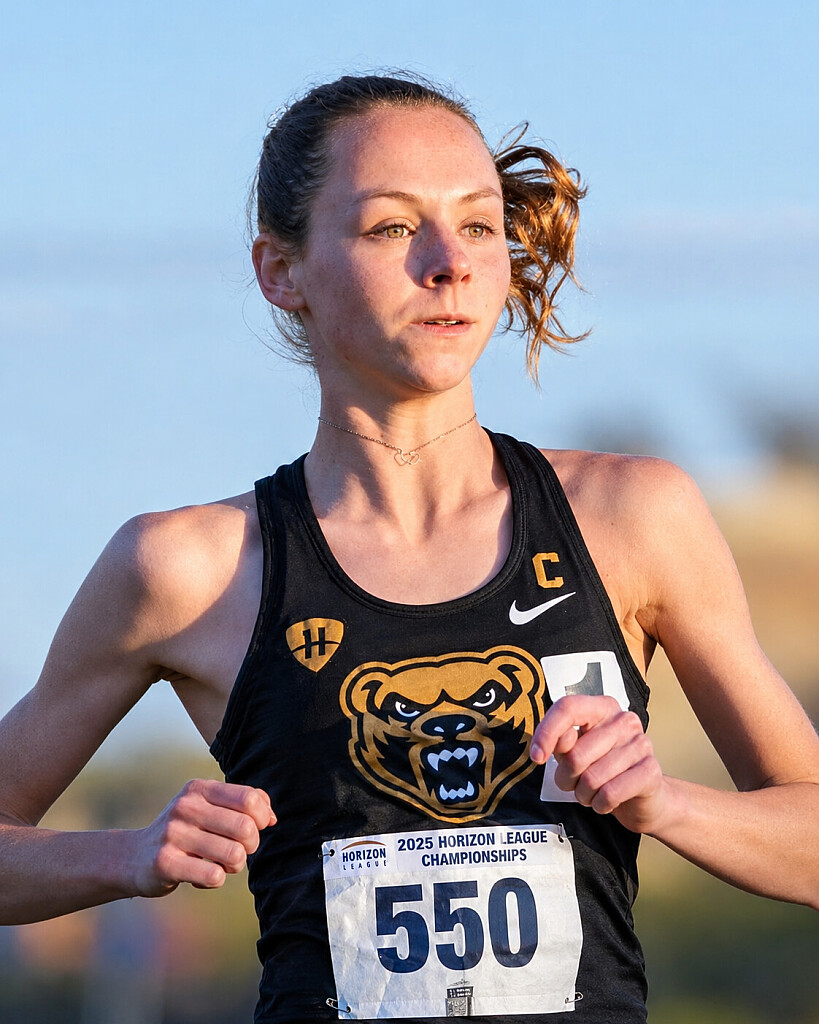
Tragedy Strikes Detroit Marathon: Rising Running Star Grace Nolan, 25, Dies Before Anticipated Return
The running community is mourning the heartbreaking loss of Grace Nolan, a talented distance runner and medical student who died in a car accident over the weekend she was due to compete in the Detroit Free Press Marathon.
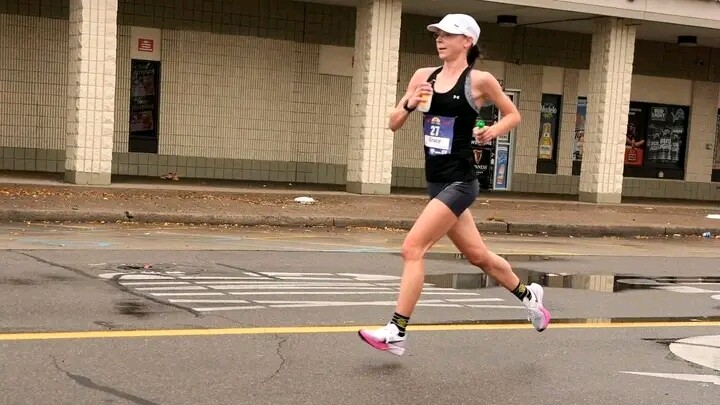
Nolan, 25, a native of Clarkston, Michigan, died early Saturday following a crash the previous night in Walled Lake. Her boyfriend, Matt, who was also in the vehicle and sustained injuries, is expected to recover.
The tragedy came just a day before Nolan was scheduled to return to Detroit as a member of the marathon's elite women's field, with expectations that she would be among the athletes leading the race. Organizers announced her death on Tuesday, leaving the local running community devastated by the loss of one of its brightest talents.
Her return to Detroit was meant to mark another important chapter in a promising running career. Instead, the race became an occasion for remembrance for an athlete whose ambition, kindness and dedication extended far beyond the finish line.
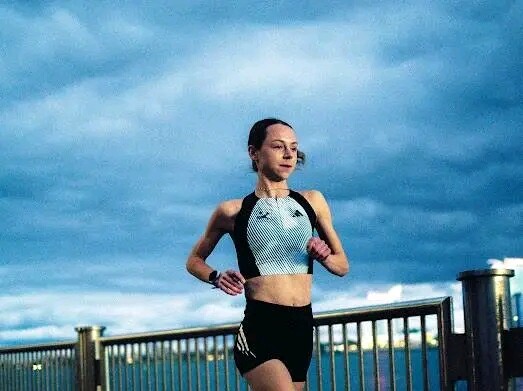
A year earlier, Nolan had made her marathon debut on the same course, delivering an impressive performance of 2:50:58 to finish fourth among the women. She achieved that result during her first semester of medical school, despite being stressed and severely sleep-deprived. Even under those demanding circumstances, she described the experience as the most fun she had ever had in a race, reflecting the genuine joy she found in running.
This year, she returned to training with Gazelle Elite, determined to improve on her debut performance. According to her parents, Nolan quietly hoped to run an Olympic Marathon Trials qualifying time, an ambition that reflected her growing confidence and determination to test herself against the best.
Her selection for the elite field was recognition of her ability and potential. At just 25, she was balancing demanding medical studies with competitive distance running while continuing to pursue goals that reached well beyond the marathon finish line.
Nolan had built a distinguished collegiate career with the Oakland Golden Grizzlies, representing Oakland University for six seasons. She earned three first-team All-Horizon League selections in cross country, establishing herself as one of the programme's leading distance runners.
Her final collegiate season brought another major achievement when she won the 2025 Horizon League 10,000-metre title in championship-record time. Her contributions to athletics and her broader accomplishments also earned her selection as the conference's nominee for the 2025 NCAA Woman of the Year award, recognition of the impact she had made both on and off the field of competition.
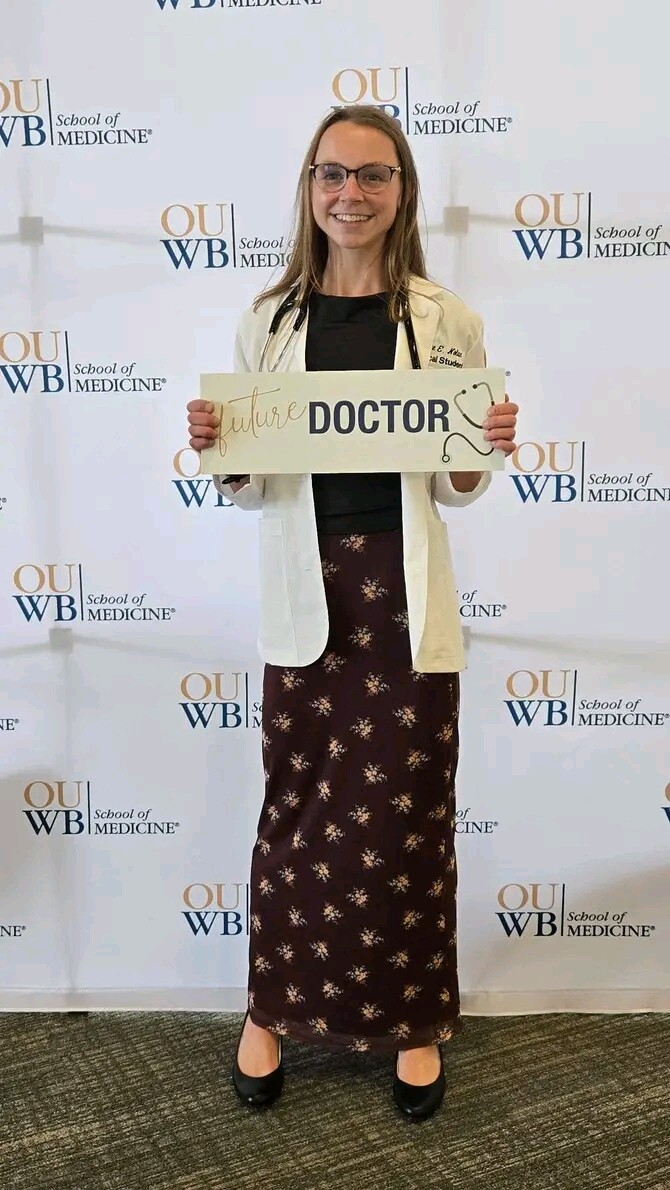
Running, however, was only one part of Nolan's story. She was a second-year student at Oakland University's William Beaumont School of Medicine, working towards her third degree from the university. She aspired to become a cardiologist, pursuing a career that would allow her to combine her academic strengths with a commitment to caring for others.
Her dedication to service was already evident in the time she devoted to helping people in her community. Nolan volunteered as a phlebotomist at free clinics and worked with Girls on the Run, helping introduce younger girls to the sport and encouraging them to discover the confidence, friendships and opportunities that running can provide.
Those who knew her will remember not only her achievements on the track and roads, but also her compassion, determination and the promise of a future dedicated to medicine and community service. She was pursuing excellence in multiple areas of her life, inspiring others while working towards ambitions that extended far beyond athletics.
The Detroit Free Press Marathon paid tribute to Nolan, acknowledging the lasting impression she had made on the event and the wider running community.
"Grace, thank you for the light you brought to every start line. You will always be part of this race," the event said in a moving tribute.
Her family has planned a celebration of life at Oakland University on October 31, offering an opportunity for relatives, friends, teammates, coaches and classmates to come together to honour her memory and reflect on the impact she had on their lives.
Nolan's death is a devastating reminder of how suddenly life can change. At just 25, she had already achieved so much while working towards even greater ambitions as an athlete and future physician. Her journey was tragically cut short, leaving behind a community grieving not only the life she lived, but also the many possibilities that lay ahead.
On Sunday, she was supposed to be back among the elite runners in Detroit, chasing another memorable performance on a course that had given her such a joyful marathon debut. Instead, those who shared her passion for running will carry her memory to the starting line.
Grace Nolan's running journey ended far too soon, but the light she brought to the sport and the people around her will not be forgotten.
by Erick Cheruiyot for My Best Runs.
Login to leave a comment
From 2:55:18 To 1:59:30: How 118 Years Transformed The Marathon
The marathon has undergone one of the most extraordinary transformations in sporting history, and two landmark performances separated by 118 years offer a remarkable illustration of just how far human endurance has advanced.
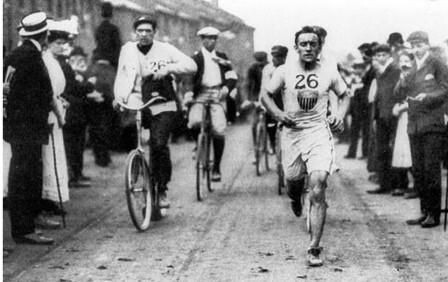
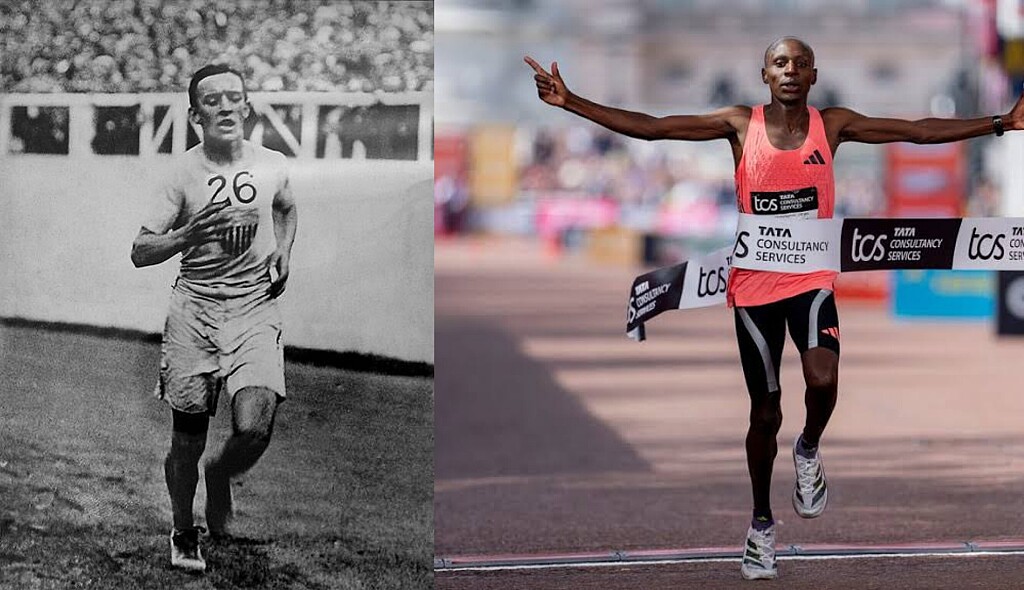
In 1908, American distance runner Johnny Hayes won the Olympic marathon in London in 2:55:18, producing one of the defining performances of the early modern era of distance running. On April 26, 2026, the same city witnessed another historic moment when Kenya’s Sabastian Sawe stormed to victory at the London Marathon in 1:59:30, becoming the first man to complete the marathon in under two hours in a record-eligible race.
Although their achievements belong to different eras, the contrast between the two performances captures more than a century of progress in athletics.
Hayes’s victory at the 1908 London Olympics came in a race that helped shape the modern marathon. His winning time of 2:55:18 was an Olympic milestone, although it was not an officially ratified marathon world record under the standards used today. Marathon world records were formally recognised much later.
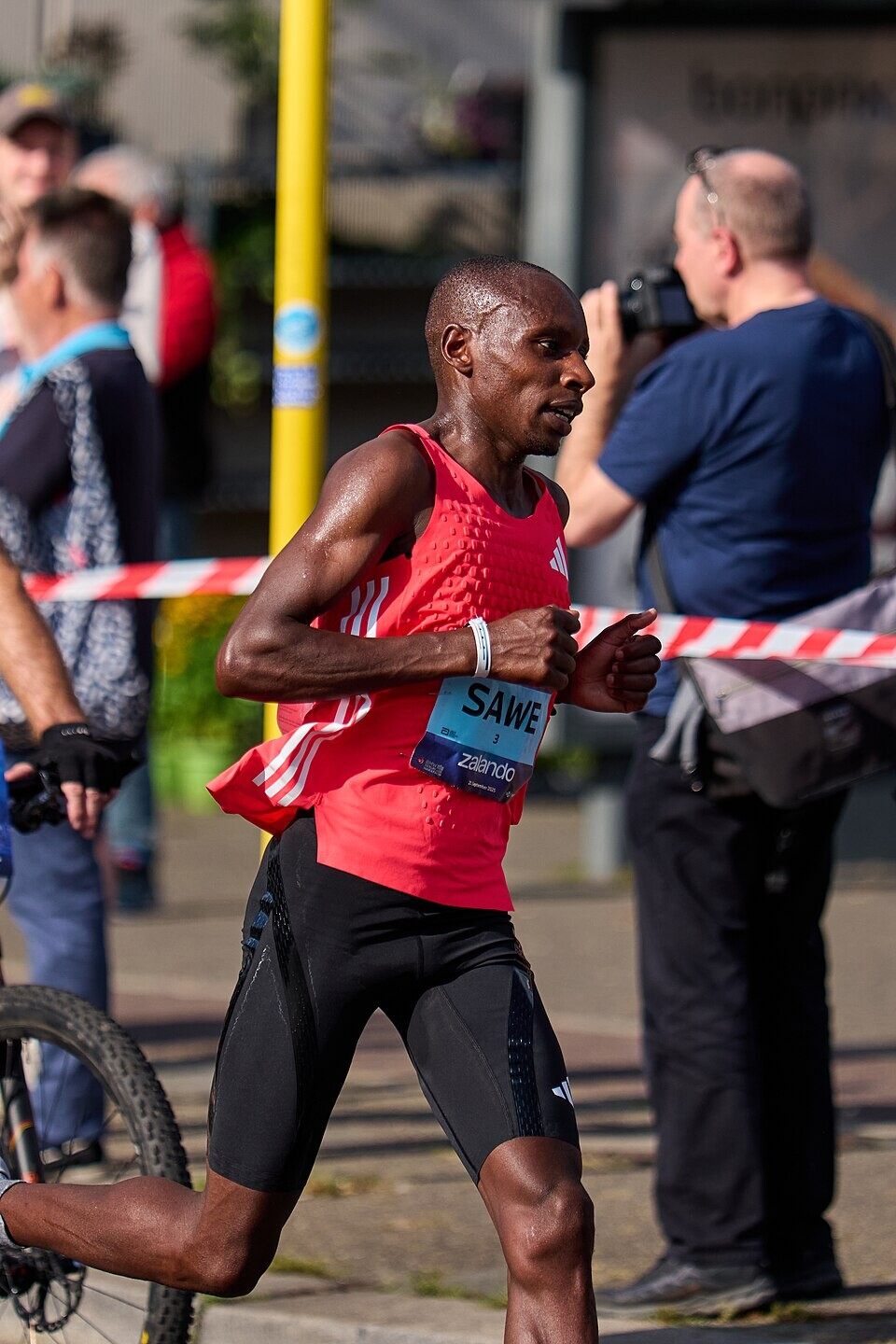
More than a century later, Sawe rewrote the limits of what was considered possible over the classic 42.195-kilometre distance. His sensational 1:59:30 performance at the 2026 London Marathon broke the recognised men’s world record by 65 seconds, becoming the first officially eligible sub-two-hour marathon in history.
The difference between Hayes’s finishing time and Sawe’s is a staggering 55 minutes and 48 seconds.
Put another way, Sawe completed the marathon almost an hour faster than Hayes, despite both athletes tackling the same fundamental challenge: covering 42.195 kilometres on foot.
The pace comparison makes the scale of that evolution even more striking. Hayes averaged approximately 4:09 per kilometre, while Sawe maintained an astonishing average of about 2:50 per kilometre.
That means Sawe ran each kilometre roughly 79 seconds faster than Hayes’s average pace. Sustaining that difference over the entire marathon adds up to an extraordinary gap between two generations of distance running.
Imagine placing the two performances side by side. At Hayes’s average pace, Sawe would already have crossed the finish line while Hayes still had approximately 13.4 kilometres left to cover.
Such a comparison would have been almost unimaginable in the early days of Olympic marathon running.
The evolution of the sport has been driven by numerous advances. Modern athletes benefit from more sophisticated training methods, scientific approaches to recovery, carefully planned race strategies and increasingly precise nutritional support. Advances in footwear, particularly lightweight racing shoes incorporating carbon-fibre plates and advanced foams, have also changed the landscape of elite marathon running.
Pacing strategies have become more refined, while sports science has helped athletes understand how to distribute their energy, maintain efficiency and sustain demanding speeds over longer periods.
Sawe’s performance demonstrated what can happen when exceptional natural ability, meticulous preparation, modern technology and near-perfect race execution come together. His achievement was not simply a victory over the clock; it was a breakthrough that pushed the perceived boundaries of human endurance into new territory.
Yet, amid all these changes, one essential element has remained constant.
The marathon is still 42.195 kilometres long.
From Hayes’s triumph in London in 1908 to Sawe’s historic sub-two-hour performance in the British capital in 2026, the distance has remained unchanged while the speed at which the world’s finest athletes cover it has evolved dramatically.
One performance belongs to the formative years of modern marathon running. The other represents a new frontier in a sport that continues to redefine its limits.
London has now witnessed both ends of this remarkable historical comparison: an Olympic champion completing the marathon in 2:55:18 and a Kenyan world-record holder conquering it in 1:59:30.
The distance stayed the same. The shoes, science, training and understanding of human performance changed. And the clock tells the story of just how far marathon running has come.
by Erick Cheruiyot for My Best Runs.
Login to leave a comment
Abebe Bikila’s Historic Double: The Ethiopian Legend Who Conquered The Olympic Marathon Twice
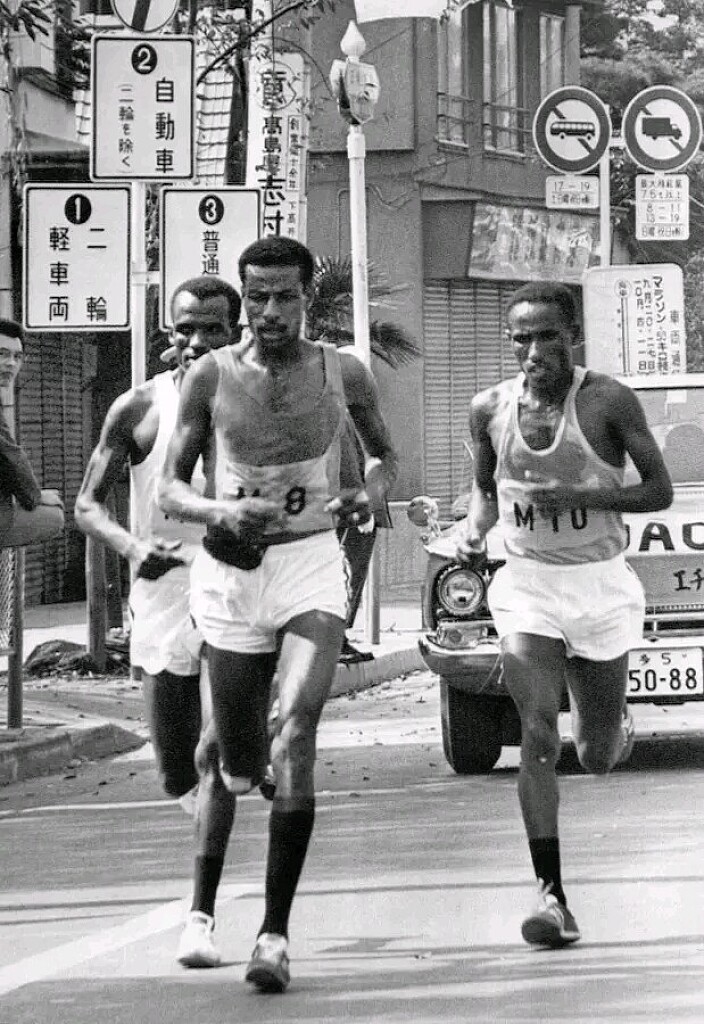
On This Day in 1964, Ethiopian distance-running legend Abebe Bikila cemented his place among the greatest marathon runners in history, winning his second consecutive Olympic marathon gold medal at the Tokyo Games with a sensational world-record performance.
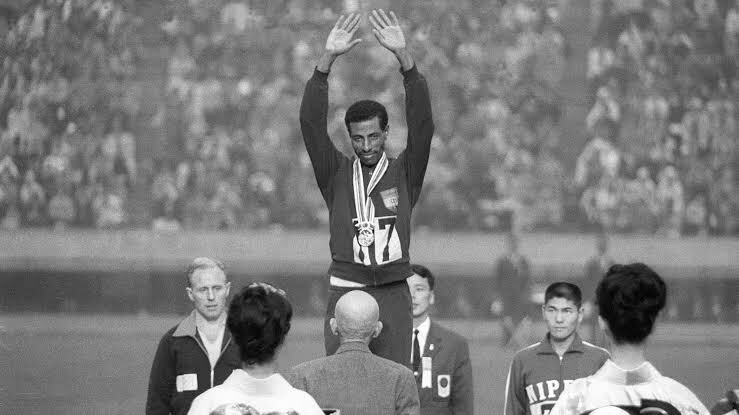
Four years after making history at the 1960 Rome Olympics, Bikila returned to the biggest stage in athletics and delivered another extraordinary display of endurance, determination and class. He crossed the finish line in 2:12:11.2, setting a new world record and Olympic record to become the first athlete to successfully defend the men’s Olympic marathon title.
His triumph in Tokyo was particularly remarkable because it came just weeks after he underwent an appendectomy. Despite the setback, the Ethiopian champion demonstrated exceptional resilience, proving once again that his greatness extended far beyond his remarkable physical abilities.
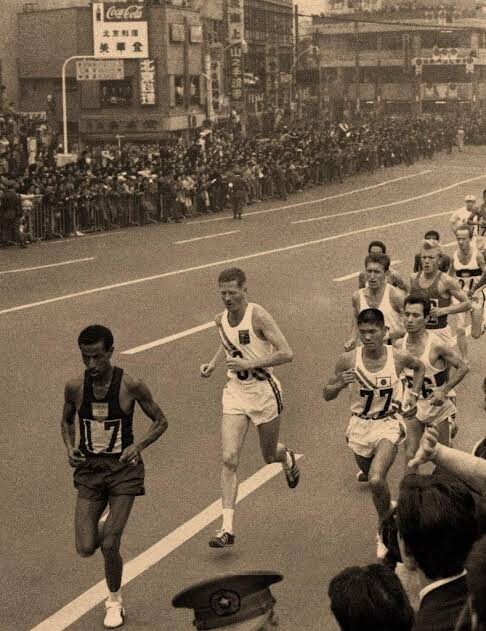
Bikila had first announced himself to the world in Rome in 1960, where he won the Olympic marathon in 2:15:16.2, establishing a world record. Running barefoot on the streets of the Italian capital, he became an international sensation and the first athlete from sub-Saharan Africa to win an Olympic gold medal.
His victory carried enormous historical significance, making him a symbol of African sporting excellence and inspiring generations of distance runners across Ethiopia and the wider continent.
At Tokyo 1964, Bikila returned in even more commanding fashion. This time, he wore running shoes as he navigated the Japanese capital’s streets, producing a masterful performance to finish more than four minutes ahead of his closest rival. His winning time of 2:12:11.2 lowered his own world record by 3 minutes and 5 seconds, an astonishing improvement at the highest level of marathon running.
Great Britain’s Basil Heatley claimed the silver medal in 2:16:19.2, while Japan’s Kōkichi Tsuburaya delighted the home crowd by securing bronze in 2:16:22.8.
The Tokyo podium reflected Bikila’s extraordinary superiority on the day, as he once again demonstrated his ability to rise to the occasion when Olympic glory was at stake.
Bikila’s back-to-back victories established a rare benchmark in Olympic marathon history. Only three men have successfully defended the Olympic marathon title: Bikila in 1960 and 1964, East Germany’s Waldemar Cierpinski in 1976 and 1980, and Kenya’s Eliud Kipchoge in 2016 and 2021.
Cierpinski and Kipchoge would later join the Ethiopian in this exclusive club, but Bikila remains the man who first achieved the feat, setting a standard that endured for more than half a century before Kipchoge became the third man to accomplish it.
Beyond his medals and records, Bikila’s legacy rests on the barriers he broke and the inspiration he provided. His performances helped establish Ethiopia as a global distance-running powerhouse and opened the door for generations of African athletes to excel on the international stage.
More than six decades after his Tokyo triumph, Abebe Bikila’s name remains synonymous with courage, endurance and Olympic greatness. His remarkable achievement in 1964 was not merely another marathon victory; it was a defining moment in the history of athletics, securing his place among the sport’s most enduring legends.
by Erick Cheruiyot for My Best Runs.
Login to leave a comment
