

Running News Daily
Running News Daily is edited by Bob Anderson and team. Send your news items to bob@mybestruns.com Advertising opportunities available.
Index to Daily Posts · Sign Up For Updates · Run The World Feed
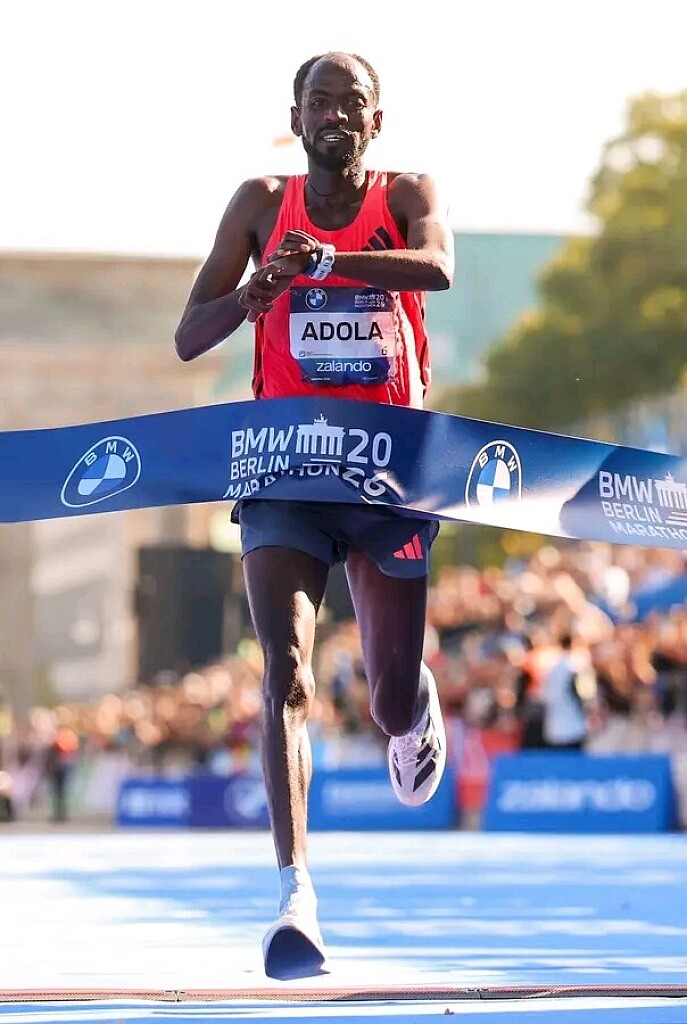


Guye Adola Rewrites His Berlin Story With Stunning 2:02:50 Victory

Ethiopia’s Guye Adola has produced a perfectly judged performance to win the 2026 BMW Berlin Marathon, returning to the streets where his marathon career began to claim his second Berlin title in a sensational 2:02:50.
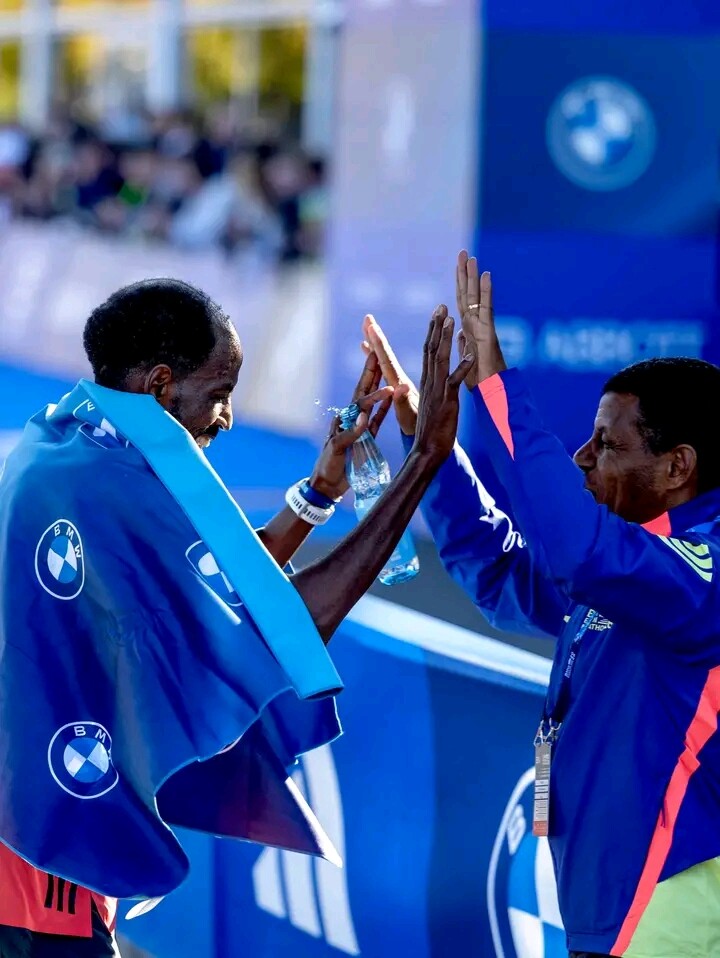
The 35-year-old Ethiopian controlled the race brilliantly before making his decisive move in the closing stages, crossing the finish line clear of compatriot Gemechu Dida Diriba, who finished second in 2:03:19. Adola’s winning margin was 29 seconds, underlining just how strongly he finished.
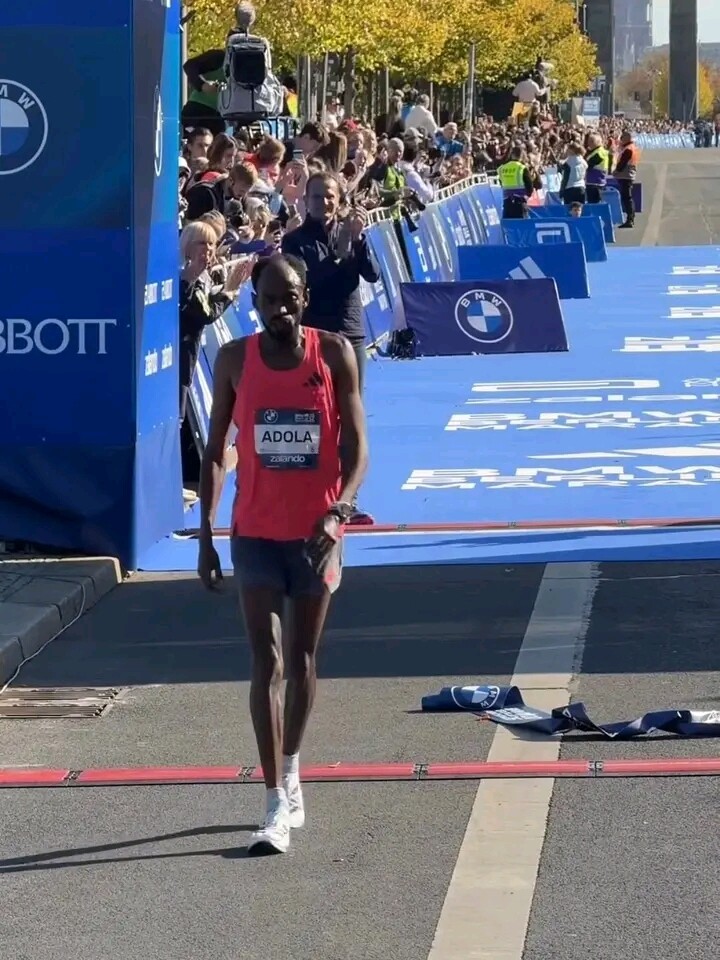
The victory adds another memorable chapter to Adola’s long association with Berlin. He first won the prestigious race in 2021, and five years later he returned to the German capital to produce the fastest marathon of his career.
Adola arrived in Berlin in excellent form after winning the Rotterdam Marathon in April in 2:03:54. That performance had placed him just eight seconds outside the personal best of 2:03:46 he had carried since his remarkable marathon debut in Berlin in 2017.
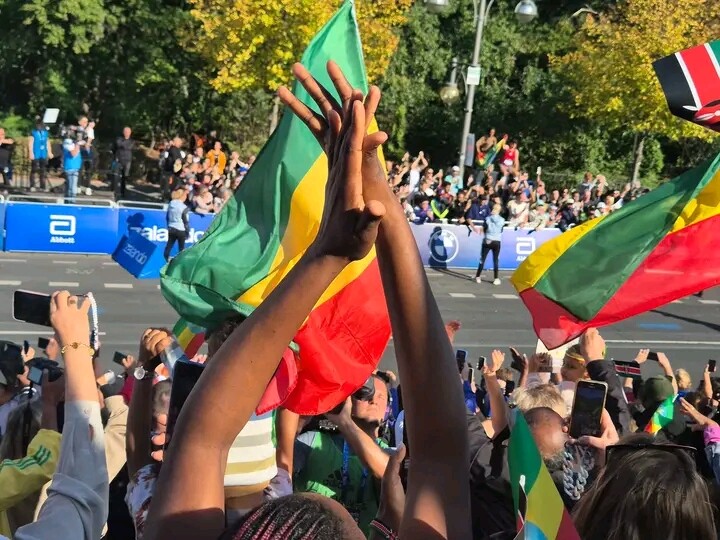
That debut remains one of the most memorable first appearances over the marathon distance. Adola stayed ahead of Eliud Kipchoge deep into the race before the Kenyan eventually overtook him. Adola finished second in 2:03:46, just 14 seconds behind Kipchoge, producing the fastest marathon debut at the time.
For years, that performance remained the benchmark of his career.
Even when Adola returned to Berlin in 2021 and won the race, he could not improve his debut mark. His breakthrough finally came in Rotterdam this April, when he clocked 2:03:54 — a sign that another major performance could be approaching.
On Sunday, he delivered it.
With world record holder Sabastian Sawe and legendary Ethiopian Kenenisa Bekele both missing the race through injury, the men’s contest was wide open. The pacemakers were set up for an attempt at Eliud Kipchoge’s 2:01:09 course record, but the leading group reached halfway in 1:01:01, already outside record pace.
The race gradually began to break apart as the kilometres passed.
By 30 kilometres, three Ethiopians had established themselves at the front — Adola, Olympic 10,000m champion Selemon Barega and Gemechu Dida.
Then came the decisive move.
After 35 kilometres, Adola increased the pace and began creating daylight between himself and the chasing group. Nobody could respond as the experienced Ethiopian steadily extended his advantage.
This time, there would be no late comeback.
Adola remained composed through the final kilometres before powering toward the finish in 2:02:50, taking an extraordinary 56 seconds off his previous personal best.
Gemechu Dida followed in 2:03:19 to secure an Ethiopian one-two, while Tanzania’s Gabriel Gerald Geay, the fastest athlete on the start list with a 2:03:00 personal best, completed the podium in 2:03:59.
Although Kipchoge’s course record survived for another year, Adola had achieved something equally significant for his own career — he had transformed his long-standing Berlin story into a new chapter.
From finishing second to Kipchoge on his marathon debut in 2017, to winning the race in 2021, and now returning five years later to run 2:02:50, Adola has repeatedly found his best moments on the streets of Berlin.
At 35, the Ethiopian has shown that experience, patience and perfectly timed aggression can still produce extraordinary results at the highest level of marathon running.
Top 10 — 2026 Berlin Marathon Men’s Results
1. Guye Adola (Ethiopia) — 2:02:50
2. Gemechu Dida Diriba (Ethiopia) — 2:03:19
3. Gabriel Gerald Geay (Tanzania) — 2:03:59
4. Getaneh Molla (Ethiopia) — 2:04:55
5. Selemon Barega (Ethiopia) — 2:04:58
6. Asefa Boki (Ethiopia) — 2:05:32
7. Andamlak Belihu (Ethiopia) — 2:05:55
8. Shura Kitata (Ethiopia) — 2:06:04
9. Yuhei Urano (Japan) — 2:06:09
10. Tadu Abate (Ethiopia) — 2:07:16
For Guye Adola, this was more than another marathon victory. Berlin is where his marathon story began, where he once pushed Kipchoge to the limit, and where he has now returned to produce the biggest performance of his career. His 2:02:50 victory not only gives him a second Berlin crown but also proves that, nine years after his stunning debut, his story at the Brandenburg Gate is still being written.
by Erick Cheruiyot for My Best Runs.
Login to leave a comment

BMW Berlin Marathon
The story of the BERLIN-MARATHON is a story of the development of road running. When the first BERLIN-MARATHON was started on 13th October 1974 on a minor road next to the stadium of the organisers‘ club SC Charlottenburg Berlin 286 athletes had entered. The first winners were runners from Berlin: Günter Hallas (2:44:53), who still runs the BERLIN-MARATHON today, and...
more...Latest Running News
Lili Anna Vindics-Tóth Shatters Hungarian Marathon Record With Historic Warsaw Run
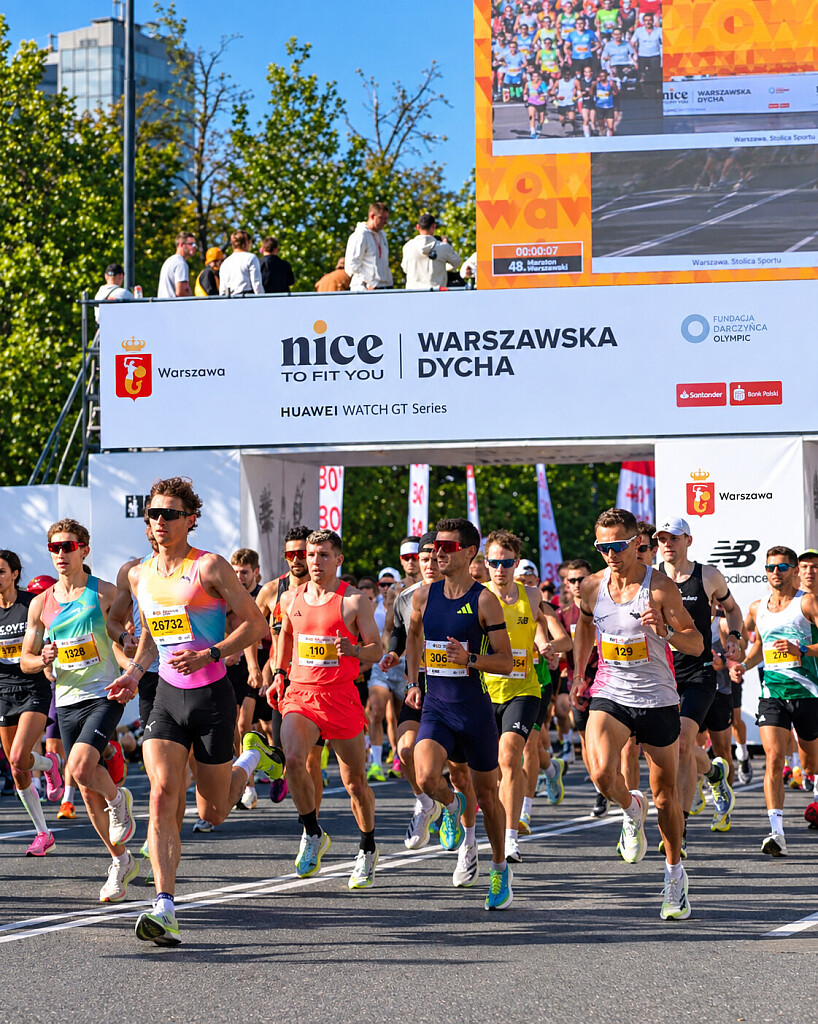
Hungary’s Lili Anna Vindics-Tóth delivered a remarkable performance at the 48th Warsaw Marathon on Sunday, September 27, 2026, smashing the Hungarian marathon record and setting a new women’s course record with a stunning time of 2:24:48.
Vindics-Tóth produced a breakthrough performance on the streets of the Polish capital, improving her previous personal best of 2:27:21 by more than two minutes. Her 2:24:48 also eclipsed the previous Warsaw Marathon women’s course record of 2:28:35 by almost four minutes.
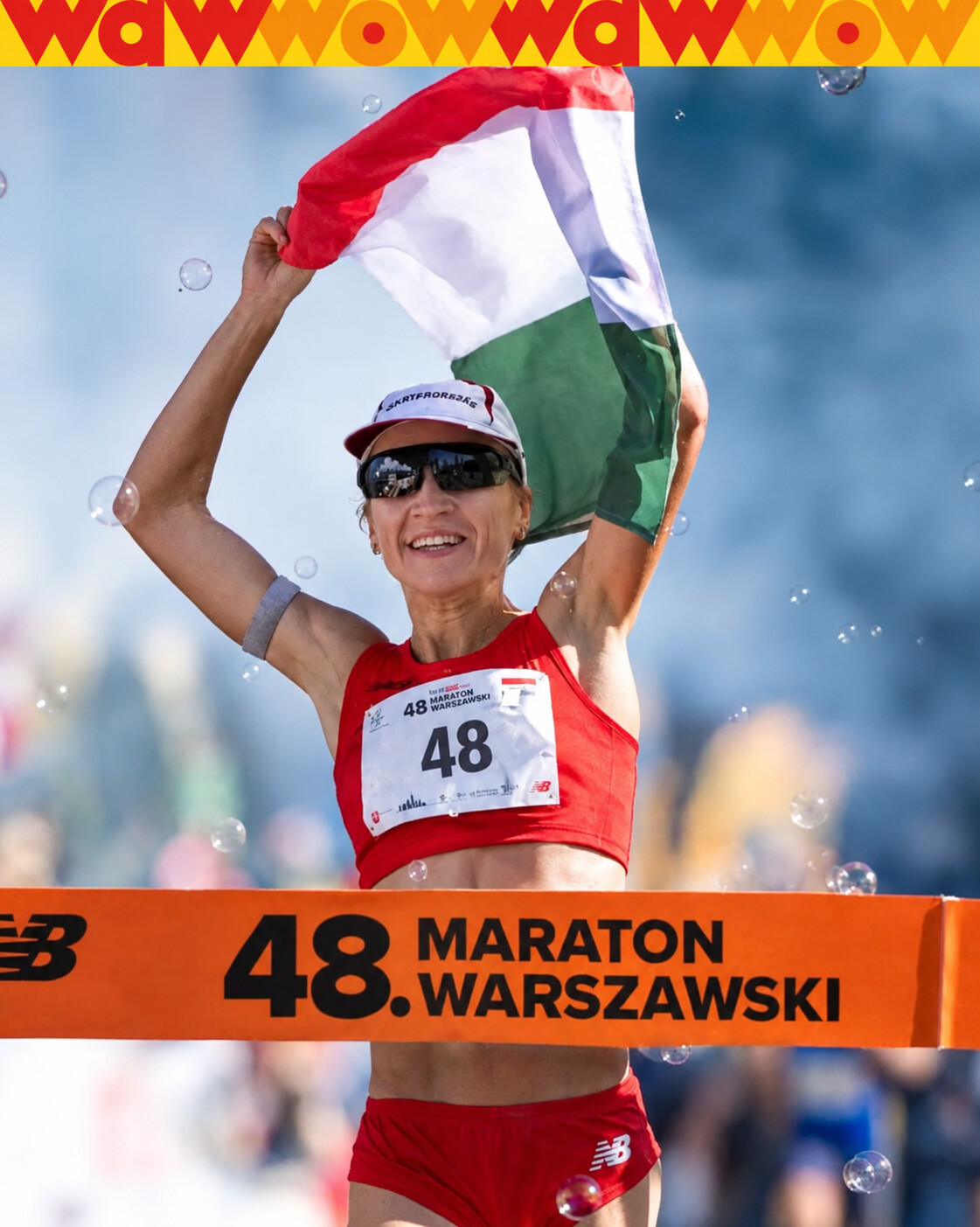
The Hungarian’s performance was particularly significant, as she became the fastest woman ever recorded over the marathon distance in a race held in Poland, according to the race organizers.
Her remarkable run also represented a major improvement on her previous 2026 best of 2:27:28, recorded in Copenhagen in May. The new Hungarian record marks a defining moment in her career and places her among Europe’s leading marathon runners.
Vindics-Tóth Leads Historic Women’s Podium
Vindics-Tóth secured the women’s title in 2:24:48, narrowly holding off Ethiopia’s Gelane Senbete, who finished second in 2:24:57.
Kenya’s Vivian Jerotich Kosgei claimed third place in 2:28:34, while Ethiopia’s Addis Alem Belay completed the top four in 2:30:31.
The women’s race produced a competitive contest at the front, with Vindics-Tóth’s record-breaking performance highlighting the growing depth of international distance running in Europe.
Stephen Kibor Leads Men’s Race
Kenya’s Stephen Kibor claimed overall victory in the men’s marathon, crossing the finish line in 2:09:19 to secure the title in Warsaw.
Kibor led an international podium, with Uganda’s Victor Kwemboi finishing second in 2:12:20, followed by compatriot Ezekiel Mutai, who took third place in 2:12:36.
Sweden’s Emil Millán de la Oliva completed the top four in 2:13:13, rounding off a competitive men’s race featuring athletes from several countries.
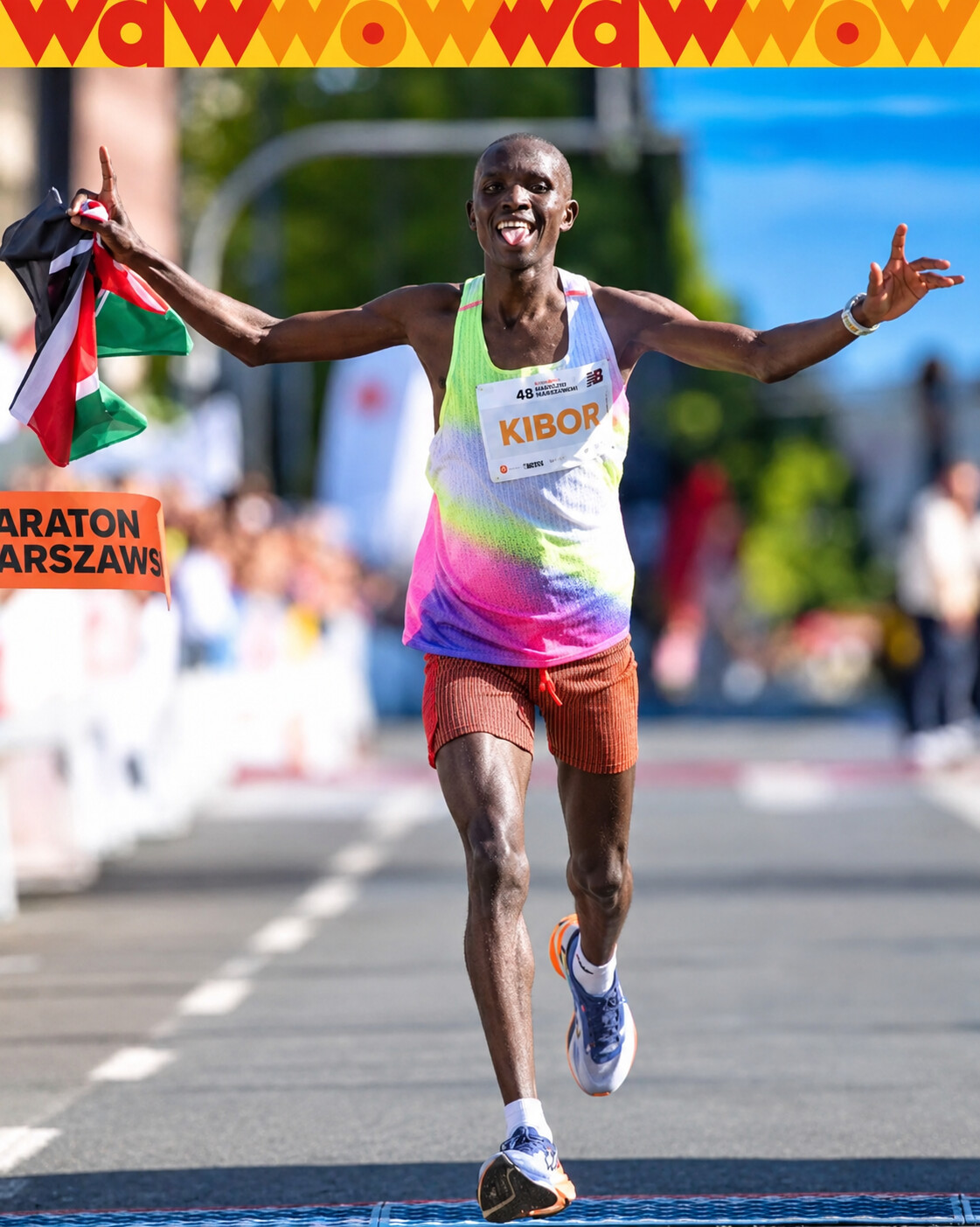
Kibor’s victory added another Kenyan success to the country’s long history of producing elite marathon runners who have excelled on major European road-racing courses.
International Field Takes on Warsaw’s Streets
The 48th Warsaw Marathon began at 9:00 a.m. around Świętokrzyska Street, near the Palace of Culture and Science, with the certified 42.195-kilometre course taking runners through the Polish capital.
This year’s edition attracted an international elite field alongside thousands of mass-participation runners, with spectators lining the streets to support the athletes throughout the race.
The organizers had targeted a significant improvement to the women’s course record, with pacemakers assigned to support a pace corresponding to approximately 2:24–2:26.
Vindics-Tóth ultimately delivered a performance that surpassed expectations, turning the Warsaw Marathon into the biggest race of her career so far and etching her name into the event’s history.
The Warsaw Marathon has remained a major fixture on the European road-running calendar since its first edition in 1979, continuing to attract elite athletes and recreational runners from around the world.
With a Hungarian national record, a new women’s course record and an impressive international podium, the 2026 edition produced a memorable day of marathon racing in the Polish capital.
Lili Anna Vindics-Tóth — 2:24:48. A Hungarian record, a Warsaw course record and a breakthrough performance that will be remembered for years to come.
by Erick Cheruiyot for My Best Runs.
Login to leave a comment

PZU Warsaw Marathon
The course of the PZU Warsaw Marathon, offers great support of the residents of the capital and tourists along it and bands giving positive rhythm in densely spaced cheering points for the over 6,500 participants. You are cordially invited to Warsaw – the capital city of Poland – a city worth seeing. Be our guest here and let yourself get...
more...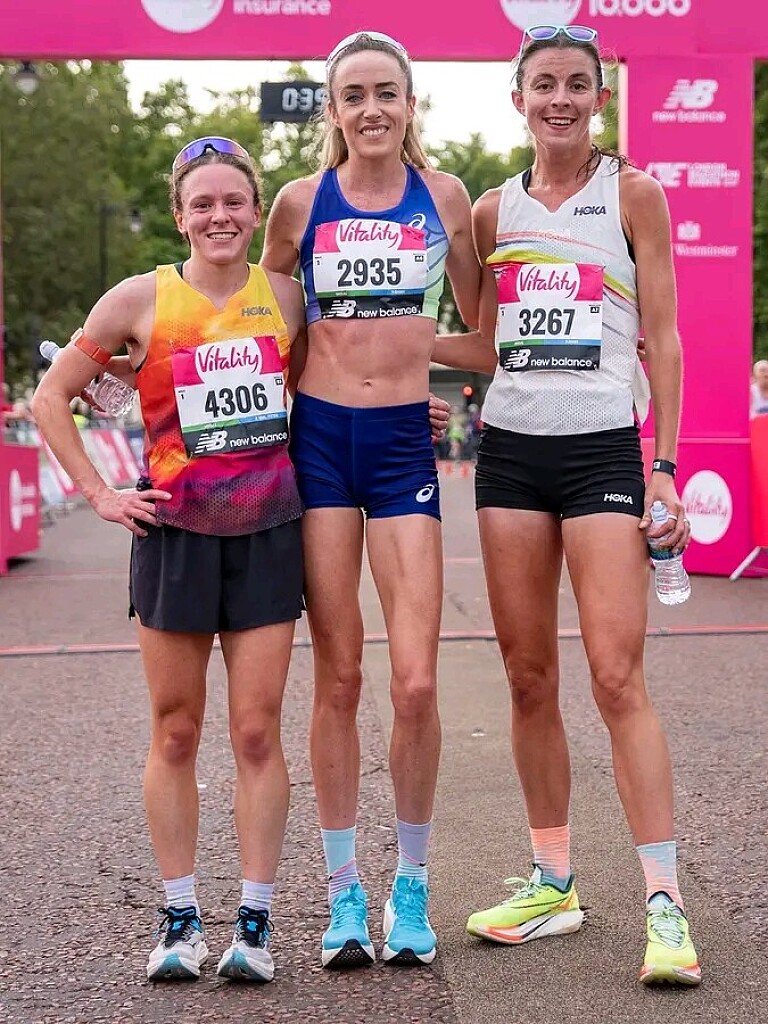
Eilish McColgan Makes History as Kadar Omar Abdullahi Completes London 10,000 Triumph
Kadar Omar Abdullahi and Eilish McColgan took centre stage at the 2026 Vitality London 10,000 on Sunday, with both athletes producing commanding performances on the streets of the British capital.

Abdullahi capped a memorable September by securing the men’s title in 29:20, pulling clear of British distance-running star Phil Sesemann, who crossed the line second in 29:39. Freddy Richardson completed the podium in 29:53.
The victory continued Abdullahi’s impressive run of form after his breakthrough triumph at the Big Half earlier this month. Having already demonstrated his strength over 13.1 miles, the British athlete returned to the roads of London and produced another controlled performance over 10 kilometres, ultimately creating a 19-second winning margin.
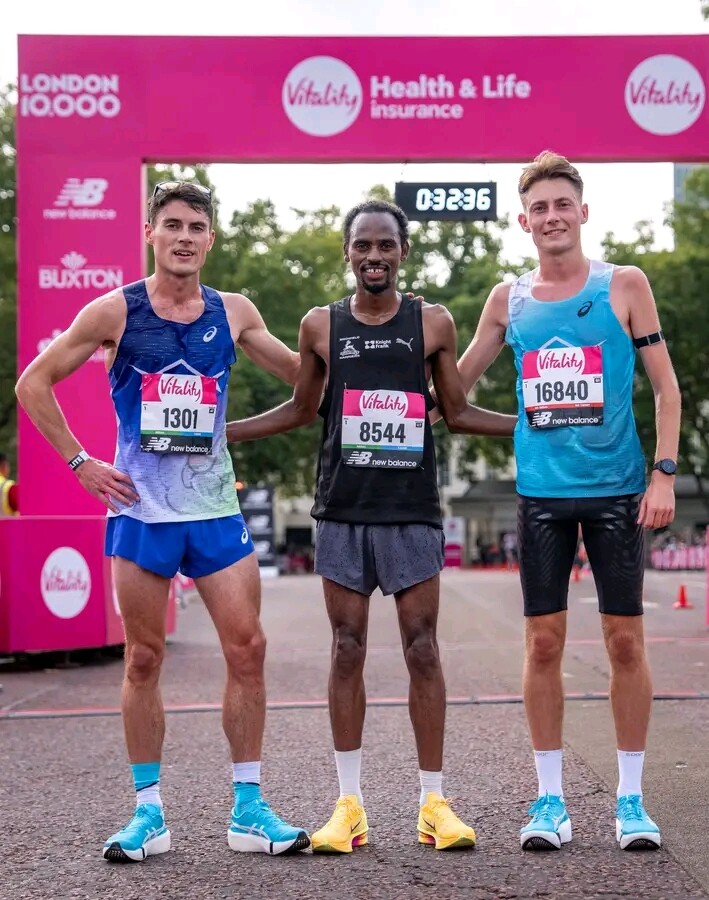
Sesemann remained his closest challenger, but Abdullahi was able to establish the decisive gap and bring the race under control in the closing stages. Richardson followed in third, giving the home crowd a strong British presence across the men’s podium.
For Abdullahi, the victory adds another significant chapter to what has been an outstanding month on the London road-racing scene. His back-to-back victories at the Big Half and Vitality London 10,000 underline both his speed and versatility across the longer road distances.
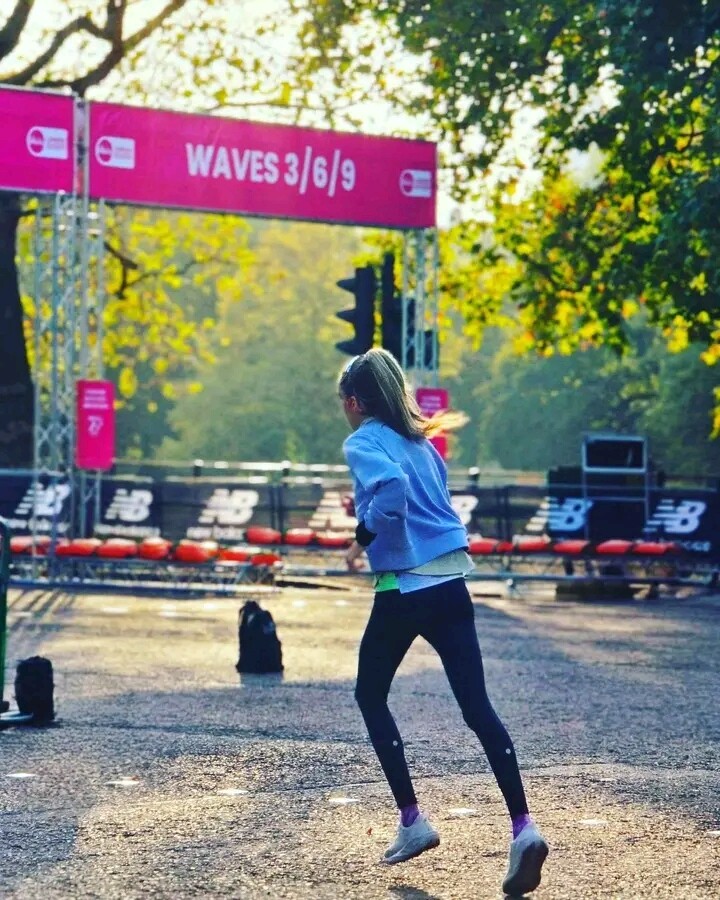
In the women’s race, Eilish McColgan delivered the headline performance of the day, winning in 31:50 to claim an unprecedented fourth Vitality London 10,000 title.
The Scottish distance star finished comfortably ahead of Jess Warner-Judd, who took second in 33:13, while Kate Estlea-Morris secured third in 33:58.
McColgan’s latest victory moves her clear as the most successful woman in the history of the event. She had previously won the race in 2022, 2024 and 2025, and her latest triumph adds another piece of history to an already remarkable career on the track and road.
The achievement is particularly notable given the twists and turns of McColgan’s 2026 season. After suffering a broken toe during the London Marathon in April and subsequently missing the Commonwealth Games, she returned to racing with a victory at the Big Half before another setback forced her to withdraw from the Great North Run.
Just two weeks later, she was back at the sharp end of competition, producing a composed 31:50 performance to reclaim the London 10,000 crown.
The Vitality London 10,000, one of the capital’s most prominent road races, follows a fast and largely flat route beginning on The Mall and finishing outside Buckingham Palace, providing a spectacular setting for both elite and mass-participation runners.
With Abdullahi extending his remarkable September run and McColgan rewriting the event’s record books, the 2026 edition provided a memorable double triumph for two athletes who arrived in London carrying momentum—and left with another major victory to their names.
by Erick Cheruiyot for My Best Runs.
Login to leave a comment

Vitality London 10,000
The Vitality London 10,000 takes you past many landmark sites, including the London Eye, Buckingham Palace and the Bank of England – so you even get to do a bit of sightseeing along the way! You will run alongside elite runners and have coverage from the BBC, making this 10km one of the highest in profile of its kind....
more...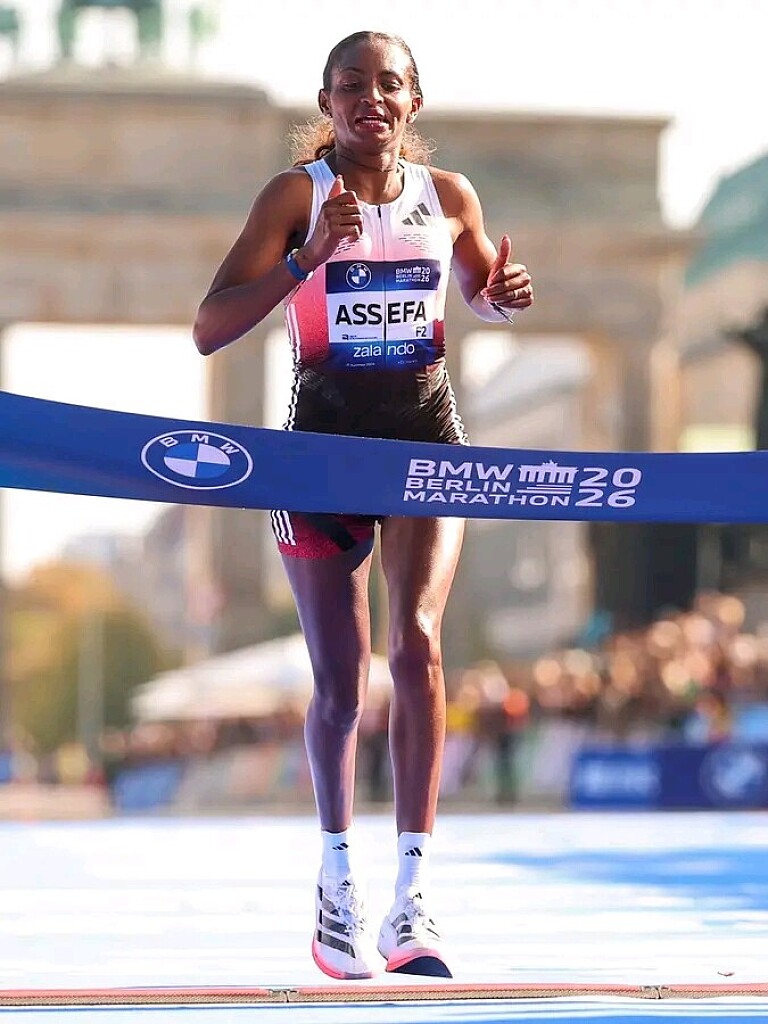
Agony In Victory: Tigst Assefa Fights Through Final-Kilometre Struggles To Win Berlin Marathon
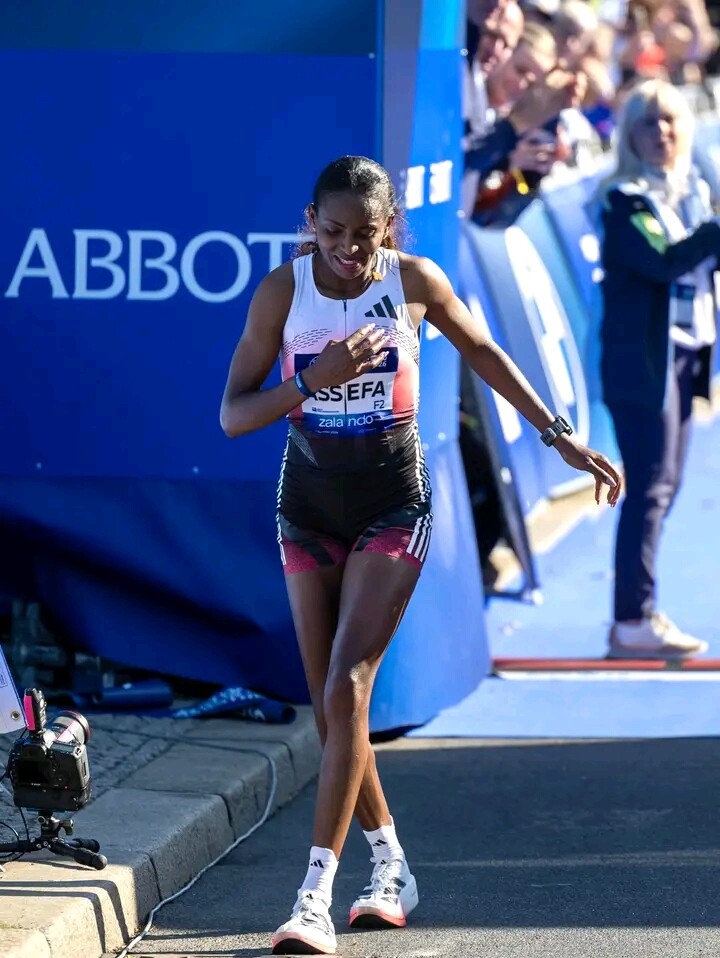
Ethiopia’s Tigst Assefa produced one of the most dramatic performances of the 2026 BMW Berlin Marathon, winning the women’s race in a stunning 2:11:04 after seeing a potential world-record run unravel in the closing stages.
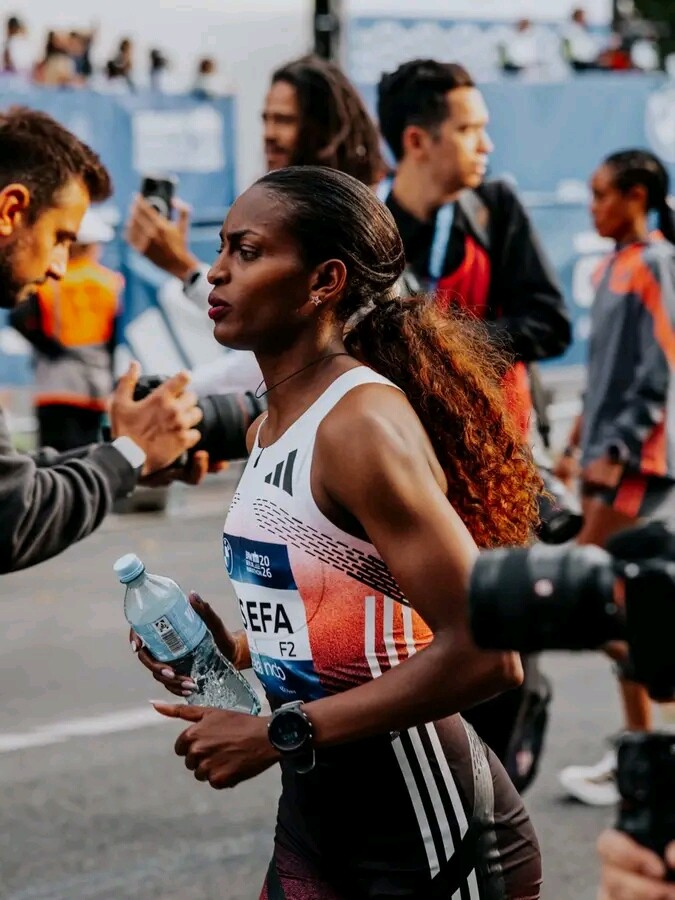
The 29-year-old Ethiopian arrived in Berlin with one enormous target in mind—the 2:09:56 world record set by Kenya’s Ruth Chepngetich in Chicago in 2024. For much of the morning, Assefa looked perfectly positioned to attack the mark.
Running patiently behind her pacers, she remained on world-record schedule through halfway. At 35 kilometres, the Ethiopian was still moving at a pace that put the global record within reach, and even with only seven kilometres remaining, the possibility of history remained very much alive.
Then the race changed dramatically.
As the kilometres ticked down, Assefa’s pace began to slip. In the closing kilometre, she appeared to be struggling badly and started to limp, turning what had been a world-record assault into a desperate battle to reach the finish line.
The record was gone—but Assefa refused to surrender the race.
Despite the apparent physical setback and the immense fatigue of the final stages, she kept moving forward and crossed the line in 2:11:04, securing her third Berlin Marathon victory.
The final time was 1 minute and 8 seconds outside Chepngetich’s world record, but Assefa still walked away with an extraordinary collection of achievements: a new personal best and a new Berlin course record.
And the course record she broke was her own.
Assefa previously ran 2:11:53 in Berlin in 2023, a performance that established a world record at the time. Three years later, she returned to the same course and took an astonishing 49 seconds off that mark.
The performance also places Assefa among the fastest women ever to run the marathon, with only two women having recorded faster times.
Her Berlin story has now entered another remarkable chapter. Assefa has won the prestigious race three times—2022, 2023 and 2026—and each victory has come with a course record.
Her relationship with the German capital has therefore become extraordinary. Berlin has repeatedly been the place where Assefa has transformed ambition into historic performances, and Sunday was no different, even though the world record ultimately remained beyond her reach.
Her remarkable season had already included another major achievement. Five months ago in London, Assefa lowered her own women-only marathon world record to 2:15:41, further establishing herself as one of the defining marathoners of her generation.
But Berlin demanded something different from her.
This was no longer simply about speed. It became a test of resilience as the world-record dream disappeared and the final kilometre became a fight against exhaustion and apparent physical discomfort.
Assefa kept going.
She pushed through the pain, reached the finish line and secured another historic victory on the streets that have played such a defining role in her career.
Behind Assefa, Ethiopia dominated the front of the field, with Bratu Hirpa and Dera Dida completing an Ethiopian 1-2-3. Bekelech Gudeta and Alemitu Tariku also finished inside the top five, underlining the depth of the Ethiopian challenge. Kenya’s Pascaline Jelagat led the Kenyan contingent in sixth, followed by Ethiopia’s Misgane Alemayehu, while Ludwina Chepngetich and Evaline Chirchir finished eighth and ninth respectively.
Top 10 Women’s Results – 2026 BMW Berlin Marathon
1. Tigst Assefa (Ethiopia) — 2:11:04
2. Bratu Hirpa (Ethiopia) — 2:16:53
3. Dera Dida (Ethiopia) — 2:16:55
4. Bekelech Gudeta (Ethiopia) — 2:18:58
5. Alemitu Tariku (Ethiopia) — 2:19:01
6. Pascaline Jelagat (Kenya) — 2:20:23
7. Misgane Alemayehu (Ethiopia) — 2:20:27
8. Ludwina Chepngetich (Kenya) — 2:21:25
9. Evaline Chirchir (Kenya) — 2:21:32
10. Aminet Ahmed (Ethiopia) — 2:21:45
The world record survived in Berlin. Her own course record did not.
And perhaps that is what makes the 2026 edition of the BMW Berlin Marathon another unforgettable chapter in the remarkable story of Tigst Assefa.
by Erick Cheruiyot for My Best Runs.
Login to leave a comment
BMW Berlin Marathon
The story of the BERLIN-MARATHON is a story of the development of road running. When the first BERLIN-MARATHON was started on 13th October 1974 on a minor road next to the stadium of the organisers‘ club SC Charlottenburg Berlin 286 athletes had entered. The first winners were runners from Berlin: Günter Hallas (2:44:53), who still runs the BERLIN-MARATHON today, and...
more...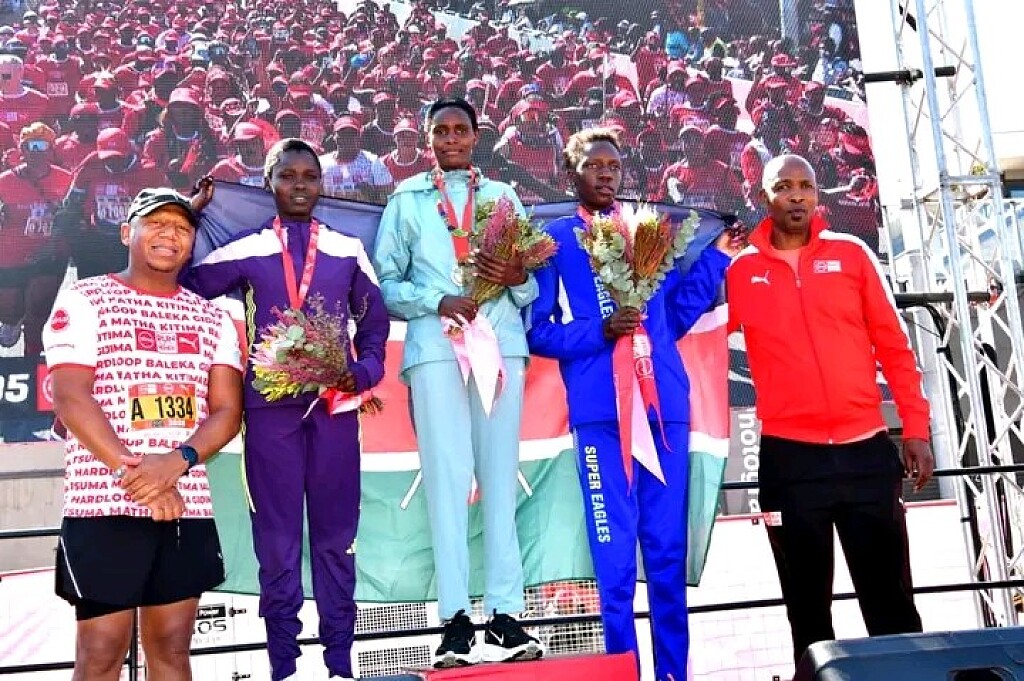
Kenyan Trio Completes Clean Sweep At 2026 Absa Joburg 10K
Kenya produced a commanding display on the streets of Johannesburg, South Africa, as Deborah Chemutai led a clean sweep of the women’s podium at the 2026 Absa Joburg 10K.

Chemutai delivered a strong winning performance to cross the finish line first in 32:50, securing victory and leading a remarkable Kenyan one-two-three in the South African road race.
She was followed by compatriot Mercy Chelimo, who battled her way to second place in 33:10, while Esther Borura completed the Kenyan domination by taking third in 33:27.
The result highlighted Kenya’s depth in women’s road running, with all three podium positions occupied by athletes from the East African distance-running powerhouse.
Chemutai’s victory was the centerpiece of an impressive Kenyan performance, as she maintained her advantage to claim the top step of the podium in Johannesburg. Chelimo and Borura ensured the Kenyan dominance extended through the leading positions, completing a memorable sweep.
The margin between the three Kenyans also made the podium battle particularly compelling. Chelimo finished just 20 seconds behind Chemutai, while Borura was another 17 seconds adrift, producing a closely packed Kenyan presence at the sharp end of the race.
Beyond the individual victory, the result underlined the remarkable depth available in Kenyan women’s road running. Producing the winner is one achievement, but occupying all three podium places demonstrates how strongly the country continues to feature when elite road races bring together talented distance runners.
For Chemutai, the Johannesburg triumph provided a memorable addition to her racing campaign, while Chelimo and Borura completed a result that will stand out from the 2026 edition of the Absa Joburg 10K. Together, the trio turned the women’s podium into a celebration of Kenyan running strength.
Women’s 10km Results
1. Deborah Chemutai (Kenya) — 32:50
2. Mercy Chelimo (Kenya) — 33:10
3. Esther Borura (Kenya) — 33:27
The Johannesburg finish therefore belonged entirely to Kenya, with Chemutai, Chelimo and Borura combining to produce a flawless podium sweep and underline the depth of Kenyan talent in the 10km road-racing scene.
by Erick Cheruiyot for My Best Runs.
Login to leave a comment

Absa Run Your City Joburg 10K
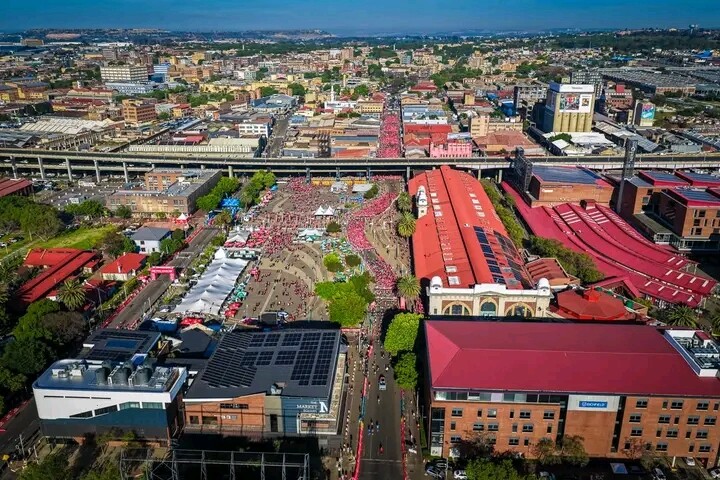
A proud Heritage Day Celebration, the Absa RUN YOUR CITY JOBURG 10K was founded in 2016 and celebrates the splendour of the City of Gold. Runners (and walkers) will be treated to a 10km journey that highlights iconic landmarks and features lively performances by a host of Joburg’s leading performing arts groups. A true highlight on the SA running calendar,...
more...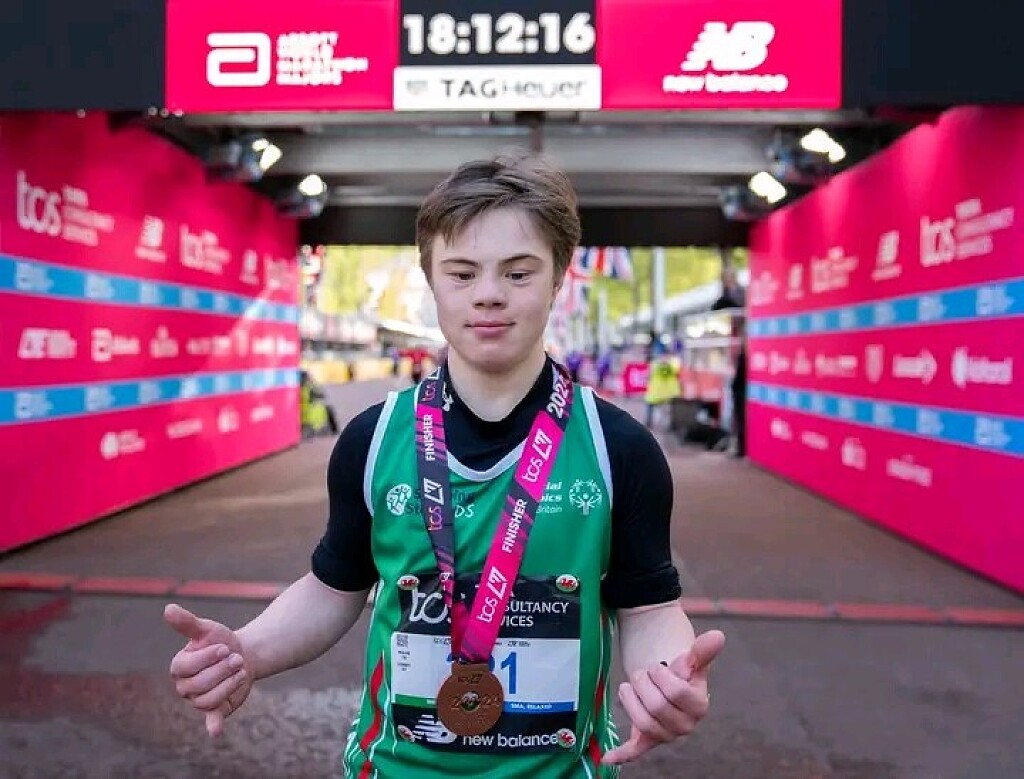
From Being Told He Might Never Walk to Making Marathon History: Lloyd Martin’s Remarkable Journey
Lloyd Martin’s journey to the finish line of the London Marathon is far more than a story about completing 26.2 miles. It is a story of determination, family support and refusing to allow other people’s expectations to define what is possible.
Born with Down syndrome and a hole in his heart, Lloyd faced serious uncertainty from the beginning of his life. His family was warned that he might never walk, talk or become independent, according to his mother, Ceri Hooper. Those early concerns, however, did not become the limits of Lloyd’s future.
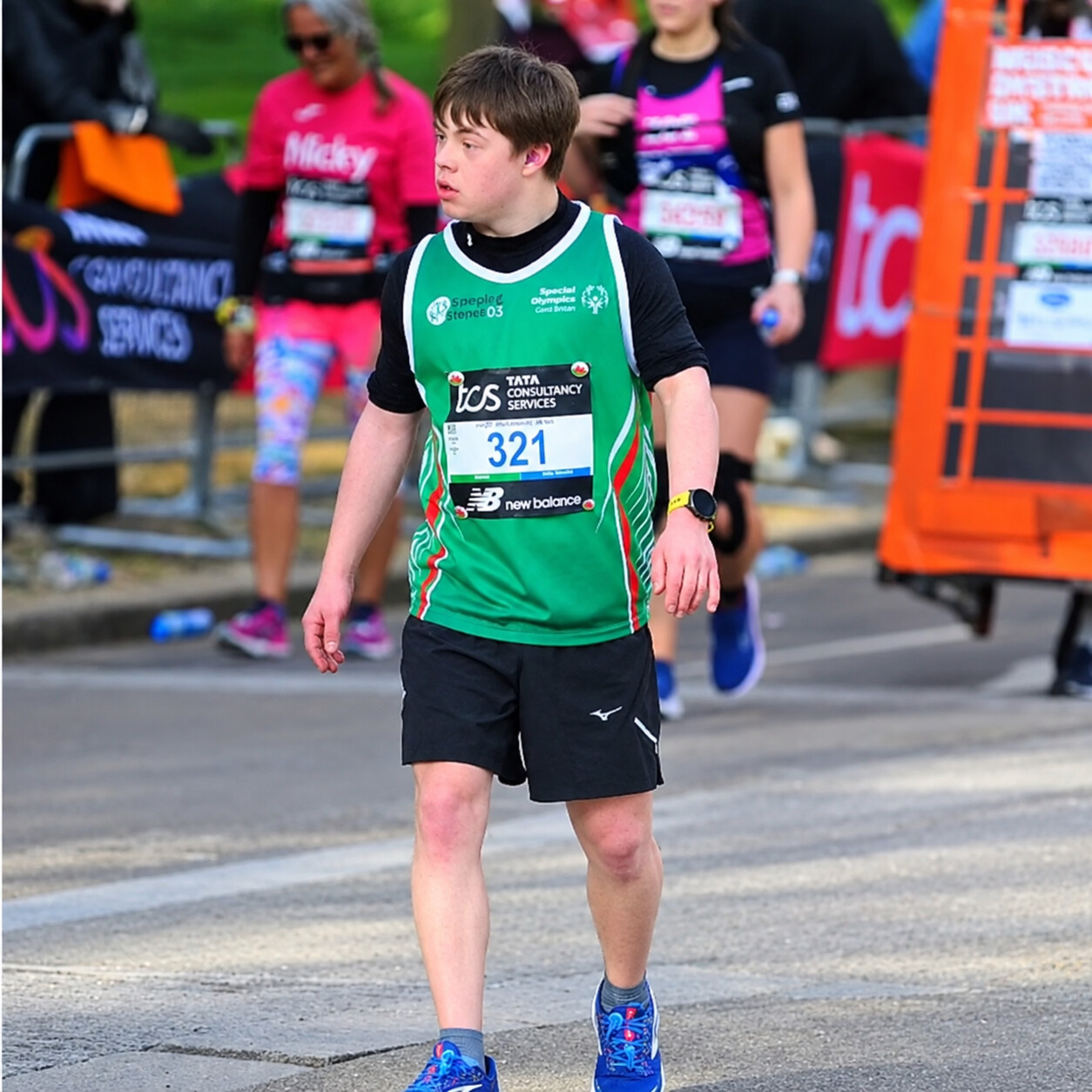
In 2021, Lloyd underwent surgery on his knees, adding another difficult chapter to his journey. Yet he continued to embrace sport and eventually developed a passion for running, initially taking part in regular 5K parkrun events.
When the opportunity to take on the iconic TCS London Marathon arrived, the challenge was enormous. Before beginning his marathon preparation, Lloyd had never run beyond the 5K distance. His mother then designed a five-month training programme, gradually increasing his long runs while ensuring that he trained safely and enjoyed the experience.
On 21 April 2024, at just 19 years old, Lloyd stood on the London Marathon start line with a remarkable goal: to finish the race and make history.
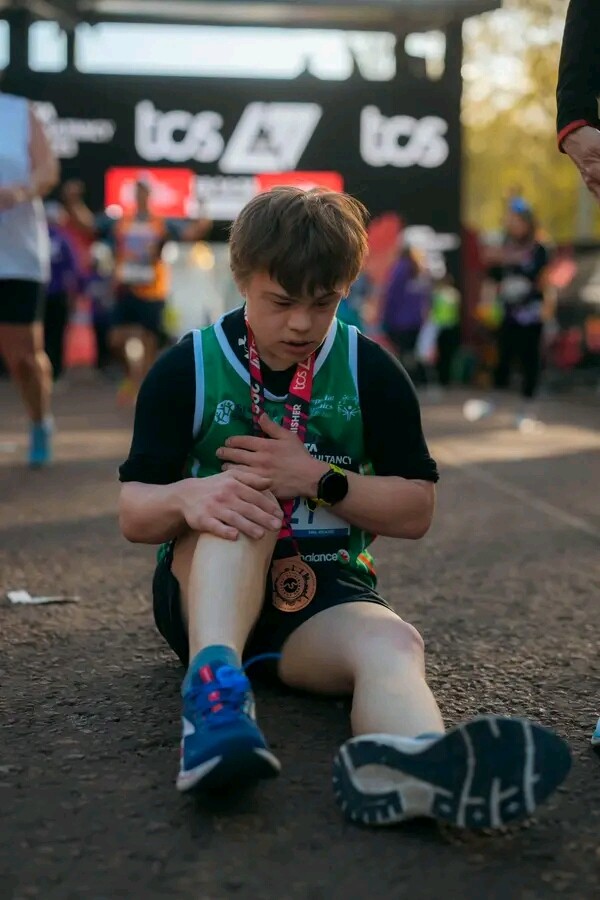
He did exactly that.
Lloyd completed the 26.2-mile course in 6:46:10, crossing the finish line alongside his mother and guide runner, Ceri. His performance earned him a Guinness World Records title as the youngest person to complete a marathon in the II2 category (male).
For Ceri, who is herself an experienced marathon runner, the achievement carried an especially powerful meaning. She had been beside Lloyd throughout his preparation, accompanying him through countless training sessions and helping him build the endurance required for the biggest running challenge of his young life.
But running is only one part of Lloyd’s sporting story.
He is also an accomplished gymnast and footballer through Special Olympics Great Britain. His sporting journey has continued to grow since his marathon breakthrough, and later in 2024 he added another Guinness World Records title by becoming the youngest male in the II2 category to complete a half marathon, finishing the Great North Run in 2:39:09.
Lloyd’s London Marathon achievement also became a platform for fundraising. Through his marathon campaign, he raised money for causes close to his heart, including Special Olympics Great Britain and Stepping Stones DS. His story has since continued to inspire people well beyond the marathon course.
What makes Lloyd’s story particularly powerful is the distance between the predictions made at the beginning of his life and the achievements he has gone on to accomplish.
There was a time when his family was warned that he might never walk. Years later, he was not only walking but running, competing in sport, completing marathons and entering the Guinness World Records.
His 6:46:10 finish in London was therefore about much more than a finishing time. It represented years of encouragement, training, perseverance and a family's belief in what Lloyd could achieve.
From facing uncertainty at birth to becoming a Guinness World Records holder at 19, Lloyd Martin has built a remarkable sporting story—one step, one kilometre and one challenge at a time.
His journey is a powerful reminder that a starting point does not have to determine the destination.
by Erick Cheruiyot for My Best Runs.
Login to leave a comment
