

Running News Daily
Running News Daily is edited by Bob Anderson and team. Send your news items to bob@mybestruns.com Advertising opportunities available.
Index to Daily Posts · Sign Up For Updates · Run The World Feed
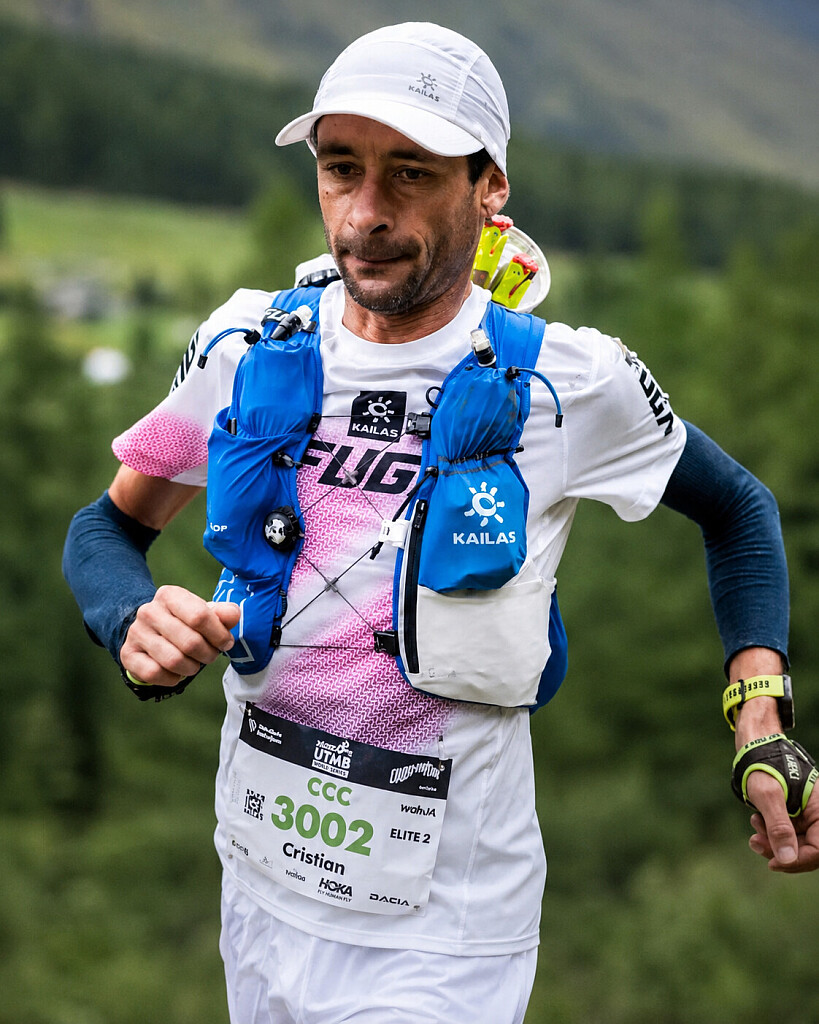


Cristian Minoggio Conquers the CCC in Chamonix as 42-Year-Old Italian Claims Career-Best Triumph

Cristian Minoggio produced the biggest victory of his career on Friday, mastering the demanding conditions of the 2026 CCC to claim a remarkable triumph in Chamonix.
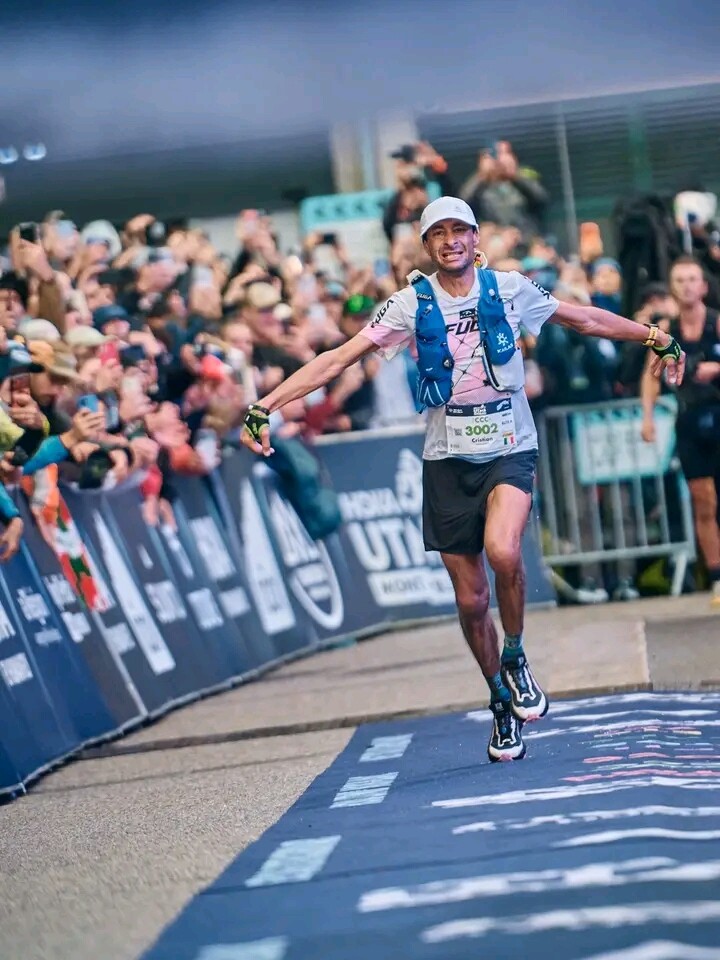
The 42-year-old Italian crossed the finish line in 10:21:48, completing the revised 107-kilometre course in a race reshaped by severe storms that forced organisers to remove the final major climb towards La Flégère.
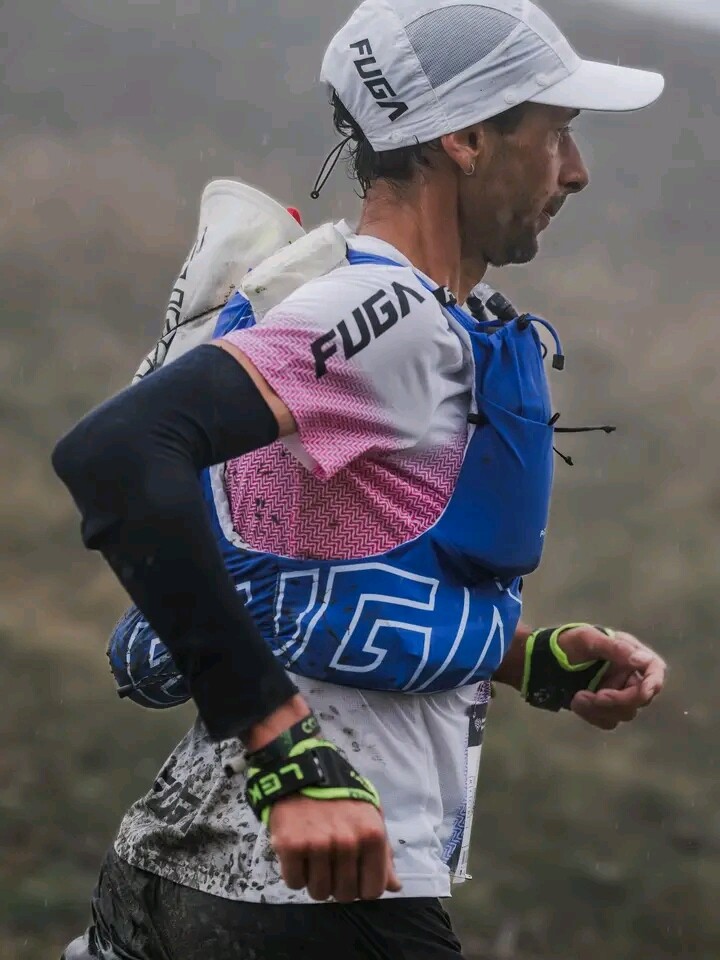
Minoggio made his decisive move on the climb towards Trient, roughly 80 kilometres into the shortened route. While others began to fade under the relentless demands of the course, the experienced Italian found another gear and gradually established the advantage that would ultimately carry him to victory.
For much of the middle stages, American Hans Troyer controlled the race from the front, but the closing kilometres brought a dramatic change. Portugal’s Miguel Arsenio surged late to overtake Troyer and secure second place in 10:27:25, while Troyer fought his way to the final podium position in 10:33:29.
For Minoggio, however, the day belonged entirely to him.
A runner with a strong Ultra SkyMarathon background, the Italian had already demonstrated his ability to compete at the highest level of mountain ultra-running. He finished second at the OCC last year, but the CCC victory in Chamonix represented a defining moment in his career.
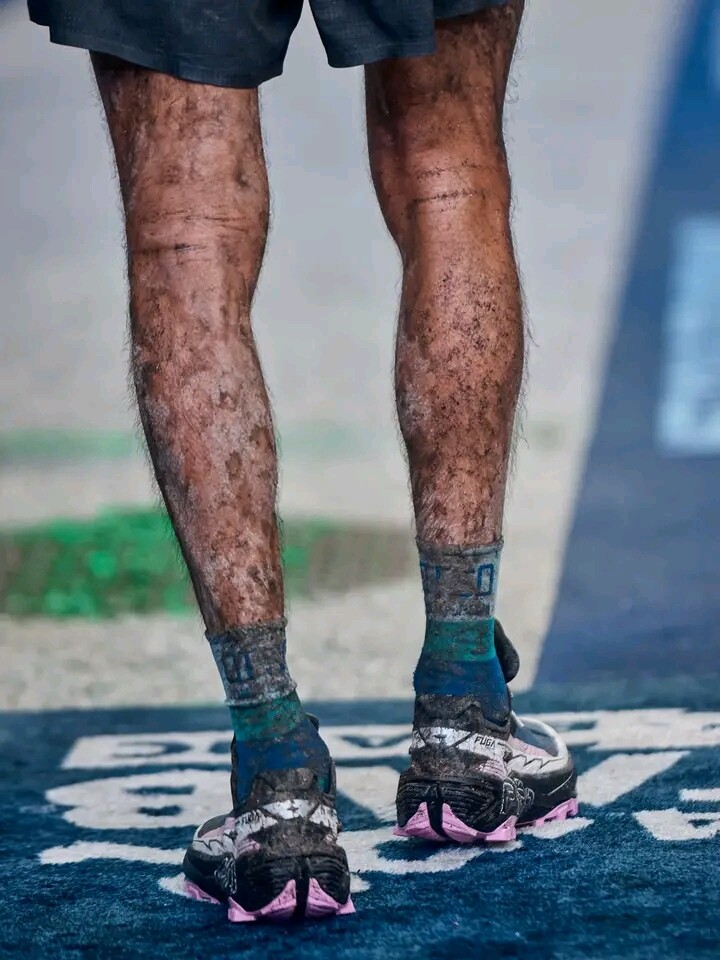
His arrival at the finish carried the emotion of a dream finally realised. Mud-splattered after hours on the mountain, Minoggio crossed the line visibly overwhelmed by what he had accomplished. He removed his cap and, in a deeply symbolic gesture, placed it on the head of UTMB co-founder Catherine Poletti, creating one of the most touching scenes of the day.
His victory also came at a remarkable moment in the UTMB week. Minoggio reached the finish just 23 minutes before the delayed start of the UTMB, with thunderstorms having already forced organisers to adjust the schedule and alter the course.
The women's CCC race also produced a familiar champion, as Norway’s Yngvild Kaspersen successfully defended her title, winning in 12:01:14 to claim her second CCC crown.
But Friday belonged to Minoggio — an Italian veteran who combined experience, patience and a perfectly timed attack to turn a brutal, weather-disrupted edition of the CCC into the greatest victory of his career.
At 42, Cristian Minoggio has conquered Chamonix.
by Erick Cheruiyot for My Best Runs.
Login to leave a comment
Latest Running News
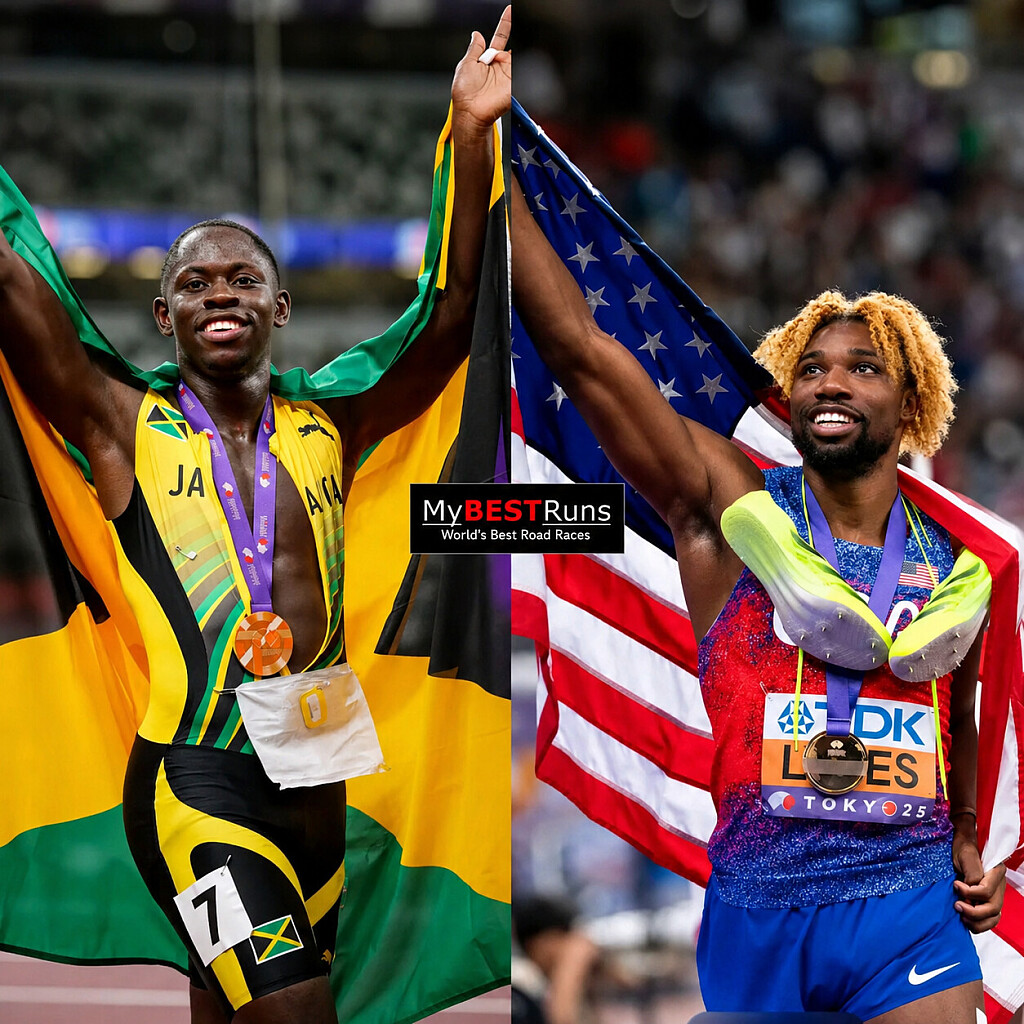
SEVILLE vs LYLES: The Ultimate 100m Showdown Is Coming to Budapest
Budapest is preparing for a sprinting spectacle unlike any other as Jamaica’s Oblique Seville and American superstar Noah Lyles prepare to renew one of the most intriguing rivalries in men’s 100m on the biggest stage of the inaugural World Athletics Ultimate Championship, set for September 11–13, 2026.

This is more than another race. It is a collision between two global champions who have already established themselves among the leading figures of the modern sprinting era. Seville enters the showdown as the reigning world champion, while Lyles arrives with the credentials of an Olympic champion, setting up a mouthwatering battle for supremacy over athletics’ blue-riband distance.
Both sprinters have earned automatic places in Budapest as designated “Ultimate Stars”, a reward for their previous global gold-medal success. That means they will not need to navigate the qualification route like many of their rivals. Instead, the spotlight will immediately fall on the two superstars when they step onto the track in Budapest.
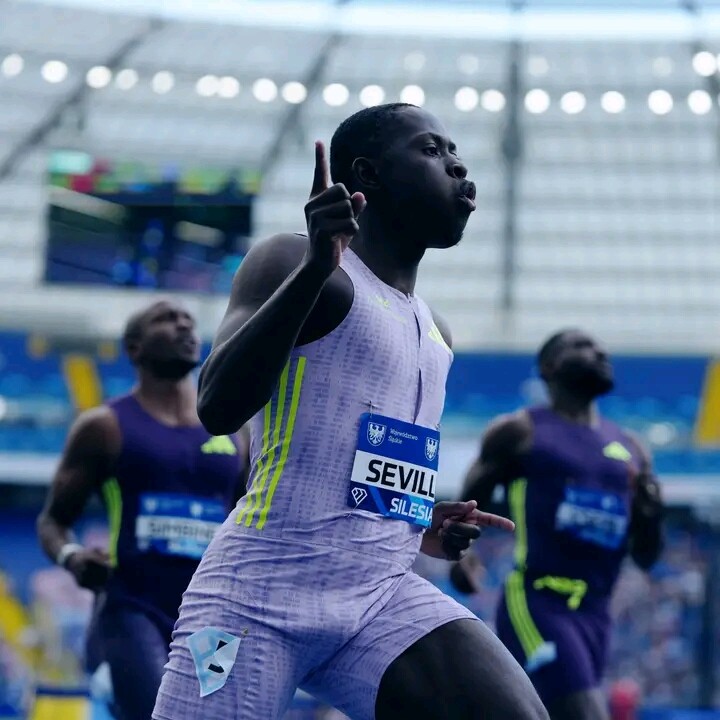
For Seville, the championship represents another opportunity to demonstrate that his rise to the top of the 100m was no coincidence. The Jamaican has developed into a formidable championship sprinter, combining explosive acceleration with the composure required to deliver when the pressure is at its highest. Now, he faces perhaps his most glamorous challenge yet against one of the most decorated sprinters of his generation.
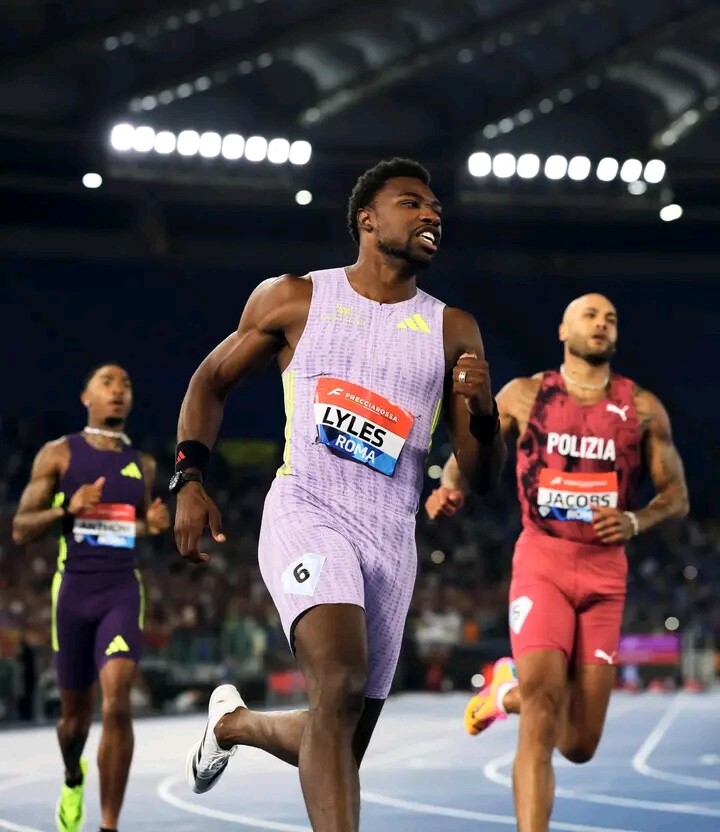
Lyles, meanwhile, brings a résumé built on championship success, confidence and an ability to thrive under the brightest lights. The American has become one of the sport’s biggest personalities, but his ambitions extend far beyond the spotlight. In Budapest, he will be chasing another major victory and the chance to add the Ultimate Championship crown to his growing collection of global honours.
And there is plenty more at stake than bragging rights.
The three-night Budapest finale will bring together the world’s elite athletes, with the winner of each event set to receive a massive US$150,000 prize and, more importantly, the distinction of becoming an Ultimate Champion.
That combination of prestige and prize money should make the 100m one of the most eagerly anticipated races of the entire championship. With Seville representing Jamaica and Lyles carrying American hopes, every fraction of a second could decide who walks away as the ultimate sprint king.
The rivalry now moves to a new stage, with two champions arriving in Budapest carrying different strengths, different personalities and the same burning ambition: to be the man standing when the fastest race of the night is over.
Seville or Lyles? Jamaica’s reigning world champion or America’s Olympic champion?
When the blocks are set and the gun fires in Budapest, who will have the speed, composure and finishing power to claim the Ultimate 100m crown — Oblique Seville or Noah Lyles? The debate starts now.
by Erick Cheruiyot for My Best Runs.
Login to leave a comment
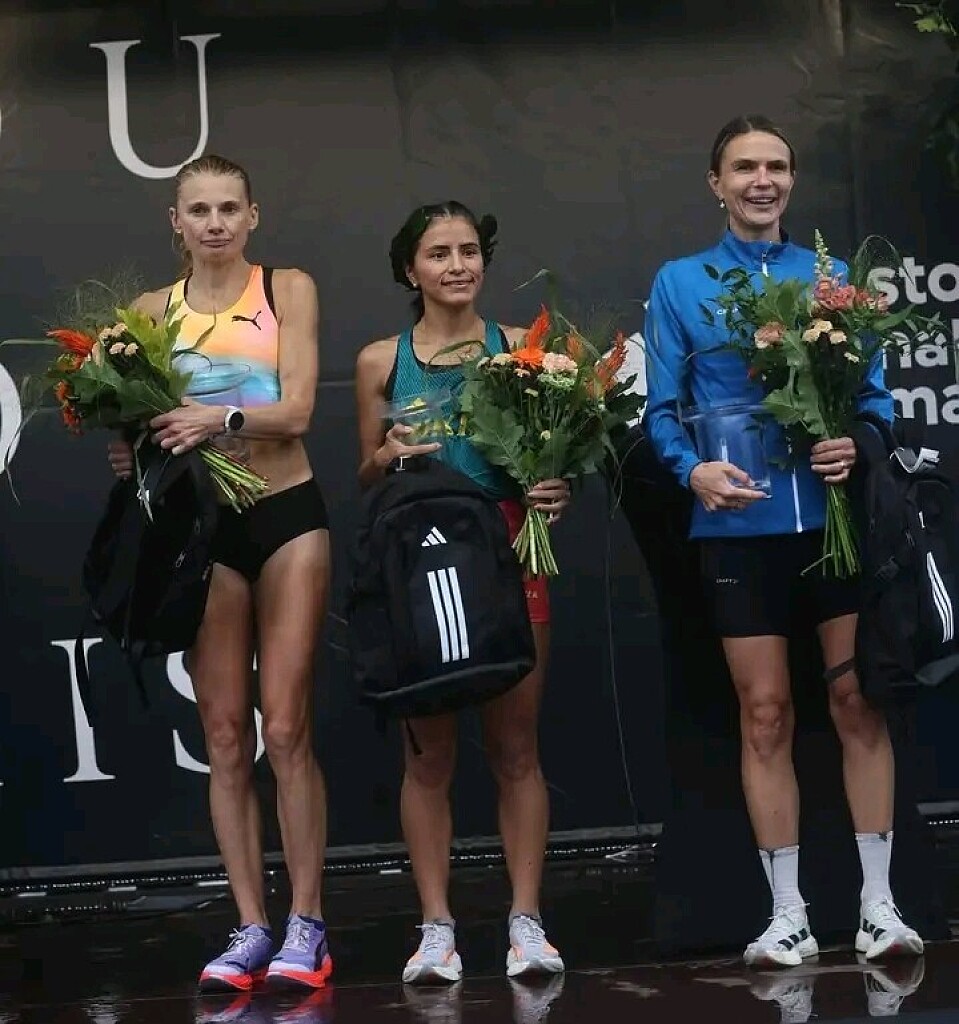
Tisalema Triumphs In Stockholm While Marie Edges A Nail-Biting Men’s Battle
Ecuadorian distance runner Katherine Tisalema produced a commanding performance in Sweden this weekend, racing to victory at the Stockholm Half Marathon in an impressive 1:13:15.
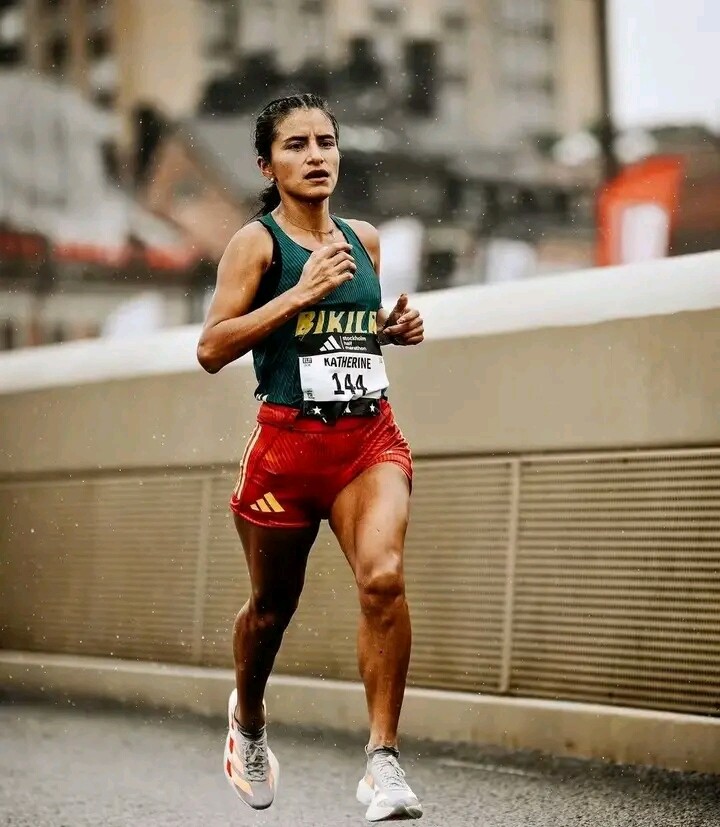
Tisalema controlled the women’s contest over the 21.1-kilometre distance, holding her composure through the closing stages to secure a memorable international victory. Sweden’s Hanna Lindholm finished second in 1:13:53, while compatriot Malin Starlet completed the podium in 1:15:47.
The women’s race delivered its own share of drama as Lindholm continued to chase down Tisalema, refusing to let the Ecuadorian disappear from sight. However, Tisalema remained composed when the pressure intensified, protecting her advantage all the way to the finish and sealing the victory in Stockholm.
Behind the winner, the fight for the remaining podium places added another layer of excitement. Lindholm ultimately held off Starlet to take second, while Starlet secured third and completed a strong showing for the host nation.

The men’s race was even more dramatic, producing a thrilling battle that was decided by just five seconds across the entire podium. France’s Enzo Marie emerged victorious in 1:03:35, but there was virtually nothing separating the leaders as they approached the finish.
Eritrea’s Senay Fissehatsion finished only three seconds behind Marie in 1:03:38, while Great Britain’s Lewis Hannigan was just two seconds further back in 1:03:40. The razor-thin margins meant that every surge, every stride and every second counted in the closing kilometres.
Marie ultimately found the decisive edge to claim the men’s title, with Fissehatsion and Hannigan forced to settle for second and third respectively after an absorbing battle to the line.
With Tisalema producing a strong winning performance in the women’s race and Marie surviving a fiercely contested men’s finish, the Stockholm Half Marathon delivered a compelling showcase of international distance-running talent and plenty of drama across the streets of the Swedish capital.
by Erick Cheruiyot for My Best Runs.
Login to leave a comment

Stockholm Half Marathon
Stockholm Half marathon has a unique course. Starting and running in the area between the castle, the Riksdaghuset and the Opera is special. And running in the middle of town is really a special feeling. The half marathon in Stockholm has been called Stockholm Halvmarathon (Stockholm Half Marathon) since 2007 but the race is actually much older. In 1927, the...
more...
Athletics Must Remain Number One” — Coe’s Final Challenge As The Race For His Successor Heats Up
The battle for the future of world athletics is already taking shape, but outgoing World Athletics President Sebastian Coe has made one message unmistakably clear: athletics must remain at the heart of the Olympic Games.
Speaking ahead of the Diamond League meeting in Zurich, Coe said he remains highly optimistic about the sport’s future and insisted that athletics must protect its position as the leading sport of the Olympic movement.

“There are only two truly global sports, one is football and one is athletics. We must maintain our position as the number one Olympic sport,” Coe said.
The 69-year-old Briton is approaching the final year of his presidency after first taking charge of the global governing body in 2015. He was re-elected for a third term in 2023, which, under World Athletics’ term limits, is his final mandate.
Coe will leave office in 2027, when the next World Athletics president is elected at the Elective Congress in Beijing, immediately before the 2027 World Athletics Championships. The new president will serve a four-year term covering 2027–2031.

And the succession battle is already gathering momentum.
Among the candidates declared eligible so far are prominent figures from within the sport’s leadership, including World Athletics Vice-Presidents Adille Sumariwalla of India, Raul Chapado of Spain and Ximena Restrepo of Colombia. The current list also includes Yuko Arimori of Japan, Hatem Fouda of Egypt, Ivan Garcia of Uruguay, Jean Gracia of France and Kenya’s Jackson Tuwei.
Restrepo brings a particularly distinguished competitive background to the contest. The Colombian won Olympic bronze in the women’s 400 metres at Barcelona 1992 and became the first woman elected as a World Athletics Vice-President in 2019.
For Coe, however, the final chapter of his presidency is not simply about preparing for his departure. He says his priority over the next year is to continue strengthening the sport so that his successor inherits an organisation capable of growing even further.
“I've never been more optimistic about the future of the sport,” Coe said, adding that whoever succeeds him will inherit “a very much stronger sport” than the one he took over in 2015.
His presidency has coincided with significant changes across the sport, including governance reforms, commercial development and efforts to make athletics more innovative and globally engaging. The launch of the new World Athletics Ultimate Championship in Budapest this September is another example of the organisation’s attempt to create a shorter, high-stakes competition featuring many of the world’s leading athletes.
But the next president will inherit an enormous responsibility.
Athletics is the foundation of the Olympic Games, producing some of the most iconic moments in Olympic history and bringing together athletes from virtually every corner of the world. The challenge for Coe’s successor will be to preserve that unique position while making the sport more commercially powerful, more accessible to younger audiences and even more compelling in an increasingly competitive global sporting landscape.
Coe believes the opportunity is there.
As he prepares to hand over the presidency in 2027, his challenge to the next generation of World Athletics leadership is clear: protect the sport’s Olympic identity, keep pushing its boundaries and make sure athletics remains the heartbeat of the Games.
The question now is not whether Coe will leave a significant mark on athletics, but who will have the vision, influence and leadership required to carry the sport into its next era.
Who do you think should lead World Athletics after Sebastian Coe?
by Erick Cheruiyot for My Best Runs.
Login to leave a comment
Alemtsehay Asefa Leads Ethiopian Sweep At Mexico City Marathon
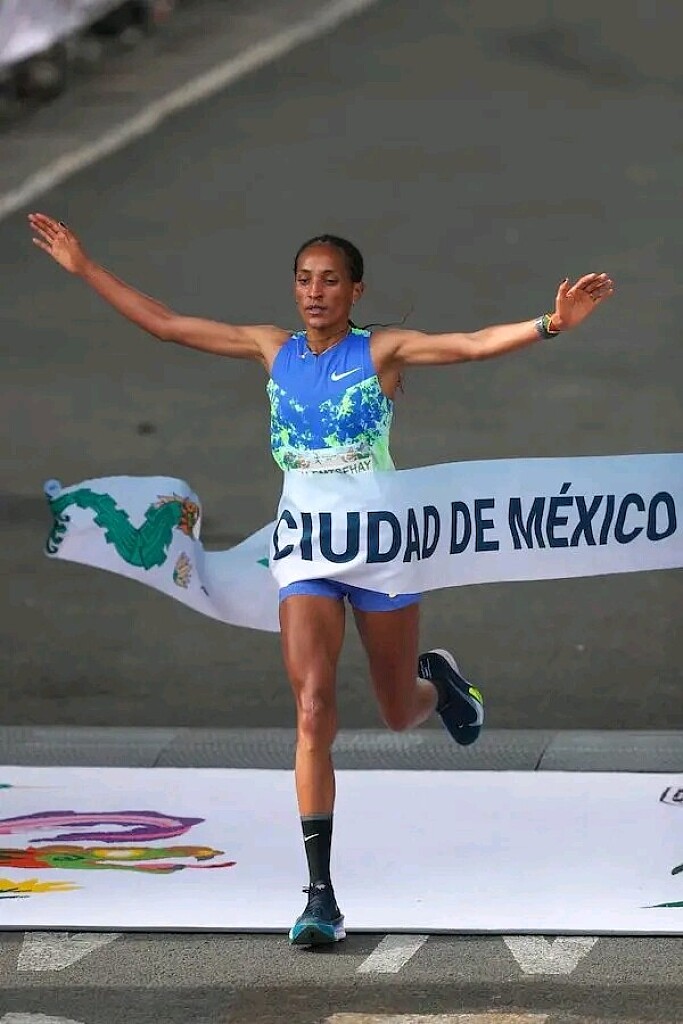
Ethiopia’s Kasegn Alemtsehay Asefa produced a brilliant performance at the 2026 Mexico City Marathon, winning the women’s race in 2:29:30 and leading an impressive Ethiopian clean sweep of the podium.
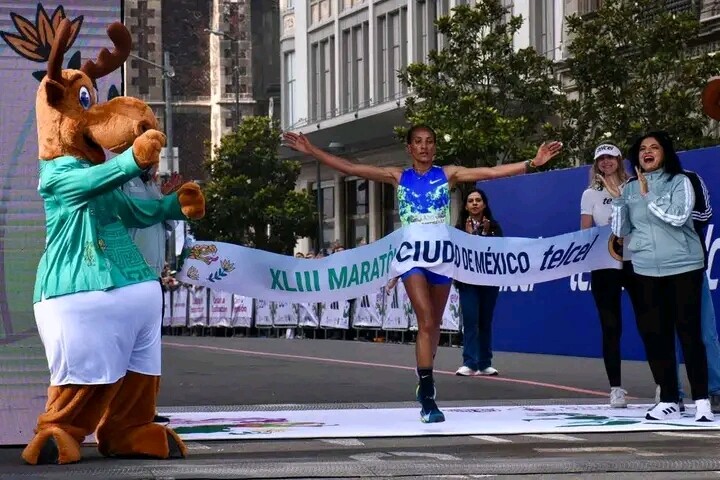
Asefa mastered the demanding 42.195-kilometre course through the Mexican capital, holding her form in an environment where altitude can make an already difficult marathon considerably more challenging. The race is staged at approximately 2,240 metres above sea level, meaning athletes have to contend with thinner air throughout the contest.
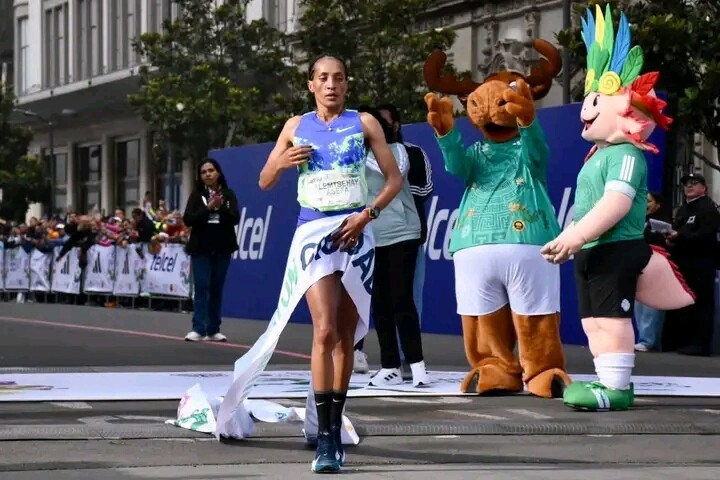
Despite those demanding conditions, Asefa looked in control and eventually crossed the finish line in 2:29:30, securing a convincing victory and adding another notable chapter to Ethiopia’s strong tradition in distance running.

Her compatriots Gebremedhin Alema and Tefera Mekashu completed the Ethiopian domination, finishing second and third respectively. Alema stopped the clock at 2:32:23, while Mekashu followed in 2:34:04, giving Ethiopia all three places on the women’s podium.
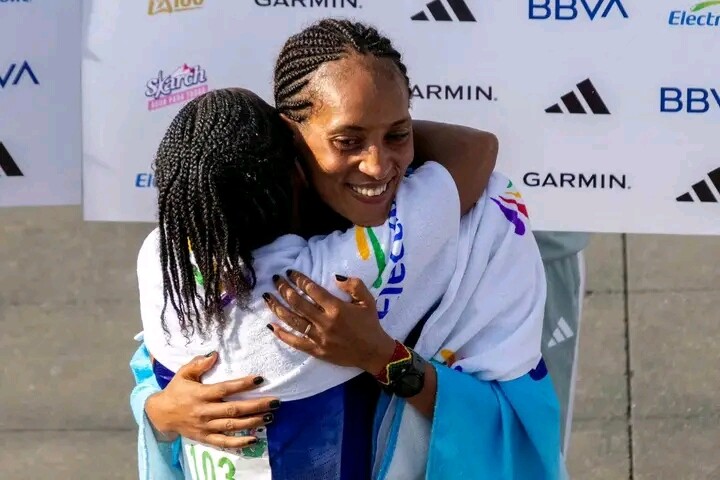
Peru’s Saida Meneses was the leading athlete outside Ethiopia, running an excellent 2:34:41 for fourth place. Her performance also made her the top South American woman in the race, narrowly missing the podium after finishing just 37 seconds behind Mekashu.
Kenya was represented inside the top six by Dorine Jerop, who produced a strong 2:36:32 to finish sixth.
Mexico’s leading runners followed behind the international contenders, with Margarita Hernandez finishing seventh in 2:46:14, followed by Estefany Rodriguez in 2:50:04. Ines Sarate Gil placed ninth in 2:55:20, while Micaela Rayo Reyes completed the top 10 in 2:55:58.
2026 Mexico City Marathon — Women's Top 10
1. Kasegn Alemtsehay Asefa — Ethiopia — 2:29:30
2. Gebremedhin Alema — Ethiopia — 2:32:23
3. Tefera Mekashu — Ethiopia — 2:34:04
4. Saida Meneses — Peru — 2:34:41
5. Gerefa Hailu — Ethiopia — 2:36:05
6. Dorine Jerop — Kenya — 2:36:32
7. Margarita Hernandez — Mexico — 2:46:14
8. Estefany Rodriguez — Mexico — 2:50:04
9. Ines Sarate Gil — Mexico — 2:55:20
10. Micaela Rayo Reyes — Mexico — 2:55:58
The women’s race ultimately belonged to Ethiopia, with four of the top five finishers representing the East African distance-running powerhouse. Asefa’s winning performance was the highlight, but the depth shown by her compatriots made the result even more impressive.
The Mexico City Marathon is unlike many other major city marathons because of its extraordinary elevation. At more than 2,200 metres above sea level, maintaining marathon pace requires not only physical strength but also careful management of effort and oxygen demand. Asefa’s ability to produce a 2:29:30 under those circumstances makes her victory particularly noteworthy.
For Asefa, the reward was a memorable victory on one of the world's most distinctive marathon courses. For Ethiopia, it was an emphatic statement of strength, with the country sweeping the entire women's podium in Mexico City.
by Erick Cheruiyot for My Best Runs.
Login to leave a comment

Mexico City International Marathon
The Mexico City Marathon is held in Mexico City, the federal district capital of Mexico and the country`s largest and most important city. The Mexico City Marathon is organized by the Mexican Athletic Association and is the largest running-event in the country. The race has been held for more than 30 years. The route starts in the historic district...
more...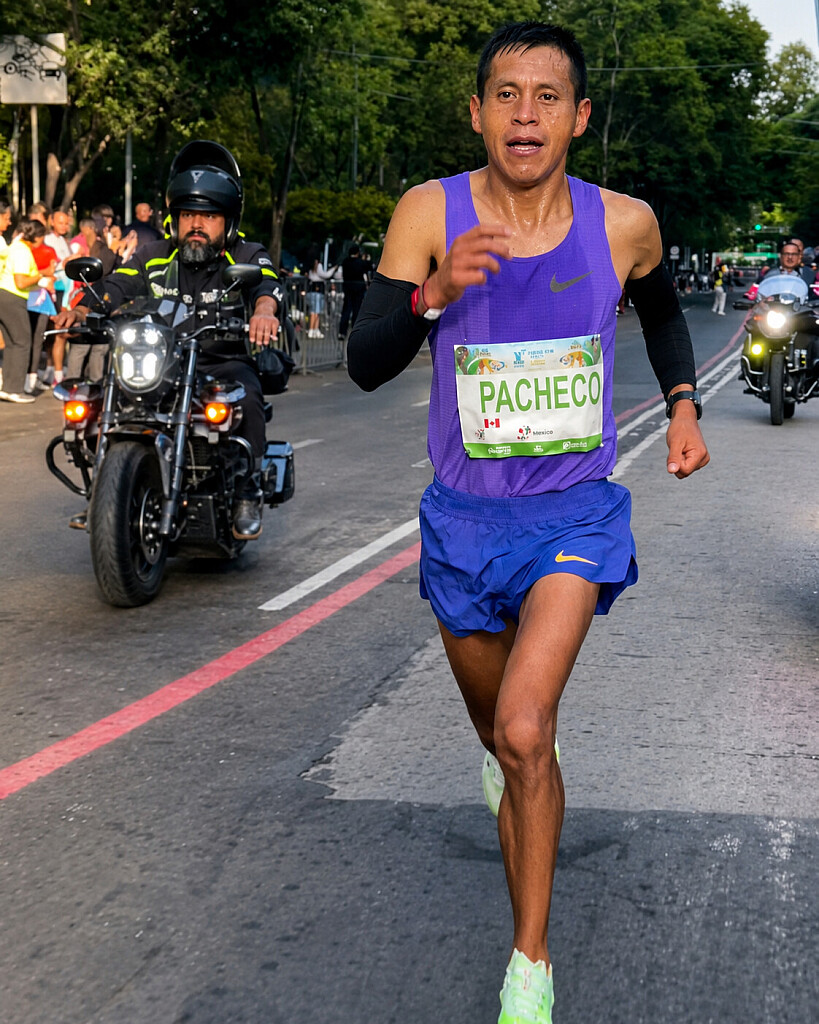
Cristhian Pacheco Conquers Mexico City Marathon as Peruvian Star Claims Victory in 2:10:03
Peru’s Cristhian Pacheco produced a magnificent performance to win the 2026 Mexico City Marathon, overcoming a strong international field and the demanding conditions of one of the world’s highest-profile high-altitude marathons.

Pacheco crossed the finish line in 2:10:03, securing a memorable victory on the streets of Mexico’s capital. Racing at an altitude of approximately 2,240 metres above sea level, the Peruvian had to contend with reduced oxygen availability and a course that places considerable demands on even the most experienced marathoners.
The race developed into a fascinating battle between Pacheco and a group of leading Ethiopian and African runners. However, the Peruvian remained composed as the kilometres accumulated and eventually established himself at the front, producing a strong finish to secure the title.
Behind Pacheco, Ethiopia’s Anbesa Tesfaye finished second in 2:11:25, followed by compatriot Balew Derseh in 2:11:58. Bolivia’s Héctor Garibay was fourth in 2:12:37, while Ethiopia’s Workneh Tasew completed the top five in 2:17:11.
For Pacheco, the triumph adds another important chapter to an already distinguished marathon career. The Peruvian has established himself as one of South America’s leading long-distance runners, and victory in Mexico City once again demonstrated his ability to compete successfully against some of the strongest marathoners from Africa and beyond.

The demanding altitude made Pacheco’s achievement even more impressive. Rather than allowing the conditions to dictate the outcome, he managed his effort intelligently, stayed patient during the crucial stages and found the strength required to separate himself from his rivals when the race entered its decisive phase.
His victory also carries special significance for Peru, continuing the country’s proud marathon tradition on the Mexico City stage. Pacheco’s performance showed a combination of experience, resilience and tactical discipline, qualities that proved decisive over the final kilometres of a race where every second and every ounce of energy mattered.
Pacheco’s success is therefore more than simply another entry in the results book. It is a powerful reminder that great marathon performances are built not only on speed, but also on patience, preparation and the ability to withstand adversity. In Mexico City, the Peruvian delivered all three—and walked away as champion.
2026 Mexico City Marathon — Men’s Top 10
1. Cristhian Pacheco (Peru) — 2:10:03
2. Anbesa Tesfaye (Ethiopia) — 2:11:25
3. Balew Derseh (Ethiopia) — 2:11:58
4. Héctor Garibay (Bolivia) — 2:12:37
5. Workneh Tasew (Ethiopia) — 2:17:11
6. Boit Mike Kiptum (Kenya) — 2:17:32
7. Cornelius Kibiwott (Kenya) — 2:17:38
8. Fernando Tapia (Ecuador) — 2:21:12
9. Emmanuel Reyes (Mexico) — 2:21:35
10. Bett Kiprotich (Kenya) — 2:22:38
Cristhian Pacheco has conquered Mexico City—and in doing so, delivered a performance of Peruvian pride, determination and marathon excellence.
by Erick Cheruiyot for My Best Runs.
Login to leave a comment
Mexico City International Marathon
The Mexico City Marathon is held in Mexico City, the federal district capital of Mexico and the country`s largest and most important city. The Mexico City Marathon is organized by the Mexican Athletic Association and is the largest running-event in the country. The race has been held for more than 30 years. The route starts in the historic district...
more...