

Running News Daily
Running News Daily is edited by Bob Anderson and team. Send your news items to bob@mybestruns.com Advertising opportunities available.
Index to Daily Posts · Sign Up For Updates · Run The World Feed



Josephine Mancha Ends Kenya’s 14-Year Wait With Dramatic World U20 1500m Gold

Kenya has a new women’s 1500m world champion at U20 level.
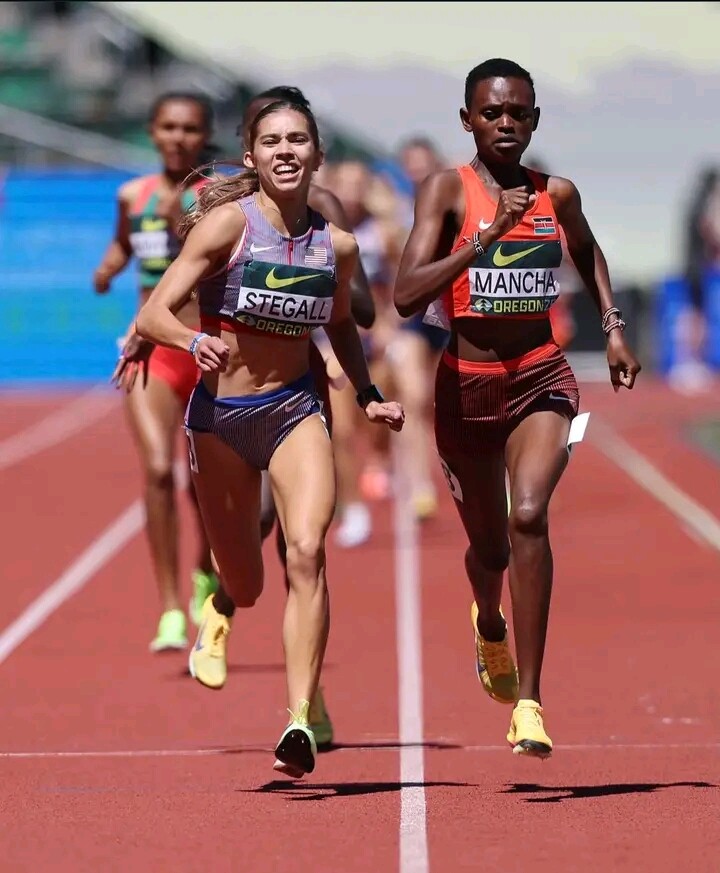
Josephine Sembeyo Mancha produced a composed and determined performance in Eugene to win gold at the World Athletics U20 Championships Oregon 26, ending Kenya’s long wait for another world title in the event.
Mancha crossed the finish line in 4:16.73, edging American Claire Stegall by just 0.04 seconds in one of the most dramatic finishes of the championships. Kenya’s Caren Chepchirchir completed the podium to make it a memorable double medal for the country.
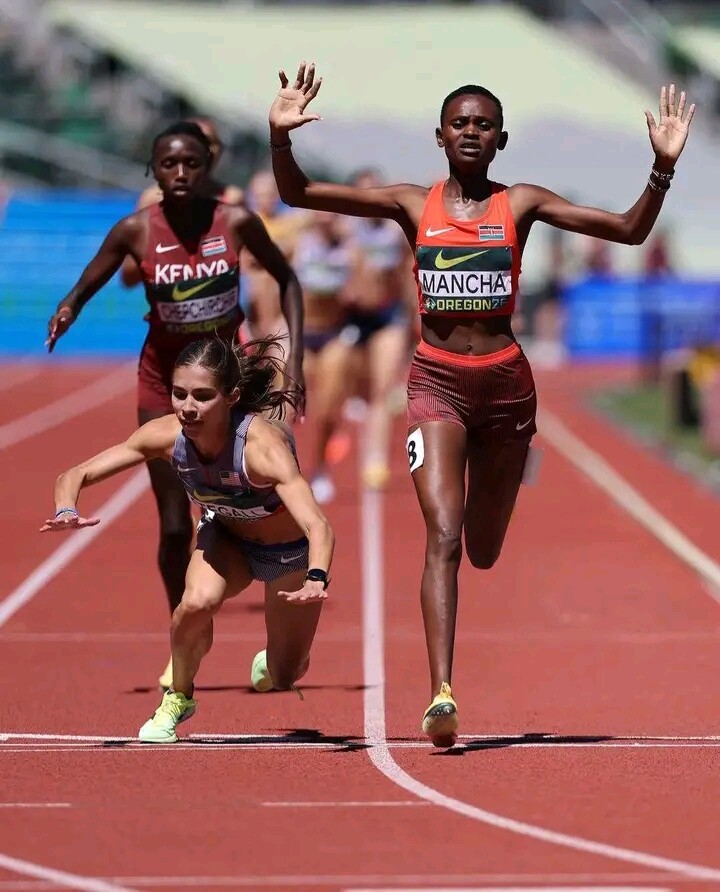
The final was anything but straightforward. A cautious opening lap of roughly 78 seconds saw the athletes remain tightly bunched, creating a dangerous situation as several runners went down in a series of falls.
The chaos continued throughout the race, with a discarded spike even left on the inside of lane one for more than a lap, adding another unusual obstacle to an already unpredictable contest.
Through it all, Mancha remained patient.
Rather than becoming caught up in the disorder around her, the Kenyan kept her composure and positioned herself for the decisive moment. As the bell sounded and the race entered its final lap, the contest suddenly came alive.
Mancha unleashed her finishing speed and surged toward the line, but Stegall refused to surrender. The American launched herself forward in a desperate diving attempt at the finish, making the outcome almost impossible to separate with the naked eye.
In the end, it was Mancha who had done enough.
Josephine Sembeyo Mancha — gold, 4:16.73.
Claire Stegall — silver.
Caren Chepchirchir — bronze.
For Kenya, however, the significance of the victory goes far beyond a single race.
Mancha’s triumph ends a 14-year wait for a Kenyan women’s U20 1500m world title. The last Kenyan to achieve the feat was Faith Kipyegon, who captured the crown in 2012 before going on to build one of the greatest middle-distance careers in athletics history.
Fourteen years later, Mancha has restored Kenya to the top of the global U20 podium.
In a final defined by falls, uncertainty and a breathtaking finish, the young Kenyan showed exactly what championship racing demands: patience, resilience and the ability to produce when it matters most.
Eugene has a new 1500m champion, and Kenya has another name to remember.
by Erick Cheruiyot for My Best Runs.
Login to leave a comment
Latest Running News
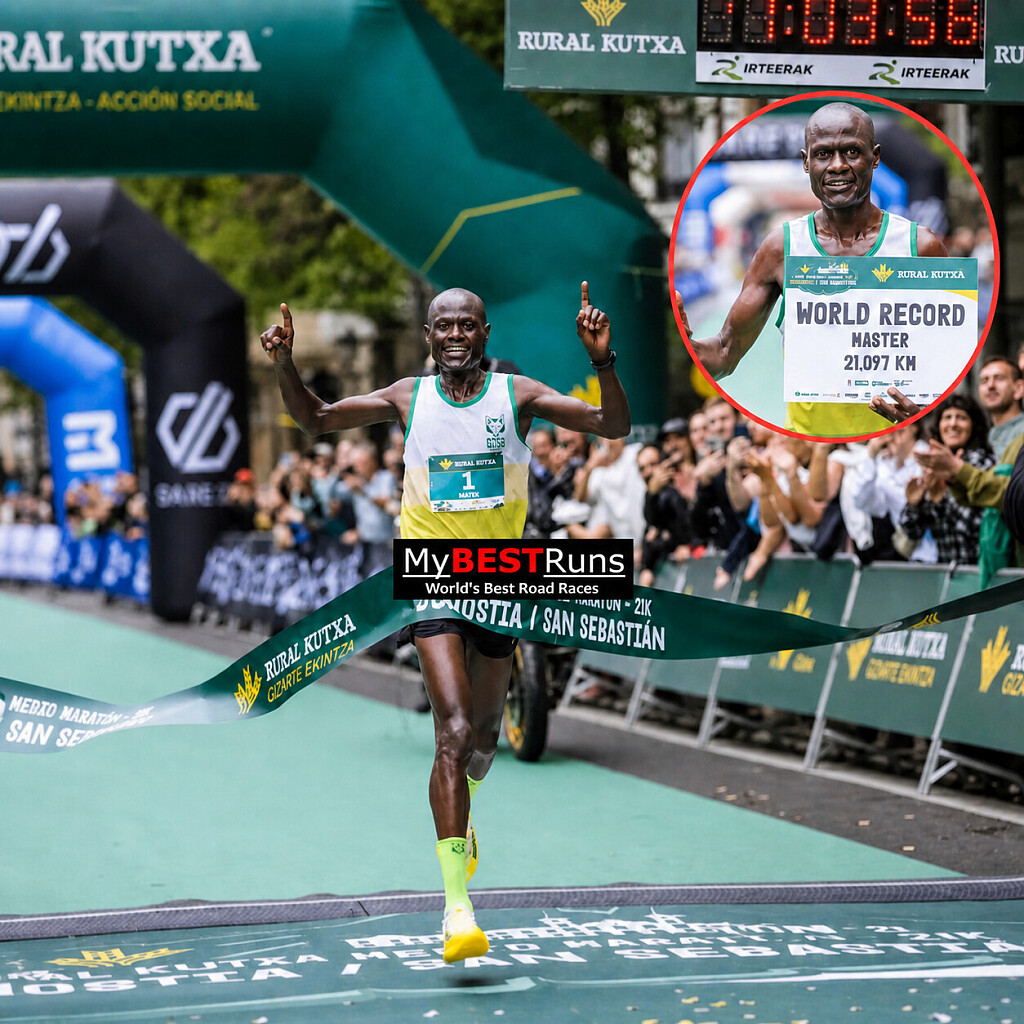
Mark Kiptoo, 50, Shatters M50 World Half-Marathon Record In San Sebastián
Kenyan distance-running veteran Mark Kosgei Kiptoo has added another extraordinary achievement to his remarkable career, setting a new M50 world record in the half marathon at the 2026 San Sebastián Rural Kutxa Half Marathon in Spain.
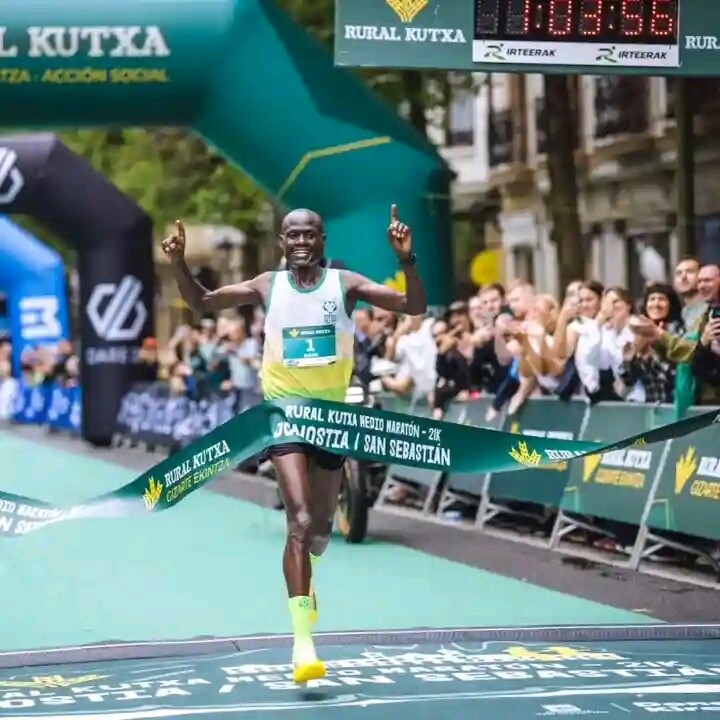
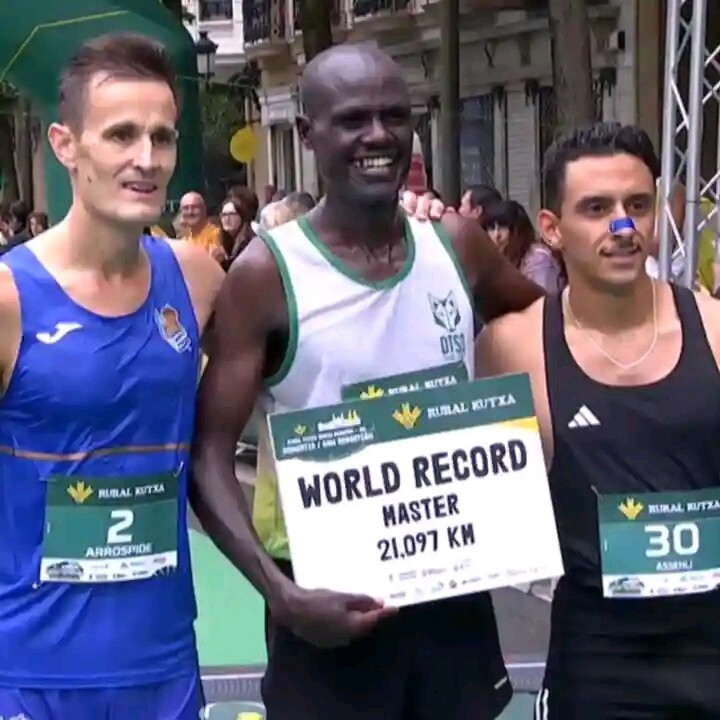
At 50, Kiptoo produced a stunning 1:03:57 over the 21.097-kilometre distance, winning the race outright while rewriting the masters record books.
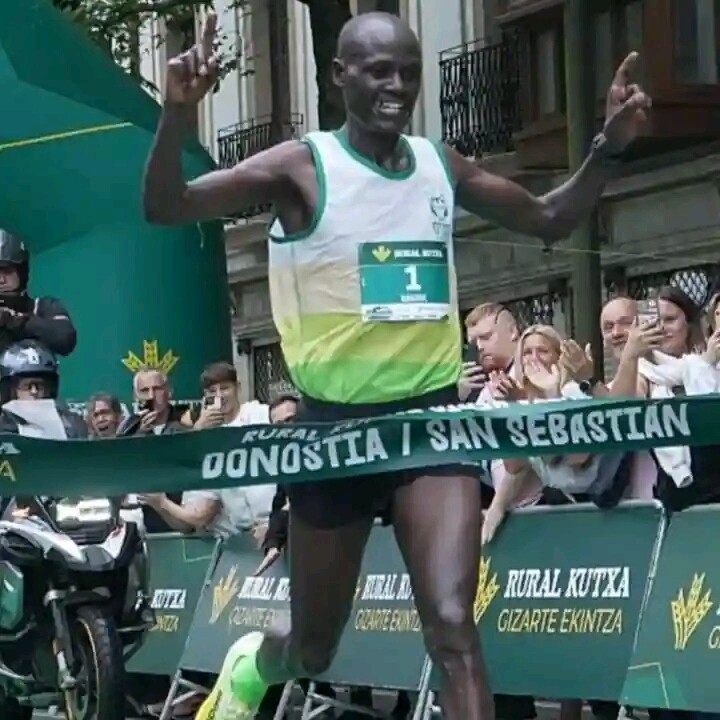
His performance demolished the previous M50 world record of 1:06:23, set by South Africa’s Titus Mamabolo, by 2 minutes and 26 seconds. The scale of the improvement makes Kiptoo’s performance one of the most remarkable masters distance-running achievements of the year.
The Kenyan arrived in San Sebastián in impressive form after already showing that age had done little to diminish his speed. At 49, Kiptoo won the Azkoitia-Azpeitia Half Marathon in March in 1:03:17, a performance that underlined his extraordinary endurance and ability to maintain world-class pace well into his late 40s.
Kiptoo’s latest achievement is another milestone in a career that has already delivered success across track, cross country and road running. Now competing in the masters ranks, the Kenyan continues to demonstrate the exceptional endurance and speed that made him one of the most respected distance runners of his generation.
Born on June 21, 1976, Kiptoo has spent decades competing at the highest level of international athletics. His career includes major performances on the track and road, and his transition into the masters category has done little to slow his remarkable competitive drive.
Kiptoo’s transition to marathon running produced another extraordinary achievement. At the 2018 Frankfurt Marathon, he clocked 2:07:50 to establish what was then a world record for the Masters 40-and-over age group, further highlighting his ability to remain competitive well beyond the traditional peak years of an elite distance runner.
That performance offered an early indication of the extraordinary longevity that would later define his masters career. With the M50 half-marathon world record standing at 1:06:23, Kiptoo arrived in San Sebastián with history within reach—and he did far more than simply break the mark.
He obliterated it.
Kiptoo’s 1:03:57 was also fast enough to secure the overall victory, putting the 50-year-old Kenyan ahead of considerably younger competitors. Spain’s Iraitz Arrospide was the leading Spanish finisher, taking second in 1:04:48, while Youness Assehli completed the podium in 1:07:16.
Kiptoo’s record run was also notable for the consistency of his pace throughout the race. He passed 5 kilometres in 15:22 before reaching 10 kilometres in 30:21, with his second 5-kilometre segment covered in a remarkable 14:59. He continued to maintain the demanding tempo, reaching 20 kilometres in 1:00:40 before completing the final 1.097 kilometres to stop the clock at 1:03:57.
Those splits underline just how controlled and aggressive Kiptoo’s performance was. Rather than relying on a late surge, the Kenyan built his record through sustained world-class pace from the opening kilometres to the finish, averaging roughly 3:02 per kilometre across the entire half marathon. The performance not only shattered the longstanding M50 record but also demonstrated that Kiptoo’s extraordinary speed remains intact at an age when most elite athletes have long since stepped away from the highest level of competition.
In San Sebastián, Kiptoo’s experience came together in one extraordinary performance. He not only won the race outright but also lowered the M50 world record from 1:06:23 to 1:03:57, an improvement of 2 minutes and 26 seconds. At 50, he continues to show that world-class determination and years of experience can still translate into astonishing performances over 21.1 kilometres.
Kiptoo’s credentials were established long before his entry into the masters ranks. A former African champion over 5,000 metres and a winner on the Diamond League circuit, he competed successfully against the world’s best during the peak of his track career.
His track personal bests include 12:53.46 for 5,000 metres and 26:54.64 for 10,000 metres, evidence of the elite speed and endurance that have remained the foundation of his longevity in the sport.
The latest record is therefore more than another entry on a masters list. It is a reflection of a career built on consistency, discipline and an extraordinary ability to remain competitive across different generations of distance runners.
At 50 years old, Mark Kiptoo is still running at a level that commands attention.
A 1:03:57 half marathon, an outright race victory and a world record—another remarkable chapter in the career of one of Kenya’s enduring distance-running stars.
by Erick Cheruiyot for My Best Runs.
Login to leave a comment
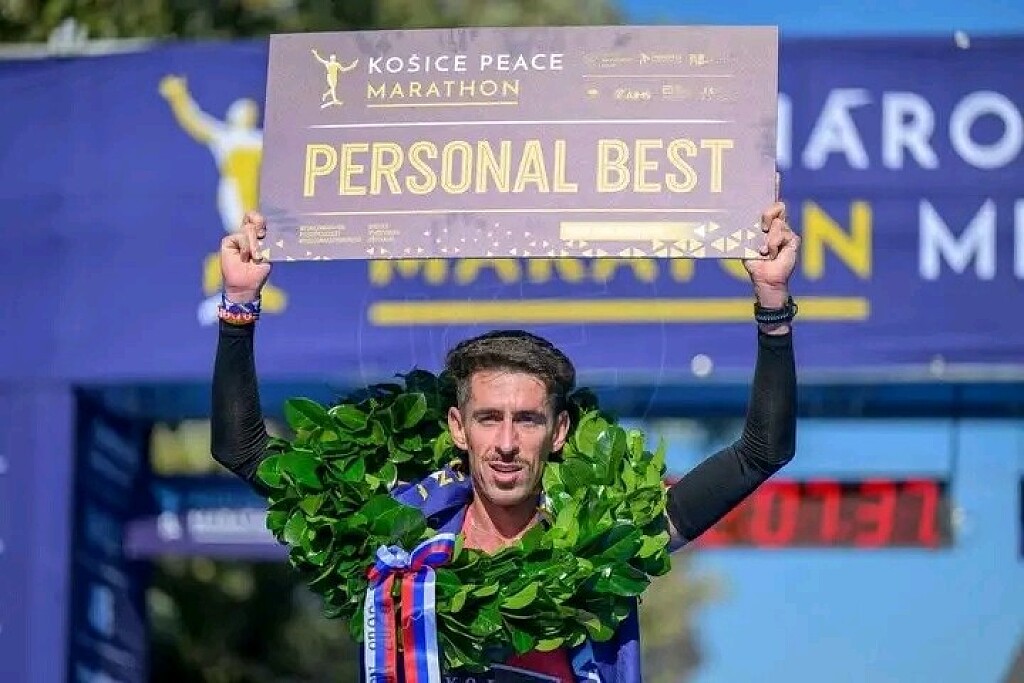
Košice Marathon 2026: Lipschitz and Fayesa Robi Lead a Fast International Day in Slovakia
The 2026 Košice Marathon delivered a strong display of international marathon talent, with South Africa’s Adam Lipschitz and Ethiopia’s Aberash Fayesa Robi claiming victories in contrasting but equally impressive performances on the streets of Košice, Slovakia.
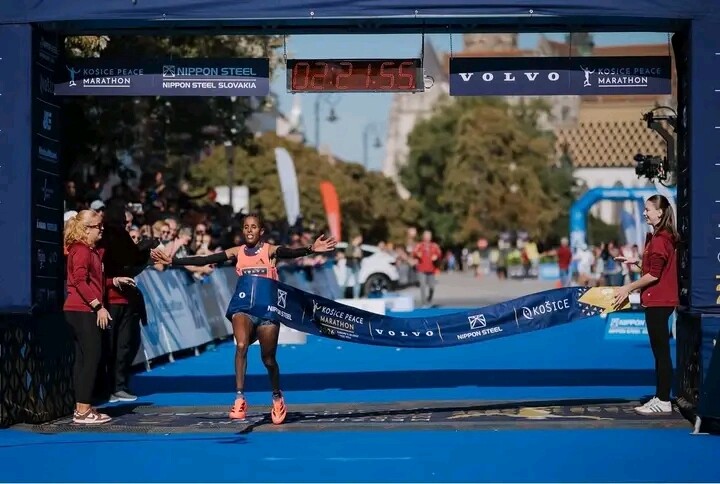
In the women’s race, Fayesa Robi produced the standout performance, crossing the finish line in 2:21:54 to secure a commanding victory and improve her personal best. The Ethiopian maintained a strong rhythm throughout the race before finishing well clear of the rest of the field.
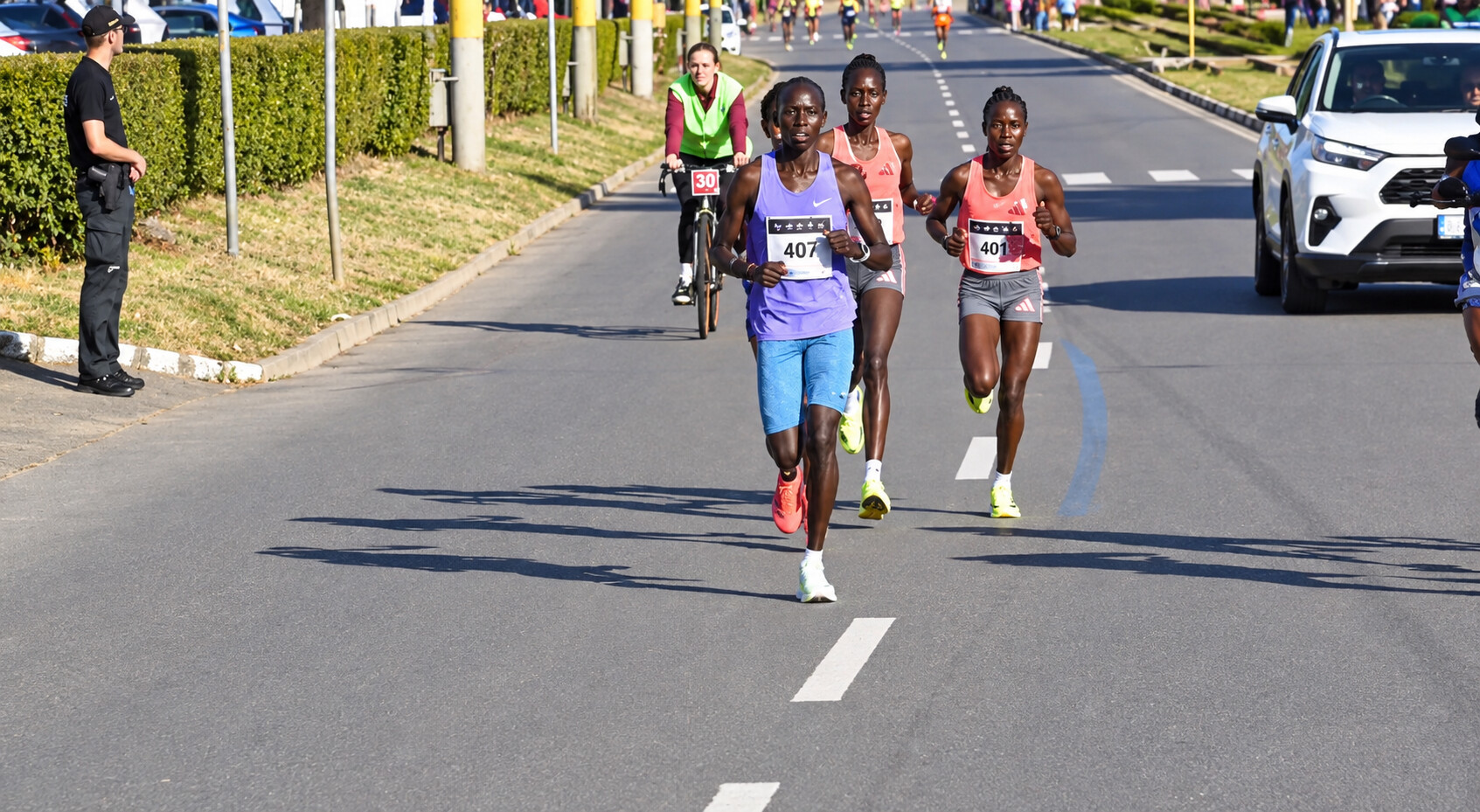
Her compatriot Nurit Ahmed Samiro added another impressive chapter to Ethiopia’s day, placing second in 2:25:03 on her marathon debut. Racing over the full 42.195-kilometre distance for the first time, Samiro delivered a remarkably mature performance to immediately establish herself among the leading names in the field.
Kenya’s Tecla Jelimo Kibet completed the women’s international podium, finishing third in 2:29:56. Her performance secured a place among a highly competitive leading group as the Ethiopian pair dominated the top two positions.
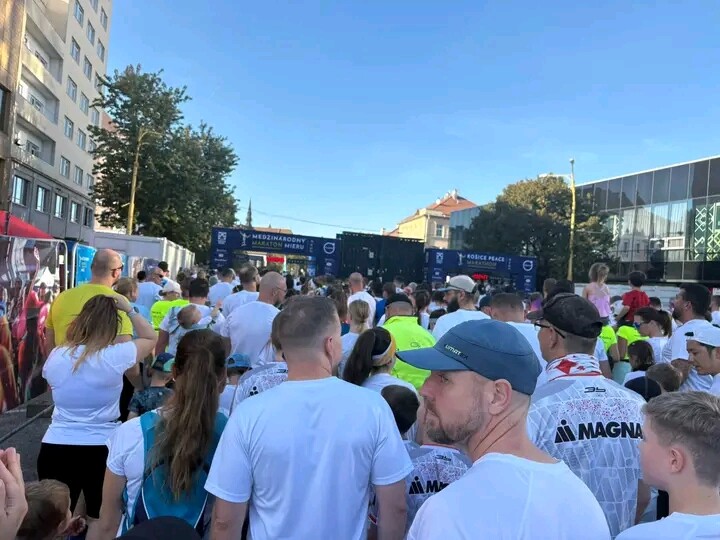
The men’s contest was even tighter at the front, with Adam Lipschitz producing a breakthrough performance to win in 2:07:21. The South African not only claimed the prestigious Košice Marathon title but also lowered his personal best, underlining the quality of his performance on the day.
Kenya’s Abednego Cheruiyot pushed Lipschitz all the way and finished second in 2:07:53, also recording a new personal best. The Kenyan remained firmly in contention deep into the race before crossing the line just 32 seconds behind the winner.
Another Kenyan, Moses Kipngetich Kemei, secured third place in 2:08:04, giving Kenya two athletes inside 2:09 and completing a highly competitive podium.
Turkey’s Kaan Kigen Özbilen followed in fourth with 2:08:22, narrowly missing the podium after remaining within striking distance of the leading trio.
The performances in Košice highlighted the depth of the international field, with the men’s race producing three athletes under 2:09 and the women’s contest featuring a commanding winning performance alongside an impressive marathon debut.
The results once again underlined the historic Košice Marathon’s ability to attract high-level athletes from across the world and provide a competitive stage for both established marathoners and emerging talent.
by Erick Cheruiyot for My Best Runs.
Login to leave a comment

kosice Peace Marathon
The Kosice Peace Marathon is the oldest European marathon.This year for the organizers of Kosice Peace Marathon is also about memories and flashbacks. One of the fastest marathon courses has been created in Košice 20 years ago on that occasion it was the 1997 IAAF World Half Marathon Champioships. Tegla Loroupe and Shem Kororia were awarded from the hands of...
more...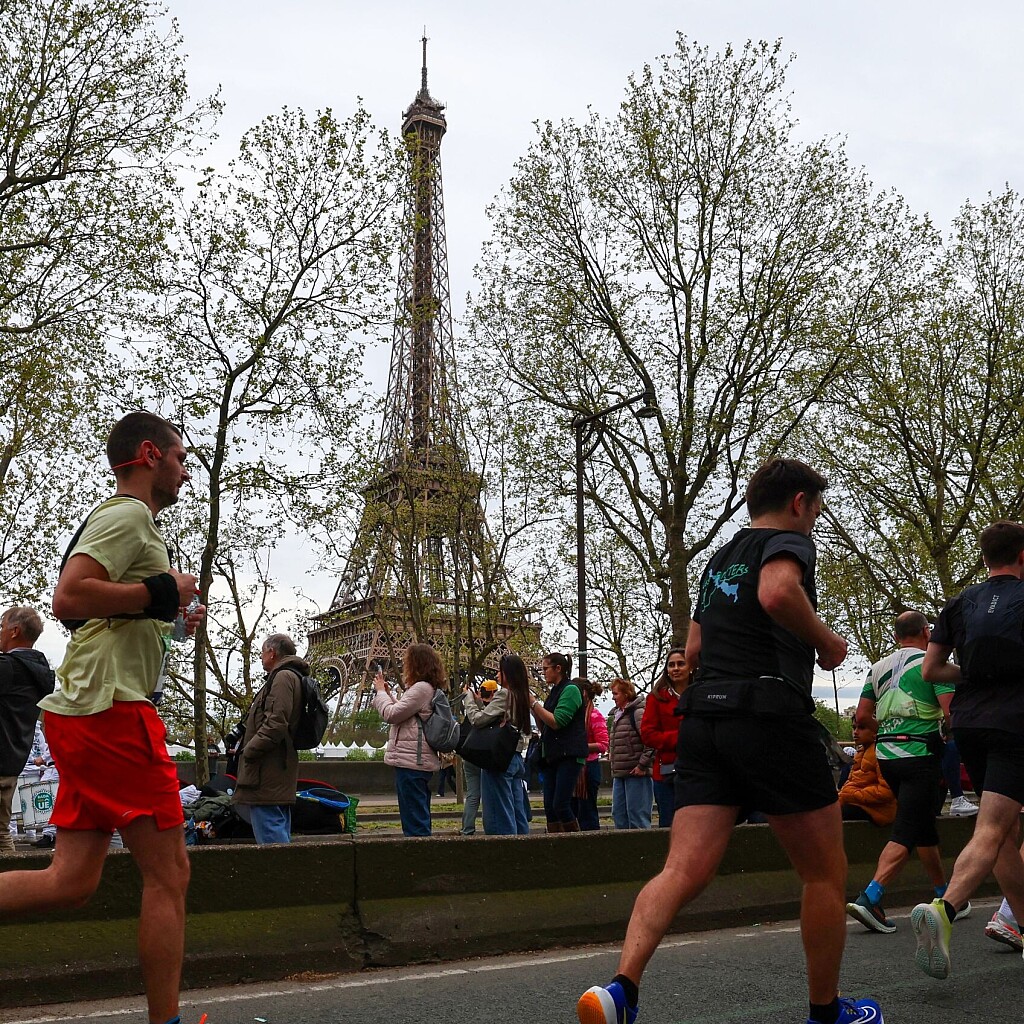
Paris Marathon Enters a New Era as Record 166,000 Runners Enter First-Ever Lottery
The Paris Marathon has entered a new era, adopting a lottery system for the first time as demand for one of the world’s most iconic road races continues to surge.

A staggering 166,000 runners from 165 countries registered for the inaugural lottery for the 2027 ASICS Marathon de Paris, giving the race a level of demand far beyond the number of places available. The 2027 edition, scheduled for April 4, will also mark the marathon’s 50th edition.
The scale of the interest is striking. The 2026 Paris Marathon attracted 58,853 participants, meaning the number of lottery applicants for next year’s race is almost three times the size of last year’s starting field. With the event traditionally welcoming around 50,000 to 60,000 runners, securing a place has suddenly become a matter of chance rather than simply being quick enough to register.
The move represents a significant departure from the marathon’s long-standing first-come, first-served registration model. In previous years, runners had to be ready when entries opened, with places capable of disappearing rapidly as demand continued to grow. For 2027, however, every eligible application entered the same draw, removing the race against the clock that once determined who secured a bib.
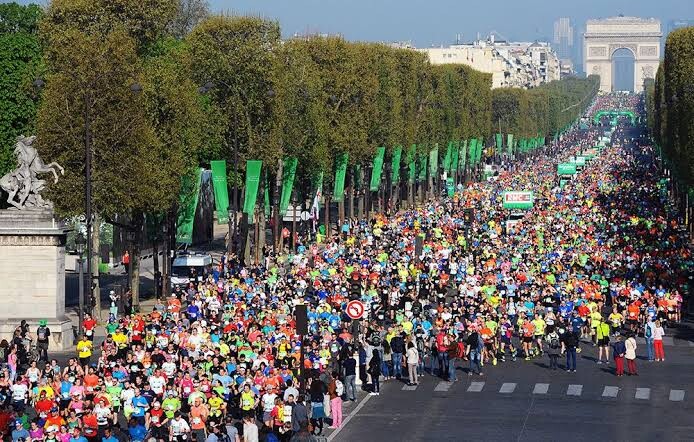
The extraordinary response also underlines the growing international appeal of the Paris Marathon. Applicants for the 2027 race came from 165 countries, reflecting the global attraction of a course that takes runners through some of the French capital’s most recognisable landmarks, including the Champs-Élysées, the Seine, Notre-Dame and the Eiffel Tower.
The lottery has also changed the experience for runners before race day. Results began being communicated from October 1, with successful applicants given 72 hours to confirm their places and complete payment. Any places that are not confirmed are expected to be offered again through subsequent lottery rounds.
The demand is not limited to the marathon. The 2027 HOKA Semi de Paris also attracted nearly 110,000 lottery applicants, meaning the two major Parisian road races generated close to 280,000 applications combined.
Paris has therefore reached a point where obtaining a race bib can be almost as challenging as preparing to run the 42.195-kilometre course itself. Although the Paris Marathon is not an Abbott World Marathon Major, the introduction of a lottery highlights just how dramatically demand for major international road races has grown.
For the runners who secure one of the coveted places, the next challenge will be preparation for April 4, 2027. For those left out of the draw, the message from this year’s numbers is clear: competition for a place on the streets of Paris is becoming increasingly intense.
by Erick Cheruiyot for My Best Runs.
Login to leave a comment

Schneider Electric Paris Marathon
The Schneider Electric Marathon de Paris offers a unique opportunity to make the city yours by participating in one of the most prestigious races over the legendary 42.195 km distance. The Schneider Electric Marathon de Paris is now one of the biggest marathons in the world, as much for the size of its field as the performances of its runners....
more...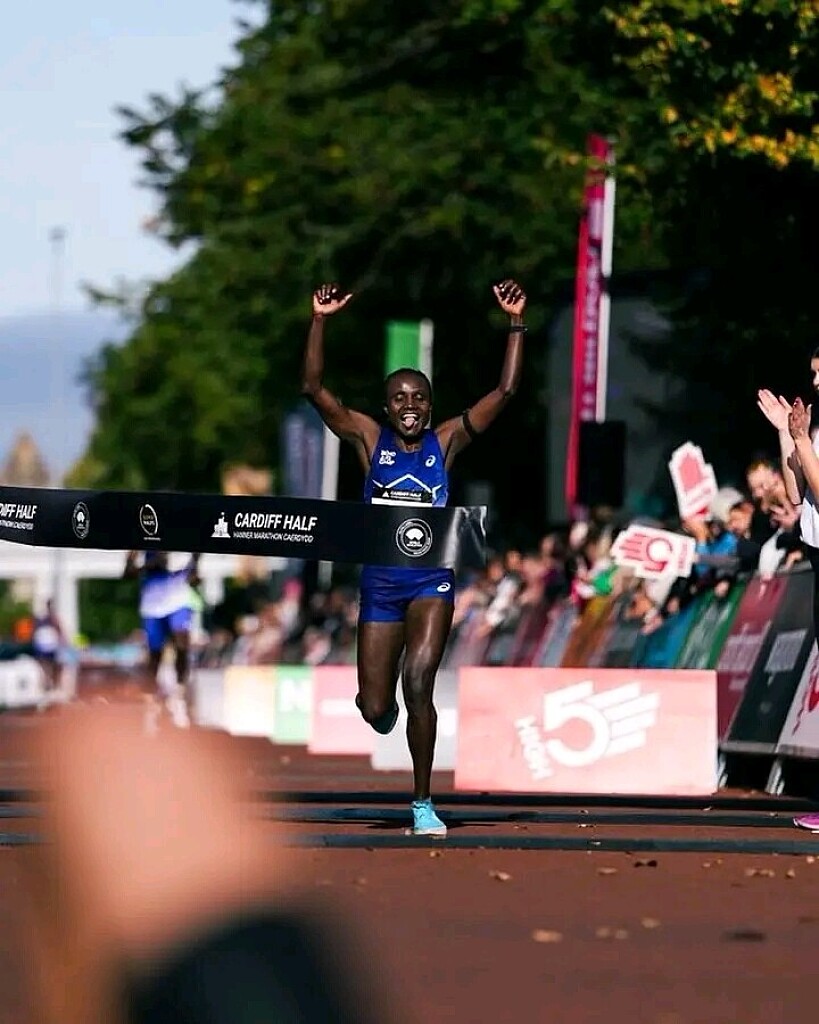
Joyciline Jepkosgei Shatters Cardiff Half Marathon Course Record
Kenyan distance-running star Joyciline Jepkosgei delivered a commanding performance at the 2026 Cardiff Half Marathon, storming to victory in 1:05:40 and rewriting the women’s course record in impressive fashion.

Jepkosgei produced a composed and powerful run at the front of the race, eventually pulling clear of a strong Ethiopian challenge to secure the title. Her winning time gave her a 14-second advantage over Ethiopia’s Wede Kefale, adding another prestigious road-racing victory to her accomplished career.
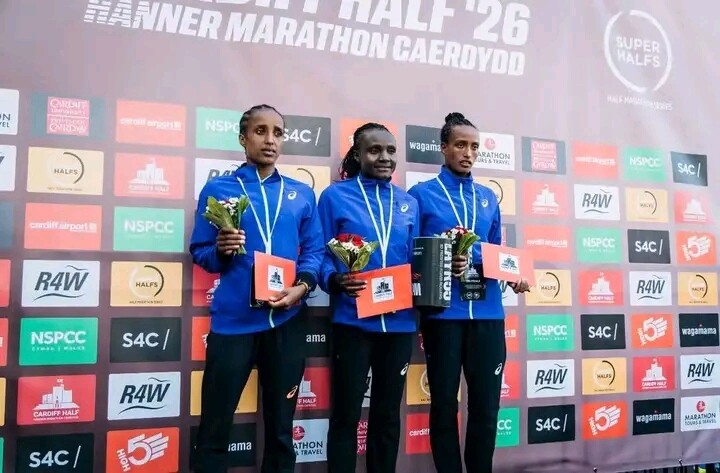
Kefale mounted the strongest challenge to the Kenyan, crossing the finish line in 1:05:54. She remained firmly in contention throughout the race, but Jepkosgei found the decisive strength when it mattered most to claim both victory and the course record.
The final podium position went to another Ethiopian, with Tigist Tesema making an impressive half-marathon debut in 1:07:23. Her performance completed a podium dominated by Kenya and Ethiopia and underlined the depth of talent competing at the front of the race.
For Jepkosgei, the Cardiff triumph adds another significant achievement to a career that has already produced major victories and world-class performances over the half-marathon distance. Her experience, controlled pacing and ability to deliver under pressure once again proved decisive on race day.
The 2026 Cardiff Half Marathon provided far more than a thrilling elite women’s contest. Gideon Kiprotich secured the men’s title stopping the clock at 59:34 giving Kenya a memorable double victory in the Welsh capital, while the elite wheelchair races and Welsh Championship events added further excitement to an action-packed programme.
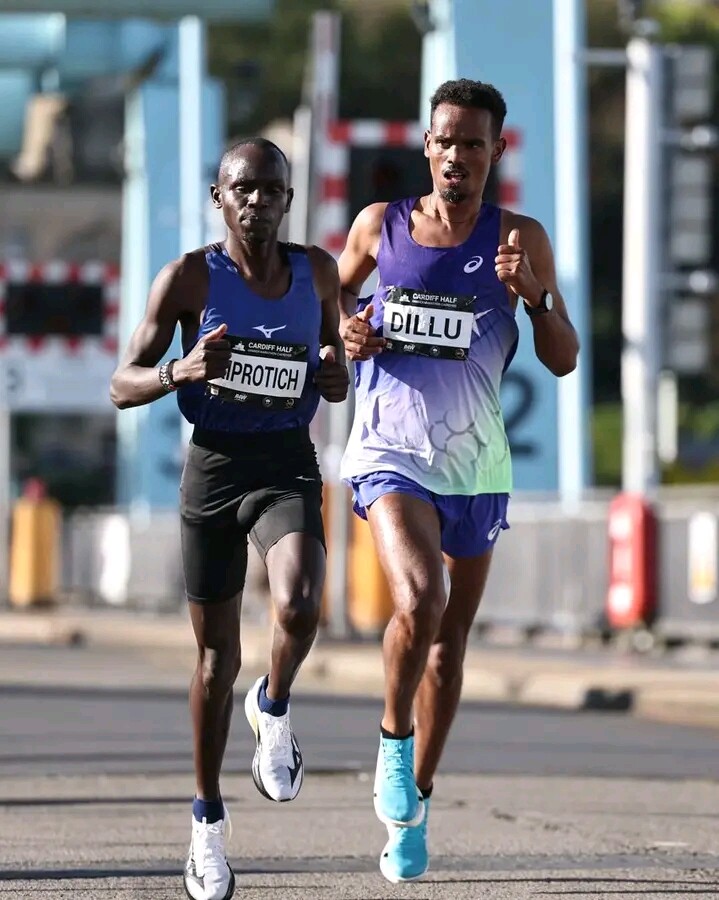
The event also provided a platform for some of Wales’ leading athletes to compete on home soil, while runners across the field contributed to the atmosphere of a race that brought together elite competitors and thousands of participants.
From the sharp end of the elite races to the final finishers crossing the line, Cardiff produced another memorable celebration of road running. For Jepkosgei, however, the headline belonged to her: a commanding victory, a new course record and another impressive mark on her distinguished career.
Jepkosgei’s performance was ultimately a statement of class and consistency, as the experienced Kenyan turned a fiercely contested international field into another memorable triumph. With a new course record now attached to her name in Cardiff, she once again demonstrated the speed, resilience and tactical intelligence that have made her one of the most respected figures in modern women’s road racing.
by Erick Cheruiyot for My Best Runs.
Login to leave a comment

Wizz Cardiff Half Marathon
The Cardiff University/Cardiff Half Marathon has grown into one of the largest road races in the United Kingdom. The first event took place back in 2003. The event is not only the UK’s second largest half marathon, it is Wales’ largest road race and Wales’ largest multi-charity fund raising event. The race is sponsored by Cardiff University and supported by...
more...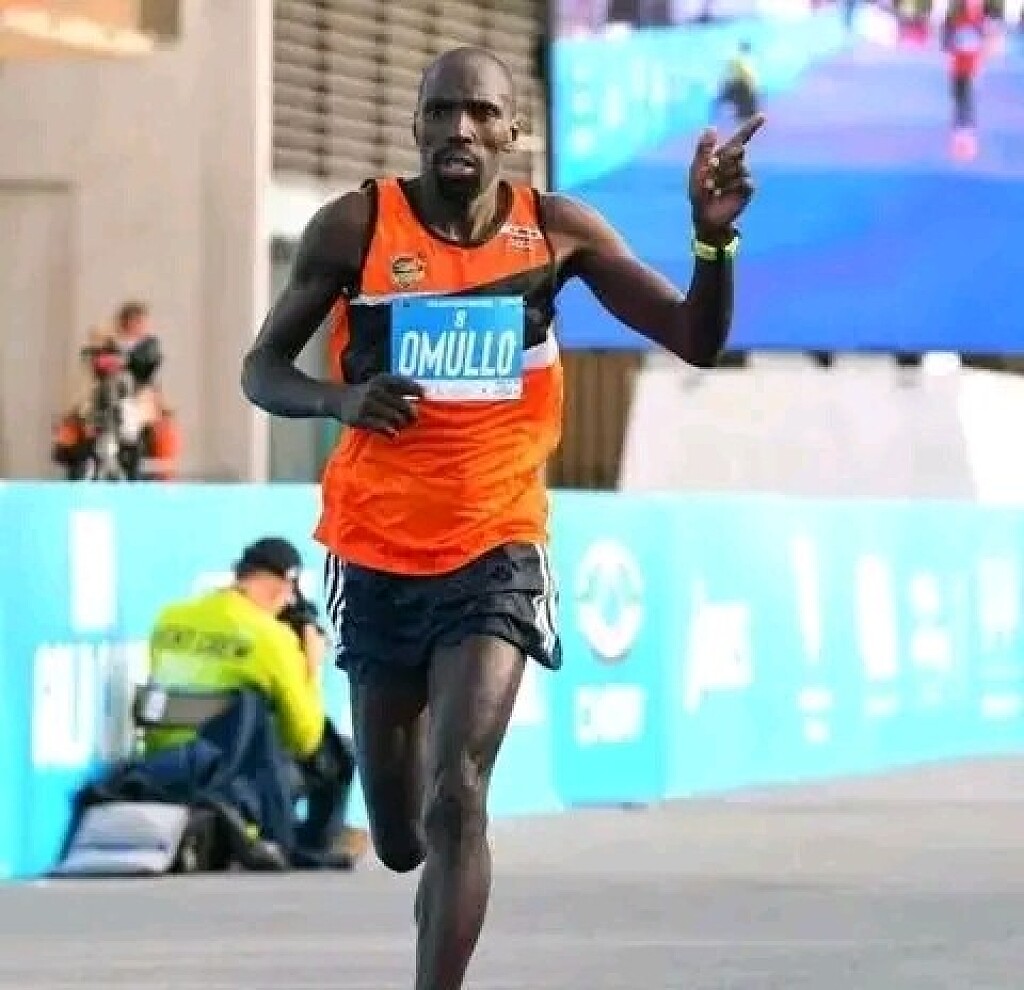
Ezekiel Kemboi Omullo Leads Kenyan Dominance At Kuala Lumpur Marathon
Kuala Lumpur, Malaysia — Ezekiel Kemboi Omullo emerged victorious at the 2026 Kuala Lumpur Marathon, leading an impressive Kenyan performance as athletes from the East African nation claimed nine of the top 10 positions in the men’s race.
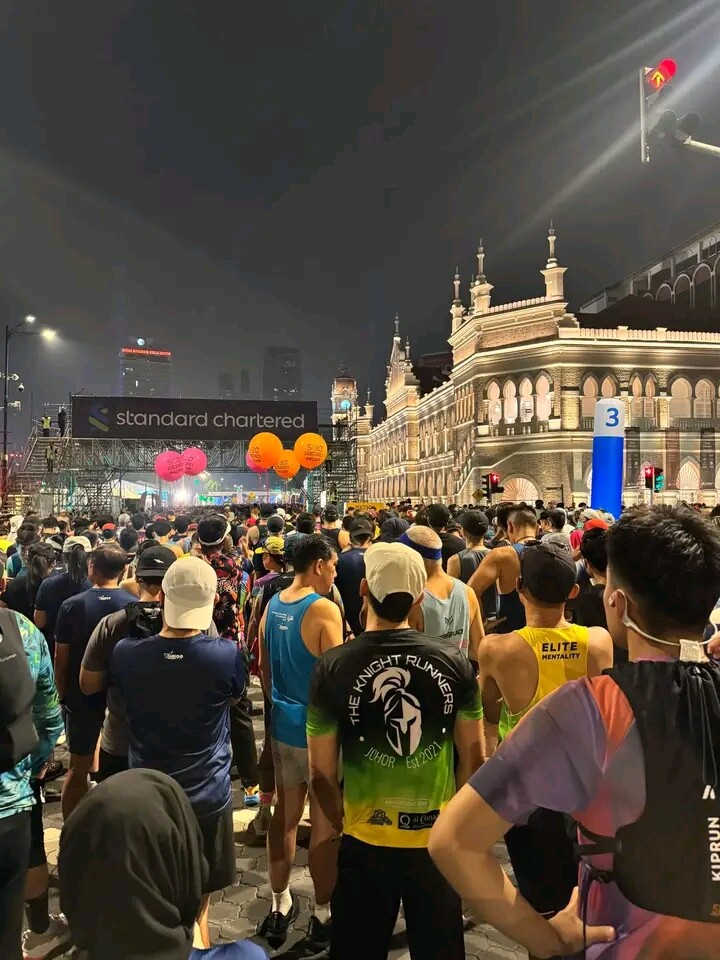
Omullo produced a winning performance of 2:21:15, edging compatriot John Nzau Mwangangi, who finished second in 2:21:23. Moses Kibet Kipsang completed the podium in 2:21:34, giving Kenya a clean sweep of the first three places.
The contest at the front was remarkably close, with the leading Kenyan athletes separated by only seconds. Samuel Kalalei matched Kipsang’s time of 2:21:34 to finish fourth, while James Tallam followed closely in fifth with 2:21:40.

Kenya’s strong showing continued with Julius Kipkorir Tuwei, who crossed the line sixth in 2:22:10. Ethiopia’s Asmera Tamiru Beshir was the only athlete from outside Kenya among the first seven, finishing seventh in 2:22:28.
The Kenyan dominance resumed behind Beshir, with Vincent Kipsang Mutai taking eighth in 2:23:08. Edwin Cheruiyot Soi finished ninth in 2:23:53, while Felix Kipsang Mutai completed the top 10 in 2:25:24.
The narrow margins among the front-runners made the men’s race particularly competitive. Omullo’s eight-second advantage over Mwangangi was the largest gap separating the top two, while Kipsang and Kalalei could not be separated on the clock after both recorded 2:21:34.
For Kenya, the result underlined the depth of its marathon talent. Nine of the 10 leading finishers came from Kenya, with the country occupying every position from first through sixth before Beshir interrupted the sequence in seventh.
Omullo ultimately took the headline victory, but the wider performance from the Kenyan contingent was equally striking. From the opening positions through the closing places of the top 10, Kenya maintained a commanding presence on the Kuala Lumpur results sheet.
2026 Kuala Lumpur Marathon — Men’s Top 10
1. Ezekiel Kemboi Omullo — Kenya — 2:21:15
2. John Nzau Mwangangi — Kenya — 2:21:23
3. Moses Kibet Kipsang — Kenya — 2:21:34
4. Samuel Kalalei — Kenya — 2:21:34
5. James Tallam — Kenya — 2:21:40
6. Julius Kipkorir Tuwei — Kenya — 2:22:10
7. Asmera Tamiru Beshir — Ethiopia — 2:22:28
8. Vincent Kipsang Mutai — Kenya — 2:23:08
9. Edwin Cheruiyot Soi — Kenya — 2:23:53
10. Felix Kipsang Mutai — Kenya — 2:25:24
Omullo’s triumph therefore came alongside a powerful collective showing from Kenya, with the 2026 Kuala Lumpur Marathon providing another showcase of the country’s remarkable depth in long-distance road racing.
by Erick Cheruiyot for My Best Runs.
Login to leave a comment

Kuala Lumpur Marathon
Standard Chartered Bank has been the title sponsor of the KL marathon since its inception in 2009 and we are honoured that our partnership will continue and as always, our aim is to make the Marathon bigger and better", said Rainer Biemans, Director of Dirigo Events and Project Director of the Standard Chartered KL Marathon 2018. The Standard Chartered KL...
more...