

Running News Daily
Running News Daily is edited by Bob Anderson and team. Send your news items to bob@mybestruns.com Advertising opportunities available.
Index to Daily Posts · Sign Up For Updates · Run The World Feed



From a Career-Ending Brain Injury to 100 Ultramarathons in 100 Days: David “Jacko” Jackson Is Running Into History

David “Jacko” Jackson’s extraordinary running journey began with a moment that was supposed to end his sporting life.
In 2013, the former Nottingham Rugby winger suffered a seizure during training after experiencing a bleed on the brain. His professional rugby career was suddenly over, leaving him facing a completely different and uncertain future.
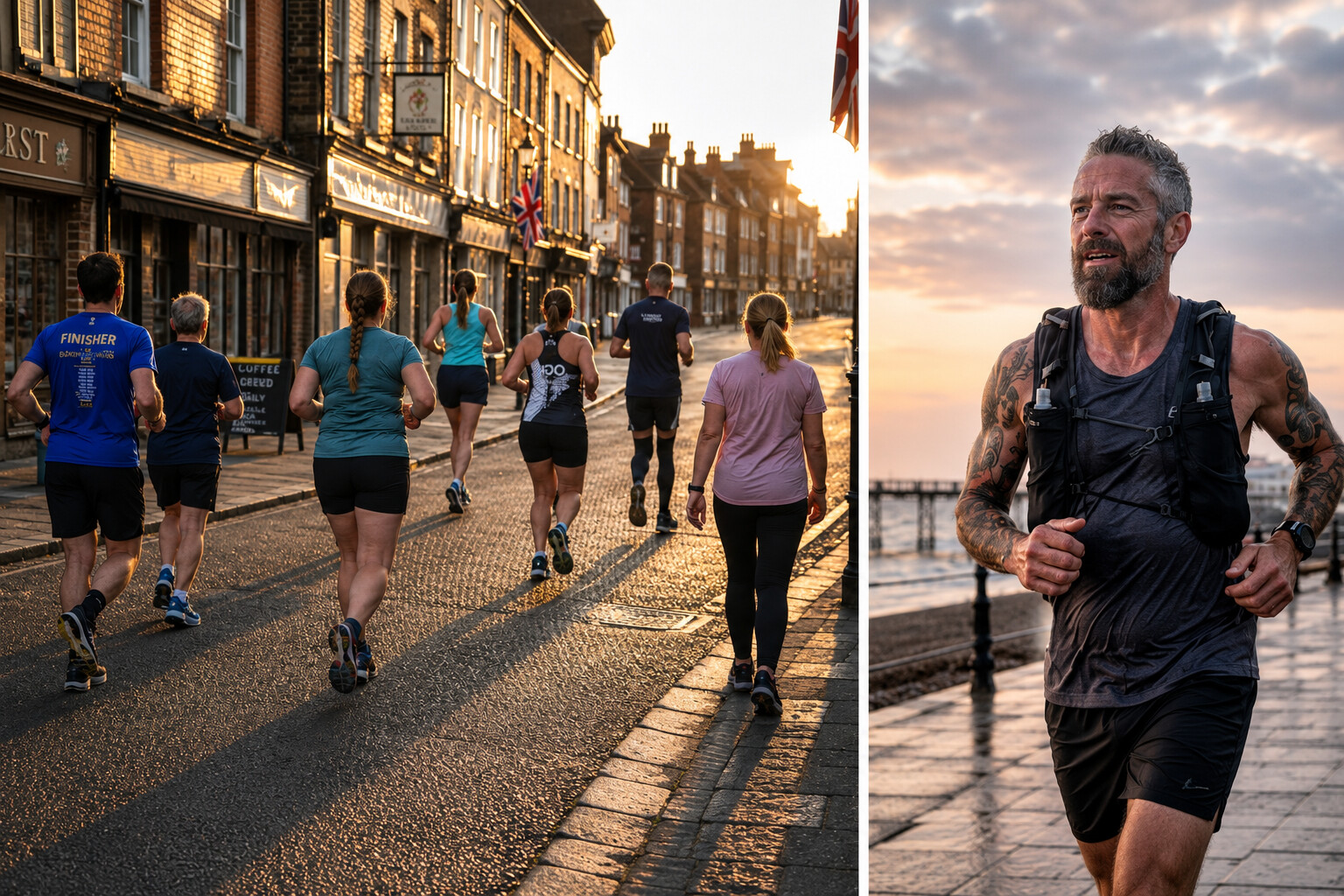
More than a decade later, Jackson is turning that life-changing experience into one of the most remarkable endurance challenges of 2026.
The 44-year-old is attempting to complete 100 ultramarathons in 100 consecutive days, running approximately 50 kilometres every day across the United Kingdom. If he reaches the finish line as planned, he will have covered roughly 8,450 kilometres and could surpass the current men's record of 80 consecutive days of ultramarathon running by 20 days.
But for Jackson, the record is only part of the story.
His bigger ambition is to raise £1 million for brain-injury charities Headway UK and Head for Change while showing people affected by brain injuries that recovery can take unexpected directions.

Jackson began the challenge on May 29, 2026, just one day after his 44th birthday, setting off from Caernarfon in North Wales. His planned final day is September 5, meaning he must repeatedly ask his body to absorb an ultramarathon effort, recover and start again the following morning.
The scale of the undertaking becomes even clearer when the distance is put into perspective. His projected 8,450 kilometres is roughly equivalent to travelling from London to Los Angeles.
Yet Jackson is not simply running one enormous route from one destination to another. His challenge has been carefully structured around repeated 5-kilometre and 10-kilometre loops at 25 locations around the UK. He spends four days at each location before moving on to the next.
That approach has an important purpose. Rather than making the challenge something only elite ultrarunners can experience, Jackson has created opportunities for ordinary runners and members of the public to join him for a lap. Someone training for a first 10-kilometre race can run alongside him for 5 kilometres. Another runner can join for 10. Others can simply come out and offer encouragement.
The message is clear: nobody has to run the entire 50 kilometres to become part of the journey.
Bournemouth became another important chapter in that journey, with Jackson scheduled to spend four days in the Bournemouth and Swanage area from August 1 to August 4. The Bournemouth stage represents day 65 of the 100-day mission, meaning Jackson will already have completed more than 3,000 kilometres by the time he reaches this part of the route.
For a man who once wondered what life would look like after rugby, the transformation is extraordinary.
Jackson was not an ordinary club player. He left Nottingham Rugby as the club's most-capped player, having made 316 appearances and scored 102 tries. His career had been defined by consistency and longevity until the brain injury brought it to an abrupt end.
The months that followed were difficult. Jackson had been married to his wife, Catherine, for less than two months when the injury occurred. His recovery was measured not in weeks but in years. It took about a year before he was properly back on his feet, while his first marathon would not come until seven years after the brain injury.
Running gradually became part of his recovery.
What started as a way of rebuilding his life has since developed into an extraordinary endurance pursuit, culminating in a challenge that demands something completely different from the speed and explosiveness required on a rugby field.
The purpose behind the 100 ultramarathons is deeply personal. Jackson has spoken about his own lack of awareness of specialist brain-injury organisations during his recovery and wants others facing similar circumstances to have access to the support and information they need.
That is why the £1 million fundraising target matters so much.
Every kilometre is helping him tell a larger story about brain injury, recovery and resilience.
Jackson has even created his own word to describe the philosophy behind the project: “IN-possible.”
The idea is that something that looks impossible when viewed as a whole can become achievable when broken into smaller challenges. One 50-kilometre run may be difficult but manageable. Then comes another. Then another. Eventually, those individual efforts become 100 ultramarathons in 100 days.
The philosophy draws inspiration in part from the Marathon Monks of Japan, whose legendary endurance practices demonstrate how years of discipline can transform seemingly impossible physical challenges into achievable objectives.
But Jackson's challenge has already produced moments when the word “impossible” seemed very real.
The toughest day so far came on day 14, when he suffered a running injury. Despite the pain, he completed the 50-kilometre distance, taking approximately 12½ hours and finishing while barely able to walk.
He had reached the point where he wanted to quit.
He wanted to go home.
Then came the intervention of Catherine, who reminded him that if he could still walk, he could keep going for the charities.
He continued.
That moment says more about the challenge than the statistics. Completing 100 ultramarathons is not simply a test of cardiovascular fitness or running ability. It is a test of durability, recovery, patience and mental resilience.
Running 50 kilometres once is difficult.
Running 50 kilometres when you know another 50 is waiting tomorrow is something else entirely.
The objective is therefore not speed. It is sustainability.
Jackson must control his pace, protect his body, eat and hydrate properly, sleep as much as possible and recover sufficiently between efforts. The support around him is just as important as the kilometres beneath his feet.
That is the reality of a 100-day ultra streak: tomorrow's run is always part of today's strategy.
If Jackson completes the mission, he will surpass the current men's record of 80 consecutive ultramarathon days by 20 days—a remarkable margin in an endurance discipline where records are often separated by much smaller differences.
Yet the record is not what Jackson appears to care about most.
The £1 million fundraising target, greater awareness of brain injury and the opportunity to demonstrate what recovery can look like are the real objectives.
The record, if it comes, will be the consequence.
There is something particularly powerful about Jackson's transformation. A man whose sporting career ended because of a brain injury is now using running to build an entirely new chapter of his athletic life.
His story is no longer about what happened to him on a rugby training field in 2013.
It is about what he chose to do afterwards.
Every morning, another 50 kilometres.
Every day, another test.
Every loop, another reminder that the impossible can sometimes be reduced to one manageable step at a time.
And as David “Jacko” Jackson continues his remarkable 100-ultramarathon journey towards September 5, the record books may eventually remember the number of consecutive days he ran.
But the greater legacy could be the message behind every one of those days: a career can end, a life can change in an instant, but neither necessarily has to mark the end of the journey.
by Erick Cheruiyot for My Best Runs.
Login to leave a comment
Latest Running News
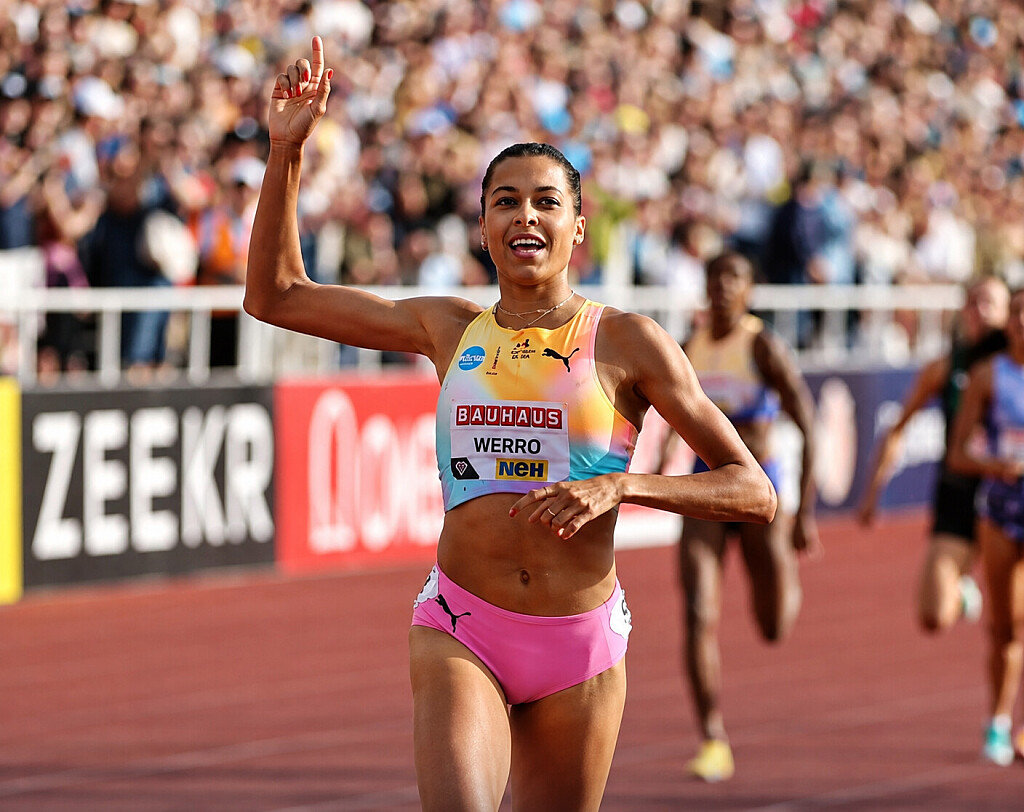
Audrey Werro Heads to Birmingham With History in Her Sights as Europe’s 800m Elite Prepare for a Blockbuster Showdown
Audrey Werro will arrive at the 2026 European Athletics Championships in Birmingham carrying more than just the hopes of Switzerland. The 22-year-old middle-distance star has established herself as the woman to beat in the women’s 800m, and she will enter Alexander Stadium with a world-leading time, extraordinary momentum and a realistic opportunity to chase one of athletics’ longest-standing records.
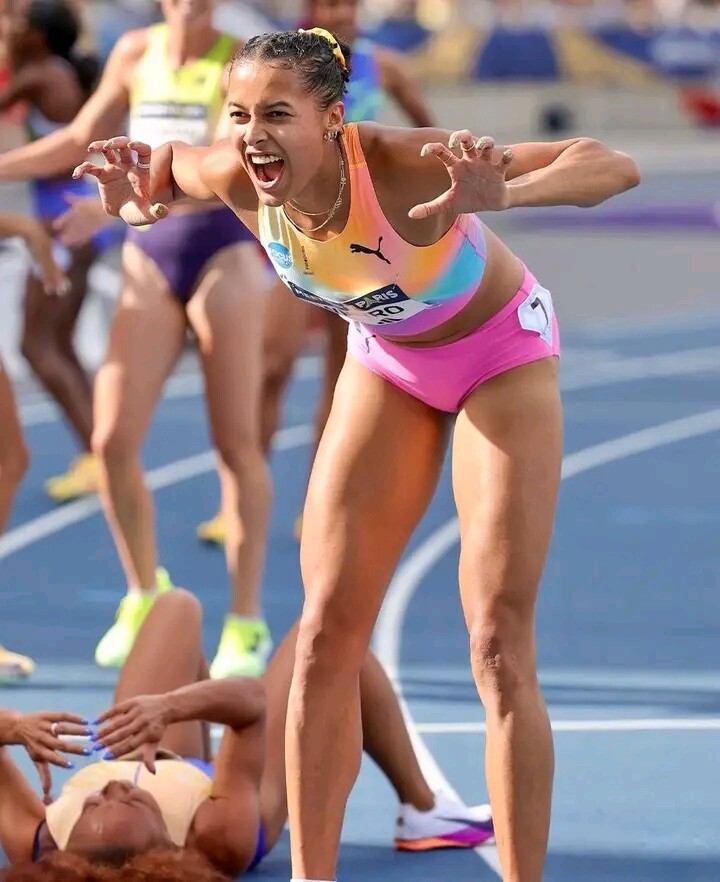
The European Championships will be held in Birmingham from August 10 to 16, with the women’s 800m among the events expected to command enormous attention.
Werro has already produced one of the defining performances of the 2026 season. At the Paris Diamond League on June 28, she stormed to 1:53.80, becoming only the third-fastest woman in history over 800m and moving within 0.52 seconds of Jarmila Kratochvílová’s world record of 1:53.28, which has stood since 1983.
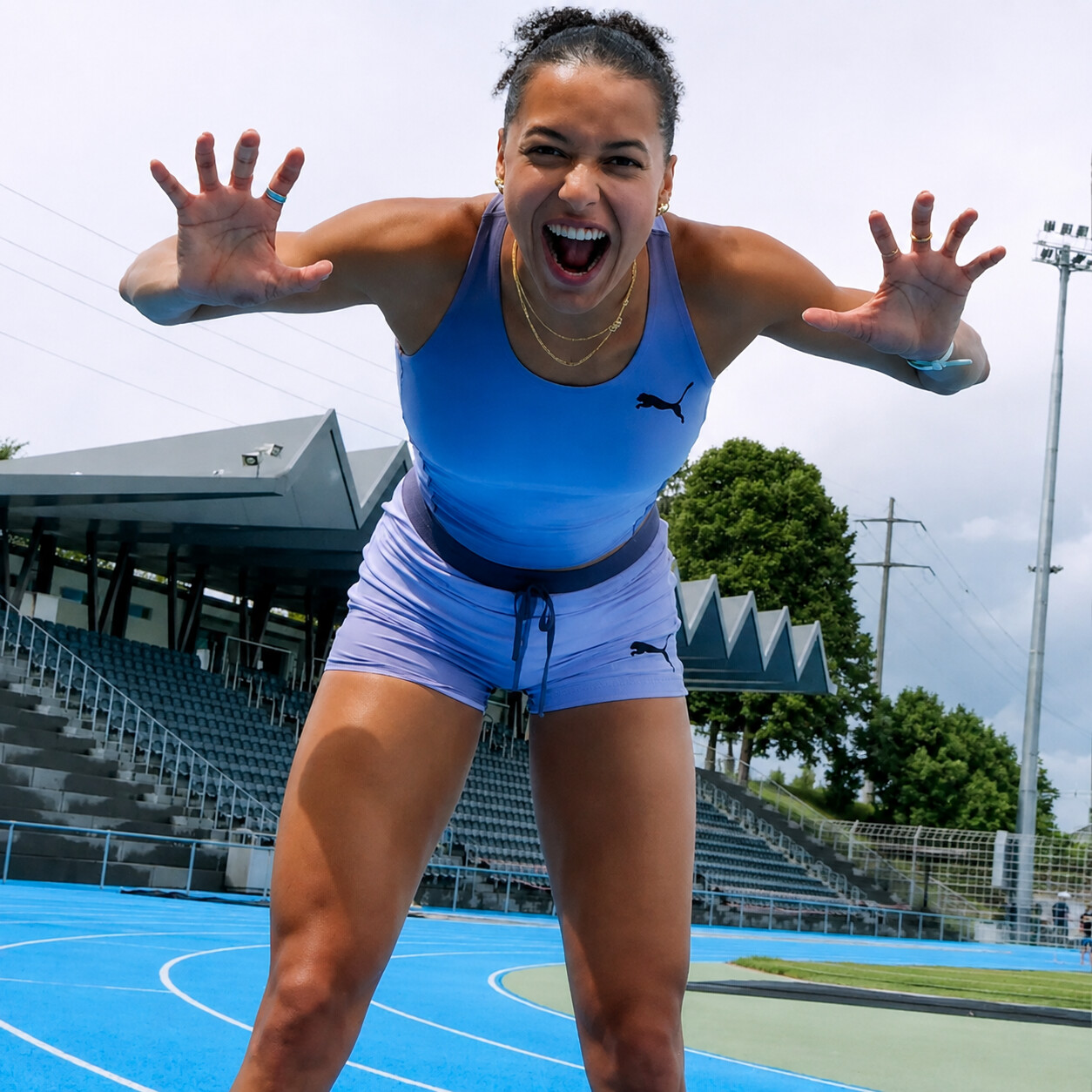
Even more remarkable is that Paris was not an isolated performance.
Earlier in June, Werro stunned Olympic champion Keely Hodgkinson in Stockholm, producing 1:53.98 to claim another Diamond League victory. Hodgkinson followed in a personal best of 1:54.33, setting the stage for what could become one of the defining rivalries of the championship.
The numbers underline just how extraordinary the 2026 women’s 800m season has become.
Werro leads the world with 1:53.80, followed by Hodgkinson at 1:54.33. Femke Broeders-Bol has made a spectacular transition to the two-lap event, running 1:55.60 in Paris, while France’s Anaïs Bourgoin followed with a national record of 1:55.65. Britain’s Georgia Hunter Bell has also broken 1:56, clocking 1:55.93 in Birmingham earlier in the season.
That depth makes Birmingham particularly intriguing. Werro may be the fastest woman in the world this year, but she will not be racing in isolation. Hodgkinson brings Olympic and European championship pedigree, Broeders-Bol possesses exceptional finishing speed after moving across from the 400m hurdles, while Bourgoin and Hunter Bell have demonstrated that they are capable of staying in the conversation when the pace becomes ferocious.
Werro’s remarkable form has extended beyond the 800m. On June 23 in Biel, she ran 1:22.85 for 600m, the fastest mark on the 2026 world list for the event.
Her development has been equally impressive over the longer sprint distance. Werro owns a 400m personal best of 51.03, highlighting the speed reserve behind her increasingly dominant 800m performances.
The Swiss star has therefore arrived at a fascinating point in her career. She is no longer simply a promising young athlete. After being named European Athletics’ 2025 Women’s Rising Star and winning the European U23 title, Werro has now moved firmly into the senior elite.
And Birmingham could provide the biggest stage yet for her growing reputation.
The question is no longer whether Werro can run under 1:54. She has already done it twice this season. The question now is whether she can find the fractions required to move from an extraordinary performance to something historic.
The world record of 1:53.28 is only 0.52 seconds away.
With the European title on the line, Hodgkinson seeking another major championship triumph and a rapidly improving field ready to challenge for the podium, the women’s 800m could become one of the races of the entire Birmingham championships.
For Werro, however, the objective is simple: arrive ready, execute the perfect two laps and see just how close she can get to history.
Birmingham awaits. And Audrey Werro has already shown that she is ready.
by Erick Cheruiyot for My Best Runs.
Login to leave a comment

European Athletics Champioships
The27thEuropean Athletics Championshipswill be held from 10 to 16 August 2026 at theAlexander StadiuminBirmingham, United Kingdom.[1] This is the first time that a British city will have staged the European Athletics Championships although Birmingham has hosted many high-profile events, including the2007 European Athletics Indoor Championships, the2003and2018 IAAF World Indoor Championshipsand the2022 Commonwealth Games. Alexander Stadium was renovated between 2019 and...
more...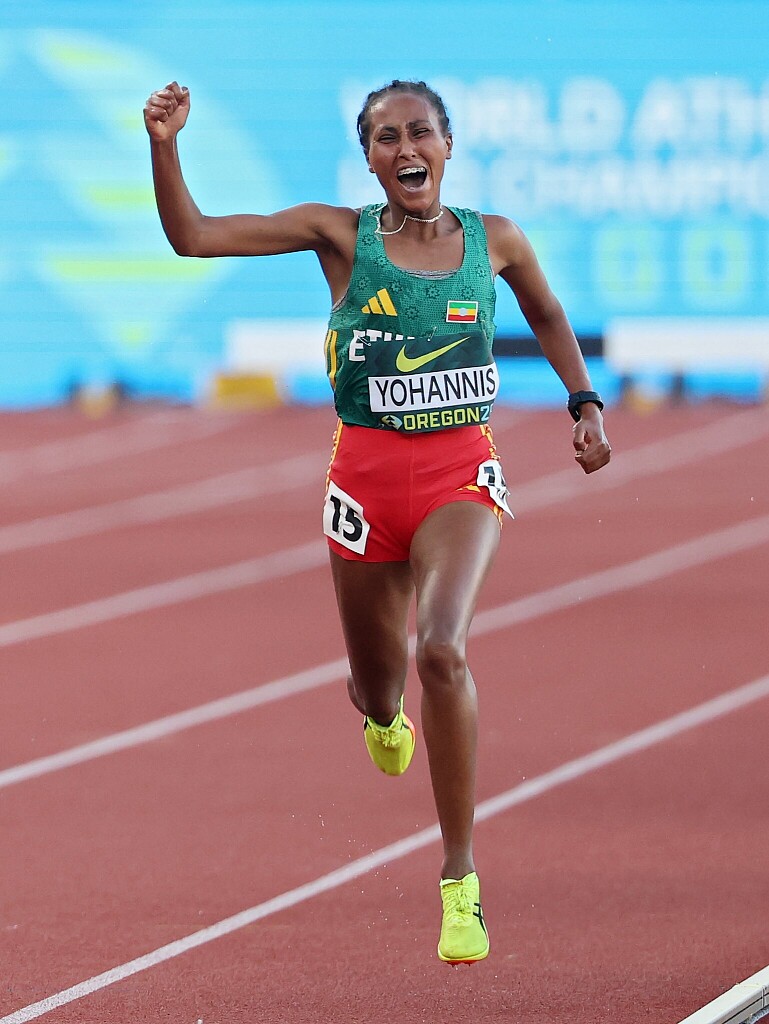
Almaz Yohannis Leads Ethiopian 1-2 in Spectacular World U20 Steeplechase Triumph
Ethiopia produced a spectacular display of emerging talent as Almaz Yohannis was crowned world champion in the women’s 3000m steeplechase at the 2026 World Athletics U20 Championships in Oregon, powering to a commanding victory in 9:15.81.
Yohannis delivered a superb performance to secure the gold medal and, in the process, recorded a World U20 Leading time (WU20L), underlining the strength of her performance on the global junior stage.
The young Ethiopian established herself as the athlete to beat, maintaining her composure and strength throughout the demanding eight-lap steeplechase before crossing the finish line well clear of the field. Her winning mark of 9:15.81 provided a fitting reward for a dominant championship performance.
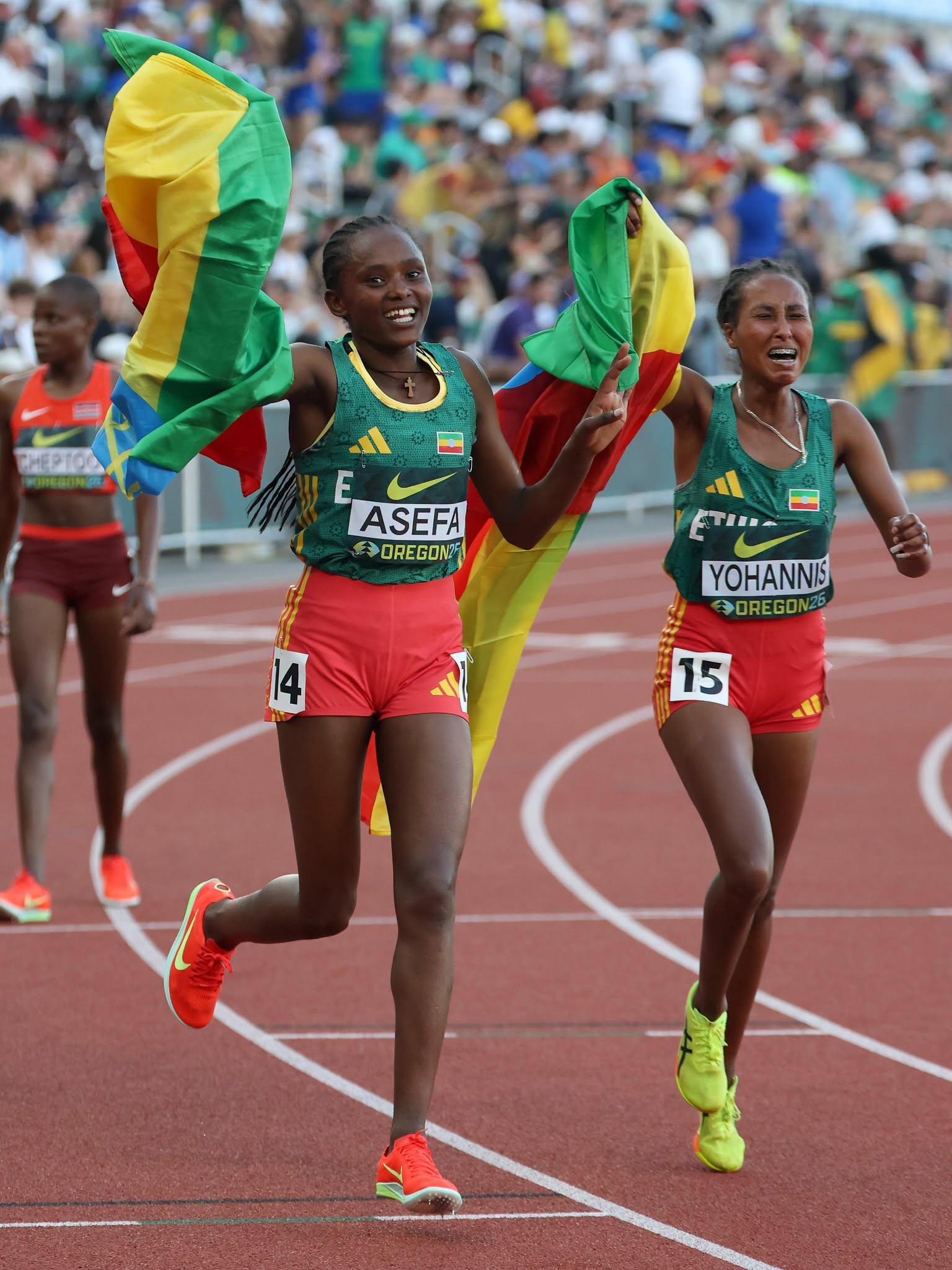
Ethiopia’s celebrations were doubled when Wosane Asefa secured the silver medal in 9:30.50, producing a season’s best (SB) and completing an impressive Ethiopian one-two.
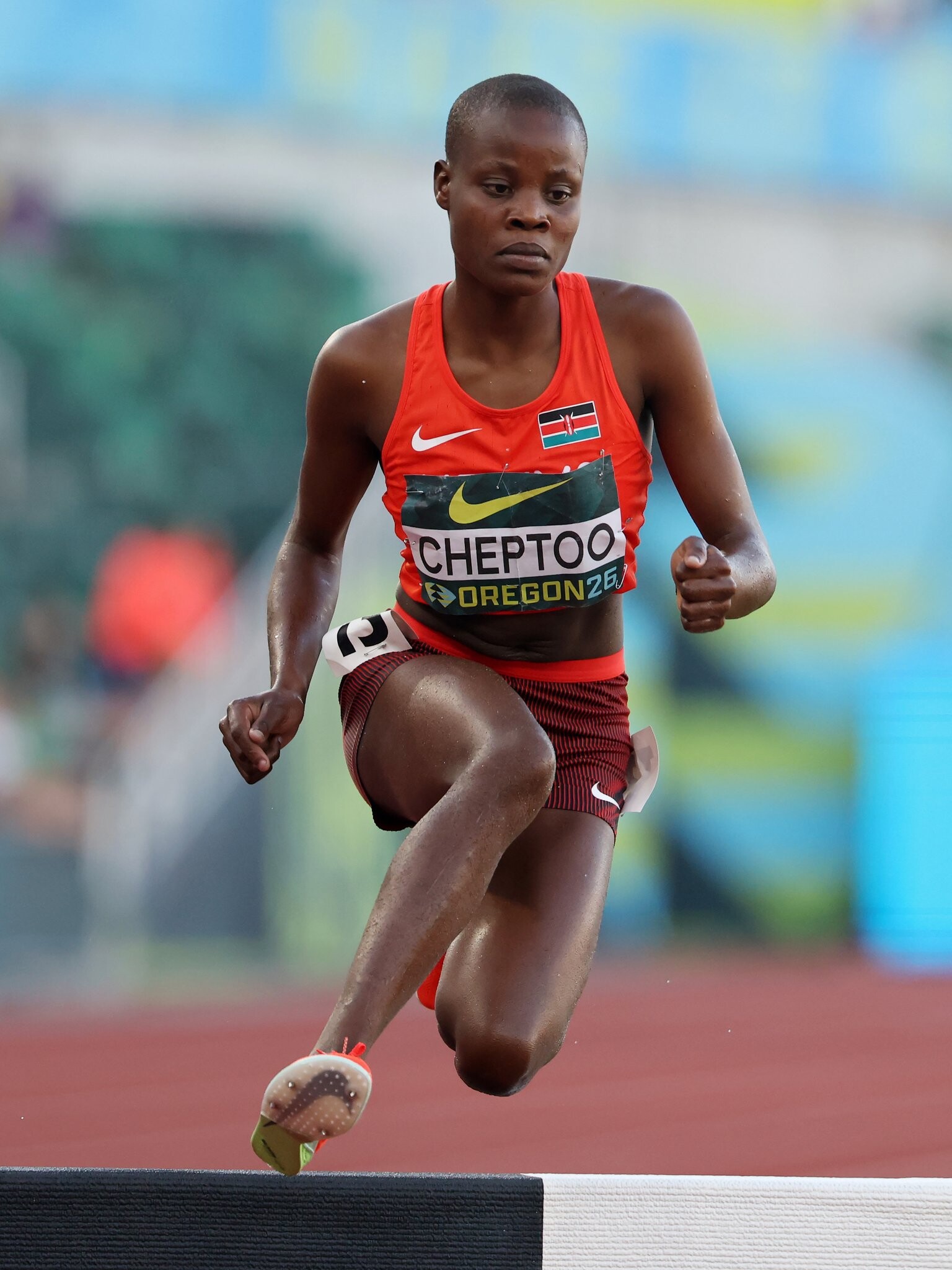
Kenya’s Anatasha Cheptoo ensured there was East African representation on all three steps of the podium, fighting her way to the bronze medal in 9:37.18.
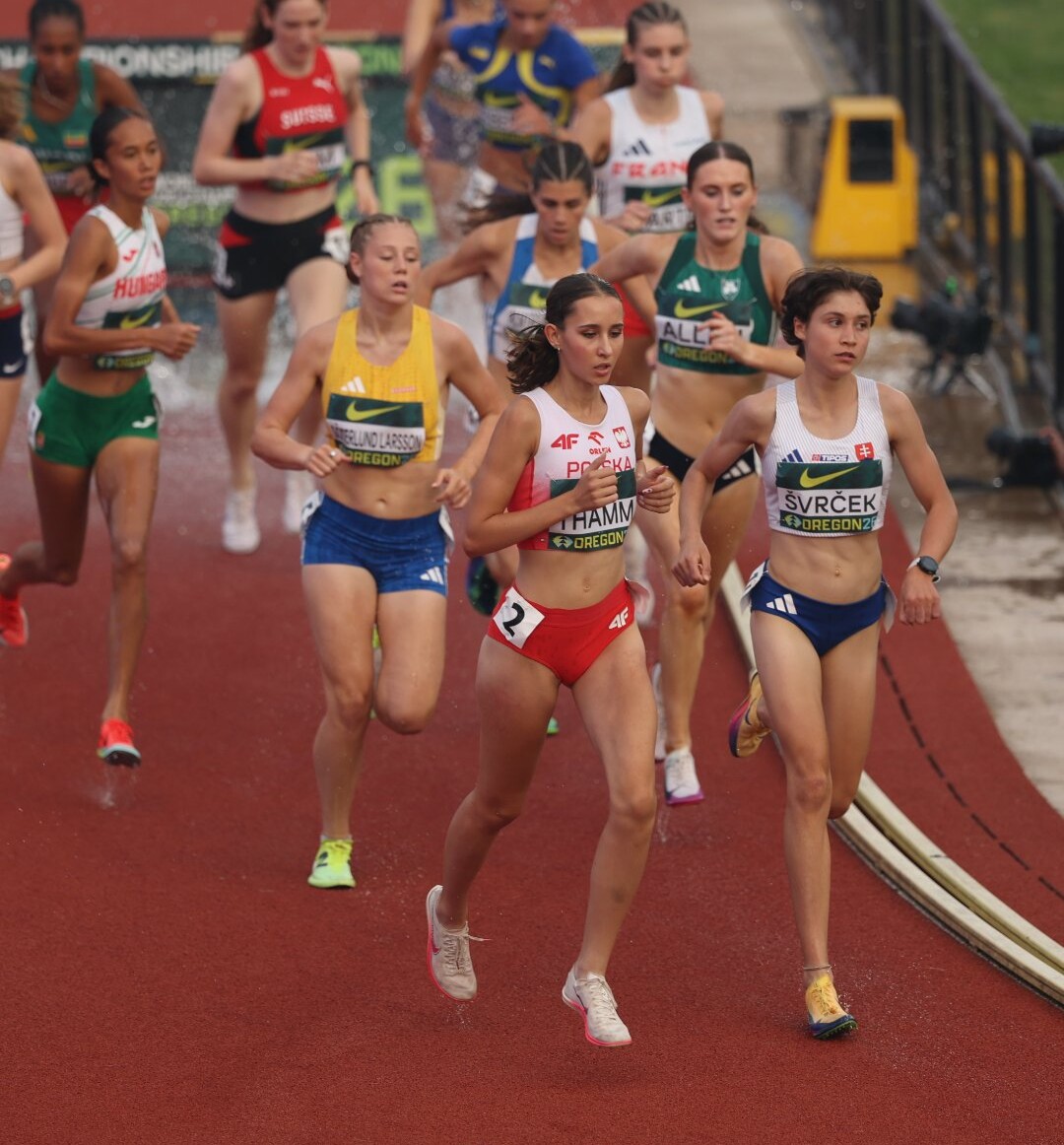
Behind the medalists, Sweden’s Majken Söderlund Larsson finished fourth in 9:48.01, setting a national U20 record (NU20R), while Czech Republic’s Ema Berková followed in fifth with 9:49.06, also recording a national U20 record.
Sweden’s Fanny Szalkai placed sixth in 9:55.06, a personal best, while Greece’s Anna Dafni Almyroudi Stroumpou finished seventh in 10:00.63, another national U20 record.
Egypt’s Malak Abdelghany Abdalla Ibrahim crossed eighth in 10:04.52, also establishing a national U20 record. Slovakia’s Anna Švrček was ninth in 10:05.91, followed by Japan’s Rei Taya in 10:12.37.
Portugal’s Lara Roque finished 11th in 10:15.69, setting a national U20 record, while Poland’s Zuzanna Szymańska took 12th in 10:15.94, a personal best. Great Britain’s Ava James was 13th in 10:18.96, followed by American Sierra Wall in 14th with 10:21.21.
Poland’s Michalina Thamm completed the finishers in 15th place in 10:39.01.
Kenya’s Mercy Chepngeno Koskey, who had also lined up as part of the Kenyan challenge, was unfortunately unable to finish the race.
The final podium therefore belonged to three of East Africa’s rising stars, with Yohannis and Asefa delivering a memorable Ethiopian one-two, while Cheptoo secured bronze for Kenya.
Women’s 3000m Steeplechase — Official Results
1. Almaz Yohannis (Ethiopia) — 9:15.81 (WU20L)
2. Wosane Asefa (Ethiopia) — 9:30.50 (SB)
3. Anatasha Cheptoo (Kenya) — 9:37.18
4. Majken Söderlund Larsson (Sweden) — 9:48.01 (NU20R)
5. Ema Berková (Czech Republic) — 9:49.06 (NU20R)
6. Fanny Szalkai (Sweden) — 9:55.06 (PB)
7. Anna Dafni Almyroudi Stroumpou (Greece) — 10:00.63 (NU20R)
8. Malak Abdelghany Abdalla Ibrahim (Egypt) — 10:04.52 (NU20R)
9. Anna Švrček (Slovakia) — 10:05.91
10. Rei Taya (Japan) — 10:12.37
11. Lara Roque (Portugal) — 10:15.69 (NU20R)
12. Zuzanna Szymańska (Poland) — 10:15.94 (PB)
13. Ava James (Great Britain) — 10:18.96
14. Sierra Wall (United States) — 10:21.21
15. Michalina Thamm (Poland) — 10:39.01
DNF: Mercy Chepngeno Koskey (Kenya)
Yohannis’ victory marked the highlight of a brilliant Ethiopian performance, with her 9:15.81 World U20-leading mark setting the tone for a memorable championship final and announcing another exciting young talent onto the international athletics scene.
by Erick Cheruiyot for My Best Runs.
Login to leave a comment
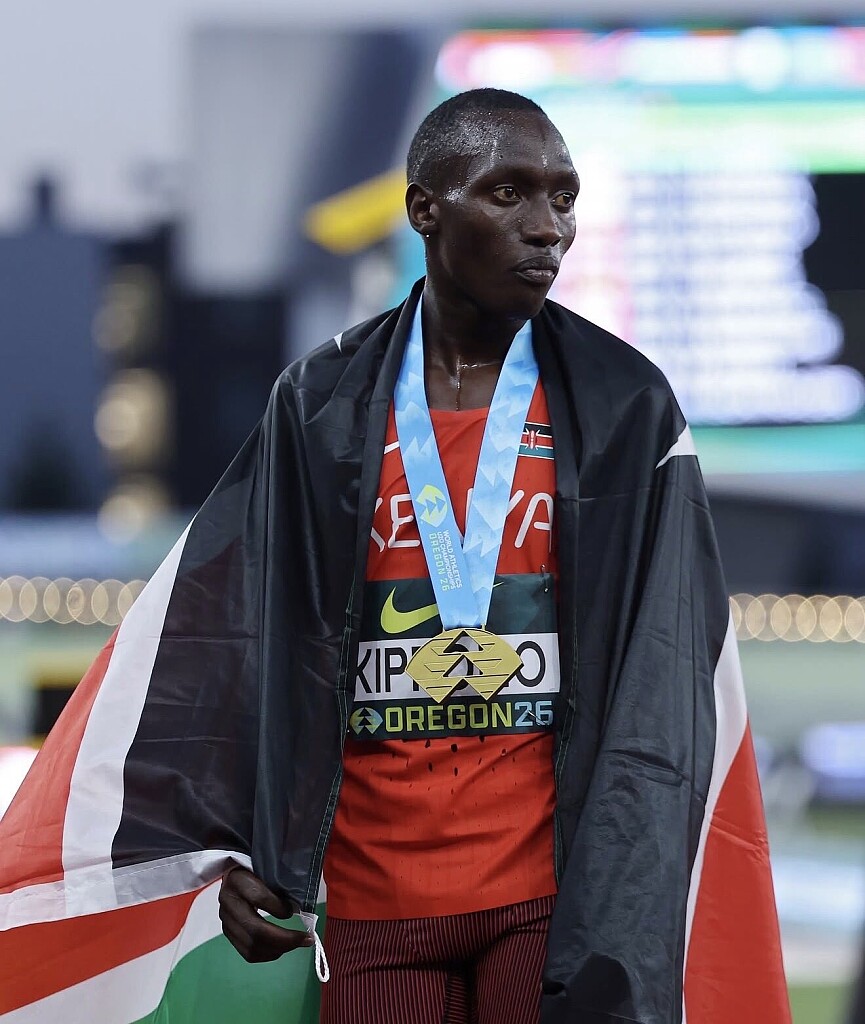
Emmanuel Kiprono Storms to World U20 3,000m Gold in Championship-Record 7:28.28
Kenya’s Emmanuel Kiprono has announced himself as one of the brightest young distance-running talents in the world after producing a sensational solo performance to win the men’s 3,000 metres gold medal at the World Athletics U20 Championships in a championship-record 7:28.28.
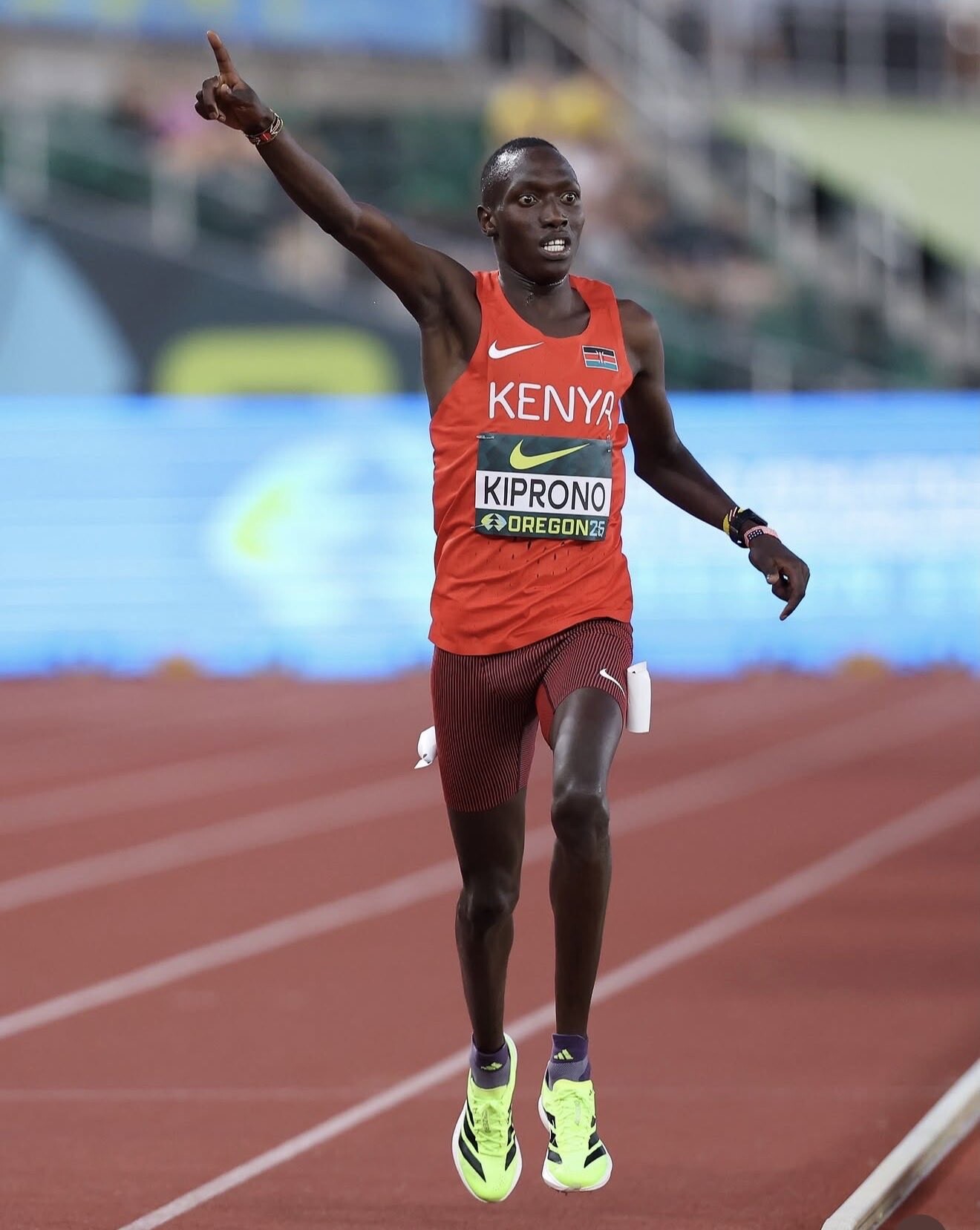
Just 17 years old, Kiprono took control from the opening metres and never looked back. Running completely alone for virtually the entire race, the Kenyan dictated the tempo with remarkable confidence and gradually transformed the final into a one-man race.
Kiprono passed 1,000 metres in 2:26.52, reached 1,600 metres in 3:54.58, and continued his relentless charge through 2,000 metres in 4:55.43. With every lap, the gap behind him grew larger as his rivals struggled to match his extraordinary pace.
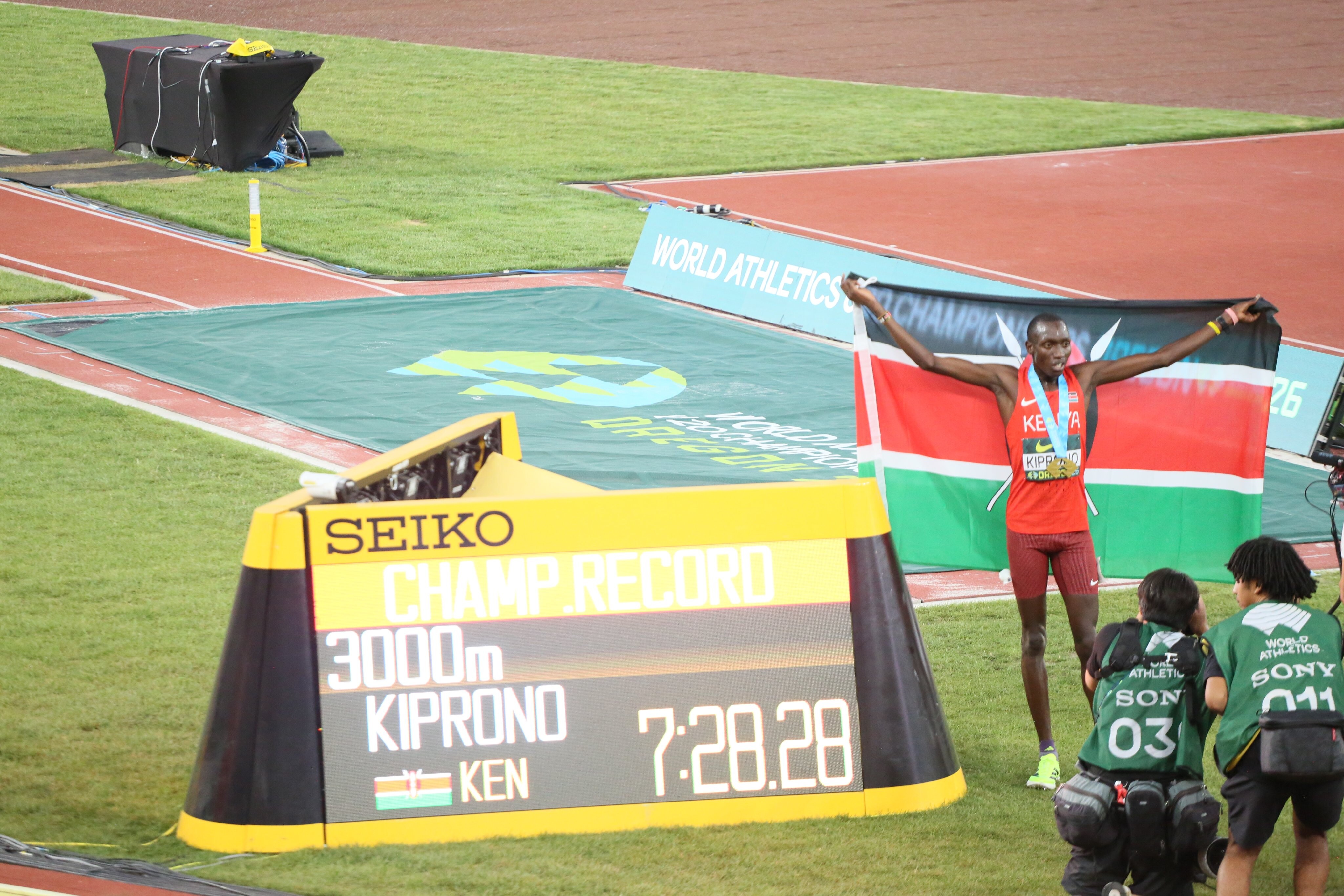
He eventually crossed the finish line in 7:28.28, smashing the championship record and coming agonisingly close to the world U20 record of 7:28.20, set by Ethiopia’s Yomif Kejelcha. Kiprono missed the global junior mark by just 0.08 seconds.
The margin of victory was equally spectacular. He finished 19 seconds ahead of France’s Alois Abraham, who took silver in 7:47.79, while Japan’s Ojiro Honda secured bronze in 7:48.49, setting a Japanese U20 record.

Men’s 3,000m Final
1. Emmanuel Kiprono — Kenya — 7:28.28 (Championship Record)
2. Alois Abraham — France — 7:47.79
3. Ojiro Honda — Japan — 7:48.49 (National U20 Record)
4. Liam Conway — Great Britain — 7:50.10 (Personal Best)
5. Aleksi Ahlfors — Finland — 7:50.56 (Personal Best)
6. Tzu-Chieh Chien — Chinese Taipei — 7:51.18 (National U20 Record)
7. Ilyes Druez — Belgium — 7:51.67 (Personal Best)
8. Sebastian Lörstad — Sweden — 7:51.94 (Personal Best)
9. Edwin Elkana — Kenya — 7:51.94 (Personal Best)
10. Owen Powell — United States — 7:53.35 (Personal Best)
Kiprono’s breakthrough is particularly significant given his performances earlier this year. The 17-year-old finished second in the U20 race at the World Cross Country Championships, establishing himself as one of the leading prospects in the new generation of Kenyan distance runners.
But on the track, he produced something even more extraordinary.
There was no tactical waiting game, no final-lap sprint and no group to shelter behind. Kiprono simply went to the front and challenged himself against the clock. His splits — 2:26.52 at 1,000m, 3:54.58 at 1,600m and 4:55.43 at 2,000m — demonstrate the remarkable consistency and courage behind the performance.
After the race, Kiprono celebrated with the Kenyan flag draped around him before posing beside the SEIKO championship-record display, which showed his historic 7:28.28.
His championship record also came with a tantalising glimpse of what might have been. Had he found even a fraction more in the closing metres, the world U20 record could have fallen as well. Nevertheless, coming within eight hundredths of the mark while running almost the entire race alone makes the achievement all the more remarkable.
Emmanuel Kiprono has not merely won a world junior title — he has made a statement. At only 17, his extraordinary front-running, championship record and near-world-record performance suggest that Kenyan distance running may have another major talent ready to emerge onto the global stage.
by Erick Cheruiyot for My Best Runs.
Login to leave a comment
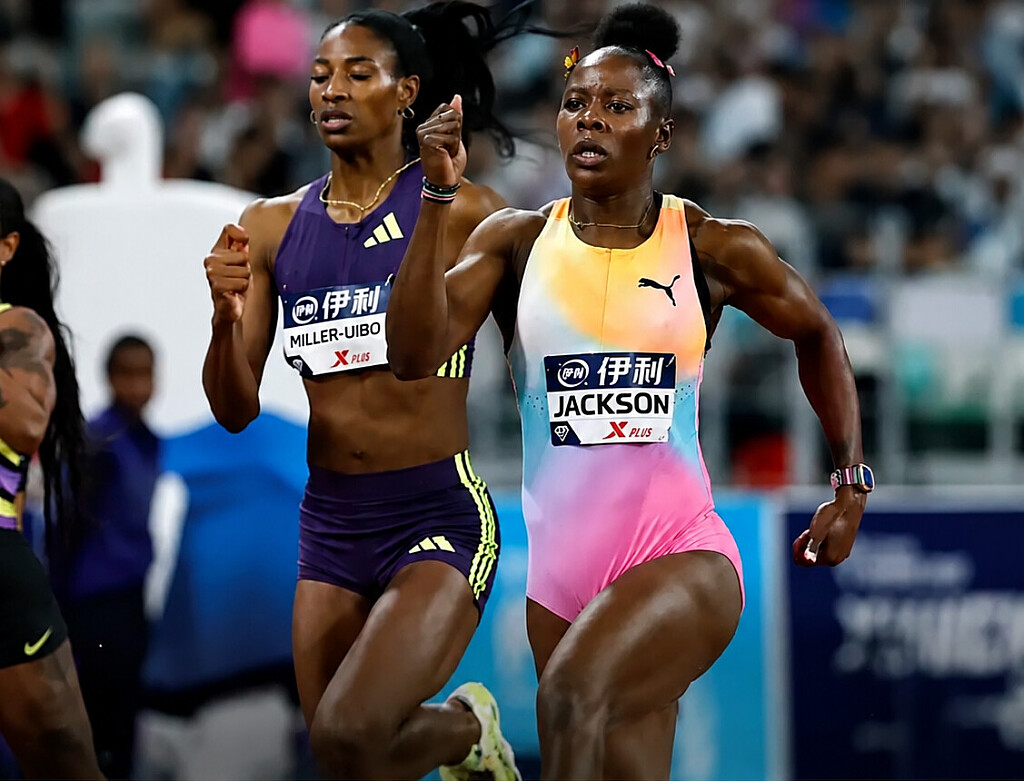
Lausanne Diamond League Set For Sprint Fireworks As Shericka Jackson And Shaunae Miller-Uibo Headline Star-Studded Showdown
The countdown is on for one of the most anticipated meetings of the 2026 Wanda Diamond League season, with the Athletissima Lausanne Diamond League set to deliver another spectacular night of world-class athletics on August 21.
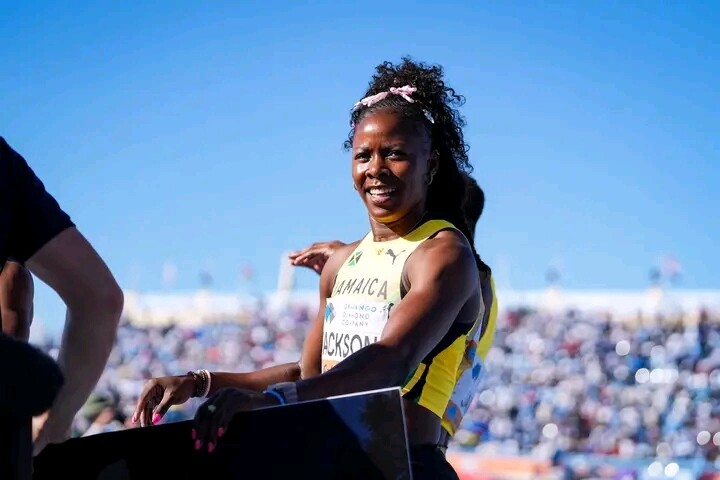
A loaded women's sprint programme will take centre stage, highlighted by an electrifying 200m showdown featuring some of the biggest names in global athletics. The event promises speed, drama and championship-quality competition as the world's elite battle for Diamond League glory.
Leading the field is Shericka Jackson, the Jamaican sprint sensation and the second-fastest woman in history over 200 metres. Jackson arrives in Lausanne chasing another Diamond League victory and, given her exceptional pedigree, the meeting record could be under serious threat if conditions are favourable. Widely regarded as one of the greatest 200m runners of all time, she will be aiming to continue her impressive form as the season reaches its decisive stages.
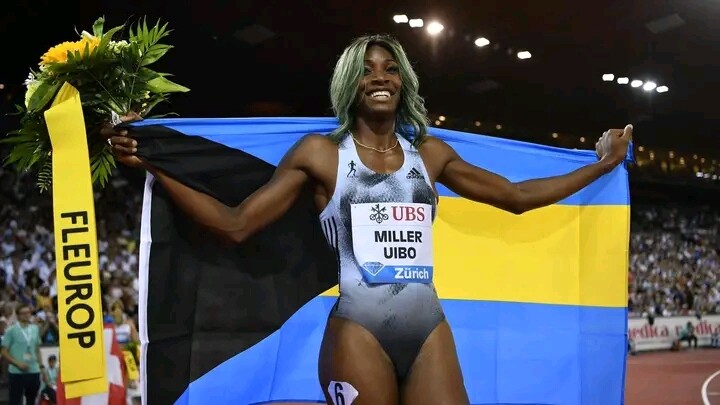
Joining the star-studded line-up is Shaunae Miller-Uibo, the Bahamian superstar whose résumé includes two Olympic 400m gold medals and a world title. Renowned for her powerful finishing speed and championship experience, Miller-Uibo adds another layer of excitement to what is already shaping up to be one of the highlights of the meeting.
The field also features Amy Hunt, the reigning world 400m silver medallist, who continues to establish herself among the world's elite. Her presence ensures the competition will be fierce as she tests herself against some of the most accomplished athletes of this generation.
With such an exceptional line-up confirmed, Lausanne is expected to produce one of the fastest women's sprint races of the season. The Swiss meeting has earned a reputation for delivering unforgettable performances, and fans will be hoping another chapter of athletics history is written on August 21.
As the race for Diamond League points intensifies ahead of the season finale, every result carries extra significance. For Jackson, Miller-Uibo and their rivals, Lausanne represents another opportunity to make a statement, sharpen their form and build momentum before the year's major championships.
With Olympic champions, world champions and record-breaking sprinters all set to take the track, the Athletissima Lausanne Diamond League promises an evening of elite competition that athletics fans around the world will not want to miss.
by Erick Cheruiyot for My Best Runs.
Login to leave a comment

World U20 Relay History Rewritten As Great Britain Breaks Fresh Record After Australia's Brief Reign
Records were rewritten twice within the space of a few unforgettable minutes as the inaugural World Athletics U20 Mixed 4x100m relay produced one of the most dramatic sessions of the World Athletics U20 Championships in Eugene, Oregon.

Australia ignited the excitement in the opening heat by storming to a world U20 record of 41.64 seconds, becoming the first team ever to reach that mark and briefly claiming a place in history. For five memorable minutes, the Australian quartet of Uwezo Lebenda, Maya Taber, Kelechi Ekwomadu and Thewbelle Philp stood as world record holders after a sensational performance that also secured their place in Saturday's final.
Their celebration, however, proved to be short-lived.
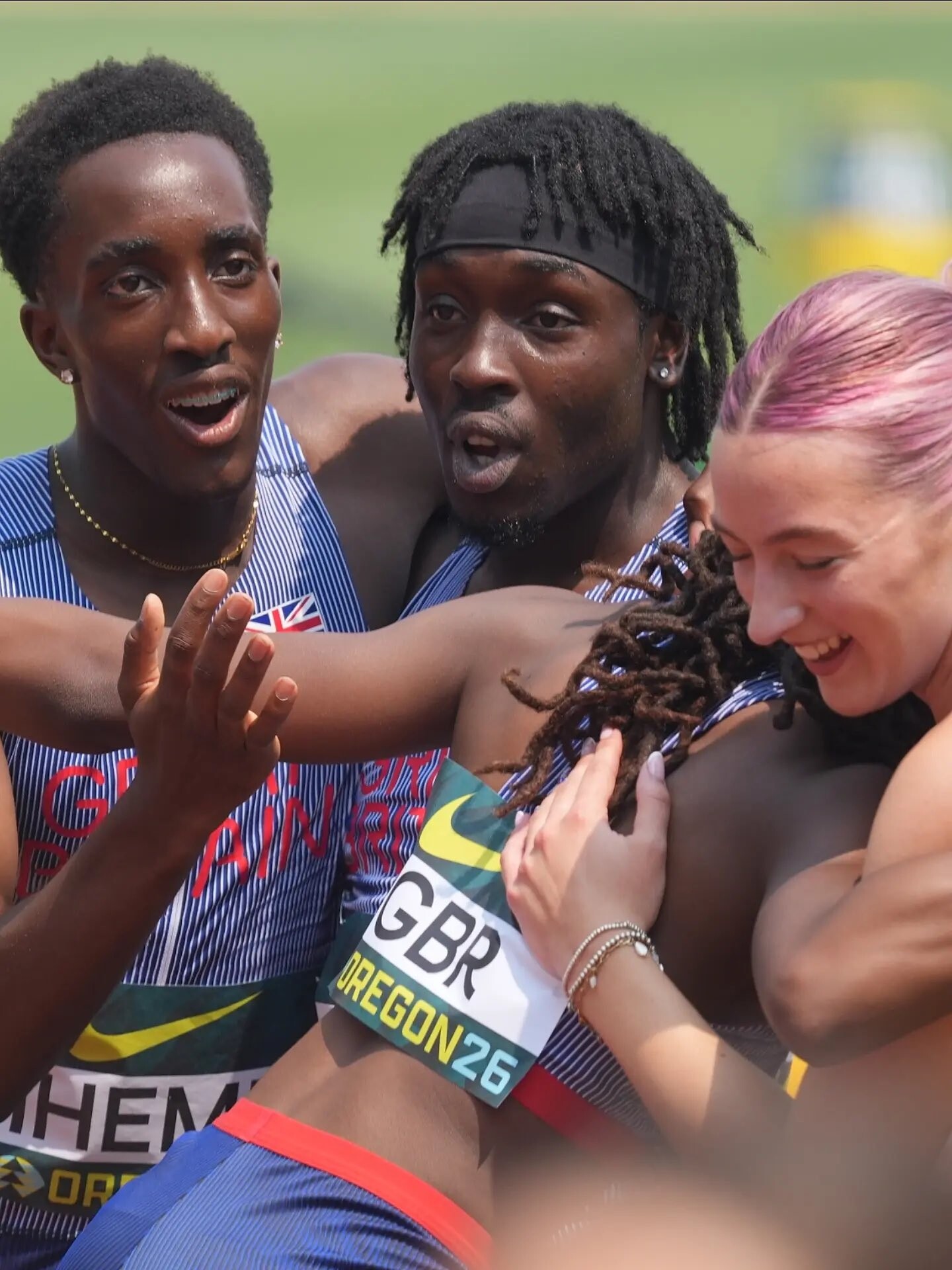
Moments later, Great Britain delivered an even more electrifying display in the second heat, clocking 41.60 to erase Australia's newly established mark and set a fresh World U20 record. It was a masterclass in speed, precision and flawless baton exchanges that propelled the British team into the history books.
The record-breaking quartet of Divine Iheme, Savannah McKenzie Morgan, Mathew Ajayi and Sophie Thomas combined brilliantly from start to finish to produce the fastest mixed U20 4x100m relay ever recorded. Sophie Thomas, who is set to compete for the University of Connecticut (UConn) this year, produced a composed anchor leg to seal the landmark performance.
The extraordinary back-to-back world records underlined the remarkable depth of sprint talent on display, with several other nations also producing outstanding performances to qualify for the final.
Italy impressed with a personal best of 41.74, while the United States advanced comfortably in 41.82. Nigeria also produced a personal best of 41.91 to secure qualification.
Jamaica (42.08 PB), Germany (42.12 PB), France (42.16 PB) and Poland (42.18 PB) completed the eight-team final after delivering strong performances in one of the fastest mixed relay qualifying rounds ever witnessed at the U20 Championships.
With two world records already falling in rapid succession, anticipation is now soaring ahead of Saturday's final. If the qualifying heats are any indication, the newly established global mark of 41.60 may once again come under serious threat as the world's best young sprinters chase another piece of athletics history.
by Erick Cheruiyot for My Best Runs.
Login to leave a comment
