

Running News Daily
Running News Daily is edited by Bob Anderson and team. Send your news items to bob@mybestruns.com Advertising opportunities available.
Index to Daily Posts · Sign Up For Updates · Run The World Feed
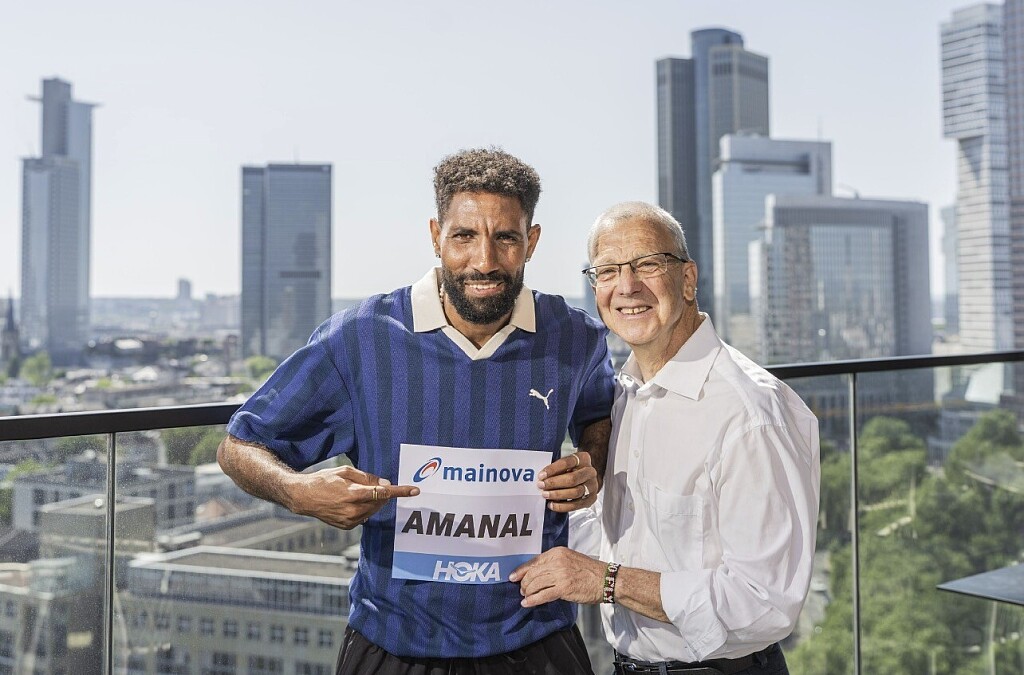


German Record Holder Amanal Petros Targets Frankfurt and Eyes European Record

Amanal Petros will headline the Mainova Frankfurt Marathon on October 25 with ambitious goals in mind, including another German record and possibly even the European record.
Fresh off his dramatic silver medal performance at last year’s World Championships in Tokyo — where he narrowly missed the gold medal by the slimmest of margins — Petros confirmed at a Frankfurt press conference that he will compete in this year’s race. Earlier, fellow German stars Samuel Fitwi and Richard Ringer, the 2022 European marathon champion, also announced they will race in Frankfurt.
The Mainova Frankfurt Marathon, a World Athletics Elite Label Road Race, is already experiencing strong demand. Organizers are planning to raise the event capacity to 20,000 runners.

Petros, Fitwi, and Ringer are currently the three fastest German marathoners in history, making this a rare and historic matchup. Since German reunification in 1990, the only previous occasion where the top three German marathoners competed in the same race was at the 2024 Olympic Games in Paris.
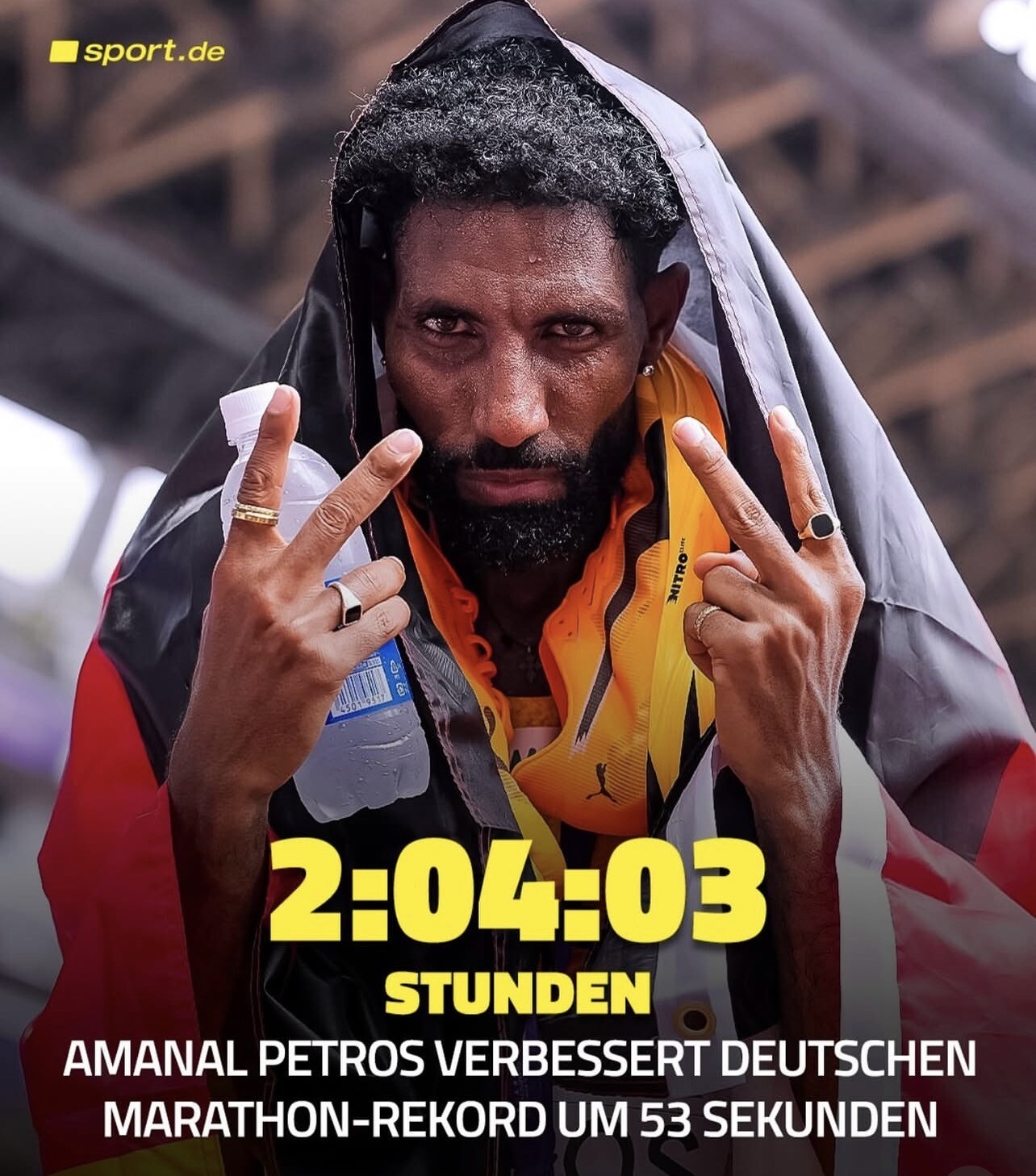
Since Paris, all three have elevated their performances even further. Petros owns the German record at 2:04:03. Fitwi clocked 2:04:45 in Hamburg earlier this year, while Ringer ran 2:04:47 in Boston — though that mark is not eligible for record purposes due to the course layout — leaving his official best at 2:05:46.
“We are delighted and proud that an exceptional athlete like Amanal Petros will run the Mainova Frankfurt Marathon,” said Race Director Jo Schindler. “The fact that the three strongest German marathon runners are competing together and against each other here is an absolute dream scenario. It is a historic moment in the history of the event.”
Now 31, Petros has become one of Germany’s most accomplished distance runners. Born in Eritrea before fleeing to Germany as a teenager, he has rewritten the national marathon record four times — in 2020, 2021, 2023, and 2025 — more than any other German marathoner in history. He also became the first German athlete to simultaneously hold the national records for 10K, half marathon, and marathon.
Frankfurt will mark Petros’s first marathon on German soil since capturing world championship silver. Before that, he, Fitwi, and Ringer are all expected to compete at the European Championships marathon in Birmingham this August.
“Frankfurt fits very well into my schedule this year,” said Petros. “The course at the European Championships will be difficult, so this will not be a fast race. The Mainova Frankfurt Marathon then offers me the chance to run a very good time.”
Petros added that the three German stars are likely to work together during the race rather than focus on defeating one another.
“Richard, Samuel and I will certainly support each other during the race. It is not primarily about beating each other — we get on far too well for that. Together we want to produce something special in Frankfurt,” he said.
And that “something special” could be historic.
“If we have good weather conditions a German record would be great. But if everything really comes together, I would like to go for the European record.”
That mark currently belongs to Bashir Abdi at 2:03:36 — just 27 seconds faster than Petros’s national record.
Login to leave a comment

Mainova Frankfurt Marathon
Frankfurt is an unexpectedly traditional and charming city, with half-timbered buildings huddled in its quaint medieval Altstadt (old city), cosy apple wine taverns serving hearty regional food, village-like neighbourhoods filled with outdoor cafes, boutiques and street art, and beautiful parks, gardens and riverside paths. The city's cache of museums is second in Germany only to Berlin’s, and its nightlife...
more...Latest Running News
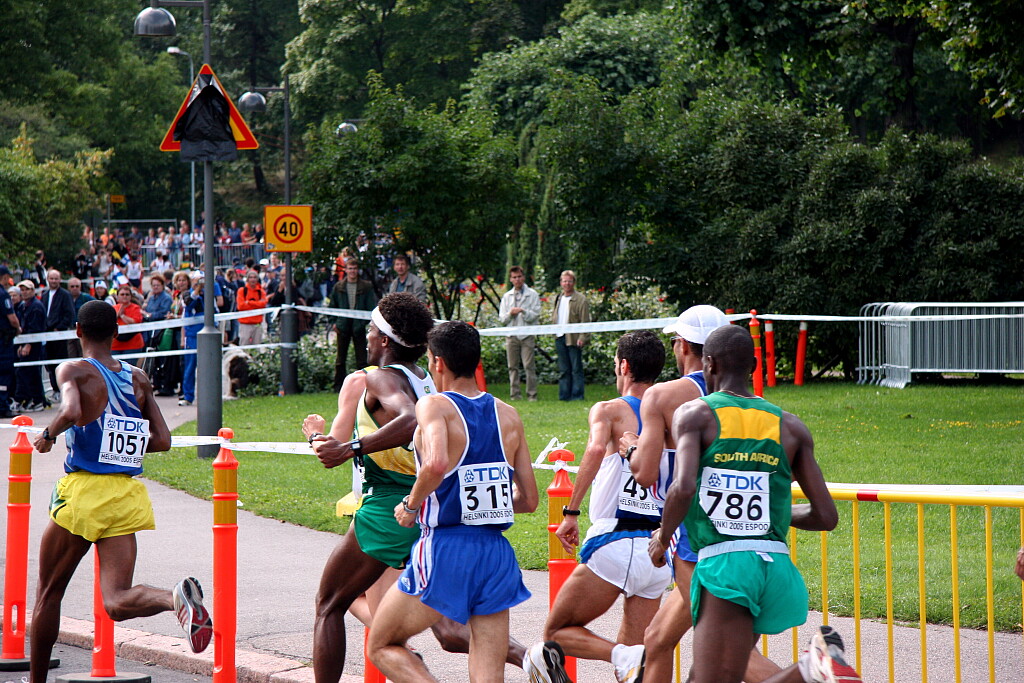
From Helsinki to Beijing: The Incredible Transformation of Marathon Qualification Standards
The road to the World Athletics Championships marathon has never been more unforgiving. What was once an attainable global benchmark for many international runners has now evolved into an exclusive club reserved for only the fastest athletes on the planet. Over the last two decades, the qualification standards for the championships marathon have dropped dramatically, reflecting the explosive evolution of elite distance running across the world.
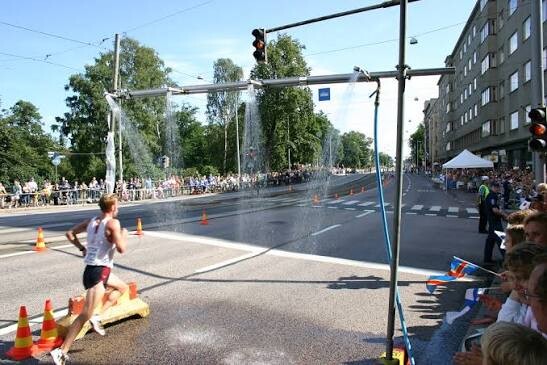
Back in Helsinki 2005, male athletes could secure qualification with a time of 2:18:00, while women needed 2:45:00 to earn a place on the starting line. The standards remained unchanged at the Osaka 2007 Championships, maintaining an era where consistency and endurance were enough to compete on the world stage.
However, the landscape of marathon running slowly began to transform between 2009 and 2017. Qualification times fluctuated between 2:16 and 2:19 for men, while women’s standards ranged from 2:38 to 2:45. Even then, the shift toward faster racing had already begun, driven by deeper international competition and advancements in sports science.
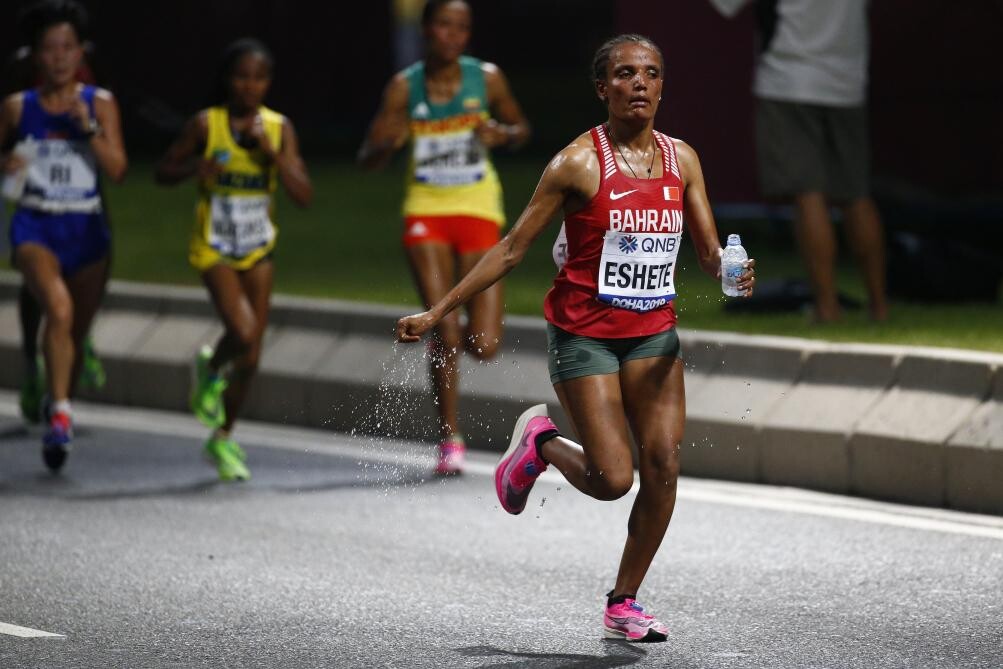
The major turning point arrived in 2019 during the Doha World Championships. World Athletics introduced a new qualification structure, replacing the old “A” and “B” standards with a unified direct-entry system supported by world rankings. At the same time, the standards became significantly tougher, dropping to 2:16:00 for men and 2:37:00 for women.
What followed was an unprecedented acceleration in elite marathon performances.
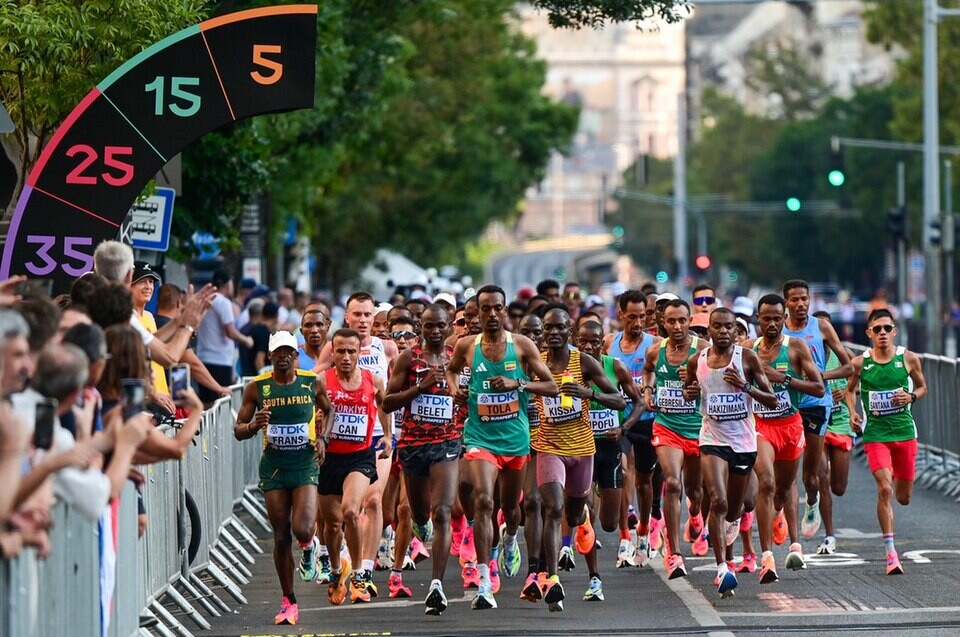
By the time the championships moved to Eugene in 2022 and Budapest in 2023, the entry standards had tightened even further to 2:14:30 for men and 2:33:30 for women. These were no longer simply elite times — they were becoming world-class requirements.
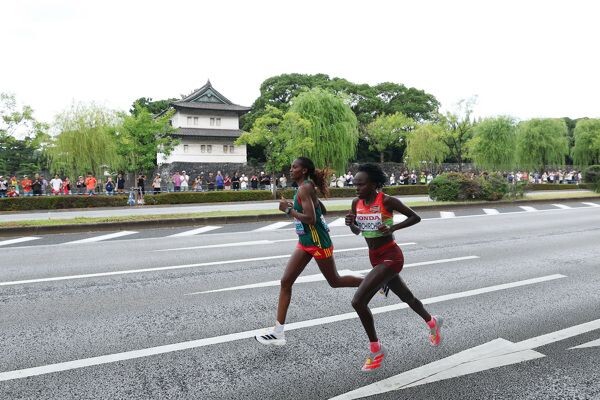
Then came the astonishing leap for Tokyo 2025 and Beijing 2027.
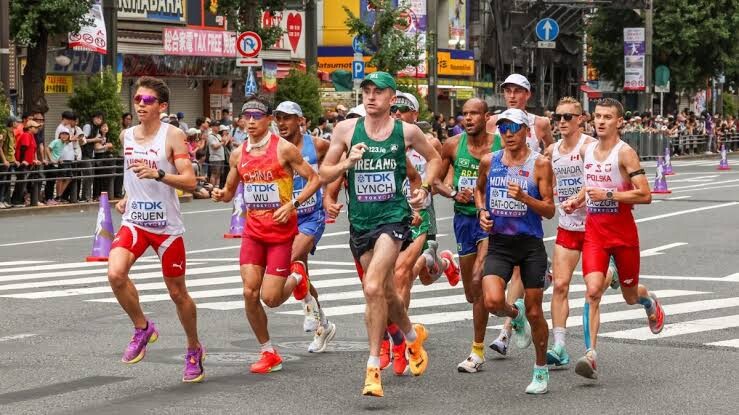
World Athletics pushed the standards to a staggering 2:06:30 for men and 2:23:30 for women — marks that place athletes among the very best marathoners globally. In today’s era, running a national-class performance is no longer enough; athletes must now deliver near-podium level times simply to qualify.
The dramatic drop in standards reflects far more than just faster athletes. Modern marathon running has been reshaped by revolutionary shoe technology, improved pacing systems, advanced nutrition strategies, scientific training methods, altitude preparation, and the growing depth of competition worldwide. The sport has entered a high-speed era where records fall rapidly and expectations continue to rise.
For many athletes, the new standards represent both inspiration and pressure. Qualification now demands extraordinary precision, consistency, and near-perfect execution over 42.195 kilometres. Every second matters more than ever before.
Yet despite the increasing difficulty, the evolution also highlights the remarkable progress of human performance. Marathon running is no longer merely about endurance — it has become a showcase of innovation, tactical intelligence, and extreme athletic excellence.
The World Championships marathon has evolved from a global competition into one of the most selective endurance events in athletics history, and the future suggests the standards may only continue to get faster.
by Erick Cheruiyot for My Best Runs.
Login to leave a comment
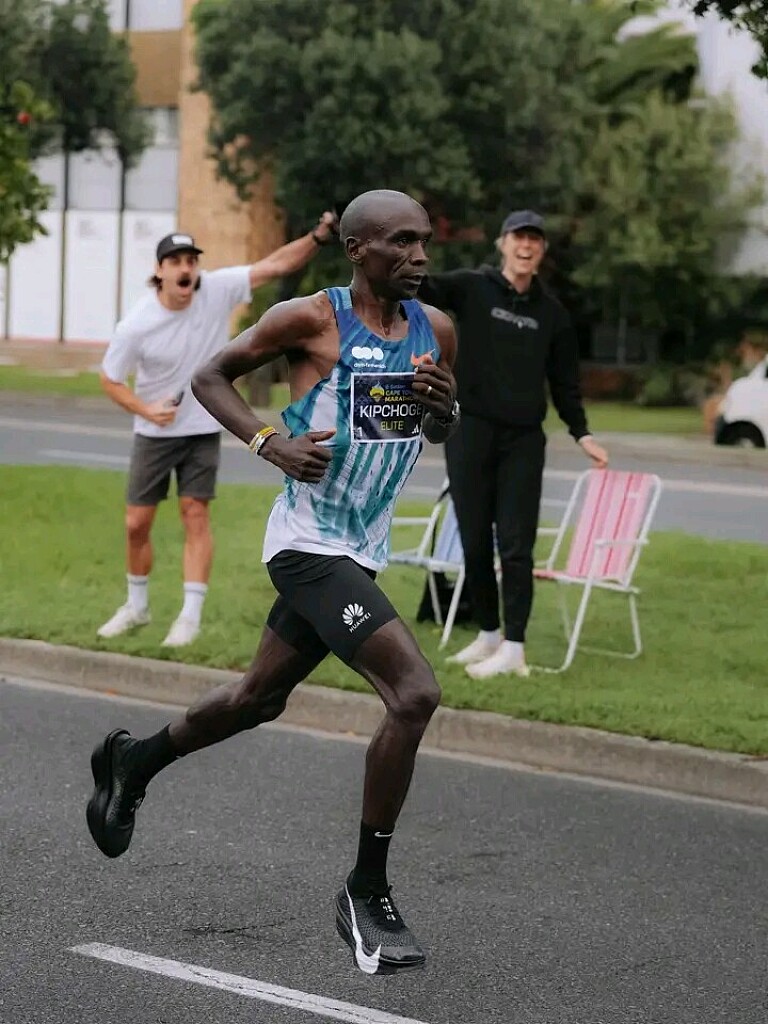
Kipchoge’s Global Journey Continues as Marathon Legend Targets Porto Alegre Glory
At 41 years old, marathon icon Eliud Kipchoge continues to defy time and redefine greatness. After opening his 2026 World Marathon Tour campaign at the Sanlam Cape Town Marathon in South Africa, the Kenyan legend is now preparing for the next stop of his global journey — the Porto Alegre Marathon in Brazil on Sunday, July 12.
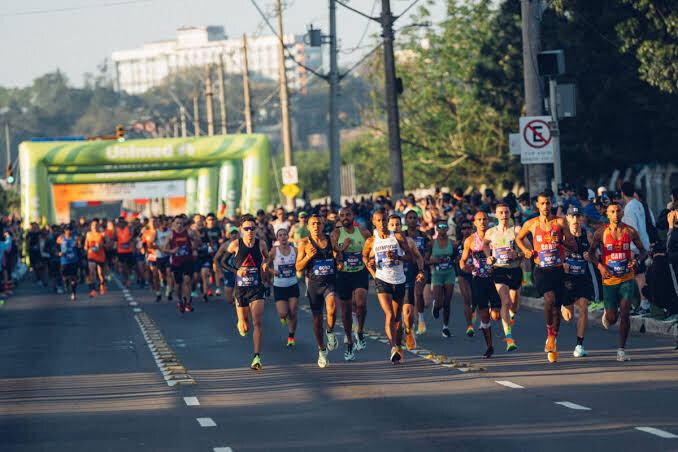
Kipchoge crossed the finish line in Cape Town in 2:13:29, placing 16th overall while maintaining an average pace of 3:09 per kilometre. Although the result may not reflect the dominance that defined many of his peak years, the performance once again highlighted the extraordinary longevity, discipline, and fighting spirit of one of the greatest marathon runners in history.
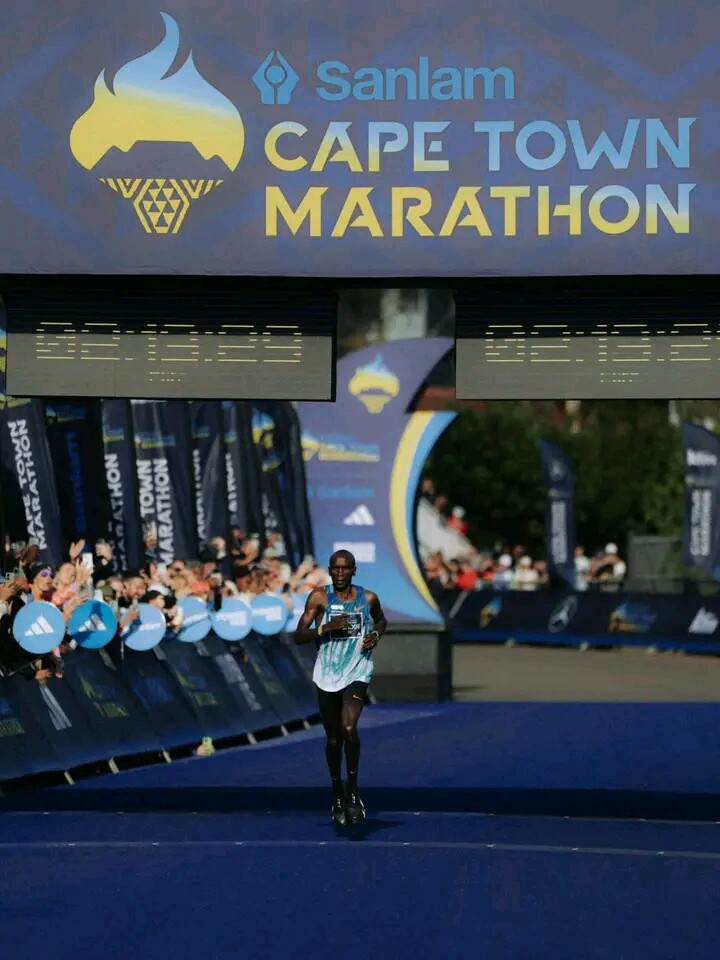
Even at 41, Kipchoge remains one of the most respected and influential figures in world athletics. His presence alone transforms races into global attractions, drawing attention from fans, athletes, and organizers across continents. From his historic unofficial sub-two-hour marathon achievement — a groundbreaking performance that changed the perception of human endurance forever to multiple Olympic and World Marathon Major triumphs, the Kenyan superstar has already secured a legacy few athletes will ever match.
Now, attention shifts to Brazil, where excitement is rapidly building ahead of his appearance at the Porto Alegre Marathon. The race is expected to attract massive international interest as South American fans prepare to witness one of the sport’s greatest icons compete live on their streets.

Kipchoge’s enduring philosophy, “No Human Is Limited,” continues to inspire millions around the world. More than a slogan, it has become a symbol of resilience, ambition, and the belief that barriers are meant to be challenged regardless of age or circumstance.
As he continues his 2026 campaign, Kipchoge is proving that greatness is not only measured by victories, but also by consistency, influence, and the courage to keep competing at the highest level. From Cape Town to Porto Alegre, the marathon king’s remarkable journey continues to captivate the athletics world.
by Erick Cheruiyot for My Best Runs.
Login to leave a comment
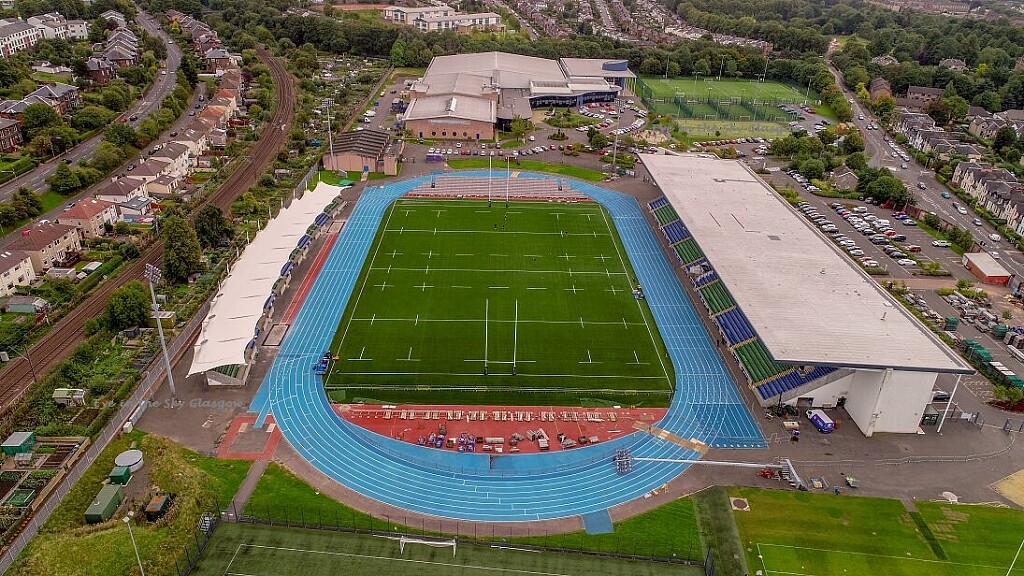
Australia Eyes Another Commonwealth Athletics Statement as Glasgow Countdown Intensifies
With just two months remaining until the Commonwealth Games athletics and para-athletics programme begins at Scotstoun Stadium on July 27, anticipation is rapidly building around what could be another defining chapter for Australian athletics.
After delivering one of their strongest performances in recent Commonwealth Games history at Birmingham 2022, Australia now heads toward Glasgow carrying both momentum and expectation. The nation concluded the previous edition with an impressive haul of 25 medals — including 10 gold, 10 silver and five bronze — underlining its emergence as one of the most complete and versatile athletics powerhouses within the Commonwealth.
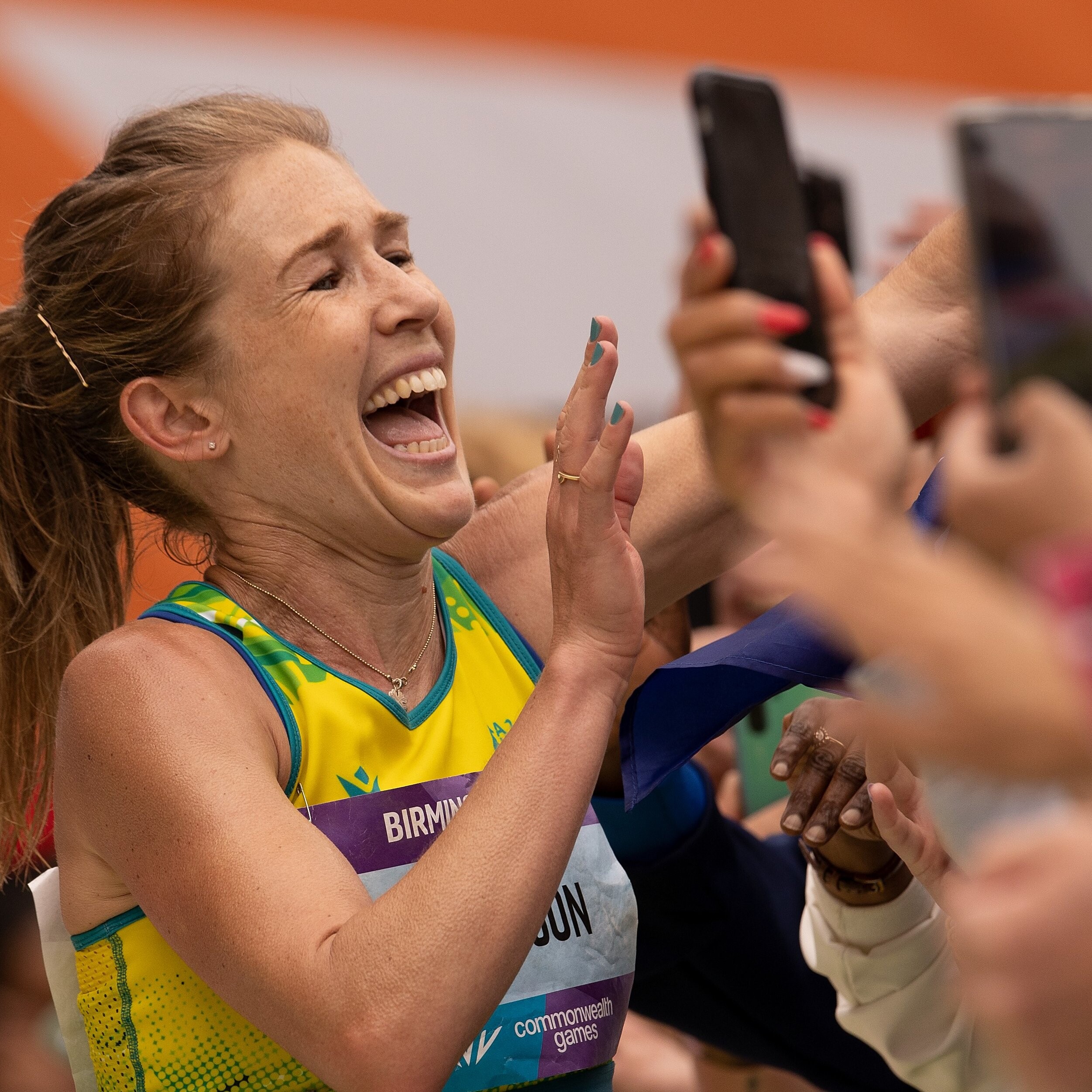
The upcoming competition presents an opportunity not only to defend that reputation, but potentially surpass it.
Australia’s recent rise has been fuelled by a remarkable blend of established champions and fearless young talent. Across sprinting, middle-distance running, jumps, throws and para-athletics, the country has steadily developed a deeper and more competitive squad capable of challenging traditionally dominant nations across multiple disciplines.
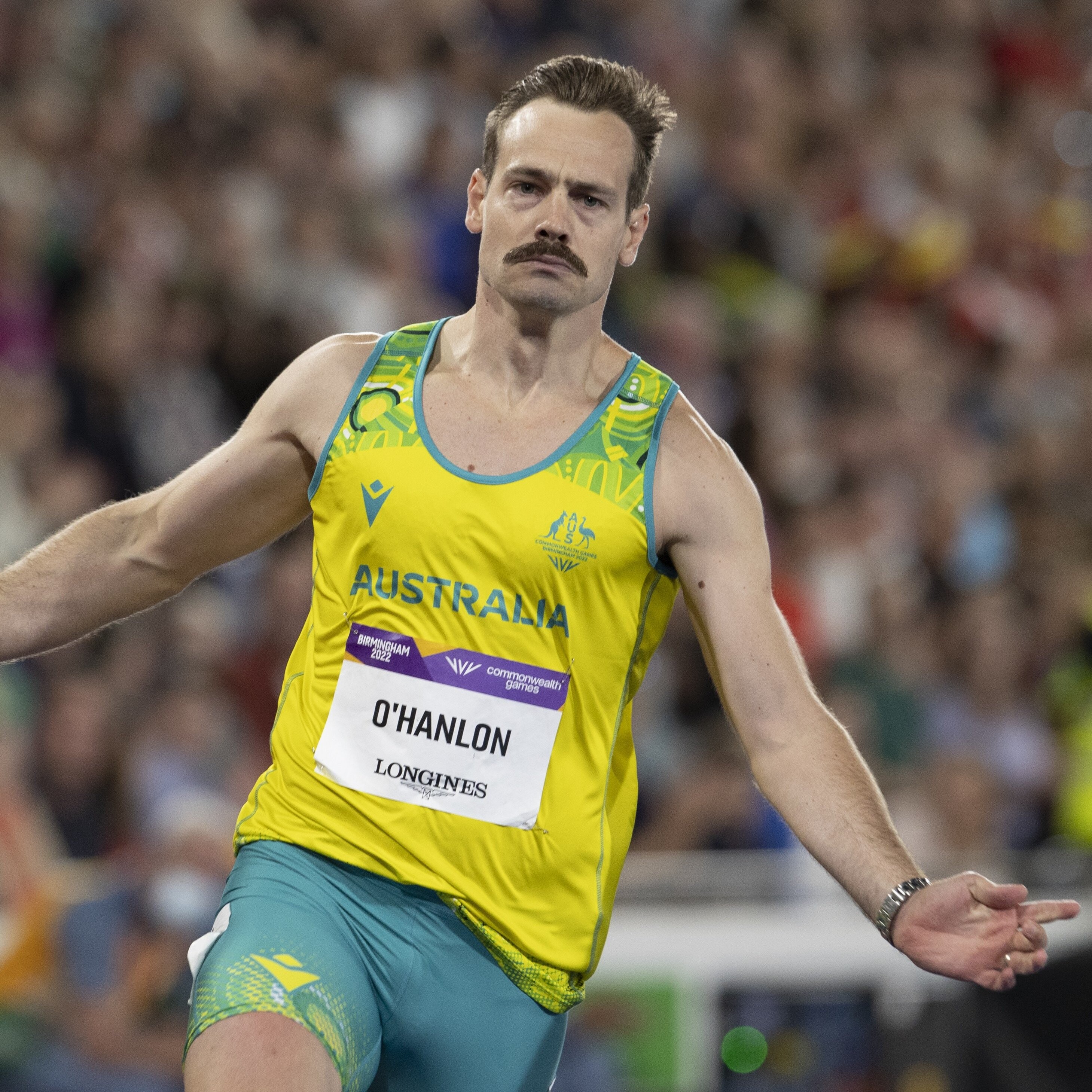
What makes the current Australian generation especially dangerous is its consistency on the global stage. Over the last few seasons, Australian athletes have continued to produce breakthrough performances at World Championships, Diamond League meetings and continental competitions, signalling that Birmingham was not an isolated success but part of a larger upward trajectory.
The Glasgow atmosphere is also expected to add another layer of intensity. Scotstoun Stadium will host six days of action packed with medal opportunities, rivalries and emotional moments, as athletes from across the Commonwealth battle for supremacy in one of the sport’s most celebrated multi-sport events.
Australia’s para-athletics squad is equally expected to play a major role in the medal race. The nation has consistently demonstrated strength in inclusive athletics competition, with para-athletes continuing to elevate the country’s international standing through world-class performances and resilience.
While several nations are expected to arrive with strong teams, Australia enters the Games as one of the countries attracting significant attention. The challenge now will be transforming expectation into execution once competition begins.
With the countdown officially underway, the question surrounding Australian athletics is no longer whether the nation can compete with the best — but whether this emerging golden era can produce an even greater medal return than Birmingham 2022.
by Erick Cheruiyot for My Best Runs.
Login to leave a comment
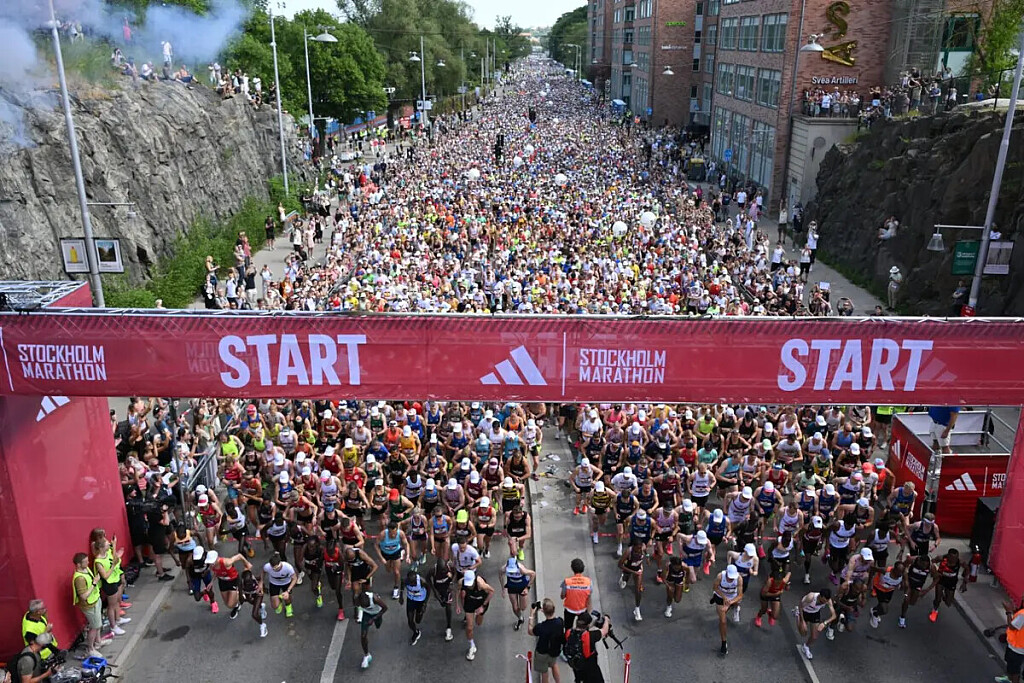
Battle of the Marathon Giants Awaits in Stockholm
The Stockholm Marathon returns on May 30 with a strong international field expected to light up the streets of the Swedish capital. Athletes from different parts of the world are set to battle for top honours, with the elite start list featuring several accomplished marathon runners carrying impressive personal bests into what promises to be a highly competitive contest in both the men’s and women’s races. This year’s race promises a blend of speed, endurance and tactical brilliance as athletes chase victory on one of Europe’s most prestigious marathon courses
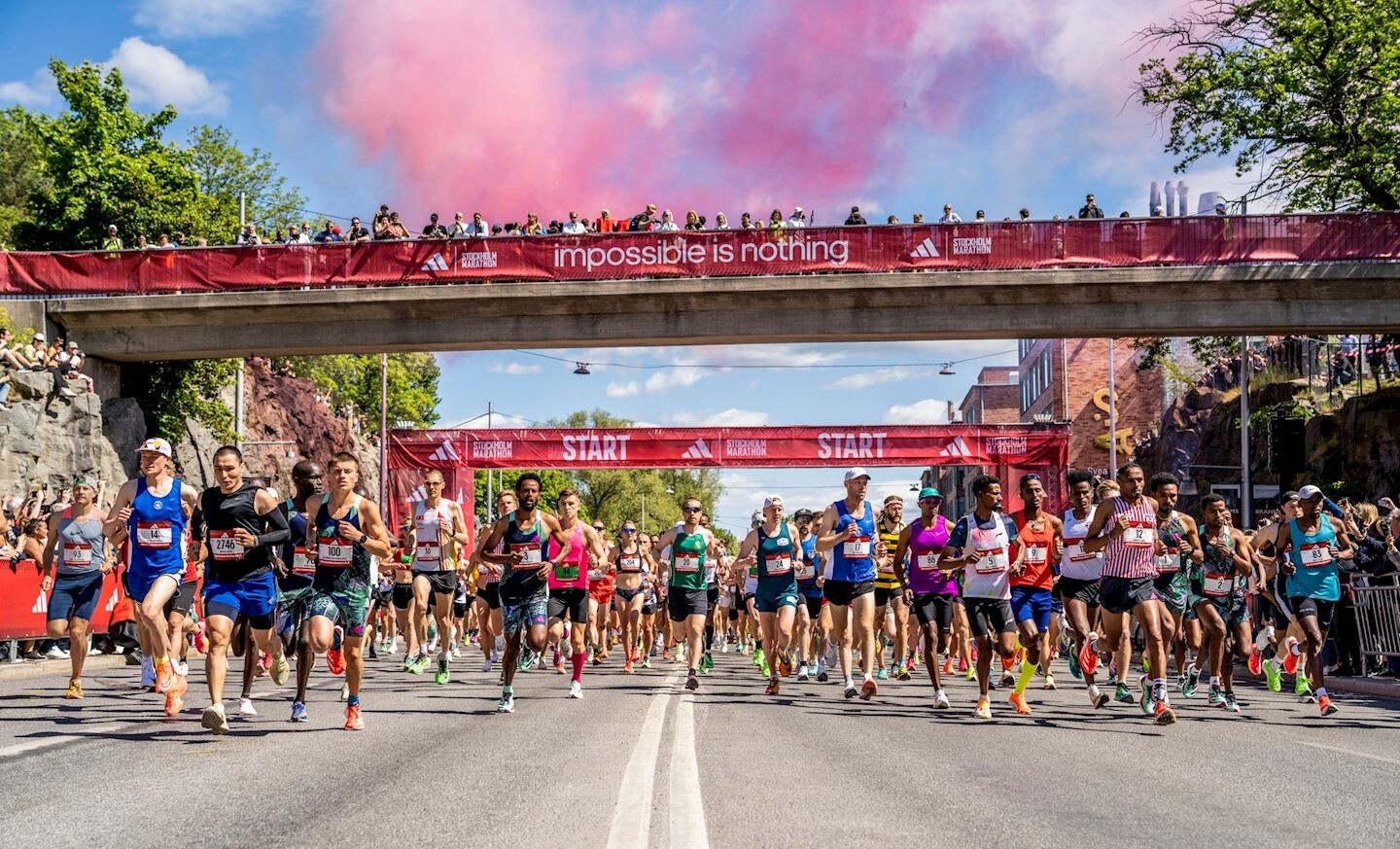
Leading the men’s field is Kenya’s Moses Kibet, the fastest entrant on paper with a personal best of 2:05:20. Renowned for his consistency and strength over the classic distance, Kibet arrives in Stockholm carrying the weight of expectation and will be eager to convert his credentials into a commanding performance.
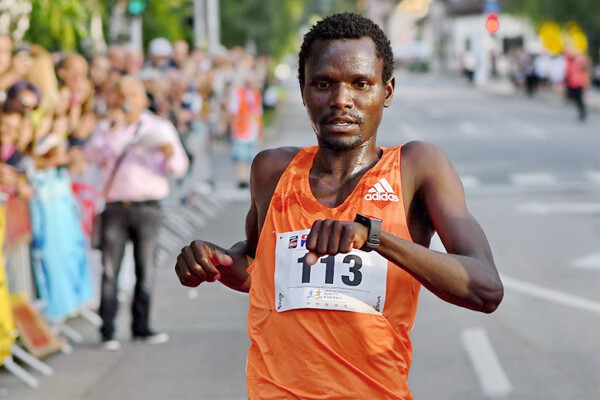
Fellow Kenyan Edwin Kiptoo, who owns a career-best mark of 2:06:10, is expected to pose one of the strongest challenges. His ability to maintain a relentless pace deep into races makes him a genuine contender for top honours. Also in the mix is Luke Kiprop, another experienced marathon campaigner whose personal best of 2:06:39 underlines his capability to compete at the highest level.
Adding further depth to the elite men’s contest is Edwin Kosgei, whose 2:07:31 lifetime best places him firmly within striking distance of the leading pack. With four accomplished Kenyan athletes boasting world-class credentials, the battle for the podium could develop into an enthralling tactical affair.
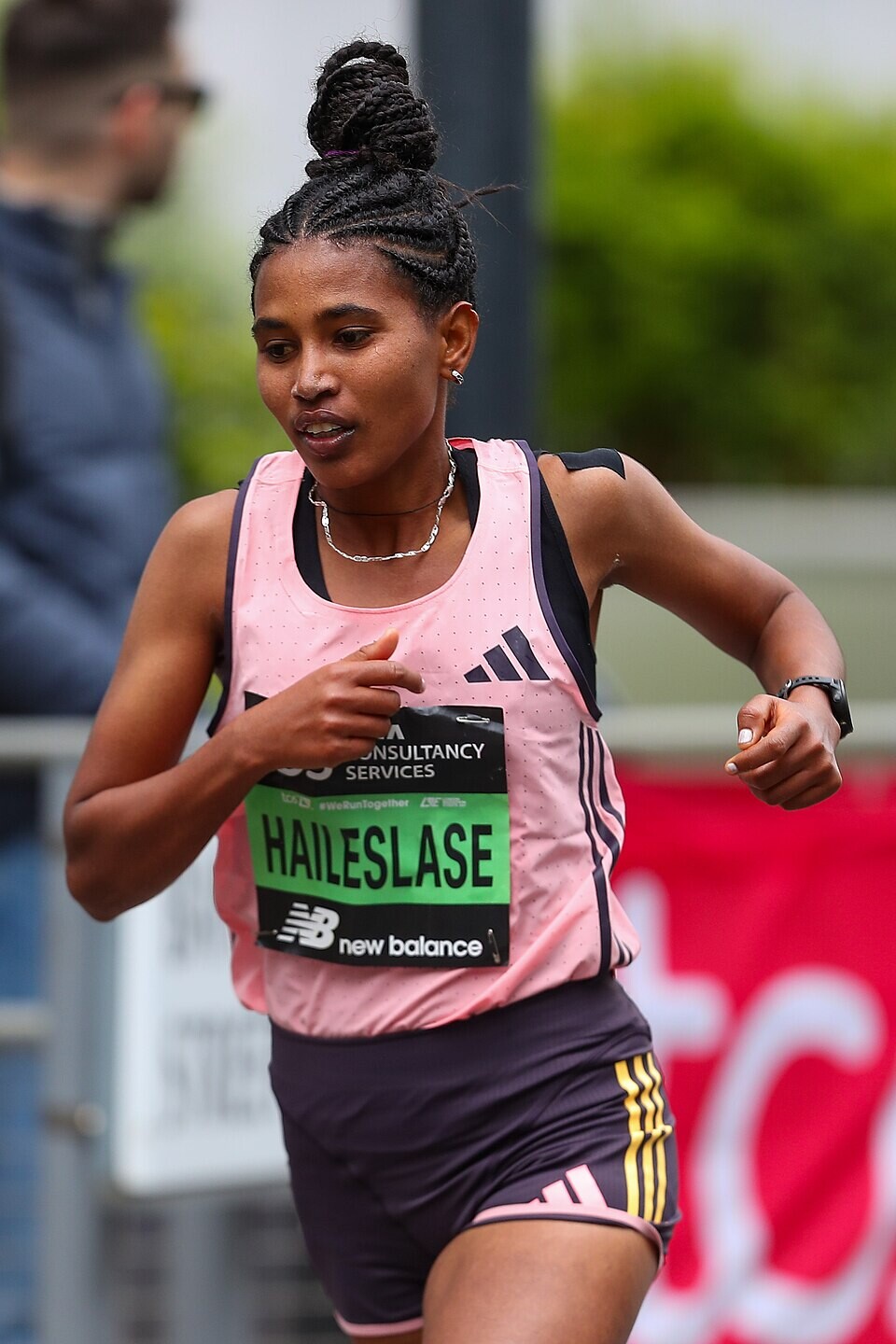
The women’s race is equally compelling, featuring a high-quality duel between Kenyan and Ethiopian contenders. Ethiopia’s Tsige Haileslase enters as the fastest woman in the field with a personal best of 2:22:10, giving her a slight statistical edge heading into the race. However, the margins are razor-thin.
Just three seconds behind on paper is Kenya’s Monicah Wanjuhi, whose 2:22:13 personal best signals her readiness to challenge for victory. With both athletes separated by the narrowest of margins, spectators can expect an intense head-to-head contest that may not be decided until the closing kilometres.
Ethiopia’s Sentayehu Lewetegn adds another layer of intrigue with a best time of 2:22:36, while Kenya’s Rebeca Chesir, a proven performer with a personal best of 2:24:25, completes a highly competitive elite women’s lineup capable of producing fireworks on race day.
As the countdown to Stockholm Marathon 2026 reaches its final days, anticipation continues to build around what could become one of the most exciting editions in recent memory. With experienced marathoners, closely matched personal bests and national pride at stake, the Swedish capital is poised to witness a spectacular showcase of world-class distance running.
by Erick Cheruiyot for My Best Runs.
Login to leave a comment

ADIDAS Stockholm Marathon
ASICS Stockholm Marathon is an exciting race in a beautiful city with runners from all over the world. This is one of the major sporting events in Sweden with hundreds of thousands of spectators along the route cheering the participants. The race takes you through Stockholm, one of the world’s most beautiful capitals. Built on 14 islands around one of...
more...
Road to Beijing 2027: World Athletics Unveils Tougher Qualification System for Global Championships
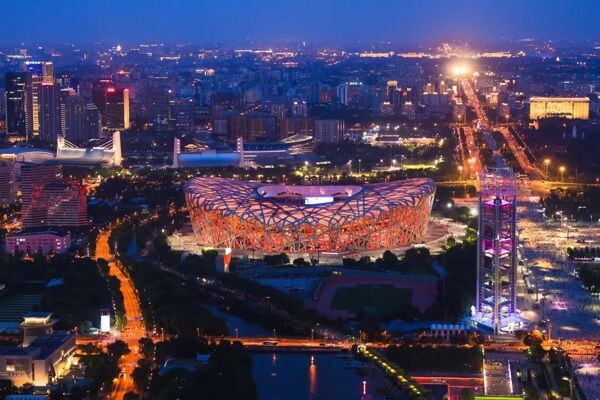
The road to the 2027 World Athletics Championships in Beijing has officially begun — and earning a place on athletics’ biggest stage is about to become even more demanding.
World Athletics has now confirmed the qualification system and entry standards for the championships set for September 2027 in Beijing, China, introducing a major adjustment that could reshape the battle for global qualification across distance running and track events.
Under the newly announced structure, only around 40 percent of athletes will qualify automatically through direct entry standards, while the remaining 60 percent of places will be awarded via the World Athletics Rankings system. The change represents a clear shift away from the previous 50-50 balance used in recent championships.
The updated model places greater emphasis on consistency throughout the season rather than relying solely on one exceptional performance. Athletes will now need to compete regularly at high-level meetings, collect ranking points, and maintain elite performances across an extended qualification period.
For distance runners, the standards remain exceptionally demanding, highlighting the increasing depth and competitiveness of global athletics.

In the men’s marathon, athletes must run 2:06:00 or faster to secure an automatic qualification mark, while the women’s standard has been set at 2:23:20. The qualifying window for the marathon opened on November 3, 2025, and will close on Midnight May 2, 2027.
The men’s 10,000m standard has been fixed at 26:48.00, with the women required to run 30:40.00. In the 5000m, athletes must clock 12:50.00 for men and 14:36.00 for women to gain direct entry.
Middle-distance events will also demand world-class performances. The men’s 1500m standard stands at 3:30.00, while women must achieve 3:58.00. In the 800m, the entry standards are 1:43.00 for men and 1:57.50 for women.
Sprint events remain brutally competitive. Athletes targeting the men’s 100m must break 10 seconds with a qualifying standard of 9.95, while the women’s requirement has been set at 10.96. In the 200m, the standards stand at 20.07 for men and 22.45 for women.
The hurdles events also demand elite-level precision and speed, with qualifying marks of 13.18 in the men’s 110m hurdles and 12.60 in the women’s 100m hurdles.
Meanwhile, the 3000m steeplechase standards have been fixed at 8:08.00 for men and 9:06.50 for women — times that underline the growing global standard in one of athletics’ most physically demanding disciplines.
World Athletics says the revised qualification pathway is designed to create stronger, more competitive championship fields while maintaining strict control of athlete numbers across all disciplines.
Qualification windows for the 10,000m, race walks, combined events, and relays will run from February 23, 2026, through August 22, 2027. For all other track events, athletes can qualify between August 23, 2026, and August 22, 2027.
The new system is expected to intensify competition across the entire athletics calendar, with ranking points now becoming more valuable than ever before. Athletes will no longer depend solely on one breakthrough race; instead, sustained excellence across multiple competitions may prove decisive in securing a ticket to Beijing.
As preparations begin worldwide, the countdown to Beijing 2027 has already sparked anticipation for what could become one of the most fiercely contested World Championships in recent history.
by Erick Cheruiyot for My Best Runs.
Login to leave a comment
