

Running News Daily
Running News Daily is edited by Bob Anderson and team. Send your news items to bob@mybestruns.com Advertising opportunities available.
Index to Daily Posts · Sign Up For Updates · Run The World Feed
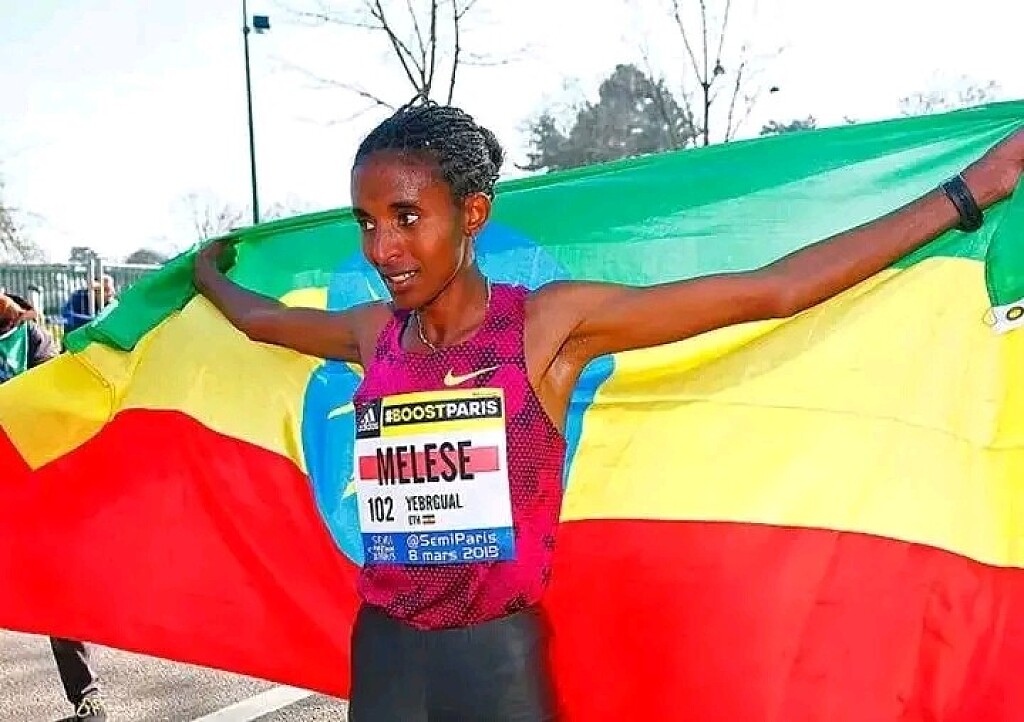


Ethiopian Athletics Mourns the Sudden Death of Marathon Star Yebrgual Melese

The athletics world is mourning the tragic and sudden passing of Ethiopian long-distance runner Yebrgual Melese, who reportedly died while taking part in her regular training session. She was 36 years old.
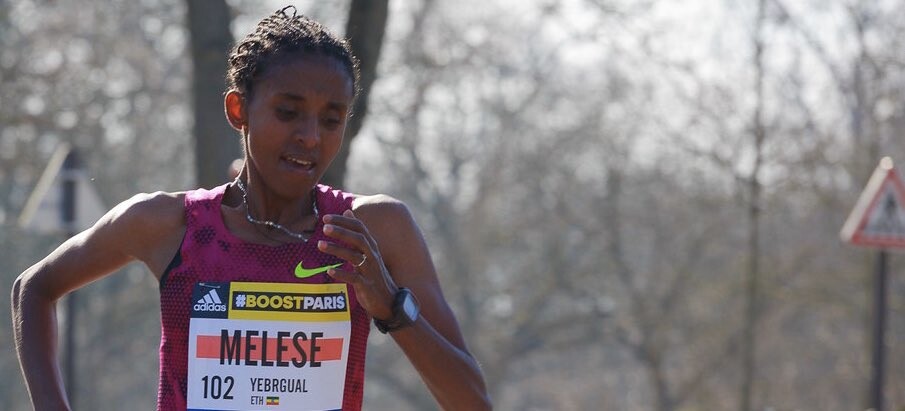
News of her death has sent shockwaves across the global athletics community, with tributes pouring in for one of Ethiopia’s respected distance runners whose career inspired many both at home and internationally.
Melese built a remarkable reputation through years of consistency and excellence on the roads, proudly representing Ethiopia in major international competitions. Among her achievements was winning a bronze medal in the half marathon at the 2015 African Games in Brazzaville, Congo, further cementing her place among the country’s accomplished long-distance athletes.
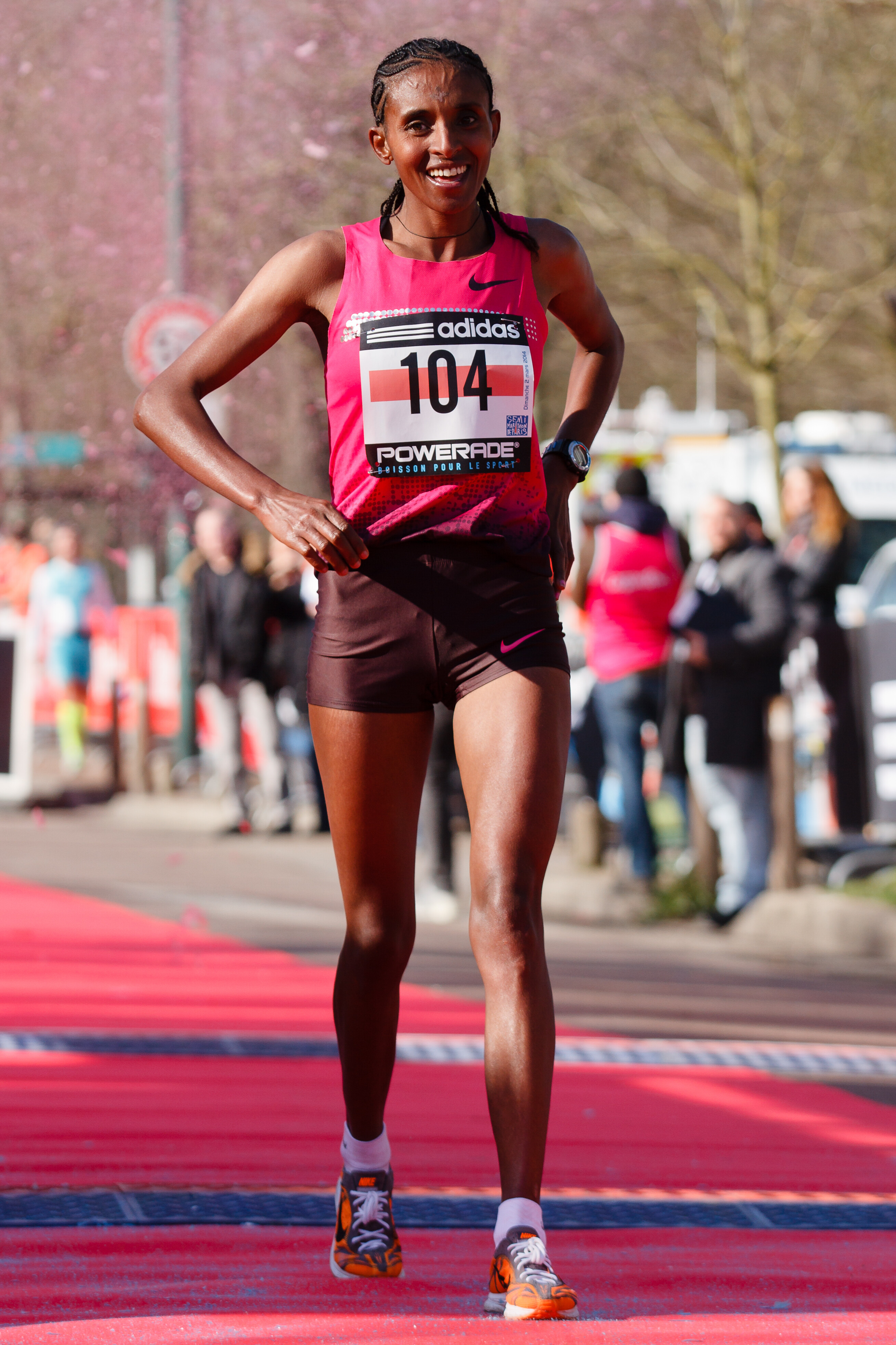
She also enjoyed significant success on the marathon stage, finishing second at the 2015 Chicago Marathon and claiming victories at the Shanghai, Prague, and Houston Marathons. Her dominance extended to shorter road races as well, having won the Paris Half Marathon twice alongside victory at the Lisbon Half Marathon. Melese recorded a personal best time of 2:19:36 during her distinguished career.
According to reports from the Ethiopian Athletics Federation, the celebrated athlete had been preparing for the upcoming Ottawa Marathon in Canada before her sudden death during training. Her passing marks a devastating loss not only for Ethiopian athletics but for the entire international running community.
Beyond her achievements, Melese was admired for her dedication, humility, and relentless fighting spirit. She carried the Ethiopian flag with pride on the international stage and earned the respect of fellow athletes and fans around the world through her performances and professionalism.
As messages of grief continue to emerge from across the athletics fraternity, the Ethiopian Athletics Federation expressed deep sorrow over the heartbreaking loss and extended condolences to her family, friends, supporters, and the wider sporting community.
The legacy of Yebrgual Melese will remain alive through the unforgettable moments she created on the roads and marathon courses around the world. May her soul rest in eternal peace.
by Erick Cheruiyot for My Best Runs.
Login to leave a comment
Latest Running News
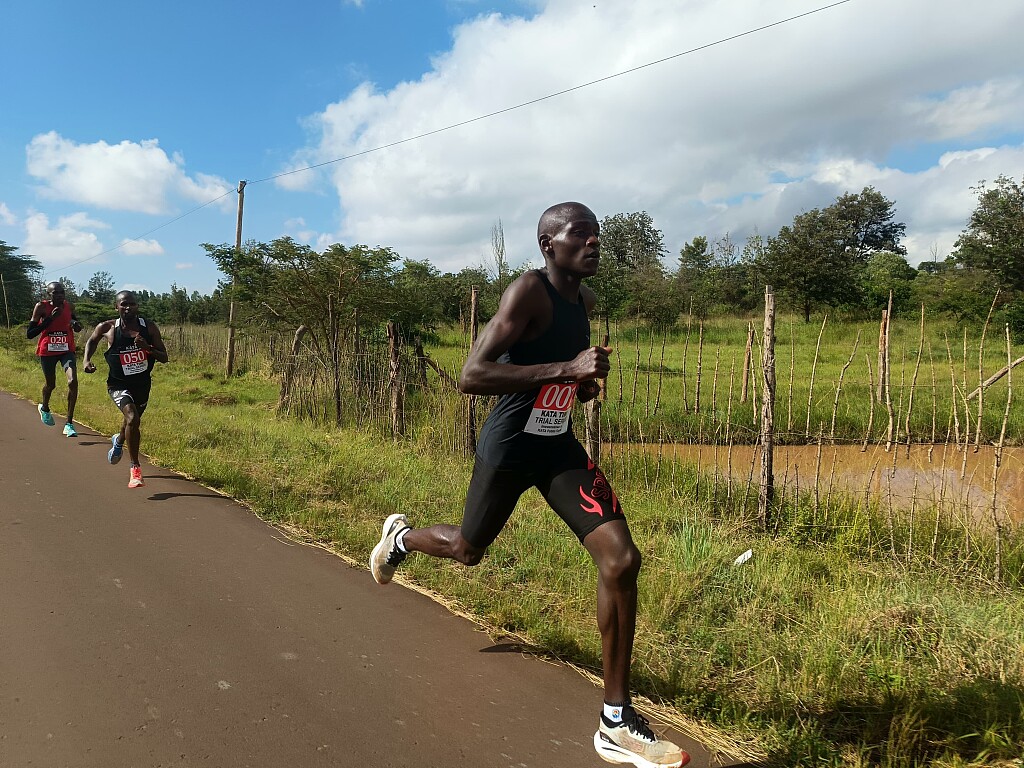
Elite Rhythm and Relentless Effort Headline the 56th KATA Time Trial Series
The roads of Thika once again became a proving ground for ambition, endurance, and personal growth as athletes delivered impressive performances during the 56th edition of the KATA Time Trial held on Wednesday, May 13, 2026. In an event built around discipline rather than spectacle, runners turned months of preparation into measurable results, producing a morning filled with fast times, tactical execution, and valuable lessons for the season ahead.
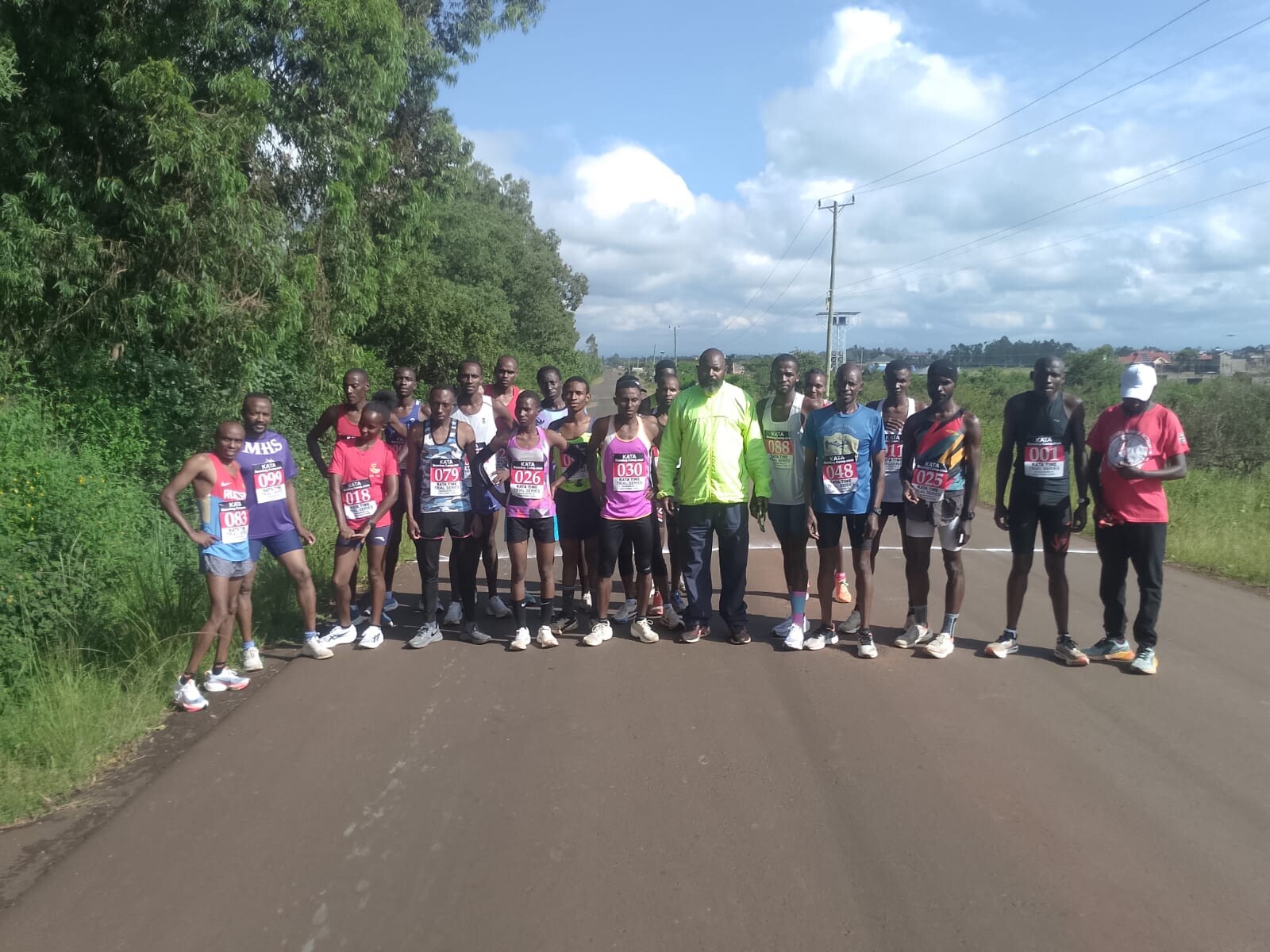
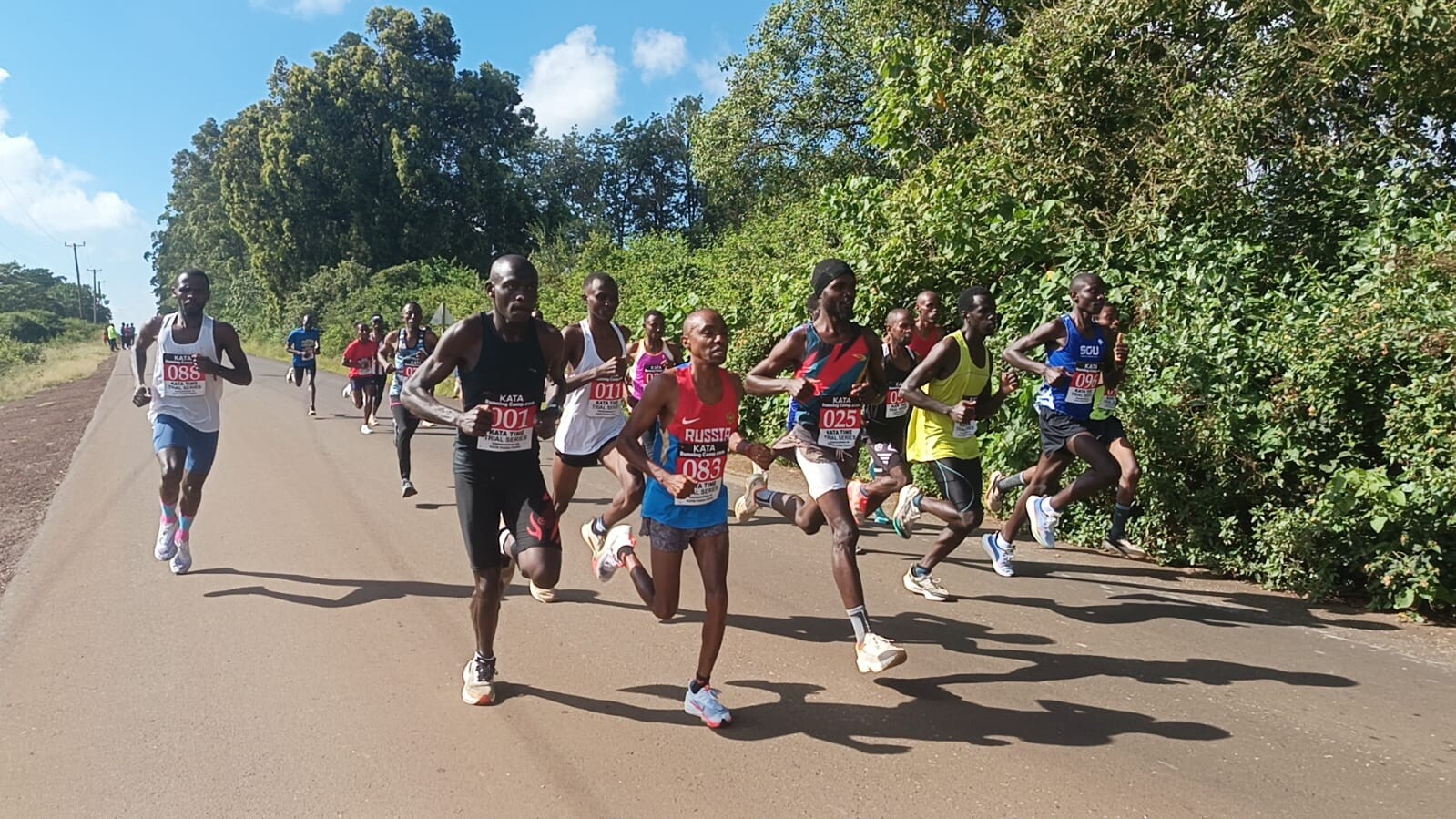
Widely respected among developing and competitive athletes, the KATA Time Trial continues to serve as one of the most reliable performance tests on the local athletics calendar. Unlike major championship races driven by crowd energy and medals, the Thika event places athletes face-to-face with the stopwatch, demanding honesty, rhythm, and mental toughness from start to finish.
The men’s 10-kilometre contest produced one of the strongest performances of the day as Charles Wanjora stormed to victory in an impressive 30:44. Running with confidence and composure, Wanjora controlled the pace effectively and held off a determined challenge from Bernard Waweru, who crossed the line just a second later in 30:45 after a highly competitive battle. Robin Musa completed the top three with a strong 31:12, confirming the high quality of the front pack throughout the race.
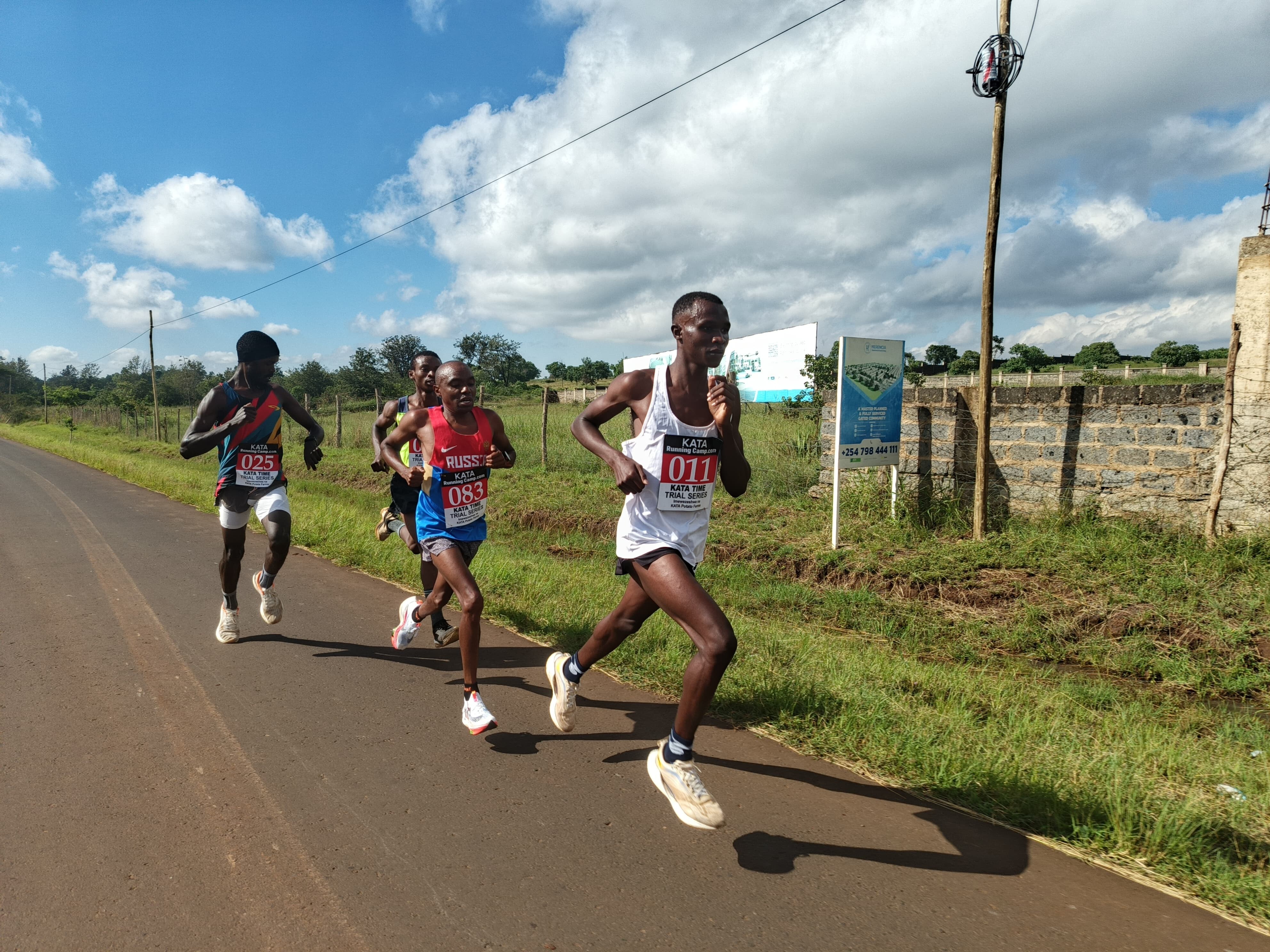
Joel Maina secured fourth place in 31:52, while Ismael Mburu finished fifth in 32:36 after maintaining a consistent rhythm over the demanding course. Vincent Kiprotich followed in sixth position with 33:12, narrowly ahead of Erick Cheruiyot, who clocked 33:14 in another tightly contested finish. Fredrick Wambua placed eighth in 33:46, as George Kamau and Paul Ng’ang’a completed the top ten in 36:10 and 36:11 respectively.
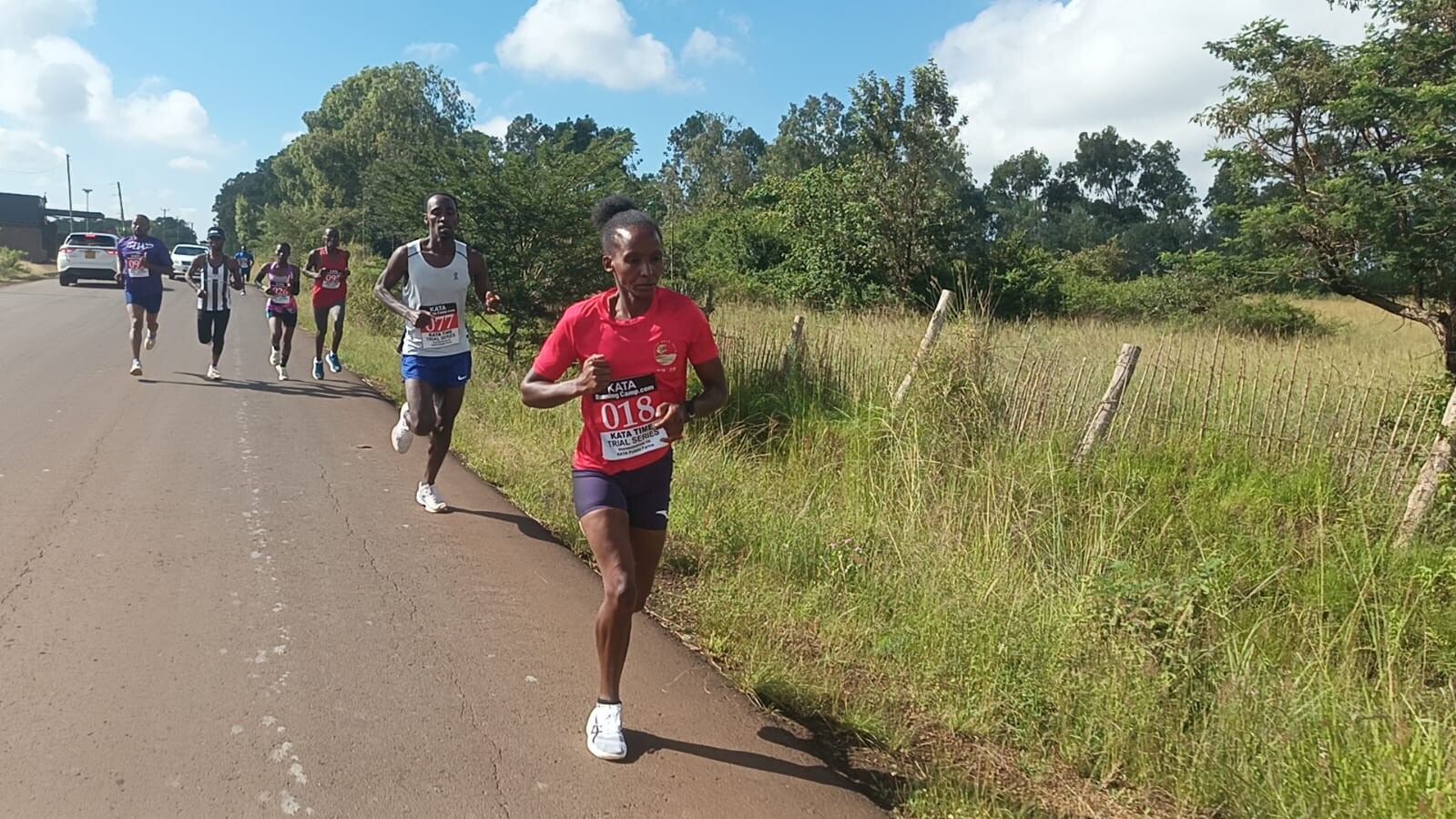
In the women’s 10km race, Nellen Waithira produced a commanding performance to take victory in 35:34. Her controlled pacing and strong finishing stretch allowed her to separate herself from the field and secure a well-earned win. Jane Wanja followed closely in second place with 35:44, ensuring a highly competitive women’s contest from start to finish. Regina Sandiki completed the podium after crossing the line in 36:45 following a determined run.
The men’s 5-kilometre race also delivered several impressive performances, with Francis Maina leading the field in 16:06 after an aggressive but well-managed effort. Anthony Kariuki secured second position in 16:49, while Harrison Mathenge finished third in 17:20 to round off the podium places.
Beyond the finishing times, the true significance of the KATA Time Trial once again lay in the personal battles fought across every kilometre. For many athletes, the event represented far more than competition alone. It was an opportunity to measure improvement, test race fitness, and evaluate the effectiveness of months of disciplined training. Every second gained reflected sacrifice, resilience, and the determination to reach higher standards.
The conditions in Thika rewarded athletes who respected the demands of the course and managed their pacing intelligently. Those who remained patient during the early stages found strength in the closing kilometres, while the unforgiving nature of the road exposed even the smallest tactical mistakes. It was another reminder that success in distance running depends not only on physical preparation, but also on judgment, composure, and mental strength under pressure.
As the morning came to an end and the watches finally stopped, the 56th KATA Time Trial once again proved why it remains an important fixture in Kenya’s athletics culture. On a simple stretch of road in Thika, athletes continued chasing excellence, refining their craft, and turning ambition into reality — one stride at a time.
by Erick Cheruiyot for My Best Runs.
Login to leave a comment

KATA Time Trial Series
Welcome to the KATA Monthly Time Trial Held at the Kenyan Athletics Training Academy in Thika, Kenya, the KATA Monthly Time Trial is a unique and inclusive event designed to support runners of all levels in achieving their goals and showcasing their fitness. This event offers both 10K and 5K distances on an accurate, certified course, providing participants with...
more...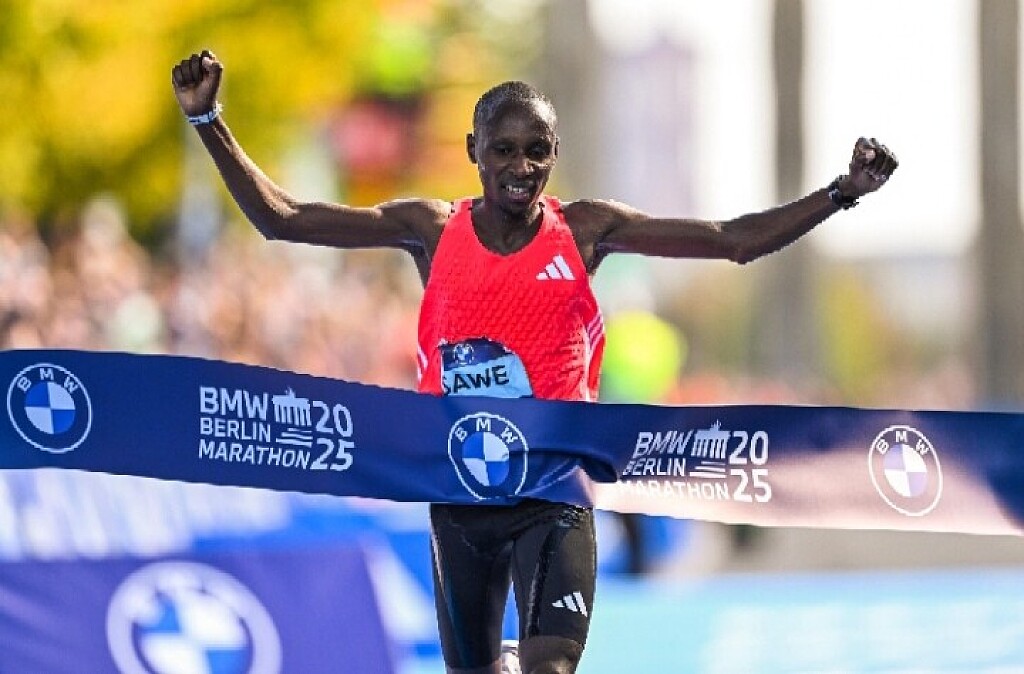
Sebastian Sawe Set for Berlin: The Marathon Revolution Continues
The marathon world is preparing for another historic chapter after Kenya’s sensation, Sebastian Sawe, officially confirmed his participation in the 2026 Berlin Marathon on 27 September.
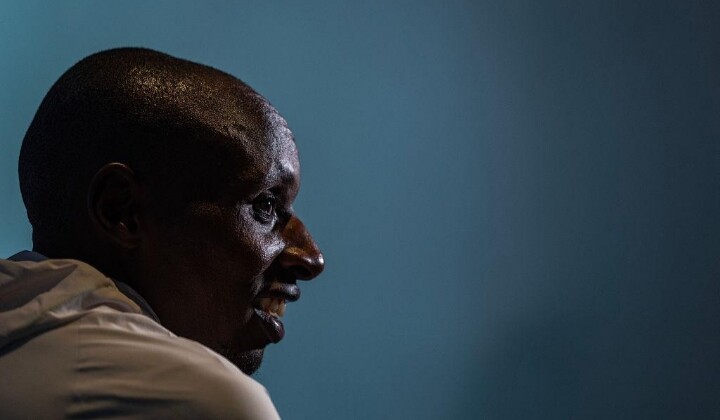
The announcement has instantly elevated anticipation for next year’s race, with Berlin once again becoming the centre of global distance running. Widely regarded as one of the fastest marathon courses ever designed, the German capital has witnessed numerous world records over the years — and now the man who shattered the sport’s final barrier is heading there.
Sawe arrives in Berlin carrying the weight of history and the momentum of a career-defining breakthrough. Last month in London, the Kenyan star stunned the athletics world by clocking an astonishing 1:59:30 marathon world record, becoming the first human being ever to run under two hours in an official competitive marathon. It was a performance that completely redefined what was thought possible over 42.195 kilometres. He is determined to defend his title while launching another attack on the marathon world record on Berlin’s famously fast course. The Kenyan superstar is expected to headline one of the most anticipated marathon races in recent memory, with fans and analysts anticipating yet another historic performance as he continues to push the boundaries of human endurance and strengthen his growing legacy in global distance running.
What made the achievement even more extraordinary was the manner in which he delivered it. Sawe did not merely break the previous world record — he demolished psychological boundaries that had stood untouched for generations. His run in London combined ruthless pace, tactical brilliance, and unmatched endurance, transforming the marathon into a new era of possibility.
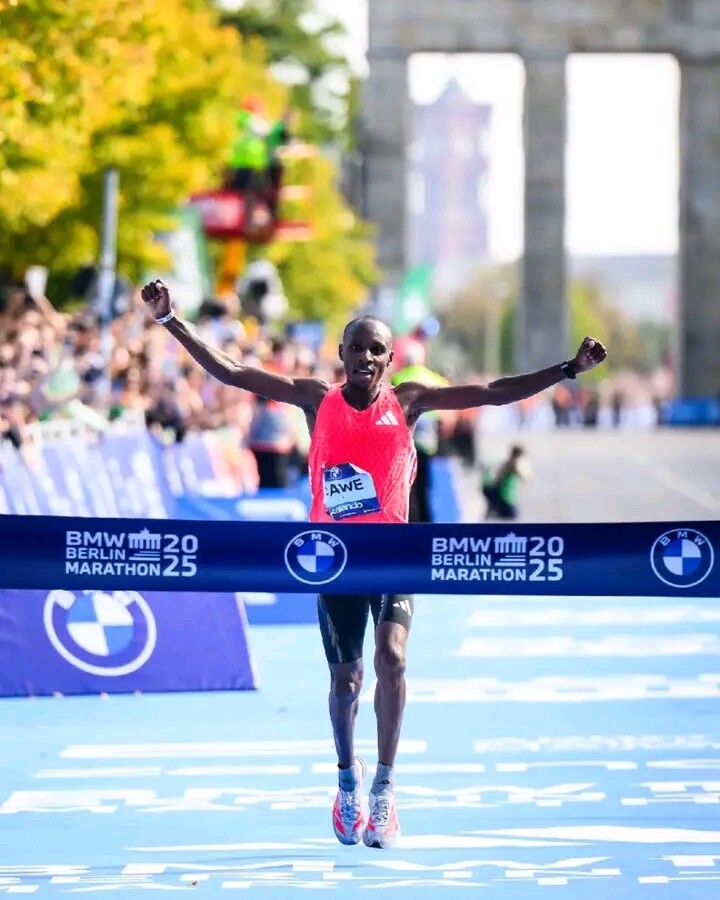
Now, attention shifts to Berlin.
For decades, the Berlin Marathon has been synonymous with speed. Its flat roads, cool weather, and perfectly engineered course have produced some of the greatest performances in distance-running history. Legends have built their reputations there, records have fallen there, and now Sawe has the opportunity to further cement his legacy on the same streets where marathon greatness has repeatedly been rewritten.
The prospect of the world’s fastest marathoner attacking Berlin’s rapid course is already sending excitement throughout the athletics community. Fans, analysts, and former champions are beginning to ask the same question: can Sebastian Sawe push the marathon even deeper into uncharted territory?
At just the right moment in his career, Sawe appears unstoppable. His rise has been built on discipline, fearless racing, and remarkable consistency, qualities that continue to position Kenya at the summit of global long-distance running. Every appearance now carries historic significance because each race feels capable of producing something never seen before.
Berlin 2026 is no longer just another marathon.
It is shaping into a global sporting spectacle — a collision between the fastest marathon course on earth and the fastest marathon runner in history.
by Erick Cheruiyot for My Best Runs.
Login to leave a comment
Seventeen Days After Surgery, Joan Benoit Changed Women’s Marathon History Forever
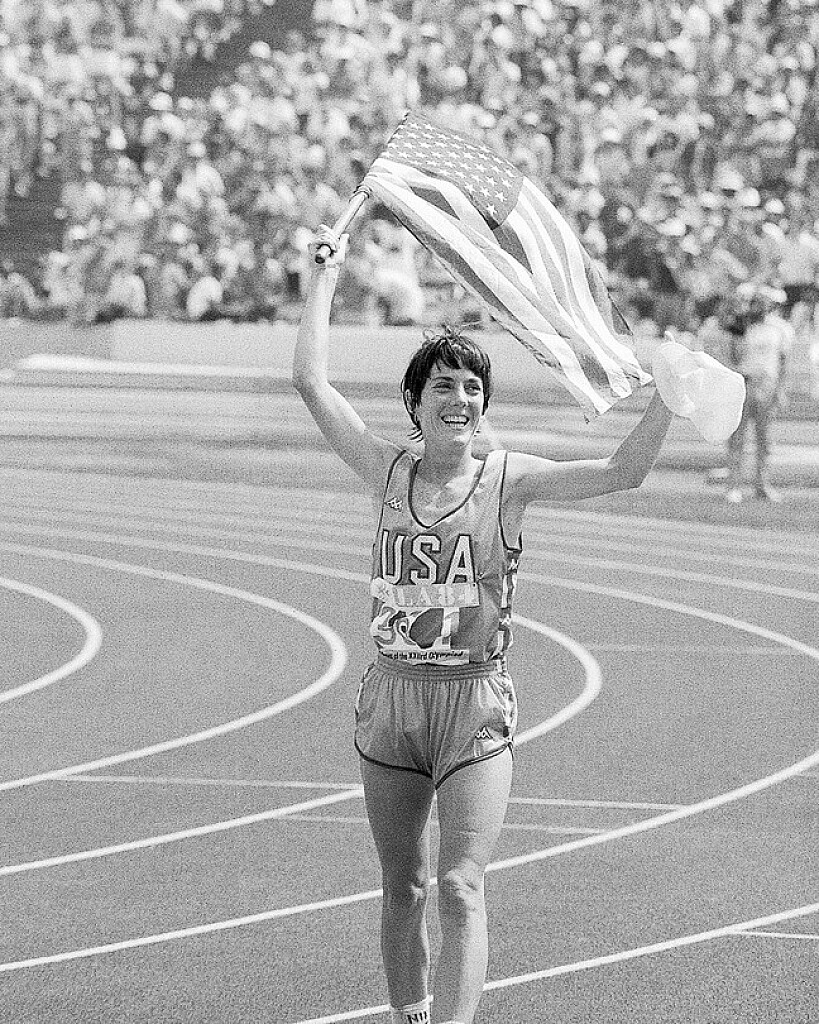
Forty-two years ago today, the landscape of distance running shifted forever in Olympia, Washington, when the United States staged its first-ever Women’s Olympic Marathon Trials — a race that would become one of the most courageous performances in athletics history.
At the center of it all stood Joan Benoit, carrying not only the pressure of expectation, but also the uncertainty of a knee that had undergone arthroscopic surgery just 17 days earlier.
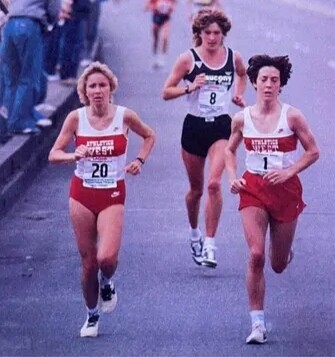
To most athletes, simply reaching the starting line would have been impossible. Winning was unimaginable.
Yet Benoit turned pain into one of the defining triumphs of marathon running.
From the opening miles, the race unfolded with tension and restraint as a field of America’s finest women battled for a place in history. But once Benoit found her rhythm, the race changed completely. She surged away with fearless authority, separating herself from the field and silencing every doubt surrounding her fitness and recovery.
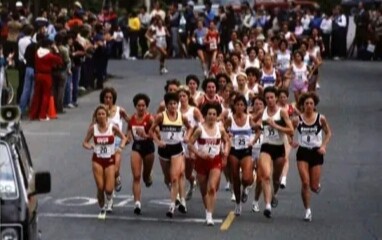
When she crossed the finish line in 2:31:04, she had done far more than win a race. She had announced the arrival of women’s marathon running on the Olympic stage with a performance built on courage, resilience, and extraordinary belief.
Behind her came a remarkable group of athletes who would shape American distance running for years to come. Julie Brown finished second in 2:31:41, while Julie Isphording secured third in 2:32:26 to complete the historic Olympic team.
The depth of the race was equally remarkable. Lisa Rainsberger placed fourth in 2:33:10 and would later finish fourth again at both the 1988 and 1992 Olympic Marathon Trials — one of the most consistent records in American marathoning. Margaret Groos crossed fifth in 2:33:38 before eventually winning the 1988 Olympic Marathon Trials herself.
Further down the results came more future stars. Nancy Ditz finished seventh in 2:33:58 and later earned a place on the 1988 Olympic team. Then there was the astonishing run from Cathy Schiro, only 16 years old at the time, who clocked 2:34:24 to finish ninth and set a high school record that stunned the running world. She would later return to place third at the 1988 Olympic Trials.
But the day ultimately belonged to Benoit.
Her victory became more than a qualification race; it became a symbol of defiance and possibility at a pivotal moment for women’s athletics. Just one year later, she would go on to win the inaugural women’s Olympic marathon at the 1984 Los Angeles Games, cementing her place among the sport’s immortals.
More than four decades later, the Olympia trials remain one of the most inspirational chapters in marathon history — a reminder that greatness is often born not under perfect conditions, but in moments when the odds appear overwhelmingly impossible.
by Erick Cheruiyot for My Best Runs.
Login to leave a comment
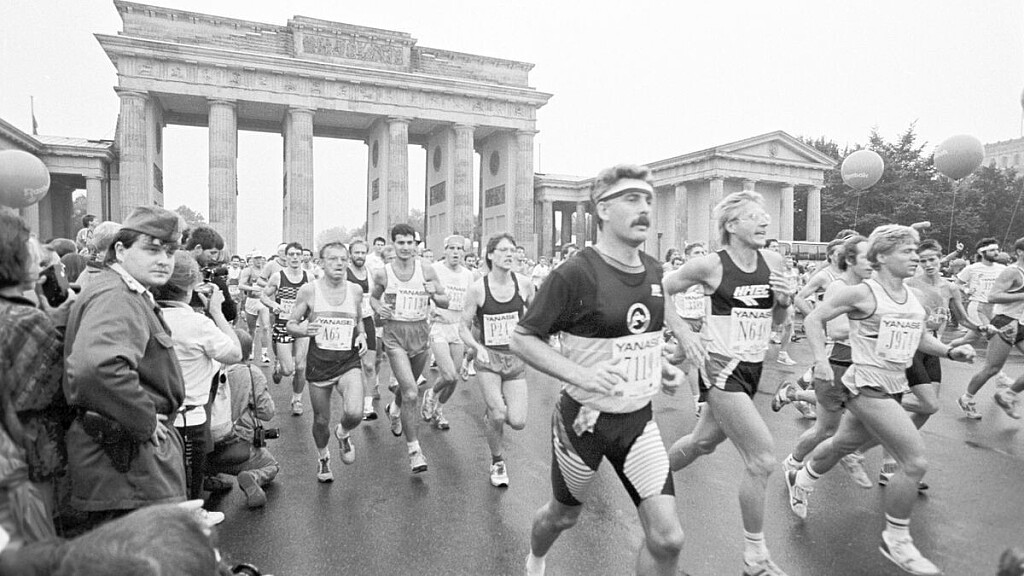
From Moneghetti to the Sub-2 Era: How Marathon Running Entered Another Dimension
The marathon has always been a race against human limits, but the distance between generations has never felt wider than it does today.
In 1990, Australian distance legend Steve Moneghetti produced one of the defining performances of his era when he stormed to victory at the Berlin Marathon in 2:08:16. At the time, the mark stood less than two minutes outside the world record — a remarkable achievement in an age when marathon running still seemed bound by barriers many believed could never be broken.
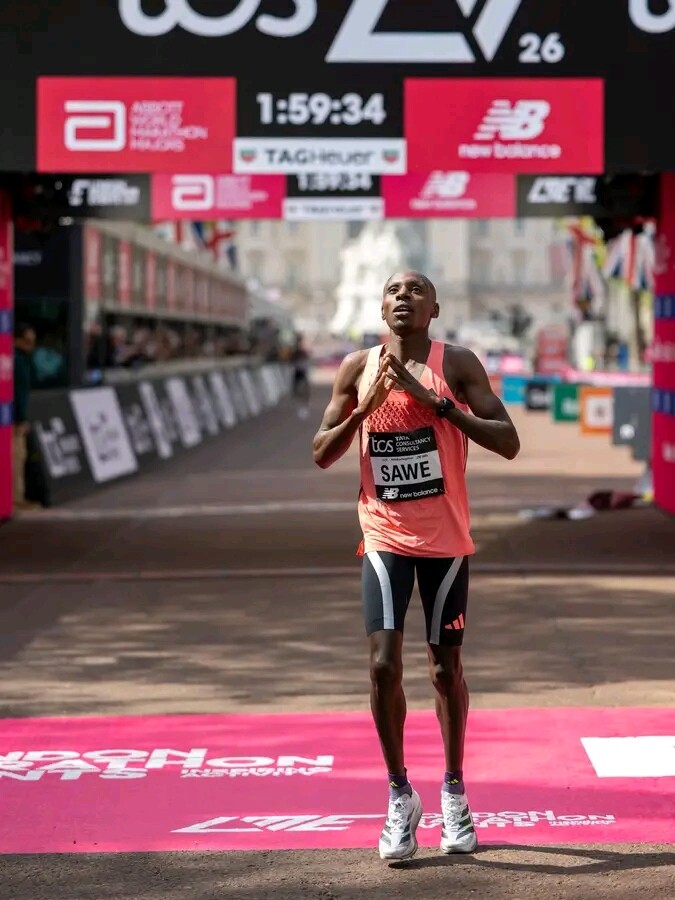
That performance elevated Moneghetti to the status of the 16th fastest marathoner in history, placing him among the sport’s global elite. His name carried weight in an era where every second shaved from the clock represented years of progress in training, nutrition, racing tactics, and endurance science.
Fast forward to today, and the landscape of marathon running has transformed almost beyond recognition.
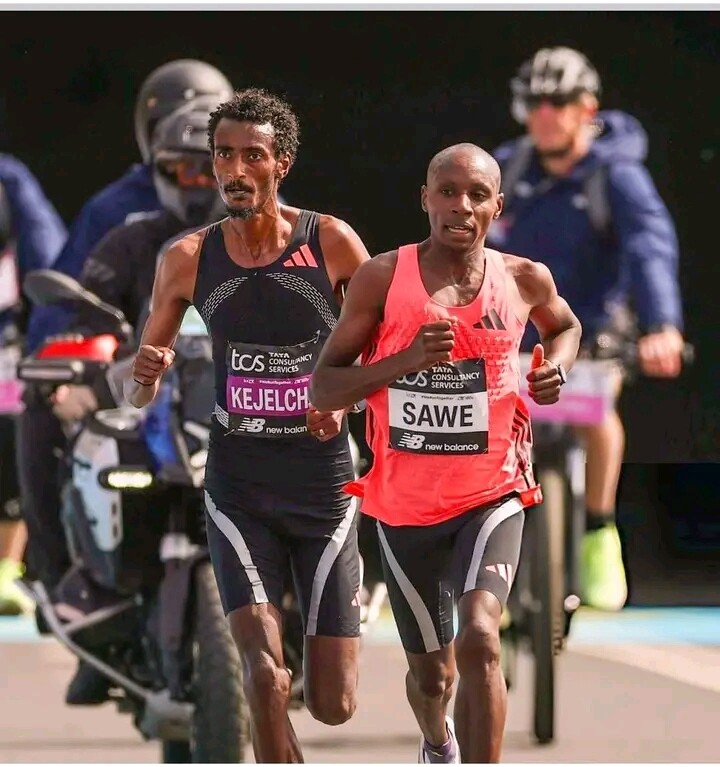
At the recent London Marathon, both Sabastian Sawe and Yomif Kejelcha delivered astonishing sub-2:00 performances, a feat that underlines the breathtaking evolution of the event. Times once considered untouchable are now being attacked with fearless ambition, as a new generation continues to redefine what the human body can endure over 42.195 kilometres.
The contrast perfectly captures the sport’s relentless progression. What once established an athlete among history’s greatest would no longer guarantee a place near the top of the modern rankings. Moneghetti himself reflected on that reality with remarkable honesty, noting that a performance which once made him the 16th fastest man ever would not even place him inside the top 100 today.
Yet that comparison does not diminish the greatness of past champions. Instead, it highlights how pioneers like Moneghetti helped lay the foundation for the marathon revolution unfolding today. Every generation pushes the boundaries further, inspiring the next to dream beyond what once appeared possible.
From Berlin in 1990 to London in the sub-2 era, marathon running has evolved from a test of endurance into a showcase of extraordinary human advancement. And judging by the speed of today’s athletes, the sport may still be far from reaching its final frontier.
by Erick Cheruiyot for My Best Runs.
Login to leave a comment
Russian Marathon Running Enters a New Era as National Record Falls Twice in One Week
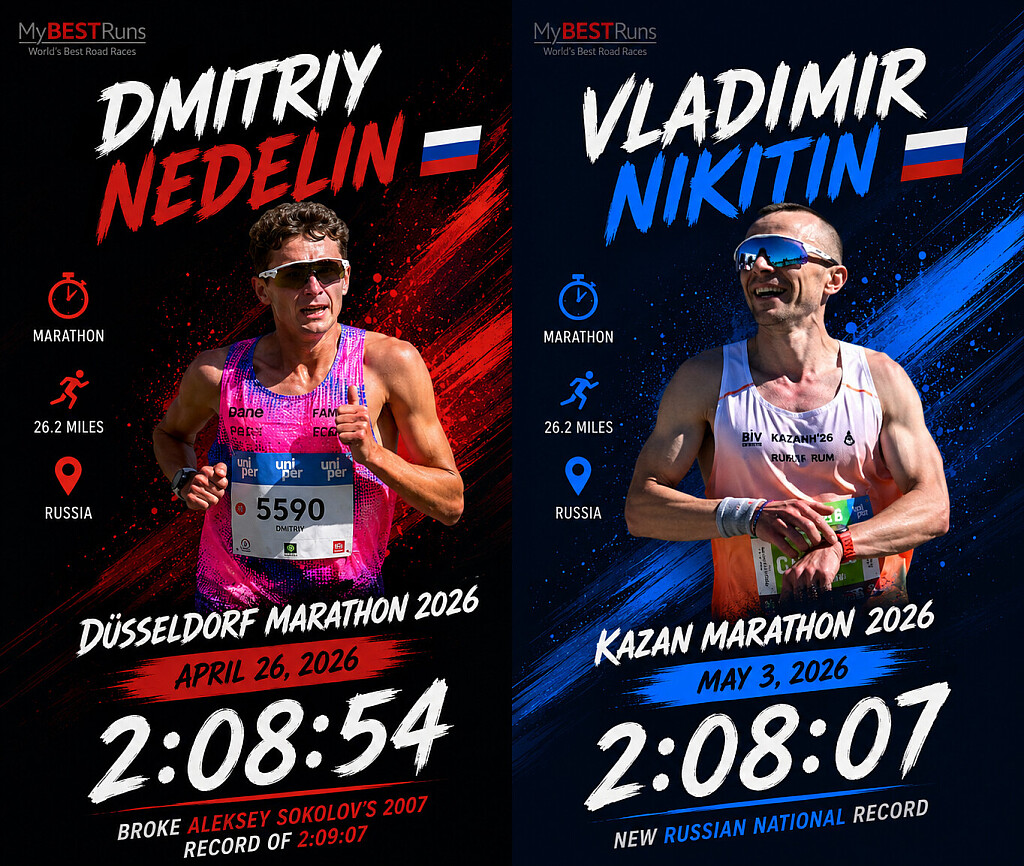
Russian distance running has experienced one of the most extraordinary weeks in its modern history after the national marathon record, which had survived untouched for nearly two decades, was broken twice within just seven days — a dramatic sequence that has completely reshaped the country’s marathon landscape.
For 19 years, Aleksey Sokolov’s 2:09:07 stood as the benchmark of Russian marathon excellence, resisting generations of challengers and symbolizing an era many believed would endure much longer. But in the span of a single week, that once-untouchable mark suddenly became history.

The breakthrough first arrived on April 26, 2026, at the Düsseldorf Marathon in Germany, where Dmitry Nedelin delivered a fearless and brilliantly controlled performance to finally erase the long-standing national record. Running with remarkable composure from start to finish, Nedelin crossed the line in 2:08:54, becoming the first Russian man in history to dip below Sokolov’s legendary standard.
His achievement immediately sent waves across the athletics world. After nearly two decades of waiting, Russian marathon running finally had a new national king.
Yet the celebrations had barely settled before another shock arrived.
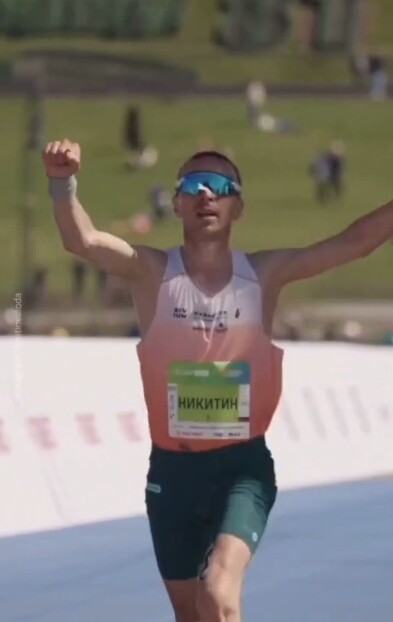
Exactly one week later, on May 3, 2026, the Kazan Marathon produced an even more astonishing chapter. Vladimir Nikitin — widely recognized for his success on the track and in middle-distance competition — demonstrated exceptional endurance and tactical brilliance in only one of the most significant road races of his career.
Competing on home soil, Nikitin attacked the pace with confidence and strength before storming to a sensational 2:08:07 finish, slicing 47 seconds off Nedelin’s newly established record and instantly rewriting Russian marathon history once again.
The speed of the transformation has been breathtaking. A record that had appeared immovable for 19 years disappeared twice in consecutive weekends, signaling not just isolated brilliance, but the emergence of a completely new generation of Russian marathon running.
Nedelin will forever be remembered as the athlete who ended the historic drought, while Nikitin now stands as the new national record holder after producing one of the finest marathon performances ever recorded by a Russian athlete.
What makes the story even more compelling is the contrast between the two breakthroughs. Nedelin’s run carried the emotional weight of ending a nearly two-decade wait, while Nikitin’s performance immediately elevated the standard to an entirely different level, proving that Russian marathoning is evolving faster than anyone anticipated.
From Düsseldorf to Kazan, two unforgettable weekends have transformed the narrative of Russian long-distance running. What once seemed like a distant dream has suddenly become reality — and now the question is no longer whether Russian athletes can run under 2:09, but how soon the barrier of 2:08 will fall again.
by Erick Cheruiyot for My Best Runs.
Login to leave a comment
