

Running News Daily
Running News Daily is edited by Bob Anderson and team. Send your news items to bob@mybestruns.com Advertising opportunities available.
Index to Daily Posts · Sign Up For Updates · Run The World Feed
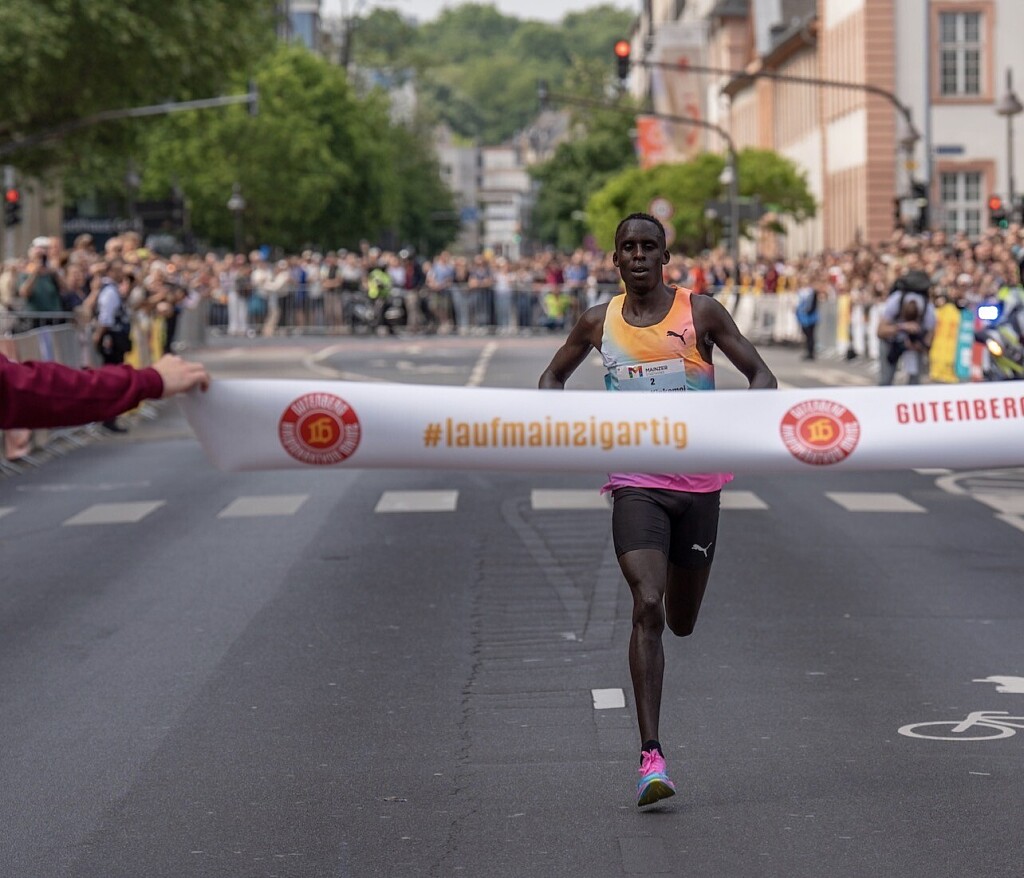


Dennis Kipkogei Smashes Course Record in Mainz

Dennis Kipkogei announced himself as one of Kenya’s brightest emerging distance stars with a stunning course record performance at the Gutenberg Mainz Half Marathon on Sunday.
The 24-year-old Kenyan stormed to victory in 59:14, becoming the first runner to break the one-hour barrier in the history of the race and firmly placing Mainz among Europe’s premier half marathons. Among German races, only Berlin has produced faster half marathon performances.
Remarkably, it was only Kipkogei’s second race outside Kenya. Earlier this year he shocked observers by finishing runner-up at the Berlin Half Marathon after originally being entered as a pacemaker. In Mainz he proved that performance was no fluke, dominating the field and winning by more than a minute.
Fellow Kenyans Kelvin Kipruto and Jamal Kiprono completed a Kenyan sweep of the podium, clocking 60:25 and 60:29 respectively.
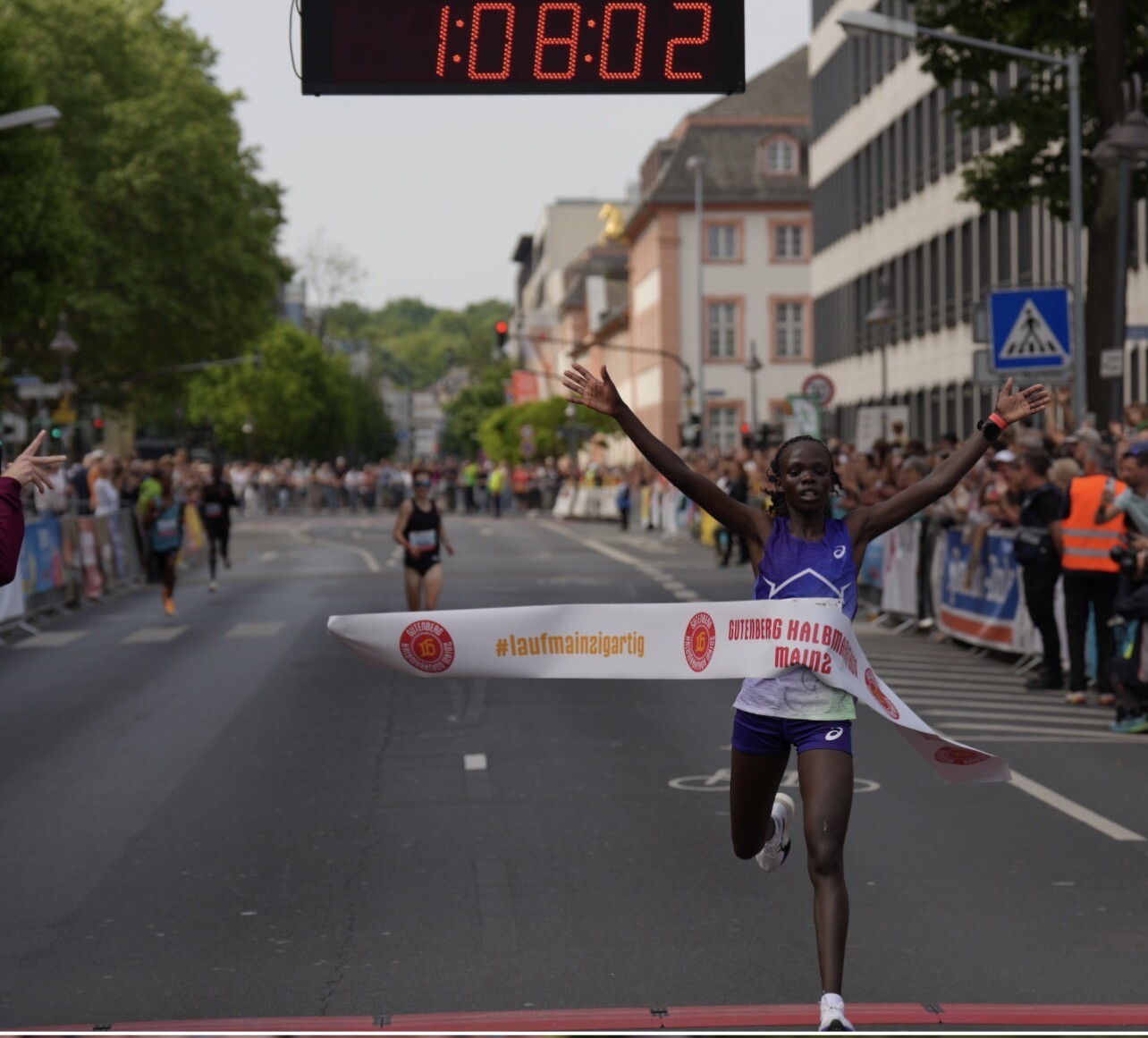
For the third consecutive year both course records fell in Mainz. Kenya’s Beatrice Cheserek captured the women’s title in 68:02 after a strong late-race surge. Germany’s Blanka Dörfel delivered a breakthrough performance to finish second in 68:06, improving her personal best by nearly two minutes and becoming the sixth-fastest German woman ever at the distance. Ethiopia’s Emebet Kebede Dessie took third in 69:01.
“We are very pleased that we were able to break both course records for the third time. A winning time under one hour is something special,” said Race Director Jo Schindler. “With that result we are currently the eleventh-fastest half marathon in the world this year — that is quite an achievement.”
The event continued its rapid growth with 12,960 entries in the half marathon alone. Including shorter races, more than 17,500 athletes participated across the weekend.
The men’s race opened at a blistering pace, with early split times suggesting a finishing time well under 59 minutes. Kipkogei made his decisive move shortly after 10K and quickly separated from the lead pack. Although warm temperatures near 20 Celsius slowed him slightly in the closing kilometers, he still came within three seconds of his personal best of 59:11 set in Berlin.
“I came here to break the course record and I am happy that I managed it,” said Kipkogei. “I had a problem with my hamstring so my body did not feel that good. Otherwise I could have run even faster.”
His 59:14 performance shattered the previous course record of 60:50 by more than a minute and a half.
“If I am selected I will compete at the World Half Marathon Championships in Copenhagen in September,” he added.
Behind the Kenyan sweep, Germany’s national marathon champion Tom Thurley finished eleventh in 64:07, narrowly missing his personal best by 11 seconds.
“My next goal is an autumn marathon and I will try to improve to under 2:10,” said Thurley.
The women’s race unfolded dramatically after Joan Chepleting broke away early, opening a sizable gap during the opening kilometers. However, the aggressive pace proved unsustainable and she was reeled in shortly before 10K.
A duel then developed between Cheserek and the fast-rising Dörfel. Over the final kilometers Cheserek gradually pulled away to secure victory and another course record.
“I am delighted with this victory,” said Cheserek. “My next goal is to run the World Half Marathon Championships and after that I plan to run an autumn marathon.”
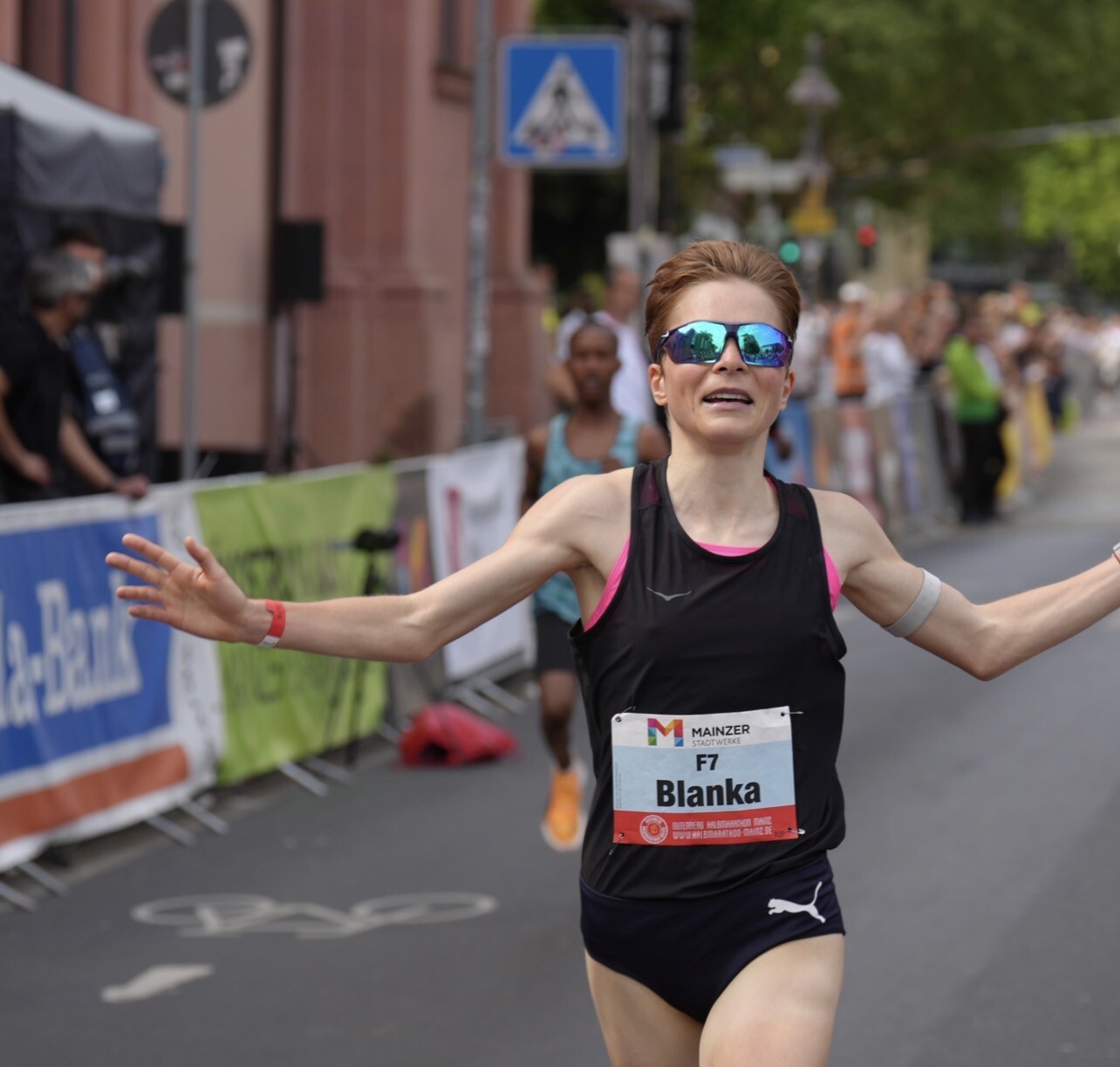
Dörfel’s performance may have been the surprise of the day. Entering the race with a personal best of 69:46, the 24-year-old German shattered that mark with her 68:06 finish.
“I just ran at a pace that felt comfortable and did not pay attention to the split times,” Dörfel said. “When I looked at the clock on the home straight I was completely surprised by the time. I have never felt so good in a race before.”
Dörfel is now expected to target the 10,000 meters at this summer’s European Championships in Birmingham before likely stepping up to the marathon later this year. The Mainova Frankfurt Marathon on October 25 is considered a possible debut.
Men
Dennis Kipkogei (KEN) – 59:14
Kelvin Kipruto (KEN) – 60:25
Jamal Kiprono (KEN) – 60:29
Joshua Mengich (KEN) – 60:36
Jonathan Kamosong (KEN) – 60:53
Edward Koonyo (KEN) – 61:07
Enos Saat (KEN) – 61:18
Benard Kimeli (KEN) – 61:27
Women
Beatrice Cheserek (KEN) – 68:02
Blanka Dörfel (GER) – 68:06
Emebet Kebede Dessie (ETH) – 69:01
Orba Chemurgor (KEN) – 69:21
Joan Chepleting (KEN) – 70:03
Margaret Monicah (KEN) – 71:32
by Race News Service
Login to leave a comment
Latest Running News
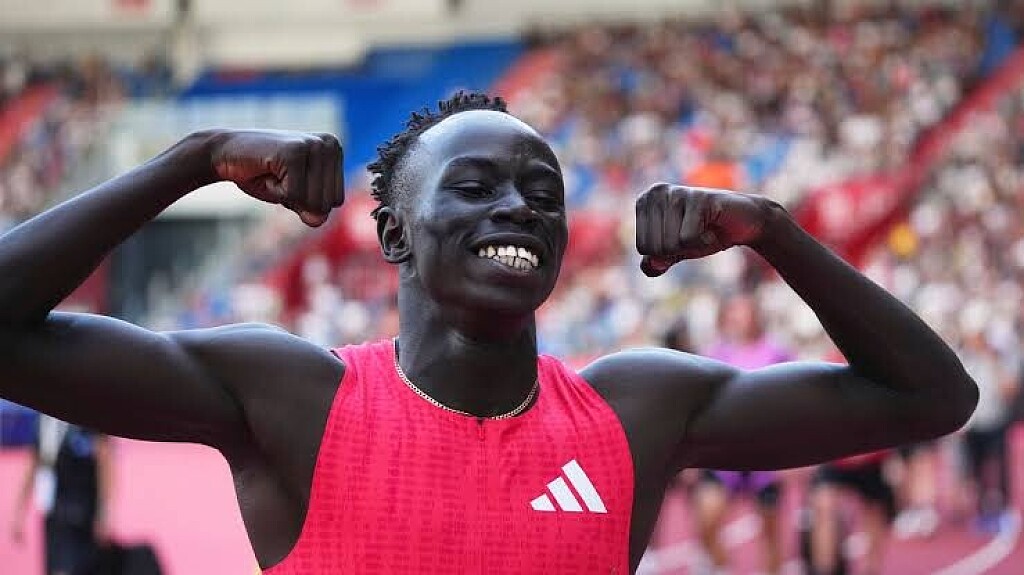
Australia’s Rising Sprint King: Gout Gout Lands Massive Adidas Partnership
Australian teenage sprint sensation Gout Gout continues to rise as one of the brightest young stars in global athletics after reports emerged that he has secured a long-term sponsorship agreement with Adidas worth more than $4 million across eight years — a figure believed to place the deal among the most lucrative ever linked to a teenage track athlete.
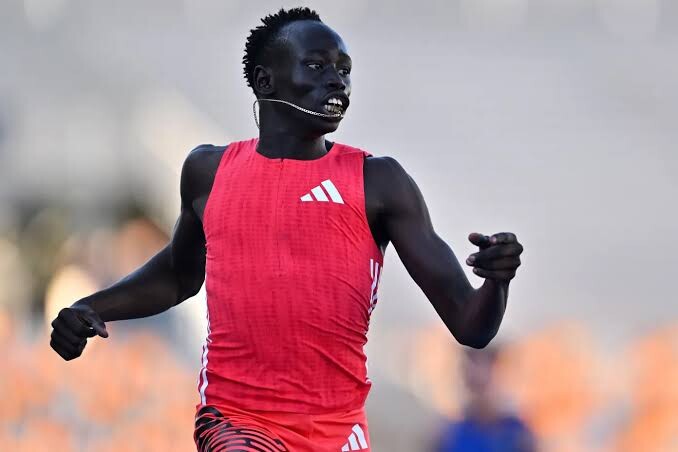
The reported agreement signals far more than a commercial partnership. It reflects the growing belief within the athletics world that Gout represents the future of sprinting, with major global brands reportedly competing to secure his signature before Adidas ultimately won the race for one of the sport’s most exciting young prospects.
At only 18 years old, Gout has already generated enormous international attention through a string of explosive sprint performances that have electrified fans and analysts alike. His remarkable speed, fluid running style and fearless presence on the track have triggered comparisons with some of the greatest sprinters the sport has ever seen, while also establishing him as a unique talent capable of carving out his own legacy.
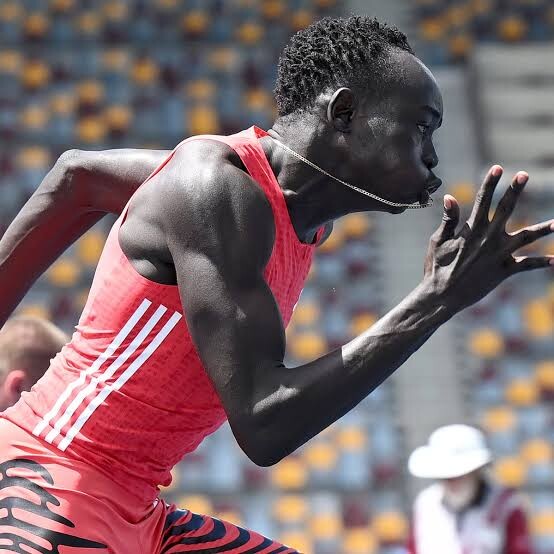
Reports surrounding the deal indicate that the partnership includes performance-based incentives alongside long-term developmental backing, a structure designed to support the young Australian as he progresses toward what many expect to be a defining appearance at the 2032 Summer Olympics in his home country. With Brisbane preparing to host the Games, Gout is increasingly viewed as one of the faces of Australia’s next generation of athletics stars.
The timing of the agreement also highlights the growing commercial power of track and field’s emerging youth movement. In an era where global audiences are constantly searching for the next transformative athlete, Gout’s rise has captured widespread fascination beyond traditional athletics circles. His performances have rapidly spread across social media and international sports platforms, turning him into one of the most discussed teenage athletes in the world.
What makes Gout’s story even more compelling is the sense that his journey is only beginning. Despite his age, he has already demonstrated maturity, composure and competitive hunger well beyond his years. Each race appears to add further momentum to the belief that he could become a defining figure in sprinting over the next decade.
For Adidas, the investment represents a bold commitment to a talent many believe could dominate global sprinting in the years ahead. For Gout, it marks another major milestone in a career accelerating at extraordinary speed — one that now carries not only the hopes of Australian athletics, but also the attention of the entire track and field world.
by Erick Cheruiyot for My Best Runs.
Login to leave a comment

Pegaso Meeting: Nadia Battocletti Destroys the Field with Stunning Meeting Record in Firenze
Italian distance sensation Nadia Battocletti delivered a commanding exhibition of strength, rhythm, and fearless front-running at the Pegaso Meeting, storming to a sensational meeting record of 4:03.75 in a race that quickly became a one-woman masterclass.
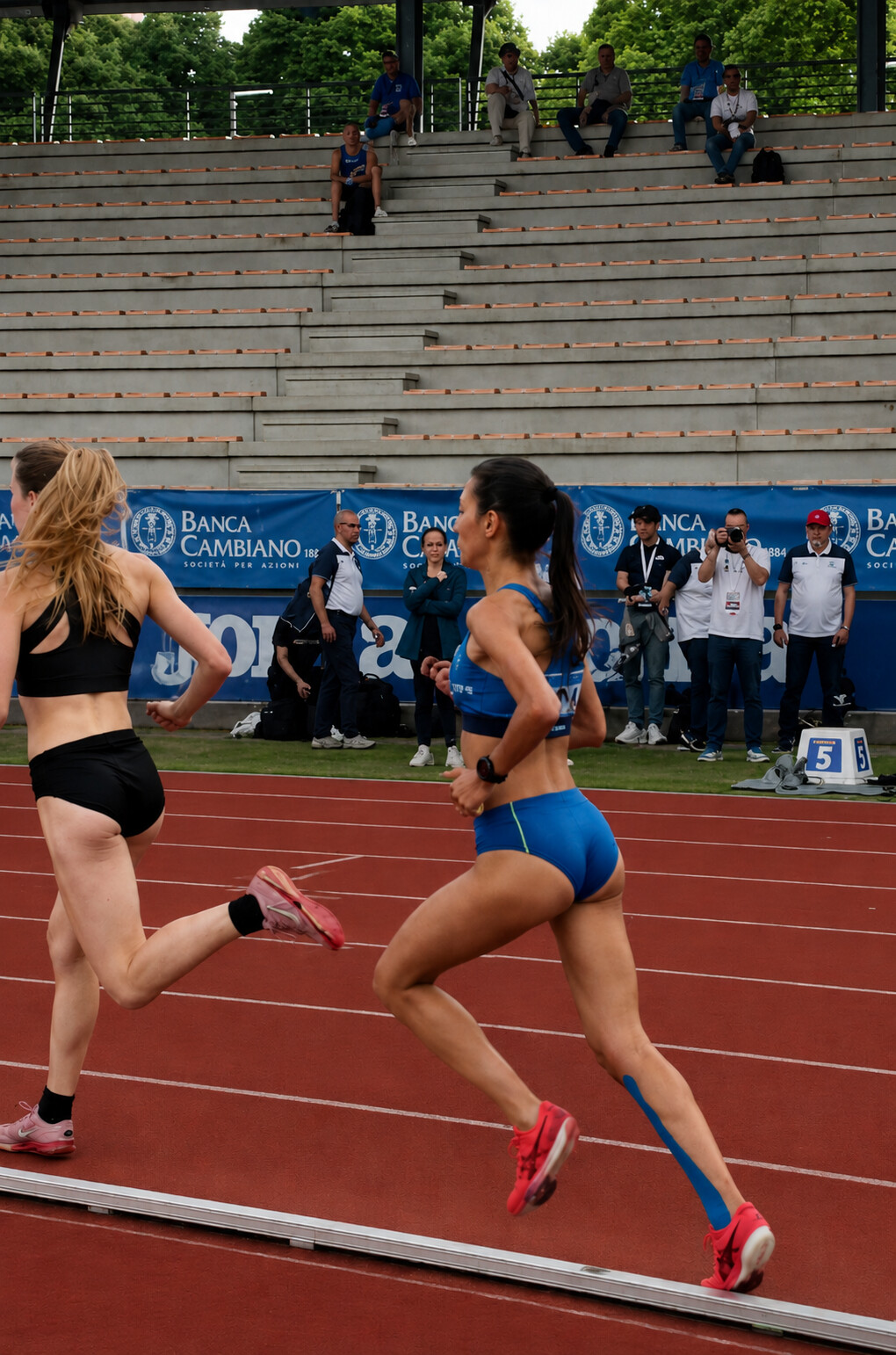
From the early stages, Battocletti looked determined to take complete control of the contest. After approximately 850 metres, she surged decisively to the front, refusing to remain tucked behind the pacemaker any longer. In a bold tactical move, the Italian star overtook the hare and immediately injected a relentless tempo that shattered any hopes of a close battle behind her.

Once in command, there was no hesitation and no sign of vulnerability. Battocletti ran with remarkable composure, gliding through the final laps with fluid efficiency while steadily widening the gap over the rest of the field. Her aggressive approach transformed the race from a tactical affair into a breathtaking solo performance driven by confidence and exceptional endurance.
As the bell lap unfolded, the atmosphere intensified inside the stadium. Battocletti continued to push with purpose, charging down the home straight before crossing the line in 4:03.75 — a brilliant new meeting record and yet another statement performance from one of Europe’s most exciting distance runners.
The victory was not simply about the time on the clock, but about the authority with which it was achieved. Leading almost the entire second half of the race alone, Battocletti showcased the rare ability to combine tactical intelligence with raw competitive courage, qualities that continue to elevate her status on the international athletics stage.
Her unforgettable run in Firenze once again confirmed that she is not merely winning races — she is redefining them.
by Erick Cheruiyot for My Best Runs.
Login to leave a comment
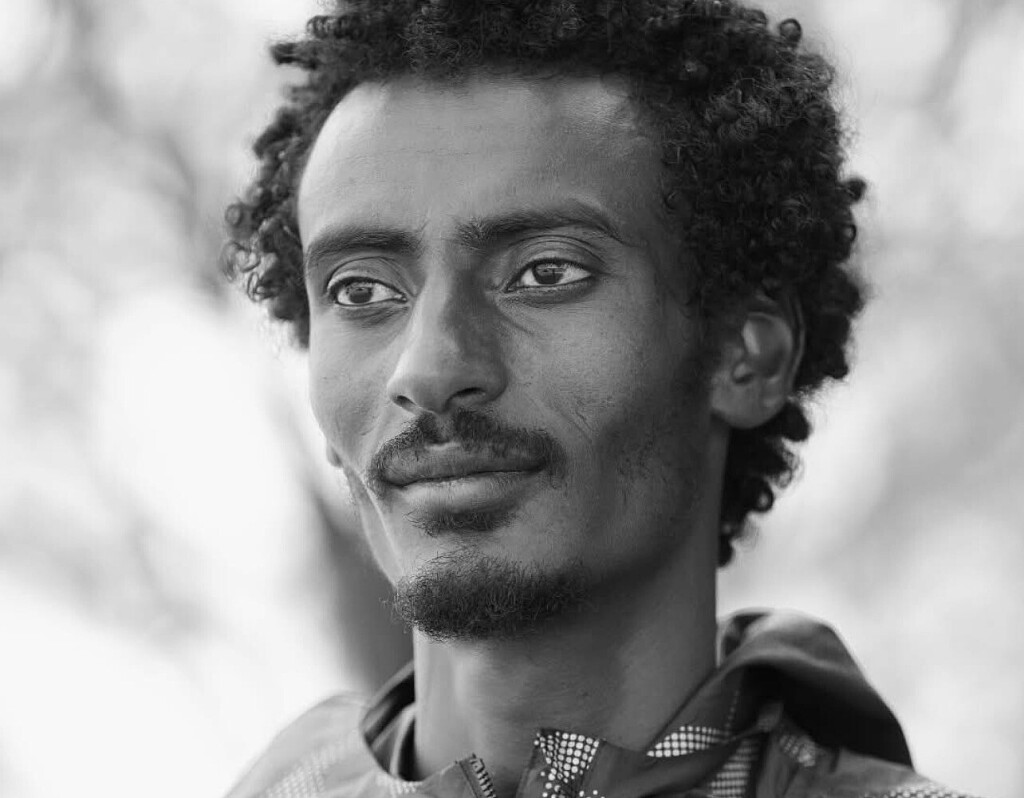
Where Should Yomif Kejelcha Run His Second Marathon — And Can He Break 1:59?
London changed marathon history forever as Sabastian Sawe and Yomif Kejelcha became the first two men ever to officially break the two-hour barrier for the marathon. Sawe won in 1:59:30, while Kejelcha stunned the world by running 1:59:41 in his marathon debut.
Now the focus shifts to the next question:
Where should Kejelcha run his second marathon?
And perhaps even more intriguing:
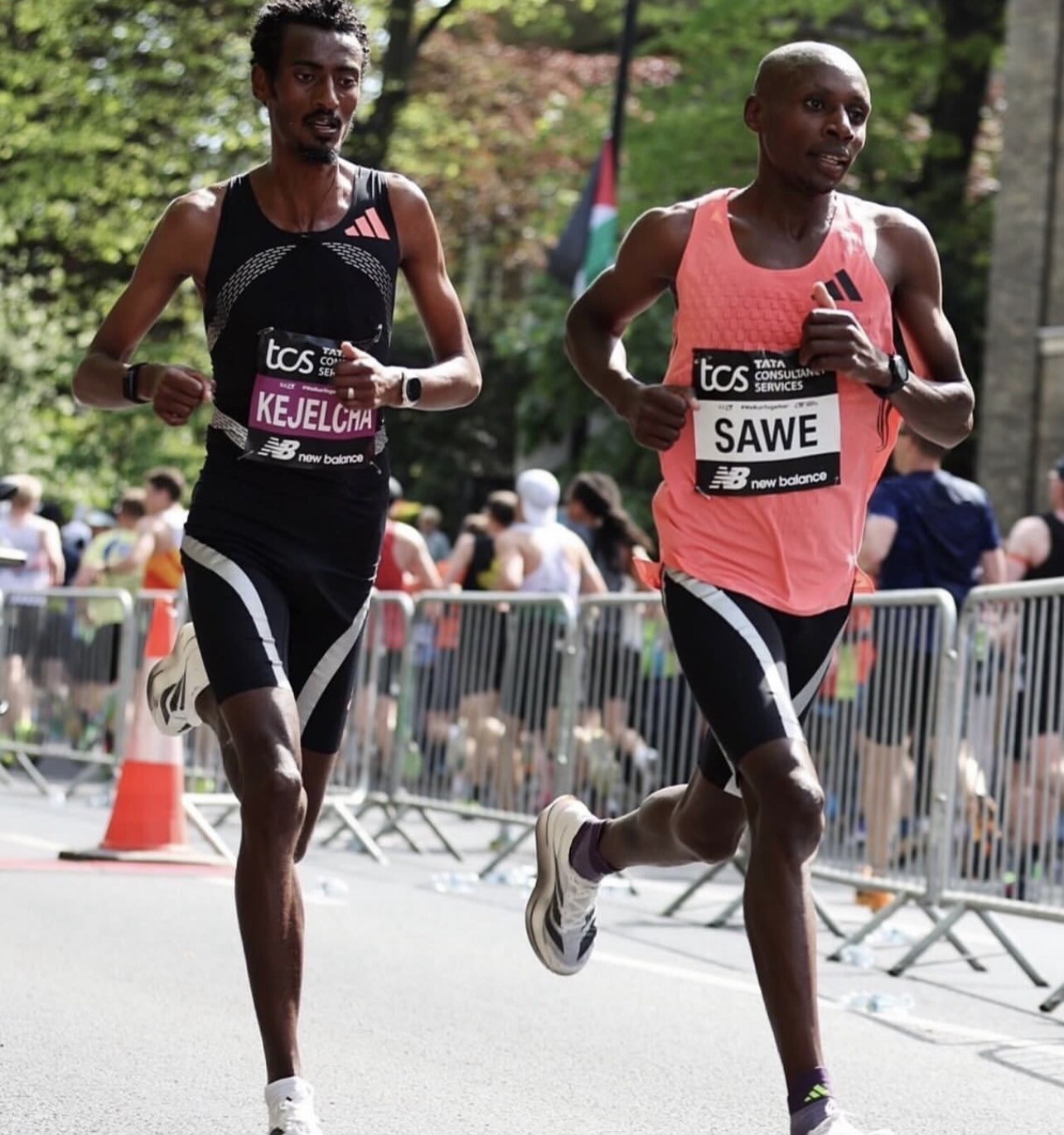
Can he become the first man to officially run under 1:59?
“Not to take away from Sawe’s amazing 1:59:30 marathon in winning London, but Kejelcha in second place clocked 1:59:41 in his first marathon ever. I think Yomif under perfect conditions can run under 1:59,” says Bob Anderson, lifetime runner and My Best Runs editor.
That possibility suddenly feels very real.

Kejelcha has long been considered one of the most naturally gifted distance runners in the sport. Before moving to the marathon, the Ethiopian star built a remarkable résumé that included world-class performances from 1500 meters through the half marathon. His 57:30 half marathon performance in Valencia confirmed that he possessed a rare combination of speed, efficiency, and endurance.
Those qualities are essential for what may become the next great frontier in distance running.
Breaking 1:59 would require sustaining approximately 4:32 per mile for the entire marathon distance. That demands not only endurance, but extraordinary efficiency and the ability to remain relaxed while running at near-impossible speeds.
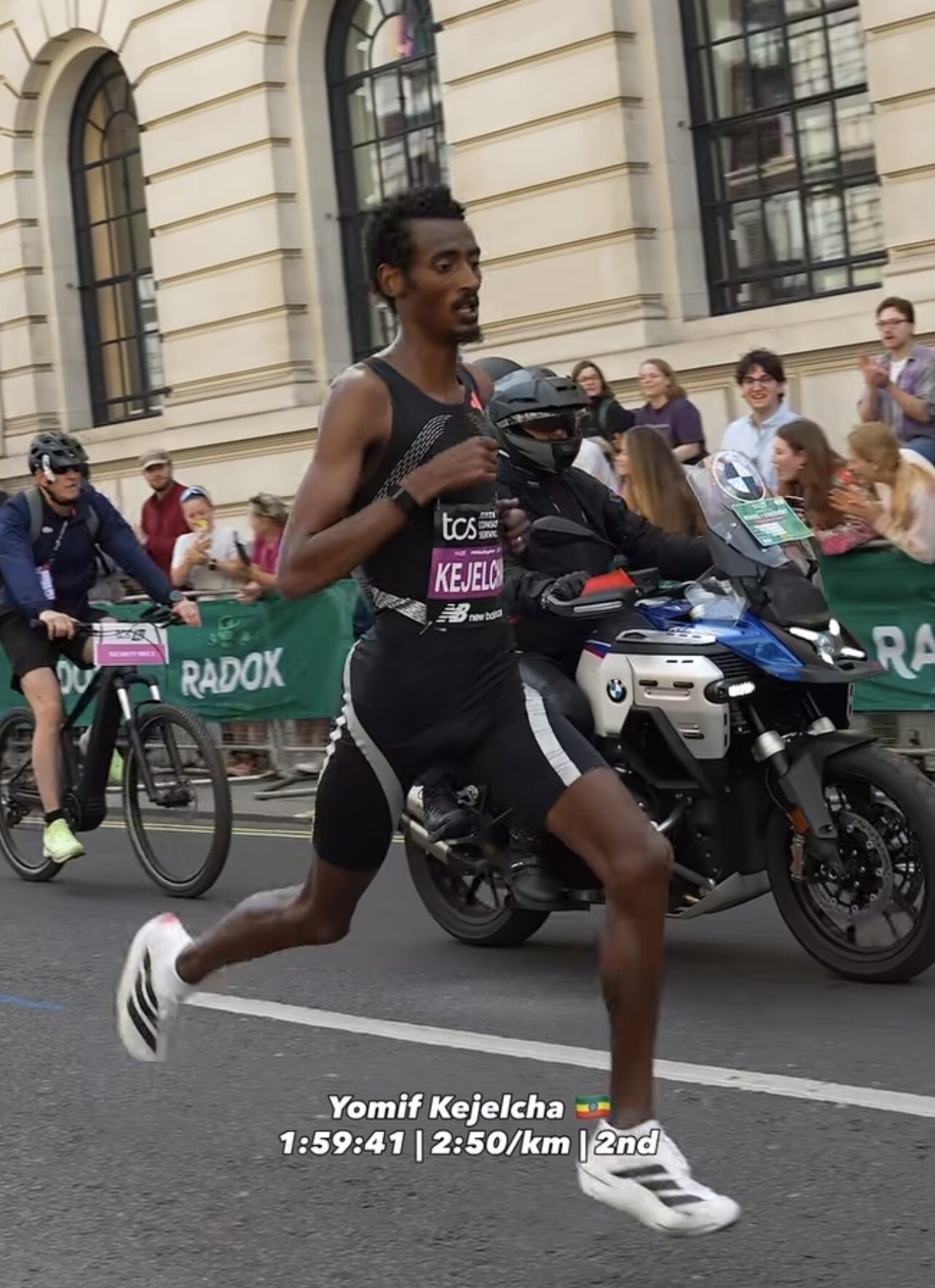
Very few athletes in history have appeared capable of that challenge.
Kejelcha now looks like one of them.
What makes his London performance even more extraordinary is that it came in his first attempt at the distance. Most elite marathoners require several races to learn the rhythm of fueling, pacing, and surviving the final 10 kilometers. Kejelcha immediately looked comfortable at a pace no one had ever officially sustained before.
That suggests there may still be room for improvement.
The question now becomes strategy.
Berlin immediately stands out as a logical option for his second marathon. No course in history has produced more marathon world records. Flat roads, cool temperatures, elite pacing, and ideal racing conditions have made Berlin the gold standard for fast marathoning.
If Kejelcha wants to make an immediate attack on history, Berlin would seem the obvious choice.
But there may be reasons to wait.
The Berlin Marathon comes only five months after London, and Kejelcha’s team may decide that patience is the smarter path. A debut marathon at world-record pace places enormous stress on the body, and carefully managing recovery could be critical to his long-term development.
Valencia may ultimately be the most intriguing possibility.
The Spanish race has rapidly become one of the fastest marathons in the world, producing countless personal bests and breakthrough performances. Kejelcha already has history there after running his half marathon world record, and the course appears perfectly suited to his smooth, efficient running style.
Chicago could also enter the conversation, though weather and wind conditions there can be less predictable.
Another option is Sevilla in early 2027, a race increasingly recognized for its fast course and ideal winter conditions.
Tokyo would provide prestige and global attention, but Berlin and Valencia are still generally viewed as superior venues for historic time attempts.
If Kejelcha’s goal is simply to win major marathons, he already has the ability to compete anywhere in the world.
But if the goal is to break 1:59, every detail matters:
weather,
pacing,
wind,
temperature,
fueling,
race timing,
and course design.
The difference between 1:59:41 and 1:58:59 may ultimately come down to only a few seconds per mile.
Still, London fundamentally changed how the running world views the limits of the marathon.
For years, an official sub-two-hour marathon felt impossible. Now the sport is already looking beyond that barrier.
At just 27 years old, Yomif Kejelcha may only be beginning his marathon career.
And after what happened in London, the possibility of a sub-1:59 marathon no longer feels unrealistic.
It feels possible.
by Boris Baron for My Best Runs
Login to leave a comment

Holmenkollstafetten Draws Record 80,000 Runners Through the Streets of Oslo
What began with just 10 teams in 1923 has grown into one of the largest and most celebrated relay races in the world.
On Saturday, the streets of Oslo turned into a nonstop running festival as approximately 80,000 runners participated in the 2026 edition of the Holmenkollstafetten, setting a new participation record for the historic Norwegian relay. More than 5,500 teams filled the event to capacity, making this year’s race the largest in its 103-year history.
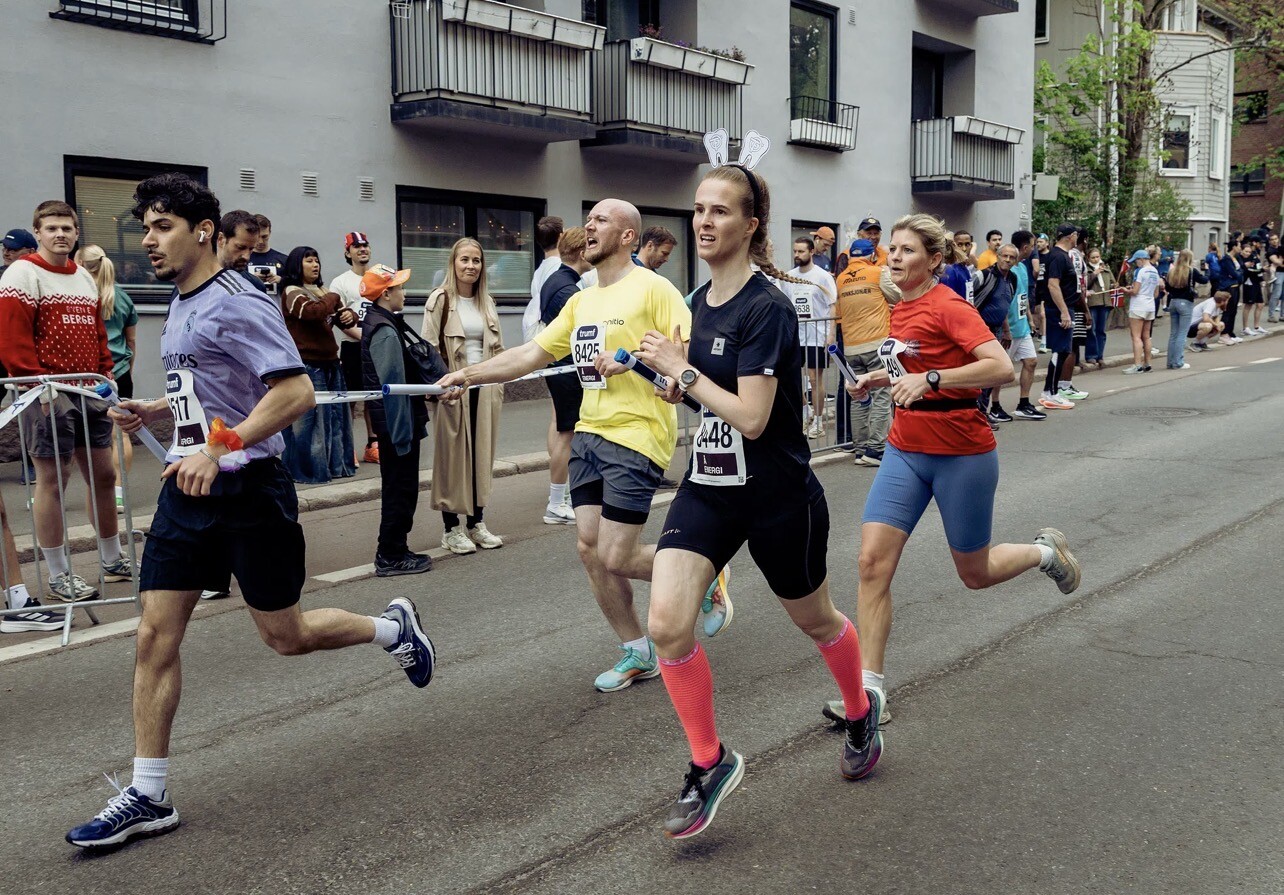
Known throughout Norway as “Vårens vakreste eventyr” — “The Most Beautiful Adventure of Spring” — the Holmenkollstafetten is far more than a race. It is a national tradition that brings together elite athletes, office workers, students, families, and recreational runners in one giant celebration of running and community.
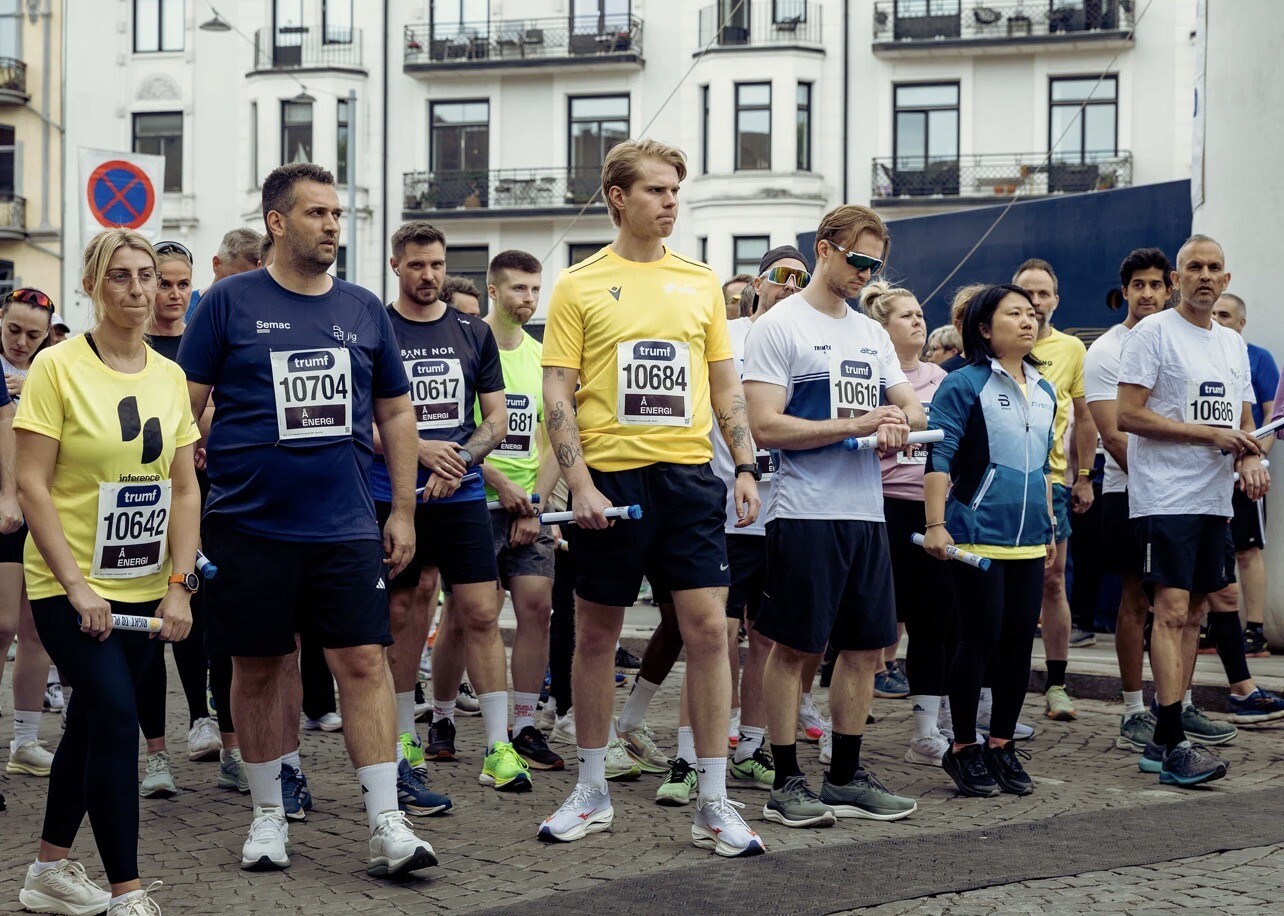
The relay covers roughly 18 kilometers through Oslo on 15 stages, beginning and ending at historic Bislett Stadium. Some legs are short, explosive sprints while others climb steep hills toward the Holmenkollen area, giving the event its distinctive challenge and character.

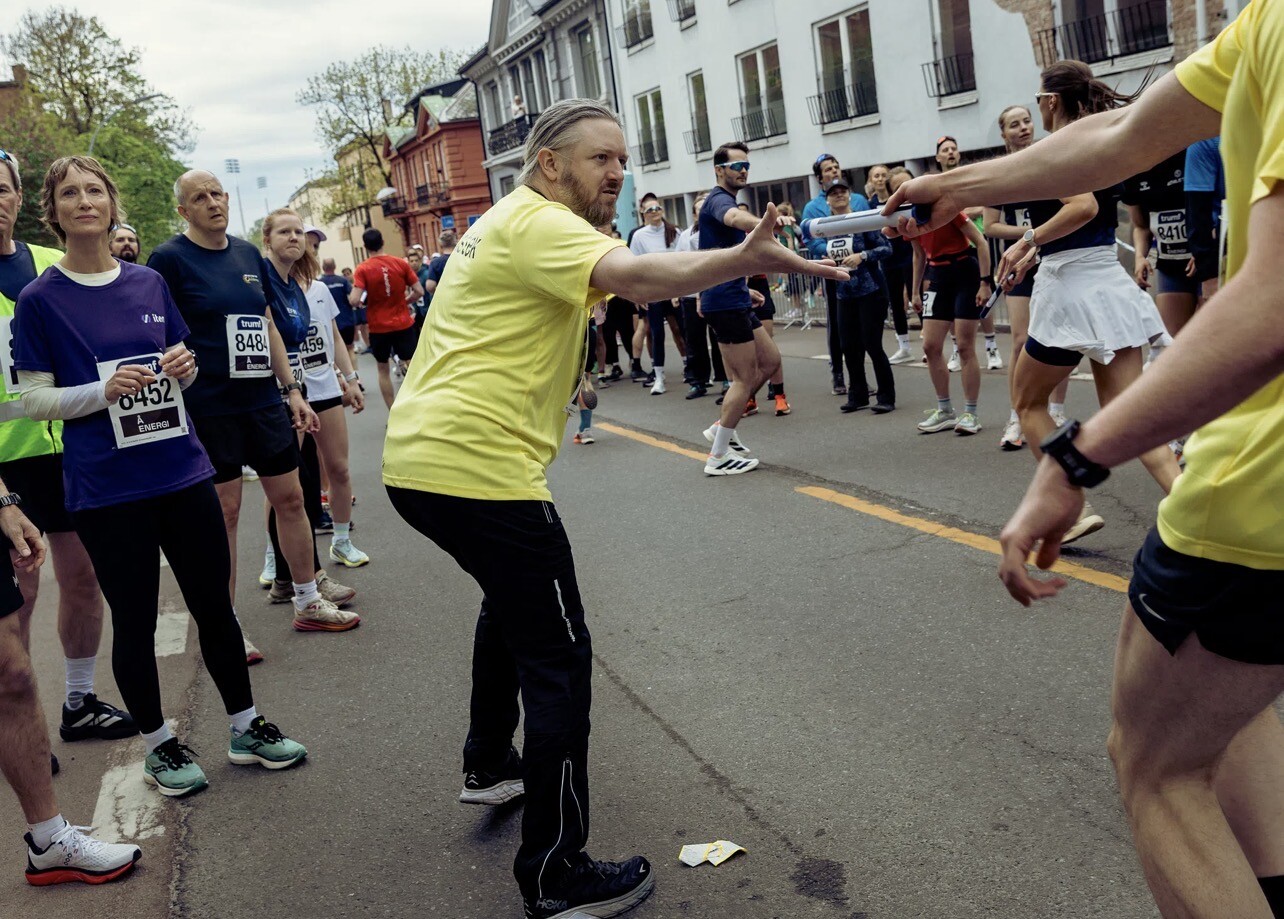
Throughout the day, Oslo pulsed with energy. Teams stretched along sidewalks waiting for exchanges, spectators packed the streets cheering every runner, and music echoed through neighborhoods as wave after wave moved through the city. Serious racing mixed naturally with laughter, costumes, corporate teams, school groups, and longtime running clubs.
The scale of the event is extraordinary. Just a year ago, participation reached a then-record of nearly 75,000 runners. This year’s jump to around 80,000 confirms the continued rise of a race that has become one of the defining running events in Europe.
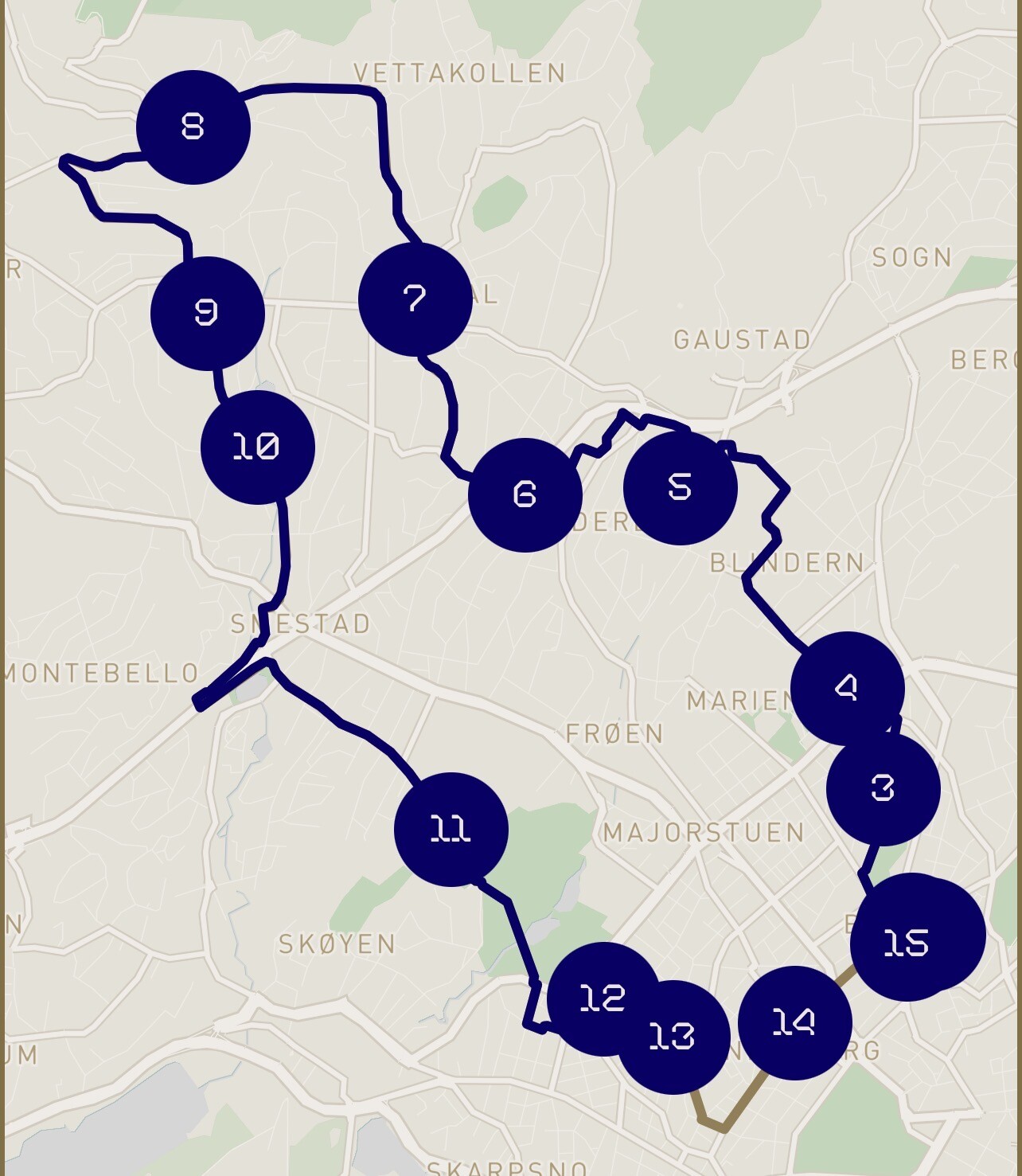
The Holmenkollstafetten has evolved dramatically over the decades. In 1984, the race surpassed 1,000 teams for the first time. Today, participation has multiplied several times over, creating a logistical masterpiece involving thousands of volunteers, extensive road closures, carefully timed starts, and nearly nonstop movement through the Norwegian capital.
Organized by the legendary athletics club IK Tjalve, the event also plays a major role in supporting athletics development in Norway. Revenue from the race helps fund youth programs, elite competition, facilities, and club operations.
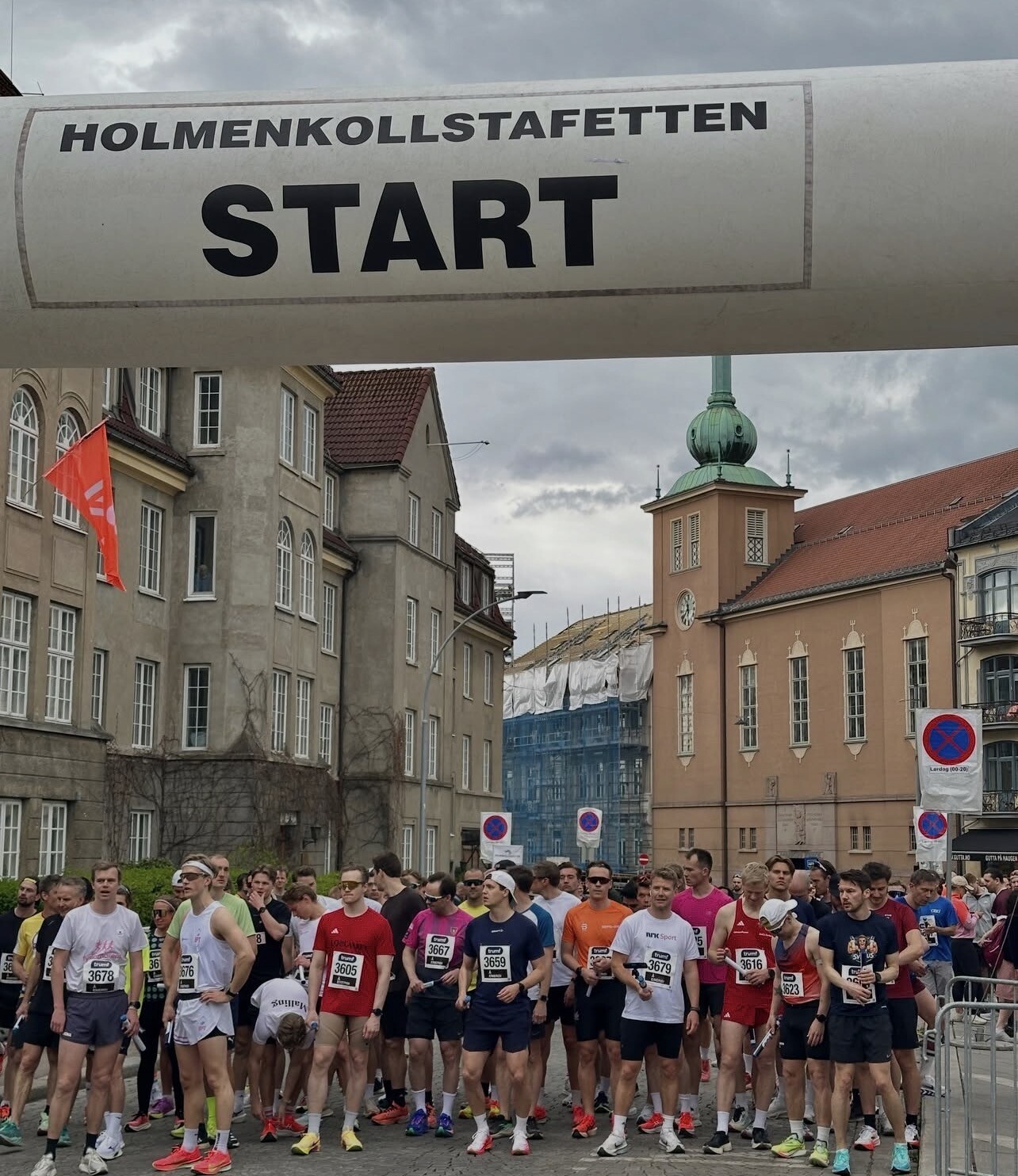
While participation is the soul of the event, the elite racing remained highly competitive.
In the women’s elite division, SK Vidar captured victory in 55:42, defeating host club Tjalve by 44 seconds. Seventeen-year-old Ingrid Taggart delivered a decisive anchor leg to secure the win, while Sweden’s Hälle IF finished third.
The men’s race produced another dramatic battle as Ullensaker/Kisa claimed its fourth consecutive victory after holding off Vidar over the closing stages. Tjalve finished third. Norwegian ski legend Petter Northug also competed, adding even more attention to the day’s festivities.
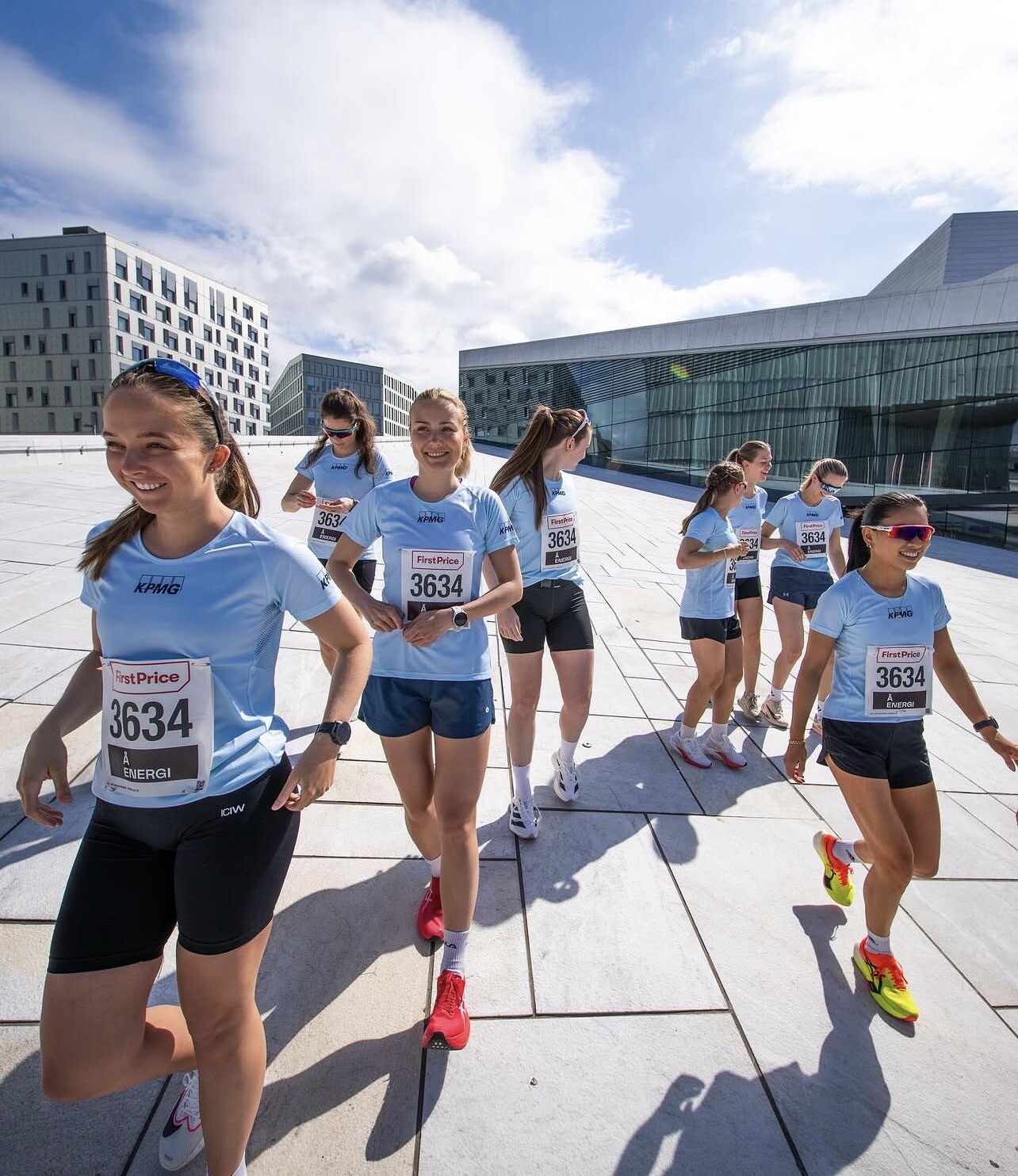
One of the unique aspects of the Holmenkollstafetten is that world-class athletes and first-time runners all share the same roads, the same atmosphere, and the same experience. Elite runners race through the stages at breathtaking speed while everyday participants embrace the event for teamwork, fitness, and pure enjoyment.
That combination of serious competition and community spirit gives the Holmenkollstafetten a character unlike almost any other race in the world.
Even with massive crowds and busy exchange zones, the atmosphere remained overwhelmingly positive from start to finish. Families lined the streets for hours, runners celebrated after every leg, and Bislett Stadium stayed alive with energy deep into the evening.
At a time when many sporting events struggle to build lasting community connection, the Holmenkollstafetten continues to thrive by offering something timeless: a city running together.
For one spring day each year, Oslo becomes one giant relay team.
by Waitman Gobble with Boris Baron for My Best Runs
Login to leave a comment
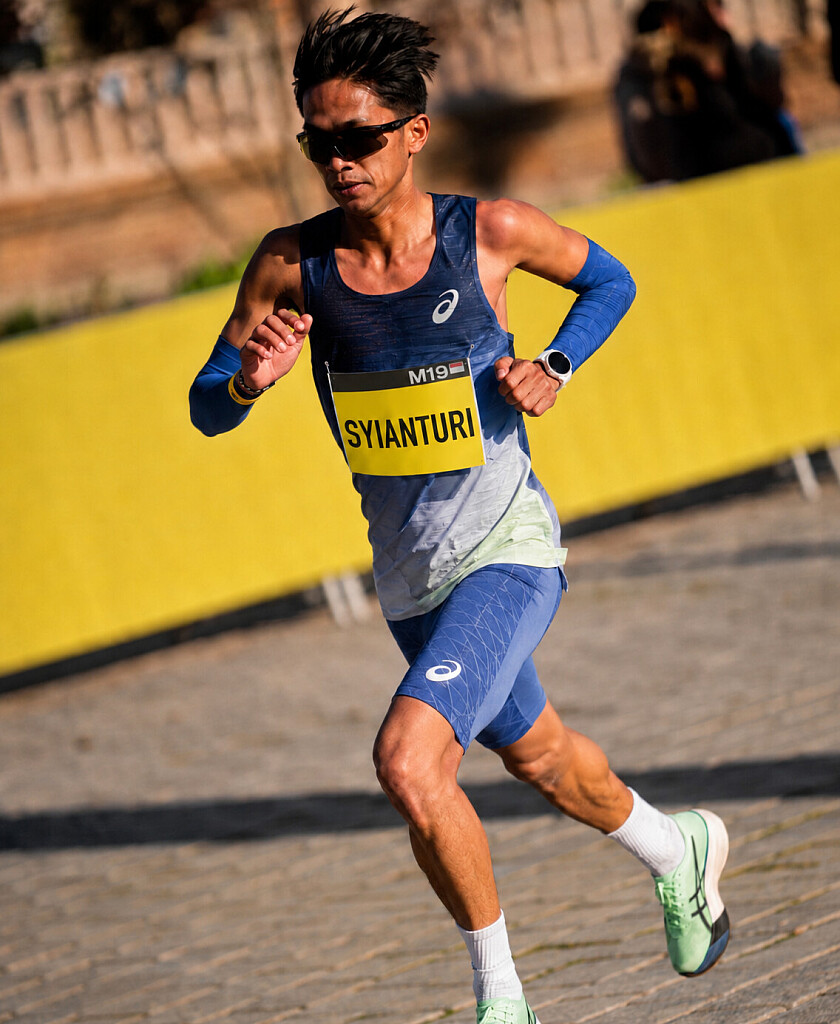
Robi Syianturi Rewrites Southeast Asian Marathon History Once Again in Copenhagen
Indonesia’s marathon sensation Robi Syianturi continues to elevate long-distance running in Southeast Asia after producing another historic performance at the Copenhagen Marathon 2026, where he clocked a remarkable 2:12:20 to finish 10th overall and set a new Southeast Asian marathon record once again.
The Indonesian star has been on a breathtaking rise over the past year, consistently lowering his personal best and pushing the boundaries of marathon running in the region. His latest performance in Copenhagen marked yet another milestone in an extraordinary journey that is rapidly transforming the perception of Southeast Asian distance running on the global stage.
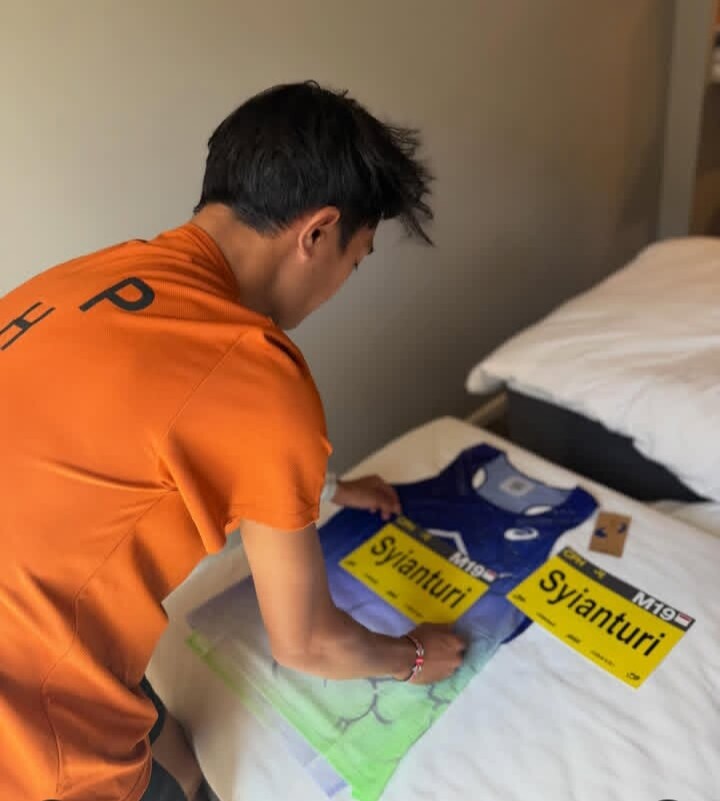
Syianturi first stunned the athletics world in July 2025 at the Gold Coast Marathon 2025, where he ran 2:15:04 to break an Indonesian national record that had stood untouched for 32 years. That breakthrough opened the door to a new chapter in his career and signaled the arrival of a serious marathon contender from Indonesia.
He returned even stronger in February at the Osaka Marathon 2026, slashing nearly two minutes off his previous best with an impressive 2:13:18. Many believed that performance would stand as the defining race of his career for some time, but Syianturi had other plans.
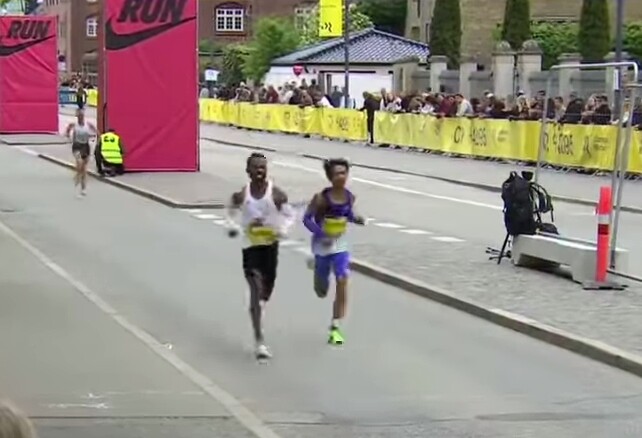
In Copenhagen, he delivered his finest marathon yet.
Running with confidence and composure against a deep international field, Syianturi crossed the finish line in 2:12:20, becoming the first Southeast Asian athlete to reach such a level in the men’s marathon. Despite finishing 10th overall, his time carried enormous significance far beyond the final standings. It was another powerful statement of progress, resilience, and ambition from an athlete determined to keep rewriting history.
What makes Syianturi’s rise even more remarkable is the speed of his improvement. In less than a year, he has reduced his marathon best by nearly three minutes while consistently competing on major international stages. Each race has revealed a stronger, more mature athlete capable of handling elite competition with increasing confidence.
His performances are also inspiring a new generation of runners across Indonesia and Southeast Asia, regions that have traditionally struggled to compete with the dominant marathon nations of East Africa and Japan. Syianturi is proving that with belief, discipline, and world-class preparation, new barriers can be broken.
As the marathon world continues to evolve, Robi Syianturi’s name is quickly becoming impossible to ignore. From Gold Coast to Osaka and now Copenhagen, the Indonesian star is not only chasing faster times — he is building a legacy that could redefine distance running in Southeast Asia for years to come.
by Erick Cheruiyot for My Best Runs.
Login to leave a comment
