

Running News Daily
Running News Daily is edited by Bob Anderson and team. Send your news items to bob@mybestruns.com Advertising opportunities available.
Index to Daily Posts · Sign Up For Updates · Run The World Feed
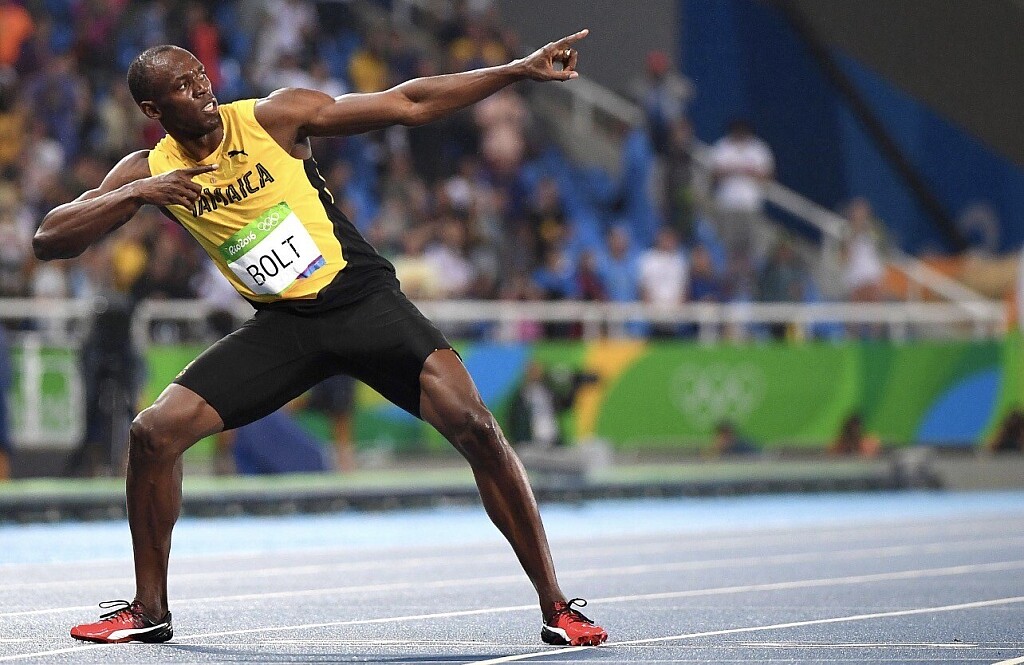


An Evening With Bolt - The Fastest Man Ever is coming to London July 22

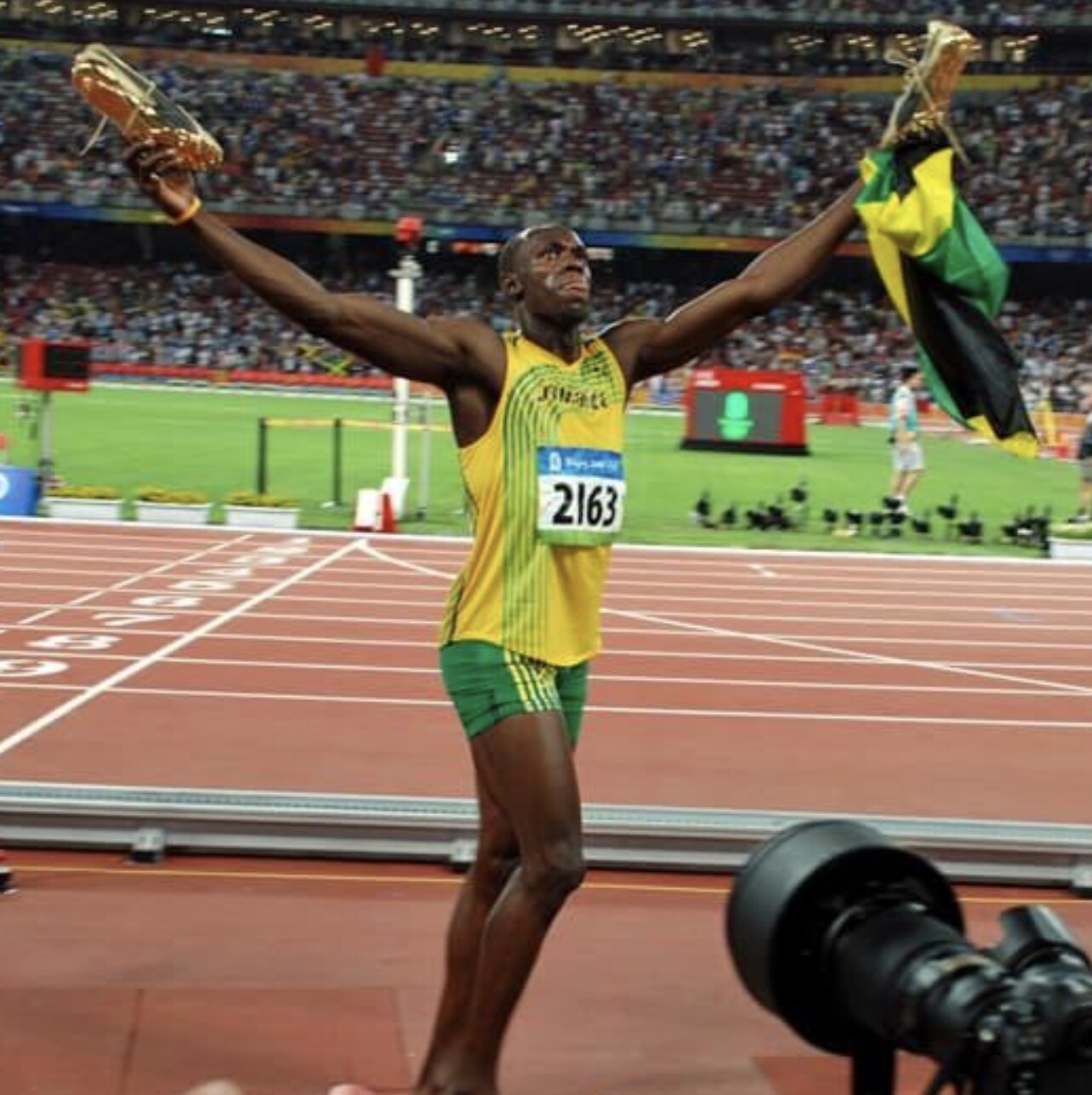
Eight Olympic gold medals. Eleven World Championship titles. Three consecutive Olympic Games sweeping both the 100m and 200m titles.
No sprinter in history has ever done what Usain Bolt accomplished between Beijing, London, and Rio.
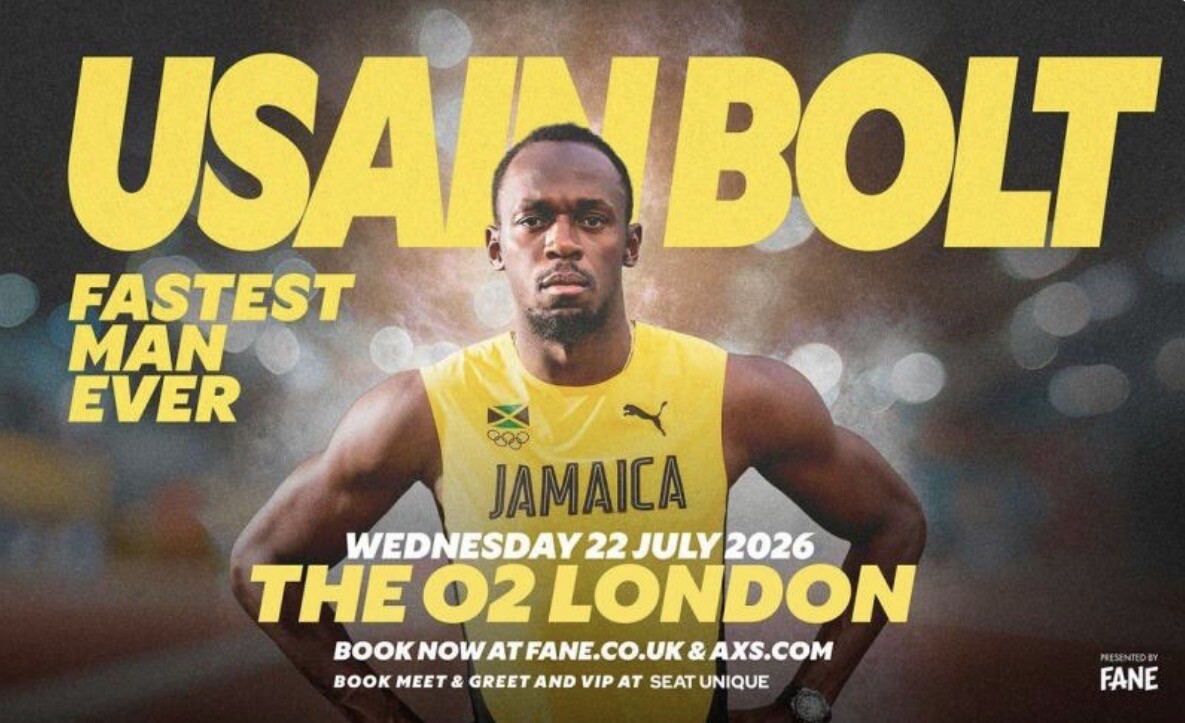
And now, nearly a decade after his final Olympic appearance, the fastest man in history is proving that his appeal reaches far beyond the track.
On Wednesday, July 22, 2026, Bolt will appear live at The O2 for “An Evening With Bolt,” a stage event expected to draw thousands of fans eager to hear firsthand stories from one of the most dominant athletes ever produced by any sport.
The event is not a race. There will be no starting blocks, no finish tape, no world-record clock flashing 9.58. Yet demand for tickets has been extraordinary. Premium seats are reportedly selling for more than $200 USD, with VIP and meet-and-greet packages commanding even higher prices.
That kind of post-career drawing power is rare in athletics.
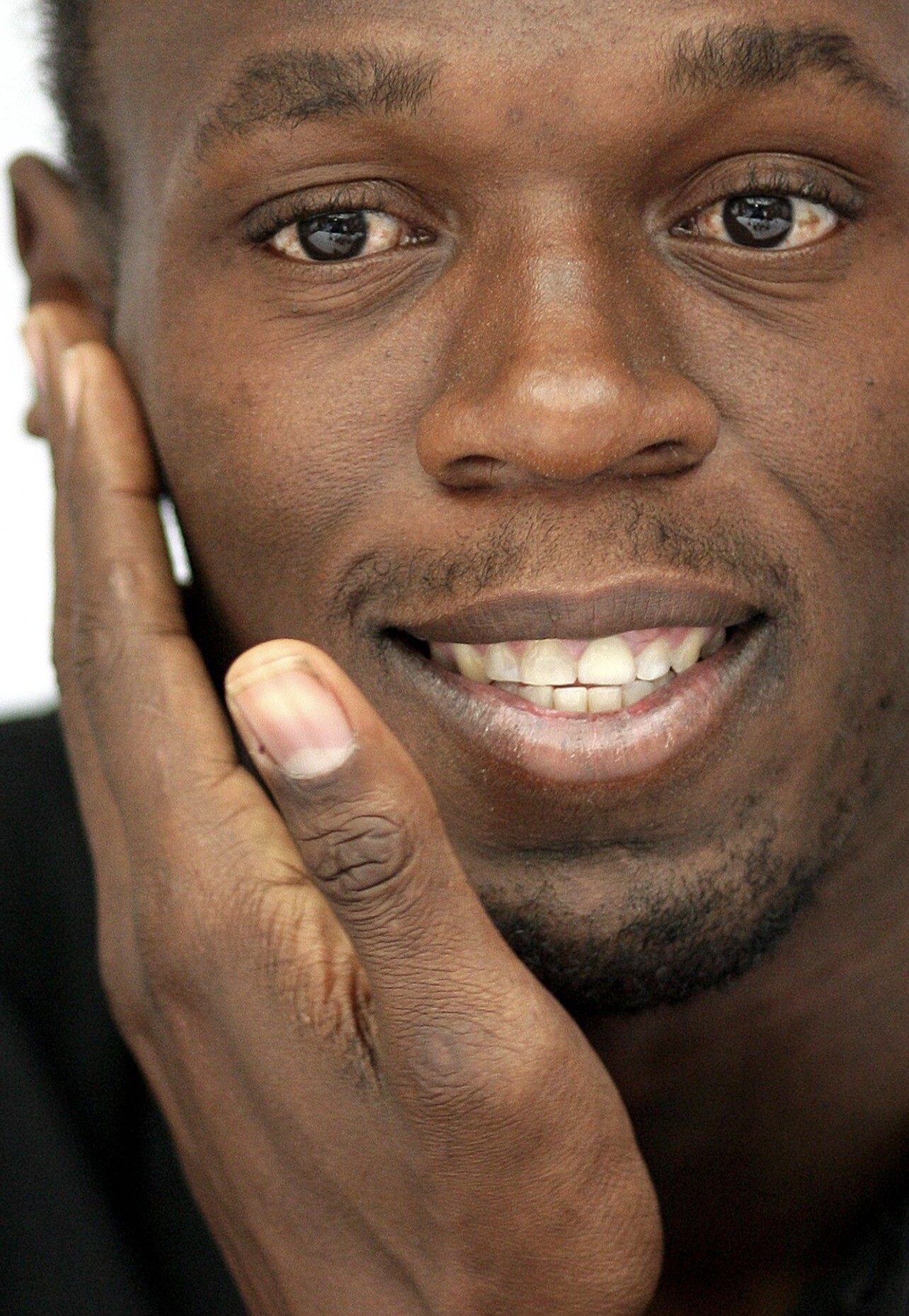
Michael Jordan could fill arenas. Muhammad Ali could command a room anywhere in the world. Pelé and Diego Maradona transcended soccer. But in track and field, very few athletes have remained such a global attraction years after retirement.
Bolt is different.
For nearly a decade, he turned the Olympic 100-meter final into one of the biggest television events on the planet. Even casual sports fans knew exactly when Bolt was racing. His signature lightning pose became one of the most recognizable celebrations in modern sports history.
What makes his story even more remarkable is that the records still stand.
His 9.58 world record in the 100 meters and 19.19 in the 200 meters have survived wave after wave of challengers, technological advances, super spikes, and an entirely new generation of sprinters. Nearly seventeen years later, no one has seriously threatened both marks at the same time.
And unlike many champions, Bolt combined dominance with personality. He danced before races, smiled under pressure, joked with reporters, and somehow still delivered when the spotlight was brightest.
That combination — greatness plus charisma — is what continues to sell out theaters and arenas around the world.
According to event organizers, Bolt will speak candidly about his upbringing in Trelawny, Jamaica, the pressure of competing for an entire nation, the discipline required to remain on top, and the mental side of being expected to win every time he stepped on the track.
For younger athletes, the evening offers something rare: a chance to hear directly from a man who changed the sport forever.
For older fans, it is a reminder of a period when sprinting became must-watch television.
Track and field has produced many great champions. But very few became global cultural icons.
Usain Bolt did both.
by Boris Baron for My Best Runs
Login to leave a comment
Latest Running News
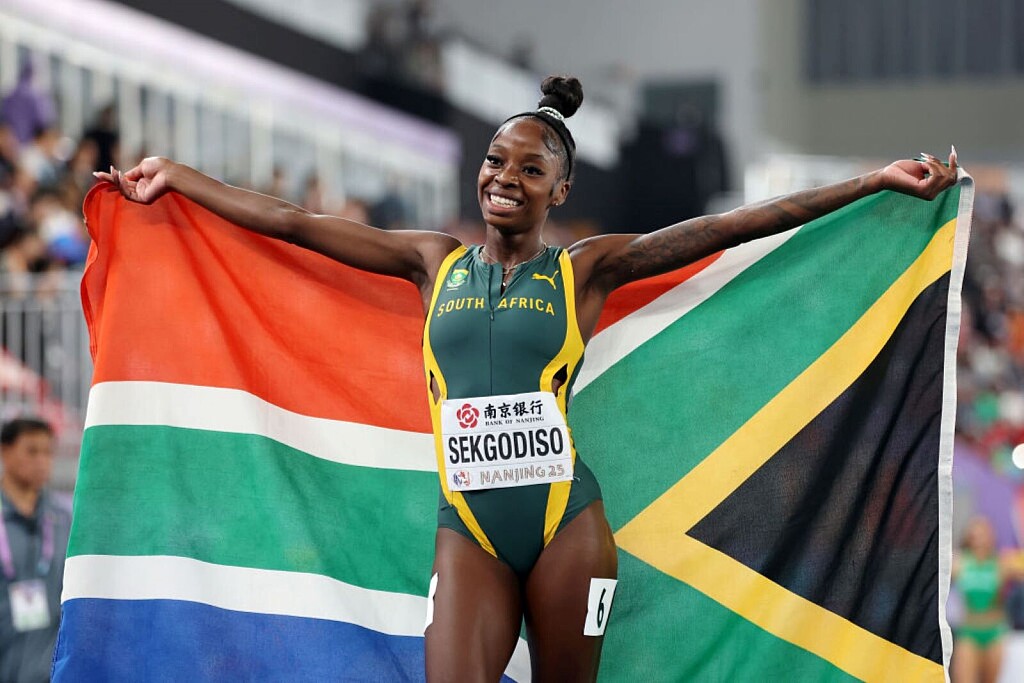
Prudence Sekgodiso Ready to Shake the African Senior Championships in Accra
South African middle-distance sensation Prudence Sekgodiso is set to light up the 2026 African Senior Championships scheduled for 12th to 17th May 2026 at the University of Ghana Sports Stadium in Accra, Ghana, where she will take on some of the continent’s most formidable 800m queens in what is expected to be one of the headline clashes of the championship.
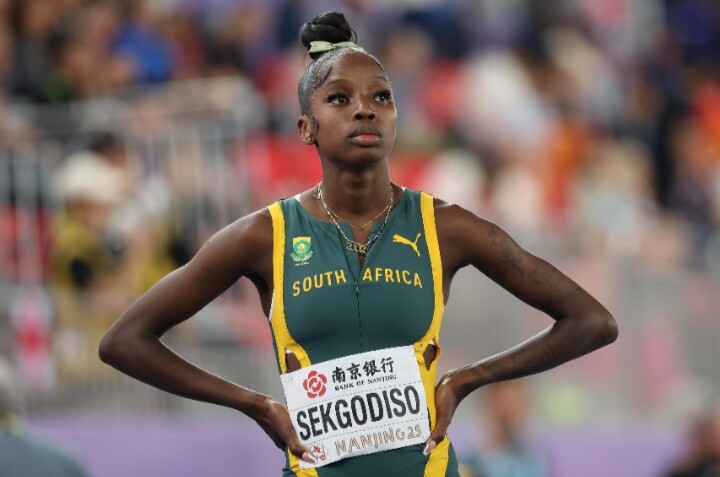
The South African national champion in both the 800m and 1500m arrives in Accra carrying immense confidence after a series of impressive performances that have elevated her status among Africa’s elite middle-distance runners. Renowned for her explosive finishing kick, tactical intelligence, and growing championship composure, Sekgodiso looks physically sharp and mentally prepared for the demanding challenge ahead.
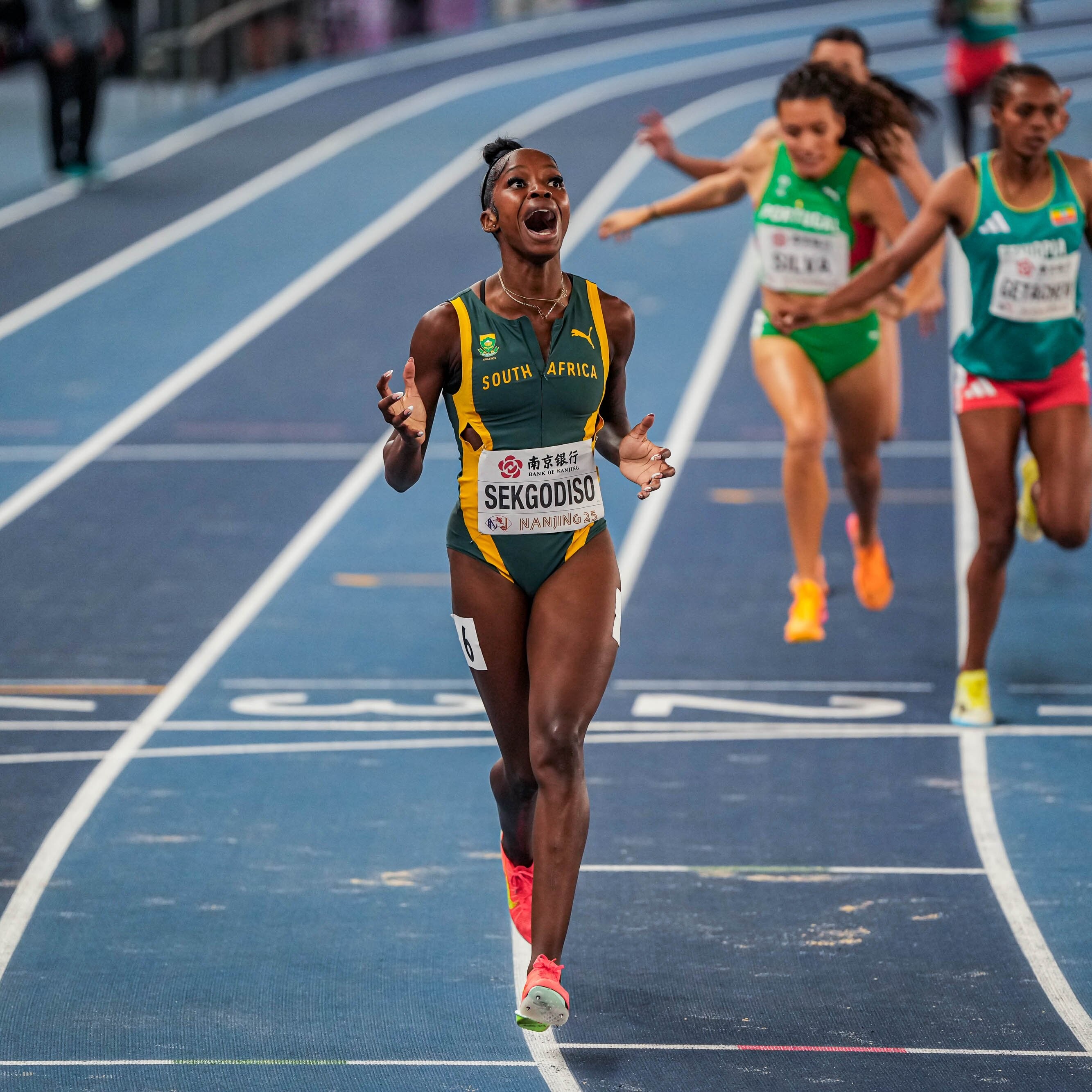
Her participation has already generated massive excitement across the athletics world, with fans eager to witness whether she can translate her national dominance onto the continental stage. The women’s 800m field is expected to feature a blend of experienced champions and rising stars, setting the stage for a fierce and unpredictable battle where every second and every tactical move could decide the outcome.
For Sekgodiso, the African Senior Championships represent more than a medal opportunity. It is a chance to cement her place among Africa’s middle-distance elite and continue building her reputation as one of the brightest talents emerging from South African athletics. If her recent form is anything to go by, the showdown in Accra could become a defining moment in her rapidly growing career.
Athletics fans across the continent are already counting down to what promises to be a spectacular contest filled with speed, pressure, tactics, and championship drama. One thing is certain — the women’s 800m in Accra is a race no athletics lover should dare to miss.
by Erick Cheruiyot for My Best Runs.
Login to leave a comment
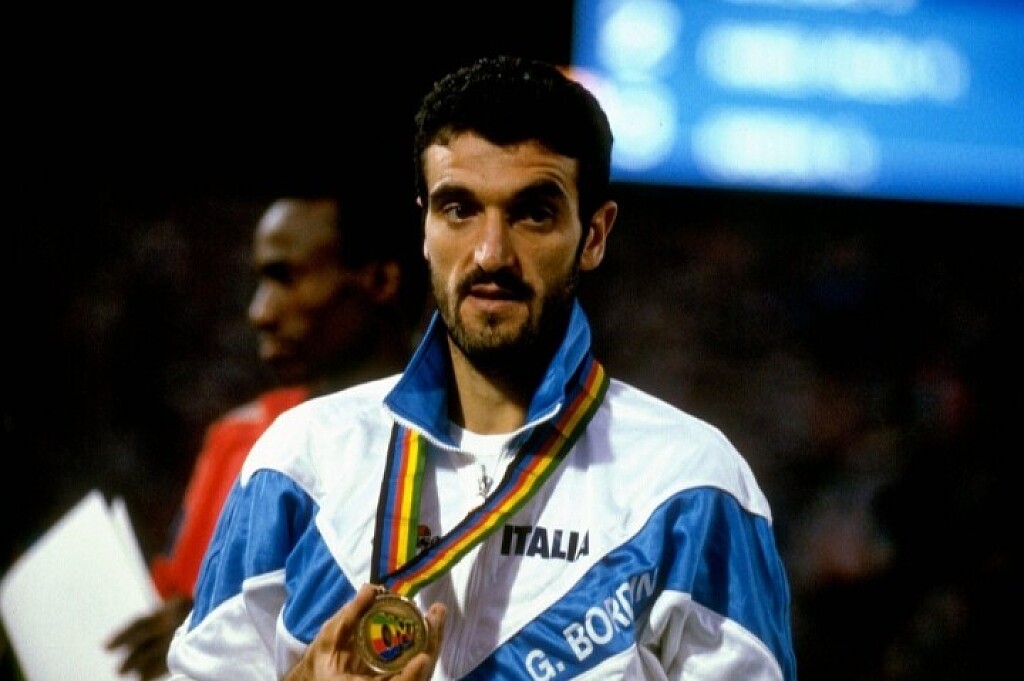
Gelindo Bordin: The Quiet Runner Who Chased Down Immortality
Not every sporting legend arrives wrapped in noise and spectacle. Some emerge gradually, almost unnoticed at first, built not on flamboyance but on resilience, discipline, and an unshakable belief in endurance. That was the essence of Gelindo Bordin — a man whose greatness unfolded not in dramatic declarations, but stride by stride across the unforgiving roads of marathon racing.
Long before Olympic glory found him, Bordin was simply a determined young runner from Vicenza, training with little indication that history was quietly preparing a place for his name. There was nothing theatrical about his rise. His running carried a calm rhythm, patient and controlled, yet beneath that composure lived a relentless competitive spirit waiting for the right stage to reveal itself.
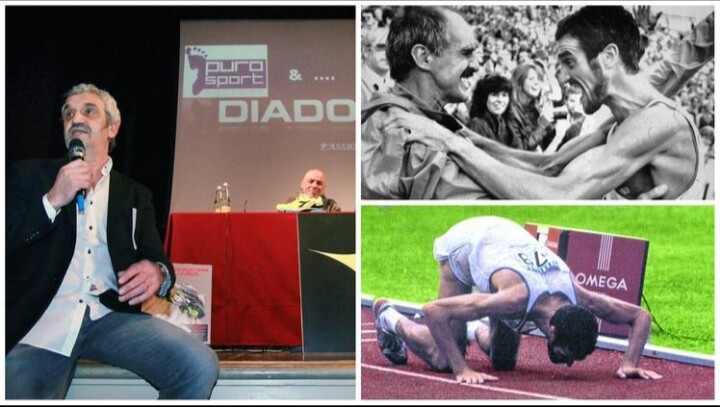
That revelation began in earnest at the 1986 European Championships in Stuttgart. The marathon unfolded like a battle of endurance against fatigue, and Bordin mastered it with remarkable maturity. He did not dominate through reckless aggression; instead, he absorbed the suffering better than everyone else. As rivals faded in the closing stages, the Italian surged toward gold, announcing himself as one of the finest marathon runners of his generation.
A year later came another defining examination at the 1987 World Championships in Rome. The brutal heat transformed the race into a test of survival, punishing every tactical mistake. While others attacked too early, Bordin ran with restraint and intelligence, conserving both energy and composure for the decisive final kilometres. When exhaustion consumed the field after 35 kilometres, he moved forward with clinical precision, earning a hard-fought bronze medal that showcased not only physical strength, but extraordinary patience and tactical discipline.
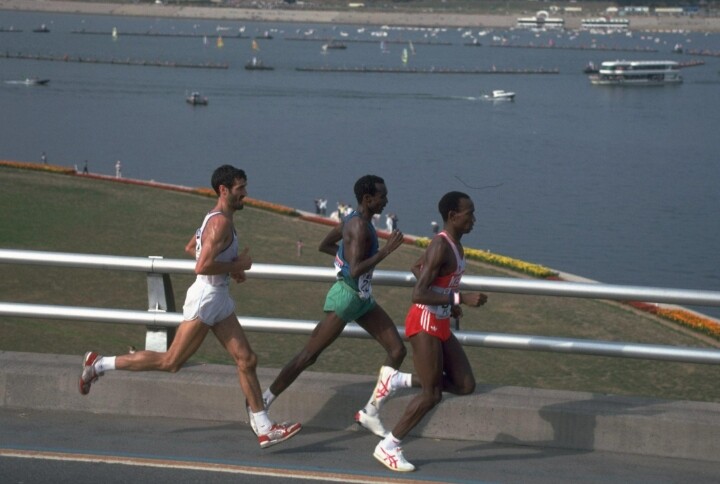
Yet it was at the 1988 Olympic Games in Seoul where Gelindo Bordin elevated himself from elite athlete to eternal icon.
The Olympic marathon began cautiously, with Bordin sitting quietly among the leading pack, unreadable and composed. As the race intensified beyond the halfway mark, the contenders gradually separated themselves from the rest. By the closing stages, only three men appeared capable of winning Olympic gold: Bordin, Kenya’s Douglas Wakiihuri, and Djibouti’s Ahmed Salah.
Then came the moment that seemed to decide the race.
Ahmed Salah launched a ferocious acceleration, dragging Wakiihuri with him and opening a painful gap on the Italian. The marathon appeared settled. Spectators believed Bordin was fading toward bronze, honourable but beaten. The leaders looked gone.
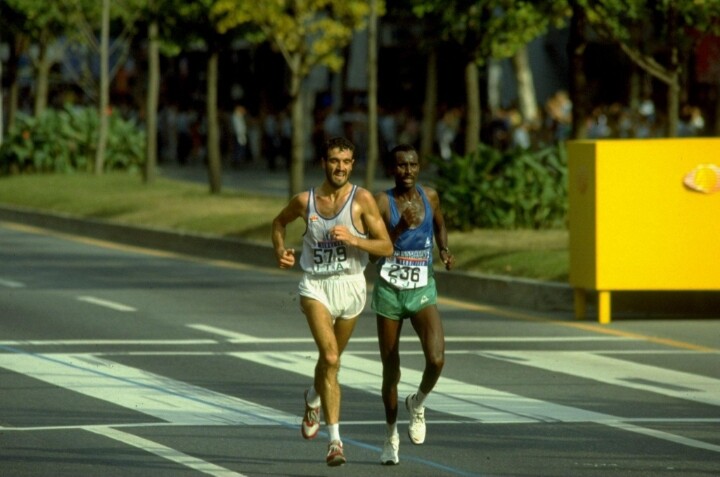
But greatness often reveals itself in the darkest kilometres of a marathon.
Somewhere inside the agony of those final moments, Bordin discovered reserves that defied logic. He began clawing his way back with astonishing determination, reducing the gap metre by metre. First he reeled in Wakiihuri. Then he hunted down Salah himself. And once he surged into the lead, there was no hesitation left in him.
With less than a kilometre remaining, Gelindo Bordin was no longer merely competing for victory — he was running into history.
He crossed the finish line as Olympic champion, becoming the first Italian ever to win Olympic gold in the marathon. It remains one of the most courageous comeback victories the event has ever witnessed, a masterpiece forged through patience, timing, and refusal to surrender.
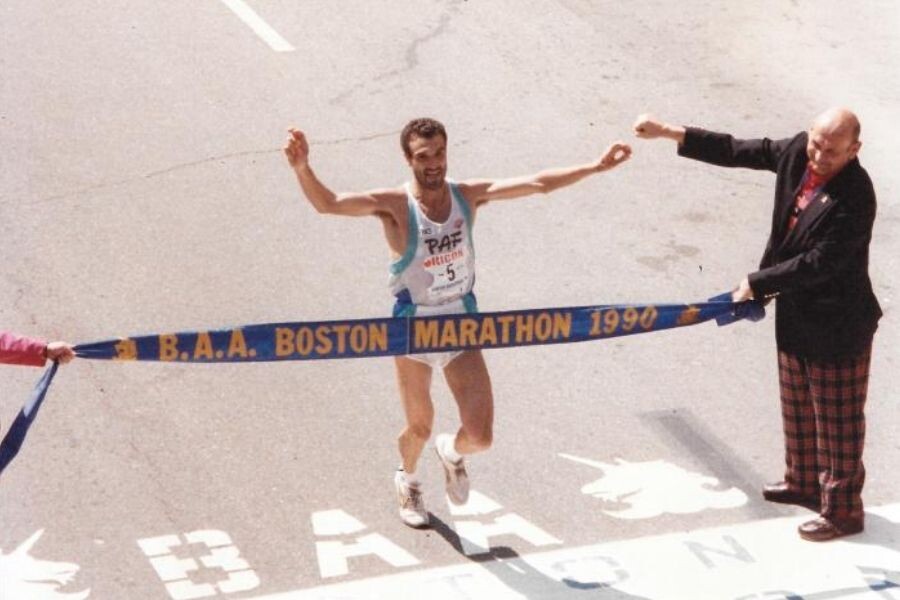
Bordin’s excellence did not end in Seoul. In 1990, he defended his European marathon title, becoming the first athlete in history to achieve that feat. That same year, he conquered the legendary Boston Marathon, a triumph he later described as the second-greatest performance of his career. Battling cold winds and the relentless demands of the Boston course, he delivered another unforgettable display of strength and tactical brilliance.
To this day, Gelindo Bordin remains the only athlete ever to win both the Olympic marathon and the Boston Marathon — a distinction that elevates his legacy into truly rare territory.
Like every great endurance athlete, however, his journey eventually encountered heartbreak. Tokyo brought disappointment. Barcelona in 1992 brought something even more painful: a groin injury that shattered his hopes of defending his Olympic crown midway through the race. Soon after, Bordin stepped away from professional competition.
His retirement carried the same quiet dignity that had defined his running career. He did not leave the sport defeated. He left it complete.
What endures most about Gelindo Bordin is not merely the medals or records, but the spirit behind them. His story is a timeless reminder that patience can become a weapon, that resilience often matters more than spectacle, and that the calmest competitors sometimes produce the loudest echoes in sporting history.
In an era that often celebrates noise, Gelindo Bordin proved that true greatness can still arrive in silence — and run straight into immortality.
by Erick Cheruiyot for My Best Runs.
Login to leave a comment
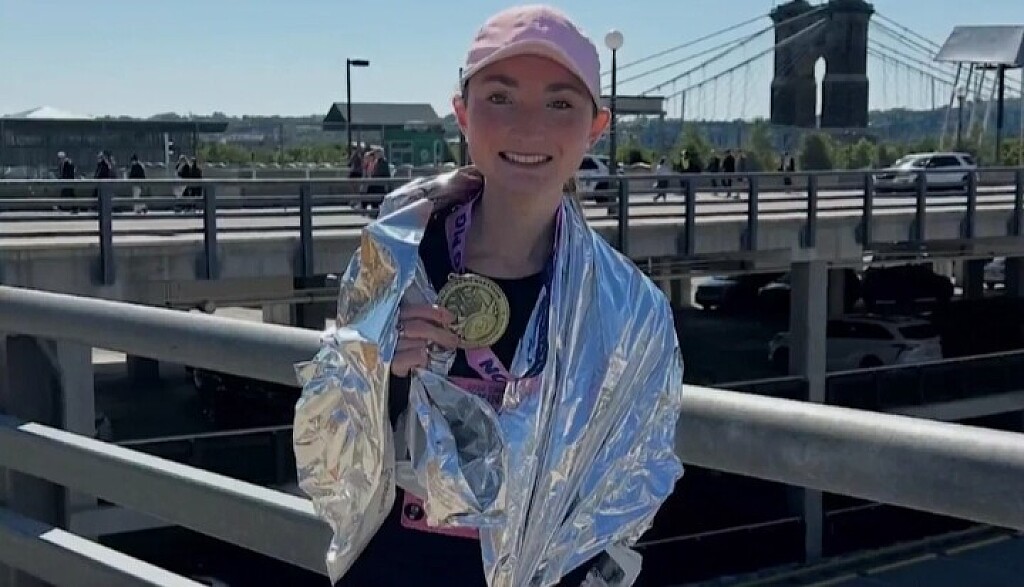
From a Wrong Turn to an Unforgettable Triumph: How Sophia Dick Accidentally Conquered a Marathon
For most runners, a first half marathon is carefully measured in training plans, pacing charts, and nervous excitement. For 22-year-old Sophia Dick, it became something far more extraordinary — a story no one could have scripted.
She arrived at the Flying Pig Marathon in Cincinnati believing she was about to tackle 13.1 miles, the longest race of her young running journey. Months of preparation had been built around that single distance. She had never gone beyond 12 miles in training, never imagined herself running a marathon, and certainly never expected her life-changing moment would begin with a missed turn.
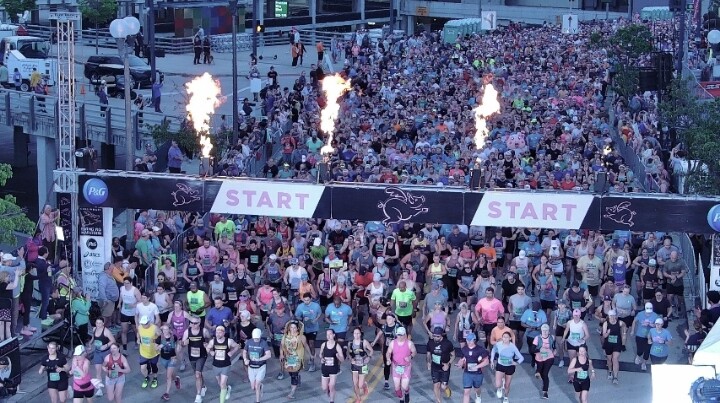
But somewhere in East Walnut Hills, amid the noise, fatigue, and twisting streets of the course, Dick unknowingly drifted onto the wrong side of the split where half marathon runners separate from the full marathon field. At first, nothing seemed unusual. The rhythm of the race carried her forward naturally. Yet mile after mile, the course began to feel unfamiliar. The landmarks no longer matched what she had expected.

Then came the moment of realization.
Another runner informed her she had missed the turn and was now deep into the marathon course.
At that instant, most first-time runners would have stopped. Panic alone would have been enough to pull many people off the road. Dick, however, made a decision that transformed confusion into courage. Instead of stepping aside, she chose to keep moving forward.
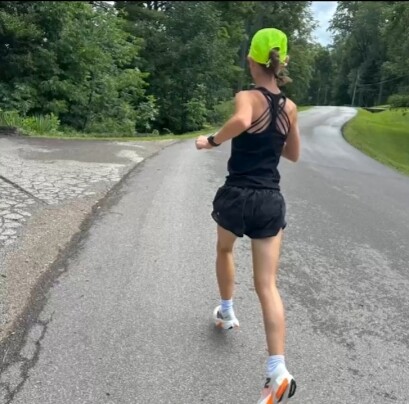
And so, without preparation, without a strategy, and without truly understanding what awaited her in the final miles, she kept running.
What followed felt almost surreal.
Somewhere during the exhausting latter stages of the race, Dick found herself alongside Harvey Lewis, one of Cincinnati’s most respected ultrarunning figures. Lewis was quietly completing his 100th marathon, yet the veteran runner shifted his focus toward helping the exhausted newcomer beside him.
Ironically, Dick did not even know who he was at the time.
While her body entered unfamiliar territory, Lewis became a steady voice of calm and experience. He encouraged her to relax her shoulders, stay mentally composed, and focus only on the mile directly ahead instead of the daunting distance remaining. In a race built on endurance, those simple words became fuel.
Together, they pressed through the difficult closing stretch of the course — one runner celebrating a milestone hundredth marathon, the other accidentally discovering she was capable of far more than she had ever believed.
Then came the finish line.
After setting out to run a half marathon, Sophia Dick crossed the full marathon line in an astonishing 3 hours and 30 minutes — an achievement many trained marathoners spend years chasing intentionally.
What began as a navigational mistake ended as one of the most remarkable stories of resilience and spontaneity the sport has seen this year. Her journey captured something beautifully unpredictable about distance running: sometimes the greatest breakthroughs happen when the plan disappears completely.
In the end, Sophia Dick did not simply survive a wrong turn in Cincinnati.
She ran straight into a moment she will remember for the rest of her life.
by Erick Cheruiyot for My Best Runs.
Login to leave a comment
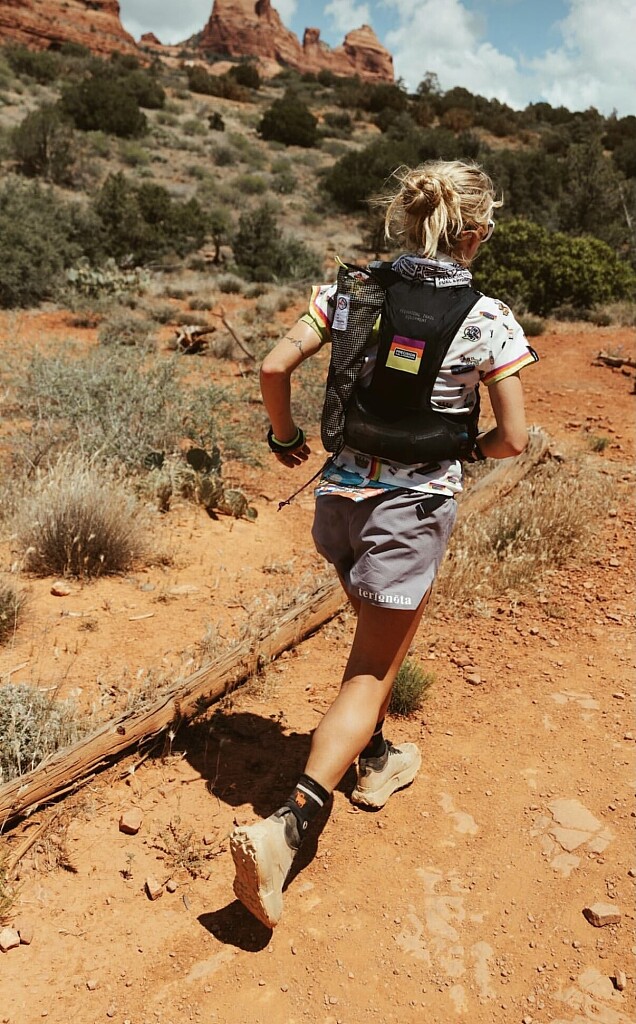
From Exclusion to Domination: Rachel Entrekin’s Historic Cocodona Triumph Redefines Women’s Endurance Running
For decades, women were pushed to the margins of competitive distance running, denied opportunities in races that today define the pinnacle of endurance sport. The idea of women conquering extreme distances was once dismissed entirely by sporting authorities who believed the female body was incapable of enduring such physical punishment.
The history is impossible to ignore.
The legendary Boston Marathon did not officially allow female entrants until 1972, despite women proving for years that they could compete at the highest level. Even more striking, the Olympic marathon remained closed to women until the 1984 Games, a staggering reminder of how recently barriers still existed in elite running.
Now, decades later, the sport has witnessed another groundbreaking chapter — one that perfectly captures how dramatically the landscape has changed.
While men may generally possess advantages in raw speed and physical strength, endurance science has increasingly highlighted areas where women excel — particularly in prolonged fatigue resistance, energy efficiency, and the remarkable ability to tolerate physical suffering over extreme durations. Few performances in recent memory have illustrated that reality more powerfully than what unfolded this week in the Arizona wilderness.
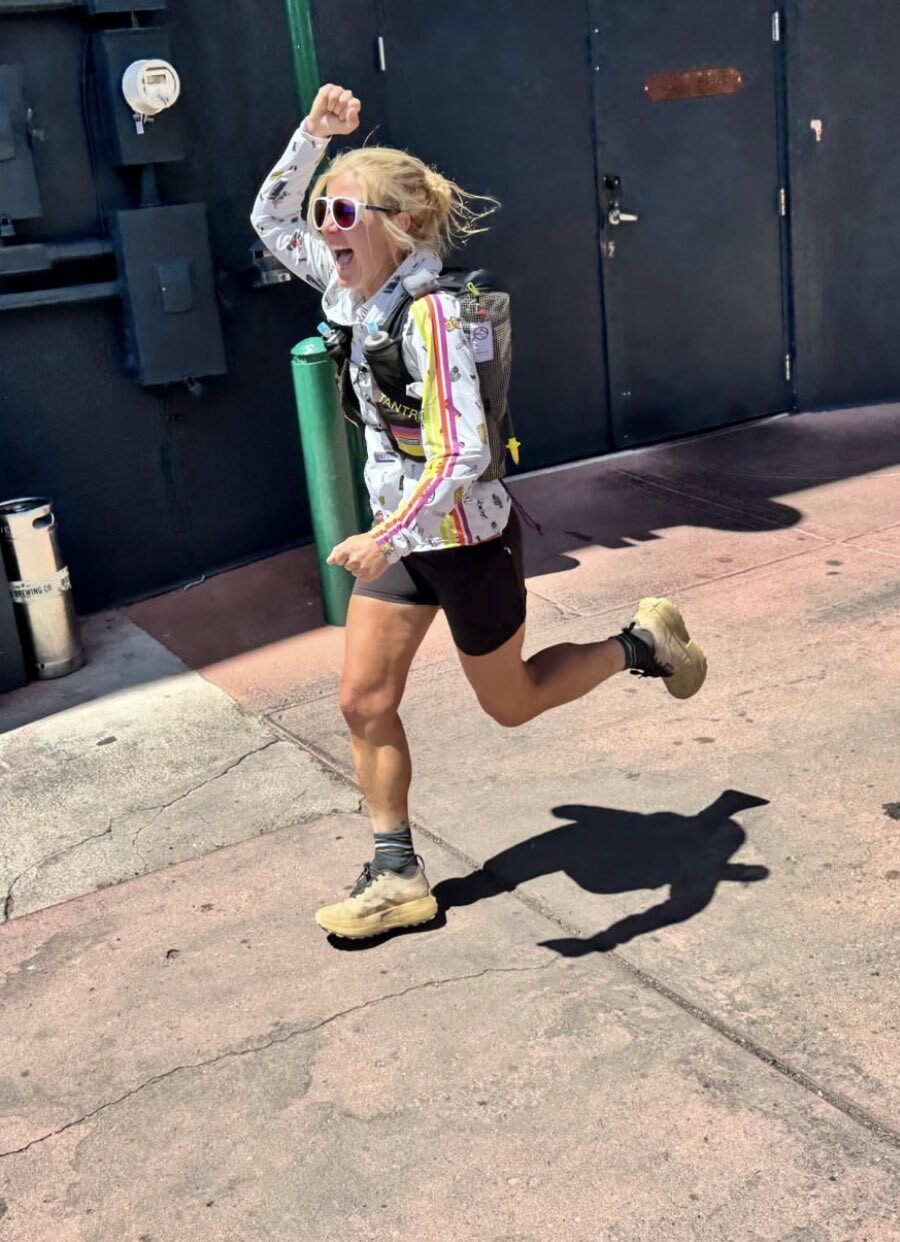
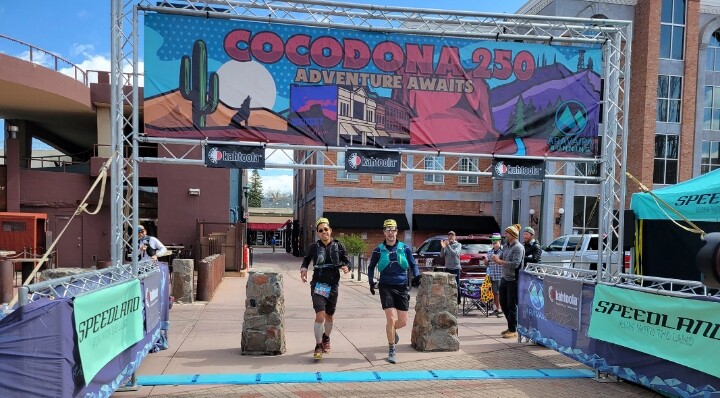
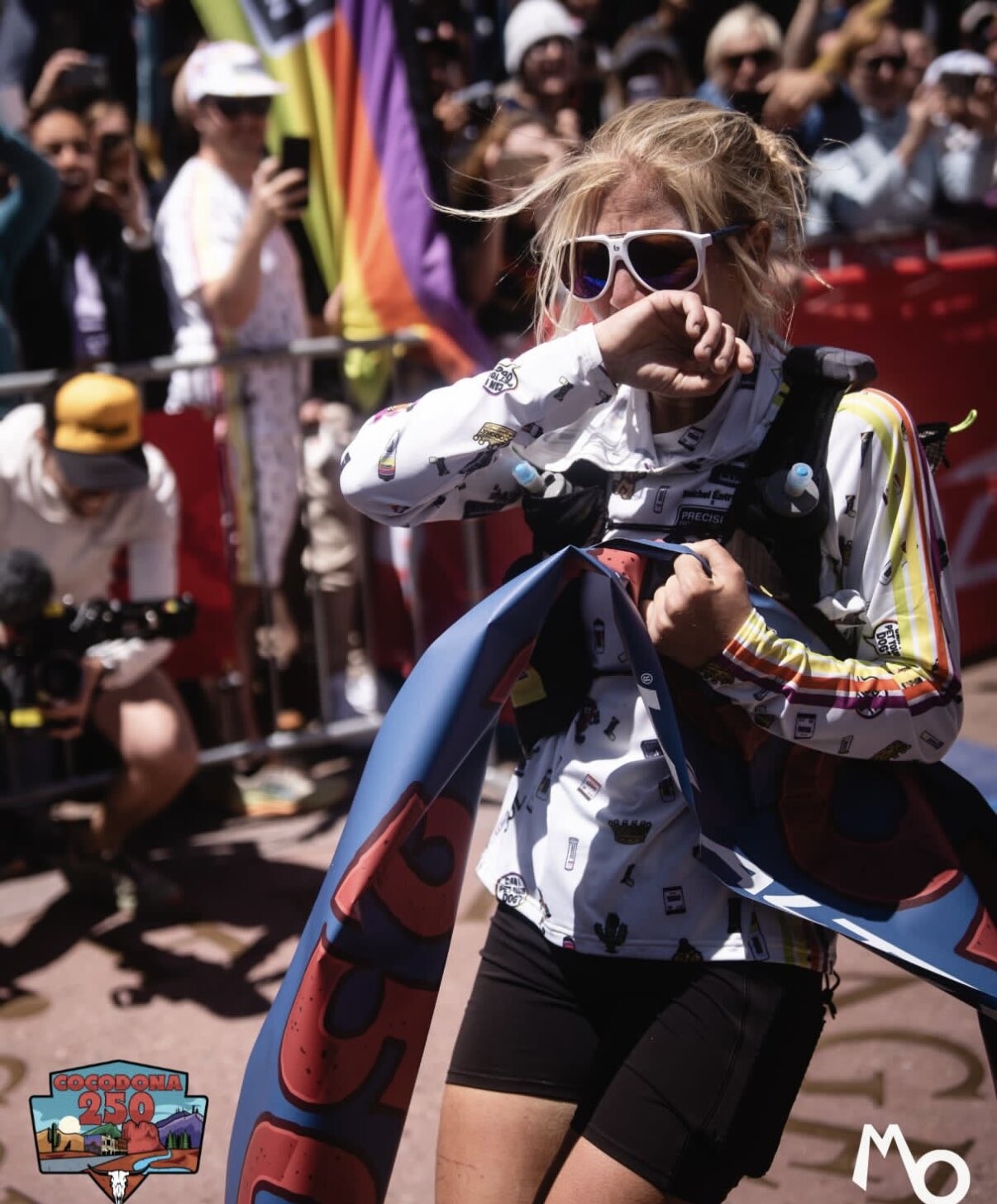
On the brutal and unforgiving trails of the Cocodona 250, Rachel Entrekin produced one of the greatest ultramarathon performances ever witnessed, defeating the entire field outright to claim her third consecutive title in spectacular fashion.
The American endurance star conquered the staggering 254-mile course in an astonishing 56 hours, 9 minutes, and 48 seconds — the fastest time ever recorded over the distance by any athlete.

Male or female.
Across punishing mountain climbs, endless desert trails, technical terrain, and crushing exhaustion, Entrekin remained relentless from start to finish. Even more astonishing was the physical sacrifice behind the achievement: she reportedly completed the entire race on just 15 minutes of sleep.
In a contest where most athletes battle hallucinations, muscle failure, and severe mental fatigue, Entrekin somehow maintained elite-level pace and composure for more than two continuous days of running. The performance did not merely secure victory — it completely shattered assumptions about the limits of human endurance.
The Cocodona 250 is widely regarded as one of the most grueling ultramarathons on Earth. Stretching across Arizona’s harsh backcountry, the race tests athletes through sleep deprivation, brutal elevation gain, extreme temperatures, and relentless physical punishment that pushes even the world’s strongest runners to collapse.
Yet Entrekin appeared almost untouchable.
Adding another fascinating layer to the historic achievement was the footwear behind the run. Entrekin covered the entire course wearing the unreleased norda 055, a highly anticipated trail shoe expected to launch in the summer of 2026. Her extraordinary performance has already generated massive curiosity within the global running community, with many eager to learn more about the shoe that carried her through one of ultrarunning’s greatest displays of dominance.
More importantly, however, her victory symbolizes something far bigger than records, technology, or trophies.
It represents the evolution of women’s distance running itself — from exclusion and doubt to complete mastery on the sport’s most demanding stages. What was once considered impossible has now become undeniable reality.
And deep in the deserts and mountains of Arizona, Rachel Entrekin did more than simply win a race.
She delivered a performance that may forever redefine the boundaries of endurance sport.
by Erick Cheruiyot for My Best Runs.
Login to leave a comment
Dennis Kipkogei Headlines Strongest-Ever Field at Gutenberg Mainz Half Marathon
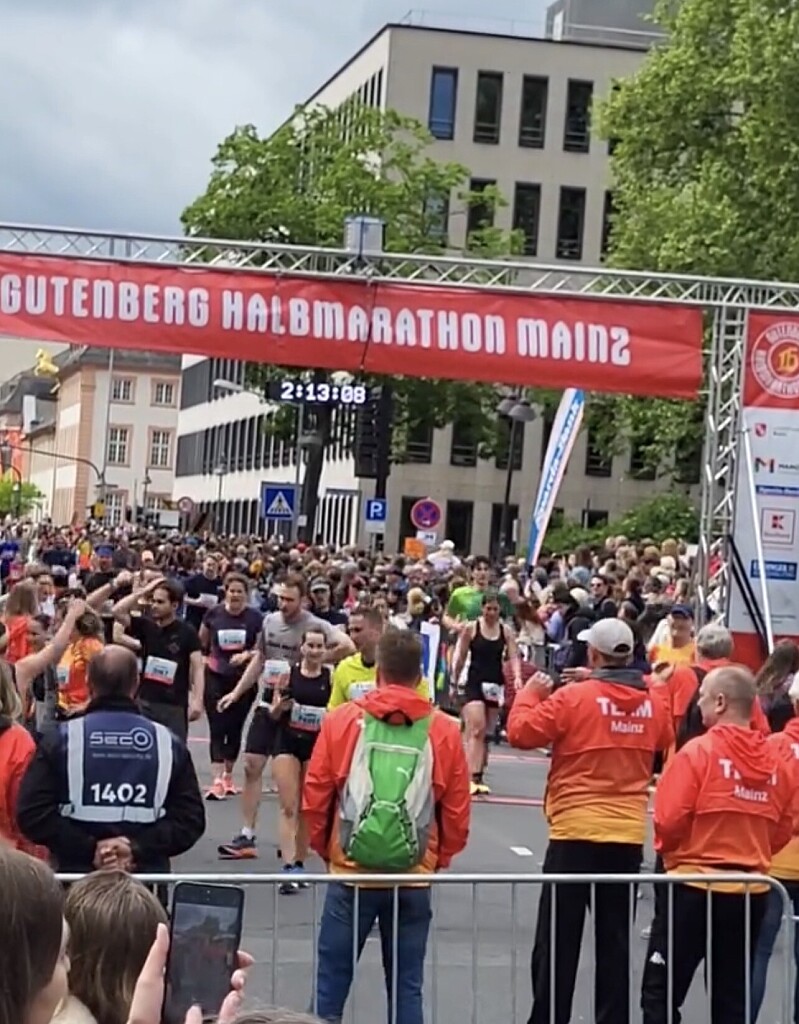
All eyes will be on Kenya’s rising star Dennis Kipkogei at Sunday’s Gutenberg Mainz Half Marathon, where the 24-year-old newcomer could make history in only his second race outside Kenya.
Kipkogei turned heads six weeks ago at the Berlin Half Marathon when he was assigned pacemaking duties for German record holder Amanal Petros. Instead of stepping aside late in the race, the Kenyan surged to the front in the closing stages and nearly claimed victory. His stunning 59:11 personal best from Berlin makes him the fastest man in the Mainz field, and organizers believe the race could produce its first-ever sub-one-hour winning performance.
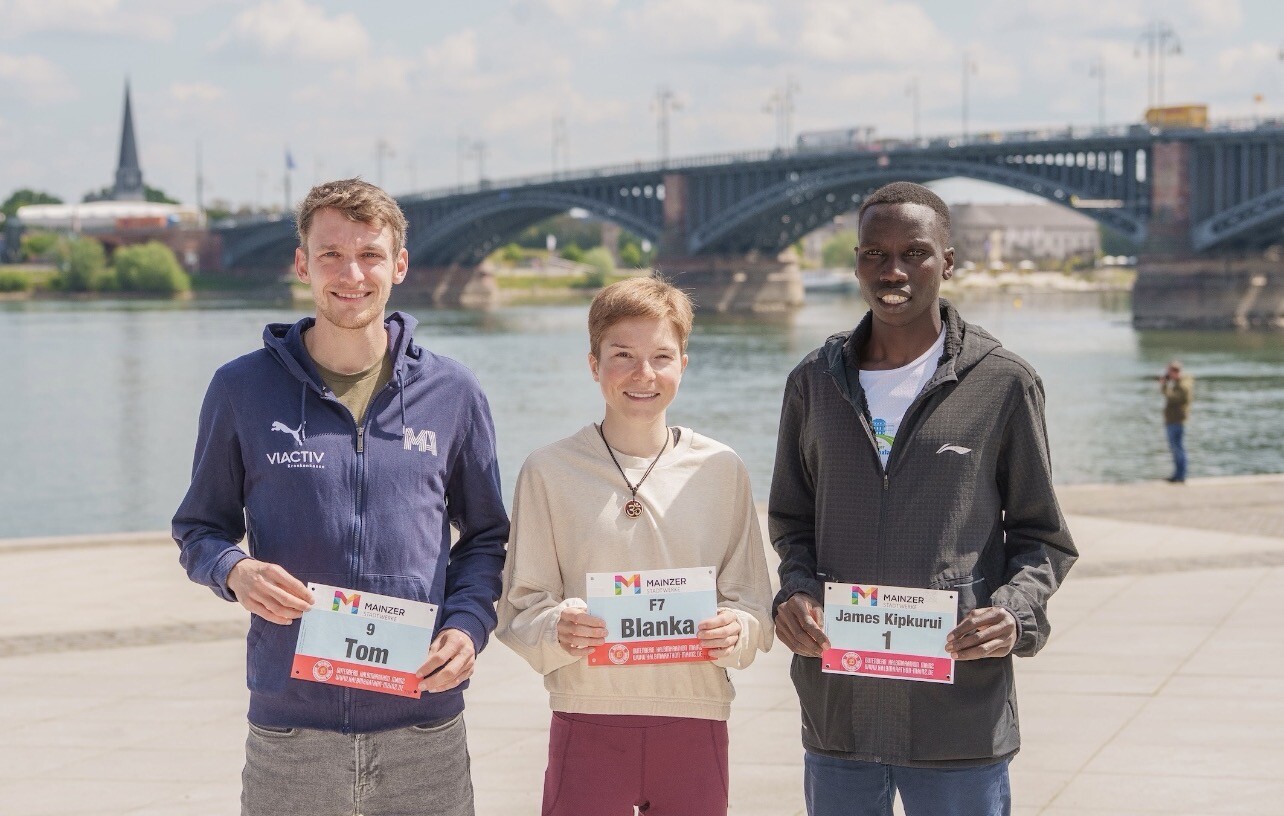
“We have the strongest field ever assembled in Mainz. Our minimum target is to break both course records. In the men’s race there is a good chance that we will see a sub one hour winning time,” said elite field coordinator Philipp Kopp.
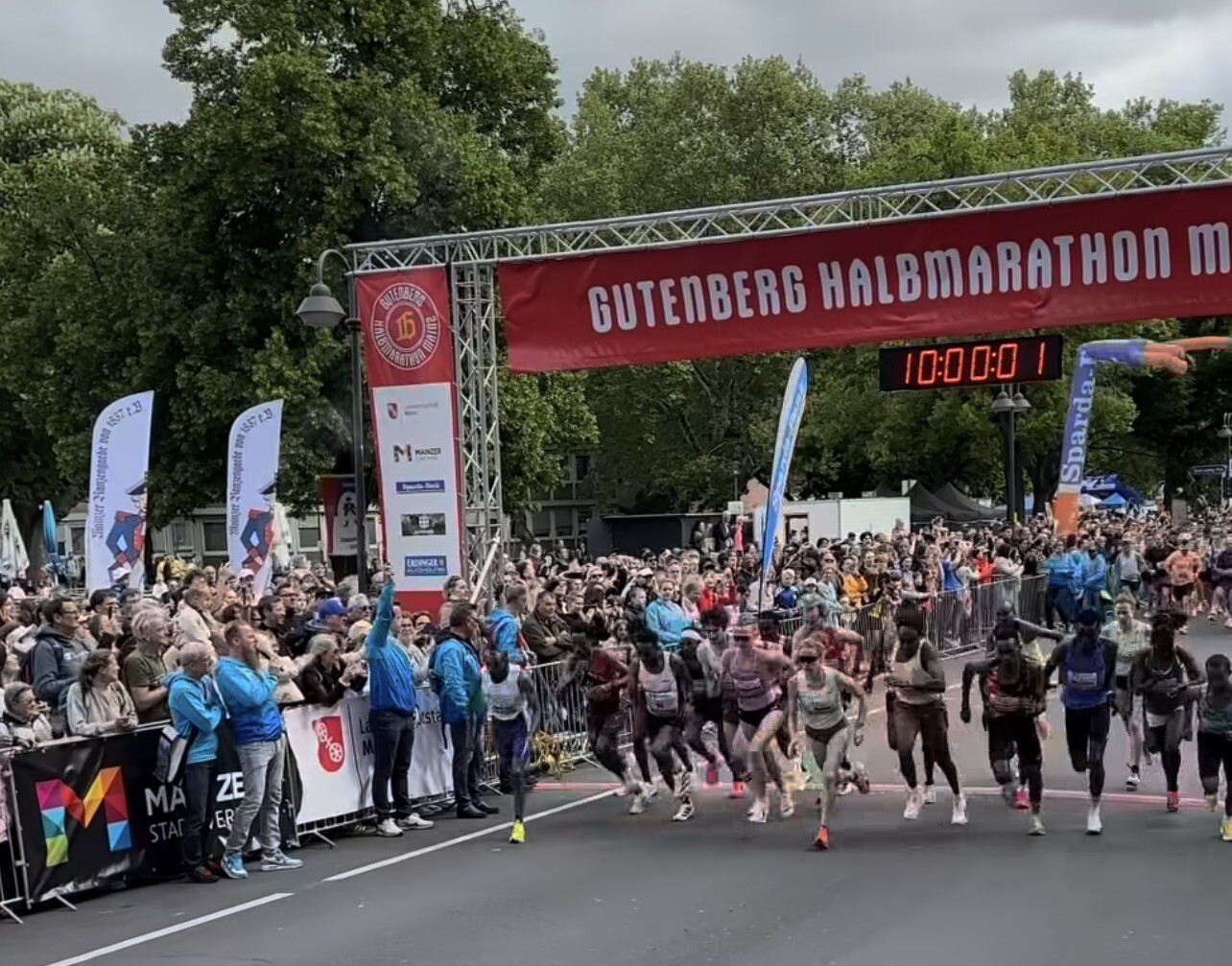
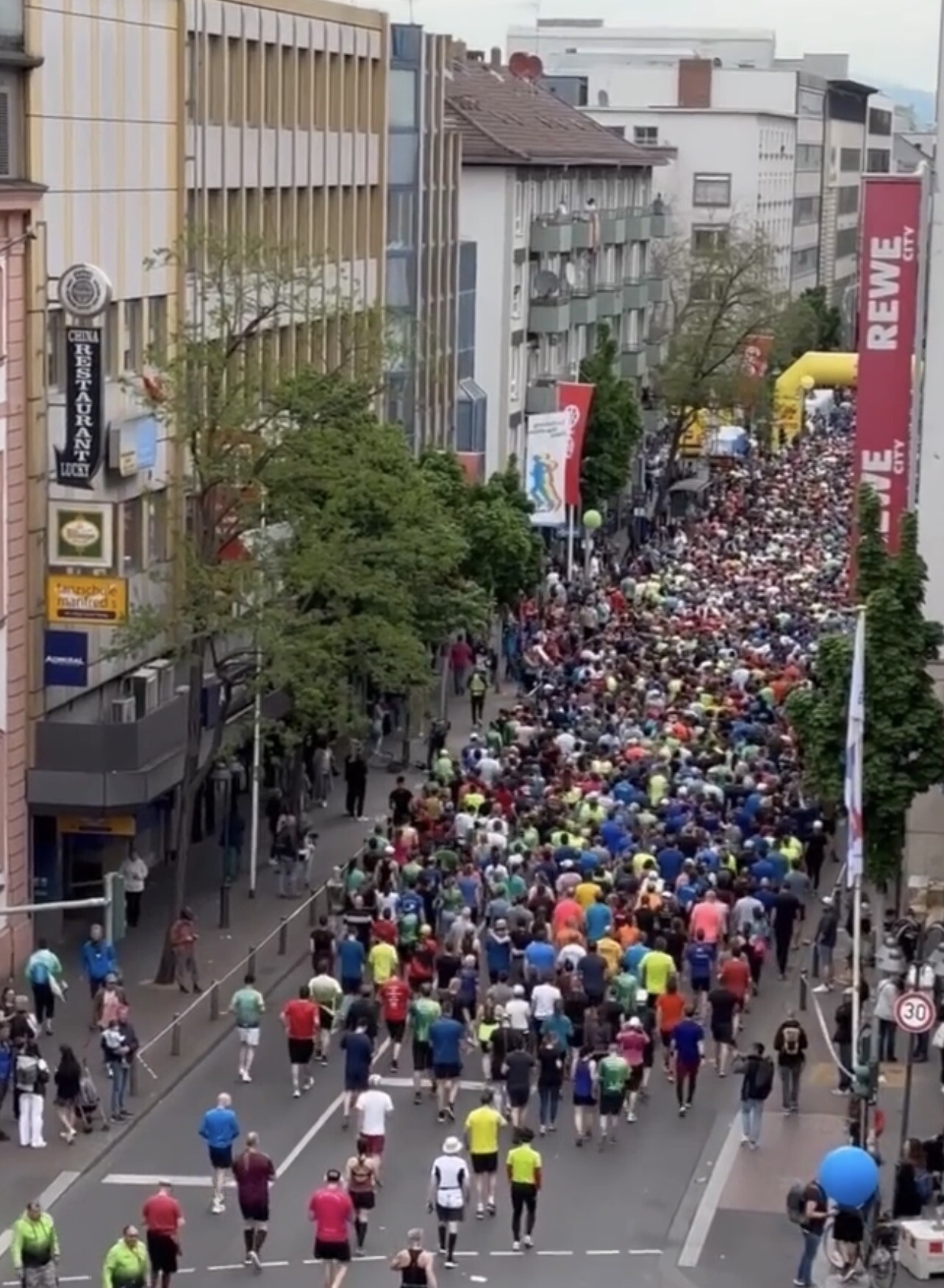
The event itself continues to grow rapidly. In just two years, participation in the half marathon has more than doubled—from 6,156 to 12,960 runners. Race director Jo Schindler has overseen a major transformation of the event, shifting the focus away from the marathon distance and building the race into one of Germany’s premier half marathons.
The Gutenberg Mainz Half Marathon is now regarded as Germany’s second-fastest race over the distance behind only Berlin.
Defending champion James Matelong returns after winning last year in a course record 60:50, which still stands as his personal best. But defending his title will be anything but easy. At least six fellow Kenyans in the field have already run faster.
Kipkogei enters as the clear favorite, especially with no pacemaking responsibilities this time around. The Kenyan, who trains under renowned Italian coach Renato Canova, believes another sub-60 performance is within reach.
“My shape is not bad, training was going well as usual,” said Kipkogei. “If weather conditions are fine I intend to run sub 60:00 again.”
Another athlete capable of breaking the hour barrier is Jamal Kiprono, who won the Venlo Half Marathon earlier this year in 59:55.
Germany’s top hope will likely be Tom Thurley. Four weeks ago he captured the German Marathon Championship in Hannover with a personal best of 2:11:02. Thurley owns a half marathon best of 63:56 and is targeting another breakthrough performance in Mainz.
“I will try to improve my PB. I know that it is possible to run fast in Mainz,” said Thurley.
The women’s race is equally loaded. Kenya’s Beatrice Cheserek leads the field with a personal best of 66:48, making her one of two women entered under the current course record of 68:52. Cheserek ran her PB while winning the Cardiff Half Marathon in 2022 and recently lowered her marathon best to 2:21:56 with a runner-up finish in Seville.
Fellow Kenyan Orba Chemurgor owns a 67:56 best from Ravenna last year and is another strong contender. Last year’s Mainz runner-up Rency Kogo returns with a personal best of 69:04 from this race.
Germany’s leading woman is Blanka Dörfel. The 24-year-old ran 69:46 in Berlin last year and arrives in Mainz fresh off winning the German 10,000-meter title.
“I prefer road running and look forward to racing in Mainz,” said Dörfel. “I am not quite sure what time I will be able to run. But my watch tells me I can achieve a sub 68:30.”
by Race News Service
Login to leave a comment
