

Running News Daily
Running News Daily is edited by Bob Anderson and team. Send your news items to bob@mybestruns.com Advertising opportunities available.
Index to Daily Posts · Sign Up For Updates · Run The World Feed
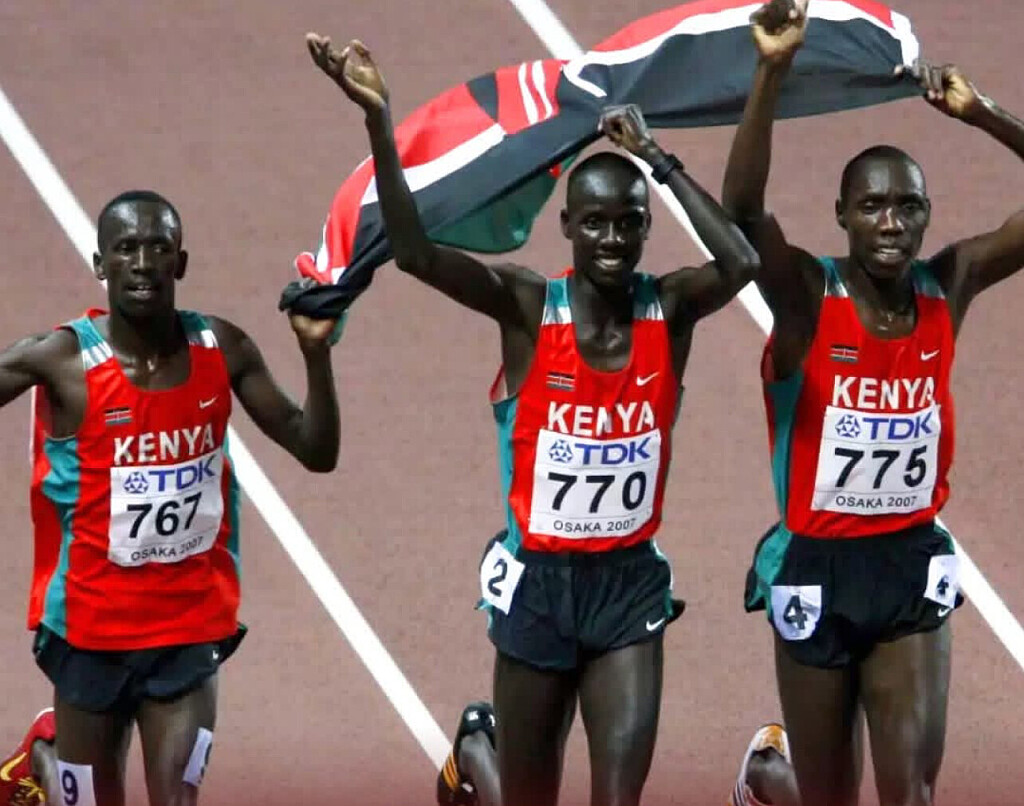


How One Tribe in Kenya Came to Dominate Global Distance Running

There may be no statistic in all of sports more astonishing than this one.
The Kalenjin, an ethnic group—often referred to as a tribe—in Kenya, make up about 13.4% of the country’s population, roughly 6.3 million people. On a global scale, they represent about one out of every 1,000 people worldwide.
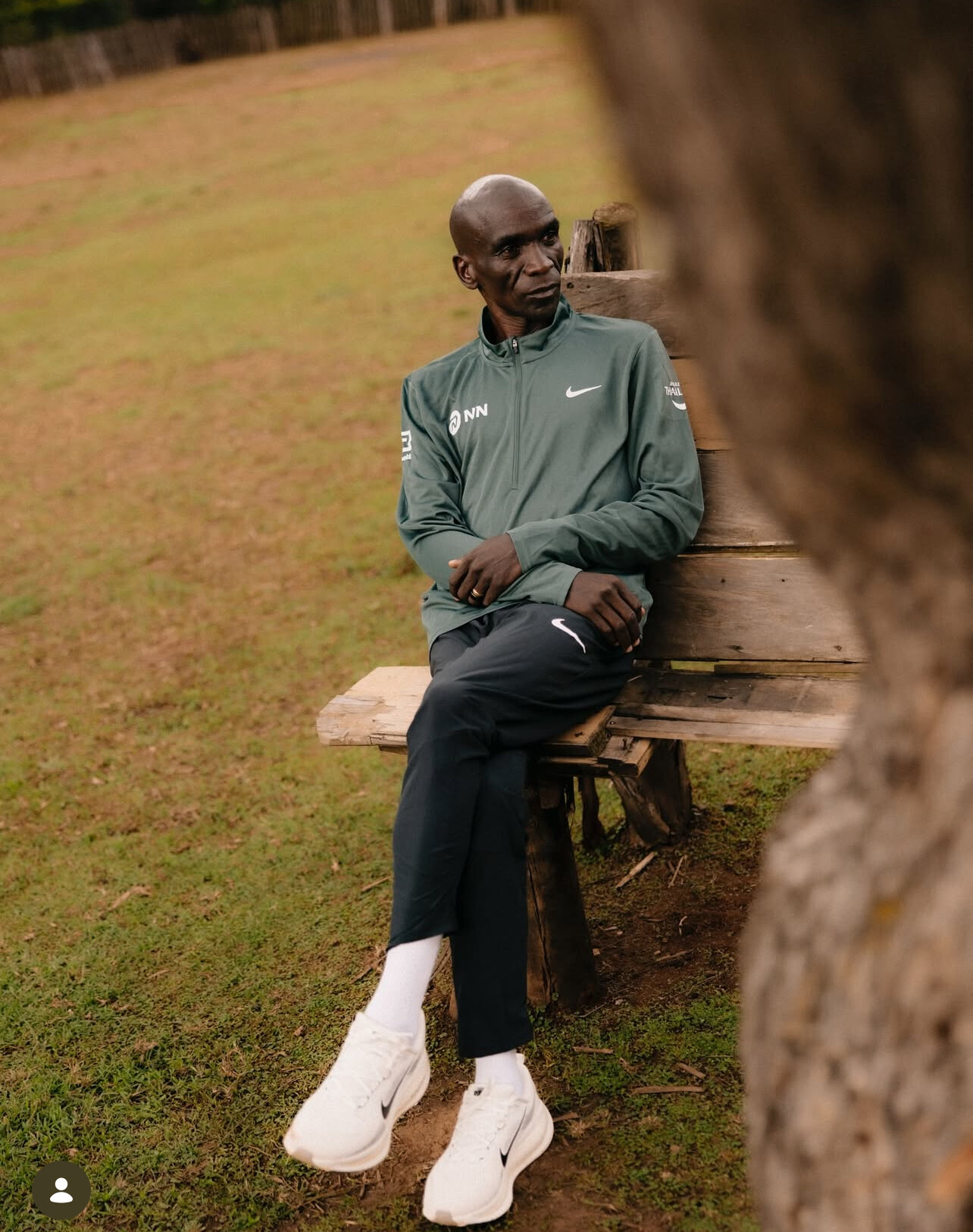
Yet this small community has produced an overwhelming share of the world’s greatest distance runners.

Their dominance has been so complete, and so sustained, that it has been described as “the greatest geographical concentration of achievement in the annals of sport.” And it is hard to argue otherwise.
From the Rift Valley to the World Stage
Most elite Kalenjin runners come from Kenya’s Rift Valley region, particularly areas such as Nandi, Elgeyo-Marakwet, Uasin Gishu, and Baringo, where elevations range from 2,000 to 2,400 meters (6,500–8,000 feet) above sea level.
Here, running is not a hobby—it is part of daily life.
Children grow up walking and running long distances, often on dirt roads. Training at altitude is the norm, not a strategy. And success stories are local and visible, creating a powerful cycle of belief and opportunity.
Champions Across Eras
The Kalenjin impact on global athletics stretches back more than half a century.
Kipchoge Keino, one of the pioneers of Kenyan distance running, won Olympic gold in the 1500 meters at the 1968 Mexico City Games and the 3000-meter steeplechase in 1972, helping place Kenyan runners on the world map.
Since then, Kenyan athletes—many of them Kalenjin—have dominated:
• The 3000-meter steeplechase, winning Olympic gold in nearly every Games since 1968
• The 5,000 meters and 10,000 meters at World Championships
• The marathon, particularly at the World Marathon Majors
Masters of the Marathon
Perhaps nowhere is this dominance more visible than in the marathon.
Kalenjin runners have repeatedly won and controlled races such as:
• Berlin Marathon
• London Marathon
• Chicago Marathon
• Boston Marathon
• New York City Marathon
These victories are not isolated moments—they are part of a long, uninterrupted pattern.
At the center of it all stands Eliud Kipchoge, widely regarded as the greatest marathon runner in history. A member of the Kalenjin community, Kipchoge has:
• Won two Olympic marathon gold medals (2016, 2021)
• Set a world record of 2:01:09 at the Berlin Marathon
• Become the first human to run 26.2 miles in under two hours
He is not an exception. He is the most refined expression of a system that has been producing champions for generations.
Why This One Tribe?
No single explanation tells the whole story, but several factors come together in the Rift Valley:
• Geography: High altitude, rolling terrain, and ideal training conditions
• Physiology: Exceptional running economy and efficient biomechanics
• Culture: Running as a respected path to success and opportunity
• Environment: Group training, competition, and long-term development from a young age
Together, these elements have created something unmatched in sport.
A Phenomenon Without Parallel
Great athletes come from everywhere. But nowhere else has such a small, specific populationproduced such sustained global dominance across events, generations, and decades.
Not sprinting.
Not swimming.
Not cycling.
Not soccer.
Only distance running.
From the highland paths of the Rift Valley to Olympic podiums and marathon finish lines around the world, the story of the Kalenjin remains one of the most extraordinary achievements in human performance.
And it is still being written.
by Boris Baron
Login to leave a comment
Latest Running News

Rome Belongs to Lyles: American Star Dominates Elite 100m Field
The men's 100m at the Rome Diamond League delivered exactly the spectacle fans had anticipated, with American sprint king Noah Lyles producing a commanding performance to secure victory in a season-best 9.88 seconds on Thursday night.
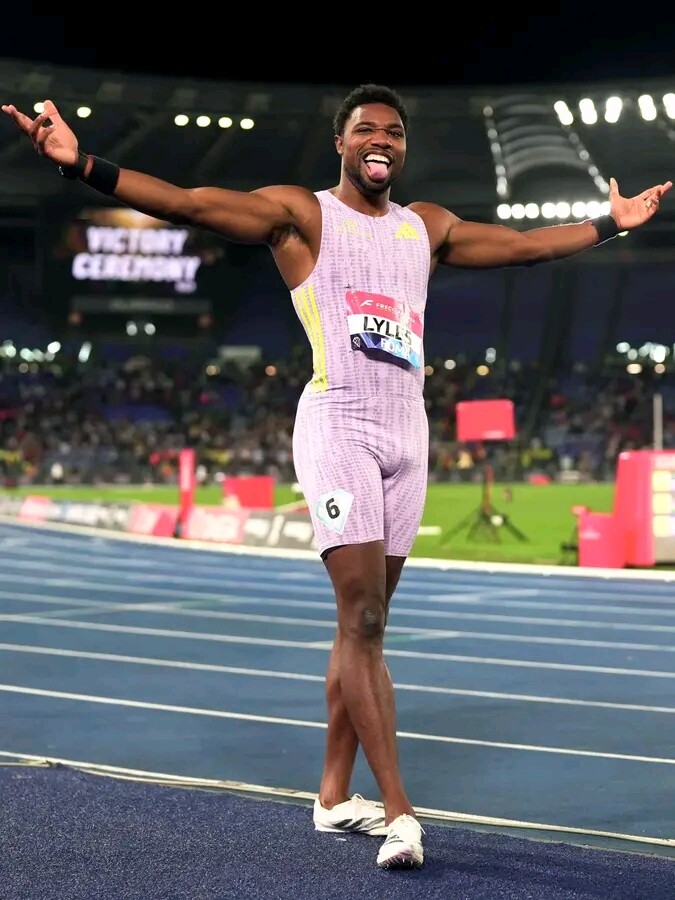
Lyles, the reigning global sprint superstar, showcased his trademark finishing power to pull away from a world-class field and claim his first Diamond League 100m win of the season. His 9.88 clocking underlined his growing form as he continues to build momentum toward the major championships later this year.
Behind him, Cameroon’s Emmanuel Eseme impressed with a strong run of 9.94 seconds to finish second, while Botswana’s Olympic champion Letsile Tebogo crossed the line third in 9.95 seconds after another consistent performance on the international circuit.
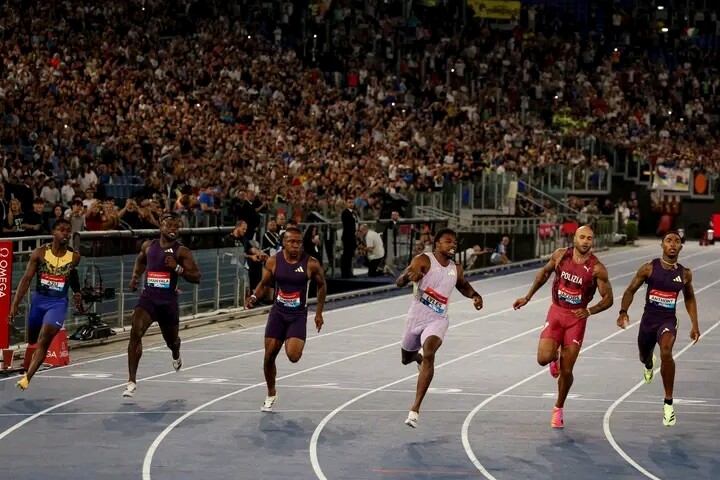
American rising star Jordan Anthony continued his remarkable breakthrough season by finishing fourth in 9.96 seconds, narrowly missing a place on the podium. Home favourite Lamont Marcell Jacobs delighted the Italian crowd with a sub-10-second run of 9.99 seconds to place fifth.
For Kenya's Ferdinand Omanyala, however, it proved to be a frustrating evening. After confidently promising fireworks ahead of the meeting and targeting consistent sub-10-second performances throughout the Diamond League season, Africa's fastest man struggled to find his rhythm. Omanyala finished eighth in 10.11 seconds, well below the standard he had hoped to produce.
South Africa's Akani Simbine took sixth in 10.03 seconds, while Jamaica's Ackeem Blake placed seventh in 10.06 seconds. Great Britain's Jeremiah Azu completed the field in ninth position with a time of 10.12 seconds.
Rome Diamond League 100m Results
1. Noah Lyles (USA) – 9.88 SB
2. Emmanuel Eseme (Cameroon) – 9.94
3. Letsile Tebogo (Botswana) – 9.95
4. Jordan Anthony (USA) – 9.96
5. Lamont Marcell Jacobs (Italy) – 9.99
6. Akani Simbine (South Africa) – 10.03
7. Ackeem Blake (Jamaica) – 10.06
8. Ferdinand Omanyala (Kenya) – 10.11
9. Jeremiah Azu (Great Britain) – 10.12
The result further strengthens Lyles' status as one of the leading contenders in global sprinting this season. With a season-best performance against a high-calibre field, the American sent a powerful statement that he is rounding into peak form at exactly the right time.
by Erick Cheruiyot for My Best Runs.
Login to leave a comment
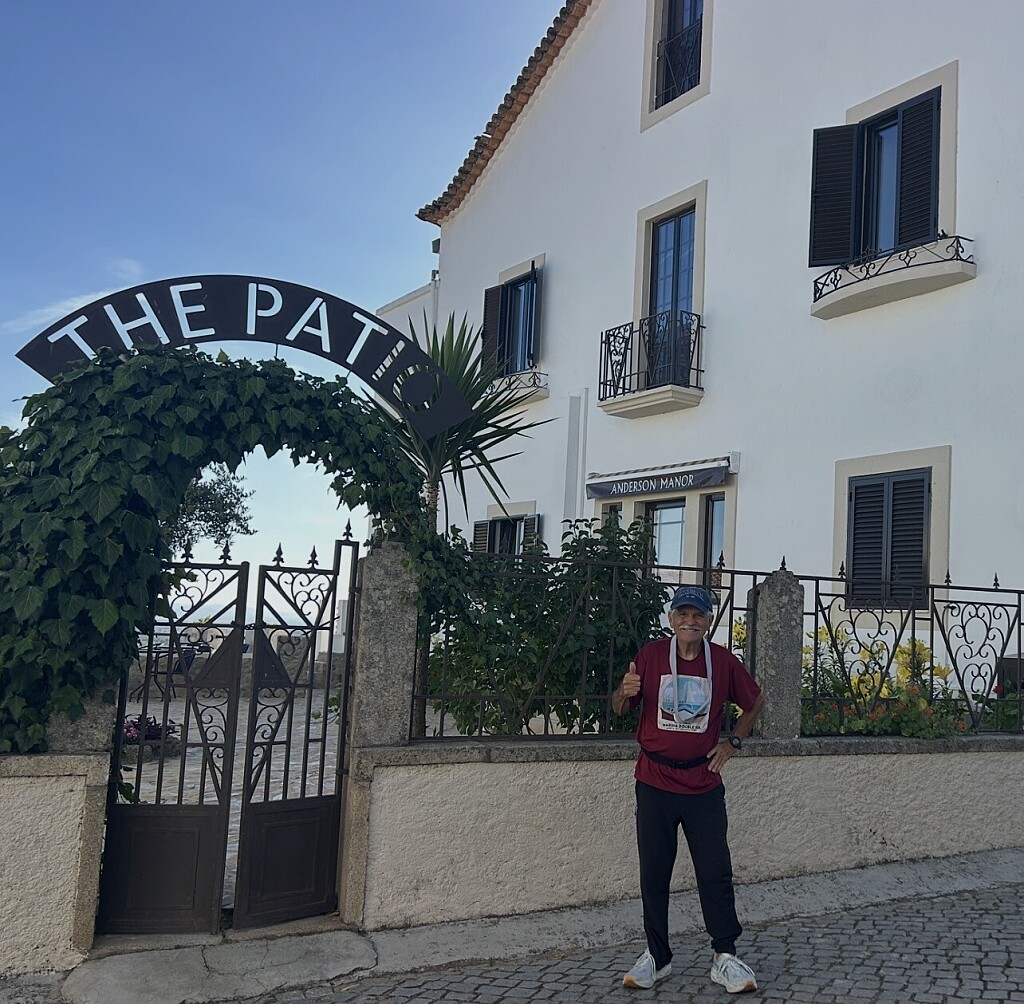
At 78 Recovering From a Dislocated Shoulder I Created My Own 100K Challenge
MONFORTE DA BEIRA, PORTUGAL — Three weeks after dislocating my shoulder in a fall shortly after arriving in Lisbon, I found myself looking for a goal that would keep me moving while allowing my body time to heal.
The fall resulted in a trip to the hospital and weeks of recovery with my arm in a sling. While it limited my running, it did not take away my desire to stay active.
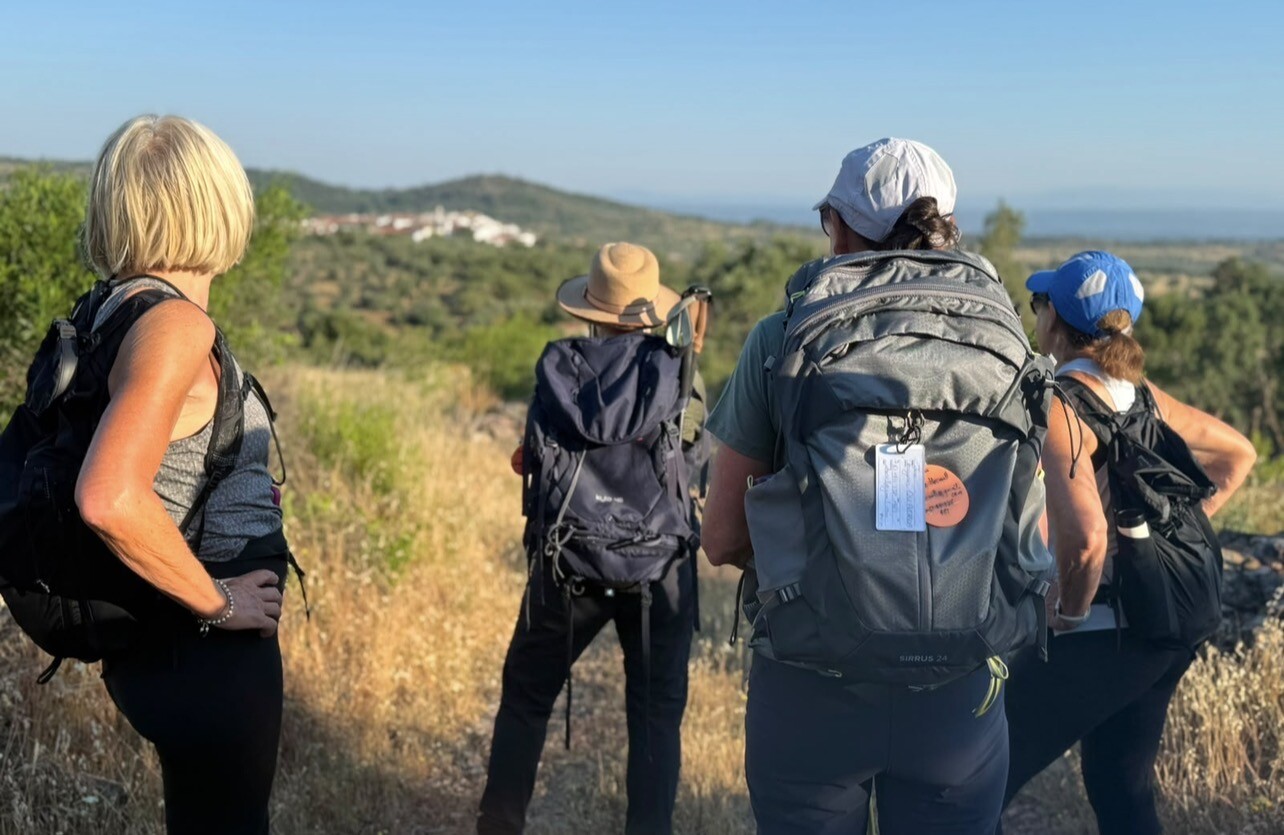
The inspiration for my next goal came from an unexpected source. Anderson Manor recently hosted a group of nine women from Australia whose passion is hiking and trekking. Watching their enthusiasm for exploring the countryside surrounding Monforte da Beira reminded me how much there is to discover on foot. Their visit inspired me to create a challenge of my own.
I called it my Portugal Villages 100K Challenge.
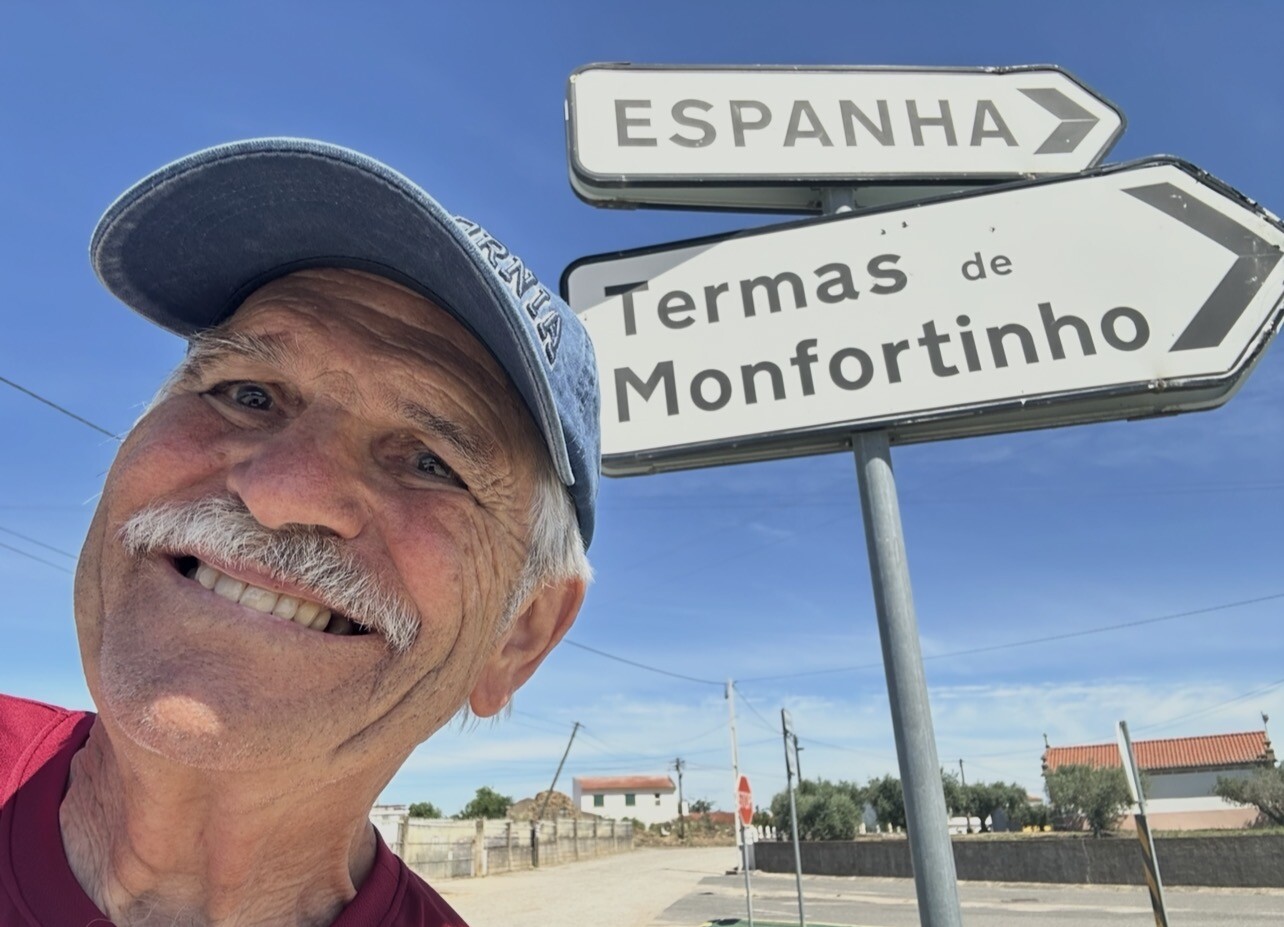
The concept was simple: cover 100 kilometers on foot while connecting the villages surrounding Anderson Manor, including Monforte da Beira, Cegonhas, Malpica do Tejo, and Ladoeiro.
Unlike an organized race, there was no entry fee, no aid stations, and no spectators. But there was a finish line—100 kilometers. My goal was to reach it under my own power while exploring some of the most beautiful countryside in central Portugal.
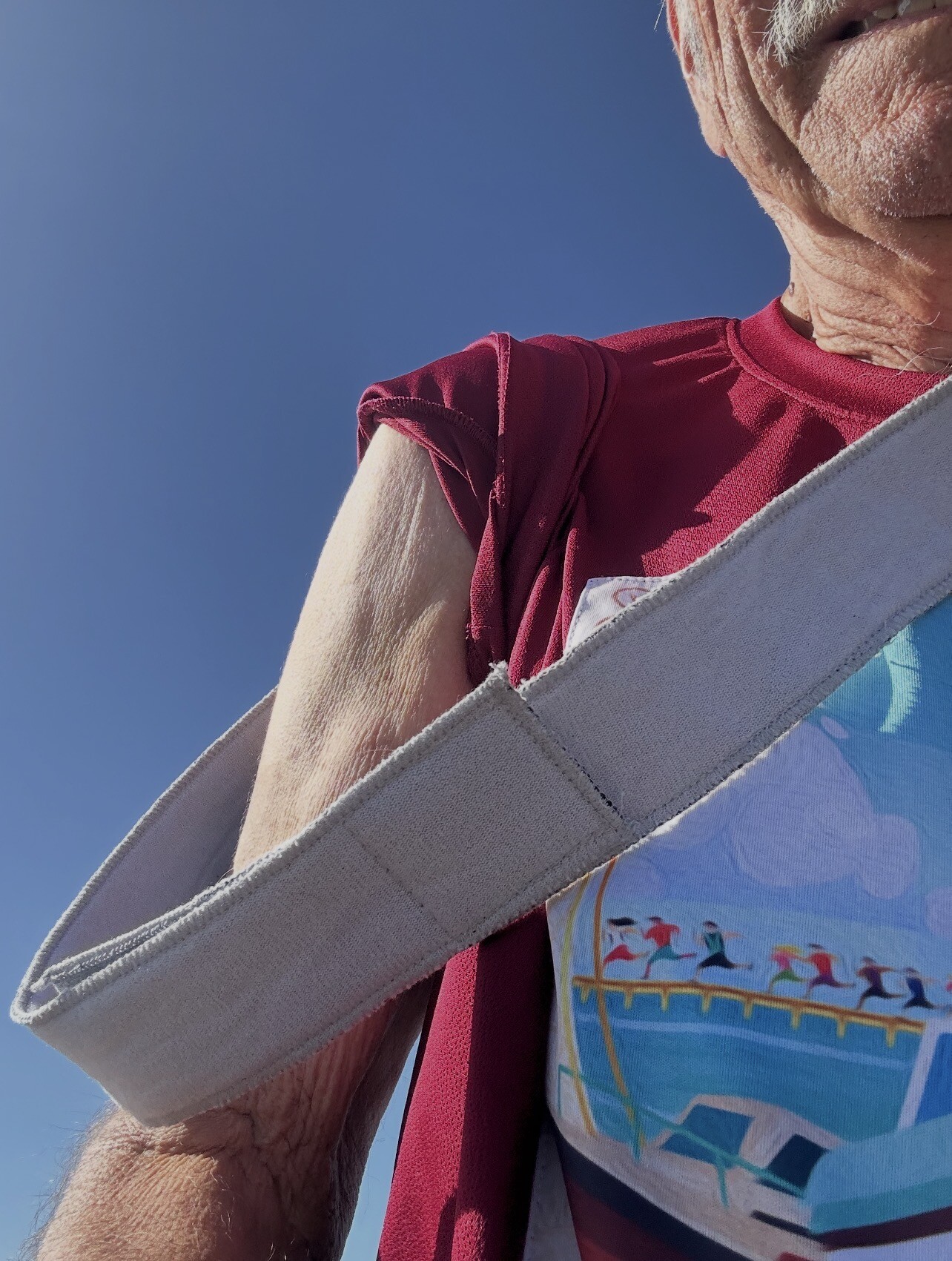
Running was limited because of my shoulder situation. Much of the journey was completed while wearing a sling. Some sections were covered at what I call a shuffle, roughly 16 to 17 minutes per mile, while others were completed at a brisk walking pace. The objective was never speed. The objective was forward progress.
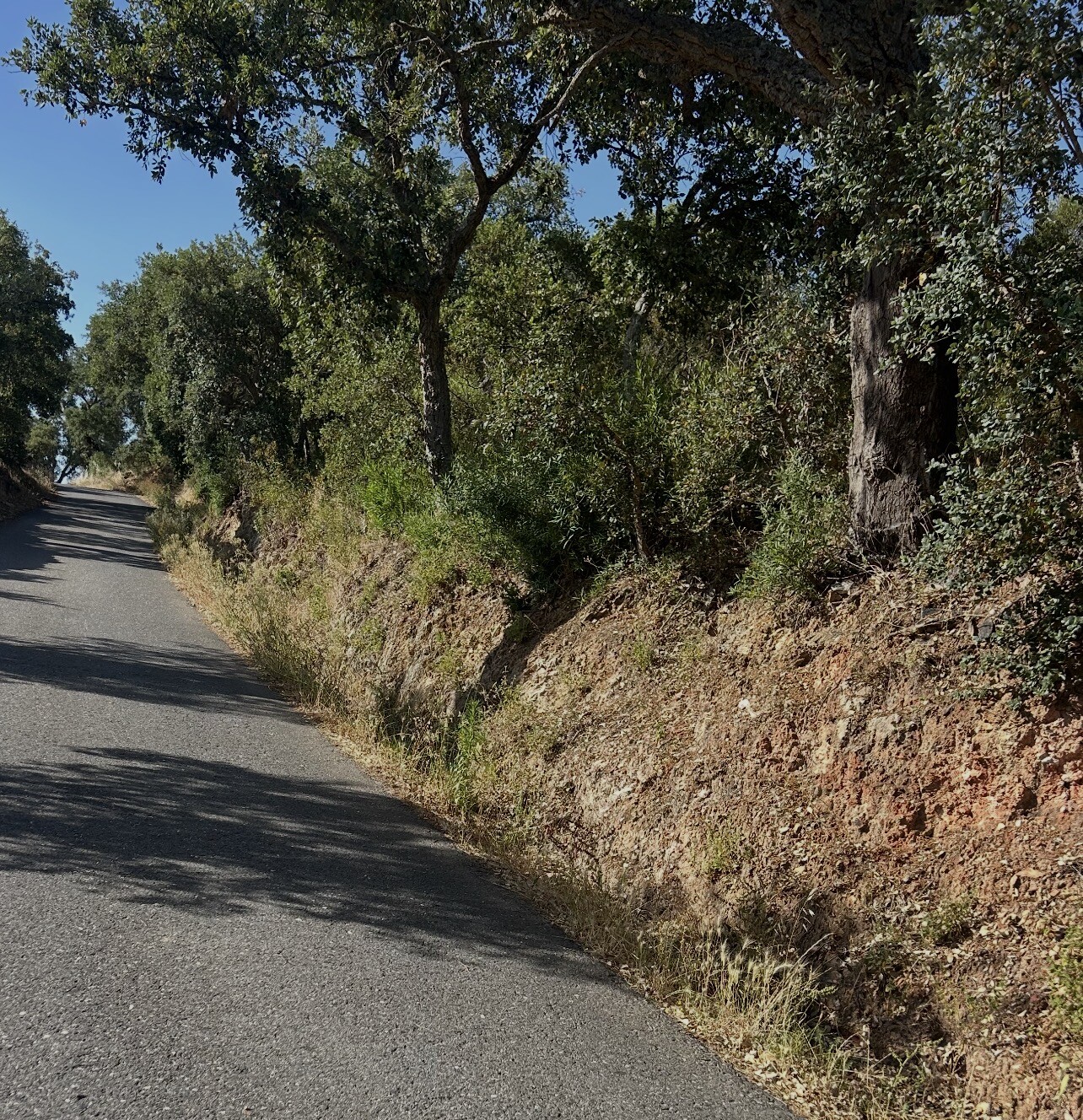
An event is an event.
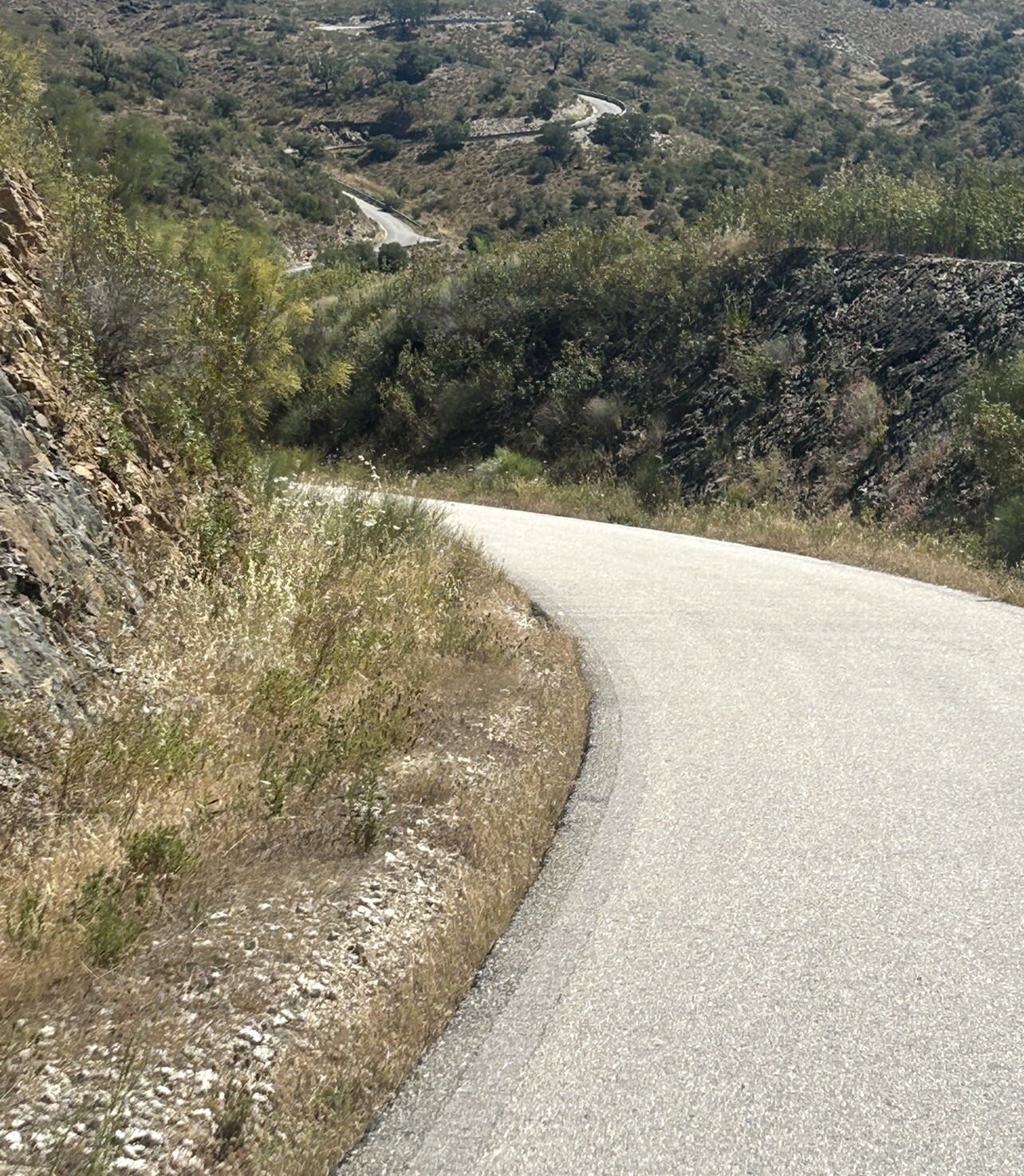
Over six consecutive days, I traveled through olive groves, farmland, quiet village streets, and winding country roads. One day included my familiar Cactus Loop, a 5.25-mile route near Anderson Manor. The remaining days were primarily point-to-point journeys linking neighboring villages.
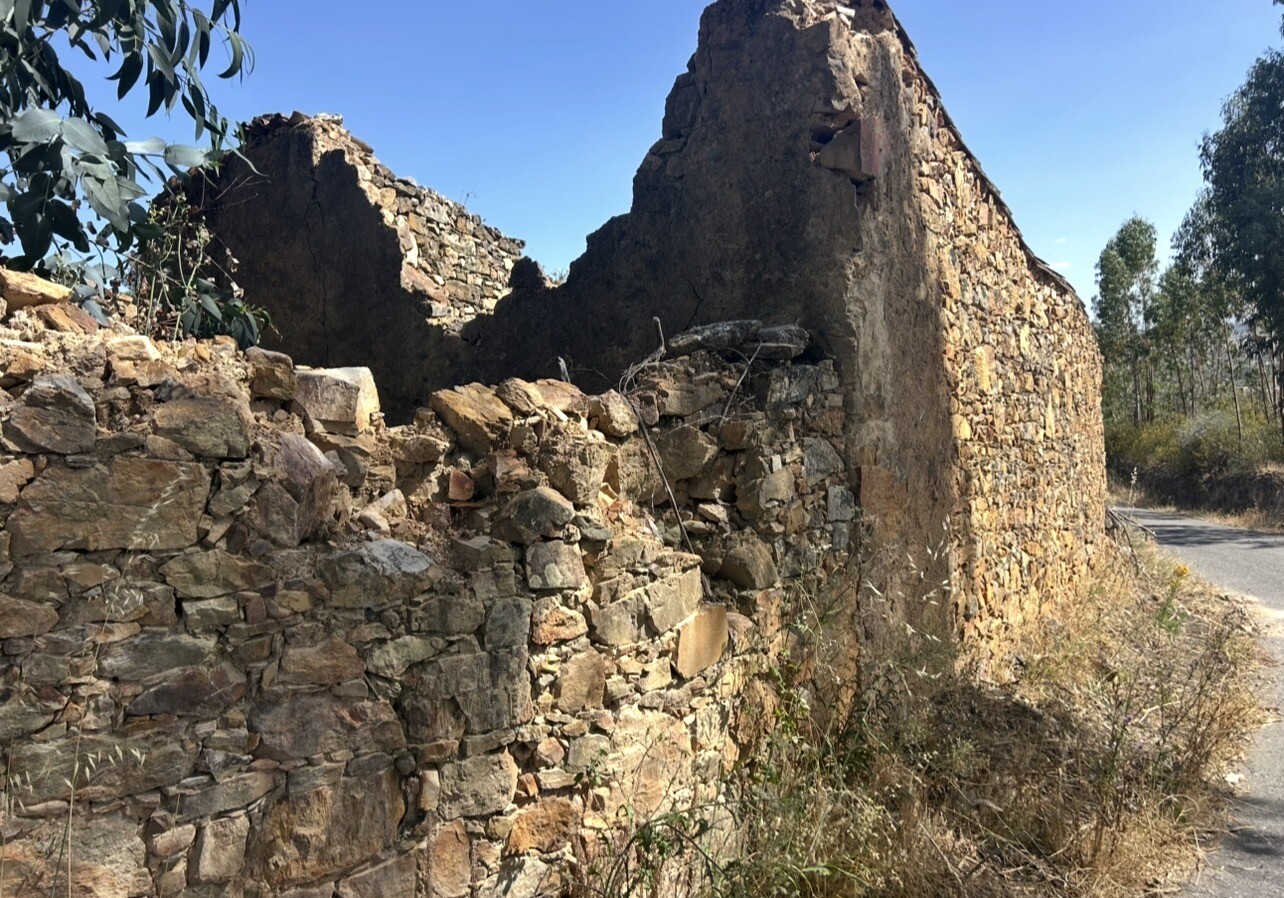
What struck me most was the beauty and simplicity of Portugal’s rural interior. There were long stretches where the only sounds came from birds, sheep, and the occasional tractor. The landscape remains largely unchanged from generations past, offering a glimpse of a slower and more peaceful way of life.
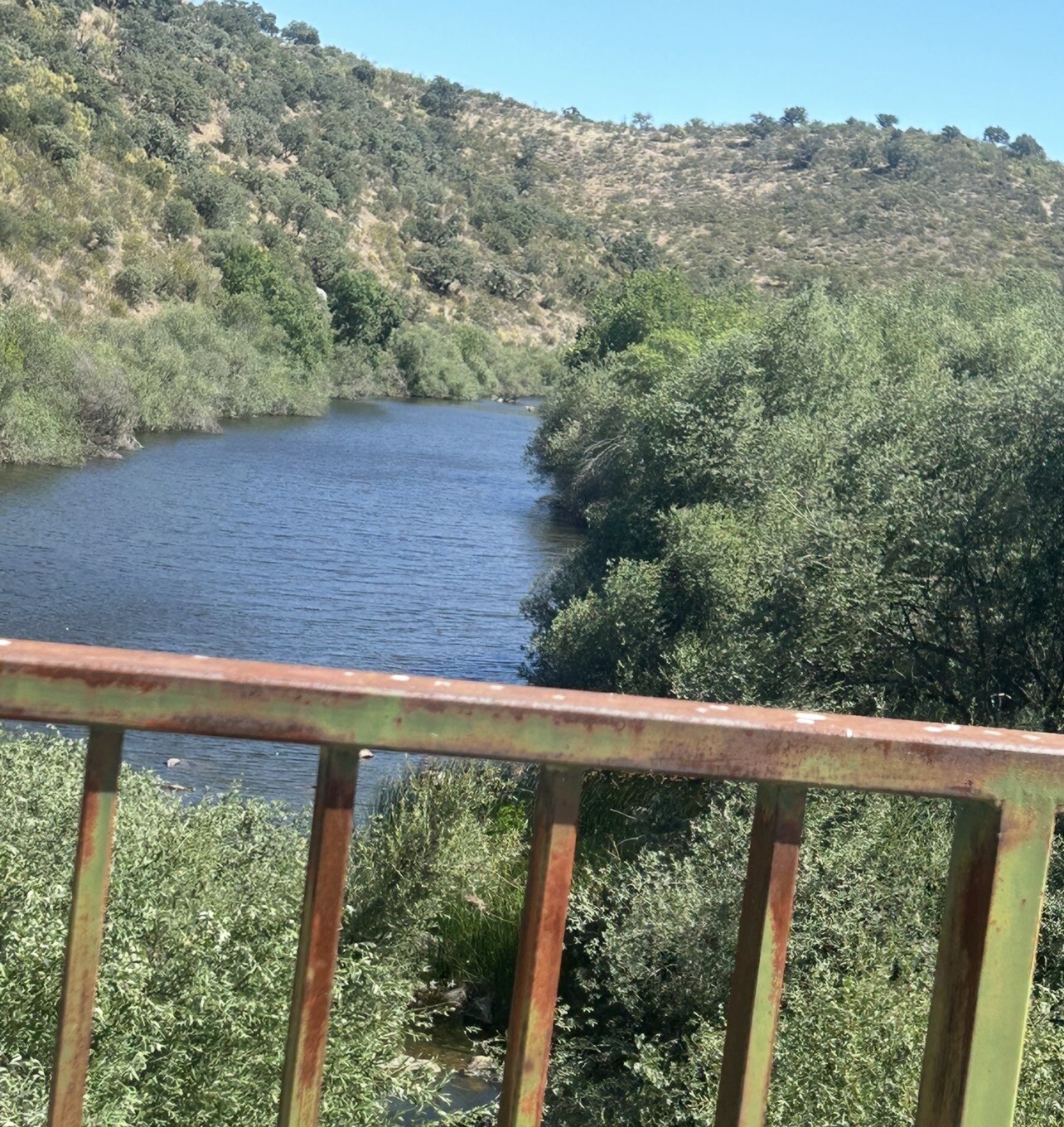
The final kilometers came on the road to Ladoeiro. Reaching 100 kilometers was my finish line. There was no official clock, no banner stretched across the road, and no cheering crowd, but the finish line was real nonetheless. Today, on a quiet road approaching Ladoeiro, my GPS showed that I had reached the 100-kilometer mark. The distance had been covered, the challenge was complete, and the finish line had been reached.
At age 78, I continue to believe that fitness is not defined by speed. Some days we run. Some days we walk. Some days we do a little of both. What matters is maintaining the habit of movement and continuing to challenge ourselves regardless of age or circumstance.
This personal challenge reminded me that setbacks do not have to stop us. They simply require us to adapt. While my shoulder continues to heal, completing this 100K journey proved that meaningful goals can still be achieved even when conditions are less than ideal.
I also came away with an even greater appreciation for the villages that surround Anderson Manor and for the simple joy of exploring them under my own power. Sometimes inspiration comes from elite athletes. Sometimes it comes from a group of travelers from Australia who simply love to walk and discover new places.
The roads connecting Monforte da Beira, Cegonhas, Malpica do Tejo, and Ladoeiro are still there. I suspect I will be traveling them again soon.
by Bob Anderson
Login to leave a comment
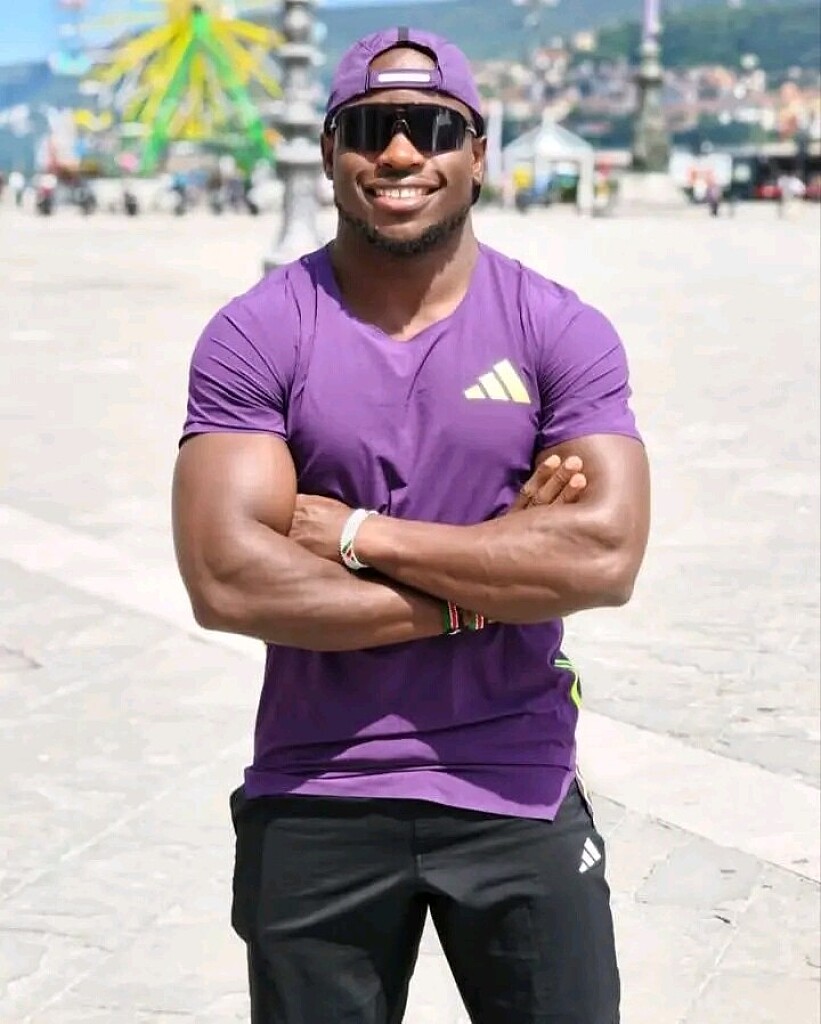
"Fireworks Incoming": Omanyala Issues Bold Warning Ahead of Rome Diamond League Showdown
Kenya's sprint king Ferdinand Omanyala has sent a powerful message to his rivals ahead of one of the most anticipated 100m races of the season, declaring that fans should expect something special when he steps onto the track at the Rome Diamond League.
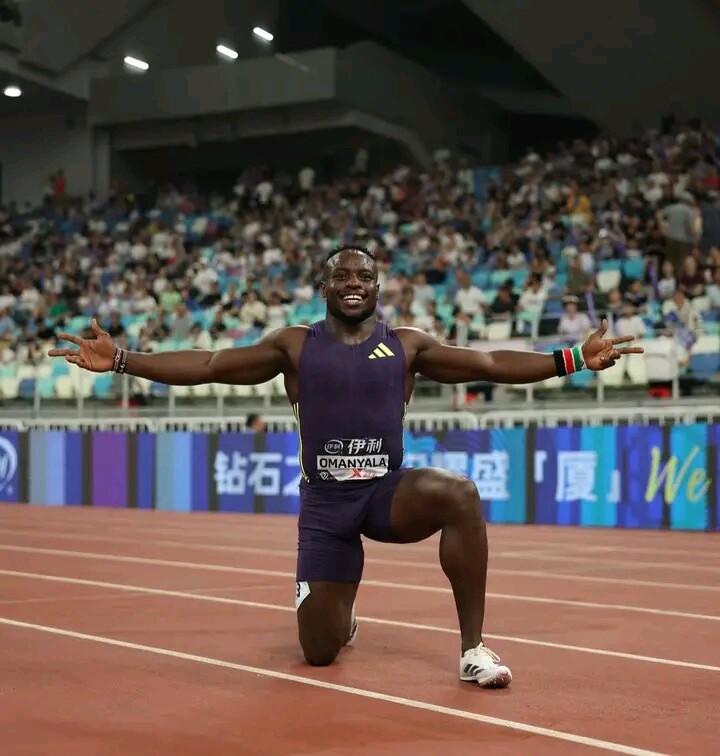
Speaking in an interview with Nation Sport ahead of the prestigious meeting in Rome, the African record holder made it clear that he is entering the race with renewed confidence and determination, insisting that the version of Omanyala the world has seen in previous seasons is no longer the same athlete.
"I am not the same Omanyala they are used to. It will be different. I promise you fireworks. The roof will blow off," he said, underlining his belief that his best performances are still ahead of him.

The Kenyan sprint sensation also reaffirmed his season-long objective of consistently breaking the coveted 10-second barrier, revealing that he is fully focused on delivering sub-10 performances throughout the Diamond League campaign.
His bold remarks have only heightened anticipation for the men's 100m showdown in Rome, where he is set to face an elite field featuring world champion Noah Lyles, Olympic champion Letsile Tebogo, and South African sprint star Akani Simbine.
The race promises to be one of the highlights of the meeting, bringing together some of the fastest men in the world in a contest that could produce exceptional times. For Omanyala, it is another opportunity to showcase his growth, challenge the very best, and strengthen his position among the global sprinting elite.
As the athletes prepare to take their marks, excitement continues to build around the Kenyan star. He has promised fireworks, and with a world-class field standing alongside him, the stage is perfectly set for a memorable night of sprinting in the Italian capital.
Whether his bold prediction comes to life remains to be seen, but one thing is certain: Omanyala is heading into Rome with confidence, ambition, and the belief that his fastest races are still ahead of him.
by Erick Cheruiyot for My Best Runs.
Login to leave a comment
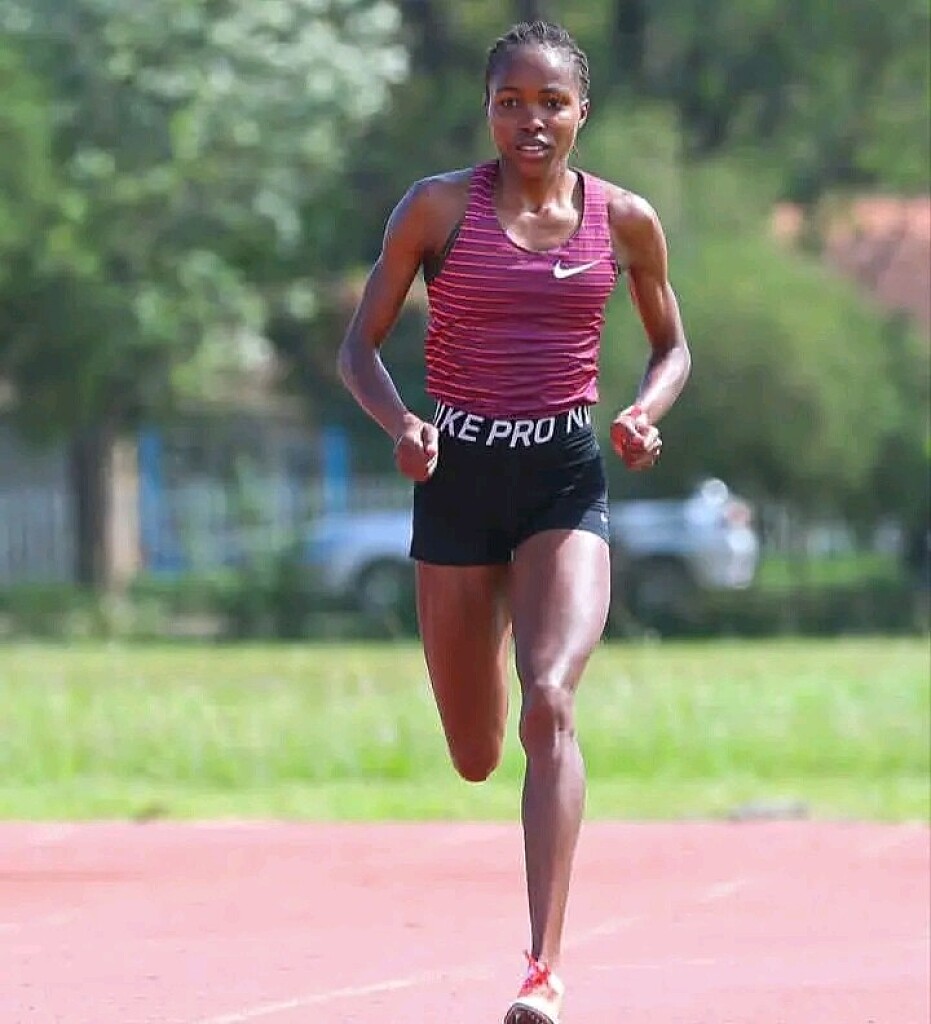
Winfred Yavi Set for Exciting 5000m Test at Rome Diamond League
Olympic and world champion Winfred Yavi will step out of her renowned steeplechase comfort zone on Thursday evening as she takes on a strong women's 5000m field at the Golden Gala Pietro Mennea, the fourth stop of the 2026 Wanda Diamond League in Rome.
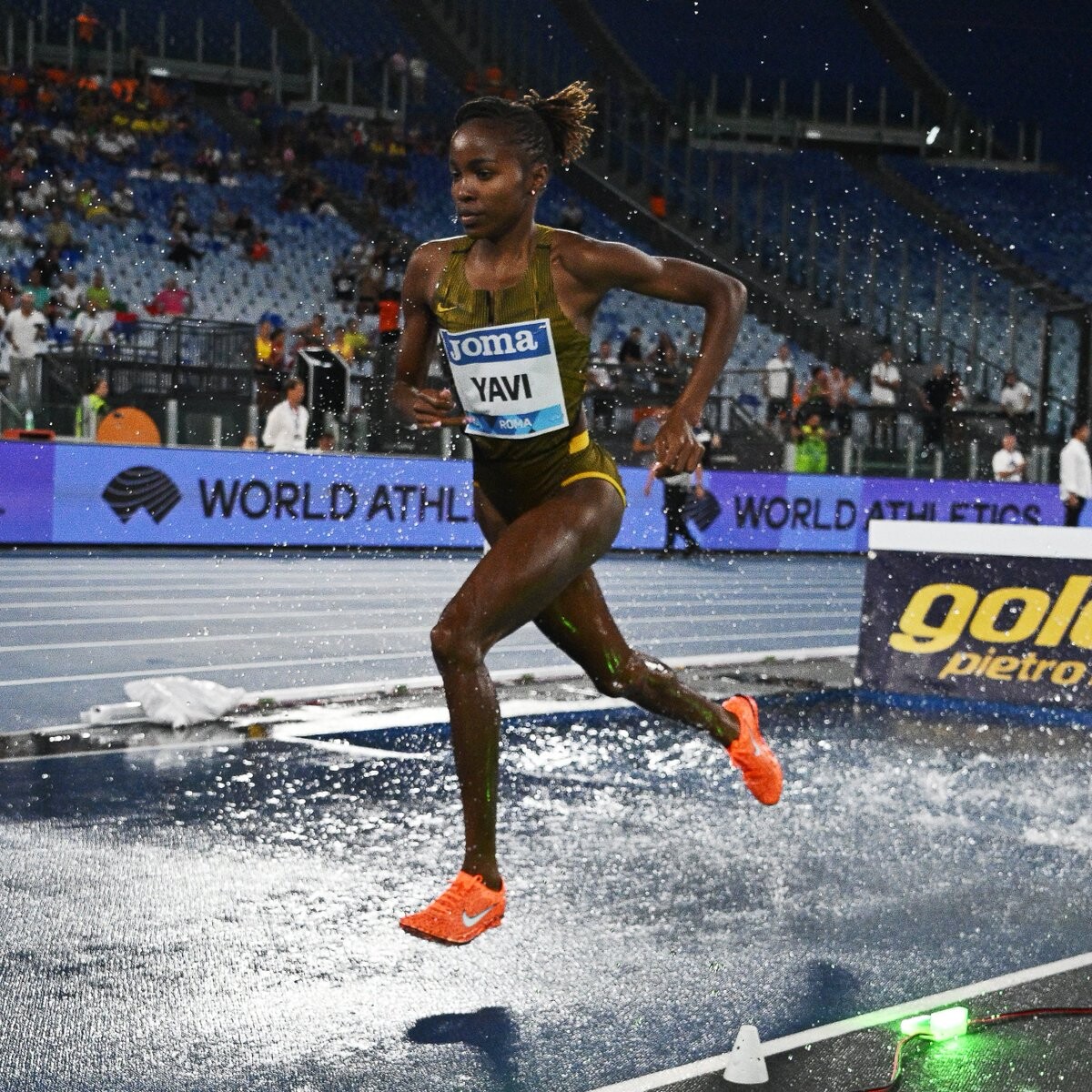
The Bahraini star arrives in the Italian capital carrying impressive credentials over the distance. Yavi owns a personal best of 14:41.99 and currently holds Bahrain's national record in the women's 5000m, underlining her versatility beyond the barriers that have brought her global fame.
Rome holds special memories for Yavi. The Stadio Olimpico was the scene of one of the finest performances of her career in 2024 when she produced the second-fastest women's 3000m steeplechase time in history, narrowly missing the world record. Now she returns to the Eternal City with a different challenge ahead as she looks to make her mark in one of the deepest distance races of the evening.

The 27-year-old will face a quality field featuring rising Kenyan talent Caroline Nyaga, Margaret Akidor, Ethiopia's Likina Amebaw and Hirut Meshesha, as well as fellow Kenyan Purity Chepkurui. With several proven performers on the start line, the race promises to be a fierce battle from the opening laps.
Adding further intrigue is the standard set by the event itself. The current world record of 13:58.06 belongs to Kenyan superstar Beatrice Chebet, who became the first woman in history to break the 14-minute barrier for 5000m.
Although Yavi's primary focus remains the steeplechase, her growing strength on the track has made her a genuine threat in longer flat races. Every appearance outside her signature event offers another glimpse into the remarkable range that has transformed her into one of the world's most complete distance runners.
As the lights shine on Rome tonight, all eyes will be on Yavi to see whether she can translate her championship pedigree into another memorable performance. A victory would further cement her reputation as one of the most versatile stars in global athletics and provide a major statement as the Diamond League season gathers momentum.
by Erick Cheruiyot for My Best Runs.
Login to leave a comment
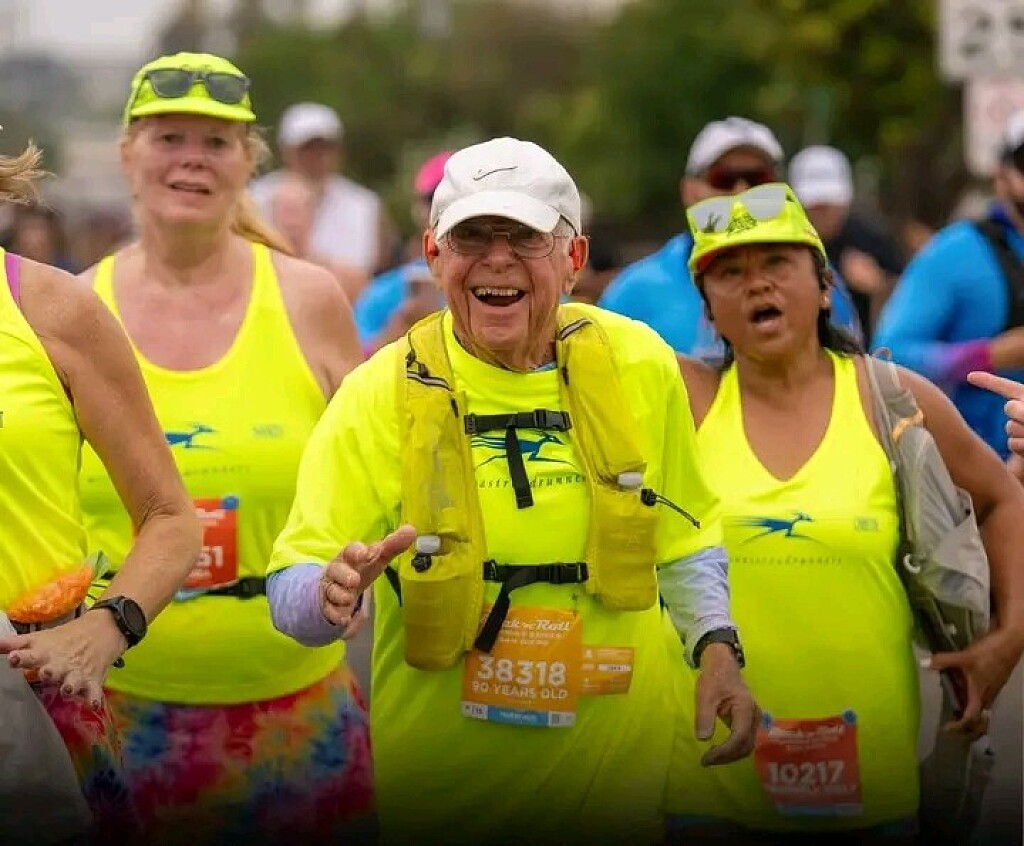
At 90, Bill Schwarz Proves It’s Never Too Late to Chase a Marathon Dream
Age may slow the clock, but it does not have to limit ambition. At 90 years old, Bill Schwarz has achieved something many runners spend a lifetime pursuing—completing his first marathon.
On May 31, Schwarz took on the full 26.2-mile challenge at the Rock ‘n’ Roll San Diego Marathon, embarking on a journey that was never about pace, rankings, or finishing inside the official cutoff time. For him, there was only one goal: cover the entire distance.
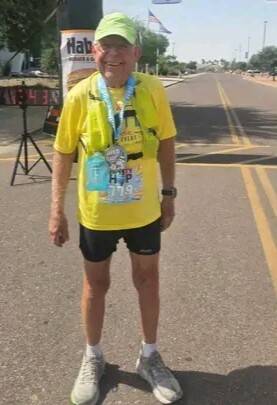
More than nine hours after starting, Schwarz was still moving forward. While the official race clock had long stopped, he continued until his watch confirmed he had completed every mile of the marathon course. That was the achievement that mattered most.
Schwarz’s remarkable accomplishment is made even more inspiring by the life he has led. A retired engineer, he once contributed to the Apollo space program, helping design components that played a role in humanity’s journey to the moon. Decades later, he is still proving that exploration and perseverance know no age limit.
Unlike many people in their later years, Schwarz takes no medication and has never undergone a joint replacement. Running first entered his life in the 1950s when he was a high school student. What began as a practical way to balance his interests eventually became something much deeper. Over the years, he stepped away from the sport and returned to it several times, describing running as a form of meditation that brings clarity and peace.
The marathon dream gained new meaning following the loss of his wife, Janice, two and a half years ago. Searching for purpose and direction during a difficult period, Schwarz registered for a local 5K race. That single event reignited his passion for movement and personal challenge.
One race led to another. A 5K became a half marathon. Then another half marathon. Soon, he had completed five. Last year, he walked and ran 60 miles along Spain’s historic Camino de Santiago over six days. The experience convinced him that his body was capable of tackling an even greater challenge—the marathon.
Determined to give himself every opportunity to succeed, Schwarz committed fully to preparation. He trained approximately ten hours each week with the support of a strength coach, running coach, stretch trainer, and Pilates instructor. Along the way, he lost 40 pounds and embraced a data-driven approach to training, monitoring his effort through heart-rate zones and using modern technology to help plan his nutrition strategy.
On race day, he was not alone. A friend of his daughter accompanied him throughout the entire journey, providing encouragement and companionship over every mile of the demanding course.
Yet, despite finally conquering his first marathon at an age when most people have long retired from athletic pursuits, Schwarz is not finished dreaming.
His sights are already set on the next challenge: the Boston Marathon. The oldest official finisher in the race’s storied history was 84 years old, meaning Schwarz could potentially rewrite the record books if he reaches the starting line and completes the course.
Before taking on San Diego, he summed up his philosophy with a simple but powerful statement:
"My objective is to finish. And whatever time it takes, it's going to be wonderful."
That mindset carried him through 26.2 miles and into marathon history. More importantly, it delivered a message that resonates far beyond running: goals do not have an expiration date, and it is never too late to pursue a dream.
by Erick Cheruiyot for My Best Runs.
Login to leave a comment
