

Running News Daily
Running News Daily is edited by Bob Anderson and team. Send your news items to bob@mybestruns.com Advertising opportunities available.
Index to Daily Posts · Sign Up For Updates · Run The World Feed
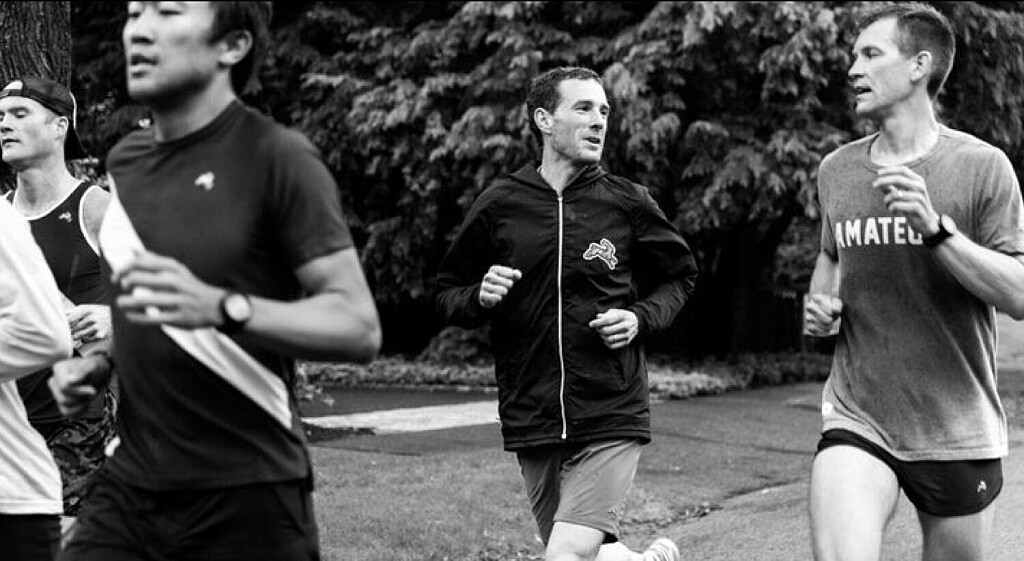


Designing a Shoe for “The Running Class”

Why Tracksmith, an apparel brand immersed in the culture and heritage of running, started making shoes
Several times every month, Matt Taylor can be spotted wearing a well-worn gray cotton T-shirt on his daily morning runs in suburban Boston.


The “Tracksmith” lettering across the front has faded after an estimated 1,000 miles of running and more than a 100 cycles through the wash, but the original Grayboy brand produced at Tracksmith’s inception, in 2014, has otherwise held up pretty well.
To Taylor, the 45-year-old co-founder, CEO, and primary visionary for the venture capital-backed upstart, it’s a personal reminder and validation of the quality Tracksmith strives for in everything it makes, but also tied to the durable functionality necessary for the authentic daily training of a committed runner. It hearkens back to the previous generations of runners who toiled in the daily grind, another key element of Tracksmith’s vibe.
“We want to make high-quality products with the best raw materials, but we think about value, not price,” Taylor says. “If we can create a product that has a lot of value because of those things—durability, some performance characteristics, even something that aesthetically that looks and feels a lot better than anything else in the market—that’s where we put our focus.”
After eight years of making a name for itself in the apparel business, Tracksmith is making new waves at the start of 2023 with the launch of its first shoe, the Eliot Runner. It’s a retro-inspired, everyday training model with a modern Pebax midsole and insole that embodies the look and quality craftsmanship the brand has become known for, while also celebrating the culture of the sport.
The Eliot Runner is designed to be a performance-oriented training workhorse that’s capable of long runs, up-tempo workouts, recovery runs, and, well, just about any kind of running except for racing. And true to the brand’s running lifestyle aesthetic, it also looks nice with jeans.
The new shoe, like a lot of Tracksmith’s running apparel, ranks at the higher end of the price range for training models, but that’s directly related to the high-quality products it strives to produce, Taylor says. Tracksmith is focused on style, quality, and running culture. Those three tenets are baked into everything it produces—its apparel line, its thoughtful storytelling content, and now, its training shoe—by way of premium materials and a distinctive design aesthetic rooted in the heritage of the sport.
“It’s about being uncompromising on performance, but bringing more of a refined look to it, too,” says Tracksmith brand president Ryan Eckel, who previously worked alongside Taylor when both held marketing roles at Puma more than a decade ago. “When the company launched with apparel, it was able to rethink the aesthetic of what traditionally would look like for running, and we’ve tried to take that approach to footwear as well.”
When Tracksmith burst onto the scene as a premium running apparel brand in 2014, it didn’t intend to be a disruptor, but it quickly caught the attention of the marketplace with its retro vibe. It comes across as proud of its small but growing indie status, while relentlessly waving the flag of the “running class,” non-professional yet competitive runners dedicated to the pursuit of personal excellence.
At the time, the running apparel market was dominated by running shoe companies and outdoor brands focused primarily on making brightly colored nylon and spandex clothes in the midrange price point.
Tracksmith’s rise, along with Oiselle, Ciele, and Rabbit at about the same time, opened the floodgates for a wave of upstart apparel brands blending style and performance, including Roark, Saysky, Bandit Running, Satisfy, and Territory Run Co.
“Running apparel was not very inspired back then,” says Taylor, himself a former collegiate steeplechase runner. “All the resources were going into footwear, creating an opportunity to come out with product that was higher quality, with a different style and aesthetic to it, that was built from the subculture of running. That was a really powerful way to launch the brand, and it also created some reactions from people who were not sure what to make of it.”
In its early years, Tracksmith’s disruption was met with some resistance by an aging adult running population dominated by Baby Boomers and Gen Xers, but it found a connection with Millennials and Gen Z’ers who were interested in a different look and deeper meaning in their identity to running. Tracksmith has served that up continually with authentic, multi-platform storytelling.
Although runners have known Tracksmith as an apparel company, they’ve also been able to immerse in the brand’s social media posts, TV commercials, printed catalogs, and Meter magazine, all providing an immersive look into the sport. Prior to working at Puma, Taylor was an independent filmmaker who produced a series called “Chasing Tradition” about college cross country programs and athletes in pursuit of U.S. Olympic Trials qualifying times.
With Taylor’s leadership, Tracksmith has made it a point to create marketing campaigns based on real athletes doing real workouts, as opposed to having super fit models pose or do camera run-bys as most other brands do. During the 2021 U.S. Olympic Trials track championships, Tracksmith aired several TV spots during the NBC broadcast that included raw footage of amateur runners doing a workout of 400 repeats on the track. These more avant garde commercials, narrated by author and amateur runner Malcolm Gladwell, earned rave reviews from running fans for their authenticity and also because they weren’t blatantly hawking Tracksmith products.
Tracksmith also recently produced a mesmerizing long-form video called “Church of the Long Run,” in which director Emily Maye orchestrated a crew and a sophisticated camera rig mounted on a truck to film runner Sam Roecker as she did a solitary 14-mile, 80-minute run on a snow-covered road in the foothills near Rollinsville, Colorado.
“Matt has really been ahead of his time with that type of storytelling,” says running coach Mario Fraioli, creator of “The Morning Shakeout” podcast and newsletter. “He was doing that before his experience at Puma, and his experience at Puma clearly helped put him in the position to launch Tracksmith. But if you look at the storytelling that the brand does, that’s been there since day one, and that’s all Matt Taylor. It’s been very intentional on his part. He saw an opportunity that, from a brand perspective, those types of stories weren’t being told.”
Inherent to the Tracksmith’s DNA is the celebration of the daily grind, the long-term training journey toward big goals, and the community and culture built around the shared suffering it fosters. It doesn’t sponsor top-tier elites like Nike, New Balance, and Hoka, but instead embraces the amateur spirit of passionate athletes who are otherwise unsponsored but are fervently committed to training. For example, Tracksmith’s community manager, Lou Serafini, broke four minutes in the mile as an unsupported runner and lowered his marathon PR to 2:14, after starting with the company in 2017. (He eventually signed a pro contract with Puma.)
A few years ago, Tracksmith began informally supporting amateur athletes who were close to the U.S. Olympic Trials qualifying standards in the marathon and long-distance events on the track. That led to a more formal Amateur Support Program (ASP) that provided racing kits and training gear to 130 athletes who competed in the 2020 U.S. Olympic Trials Marathon in Atlanta. The program expanded to support dozens of athletes in every discipline at the Track and Field Trials in Eugene, Oregon, in 2021, and has continued to evolve into 2023.
This year, athletes from both the U.S. and U.K. can apply to be part of the program that will provide them four quarterly stipends of $250 along with a racing kit, warmups, and Tracksmith Eliot Runner shoes, as well as virtual coaching and support through Zoom-based seminars.
That goes a long way in supporting hard-working athletes on the cusp, says Carmen Graves, a Denver-based runner in her second year with the ASP. “It’s pretty wild to see the sea of Tracksmith jerseys at the U.S. championships and Olympic Trials,” says Graves, who was seventh in the 3,000-meter steeplechase at last year’s U.S. outdoor track championships. “Tracksmith definitely stepped up to fill that gap between unsponsored and under-sponsored athletes. Just giving us something to help is sometimes enough to get to the next level, and I think that’s really important.”
Mostly, the program helps athletes sustain their careers with the chance to chase their dreams, but for several runners it has led to compete at the highest levels of the sport. For example, Keira D’Amato was 12th at the U.S. Olympic Trials Marathon while racing in Tracksmith gear, which she leveraged into an eventual Nike sponsorship that led to her breaking the American record last year at the Houston Marathon. Similarly, 3,000-meter steeplechase athlete Mason Ferlic competed unsponsored in Tracksmith gear on the track and earned a spot on the U.S. team that competed in the Tokyo Olympics.
“We know as runners, there are no shortcuts to anywhere worth going, but I think a lot of brands—and they would never say this explicitly—take a lot of shortcuts in how they do things, whether it’s with the products they’re making or marketing campaigns,” Fraioli says. “With Tracksmith, from the beginning, they have really prioritized authenticity and quality over quantity. They’ve never sacrificed the quality of their offerings, whether its products, events, experiences, in order to go big and appeal to a mass market. I think that was a major differentiating point, and I think that resonated with their customers and the people who feel most connected to their brand.”
Although Taylor is nearly 10 years into his role at Tracksmith, he says footwear has been on the brand’s roadmap since it set out to be a full-fledged running brand. It was always just a matter of timing and when the company would have the resources, internal team, and the bandwidth to properly develop a shoe coherent with its image and likeness, he says.
“We’re pretty particular in how we bring things to market,” Taylor says. “We wanted to make sure it was the best version of what we could achieve. To be honest, it took a little bit longer than expected. I think entrepreneurs are eternal optimists, and in my original pitch deck, I thought we’d get to footwear in year three, and we’re doing it in year eight. As we continue to execute our vision of being a global lifestyle running brand, footwear will play prominently into that strategy.”
When Tracksmith started its initial foray into the shoe business, internally, more than five years ago, the first modern marathon super shoes hadn’t even been released yet. But as soon as Nike unveiled its original models with carbon-fiber propulsion plates embedded in their midsoles in 2017, it signaled a massive shift in the industry that had every big running shoe brand consumed by the racing shoe category.
And while every brand eventually did launch their own versions of modern racing shoes, it created a hole in the training shoe category of the market. As Tracksmith worked behind the scenes on developing its new shoe, several other small brands entered the market, too, including Atreyu, Speedland, Norda, Nobull and Vimazi, while also giving rise to “athleisure” brands like AllBirds.
What sets Tracksmith’s approach to shoes apart, says product line manager product line manager Brent James, is that its focus has been more about serving the needs of dedicated runners and less about the actual products. In other words, it got into footwear on its own terms and timeline without concern for wholesale sales pressures about timing, pricing, and quantities.
“Being authentic to running and runners, it’s not always about those glamor race moments when you’re achieving PRs or winning races,” James says. “We know running is really about the work, and that’s really communicated through the imagery we share and the blood, sweat, and tears we represent through each launch. Delivering a shoe that is along for that ride and helping you through that, and equipping you for that work, is what we set out to do first.”
Launching a footwear line, even if it’s just one shoe, is no small task. In addition to gaining a company-wide competency of the footwear business and ramping up with new team members, Tracksmith also required developing new manufacturing partners and creating a distribution plan that doesn’t, at least at the outset, include running specialty stores. Most of Tracksmith’s apparel has been sold directly through its website, its original Boston retail store, and pop-up stores managed in New York and London.
Initially, the Eliot Runner will only be available through a similar network, although the brand’s presence in New York and London has evolved into exquisitely crafted retail shops with the same boutique atmosphere as its Boston location. Additional pop-up stores might become part of the brand’s marketing strategy, as well as wholesale distribution avenues.
Taylor and Eckel expect footwear to become a large part of Tracksmith’s business going forward, but not overnight. While the brand has a lot of ideas about potential future models, for the moment, there’s nothing else in the development channel. The brand will focus on pushing the Eliot Runner into the marketplace this spring and summer, while evaluating the feedback it gets from its unique distribution model.
“We want to be competitive with those brands within the mindshare of the consumers, for sure,” Eckel says. “Whether that’s at a literal shoe wall at a specialty store or somewhere else. We’re confident in our abilities to make product that is as good or better than other brands out there. So yeah, we certainly think we can compete with those brands over the long-term.”
by Outside
Login to leave a comment
Latest Running News
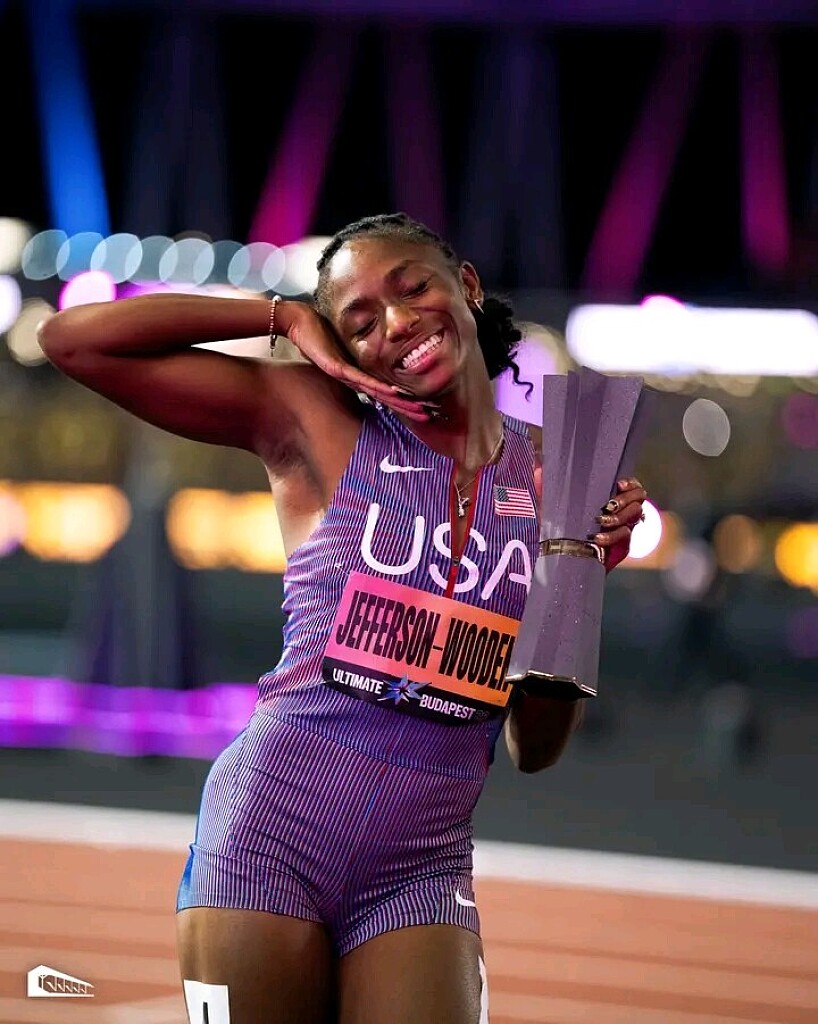
Melissa Jefferson-Wooden Blazes To 10.62 World Lead And Ultimate Championship Glory
Melissa Jefferson-Wooden delivered a sensational performance in Budapest, storming to victory in the women’s 100m at the inaugural World Athletics Ultimate Championship in a breathtaking 10.62 seconds.
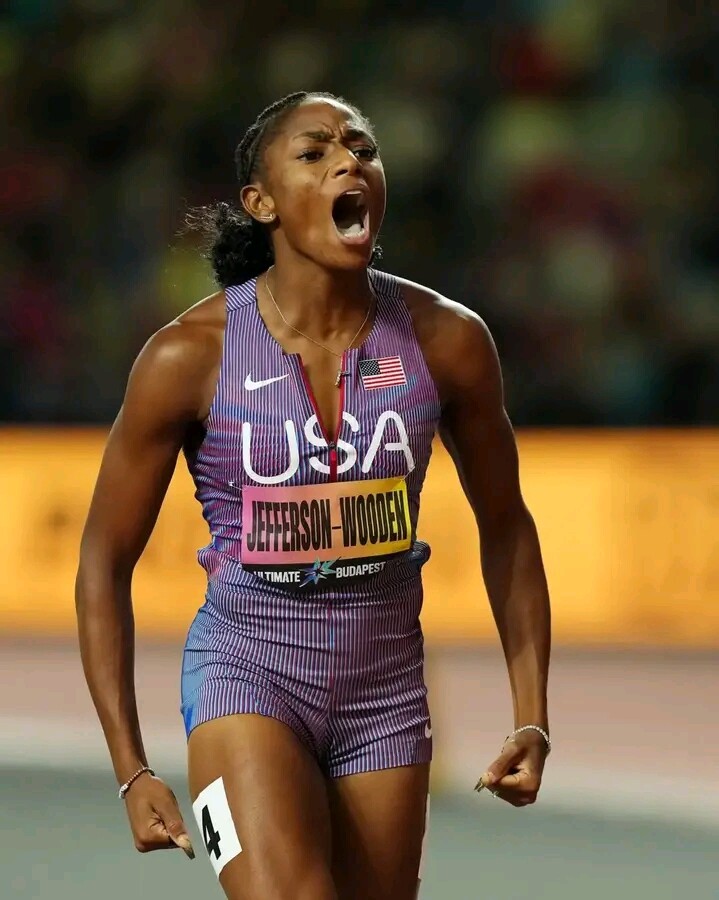
The American produced a superb display of acceleration and composure to claim the World Ultimate Championship title while recording the fastest women’s 100m time in the world this year. Her 10.62 mark underlined her exceptional form and placed her firmly at the top of the global sprinting hierarchy.
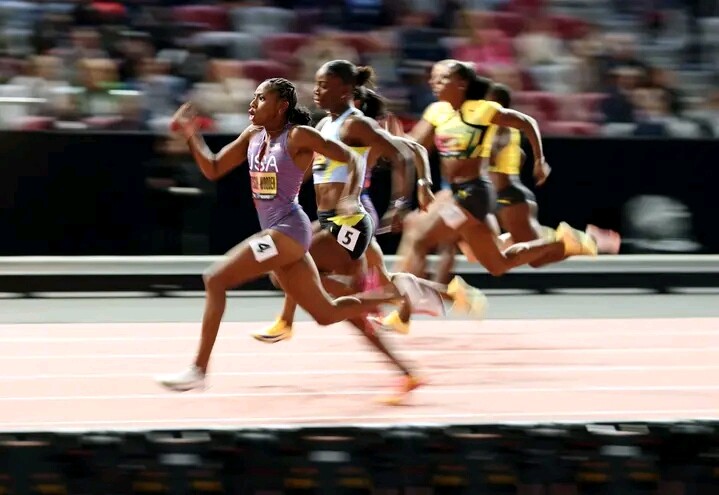
Jefferson-Wooden controlled the race through the decisive stages and maintained her form all the way to the finish to secure a statement victory against a field packed with championship pedigree. She crossed the line ahead of Olympic champion Julien Alfred, who clocked 10.74 seconds with a -0.2 m/s wind, while Sha’Carri Richardson took third in 10.76.
Women’s 100m Final
1. Melissa Jefferson-Wooden — 10.62
2. Julien Alfred — 10.74 (-0.2 m/s)
3. Sha’Carri Richardson — 10.76
The victory was especially significant given the quality of the opposition. Jefferson-Wooden held her nerve against Alfred and Richardson, two of the most accomplished sprinters of the current generation, to produce the fastest performance in the world this year when it mattered most.
Alfred once again demonstrated her consistency at the highest level by taking silver, while Richardson completed an all-star podium in a race that brought together three of the biggest names in women’s sprinting.
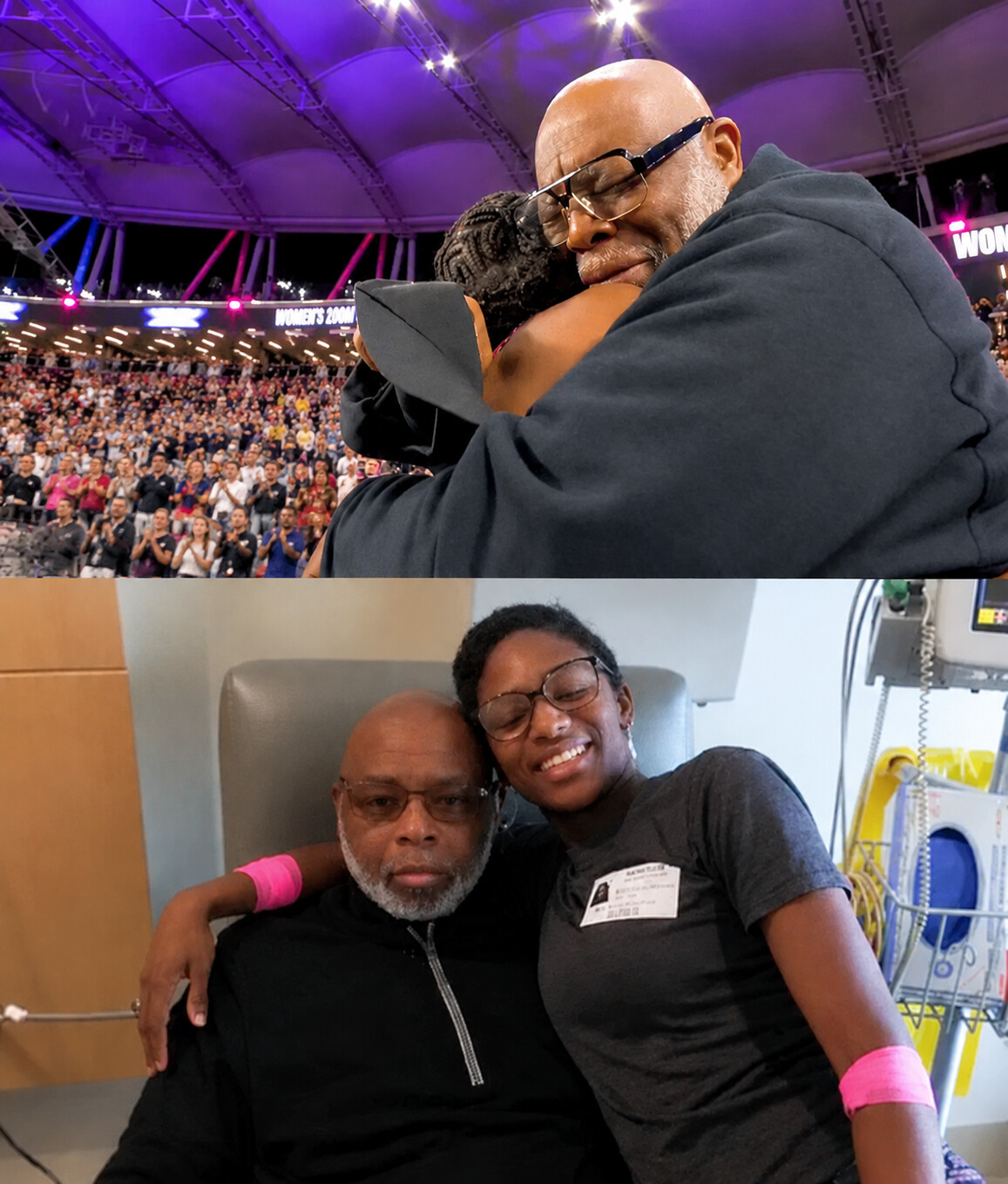
But beyond the time, the title and the celebration, one of the most touching moments came after the race when Jefferson-Wooden embraced her father, Melvin, in an emotional celebration.
Their moment carried a deeply personal meaning. When Melissa was just 17 years old, she donated her stem cells to help her father undergo a bone marrow transplant after he was diagnosed with myelodysplastic syndrome. Years later, the two shared an unforgettable embrace in Budapest after she had become the World Ultimate Champion.
For Jefferson-Wooden, however, the evening was about far more than a medal. It was the culmination of an extraordinary journey, now highlighted by a world-leading 10.62 seconds on one of the biggest stages in athletics.
With the Ultimate Championship title secured and her father by her side, Jefferson-Wooden leaves Budapest with more than being an ultimate champion. She leaves with momentum, confidence and a powerful statement of intent — turning a high-profile showdown into one of the defining sprint performances of her season.
by Erick Cheruiyot for My Best Runs.
Login to leave a comment
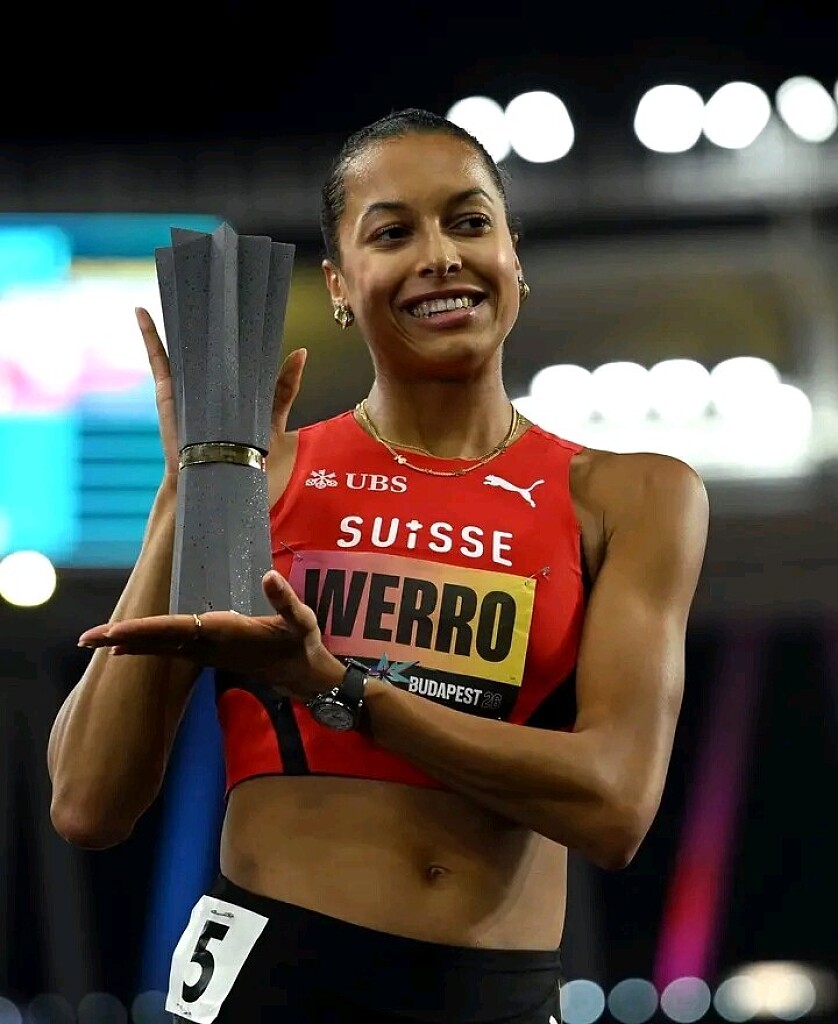
Audrey Werro Rules The 800m As Swiss Star Claims Ultimate Championships Crown
Audrey Werro has added another major title to her extraordinary season, storming to victory in the women’s 800m at the inaugural World Athletics Ultimate Championships in Budapest.
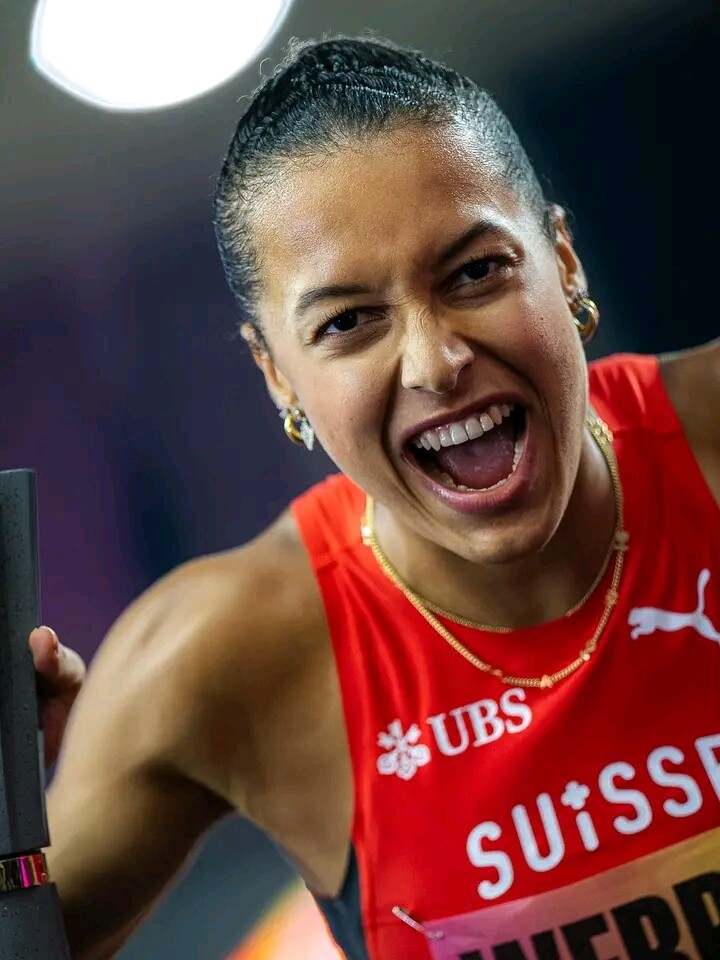
The Swiss star delivered a commanding performance, taking control from the opening gun and refusing to surrender the lead as she powered through an absorbing battle against two of the biggest names in the event.
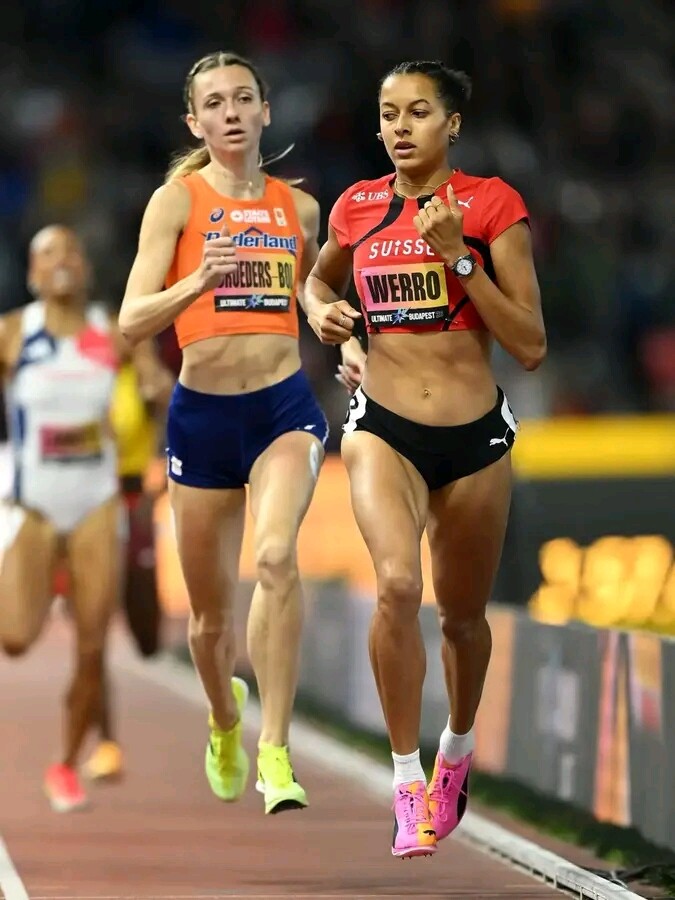
Werro stopped the clock at 1:55.88 to become the Ultimate Championships 800m champion, producing another statement performance on one of the sport’s newest and most prestigious stages.
Behind her, Great Britain’s Keely Hodgkinson fought her way to second in 1:56.26, while the Netherlands’ Femke Broeders-Bol completed the podium in 1:56.74.
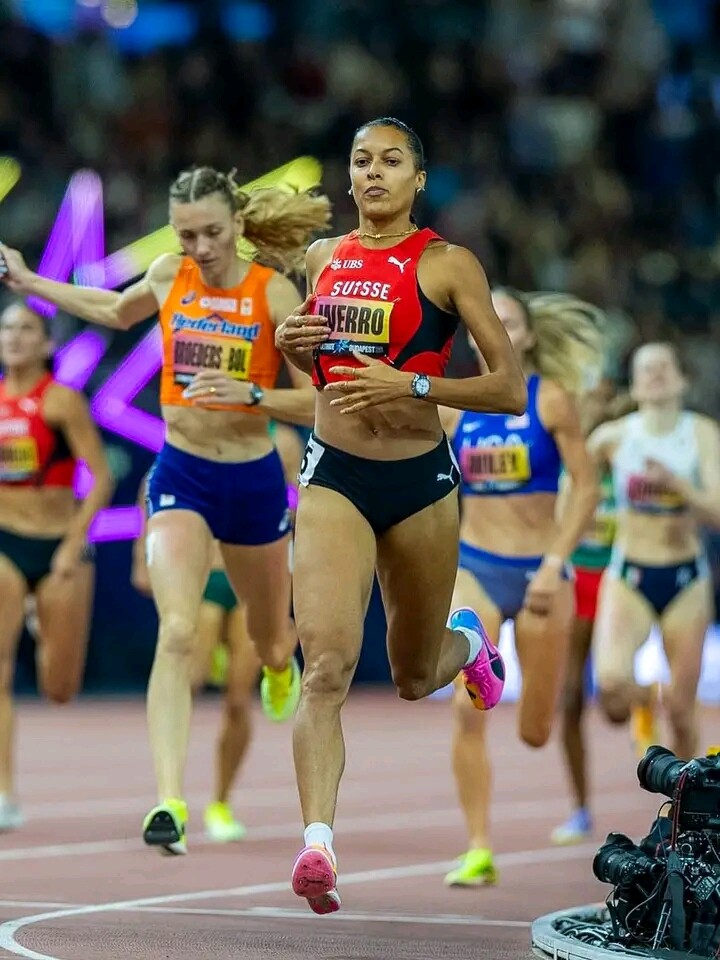
The result once again brought together the same formidable trio that featured on the podium at the European Championships, but Werro again proved to be the athlete who could rise above the challenge when it mattered most.
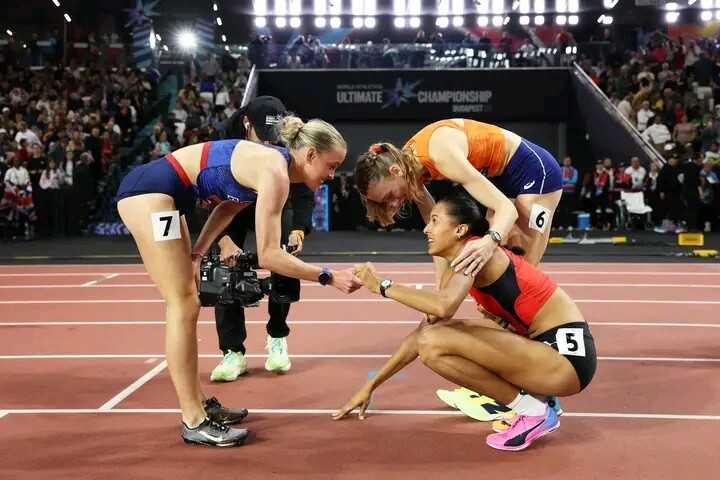
Her Budapest triumph is the latest chapter in a season that has already included records, a successful Diamond League Trophy defence and European Championship gold. Now, she can add the Ultimate Championships crown to a growing list of accomplishments.
Werro’s consistency has been particularly impressive in an 800m event packed with elite talent. Rather than simply relying on a fast finish, the Swiss athlete showed her authority by taking the initiative from the beginning and maintaining enough strength and composure to hold off Hodgkinson and Broeders-Bol all the way to the line.
The victory also underlined the remarkable depth of the women’s 800m, with three athletes separated by less than a second at the finish. Hodgkinson’s 1:56.26 and Broeders-Bol’s 1:56.74 showed just how fiercely contested the race was, but Werro’s decision to dictate the pace ultimately gave her the decisive advantage.
For Werro, this was more than another medal. It was another opportunity to demonstrate that her rise is no passing moment. On a stage featuring established champions and elite rivals, she once again produced the performance required to claim the biggest prize.
For Hodgkinson, the silver medal adds another major podium finish, while Broeders-Bol once again demonstrated her ability to compete with the very best over two laps.
But the spotlight in Budapest belonged unmistakably to Werro.
With another championship crown secured, the Swiss star has strengthened her claim as the athlete setting the standard in women’s 800m running. This is Audrey Werro’s era — and the rest of the field is chasing.
by Erick Cheruiyot for My Best Runs.
Login to leave a comment
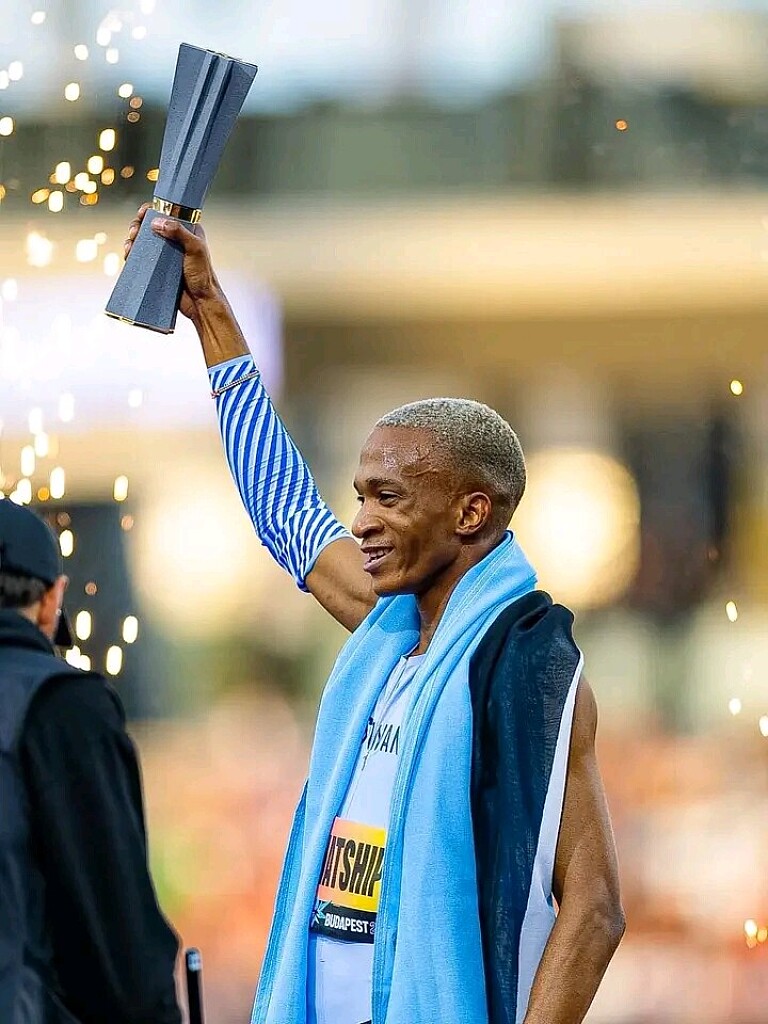
Collen Kebinatshipi Does It Again! 43.39 Makes Botswana Star Fifth All-Time.
Busang Collen Kebinatshipi has delivered another sensational performance, storming to victory in the men’s 400m at the inaugural World Athletics Ultimate Championship in Budapest.
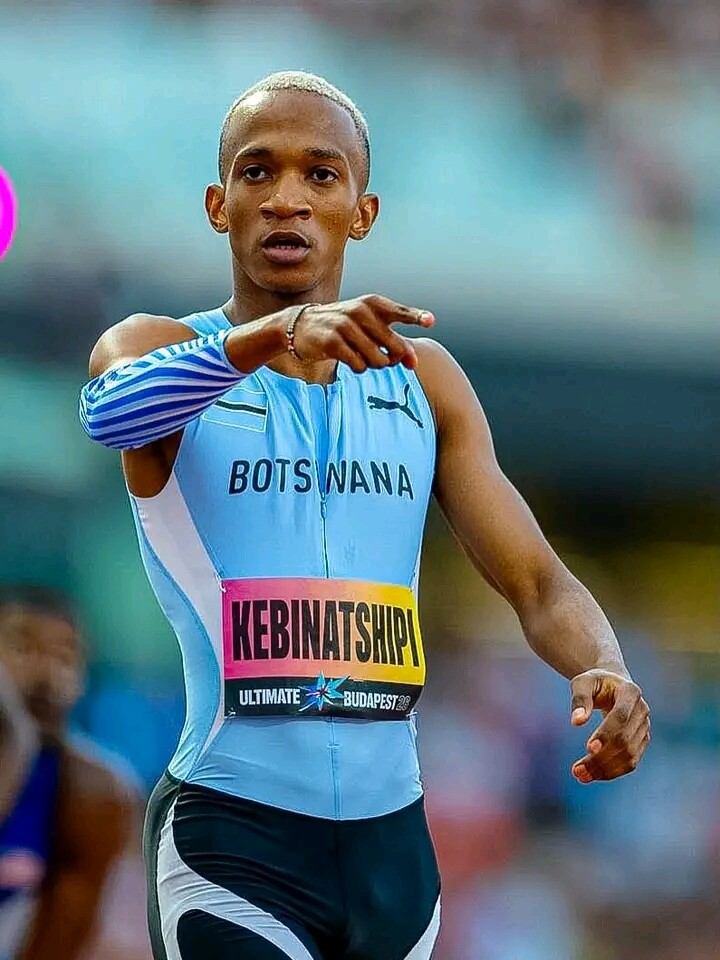
The reigning world champion stopped the clock at an astonishing 43.39 seconds, smashing his own Botswana national record and moving to fifth on the world all-time list.
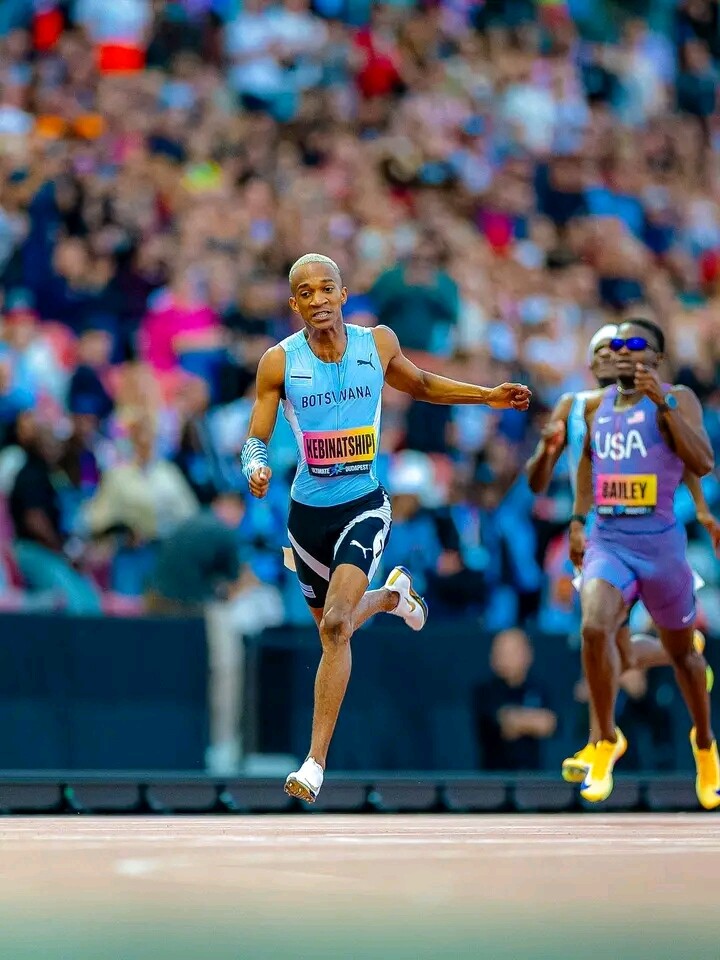
Kebinatshipi produced a commanding finish to pull away from his rivals and secure the Ultimate Championship title. American star Rai Benjamin finished second in 44.15, while Jereem Richards of Trinidad and Tobago completed the podium in 44.23.
Men’s 400m
1. Busang Collen Kebinatshipi — 43.39 NR
2. Rai Benjamin — 44.15
3. Jereem Richards — 44.23
The performance is even more remarkable considering that Kebinatshipi had already rewritten the Botswana record just one week ago in Brussels, where he ran 43.40. In Budapest, he lowered that mark by another 0.01 seconds to establish a new national record of 43.39.
That improvement has also propelled the 22-year-old into rare territory. His latest time now ranks him fifth fastest in history over 400m, placing him among an extraordinary group of athletes who have broken the 43.40 barrier.
Kebinatshipi's victory also caps an extraordinary season for the Botswana star. After establishing himself as a global champion, he has continued to demonstrate that he belongs among the very best one-lap runners in the world.
And there is a major reward for his historic night in Budapest: Kebinatshipi walks away as the Ultimate Champion and $150,000 richer.
From another national record to a place among the five fastest 400m runners ever, Kebinatshipi has turned an already remarkable season into something truly special.
Botswana has its latest sprinting superstar — and Kebinatshipi is showing that his ceiling may be even higher than anyone imagined.
by Erick Cheruiyot for My Best Runs.
Login to leave a comment
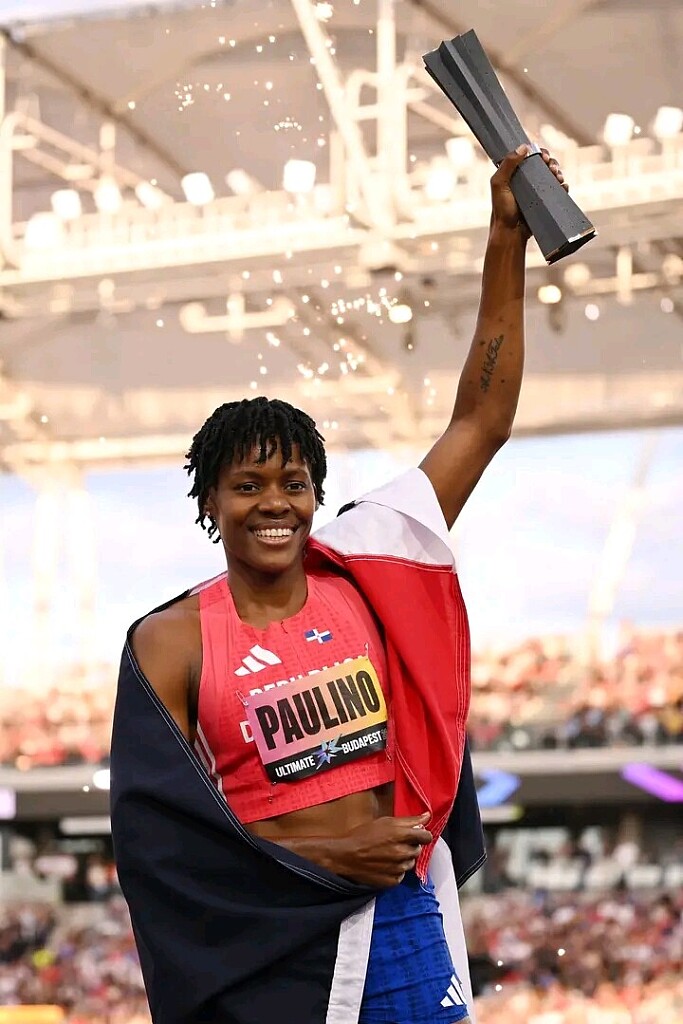
Marileidy Paulino Strikes Again To Rule The One-Lap Showdown In Budapest
Marileidy Paulino once again proved why she is the undisputed queen of the one-lap event, powering to victory in the women’s 400m at the inaugural World Athletics Ultimate Championship in Budapest.
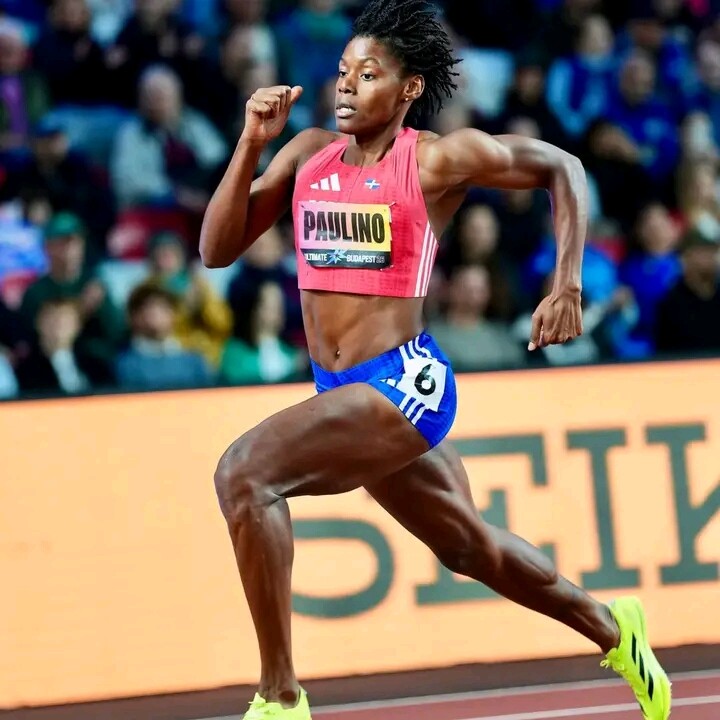
The Dominican Republic superstar produced a sensational 49.07 seconds to claim gold, pulling decisively away in the final straight and holding off a fiercely competitive field to extend her remarkable unbeaten run.
Paulino delivered her trademark combination of controlled speed and devastating finishing strength. She remained firmly in contention through the opening stages before unleashing her decisive move down the home straight, where she quickly opened a gap on her closest challengers.
Norway’s Henriette Jæger mounted a strong challenge but could not match Paulino’s finishing speed, crossing the line second in an impressive 49.28. Jamaica’s Nickisha Pryce completed the podium after clocking 49.56, ensuring that three of the world’s leading 400m talents occupied the medals.
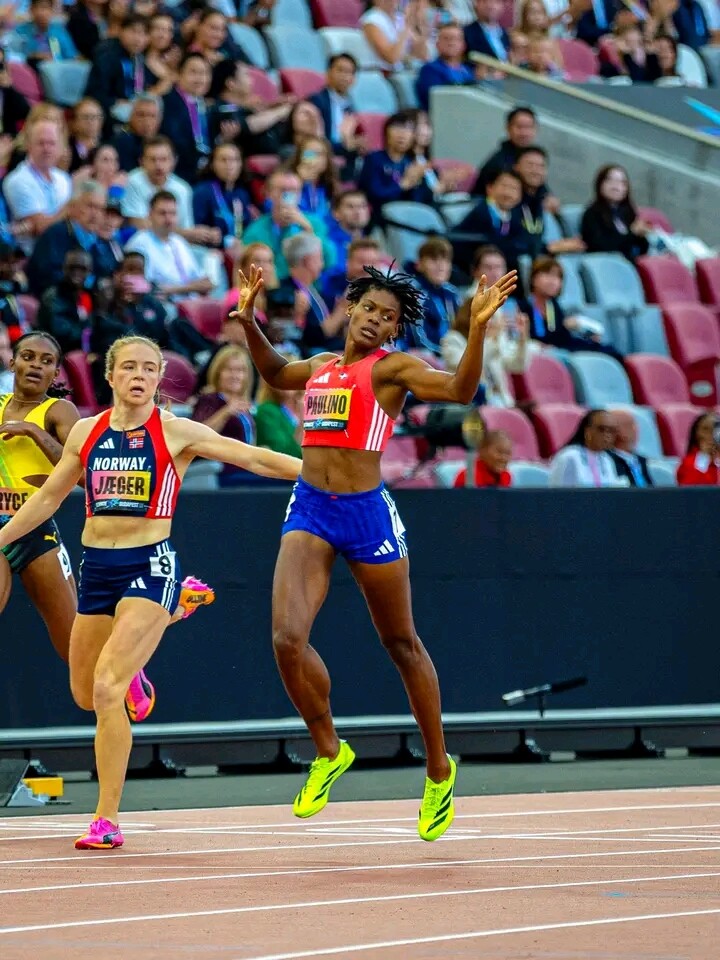
The result once again underlined Paulino’s extraordinary consistency at the highest level. She entered Budapest as the world leader after running 48.48 in Paris in June, a performance that also set a Diamond League record. She subsequently remained unbeaten throughout her Diamond League campaign, closing the circuit with a meeting-record 48.64 in Brussels.
Budapest has also become a special venue in Paulino’s career. Three years ago, at the same National Athletics Centre, she captured her first individual world title, marking the beginning of another dominant chapter in her career. She later added Olympic gold in Paris in 2024, further establishing herself among the defining 400m athletes of her generation.
The inaugural World Athletics Ultimate Championship has brought together the sport’s biggest stars in a new winner-takes-the-spotlight format, with Olympic and world champions, Diamond League winners and leading performers competing for ultimate honours.
For Paulino, the occasion once again ended with Ultimate Crown on her arms.
With 49.07 seconds, she did more than win another major 400m title. She delivered another statement of authority, powering through the final straight with the confidence and speed that have made her one of the most dominant figures in modern women’s athletics.
Marileidy Paulino remains unbeaten, remains relentless and, once again, remains the queen of the one lap.
by Erick Cheruiyot for My Best Runs.
Login to leave a comment
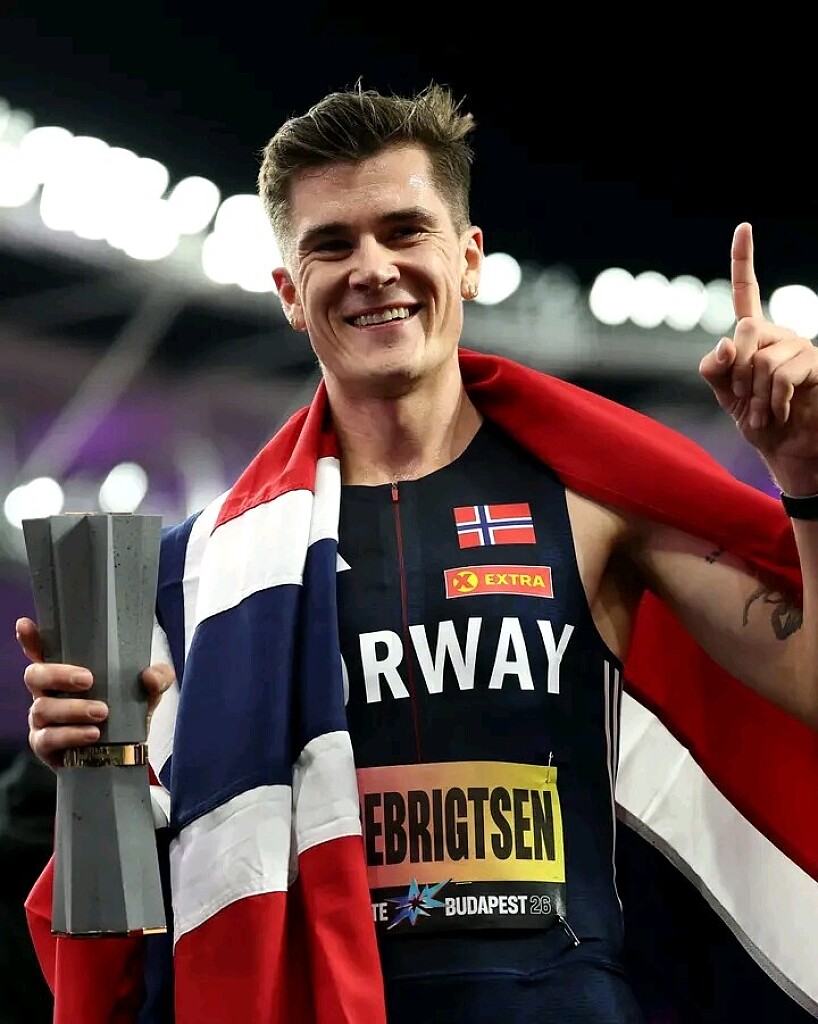
Jakob Ingebrigtsen Withdraws From Budapest 1500m After Stunning 5000m Victory: “Fitness Cannot Be Faked”
Jakob Ingebrigtsen has made a major decision regarding the remainder of his World Athletics Ultimate Championship campaign, confirming that he will withdraw from the men’s 1500m in Budapest despite producing a sensational performance to win the 5,000m title.
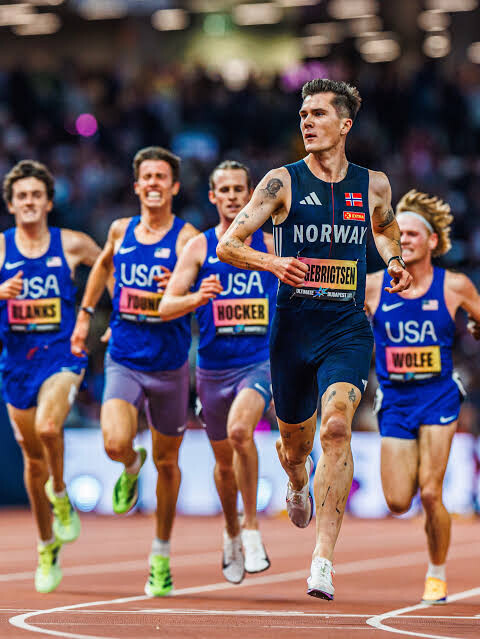
The Norwegian superstar stormed to victory in the inaugural Ultimate Championship 5,000m on Friday night, clocking a season-best 12:59.24 and delivering a devastating finishing kick to defeat Olympic 5,000m champion Cole Hocker and American Parker Wolfe.
Ingebrigtsen’s final 100 metres was arguably the defining moment of the race. The Olympic champion produced a remarkable 12.60-second closing 100m, powering away from the field to secure the $150,000 winner’s prize and underline just how far his fitness has progressed since returning from Achilles surgery.
The victory was particularly significant after what has been an extremely difficult period for the 25-year-old. Earlier in the season, Ingebrigtsen faced serious uncertainty over whether he would even be able to compete at the highest level again. His return has gradually gathered momentum, and his performance in Budapest offered perhaps the clearest indication yet that the Norwegian is rediscovering his formidable racing ability.
But rather than risk pushing his recovering body further, Ingebrigtsen has now opted to step away from the 1500m.
The decision means the highly anticipated showdown with British rival Josh Kerr will not take place in Budapest after all. The two stars had been expected to renew one of the biggest rivalries in modern middle-distance running in the 1500m final.
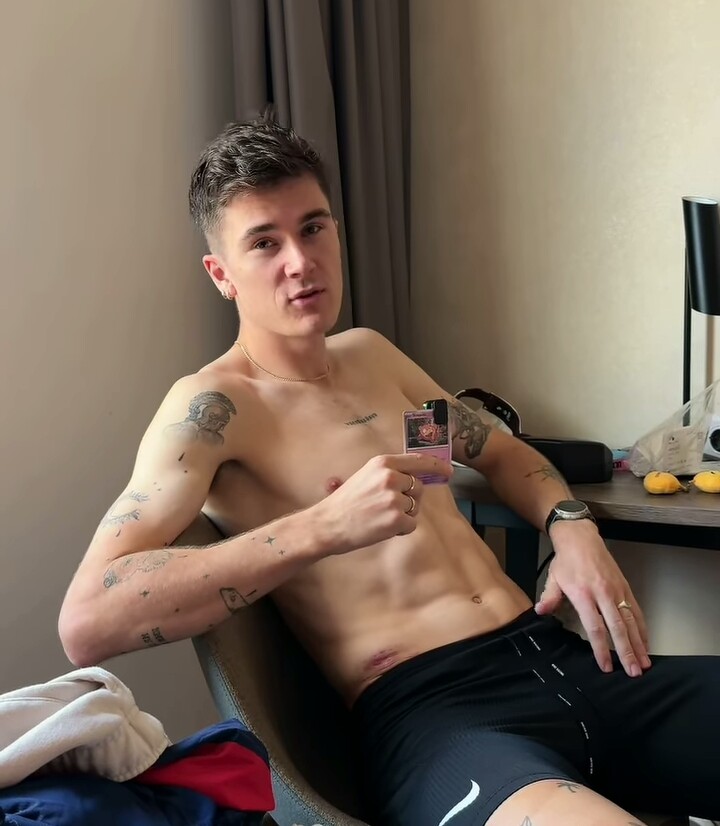
Instead, Ingebrigtsen is looking beyond the immediate opportunity and towards the bigger picture.
“I’m thinking about 2027… Fitness cannot be faked,” the Norwegian said, signalling that protecting his long-term condition has become more important than chasing another major victory only days after his return to peak-level competition.
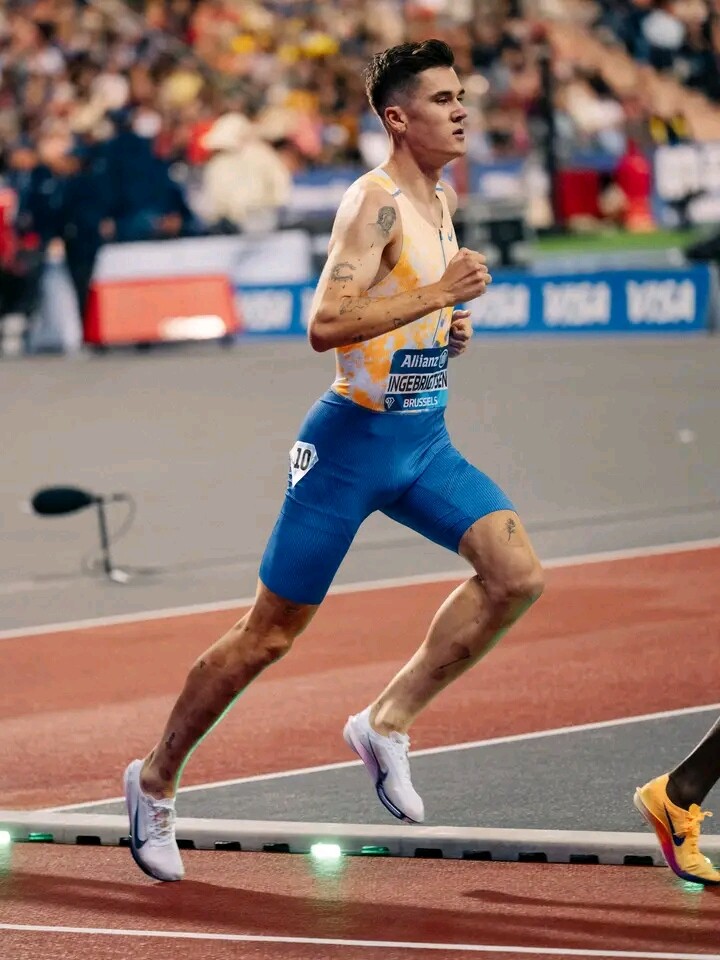
The decision comes just one week after an emotionally charged Diamond League Final in Brussels, where Ingebrigtsen finished fourth in the 1500m behind Australia’s Cameron Myers, Kenya’s Phanuel Kipkosgei Koech and American Ethan Strand.
After that race, Ingebrigtsen delivered a fiery assessment of his rivals and questioned the tactics surrounding the pacemaking, particularly involving Hocker. He later acknowledged that there had been “a little too much adrenaline and emotion” when microphones were placed in front of him immediately after the race.
Yet his latest decision shows that beneath the emotion and competitive intensity lies a longer-term strategy.
Ingebrigtsen has already demonstrated that he can compete at an elite level again. His 12:59.24 in Budapest was not simply a victory — it was a statement that the Norwegian remains capable of producing a world-class finish even after months of injury rehabilitation.
Now, however, he is choosing not to gamble with that progress.
For a runner who has spent much of the year fighting his way back from injury, another 1500m race could have offered enormous rewards but also carried unnecessary risk. By withdrawing, Ingebrigtsen is effectively prioritising longevity over one more opportunity for immediate glory.
His message is clear: the comeback is underway, but it will not be rushed.
The 5,000m victory has given Ingebrigtsen confidence, momentum and perhaps, most importantly, proof that his body can once again handle elite competition.
Now comes the harder part — knowing when to stop.
With 2027 already firmly in his sights, the Norwegian has chosen recovery over risk. And after everything he has endured, that could ultimately prove to be one of the most important decisions of his comeback.
Jakob Ingebrigtsen is not walking away from the sport. He is protecting his future in it.
by Erick Cheruiyot for My Best Runs.
Login to leave a comment
