

Running News Daily
Running News Daily is edited by Bob Anderson and team. Send your news items to bob@mybestruns.com Advertising opportunities available.
Index to Daily Posts · Sign Up For Updates · Run The World Feed
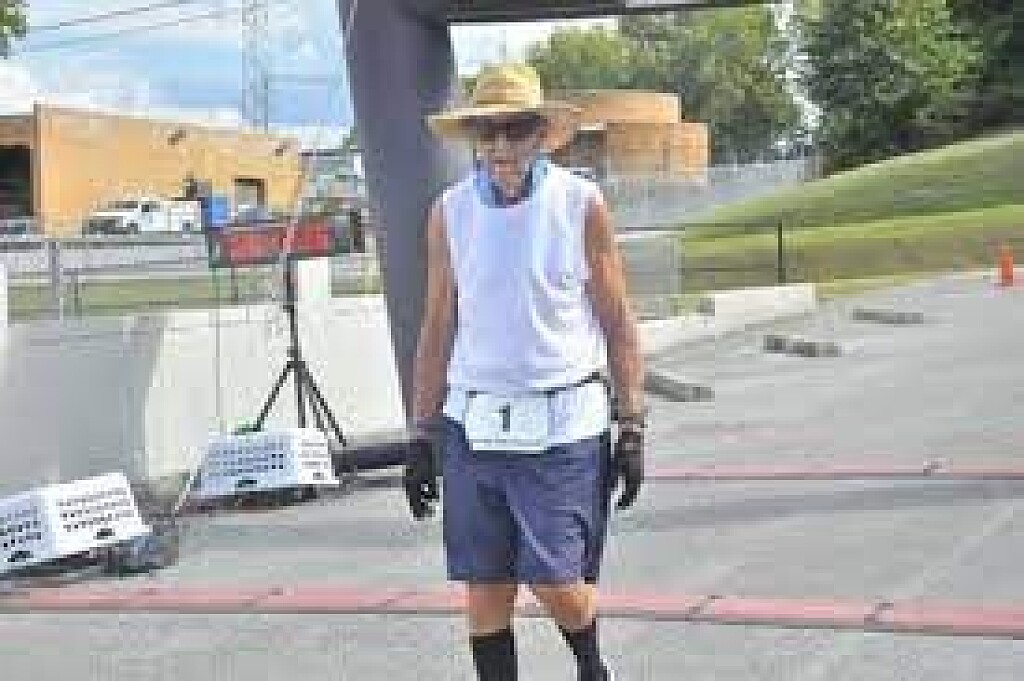


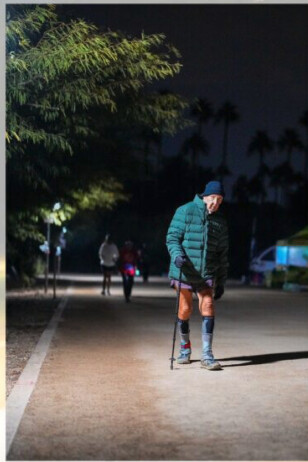
The 90-Year-Old Man Who Still Crushes 100 Milers

Don Jans clipped the curb with his car as he pulled into a rest stop in Texas. It was a minor incident that likely stemmed from the exhaustion of a solo, 2,000-mile drive home to Florida, after completing 127 miles at January's Across the Years in Phoenix.
Inspecting the damage, the 90-year-old Florida man was relieved to see none. So, he hopped in his sleeping bag for a few hours before waking up around 3 A.M. to get back on the road. A few miles later, the car rebelled.
"The temperature gauge was at the max, so I pulled off the interstate and shut it down," Jans said. "Around three or four in the morning, I get towed to a mechanic in Ozana, Texas, which is in the middle of nowhere. When I got there, I climbed back in my sleeping bag and the mechanics arrived around 7 A.M. and found me there. Unfortunately, they didn't do radiators."
Jans received another tow to another mechanic in town and was back on the road the next day after sleeping in that mechanic's lot that night. He would make it home a day or so later.
In a way, it's a fitting description of Jans as runner and person. At 90 years old, Jans finds ways and reasons to keep moving in his 10th decade on Earth, and his fifth running.
If he can do it, he'll do it. It might take a little longer than it used to, or, using one of Jans's many sayings and mottos, "Don't be getting in a hurry."
"I have no explanation for why I should keep running, but I highly recommend it to everybody," he said. "It's just great to be out there on the course, in the fresh air, and the training isn't a burden. I mean, if it's something you like to do, it's not punishment. If it's punishment, you need to find something you like. That's what we're here for right? To have fun."
A Wife, a Man, and a Van
Endurance goals have been top of mind for Jans since 1980. Then 48, he started running to lose weight. Realizing he enjoyed the challenge, he became a triathlete. One race turned into another, and he eventually qualified for and ran Kona in 1987.
The same happened when he transitioned to trails in the 1990s. He found new challenges and a community in running.
"The people in the ultra and running community are such a wonderful bunch to be around," Jans said. "Everybody helps everybody. They're just the salt of the earth. I said to myself that this was the place to be."
With the help of his wife Dorothy, they packed into the family van and found races to run and volunteer at all over the country. Though never a runner herself, Dorothy became the "ultimate crew chief" for Jans. She took extensive notes, took pictures of what Jans wore so he had a reference for future races, and stocked the van like a mini aid station on wheels for other runners in need.
"She was a super mom," said Sharon Jans, 67, Jans's daughter. "I have three brothers and three sisters, and caretaking people out was kind of her life. She just extended that to runners. She helped a lot of people here and there at so many races. Whatever they needed, she had it somewhere in that van. She loved it. It kept her busy."
While they mostly stuck to the Southeast near their Clearwater, Florida home, Jans racked up multiple ultra finishes a year after 1990, including the Umstead 100 (eight times), JFK 50 (also eight times), and Ancient Oaks 100, to name a few. He was in his 60s and 70s for the majority of these.
Then, it all came to a halt in 2009.
They first noticed it at a race. Jans came into an aid station and found Dorothy asleep in the van. She had never missed him or been asleep at any aid station before.
Soon after, Dorothy was diagnosed with lymphoma. When that seemed to be cured, another diagnosis followed.
"We went through a battle for five to six years," Jans said. "You lose track of time, and I'm not blaming the medical people. Once you think you're over one hurdle, there's another one. There's a continual series of disappointments, if you want to call it that. You just do it. We had been married for 60-some years, and for these next years, I was a full-time caregiver. Nothing else. You just do it."
When Dorothy passed away in October 2015, Jans didn't know what to do. He hadn't run in years while tending to his wife and best friend. He had a hip replacement and had done some swimming and walking, but nothing near what he used to. He wasn't sure if he'd ever run like he did.
A Comeback Story
Looking for something to occupy his mind and time, one conversation led to rediscovering his goals through discovering a new race.
Depending on who you ask in the family, you'll get a different story. Jans goes with his version in which one of his daughters, Marilyn Jans Schupbach, 69, alerted him to the existence of A Race for the Ages (ARFTA). The Tennessee-based race is essentially a timed, multi-day race but with a couple twists. Everyone 40 and younger gets to run the final 40 hours of the race. Anyone 41 and older is allotted a number of hours equal to their age. In 2018, that meant Jans, who was 85, got 85 hours to run.
"I was just trying to recoup mentally from losing my wife, so it was a distraction, get your mind onto something worthwhile," Jans said. "Marilyn told me, 'Why don't you try this and see how it goes?'"
Intrigued by the concept, Jans signed up, training around the roads in his new home in The Villages, Florida. He was also motivated by having someone to race with: Marilyn.
Jans had inspired her and Sharon to get into ultras in the 1990s, and Marilyn wanted to see if she could catch her dad. I signed up with him," Marilyn said. "That was my first and last time. I'm so much younger and he started 21 or 22 hours ahead of me. I never caught up with him. He ran 120 miles and I had 104. He was like 85 at the time, by the way."
While Marilyn hasn't returned, Jans has become a fixture at the event. He's run every single one since 2018, including 119 miles in 2022. He's also been able to convince his other daughter, Sharon, to join him for the last two.It may help that he pays her race entry and signs her up.
"I didn't think I could ever do that race," Sharon said. "Then, he just paid for my race entry and told me, 'You can do it. Give it a try.' I had done some 50Ks, but I had never tried anything like it. Since then, I've done a couple 100 milers. I even did Long Haul 100 in January with Marilyn. Dad missed it because he was tired from the drive home [from Across the Years]."
"I beat him by one mile," Sharon said. "He's 25 years older than me, and it took me until the final hour to catch up. He rests, but he never stops."
Most recently, he added Across the Years to his annual race calendar. At his inaugural run at age 90, he ran 127 miles during the six-day race. Rainy weather and cooler temperatures caused some hiccups, like a "frog strangling downpour," he said, leading to him "being old in a 1010 dome tent with wet clothes and cold weather."
Despite the conditions, he said it was one of his favorite race experiences. He said he'll just have to "come back next year with a different plan," which includes not driving home right after the race ends.
Going Further
Not everyone is blessed with mobility later in life. Genetics, previous injuries, and the wear and tear of life can build up.. For Jans, his abilities at 90 are a blessing, and he recognizes that.
Though not as fast as the people who, quite literally, run circles around him, he gets out there everyday anyway. Most importantly, he shows up on race day.
"Truth be told, you don't feel like you're 90," Jans said. "It's just a number. Even though you can't perform like you did 10, 15 years ago, I still feel the same way. When I wake up in the morning, I do. I don't say, 'Oh golly, I have to train.' I say, 'I want to go train.' It's a delight, not a punishment. I'm sure it's the same way for the guy who won the last-person-standing race at ATY. We wake up and say, 'Oh boy! We get another to go for a run.'"
His biggest opponent right now is cutoffs. The standard 30 to 36 hours aren't conducive for runners who need more time to hit their goals. While events can't go on forever, we are seeing more events that tailor to these needs.
In fact, Jans is seeking out his first 10-day race, and not because he wants more time to hit 100. His next goal after that?
"I'd like to do a 200-miler," he said. "I think I'd need a 10-day race to do it, which I don't think that's in the cards. A lot of races keep talking about doing a 10-day event, but I don't know if that's just scuttlebutt. I'll just keep trying to do my best if I can't find 10-day events. Just keep going."
by Trail Runner Magazine
Login to leave a comment
Latest Running News
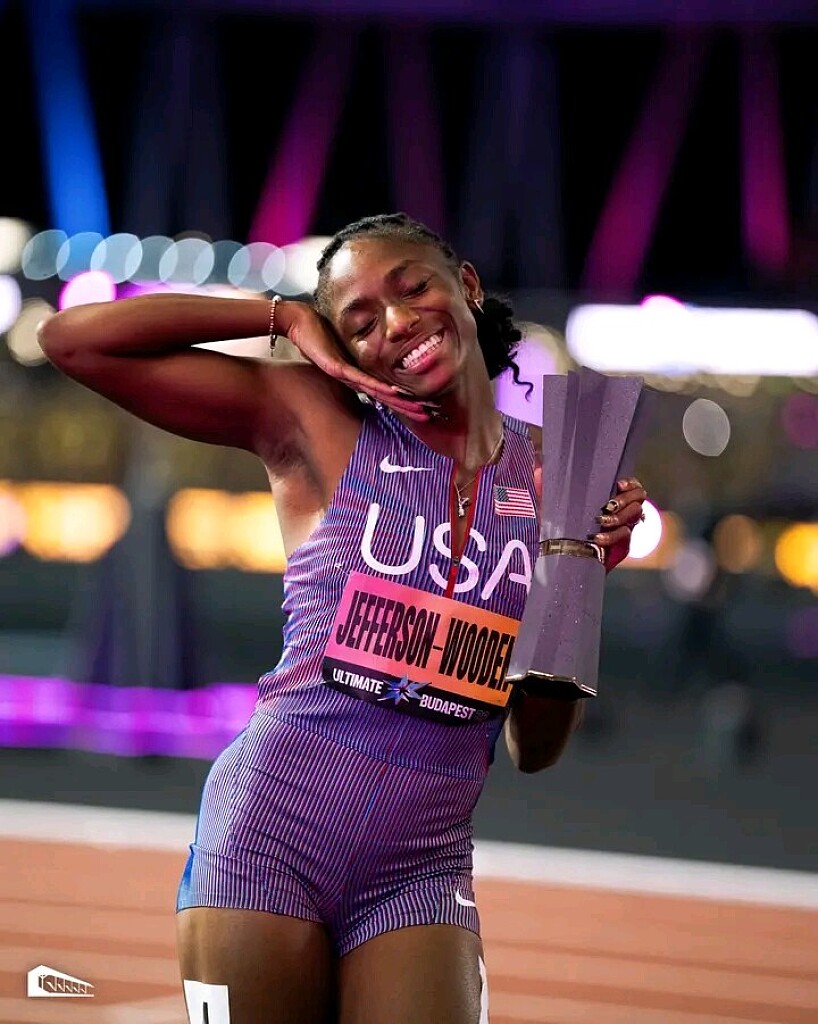
Melissa Jefferson-Wooden Blazes To 10.62 World Lead And Ultimate Championship Glory
Melissa Jefferson-Wooden delivered a sensational performance in Budapest, storming to victory in the women’s 100m at the inaugural World Athletics Ultimate Championship in a breathtaking 10.62 seconds.
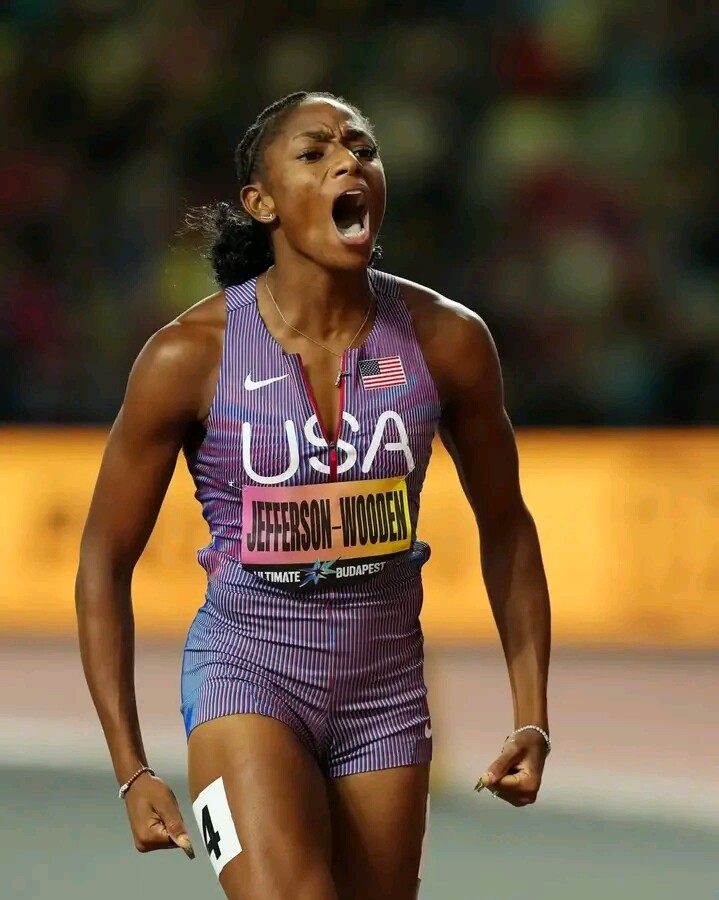
The American produced a superb display of acceleration and composure to claim the World Ultimate Championship title while recording the fastest women’s 100m time in the world this year. Her 10.62 mark underlined her exceptional form and placed her firmly at the top of the global sprinting hierarchy.
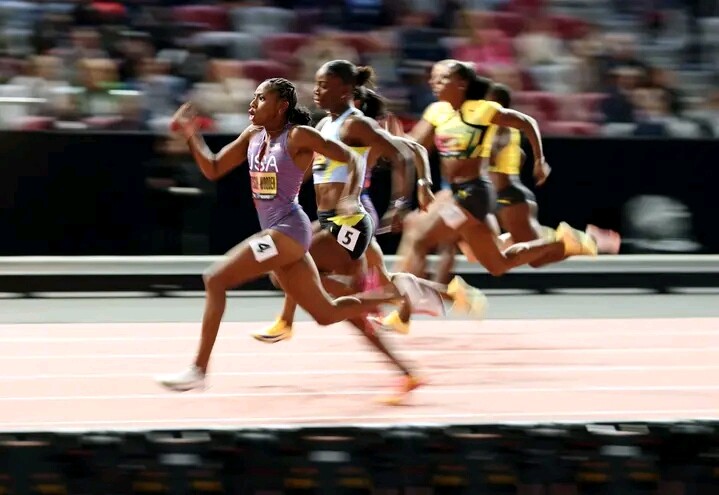
Jefferson-Wooden controlled the race through the decisive stages and maintained her form all the way to the finish to secure a statement victory against a field packed with championship pedigree. She crossed the line ahead of Olympic champion Julien Alfred, who clocked 10.74 seconds with a -0.2 m/s wind, while Sha’Carri Richardson took third in 10.76.
Women’s 100m Final
1. Melissa Jefferson-Wooden — 10.62
2. Julien Alfred — 10.74 (-0.2 m/s)
3. Sha’Carri Richardson — 10.76
The victory was especially significant given the quality of the opposition. Jefferson-Wooden held her nerve against Alfred and Richardson, two of the most accomplished sprinters of the current generation, to produce the fastest performance in the world this year when it mattered most.
Alfred once again demonstrated her consistency at the highest level by taking silver, while Richardson completed an all-star podium in a race that brought together three of the biggest names in women’s sprinting.
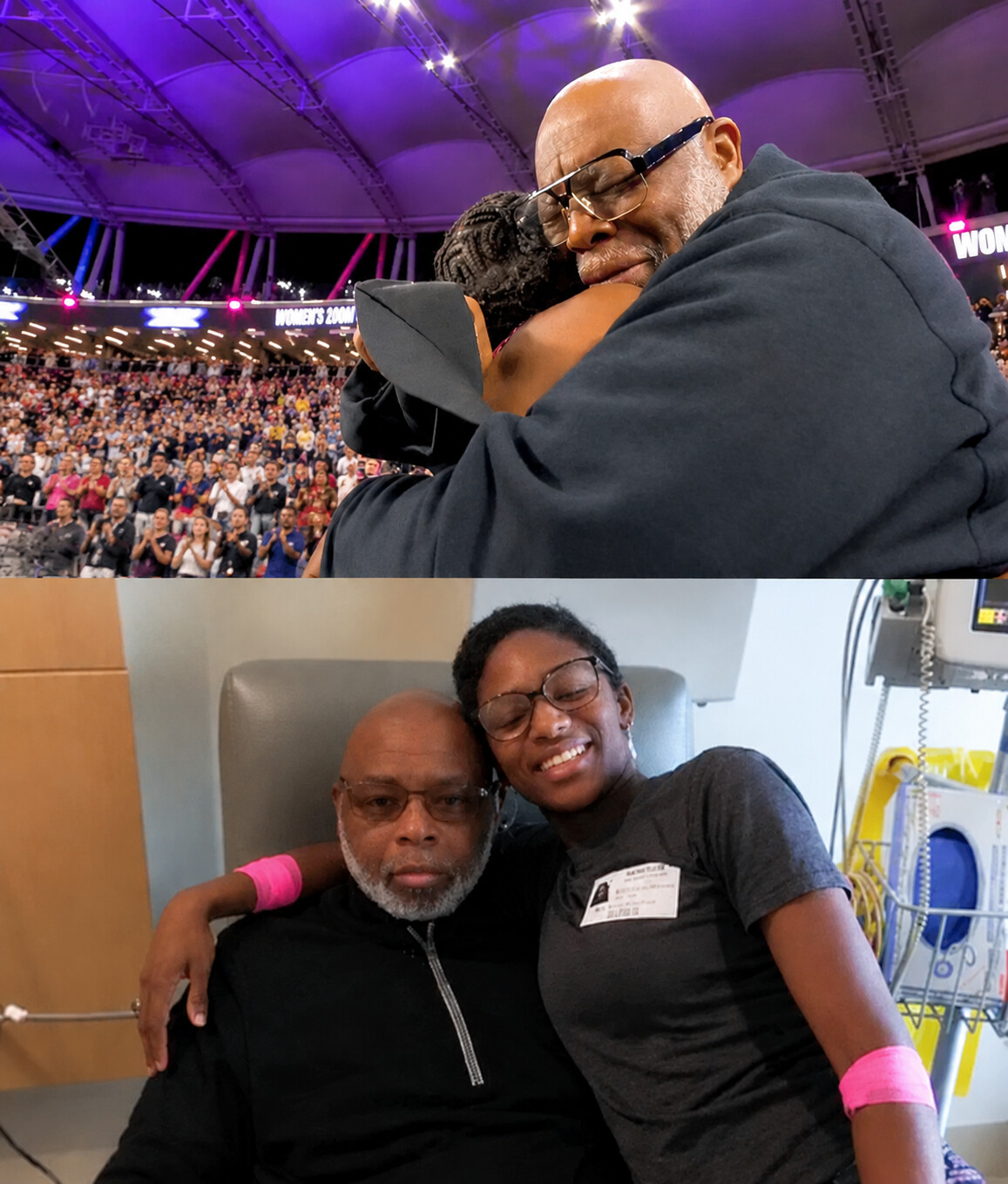
But beyond the time, the title and the celebration, one of the most touching moments came after the race when Jefferson-Wooden embraced her father, Melvin, in an emotional celebration.
Their moment carried a deeply personal meaning. When Melissa was just 17 years old, she donated her stem cells to help her father undergo a bone marrow transplant after he was diagnosed with myelodysplastic syndrome. Years later, the two shared an unforgettable embrace in Budapest after she had become the World Ultimate Champion.
For Jefferson-Wooden, however, the evening was about far more than a medal. It was the culmination of an extraordinary journey, now highlighted by a world-leading 10.62 seconds on one of the biggest stages in athletics.
With the Ultimate Championship title secured and her father by her side, Jefferson-Wooden leaves Budapest with more than being an ultimate champion. She leaves with momentum, confidence and a powerful statement of intent — turning a high-profile showdown into one of the defining sprint performances of her season.
by Erick Cheruiyot for My Best Runs.
Login to leave a comment
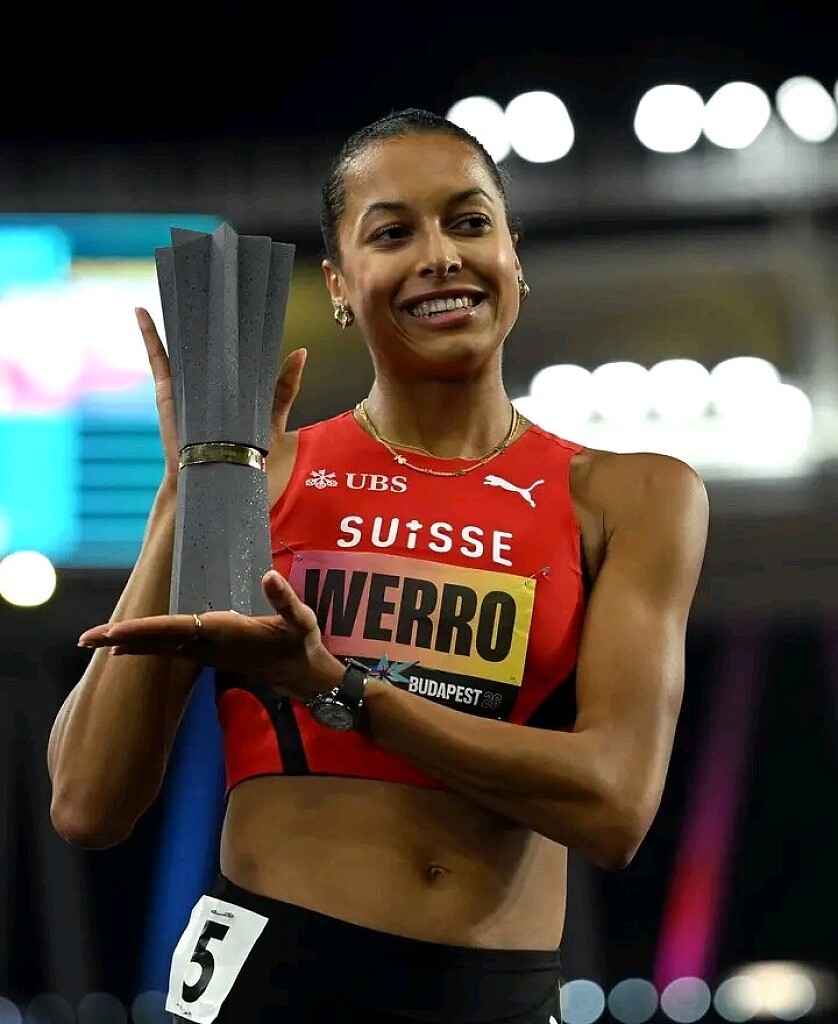
Audrey Werro Rules The 800m As Swiss Star Claims Ultimate Championships Crown
Audrey Werro has added another major title to her extraordinary season, storming to victory in the women’s 800m at the inaugural World Athletics Ultimate Championships in Budapest.
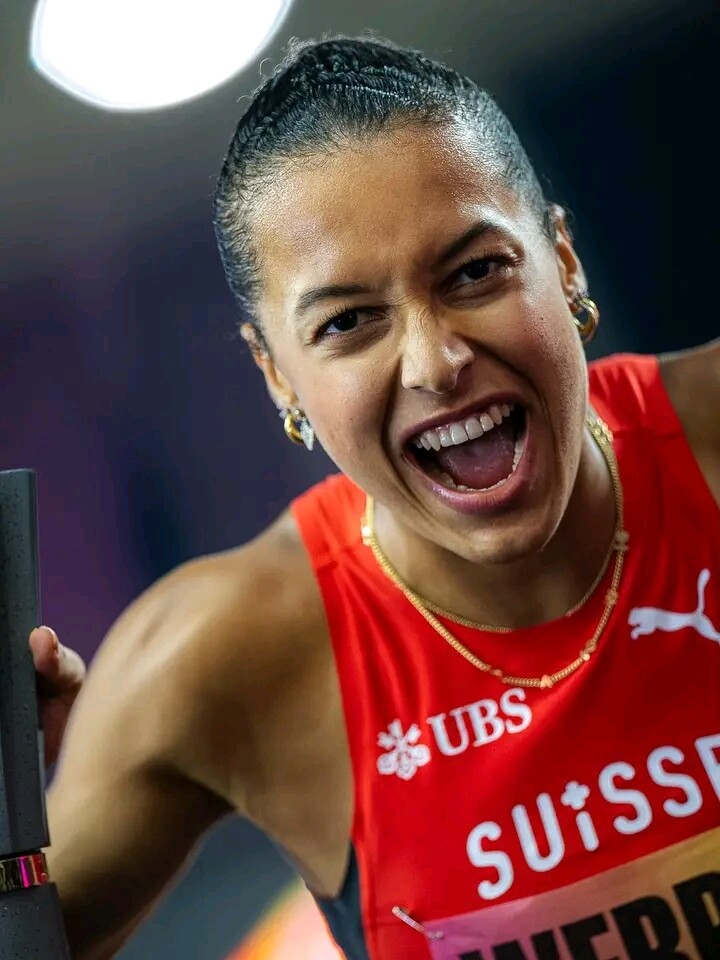
The Swiss star delivered a commanding performance, taking control from the opening gun and refusing to surrender the lead as she powered through an absorbing battle against two of the biggest names in the event.
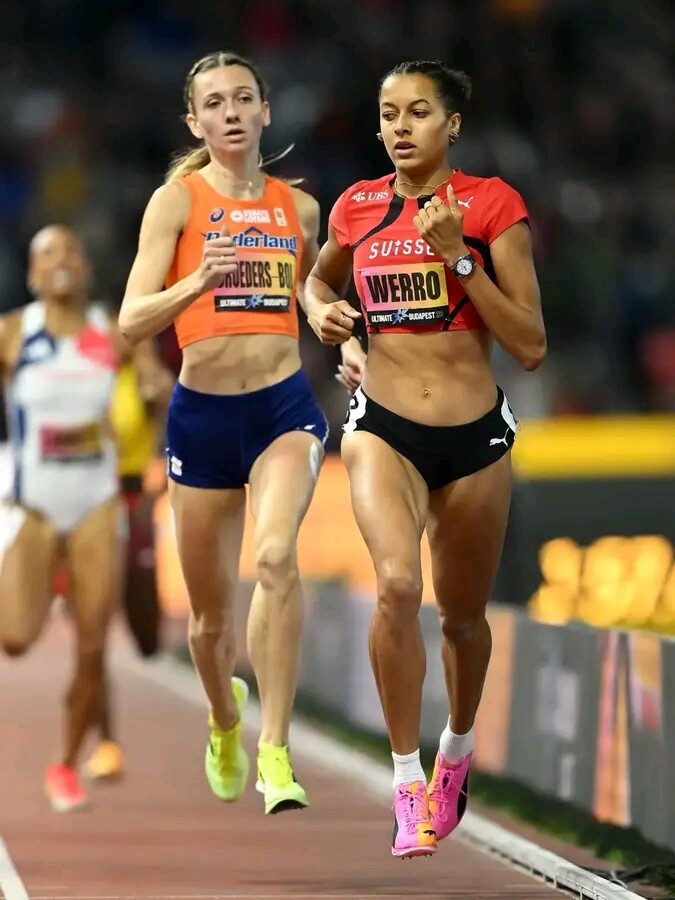
Werro stopped the clock at 1:55.88 to become the Ultimate Championships 800m champion, producing another statement performance on one of the sport’s newest and most prestigious stages.
Behind her, Great Britain’s Keely Hodgkinson fought her way to second in 1:56.26, while the Netherlands’ Femke Broeders-Bol completed the podium in 1:56.74.
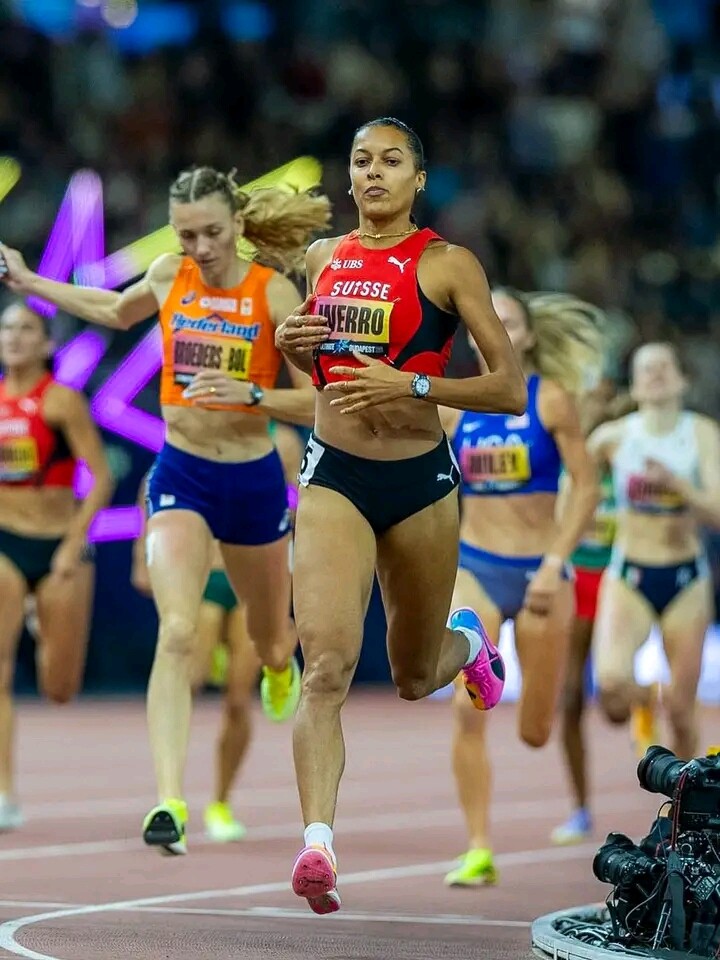
The result once again brought together the same formidable trio that featured on the podium at the European Championships, but Werro again proved to be the athlete who could rise above the challenge when it mattered most.
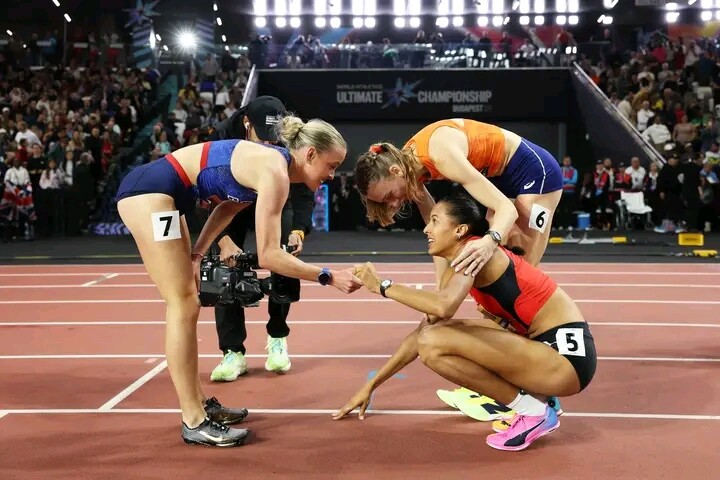
Her Budapest triumph is the latest chapter in a season that has already included records, a successful Diamond League Trophy defence and European Championship gold. Now, she can add the Ultimate Championships crown to a growing list of accomplishments.
Werro’s consistency has been particularly impressive in an 800m event packed with elite talent. Rather than simply relying on a fast finish, the Swiss athlete showed her authority by taking the initiative from the beginning and maintaining enough strength and composure to hold off Hodgkinson and Broeders-Bol all the way to the line.
The victory also underlined the remarkable depth of the women’s 800m, with three athletes separated by less than a second at the finish. Hodgkinson’s 1:56.26 and Broeders-Bol’s 1:56.74 showed just how fiercely contested the race was, but Werro’s decision to dictate the pace ultimately gave her the decisive advantage.
For Werro, this was more than another medal. It was another opportunity to demonstrate that her rise is no passing moment. On a stage featuring established champions and elite rivals, she once again produced the performance required to claim the biggest prize.
For Hodgkinson, the silver medal adds another major podium finish, while Broeders-Bol once again demonstrated her ability to compete with the very best over two laps.
But the spotlight in Budapest belonged unmistakably to Werro.
With another championship crown secured, the Swiss star has strengthened her claim as the athlete setting the standard in women’s 800m running. This is Audrey Werro’s era — and the rest of the field is chasing.
by Erick Cheruiyot for My Best Runs.
Login to leave a comment
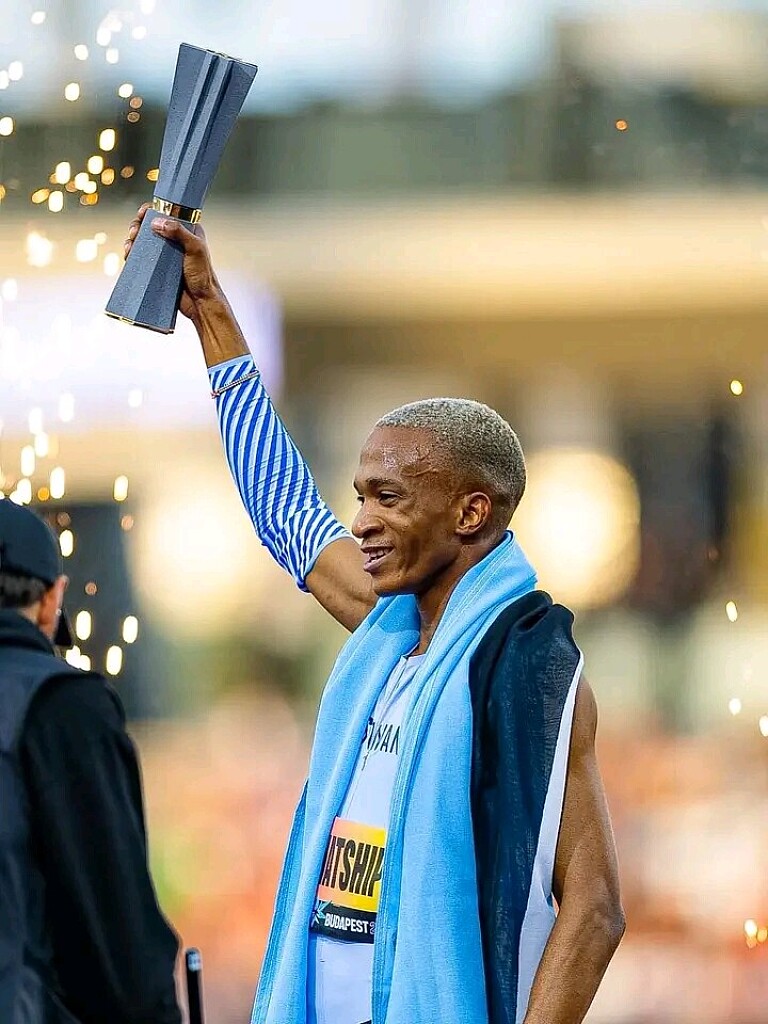
Collen Kebinatshipi Does It Again! 43.39 Makes Botswana Star Fifth All-Time.
Busang Collen Kebinatshipi has delivered another sensational performance, storming to victory in the men’s 400m at the inaugural World Athletics Ultimate Championship in Budapest.

The reigning world champion stopped the clock at an astonishing 43.39 seconds, smashing his own Botswana national record and moving to fifth on the world all-time list.
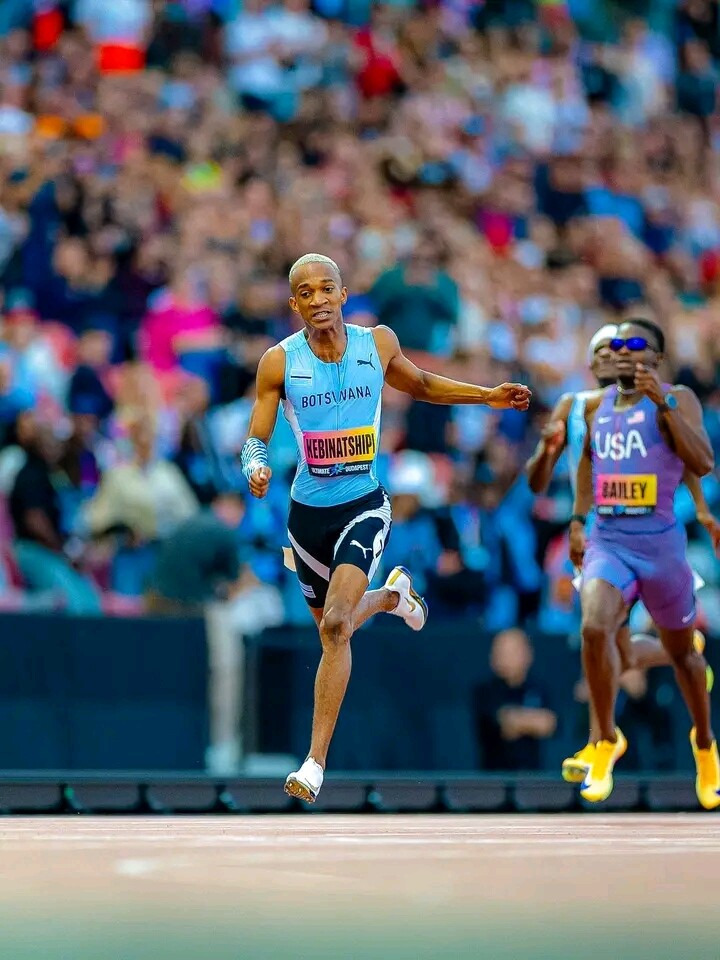
Kebinatshipi produced a commanding finish to pull away from his rivals and secure the Ultimate Championship title. American star Rai Benjamin finished second in 44.15, while Jereem Richards of Trinidad and Tobago completed the podium in 44.23.
Men’s 400m
1. Busang Collen Kebinatshipi — 43.39 NR
2. Rai Benjamin — 44.15
3. Jereem Richards — 44.23
The performance is even more remarkable considering that Kebinatshipi had already rewritten the Botswana record just one week ago in Brussels, where he ran 43.40. In Budapest, he lowered that mark by another 0.01 seconds to establish a new national record of 43.39.
That improvement has also propelled the 22-year-old into rare territory. His latest time now ranks him fifth fastest in history over 400m, placing him among an extraordinary group of athletes who have broken the 43.40 barrier.
Kebinatshipi's victory also caps an extraordinary season for the Botswana star. After establishing himself as a global champion, he has continued to demonstrate that he belongs among the very best one-lap runners in the world.
And there is a major reward for his historic night in Budapest: Kebinatshipi walks away as the Ultimate Champion and $150,000 richer.
From another national record to a place among the five fastest 400m runners ever, Kebinatshipi has turned an already remarkable season into something truly special.
Botswana has its latest sprinting superstar — and Kebinatshipi is showing that his ceiling may be even higher than anyone imagined.
by Erick Cheruiyot for My Best Runs.
Login to leave a comment

Marileidy Paulino Strikes Again To Rule The One-Lap Showdown In Budapest
Marileidy Paulino once again proved why she is the undisputed queen of the one-lap event, powering to victory in the women’s 400m at the inaugural World Athletics Ultimate Championship in Budapest.
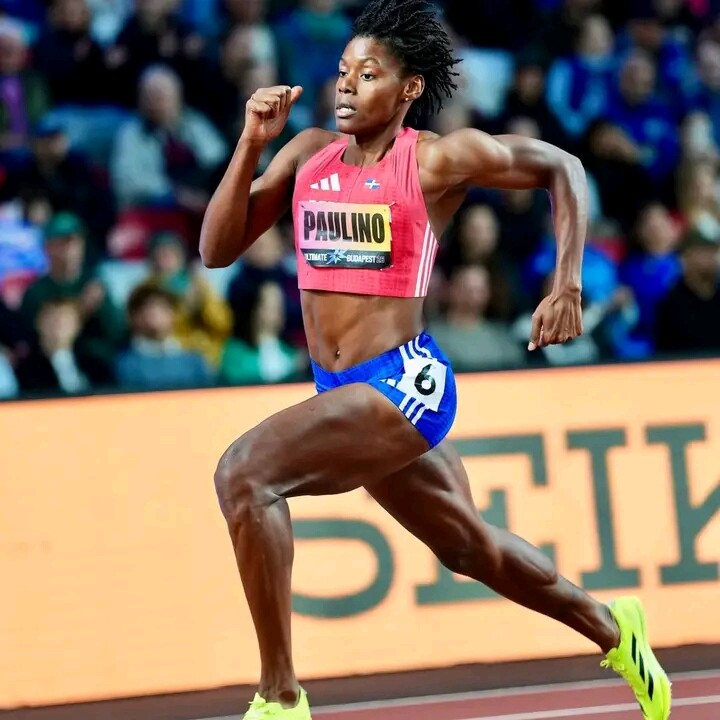
The Dominican Republic superstar produced a sensational 49.07 seconds to claim gold, pulling decisively away in the final straight and holding off a fiercely competitive field to extend her remarkable unbeaten run.
Paulino delivered her trademark combination of controlled speed and devastating finishing strength. She remained firmly in contention through the opening stages before unleashing her decisive move down the home straight, where she quickly opened a gap on her closest challengers.
Norway’s Henriette Jæger mounted a strong challenge but could not match Paulino’s finishing speed, crossing the line second in an impressive 49.28. Jamaica’s Nickisha Pryce completed the podium after clocking 49.56, ensuring that three of the world’s leading 400m talents occupied the medals.
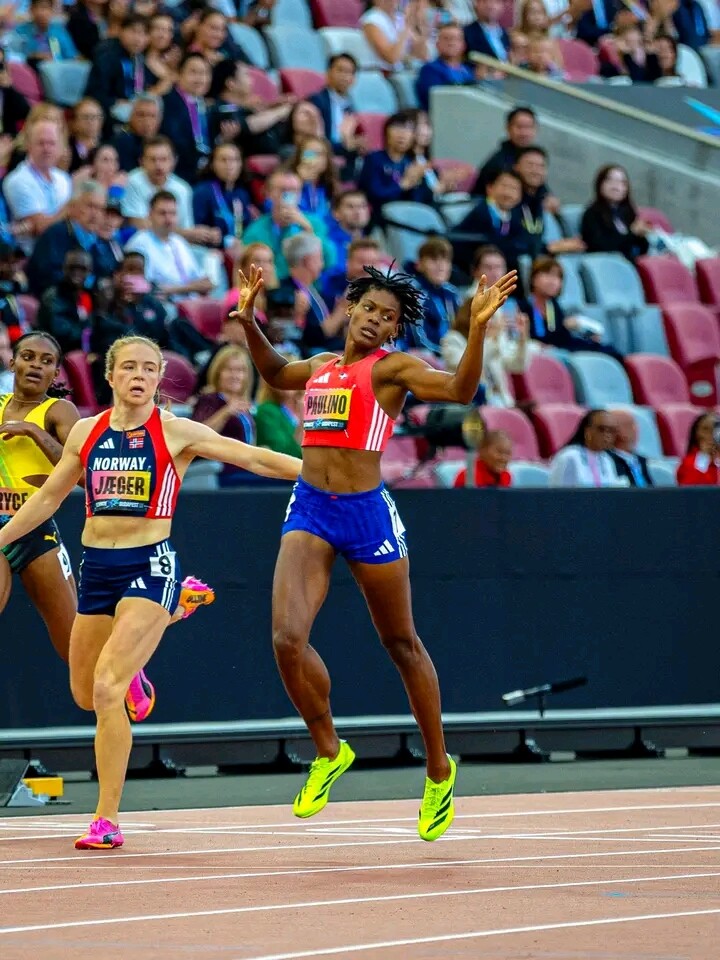
The result once again underlined Paulino’s extraordinary consistency at the highest level. She entered Budapest as the world leader after running 48.48 in Paris in June, a performance that also set a Diamond League record. She subsequently remained unbeaten throughout her Diamond League campaign, closing the circuit with a meeting-record 48.64 in Brussels.
Budapest has also become a special venue in Paulino’s career. Three years ago, at the same National Athletics Centre, she captured her first individual world title, marking the beginning of another dominant chapter in her career. She later added Olympic gold in Paris in 2024, further establishing herself among the defining 400m athletes of her generation.
The inaugural World Athletics Ultimate Championship has brought together the sport’s biggest stars in a new winner-takes-the-spotlight format, with Olympic and world champions, Diamond League winners and leading performers competing for ultimate honours.
For Paulino, the occasion once again ended with Ultimate Crown on her arms.
With 49.07 seconds, she did more than win another major 400m title. She delivered another statement of authority, powering through the final straight with the confidence and speed that have made her one of the most dominant figures in modern women’s athletics.
Marileidy Paulino remains unbeaten, remains relentless and, once again, remains the queen of the one lap.
by Erick Cheruiyot for My Best Runs.
Login to leave a comment
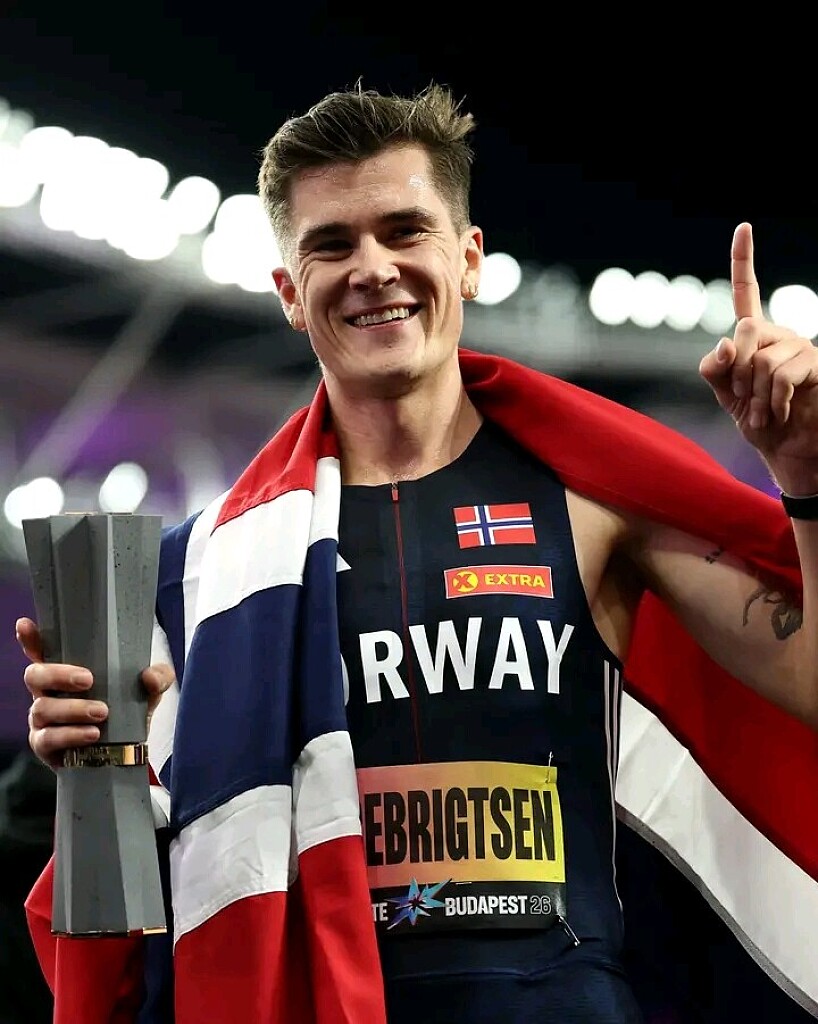
Jakob Ingebrigtsen Withdraws From Budapest 1500m After Stunning 5000m Victory: “Fitness Cannot Be Faked”
Jakob Ingebrigtsen has made a major decision regarding the remainder of his World Athletics Ultimate Championship campaign, confirming that he will withdraw from the men’s 1500m in Budapest despite producing a sensational performance to win the 5,000m title.
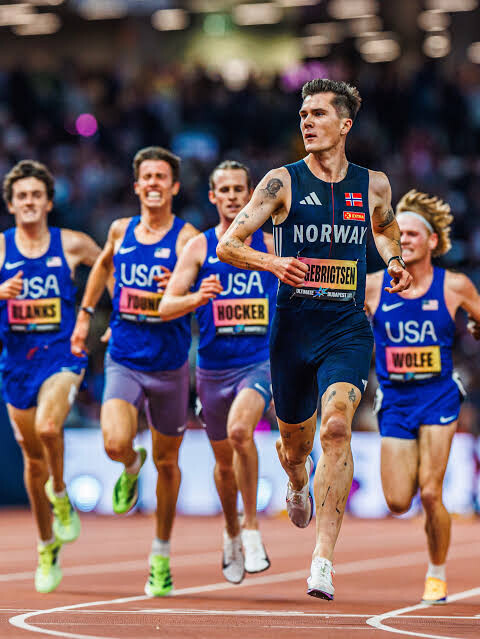
The Norwegian superstar stormed to victory in the inaugural Ultimate Championship 5,000m on Friday night, clocking a season-best 12:59.24 and delivering a devastating finishing kick to defeat Olympic 5,000m champion Cole Hocker and American Parker Wolfe.
Ingebrigtsen’s final 100 metres was arguably the defining moment of the race. The Olympic champion produced a remarkable 12.60-second closing 100m, powering away from the field to secure the $150,000 winner’s prize and underline just how far his fitness has progressed since returning from Achilles surgery.
The victory was particularly significant after what has been an extremely difficult period for the 25-year-old. Earlier in the season, Ingebrigtsen faced serious uncertainty over whether he would even be able to compete at the highest level again. His return has gradually gathered momentum, and his performance in Budapest offered perhaps the clearest indication yet that the Norwegian is rediscovering his formidable racing ability.
But rather than risk pushing his recovering body further, Ingebrigtsen has now opted to step away from the 1500m.
The decision means the highly anticipated showdown with British rival Josh Kerr will not take place in Budapest after all. The two stars had been expected to renew one of the biggest rivalries in modern middle-distance running in the 1500m final.

Instead, Ingebrigtsen is looking beyond the immediate opportunity and towards the bigger picture.
“I’m thinking about 2027… Fitness cannot be faked,” the Norwegian said, signalling that protecting his long-term condition has become more important than chasing another major victory only days after his return to peak-level competition.
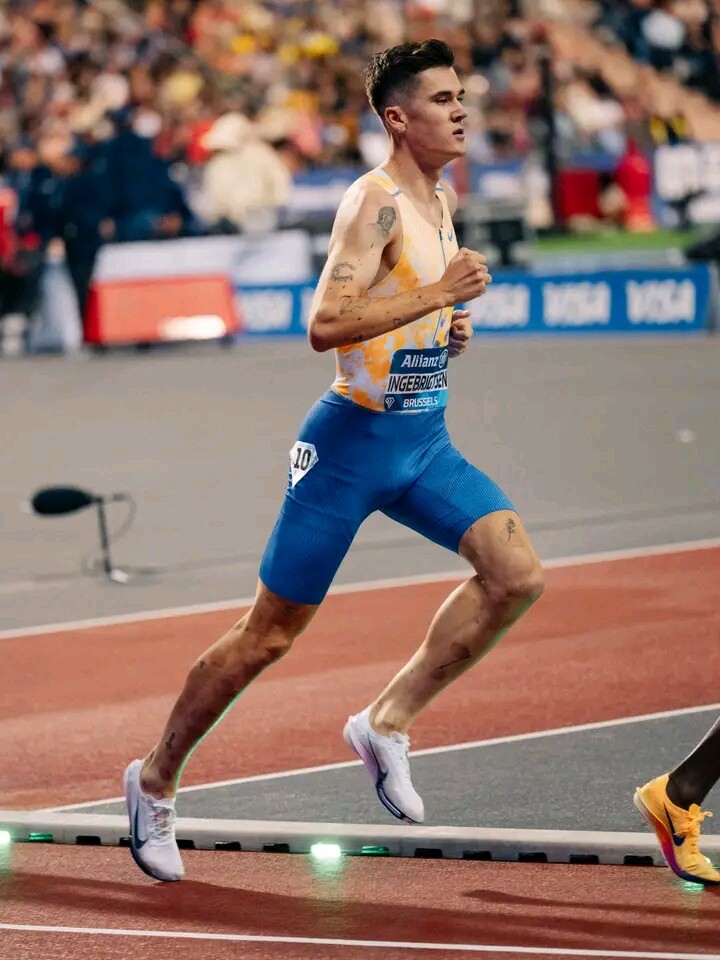
The decision comes just one week after an emotionally charged Diamond League Final in Brussels, where Ingebrigtsen finished fourth in the 1500m behind Australia’s Cameron Myers, Kenya’s Phanuel Kipkosgei Koech and American Ethan Strand.
After that race, Ingebrigtsen delivered a fiery assessment of his rivals and questioned the tactics surrounding the pacemaking, particularly involving Hocker. He later acknowledged that there had been “a little too much adrenaline and emotion” when microphones were placed in front of him immediately after the race.
Yet his latest decision shows that beneath the emotion and competitive intensity lies a longer-term strategy.
Ingebrigtsen has already demonstrated that he can compete at an elite level again. His 12:59.24 in Budapest was not simply a victory — it was a statement that the Norwegian remains capable of producing a world-class finish even after months of injury rehabilitation.
Now, however, he is choosing not to gamble with that progress.
For a runner who has spent much of the year fighting his way back from injury, another 1500m race could have offered enormous rewards but also carried unnecessary risk. By withdrawing, Ingebrigtsen is effectively prioritising longevity over one more opportunity for immediate glory.
His message is clear: the comeback is underway, but it will not be rushed.
The 5,000m victory has given Ingebrigtsen confidence, momentum and perhaps, most importantly, proof that his body can once again handle elite competition.
Now comes the harder part — knowing when to stop.
With 2027 already firmly in his sights, the Norwegian has chosen recovery over risk. And after everything he has endured, that could ultimately prove to be one of the most important decisions of his comeback.
Jakob Ingebrigtsen is not walking away from the sport. He is protecting his future in it.
by Erick Cheruiyot for My Best Runs.
Login to leave a comment
