

Running News Daily
Running News Daily is edited by Bob Anderson and team. Send your news items to bob@mybestruns.com Advertising opportunities available.
Index to Daily Posts · Sign Up For Updates · Run The World Feed
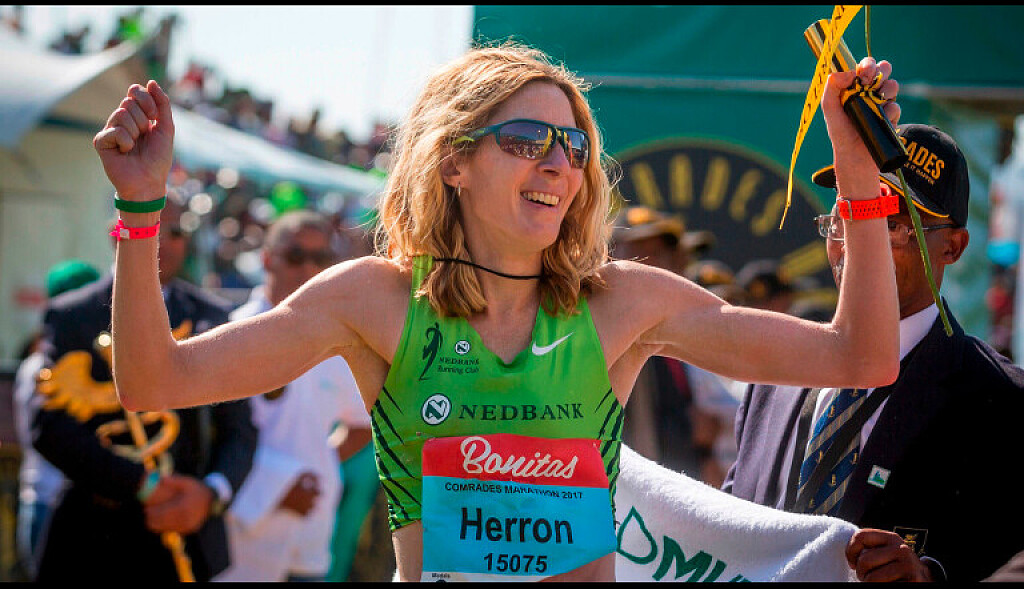


Camille Herron’s Advice: Skip the Long Run

Bones are made of dynamic tissues that need stress, just not too much, says one of the world's best ultrarunners
In January, my social media feeds were filled with the typical new year posts—year-end recaps, reflections and resolutions, and hopes for the coming year. But one tweet caught my eye.
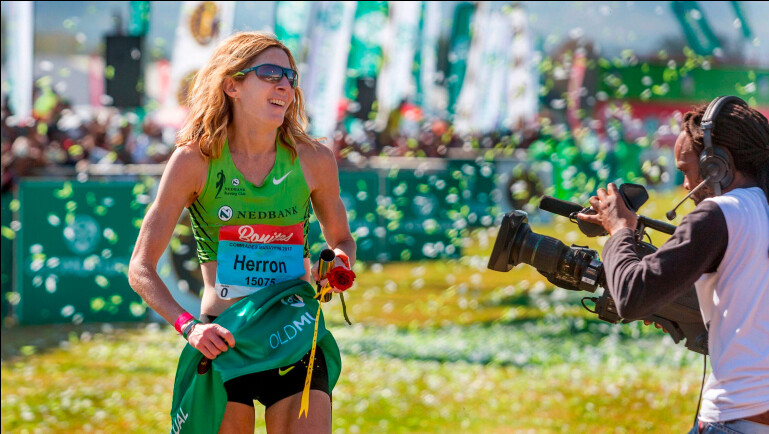
Ultrarunner Camille Herron shared one reason why she thought she was “crushing world records” in her forties: She only does one or two long runs a month (nothing over 22 miles) and she never does back-to-back long runs. Case in point: she ran one easy 20-miler in the lead-up to the Jackpot Ultra Running Festival’s 100-mile race last year, which she won outright. Instead, she focuses on cumulative volume and running frequency.
In her words, “Long runs are overrated.”
In the world of ultrarunning, where there’s a bravado around epic big-mileage days, Herron seems like an anomaly. Among the replies to her tweet, there was curiosity tinged with a side of skepticism. How could an ultra-distance athlete—one who holds world records for 100 miles and for the longest distance covered in 24 hours—run no longer than what you’d typically do in a marathon build-up? Shouldn’t her training mirror what she’d need to do in an ultra?
Karen Troy saw Herron’s tweet too. But her first thought was, “Wow. Someone’s actually trying to do it.” To Troy, who’s a professor of biomedical engineering and the director of the musculoskeletal mechanics lab at Worcester Polytechnic Institute, Herron’s training philosophy reflected what she’d read in scientific journals and seen in the lab related to mechanical stress and bone adaptation. “To me, it really aligned well with a lot of the theory,” she says.
Bone is a dynamic tissue. It changes, adapts, and gets stronger in the same way that muscles do. And in order for them to get stronger, you have to load them.
Bones have a “set point”—akin to the thermostat in your house—for the optimal amount of mechanical stress it wants to experience. Depending on the amount and rate of force transmitted through the bone, bone cells respond by either adding or removing bone. Too much force and the cells build bone to temper the load. Too little force and the cells get rid of bone so that it can sense more load.
Scientists have long been interested in finding the sweet spot between the amount of physical activity that induces adaptation and strengthens bone and the amount that can lead to injury—a fine line that many runners are intimately familiar with. What they’ve found in studies with animals like mice and rats is that, after back-to-back loading cycles, bone cells start to ignore the mechanical stress and stop adapting. Troy says it’s like when you walk into a smelly room. “It smells pretty bad for 10 to 15 minutes, and then you adapt. If you stay in the room, it stops smelling,” she says.
However, just like your nose can become re-sensitized if you leave the smelly room, bone cells do too. Studies have found that bone cells start to pay attention to mechanical stress again after a four-to-eight-hour rest period. When you spread the load over multiple sessions rather than one sustained bout, you gain more bone. (Tendons and ligaments respond similarly.)
The evidence suggests that distance running has diminishing returns when it comes to bone health. Troy hypothesizes that bone may respond to the stress of running over the first half mile or so but then become desensitized to the monotonous, repetitive loading. “You’ll get muscle and cardiovascular adaptations, but your bones aren’t paying attention anymore,” Troy says. “You’re just adding miles and potentially accumulating damage, but you’re not going to add adaptive stimulus that will help the bone become stronger.”
There isn’t a lot of data in people, making Herron an interesting case study. “Humans are made to move frequently,” Herron says. “The body responds to change and dynamic stimuli, so you need to stress the body in different ways.” It’s an approach she believes can work for runners at all levels and distances.
Her training is peppered with frequent, shorter bouts of running. Most days, Herron will run 10 to 15 miles and then doubles back for six or seven miles after a four-to-eight-hour rest period. Over a two-week period, she completes four main workouts—short intervals like 400-meter repeats; long intervals like one-to-three-mile repeats; a progression run, usually incorporated into a long run; and a hill session where she stresses both the uphill and downhill components to load her body eccentrically.
In between workouts, she runs easy and incorporates strides and drills twice a week. She likes to race a marathon or 50K a couple of weeks before a big race as a way to practice her nutrition and stress her body “just enough.”
“You can’t just look at a singular long run or back-to-back long runs. You have to look at the whole picture. Every run is like bricks that add up over time,” she says. Over the years, Herron has played around with her training formula and has cut back on her long runs, emphasizing quality over quantity and running for time rather than just distance. “I’m totally fine doing two hours as my long run,” she says.
It makes sense that Herron’s training is steeped in science. She was pre-med at the University of Tulsa before turning her focus to scientific research, studying the impact of strength training on bone and muscle. In graduate school at Oregon State, she investigated the relationship between mechanical stress and bone recovery for her master’s thesis. By studying bones, maybe she hoped to understand why she experienced multiple stress fractures in high school and college. What she learned shaped how she trains.
But she didn’t put the theory into practice right away. Early in her marathon career, she was still doing long runs up to 26 miles. It wasn’t until she started training at altitude that she began to split up her runs. Her coach (and husband) Conor Holt thought it would help her acclimate to the altitude, but she says, “It was like a rocket to the moon.” She recovered better and felt more spark in her legs.
Sabrina Little, ultrarunner and five-time U.S. National Champion, has also seen the benefits of this style of training. In college, she used to log big miles, a 30-mile run before doubling back for another 20 miles the next day. But once she graduated, she no longer had the luxury of dedicating endless hours to training. She expected to be less prepared for races but a funny thing happened—she performed better. It turns out that running multiple times a day may have other performance-boosting effects too.
“When I set the American record in the 24-hour run, my longest run was maybe 16 or 17 miles,” Little says. She would train in the morning and then come back for a faster session in the afternoon. “Breaking things into shorter blocks was beneficial. I was able to do higher integrity work instead of just long, slow distance,” she says. She thinks it helped her body absorb her training.
Now, as a parent to two young kids, Little definitely doesn’t have long blocks of time, so she practices what she calls “prepositional running”—before things, between things, and after things.
However, both Herron and Little logged many miles before happening upon their current training strategy. “I don’t want to say big days aren’t needed, but it’s hard to say what role they play,” Little says. “There’s a way in which the big races are kind of grandfathered into your legs, like you’re never too far away from your last 50-miler.”
While Herron and Little’s training mirrors research findings, it can’t be considered in isolation.
There are other factors that influence bone health and adaptation aside from mechanical loading—genetics, nutrition, running gait, and how much bone you laid down during your peak bone-building years. Hormonal health matters, too, because bone cells have sex hormone receptors. If your hormone levels are low, Troy says it tips the balance toward bone removal, leaving the tissue more vulnerable to injury.
Whether or not eschewing long, sustained bouts of running is the key to success and injury prevention, there are benefits to fostering the idea that not everyone needs big days on the road or trails.
“Most people have responsibilities and can’t spend all that time outside,” says Little. “People should know there are other possibilities. It could get a broader scope of people participating.”
Login to leave a comment
Latest Running News
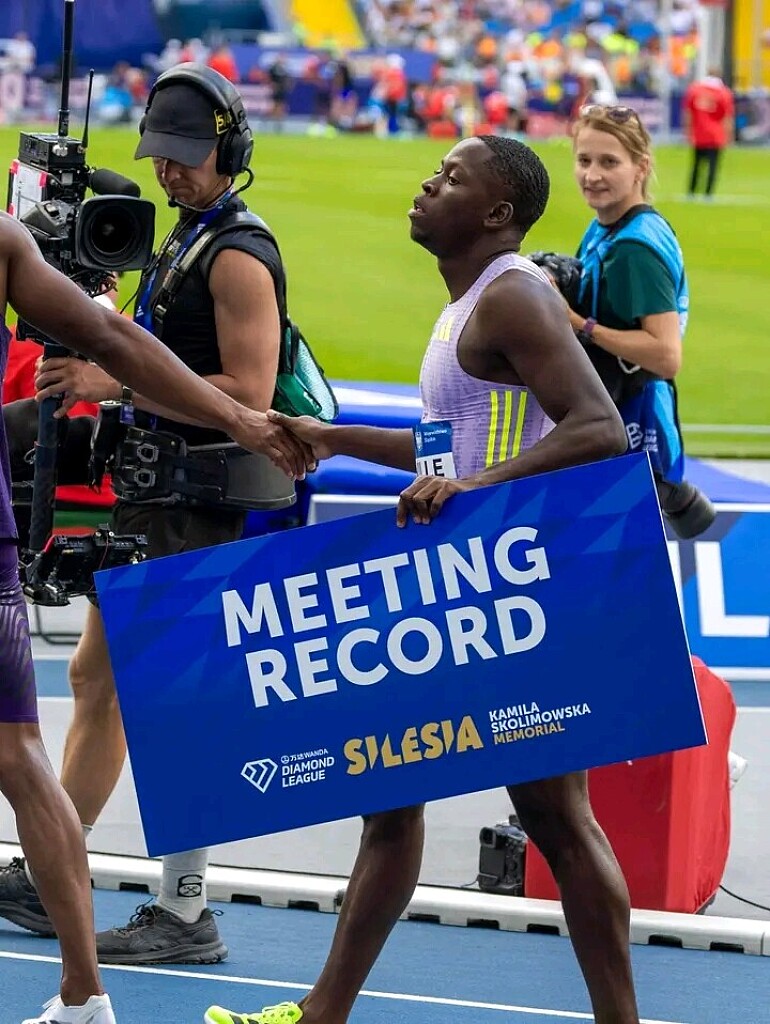
Oblique Seville Storms to 9.90 Victory in Historic Silesia 100m as All Nine Men Break 10 Seconds
Jamaica’s Oblique Seville delivered another sensational statement at the Silesia Wanda Diamond League, storming to victory in a breathtaking men’s 100 metres and setting a new meeting record of 9.83 seconds.
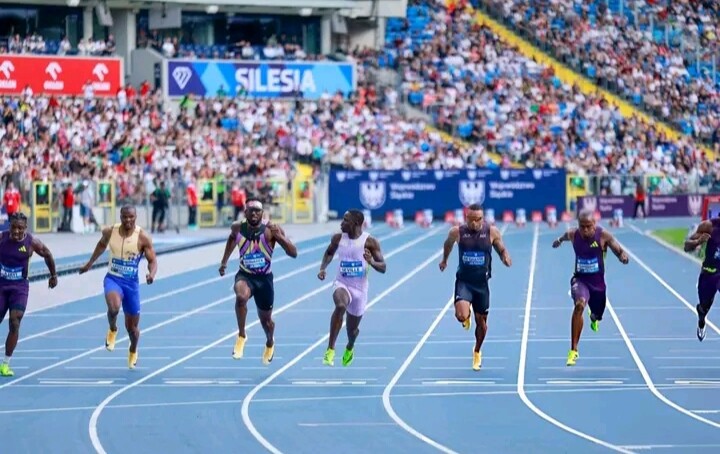
In one of the deepest and most extraordinary sprint races ever witnessed, Seville powered clear of a world-class field to take the win, with Kenneth Bednarek of the United States finishing second in 9.87 and fellow American Christian Coleman completing the podium in 9.93.
But Seville’s meeting-record victory was only one part of the remarkable story. For the first time in history, all nine athletes in a single men's 100m race broke the 10-second barrier, producing an unprecedented display of sprinting depth.
The historic race also marked only the second time that every athlete in a men's 100m final had broken 10 seconds, following the eight-man final at the Paris 2024 Olympic Games. In Silesia, however, the achievement went even further, with an entire nine-man field dipping below the iconic barrier.
Nigeria’s Kayinsola Ajayi produced another impressive performance to finish fourth in 9.94, while South Africa’s Gift Leotlela followed in fifth with 9.95. Canada’s Olympic champion Andre De Grasse clocked 9.96 in sixth, with South African star Akani Simbine recording the same time in seventh.
American Ronnie Baker added another sub-10-second performance with 9.97 for eighth place, while Cameroon’s Emmanuel Eseme ensured the historic sweep was complete by running 9.99 in ninth.
For Seville, the victory was another emphatic demonstration of his exceptional form and his ability to rise to the occasion against the strongest opposition. His 9.83 not only secured the Diamond League win but also lowered the Silesia meeting record, putting an exclamation mark on a performance of the highest quality.
Nine men went under 10 seconds. Seville went under 9.84. On an unforgettable day in Silesia, the Jamaican stood tallest in a race that pushed the boundaries of what men's sprinting has ever seen.
by Erick Cheruiyot for My Best Runs.
Login to leave a comment
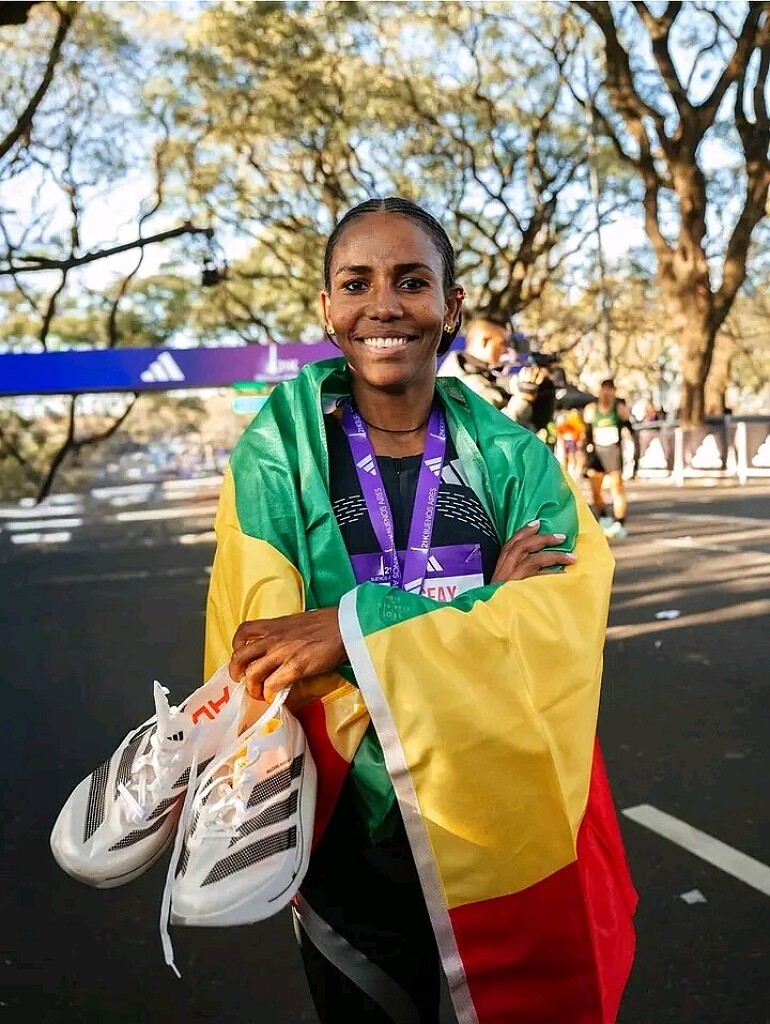
Fotyen Tesfay Haylu Smashes Buenos Aires Half Marathon Record with Historic 1:03:57 Performance
Ethiopia’s Fotyеn Tesfay Haylu delivered one of the most remarkable women’s half-marathon performances ever seen on American soil on Sunday, powering to a commanding victory at the 2026 Buenos Aires Half Marathon in Argentina in 1:03:57.
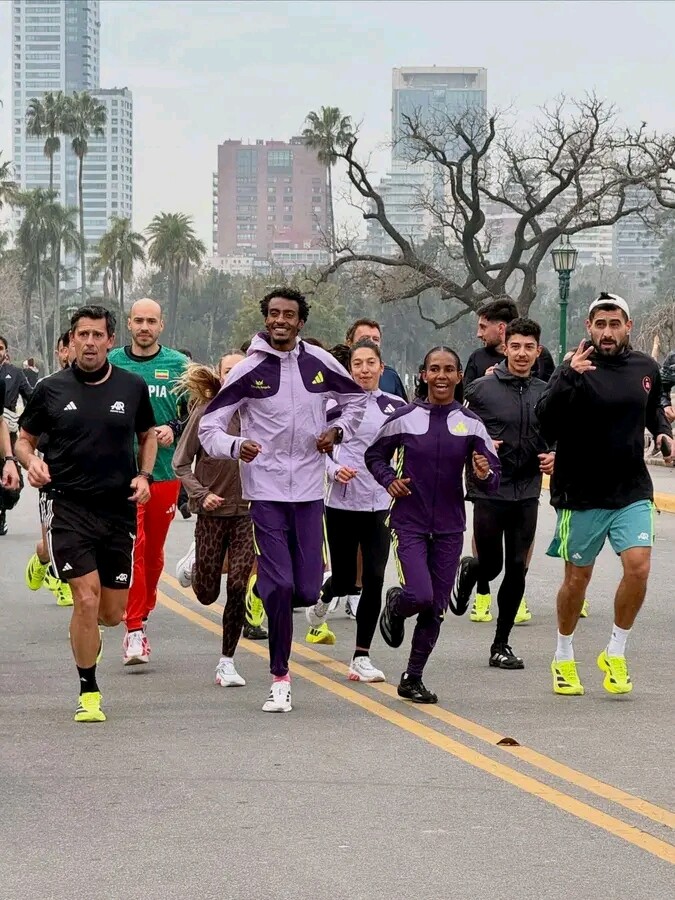
Running with exceptional confidence and strength, Tesfay took control of the race and produced a superb solo performance to rewrite the event record. Her breathtaking run also carried historic significance, as she became the first woman to break the 64-minute barrier for the half marathon in the Americas, producing what is being celebrated as the fastest women’s half-marathon performance ever recorded on the continent.
The Ethiopian star was in a class of her own, crossing the finish line more than a minute clear of Turkey’s Nevin Can, who finished second in 1:05:06. Another Turkish athlete, Selin Can, completed the podium in third place with 1:05:11, as the leading trio all produced strong performances on the fast streets of Buenos Aires.
Kenya also featured prominently in the top positions, with Irene Jepchumba Kimais taking fourth in 1:06:04, followed by Sheila Chepkirui in fifth with 1:06:13. Magaret Akidor Ngathike finished sixth in 1:06:46, while fellow Kenyan Deborah Samum claimed seventh place in 1:08:32.
Brazil’s Nubia de Oliveira Silva was eighth in 1:11:13, while Argentina’s Sofia Luna and Dahyana Juarez rounded out the top 10 with times of 1:11:21 and 1:11:28, respectively.
Top 10 Women – 2026 Buenos Aires Half Marathon
1. Fotyеn Tesfay Haylu (Ethiopia) – 1:03:57
2. Nevin Can (Turkey) – 1:05:06
3. Selin Can (Turkey) – 1:05:11
4. Irene Jepchumba Kimais (Kenya) – 1:06:04
5. Sheila Chepkirui (Kenya) – 1:06:13
6. Magaret Akidor Ngathike (Kenya) – 1:06:46
7. Deborah Samum (Kenya) – 1:08:32
8. Nubia de Oliveira Silva (Brazil) – 1:11:13
9. Sofia Luna (Argentina) – 1:11:21
10. Dahyana Juarez (Argentina) – 1:11:28
For Tesfay, it was far more than a race victory. Her 1:03:57 performance was a statement of extraordinary quality, combining speed, endurance and remarkable solo running to produce a landmark result in Buenos Aires. In a race that will be remembered for years to come, the Ethiopian did not simply win—she redefined what was thought possible for women’s half-marathon running in the Americas.
by Erick Cheruiyot for My Best Runs.
Login to leave a comment

Buenos Aires Half Marathon
The Buenos Aires Half Marathon is one of the most important in Latin America and attracted more than 25,000 runners from all over the world. Dare to run the fastest half marathon in Latin America....
more...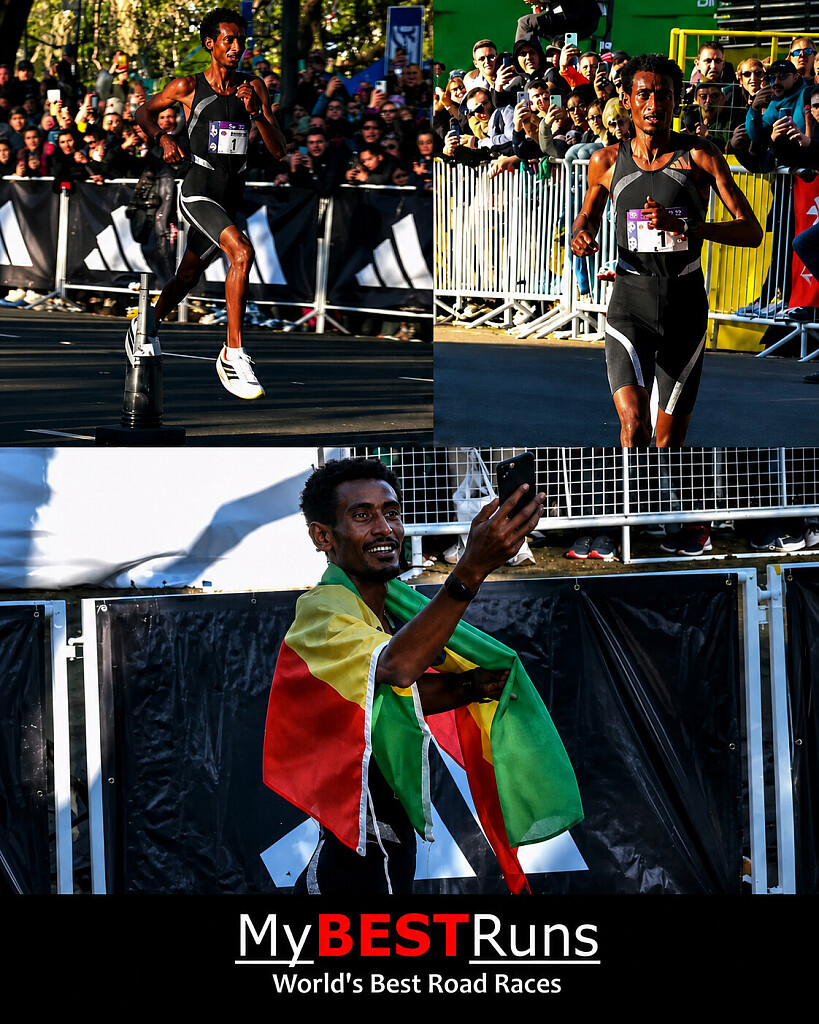
Yomif Kejelcha Smashes Half Marathon World Record with Sensational 56:51 in Buenos Aires
Ethiopia’s Yomif Kejelcha produced one of the most extraordinary performances in road racing history on the streets of Buenos Aires, Argentina, reclaiming the half marathon world record with a sensational 56:51 performance at the 2026 Buenos Aires Half Marathon.
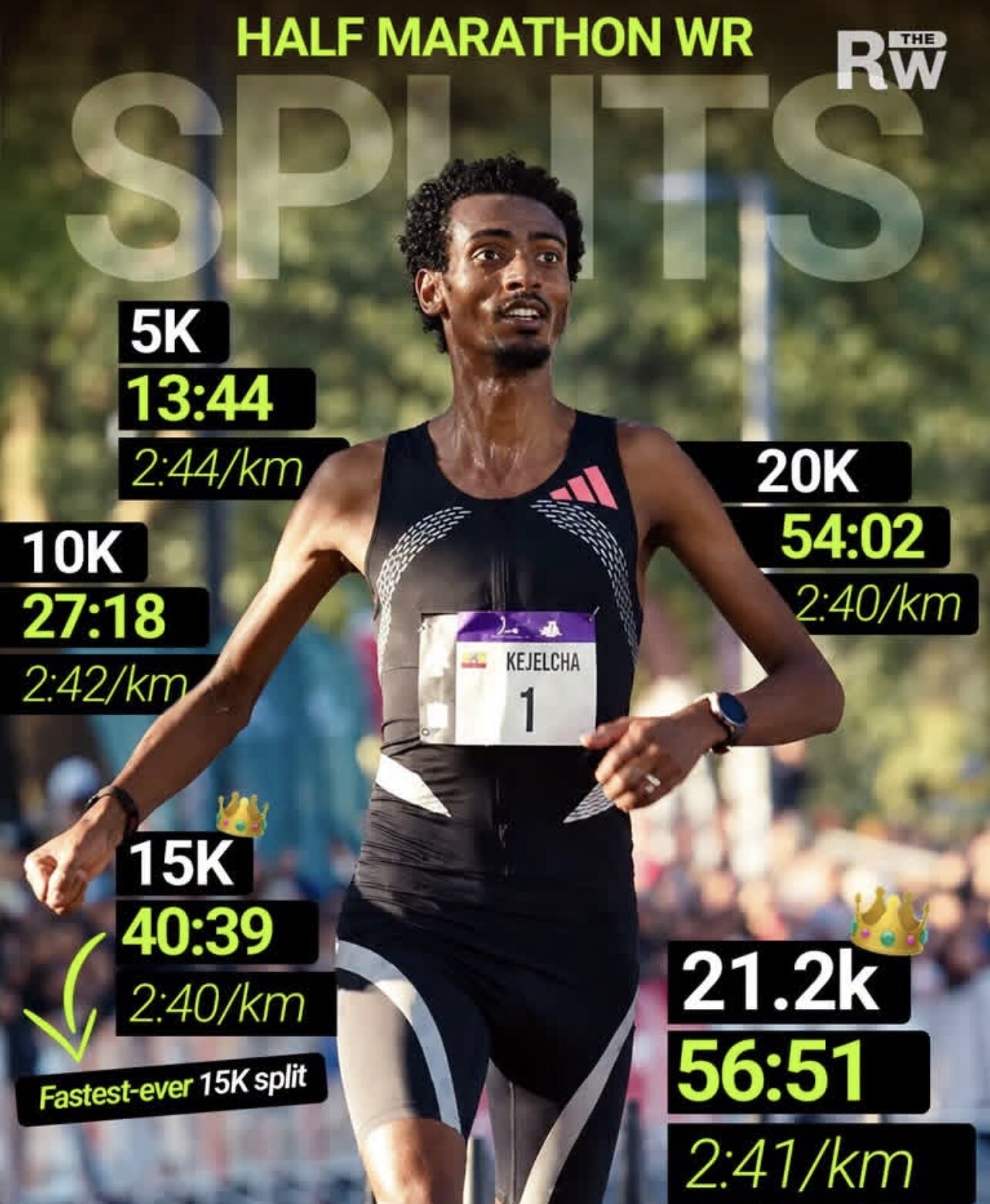
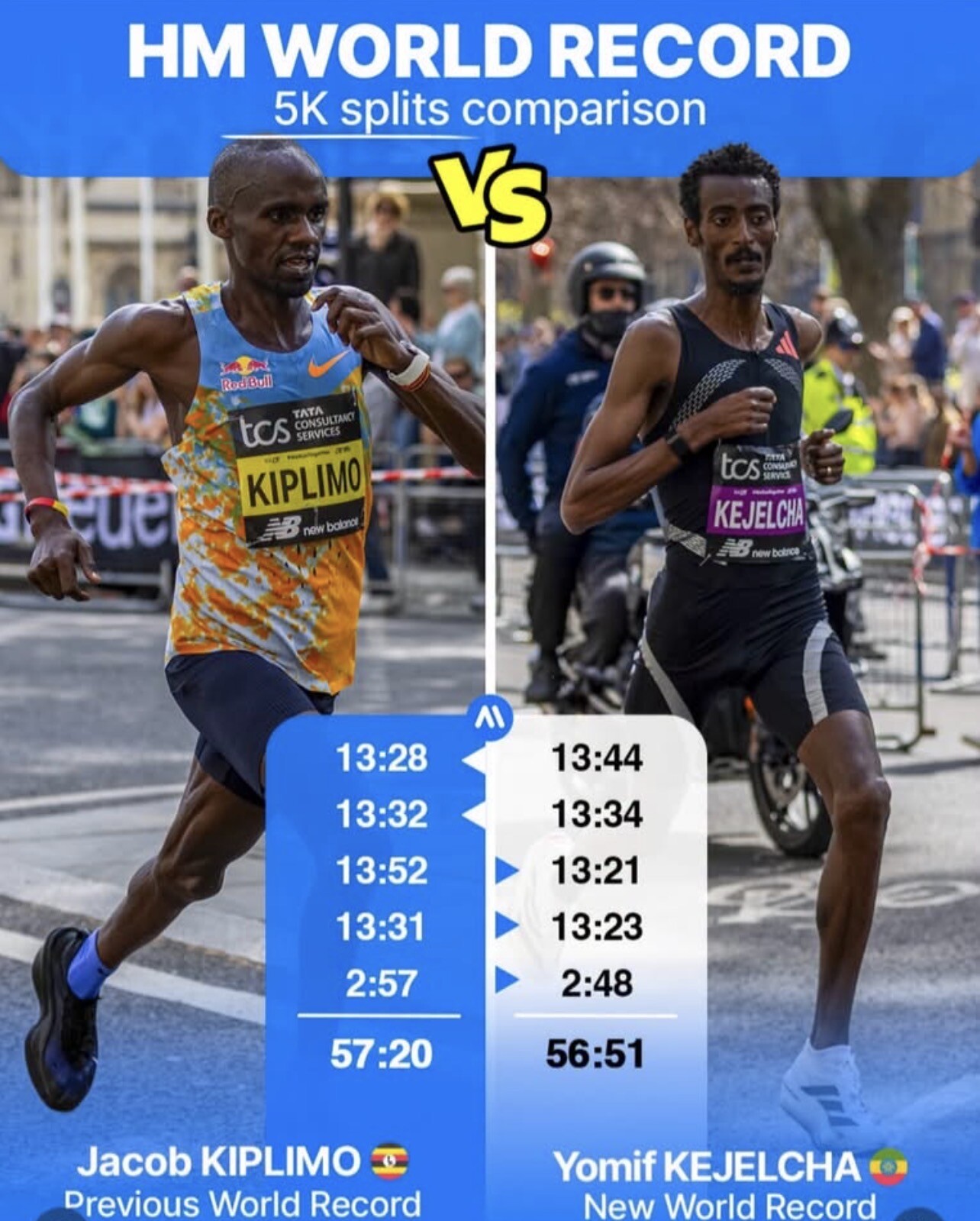
The former world record-holder delivered a breathtaking exhibition of speed and endurance to take 29 seconds off the previous pending mark of 57:20, set by Uganda’s Jacob Kiplimo and takes a huge chunk from his own former official world record. Kejelcha's new performance is pending the standard ratification procedures, but if officially ratified, it will return the world record to the Ethiopian star and mark another remarkable chapter in the evolution of the event.
Kejelcha's achievement is particularly significant because the 57-minute barrier had already been broken before. Jacob Kiplimo had previously run under 57 minutes, clocking 56:42 that was not ratified demonstrating that the once-unthinkable barrier was possible. Kejelcha, however, has become the second man to run under 57-minute barrier who now returns to the top of the all-time rankings with another historic performance in Buenos Aires.
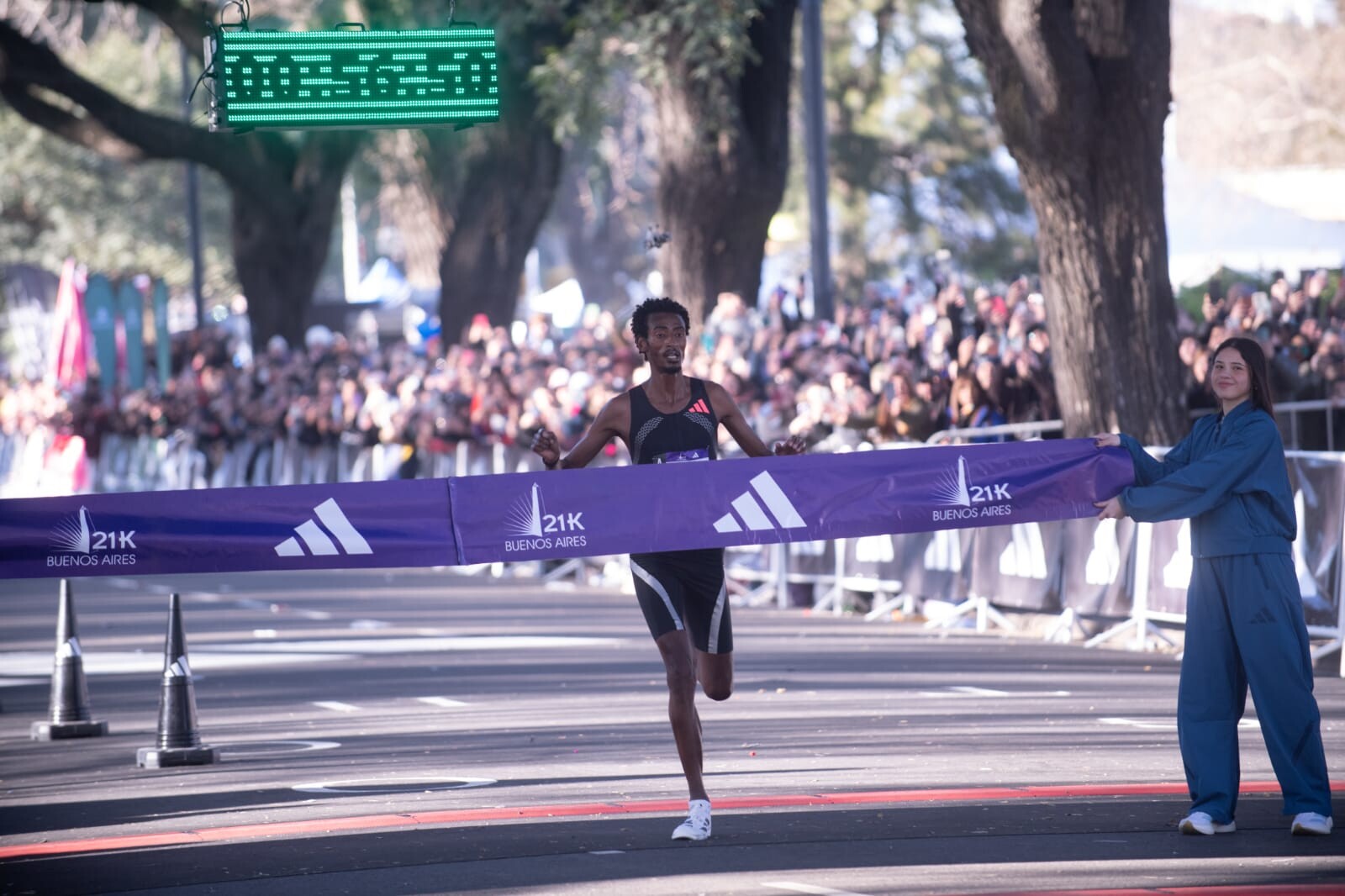
The Ethiopian's race was remarkable not only for the final time but also for the way he built his performance. He covered the opening five kilometres in 13:44 before reaching 10km in 27:18. Rather than slowing, Kejelcha accelerated through the middle stages, passing 15km in 40:39 and 20km in 54:02 as he continued to push the limits of elite road racing.
By the time he reached the finish line, Kejelcha had completed the race at an extraordinary average pace of approximately 2:42 per kilometre, producing one of the most astonishing sustained efforts ever witnessed in distance running. His stunning run sent a powerful message to the athletics world and further strengthened his status as one of the most formidable distance runners of his generation.

Behind the record-breaking champion, Ethiopia completed a dominant clean sweep of the men's podium. Tadese Worku Gebresilase claimed second place in 59:18, while Bereket Nega Batebo secured third in 1:00:17, giving Ethiopia a memorable one-two-three finish in the Argentine capital.
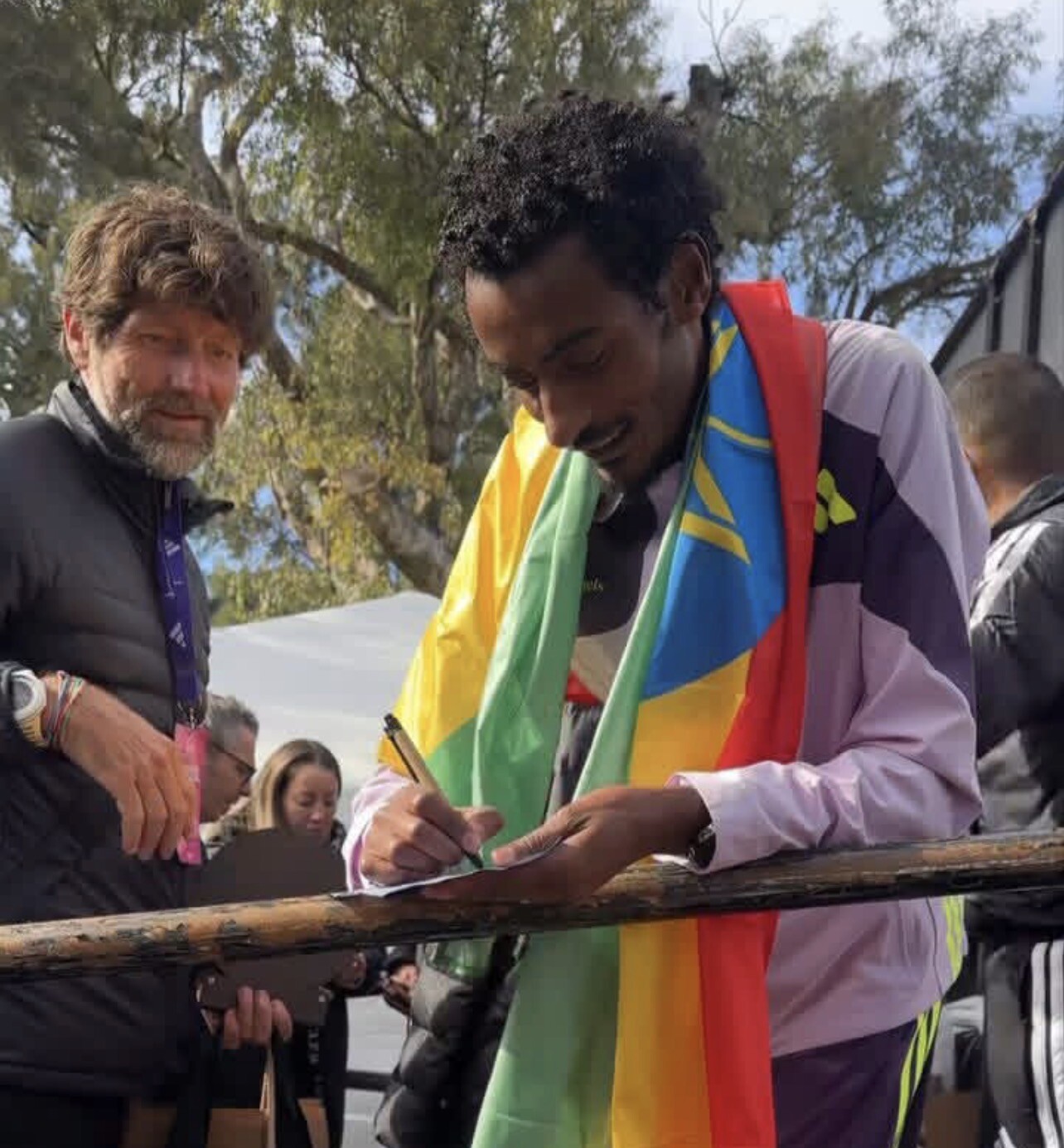
Kenya’s Jonathan Kipkoech Kamosong finished fourth in 1:00:20, followed by compatriot Simon Maywa in fifth with 1:00:55. Argentina’s Ignacio Erario gave the home supporters plenty to celebrate with an impressive sixth-place finish in 1:00:57, breaking the one-hour barrier in front of an enthusiastic local crowd.
Dillon Kipyeko of Kenya finished seventh in 1:01:07, with Robert Kiprop Koech eighth in 1:02:01. Mexico’s Julio Ortiz Ponce took ninth place in 1:03:17, while Colombia’s Jimmy Gómez completed the top 10 in 1:03:34.
The Buenos Aires Half Marathon will now take its place in the history books as the scene of a truly extraordinary breakthrough. For Kejelcha, this was more than just another victory. It was a spectacular return to the top, reclaiming a world record he had previously held and once again rewriting the limits of the half marathon.
The 56:51 performance remains pending ratification, but Yomif Kejelcha's run has already delivered one of the defining moments in the history of road racing.
by Erick Cheruiyot for My Best Runs.
Login to leave a comment

Buenos Aires Half Marathon
The Buenos Aires Half Marathon is one of the most important in Latin America and attracted more than 25,000 runners from all over the world. Dare to run the fastest half marathon in Latin America....
more...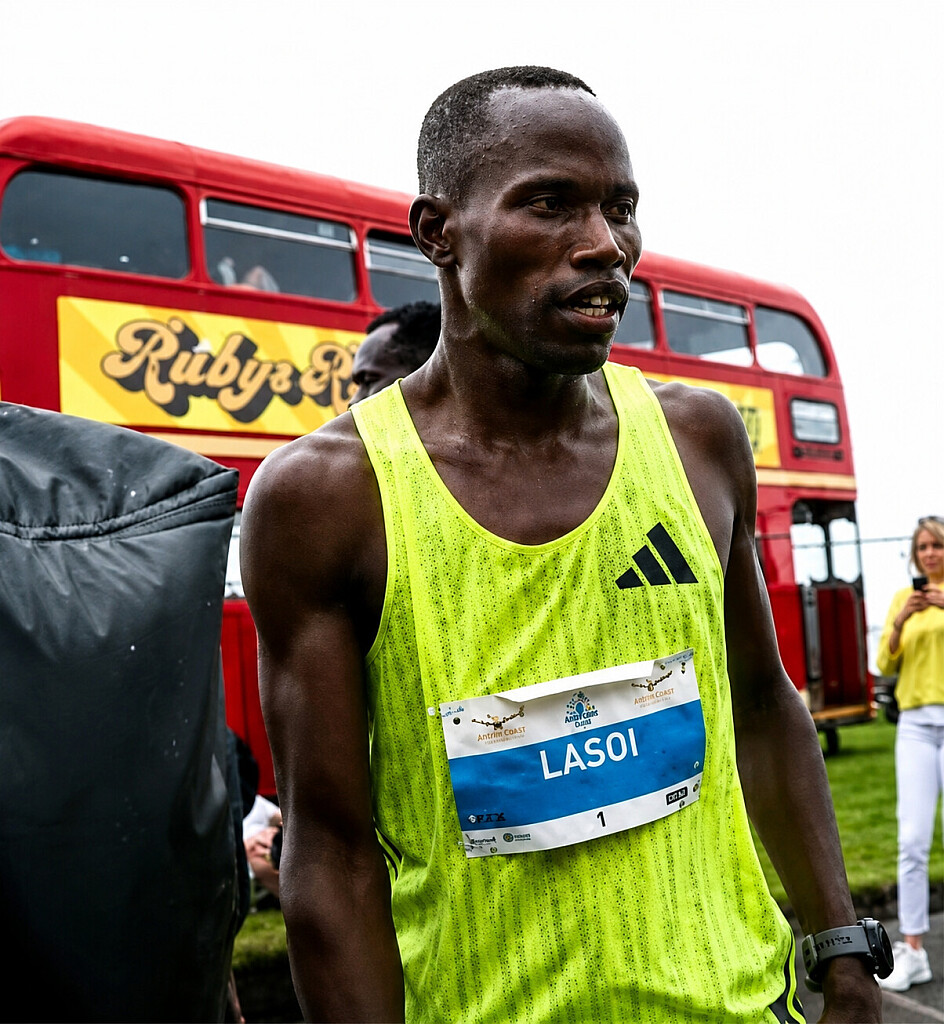
Isaia Lasoi Leads Kenyan Podium Sweep at Antrim Coast Half Marathon
Kenya delivered another commanding display of distance-running excellence at the Antrim Coast Half Marathon, with Isaia Lasoi leading a memorable Kenyan clean sweep of the men's podium in a race packed with world-class performances.
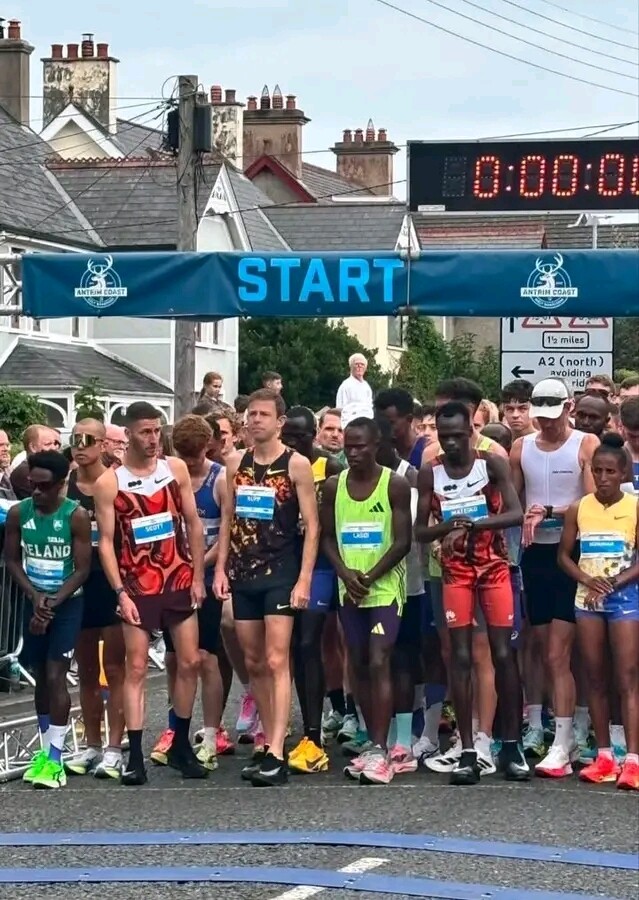
Lasoi emerged victorious after a thrilling battle at the front, crossing the finish line in a superb 58:26 setting a new course record. His winning performance underlined his strength and speed over the half-marathon distance, but he was made to work all the way by fellow Kenyan Daniel Mateiko, who finished just three seconds behind in 58:29 after an electrifying duel for the title.
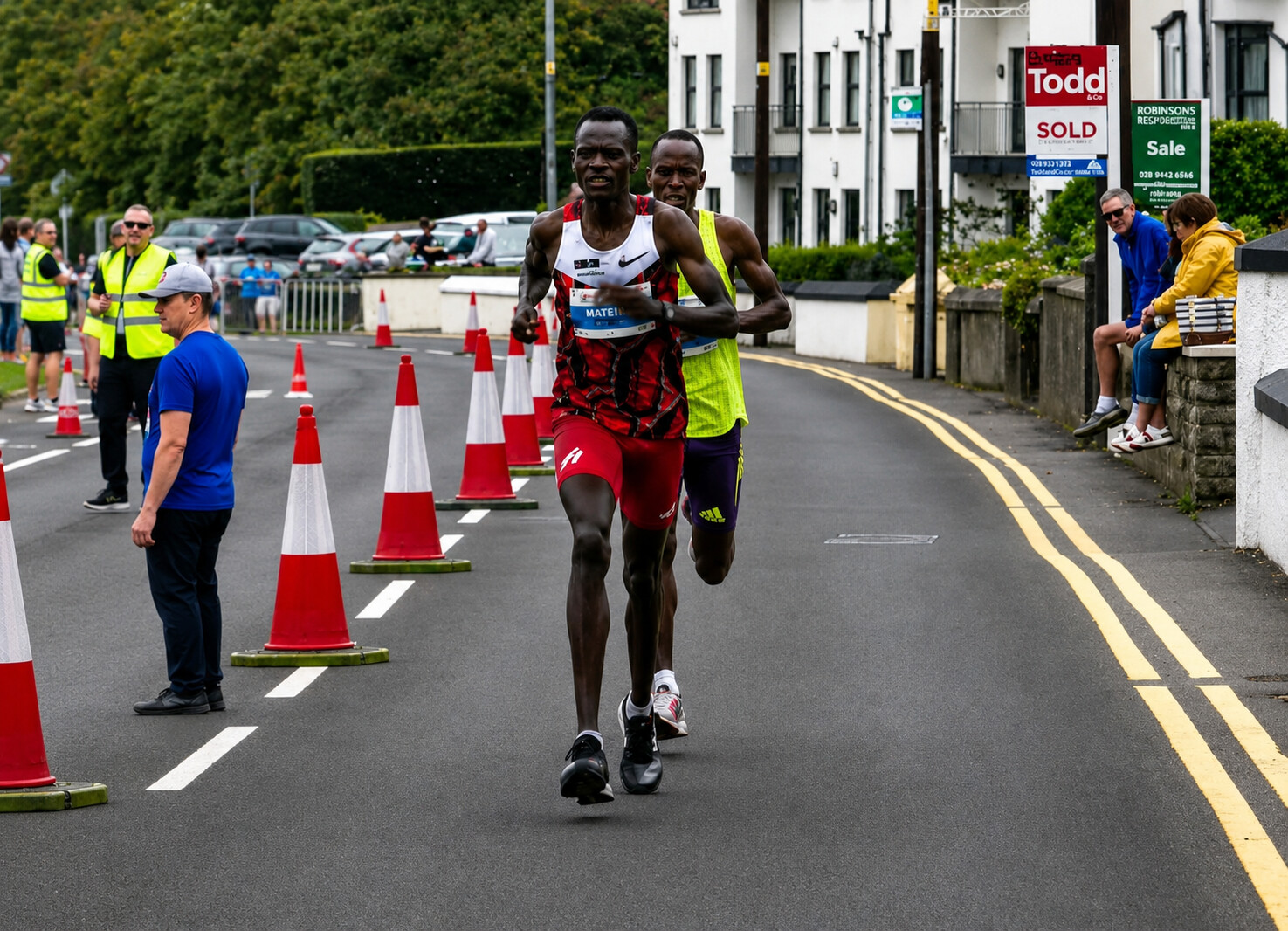
The contest between the two leaders produced one of the standout moments of the race, with both athletes pushing deep into elite territory as they fought for victory. In the end, Lasoi found just enough to secure the win, while Mateiko's narrow defeat highlighted the remarkable depth and quality of Kenya's leading distance runners.
Vincent Kipkorir completed the Kenyan sweep, taking third place in 1:00:38 to ensure that all three places on the podium belonged to Kenyan athletes. Samwel Chebolei added further Kenyan strength to the results, finishing fourth in 1:01:01, while Amos Langat was also among the leading finishers.
The international field featured several prominent names. Australia's Jimmy Whelan produced a strong run, while Ethiopia's Yismaw Dillu featured among the front group. American marathon star Galen Rupp also delivered a notable performance, clocking 1:01:29 in another competitive outing for the experienced distance runner. Former world-class track and road athlete Edward Cheserek was also among the top finishers.
Lasoi's 58:26 victory, however, was the defining performance of the day. Together with Mateiko and Kipkorir, he gave Kenya a perfect podium and another emphatic reminder of the country's extraordinary strength in elite road running.
The Antrim Coast Half Marathon once again provided a fast, competitive stage for some of the world's finest distance runners, but when the decisive moments arrived, it was Kenya that owned the podium.
by Erick Cheruiyot for My Best Runs.
Login to leave a comment
MEA ANTRIM COAST HALF MARATHON
The MEA Antrim Coast Half Marathon 2022 has been approved by World Athletics as an Elite Event. The World Athletics certified course takes in some of the most stunning scenery in Europe, combined with some famous landmarks along the route. With it's flat and fast course, the race is one of the fastest half marathons in the world. Starting...
more...
Entries Set to Open for Historic 100th Comrades Marathon as Centenary Celebration Begins
One of the most iconic milestones in the history of ultramarathon running is drawing closer, with entries for the historic 100th edition of the Comrades Marathon set to open on Tuesday, 25 August 2026.
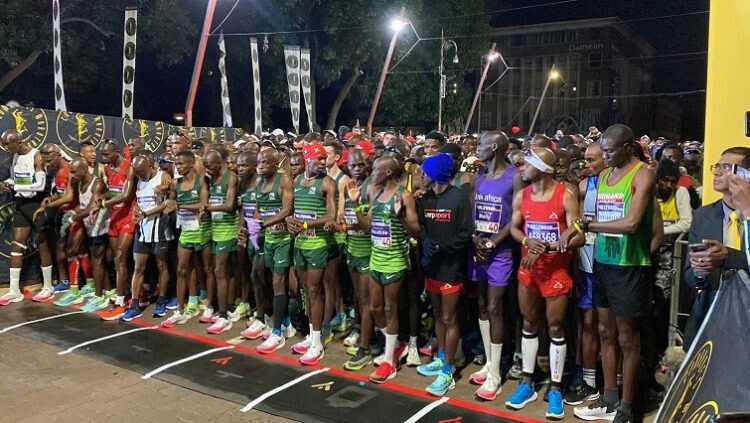
The Comrades Marathon Association has officially announced a detailed entry process for the 2027 race, which will unfold in three stages and give runners around the world the opportunity to secure their place in what promises to be one of the most significant editions ever held of The Ultimate Human Race.
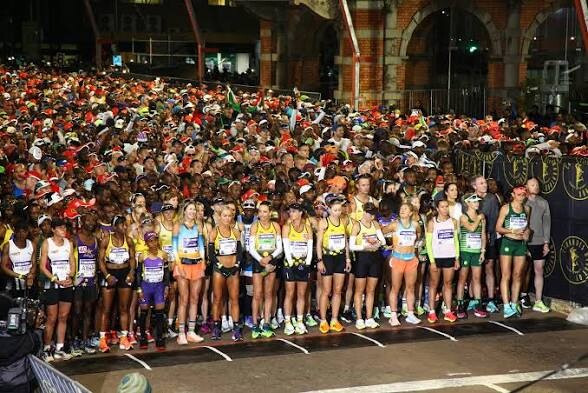
The announcement followed the official launch of the 2027 Comrades Marathon on Wednesday, 19 August, when the centenary campaign, “The Greatest Story Ever Run,” was unveiled alongside a special logo created exclusively for the landmark 100th edition.
The launch also revealed several major highlights for the Centenary Race. The historic event will take place on Sunday, 13 June 2027, and will be a Down Run, with 28,000 places available. The entry process will include a ballot, while the race will offer a record R8.919 million in prize money. Organisers have also set an ambitious goal of raising R10 million for the Amabeadibeadi charities, adding an important charitable dimension to the centenary celebrations. One of the defining moments of the launch was the unveiling of the special Centenary mark, created to commemorate this extraordinary milestone in the history of the race.
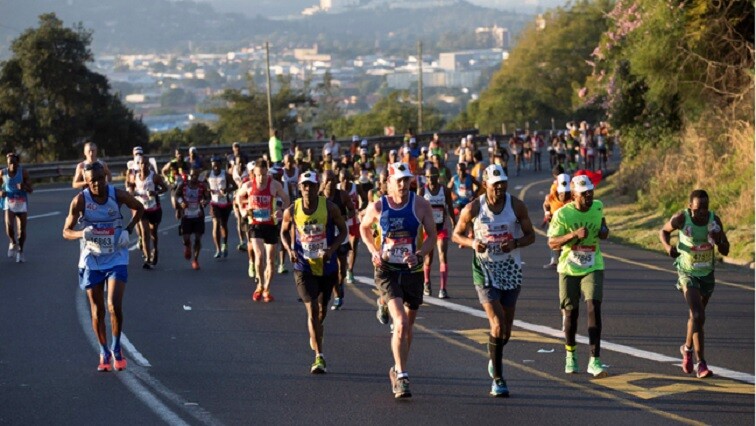
The entry process begins on 25 August at 10:00 a.m. SAST, when entries open for Green Number runners, Yellow Number runners and Amabeadibeadi charity entrants.
The next phase follows on 2 September at 10:00 a.m. SAST, when entries open for Comrades Marathon Association members. This window will remain open for 72 hours or until the available entry allocation is filled, with places offered on a strictly first-come, first-served basis.
For general entrants, the process will move to a ballot system. General entries open on 9 September at 10:00 a.m. SAST, with runners able to enter the ballot until it closes on 22 September at 4:30 p.m. SAST. The ballot draw is then scheduled to take place on 23 September.
Several other crucial dates will shape the road to the historic race. The substitution period will run from 15 to 31 March 2027, while 3 May 2027 is the final deadline for runners to submit their qualifying performances, seeding information and other required entry details.
To qualify for the 2027 Comrades Marathon, runners must complete a 42.2km marathon in under five hours between 15 June 2026 and 3 May 2027.
The journey will finally culminate on Sunday, 13 June 2027, when thousands of runners are expected to line up for the historic 100th edition of the Comrades Marathon.
The 2027 race will represent a remarkable moment for the legendary South African ultramarathon. For more than a century, the Comrades Marathon has captured the imagination of runners and spectators with its extraordinary test of endurance, determination and human spirit. Its centenary edition will celebrate the generations of athletes who have faced its demanding roads, conquered its challenges and helped build one of the world's most respected endurance events.
For runners dreaming of becoming part of this historic occasion, the road to Comrades 2027 is now clearly marked. From the opening of entries in August 2026 to race day in June 2027, every deadline will matter.
The Greatest Story Ever Run is preparing for its most historic chapter yet.
by Erick Cheruiyot for My Best Runs.
Login to leave a comment

Comrades Marathon
Arguably the greatest ultra marathon in the world where athletes come from all over the world to combine muscle and mental strength to conquer the approx 90kilometers between the cities of Pietermaritzburg and Durban, the event owes its beginnings to the vision of one man, World War I veteran Vic Clapham. A soldier, a dreamer, who had campaigned in East...
more...