

Running News Daily
Running News Daily is edited by Bob Anderson and team. Send your news items to bob@mybestruns.com Advertising opportunities available.
Index to Daily Posts · Sign Up For Updates · Run The World Feed



The Best Goal-Setting Apps And Services for 2023

You're a week into 2023, and maybe your New Year's Resolution is going to plan-or maybe it's already slightly derailed. That's OK! There's still time to get the train back on track before the trail running season (finally) wakes up and starts moving a bit again. But you'll need help. Don't worry, we've got your back with a simple goal-setting app or online training log that'll help you knock out the little things that add up to big ones later on down the line. Let's dig in.
Find a challenge

While there aren't a ton of races to sign up for in January, that doesn't mean you can't find something to motivate you to train. Use a challenge-like our Multisport Mobility Bootcamp - to get you jump-started. Don't worry if you didn't start on Jan. 1, the expert workouts and plans from big-name coaches will help you set up training zones that'll give you momentum (and valuable info) into the spring. Not only will a benchmark challenge make you fitter and faster for running, it'll give you some invaluable zone/pace training info when you're done. If nothing else, you should absolutely start 2023 with some concrete training zones to help build your training.
Don't build off resolutions - build habits instead
Everyone knows about The Quit Date-just about two weeks into the year, some say around Jan. 12, some say Jan. 10. That's the day most people's New Year's Resolutions come to a crashing halt. The bad news is that experts say habits-these are the big, strong things that you want your little resolution-seed to grow into-take about 66 days. Building a habit isn't easy, but once you've got one, you'll be glad you did (unless it's a bad one, but that's not what we're talking about here). A habit is a behavior that basically becomes subconscious, like getting up with the sun or reaching for healthy snacks in the cupboard. The good news is that there's still hope for your little germinating resolution, and if you haven't set a resolution yet-or you don't believe in them-work on building a habit instead. We'll get to some tools that will help below, but for comprehensive expert habit advice, take a look at our healthy habit guide.
Call in outside support
Challenges are good tools to help take a resolution to a goal to a habit, but everyone needs a little help once the lights of the challenge fades, and you're still trying to bridge the gap between March and your first race. The best way to help keep the habit fire burning into some excellent training-and eventually big results come race season-is to use one of the many tools available. Training logs are a good place to start, and online training logs are better than ever. If your goals are simpler and/or you already have an online training plan, read on for our top picks for goal-setting apps to help push your potentially doomed resolution before it needs to be put on life support!
The Best Goal-Setting App For Absolute Customization And Organization
Strides
Free for basic (max of seven habit trackers, no iCloud syncing, or tags/filters), $30/year for Strides Plus; Stridesapp.com
If you're the type of athlete who likes to log everything about your workout and is super detailed in your training plans, this is the app for you. Though it's only available in iOS (sorry Android users), this is probably one of the most "powerful" goal-setting apps in terms of depth and scope. For literally dozens of both positive (drink water, meditate, say "thank you," etc.) and negative (play video games, limit caffeine, no soda, etc.) habits and goals, there are unlimited options on how often, how much, setting streaks, and creating organizational tags/filters. The free version is quite good, but if you want to do more than seven tracked habits (and organize them with tags), you'll need to upgrade. This is the one for keeping control, but not necessarily for quick use and a simple interface.
The Best Goal-Setting App For Those Who Like Simplicity
Horizons
Free for basic (max of three trackers, no multiple reminder for each habit), $7 for premium; Treebetty.com
While Strides is the do-everything-always goal-tracking app, Horizons takes a much simpler approach. The app starts with a vision board to help you to visualize the life you want in seconds, then the user is prompted to write out an action plan with the steps you'll need to take to get there. Finally, you'll be prompted to review your vision board daily and journal your progress toward your goal. The interface and setup is very user-friendly. If you're on iOS, and you're looking to simplify the process rather than organize/analyze everything, this is for you.
The Best Goal-Setting App For Those Who Strive Socially
Coach.me
Free for the tracker app, $25/wk and up for personal coaching; Coach.me
Though Coach.me's main goal is to get their users hooked up with a personal coach-who will help you with everything from productivity to finances to beating addiction-the tracker app (iOS, Android, or web) is decent and has a very cool set of community features that make you feel not-so-alone in this otherwise-isolated time. Once you select a habit to track, you instantly join a community of other users looking to either create or beat that same habit. You can ask the habit group questions, help others with answers, check out a leaderboard, and of course see coaches to hire who specialize in that field. While most of the other apps in this category are totally self-contained, this is the one for people who miss their running club and flock to every Zoom happy hour they can find. Consider this one of the best options for beating back some of the very unique challenges we're facing right now. Also, to be clear, this isn't the place to find a coach-there are much better places for that.
The Best Goal-Setting App ForNerds?
Habitica
Free for basic features, $5/mo. for fun little in-game perks; Habitica.com
Describing everything that happens in this goal-setting RPG is more than we can detail here, but if you like video games-gaining experience points, gaining (and losing) health points, customizing characters, collecting mythical digital objects, and (way) more-then this is the most fun and effective way for you to set your goals. Using a little 8-bit-looking character via an iOS/Android app or web, Habitica lets you set your tasks and habits and rewards (or punishes) you for completing them or not. There's a serious community factor at play in this world, as you can team up with other users to fight "battles," join "guilds," and create "parties"-all the while encouraging each other with your own real-world goals or pre-created challenges. The only downside to this very fun (and complex) platform is that it may consume more of your time than you might like.
The Best Goal-Setting App For Consistency Above All
Streaks
$5 (one-time purchase); Streaksapp.com
While setting a streak is usually the kind of goal that's served up best on January 1, there's something to be said for our current situation feeling like a "new year." What better way to re-motivate yourself in the absence of upcoming goals than to get a streak going? This super well-designed app for iOS or Mac lets you track up to 12 tasks/day with the hopes of not breaking your streak. The streaks can be preset or user-created events that are single (walk the dog, drink a smoothie, etc.), health tasks (swim/bike/run, sleep, etc.-it connects automatically to the Apple Health App), and timed tasks (read, practice an instrument, meditate, etc.). Streaks also don't have to happen every day-you can set them to be active for certain days of the week, a few times per month, and way more. Reminders and stats help keep things flowing, and the user experience is probably the best of the list.
The Best Goal-Setting App For Tri/Swim/Bike/Run
Pkrs.ai
$90/mo. after free 30-day trial; Pkrs.ai
Ok, so this one is a little different than the other more "general" goal-setting apps and platforms in this list, but it bears mention because it's one of the most complete and unique online soup-to-nuts training platforms out there. Using a combination of super sharp programming via their iOS and Android app, real human coaches and experts, and some almost-unsettling AI, Peakers effectively saturates you with run-, or bike-specific knowledge based on your specific goals. You put in your goal event you go through an intake process, and a plan emerges with concierge-level service from coaches, nutritionists, strength-training experts, and more. The app is easy to use, and the interaction between the living coaches, you, and the AI system is eerily seamless. Of course, it ain't cheap, but if you need an army of tech and experts to help get you through to the other side, this is the most all-hands-on-deck option.
by Trail Runner Magazine
Login to leave a comment
Latest Running News
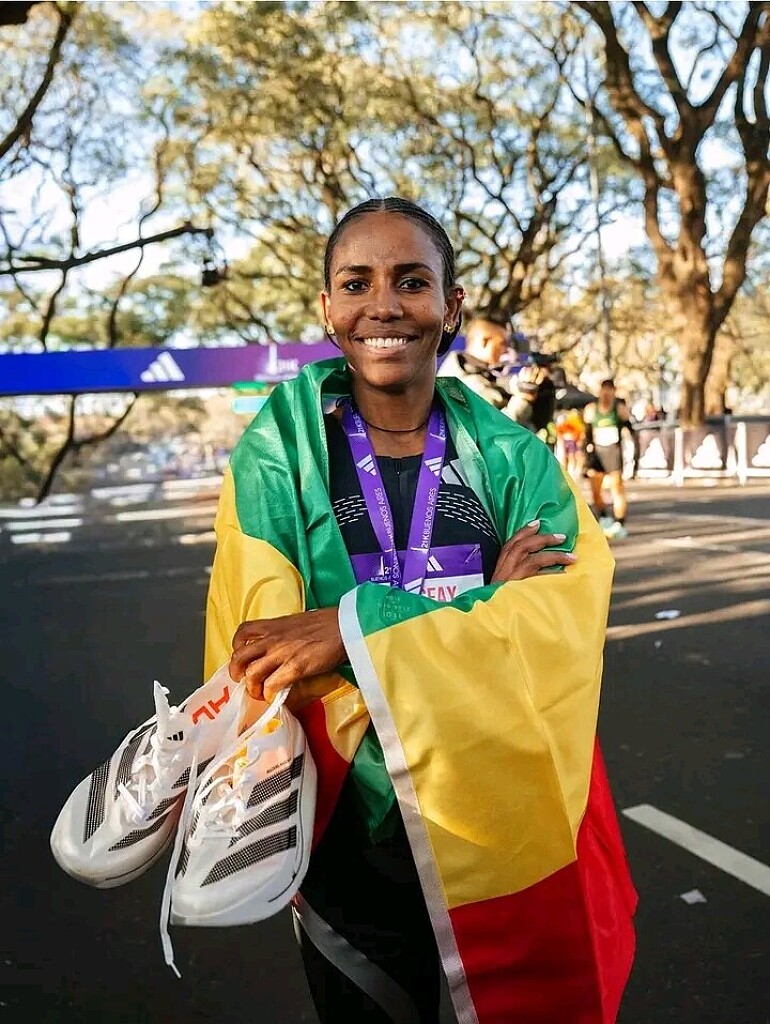
Fotyen Tesfay Haylu Smashes Buenos Aires Half Marathon Record with Historic 1:03:57 Performance
Ethiopia’s Fotyеn Tesfay Haylu delivered one of the most remarkable women’s half-marathon performances ever seen on American soil on Sunday, powering to a commanding victory at the 2026 Buenos Aires Half Marathon in Argentina in 1:03:57.
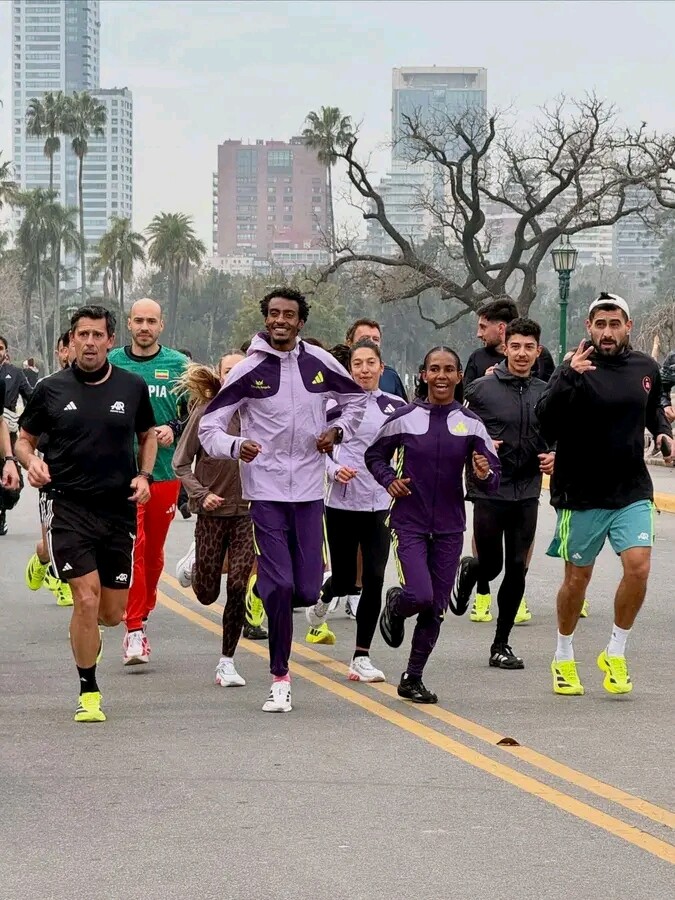
Running with exceptional confidence and strength, Tesfay took control of the race and produced a superb solo performance to rewrite the event record. Her breathtaking run also carried historic significance, as she became the first woman to break the 64-minute barrier for the half marathon in the Americas, producing what is being celebrated as the fastest women’s half-marathon performance ever recorded on the continent.
The Ethiopian star was in a class of her own, crossing the finish line more than a minute clear of Turkey’s Nevin Can, who finished second in 1:05:06. Another Turkish athlete, Selin Can, completed the podium in third place with 1:05:11, as the leading trio all produced strong performances on the fast streets of Buenos Aires.
Kenya also featured prominently in the top positions, with Irene Jepchumba Kimais taking fourth in 1:06:04, followed by Sheila Chepkirui in fifth with 1:06:13. Magaret Akidor Ngathike finished sixth in 1:06:46, while fellow Kenyan Deborah Samum claimed seventh place in 1:08:32.
Brazil’s Nubia de Oliveira Silva was eighth in 1:11:13, while Argentina’s Sofia Luna and Dahyana Juarez rounded out the top 10 with times of 1:11:21 and 1:11:28, respectively.
Top 10 Women – 2026 Buenos Aires Half Marathon
1. Fotyеn Tesfay Haylu (Ethiopia) – 1:03:57
2. Nevin Can (Turkey) – 1:05:06
3. Selin Can (Turkey) – 1:05:11
4. Irene Jepchumba Kimais (Kenya) – 1:06:04
5. Sheila Chepkirui (Kenya) – 1:06:13
6. Magaret Akidor Ngathike (Kenya) – 1:06:46
7. Deborah Samum (Kenya) – 1:08:32
8. Nubia de Oliveira Silva (Brazil) – 1:11:13
9. Sofia Luna (Argentina) – 1:11:21
10. Dahyana Juarez (Argentina) – 1:11:28
For Tesfay, it was far more than a race victory. Her 1:03:57 performance was a statement of extraordinary quality, combining speed, endurance and remarkable solo running to produce a landmark result in Buenos Aires. In a race that will be remembered for years to come, the Ethiopian did not simply win—she redefined what was thought possible for women’s half-marathon running in the Americas.
by Erick Cheruiyot for My Best Runs.
Login to leave a comment

Buenos Aires Half Marathon
The Buenos Aires Half Marathon is one of the most important in Latin America and attracted more than 25,000 runners from all over the world. Dare to run the fastest half marathon in Latin America....
more...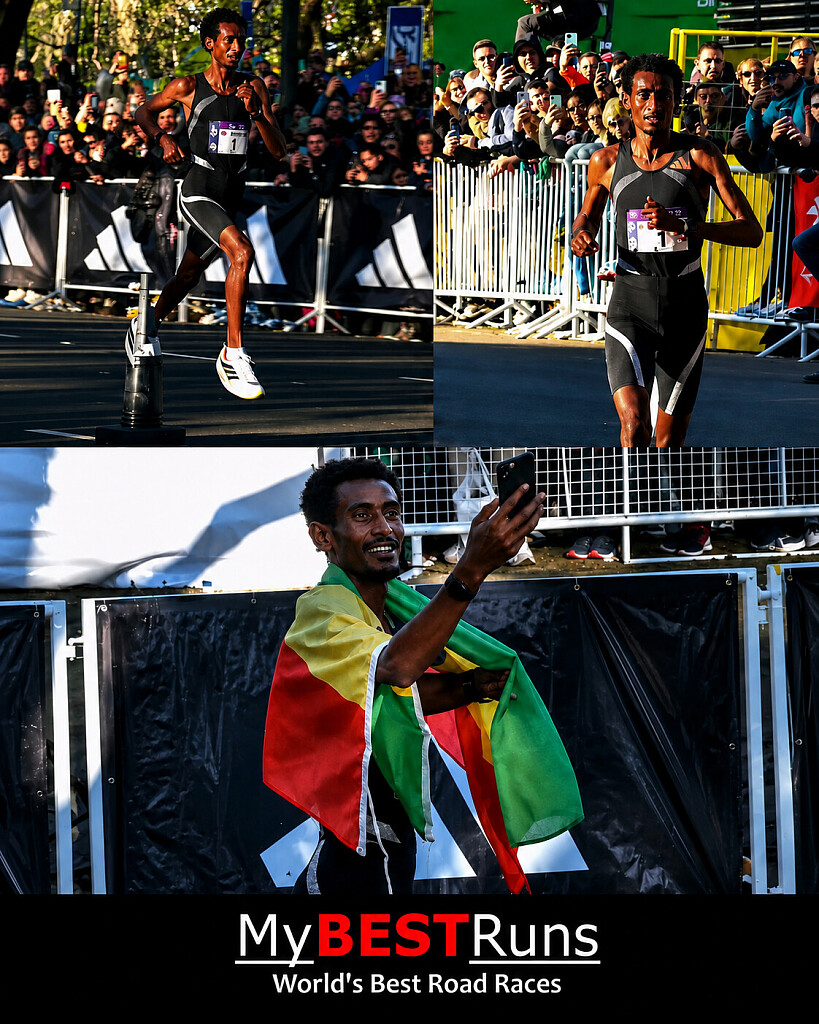
Yomif Kejelcha Smashes Half Marathon World Record with Sensational 56:51 in Buenos Aires
Ethiopia’s Yomif Kejelcha produced one of the most extraordinary performances in road racing history on the streets of Buenos Aires, Argentina, reclaiming the half marathon world record with a sensational 56:51 performance at the 2026 Buenos Aires Half Marathon.
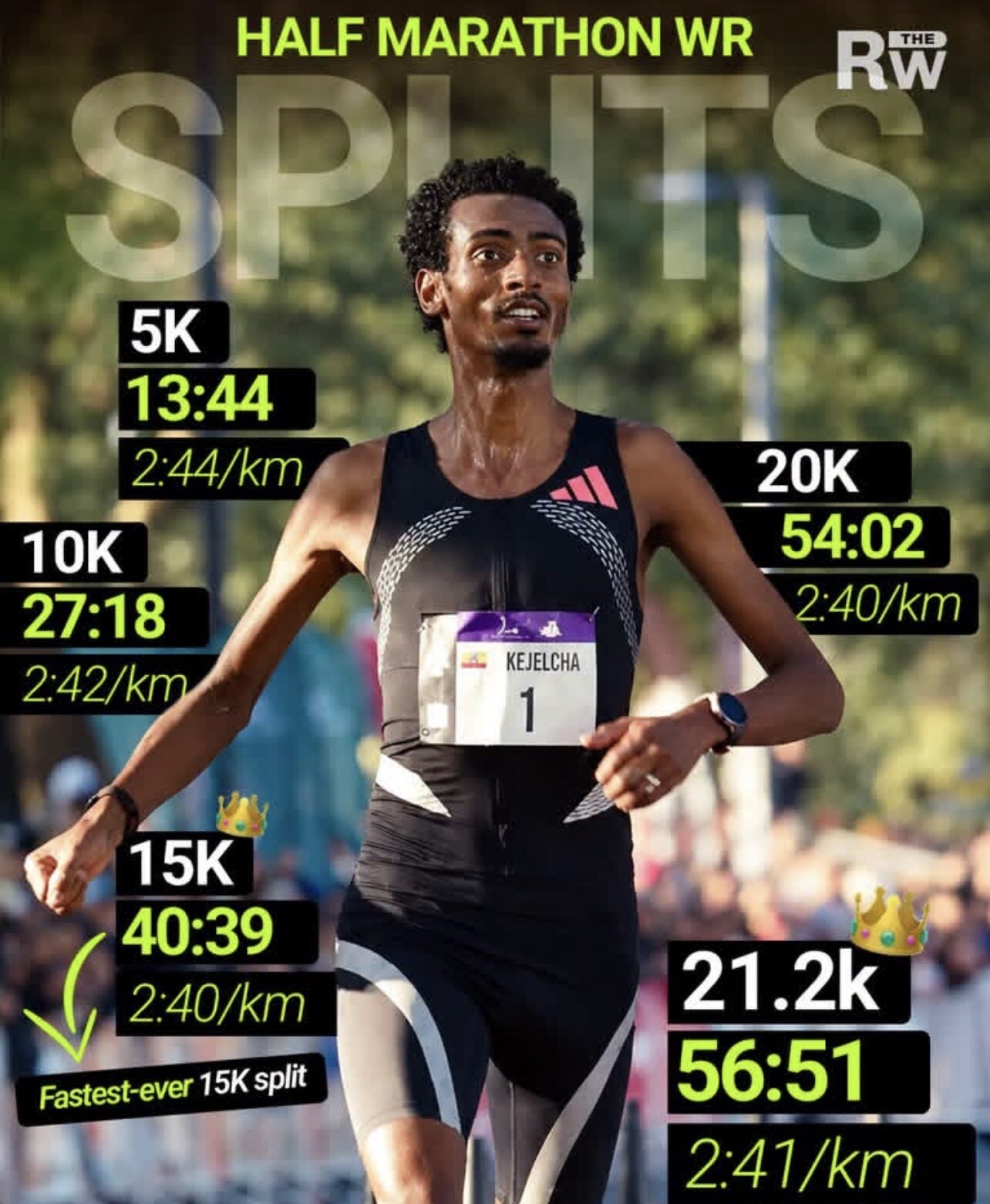
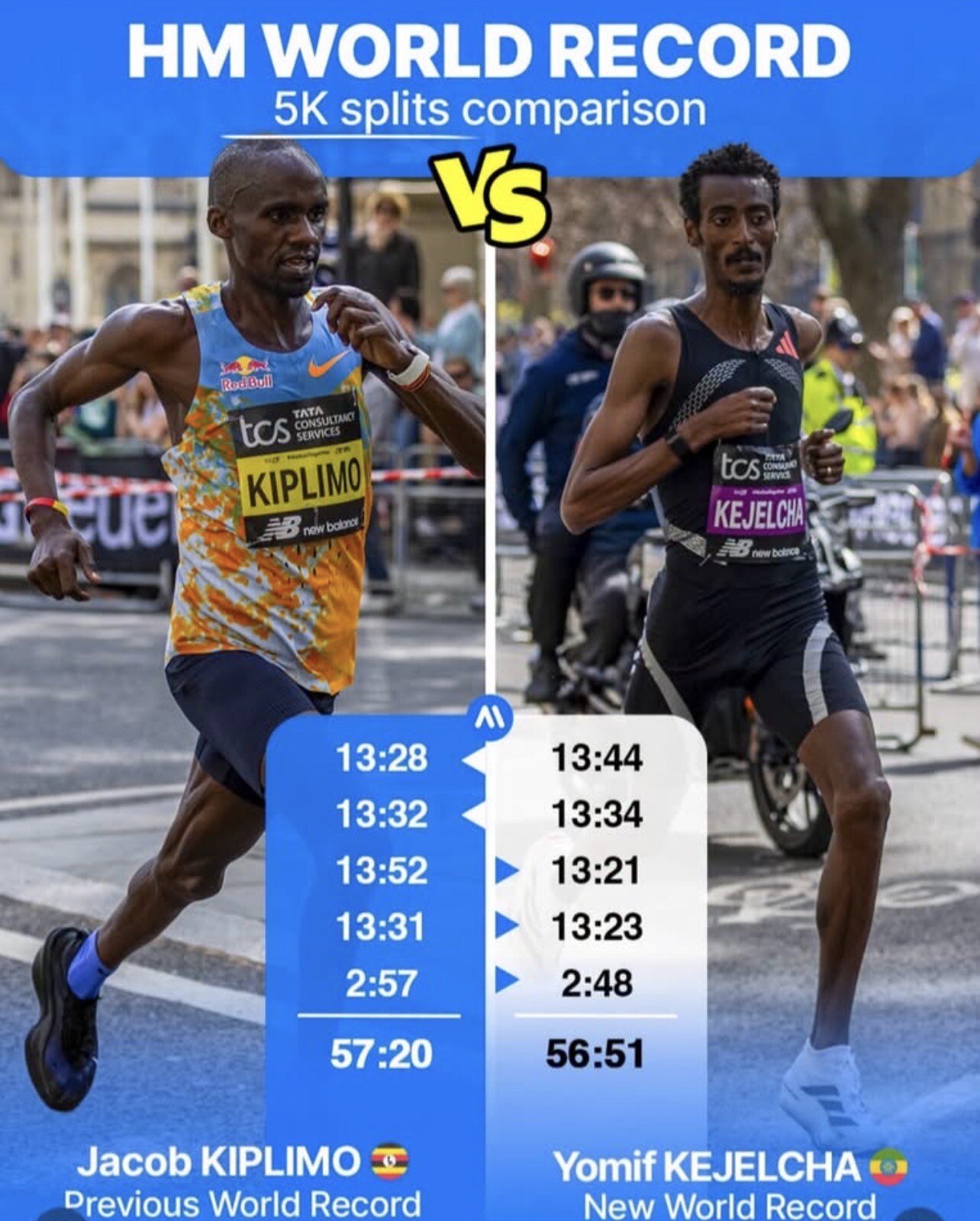
The former world record-holder delivered a breathtaking exhibition of speed and endurance to take 29 seconds off the previous pending mark of 57:20, set by Uganda’s Jacob Kiplimo and takes a huge chunk from his own former official world record. Kejelcha's new performance is pending the standard ratification procedures, but if officially ratified, it will return the world record to the Ethiopian star and mark another remarkable chapter in the evolution of the event.
Kejelcha's achievement is particularly significant because the 57-minute barrier had already been broken before. Jacob Kiplimo had previously run under 57 minutes, clocking 56:42 that was not ratified demonstrating that the once-unthinkable barrier was possible. Kejelcha, however, has become the second man to run under 57-minute barrier who now returns to the top of the all-time rankings with another historic performance in Buenos Aires.
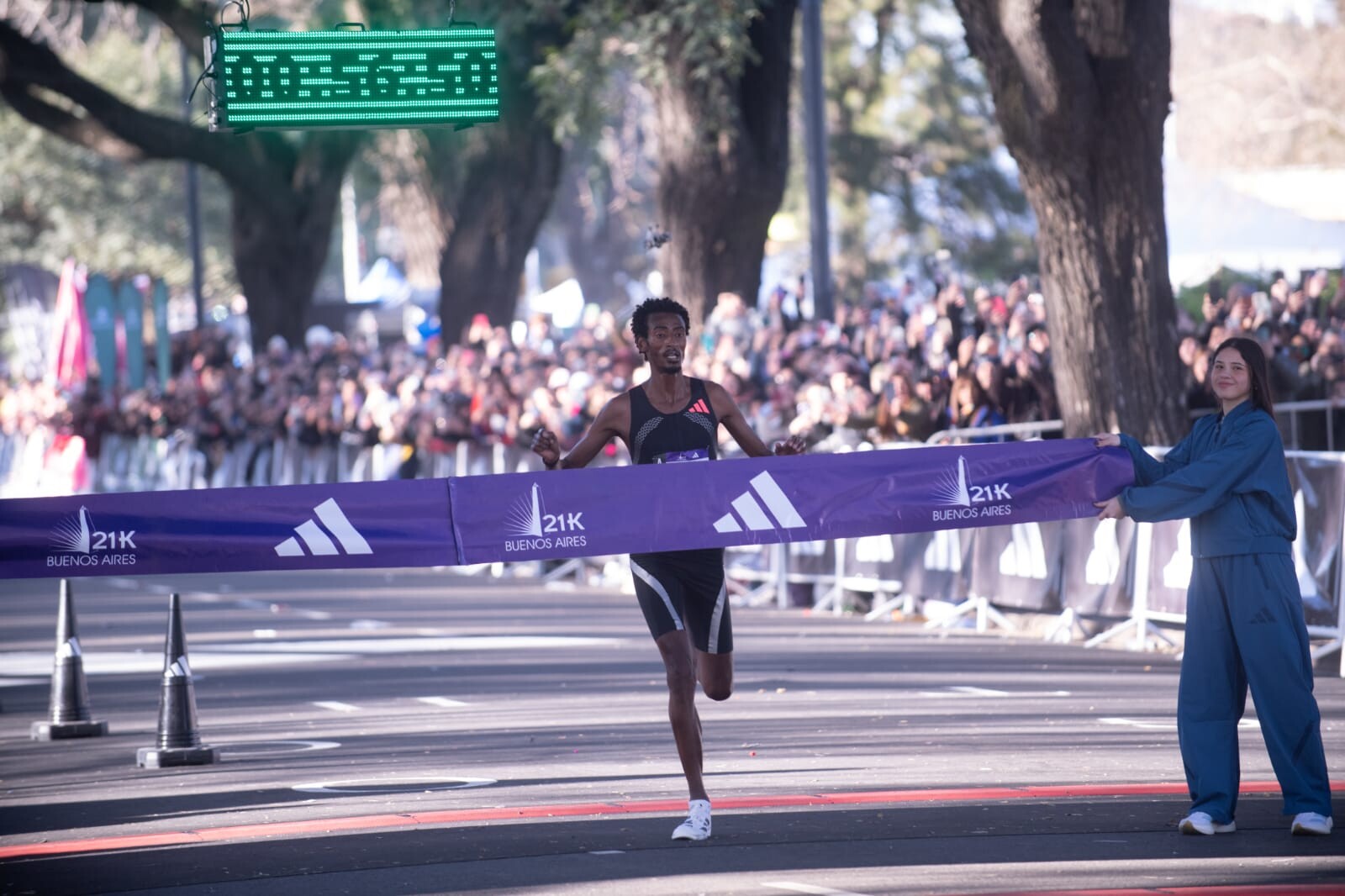
The Ethiopian's race was remarkable not only for the final time but also for the way he built his performance. He covered the opening five kilometres in 13:44 before reaching 10km in 27:18. Rather than slowing, Kejelcha accelerated through the middle stages, passing 15km in 40:39 and 20km in 54:02 as he continued to push the limits of elite road racing.
By the time he reached the finish line, Kejelcha had completed the race at an extraordinary average pace of approximately 2:42 per kilometre, producing one of the most astonishing sustained efforts ever witnessed in distance running. His stunning run sent a powerful message to the athletics world and further strengthened his status as one of the most formidable distance runners of his generation.

Behind the record-breaking champion, Ethiopia completed a dominant clean sweep of the men's podium. Tadese Worku Gebresilase claimed second place in 59:18, while Bereket Nega Batebo secured third in 1:00:17, giving Ethiopia a memorable one-two-three finish in the Argentine capital.
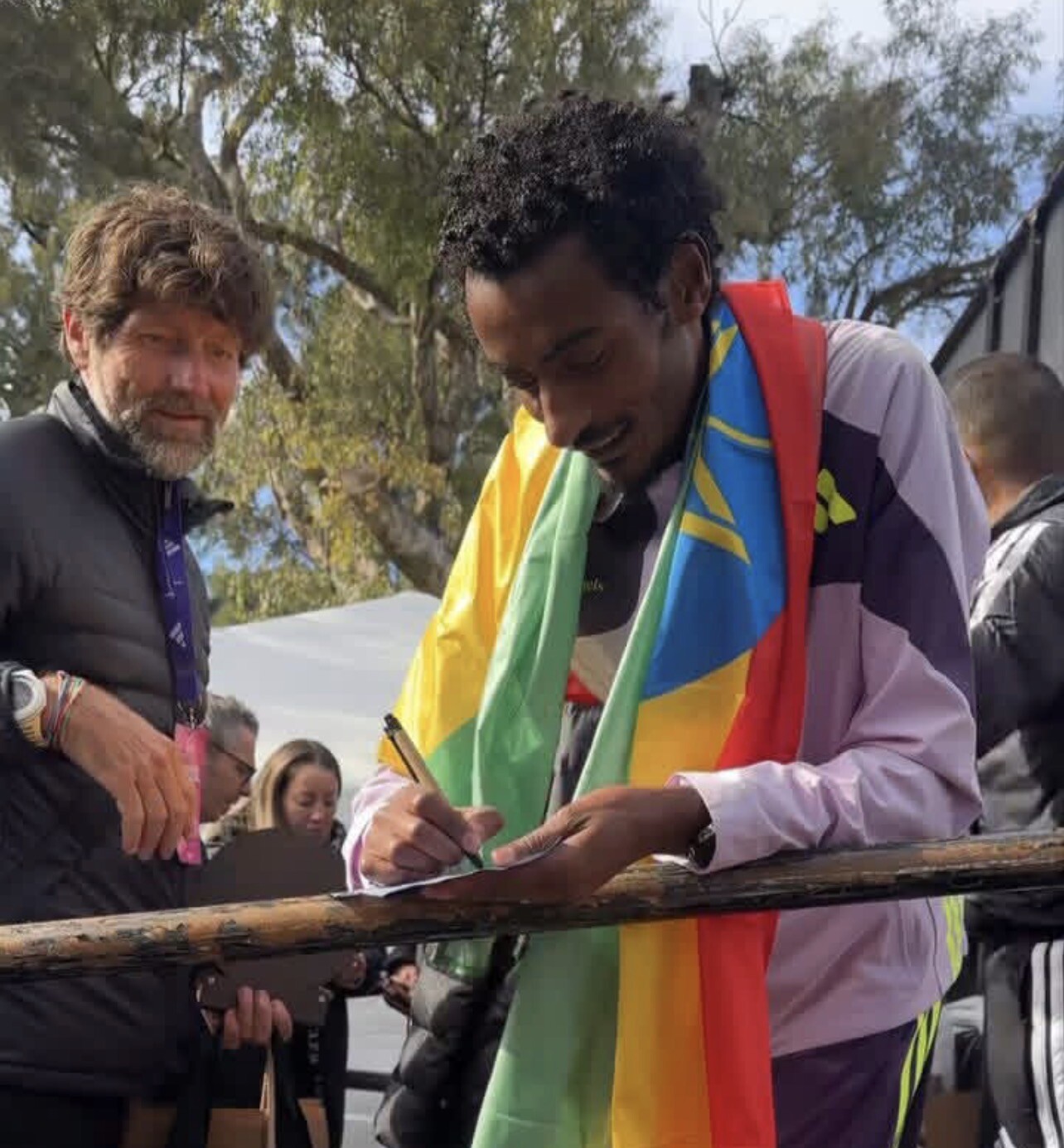
Kenya’s Jonathan Kipkoech Kamosong finished fourth in 1:00:20, followed by compatriot Simon Maywa in fifth with 1:00:55. Argentina’s Ignacio Erario gave the home supporters plenty to celebrate with an impressive sixth-place finish in 1:00:57, breaking the one-hour barrier in front of an enthusiastic local crowd.
Dillon Kipyeko of Kenya finished seventh in 1:01:07, with Robert Kiprop Koech eighth in 1:02:01. Mexico’s Julio Ortiz Ponce took ninth place in 1:03:17, while Colombia’s Jimmy Gómez completed the top 10 in 1:03:34.
The Buenos Aires Half Marathon will now take its place in the history books as the scene of a truly extraordinary breakthrough. For Kejelcha, this was more than just another victory. It was a spectacular return to the top, reclaiming a world record he had previously held and once again rewriting the limits of the half marathon.
The 56:51 performance remains pending ratification, but Yomif Kejelcha's run has already delivered one of the defining moments in the history of road racing.
by Erick Cheruiyot for My Best Runs.
Login to leave a comment

Buenos Aires Half Marathon
The Buenos Aires Half Marathon is one of the most important in Latin America and attracted more than 25,000 runners from all over the world. Dare to run the fastest half marathon in Latin America....
more...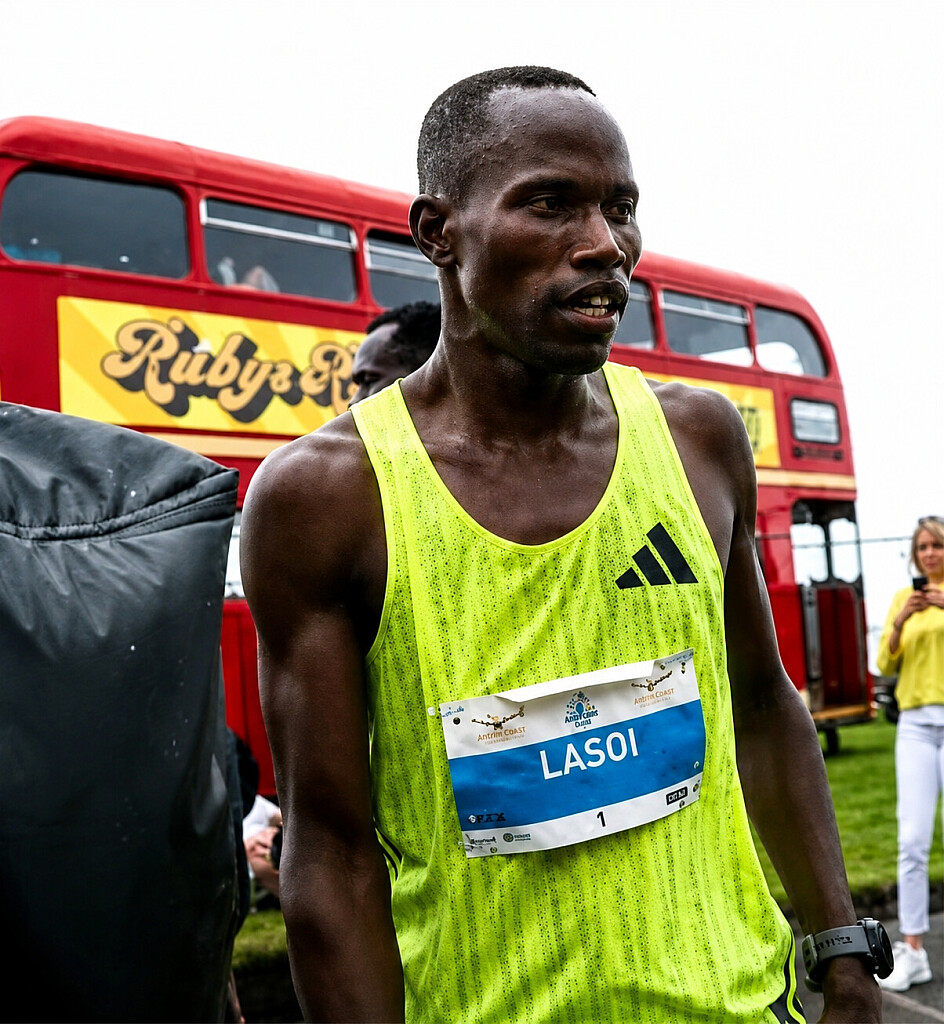
Isaia Lasoi Leads Kenyan Podium Sweep at Antrim Coast Half Marathon
Kenya delivered another commanding display of distance-running excellence at the Antrim Coast Half Marathon, with Isaia Lasoi leading a memorable Kenyan clean sweep of the men's podium in a race packed with world-class performances.
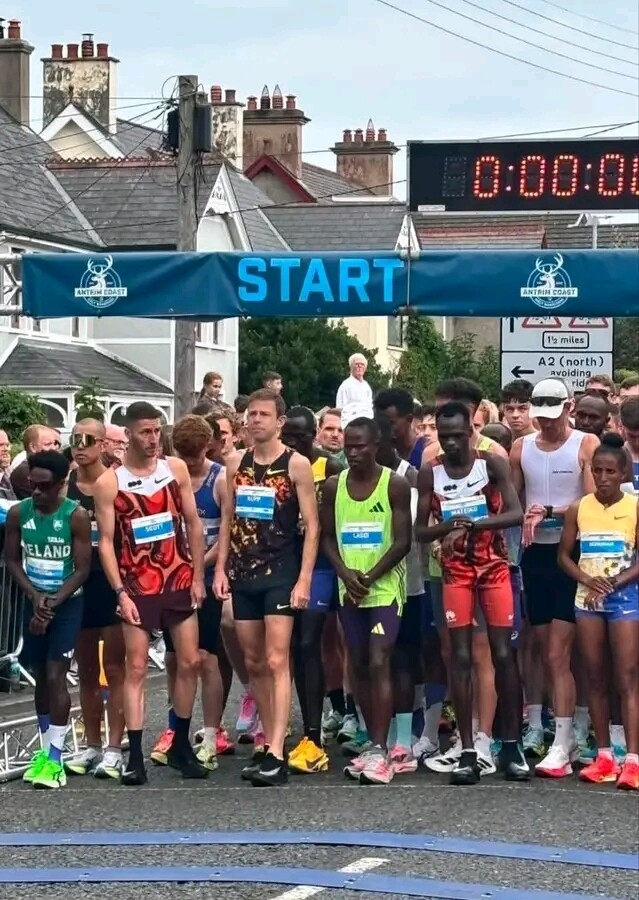
Lasoi emerged victorious after a thrilling battle at the front, crossing the finish line in a superb 58:26 setting a new course record. His winning performance underlined his strength and speed over the half-marathon distance, but he was made to work all the way by fellow Kenyan Daniel Mateiko, who finished just three seconds behind in 58:29 after an electrifying duel for the title.
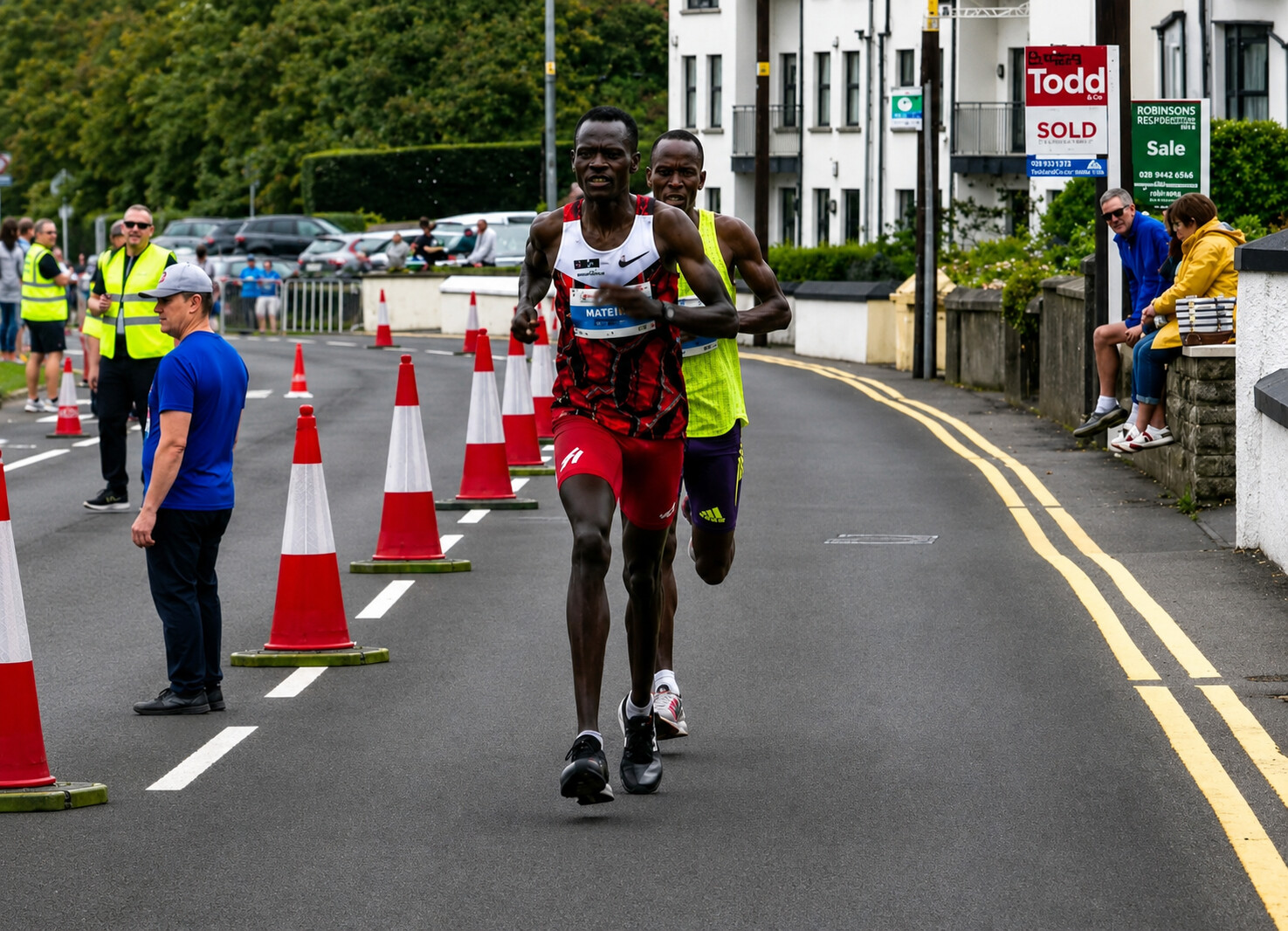
The contest between the two leaders produced one of the standout moments of the race, with both athletes pushing deep into elite territory as they fought for victory. In the end, Lasoi found just enough to secure the win, while Mateiko's narrow defeat highlighted the remarkable depth and quality of Kenya's leading distance runners.
Vincent Kipkorir completed the Kenyan sweep, taking third place in 1:00:38 to ensure that all three places on the podium belonged to Kenyan athletes. Samwel Chebolei added further Kenyan strength to the results, finishing fourth in 1:01:01, while Amos Langat was also among the leading finishers.
The international field featured several prominent names. Australia's Jimmy Whelan produced a strong run, while Ethiopia's Yismaw Dillu featured among the front group. American marathon star Galen Rupp also delivered a notable performance, clocking 1:01:29 in another competitive outing for the experienced distance runner. Former world-class track and road athlete Edward Cheserek was also among the top finishers.
Lasoi's 58:26 victory, however, was the defining performance of the day. Together with Mateiko and Kipkorir, he gave Kenya a perfect podium and another emphatic reminder of the country's extraordinary strength in elite road running.
The Antrim Coast Half Marathon once again provided a fast, competitive stage for some of the world's finest distance runners, but when the decisive moments arrived, it was Kenya that owned the podium.
by Erick Cheruiyot for My Best Runs.
Login to leave a comment
MEA ANTRIM COAST HALF MARATHON
The MEA Antrim Coast Half Marathon 2022 has been approved by World Athletics as an Elite Event. The World Athletics certified course takes in some of the most stunning scenery in Europe, combined with some famous landmarks along the route. With it's flat and fast course, the race is one of the fastest half marathons in the world. Starting...
more...
Entries Set to Open for Historic 100th Comrades Marathon as Centenary Celebration Begins
One of the most iconic milestones in the history of ultramarathon running is drawing closer, with entries for the historic 100th edition of the Comrades Marathon set to open on Tuesday, 25 August 2026.
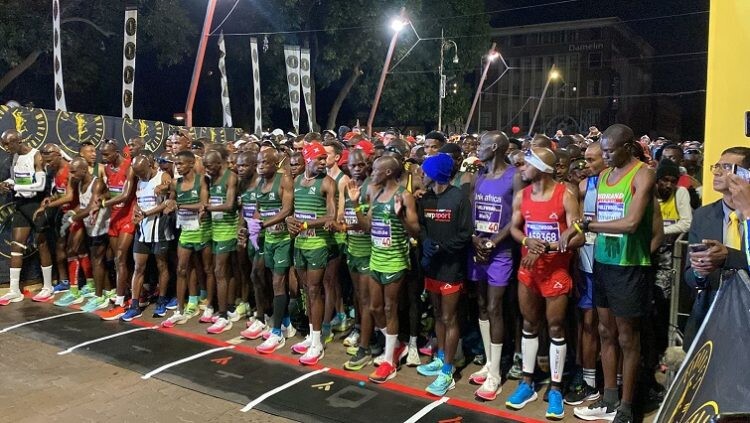
The Comrades Marathon Association has officially announced a detailed entry process for the 2027 race, which will unfold in three stages and give runners around the world the opportunity to secure their place in what promises to be one of the most significant editions ever held of The Ultimate Human Race.
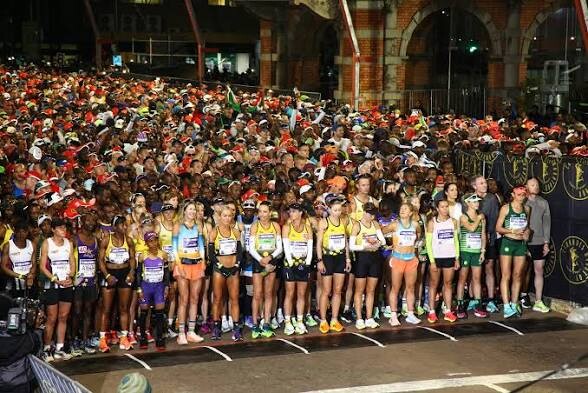
The announcement followed the official launch of the 2027 Comrades Marathon on Wednesday, 19 August, when the centenary campaign, “The Greatest Story Ever Run,” was unveiled alongside a special logo created exclusively for the landmark 100th edition.
The launch also revealed several major highlights for the Centenary Race. The historic event will take place on Sunday, 13 June 2027, and will be a Down Run, with 28,000 places available. The entry process will include a ballot, while the race will offer a record R8.919 million in prize money. Organisers have also set an ambitious goal of raising R10 million for the Amabeadibeadi charities, adding an important charitable dimension to the centenary celebrations. One of the defining moments of the launch was the unveiling of the special Centenary mark, created to commemorate this extraordinary milestone in the history of the race.
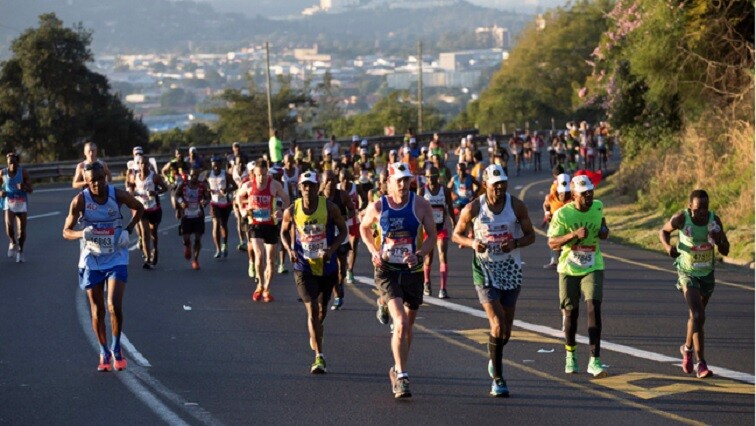
The entry process begins on 25 August at 10:00 a.m. SAST, when entries open for Green Number runners, Yellow Number runners and Amabeadibeadi charity entrants.
The next phase follows on 2 September at 10:00 a.m. SAST, when entries open for Comrades Marathon Association members. This window will remain open for 72 hours or until the available entry allocation is filled, with places offered on a strictly first-come, first-served basis.
For general entrants, the process will move to a ballot system. General entries open on 9 September at 10:00 a.m. SAST, with runners able to enter the ballot until it closes on 22 September at 4:30 p.m. SAST. The ballot draw is then scheduled to take place on 23 September.
Several other crucial dates will shape the road to the historic race. The substitution period will run from 15 to 31 March 2027, while 3 May 2027 is the final deadline for runners to submit their qualifying performances, seeding information and other required entry details.
To qualify for the 2027 Comrades Marathon, runners must complete a 42.2km marathon in under five hours between 15 June 2026 and 3 May 2027.
The journey will finally culminate on Sunday, 13 June 2027, when thousands of runners are expected to line up for the historic 100th edition of the Comrades Marathon.
The 2027 race will represent a remarkable moment for the legendary South African ultramarathon. For more than a century, the Comrades Marathon has captured the imagination of runners and spectators with its extraordinary test of endurance, determination and human spirit. Its centenary edition will celebrate the generations of athletes who have faced its demanding roads, conquered its challenges and helped build one of the world's most respected endurance events.
For runners dreaming of becoming part of this historic occasion, the road to Comrades 2027 is now clearly marked. From the opening of entries in August 2026 to race day in June 2027, every deadline will matter.
The Greatest Story Ever Run is preparing for its most historic chapter yet.
by Erick Cheruiyot for My Best Runs.
Login to leave a comment

Comrades Marathon
Arguably the greatest ultra marathon in the world where athletes come from all over the world to combine muscle and mental strength to conquer the approx 90kilometers between the cities of Pietermaritzburg and Durban, the event owes its beginnings to the vision of one man, World War I veteran Vic Clapham. A soldier, a dreamer, who had campaigned in East...
more...
American Sprint Star Sam Blaskowski Begins Bid to Represent Poland After Discovering Family Roots
American sprint standout Sam Blaskowski is taking steps toward an international future with Poland after uncovering a powerful connection to his family's ancestral homeland.
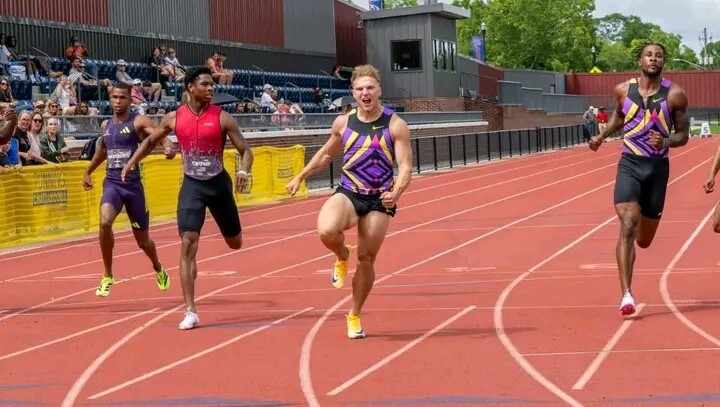
The 23-year-old sprinter, who has established himself as one of the fastest Americans of his generation with a personal best of 9.89 seconds in the 100 metres, has begun the process of obtaining Polish citizenship with the aim of eventually representing Poland in international competition.
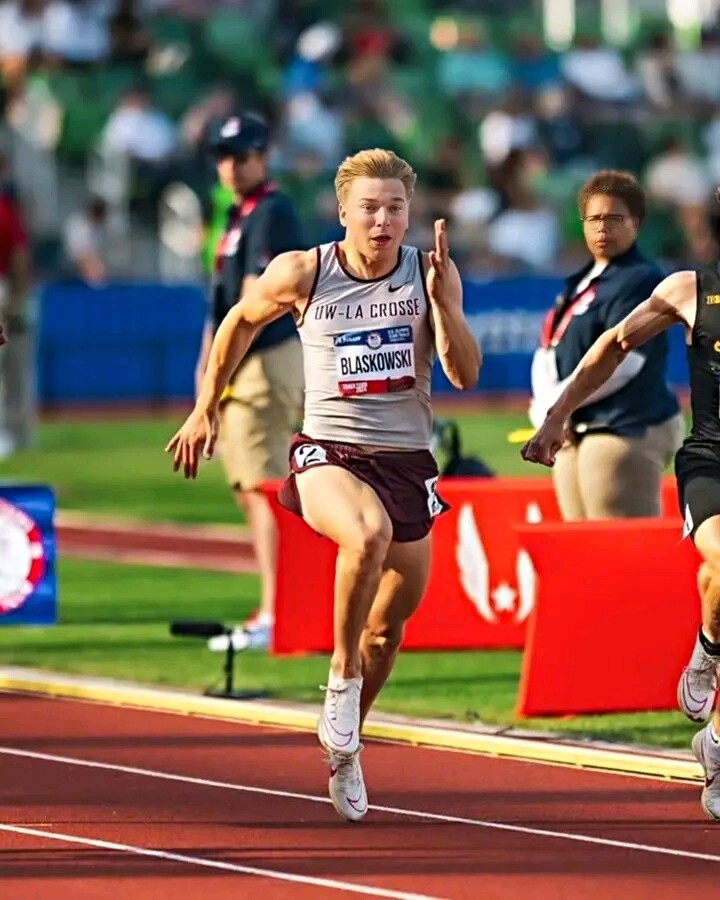
Blaskowski's connection to the country traces back through his great-grandparents, Franciszek and Julian Błaszkowski, who emigrated from Poland to the United States in 1905. Their journey more than a century ago has now opened an unexpected new chapter for their descendant, whose athletic ambitions could soon carry the Błaszkowski name back onto the international stage under Polish colours.
The sprinter has already received support from the Polish Athletics Association as he works through the citizenship and eligibility process. Should his transfer of allegiance be completed, Blaskowski could become a significant addition to Poland's sprint programme.
His credentials certainly make the prospect an exciting one. In addition to his sub-10-second speed over 100 metres, Blaskowski owns a personal best of 19.93 seconds in the 200 metres, demonstrating the kind of versatility that could prove valuable both individually and in Poland's 4x100m relay squad.
For Blaskowski, however, the move is about more than simply changing national colours. It represents an opportunity to reconnect with his family's heritage while pursuing his ambitions at the highest level of the sport.
With his sights set on becoming part of Poland's international sprint team and competing for relay medals, Blaskowski's journey from discovering his Polish roots to potentially representing the country of his ancestors could become one of the most fascinating allegiance stories in world athletics.
A century after Franciszek and Julian Błaszkowski left Poland for America, their family's story may now be coming full circle—this time at full sprint.
by Erick Cheruiyot for My Best Runs.
Login to leave a comment
