

Running News Daily
Running News Daily is edited by Bob Anderson and team. Send your news items to bob@mybestruns.com Advertising opportunities available.
Index to Daily Posts · Sign Up For Updates · Run The World Feed
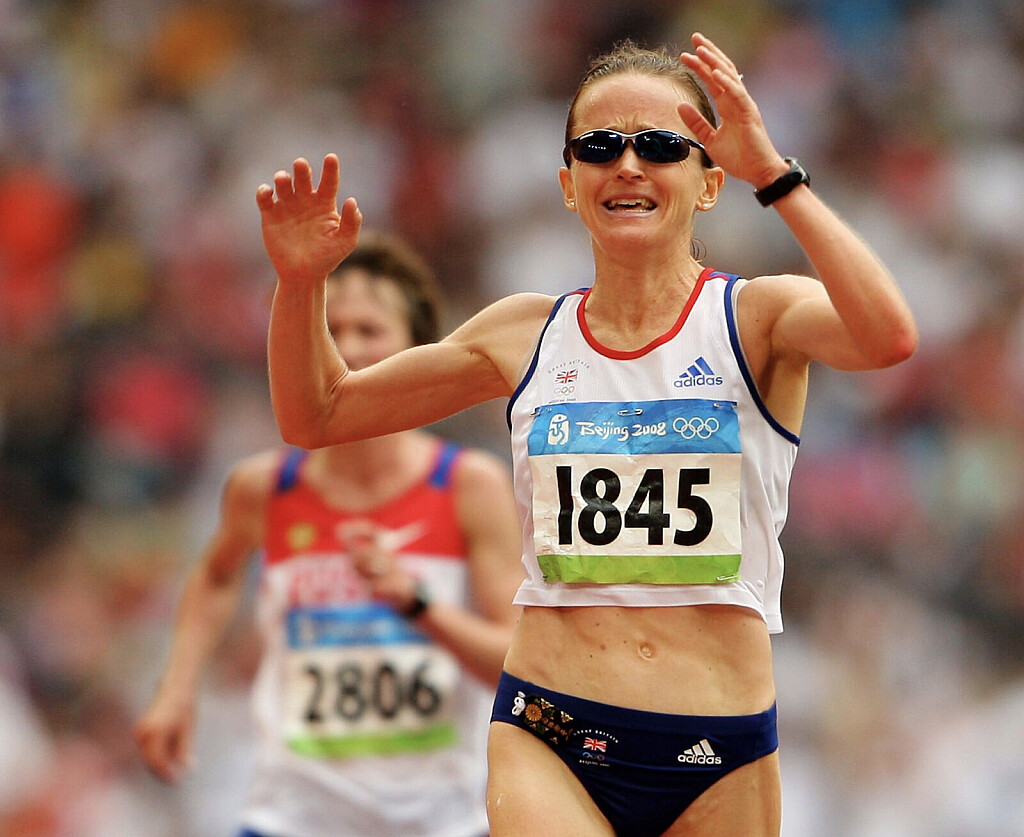


Marathon wisdom - what fires you up?

This year’s stupendous season of outdoor track and field has finally drawn to a close, and goodness me, what a season it has been!
The World Athletics Championships Oregon22 took place only two months ago, but it feels like an eternity has passed since, with the Commonwealth Games, World U20 Championships, European Championships and NACAC Championships giving athletics fans the world over a feast of unforgettable performances.
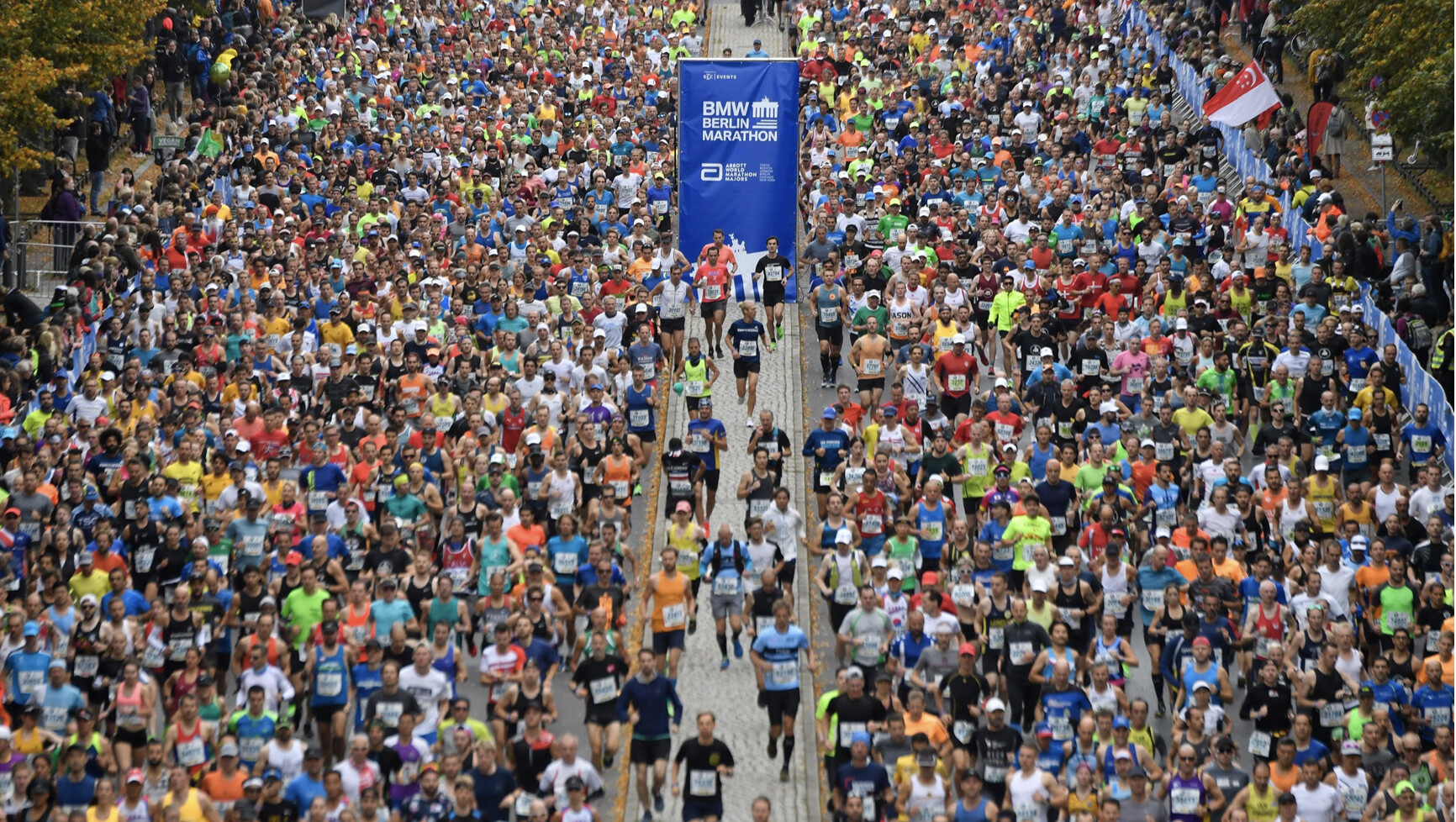
If you are feeling your athletics fever dwindling somewhat, fear not, because September is always the month when we turn our attention to the roads and (I admit I am biased) the best event of them all – the marathon!
The names of iconic marathon host cities – Berlin, London, Chicago, Valencia – will soon be in the news. Perhaps you are taking on the 26.2-mile challenge at one of these events? Or thinking about dipping your toe in during 2023 as the northern hemisphere spring marathon season beckons? The lure and appeal of the legendary marathon distance seems as popular as ever. If you haven’t tried a marathon yet, naturally I recommend it; and I always advise persevering beyond the first time as it definitely improves with a few attempts.
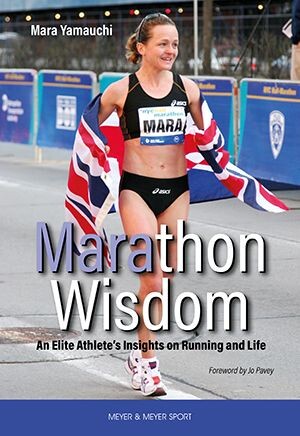
It is nearly 10 years since I retired from elite competition, so I’m thrilled that my first book, Marathon Wisdom, An Elite Athlete’s Insights on Running and Life, was published earlier this year by Meyer & Meyer Sport. It is a collection of 42.195 (the number of kilometres in a marathon) nuggets of wisdom which I learned from a lifetime of running – as a child, a young adult, a world-class athlete, and now as a retired recreational runner.
From setting goals and overcoming setbacks, to making the best of a bad situation and celebrating success when it comes, these insights are universal and relevant for all levels of runner. The following extract – Insight 1: What Fires You Up? – gives you a flavour of my book. It can be read from cover to cover, or dipped in and out of when time allows. It is available now from online retailers and in bookshops.
What fires you up?
When I was a small child growing up in Nairobi, Kenya, I loved playing outdoors. I ran up and down the steep driveway to our house and dived into all kinds of adventures in the garden. The year-round tropical, warm climate lent itself to spending time outside. I grew up loving sports and being physically active. At weekends and during the holidays, my parents took my sister and me on safari, or to the coast and the Indian Ocean, or any number of exciting adventures under Africa’s sun and big skies.
Fast-forward to 1984 and my family had moved to Oxford, England. During that summer, at age 11, I remember watching the Los Angeles Olympics on television and being utterly mesmerised by the sports extravaganza taking place on the other side of the world. The enormous stadium, the glitz and glamour, the athletes giving it their all … I was transfixed by this spectacle and spent many hours watching it all on television.
Strangely, in hindsight I was not really interested in the women’s marathon, which was making its hard-won debut in the Olympic Games. Instead, I was focused on the best all-rounders there are, the decathletes and my hero, Daley Thompson. To be able to compete brilliantly in all those various events inspired awe in me, and encompassed what I wanted to be: an all-round athlete.
The excitement of watching wore me out and I could not stay awake for the final event, the 1500m. My mother woke me up in the middle of the night to tell me that Daley had won the gold. After the Games were finished, I watched the BBC’s highlights on videotape, set to Spandau Ballet’s Gold, again and again. After watching those Games, I decided I wanted to be a top-class, world-beating athlete. At age 11, I had no idea how I was going to do it, but from that summer on I had discovered something that really fired me up – a dream of becoming a sporting champion.
Becoming beside yourself with excitement is one of the wonders of childhood. Many children want to be like the fabulous and attractive people they encounter. But if I can describe in general terms what that summer gave me, it was an enduring, aspirational desire to do something special and specific with my life. This desire never left me and always gave me a clear goal to aim and strive for. Between that summer and 17 August 2008, when I finally stood on the start line of my first Olympic marathon in Beijing, 24 years had passed. A quarter of a century! You could say it was not a very motivating or compelling dream since it took me so long to make it happen. But it was not a straightforward journey. I had become side-tracked with other activities along the way, such as earning a living. I believe it is testament to how strong that desire was that it sustained me for so many years to keep going and ensured that I never gave up on my dream.
What I learnt from this burning desire born all those years ago was that discovering a love for something is immensely valuable and worth spending time on. That having a dream which really inspires you provides the engine for hard work, a motivating goal to focus on, and the ability to keep going through hard times. That a love for a particular activity might hit you at a time when you can’t do much about it and you might need to return to it later. And that being clear about what you are aiming for is important because it gives you direction and motivation.
Why did it take me so long to realise my childhood dream? Most world-class athletes become professionals straight after or during their full-time education and retire while they are young adults. For me, it was different. When I left university, I wanted to become a full-time athlete but was nowhere near fast enough to earn a living from it. My parents encouraged me to look for a ‘proper job’. Like many students, I had no money. Therefore, on leaving full-time education I had no choice and simply had to find a job. I applied to the British Civil Service’s Fast Stream graduate recruitment programme and became a diplomat with the Foreign Office. This too was a fascinating adventure. I travelled to places I had never been, had the opportunity to learn Japanese and the privilege of working with issues that mattered. I was posted to the British Embassy in Tokyo and enjoyed further adventures there … but during all that time, the dream of becoming a world-class athlete was always there in the back of my mind.
When my Tokyo posting came to an end and I returned to London at the age of 29, I decided that if I was to realise my childhood dream, it was now or never. I spent the next three years working and training hard and finally became a full-time athlete in 2006 at the age of 33. I was 35 when I finished sixth in the 2008 Beijing Olympics women’s marathon, the joint best performance ever by a British woman in the Olympic marathon. I was 35 when I set my personal best of 2:23:12 in the 2009 London Marathon.
It was a long journey of ups and downs, going off on tangents, and spells when realising my dream seemed like a very distant prospect. But throughout that quarter century, I was always clear what my goal was and what I wanted to be.
Sport is not everyone’s cup of tea. Nor is spending a large part of your life pursuing one clear goal. I am not claiming that this is the only way to live a life. But this was my experience. My wish is that by sharing it, you will see how you can pursue and achieve an ambitious goal. We all have talents and gifts of one kind or another, whether it’s in sport, music or something else.
Having a dream or overall goal provides motivation, direction and meaning. It might take time, but pursuing what you love is an enriching, life-changing journey.
by World Athletics
Login to leave a comment
Latest Running News
Where Greatness Begins: The Day a 15-Year-Old Usain Bolt Changed Sprinting Forever
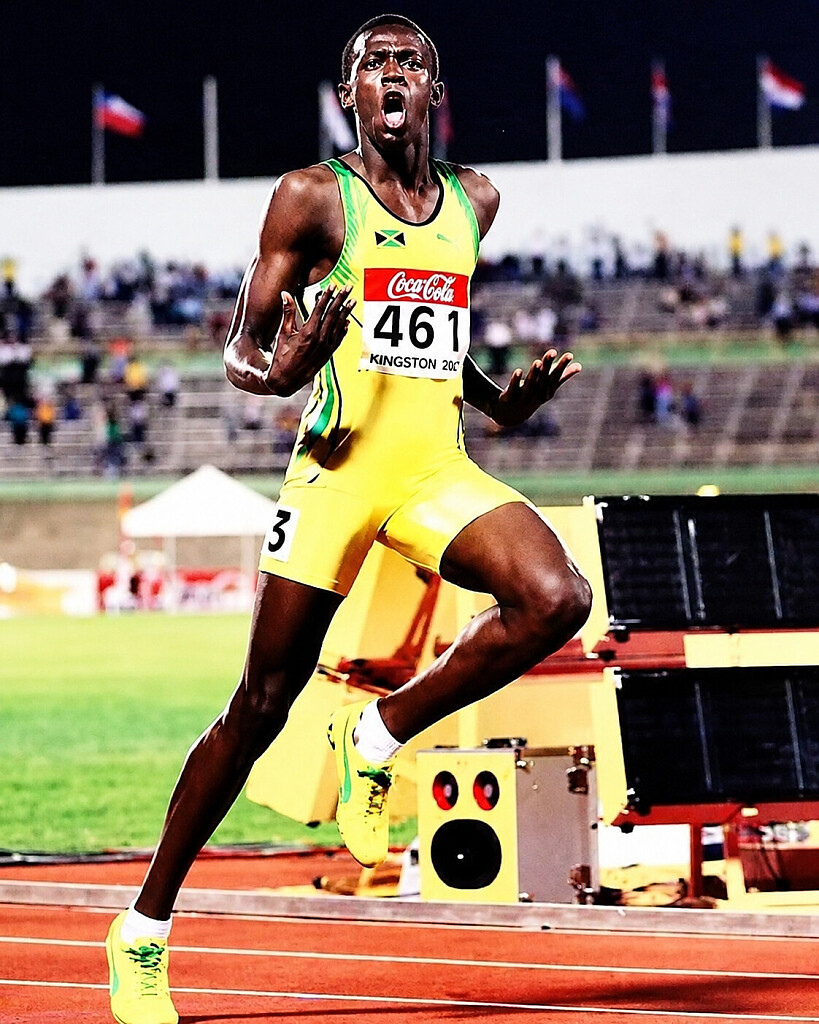
Long before he became the fastest man in history, before the Olympic gold medals, world records, and global superstardom, Usain Bolt was simply a gifted teenager with extraordinary speed and limitless potential. In 2002, on the track at Kingston's National Stadium in Jamaica, the world witnessed the first chapter of a story that would forever change athletics.
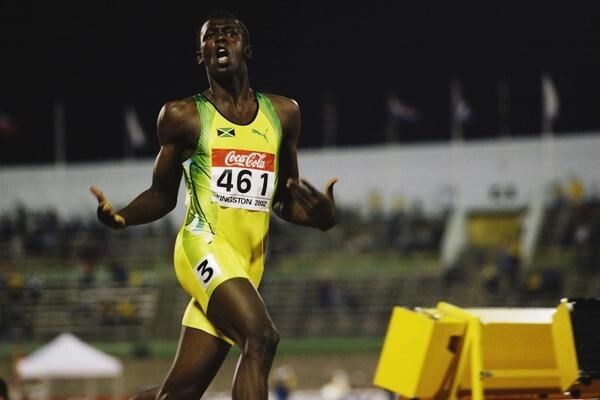
At just 15 years old, Bolt lined up for the men's 200 metres at the World Junior Championships with the weight of expectation resting on young shoulders. Competing before a passionate home crowd, the Jamaican prodigy produced a performance that instantly captivated the athletics world. Crossing the finish line in 20.61 seconds, he became the youngest athlete ever to win the men's 200m title at the championships.
It was far more than a gold medal. It was the moment the world realised that a once-in-a-generation talent had arrived.
Bolt's victory in Kingston marked the beginning of one of the greatest careers in sporting history. Over the years that followed, he rewrote the record books, dominated the Olympic Games and World Championships, and transformed sprinting into a global spectacle through his breathtaking speed, infectious personality, and unrivalled confidence. His legacy continues to inspire young athletes across the globe, many of whom dream of following the same path he once began as a teenager.
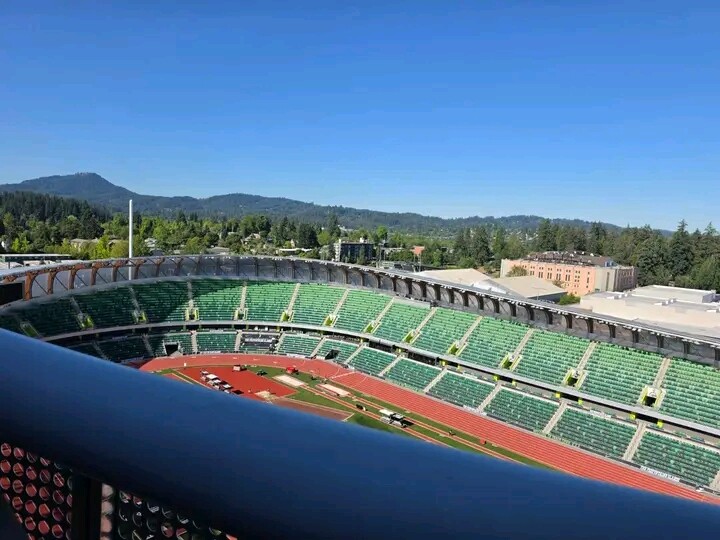
This week, that dream comes alive once again as the World Athletics U20 Championships take centre stage at the iconic Hayward Field in Eugene, Oregon. The venue has already witnessed the birth of future superstars. In 2014, it was where Britain's Dina Asher-Smith and Uganda's Joshua Cheptegei captured their first global titles, launching careers that would later produce world championships, Olympic medals, and lasting legacies in athletics.
Twelve years later, another generation arrives in Eugene hoping to create its own defining moment.
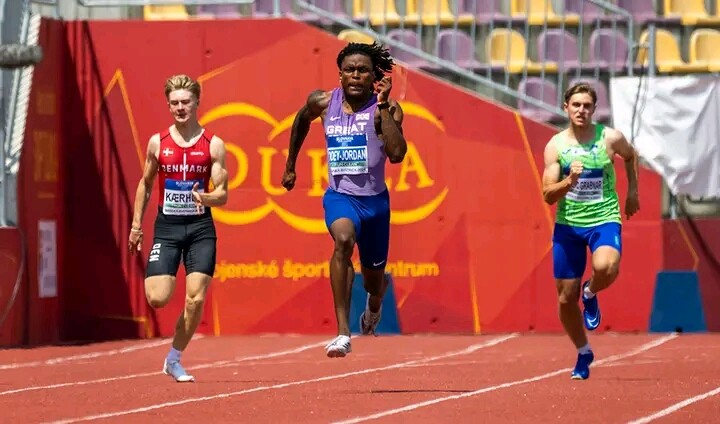
Among the brightest young talents is Great Britain's Jake Odey-Jordan, the 200m bronze medallist from Lima who now owns the European U20 100m record after an astonishing 10.01-second performance. He enters the championships eager to build on his growing reputation as one of Europe's most exciting young sprinters.
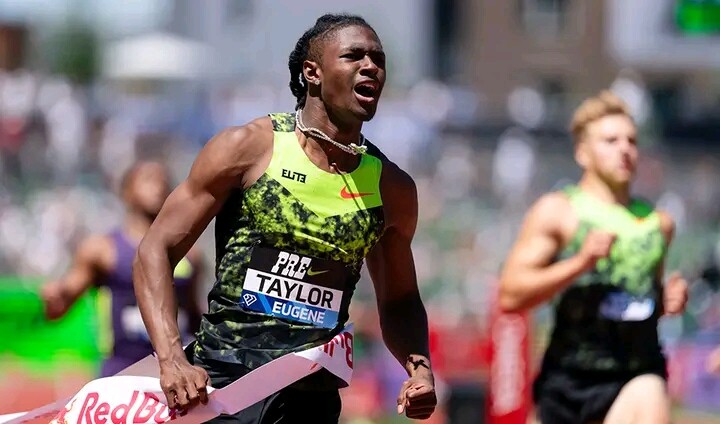
The United States will look to Tate Taylor, who has already made history as the first American high school athlete to break the 20-second barrier for the 200 metres. Fresh from a Diamond League victory in a sensational 19.75 seconds, he arrives in Eugene carrying the momentum of one of the most remarkable junior seasons ever recorded.
Jamaica, the nation that introduced the world to Usain Bolt, will once again have high hopes through Shanoya Douglas. The talented sprinter has established herself as one of the championship's leading contenders after producing lifetime bests of 10.98 seconds for the 100m and 22.11 for the 200m this season.
History has repeatedly shown that the World U20 Championships are far more than a junior competition. They are often the first chapter in the careers of future Olympic champions, world record holders, and global icons. Every generation arrives with ambitious dreams, but only a select few leave having announced themselves to the world.
No one can say with certainty whether the next Usain Bolt will emerge this week. Greatness cannot be predicted, and legends are never manufactured. Yet every legendary career begins with a single breakthrough performance.
For Bolt, that defining moment came in Kingston in 2002.
Now, under the famous lights of Hayward Field, another group of gifted teenagers stands ready to chase history. Somewhere among them could be the next athlete whose name will inspire the world for years to come.
by Erick Cheruiyot for My Best Runs.
Login to leave a comment
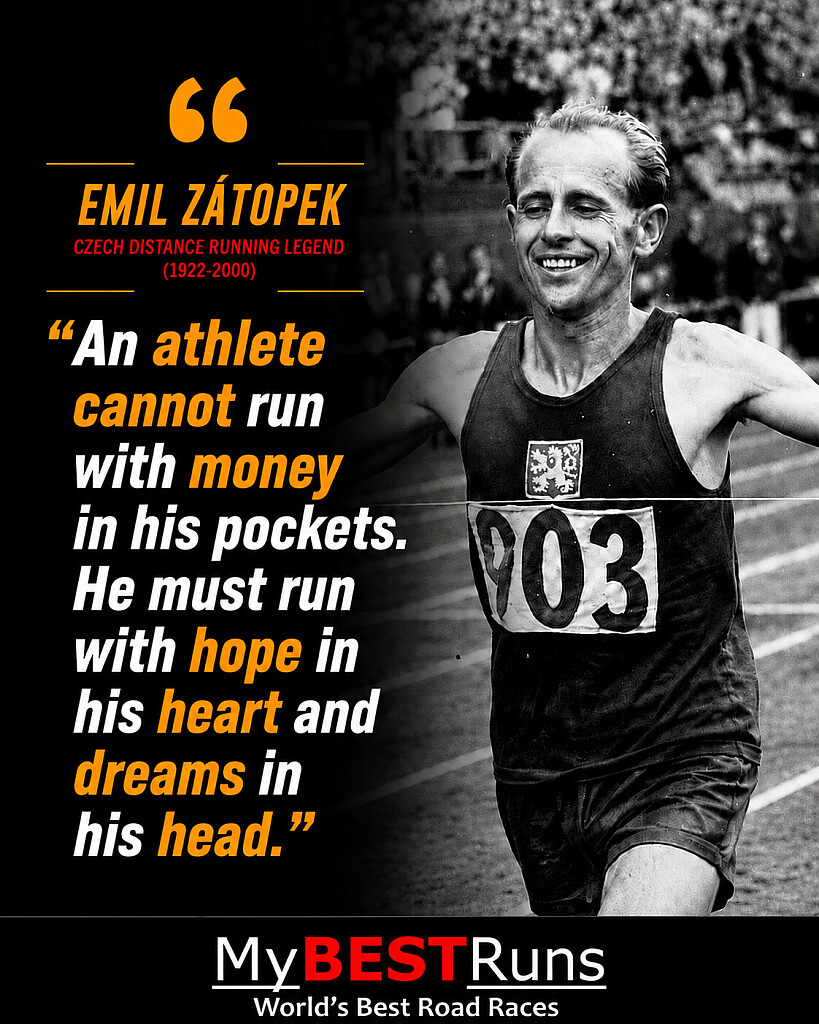
The Dream That Outruns Money: Emil Zátopek's Timeless Lesson for Every Runner
"An athlete cannot run with money in his pockets. He must run with hope in his heart and dreams in his head." More than seventy years after those words were spoken, they remain among the most powerful messages ever shared in distance running. They are often quoted as simple motivation, but behind them lies a remarkable story of sacrifice, courage, conviction, and an unwavering belief that true greatness is never measured by financial reward.
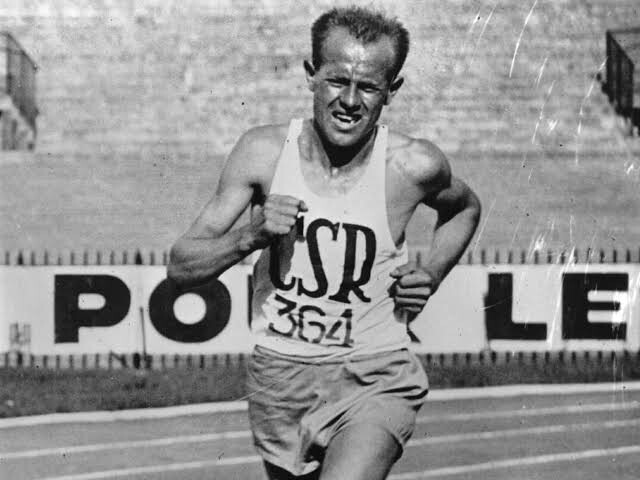
Few athletes have left a legacy as enduring as Emil Zátopek. Known around the world as "The Czech Locomotive" for his relentless determination and unmistakable running style, he redefined what was possible in endurance racing. His legendary performance at the 1952 Olympic Games in Helsinki still ranks among the greatest achievements in athletics history. In the space of just nine days, he captured Olympic gold in the 5,000 meters, the 10,000 meters, and, incredibly, the marathon—a race he had never attempted before.
Yet the world in which Zátopek competed was vastly different from today's professional athletics landscape. During the 1950s, elite sport officially operated under strict amateur rules. Olympic athletes were forbidden from accepting prize money or earning a living directly from competition, although unofficial financial arrangements existed in many sports. Zátopek himself never raced for appearance fees or lucrative prize purses. Instead, he served as an officer in the Czechoslovak People's Army, receiving a military salary while representing his country. Running brought him glory, but not personal wealth.
It was within that environment that his famous words carried genuine meaning. For Zátopek, success was never driven by the promise of money. He believed the greatest performances were fueled by hope, ambition, discipline, and the courage to pursue dreams that seemed impossible. Those qualities, rather than financial incentives, formed the foundation of lasting excellence.
With the benefit of history, his words carry even greater significance. In 1968, during the Prague Spring, Zátopek openly supported democratic reforms in Czechoslovakia. When the movement was crushed, he paid a heavy personal price for standing by his principles. He was stripped of his military rank, removed from public life, and forced into years of manual labor. The man who had once stood proudly atop the Olympic podium found himself performing physically demanding jobs, far removed from the stadiums where he had inspired millions.
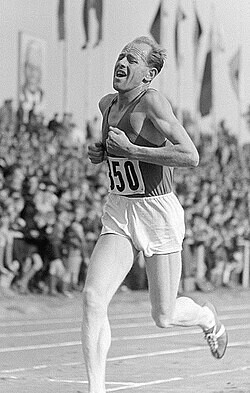
His story reminds us that the values he expressed were not empty words crafted for public admiration. He lived by them, even when doing so came at enormous personal cost. His belief that hope and conviction mattered more than material rewards became evident not only in the races he won, but also in the hardships he endured with remarkable dignity.
Distance running has changed dramatically since Zátopek's era. Today's elite athletes compete in a fully professional sport where prize money, sponsorship contracts, appearance fees, and endorsement deals can be worth millions. Success on the track and roads now offers opportunities that were unimaginable during the age of amateur competition. Professionalism has transformed the sport, allowing athletes to train full-time, access world-class coaching and sports science, and build financially secure careers.
Yet despite these changes, the essence of Zátopek's message has never lost its relevance.
Every elite runner naturally hopes to earn a good living from years of dedication and sacrifice. There is nothing wrong with financial success, and the rewards available today have elevated the standard of competition across the world. But history consistently shows that money alone is rarely enough to sustain greatness. The athletes whose careers endure the longest are often those driven by an inner passion to improve, to test their limits, and to chase excellence for its own sake. Financial rewards become the result of that commitment, not the reason for it.
When competition is motivated solely by wealth, its deeper purpose can fade. But when an athlete races with genuine belief, relentless determination, and an unwavering dream, extraordinary performances often follow naturally.
That is why Emil Zátopek's words continue to resonate across generations. His legacy extends far beyond Olympic medals and world records. It lives in every runner who laces up their shoes with a goal that cannot be measured in dollars, every athlete who refuses to surrender when the race becomes painful, and every competitor who understands that the greatest victories begin long before the finish line.
The economics of distance running may have evolved beyond recognition, but the heart of the sport remains unchanged. Every athlete still arrives at the starting line carrying something far more valuable than money—hope in their heart and dreams in their head. Those invisible qualities have always been, and will always remain, the true fuel of greatness.
by Erick Cheruiyot for My Best Runs.
Login to leave a comment
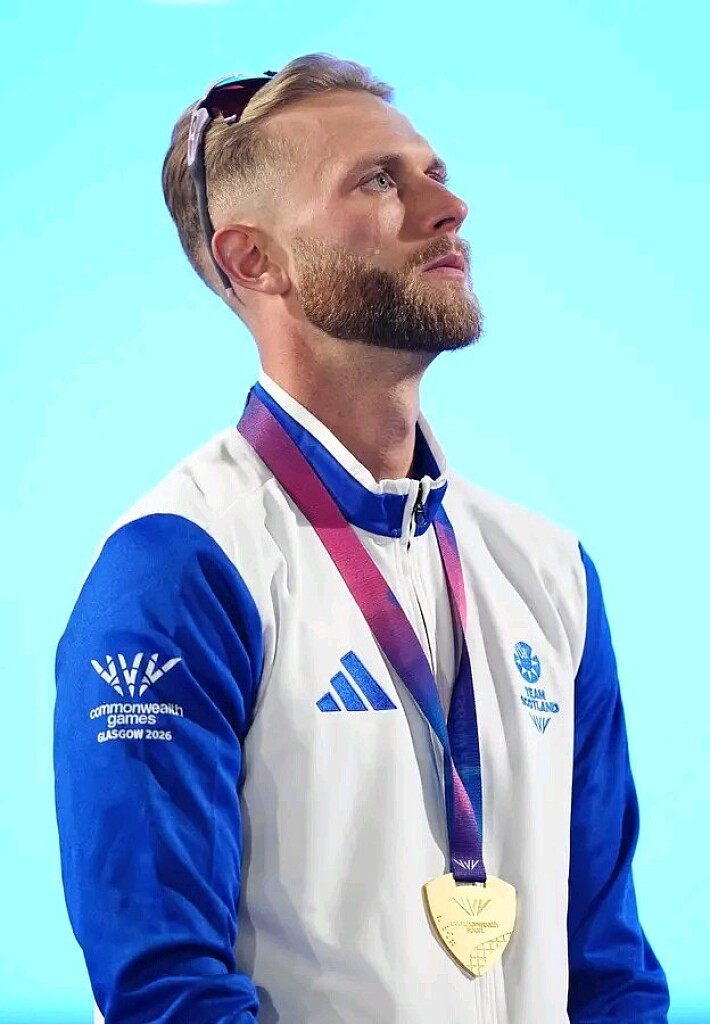
How Josh Kerr Built a Commonwealth Masterpiece: The Splits That Tell the Story of a Golden Mile
Winning a major championship is never just about crossing the finish line first. Behind every gold medal lies a carefully crafted race plan, and Josh Kerr's unforgettable Commonwealth Games triumph in Glasgow was a perfect example of tactical brilliance meeting extraordinary finishing speed.
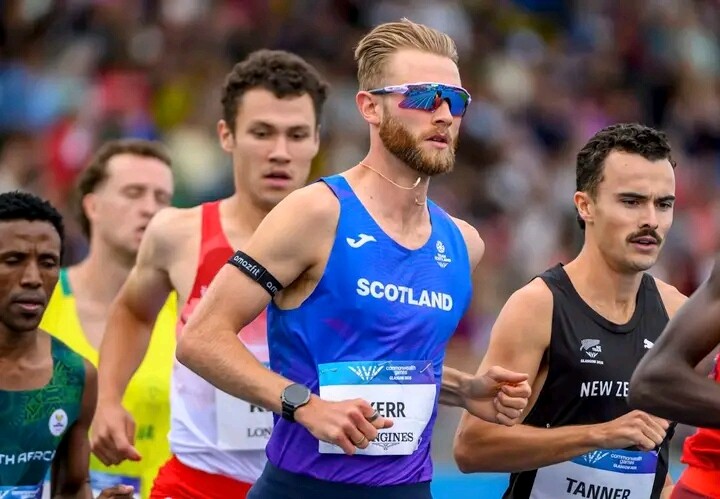
While the final time of 3:54.12 for the mile will be remembered as the official result, the split times reveal a much deeper story—one of patience, precision, and devastating acceleration when it mattered most.
Kerr resisted any temptation to force the pace from the gun. Instead, he settled into a controlled rhythm, allowing the opening stages to unfold naturally. His first four 100-metre segments—14.9, 15.1, 15.3 and 15.1 seconds—brought him through 400 metres in 60.4 seconds, a measured opening that conserved valuable energy while keeping him firmly in contention.
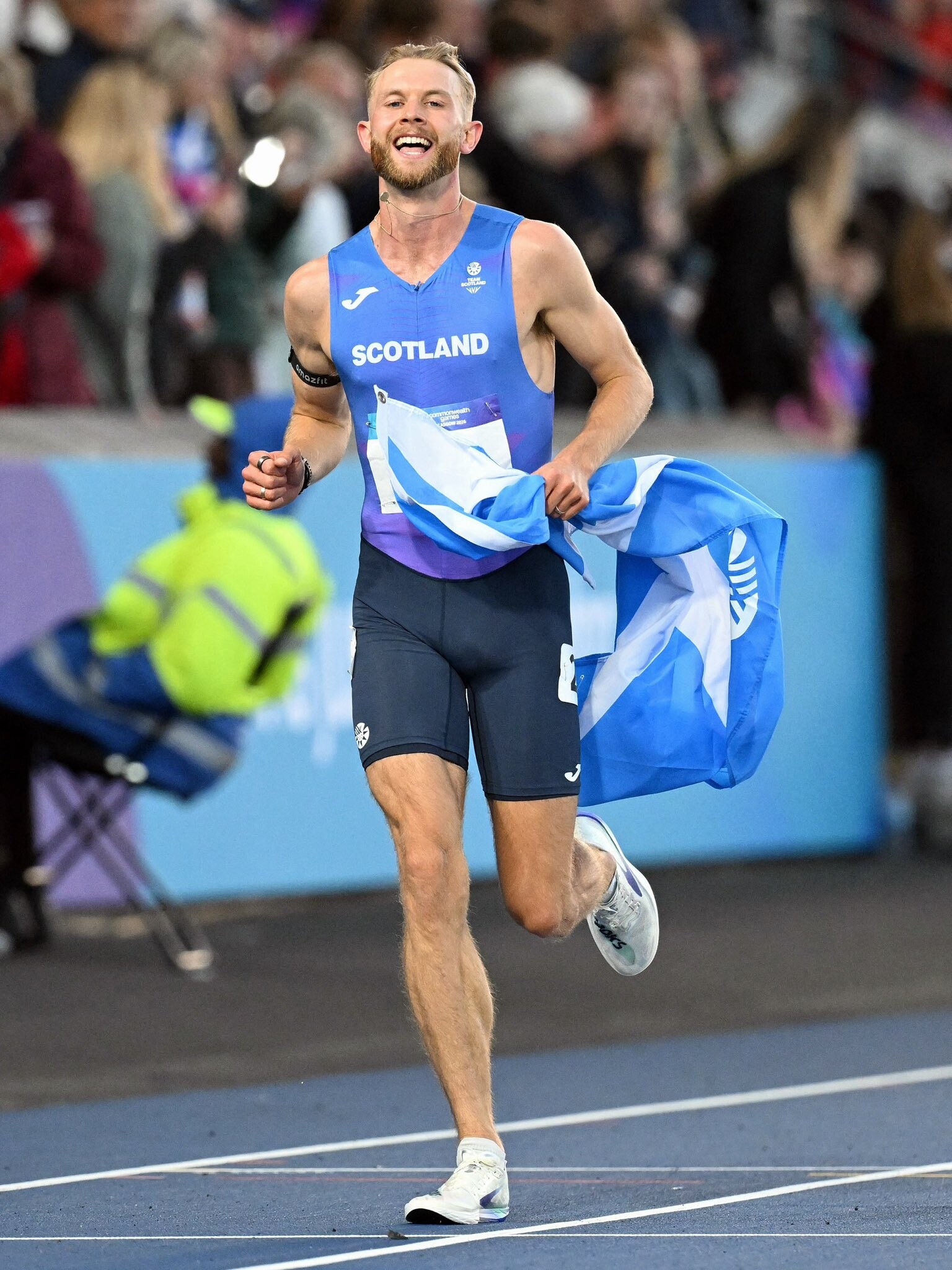
The second lap remained equally composed. Passing 500 metres in 15.3 seconds before recording splits of 15.7, 16.2 and 15.4, Kerr reached 800 metres in 2:03.0. The pace had eased, but that was exactly where the Scottish star wanted to be. Rather than chasing early speed, he was setting the stage for a decisive finish.
Everything changed after halfway.
Kerr gradually increased the tempo with smooth, controlled acceleration. His 900-metre and 1,000-metre splits of 15.2 and 14.9 seconds signalled that the race was beginning to stretch. He then surged through 1,100 metres in 14.3 seconds before covering the next 100 metres in just 13.4 seconds to reach 1,200 metres in 3:00.8.
From there, the home crowd witnessed championship running at its finest.
Instead of fading, Kerr became even stronger. He reeled off three consecutive 100-metre splits of 13.4, 13.4 and 12.8 seconds, dismantling the field with every stride. His final 100 metres were covered in a stunning 12.5 seconds, sealing an emphatic victory and sending the Glasgow crowd into celebration.
The progression of his race was remarkable. After opening with relaxed 15-second splits, Kerr transformed the closing stages into a demonstration of world-class speed endurance. His ability to accelerate continuously over the final 600 metres highlighted not only exceptional fitness but also supreme confidence in his race plan.
Championship middle-distance racing is rarely about producing the fastest possible time from the start. More often, it rewards athletes who understand when to conserve energy and when to unleash everything they have left. Kerr executed that philosophy to perfection.
His split chart paints the picture of a runner who never panicked, never wasted effort, and saved his greatest weapon for the closing stages. It was a textbook display of patience followed by relentless aggression—a combination that turned a tactical race into a memorable Commonwealth gold medal performance.
For aspiring middle-distance runners, Kerr's Glasgow masterpiece offers an important lesson: the strongest finish often belongs not to the athlete who runs hardest from the gun, but to the one who knows exactly when to make their move. On home soil, Josh Kerr timed that move to perfection, producing a performance that will stand as one of the defining moments of the championships.
by Erick Cheruiyot for My Best Runs.
Login to leave a comment
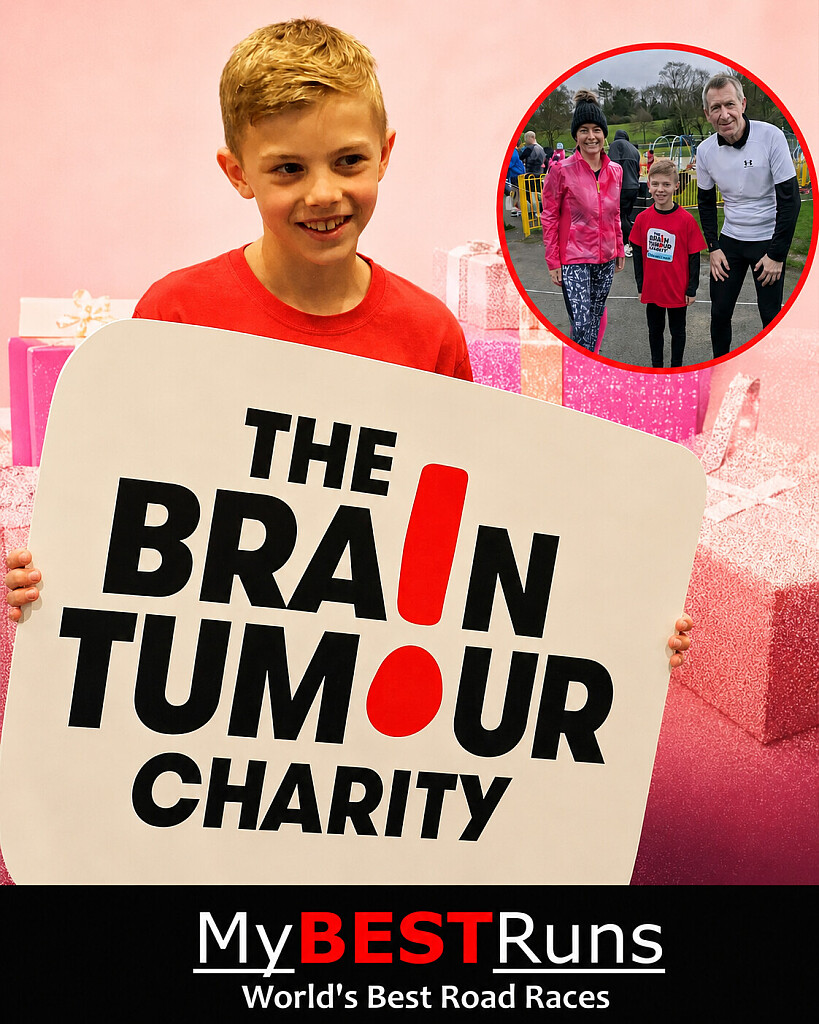
From Small Steps to a Giant Impact: Nine-Year-Old Oliver Smith's Inspiring Run for Hope
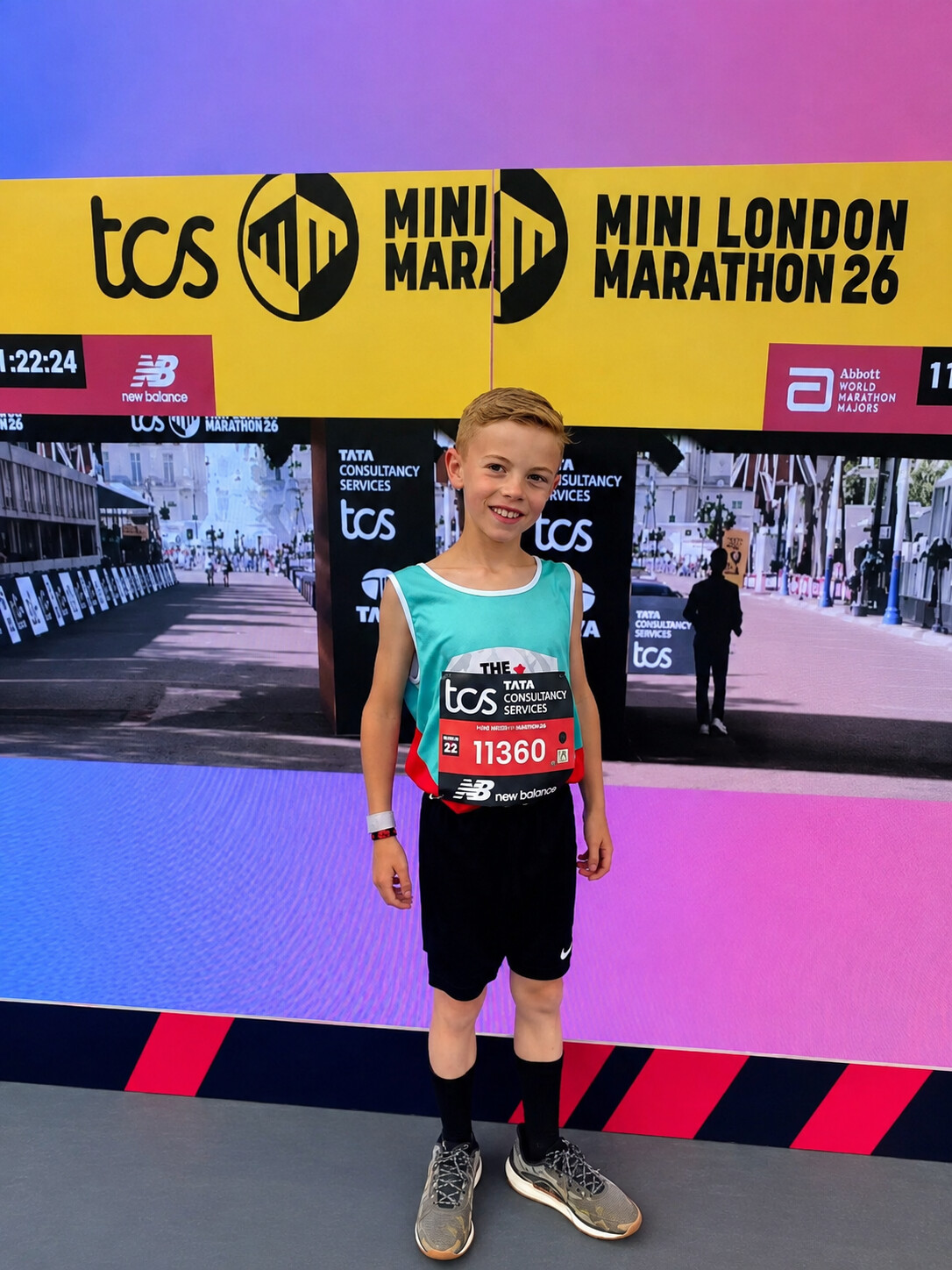
At just nine years old, Oliver Smith has achieved something extraordinary—not by chasing records or medals, but by proving that determination, compassion, and consistency can create a life-changing impact.
Hailing from Wombwell, on the outskirts of Barnsley, Oliver set himself a remarkable challenge at the beginning of the year. Rather than attempting a single marathon, he decided to complete the equivalent distance of nine marathons over several months. From January 1 to April 26, the young runner covered an incredible 380 kilometres, breaking the distance into manageable daily runs suitable for a child his age.
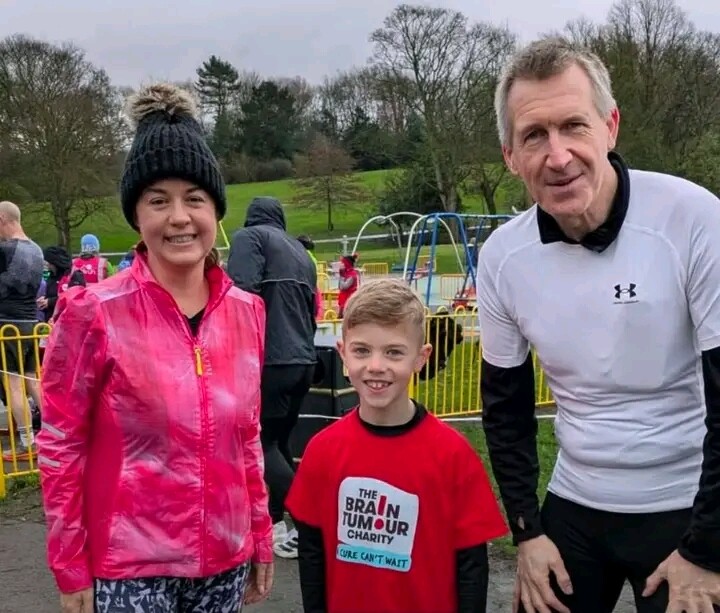
His routine was built on dedication. Saturdays were reserved for parkrun events, Sundays for junior parkrun, while the remaining kilometres were steadily accumulated throughout the week. Averaging approximately 3.3 kilometres each day, Oliver never lost sight of the goal that inspired every step.
The challenge carried deep personal meaning. Last summer, Oliver's father, Tom Smith, suffered a devastating health setback after losing most of the vision in one eye. Medical examinations revealed a 4-centimetre meningioma wrapped around his optic nerve, leading to a complex 12-hour operation at the Royal Hallamshire Hospital in Sheffield.
Throughout the family's difficult journey, The Brain Tumour Charity provided invaluable guidance, support, and reassurance. Grateful for the help his family received, Oliver decided he wanted to give back in the most meaningful way he could. He launched a fundraising campaign with an initial goal of raising £2,000 to support others facing similar challenges.
What followed exceeded everyone's expectations.
Oliver brought his incredible fundraising challenge to a memorable conclusion at the Mini London Marathon, finishing on the very same day his mother, Hannah Smith, completed her first-ever London Marathon. It was a fitting family celebration of courage, resilience, and perseverance.
By the time Oliver crossed the finish line, donations had soared beyond £16,500—more than eight times his original target. His remarkable achievement captured the hearts of supporters, demonstrating how one young boy's determination could unite an entire community behind an important cause.
For Oliver, however, the journey is far from over. Inspired by the overwhelming support and the difference his efforts have made, he has already begun working toward his next fundraising challenge.
His story serves as a powerful reminder that age is no barrier to making a meaningful difference. Sometimes, the greatest acts of courage are measured not by speed or distance, but by the willingness to take one small step after another for the benefit of others.
Oliver Smith's inspiring journey is more than a fundraising success—it is a testament to the strength of family, the power of kindness, and the extraordinary impact that can begin with the simplest decision to help.
by Erick Cheruiyot for My Best Runs.
Login to leave a comment
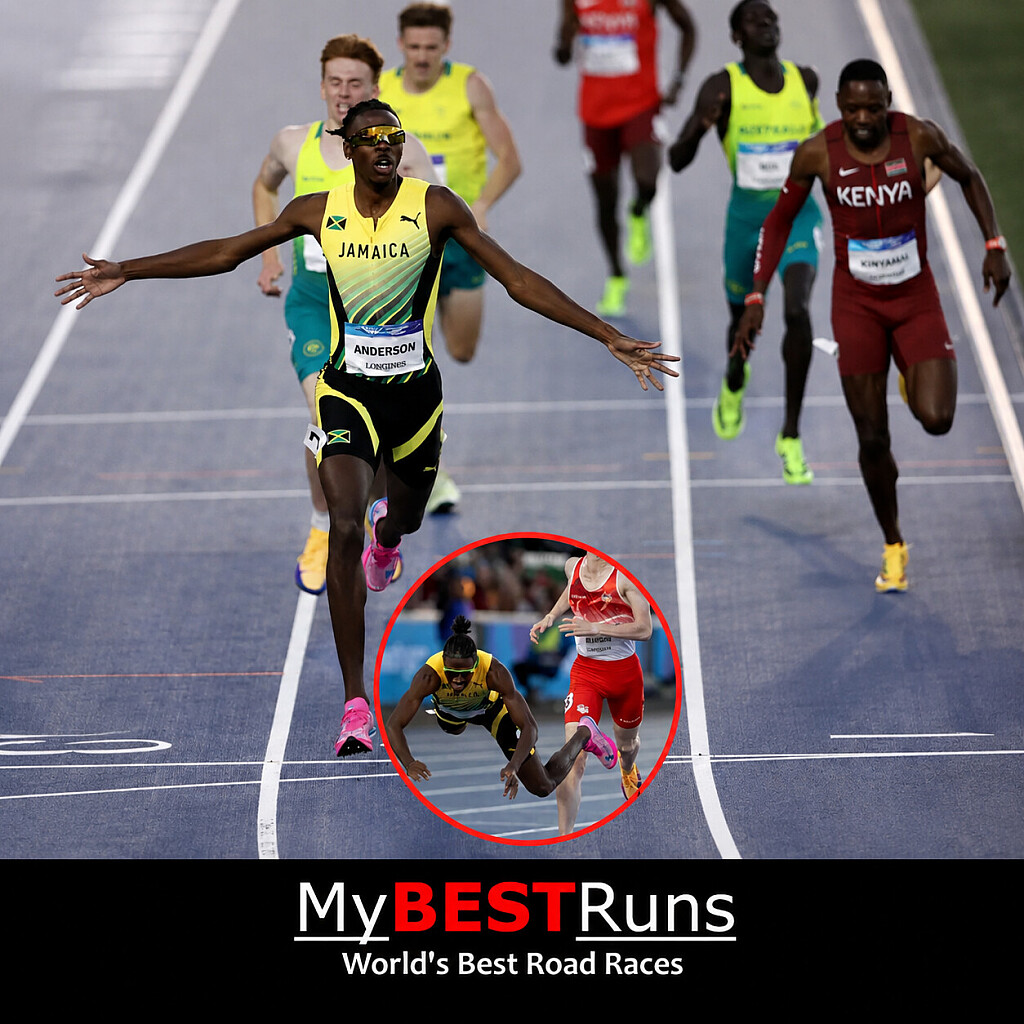
From Last Qualifier to Commonwealth Glory: Navasky Anderson Completes Remarkable 800m Triumph in Glasgow
Sometimes the smallest opportunity creates the greatest triumph, and Jamaica's Navasky Anderson proved exactly that with a stunning performance to capture the men's 800m title at the 2026 Commonwealth Games in Glasgow.
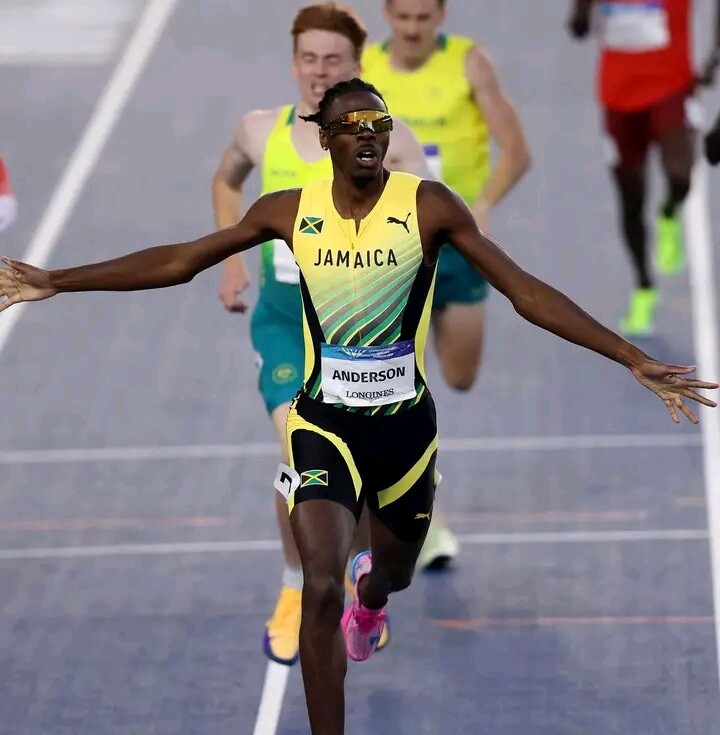
Less than 24 hours after scraping into the final by the slimmest of margins, Anderson produced the race of his life, surging to victory in 1:45.33 to complete one of the most remarkable comeback stories of the championships. His gold medal was not only a reward for exceptional talent but also for courage, determination, and unwavering belief when everything was on the line.
The journey to the top nearly ended in the semifinals. Locked in an intense battle with England's Max Burgin for the final qualification place, Anderson threw himself across the finish line in a dramatic dive, stopping the clock at 1:45.38. That desperate effort earned him the last available place in the final as the fastest non-automatic qualifier, keeping his Commonwealth dream alive by the narrowest of margins.
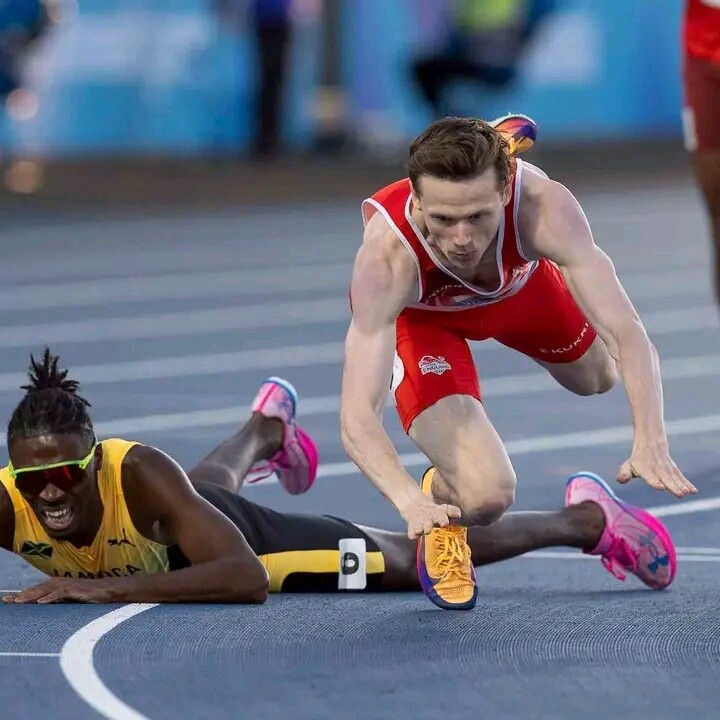
With another chance in his hands, the Jamaican made sure it counted.
In a fiercely contested final, Anderson displayed outstanding tactical awareness and patience throughout the opening stages before unleashing a devastating finishing kick down the home straight. His perfectly timed acceleration left the rest of the field with no answer as he crossed the finish line first, securing a memorable Commonwealth crown and one of Jamaica's standout victories of the Games.
Australia's Luke Boyes delivered an impressive performance to claim the silver medal in 1:45.93, while Kenya's Wyclife Kinyamal battled strongly to take bronze in 1:46.12 after another highly competitive championship race.
Anderson's unforgettable triumph will be remembered as one of the defining moments of Glasgow 2026—a powerful reminder that championships are not always won by the fastest qualifier, but often by the athlete who refuses to surrender. From a fearless dive that kept his hopes alive to a brilliant gold-medal performance less than a day later, the Jamaican wrote one of the most inspiring chapters of these Commonwealth Games.
Men's 800m Final Results
1. Navasky Anderson (Jamaica) — 1:45.33
2. Luke Boyes (Australia) — 1:45.93
3. Wyclife Kinyamal (Kenya) — 1:46.12
Navasky Anderson arrived in the final as the last man to qualify, but he left Glasgow as the Commonwealth champion—a remarkable transformation that perfectly captures the unpredictable beauty of championship athletics.
by Erick Cheruiyot for My Best Runs.
Login to leave a comment
