

Running News Daily
Running News Daily is edited by Bob Anderson and team. Send your news items to bob@mybestruns.com Advertising opportunities available.
Index to Daily Posts · Sign Up For Updates · Run The World Feed
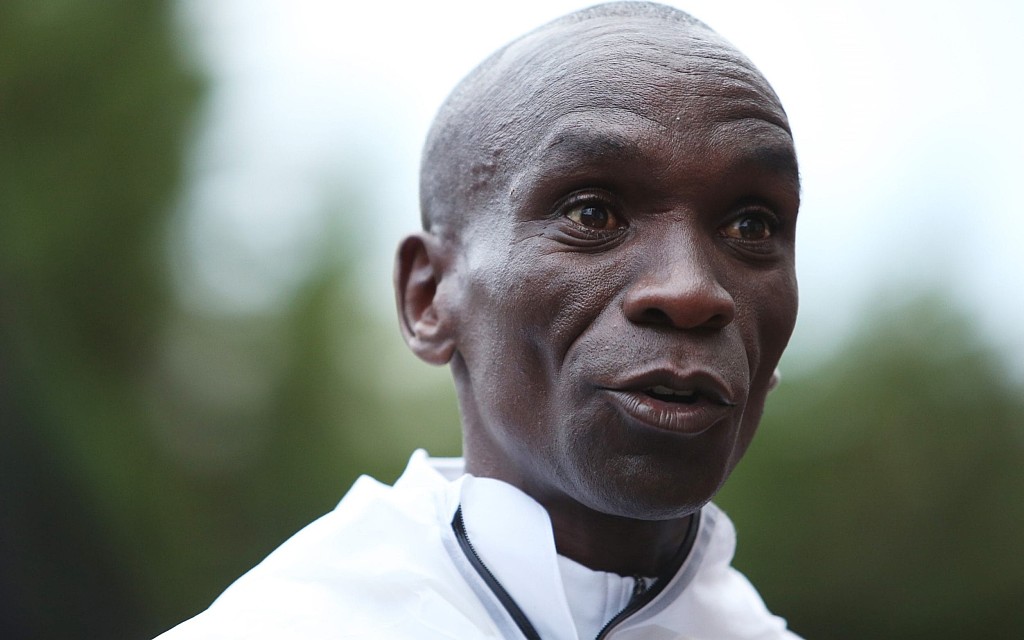


Eliud Kipchoge leads athletes in getting Covid-19 vaccination

Olympic marathon champion Eliud Kipchoge was among Kenyan athletes who received their Covid-19 vaccination at Kenyatta University Referral Hospital on Monday.
Also to receive their AstraZeneca jab were Olympic 1,500m champion Faith Chepngétich, Geoffrey Kamworor, the former World Half marathon champion and record holder and 2019 National Cross Country champion, Amos Kirui.
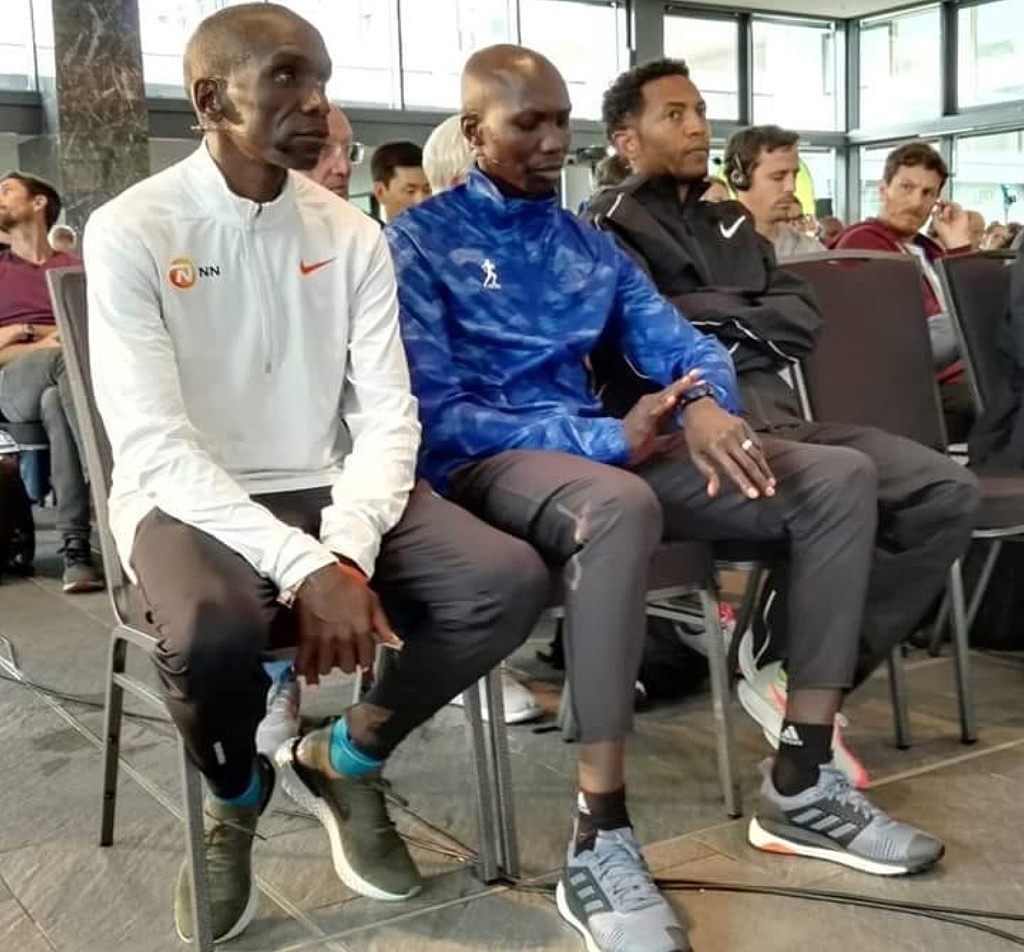
“The only other way we can conquer this pandemic is getting vaccinated, “said Kipchoge, who had just arrived from the Netherlands where he won the NN Mission in 2:04:30 on April 18.
“Taking the vaccination is also one way of helping us prepare for the Tokyo Olympics well since that Covid-19 vaccination certificate could in days to come be the ticket for the Games,” said Kipchoge, the marathon world record holder.
Cabinet Secretary for Sports Amina Mohammed oversaw the launch of the vaccination exercise for Team Kenya for the Olympic Games at Kasarani on April 8.
Amina said her ministry in collaboration with their health counterparts and Nairobi Metropolitan Services had secured 3,500 Covid-19 vaccines for Team Kenya going for the Tokyo Olympic Games and other teams for international assignments.
Amina disclosed that it’s their target to inoculate a total of 3,500 athletes, coaches, officials and athlete handlers across the country not only for Tokyo 2020 Olympic and Paralympic Games but other events.
Those who have benefited from the vaccine are all personnel working on Safari Rally, World Athletics Under-20 Championships in athletics, World Athletics Continental Tour’s Kip Keino Classic and the 2021 Rugby Africa U20 Barthes Trophy.
Others are Sports Kenya, the Kenya Academy of Sports, Anti-Doping Agency of Kenya, Sports, Arts and Social Development Fund and all Ministry of Sports frontline staffers.
by Ayumba Ayodi
Login to leave a comment
Latest Running News
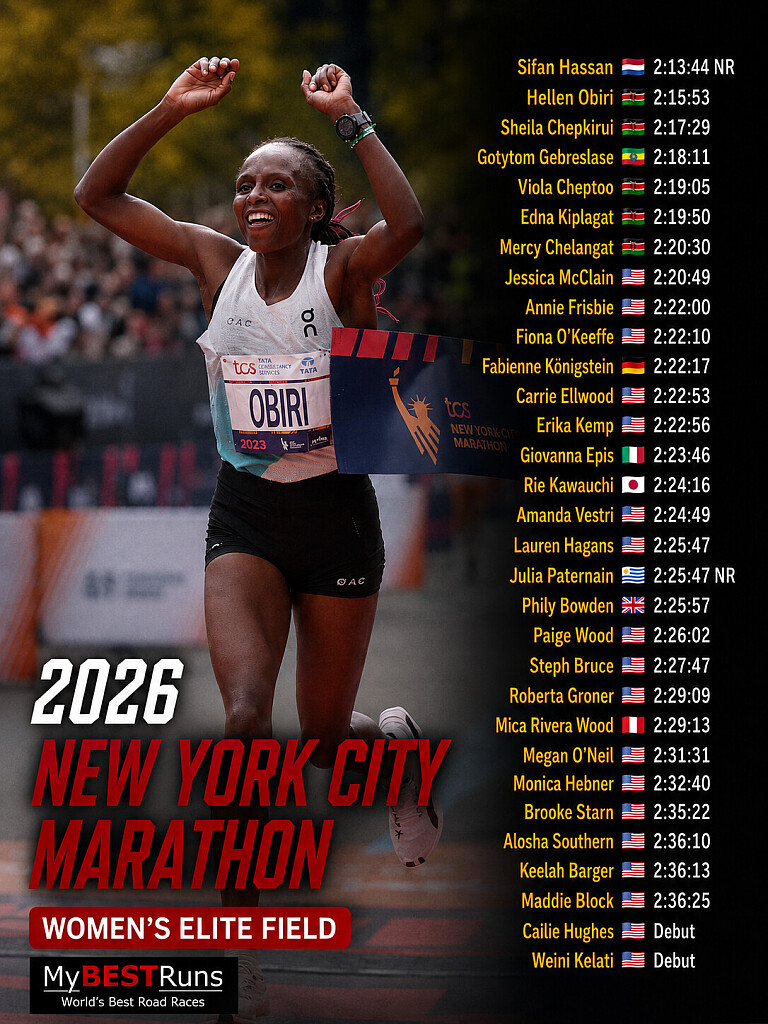
Sifan Hassan and Hellen Obiri Headline Star-Studded 2026 New York City Marathon Field
The 2026 TCS New York City Marathon is shaping up to be one of the most anticipated women’s marathon showdowns of the year, with Olympic champion Sifan Hassan of the Netherlands (2:13:44 NR) and defending champion Hellen Obiri of Kenya (2:15:53) leading a sensational field for November 1.
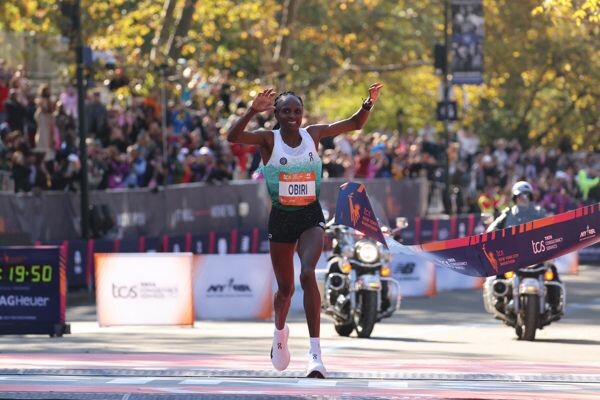
The pair headline a world-class lineup featuring Olympic and world champions, major-marathon winners, national record holders and some of the most exciting marathoners from around the globe.
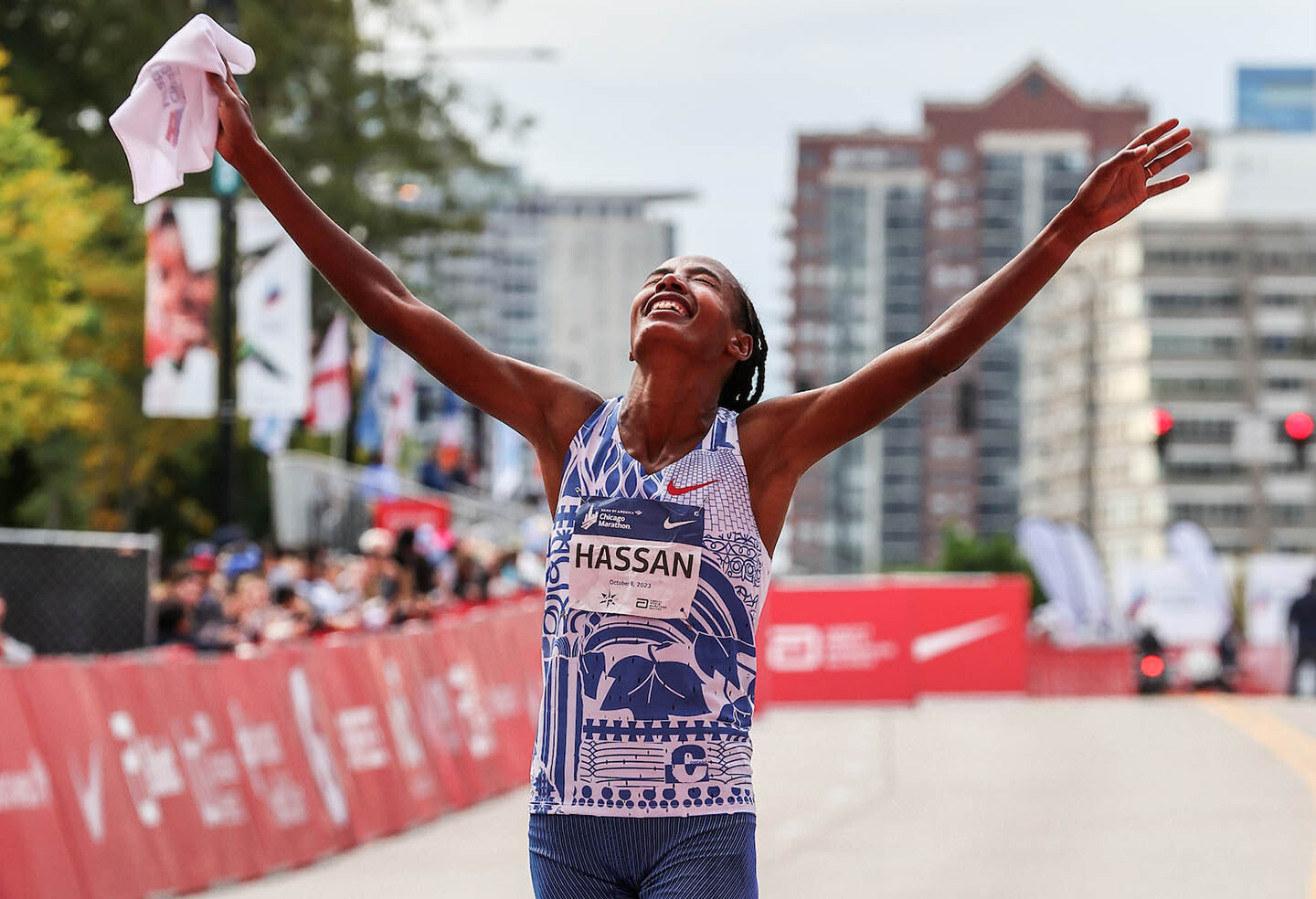
Hassan arrives with the fastest personal best in the field, while Obiri will return to New York seeking to defend the title she won last year in 2:19:51. The Kenyan star has established herself as one of the defining figures of the modern marathon, and another victory in New York would further strengthen her remarkable record over the distance.
“New York always brings out the best in me and I’m excited to return and feel the energy of each borough during such a historic year,” Obiri said.
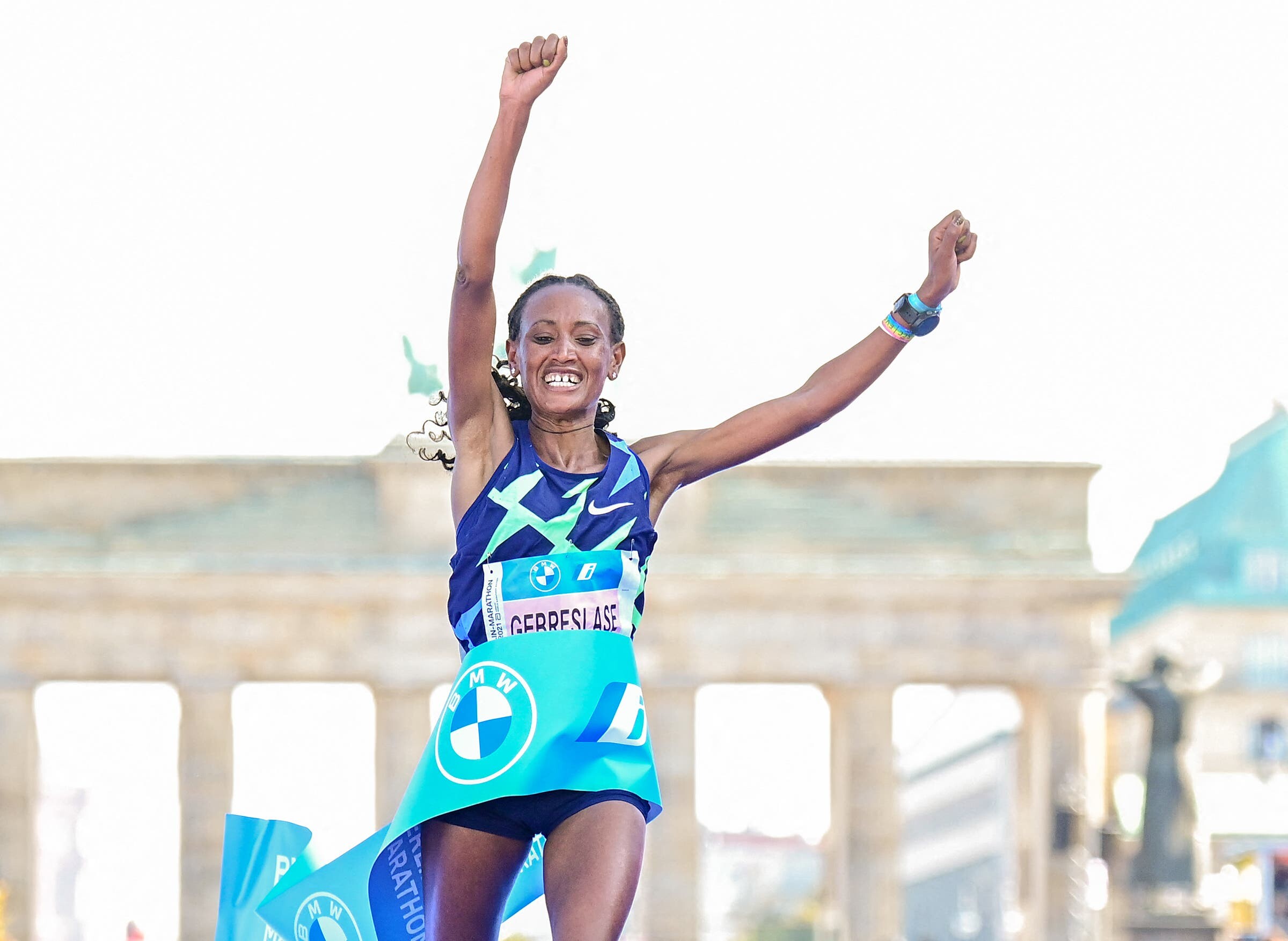
She will face a formidable Kenyan challenge led by Sheila Chepkirui (2:17:29), Viola Cheptoo (2:19:05), Edna Kiplagat (2:19:50) and Mercy Chelangat (2:20:30). Ethiopia will be represented by former world champion Gotytom Gebreslase (2:18:11), adding even more championship pedigree and experience to an already formidable front pack.
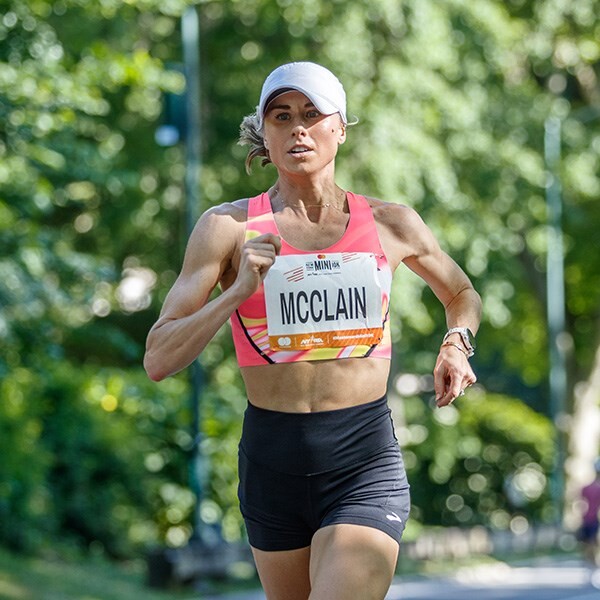
The strength of the field continues with Jessica McClain of the United States (2:20:49), Annie Frisbie of the United States (2:22:00), Fiona O’Keeffe of the United States (2:22:10) and Fabienne Königstein of Germany (2:22:17). They will be joined by fellow American contenders Carrie Ellwood (2:22:53), Erika Kemp (2:22:56), Amanda Vestri (2:24:49) and Lauren Hagans (2:25:47), while Giovanna Epis of Italy (2:23:46) and Rie Kawauchi of Japan (2:24:16) add further international quality.
The lineup also features Julia Paternain of Uruguay (2:25:47 NR), Phily Bowden of Great Britain (2:25:57), Paige Wood of the United States (2:26:02) and Steph Bruce of the United States (2:27:47). The experience continues with Roberta Groner of the United States (2:29:09) and Mica Rivera Wood of Peru (2:29:13), while Megan O’Neil (2:31:31), Monica Hebner (2:32:40), Brooke Starn (2:35:22), Alosha Southern (2:36:10), Keetah Barger (2:36:13) and Maddie Block (2:36:25) add considerable depth to the American contingent.
Two particularly intriguing names will also be making their marathon debuts: Cailie Hughes and Weini Kelati of the United States. Kelati enters the new chapter of her career after lowering the American half-marathon record to 1:06:04 in February, giving her a strong foundation as she steps up to the classic 26.2-mile distance for the first time.
Her marathon debut adds another layer of intrigue to an already star-studded race. Kelati’s speed and endurance could make her a dangerous contender if she adapts quickly to the demands of the marathon, while Hughes will also bring the unpredictability that comes with tackling the distance for the first time.
With athletes representing the Netherlands, Kenya, Ethiopia, the United States, Germany, Italy, Japan, Uruguay, Great Britain and Peru, the 2026 women’s field boasts remarkable international depth. The leading contenders bring contrasting strengths, experiences and racing backgrounds, setting the stage for a fascinating battle across New York’s five boroughs before the famous finish in Central Park.
For Hassan, the race represents another opportunity to showcase her extraordinary range and marathon pedigree. For Obiri, it is a chance to defend her New York crown against one of the deepest fields assembled for the race. Behind them, Chepkirui, Gebreslase, Cheptoo, Kiplagat and a host of talented contenders will be waiting to challenge for the podium.
With Olympic pedigree, world championship experience, major-marathon success and two highly anticipated marathon debuts all converging on New York, the stage is set for a compelling battle on November 1.
The question is no longer whether the 2026 TCS New York City Marathon will deliver drama, but who will emerge victorious when the battle reaches Central Park.
Who is your favorite to take the crown in New York?
by Erick Cheruiyot for My Best Runs.
Login to leave a comment
TCS New York City Marathon
The first New York City Marathon, organized in 1970 by Fred Lebow and Vince Chiappetta, was held entirely in Central Park. Of 127 entrants, only 55 men finished; the sole female entrant dropped out due to illness. Winners were given inexpensive wristwatches and recycled baseball and bowling trophies. The entry fee was $1 and the total event budget...
more...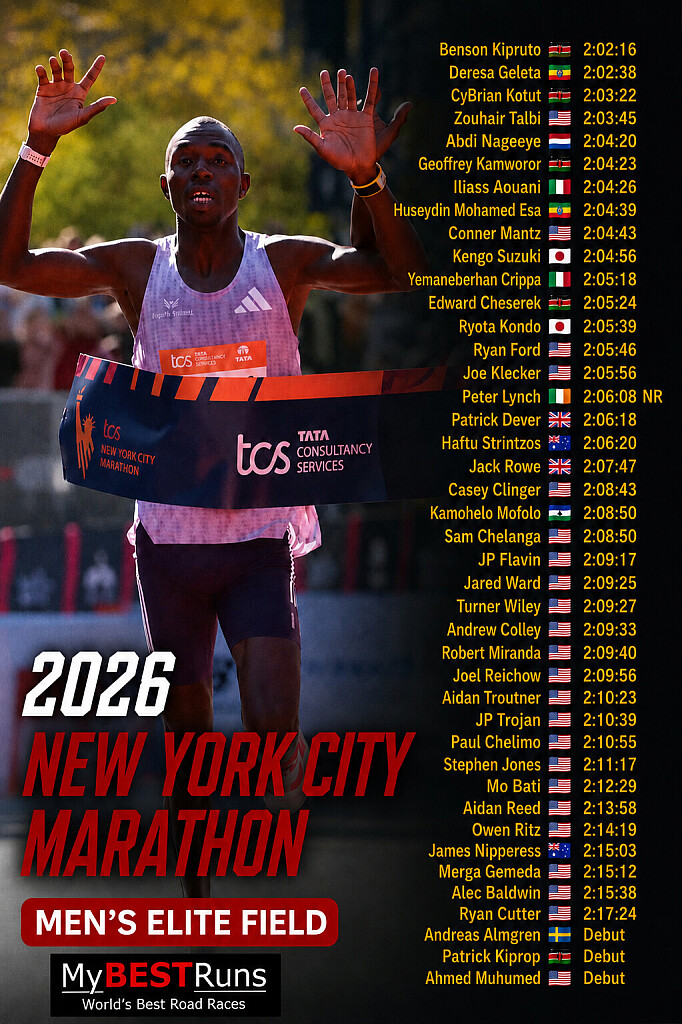
New York Marathon Set For Blockbuster Showdown As America’s Two Fastest Men Collide
The 2026 TCS New York City Marathon is shaping up to be one of the most anticipated editions in recent history, with New York Road Runners unveiling a remarkable men’s professional field that brings together the two fastest American marathoners ever on the same starting line.
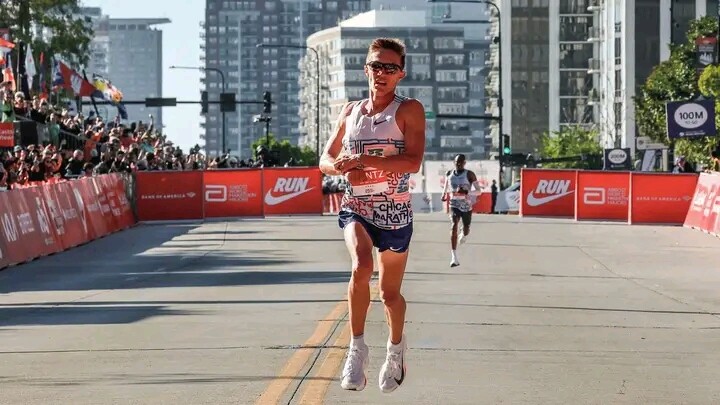
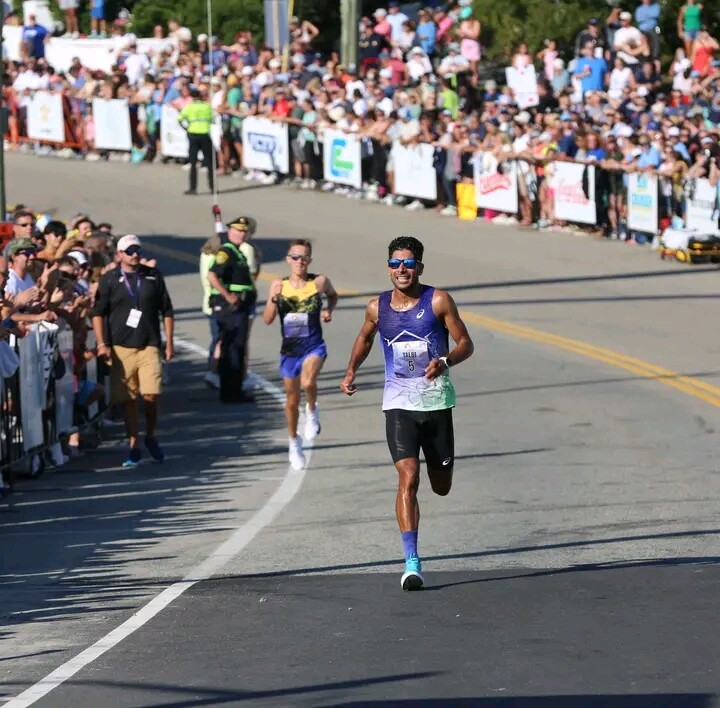
The race, scheduled for November 1, will feature American record-holder Conner Mantz (2:04:43) and Zouhair Talbi (2:03:45), whose performance at the 2026 Boston Marathon is the fastest marathon ever run by an American by clock time. However, because Boston is not a record-eligible course, Talbi’s mark does not replace Mantz’s official American record.
Mantz established the American record with his 2:04:43 fourth-place finish at the 2025 Chicago Marathon, breaking a national record that had stood since 2002. Talbi went even faster in Boston in April, crossing the line fifth in 2:03:45 and adding another extraordinary chapter to the rapid evolution of American marathon running.
That makes New York particularly intriguing. For the first time, the two men who occupy the top two positions on the all-time American marathon performance list will have the opportunity to race each other over a record-eligible course, with the streets of New York providing the stage.
And the American showdown will be only one part of a much bigger battle.
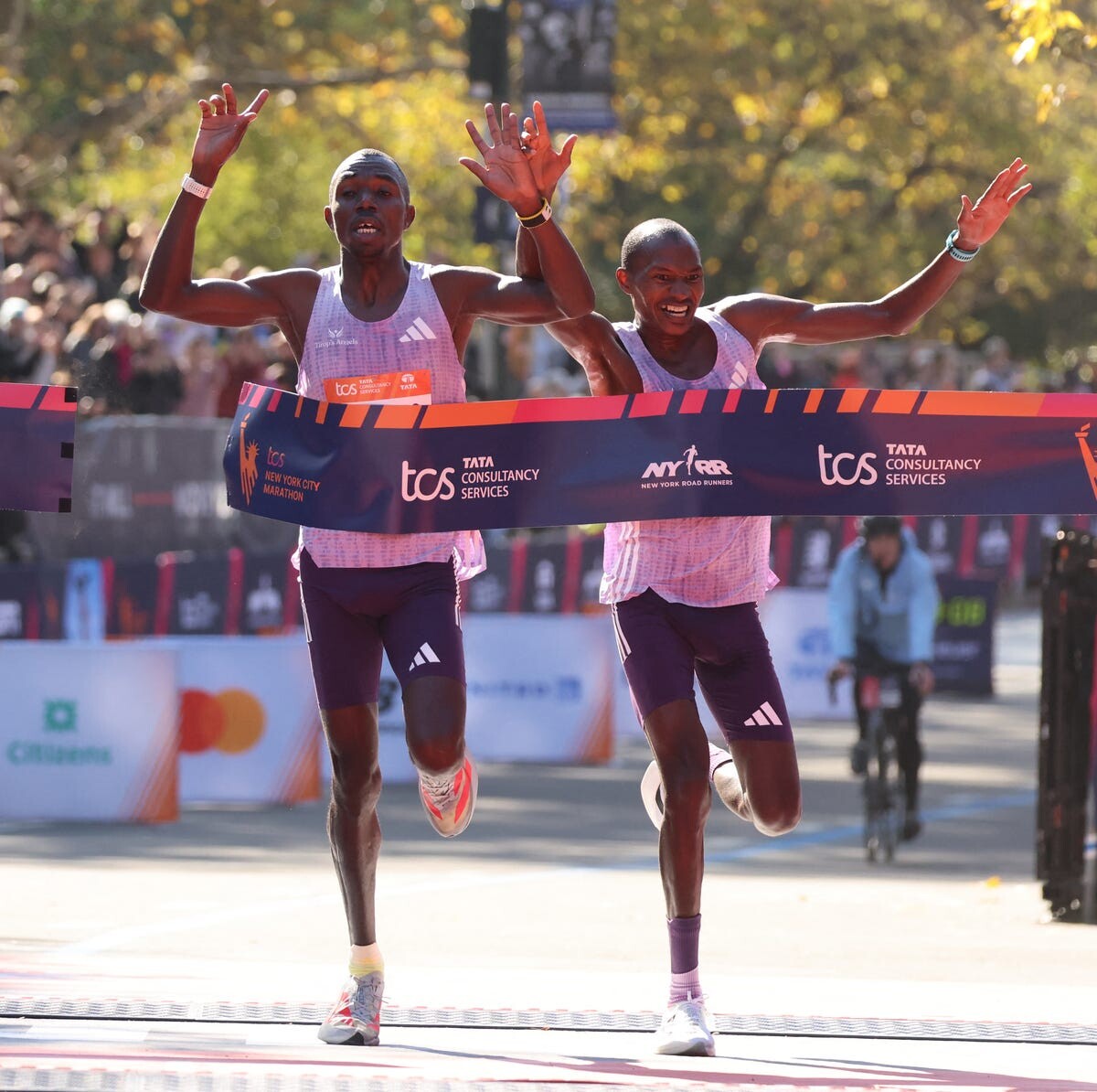
The international challenge is formidable. Defending champion Benson Kipruto (2:02:16) leads the field, followed by Ethiopia’s Deresa Geleta (2:02:38) and Kenya’s CyBrian Kotut (2:03:22). The lineup also includes the Netherlands’ Abdi Nageeye (2:04:20), Kenya’s Geoffrey Kamworor (2:04:23), Italy’s Iliass Aouani (2:04:26) and Ethiopia’s Huseydin Mohamed Esa (2:04:39).
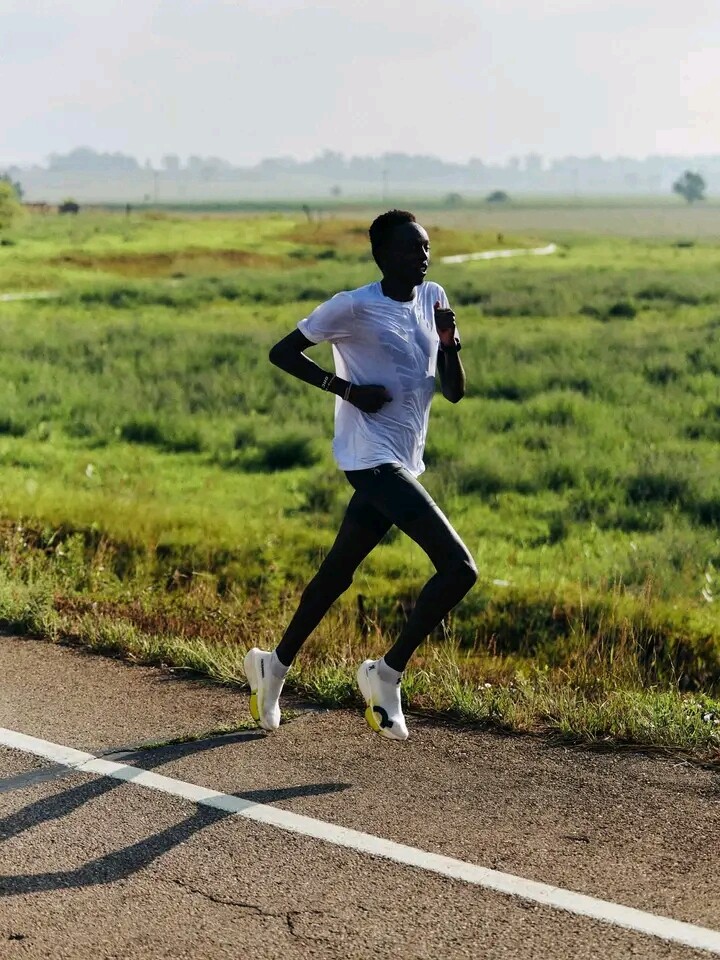
Just behind that group is Japan’s Kengo Suzuki (2:04:56), Italy’s Yemaneberhan Crippa (2:05:18), Kenya’s Edward Cheserek (2:05:24) and Japan’s Ryota Kondo (2:05:39). Ireland’s Peter Lynch (2:06:08), Great Britain’s Patrick Dever (2:06:18), Australia’s Haftu Strintzos (2:06:20) and Britain’s Jack Rowe (2:07:47) further strengthen a field that possesses extraordinary depth.
The American contingent is just as fascinating. Alongside Mantz and Talbi are Ryan Ford (2:05:46), Joe Klecker (2:05:56), Casey Clinger (2:08:43), Sam Chelanga (2:08:50), JP Flavin (2:09:17), Jared Ward (2:09:25), Turner Wiley (2:09:27), Andrew Colley (2:09:33), Robert Miranda (2:09:40) and Joel Reichow (2:09:56).
The depth continues with Aidan Troutner (2:10:23), JP Trojan (2:10:39), Paul Chelimo (2:10:55), Stephen Jones (2:11:17), Mo Bati (2:12:29), Aidan Reed (2:13:58), Owen Ritz (2:14:19), Merga Gemeda (2:15:12), Alec Baldwin (2:15:38) and Ryan Cutter (2:17:24). Australia’s James Nipperess (2:15:03) and Lesotho’s Kamohelo Mofolo (2:08:50) are also on the start list.
Three athletes will make their marathon debuts in New York: Sweden’s Andreas Almgren, Kenya’s Patrick Kiprop and American Ahmed Muhumed. Almgren, in particular, brings tremendous track credentials into his first attempt at 26.2 miles after winning the European 10,000m title in Birmingham in a championship-record 27:23.44.
The numbers tell the story of just how deep this field is. Ten men have personal bests faster than the existing New York City Marathon course record of 2:04:58, set by Tamirat Tola in 2023. Remarkably, Tola himself is not entered, nor is Alexander Mutiso, who finished runner-up to Kipruto in last year’s dramatic race.
For Mantz and Talbi, however, the stakes extend beyond the American record books. No American man has won the New York City Marathon since Meb Keflezighi in 2009, meaning the American contingent will arrive carrying a 17-year wait for another homegrown champion. Mantz and Talbi will have to overcome a formidable international field if either is to end that drought.
New York’s course will add another layer of difficulty. The bridges, sharp turns, rolling sections and notoriously demanding final miles toward Central Park have humbled some of the world’s fastest marathoners. Raw personal-best times will matter, but so will patience, positioning, tactical intelligence and the ability to produce a decisive move when the race reaches its most unforgiving stages.
With the official American record-holder, the fastest American by clock time, a defending champion, multiple 2:04 marathoners and a host of world-class contenders all converging on the Big Apple, the 2026 New York City Marathon has the ingredients of a classic.
On November 1, the streets of New York could become the setting for another extraordinary chapter in marathon history.
by Erick Cheruiyot for My Best Runs.
Login to leave a comment
TCS New York City Marathon
The first New York City Marathon, organized in 1970 by Fred Lebow and Vince Chiappetta, was held entirely in Central Park. Of 127 entrants, only 55 men finished; the sole female entrant dropped out due to illness. Winners were given inexpensive wristwatches and recycled baseball and bowling trophies. The entry fee was $1 and the total event budget...
more...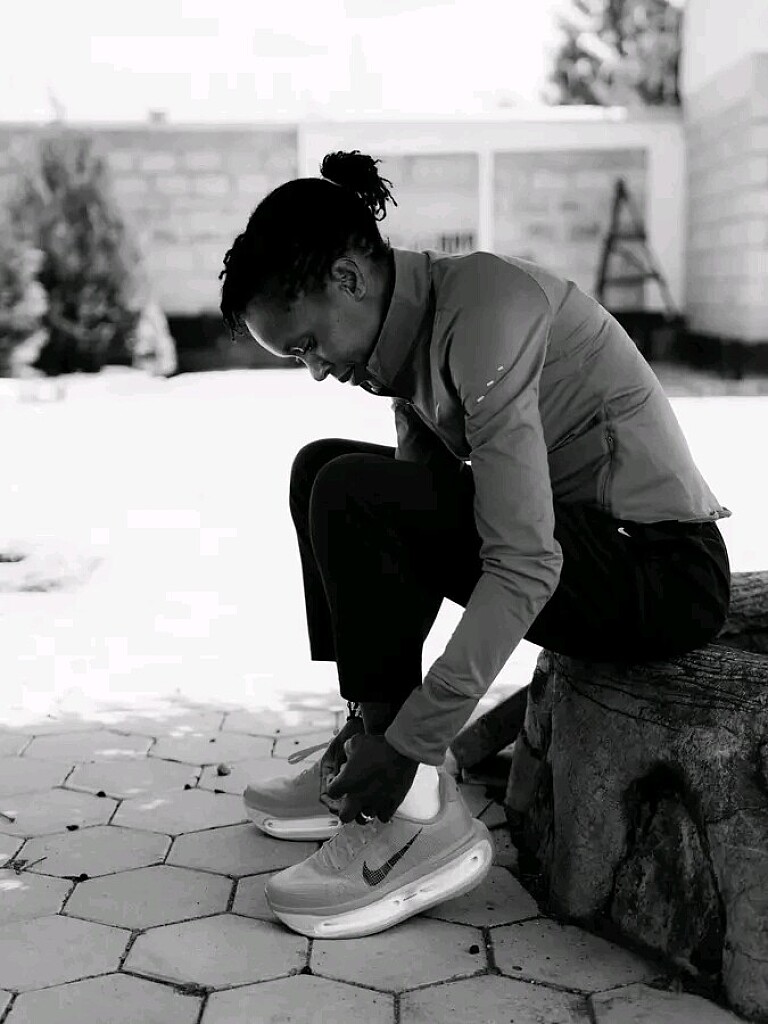
Faith Kipyegon Delivers Emotional Injury Update: “I’ll Be Back”
Kenyan athletics fans have been handed a worrying update from one of the country’s biggest sporting stars, with Faith Kipyegon revealing that her recovery from a hamstring injury will take longer than she had initially hoped.
The three-time Olympic champion and multiple world champion has been managing the injury for several weeks, and she has now made it clear that she will not rush her return to competition.
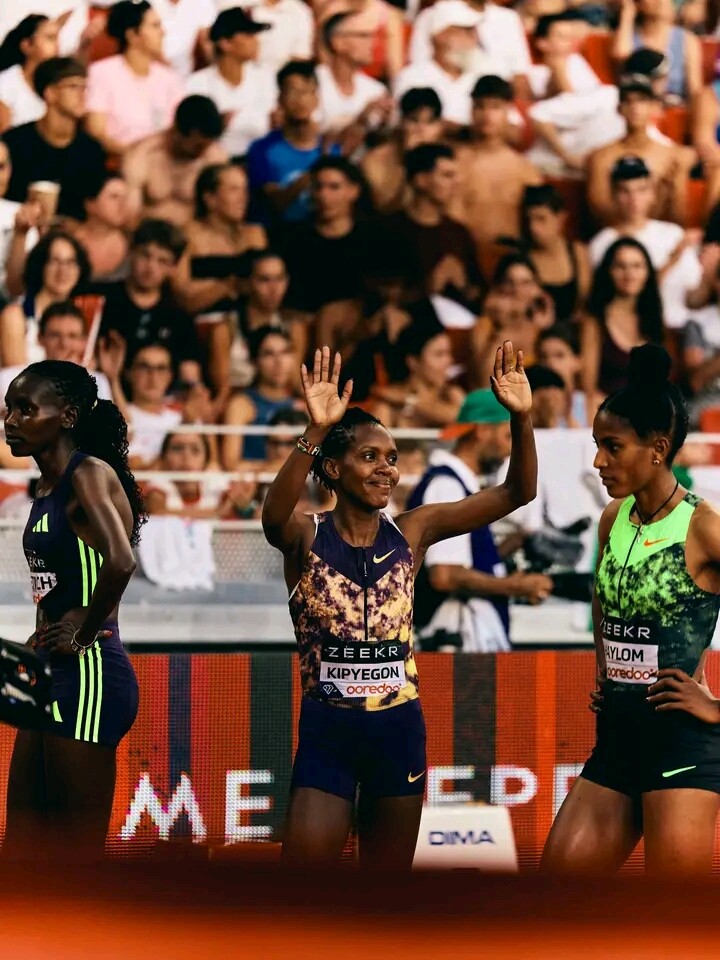
Kipyegon opened up about the setback in an emotional message to her followers, acknowledging the difficult balance elite athletes must maintain between pushing their bodies to the limit and protecting themselves from injury.
“As athletes, we ask a lot from our bodies. There is always a thin line between being fit and the risk of injury.”
The Kenyan superstar said she has been dealing with the hamstring problem since the end of May and admitted that the recovery process has proved slower than she anticipated.
“Since the end of May, I have been dealing with a hamstring injury and unfortunately it needs a bit longer to recover than I had hoped.”
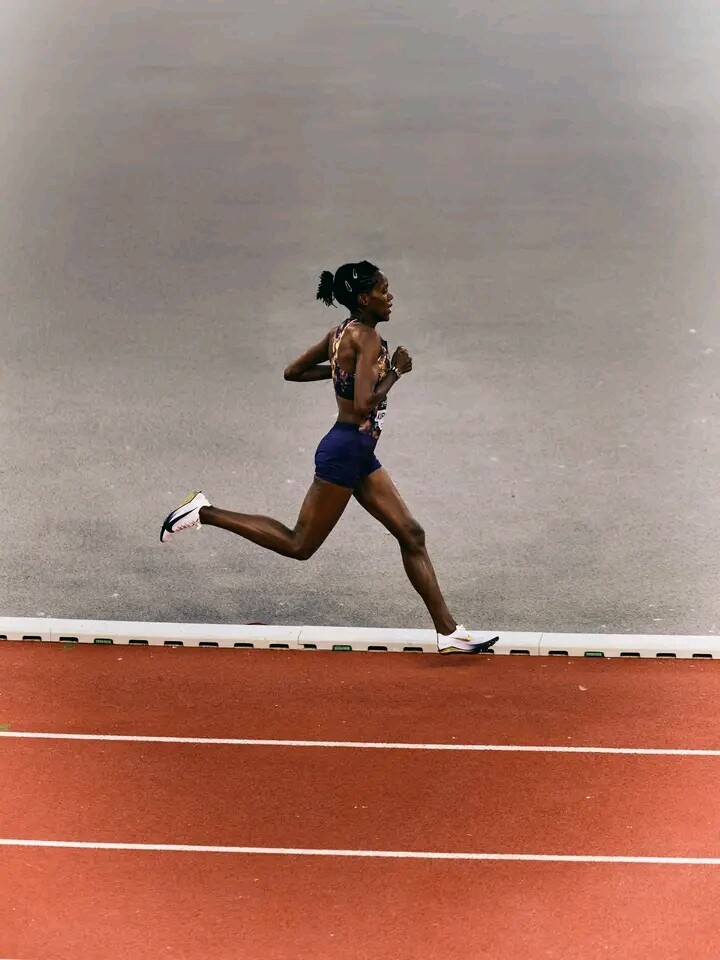
Rather than forcing an early comeback, Kipyegon has chosen to give her body the time it needs to heal properly. For an athlete accustomed to competing at the highest level and delivering spectacular performances on the biggest stages, the enforced break will undoubtedly be frustrating.
But the 32-year-old understands that patience now could be crucial to her long-term return.
“I know that taking care of it now is the most important thing I can do to come back at my best.”
Kipyegon’s decision is particularly significant given the extraordinary standards she has maintained throughout her career. She has dominated the women’s 1,500m for more than a decade, collecting Olympic and world titles while repeatedly rewriting the record books.
She currently owns the women’s world records for both the 1,500m and the mile. Her latest 1,500m world record of 3:48.68, set in Eugene in July 2025, made her the first woman to break 3:49 for the distance. Her mile world record stands at 4:07.64.
Her absence will nevertheless be felt across the athletics world. Kipyegon remains one of the defining figures of modern middle-distance running and one of Kenya’s most decorated athletes. Although she once held the women’s 5,000m world record, that mark now belongs to compatriot Beatrice Chebet, who ran 13:58.06 in Eugene in July 2025 to become the first woman to break 14 minutes over the distance.
For now, however, Kipyegon’s focus is firmly on recovery.
“So for now, I will take the time to heal, recover and get stronger. I’ll be back.”
Those final three words will resonate strongly with her supporters.
“I’ll be back.”
It is a simple message, but one that carries enormous weight. Kipyegon has built her career on resilience, discipline and an extraordinary ability to respond when expectations are at their highest.
This time, the challenge is different. There is no finish line to chase and no championship medal at stake—only the patience required to get her body right.
Kenyan fans may have to wait a little longer to see their champion back on the track, but Kipyegon’s message is unmistakable: the comeback has not been abandoned—it is simply being given the time it deserves.
by Erick Cheruiyot for My Best Runs.
Login to leave a comment
The Olympic Gold That Korea Had To Wait 52 Years To Truly Claim
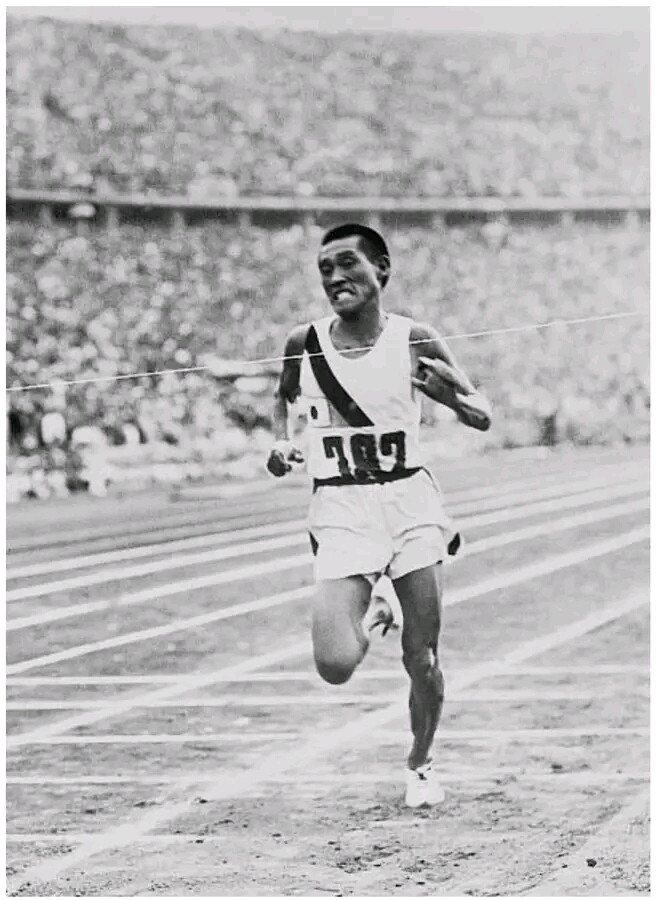
On August 9, 1936, Sohn Kee-chung crossed the finish line of the Olympic marathon in Berlin in 2:29:19.2, becoming the first Korean to win an Olympic gold medal.
But there was a painful contradiction behind the triumph.
The scoreboard did not identify him as Sohn Kee-chung. It listed him as Kitei Son — the Japanese pronunciation of his Korean name. And instead of competing for Korea, he was officially entered as a member of the Japanese delegation because Korea had been under Japanese colonial rule since 1910.
Sohn was born in 1912 near Sinuiju, in what is now North Pyongan Province, and emerged as one of the outstanding distance runners of his generation. His talent became impossible to ignore in the 1930s, and in November 1935 he ran 2:26:42 in Tokyo to set a world marathon record.
By the time he arrived in Berlin, Sohn was already a world-class marathoner. Yet his greatest sporting achievement would unfold under an identity that had been imposed upon him.
He was not permitted to compete under his Korean name. He was not permitted to carry the Korean flag. His uniform bore the Japanese emblem.
And even after winning Olympic gold, he could not celebrate as a Korean champion.
Sohn won the marathon ahead of Britain's Ernie Harper, while another Korean, Nam Sung-yong, claimed bronze. Sohn became the first Olympic marathoner to break the 2:30 barrier, with his 2:29:19.2 Olympic record standing as a remarkable achievement. Importantly, however, his Berlin time was not a world record — his world-best mark had come the previous year in Tokyo.
The medal ceremony became one of the most haunting images in Olympic history.
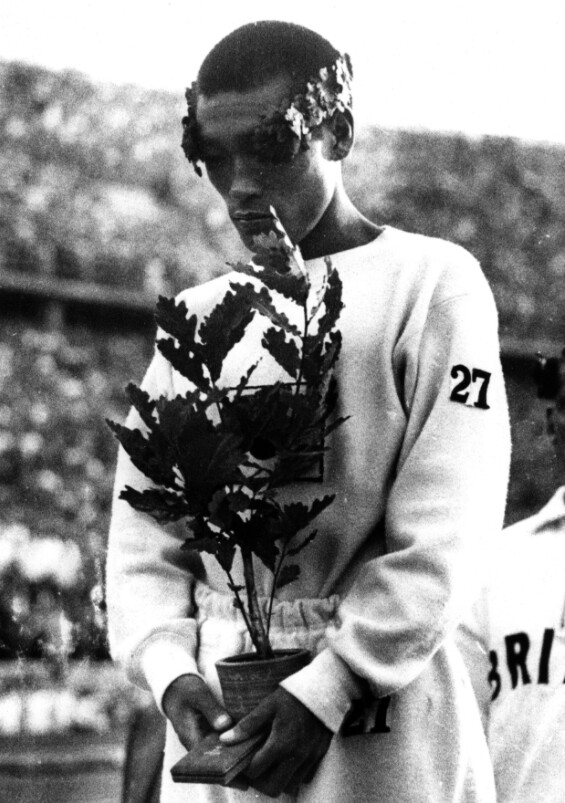
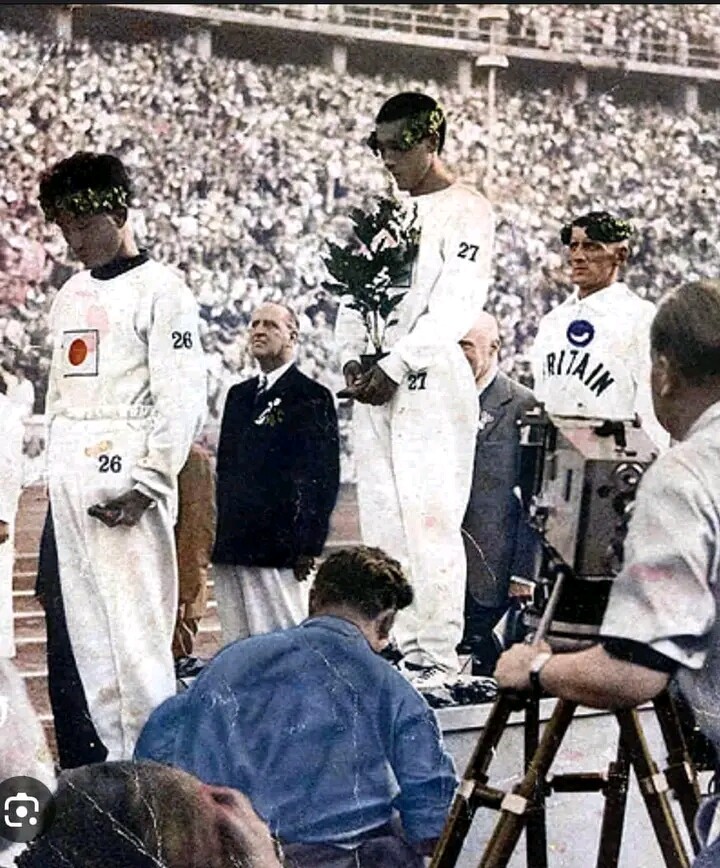
As the Japanese flag was raised and the Japanese anthem played, Sohn stood on the top step of the podium with his head lowered. Nam Sung-yong stood beside him on the third step. Neither athlete was able to represent the nation from which they came.
Sohn held the laurel wreath he had received for winning the marathon across his chest, concealing the Japanese flag on his uniform.
The gesture was silent.
But the message was powerful.
He had won the race for himself and for Korea, even though the official ceremony claimed him for Japan.
Back home, Koreans celebrated his victory with enormous pride. For many, Sohn's success was a rare moment of national affirmation during colonial rule. Yet the emotions were complicated. Some Korean nationalists viewed participation in the Japanese team as a painful compromise, while others saw Sohn's victory as a powerful act of resistance against the colonial claim that Koreans were inferior.
The reaction of the Korean press became another chapter in the story.
On August 25, 1936, the Dong-A Ilbo published the famous photograph of Sohn on the podium with the Japanese flag removed from his uniform. The newspaper's journalists had deliberately erased the emblem — an act of defiance against Japan's colonial authorities. The incident triggered a major crackdown. Multiple journalists were arrested, and the newspaper was forced to suspend publication for months. Historical accounts record that eight people involved were imprisoned and that the paper was suspended for roughly nine months.
The photograph became more than an image of an Olympic champion.
It became an image of a nation trying to preserve its identity.
After Korea was liberated in 1945, Sohn's life took a new direction. He became an influential coach and helped develop the next generation of Korean distance runners. Among those he guided were Suh Yun-bok, who won the Boston Marathon in 1947, and Ham Ki-yong, the 1950 Boston Marathon champion. Sohn also served in various athletic organizations in South Korea.
In 1948, he carried the flag for the newly independent Republic of Korea at the London Olympics — another deeply symbolic moment in a life that had begun with his identity being taken from him on an Olympic starting line.
Decades later, Sohn returned to Germany and, in 1972, attended the Munich Olympics. There, he was reunited with filmmaker Leni Riefenstahl, whose film Olympia had documented the 1936 Berlin Games.
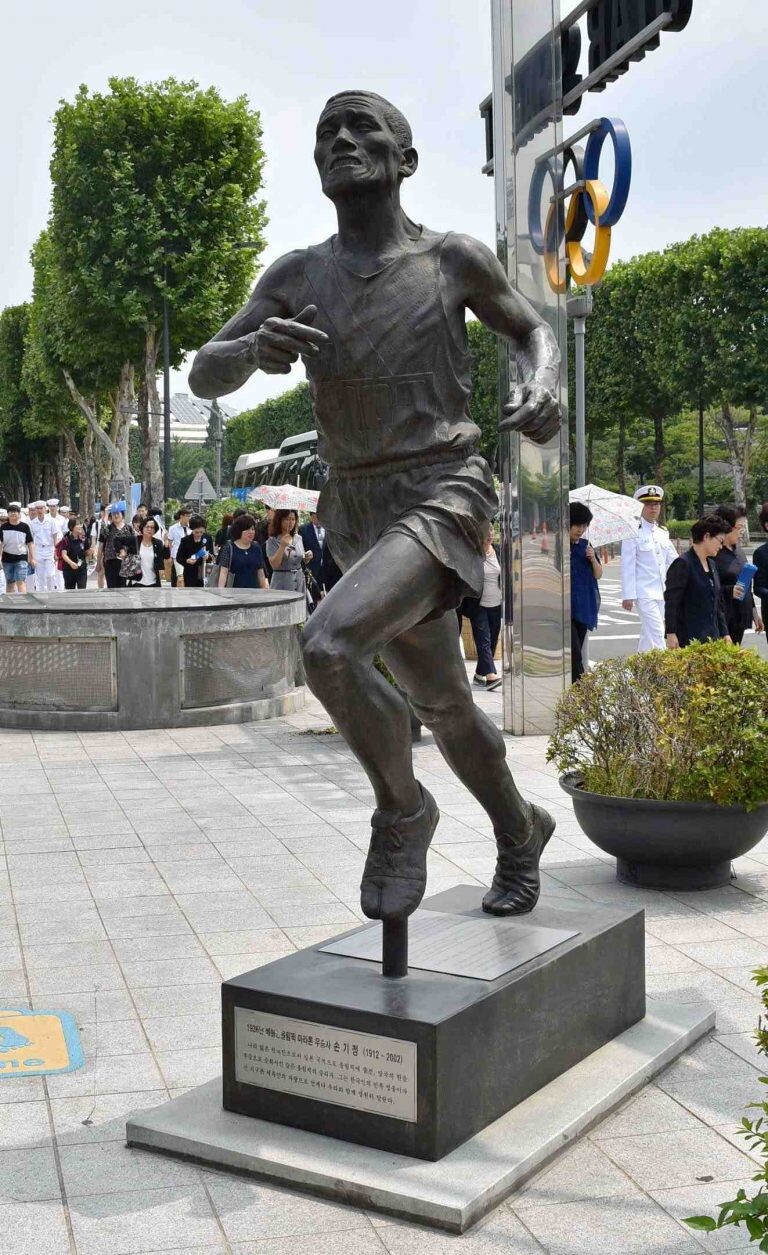
Today, Sohn Kee-chung’s legacy is also preserved in Seoul, South Korea, where a statue of the legendary marathoner stands at Sohn Kee-chung Athletic Park, near the memorial hall named in his honor. The memorial site includes a bronze head statue created in 1990, depicting Sohn in his later years, with scenes from his historic 1936 Berlin victory engraved below. Another statue, unveiled in 2016 to mark the 80th anniversary of his Olympic triumph, portrays the young Sohn proudly holding the Olympic trophy — this time with the South Korean flag in place of the Japanese emblem that had appeared on his uniform in Berlin.
But perhaps the most emotional chapter came in Seoul.
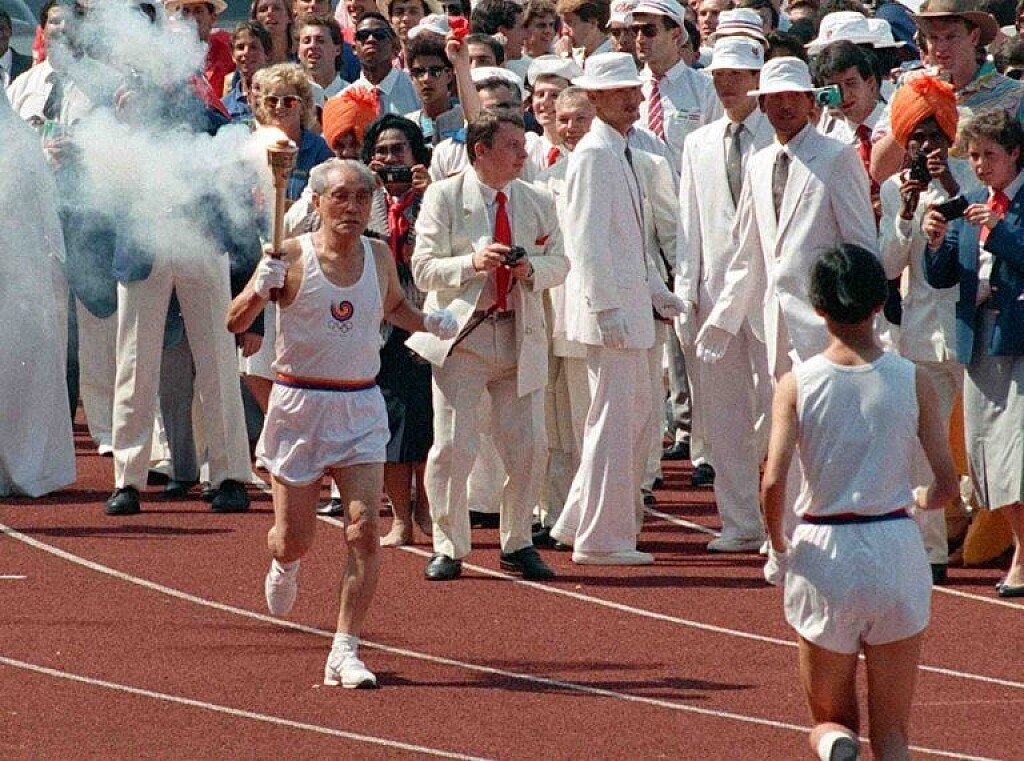
On September 17, 1988, 52 years after his Berlin triumph, the 76-year-old Sohn Kee-chung carried the Olympic torch into the stadium at the opening ceremony of the Seoul Olympics.
Think about what that moment represented.
In Berlin in 1936, he had stood on the Olympic podium beneath a foreign flag, unable to openly celebrate his victory as a Korean.
In Seoul in 1988, he entered an Olympic stadium carrying the flame for his own country.
The symbolism was almost impossible to miss.
The young runner who had once been forced to compete under the name Kitei Son was now an elderly Korean national hero, carrying the Olympic flame before his people.
He had spent more than five decades watching history slowly return his name to him.
Sohn Kee-chung died in November 15, 2002, aged 90, in Seoul, South Korea leaving behind far more than an Olympic medal. He left a story about athletic greatness, identity, dignity and resistance — a story in which a marathon victory became inseparable from the history of an entire nation.
His Berlin gold medal may have been officially recorded under Japan's name.
But in Korea, the champion was always Sohn Kee-chung.
And perhaps that is why the photograph of him standing on the podium, head bowed and the laurel wreath covering the Japanese emblem, remains so powerful.
He won the race in Berlin. But the world took decades to understand who had actually won it.
by Erick Cheruiyot for My Best Runs.
Login to leave a comment

Can Keely Answer Back? Hodgkinson And Werro Set For Explosive Zurich Rematch
The rivalry between Keely Hodgkinson and Audrey Werro is developing into one of the most compelling stories in the women’s 800m — and it gets another chapter next week.
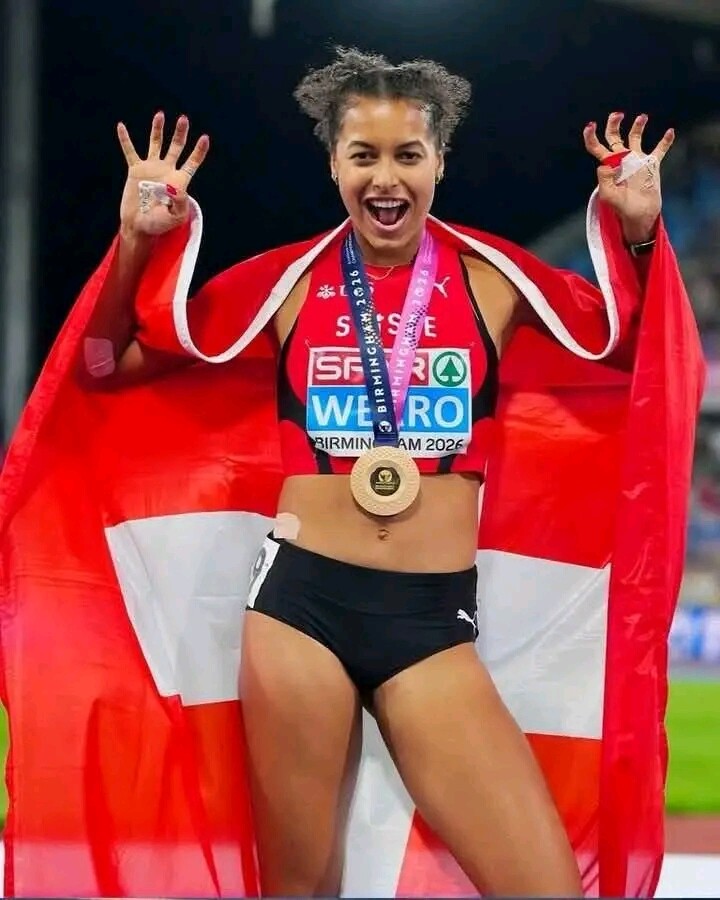
Just days after their dramatic European Championship final in Birmingham, the Olympic champion and the newly crowned European champion will meet again at Weltklasse Zürich on August 27, with the sold-out Letzigrund Stadium ready for another spectacular showdown.
In Birmingham, it was Werro who produced the decisive moment. The Swiss star delivered a sensational front-running performance to win European gold in a championship-record 1:54.81, holding off Hodgkinson, who finished second in 1:55.01. Femke Broeders-Bol completed the podium in 1:55.54, setting a Dutch national record in the process.
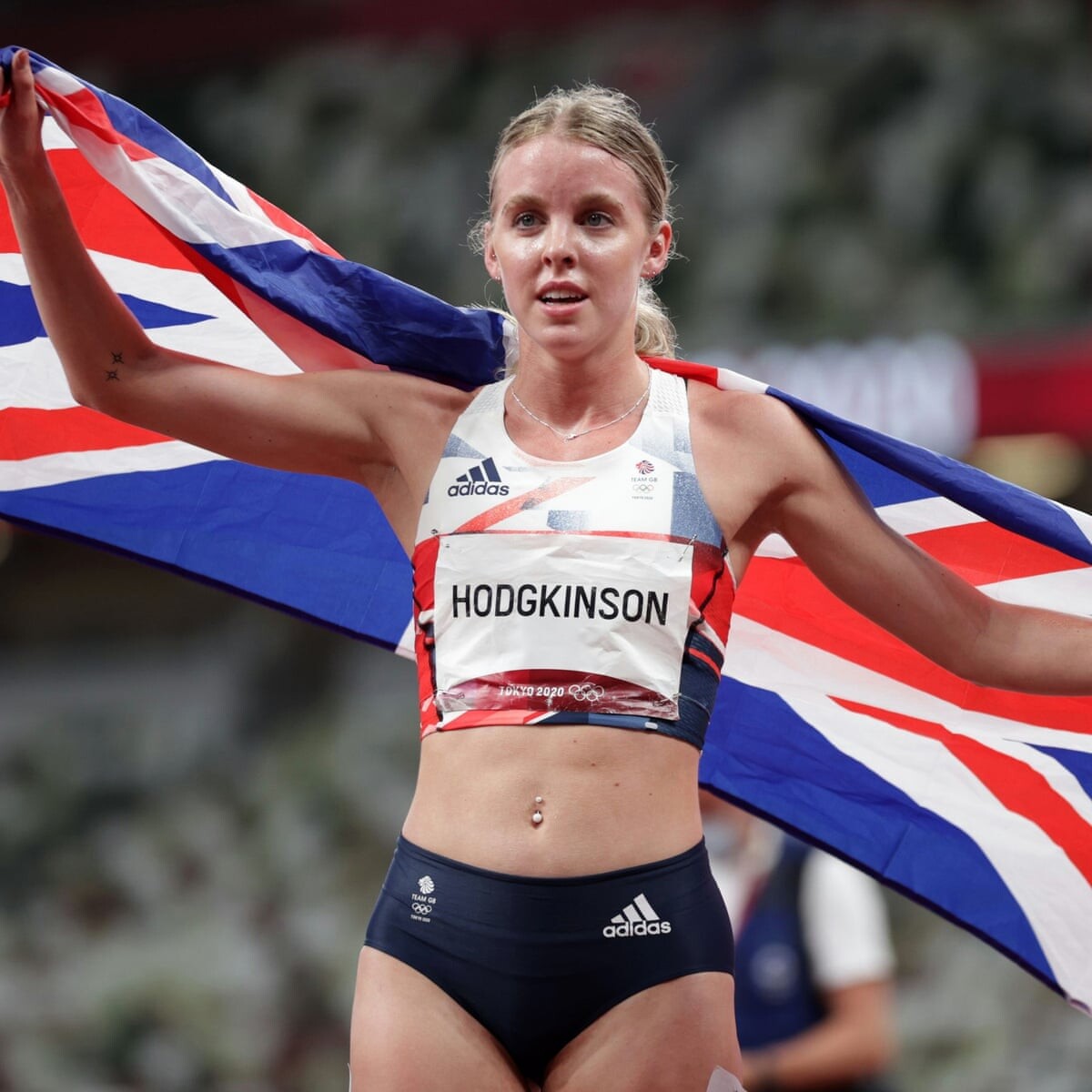
For Hodgkinson, the defeat was a rare setback in an event she has dominated at the highest level. But Zurich offers the perfect opportunity to respond.
And this time, the stage belongs to Werro.
The 22-year-old Swiss star will race in front of her home crowd at the Letzigrund Stadium, where she will arrive with enormous confidence after an extraordinary 2026 campaign. Earlier this season, Werro stormed to 1:53.98 in Stockholm, becoming only the third woman in history to break 1:54 at the time, while Hodgkinson followed her home in a British record 1:54.33.
Werro then went even faster in Paris, producing 1:53.80 — the third-fastest performance in history — further establishing herself as a genuine threat to the event’s all-time hierarchy.
But Hodgkinson knows exactly what it takes to win on the biggest stages. The reigning Olympic champion and former world champion has repeatedly demonstrated her ability to respond when challenged, and Zurich could provide another opportunity to remind the world why she remains one of the most formidable 800m runners of her generation.
Yet this will be far more than a two-woman battle.
Kenya’s Lilian Odira, the reigning world champion, adds another layer of danger to an already stacked field. Odira, Hodgkinson and Georgia Hunter Bell were the gold, silver and bronze medallists in the 800m at the 2025 World Championships in Tokyo, and their rivalry has continued into 2026.
Then there is Georgia Hunter Bell, who arrives in Zurich as the newly crowned European 1500m champion and one of the most versatile middle-distance athletes in the world. Her presence over 800m gives the race another serious contender capable of changing the complexion of the contest.
Femke Broeders-Bol will also be looking to build on her breakthrough European Championship bronze. The Dutch star has made an impressive transition from the 400m hurdles to the 800m this season, and her 1:55.54 national record in Birmingham showed that she is now capable of challenging the very best over two laps.
With Werro’s extraordinary speed, Hodgkinson’s championship pedigree, Odira’s world title credentials, Hunter Bell’s tactical intelligence and Broeders-Bol’s rapidly improving 800m form, Zurich could produce one of the deepest and most anticipated women’s 800m races of the season.
The question is simple:
Can Keely answer back?
Or will Audrey Werro once again prove too strong — this time with the roar of the Swiss crowd behind her?
The answer comes on August 27 at the sold-out Letzigrund Stadium in Zurich.
by Erick Cheruiyot for My Best Runs.
Login to leave a comment
