

Running News Daily
Running News Daily is edited by Bob Anderson and team. Send your news items to bob@mybestruns.com Advertising opportunities available.
Index to Daily Posts · Sign Up For Updates · Run The World Feed
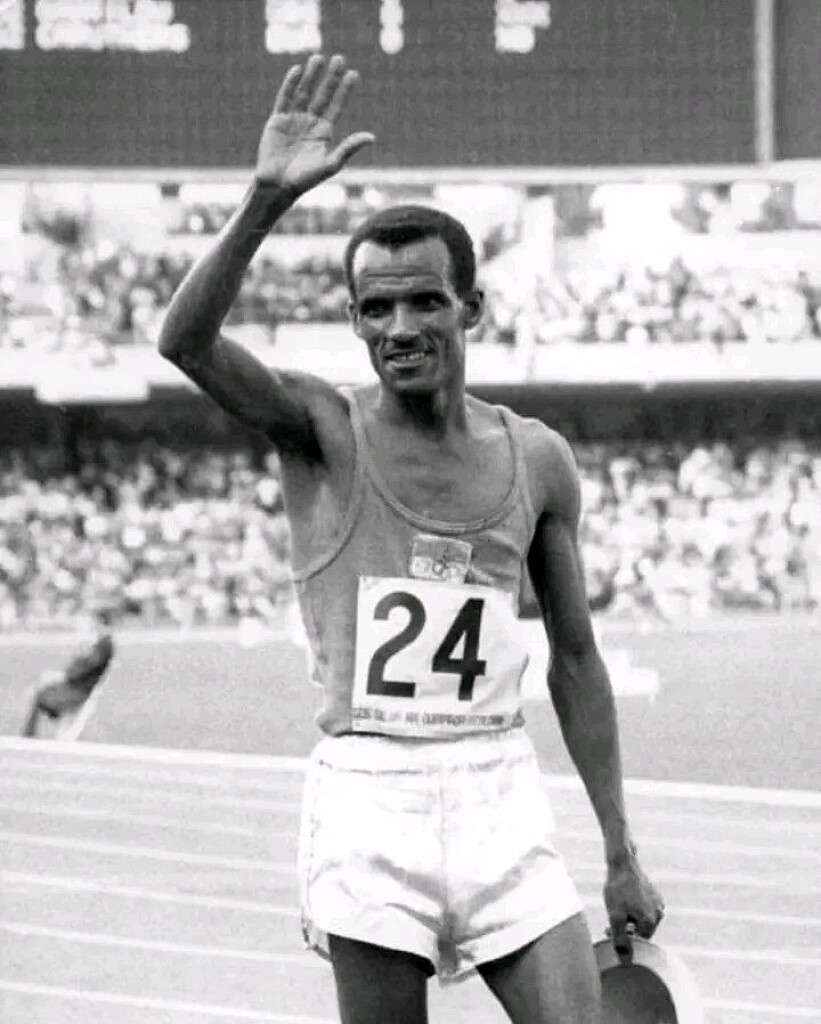


Degaga “Mamo” Wolde: The Marathoner Who Carried Ethiopia to Olympic Immortality

Long before Ethiopian distance running became a global empire, there was a man who first showed the world what the green, yellow, and red could achieve on the biggest stage of all. Degaga “Mamo” Wolde was not just an athlete; he was a pathfinder, a symbol of endurance, and a quiet force who reshaped how the world viewed Ethiopian athletics.
Born on June 12, 1932, Wolde emerged in an era when global recognition for African runners was still rare. His journey was built on patience and range, developing from middle-distance races into the most demanding events on the track and road. That versatility became his trademark. From the 800 meters to the marathon, Wolde demonstrated an uncommon ability to adapt, endure, and excel, steadily sharpening his craft across decades of competition.
The defining chapter of his legacy unfolded at the 1968 Olympic Games in Mexico City. Battling altitude, pressure, and the weight of national expectation, Wolde delivered a performance that would echo through history. He stormed to Olympic gold in the marathon, running with authority and composure to claim one of Ethiopia’s most iconic sporting triumphs. As if that were not enough, he doubled back onto the track to secure a silver medal in the 10,000 meters, underlining his extraordinary endurance and competitive spirit. In a single Olympic Games, Wolde cemented himself among the greatest all-round distance runners the sport has ever seen.
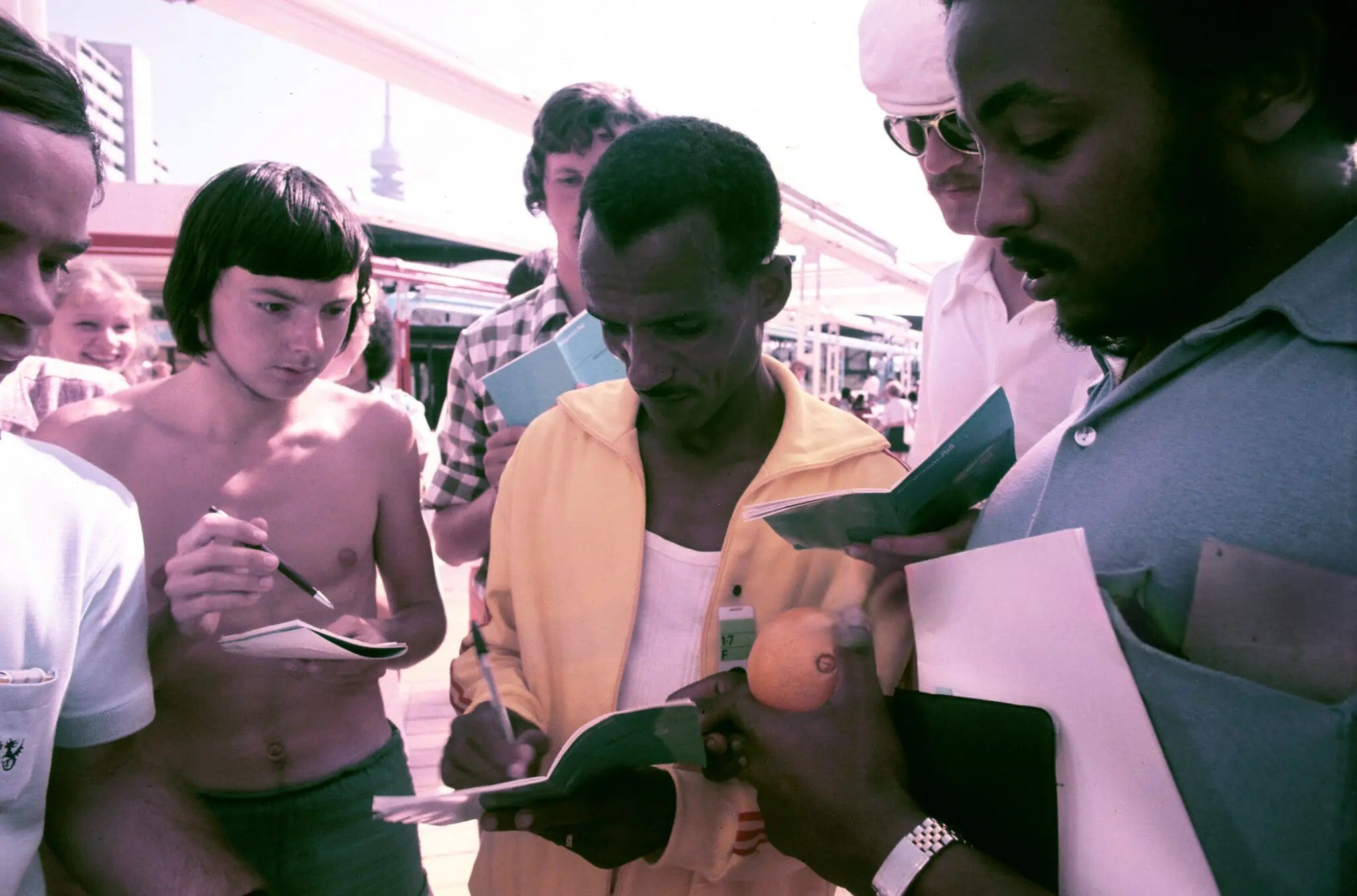
His excellence did not fade with time. Four years later, at the 1972 Munich Olympic Games, Wolde once again stood on the podium, earning a bronze medal in the marathon. It was a powerful statement of longevity, proof that his success was not a moment of brilliance but the result of sustained discipline and resilience. Across his career, his personal bests told the same story—speed over 800 meters, tactical strength in the 1500 and 5000 meters, grit in the 10,000 meters, and supreme stamina over the marathon distance.
Yet Wolde’s impact reaches far beyond medals and times. He laid the foundation for Ethiopia’s distance-running tradition, inspiring generations who would follow his footsteps onto global podiums. Every Ethiopian marathon victory since carries a trace of his pioneering spirit. He showed that athletes from the Horn of Africa could dominate not just one event, but the entire spectrum of endurance racing.
When Degaga “Mamo” Wolde passed away on May 26, 2002, Ethiopia lost a national hero—but his legacy did not leave with him. It lives on in every long stride taken by Ethiopian runners across the world, in every championship won, and in every young athlete who dares to believe that greatness can rise from humble beginnings.
Mamo Wolde did more than win races. He carried a nation’s pride across finish lines, turning belief into history and endurance into legacy.
by Erick Cheruiyot for My Best Runs.
Login to leave a comment
Latest Running News
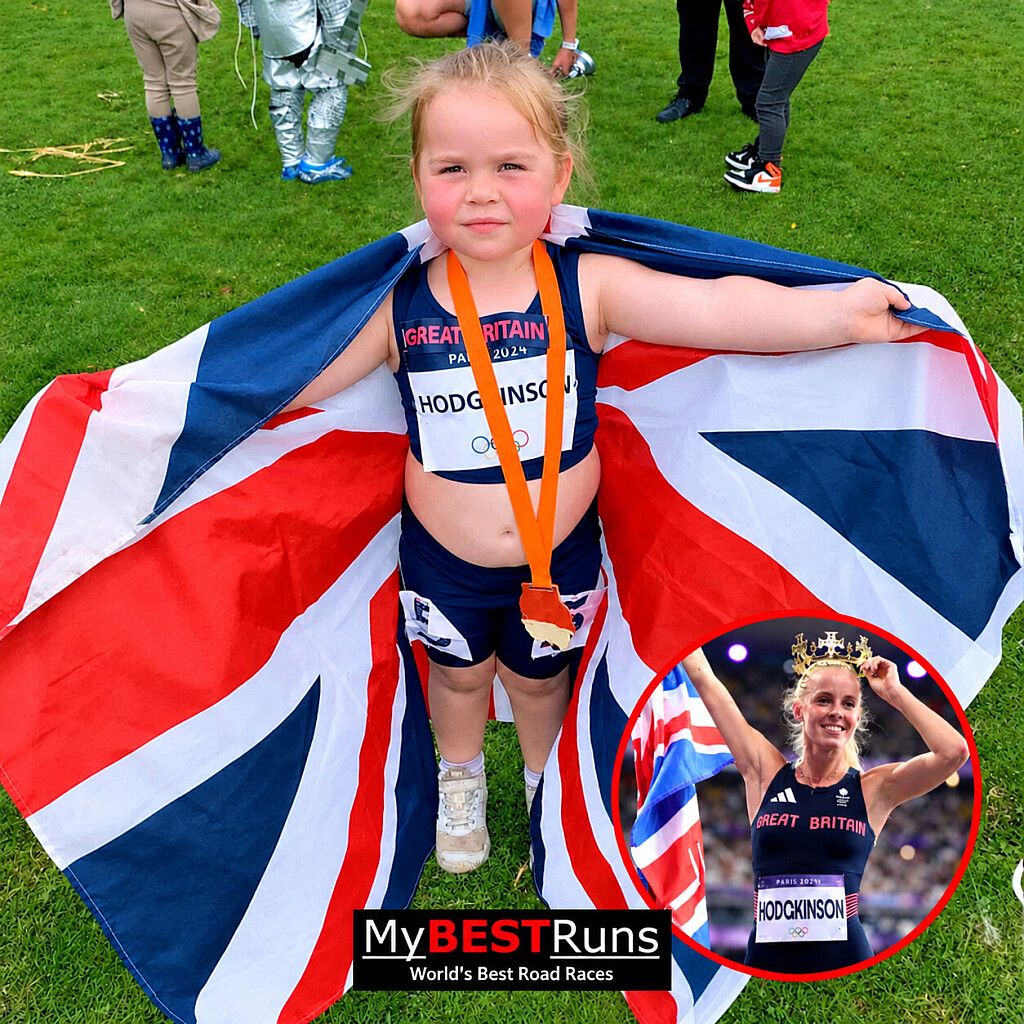
Keely Hodgkinson Inspires A New Generation As Young Fan Recreates Her Olympic Champion Moment
British middle-distance star Keely Hodgkinson is proving that the impact of an Olympic champion extends far beyond the medals she wins, as her remarkable achievements continue to inspire young girls to believe in their own sporting dreams.
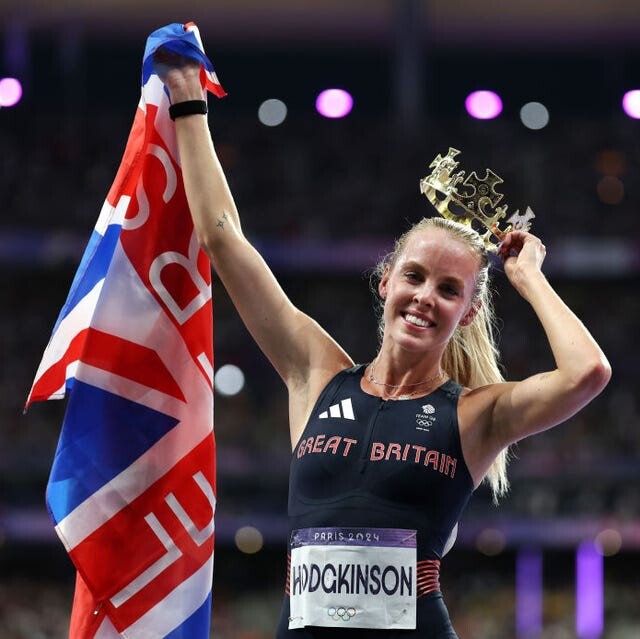
A heartwarming image of a young British girl recreating Hodgkinson’s iconic champion pose, dressed in a replica of her racing kit and proudly draped in the Union Jack, has captured the beautiful connection between sporting heroes and the next generation of athletes. It is a powerful reminder that what begins as admiration for a champion can eventually become the inspiration to follow in her footsteps.
Hodgkinson secured her place among Britain's greatest middle-distance runners at the Paris 2024 Olympic Games, where she won the women's 800 metres gold medal in 1:56.72. The victory marked the culmination of years of determination and perseverance, bringing Olympic glory to a career that had already seen her claim silver at the Tokyo 2020 Olympics and the 2022 World Athletics Championships.
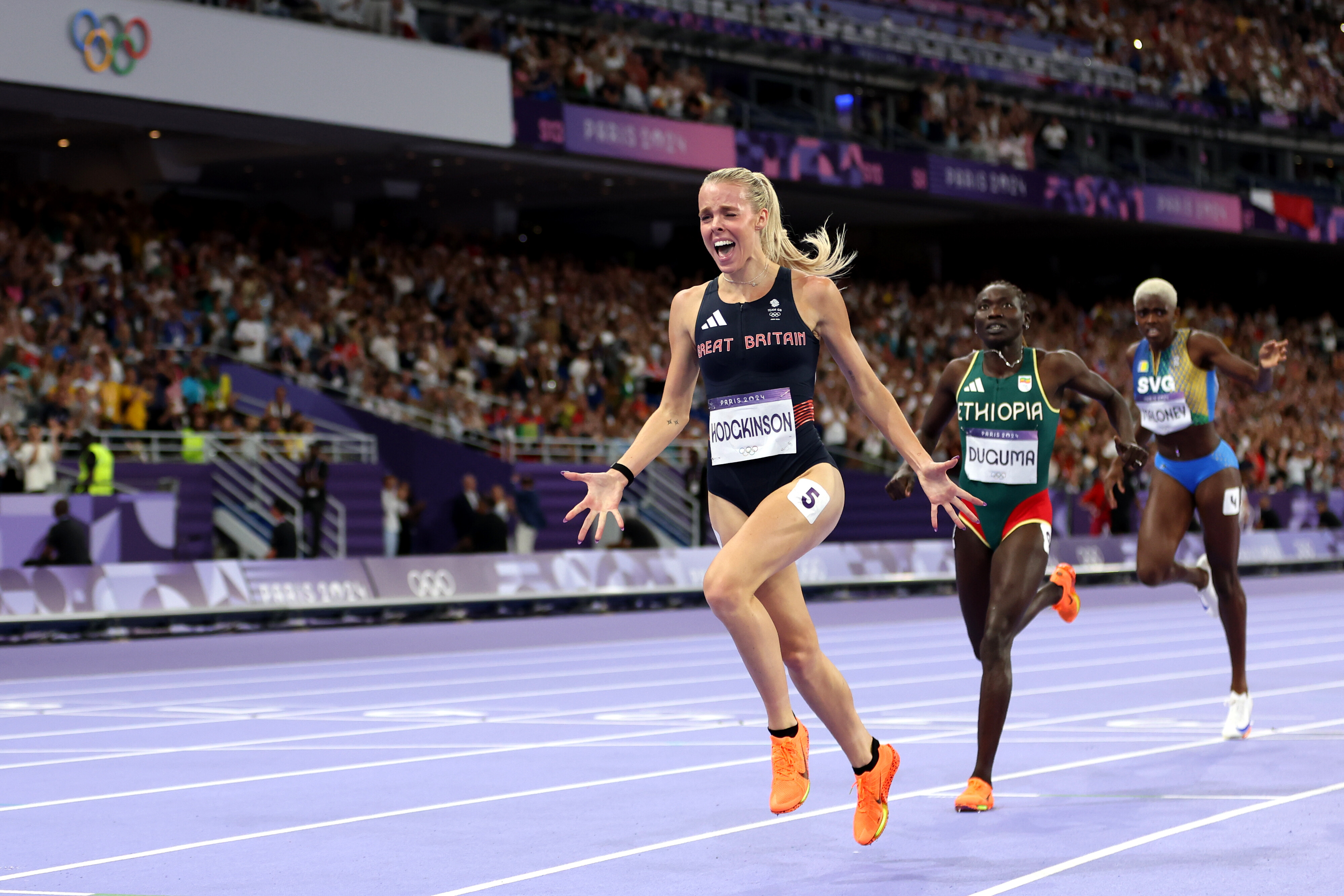
Her triumph in Paris was more than a personal milestone. It was a moment that allowed countless young athletes to see what was possible through dedication, confidence and a willingness to pursue ambitious goals.
For Hodgkinson, the power of inspiration is something she understands personally. As a nine-year-old girl, she watched Dame Jessica Ennis-Hill win heptathlon gold at the London 2012 Olympic Games. That unforgettable performance helped spark her own interest in athletics, setting her on a journey that would eventually lead her to the top of the Olympic podium.
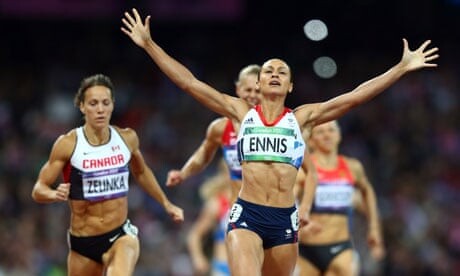
Now, more than a decade later, Hodgkinson has become the very kind of sporting role model who can ignite that same ambition in another young athlete.
The young fan's recreation of her Olympic hero is a touching reflection of how sporting success can influence children long before they take their first competitive steps on the track. Wearing a champion's colours, adopting her winning pose and celebrating her achievements may seem like simple gestures, but they represent something much bigger: the beginning of a dream.
Hodgkinson has also developed a distinctive identity beyond her performances, with her confident race-day style, Union Jack-inspired details and unapologetic personality making her a recognisable figure in British athletics. For many young fans, she represents a modern champion who combines world-class ability with individuality and self-belief.
Her story also highlights the importance of visibility in sport. When young girls see women achieving extraordinary things on the world's biggest stages, they are given tangible examples of what determination and ambition can accomplish. Champions such as Hodgkinson help make athletics more accessible and exciting, encouraging the next generation to lace up their trainers, join a club and discover their own potential.
Of course, not every young admirer will become an Olympic medallist, but the influence of a sporting hero can extend well beyond competition. The confidence to try something new, the discipline to work towards a goal and the courage to keep going after disappointment are lessons that can shape a lifetime.
For Hodgkinson, her legacy will ultimately be measured by more than the gold medals she wins or the records she may break. It will also be reflected in the young athletes who find the courage to chase their ambitions because they watched her succeed.
Just as Ennis-Hill's triumph at London 2012 helped inspire a young Hodgkinson, the British 800m champion is now passing that inspiration forward, showing a new generation that today's dreams can become tomorrow's achievements.
Somewhere among the young fans proudly recreating her winning pose could be a future British champion, an Olympic medallist or even the next athlete to redefine the limits of the 800 metres.
Today, she may be a little girl looking up to her hero. Tomorrow, she could be the champion inspiring millions of others.
by Erick Cheruiyot for My Best Runs.
Login to leave a comment
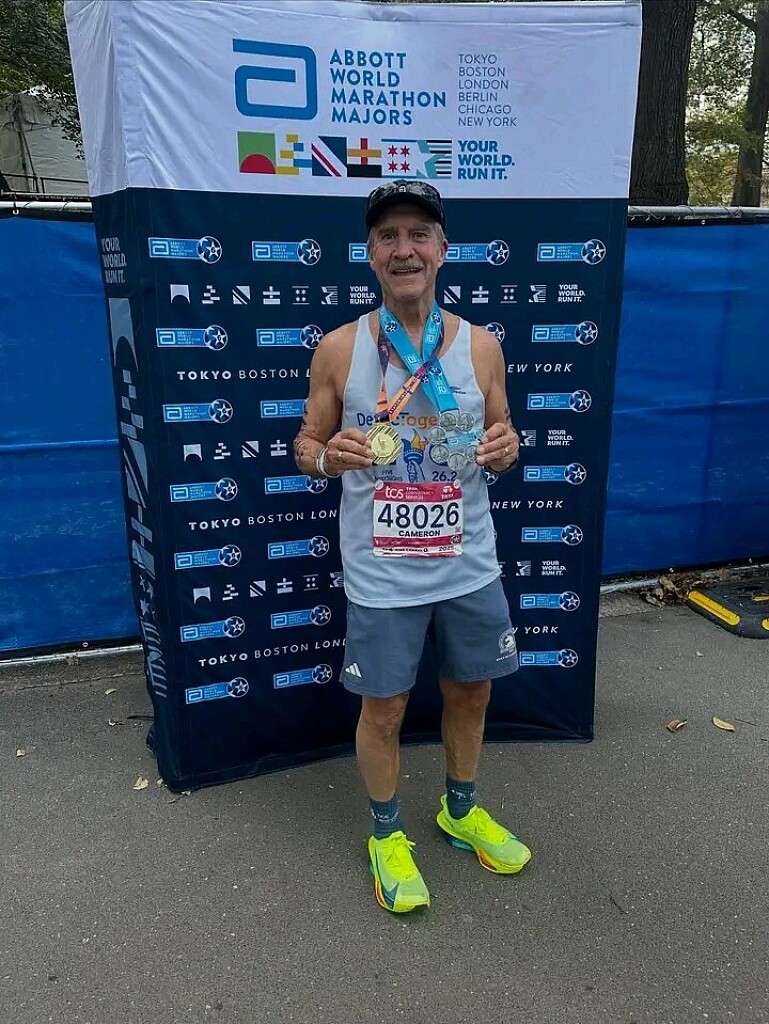
67-Year-Old Pete Benson Takes On Seven Marathons Across Seven Continents In Seven Days For A Worthy Cause
At 67, Canadian runner Pete Benson is preparing to take on one of the most extraordinary endurance challenges in marathon running: completing seven marathons across seven continents in just seven days while raising money for a cause that reaches far beyond the finish line.
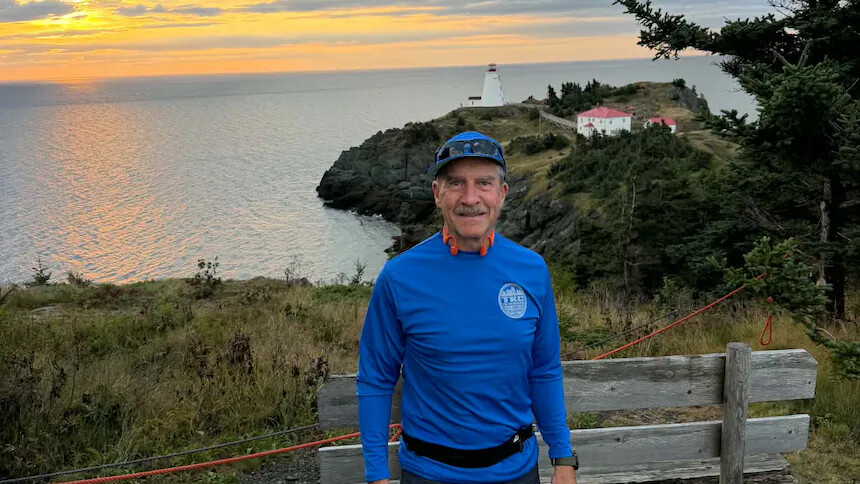
Hailing from Grand Manan, New Brunswick, Benson is set to participate in the Great World Race, an ambitious event that combines the physical demands of marathon running with a demanding journey around the globe. The challenge will require him to complete seven full marathons, each covering 42.195 kilometres, while travelling between continents on a tightly scheduled itinerary.
The challenge is scheduled to begin on November 15, 2026, with pre-event activities expected to start around November 12. Benson's adventure will begin in Antarctica, where the icy terrain and harsh conditions will provide a formidable introduction to the week ahead.
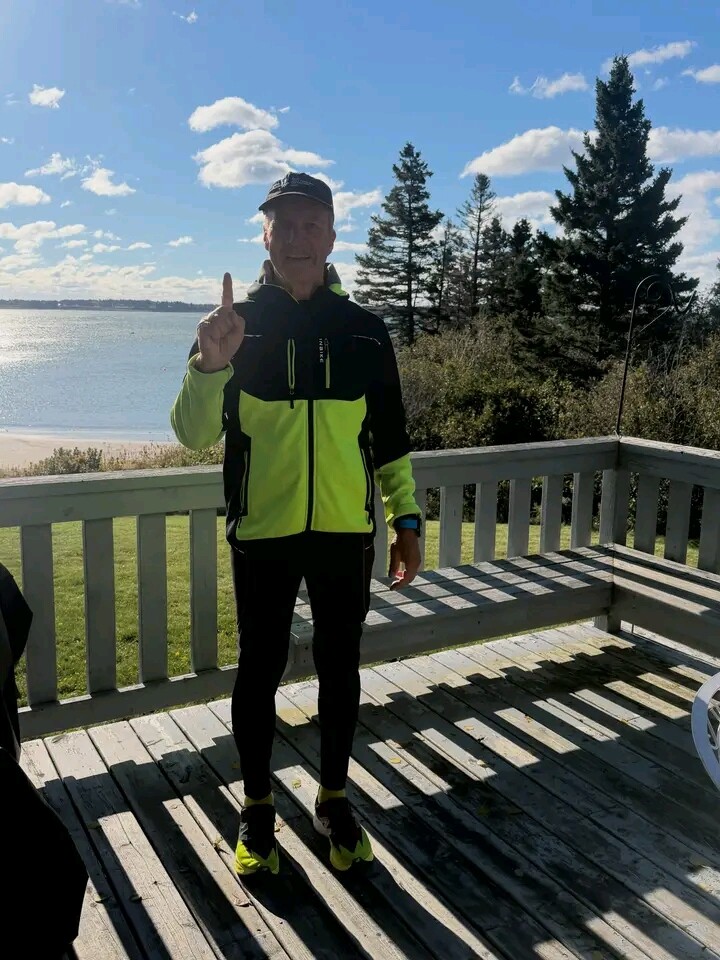
The opening marathon is scheduled for Wolf's Fang in Antarctica, where Benson will face the unfamiliar and potentially unforgiving conditions of the frozen landscape. Reflecting on the prospect of running through the ice and snow, he admitted that the experience is intimidating.
"That's pretty, pretty scary in itself," he said. "Through the ice and snow."
From Antarctica, Benson will travel to Cape Town, South Africa, for his second marathon on November 16. The journey will then continue to Perth, Australia, on November 17, followed by Singapore on November 18. On November 19, he is scheduled to race in the Algarve, Portugal, before heading to Cartagena, Colombia, on November 20. The challenge will conclude in Miami, United States, on November 21.
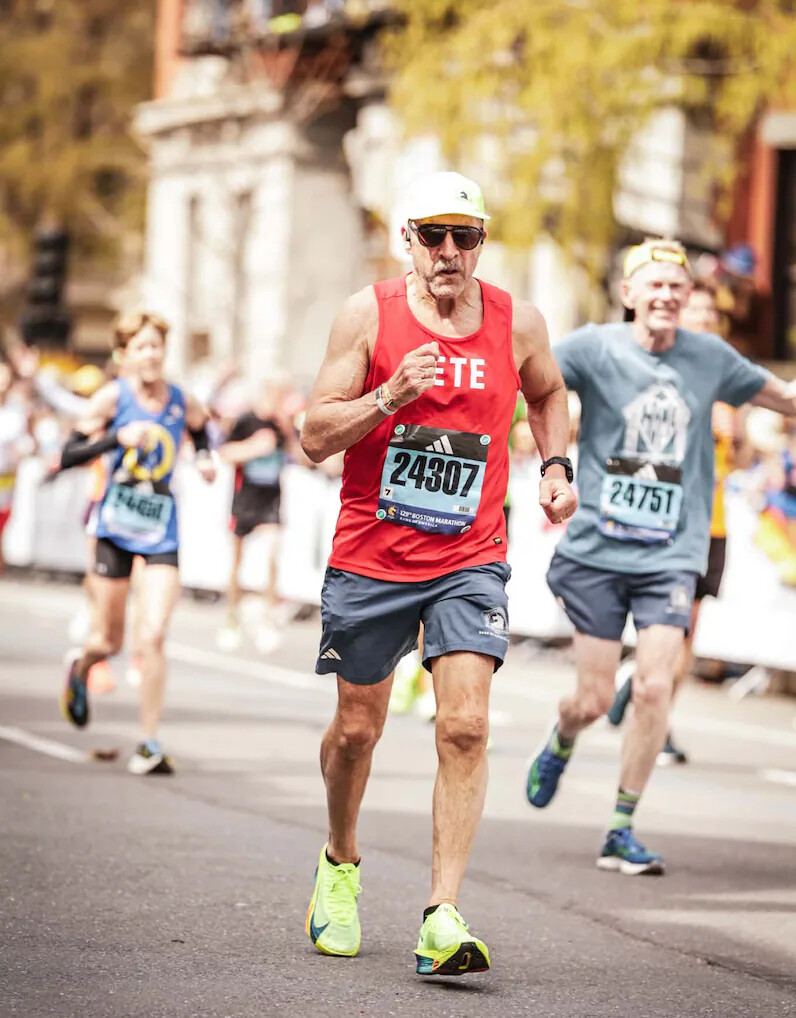
The demanding itinerary will leave little time for conventional recovery. After each marathon, Benson will need to travel to the next destination, navigate changing time zones and prepare for another 42.195 kilometres. Managing fatigue, nutrition, hydration and sleep will be essential as he attempts to complete the seven races within a single week.
Benson described the unusual routine that awaits him, highlighting the relentless cycle of running and travelling that defines the challenge.
"We run the race, get back on the bus, back on the plane, head to the next one and away we go around the world," Benson said. "That plane becomes our hotel and restaurant for the week, pretty much."
Beyond the physical demands, Benson recognises that taking part in such an ambitious international adventure comes at a considerable financial cost. He describes running as a personal investment, one that has provided him with valuable experiences and opportunities to discover more about himself.
"It's certainly a want, not a need," he said. "Some people go on river cruises and other things that they spend their money on and I spend my money on running and I've learned a lot from it."
Despite the expense, Benson believes the experience is worth the investment.
"So I think the investment is worth it, but it is extravagant," he said.
However, his motivation extends beyond personal achievement. Benson is also using the challenge to raise money for a nonprofit organisation that funds clean-water projects in countries around the world. The fundraising initiative is voluntary and is not a requirement for participating in the event.
By connecting his running adventure to a cause with a tangible impact on communities, Benson hopes to give every kilometre a greater purpose. His effort demonstrates how an individual sporting challenge can also become an opportunity to support work that improves lives.
"I'm happy that there's a purpose behind every mile that I run," he said.
That purpose adds another dimension to Benson's ambitious undertaking. While the seven marathons will test his physical strength, mental resilience and ability to recover between races, his fundraising mission will allow him to contribute to efforts aimed at improving access to clean water around the world.
As November 15 approaches, Benson is preparing for a demanding week that will take him from the ice and snow of Antarctica to the streets of Miami, with five other destinations in between. Each marathon will bring a new test, requiring careful preparation, determination and the ability to keep moving forward despite accumulating fatigue.
At 67, Benson is setting out to complete an extraordinary endurance challenge while supporting a cause beyond himself. Seven marathons, seven continents and seven days will test his limits, but his journey will carry a purpose that extends far beyond the finish line.
by Erick Cheruiyot for My Best Runs.
Login to leave a comment

Caroline And Purity Gitonga Deliver Personal Bests In Valencia Half Marathon With Impressive Kenyan Double
Kenyan twins Caroline and Purity Gitonga delivered outstanding performances at the 2026 Valencia Half Marathon in Spain, with both athletes setting new personal bests in a memorable display of endurance, determination, and sibling excellence.
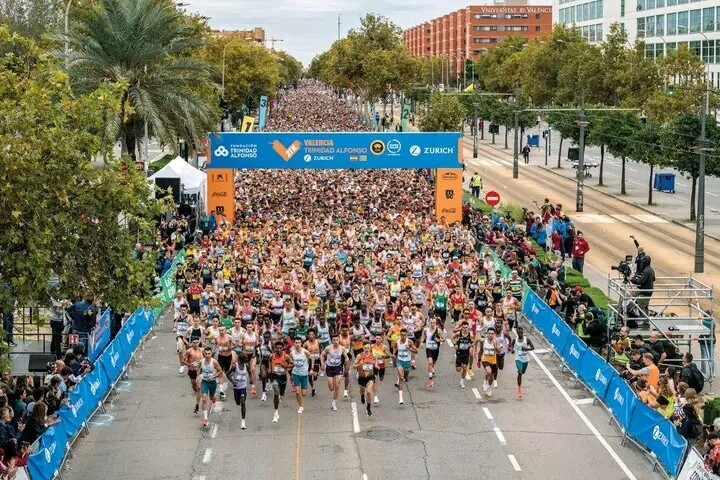
Caroline led the way, clocking an impressive 1:04:59 to finish sixth in the women's race. The performance marked a significant breakthrough for the talented Kenyan, who improved her previous personal best of 1:06:26 by 1 minute and 27 seconds, underlining her continued progress among the world's leading half-marathon runners.
Her twin sister, Purity, was equally impressive, crossing the finish line in 1:05:56 to secure 11th place. She shaved 1 minute and 35 seconds off her previous personal best of 1:07:31, completing a remarkable day for the sisters as they both reached new milestones in their athletic careers.
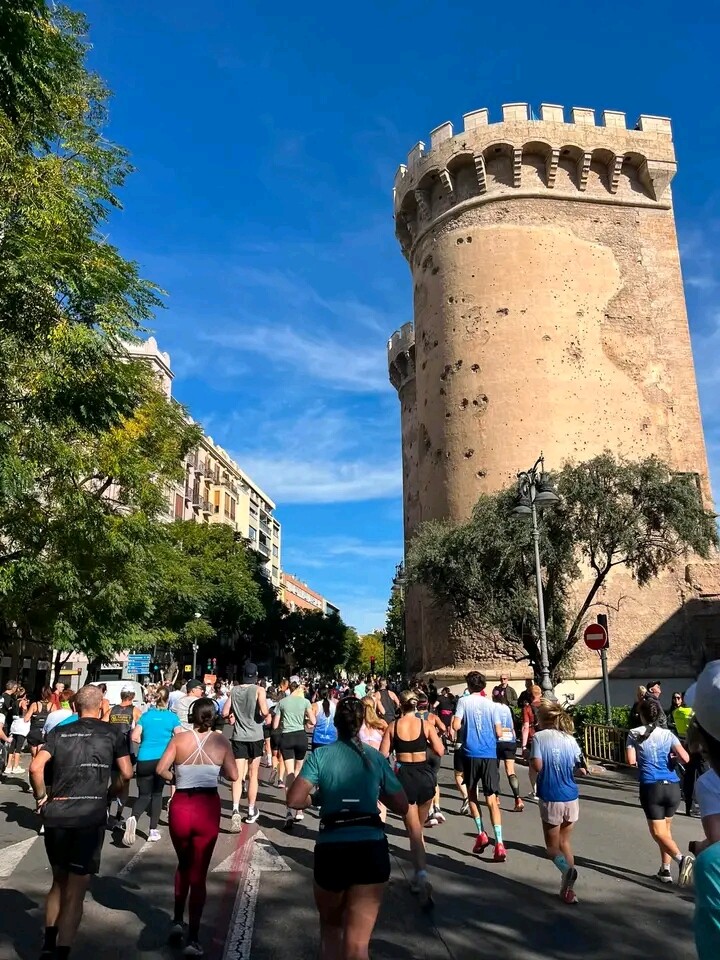
Their performances highlighted the strength of Kenya's distance-running tradition while showcasing the individual talent and shared determination that have made the Gitonga twins athletes to watch. Competing on one of the world's fastest half-marathon courses, Caroline and Purity demonstrated their ability to translate hard training into significant improvements on the international stage.
Having a twin sister who understands the demands of elite athletics can provide a unique source of motivation. From the discipline required during training to the challenges of competing against the world's best, the sisters share a journey that extends beyond the finish line. Their latest achievements in Valencia offer another inspiring example of how ambition, perseverance, and mutual encouragement can drive athletes toward new heights.
For Caroline, finishing sixth in 1:04:59 represents another important step in her development, while Purity's 1:05:56 performance confirms her own impressive progress. Although they finished several places apart, their achievements tell the same powerful story: two athletes pushing their limits and continuing to improve against a highly competitive international field.
Valencia once again provided a stage for exceptional distance-running performances, and the Gitonga twins made the most of the opportunity. Their personal bests are not only a testament to their hard work but also an encouraging sign of what they could accomplish as they continue to gain experience and pursue even greater ambitions.
Two sisters, two personal bests, and one unforgettable day on the roads of Valencia. Caroline and Purity Gitonga have given Kenyan athletics another reason to celebrate, and their latest performances will undoubtedly strengthen interest in what the talented twins can achieve in the seasons ahead.
by Erick Cheruiyot for My Best Runs.
Login to leave a comment
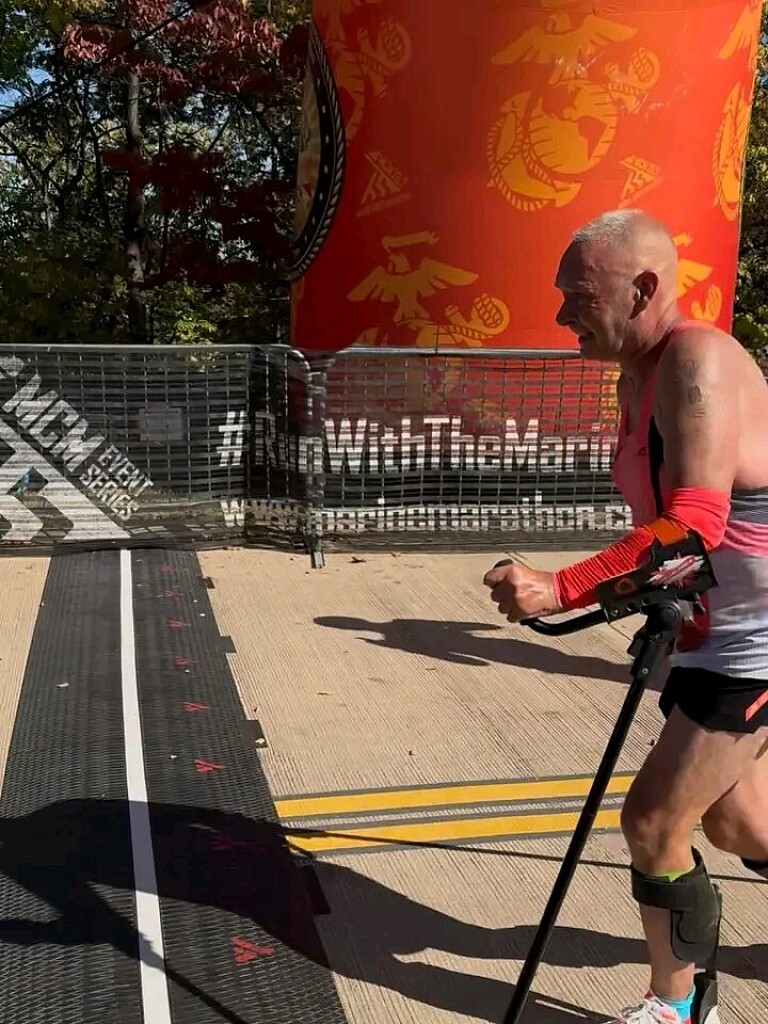
Mick Marshall Makes History With World Record For Fastest Marathon Completed On Crutches In Washington, D.C.
Australian endurance athlete Mick Marshall has achieved an extraordinary milestone at the 2026 Marine Corps Marathon in Washington, D.C., setting a world record for the fastest marathon completed on crutches after crossing the finish line in an incredible 5:35:50.
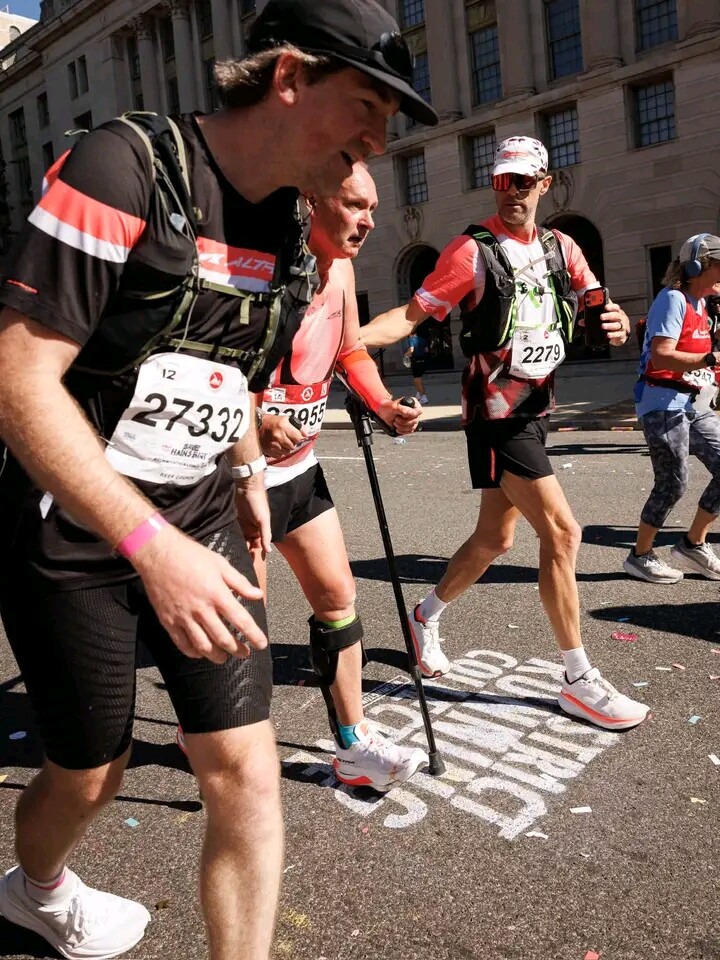
Representing Altra as an elite athlete, Marshall demonstrated remarkable determination and perseverance throughout the 26.2-mile (42.195-kilometre) race, turning one of the world's most celebrated marathon events into a stage for an inspiring display of human resilience.
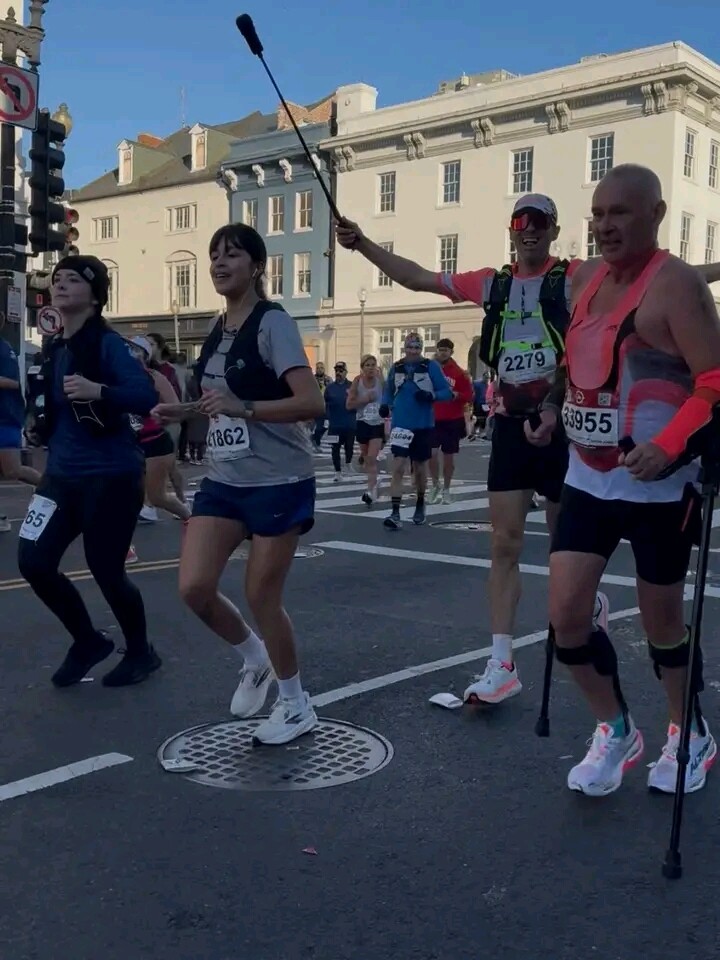
Completing a marathon is a demanding physical challenge for any athlete, requiring months of preparation, mental strength and the ability to push through fatigue. Covering the same distance on crutches presents a different set of challenges, placing considerable demands on the upper body, coordination and endurance. Marshall's achievement highlights the dedication required to overcome obstacles and pursue goals that many might consider beyond reach.
The Marine Corps Marathon, renowned for its patriotic atmosphere, enthusiastic spectators and scenic course through the nation's capital, provided a memorable setting for the record-breaking performance. As thousands of runners pursued their own finish-line goals, Marshall carved out a special place in the event's history with his remarkable effort.
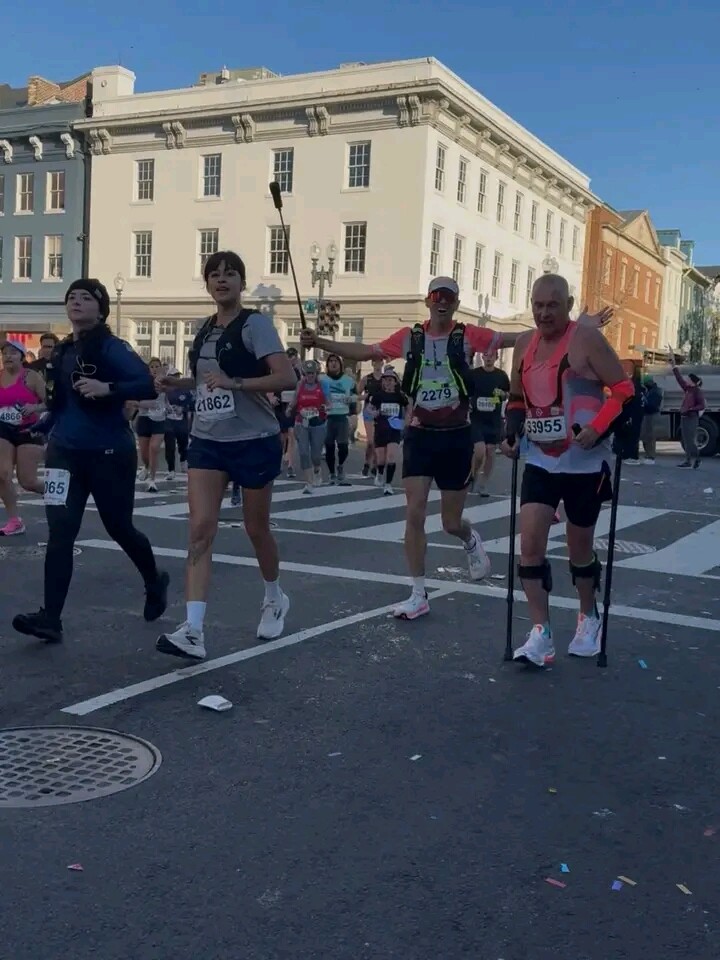
Beyond the record itself, Marshall's achievement carries a message that resonates far beyond the running community. Every movement toward the finish line required determination, patience and an unwavering commitment to the challenge before him. His performance is a reminder that greatness is not measured solely by how quickly someone reaches a destination, but also by the courage it takes to pursue a goal despite the difficulties along the way. For aspiring athletes and anyone facing personal challenges, his accomplishment offers a powerful lesson in perseverance, self-belief and the importance of refusing to give up when the journey becomes difficult.
His performance also serves as a reminder that marathon running is about far more than finishing times and podium positions. It is a test of courage, commitment and the willingness to redefine personal limits. Marshall's accomplishment demonstrates that the spirit of distance running extends beyond conventional expectations, inspiring athletes and spectators alike to reconsider what is possible through determination and hard work.
Marshall's remarkable run also reinforces the inclusive spirit of distance running, where the finish line belongs to everyone willing to take on the challenge. Whether competing for a championship, chasing a personal best or simply striving to complete the distance, every runner has a story worth celebrating. By setting a world record on crutches at one of America's prominent marathon events, Marshall has added an unforgettable chapter to that story, encouraging others to look beyond perceived limitations and pursue their ambitions with renewed confidence.
For Marshall, the 5:35:50 finish represents more than a time on the clock. It marks an extraordinary personal achievement and a moment that celebrates perseverance, resilience and the determination to keep moving forward. His performance has brought renewed attention to the remarkable possibilities within endurance sport and the many different ways athletes can challenge expectations.
Marshall's achievement at the Marine Corps Marathon stands as a powerful testament to the human spirit, demonstrating that success is not always about having the easiest path, but about finding the strength to keep going. His 5:35:50 performance is a reminder that the finish line can represent much more than the completion of a race: it can symbolise courage, possibility and the extraordinary things people can accomplish when they refuse to give up.
by Erick Cheruiyot for My Best Runs.
Login to leave a comment

Marine Corps Marathon
Recognized for impeccable organization on a scenic course managed by the US Marines in Arlington, VA and the nation's capital, the Marine Corps Marathon is one of the largest marathons in the US and the world. Known as 'the best marathon for beginners,' the MCM is largest marathon in the world that doesn't offer prize money, earning its nickname, “The...
more...
Abraham Kiptum And Mercy Kandie Rotich Crowned Champions After Thrilling 42km Battles At The 2026 Nairobi Marathon
The 23rd edition of the Standard Chartered Nairobi Marathon delivered a spectacular celebration of endurance, determination and competitive excellence on Sunday, October 25, 2026, as Abraham Kiptum and Mercy Kandie Rotich claimed the men's and women's 42km titles in a memorable showcase of Kenyan road-running talent.
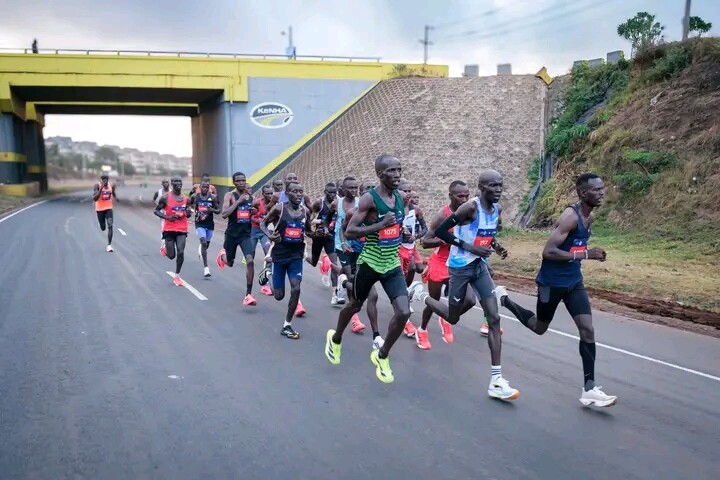
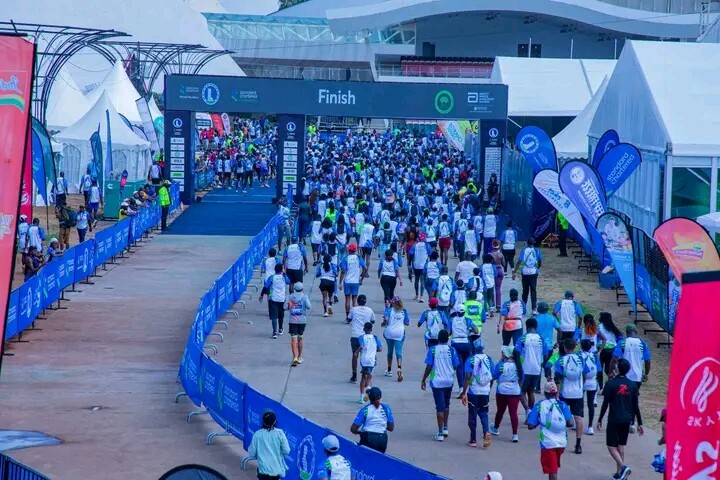
With thousands of runners taking to Nairobi's Southern Bypass, the full marathon provided a compelling test of physical strength, tactical discipline and mental resilience. For the elite athletes at the front, every kilometre presented an opportunity to gain an advantage, while the demanding distance required unwavering concentration from the starting gun to the finish line at Uhuru Gardens.
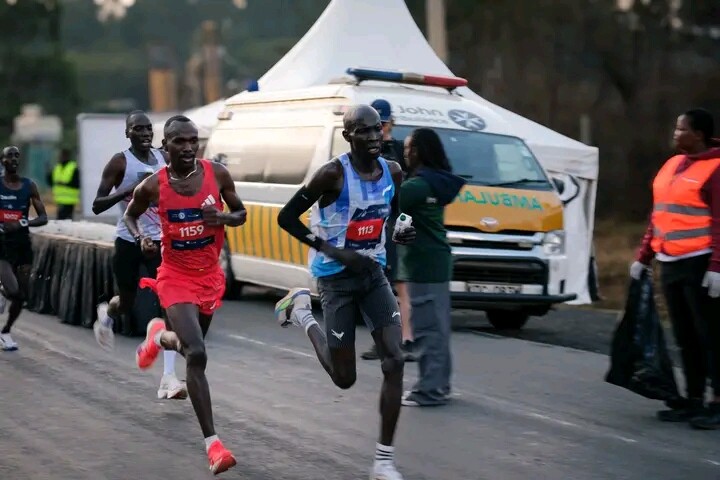
In the men's race, Kiptum produced an impressive performance to secure victory in 2:10:35, narrowly missing the course record by just 23 seconds. The 37-year-old Kenyan demonstrated his experience and endurance throughout the contest, ultimately establishing himself as the strongest performer over the 42.195-kilometre distance.
Kiptum's victory was particularly significant given his recent return to competitive marathon running. The athlete from Kapsabet had continued rebuilding his career and arrived in Nairobi following victory at the CRDB International Marathon in Dar es Salaam, Tanzania, in August. His latest triumph provided another encouraging chapter in his return to the forefront of distance running.
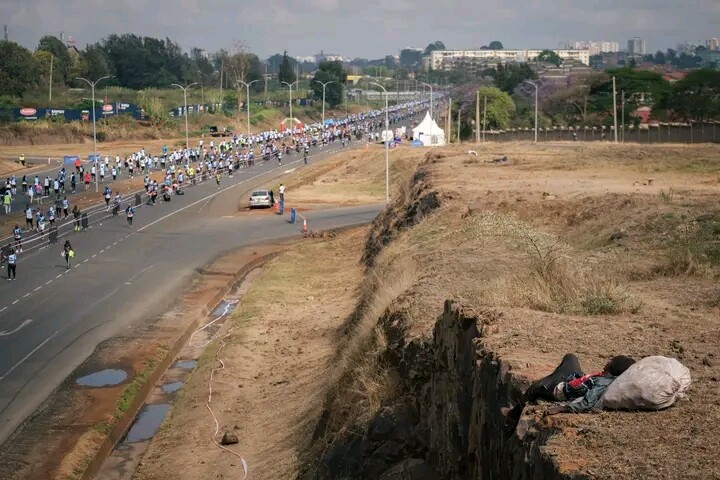
The men's contest produced an exceptionally close battle for the remaining podium positions. Fellow Kenyan Amos Kipkemoi Cheruiyot finished second in 2:10:37, just two seconds behind the champion, while Mark Kibiwott secured third place in 2:11:05.
Dismas Kiplimo finished fourth in 2:11:15, followed by Henry Kiprono Togom, who completed the top five in 2:11:55. The depth of the leading performances underlined the quality of competition on a morning when the front-runners pushed each other towards impressive finishing times.
Kiptum's performance also highlighted the importance of consistency and preparation in marathon running. Having invested months in training, the experienced Kenyan delivered when it mattered most, navigating the course with the composure required to emerge victorious against a competitive field.
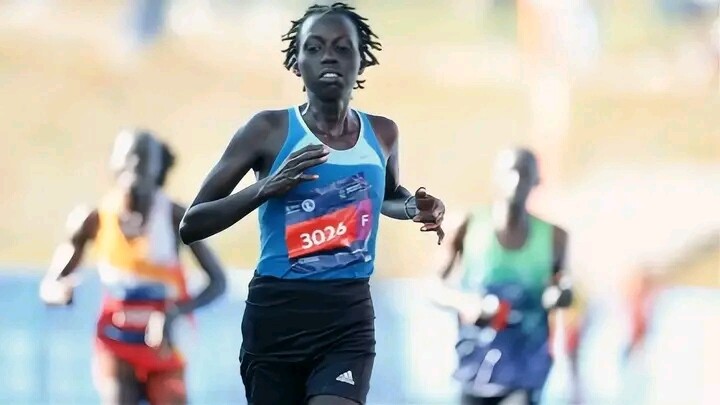
The women's 42km race was equally captivating, with Mercy Kandie Rotich claiming the championship in 2:31:25 after a determined performance over the challenging distance.
Rotich demonstrated resilience and composure as the race unfolded, maintaining her challenge through the later stages before securing the victory. Her performance earned her a place among the latest champions of one of Kenya's prominent annual road-running events.
The battle for the women's title was decided by the narrowest of margins. Peris Jerono finished second in 2:31:27, only two seconds behind Rotich, while Ruth Wakabu completed the podium in 2:31:36. The three leading women finished within just 11 seconds of one another, providing a dramatic conclusion to the contest.
Shyline Jepkorir placed fourth in 2:34:55, while Dorothy Kipkilach finished fifth in 2:36:38, rounding out the leading performers in the women's division.
The narrow margins between the leading athletes reflected the unpredictable nature of marathon racing, where pacing, endurance and the ability to respond under pressure can determine the outcome after more than 42 kilometres of competition.
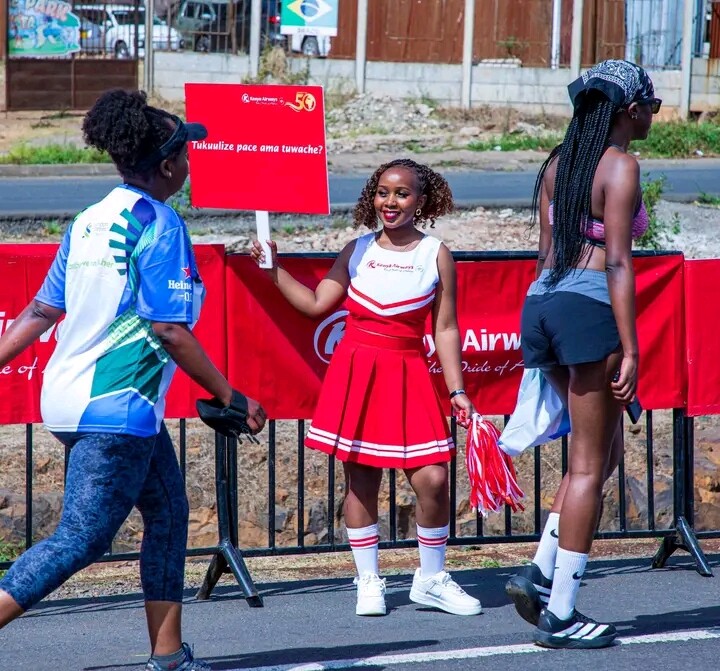
Beyond the podium battles, the full marathon represented a celebration of the determination that defines long-distance running. Every athlete who took on the distance faced the challenge of managing energy, overcoming fatigue and maintaining the mental strength necessary to reach the finish line.
The Southern Bypass provided the setting for these performances, with the runners navigating the Nairobi course before completing their challenge at Uhuru Gardens. The event brought together elite competitors and recreational athletes, united by the ambition to test their limits over the classic marathon distance.
The 2026 edition once again demonstrated the enduring appeal of road racing in Kenya, a country internationally recognised for producing exceptional distance runners. It also offered a platform for athletes to pursue personal ambitions, compete for prestigious honours and showcase the depth of talent within Kenyan athletics.
For Kiptum and Rotich, however, the day belonged to the pursuit of victory. Their respective performances secured them the coveted men's and women's marathon crowns, while the fiercely contested podium finishes ensured that the 42km races delivered the drama and excitement expected of a major road-running championship.
As the 23rd Standard Chartered Nairobi Marathon concluded, the achievements of the two champions stood out as the defining moments of the full-marathon competition, celebrating not only speed and endurance but also the preparation, perseverance and competitive spirit required to conquer 42.195 kilometres.
by Erick Cheruiyot for My Best Runs.
Login to leave a comment

NAIROBI MARATHON
Nairobi Marathon is an annual road running competition over the marathon distance held in October in Nairobi, Kenya. First held in 2003, the competition expanded and now includes a half marathon race along with the main race. It was part of "The Greatest Race on Earth", fully sponsored by Standard Chartered Bank....
more...