

Running News Daily
Running News Daily is edited by Bob Anderson and team. Send your news items to bob@mybestruns.com Advertising opportunities available.
Index to Daily Posts · Sign Up For Updates · Run The World Feed
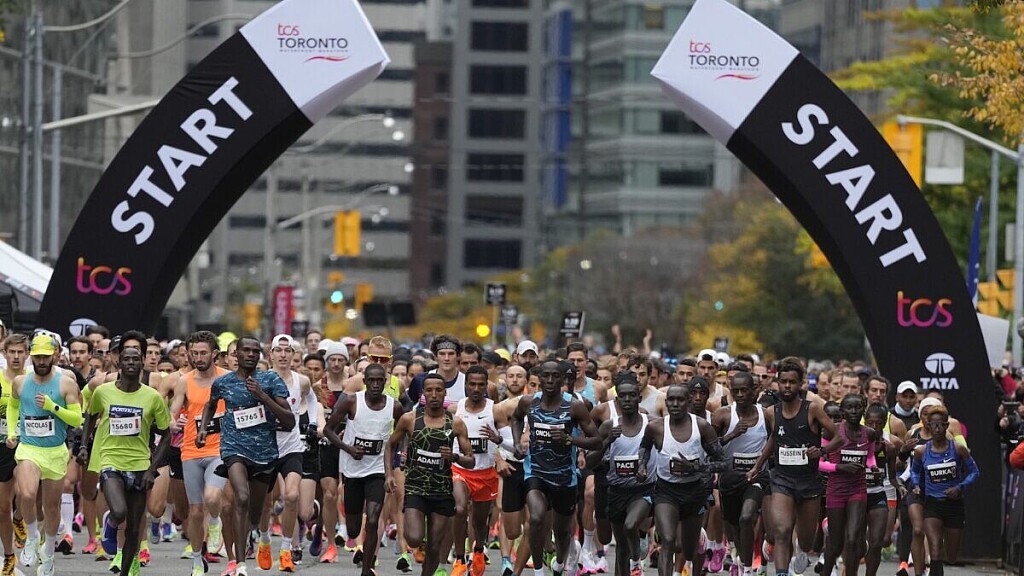


TCS Toronto Waterfront Marathon earns Evergreen sustainability honor

Canada Running Series (CRS) has been honored by the Council for Responsible Sport and given Evergreen certification for the 2022 TCS Toronto Waterfront Marathon. Evergreen certification is a status given to races for outstanding sustainability efforts and community impact, which have always been two key focuses for CRS and its many events. The TCS Toronto Waterfront Marathon is the only race in Canada to have achieved Evergreen status.
Evergreen certification
While major races are huge draws for runners and spectators alike, the bigger the race, the more negative impacts it can have on the environment. Think of all the materials used throughout a race, including plastic water bottles, plastic bags for post-race meals and more. This all adds up to create one big sustainability problem, which is where the Council for Responsible Sport comes in.
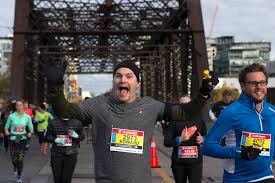
The Council for Responsible Sport gives sustainability scores to events like the TCS Toronto Waterfront Marathon, monitoring a race’s positive environmental, social and economic impact and determining which events are excelling in this space. Only a handful of events are granted Evergreen certification, and in 2022, the Council for Responsible Sport chose the TCS Toronto Waterfront Marathon as one of them.
A sustainable marathon
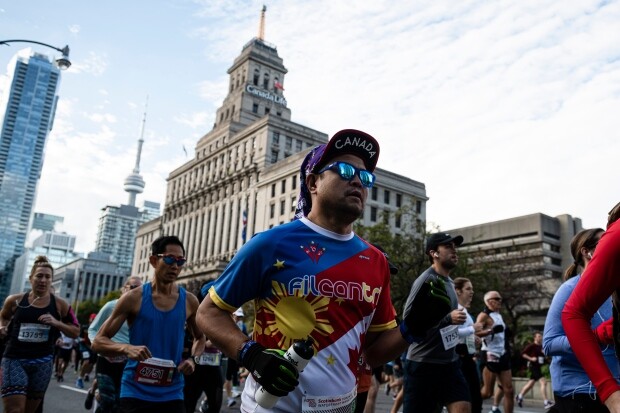
The TCS Toronto Waterfront Marathon team had made a big effort in recent years to make the event as sustainable as possible. In 2022, they diverted 86 per cent of waste away from landfill, meaning any waste the race did produce was “diverted into the proper streams” by “recycling, composting, reusing and donating” it, says CRS event manager Jen Cerullo.
“The types of products and materials that get diverted include cardboard and mixed recycling, textiles, clothing and shoe donations, organic material composting and food donations to local food banks.” Cerullo adds that the grabage bins on the race course were even checked so the waste could be properly sorted. The CRS goal is to land even higher than 86 per cent in coming years, and they are working toward an “ultimate zero-waste goal,” Cerullo says. (Cerullo points out that the term “zero waste” is considered to be 90 per cent or higher for waste diversion.)
The marathon has also succeeded in eliminating plastic water bottles at the race. Cerullo says that instead of carting cases of water bottles around the race route to the various aid stations, they tapped city water hydrants to fill cups, or when hydrants weren’t available, they would bring pre-filled water tanks. “We also encourage participants to bring their own refillable bottles when possible,” she adds.
On top of the race team’s sustainability efforts, the TCS Toronto Waterfront Marathon has always been a funnel for charitable donations. The race’s Charity Challenge raises funds for multiple organizations (the full list can be found here), and participants can choose which they would like to donate to and/or fundraise for when signing up for the race. “In 2022, we welcomed 150 charities to the program,” Cerullo says.
All of this adds up to a race the Council for Responsible Sport is looking for when it comes to Evergreen Certification. Cerullo says CRS and the marathon team have been working toward reaching this status since 2021. “An event achieves Evergreen Certification by achieving 90 per cent or more of the total points available within the council’s Responsible Sport Standards,” she says. “Points are gained by demonstrating adherence to 61 individual criteria across five categories of sustainability.”
To measure the race’s sustainability efforts, the CRS team uses a TCS-designed app called ReScore. This app allows race organizations to track and report their progress when it comes to sustainability and environmental impact. ReScore is a key tool that races all around the world can use to ensure that they are not only improving when it comes to their sustainability, but hopefully meeting the Council for Responsible Sport’s expectations.
Over the course of 15 months, the TCS Toronto Waterfront Marathon team worked toward meeting the Council for Responsible Sport’s criteria and gaining points from the council’s various standards. Haley Price, head of sports sponsorships from TCS North America, also congratulated the CRS team, noting that “maximizing the impact of [an] event” like the TCS Toronto Waterfront Marathon is so important, and adding, “We applaud the TCS Toronto Waterfront for setting the sustainability standard for endurance running races.” Cerullo says the team is thrilled to have met the Council for Responsible Sport standards and to have made TCS officials proud, but that doesn’t mean they’ll stop working toward being even more sustainable.
“We have goals to remain on this trajectory and will continue to make choices for the race and the organization that are centered around environmental responsibility, accessibility, diversity, inclusion and equity,” she says.
by Running Magazine
Login to leave a comment
TCS Toronto Waterfront Marathon
The Scotiabank Toronto Waterfront Marathon, Half-Marathon & 5k Run / Walk is organized by Canada Running Series Inc., organizers of the Canada Running Series, "A selection of Canada's best runs!" Canada Running Series annually organizes eight events in Montreal, Toronto and Vancouver that vary in distance from the 5k to the marathon. The Scotiabank Toronto Waterfront Marathon and Half-Marathon are...
more...Latest Running News
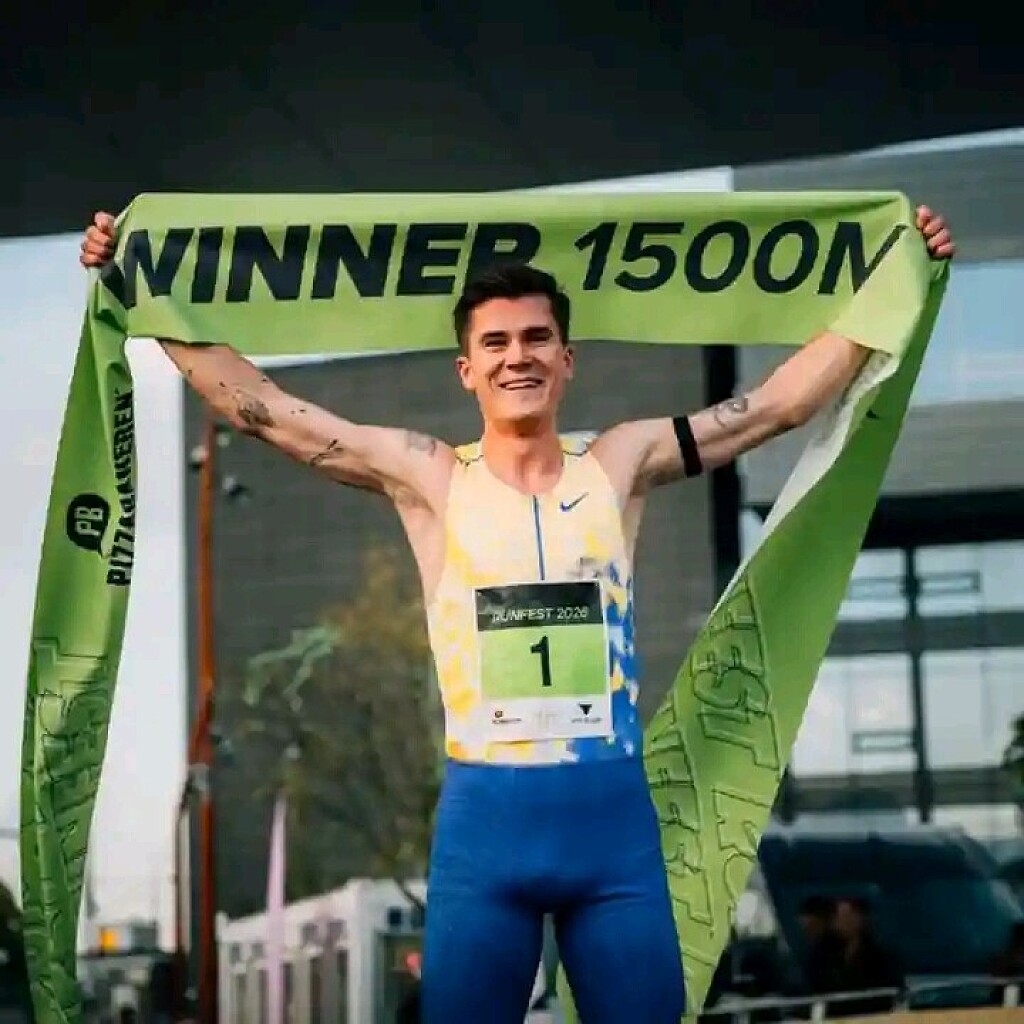
Jakob Ingebrigtsen Caps Comeback Season With Hometown Victory in Sandnes
Jakob Ingebrigtsen brought his remarkable 2026 season to a fitting close on home soil, winning the men’s street 1500m at the inaugural Runfest Norway in Sandnes on Friday.
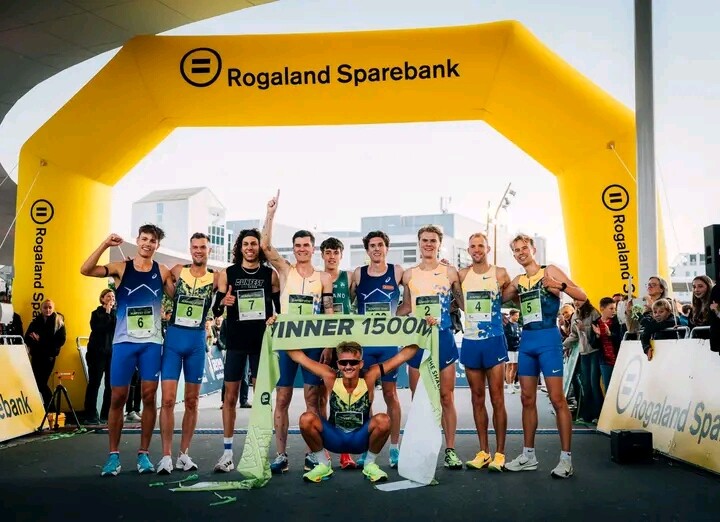
Competing in front of an enthusiastic hometown crowd, the Olympic and world champion took control of the race from the early stages and maintained his authority through the finish, stopping the clock at 3:40.7.
Andreas Fjeld Halvorsen followed in second in 3:43.3, while Sigurd Tveit completed the podium in 3:47.8.
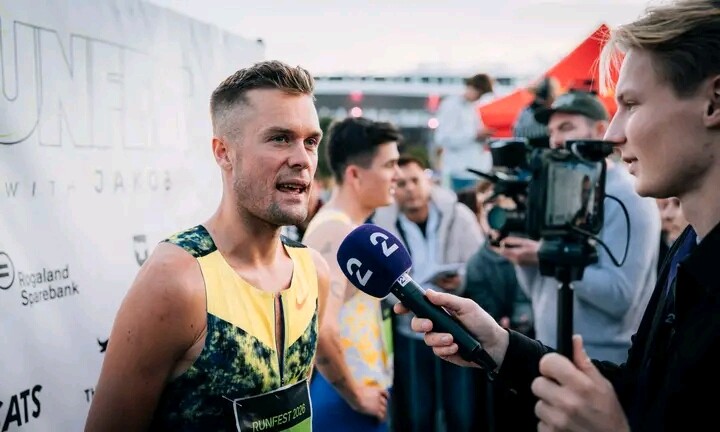
The unusual street race added another dimension to the occasion, with 273 runners taking part on the same road and sharing the course with one of Norway’s most accomplished distance runners. For the recreational participants, it offered a rare opportunity to compete alongside Ingebrigtsen in an event that brought elite athletics and mass participation together.
The victory also provided a fitting final chapter to a season that began with significant uncertainty for Ingebrigtsen. After undergoing major Achilles surgery in February, the Norwegian was forced to miss a substantial portion of the summer campaign as he worked his way back to full fitness.
His return, however, quickly developed into another championship-winning chapter. In Birmingham, Ingebrigtsen captured European 5,000m gold before adding another major title at the inaugural World Athletics Ultimate Championship in Budapest, where he won the 5,000m.
Those performances transformed what could have been a disrupted season into another year defined by championship success and a determined return to the highest level.
Now, with the Sandnes victory added to his 2026 record, Ingebrigtsen closes the year exactly where it began in spirit — overcoming adversity, rebuilding his form and once again competing at the front.
From Achilles surgery in February to major championship victories and finally a 1500m win before his hometown crowd, the Norwegian has given his 2026 season a memorable final scene.
by Erick Cheruiyot for My Best Runs.
Login to leave a comment

Masai Russell Announces Engagement to Longtime Partner Robbie Springfield
Olympic 100m hurdles champion Masai Russell has announced her engagement to longtime partner Robert “Robbie” Springfield, adding a major personal milestone to the remarkable journey of one of America’s leading track and field stars.
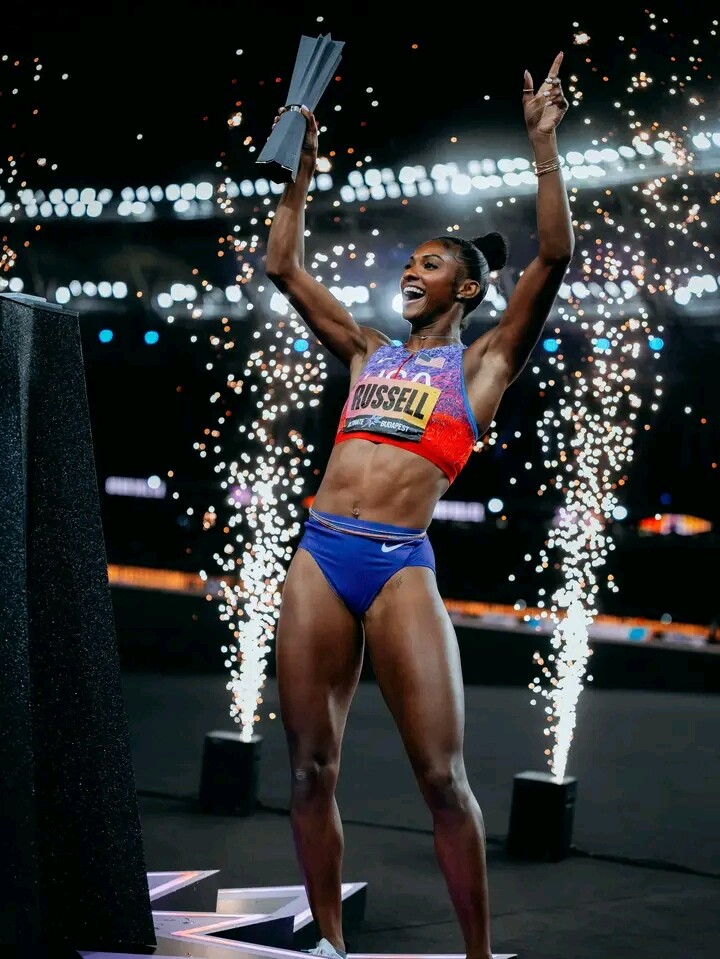
Russell shared the news with her followers, revealing that Springfield had proposed and that she had accepted. Reflecting on their relationship, the Olympic champion described him as her best friend and expressed her excitement about spending the rest of her life with him.
The couple’s relationship dates back to their college years at the University of Kentucky, where both were student-athletes and competed in track and field. Russell established herself as a standout hurdler, while Springfield competed in the long jump, giving them a shared understanding of the demands, sacrifices and pressures that come with pursuing success in athletics.
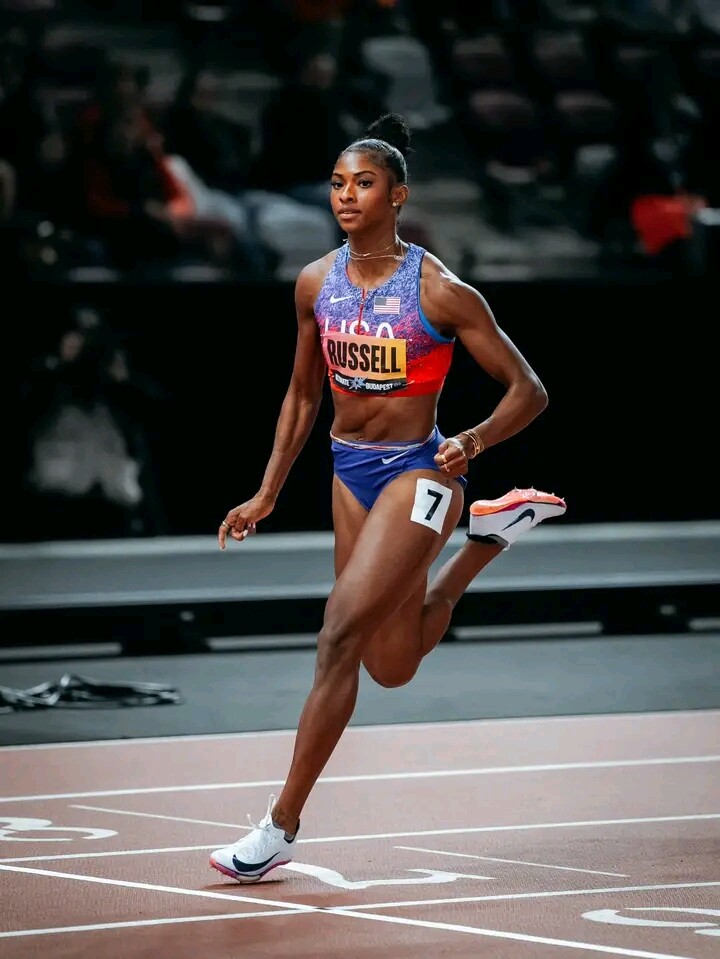
Springfield has since transitioned from competition into coaching. A former collegiate long jumper, he is now part of the coaching staff at Morehead State University, where he works with the programme’s sprinters and jumpers.
Their relationship has developed alongside Russell’s rise to the top of the sport. The defining moment of her career came at the Paris 2024 Olympic Games, where she captured gold in the women’s 100m hurdles, securing her place among the sport’s Olympic champions.
Away from competition, Springfield has remained a familiar part of Russell’s journey, sharing in the demanding periods of training and competition that accompanied her pursuit of Olympic success. Their connection has consequently grown from a college athletics relationship into a long-term partnership.
The engagement now marks another significant chapter for Russell, this time away from the track. After reaching the pinnacle of her sporting career in Paris, the 100m hurdles champion is beginning a new phase of her personal life alongside a partner who has been part of her journey since their university days.
From competing on the same collegiate stage to building a future together, Russell and Springfield’s story has evolved alongside two careers shaped by track and field. The Olympic champion will now balance this new personal chapter with her continuing ambitions in athletics
by Erick Cheruiyot for My Best Runs.
Login to leave a comment
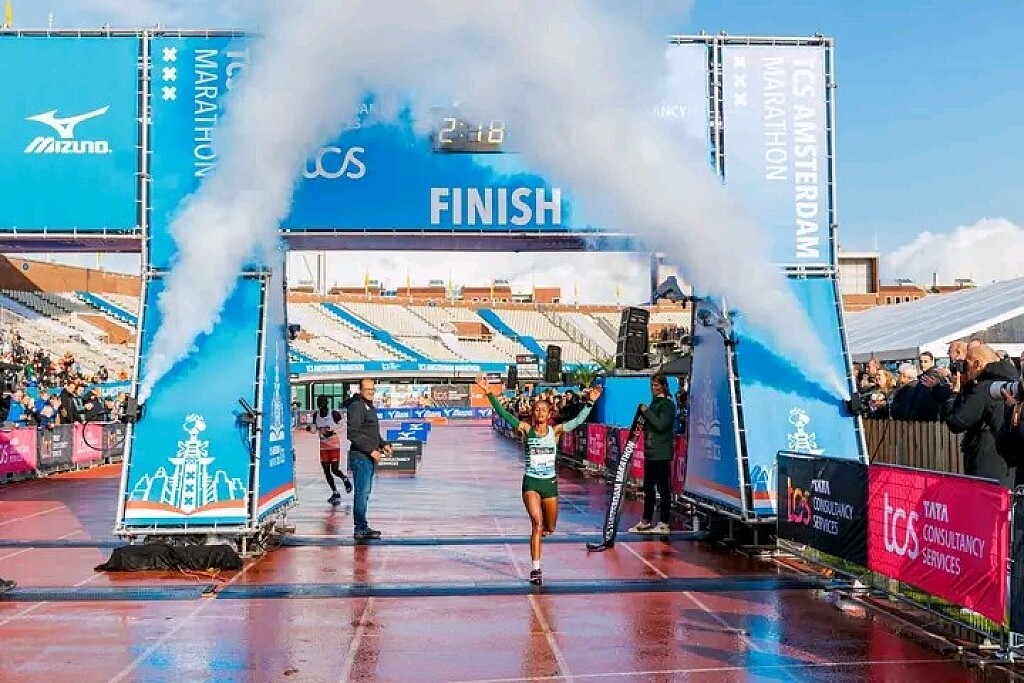
Amsterdam Marathon Women’s Field Set for High-Class Showdown as Four Ethiopians Target 2:20 Barrier
The women’s race at the 2026 TCS Amsterdam Marathon is shaping up to be one of the most competitive editions in recent years, with a deep international field set to take on the fast Dutch course on Sunday, October 18.
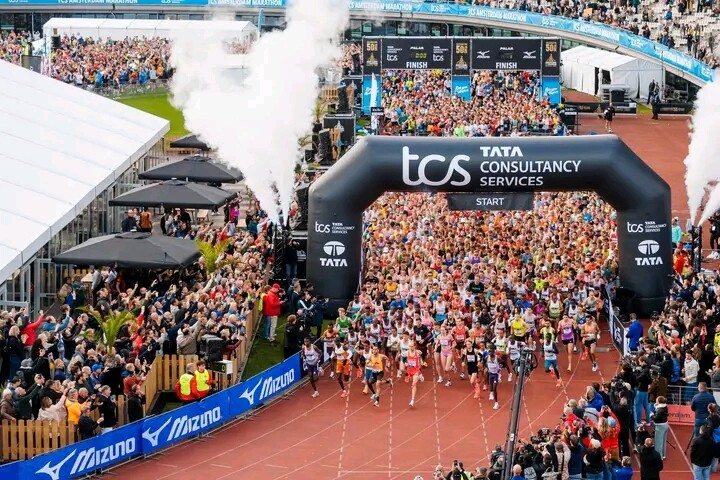
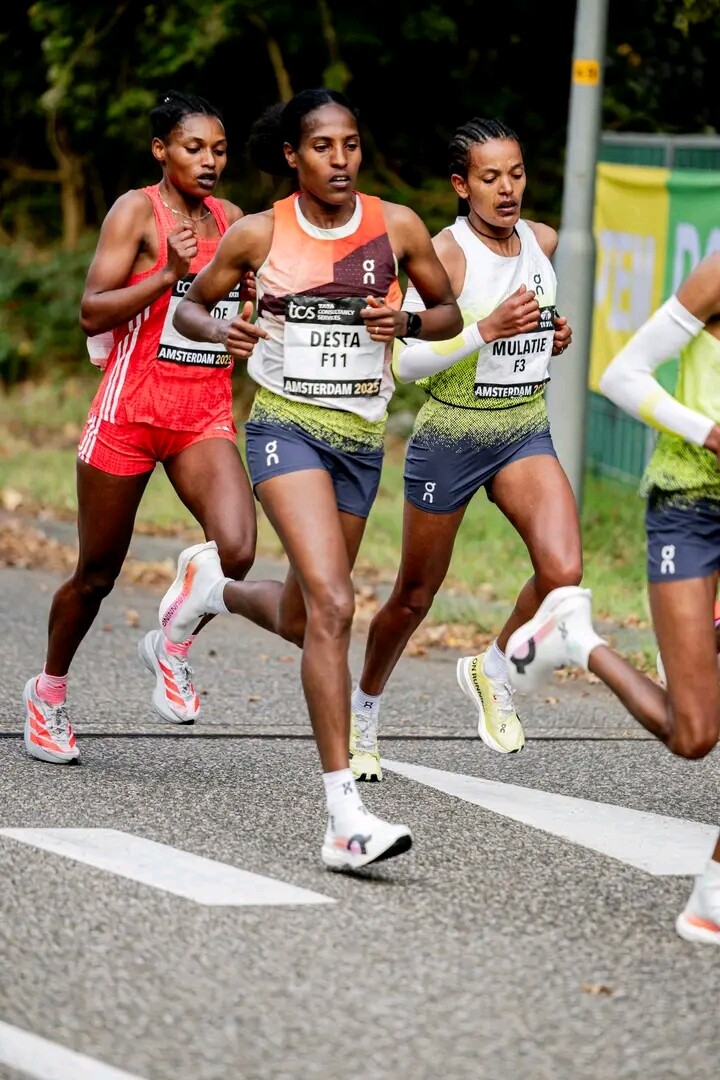
At the centre of the contest will be four Ethiopian athletes who have already broken the 2:20 barrier, creating the prospect of a fascinating battle for victory and a possible assault on the course record of 2:16:52.
Defending champion Aynalem Desta will return to Amsterdam looking to retain her title after producing the biggest performance of her career at last year’s 50th edition. Desta won in a personal best of 2:17:37, establishing herself among the leading marathoners in the field and setting the benchmark for this year’s contenders.
Standing in her way will be fellow Ethiopian Meseret Belete Tola, a former Amsterdam champion who knows exactly what it takes to succeed on the course. Belete Tola captured the 2023 edition in 2:18:21, and her return adds another layer of experience and proven quality to an already formidable lineup.
The field also includes Mestawut Fikir Truneh, who arrives with an impressive marathon pedigree. Truneh finished runner-up at the 2024 Berlin Marathon in 2:18:48, demonstrating her ability to compete at the highest level on one of the world's major marathon stages.
Completing the quartet of sub-2:20 Ethiopians is Buze Diriba, whose personal best of 2:19:34 places her firmly among the leading contenders. With four athletes possessing credentials below 2:20, the race is likely to develop into a tightly contested battle from the opening kilometres.
The depth extends well beyond the leading quartet. Desi Jisa Mokonin, representing Bahrain, Yeshi Kalayu Chekole of Ethiopia and Nazret Weldu Gebrehiwet of Eritrea have all established themselves as serious marathon competitors with performances approaching the 2:20 mark.
Another major name to watch is Abeba Aregawi, the former 1500m world champion representing Sweden. Aregawi has successfully transferred her talents to the marathon and made headlines earlier this year by setting a Swedish national record of 2:23:12 on her debut. Her presence adds another intriguing dimension to an already high-quality field.
Amsterdam’s marathon course has consistently provided an opportunity for elite athletes to produce fast times, and this year’s women’s lineup has the depth to turn the race into a genuine test of both championship racing and outright speed.
With four athletes already inside 2:20, two former Amsterdam champions returning to the start line and several other accomplished marathoners ready to challenge them, the battle is expected to remain open deep into the race.
The ultimate target will be the Amsterdam women’s course record of 2:16:52. Whether the leading contenders can threaten that mark remains to be seen, but the quality assembled for October 18 ensures that the record will be firmly in the spotlight when the race reaches its spectacular finish inside the Olympic Stadium.
by Erick Cheruiyot for My Best Runs.
Login to leave a comment
TCS Amsterdam Marathon
Do you want to enjoy Amsterdam in October and all that the city has to offer you? Want to feel a real athlete and start and finish in the historic Olympic stadium? Or run across the widely discussed passage under the beautiful National Museum? Then come to Amsterdam for the annual TCS Amsterdam Marathon in October! The TCS Amsterdam Marathon...
more...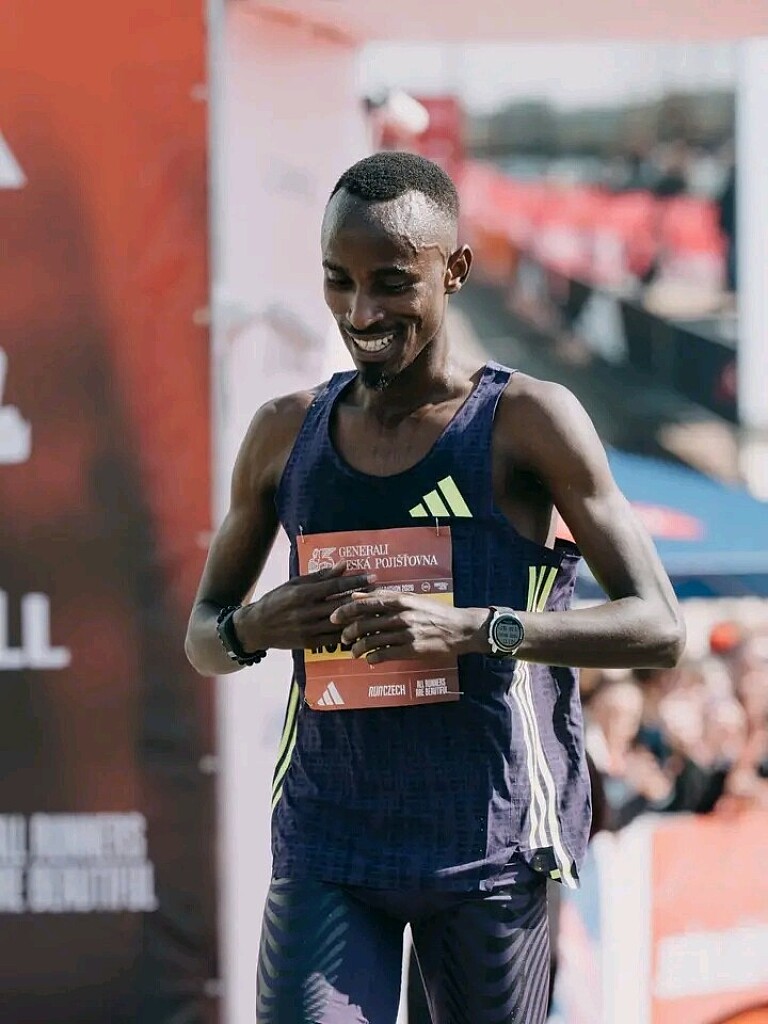
Rodrigue Kwizera Leads Stellar Valencia Half Marathon Field as Ebenyo, Yimer and Matata Prepare for a Fierce Battle
The 2026 Valencia Half Marathon is shaping up to be a thrilling contest of speed, endurance and tactical brilliance, with some of the world’s finest road runners set to converge in Spain on October 25.
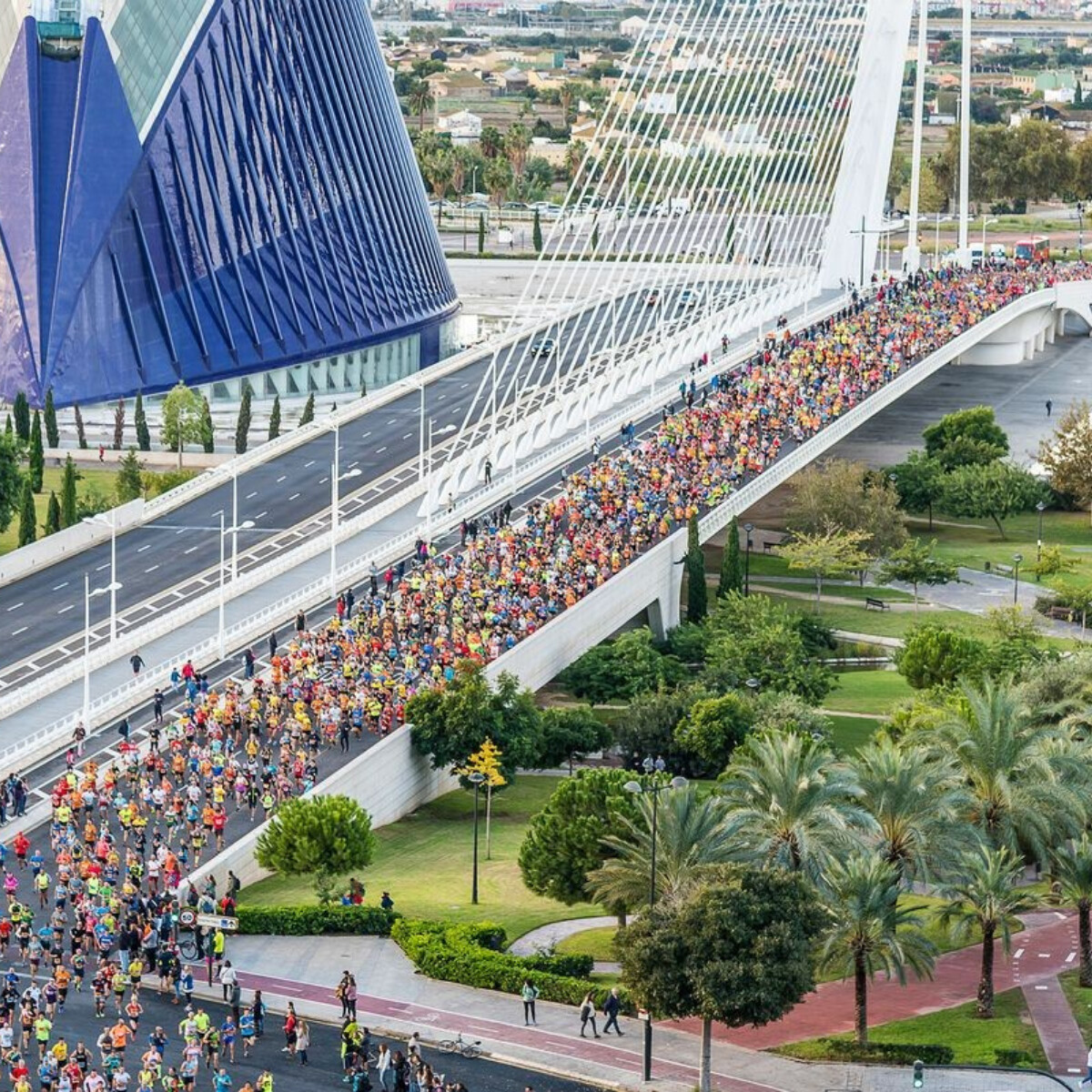
Kenya’s Daniel Ebenyo and Alex Matata will be among the leading contenders, facing a formidable Ethiopian challenge spearheaded by Jemal Yimer and Tadese Worku. The field also features Rodrigue Kwizera, who boasts the fastest personal best among the leading entrants at 58:16.
Ebenyo arrives with a personal best of 59:04, placing him firmly among the athletes capable of sustaining a demanding pace over the 21.1-kilometre distance. Matata, who owns a 59:11 best, adds further Kenyan strength, while Andrea Kiptoo brings another sub-60-minute credential to the race.
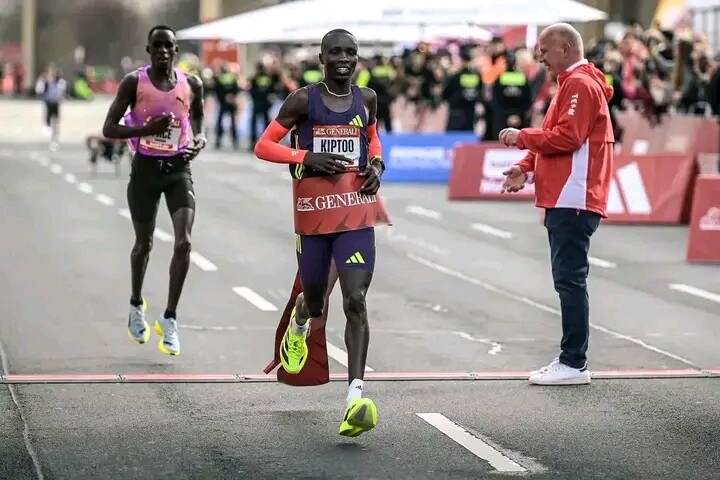
Yimer has already established himself as one of the fastest athletes in the field with a 58:33 personal best, while Worku has clocked 58:35. Kenya’s Owen Korir, with a best of 58:58, further underlines the remarkable depth of the men's lineup.
Valencia Half Marathon 2026 Entries
1. Rodrigue Kwizera (Spain) — 58:16
2. Jemal Yimer (Ethiopia) — 58:33
3. Tadese Worku (Ethiopia) — 58:35
4. Owen Korir (Kenya) — 58:58
5. Daniel Ebenyo (Kenya) — 59:04
6. Alex Matata (Kenya) — 59:11
7. Andrea Kiptoo (Kenya) — 59:11
8. Thierry Ndikumwenayo (Spain) — 59:42
9. Said Mechaal (Spain) — 1:00:24
10. Adel Mechaal (Spain) — 1:02:30
Kwizera, who finished second in Valencia last year, leads the field on paper and will be seeking another standout performance on the famously fast Valencia course. With several athletes carrying sub-60-minute credentials, the race has the ingredients for an aggressive battle from the opening kilometres.
Beyond the headline names, the men’s field is deep and highly competitive, bringing together a strong collection of experienced international athletes with proven ability over the half-marathon distance. With so much quality packed into the lineup, the race promises an intriguing battle in which tactics, endurance, positioning and finishing speed could all play a crucial role in determining the eventual champion.
Yet personal bests will count for little once the gun goes off. The title could ultimately be decided by patience, positioning and the ability to respond when the pace begins to rise in the closing stages. Every surge, every tactical move and every second saved could prove decisive on the road to the finish.
With Kenya, Ethiopia and Spain represented by athletes of exceptional quality, Valencia promises a high-octane men's showdown in which the leaders are likely to be separated by only a handful of seconds. The final kilometres could provide the defining moments of a race packed with speed, ambition and anticipation.
On October 25, the question will be simple: who has the strength to command the streets of Valencia and claim the coveted half-marathon crown?
by Erick Cheruiyot for My Best Runs.
Login to leave a comment
Valencia Half Marathon
The Trinidad Alfonso Valencia Half Marathon has become one of the top running events in the world. Valencia is one of the fastest half marathon in the world. The race, organized by SD Correcaminos Athletics Club, celebrated its silver anniversary in style with record participation, record crowd numbers, Silver label IAAF accreditation and an atmosphere that you will not find...
more...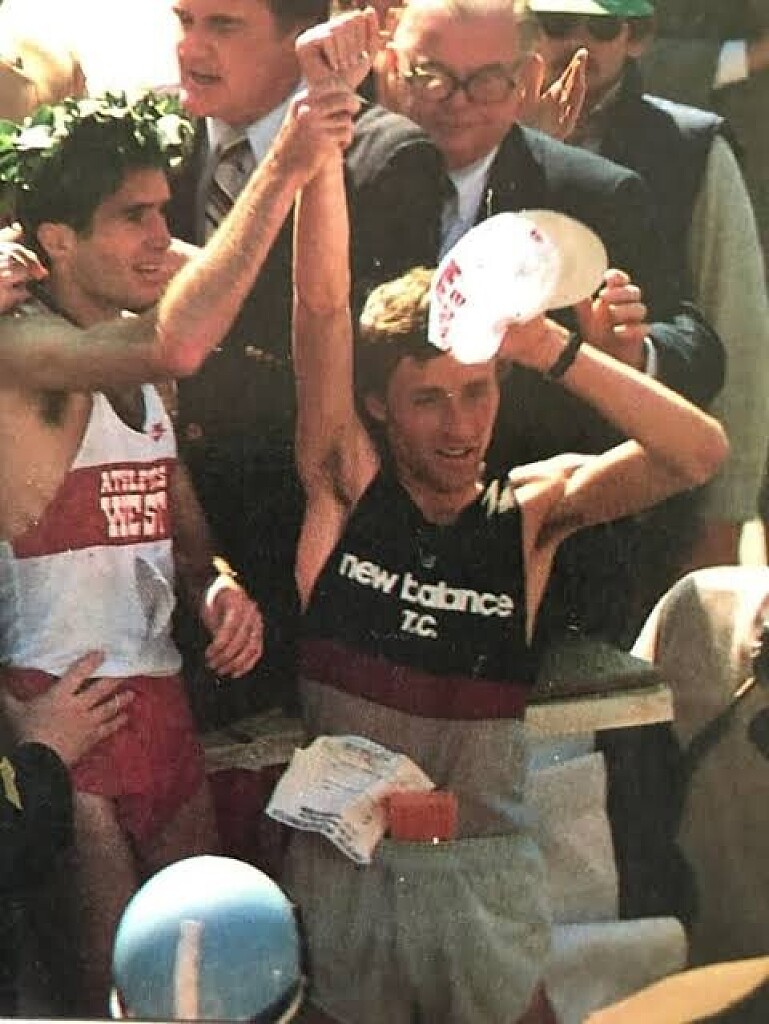
The Duel In The Sun: When Salazar Beat Beardsley By Two Seconds At Boston
April 19, 1982. The Boston Marathon unfolded under unusually warm, sunny conditions, and by the closing stages, the race had become a private battle between two very different American runners: Alberto Salazar, already one of the biggest names in distance running, and Dick Beardsley, the Minnesota runner who had emerged as a serious marathon contender.
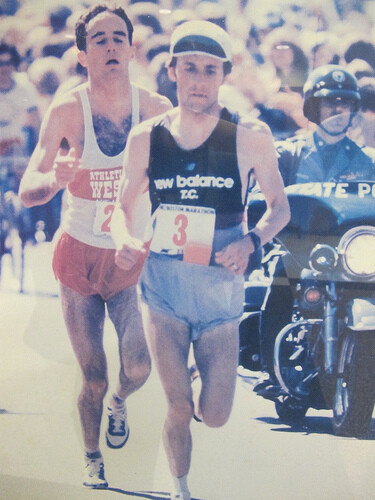
For roughly nine miles, from the Newton Hills toward the finish, Beardsley did much of the leading, with Salazar tucked close behind. Neither man could shake the other. They ran deep into Boston locked together, trading surges and refusing to surrender an inch as the crowds along the course grew louder.
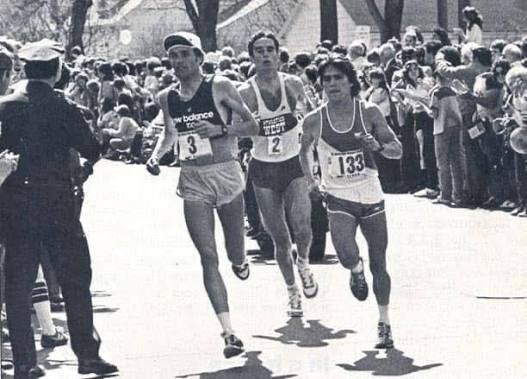
Salazar finally made his decisive move with less than a mile remaining. He opened a small gap, but Beardsley refused to disappear. The Minnesota runner chased him through the final streets, closing again as they approached the finish.
Then came the final sprint.
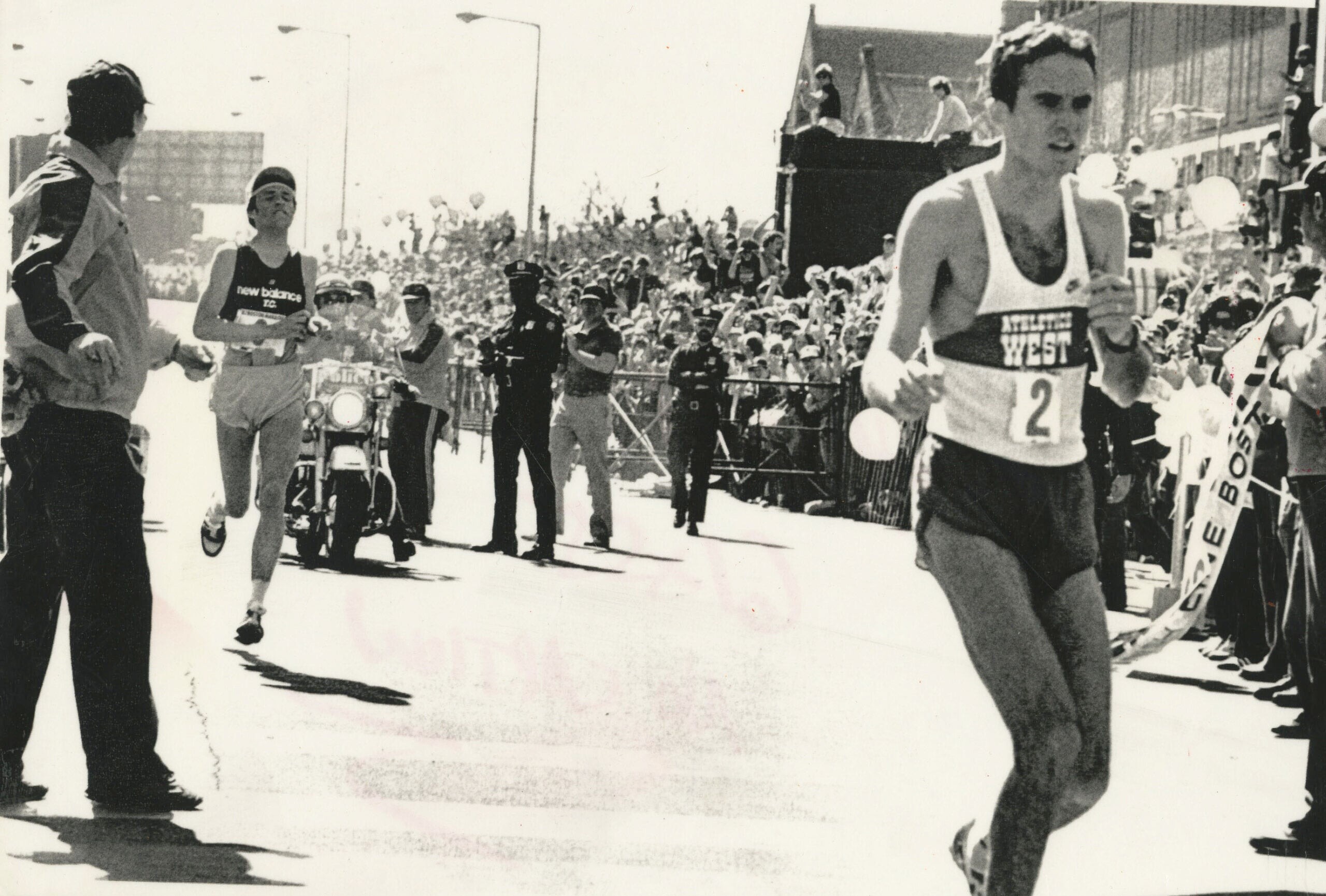
Salazar held his form and reached the finish first in 2:08:52, with Beardsley only two seconds behind in 2:08:54. It was an extraordinary result: both men broke 2:09 in the same Boston Marathon, and both shattered the previous course record.
The race became known as the “Duel in the Sun,” and it remains one of the most celebrated head-to-head battles in Boston Marathon history. Beardsley had not won, but his performance established him as one of America's elite marathoners.
For Salazar, however, victory came at an enormous physical cost. Immediately after crossing the finish line, he collapsed and required emergency treatment, including several litres of intravenous saline. The combination of heat, dehydration and an all-out effort had pushed his body to the limit.
Salazar's marathon career would never again produce quite the same kind of performance. His celebrated 1981 New York City Marathon victory had produced what was initially considered a world record, although the course was later found to be short. His Boston triumph therefore became one of the defining victories of his career.
Beardsley's story would take an even more difficult turn. Injuries disrupted his career, and after returning to the highest level, he suffered a devastating farm accident in 1989. Further accidents, surgeries and severe physical pain followed, eventually leading to a long battle with painkiller addiction.
He eventually overcame that struggle and transformed the darkest chapters of his life into a story of recovery, resilience and redemption.
That is what makes the 1982 Boston Marathon more than a two-second victory.
For one extraordinary afternoon, Salazar and Beardsley produced a marathon duel in which neither man was willing to give way. One crossed the finish line first. The other finished only two seconds behind him.
Two seconds separated them at Boston. Decades later, their legendary duel remains one of the greatest chapters in marathon history.
by Erick Cheruiyot for My Best Runs.
Login to leave a comment
