

Running News Daily
Running News Daily is edited by Bob Anderson and team. Send your news items to bob@mybestruns.com Advertising opportunities available.
Index to Daily Posts · Sign Up For Updates · Run The World Feed
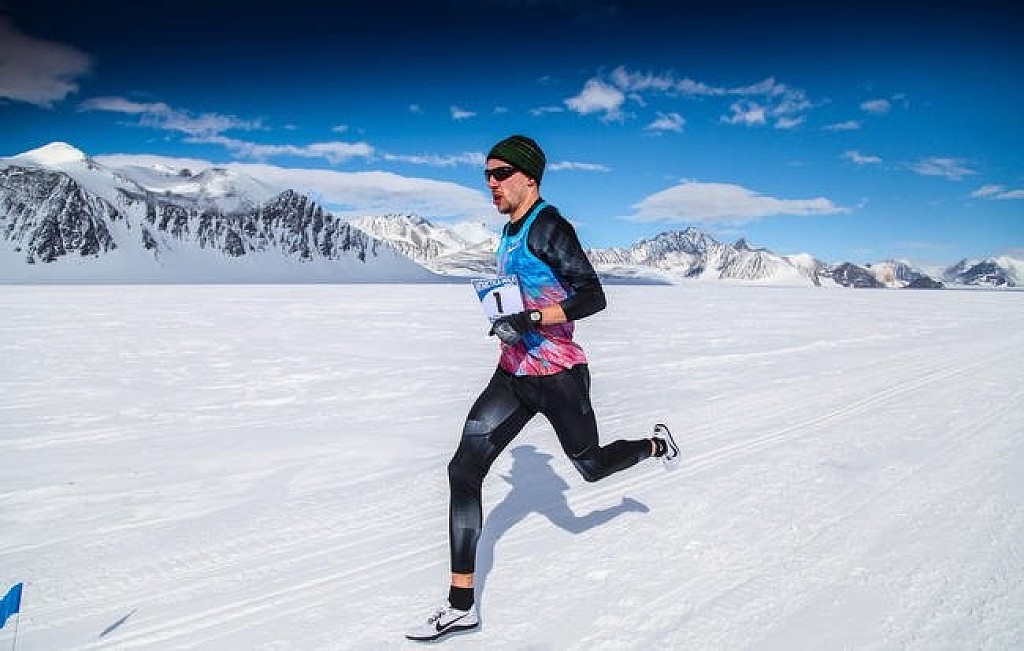


Man Runs 4:17.9 Mile in Antarctica

Login to leave a comment
Latest Running News
From Childhood Burns to World Records: Alison Dos Santos Turns Scars Into Strength
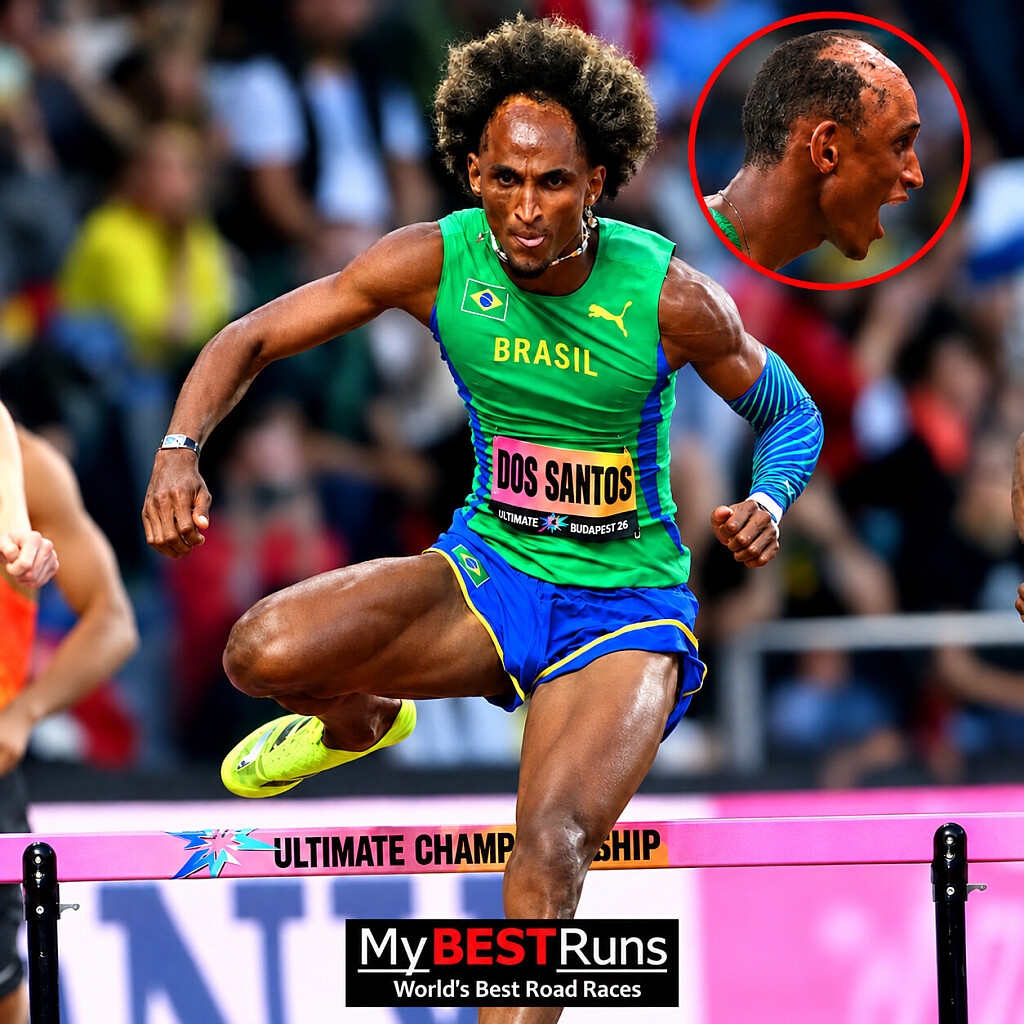
Alison dos Santos carries visible scars on his forehead and parts of his body, but behind them lies a remarkable story of survival that has become an important part of his journey in athletics.

When he was just 10 months old, the Brazilian suffered severe third-degree burns after boiling oil spilled onto him. The accident left permanent scars and could easily have changed the course of his life before it had even begun.
He survived the ordeal, and as he grew older, the scars became a visible reminder of an accident he had endured as a baby. For much of his childhood, they also brought unwanted attention and insecurity. But eventually, athletics gave him something far more powerful: confidence, purpose and an opportunity to define himself through his talent rather than his scars.
That transformation took him all the way to the world's biggest sporting stages.
Dos Santos announced himself among the world's elite 400m hurdlers with an Olympic bronze medal at Tokyo 2020, clocking 46.72 seconds. In 2022, he reached another milestone by becoming world champion, confirming himself as one of the leading figures in an event that had entered an extraordinary era.
Two years later, he added another Olympic bronze medal in Paris, continuing to establish himself among the very best 400m hurdlers on the planet.
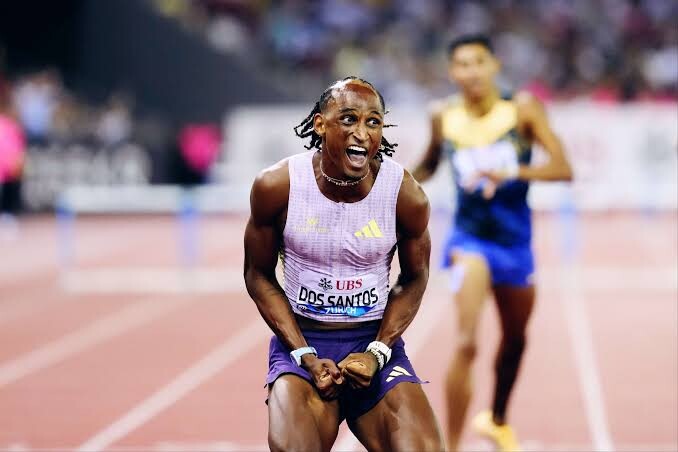
Then came Zürich.
On August 27, 2026, dos Santos delivered the race that changed his place in history. He stormed to 45.80 seconds, breaking Karsten Warholm's five-year-old world record of 45.94 and becoming the first man in history to run under 46 seconds twice.
The moment carried another layer of significance because Warholm was in the race. The Norwegian had established the previous world record in the unforgettable Tokyo Olympic final in 2021, a race in which dos Santos himself had won bronze. Five years later, the Brazilian returned to the same record-breaking narrative — this time as the man rewriting history.
But dos Santos was not finished.
Just over two weeks after his historic run in Zürich, he travelled to Budapest for the inaugural World Athletics Ultimate Championship, where the world's leading 400m hurdlers assembled for another highly anticipated showdown.

On September 13, dos Santos once again stood at the centre of the action. He produced another extraordinary performance, winning the men's 400m hurdles in 45.98 seconds and successfully defending his position at the top of an event filled with heavyweight names.
Rai Benjamin finished second in 46.40, while Warholm took third in 46.78. Dos Santos had once again beaten two of the athletes most closely associated with the modern history of the 400m hurdles.
The 45.98 also made him the first athlete to break 46 seconds twice, while ranking as the third-fastest performance ever recorded in the event at the time. His world record of 45.80 remained firmly at the top.
His latest victory therefore added another remarkable chapter to a season that had already produced a world record and a string of elite performances. Dos Santos has combined speed, consistency and resilience to turn 2026 into one of the defining seasons of his career.
And perhaps that is what makes his story so compelling. The hurdles he clears today are visible to the world, but some of the hardest obstacles he has overcome were faced long before he ever entered a stadium. His scars tell the story of what happened to him as a child; his achievements tell the story of what he chose to become.
The scars never disappeared. Neither did the determination of the boy who survived them.
Today, Alison dos Santos is not defined by the accident that marked his childhood. He is defined by the athlete he became — an Olympic medallist, a world champion, a world-record holder and now the inaugural World Athletics Ultimate champion in the 400m hurdles.
From surviving a devastating accident as an infant to standing on the highest level of his event, Piu has spent his life clearing hurdles — long before he ever started racing over them.
by Erick Cheruiyot for My Best Runs.
Login to leave a comment
Eilish McColgan Targets Historic Fourth Vitality London 10,000 Title
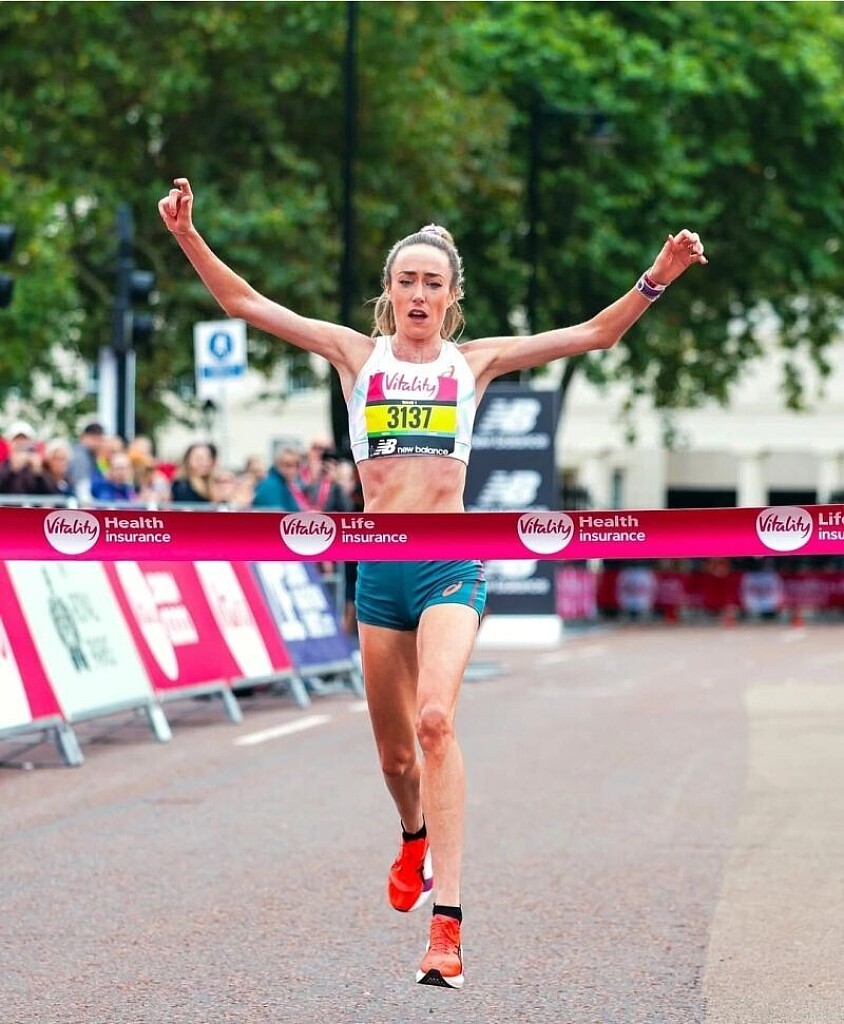
Eilish McColgan is set to return to the streets of London on Sunday, September 27, 2026 with history firmly within her sights as she bids to claim a record-breaking fourth Vitality London 10,000 title.
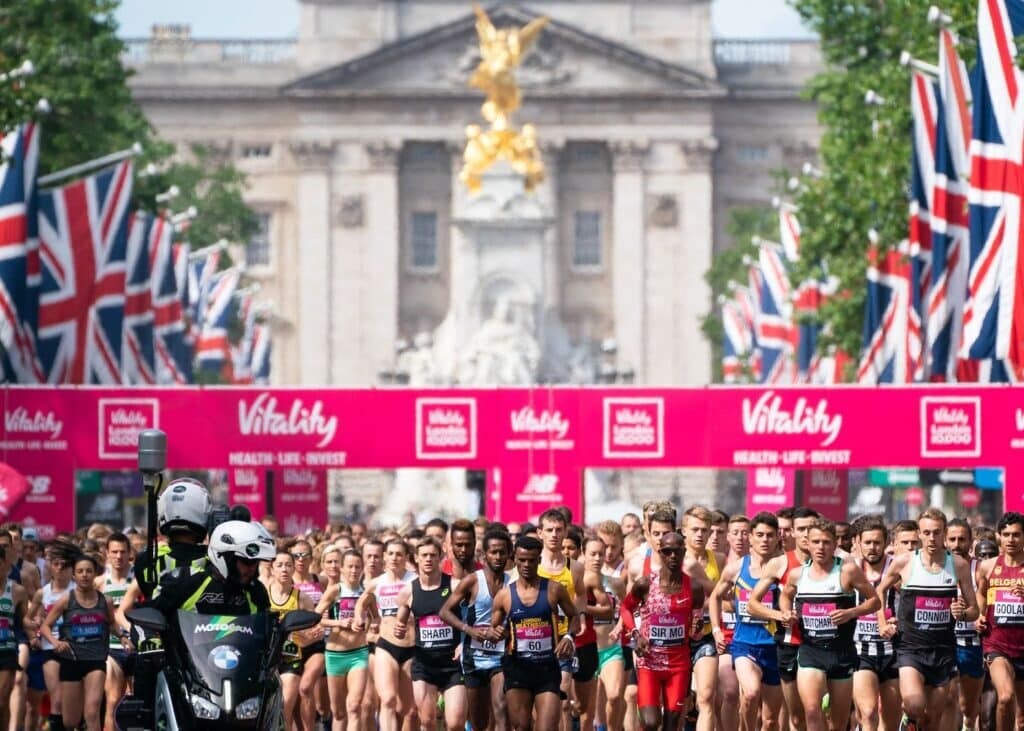
The British distance star will line up in the capital looking to add another chapter to her impressive record at the event. A fourth victory would make McColgan the outright most successful female winner in the race’s history.
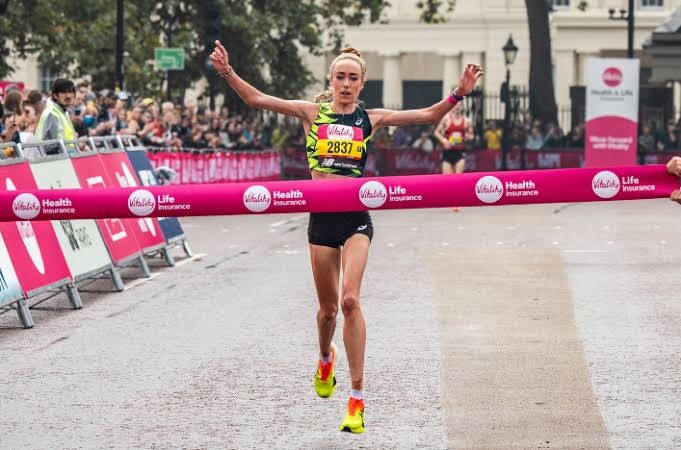
McColgan arrives as the defending champion after producing a superb performance last season. She stopped the clock at 30:35 to take victory, finishing ahead of Jessica Warner-Judd and Alex Bell.
That triumph gave McColgan her third London 10,000 crown, putting her level with the existing record for most women’s victories. She now has the opportunity to move clear and establish a new benchmark.
Her latest challenge comes after another busy period on the road. McColgan returned to racing at the Big Half before competing at the Great North Run, continuing her preparations for another major 10km outing in the British capital.
The London 10,000 has become a particularly successful fixture in McColgan’s career, and she will once again be among the leading names expected to fight for the women’s title.
Standing between her and history will be a competitive field, including familiar rivals such as Warner-Judd, who finished runner-up to McColgan last year.
For McColgan, though, the objective is clear: another victory would not simply add another title to her collection. It would make her the sole record holder for women’s victories at the Vitality London 10,000.
With three wins already secured, all eyes will be on McColgan as she chases a fourth crown and another memorable achievement on the streets of London.
by Erick Cheruiyot for My Best Runs.
Login to leave a comment

Vitality London 10,000
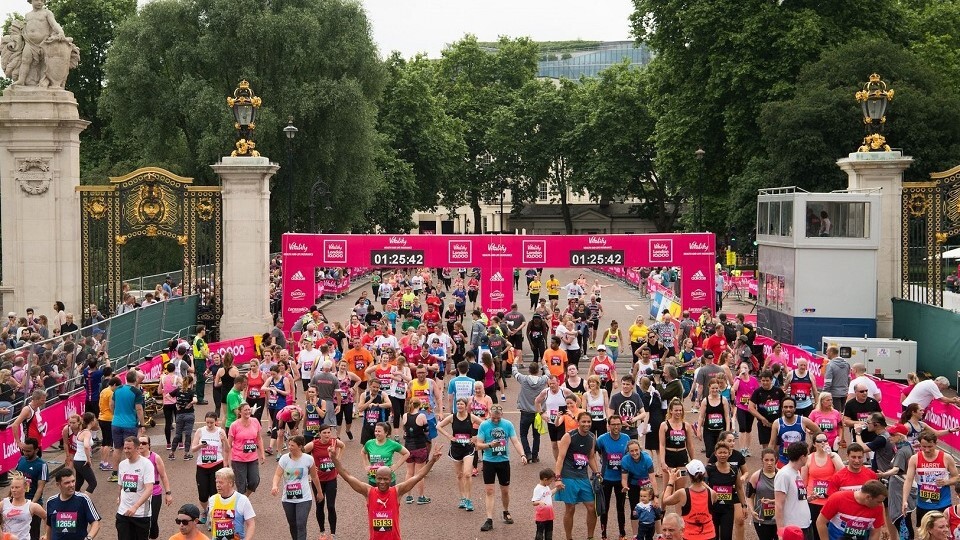
The Vitality London 10,000 takes you past many landmark sites, including the London Eye, Buckingham Palace and the Bank of England – so you even get to do a bit of sightseeing along the way! You will run alongside elite runners and have coverage from the BBC, making this 10km one of the highest in profile of its kind....
more...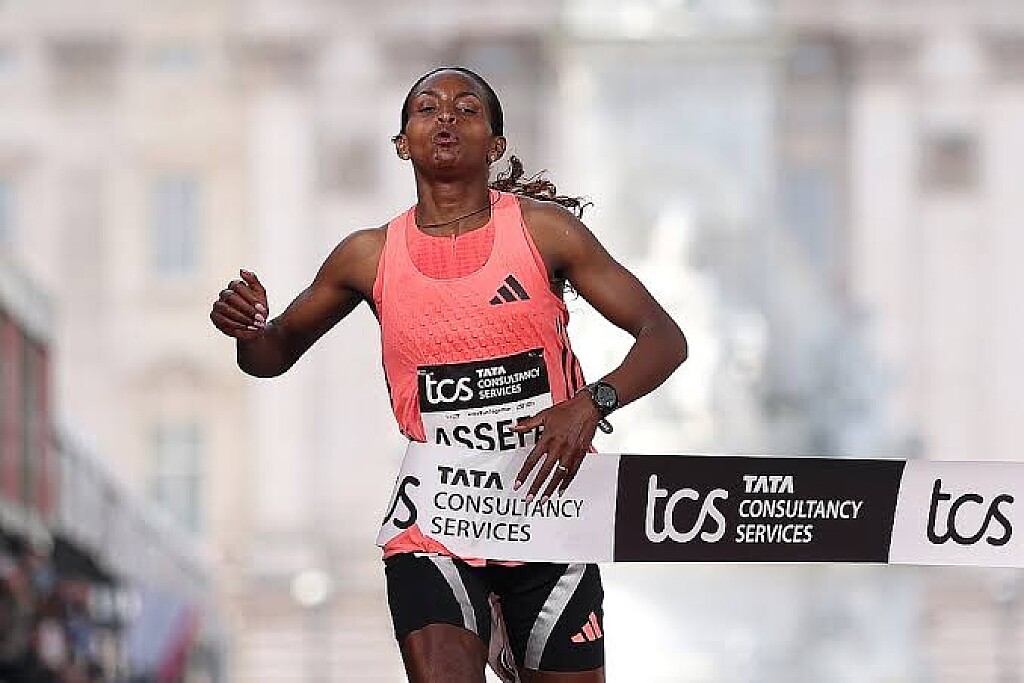
Tigst Assefa Extends East Africa’s Remarkable Reign Over the Women-Only Marathon World Record
The women-only marathon world record has remained in East African hands since 2017, with Kenya and Ethiopia trading the historic mark in a remarkable sequence of record-breaking performances.
The latest chapter belongs to Ethiopia’s Tigst Assefa, who lowered the record to 2:15:41 at the 2026 London Marathon, taking nine seconds off her own previous mark of 2:15:50.
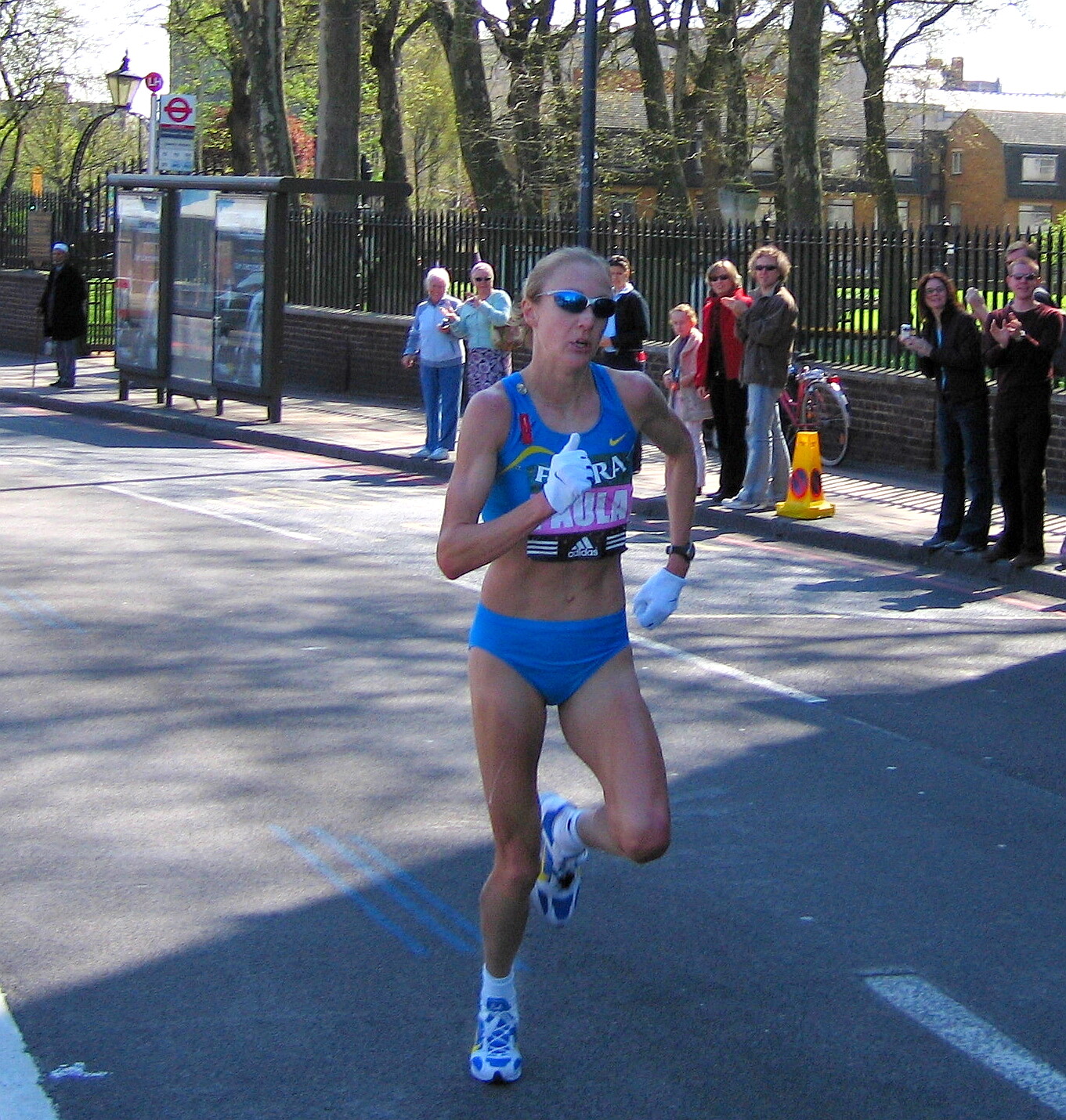
The progression began with Britain’s Paula Radcliffe, whose 2:17:42 in 2005 stood for 12 years before Kenya’s Mary Keitany finally brought the record down. Keitany clocked 2:17:01 at the 2017 London Marathon, beginning the current East African era of the women-only record.
Kenya strengthened its grip in 2024 when Olympic champion Peres Jepchirchir produced one of the defining performances of her career in London. She ran 2:16:16, cutting 45 seconds from Keitany’s record and becoming the latest Kenyan to set the women-only marathon world record.
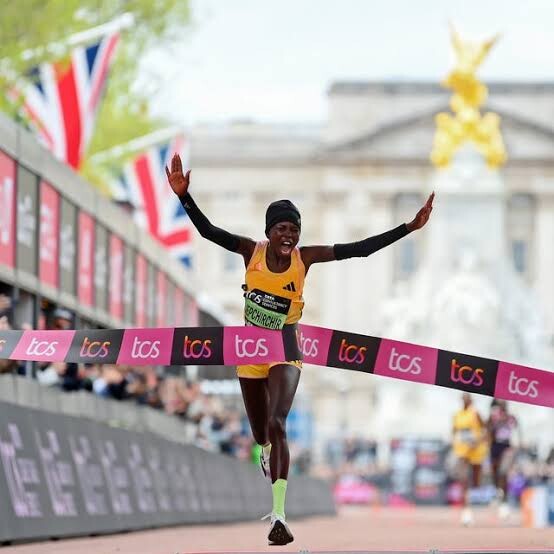
But the record did not remain in Kenya for long. At the 2025 London Marathon, Assefa produced a spectacular 2:15:50, improving Jepchirchir’s mark by 26 seconds and establishing herself as the latest Ethiopian custodian of the record.
A year later, Assefa returned to London with the record still in her sights. She delivered again, running 2:15:41 to successfully defend her title and extend her own world record by another nine seconds.
Behind her, Kenya’s Hellen Obiri ran a personal best of 2:15:53, while Joyciline Jepkosgei followed in 2:15:55. The extraordinary depth of the race meant three women finished inside 2:16 in the same marathon.
The rivalry between Kenya and Ethiopia has consequently become a defining feature of the modern women-only marathon record. Each breakthrough has raised the standard, creating an increasingly demanding target for the next generation of marathon stars.
It is also important to distinguish the women-only record from the overall women's marathon world record. A women-only race does not use male pacemakers, while mixed-gender races can have male athletes helping to maintain the pace. This distinction makes the progression of the women-only record a particularly interesting measure of women's marathon racing.
For now, the record progression reads:
Great Britain — Paula Radcliffe, 2:17:42 (2005)
Kenya — Mary Keitany, 2:17:01 (2017)
Kenya — Peres Jepchirchir, 2:16:16 (2024)
Ethiopia — Tigst Assefa, 2:15:50 (2025)
Ethiopia — Tigst Assefa, 2:15:41 (2026)
From Radcliffe’s landmark performance in 2005 to Assefa’s latest breakthrough in 2026, the record has undergone a remarkable transformation. Since Keitany ended Radcliffe’s 12-year reign, every improvement has come from either Kenya or Ethiopia, underlining the extraordinary depth of East African women’s marathon running.
And with the record now standing at 2:15:41, the next chapter is waiting to be written. The question is not only who will break the mark next, but how much further the women-only marathon can ultimately be pushed.
by Erick Cheruiyot for My Best Runs.
Login to leave a comment
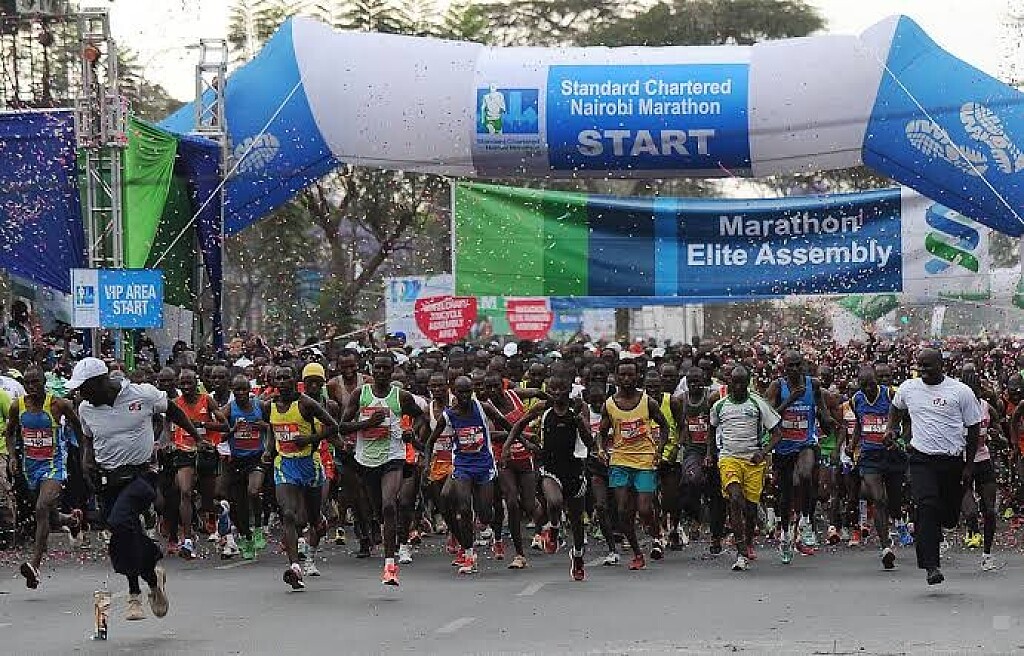
Nairobi Marathon Set for Record-Breaking Edition as 30,700 Runners and KES 273 Million in Support Fuel 2026 Race
The 2026 Standard Chartered Nairobi Marathon is heading towards its biggest edition yet, with a record 30,700 runners registered and more than 200 elite athletes from 102 nationalities expected to take part in the October 25 race at Uhuru Gardens in Nairobi.
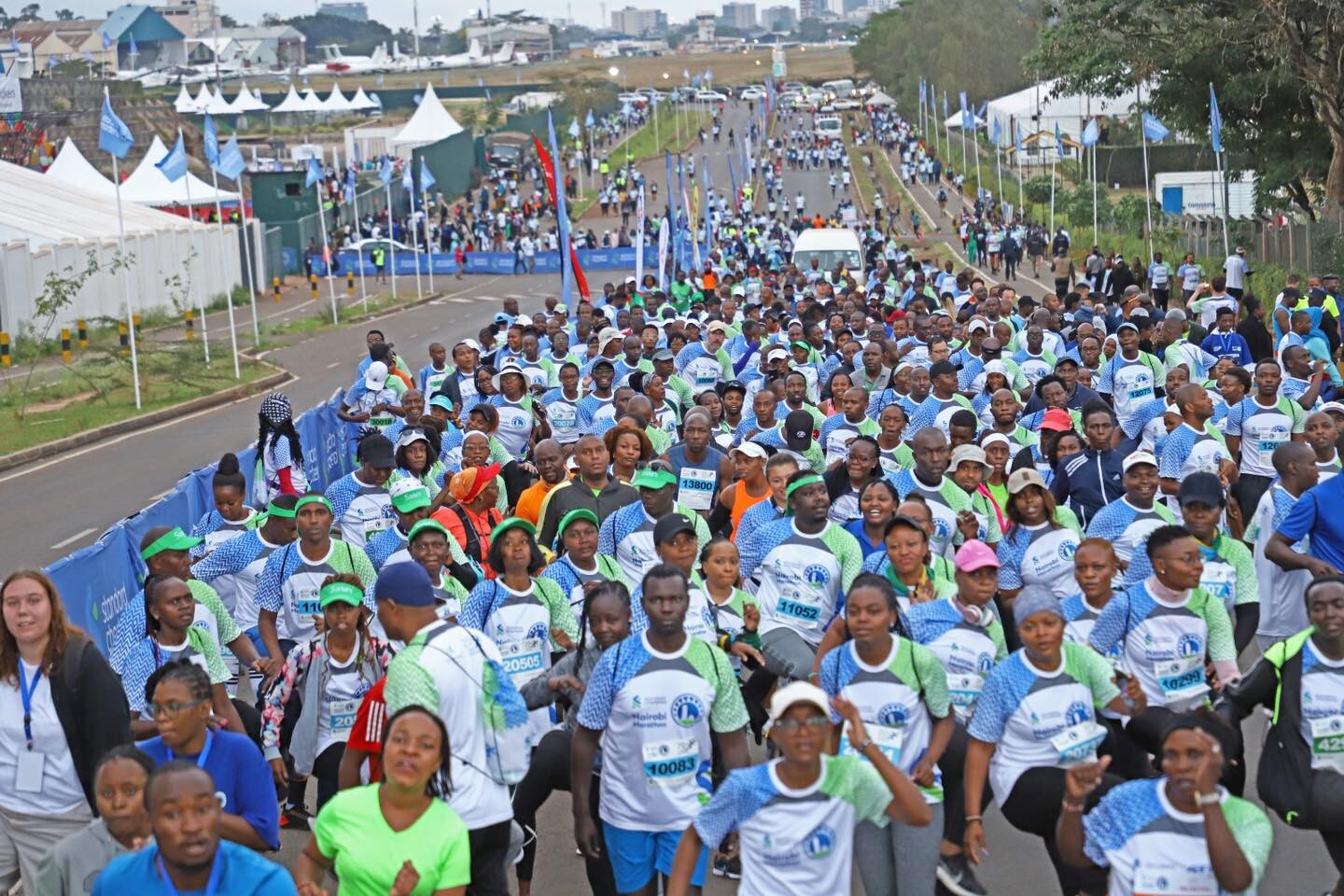
The growing scale of the event has been matched by unprecedented backing from sponsors and partners, with a record KES 273 million committed towards this year’s marathon.
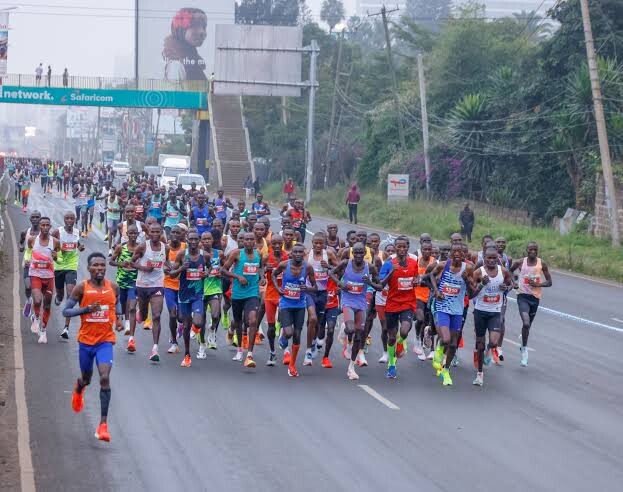
Standard Chartered has contributed KES 130 million, while sponsors have provided a further KES 143 million through cash and in-kind support. The investment is expected to play a key role in delivering a safe, memorable and world-class experience for the more than 30,000 runners expected on the starting line.
The increased support was highlighted during a breakfast appreciation event held for the marathon’s sponsors and partners, recognising their contribution to an event whose influence continues to extend beyond race day.
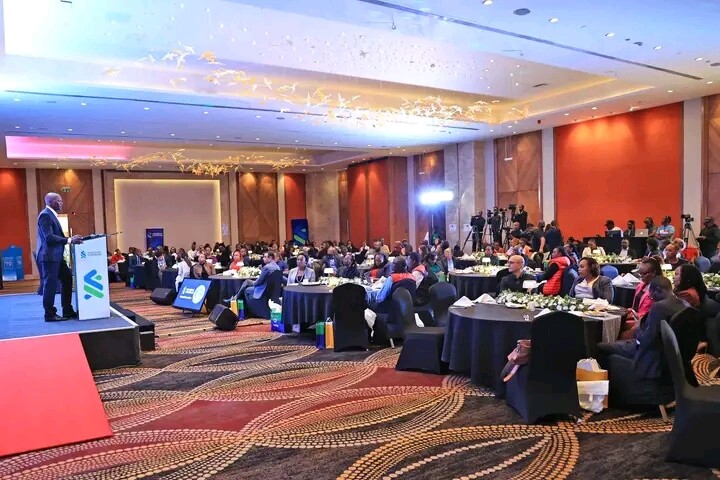
The 2026 edition has attracted 56 sponsors, up from 43 in 2025, representing a 30 per cent increase in the number of supporting partners. The combined sponsorship value is also 17 per cent higher than the KES 233 million secured last year and 58 per cent above the KES 173 million raised in 2024.
Local Organising Committee chairman David Mwindi said the record investment demonstrates the collective commitment behind the marathon and its wider impact.
“This record KES 273 million investment reflects the shared commitment of Standard Chartered and our sponsors to delivering a world-class marathon with lasting impact,” Mwindi said.
On the course, participants will start and finish at Uhuru Gardens, with the route taking runners through the Southern Bypass. The programme will feature the 42-kilometre full marathon, 21-kilometre half marathon and 10-kilometre road race, alongside a 21-kilometre wheelchair race.
The event will also cater for recreational runners and families through the 5-kilometre family fun run, while the CEO Challenge and Corporate Challenge will add another dimension to the day, bringing businesses and their teams into the celebrations.
The presence of more than 200 elite athletes from 102 nationalities is expected to add further international depth to an event already attracting unprecedented mass participation.
With record entries, a larger group of sponsors and KES 273 million in financial and in-kind support, the 2026 Standard Chartered Nairobi Marathon is set to offer more than a day of racing. It is increasingly becoming a platform that brings together elite sport, mass participation, business, community engagement and broader social impact.
As October 25 draws closer, attention will turn to the Kenya's capital for the elite line-ups, the athletes seeking honours across the various distances and the stories that will unfold while thousands of recreational runners prepare to make their own mark on what promises to be a landmark edition of the Standard Chartered Nairobi Marathon.
by Erick Cheruiyot for My Best Runs.
Login to leave a comment

NAIROBI MARATHON
Nairobi Marathon is an annual road running competition over the marathon distance held in October in Nairobi, Kenya. First held in 2003, the competition expanded and now includes a half marathon race along with the main race. It was part of "The Greatest Race on Earth", fully sponsored by Standard Chartered Bank....
more...
Femke Bol and Ben Broeders Celebrate Their Love in Dream Sardinia Wedding Weekend
After another memorable chapter in her athletics career, Dutch star Femke Bol has found another beautiful reason to celebrate away from the track.

Bol and Belgian pole vaulter Ben Broeders have marked their marriage with a spectacular wedding celebration in Sardinia, Italy, surrounded by family, friends and fellow athletes.
The couple had already exchanged vows earlier this year, tying the knot in a private civil ceremony in Amersfoort on February 21, 2026. The intimate occasion was kept largely away from the spotlight before the couple later shared their happiness with the public.
Months later, they gathered their closest loved ones for a larger celebration on the Italian island, turning the occasion into a memorable wedding weekend filled with sunshine, elegant white outfits, laughter and unforgettable moments.
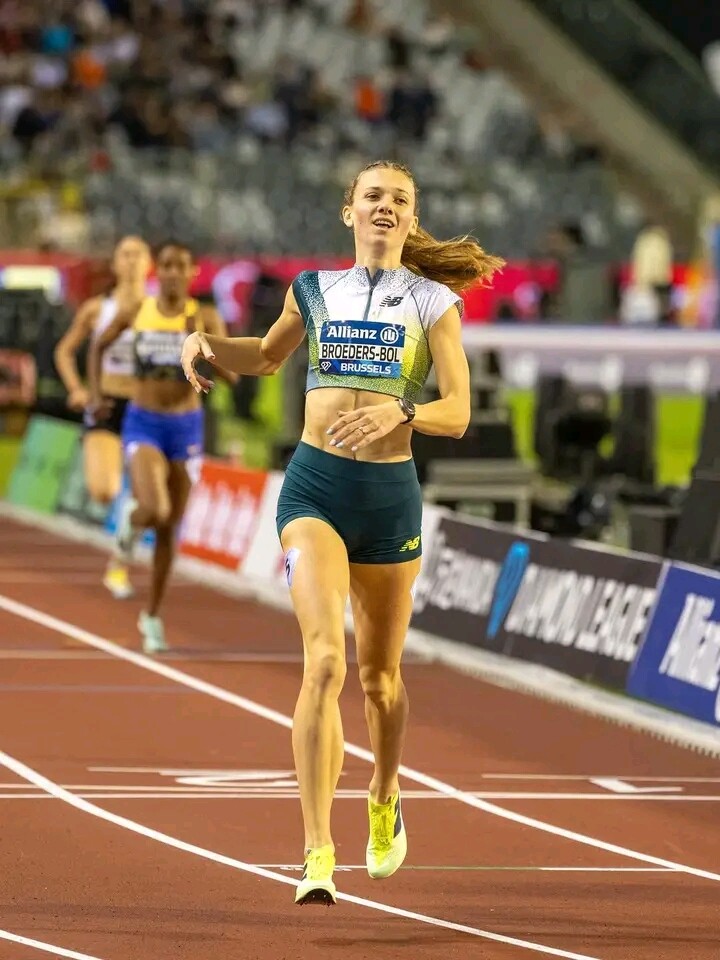
The celebrations took place at the historic Tenuta Sella & Mosca near Alghero, offering a stunning setting for the newlyweds and their guests. Surrounded by the beauty of Sardinia, Bol and Broeders were able to enjoy a more relaxed celebration after years of life shaped by demanding training schedules and international competition.
Bol shared a series of photographs from the special weekend, offering fans a glimpse into the celebrations and the moments she shared with Broeders, their families and friends. Reflecting on the occasion, she described it simply as “the best weekend of our lives.”
The wedding brought together several familiar faces from the athletics community, reflecting the strong connection the couple share with the sport. Broeders has built a respected career as a Belgian pole vaulter, while Bol has become one of the most recognisable stars in international athletics.
Their relationship has developed alongside their sporting careers, with the couple becoming romantically involved around 2021. They announced their engagement in 2025 before taking the next step in their relationship with their civil wedding earlier this year.
For Bol, the celebrations provide a deeply personal highlight to a year that has already brought significant moments in her remarkable career. Away from the pressure of major championships, packed stadiums and the pursuit of medals, Sardinia offered the athlete an opportunity to pause and celebrate something much closer to home.
For Broeders, the occasion was equally special, marking the beginning of a new chapter with his partner while surrounded by the people who have supported them throughout their journey. Their wedding weekend brought together the sporting and personal worlds that have shaped their lives over the years.
From competing under the brightest stadium lights to celebrating beneath the Sardinian sun, Bol and Broeders have now opened a new chapter together — one that extends far beyond athletics.
After years of chasing performances, medals and personal ambitions, the couple now have another journey to share, this time side by side as husband and wife.
From the track to forever, Femke Bol and Ben Broeders have given themselves a beautiful reason to celebrate.
by Erick Cheruiyot for My Best Runs.
Login to leave a comment
