

Running News Daily
Running News Daily is edited by Bob Anderson and team. Send your news items to bob@mybestruns.com Advertising opportunities available.
Index to Daily Posts · Sign Up For Updates · Run The World Feed
That article was not found.
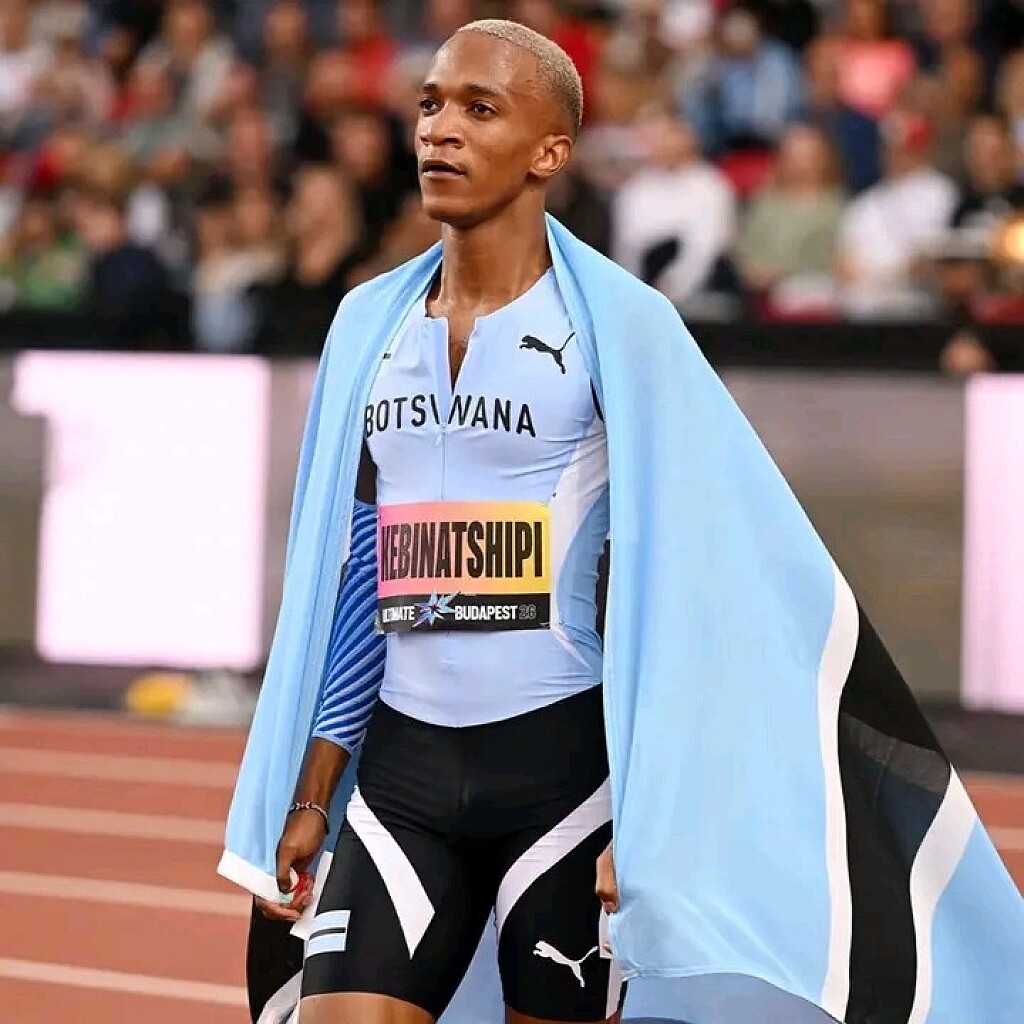


Collen Kebinatshipi Has Wayde Van Niekerk’s 43.03 World Record In His Sights
Botswana’s Collen Kebinatshipi has made it clear that Wayde van Niekerk’s legendary 400m world record is already part of his long-term ambitions.
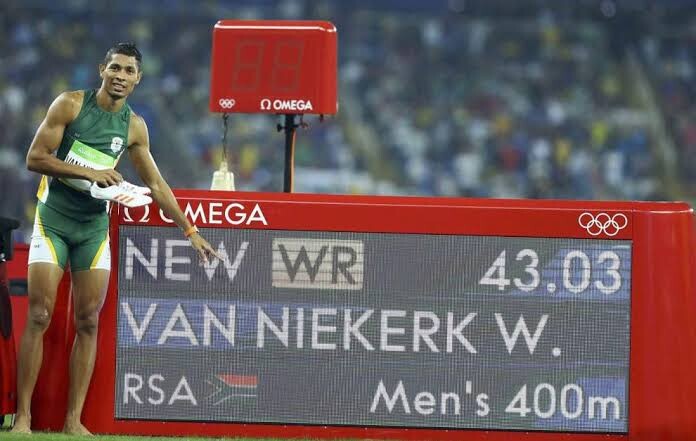
The 22-year-old capped a remarkable 2026 campaign in spectacular fashion at the World Athletics Ultimate Championships in Budapest, storming to a stunning national record of 43.39 seconds to win the men’s 400m title. The performance moved him to fifth on the world all-time list and left him just 0.36 seconds behind Van Niekerk’s 43.03 world record, set at the Rio 2016 Olympic Games.
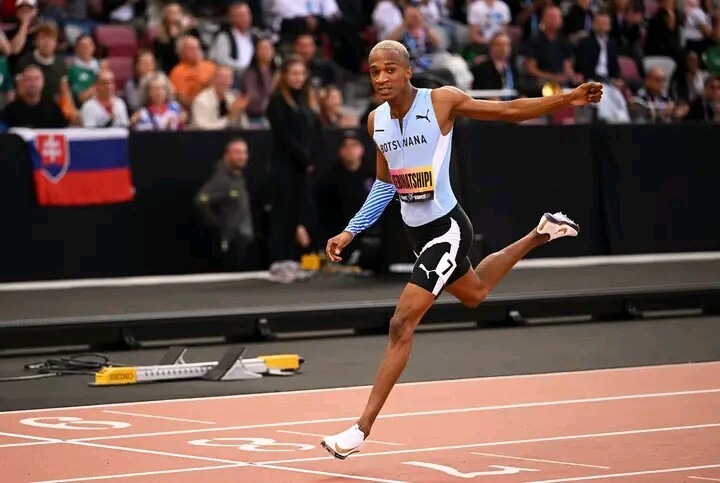
But for Kebinatshipi, the chase is not simply a distant dream. The Botswana star admitted after his Budapest triumph that the world record is something he regularly thinks about.
“I would be lying if I said no. Obviously it’s always running through my mind,” Kebinatshipi said.
His ambition is already shaping the way he views the next stage of his career. When asked when serious world-record discussions could become realistic, the 22-year-old pointed towards the Los Angeles 2028 Olympic Games, suggesting that the biggest target could come into focus by then.
What makes the prospect particularly intriguing is that Kebinatshipi does not believe he has reached his physical or technical peak.
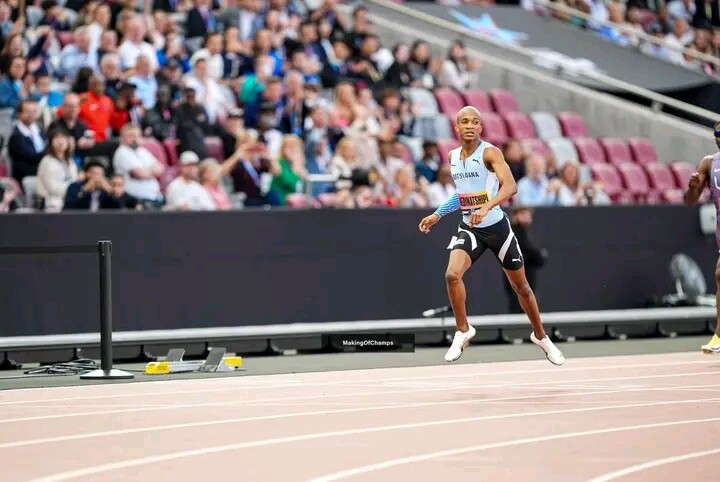
The Botswana star has identified his back straight as an area where he still wants to improve. Even after producing a sensational 43.39 in Budapest, he believes there is more work to be done, while he has also acknowledged that he is still developing physically.
That leaves an exciting question hanging over the next few seasons: how fast can Kebinatshipi become when those improvements begin to come together?
His Budapest performance was already extraordinary. He attacked the race with confidence from the opening stages, built a commanding advantage and held his form all the way to the finish to stop the clock at 43.39.
The victory capped a season in which Kebinatshipi has repeatedly demonstrated that he belongs among the world’s elite 400m runners. Before Budapest, he had already established himself as one of the most consistent performers in the event, including a 43.40 clocking in Brussels.
Then came Budapest — and an even faster performance.
His 43.39 placed him level with the legendary 43.39 recorded by Michael Johnson in 1995 and firmly established him among the fastest 400m runners in history.
And perhaps that is what makes his world-record ambition so fascinating. Kebinatshipi is not talking about chasing 43.03 from a position of uncertainty. He has already run 43.39 at just 22 years old, while openly acknowledging that there are still technical and physical areas he wants to develop.
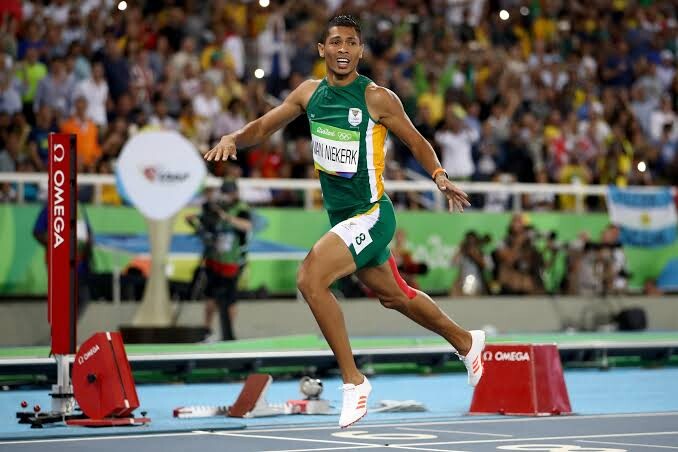
Van Niekerk’s record has stood since August 14, 2016. For a decade, 43.03 has remained the ultimate benchmark in the one-lap event. Now, a new generation is beginning to look directly at that barrier.
Kebinatshipi is only 0.36 seconds away.
Whether the record eventually falls remains a question for the future, but one thing is already clear: 43.03 is no longer just a number in the record books for Collen Kebinatshipi — it is a target.
by Erick Cheruiyot for My Best Runs.
Login to leave a comment
Jakob Ingebrigtsen And Jimmy Gressier Set For First-Ever Road Showdown In Copenhagen
COPENHAGEN — Two of the biggest names in modern distance running are about to take their rivalry onto unfamiliar territory.
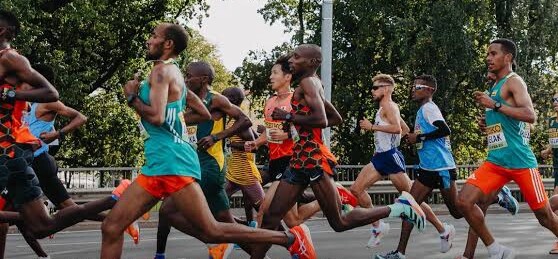
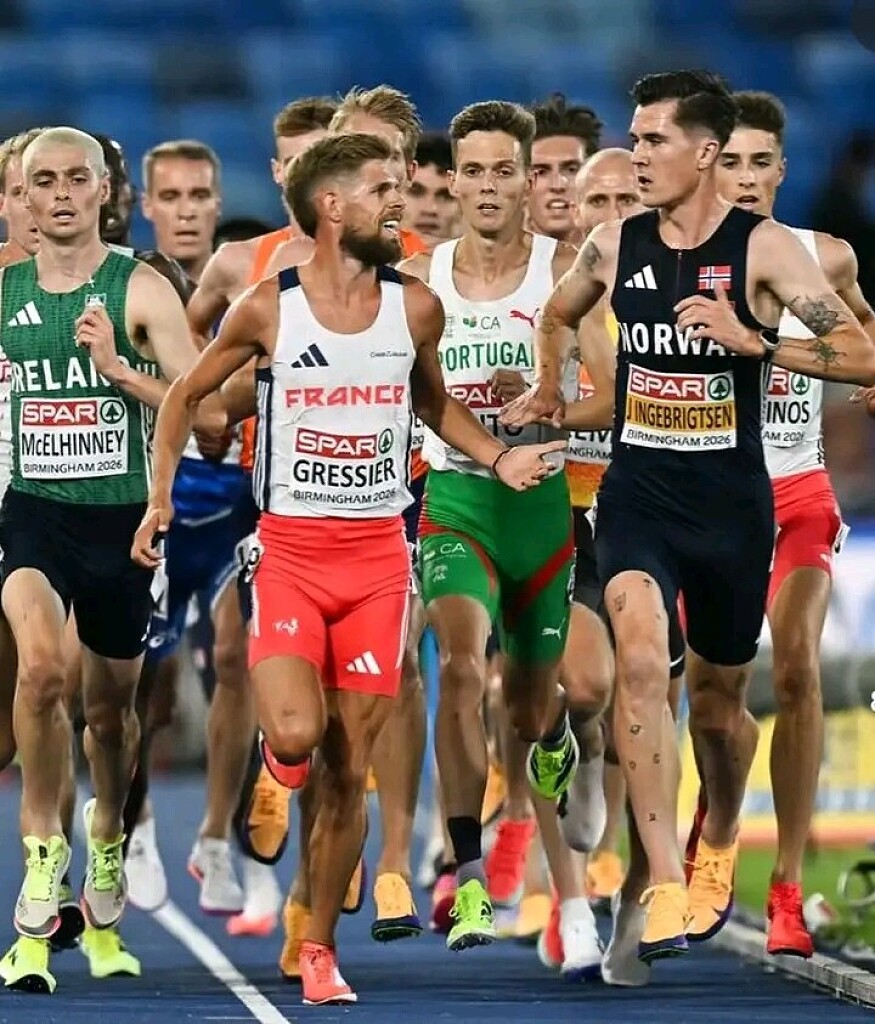
Norway’s Jakob Ingebrigtsen and France’s Jimmy Gressier are set to meet for the first time on the roads when the men’s 5km at the World Athletics Road Running Championships gets underway in Copenhagen on Saturday, September 19.
The highly anticipated clash brings together two athletes with very different paths to the start line, but an equally strong appetite for another global title.
Ingebrigtsen arrives in Denmark as the reigning Olympic 5000m champion and a four-time European 5000m champion. He has also just added the inaugural World Athletics Ultimate Championship 5000m title to his collection, producing a powerful 12:59.24 performance in Budapest only days ago.
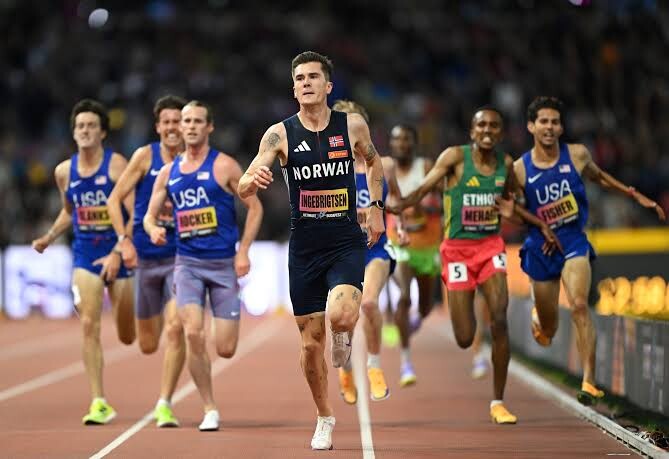
The Norwegian has already conquered some of the biggest stages in track and field. Now, Copenhagen presents a new challenge: winning a global title on the roads.
His road-racing experience over 5km is limited, however. World Athletics notes that Ingebrigtsen has raced the distance only once before, clocking 13:28 in Stavanger in 2020. He also raced his first and, so far, only half marathon in Copenhagen in 2024.
Standing in his way is a man who has already proved that he belongs among the very best road racers in the world.
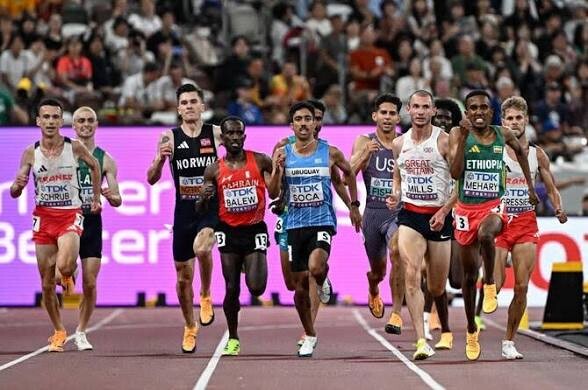
Gressier enters Copenhagen as the reigning world 10,000m champion and the fastest man on the 5km entry list. In April, the Frenchman stormed to a European record of 12:51 in Lille, moving within just two seconds of the world record. Only Ethiopia’s Berihu Aregawi and Yomif Kejelcha have ever run faster over the distance.
That performance also came with a warning for the rest of the field.
Ethiopia’s Addisu Yihune finished second behind Gressier in Lille in 12:54, a mark that places him fifth on the world all-time list. The two will meet again in Copenhagen, adding another major storyline to an already loaded championship race.
And Gressier is not stopping after one race.
The French star is entered for both the 5km on Saturday afternoon and the men’s half marathon on Sunday morning. With the 5km scheduled for 2:40 p.m. and the half marathon at 9:45 a.m. the following day, he will have only around 19 hours between the two championship races.
It is an extraordinary test of versatility. First comes a five-kilometre battle likely to demand close to all-out speed from the opening stages. Then, before a full day has passed, Gressier will have to return to the start line for 21.1 kilometres against a field packed with established road specialists.
Yet the 29-year-old is no stranger to the half marathon. He won the European half marathon title in 2025 in 59:45 and finished fifth at the 2023 World Road Running Championships in Riga in 59:46.
The 5km field, meanwhile, extends well beyond the headline names.
Kenya’s Mathew Kipsang arrives as the reigning Commonwealth 5000m champion, while Australia’s Ky Robinson, Burundi’s Egide Ntakarutimana, Norway’s Narve Gilje Nordås and Portugal’s José Carlos Pinto are among the other athletes capable of making the race highly competitive.
Copenhagen is therefore preparing for much more than a simple Ingebrigtsen-Gressier duel.
It is a meeting between a track superstar testing himself on the roads and a world champion who has already demonstrated extraordinary speed over the distance. Add Yihune’s 12:54, Kipsang’s championship pedigree and a deep international field, and the ingredients are there for a fiercely contested world title.
For Ingebrigtsen, the question is whether his world-class track speed and devastating finishing ability can translate seamlessly onto the roads.
For Gressier, the challenge is whether he can turn his remarkable 12:51 into a world championship crown — while keeping enough in reserve for the half marathon less than 24 hours later.
One thing is certain: when the gun fires in Copenhagen, the roads will provide a completely new chapter in the careers of two athletes who have already conquered some of the biggest stages in the sport.
And this time, there will be nowhere to hide.
Jakob Ingebrigtsen versus Jimmy Gressier.
Track royalty meets road-running firepower.
Copenhagen is ready.
by Erick Cheruiyot for My Best Runs.
Login to leave a comment

Masai Russell Ends Perfect 2026 Season After 14 Straight Wins
Masai Russell has called time on a remarkable 2026 campaign, withdrawing from ATHLOS London and ending a season in which the Olympic champion won every race she contested.
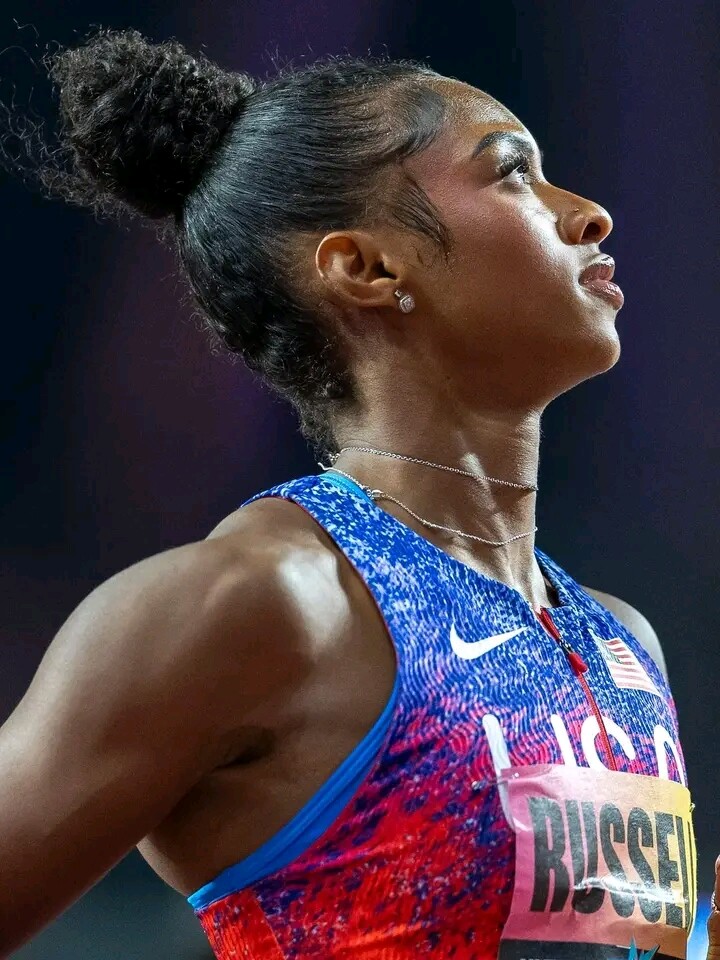
The American hurdler confirmed the decision on September 15, just days before ATHLOS London’s September 18 meeting at StoneX Stadium. Russell said she and her team believe stepping away is the right decision for her body as they turn their attention to what comes next.
“I'm grateful for everyone who has supported me throughout this year,” Russell said in her message to fans, before signing off with a promise to return to the track in 2027.
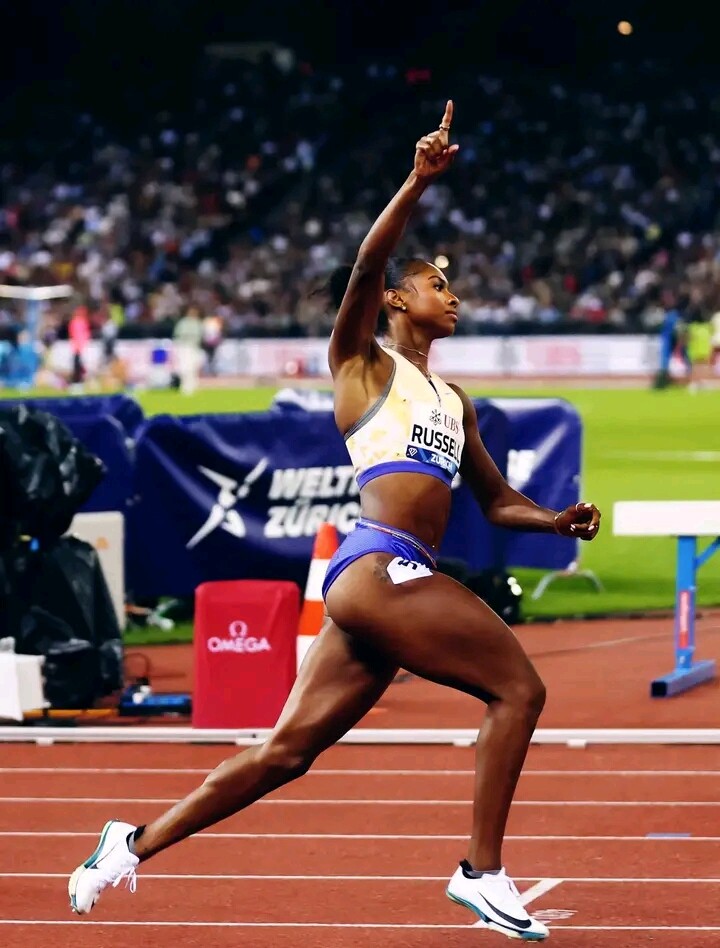
It brings an extraordinary season to a close: 14 races, 14 victories and an unbeaten record in 2026.
Russell’s season reached another level in August when she produced one of the defining performances of the year at the Weltklasse meeting in Zurich. The Olympic champion stormed to 12.09 seconds in the 100m hurdles, breaking Tobi Amusan’s world record of 12.12 and becoming the fastest woman ever over the barriers.
The performance was not a one-off. Russell followed her world-record run by winning the Diamond League Final in Brussels in 12.20 seconds before heading to Budapest for the inaugural World Athletics Ultimate Championship.
In Budapest, she completed her perfect season in style, winning the 100m hurdles in 12.22 seconds ahead of Nigeria’s Tobi Amusan and the Netherlands’ Nadine Visser. The victory was Russell’s 14th of the year and secured her unbeaten record for 2026.
Her withdrawal means fans will not get to see the world-record holder compete at ATHLOS London, where she had originally been announced among the star-studded field. The event takes place at StoneX Stadium on Friday, September 18, as ATHLOS makes its first international appearance.
For Russell, however, the decision closes the chapter on a season that has already placed her among the defining figures of the 2026 athletics campaign.
She has collected Olympic, Diamond League and World Athletics Ultimate Championship success, while adding a world record that erased one of the most significant marks in women's sprint hurdles.
And perhaps most remarkably, she did it without losing a single race.
Now Russell turns her attention to recovery, preparation and whatever comes next.
After a year of 14 wins from 14 races, a world record and an unbeaten streak, the next time Masai Russell steps onto the track will be in 2027 — with the 12.09 world-record holder entering a new season carrying an entirely different level of expectation.
by Erick Cheruiyot for My Best Runs.
Login to leave a comment
South America’s Best Set For Copenhagen World Half Marathon Showdown
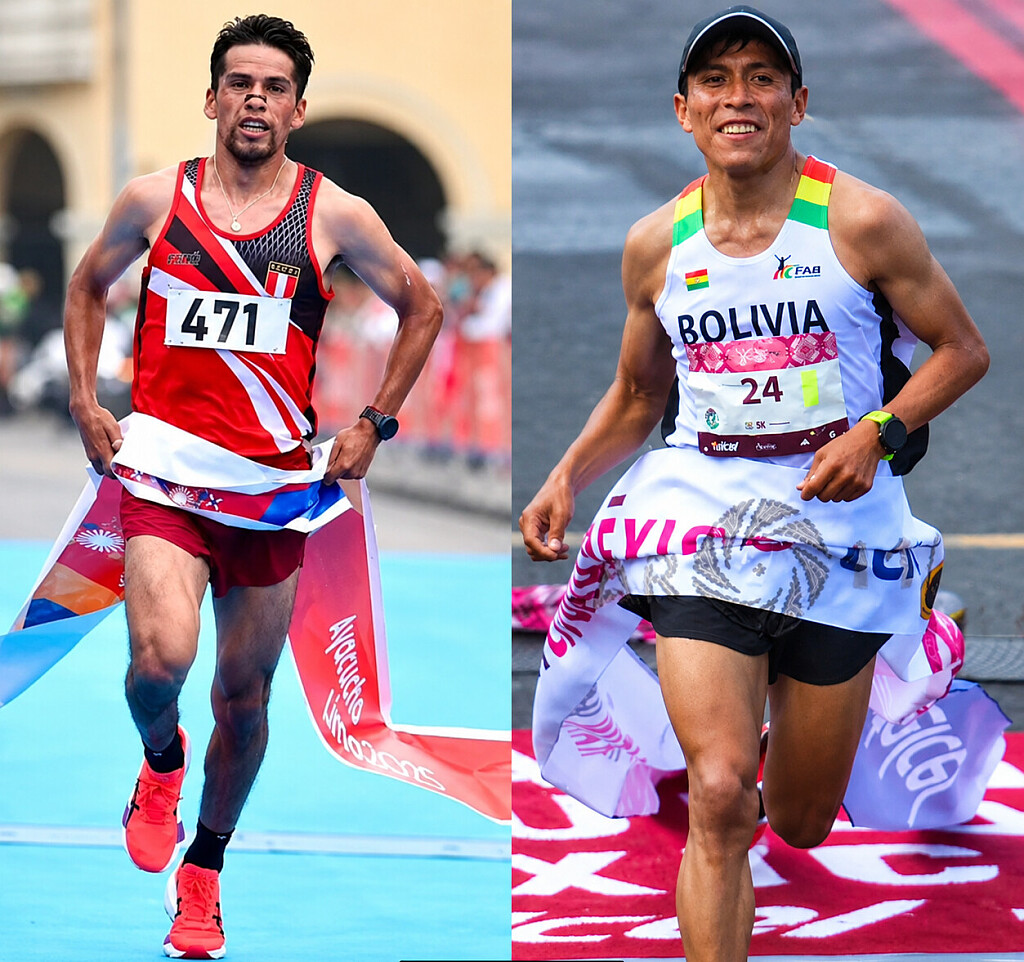
South America will be represented by a strong eight-man contingent at the World Athletics Road Running Championships Copenhagen 26, with the athletes set to take on one of the deepest and most competitive men’s half marathon fields on Sunday.
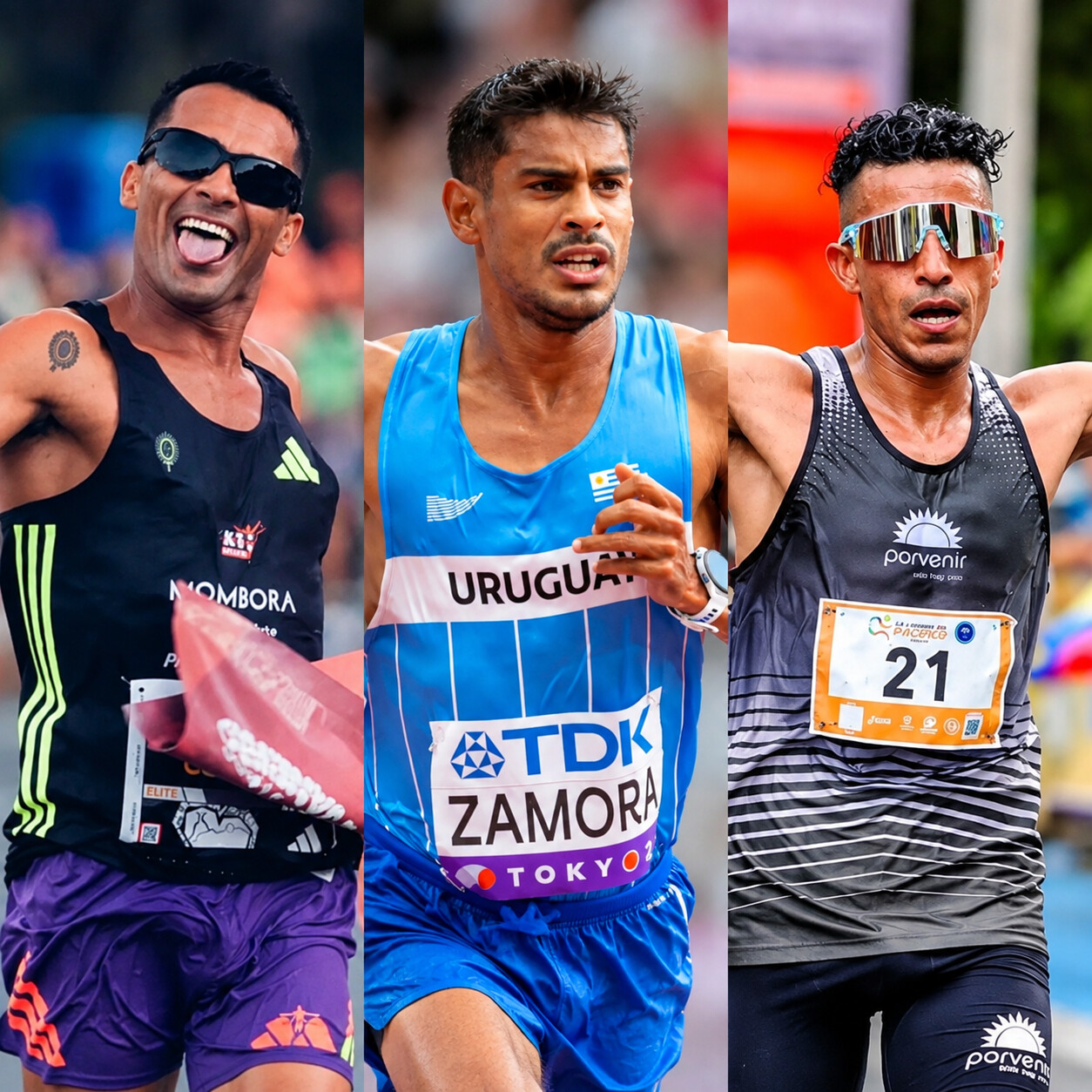
The championship will bring together leading road runners from around the world, creating a demanding stage for the South American representatives as they battle for strong championship positions and potentially significant personal breakthroughs.
Bolivia’s Héctor Garibay headlines the group, joined by Colombia’s Mauricio González and Uruguay’s Cristhian Zamora. Peru will be represented by Ferdinand Cereceda, while Brazil has the largest presence with Fabio Jesus Correia, Lucas Paulo Ferreira and Giovani Dos Santos.
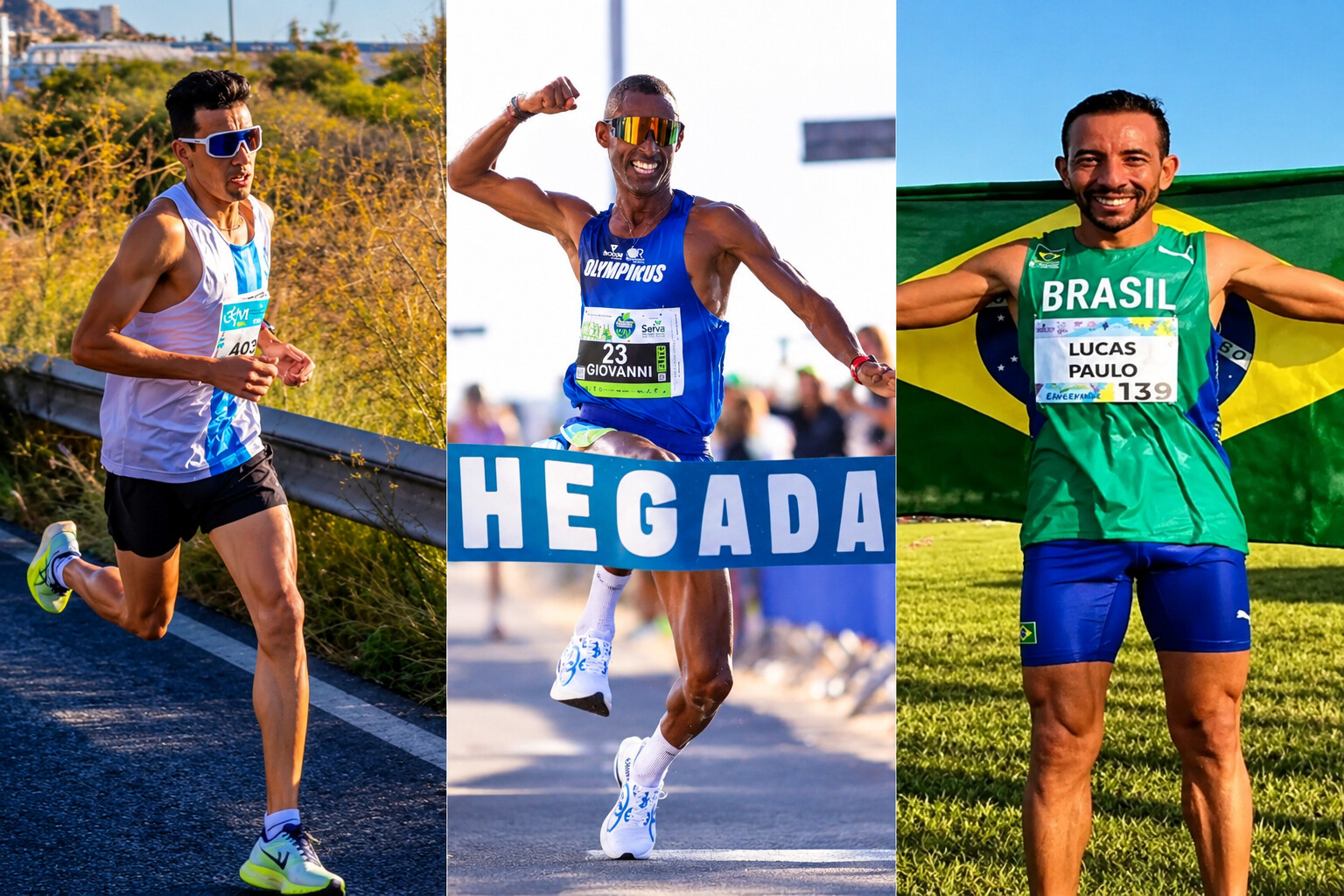
Argentina completes the contingent with Marcelo Fabian Manrique, giving South America a diverse eight-man lineup ready to take on the challenge in Copenhagen.
Competing at a World Athletics championship is never simply about chasing a fast time. Championship racing often demands patience, tactical awareness and the ability to respond when the pace changes, particularly when the field contains athletes capable of producing world-class performances.
For the South American runners, Copenhagen offers more than an opportunity to compete for championship honours. It is a chance to test themselves against the very best in the world and measure how far they have progressed on the international stage.
The contingent also brings a fascinating mix of experience, ambition and emerging talent. Each athlete arrives with a different racing background, but they share the same opportunity: to turn months of preparation into one memorable performance on the biggest road-running stage. Against a world-class field, even a small improvement in the closing kilometres could make a significant difference in the final standings.
Copenhagen is therefore set to provide a true test of character as much as fitness. The championship atmosphere, fast competition and relentless pace will demand that the South American runners remain composed from the opening kilometres to the final stretch. If they can execute their race plans and find another level when it matters most, several could leave Denmark with performances that represent important milestones in their careers.
With the pressure of a global championship and the depth of talent expected on the starting line, every kilometre will count. A personal best would be a major achievement, but strong tactical racing and a competitive finish could prove just as valuable.
The eight athletes will now look to arrive in Copenhagen ready to embrace the challenge, with South America hoping to make its presence felt when the world’s best half marathoners take over the streets of the Danish capital.
by Erick Cheruiyot for My Best Runs.
Login to leave a comment
Lucy Gossage Makes History With First Sub-Three-Day Women’s Pennine Way Run
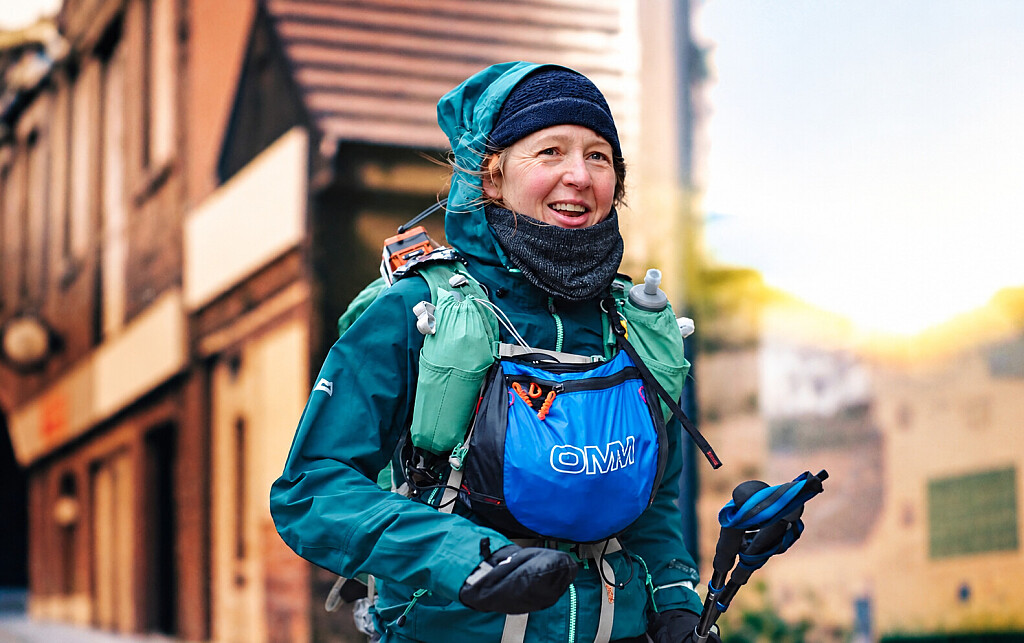
British ultrarunner and oncologist Lucy Gossage has etched her name into the history of British ultrarunning, becoming the first woman on record to complete the 268-mile Pennine Way in under three days.
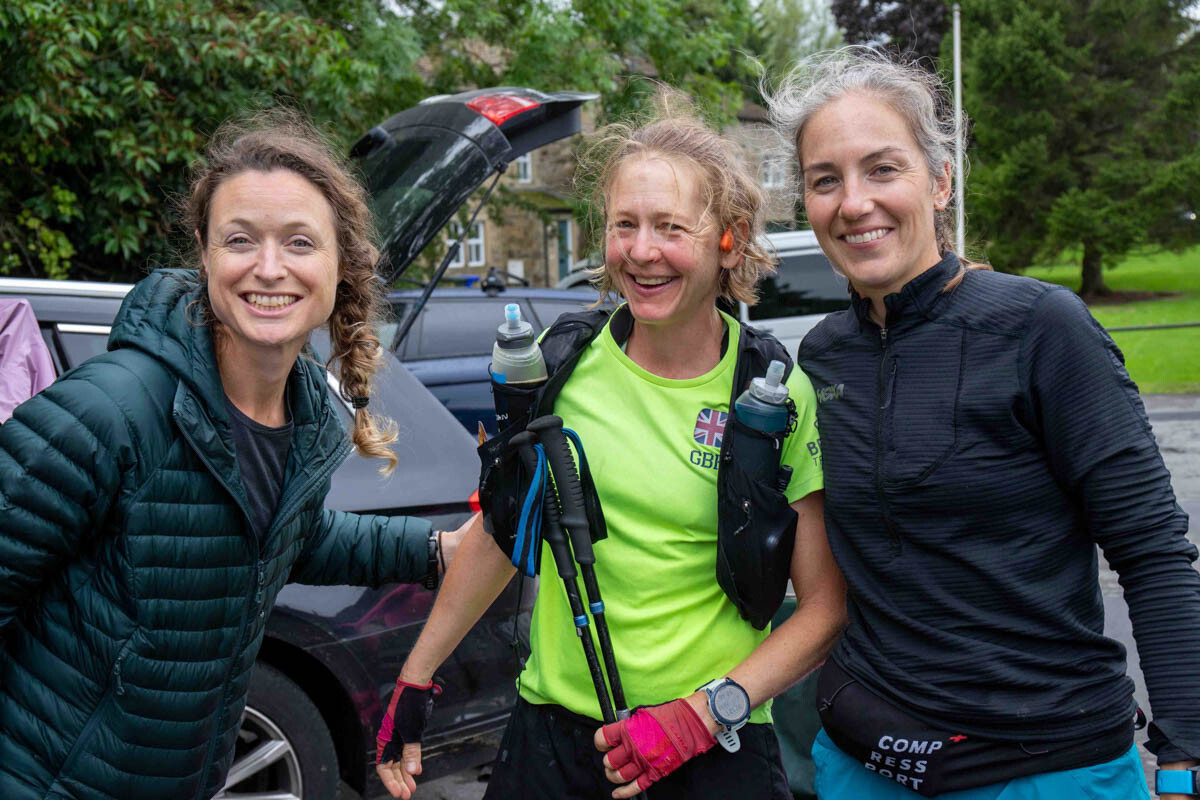
Gossage reached the finish at Edale early Monday morning after an extraordinary 70 hours, 47 minutes and 15 seconds on England’s oldest National Trail. Her journey began at 8 a.m. on Friday at Kirk Yetholm on the Scottish border, with the challenge taking her south through some of the Pennine Way’s toughest and most remote terrain before finally arriving in Derbyshire.
By the time Gossage crossed the line, most people were only beginning their Monday morning. She had already spent almost 71 hours moving through darkness, daylight, changing weather and relentless fatigue to achieve a milestone that had never before been reached in the women’s field.
Her performance also represents a major improvement on the previous women’s best. Anna Troup’s 72:46:37, set in August 2021, had stood as the benchmark for the fastest known women’s time on the route. Gossage lowered it by almost two hours. Before Troup, Sabrina Verjee held the women’s mark with 74:28:46, recorded in 2020.
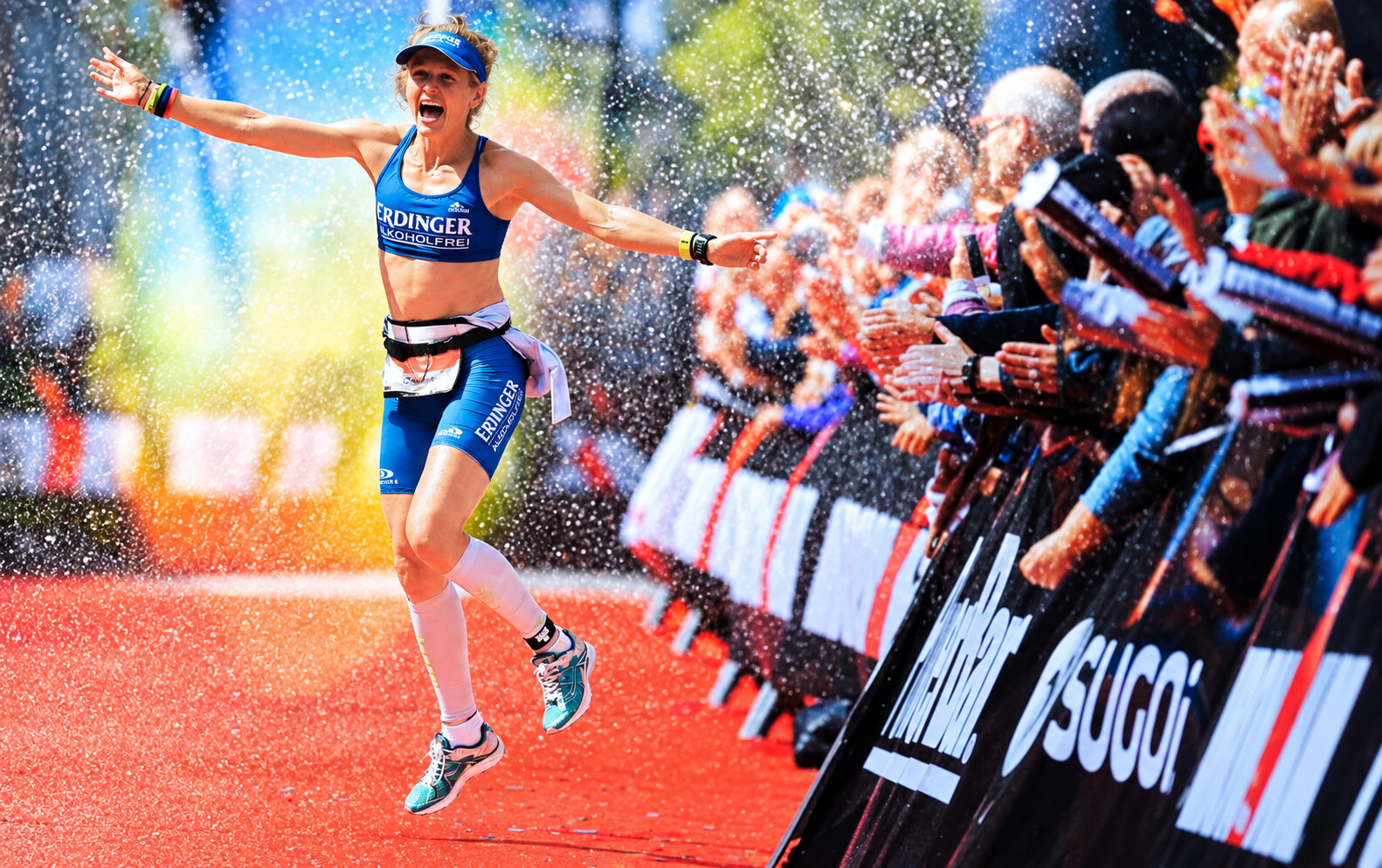
What makes Gossage’s achievement even more remarkable is that the Pennine Way challenge was not originally part of her September plans.
She had entered the Northern Traverse, but when that race was cancelled, Gossage quickly changed direction and turned her attention to the Pennine Way. Rather than allowing the disappointment to derail her plans, she transformed it into an opportunity to chase one of the most demanding endurance records in Britain.
And this was far from her first encounter with the legendary trail.
Earlier this year, Gossage demonstrated her familiarity with the route by winning the Winter Spine, the brutal 268-mile January race that follows the Pennine Way. She completed that winter challenge in 87:41:38, battling freezing conditions and some of the harshest terrain the trail can offer.
Her recent record-breaking run adds another major achievement to an already remarkable endurance résumé. In June 2025, she won the South Downs Way 100 in a course-record 16:30:35, further underlining her ability to combine speed, resilience and tactical patience over ultra-distance races.
The Pennine Way, however, demanded something different. Covering 268 miles on foot is an immense challenge under any circumstances, but completing it in barely three days leaves almost no room for recovery, sleep or mistakes. Gossage had to keep moving through successive nights while managing fatigue and the physical toll of one of Britain's most demanding long-distance trails.
At the finish, the magnitude of what she had accomplished had not yet fully sunk in.
“Too tired to know what to think yet,” Gossage said, before adding a heartfelt tribute to the people who helped her through the challenge: “Other than that I have amazing friends.”
Those friends, along with her own extraordinary endurance, played a crucial role in a journey that has now secured Gossage a place in Pennine Way history.
Seventy hours, 47 minutes and 15 seconds after setting off from Scotland, Lucy Gossage had done what no woman on record had done before — conquered the 268-mile Pennine Way in less than three days.
by Erick Cheruiyot for My Best Runs.
Login to leave a comment
