

Running News Daily
Running News Daily is edited by Bob Anderson and team. Send your news items to bob@mybestruns.com Advertising opportunities available.
Index to Daily Posts · Sign Up For Updates · Run The World Feed
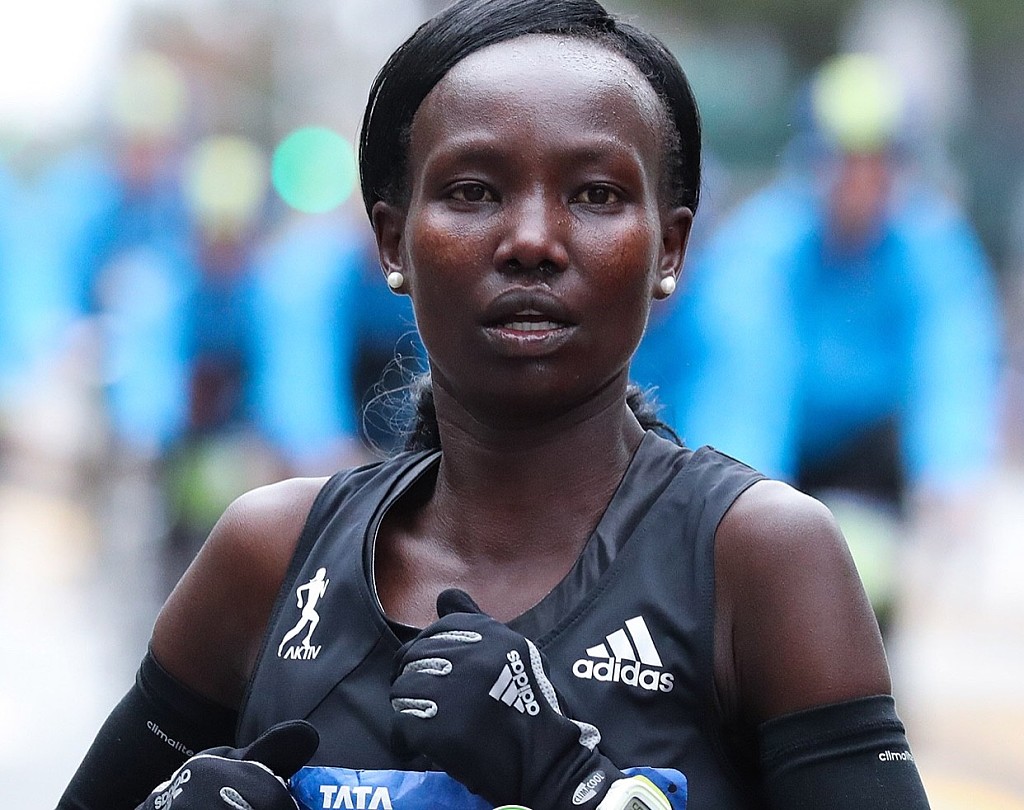


Kenya's Mary Keitany pulled off her fourth New York City Marathon win crushing the field

Login to leave a comment
Latest Running News
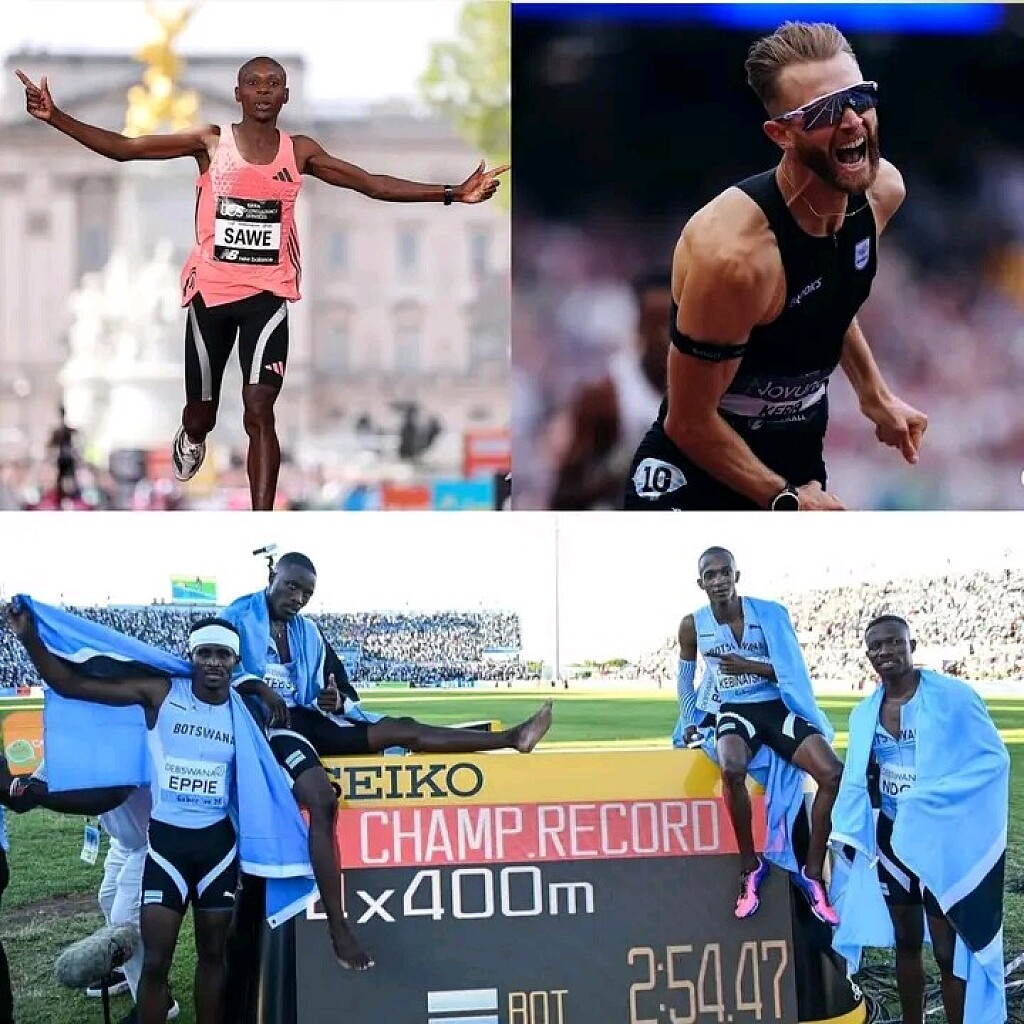
Three Iconic Moments, One Coveted Crown: Sawe, Josh Kerr And Botswana Battle For World Athletics 2026 Moment Of The Year!
Three extraordinary achievements. Three unforgettable chapters in athletics history. But when the spotlight shines on the World Athletics Awards, only one moment will earn the ultimate recognition as the 2026 World Athletics Moment of the Year.
The competition features three remarkable contenders whose performances captured the imagination of athletics fans around the world, celebrating the courage, determination and extraordinary talent that make the sport so special.
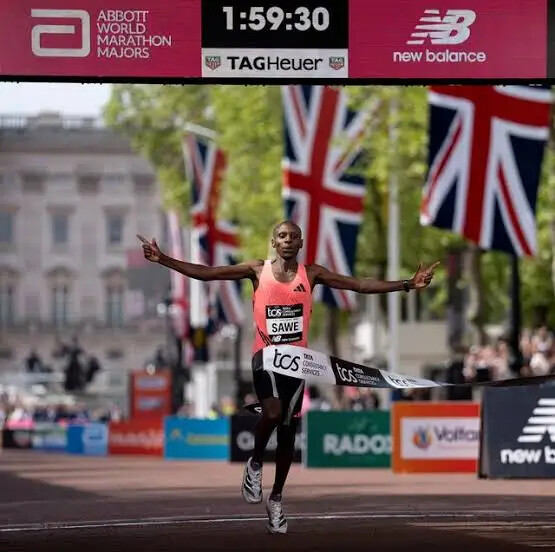
Kenya's Sebastian Sawe is among the finalists following his sensational performance at the 2026 London Marathon, where he shattered the men's marathon world record with an astonishing time of 1:59:30. In becoming the first man to run an official, record-eligible marathon in under two hours, Sawe achieved a milestone that once seemed beyond the limits of human possibility. His historic performance elevated marathon running to an entirely new level and further strengthened Kenya's reputation as a global powerhouse in long-distance athletics.
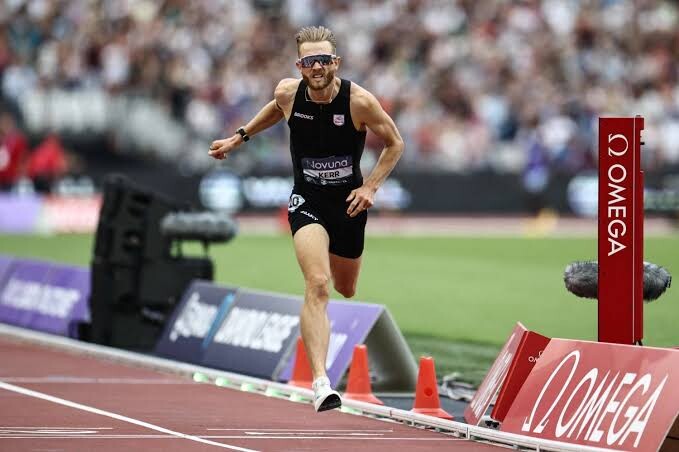
British middle-distance sensation Josh Kerr is also in contention after producing a remarkable performance in London, where he established a new world record in the mile with an incredible time of 3:42.66. His achievement demonstrated his exceptional speed, strength and competitive brilliance, further cementing his status among the greatest middle-distance runners of his generation.
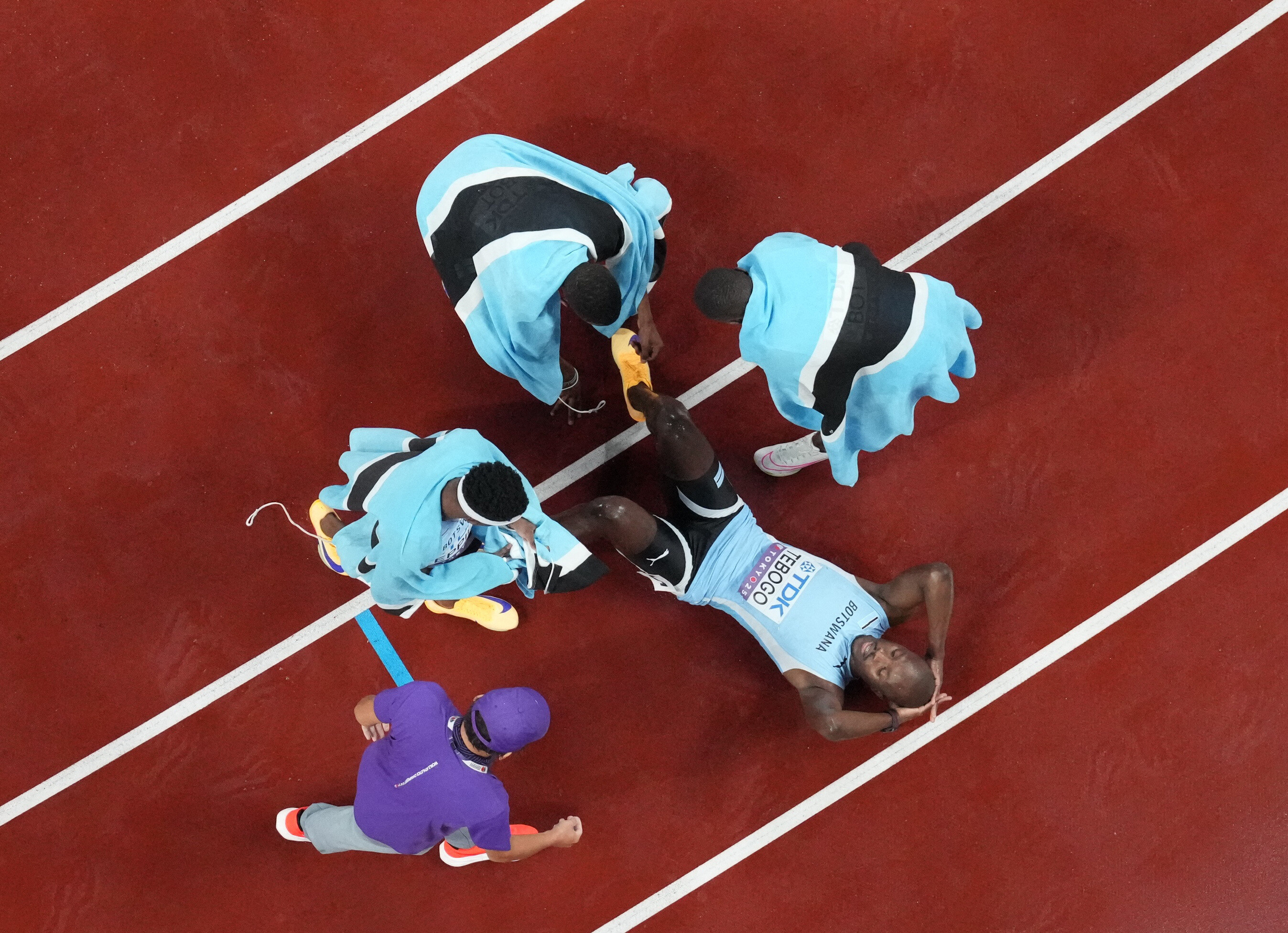
Completing the shortlist is Team Botswana, whose extraordinary triumph in the men's 4x400m at the World Athletics Relays on home soil delivered a defining moment for the African nation. Clocking an impressive 2:54.47 to secure gold, the Botswana quartet made history in front of their passionate home supporters. It was more than a sporting victory; it was a powerful celebration of national pride and the country's growing influence in international athletics.
Each achievement tells a different story: Sawe's extraordinary marathon breakthrough, Kerr's record-breaking brilliance and Botswana's historic relay triumph. Yet they share one special quality — the ability to inspire millions, transcend national boundaries and create memories that will remain part of athletics history.
The prestigious winner will be announced at the World Athletics Awards in Monaco on November 29, 2026, when the global athletics community gathers to celebrate the outstanding performances and personalities that have defined the year.
For Kenya, the big question is whether Sebastian Sawe can bring another prestigious international honour home following his remarkable marathon achievement. Will Josh Kerr claim the recognition for Great Britain, or will Botswana's historic relay triumph deliver another moment of glory for African athletics?
Three nations. Three historic achievements. One prestigious award.
WHICH MOMENT DESERVES TO BE CROWNED THE WORLD ATHLETICS MOMENT OF THE YEAR?
by Erick Cheruiyot for My Best Runs.
Login to leave a comment

Rhabdomyolysis: The Hidden Danger Every Runner Should Know About — When Pushing Your Body Too Far Can Become Life-Threatening!
For runners, pushing beyond physical limits is often celebrated as a sign of determination, discipline and mental strength. However, behind every demanding training session and exhausting race lies an important responsibility that should never be overlooked: understanding when the body needs rest and recovery.
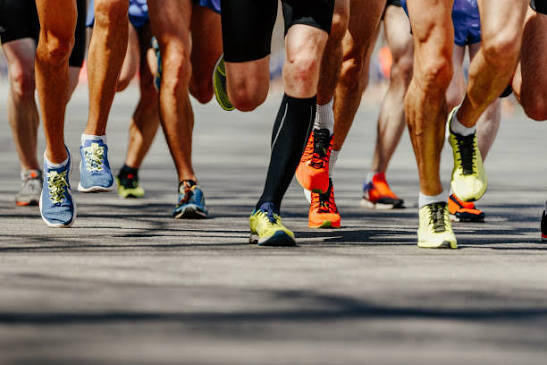
One potentially life-threatening condition every athlete, particularly marathon runners, should understand is rhabdomyolysis, commonly known as rhabdo. Although it is not frequently discussed in everyday running conversations, this serious medical condition can have devastating consequences if its warning signs are overlooked and treatment is delayed.
Rhabdomyolysis occurs when skeletal muscle tissue becomes severely damaged and breaks down rapidly, releasing substances normally contained within muscle cells directly into the bloodstream. These include myoglobin, a protein responsible for storing oxygen in muscles, potassium and creatine kinase (CK), an enzyme found in muscle tissue.

While these substances are normally contained within muscle cells, their release in excessive quantities can create serious complications throughout the body. Myoglobin, in particular, can damage the kidneys, potentially resulting in acute kidney injury or kidney failure. Meanwhile, excessive potassium in the bloodstream can interfere with the heart's electrical activity, triggering dangerous and potentially life-threatening abnormal heart rhythms. Severe electrolyte imbalances can further complicate the condition.
Although rhabdomyolysis can develop following traumatic injuries, extreme heat exposure, certain medications and other medical conditions, strenuous physical exercise is another recognised trigger. Prolonged endurance activities, exceptionally demanding workouts and sudden increases in training intensity can place enormous stress on muscles, sometimes resulting in severe muscle damage.
For marathon runners, the risks deserve particular attention. Preparing for 42.195 kilometres requires months of physical conditioning, demanding training sessions and considerable endurance. However, inadequate recovery, excessive training loads, exercising in extreme heat and pushing through severe physical exhaustion can increase the risk of exercise-induced rhabdomyolysis.

Importantly, this is not exclusively a condition affecting inexperienced athletes. Even highly trained, physically fit and experienced runners can develop it. Athletic ability, years of training and previous marathon experience do not make anyone completely immune.
Recognising the warning signs can make a critical difference. Symptoms may include unusually severe muscle pain, swelling, muscle tenderness, cramps, weakness and extreme fatigue. One particularly alarming warning sign is dark, tea-coloured or cola-coloured urine, which may indicate the presence of myoglobin released by damaged muscles.
However, symptoms do not always appear immediately. They may develop hours or even days after strenuous physical activity. Furthermore, the absence of dark-coloured urine does not necessarily mean that an athlete is free from the condition. Some individuals may experience significant muscle damage without displaying every recognised symptom.
Another important concern is that rhabdomyolysis can initially resemble ordinary post-exercise muscle soreness. While temporary discomfort and fatigue are common after demanding workouts, unusually intense pain, significant swelling, profound weakness or symptoms that continue to worsen should never be dismissed as normal training fatigue.
Prevention begins with responsible training. Athletes should increase their mileage and workout intensity gradually, allow sufficient recovery between demanding sessions, maintain appropriate hydration and avoid exercising excessively, particularly in extreme heat. Adequate nutrition, sufficient sleep and recognising the body's warning signals are equally important components of a sustainable training programme.
Runners should also understand that hydration alone cannot eliminate the risk. Training load, environmental conditions, individual susceptibility and overall physical health all play important roles in determining the body's response to strenuous exercise.
Anyone experiencing severe muscle pain, unusual weakness, swelling or dark-coloured urine following strenuous exercise should seek urgent medical assessment. Rhabdomyolysis is a medical emergency that requires prompt diagnosis. Doctors commonly use blood tests to measure creatine kinase levels, assess kidney function and identify potentially dangerous electrolyte disturbances.
Treatment often involves intravenous fluids to support kidney function and help prevent kidney injury, alongside careful monitoring of electrolytes, urine output and other complications. In severe cases, hospital admission and specialised medical intervention may be necessary. Early recognition and appropriate treatment significantly improve the chances of recovery.
The importance of understanding this condition has been brought into heartbreaking focus following the death of 24-year-old Rachel Apa, who collapsed approximately two miles from the finish line during her first New York City Marathon on November 1, 2026. She tragically died hours later, with rhabdomyolysis reported as the cause of her death.
Her story is a painful reminder that even the most anticipated sporting achievement can become overshadowed by a medical emergency. It also highlights why runners, coaches, race organisers and the wider athletics community must take exercise-related health risks seriously.
Every athlete dreams of crossing the finish line, achieving a personal best or completing a race they have spent months preparing for. But no medal, finishing time, training milestone or personal record is worth risking a life.
Running should challenge us, strengthen us and bring us together, but it should never come at the expense of our health and safety. Recovery is not a sign of weakness, and recognising when to stop is not a failure. Sometimes, the strongest decision an athlete can make is to listen to their body.
Train with discipline. Race with awareness. Recover with purpose. Above all, remember that getting home safely is more important than crossing any finish line.
by Erick Cheruiyot for My Best Runs.
Login to leave a comment
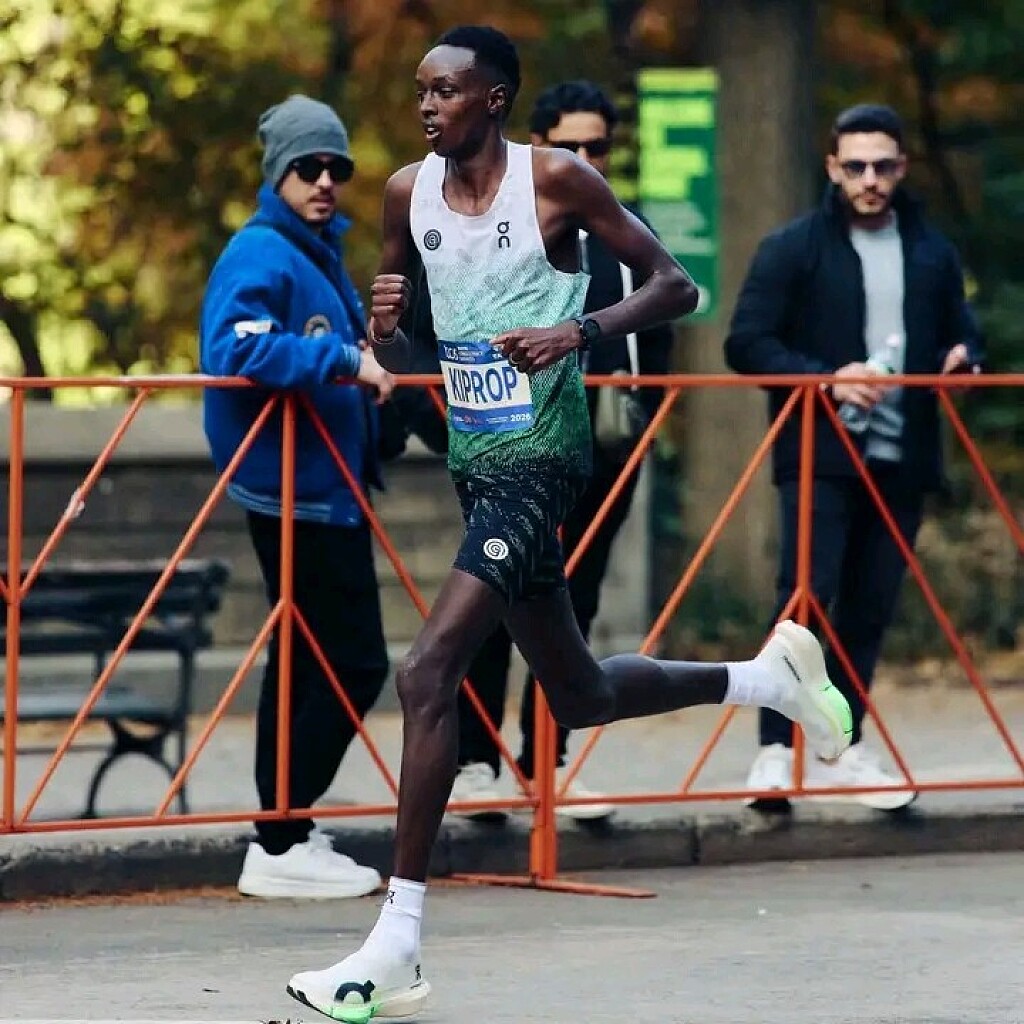
The Marathon Humbled Him! Patrick Kiprop’s Debut In New York Becomes A Gripping Lesson In The Brutal Reality Of 26.2 Miles!
The marathon is a distance that demands more than physical strength. It tests patience, resilience, mental toughness and the ability to keep fighting when the body begins to surrender. For Kenyan distance runner Patrick Kiprop, the 2026 TCS New York City Marathon provided a powerful introduction to just how unforgiving the 26.2-mile challenge can be.
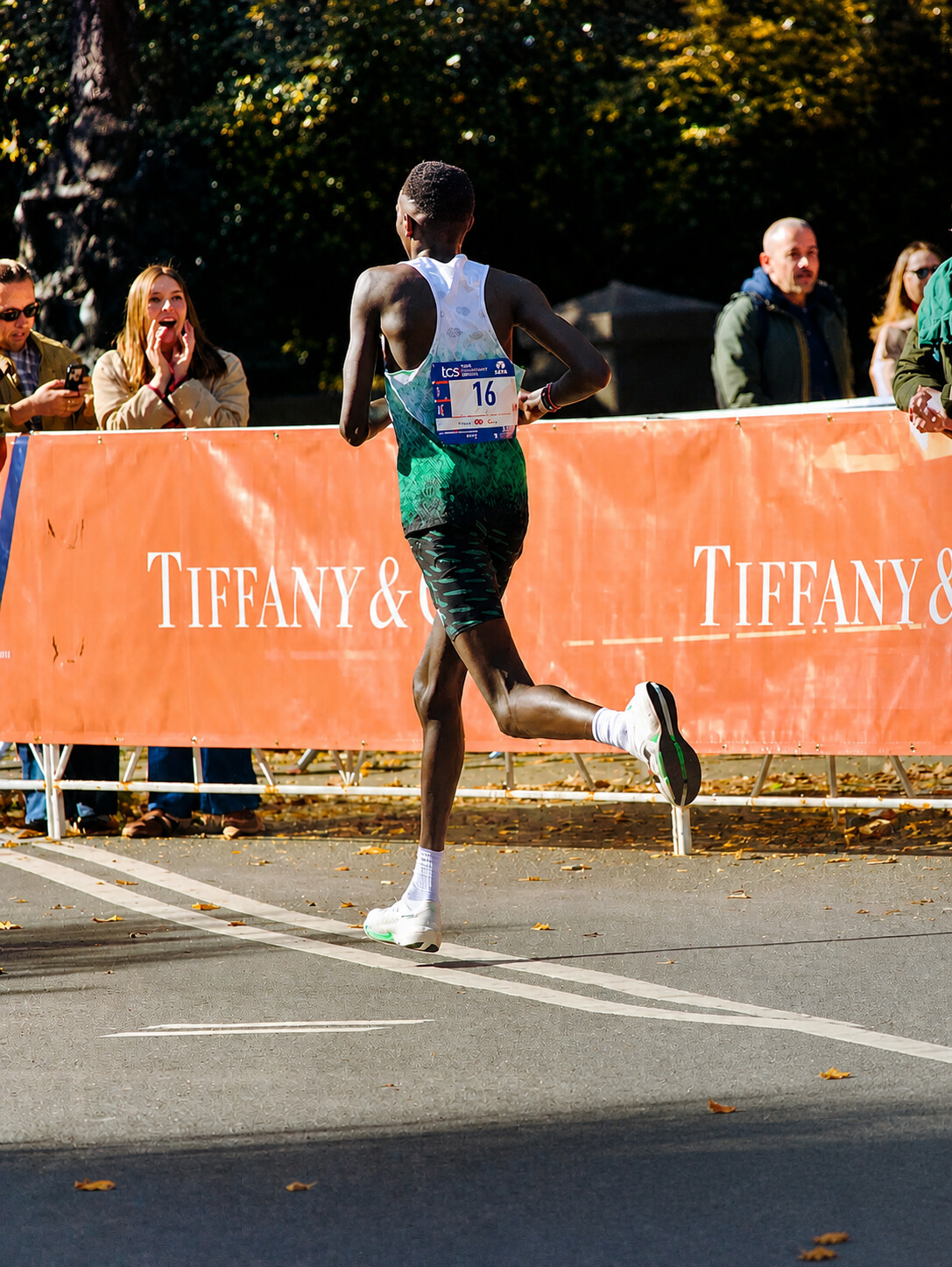
Kiprop arrived in New York with an impressive half-marathon performance behind him, having already demonstrated his ability to compete at a high level over the roads. Earlier in 2026, he finished second at the Houston Half Marathon in an outstanding time of 59:14, underlining his credentials as one of Kenya's exciting emerging distance-running talents.
That performance offered a glimpse of his potential over longer distances and provided an encouraging foundation as he prepared to take on the marathon for the first time. However, the transition from the half marathon to the full 42.195 kilometres would present an entirely different challenge.
On November 1, 2026, Kiprop made his major marathon debut at the prestigious TCS New York City Marathon, stepping onto one of the world's most demanding and celebrated marathon courses. He immediately showed that he belonged among the competitive field, running near the front of the leading pack and looking comfortable during the early stages.
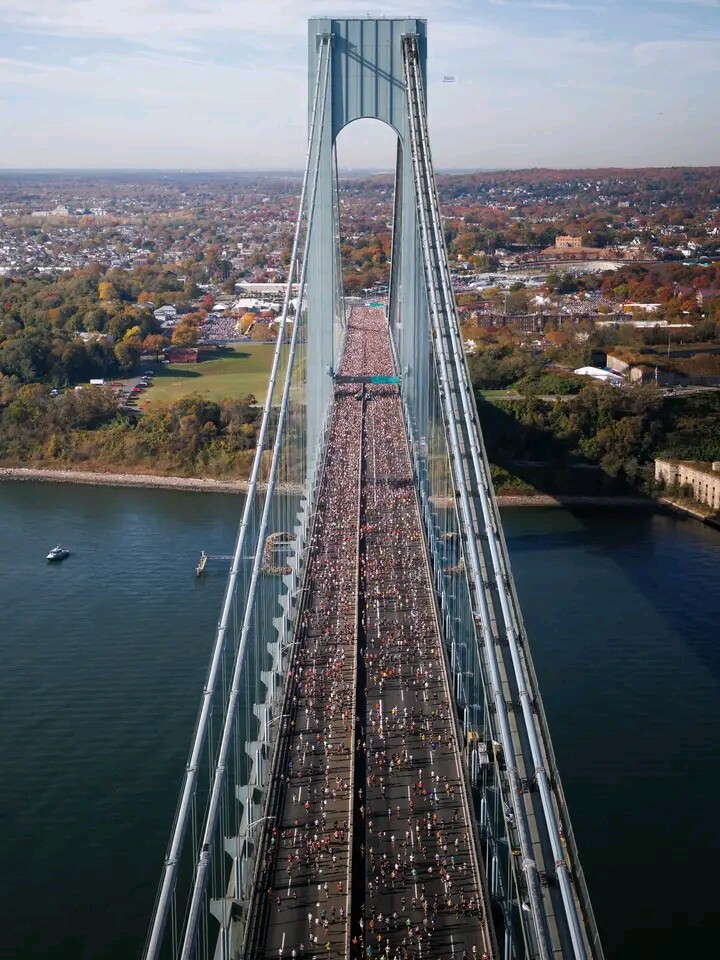
Reflecting on his first-ever marathon, Kiprop offered an honest account of a race that began with confidence and promise before turning into an extraordinary test of endurance.
For much of the opening 20 miles, everything appeared to be going according to plan. He felt exceptionally strong, remained comfortable within himself and genuinely believed he could stay alongside the leading group with approximately 10 kilometres remaining.
But the marathon is notorious for changing the script when runners least expect it.
As the race entered its decisive stages, Kiprop began experiencing the harsh reality of the distance. Around mile 23, his legs started giving way as he attempted to respond to a surge, marking the beginning of a difficult battle against exhaustion.
The final five kilometres became a fight for survival. The strength that had carried him confidently through the earlier stages was fading, and every remaining step demanded an enormous effort. With just 800 metres separating him from the finish line, he was forced to walk, a moment that demonstrated just how brutally demanding the marathon can become, even for an exceptionally talented athlete.
Yet, despite the physical struggle, Kiprop refused to surrender.
He gathered what remained of his strength, pushed through the final metres and eventually crossed the finish line in 2:10:01, completing his marathon debut with a respectable performance and an experience that will undoubtedly shape his future career over the distance.
Beyond the finishing time, the Kenyan walked away with something far more valuable: an education in the realities of marathon running. His experience was a reminder that success over shorter distances and the ability to maintain an impressive pace do not automatically translate into an easy transition to the marathon.
The distance has its own demands, and even the strongest runners can find themselves confronting unexpected challenges when the kilometres begin to accumulate.
For Kiprop, New York was not simply about recording a time or competing against the world's best. It was about discovering his limits, understanding the demands of the event and learning lessons that cannot always be acquired through training alone.
His debut may have ended with exhausted legs and a difficult final stretch, but it also marked the beginning of a new chapter in his distance-running journey. Having already demonstrated his capabilities with a 59:14 half marathon and a second-place finish in Houston, he now has his first full marathon behind him and a clearer understanding of what it takes to compete over 42.195 kilometres.
The marathon humbled him, tested his determination and reminded him that there is always more to learn.
His first 26.2 miles may have taught him a hard lesson, but the experience could be the foundation of something much greater. The next time he takes on the distance, he will arrive with more knowledge, greater understanding and unfinished business.
Because sometimes, the greatest victory in a first marathon is not how fast you finish, but what you learn along the way.
by Erick Cheruiyot for My Best Runs.
Login to leave a comment
New York City Marathon Makes History With A Record-Breaking 61,146 Finishers As Women Drive Unprecedented Growth!
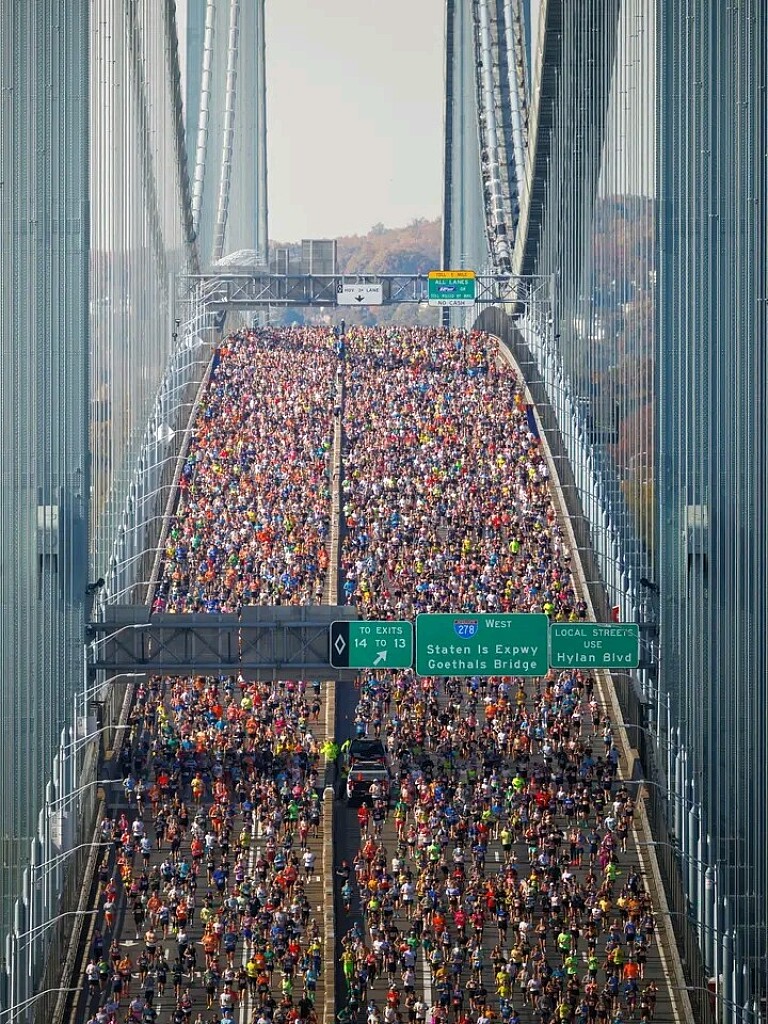
The streets of New York have witnessed another extraordinary chapter in marathon history, with the 2026 TCS New York City Marathon becoming the first marathon ever to record more than 60,000 finishers.
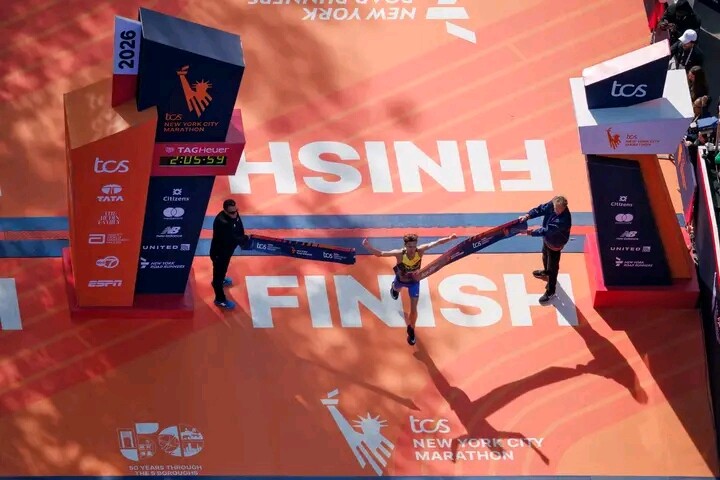
A remarkable 61,146 runners successfully completed the iconic 26.2-mile journey on Sunday, November 1, setting a new global record for the highest number of finishers in a single marathon.
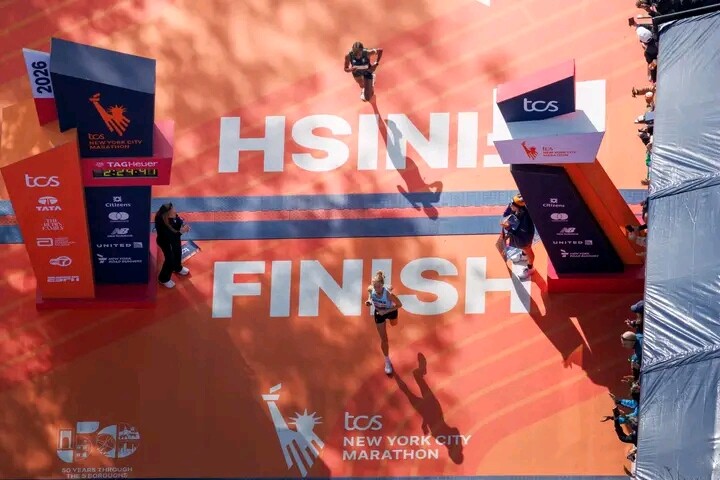
The New York Road Runners (NYRR), organisers of the prestigious event, confirmed the historic figures on Monday, November 2, officially restoring New York's position as the home of the world's largest marathon.
Of the 61,529 athletes who started the race on Staten Island, 61,146 made it across the finish line in Central Park. This means just 383 starters did not record a finish, representing an impressive completion rate of approximately 99.4 percent.
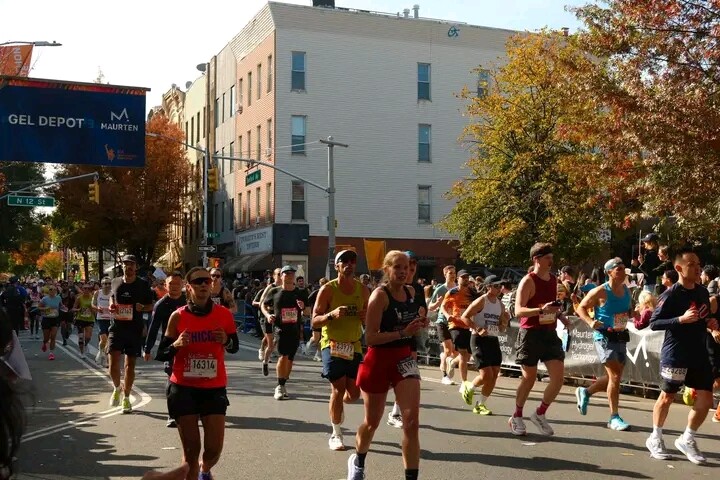
New York reclaimed the world record from the TCS London Marathon, which had established a new benchmark in April 2026 with 59,830 finishers. By surpassing that figure by 1,316 runners, the American race has once again raised the bar for participation in global distance running.
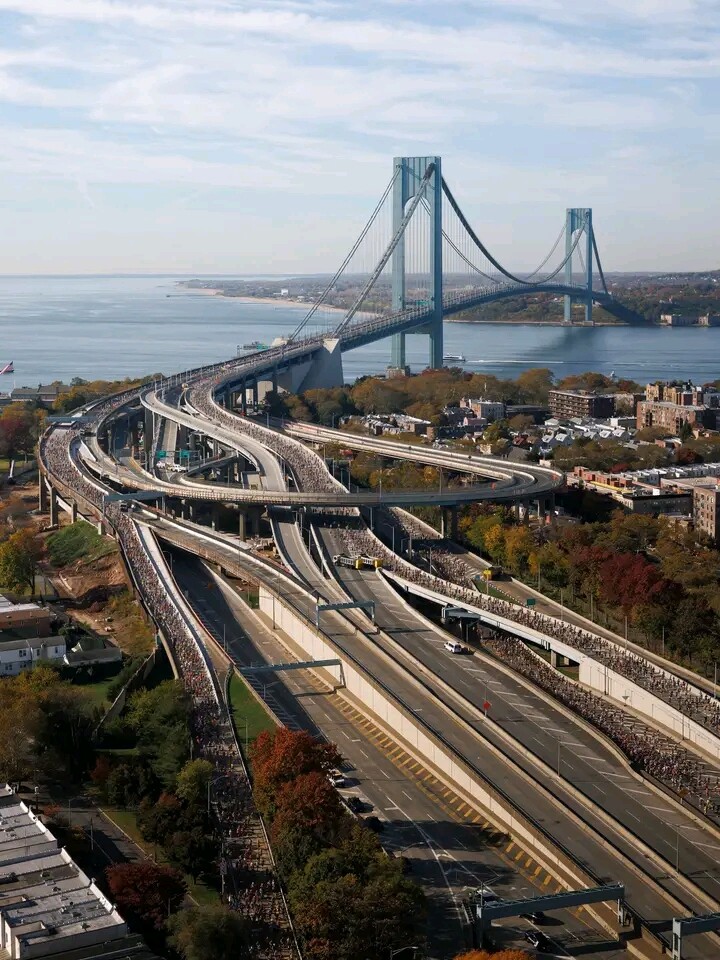
Even more remarkable is that this achievement represents the third consecutive year in which the New York City Marathon has established a new world record for the number of finishers, underlining the event's extraordinary growth and worldwide appeal.
Women have been at the heart of this remarkable expansion. Of the 1,920 additional finishers recorded compared with the previous year's edition, an impressive 1,786 were women, highlighting the growing participation of female athletes in long-distance running.
A record 28,942 women crossed the finish line, accounting for approximately 47.3 percent of the entire finishing field. Male finishers also reached an all-time high of 32,047, while 157 nonbinary runners completed the race, setting a new participation record in that category as well.
The international running community was equally well represented, with 15,745 international participants successfully completing the demanding course, further demonstrating the marathon's status as one of the most globally celebrated sporting events.
This historic achievement carries additional significance as the 2026 edition marked 50 years since the introduction of the famous five-borough course in 1976. What began as a relatively modest marathon largely confined to Central Park has evolved into an extraordinary celebration of endurance, determination and human achievement, taking runners through Staten Island, Brooklyn, Queens, the Bronx and Manhattan.
Beyond the impressive statistics, the 2026 edition was a powerful reminder of what makes marathon running special: thousands of individual journeys, countless personal victories and a shared determination to reach the finish line.
With 61,146 finishers, New York has not simply broken a participation record; it has pushed the boundaries of what the world's biggest marathon can become.
A NEW WORLD RECORD, A HISTORIC MILESTONE AND 61,146 REASONS TO CELEBRATE. NEW YORK HAS MADE MARATHON HISTORY ONCE AGAIN!
by Erick Cheruiyot for My Best Runs.
Login to leave a comment

TCS New York City Marathon
The first New York City Marathon, organized in 1970 by Fred Lebow and Vince Chiappetta, was held entirely in Central Park. Of 127 entrants, only 55 men finished; the sole female entrant dropped out due to illness. Winners were given inexpensive wristwatches and recycled baseball and bowling trophies. The entry fee was $1 and the total event budget...
more...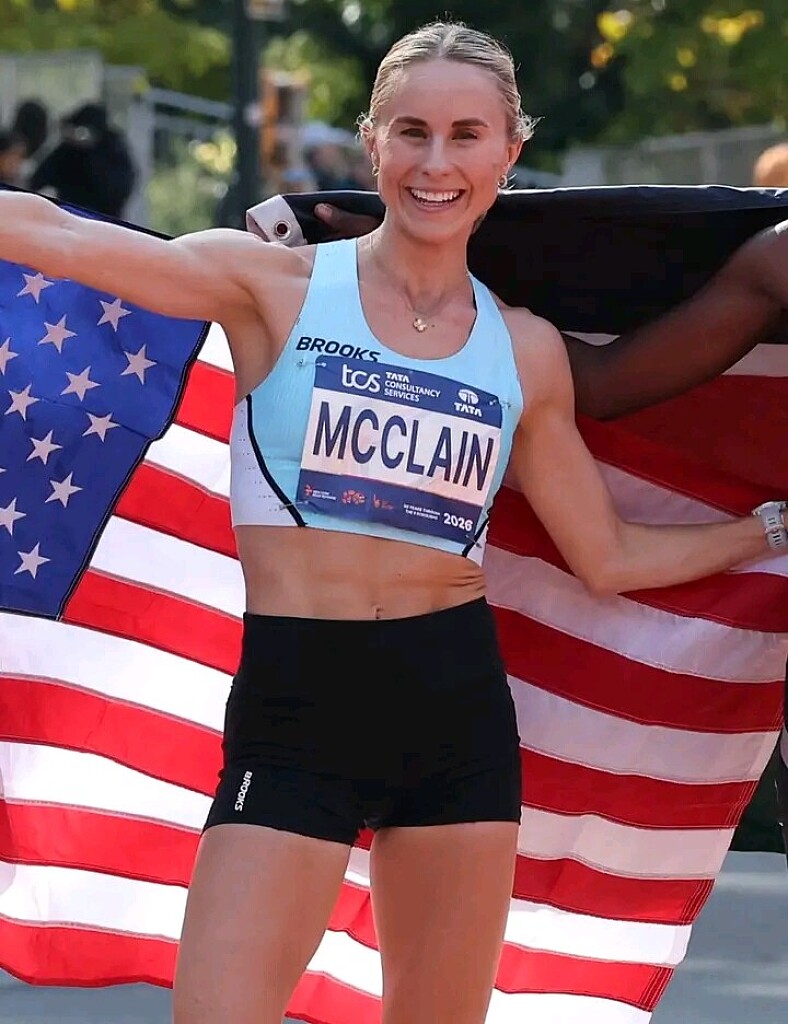
Jess McClain’s Incredible Comeback: From Walking Away From Running To A Historic New York City Marathon Podium!
Jess McClain has completed one of the most remarkable comeback stories in American distance running, transforming years of injuries, uncertainty and time away from competition into a career-defining performance on the streets of New York.
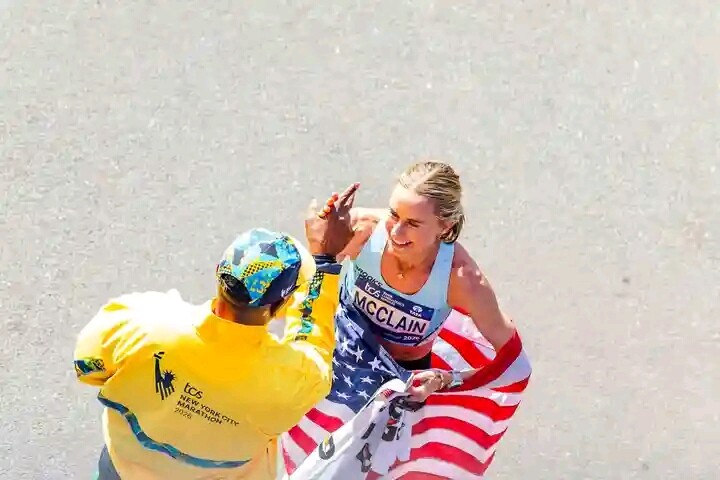
The American distance-running star delivered an outstanding performance at the 2026 TCS New York City Marathon, finishing second in 2:24:42 after a thrilling battle for the women's podium.
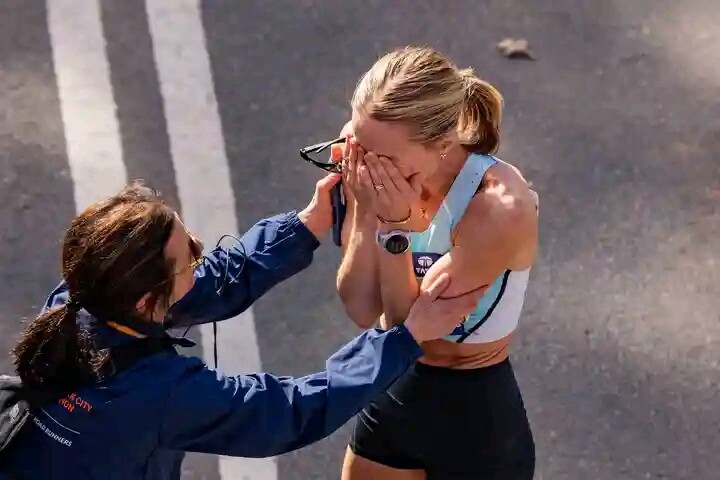
Her achievement was about much more than securing a medal. It was a statement of resilience, determination and the extraordinary progress she has made since returning to competitive athletics.
McClain approached the race with remarkable composure, managing her effort intelligently throughout the demanding 42.195km distance. She reached the halfway point in 1:13:52 before producing an impressive second-half split of 1:11:10, demonstrating her strength and ability to finish strongly.
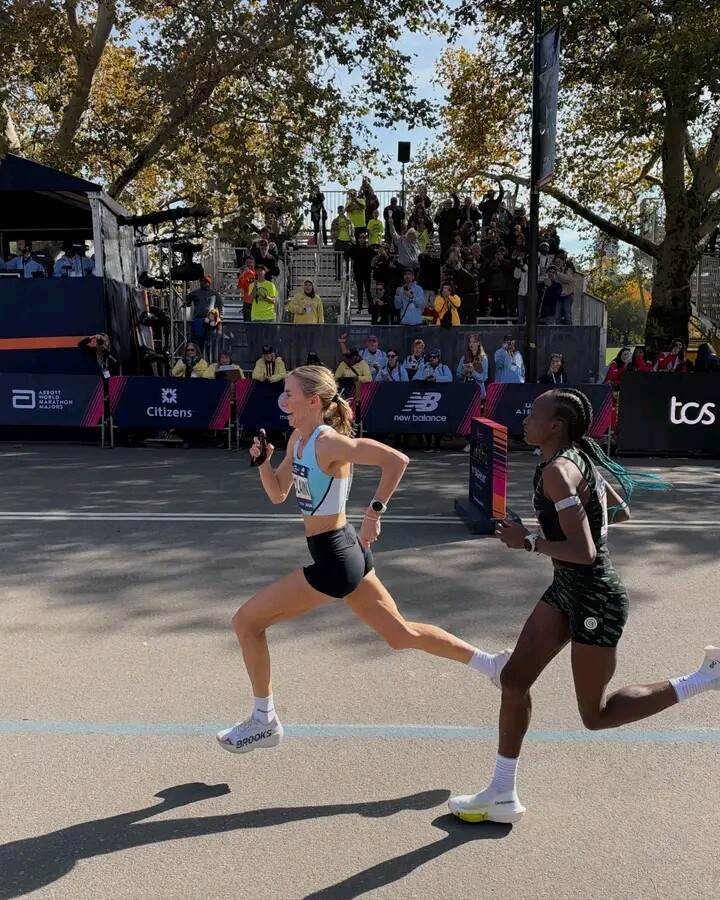
But the defining moment came in the closing metres.
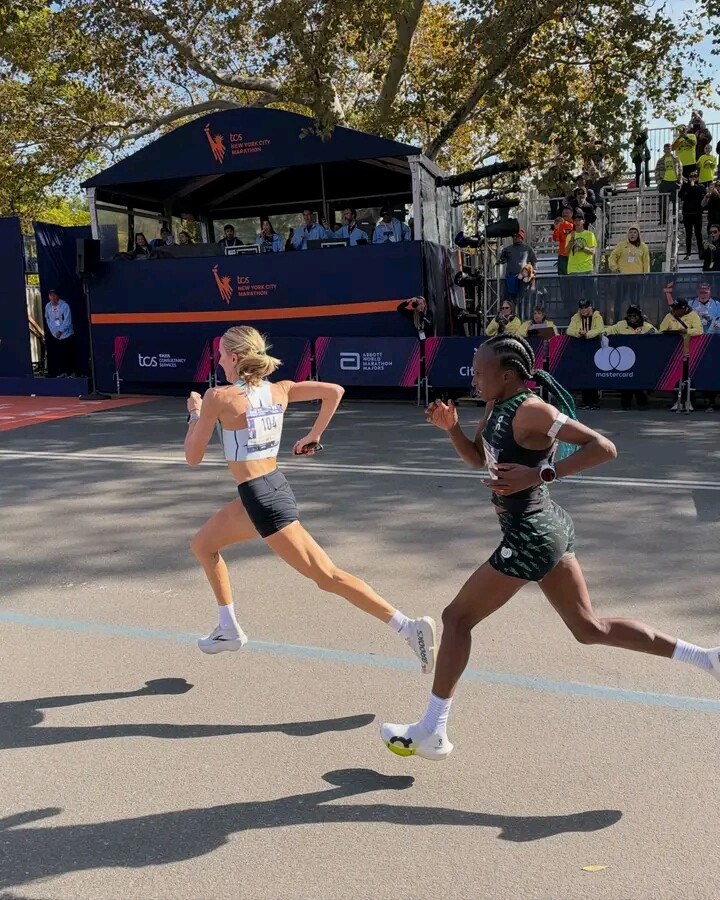
As the runners approached the finish line in Central Park, McClain found another gear. In a dramatic final 100 metres, she launched a decisive surge, overtaking defending champion Hellen Obiri to snatch second place in one of the most exciting finishes of the women's race.
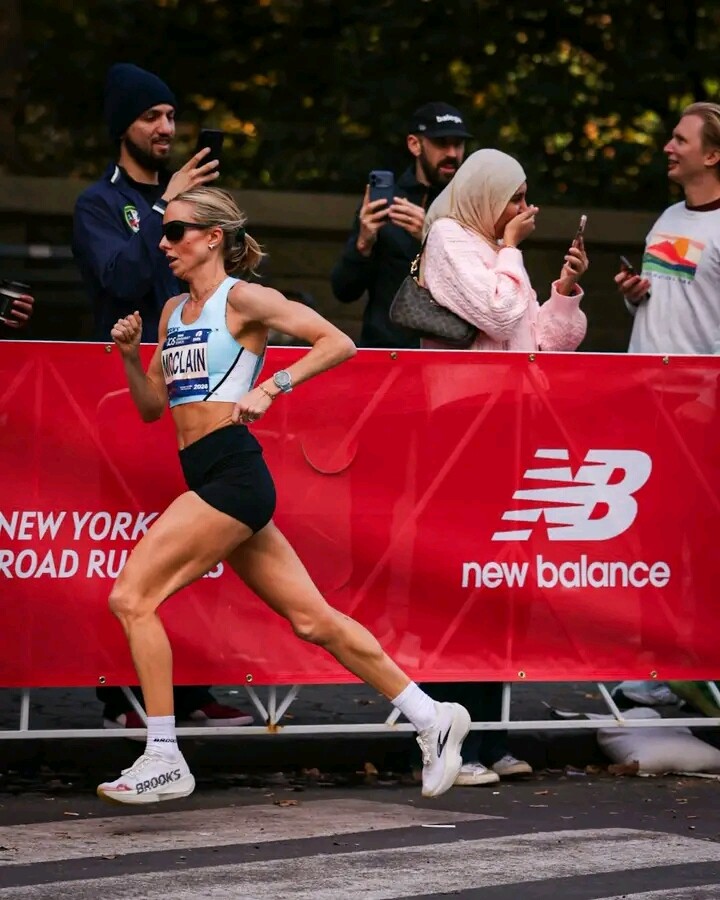
The margins were incredibly narrow. Kenya's Sheila Chepkirui successfully reclaimed the women's title in 2:24:36, while McClain crossed the line in 2:24:42, just one second ahead of Obiri, who finished third in 2:24:43.
That final burst of speed transformed an already outstanding performance into an unforgettable moment in American marathon history.
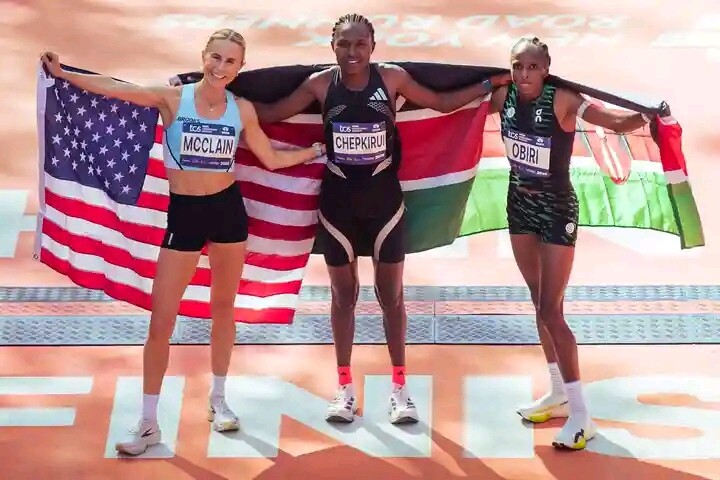
McClain became the first American woman since Shalane Flanagan in 2018 to reach the women's podium at the New York City Marathon, ending an eight-year wait for an American female podium finisher.
It was also the first World Marathon Major podium of her career, marking a significant breakthrough on the international stage. Her second-place finish also secured an automatic qualifying place for the United States at the 2028 Los Angeles Olympic Marathon, giving her Olympic ambitions a major boost as the road to LA28 begins.
What makes this achievement even more extraordinary is the difficult journey behind it.
Formerly known as Jessica Tonn, McClain stepped away from competitive running in early 2020 after struggling with persistent injuries. For nearly two years, she remained away from racing, with her professional future uncertain.
However, rather than allowing that difficult period to bring her ambitions to an end, she gradually found her way back. Her comeback began at the 2022 Mesa Marathon, where she immediately made an impression by winning in 2:33:34.
From there, her progress became increasingly impressive.
At the 2024 New York City Marathon, she finished eighth in 2:27:19 before taking seventh place at the 2025 Boston Marathon in 2:22:43.
She raised her level further in 2026, finishing fifth at the Boston Marathon in 2:20:49 and setting a new American women's course record, surpassing the previous mark held by Shalane Flanagan.
That performance established McClain as one of the strongest American marathoners, but her latest achievement in New York has taken her career to another level.
Her intelligent racing and remarkable finishing strength also earned admiration from defending champion Hellen Obiri, who praised McClain's tactical approach during the post-race press conference.
Recognition from an athlete of Obiri's calibre, a multiple world champion and one of the most accomplished distance runners of her generation, further underlined the quality of McClain's performance.
With the 2028 Olympic Games approaching, her latest result has added another compelling dimension to the American women's marathon scene. She is increasingly establishing herself as one of the country's leading contenders, with the confidence and experience to challenge the world's best.
From stepping away from the sport with an uncertain future to breaking records in Boston and reaching the podium in New York, McClain's resurgence has been extraordinary.
Her journey is a powerful reminder that an athlete's career is not always defined by uninterrupted progress. Sometimes, the greatest achievements come after the most difficult setbacks, when patience, determination and belief make a return possible.
In New York, Jess McClain did more than win a silver medal. She announced herself among the world's leading marathoners, made history for American distance running and gave her Olympic ambitions a remarkable start.
The road to Los Angeles 2028 has begun, and after everything she has overcome, McClain has every reason to believe that her greatest chapter may still lie ahead.
by Erick Cheruiyot for My Best Runs.
Login to leave a comment
TCS New York City Marathon
The first New York City Marathon, organized in 1970 by Fred Lebow and Vince Chiappetta, was held entirely in Central Park. Of 127 entrants, only 55 men finished; the sole female entrant dropped out due to illness. Winners were given inexpensive wristwatches and recycled baseball and bowling trophies. The entry fee was $1 and the total event budget...
more...