

Running News Daily
Running News Daily is edited by Bob Anderson and team. Send your news items to bob@mybestruns.com Advertising opportunities available.
Index to Daily Posts · Sign Up For Updates · Run The World Feed



LA28 Set To Rewrite The Olympic 100m Script With Three Rounds In One Day

The Olympic 100m could look very different at Los Angeles 2028, with the women’s event set to deliver an extraordinary test of speed, recovery and composure — all within a single day.

According to the current LA28 competition schedule, the women’s 100m will take centre stage on Saturday, July 15, 2028, the opening day of athletics at the Olympic Games. The preliminary and first-round races are scheduled for the morning, before the semifinals and final take place during the evening session at the iconic LA Memorial Coliseum.
That means athletes who survive the earlier rounds will have to return to the track later the same day for two more high-pressure races, with an Olympic gold medal waiting at the end of the journey.

It is a major departure from the traditional rhythm of the Olympic 100m, where sprinters have generally had more time between rounds to recover, reset and prepare for the final.
At LA28, however, the world’s fastest women will face a compressed schedule that could place an even greater premium on preparation, tactical discipline and the ability to recover quickly between races.
The evening session will also feature the women’s shot put final and men’s 10,000m final, making the opening day of athletics a spectacular showcase of speed, strength and endurance.
And the sprint drama will continue the following day.
On Sunday, July 16, the men’s 100m semifinals and final are scheduled at the Coliseum, giving the blue-riband Olympic event a back-to-back presence across the first two days of athletics.
The scheduling change is part of a much broader transformation for LA28. Athletics has been moved to the beginning of the Games, with competition starting on July 15 and ultimately stretching across the Olympic period until July 30. Track and field will occupy the LA Memorial Coliseum for the first 10 days before the road events take over later in the Games.
For the women’s 100m, though, the biggest question will be whether the demanding one-day format changes the nature of the Olympic final itself.
Will the athlete with the greatest raw speed prevail?
Or will the schedule reward the sprinter who can combine explosive power with efficient racing, recovery and the ability to handle the pressure of three rounds in one day?
There is also an intriguing possibility: a runner who arrives in Los Angeles capable of producing a historic performance may have to do so after already racing twice earlier that day.
That could make the 2028 women’s 100m final unlike any Olympic sprint final before it.
The LA28 schedule is still subject to change, but for now, one thing is clear: the road to Olympic gold in the women’s 100m is set to become a race against both the clock and the clock between rounds.
Los Angeles may be preparing to find out who is the fastest woman in the world — but on July 15, 2028, it could also reveal who is the best at surviving an extraordinary day of Olympic sprinting.
by Erick Cheruiyot for My Best Runs.
Login to leave a comment
Latest Running News

Naoko Takahashi: The Olympic Champion Who Continues To Inspire Runners Beyond The Finish Line!
Winning an Olympic gold medal and setting world records can define an extraordinary athletic career, but for Japan’s Naoko Takahashi, greatness extends far beyond the achievements recorded in history books. Her influence on the sport continues through the encouragement, kindness and genuine connection she shares with runners of all abilities.
Takahashi became a national sporting hero when she captured the women’s marathon gold medal at the 2000 Sydney Olympic Games, becoming the first Japanese woman to win Olympic gold in athletics. Her remarkable career reached another historic milestone in September 2001, when she won the Berlin Marathon in 2:19:46, becoming the first woman in history to break the 2:20 barrier. It was a landmark performance that elevated women's marathon running to another level.
However, one of the most beautiful aspects of Takahashi's legacy is the way she continues to give back to the running community long after her greatest competitive achievements.
A familiar and welcome presence at numerous road races across Japan, the Olympic champion regularly makes herself available to ordinary participants. Whether attending race expos, posing for photographs, participating in opening ceremonies or cheering along the course, she brings the same enthusiasm to recreational runners that she once displayed on the world's biggest athletic stages.
Her involvement often goes much further than simply appearing as a special guest. She has been known to join runners during the opening kilometres, encourage participants throughout their races and return to the finish area to celebrate their achievements. On some occasions, she even offers a helping hand to struggling participants who are fighting to complete their marathons before the official cut-off time.
It is a powerful reminder that the true spirit of marathon running cannot be measured by finishing times, medals or world records alone.
For many participants, simply completing 42.195 kilometres represents months of preparation, personal sacrifices and overcoming challenges. Having an Olympic champion take the time to encourage them can turn an already unforgettable experience into something truly special.
Takahashi understands that every runner has a different journey. While elite athletes compete for championships and records, thousands of ordinary runners take to the roads to challenge themselves, achieve personal goals and discover what they are capable of accomplishing.
Her willingness to celebrate those individual victories reflects a beautiful side of athletics that deserves recognition.
Naoko Takahashi may forever be remembered as the woman who conquered the Olympic marathon in Sydney and broke the historic 2:20 barrier in Berlin, but her continued contribution to grassroots running demonstrates that sporting greatness is also about the lives an athlete touches.
A champion who once made history for her country and continues making a difference for runners everywhere. That is a legacy worth celebrating!
by Erick Cheruiyot for My Best Runs.
Login to leave a comment
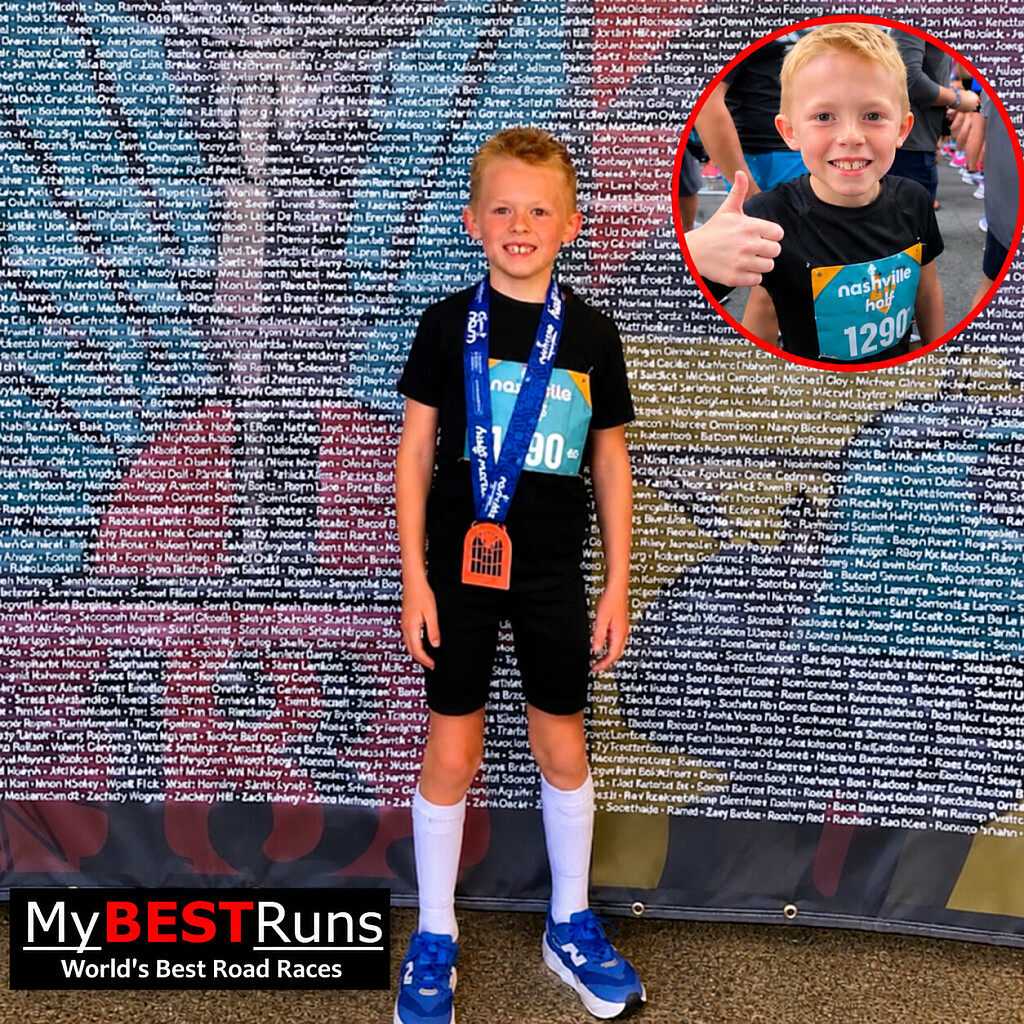
Just Seven Years Old! Tom Black Stuns Running World With Incredible 1:39:48 Half-Marathon Performance!
At an age when most children are still discovering the basics of competitive sport, seven-year-old Tom Black is already making headlines with a remarkable achievement over the half-marathon distance.

The young runner from Brentwood, Tennessee, delivered an extraordinary performance at the Nashville Half Marathon, crossing the finish line in 1:39:48 over the challenging 13.1-mile (21.1km) distance. His average pace was approximately 7:37 per mile, a performance that reportedly stands as the fastest half-marathon time recorded by a seven-year-old.
In an equally heartwarming family moment, Tom's father, Kyle Black, finished just one second behind his son in 1:39:49, making their race an unforgettable father-and-son experience. Tom's performance was particularly impressive considering that he finished ahead of more than 2,100 competitors among the 2,299 official finishers.

Remarkably, this was not his first appearance at the event. At just six years old, Tom had already completed the same half marathon in 1:50:52, demonstrating how much his performance has improved in the space of a year.
His journey into distance running reportedly began with a training run. After covering the half-marathon distance and discovering his ability to maintain a strong pace, he became interested in testing himself in an organised race. What started as a personal challenge has now turned into a remarkable running story attracting attention well beyond his hometown.
There was also an unexpected obstacle before this year's race. Tom reportedly broke a finger after falling down the stairs just days before the event. Nevertheless, he still made it to the starting line and completed the 21.1km challenge in an impressive time.
According to Tom, the encouragement from spectators along the course helped keep him motivated throughout the race. He also noticed that some adult competitors were less than impressed about being overtaken by such a young runner!
Beyond the impressive numbers, however, Tom's achievement brings an important conversation into focus: the participation of very young children in endurance events. While his performance is extraordinary, children's health, physical development, recovery and enjoyment of sport must always remain the priority. Appropriate guidance from parents, medical professionals and qualified coaches is essential when young athletes participate in demanding activities.
At just seven years old, Tom Black has already produced a performance that many adult recreational runners would be proud of. Running 21.1 kilometres in 1:39:48 is no ordinary achievement, and doing it alongside his father makes the story even more special.
One thing is certain: Nashville witnessed an unforgettable father-and-son running moment, and the name Tom Black has certainly caught the attention of the running community.
by Erick Cheruiyot for My Best Runs.
Login to leave a comment
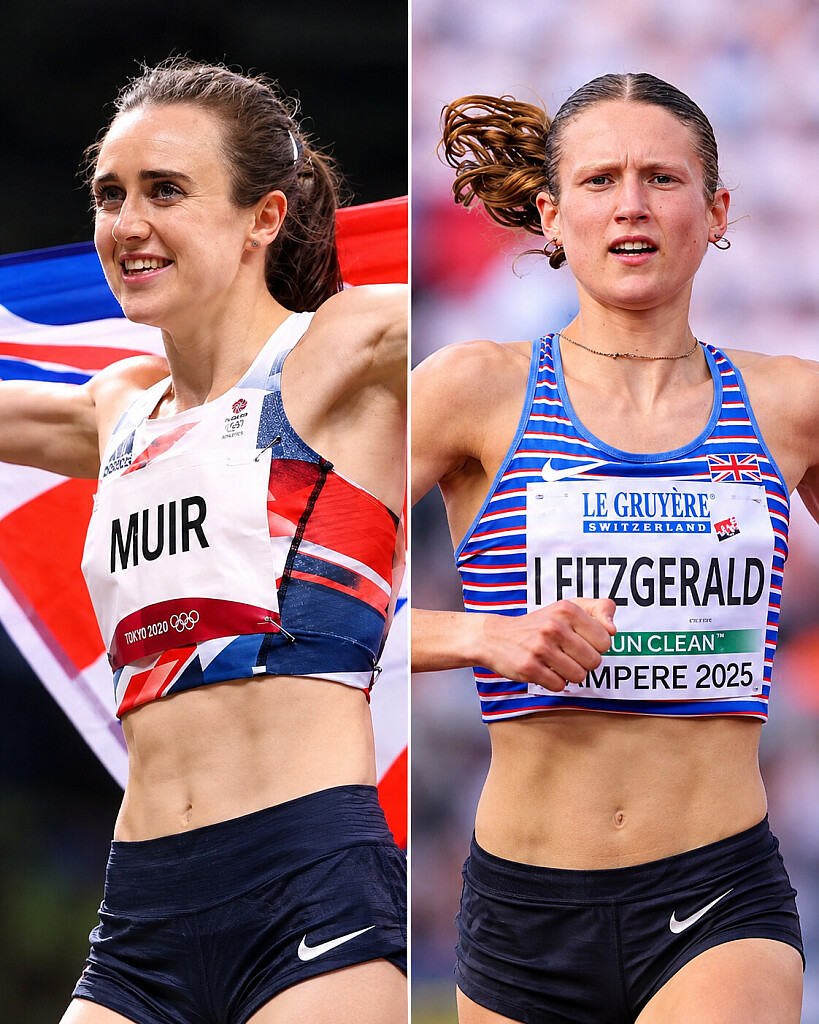
Laura Muir And Innes Fitzgerald Set For Generational Showdown At Cardiff Cross Challenge!
A fascinating clash between experience and youthful ambition is set to headline Sunday's Cardiff Cross Challenge, as British distance-running star Laura Muir prepares to face one of the country's brightest emerging talents, Innes FitzGerald, over the demanding cross-country course at Llandaff Fields.
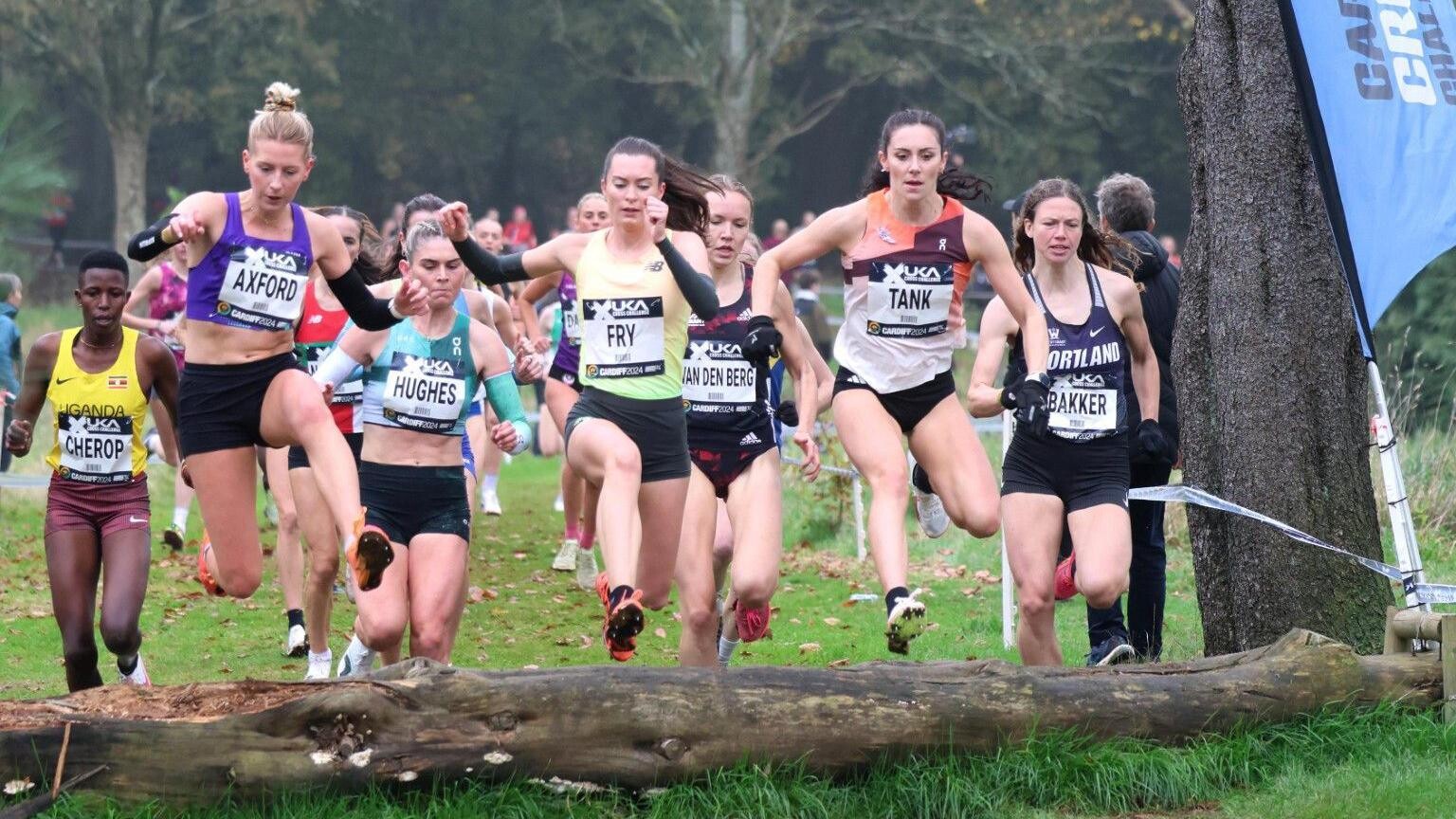
Separated by 13 years, the two athletes represent different generations of British distance running, but both arrive in Cardiff with impressive credentials and plenty of motivation to make their mark in the senior women's race.

At 33, Muir brings a wealth of international experience to the competition. The two-time European 1500m champion is returning to competitive action after her last appearance at the European Championships in Birmingham in August. Her participation also marks a rare cross-country outing outside Scotland, with her previous appearance outside the country dating back to the 2015 European Cross Country Championships in Hyères, France, where she finished fourth in the under-23 women's race.
However, Muir is certainly no stranger to cross-country competition. Earlier this year, she demonstrated that her competitive instincts remain sharp by winning the Scottish National Cross Country Championships over 10km in Falkirk in February, securing her first appearance at the event in 14 years.

Standing across the starting line will be 20-year-old Innes FitzGerald, a remarkable young talent who has already established herself as one of Britain's most exciting distance-running prospects.
FitzGerald boasts an outstanding junior record, having claimed three European under-20 cross-country titles alongside European under-20 championship gold medals over 3000m and 5000m. She also knows the Cardiff course exceptionally well, having won there on four previous occasions in age-group competitions. This time, however, she steps up to the senior category, where she will face a significantly more experienced opponent.
The encounter offers an intriguing opportunity to see two outstanding British athletes from different stages of their careers competing on the same stage. For Muir, it is another chance to demonstrate her enduring quality, while FitzGerald will be eager to test herself against one of Britain's most accomplished middle- and long-distance runners.
The women's race will cover 6.4km, with the challenging conditions and muddy terrain at Llandaff Fields expected to provide a genuine cross-country test.
The Cardiff Cross Challenge holds particular significance on the international calendar as the UK's only World Athletics Cross Country Tour meeting, carrying Silver Label status this year. Beyond the elite competition, the event will also celebrate the wider running community, with a Gwent League fixture taking place alongside it, bringing together club athletes, masters competitors and international stars.
With Muir's experience and FitzGerald's youthful determination, Sunday's contest promises an exciting encounter that could provide one of the standout moments of the Cardiff Cross Challenge.
Thirteen years separate them. One demanding course awaits. Experience meets ambition on the Cardiff mud!
by Erick Cheruiyot for My Best Runs.
Login to leave a comment
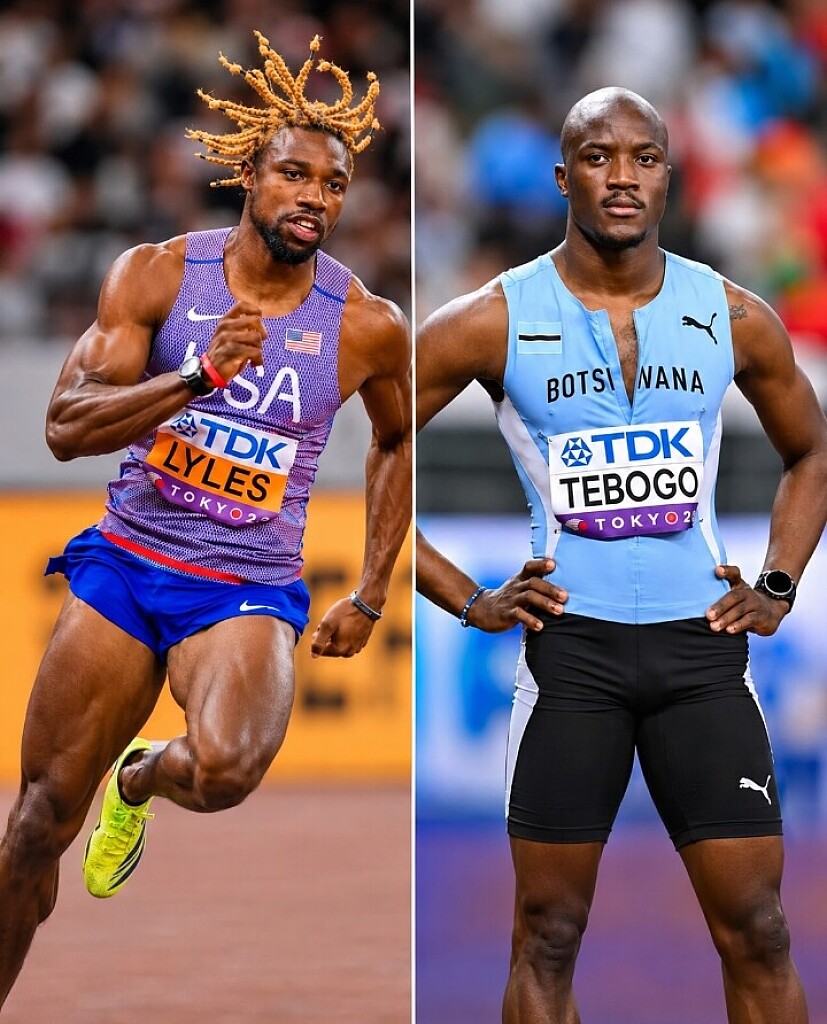
The 2027 Sprint Rivalry Is Already Heating Up! Tebogo Fires Warning At Lyles And Bednarek As American Star Hits Back!
The 2027 athletics season has not even begun, but the mind games among the world's biggest sprinting stars are already underway!
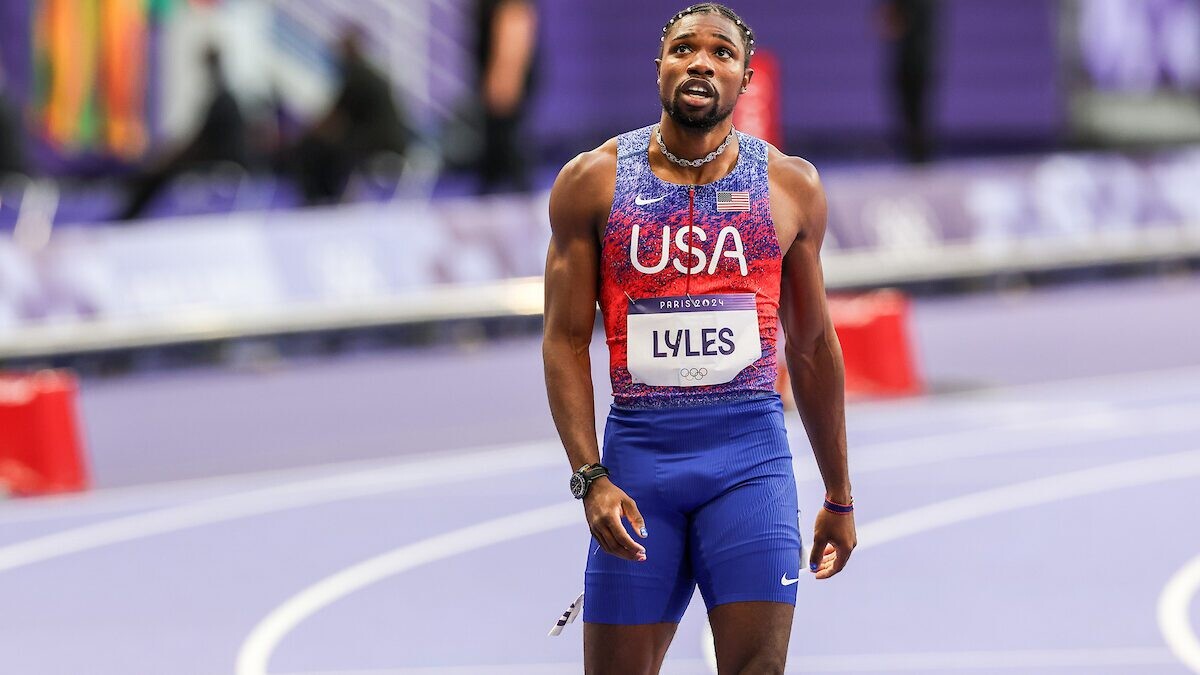
Botswana's Olympic 200m champion Letsile Tebogo has reignited his rivalry with American sprint sensations Noah Lyles and Kenny Bednarek after sending a bold warning to his two biggest competitors, only for Lyles to respond with a cheeky but pointed remark that has added another chapter to their growing rivalry.
Taking to social media platform X on Thursday, November 5, Tebogo addressed both American stars, beginning with a show of respect before making it clear that he intends to be the man they will have to catch when the 2027 season gets underway.
"The 2027 season is coming, and the battle is already on. Always respect to @kenny_bednarek, @LylesNoah, but you better be ready to chase."
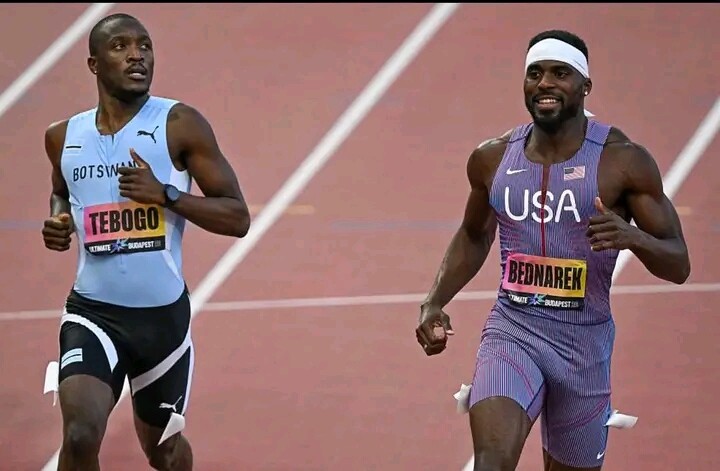
Lyles wasted little time responding, delivering a playful but direct message aimed at the Botswana star.
"Oh, did you decide you want to stop playing opossum and actually run through the line…. That would be nice."
The comment was a pointed reference to Tebogo's occasional tendency to ease off before reaching the finish line, particularly when he believes he has lost the opportunity to win or secured his position in a race.
One notable example came at the Diamond League Final in Brussels, where Bednarek produced a stunning performance to win the 200m in a then world-leading 19.62 seconds. Tebogo, who had been fighting for a podium position, appeared to ease off towards the finish and eventually dropped to fourth in 20.01 seconds.
Lyles' response has therefore brought an interesting competitive dimension to the exchange, suggesting that the American wants to see Tebogo maintain his intensity all the way to the finish whenever they meet again.
The upcoming rivalry becomes even more intriguing when the performances of the three athletes during the 2026 campaign are considered. Bednarek enjoyed an outstanding season, establishing himself as one of the leading figures in world sprinting. The American was arguably the standout performer of the year, collecting double gold at the World Athletics Ultimate Championship in Budapest and further strengthening his reputation as a formidable 200m competitor.
Lyles also demonstrated his exceptional speed, recording the fastest men's 100m performance of the year with 9.79 seconds at the USATF Championships. However, his campaign was disrupted after he pulled up during the 200m final, forcing him to miss the remainder of the season.
For Tebogo, the 2026 campaign was comparatively quieter by his exceptionally high standards. The Botswana star managed two Diamond League victories, although neither came in a direct contest against Lyles or Bednarek. Another interesting detail is that Tebogo only returned to training on October 16, meaning his preparations for the upcoming campaign are already underway as he looks to regain his strongest competitive form.
Despite their different journeys throughout 2026, all three athletes have something important to prove when the new season arrives. Tebogo wants to reinforce his status as the Olympic 200m champion and demonstrate that he remains the man to beat. Lyles will be determined to reassert his authority over the distance and remind his rivals of his championship pedigree, while Bednarek will be looking to build on his remarkable achievements and establish himself as the dominant force in the men's 200m.
With Olympic glory, world titles, personal ambitions and bragging rights all part of the equation, the rivalry between these three exceptional sprinters promises to deliver plenty of excitement.
The first major showdown between them in 2027 is still months away, but the psychological battle has already begun. Tebogo has fired the opening warning, Lyles has responded, and Bednarek has every reason to feel confident after his impressive season.
The question now is simple: Who will rule the men's 200m in 2027 — Letsile Tebogo, Noah Lyles or Kenny Bednarek?
by Erick Cheruiyot for My Best Runs.
Login to leave a comment
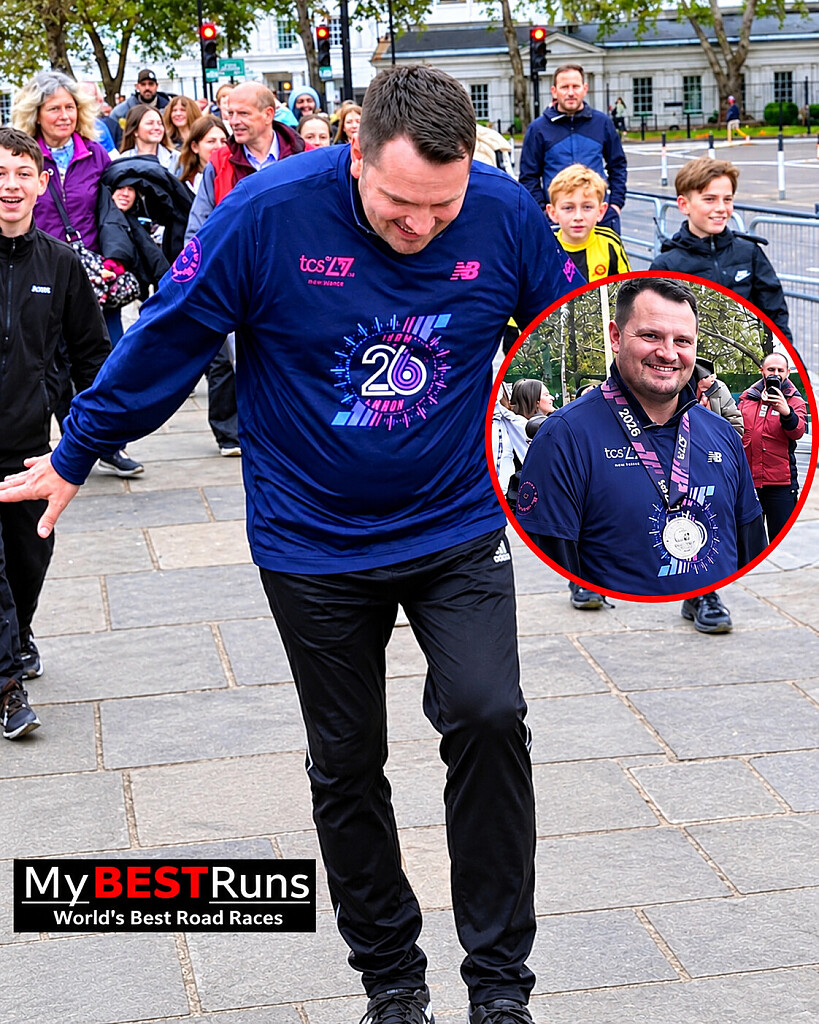
Six Months After Suffering Cardiac Arrest At Mile 25, Gareth Hopkins Finally Completes The London Marathon In An Emotional Return!
Few marathon stories capture the true meaning of courage, resilience and determination quite like that of Gareth Hopkins, a 43-year-old paramedic from Hoddesdon, England, who has finally crossed the London Marathon finish line after surviving a life-threatening medical emergency during his debut attempt six months earlier.
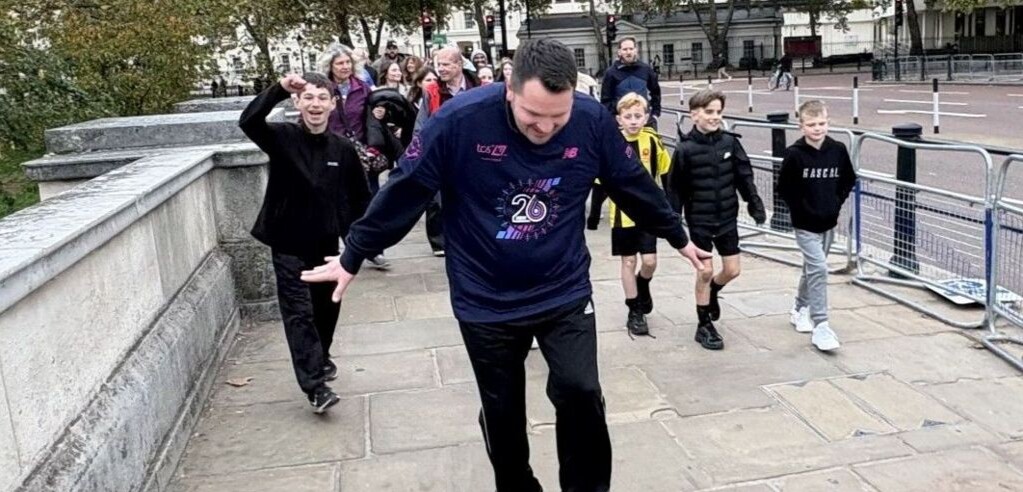
In April, Hopkins lined up for his first-ever marathon alongside his brother, Chris, with the brothers running to raise funds for Age UK in memory of their beloved grandmother. However, what was supposed to be a memorable sporting achievement turned into a terrifying fight for survival just over a mile from the finish.
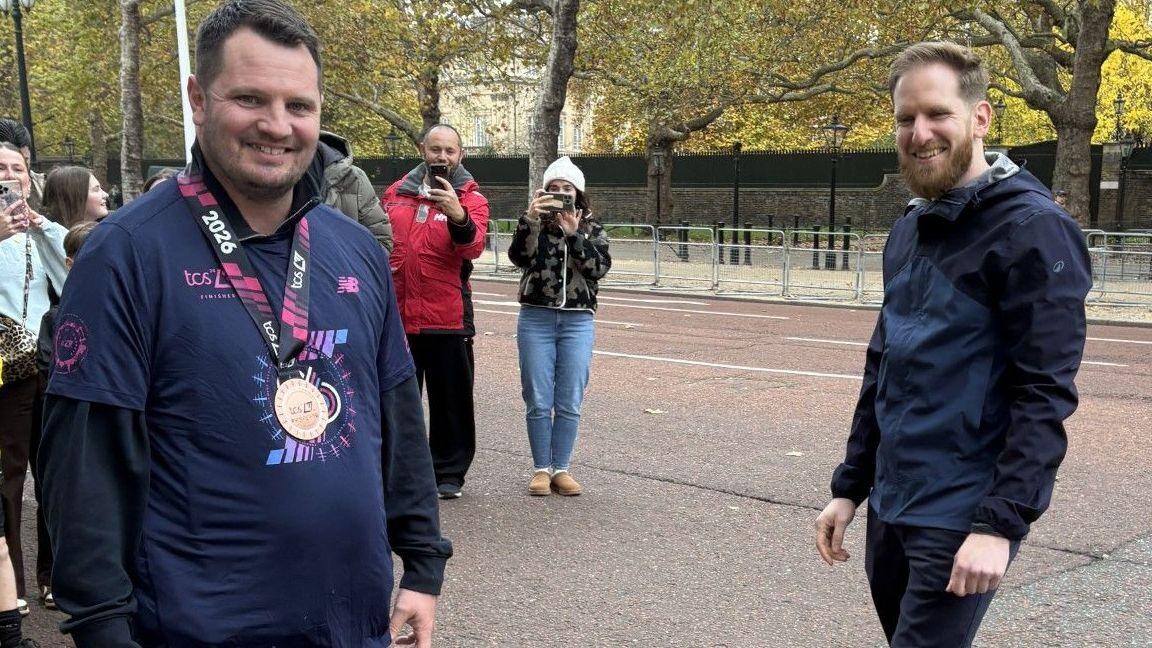
Having reached approximately mile 25, Hopkins suddenly collapsed after suffering a cardiac arrest. The medical emergency was caused by severe rhabdomyolysis, a serious condition involving the breakdown of muscle tissue, which in his case was brought on by overheating.
His brother Chris had already completed the race when the family, who had been tracking Gareth's progress, realised that his movement had stopped. They immediately went searching for him, only to discover that emergency responders from St John Ambulance were already working desperately to save his life.

Hopkins was subsequently rushed to St Thomas' Hospital, where he received intensive medical care. His recovery journey was long and extremely challenging, requiring him to relearn some of the most basic everyday activities, including walking, talking and eating.
After months of rehabilitation and determination, he was finally discharged and returned home in September, marking another significant milestone in his remarkable recovery.
Now, six months after the frightening incident, Hopkins has returned to the London Marathon route to accomplish what he was unable to finish in April.
This time, however, there was no competitive pressure, no timing chip and no race clock to chase. Instead, approximately 200 family members, friends and supporters joined him for an emotional walk through central London, passing Buckingham Palace before making their way down The Mall towards the iconic marathon finish line.
In an extraordinary gesture of kindness, an anonymous donor also ensured that Hopkins received an official London Marathon finisher's medal, making his long-awaited moment even more special.
Reflecting on the experience, he described it simply: "It was the longest marathon ever."
Despite completing this deeply personal journey, Hopkins says he has been advised not to run again and has accepted that he will not attempt another marathon.
For most marathon runners, reaching The Mall represents the final few minutes of an exhausting 26.2-mile challenge. For Gareth Hopkins, it took six months of recovery, extraordinary determination and the unwavering support of the people closest to him.
His journey is a powerful reminder that success in sport is not always measured by finishing times, personal bests or podium positions. Sometimes, the greatest victory is simply being given another opportunity to reach the finish line.
Gareth Hopkins may have taken six months to complete his London Marathon journey, but his achievement is one that will remain far beyond the finish line.
A truly remarkable story of survival, courage, gratitude and the strength of the human spirit.
by Erick Cheruiyot for My Best Runs.
Login to leave a comment
