

Running News Daily
Running News Daily is edited by Bob Anderson and team. Send your news items to bob@mybestruns.com Advertising opportunities available.
Index to Daily Posts · Sign Up For Updates · Run The World Feed


Kwizera Seals Historic Prague Victory as a Costly Wrong Turn Steals the Spotlight

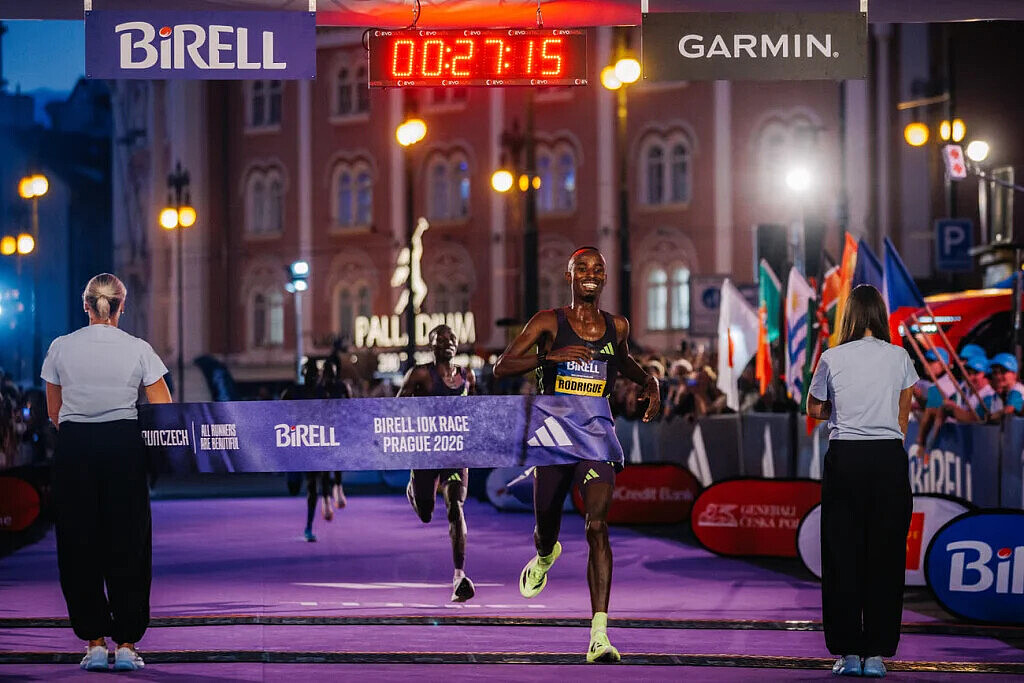
PRAGUE, Czech Republic — The streets of Prague were illuminated by speed, tension and one of the most dramatic finishes of the 2026 road-racing season as Rodrigue Kwizera produced a stunning victory at the Birell 10K Night Race.
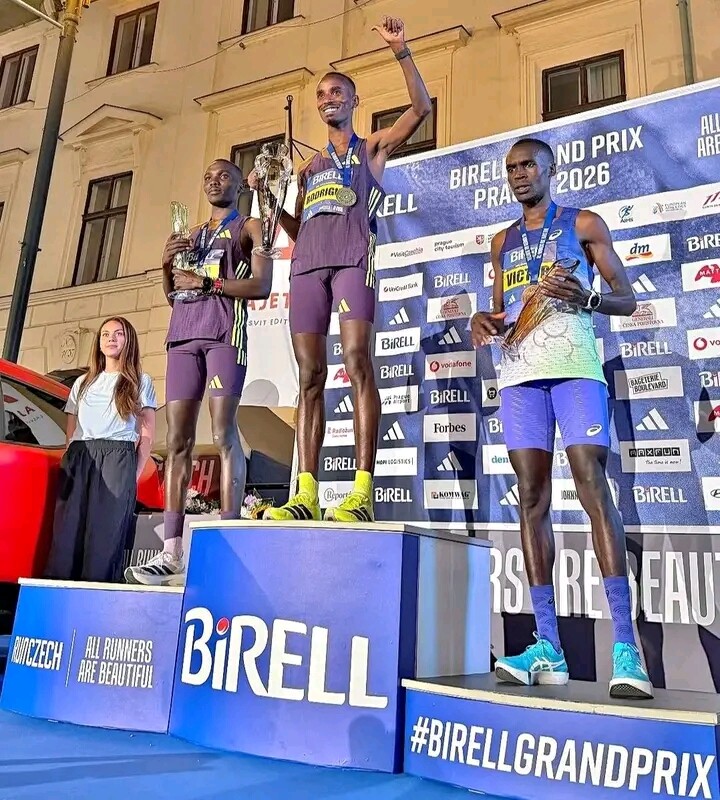
Running his first official international race under the Spanish flag, the Burundi-born distance star stopped the clock at 27:15, smashing the Spanish national record by 10 seconds and adding another major victory to his remarkable 2026 campaign.
But the result tells only part of the story.
For much of the decisive phase of the race, it was Kenya’s Victor Kipruto Kiprono who appeared to be marching towards victory. After the leading group began to fracture around the seventh kilometre, Kiprono moved aggressively to the front alongside fellow Kenyan Elisha Kiprop Chemiron before gradually opening a significant gap on his pursuers.
By the eighth kilometre, the 26-year-old Kenyan had established himself as the clear leader and seemed to be heading towards a commanding triumph.

Then came the moment that changed everything.
As the race entered its final stretch, Kiprono followed the lead vehicle instead of taking the correct route towards the finish. The costly detour allowed Kwizera to close the gap and sweep past, with Kenya’s Owen Korir Kapkama also moving ahead.
In the space of a few seconds, a race that had appeared to be Kiprono’s to lose was transformed into a frantic battle for the podium.
Kwizera seized the opportunity with ruthless efficiency.
The Spanish representative crossed the line in 27:15, securing the victory and rewriting the Spanish record books. Kapkama followed just one second later in 27:16, while Kiprono recovered from his costly mistake to claim third in 27:18.
Despite the disappointment, Kiprono still produced one of the fastest performances of the night — and one of the most memorable.
Behind the leading trio, Kenya’s Filex Kibet Masai ran 27:19 for fourth, while Uruguay’s Santiago Catrofe completed the top five in 27:24.
The quality of the field was reflected throughout the results. Kenyan runners occupied seven of the top 20 positions, while Spain, Japan, Uruguay, the Netherlands, Belgium and hosts Czech Republic were also represented.
Japan’s Shunya Kikuchi added another national-record performance to the evening, running 28:07 to improve the Japanese record by eight seconds.
Birell 10K Night Race Prague 2026 — Men’s Elite Top 10
1. Rodrigue Kwizera (Spain) — 27:15
2. Owen Korir Kapkama (Kenya) — 27:16
3. Victor Kipruto Kiprono (Kenya) — 27:18
4. Filex Kibet Masai (Kenya) — 27:19
5. Santiago Catrofe (Uruguay) — 27:24
6. Elisha Kiprop Chemiron (Kenya) — 27:33
7. Elia Kiprop (Kenya) — 27:46
8. Isaac Kibet Ndiema (Kenya) — 27:47
9. Said Mechaal (Spain) — 27:59
10. Shunya Kikuchi (Japan) — 28:07
The men’s race was only half of an extraordinary evening in Prague. Ethiopia’s Chaltu Dida Diriba, just 19, dominated the women’s race to win in 30:04, finishing eight seconds ahead of her sister Robe Dida Diriba. Kenya’s Cynthia Chelangat Chepkwony completed the podium in 30:23.
The 2026 Birell 10K Night Race attracted almost 9,500 runners from 98 countries, with the elite field competing in ideal evening conditions of around 20 degrees Celsius and little wind.
Yet it was the men's finish that will linger longest.
Kwizera will leave Prague with a victory and a new national record. Kapkama will celebrate a superb second place. And Kiprono will be left wondering what might have been after a single wrong turn dramatically altered the final chapter of a race he had controlled for much of its decisive stage.
In distance running, victory can sometimes be decided not only by fitness, strength and tactics, but by the smallest of moments.
On this Prague night, one wrong turn changed everything.
by Erick Cheruiyot for My Best Runs.
Login to leave a comment

Birell 10K Race
The Birell Prague Grand Prix is a captivating evening race that takes runners through the heart of historic Prague. Held during the first weekend of September, this event transforms the city’s streets into a vibrant festival of running, with thousands of participants and enthusiastic spectators lining the course. The event begins with the adidas Women’s Race 5K, an empowering race...
more...Latest Running News
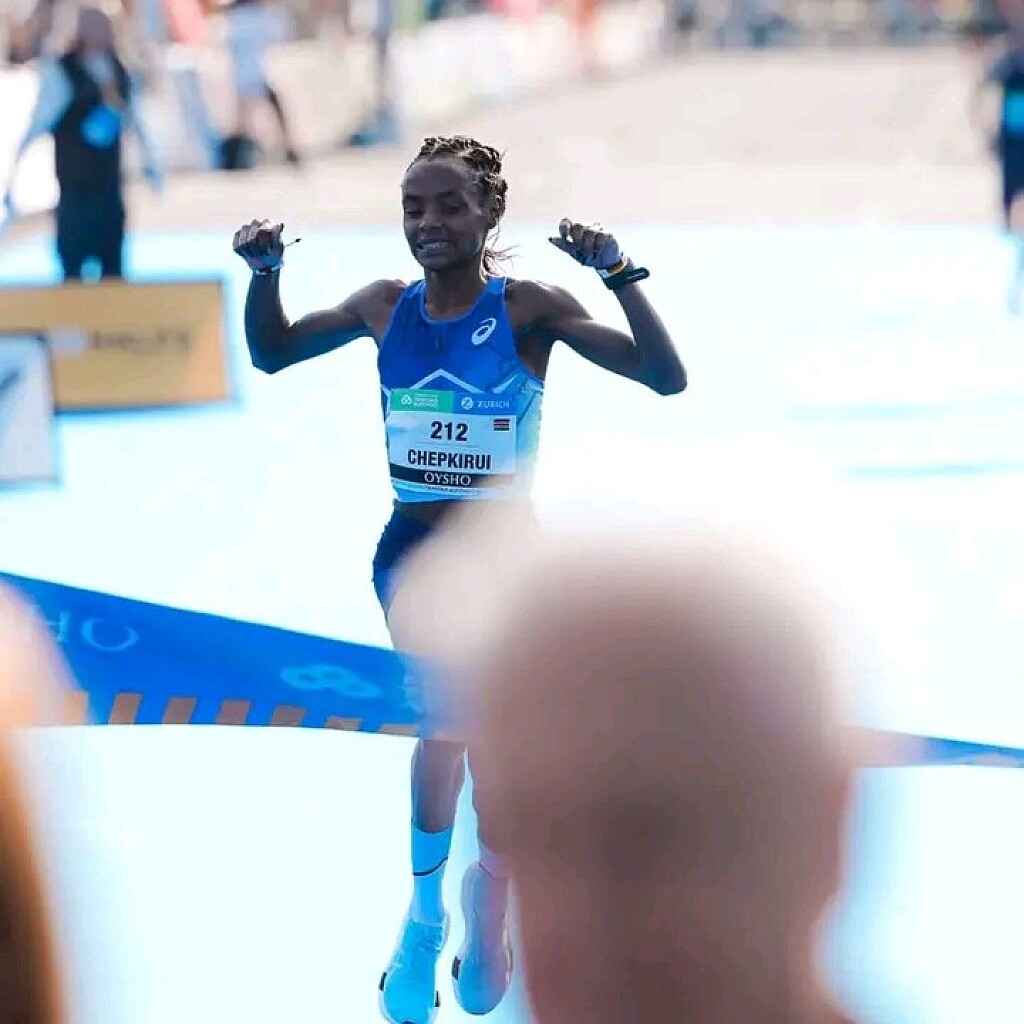
Rodrigue Kwizera Sets Spanish Record With 58:03 Valencia Victory As Sheila Chepkirui Triumphs In Women’s Race
Rodrigue Kwizera produced a historic performance at the Valencia Half Marathon on October 25, 2026, storming to victory in 58:03 to set a new Spanish national record in the men’s half marathon.
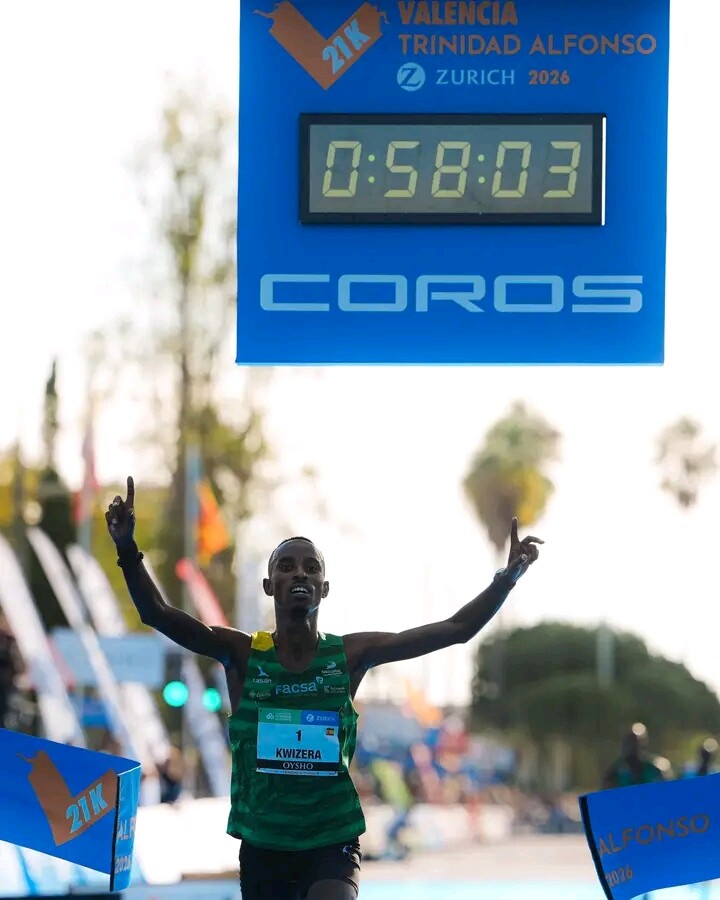
The Burundi-born distance runner, who represents Spain internationally, delivered a decisive finish after leading for much of the second half of the race. He unleashed a powerful final kick over the closing 800 metres to secure the title and cap a remarkable performance on one of the world’s fastest half-marathon courses.
Kwizera held off compatriot Thierry Ndikumwenayo, who finished second in 58:09, while Kenya’s Víctor Kipruto claimed third place in 58:13.
Ethiopia’s Tadesse Worku finished fourth in 58:33, followed by Kenya’s Owen Korir Kapkama in fifth in 58:42. Ethiopia’s Jemal Yimer placed sixth in 59:01, while Kenya’s James Kipkosgei finished seventh in 59:03 and compatriot Brian Kipkore took eighth in 59:12. Sudan’s Yaseen Abdalla secured ninth place in 59:20, finishing in the same time as France’s Emmanuel Roudolff-Levisse, who rounded out the top 10.
The men's contest showcased the fine margins separating victory from defeat at the highest level of road running. Kwizera's ability to maintain his position before accelerating in the closing stages proved decisive, allowing him to break away and secure a memorable victory.
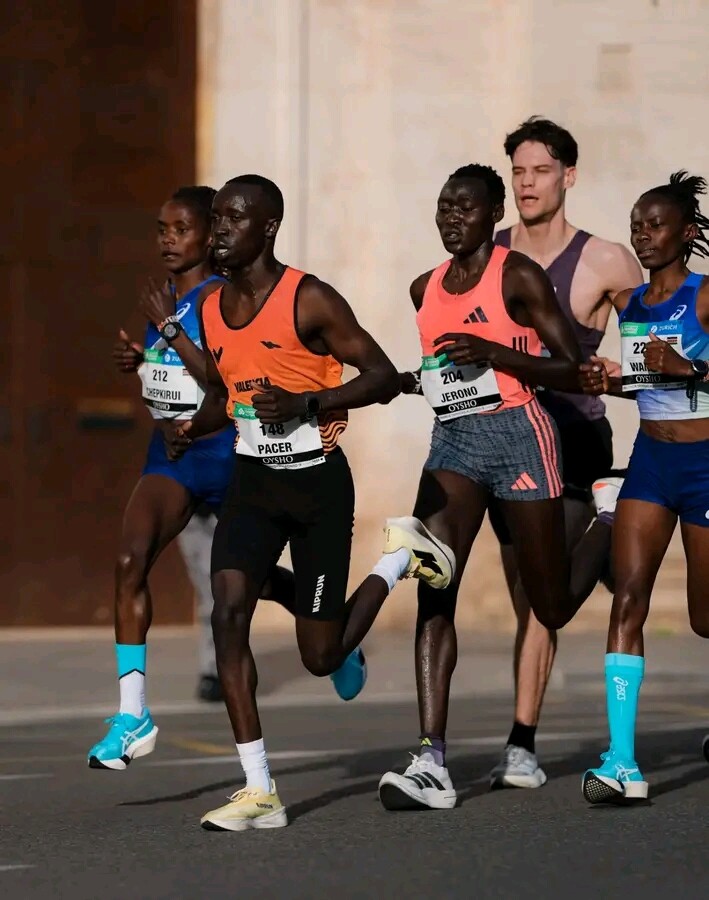
In the women’s race, Kenya’s Sheila Chepkirui claimed victory in 1:03:51, narrowly defeating compatriot Diana Wanza, who finished just one second behind in 1:03:52. Daisilah Jerono completed a Kenyan sweep of the podium in 1:04:11.
Chepkirui’s performance was particularly impressive, as she improved substantially on her listed personal best of 1:06:01, delivering a breakthrough performance against a strong international field.
The women's race featured a strong contingent of Kenyan and Ethiopian distance runners, with the leading athletes pushing each other to impressive times. Chepkirui maintained her advantage in a tightly contested finish, while Wanza came agonisingly close to taking the title.
Ethiopia’s Mizan Alem finished fourth in 1:04:54, followed by compatriot Senayet Getachew in 1:04:57. Kenya’s Caroline Gitonga placed sixth in 1:04:59, while Gladys Kwamboka finished seventh in 1:05:02. Jesca Chelangat took eighth in 1:05:29, followed by Miriam Chebet in 1:05:39. Ethiopia’s Aynadis Mebratu completed the top 10 in 1:05:40.
The depth of the women's results underlined the intensity of the competition, with six athletes finishing inside 1:05:00. Kenya's ability to secure the first three places further demonstrated the country's strength in international road racing.
For Kwizera, the victory represented more than another international title. His 58:03 performance established a new benchmark for Spain, adding a national-record achievement to a race defined by speed, tactical discipline and a decisive late surge.
Valencia's reputation as a destination for outstanding distance-running performances was once again reinforced by the quality of the racing. The fast course and deep international fields provided the setting for athletes to test their limits and deliver performances that will stand out in the season's road-running calendar.
With Kwizera celebrating a Spanish national record and Chepkirui leading a Kenyan sweep of the women's podium, the 2026 Valencia Half Marathon delivered a compelling double triumph, celebrating individual excellence and the remarkable depth of international distance running
by Erick Cheruiyot for My Best Runs.
Login to leave a comment
Valencia Half Marathon
The Trinidad Alfonso Valencia Half Marathon has become one of the top running events in the world. Valencia is one of the fastest half marathon in the world. The race, organized by SD Correcaminos Athletics Club, celebrated its silver anniversary in style with record participation, record crowd numbers, Silver label IAAF accreditation and an atmosphere that you will not find...
more...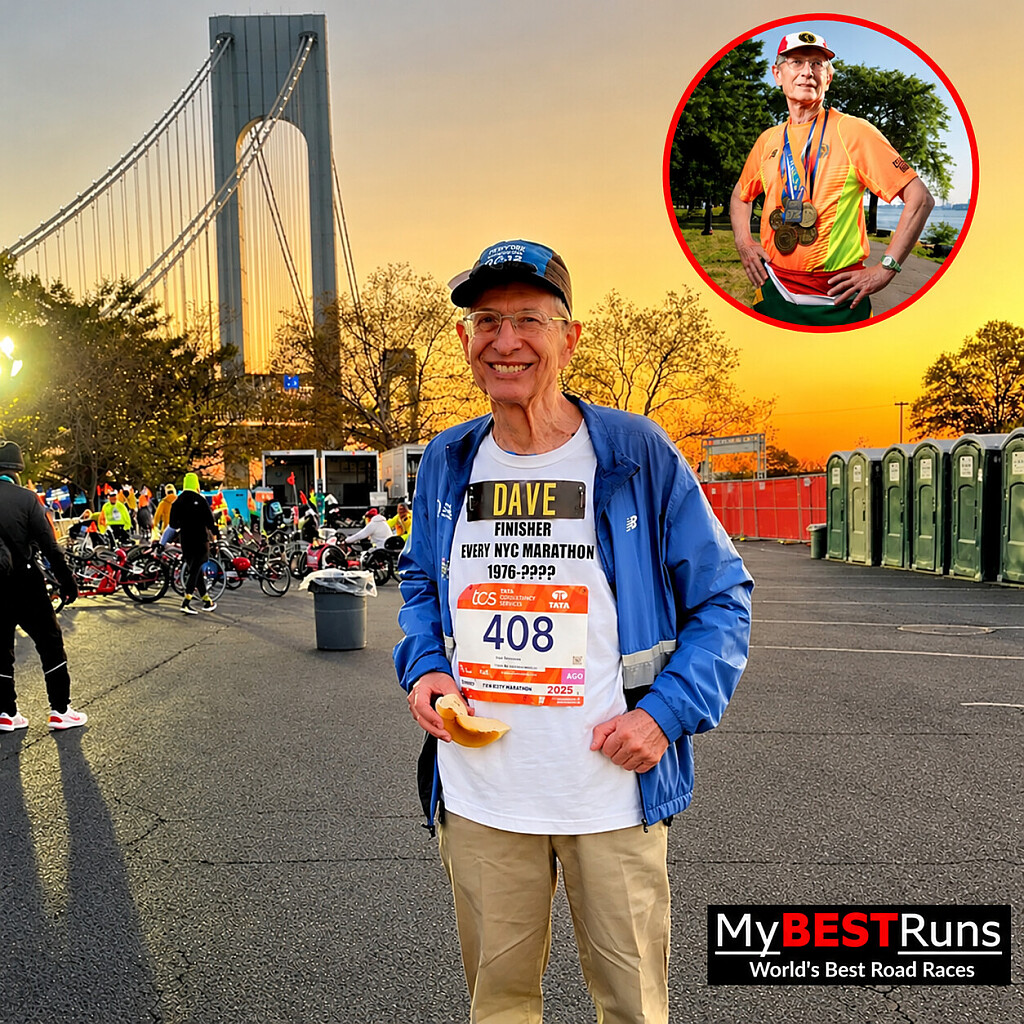
At 83, Dave Obelkevich Is Preparing To Run His 50th New York City Marathon After Five Decades Of Endurance
At 83, retired music teacher Dave Obelkevich is preparing to achieve an extraordinary milestone that reflects nearly half a century of dedication, resilience and an enduring love of running. On November 1, 2026, he is set to take on the TCS New York City Marathon for the 50th time, adding another chapter to a remarkable journey that began in 1976.
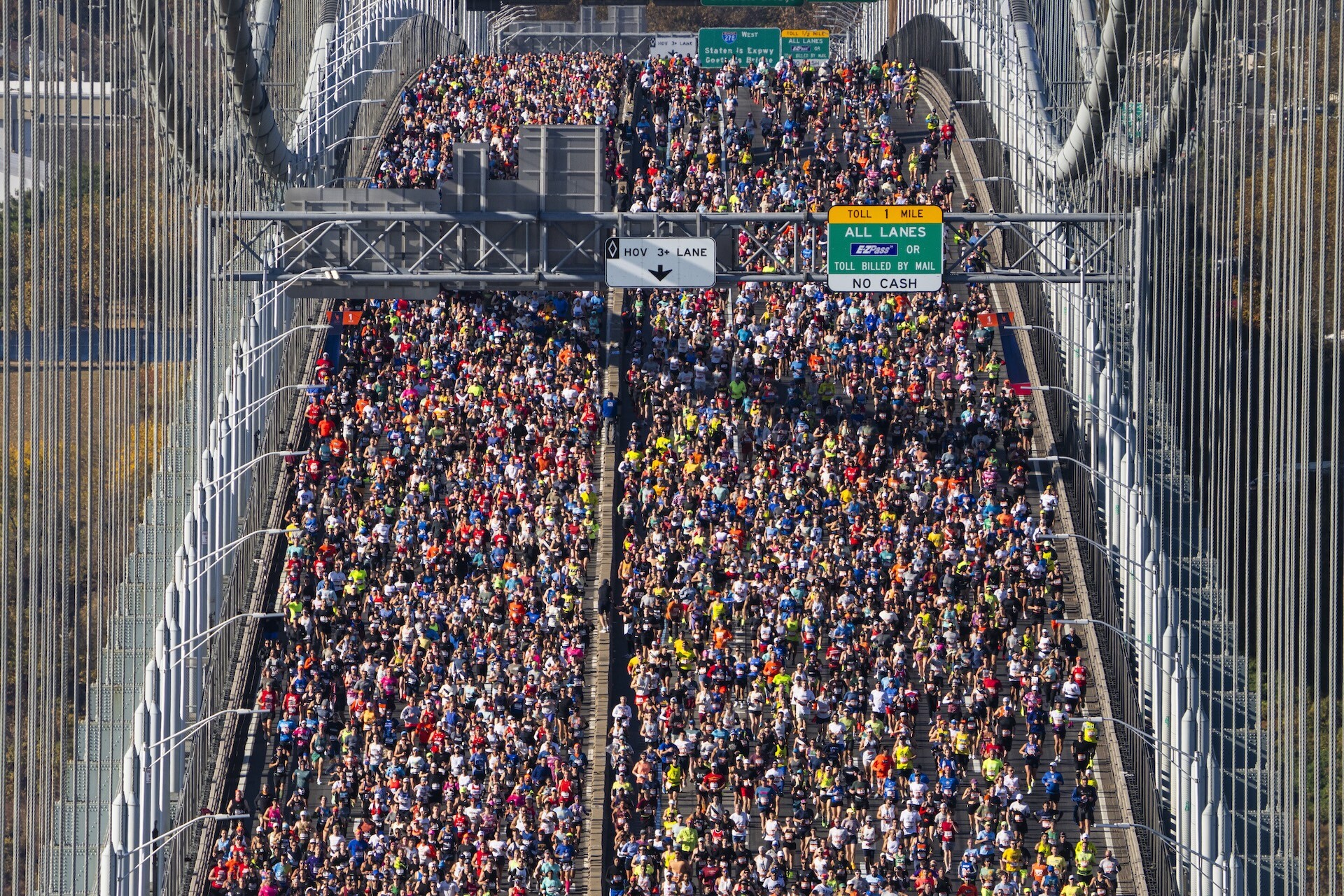
For Obelkevich, the road to this achievement has never been defined solely by finishing times, personal records or podium finishes. Instead, his story is about consistency, a passion for the sport and the determination to keep moving forward, even when life presents its toughest challenges.
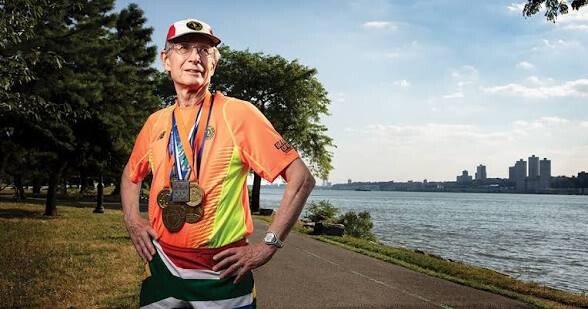
Since making his New York City Marathon debut five decades ago, Obelkevich has completed 49 editions of the iconic race. His remarkable running résumé also includes 15 other marathons and approximately 200 ultramarathons, demonstrating a level of endurance and commitment that continues to inspire runners across generations.
The 2026 edition would mark his 50th completion of the New York City Marathon, a milestone few runners ever approach, let alone achieve in their eighties.
However, his journey has not been without adversity. In 2020, Obelkevich survived a life-threatening aortic aneurysm that required emergency surgery and weeks of intensive care. Such a medical crisis could have brought his running career to a permanent end, but he refused to let the setback define his future.
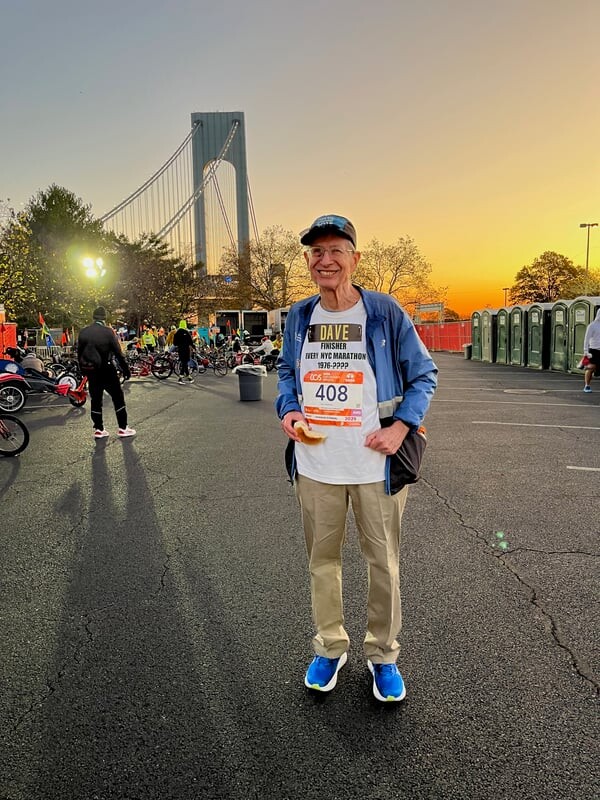
Remarkably, he returned to the New York City Marathon in 2021, making his way back to the starting line and proving that his determination to run remained stronger than the obstacles he had faced.
His comeback was a powerful reminder that resilience is not about avoiding difficult moments, but about finding the courage to move forward after them.
Now, as he prepares for another 26.2-mile journey through New York's five boroughs, Obelkevich represents something far greater than longevity in sport. His story illustrates how running can remain a source of purpose, happiness and human connection throughout a lifetime.
For him, the appeal extends beyond the finish line. It is found in the experience of moving through a city he loves, meeting fellow runners and sharing in the collective spirit that makes the New York City Marathon one of the world's most celebrated road races.
At 83, his determination also challenges conventional ideas about ageing and athletic achievement. While younger runners may focus on chasing personal bests or breaking records, Obelkevich's remarkable journey offers a different perspective: there is immense value in remaining active, embracing challenges and continuing to pursue what brings joy.
His story is not simply about the number of marathons he has completed. It is about the decades of commitment behind that number, the courage required to return after a life-threatening illness and the passion that has kept him connected to the sport for nearly 50 years.
On November 1, thousands of runners will take to the streets of New York in pursuit of their own goals. Among them, Obelkevich will have a particularly meaningful milestone in sight: his 50th New York City Marathon.
At an age when many people have long since stepped away from demanding physical challenges, he continues to demonstrate that determination does not have an expiry date.
Fifty New York City Marathons. Approximately 200 ultramarathons. Five decades of running. One extraordinary example of perseverance.
Dave Obelkevich's journey is a reminder that success is not always measured by how quickly we reach the finish line, but by our willingness to keep going, even when the road becomes difficult.
At 83, he is still showing up, still moving forward and still finding reasons to run.
And sometimes, that is a victory more powerful than any medal.
by Erick Cheruiyot for My Best Runs.
Login to leave a comment
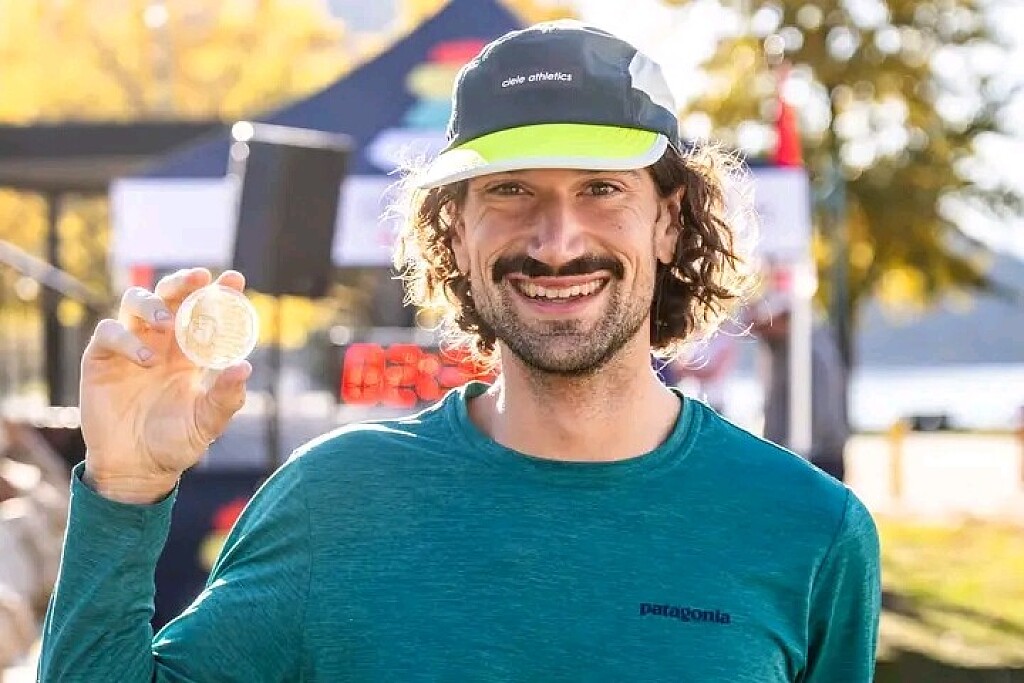
Michael Serani Conquers 82 Hours And Nearly 550km To Become Canada’s Backyard Ultra Champion
Michael Serani has pushed the limits of human endurance, completing 82 laps over approximately 82 hours to become Canada’s Backyard Ultra Champion after covering an astonishing 549.9 kilometres in an extraordinary test of physical strength and mental resilience.

The runner from Kelowna, British Columbia, repeatedly returned to the starting line for more than three days, navigating the relentless demands of one of ultrarunning’s most unforgiving formats to secure the national title. His remarkable performance also doubled his previous personal best, marking a significant breakthrough in his endurance-running career.

Serani’s total distance of 549.9 kilometres is equivalent to more than 13 marathons, but the challenge was not simply about how far he could run. It was about how long he could keep going, hour after hour, while managing fatigue, recovery and the growing demands of an increasingly exhausted body.
The Backyard Ultra format is deceptively simple. Competitors must complete a 6.706-kilometre loop within one hour and return to the starting line when the next hour begins. Any remaining time can be used to eat, hydrate, change clothing or shoes, and prepare for another lap. Missing the deadline or failing to start the next loop ends a runner’s challenge.
Unlike conventional ultramarathons, which have a predetermined finishing distance, Backyard Ultras continue until only one competitor remains capable of completing another lap. The winner must run one more loop than the final opponent, making consistency, recovery and mental toughness just as important as running speed.
For Serani, the challenge demanded an extraordinary commitment to returning to the course despite mounting exhaustion. Every completed loop brought another hour of running, followed by a brief opportunity to recover before the next start. As the hours accumulated and the race extended through successive days and nights, maintaining that cycle became a battle against both physical fatigue and mental strain.
His achievement is particularly impressive because he finished with nearly 550 kilometres behind him while doubling his previous best distance. In a discipline where competitors must repeatedly summon the determination to continue, sustaining that effort across 82 laps represents an exceptional display of endurance.
By the time Serani completed his remarkable journey, he had secured the Canadian Backyard Ultra title and established a new personal benchmark that will stand as a defining achievement in his running career.
His performance is a powerful reminder that ultrarunning is not always about being the fastest athlete on the course. Sometimes, success belongs to the runner who can keep answering the call of the starting line long after the challenge has become a test of sheer determination.
by Erick Cheruiyot for My Best Runs.
Login to leave a comment

Audrey Werro Crowned European Women’s Athlete Of The Year After Record-Breaking 800m Campaign
Swiss middle-distance star Audrey Werro has been named the 2026 Women’s European Athlete of the Year at the Golden Tracks awards in Lausanne, Switzerland, following a remarkable season in which she established herself as one of the most dominant forces in the women’s 800 metres.
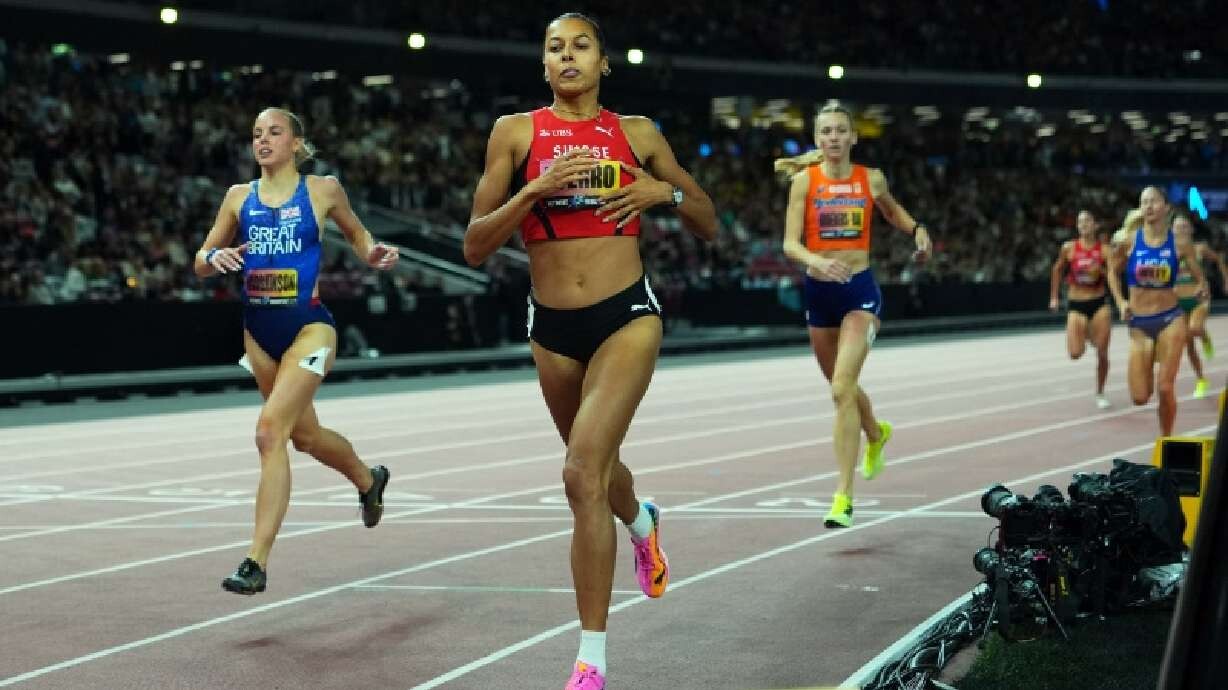
The 22-year-old enjoyed an extraordinary outdoor campaign, remaining unbeaten over her specialist distance while collecting major titles, rewriting national records and producing performances that placed her among the fastest women ever to contest the two-lap event.
Werro’s outstanding season was highlighted by her triumph at the European Athletics Championships in Birmingham, where she stormed to the women’s 800m gold medal in a championship-record time of 1:54.81. Her victory underlined her ability to deliver on the biggest stage and confirmed her status as one of the leading figures in European middle-distance running.
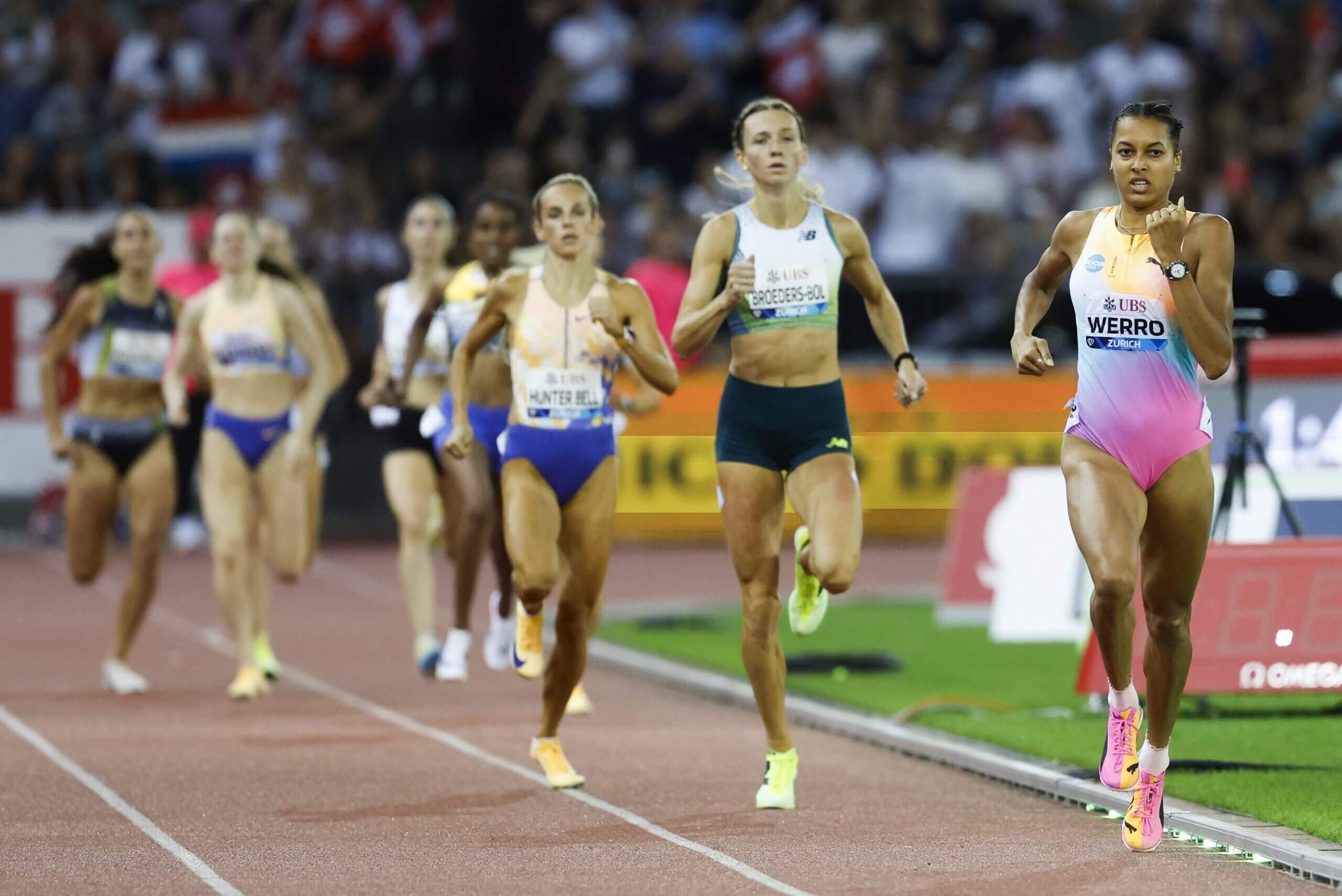
Her dominance extended well beyond the continental championships. Werro also claimed victory at the Diamond League Final in Brussels before adding another prestigious title at the inaugural World Athletics Ultimate Championships in Budapest, completing an exceptional collection of honours against some of the strongest athletes in the world.
One of the defining moments of her season came in Zurich, where she clocked an astonishing Swiss national record of 1:53.70. The performance elevated her to third on the all-time women's 800m list, placing her among an elite group of athletes who have ever covered the distance at such remarkable speed.
Werro also achieved a rare milestone by breaking the 1:54 barrier three times in a single season, further demonstrating the consistency and exceptional form that distinguished her campaign.
Her European Athlete of the Year award represents recognition of a season built on speed, tactical intelligence and an ability to deliver when the stakes are highest. Rather than relying on a single outstanding performance, the Swiss star repeatedly demonstrated her class across major championships and elite international meetings.
At just 22, Werro has already established herself as one of the most exciting talents in global athletics. Her combination of championship success, record-breaking performances and remarkable consistency suggests that she has the potential to remain a leading contender in the women's 800m for years to come.
For Switzerland, her achievements represent another significant moment in its athletics history. For the rest of the world, they signal the emergence of a formidable middle-distance force capable of challenging the very best whenever she steps onto the track.
With the 2026 season now providing a powerful statement of her abilities, Werro has earned her place among the standout performers of the year. Her remarkable campaign has not only brought her individual recognition but has also raised expectations for what she might achieve in the seasons ahead.
by Erick Cheruiyot for My Best Runs.
Login to leave a comment
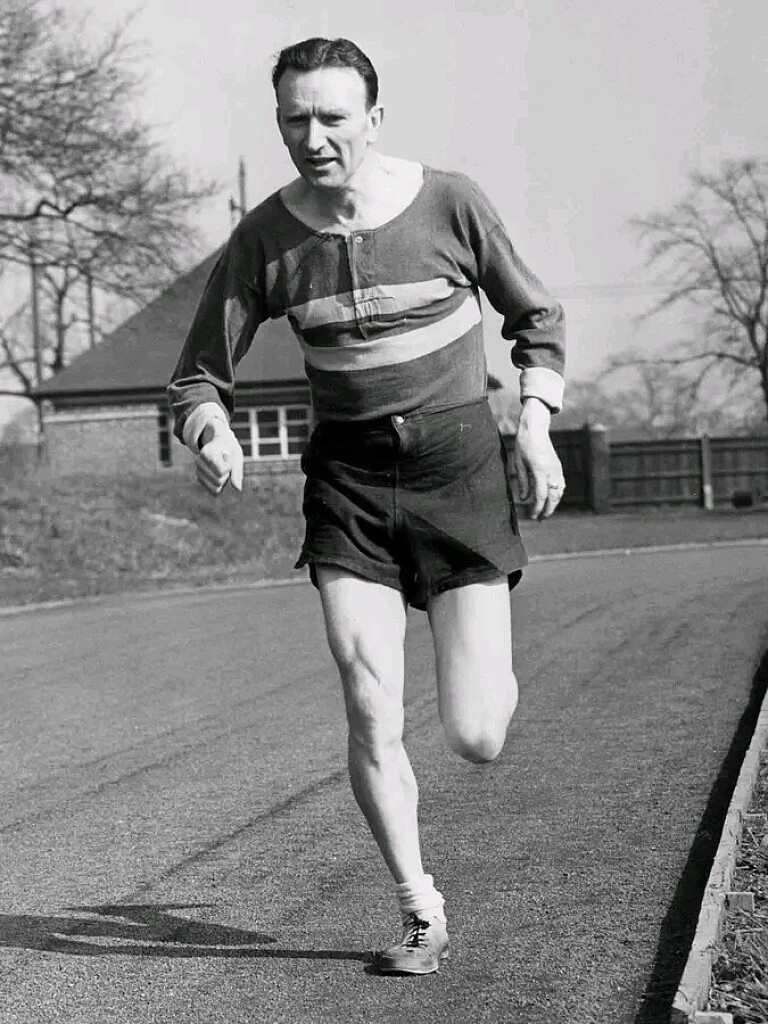
Jim Peters: The British Marathon Legend Who Made History As The First Man To Break 2:20
British distance-running pioneer Jim Peters was born on October 24, 1918, leaving behind a remarkable legacy that helped transform marathon running and redefine the limits of human endurance.
Born in Homerton, London, Peters became one of the most influential marathon runners of the 1950s, setting four world records and becoming the first athlete to complete the marathon in under two hours and 20 minutes.
His journey to greatness reached a defining moment on June 13, 1953, at the Polytechnic Marathon in England. Peters clocked 2:18:40.2, becoming the first man to break the historic 2:20 barrier in a marathon performance that marked a turning point in the sport's history.
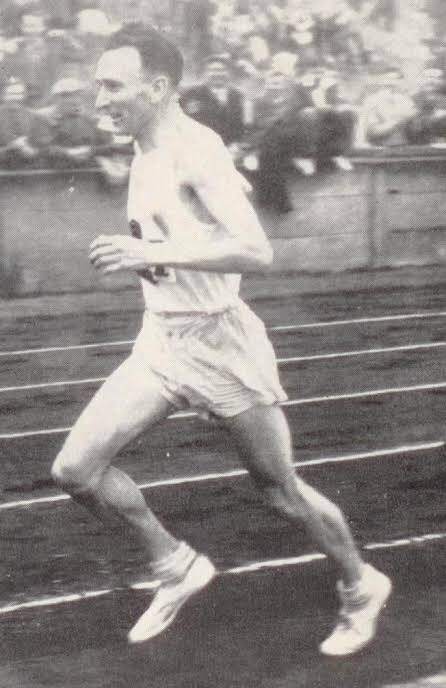
The achievement was comparable in significance to Roger Bannister's historic sub-four-minute mile the following year, demonstrating how dramatically athletes could continue to push the boundaries of endurance running.
Peters had already announced himself as a marathon revolutionary in 1952 when he recorded 2:20:42.2 at the Polytechnic Marathon, breaking the existing world record. Rather than settling for that milestone, he continued to improve, producing another world record in 1953 before reaching an even higher level the following year.
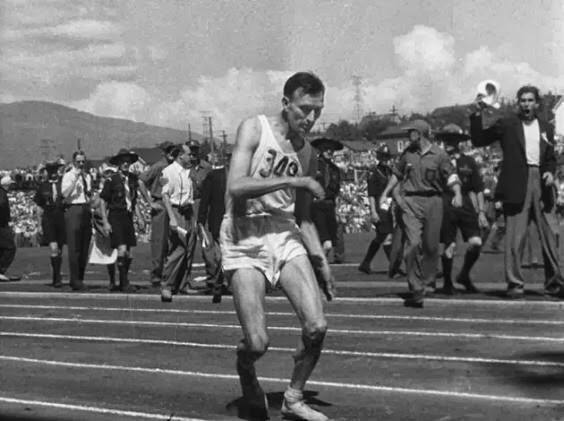
On June 26, 1954, Peters delivered the finest performance of his career, clocking 2:17:39.4 at the Polytechnic Marathon to establish his fourth and final marathon world record. His remarkable progression demonstrated an extraordinary ability to sustain an aggressive pace over the demanding 42.195-kilometre distance.
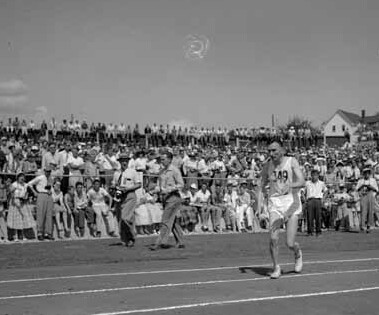
Beyond the marathon, Peters also represented Great Britain at the 1948 London Olympic Games, finishing eighth in the 10,000 metres. He later earned a bronze medal in the six-mile race while representing England at the 1954 British Empire and Commonwealth Games in Vancouver, Canada.
However, the Vancouver Games also brought one of the most heartbreaking moments of his athletic career. After building an enormous lead in the marathon, Peters collapsed from the effects of the heat and severe dehydration just short of the finish. Despite repeatedly attempting to continue, he was unable to complete the race.
The incident became one of the most poignant episodes in marathon history, but it could not diminish the extraordinary achievements that had established him as one of the greatest distance runners of his generation.
Peters retired from competitive athletics following the 1954 Games and returned his attention to his profession as an optician. He died on January 9, 1999, at the age of 80, following a battle with cancer.
More than six decades after his record-breaking performances, Peters remains a towering figure in marathon history. His courage, relentless pursuit of faster times and pioneering achievements helped lay the foundations for future generations of athletes to challenge the limits of the 42.195-kilometre race.
On what would have been his 108th birthday, the legacy of Jim Peters endures as a reminder that sporting history is often shaped by pioneers courageous enough to attempt what once seemed impossible.
by Erick Cheruiyot for My Best Runs.
Login to leave a comment
