

Running News Daily
Running News Daily is edited by Bob Anderson and team. Send your news items to bob@mybestruns.com Advertising opportunities available.
Index to Daily Posts · Sign Up For Updates · Run The World Feed
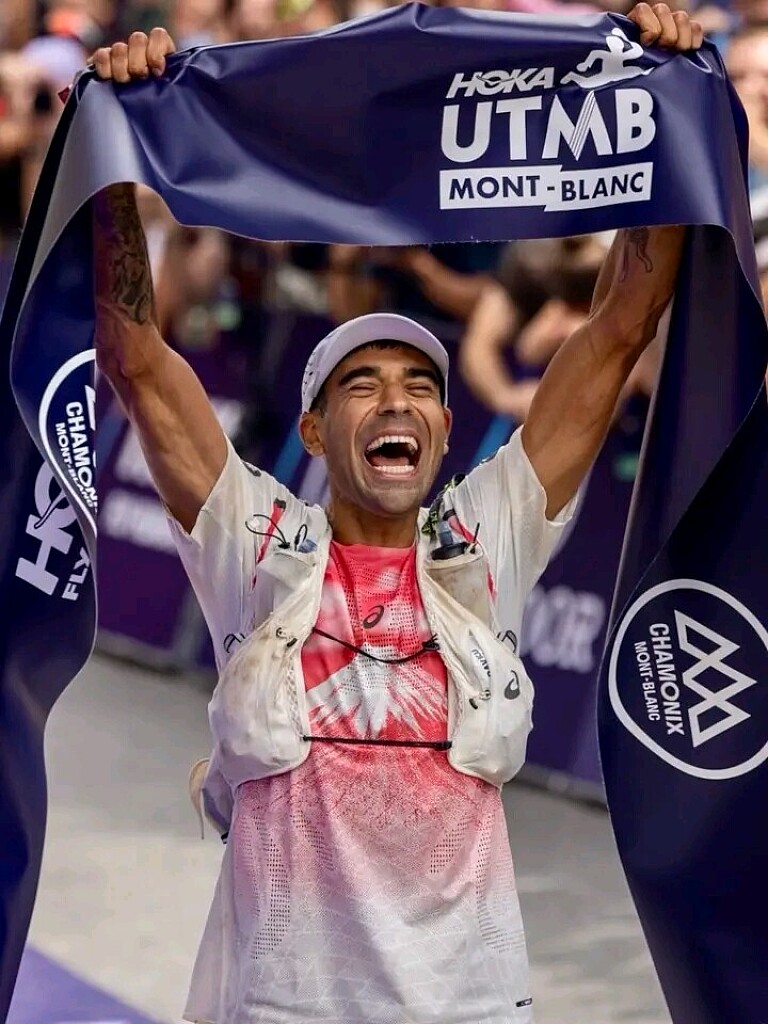


Ben Dhiman Shatters UTMB Course Record As 19-Hour Barrier Falls In Epic Mont-Blanc Triumph

Ben Dhiman has delivered a performance for the ages at UTMB Mont-Blanc, rewriting the history of the iconic 100-mile race with a stunning course-record run of 18:16:29.
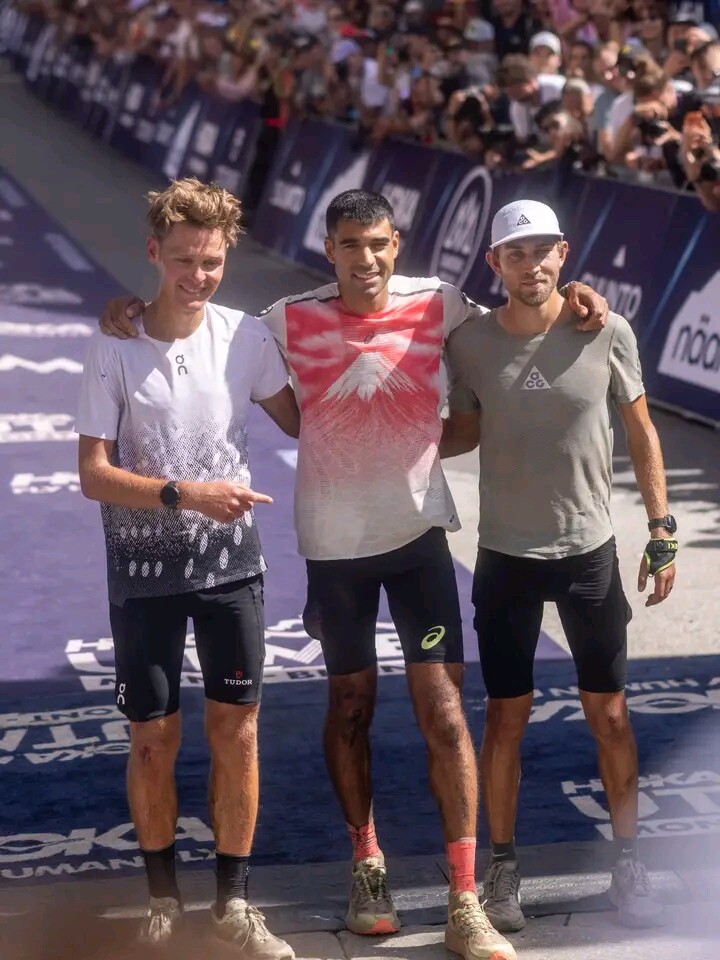
The American ultrarunner took control of the Ultra-Trail du Mont-Blanc at La Balme, 41 kilometres into the race, and once he moved to the front, he never surrendered the lead. More than 130 kilometres later, Dhiman arrived in Chamonix on Saturday afternoon to complete a remarkable journey through the Alps in 18:16:29 — becoming the first man to finish UTMB inside 19 hours.
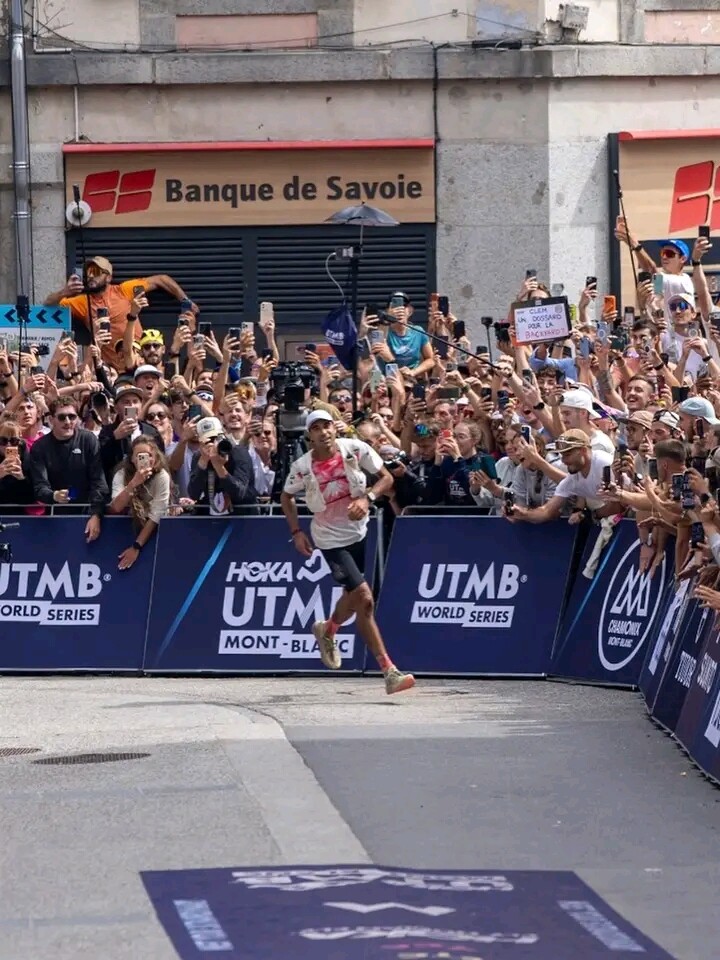
It was an extraordinary display of endurance, strength and determination, but Dhiman’s achievement becomes even more impressive when placed in the context of the conditions surrounding this year’s race. Organizers altered the course on the eve of the event, removing the Pyramides Calcaires section on the Italian side and delaying the start by two hours because of forecast thunderstorms.
Those changes left the field facing a 173.6-kilometre course with approximately 9,700 metres of elevation gain. Despite the demanding terrain and the revised race conditions, Dhiman maintained an astonishing level of consistency from the moment he took control.
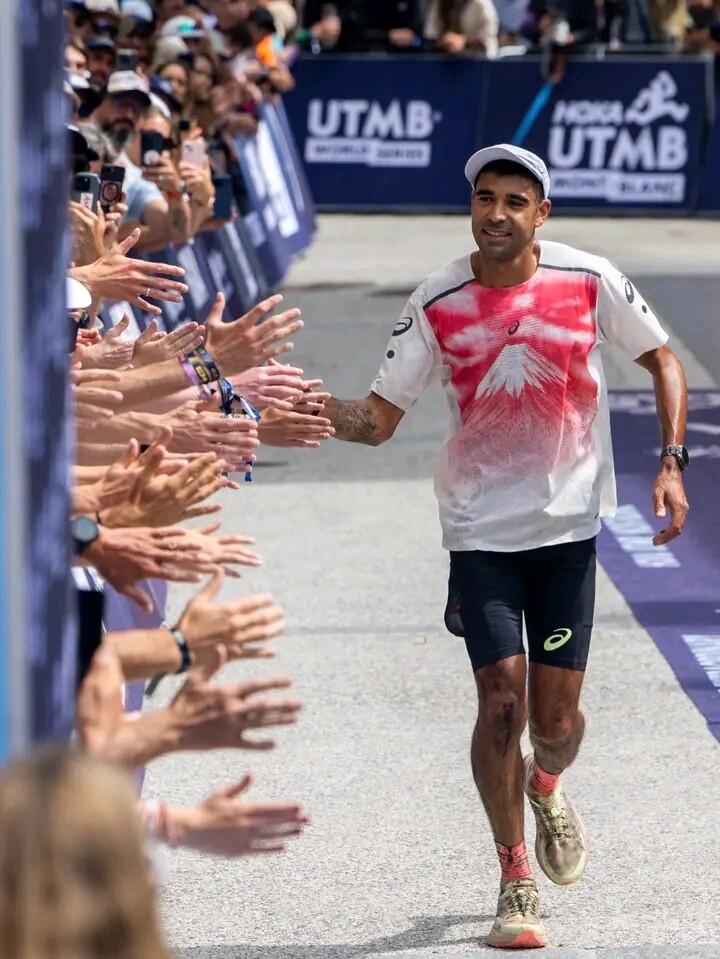
His winning time demolished the previous course record of 19:18:58, set by Britain’s Tom Evans in 2025, by an astonishing 1 hour, 2 minutes and 29 seconds. This was not a marginal improvement to an already formidable mark; it was a seismic leap that has dramatically reset the benchmark for one of the world’s most prestigious and demanding ultramarathons.
The scale of Dhiman’s progression is perhaps best illustrated by what happened 12 months ago. He finished second at UTMB last year in 19:51:37 on a nearly identical course. This time, he returned to Mont-Blanc and was 1 hour, 35 minutes and 8 seconds faster, transforming a runner-up finish into one of the most dominant performances in the race’s history.
Even more remarkable was his efficiency over the enormous distance. Dhiman spent just 9 minutes and 23 seconds stopped across the entire race, allowing him to maintain momentum while his rivals battled the relentless demands of the mountain course.
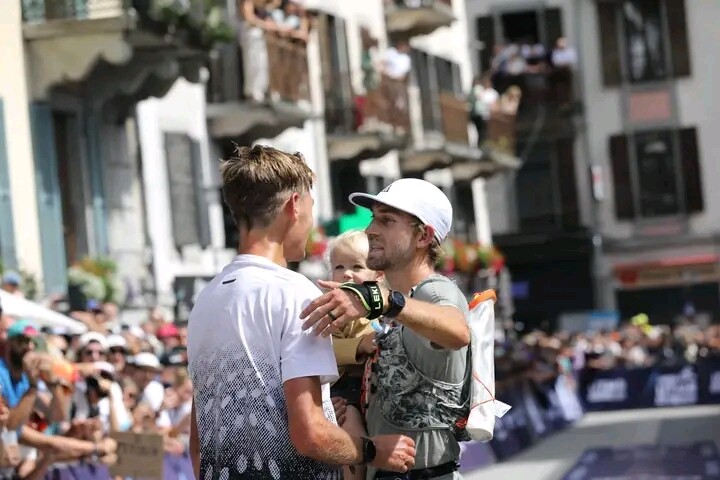
For years, the UTMB course record has represented the outer limits of human endurance. Vincent Bouillard’s 19:54:23 in 2024 and Jim Walmsley’s 19:37:43 in 2023 demonstrated the extraordinary level required to attack the race at record pace, while Kilian Jornet’s 19:49:30 in 2022 further underlined the rapid evolution of elite trail running.

Tom Evans then raised the standard to 19:18:58 in 2025.
Now Dhiman has taken it to an entirely different level.
Behind the runaway winner, Baptiste Chassagne produced a superb performance to finish second in 18:47:38. Caleb Olson completed the podium in 18:48:24, but his fight for second provided one of the race’s most dramatic closing chapters.
Olson was still 6 minutes and 32 seconds behind Chassagne with seven kilometres remaining, yet he unleashed a remarkable final descent, covering the closing section in just 29:08. His late surge brought him within touching distance of second place, ultimately finishing only 46 seconds behind Chassagne.
Beyond the clock and the final standings, Dhiman’s triumph was a powerful demonstration of what it takes to master ultra-trail running. The challenge demanded patience, concentration and an extraordinary ability to keep moving when fatigue was at its most unforgiving. Every climb, descent and technical section tested his limits, but Dhiman remained composed when it mattered most.
For Dhiman, crossing the finish line after such a gruelling Alpine journey represented the culmination of a remarkable transformation. After 18 hours, 16 minutes and 29 seconds of relentless effort, he could finally celebrate not only becoming the 2026 UTMB champion, but also establishing a new benchmark that could stand for years.
And his record-breaking run has immediately opened another fascinating chapter for the sport.
Can anyone break the 18-hour barrier?
With more than an hour removed from a record that had stood at 19:18:58, the once-unthinkable 18-hour mark suddenly feels closer than ever. Yet breaking it would require another extraordinary combination of sustained speed, climbing power, descending skill, nutrition, favourable weather and near-perfect execution across the immense Alpine course.
Dhiman has set the bar exceptionally high.
The 19-hour barrier has fallen.
The 18-hour barrier is now the next frontier.
Dhiman’s historic victory brought the men’s race to a spectacular conclusion, capping an extraordinary day of ultra-trail running in which the American not only claimed the UTMB crown but also shattered a record that had appeared almost untouchable. His 18:16:29 will now stand as the new benchmark at Mont-Blanc, setting an imposing challenge for the elite field that will return in search of glory in the years ahead.
Mont Blanc has a new king, and the next chapter of UTMB history has already begun.
by Erick Cheruiyot for My Best Runs.
Login to leave a comment
Latest Running News
Mark Kiptoo Shatters M50 Marathon World Record As Ethiopian Duo Shine In Frankfurt
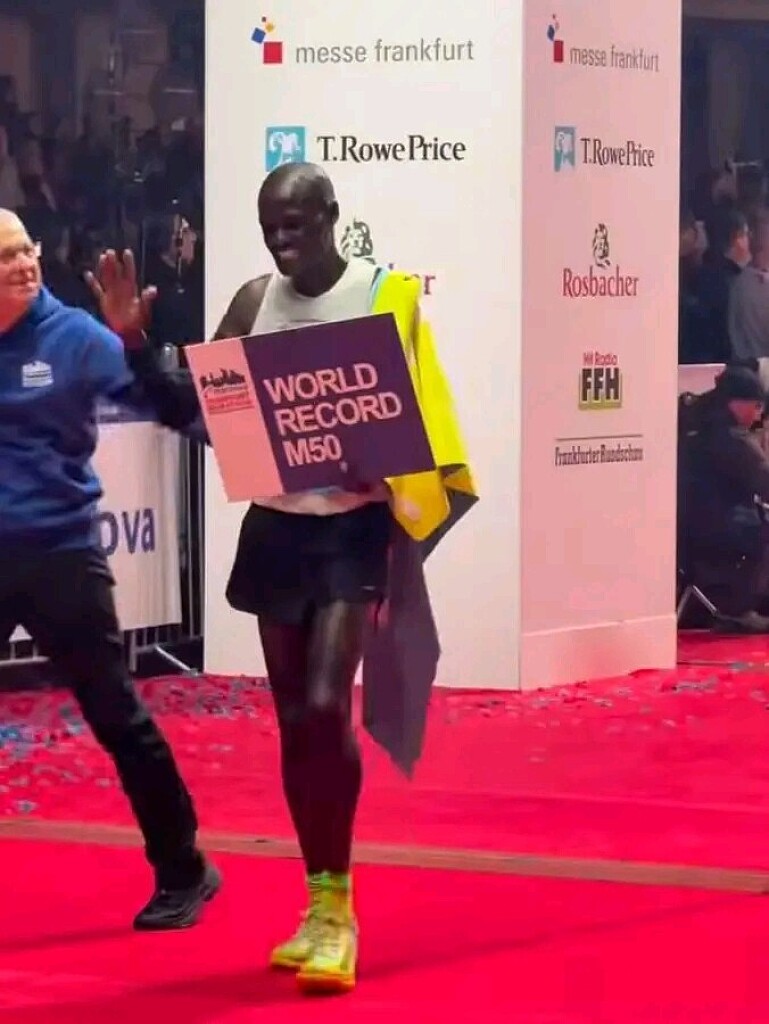
Kenyan distance-running veteran Mark Kiptoo delivered an extraordinary performance at the 2026 Frankfurt Marathon in Germany on Sunday, October 25, setting a new men's M50 marathon world record with a remarkable time of 2:15:24.
At 50, Kiptoo continues to defy expectations, demonstrating that age is no barrier to exceptional endurance, speed and determination. His performance highlighted another remarkable chapter in a career defined by longevity and an unwavering commitment to distance running.
The Kenyan improved on the previous M50 marathon world record of 2:19:29, set by South Africa's Titus Mamabolo in 1991, by an extraordinary four minutes and five seconds. The previous mark had stood for 35 years, making Kiptoo's achievement an especially significant milestone in masters marathon running.
His latest record-breaking performance comes just weeks after he reportedly set an M50 half-marathon world record of 1:03:57 in San Sebastián, Spain. The two achievements underline his exceptional form and ability to maintain an extraordinary level of competitiveness at an age when many athletes have long since retired from elite competition.
Frankfurt has played a defining role in Kiptoo's marathon journey. He made his marathon debut at the German race in 2013 at the age of 37, finishing second in 2:06:16. A year later, he returned to claim victory in 2:06:49, establishing himself among the leading marathoners of his era.
In 2018, Kiptoo again made history on the same course, recording 2:07:50 to establish a then-world record in the men's M40 masters marathon category. His return to Frankfurt in 2026 has now delivered another extraordinary chapter, with the Kenyan rewriting the M50 record books at the age of 50.
From competing against the world's leading marathoners in his 30s to producing record-breaking performances in the masters ranks, Kiptoo has demonstrated remarkable longevity, discipline and determination. His journey is a powerful reminder that age does not necessarily signal the end of sporting excellence.
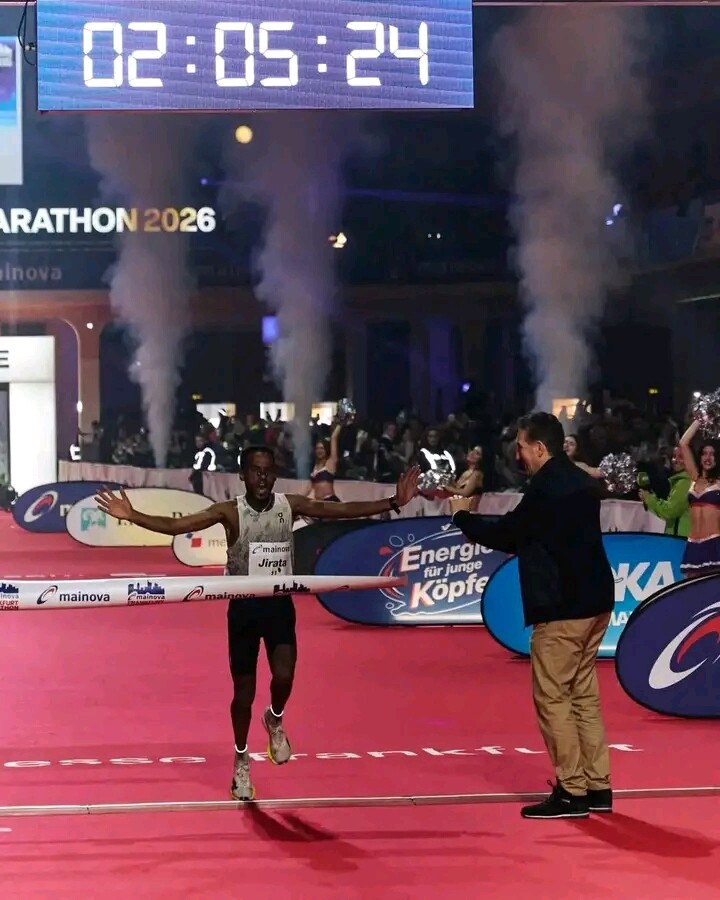
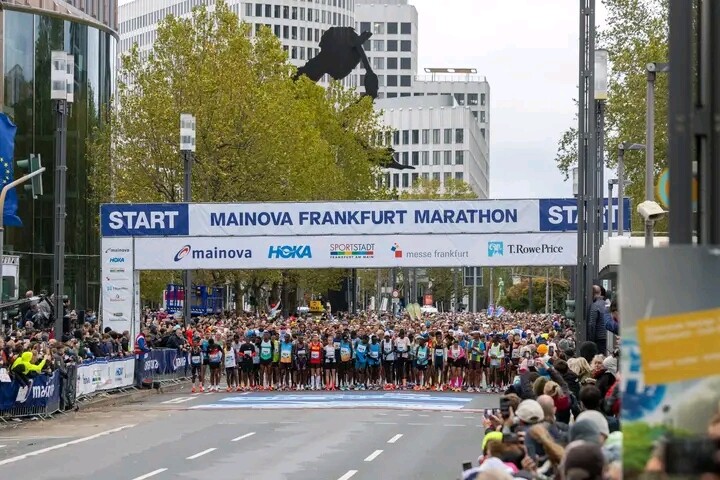
Kiptoo's achievement was one of the standout stories of the Frankfurt Marathon, which also witnessed Ethiopian runners dominate the elite races, with Lelisa Denki and Zeineba Yimer claiming the men's and women's titles, respectively.
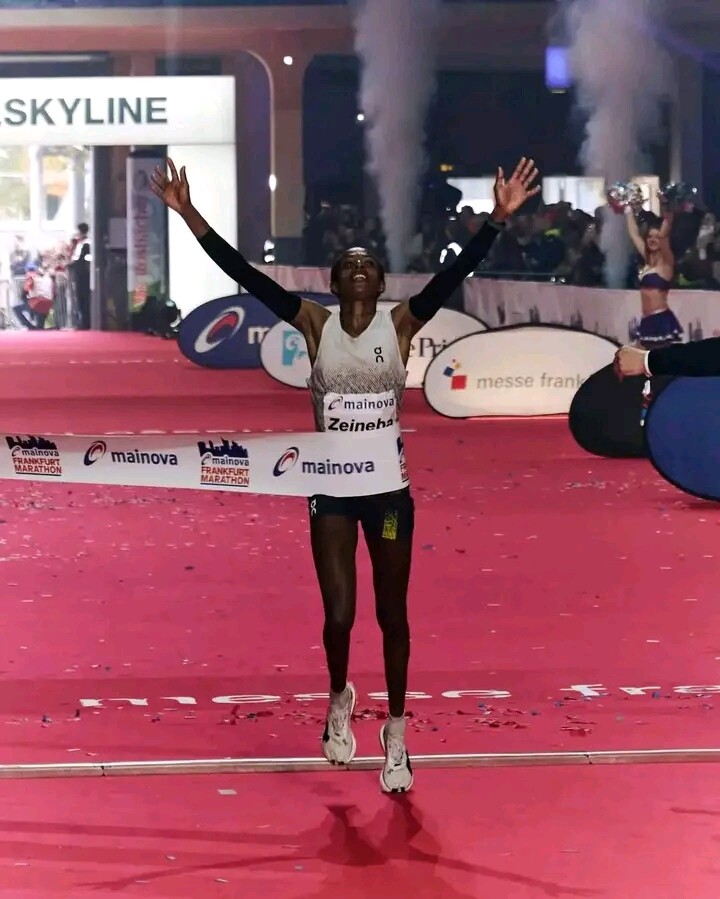
In the men's race, Denki produced an impressive performance to take victory in a personal-best time of 2:05:26. Germany's Amanal Petros delighted the home crowd by finishing second in 2:05:46, while Kenya's Benard Biwott secured third place in 2:06:23, ensuring a strong podium finish for the East African nation.
The women's contest was equally compelling, with Ethiopia's Yimer taking the title in 2:19:45. Germany's Blanka Dörfel finished second in 2:20:46, while Ethiopia's Beriha Gebreslasie completed the podium in third place with a time of 2:22:46.
The results underlined Ethiopia's strength in international marathon running, while the performances of Petros, Biwott and Dörfel provided memorable moments for German athletics fans on home soil.
For Kiptoo, however, the spotlight belonged to his remarkable achievement in the men's M50 category. His 2:15:24 performance represented an exceptional demonstration of endurance and competitive ability at an age when many former elite runners have long since stepped away from top-level competition.
Frankfurt has long held a special place in Kiptoo's marathon career. He made his marathon debut at the event in 2013, finishing second in 2:06:16 before returning a year later to claim victory in 2:06:49. He also established a world record in the men's over-40 category on the same course in 2018, clocking 2:07:50.
His latest performance further strengthens his connection with the German race, where he has repeatedly demonstrated his ability to produce outstanding results across different stages of his career.
Beyond the numbers, Kiptoo's achievement carries an inspiring message for runners around the world. His continued success demonstrates the value of discipline, experience and perseverance, challenging conventional assumptions about the age at which athletes can remain competitive.
For Kenya, his performance adds another remarkable chapter to the country's rich distance-running heritage. Meanwhile, the victories of Denki and Yimer ensured that Ethiopia also left Frankfurt celebrating a memorable day on the marathon circuit.
The 2026 Frankfurt Marathon therefore delivered a compelling combination of elite competition and sporting inspiration, from the fast times at the front of the men's and women's races to Kiptoo's extraordinary achievement in the masters category.
At 50, Kiptoo continues to challenge expectations and push the boundaries of what is possible in distance running, proving that a passion for excellence can endure long after many athletes have retired.
by Erick Cheruiyot for My Best Runs.
Login to leave a comment

Mainova Frankfurt Marathon
Frankfurt is an unexpectedly traditional and charming city, with half-timbered buildings huddled in its quaint medieval Altstadt (old city), cosy apple wine taverns serving hearty regional food, village-like neighbourhoods filled with outdoor cafes, boutiques and street art, and beautiful parks, gardens and riverside paths. The city's cache of museums is second in Germany only to Berlin’s, and its nightlife...
more...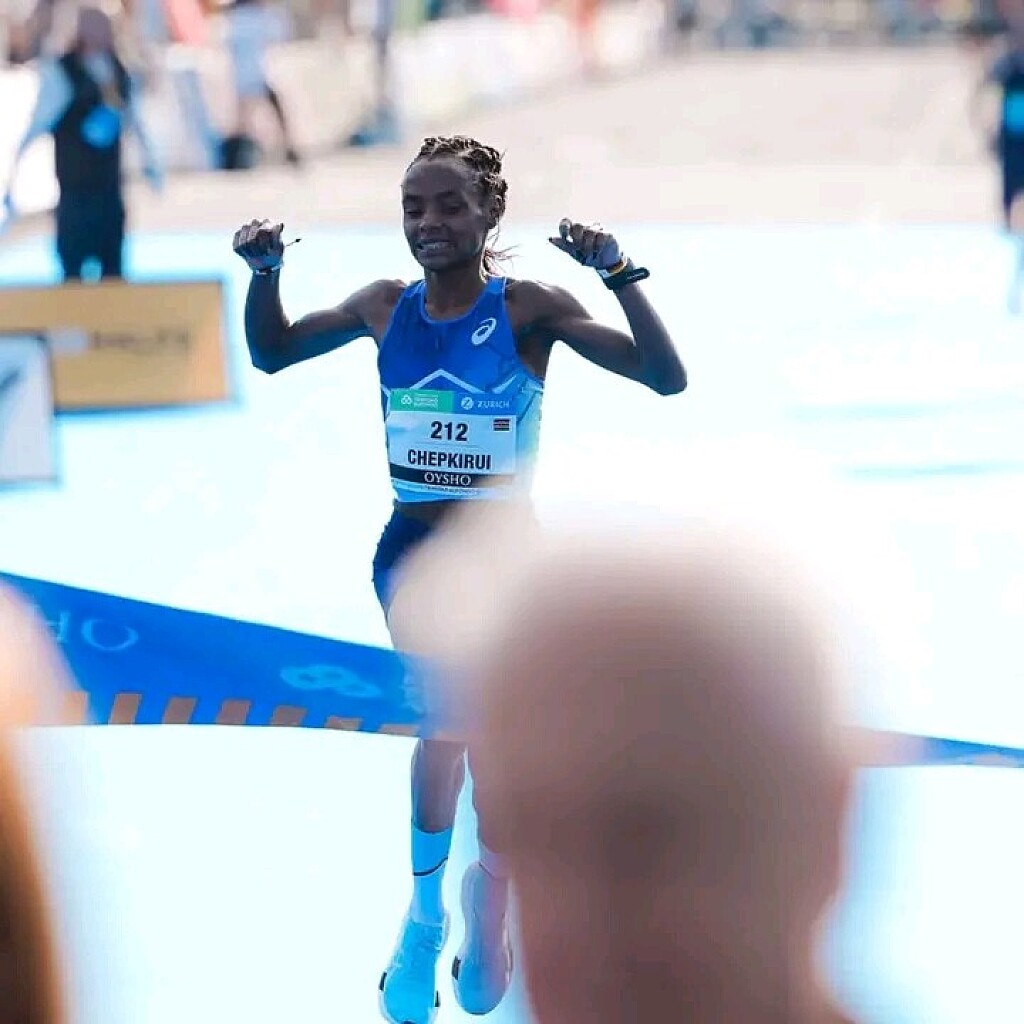
Rodrigue Kwizera Sets Spanish Record With 58:03 Valencia Victory As Sheila Chepkirui Triumphs In Women’s Race
Rodrigue Kwizera produced a historic performance at the Valencia Half Marathon on October 25, 2026, storming to victory in 58:03 to set a new Spanish national record in the men’s half marathon.
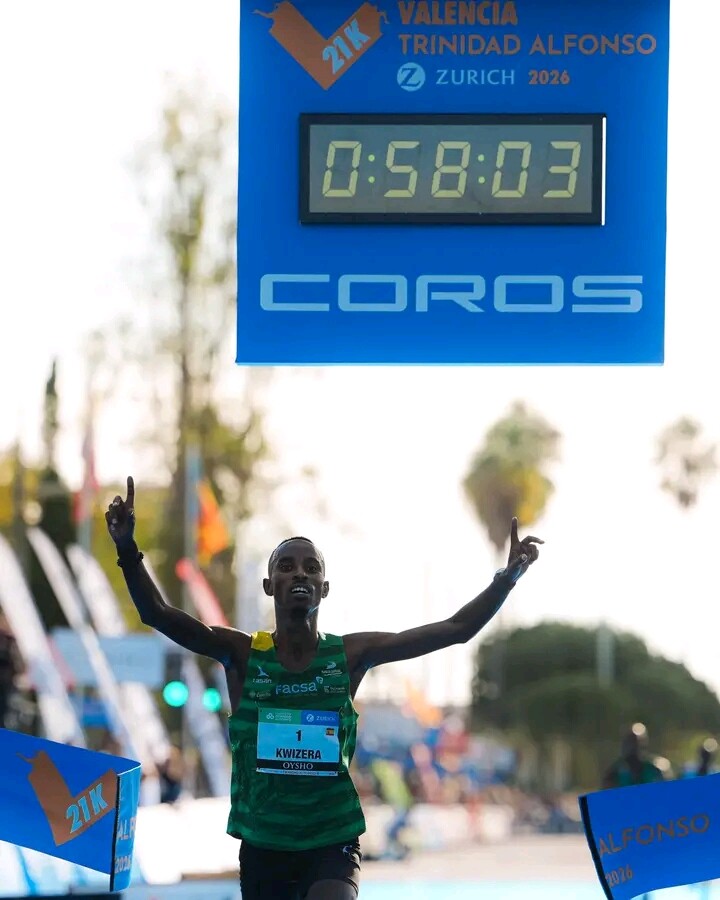
The Burundi-born distance runner, who represents Spain internationally, delivered a decisive finish after leading for much of the second half of the race. He unleashed a powerful final kick over the closing 800 metres to secure the title and cap a remarkable performance on one of the world’s fastest half-marathon courses.
Kwizera held off compatriot Thierry Ndikumwenayo, who finished second in 58:09, while Kenya’s Víctor Kipruto claimed third place in 58:13.
Ethiopia’s Tadesse Worku finished fourth in 58:33, followed by Kenya’s Owen Korir Kapkama in fifth in 58:42. Ethiopia’s Jemal Yimer placed sixth in 59:01, while Kenya’s James Kipkosgei finished seventh in 59:03 and compatriot Brian Kipkore took eighth in 59:12. Sudan’s Yaseen Abdalla secured ninth place in 59:20, finishing in the same time as France’s Emmanuel Roudolff-Levisse, who rounded out the top 10.
The men's contest showcased the fine margins separating victory from defeat at the highest level of road running. Kwizera's ability to maintain his position before accelerating in the closing stages proved decisive, allowing him to break away and secure a memorable victory.
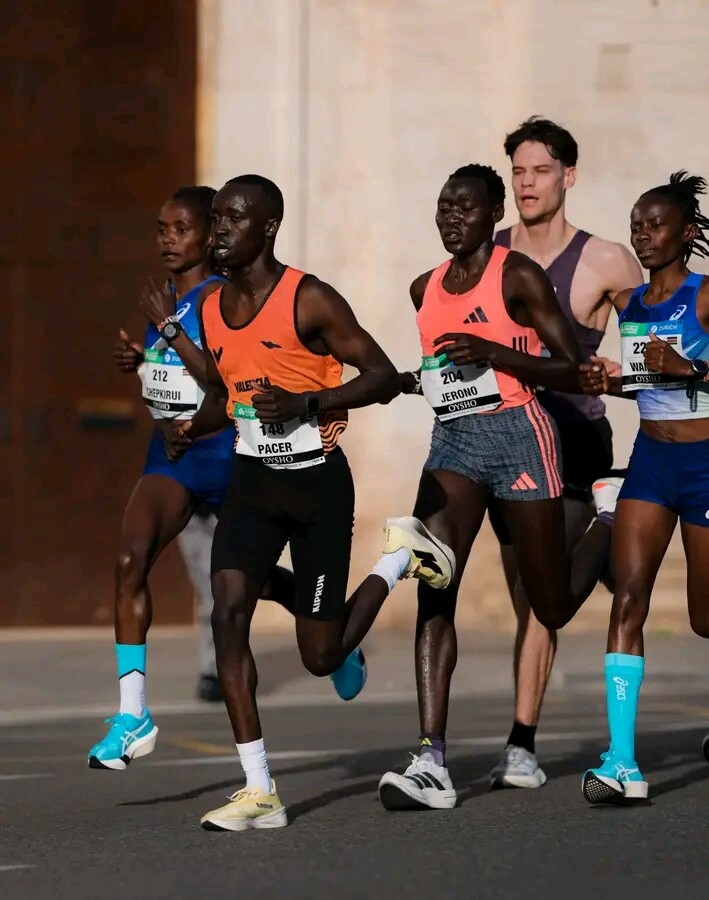
In the women’s race, Kenya’s Sheila Chepkirui claimed victory in 1:03:51, narrowly defeating compatriot Diana Wanza, who finished just one second behind in 1:03:52. Daisilah Jerono completed a Kenyan sweep of the podium in 1:04:11.
Chepkirui’s performance was particularly impressive, as she improved substantially on her listed personal best of 1:06:01, delivering a breakthrough performance against a strong international field.
The women's race featured a strong contingent of Kenyan and Ethiopian distance runners, with the leading athletes pushing each other to impressive times. Chepkirui maintained her advantage in a tightly contested finish, while Wanza came agonisingly close to taking the title.
Ethiopia’s Mizan Alem finished fourth in 1:04:54, followed by compatriot Senayet Getachew in 1:04:57. Kenya’s Caroline Gitonga placed sixth in 1:04:59, while Gladys Kwamboka finished seventh in 1:05:02. Jesca Chelangat took eighth in 1:05:29, followed by Miriam Chebet in 1:05:39. Ethiopia’s Aynadis Mebratu completed the top 10 in 1:05:40.
The depth of the women's results underlined the intensity of the competition, with six athletes finishing inside 1:05:00. Kenya's ability to secure the first three places further demonstrated the country's strength in international road racing.
For Kwizera, the victory represented more than another international title. His 58:03 performance established a new benchmark for Spain, adding a national-record achievement to a race defined by speed, tactical discipline and a decisive late surge.
Valencia's reputation as a destination for outstanding distance-running performances was once again reinforced by the quality of the racing. The fast course and deep international fields provided the setting for athletes to test their limits and deliver performances that will stand out in the season's road-running calendar.
With Kwizera celebrating a Spanish national record and Chepkirui leading a Kenyan sweep of the women's podium, the 2026 Valencia Half Marathon delivered a compelling double triumph, celebrating individual excellence and the remarkable depth of international distance running
by Erick Cheruiyot for My Best Runs.
Login to leave a comment

Valencia Half Marathon
The Trinidad Alfonso Valencia Half Marathon has become one of the top running events in the world. Valencia is one of the fastest half marathon in the world. The race, organized by SD Correcaminos Athletics Club, celebrated its silver anniversary in style with record participation, record crowd numbers, Silver label IAAF accreditation and an atmosphere that you will not find...
more...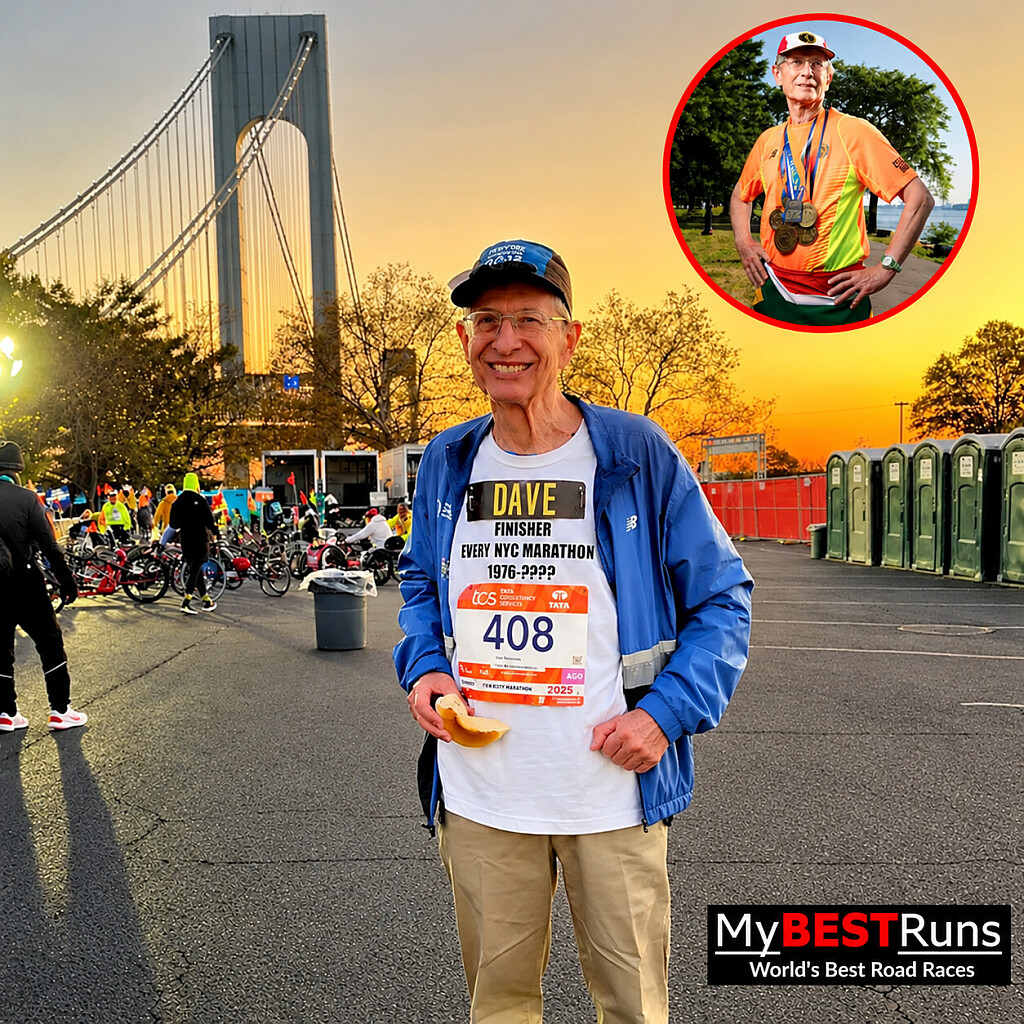
At 83, Dave Obelkevich Is Preparing To Run His 50th New York City Marathon After Five Decades Of Endurance
At 83, retired music teacher Dave Obelkevich is preparing to achieve an extraordinary milestone that reflects nearly half a century of dedication, resilience and an enduring love of running. On November 1, 2026, he is set to take on the TCS New York City Marathon for the 50th time, adding another chapter to a remarkable journey that began in 1976.
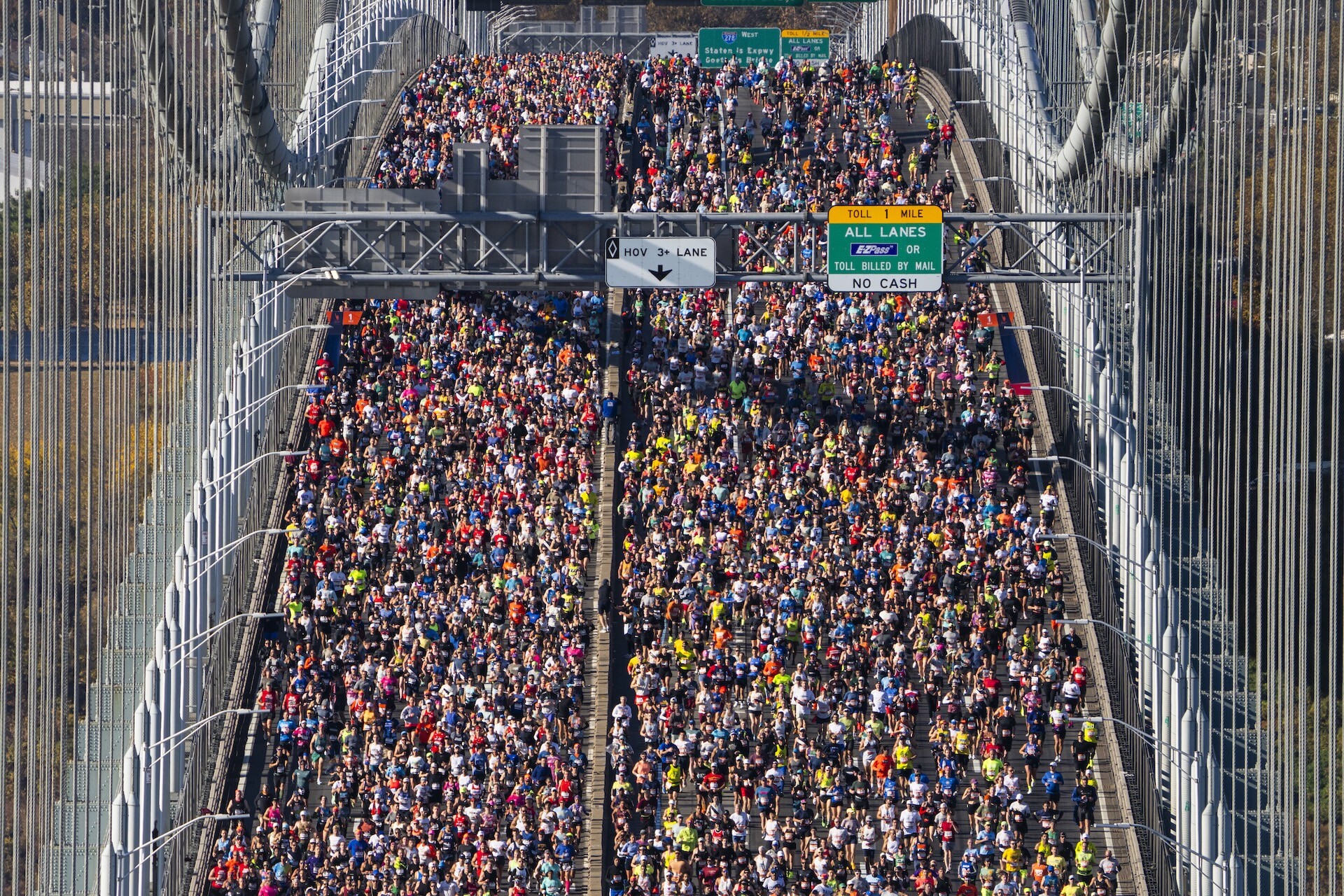
For Obelkevich, the road to this achievement has never been defined solely by finishing times, personal records or podium finishes. Instead, his story is about consistency, a passion for the sport and the determination to keep moving forward, even when life presents its toughest challenges.
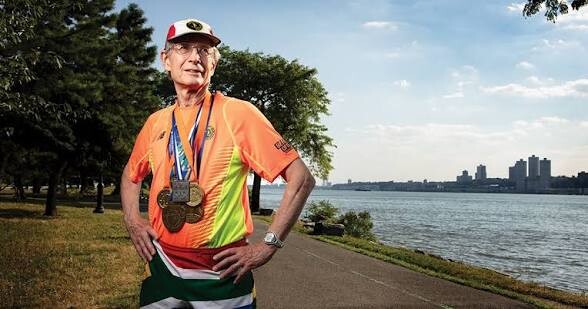
Since making his New York City Marathon debut five decades ago, Obelkevich has completed 49 editions of the iconic race. His remarkable running résumé also includes 15 other marathons and approximately 200 ultramarathons, demonstrating a level of endurance and commitment that continues to inspire runners across generations.
The 2026 edition would mark his 50th completion of the New York City Marathon, a milestone few runners ever approach, let alone achieve in their eighties.
However, his journey has not been without adversity. In 2020, Obelkevich survived a life-threatening aortic aneurysm that required emergency surgery and weeks of intensive care. Such a medical crisis could have brought his running career to a permanent end, but he refused to let the setback define his future.
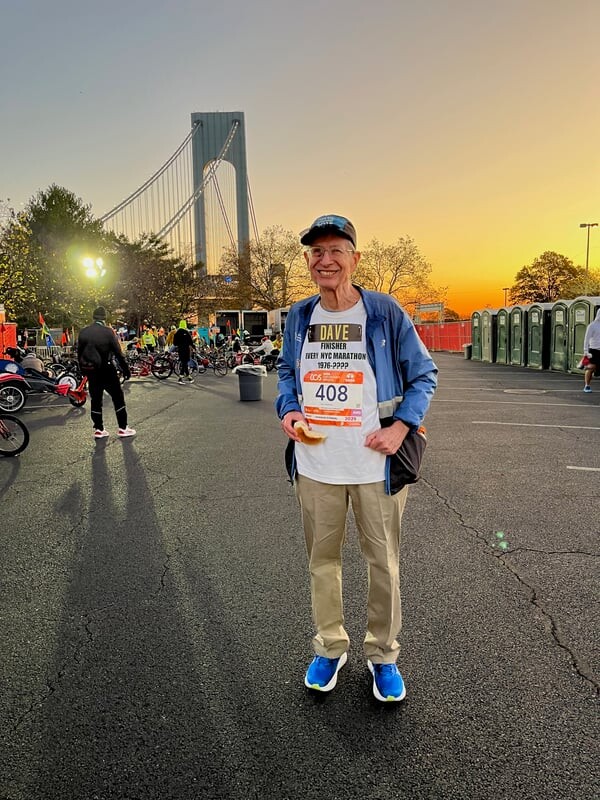
Remarkably, he returned to the New York City Marathon in 2021, making his way back to the starting line and proving that his determination to run remained stronger than the obstacles he had faced.
His comeback was a powerful reminder that resilience is not about avoiding difficult moments, but about finding the courage to move forward after them.
Now, as he prepares for another 26.2-mile journey through New York's five boroughs, Obelkevich represents something far greater than longevity in sport. His story illustrates how running can remain a source of purpose, happiness and human connection throughout a lifetime.
For him, the appeal extends beyond the finish line. It is found in the experience of moving through a city he loves, meeting fellow runners and sharing in the collective spirit that makes the New York City Marathon one of the world's most celebrated road races.
At 83, his determination also challenges conventional ideas about ageing and athletic achievement. While younger runners may focus on chasing personal bests or breaking records, Obelkevich's remarkable journey offers a different perspective: there is immense value in remaining active, embracing challenges and continuing to pursue what brings joy.
His story is not simply about the number of marathons he has completed. It is about the decades of commitment behind that number, the courage required to return after a life-threatening illness and the passion that has kept him connected to the sport for nearly 50 years.
On November 1, thousands of runners will take to the streets of New York in pursuit of their own goals. Among them, Obelkevich will have a particularly meaningful milestone in sight: his 50th New York City Marathon.
At an age when many people have long since stepped away from demanding physical challenges, he continues to demonstrate that determination does not have an expiry date.
Fifty New York City Marathons. Approximately 200 ultramarathons. Five decades of running. One extraordinary example of perseverance.
Dave Obelkevich's journey is a reminder that success is not always measured by how quickly we reach the finish line, but by our willingness to keep going, even when the road becomes difficult.
At 83, he is still showing up, still moving forward and still finding reasons to run.
And sometimes, that is a victory more powerful than any medal.
by Erick Cheruiyot for My Best Runs.
Login to leave a comment

TCS New York City Marathon
The first New York City Marathon, organized in 1970 by Fred Lebow and Vince Chiappetta, was held entirely in Central Park. Of 127 entrants, only 55 men finished; the sole female entrant dropped out due to illness. Winners were given inexpensive wristwatches and recycled baseball and bowling trophies. The entry fee was $1 and the total event budget...
more...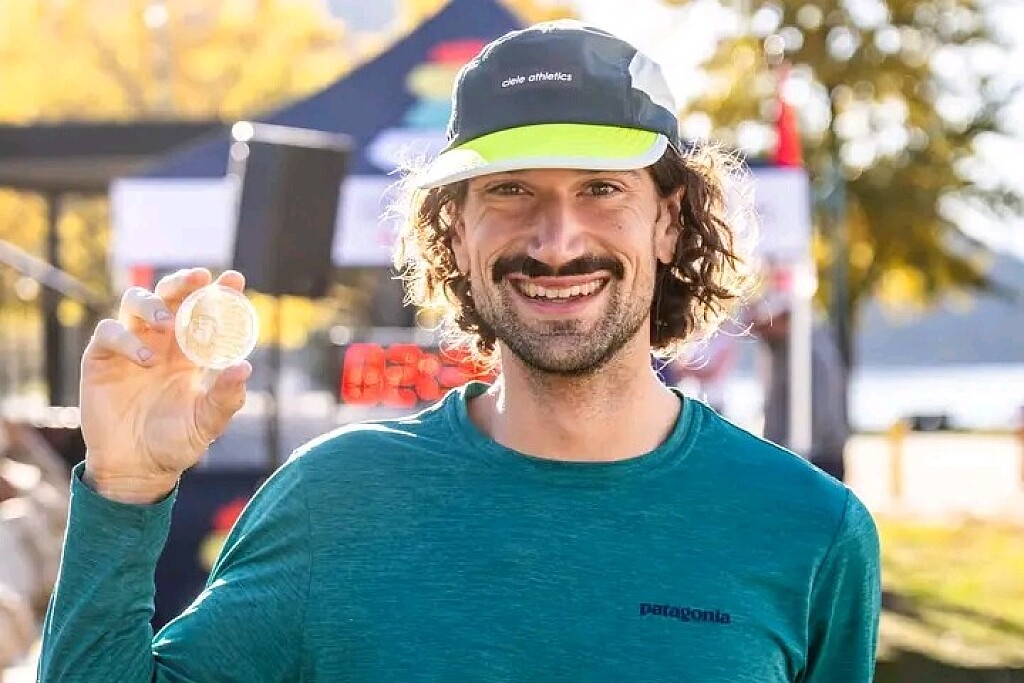
Michael Serani Conquers 82 Hours And Nearly 550km To Become Canada’s Backyard Ultra Champion
Michael Serani has pushed the limits of human endurance, completing 82 laps over approximately 82 hours to become Canada’s Backyard Ultra Champion after covering an astonishing 549.9 kilometres in an extraordinary test of physical strength and mental resilience.

The runner from Kelowna, British Columbia, repeatedly returned to the starting line for more than three days, navigating the relentless demands of one of ultrarunning’s most unforgiving formats to secure the national title. His remarkable performance also doubled his previous personal best, marking a significant breakthrough in his endurance-running career.

Serani’s total distance of 549.9 kilometres is equivalent to more than 13 marathons, but the challenge was not simply about how far he could run. It was about how long he could keep going, hour after hour, while managing fatigue, recovery and the growing demands of an increasingly exhausted body.
The Backyard Ultra format is deceptively simple. Competitors must complete a 6.706-kilometre loop within one hour and return to the starting line when the next hour begins. Any remaining time can be used to eat, hydrate, change clothing or shoes, and prepare for another lap. Missing the deadline or failing to start the next loop ends a runner’s challenge.
Unlike conventional ultramarathons, which have a predetermined finishing distance, Backyard Ultras continue until only one competitor remains capable of completing another lap. The winner must run one more loop than the final opponent, making consistency, recovery and mental toughness just as important as running speed.
For Serani, the challenge demanded an extraordinary commitment to returning to the course despite mounting exhaustion. Every completed loop brought another hour of running, followed by a brief opportunity to recover before the next start. As the hours accumulated and the race extended through successive days and nights, maintaining that cycle became a battle against both physical fatigue and mental strain.
His achievement is particularly impressive because he finished with nearly 550 kilometres behind him while doubling his previous best distance. In a discipline where competitors must repeatedly summon the determination to continue, sustaining that effort across 82 laps represents an exceptional display of endurance.
By the time Serani completed his remarkable journey, he had secured the Canadian Backyard Ultra title and established a new personal benchmark that will stand as a defining achievement in his running career.
His performance is a powerful reminder that ultrarunning is not always about being the fastest athlete on the course. Sometimes, success belongs to the runner who can keep answering the call of the starting line long after the challenge has become a test of sheer determination.
by Erick Cheruiyot for My Best Runs.
Login to leave a comment
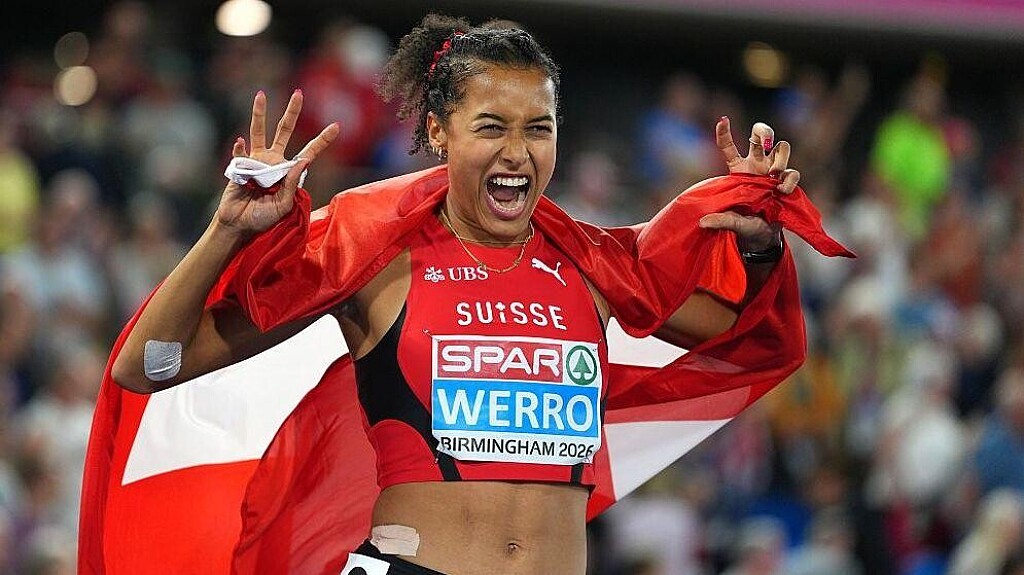
Audrey Werro Crowned European Women’s Athlete Of The Year After Record-Breaking 800m Campaign
Swiss middle-distance star Audrey Werro has been named the 2026 Women’s European Athlete of the Year at the Golden Tracks awards in Lausanne, Switzerland, following a remarkable season in which she established herself as one of the most dominant forces in the women’s 800 metres.
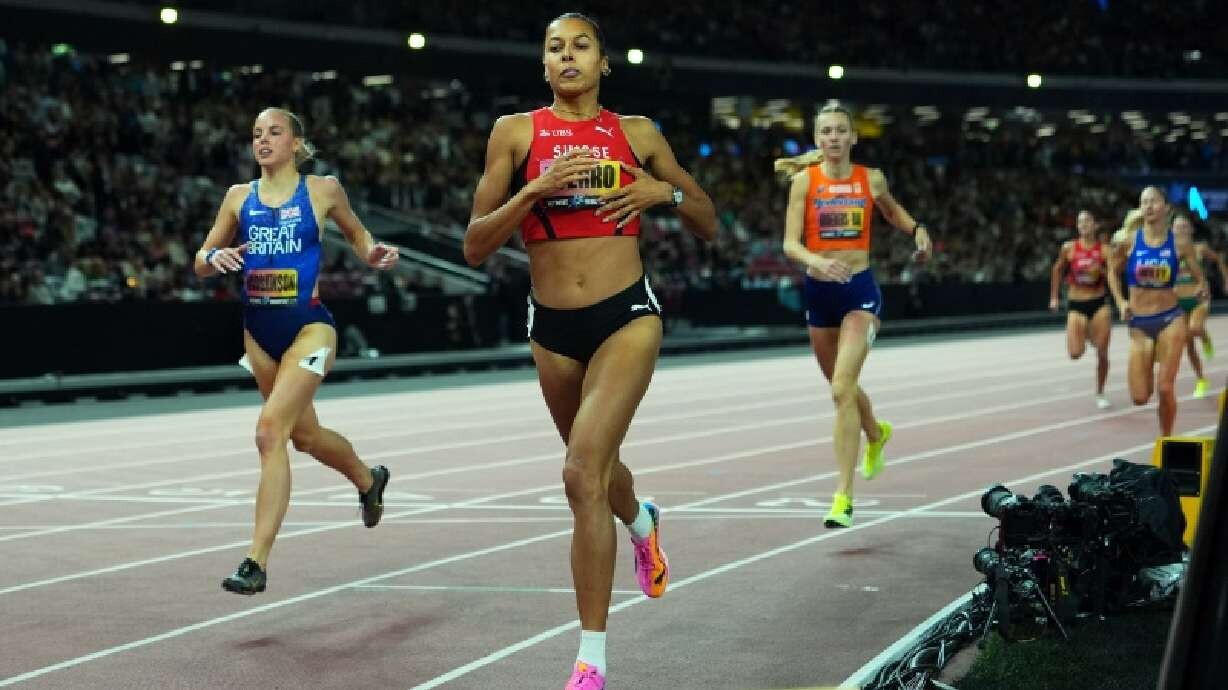
The 22-year-old enjoyed an extraordinary outdoor campaign, remaining unbeaten over her specialist distance while collecting major titles, rewriting national records and producing performances that placed her among the fastest women ever to contest the two-lap event.
Werro’s outstanding season was highlighted by her triumph at the European Athletics Championships in Birmingham, where she stormed to the women’s 800m gold medal in a championship-record time of 1:54.81. Her victory underlined her ability to deliver on the biggest stage and confirmed her status as one of the leading figures in European middle-distance running.
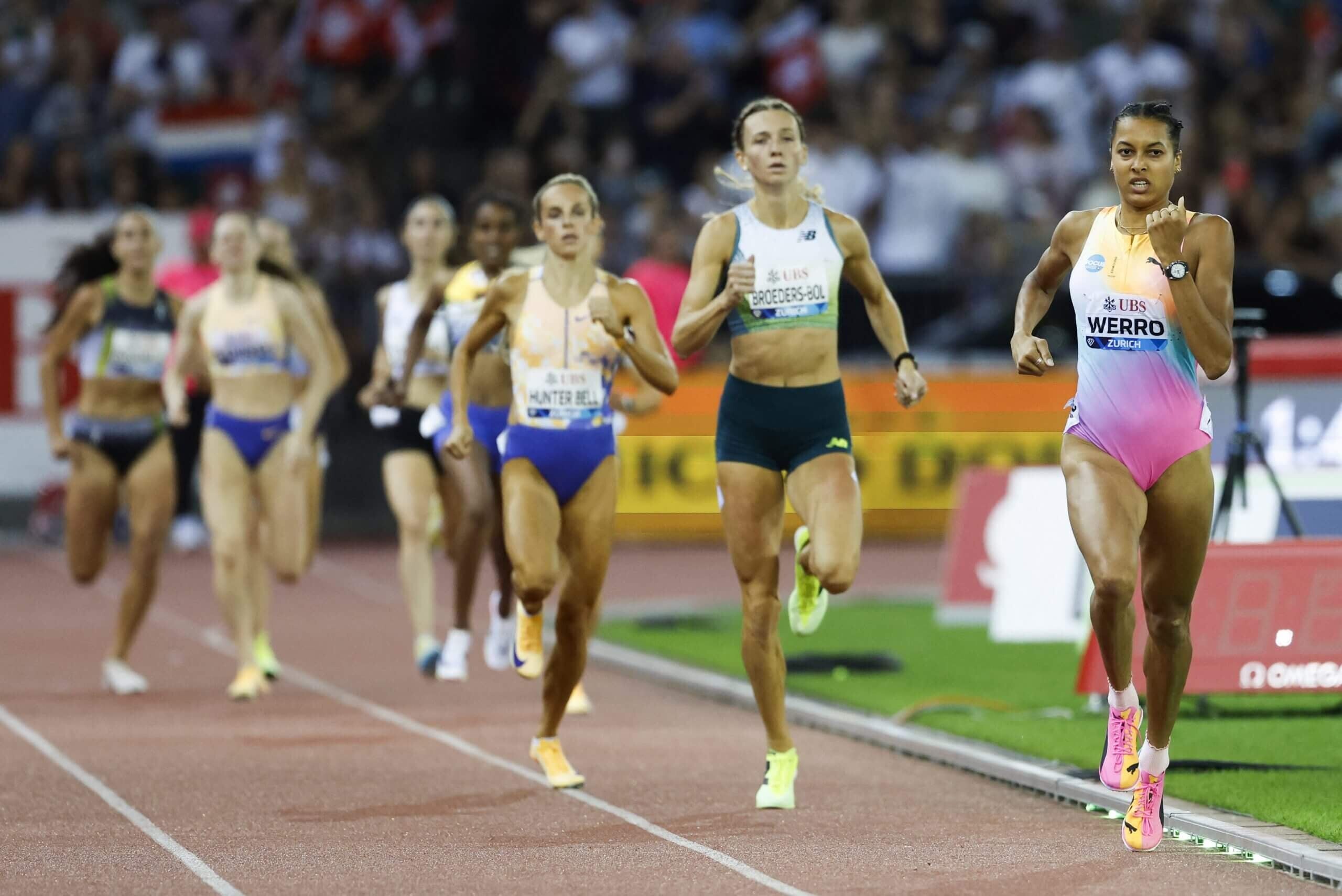
Her dominance extended well beyond the continental championships. Werro also claimed victory at the Diamond League Final in Brussels before adding another prestigious title at the inaugural World Athletics Ultimate Championships in Budapest, completing an exceptional collection of honours against some of the strongest athletes in the world.
One of the defining moments of her season came in Zurich, where she clocked an astonishing Swiss national record of 1:53.70. The performance elevated her to third on the all-time women's 800m list, placing her among an elite group of athletes who have ever covered the distance at such remarkable speed.
Werro also achieved a rare milestone by breaking the 1:54 barrier three times in a single season, further demonstrating the consistency and exceptional form that distinguished her campaign.
Her European Athlete of the Year award represents recognition of a season built on speed, tactical intelligence and an ability to deliver when the stakes are highest. Rather than relying on a single outstanding performance, the Swiss star repeatedly demonstrated her class across major championships and elite international meetings.
At just 22, Werro has already established herself as one of the most exciting talents in global athletics. Her combination of championship success, record-breaking performances and remarkable consistency suggests that she has the potential to remain a leading contender in the women's 800m for years to come.
For Switzerland, her achievements represent another significant moment in its athletics history. For the rest of the world, they signal the emergence of a formidable middle-distance force capable of challenging the very best whenever she steps onto the track.
With the 2026 season now providing a powerful statement of her abilities, Werro has earned her place among the standout performers of the year. Her remarkable campaign has not only brought her individual recognition but has also raised expectations for what she might achieve in the seasons ahead.
by Erick Cheruiyot for My Best Runs.
Login to leave a comment
