

Running News Daily
Top Ten Stories of the Week
6/29/2019
These are the top ten stories based on views over the last week.
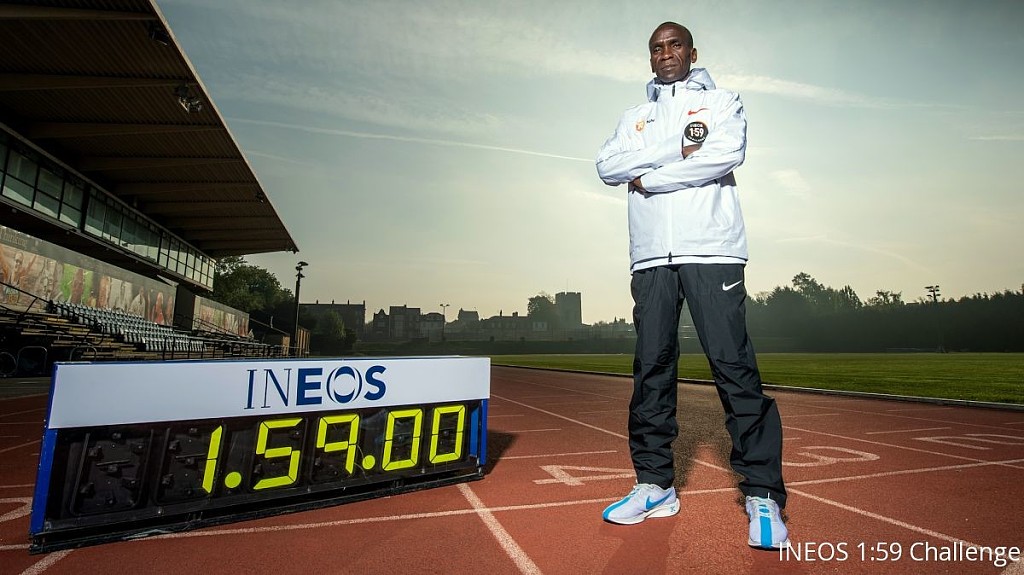


Kenya's Eliud Kipchoge has started training to break the two hour mark in the marathon
World marathon champion Eliud Kipchoge said on Thursday that he has started training in order to be fit to battle the INEOS 1:59 Challenge.
This will be the second attempt for the 34-year-old to beat the odds and run the marathon distance in under two hours as the fastest man.
"I think a good career is where you give yourself a challenge every now and then and so I think it is high time for me to try another challenge by beating the two-hour mark," said Kipchoge from Eldoret.
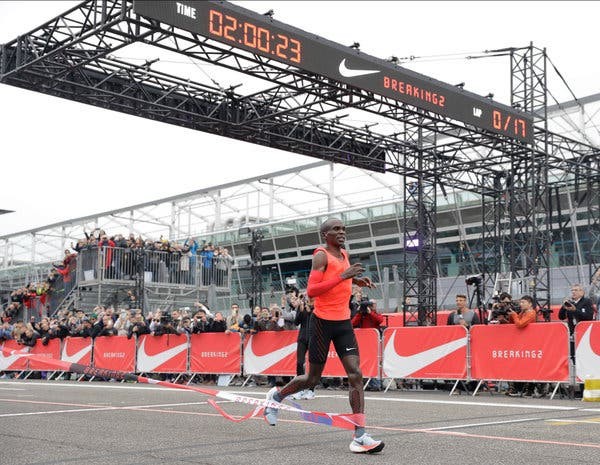
In 2017, Kipchoge missed 26 seconds from his initial attempt to break the two-hour mark as he clocked in two hours and 25 seconds in his "Breaking Two" project on Italy's Monza motor racing circuit.
Now he has shelved plans to compete at the World Championships or defend his Berlin marathon title to focus on running to break the two-hour mark in a bid sponsored by British manufacturing company INEOS.
It will take place on an unspecified flat loop circuit venue in London, on a date to be decided in October.
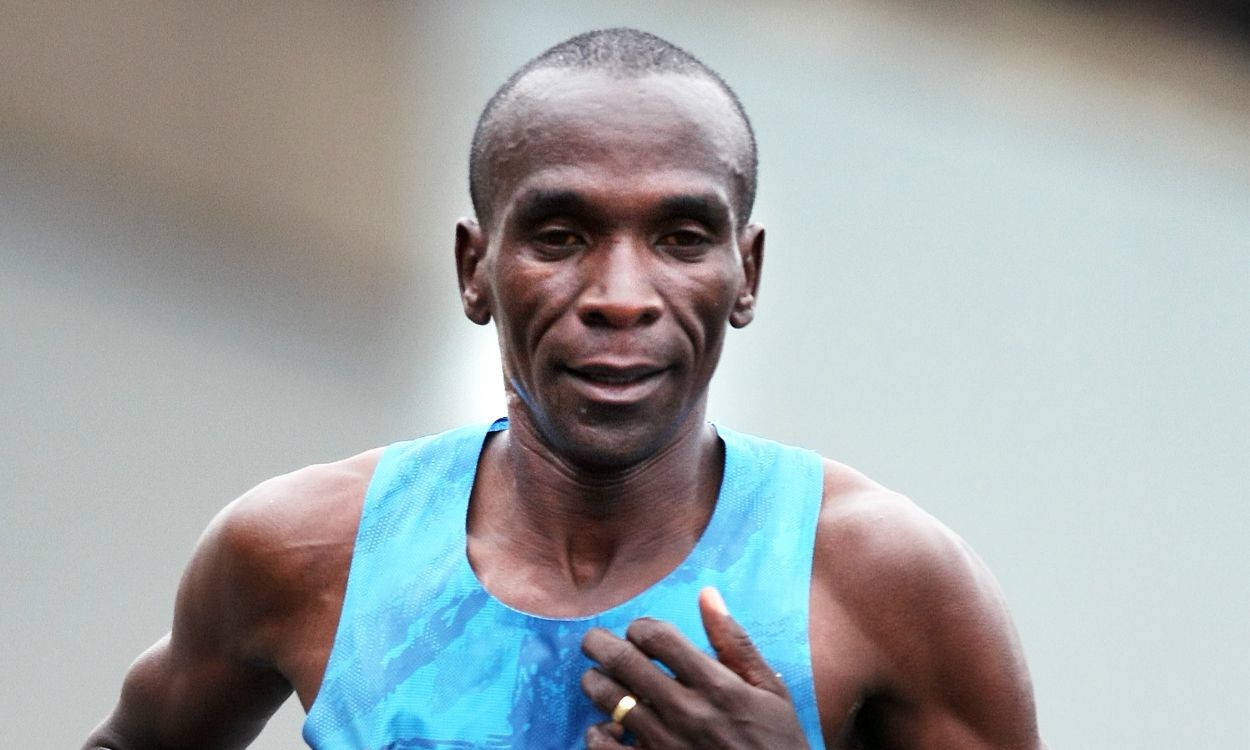
"INEOS Challenge is a noble course, it's a historic challenge where I am going to make history. Many ideologies have been said that no human can break the two-hour mark. But personally, I have dared to try for the first time and I missed by 26 seconds. Now I have a rich experience from Monza and am confident that I will beat the mark because our training program is different from the other training," said Kipchoge.
Indeed, the Olympic champion has had two months of total rest after winning the London marathon clocking 2:02:37 less than a minute off his world record set in Berlin of 2:01:39.
He has started his training with gym sessions for two weeks in late May and has moved to high altitude training camp in Kaptagat for the full preparation.
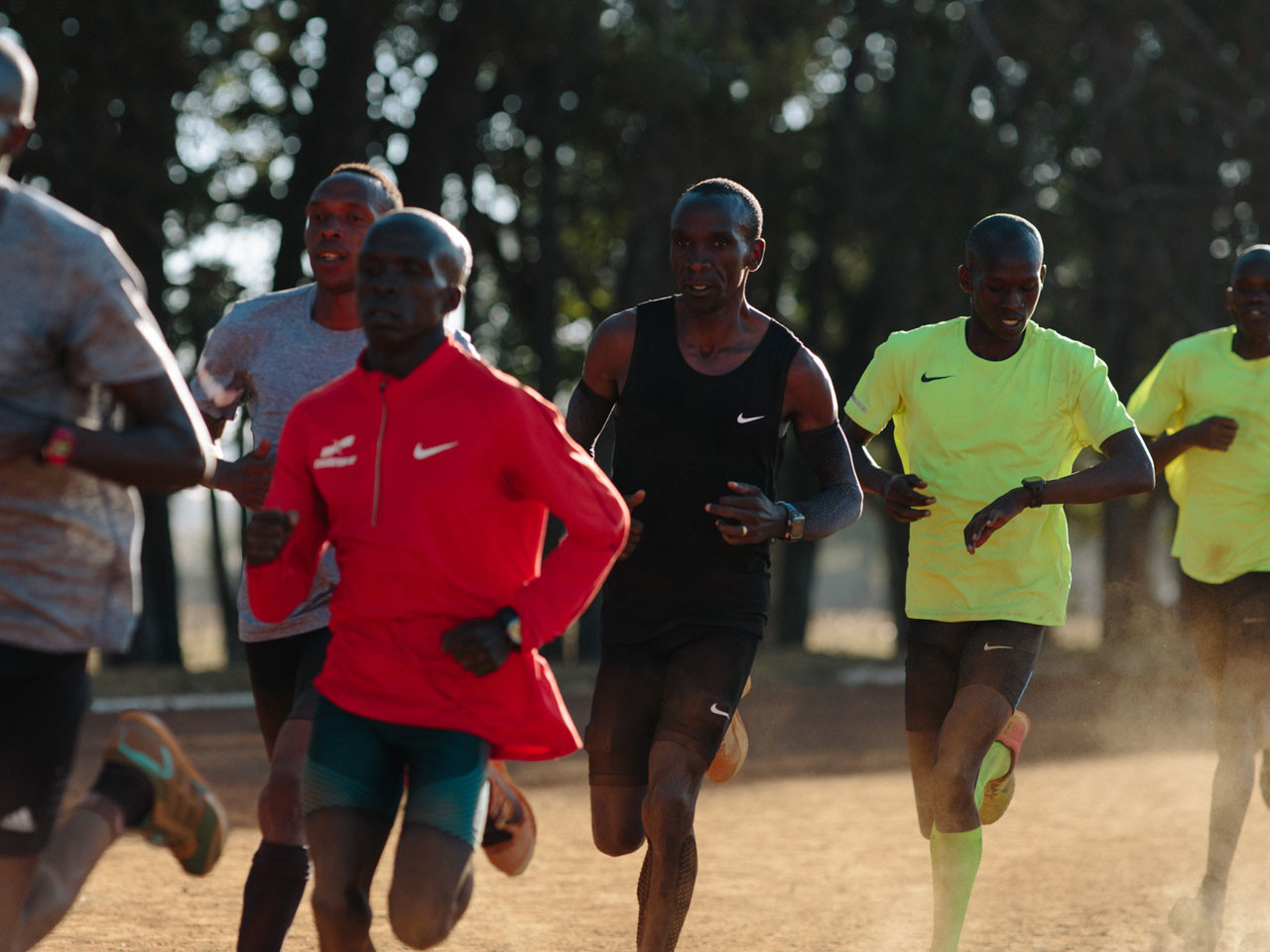
"Our training has started again. When we finished the season, we have four days of running slowly to recover and then three weeks of total rest and then we start again. When your mind is relaxed and fit, the physical part can go on as usual. When we start we start at zero and we need three -four month to be fit again for another marathon," said Kipchoge.
His longtime physiotherapist Peter Nduhio, who is now part of INEOS 1:59 Challenge team, said he is amazed by Kipchoge's ability to remain focused despite challenges in his life.
"Eliud keeps on setting the bar higher. Each time he makes us climb the ladder higher. His best season was 2018, now he has a new challenge and he will attain it," said Nduhio. "What makes this challenge inspirational is that it has no template to follow."
(06/21/19) Views: 203
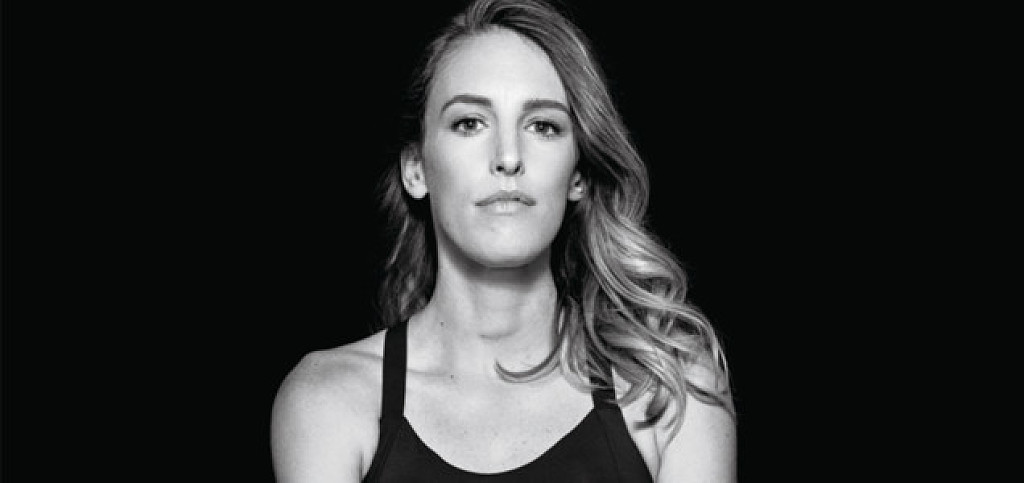
June 25 would have been Gabriele Grunewald’s 33rd birthday and the state of Minnesota has named June 25 Brave Like Gabe Day
Gabriele Grunewald was initially diagnosed with adenoid cystic carcinoma, a rare form of cancer affecting the salivary gland, in 2009, and thyroid cancer the following year.
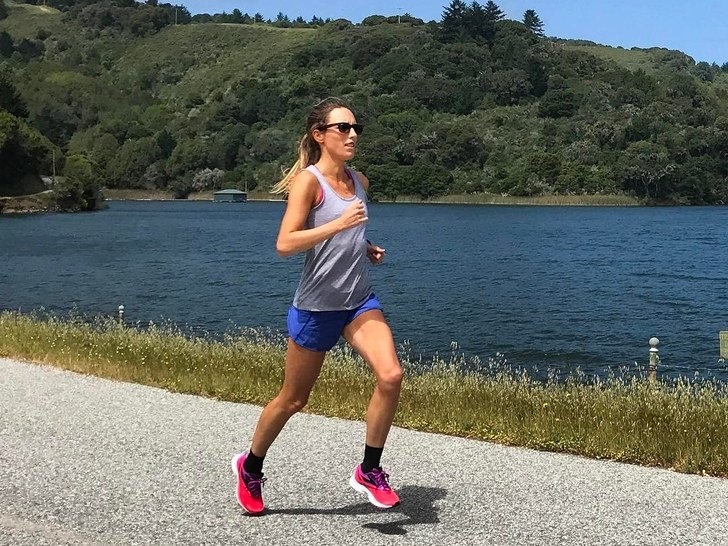
She graduated as an NCAA All-American in the 1,500m, and pursued a professional running career despite dealing with several surgeries and chemotherapy. In 2014, she won the US indoor national championship in the 3,000m. Grunewald was sponsored by Brooks.
In late 2016 she learned the cancer had spread to her liver, and she had an operation that left a long and visible scar on her abdomen, which became a badge of courage as she continued to race and began to speak publicly about her cancer journey.
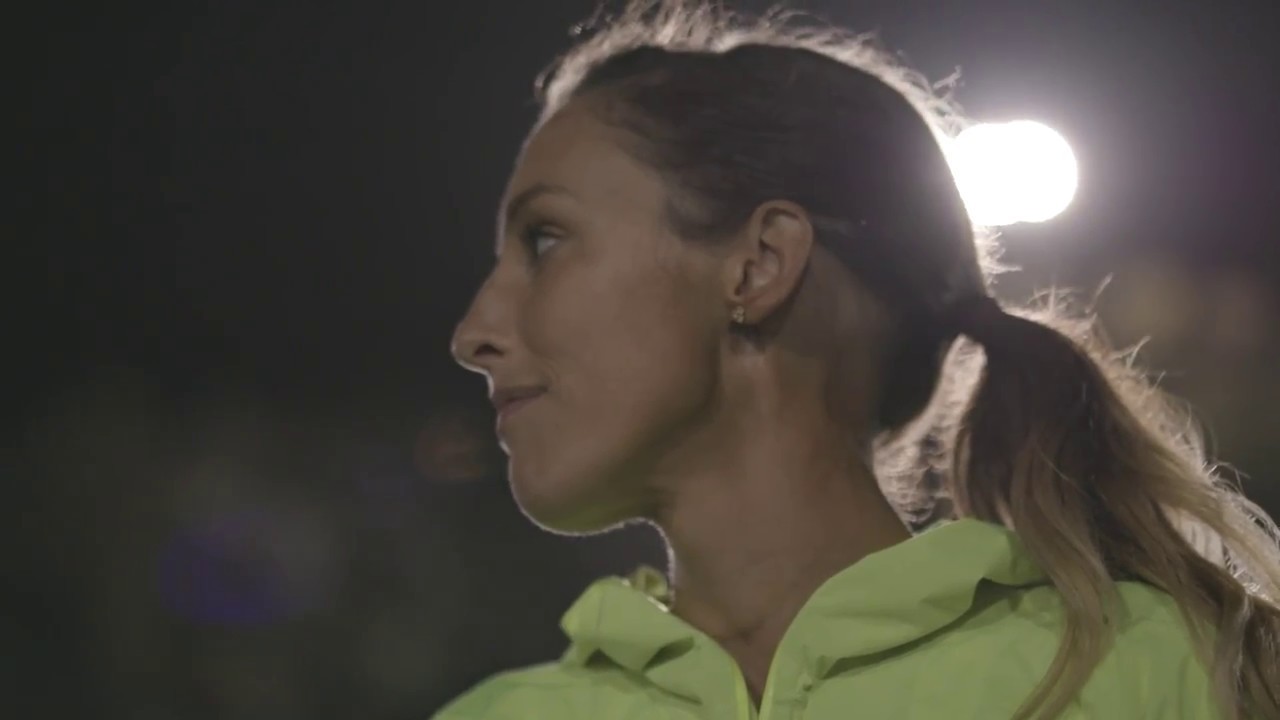
Two weeks ago Gabe lost her battle and passed away. The world lost an amazing woman but she will never be forgotten.
In her honor runners will gather on Tuesday (June 25) evening at 6:15 pm in B.F. Nelson Park in Minneapolis, Minnestoa to honour Grunewald.
If you’re not able to make the run in person, you can contribute via Strava. So far 6,693 participants have run a collective 8,735 miles.
The Strava challenge is open for the entire day today. Additionally, runners can photograph their runs and use the #BravelikeGabe or #Runningonhope to contribute.
(06/25/19) Views: 166Madeleine Kelly
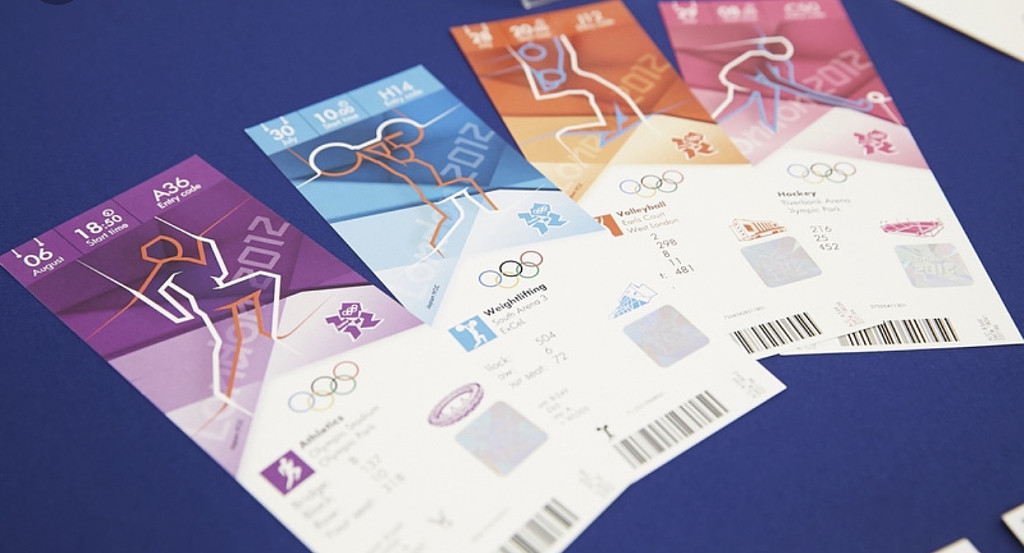
It is really going to be hard to get tickets to the 2020 Tokyo Olympics because the demand is so great
Millions of people were disappointed last Thursday when applicants in a ticket lottery — for Japan residents, only — began learning if they landed tickets. The answer is going to be overwhelmingly — no. The same will be true for residents outside Japan who could experience a similar dejection: too much demand and too few tickets.
This was not the case at the last several games — the 2018 Winter Olympics in Pyeongchang and the 2016 Summer Olympics in Rio de Janeiro — when tickets were given away and volunteers were often summoned to fill empty seats for the television cameras. At times, there were too many empty seats to fill.
“This is probably going to be the most popular Olympics, and possibly one of the most popular events of all time," Ken Hanscom, the chief operating officer of TicketManager, told The Associated Press in an interview.
His Los Angeles-based company does not buy or sell Olympic tickets, but manages tickets for corporate clients, several of which are major Olympic sponsors.
Hanscom said he follows ticketing patterns for every major event and estimates that 80-90% of Japan residents who applied for tickets could get nothing.

"I'm interested in seeing what the reaction is and how the organizing committee addresses this," Hanscom said. "It's good news for the demand, and bad news on the ticket side and the public."
Tokyo's organizing committee was unable Thursday to say how many Japan residents got tickets, and it's unclear if — or when — it will disclose the overall numbers. Organizers will run a second ticketing phase where the odds will probably be even worse.
Japanese media immediately began reporting about disheartened fans. A completely unscientific AP survey of a few fans showed one ticket awarded in 15 application attempts. The millions who failed got this message in email from Tokyo organizers.
"Thank you for your interest in purchasing Tokyo 2020 tickets. The demand for tickets was incredibly high, and unfortunately, you were not awarded any of the tickets you requested in the lottery."
Simple math explains the supply and demand crunch.
Tokyo organizers say that 7.5 million residents of Japan registered to apply for tickets through the lottery system. Extrapolating from the 2012 London Olympic lottery, Hanscom estimates that Tokyo organizers may have received 70-85 million individual ticket requests. This could be at least 10 times more than what's available. Maybe more.
Organizers estimate there are 7.8 million tickets for all Olympic events, but 20-30% of those are for distribution outside Japan where buyers could face the same problems and end up paying more.
Buyers outside Japan must get tickets from Authorized Ticket Resellers, companies appointed by national Olympic committees. They were authorized to begin sales on Thursday.
The reseller for the United States is CoSport, which also handles sales in Australia, Jordan and several European countries. Cartan is the reseller for much of Latin America including Mexico.
Resellers are allowed to charge a 20% handling fee on every ticket. They can also use a generous currency exchange rate, and often package desirable tickets with top hotels that charge way over the usual going rate during the Olympics.
Ticket prices for buyers in Japan vary greatly and are listed in the competition section on the organizers' website.
The opening ceremony on July 24 features the most expensive ticket — 300,000 yen ($2,700). The most expensive ticket for the closing ceremony is 220,000 yen ($2,000).
Even with the soaring demand, many venues could still wind up with hundreds of empty seats that are typically set aside for International Olympic Committee officials, corporate sponsors, and local dignitaries. Often they don't show up while angry fans line up outside without tickets.
"I expect there will be a problem in Tokyo," Hanscom said. "The industry figure is that 40% of tickets that sponsors buy go in the trash," he said. He said the problem was acute for the Olympics and World Cup.
"Every Olympics you have a new group of people running ticketing," he said. "And you have new technology. So you're always scrambling to put the process together."
(06/22/19) Views: 79
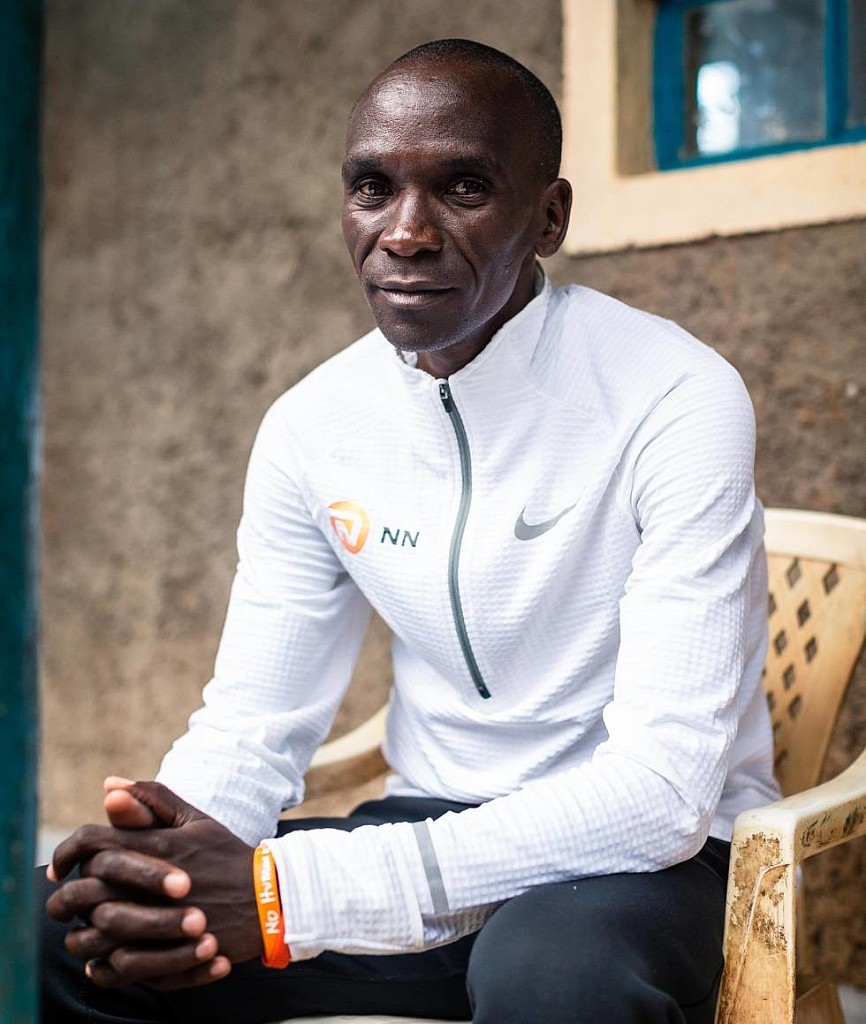
Eliud Kipchoge’s second attempt to break the two-hour barrier for the marathon will take place in Vienna on October 12 event organisers INEOS said on Thursday
Kenyan runner Eliud Kipchoge's attempt to run a marathon in under two hours will take place in Vienna on Oct. 12.
The attempt will be on a multi-lap course in The Prater, a park in Vienna. If the weather is poor, organizers have reserved eight more days.
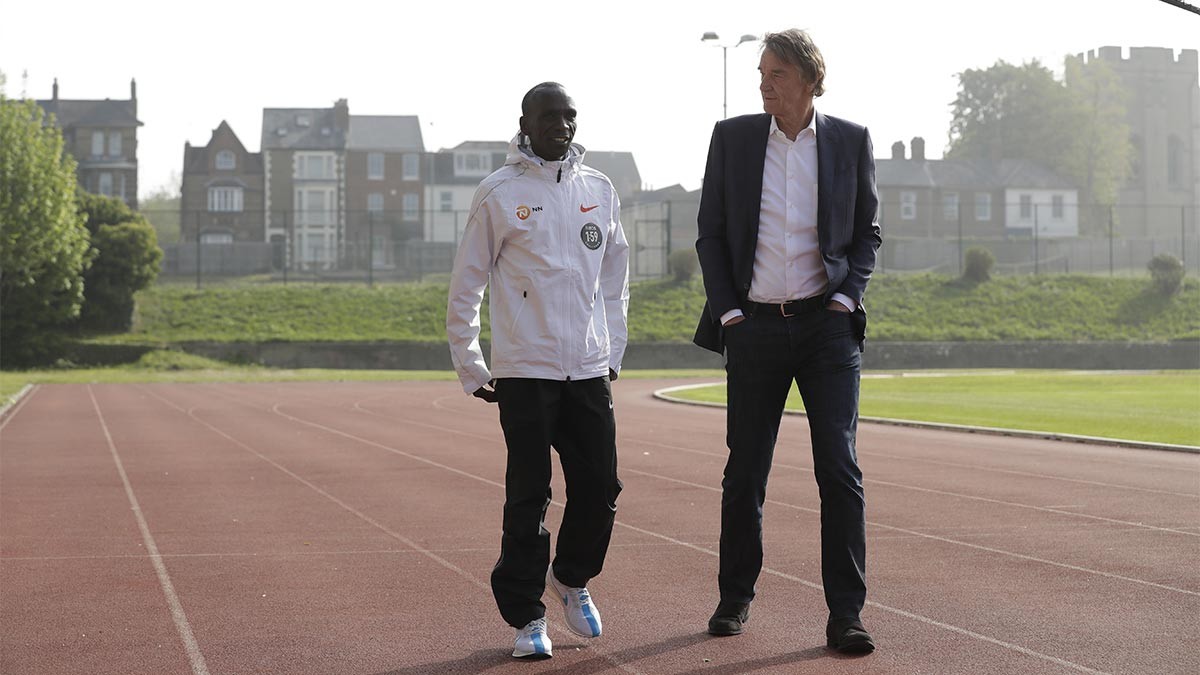
Kipchoge says Vienna offers "a fast and flat course, nicely protected by trees."
Kipchoge lowered the marathon world record to 2 hours, 1 minute, 39 seconds last year in Berlin. He has tried to break the 2-hour barrier before, running 2:00:25 at the Monza auto racing track in 2017.
That wasn't considered a world record because pacers entered mid-race and drinks were given to runners via mopeds.
(06/27/19) Views: 65
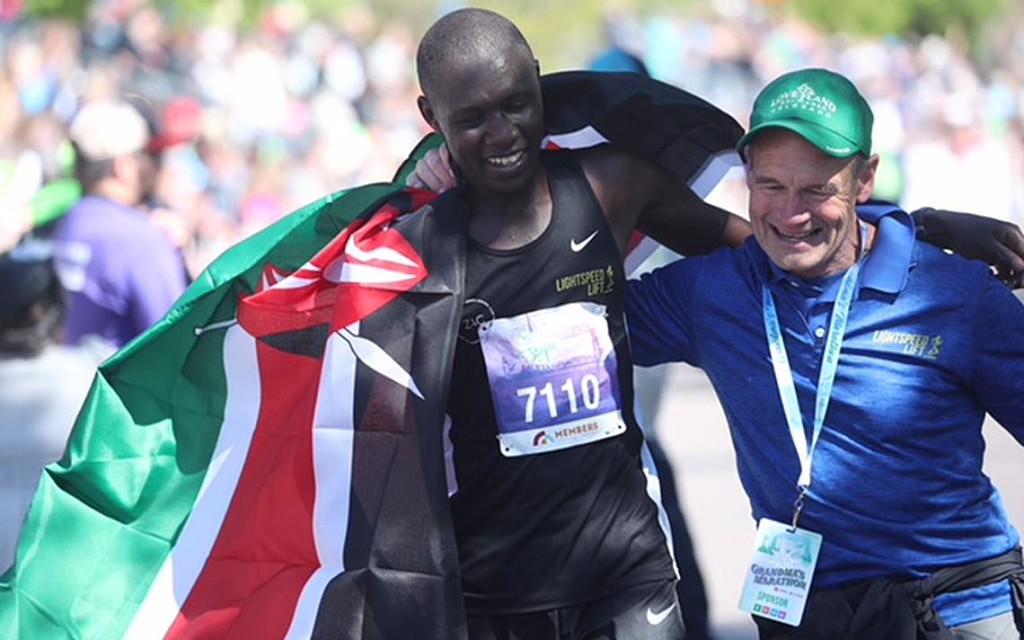
Kenyan Boniface Kongin wins men's Grandma's Marathon clocking 2:11:56
Kenyan Boniface Kongin, who entered in the citizen field after the elite field filled up, won his first Grandma's Marathon men's race Saturday by overcoming hamstring and Achilles problems to win in 2 hours, 11 minutes and 56 seconds.
Kongin, who has stayed in West Duluth and trained in town since arriving April 19, stopped several times during the 26.2-mile race and walked across the finish line while pointing to the sky and dropping to his knees.
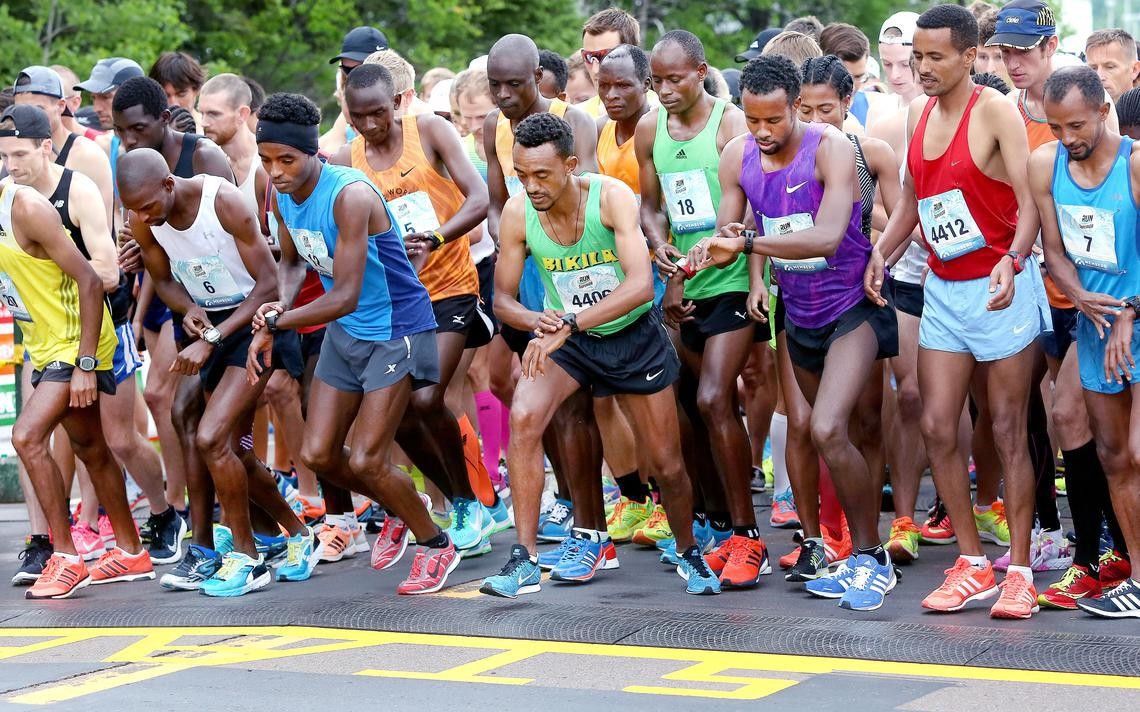
Kongin won the Pittsburgh Marathon on May 5 in a personal-best time of 2:10:34 but injured his left hamstring and right Achilles in the process. Running a 2:06 pace nearly halfway through the race, he slowed down several times in the last half of the race as his ailments worsened.
He beat runner-up Andrew Colley of Blowing Rock, N.C., by 17 seconds. Harbert Okuti of Uganda was third, 1:05 off the pace.
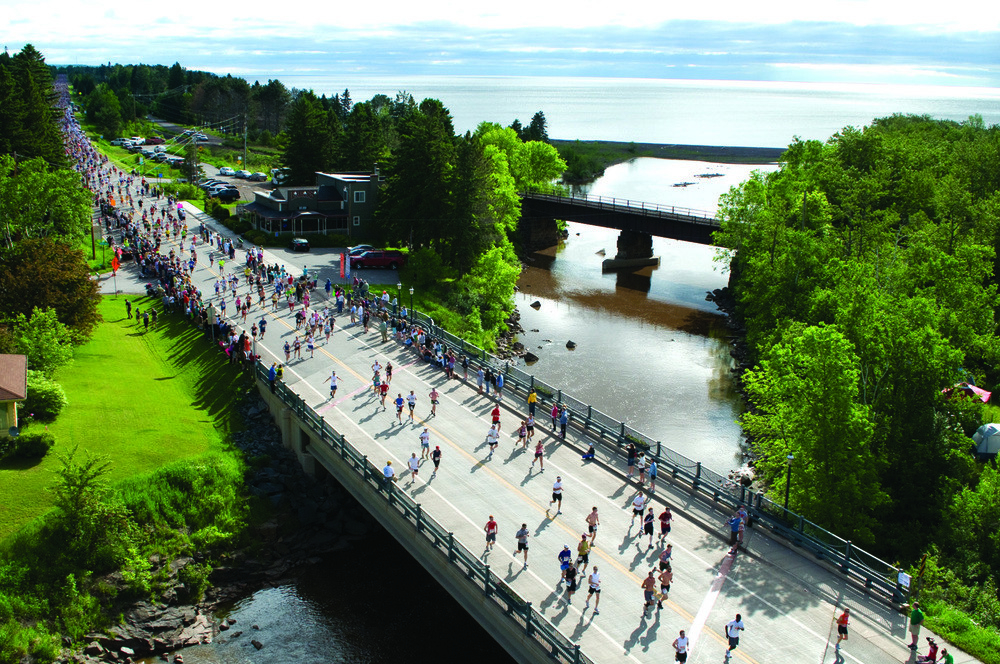
Four-time defending champion Elisha Barno and course-record holder Dominic Ondoro each finished outside the top 10.
(06/22/19) Views: 62
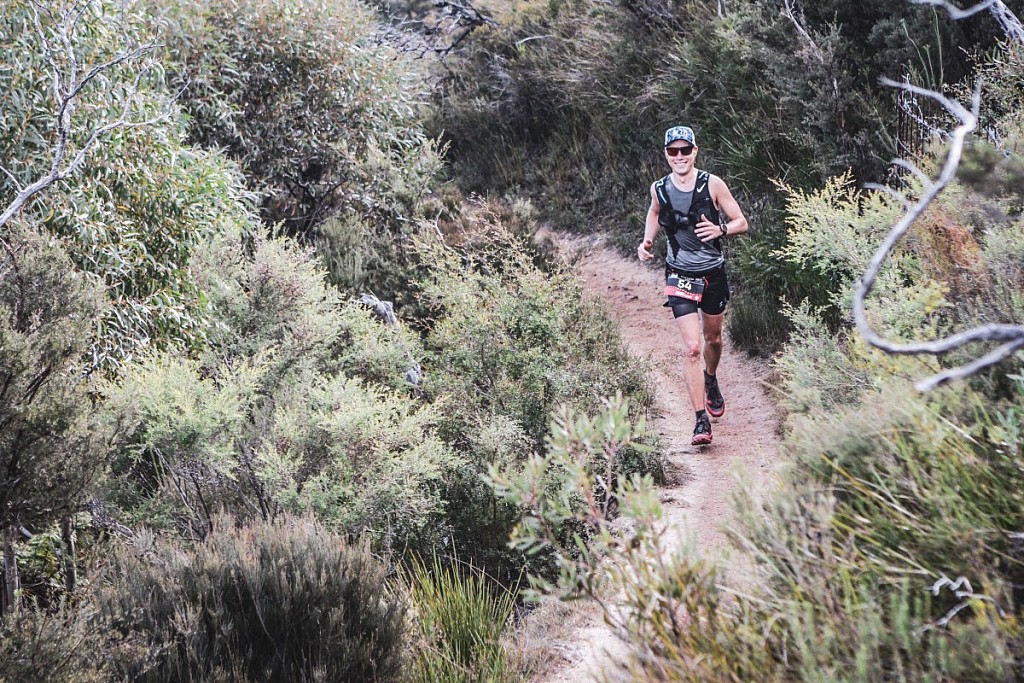
Henri Lehkonen is more prepared than ever for the Western States 100 Mile Endurance Run
The Hong Kong-based Australian Henri Lehmonrn will run the Western States 100 with a power monitor attached to his shoe and will stick religiously to a predetermined wattage.
“It’s been a revelation. If I lost the thing, I’d buy another tomorrow,” he said. “It’s a miracle way to control yourself in racing.”
Lehkonen believes it is better than other similar metrics, like heart rate, because it removes variables like excitement or altitude.
“I’ve done enough races now when I’ve not followed the watch and I’ve blown up, and when I’ve followed the watch and I’m tearing past people at the end,” he said. “I follow it for the first third – that’s where the damage is done if you over exert yourself. Then you get the adrenaline from passing people.”
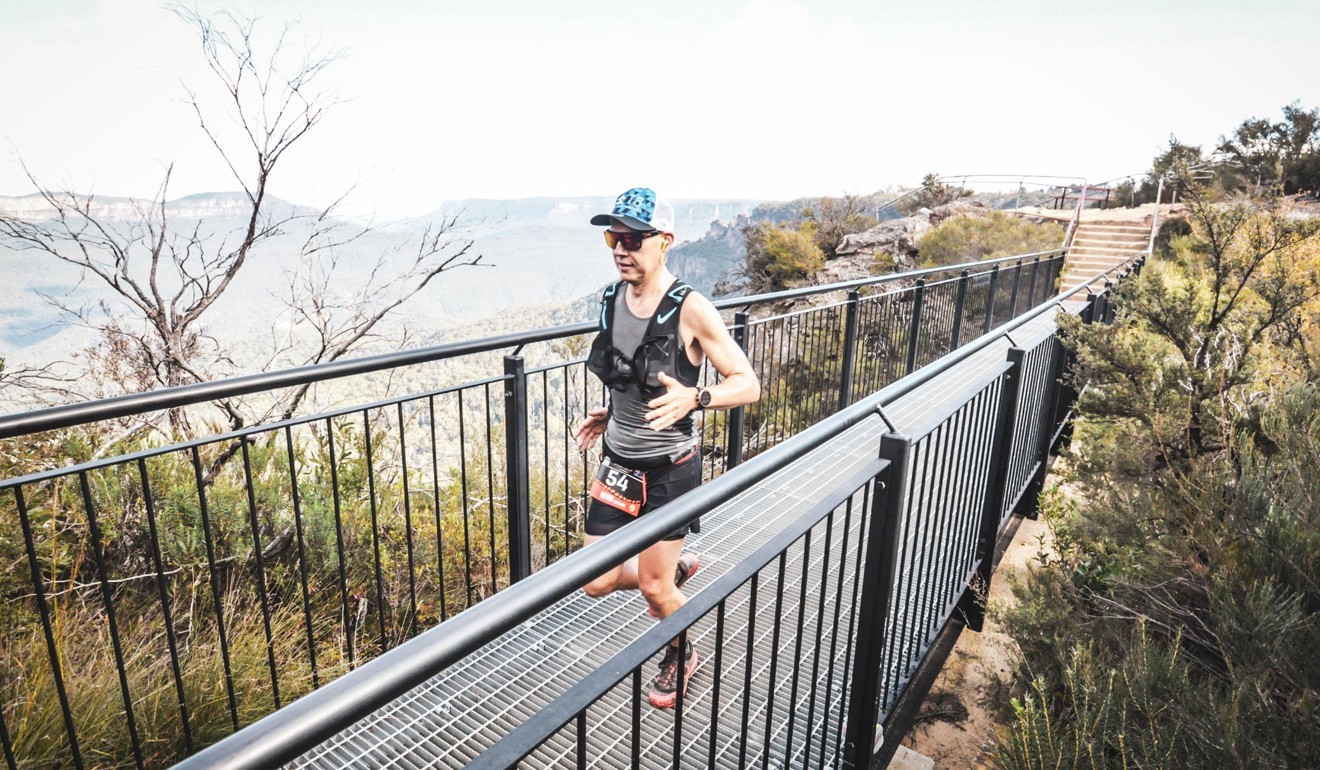
And it is working. In March, he ran the 100km Ultra Trail Australia (UTA). He was 69th after 1km, but finished 11th in a highly competitive field.
Power meters are common in sports like cycling, but are yet to be taken up widespread in trail running. Lehkonen was introduced to the meter by his coach Andy Dubois, who crunches the data to give him an accurate power curve for his races.
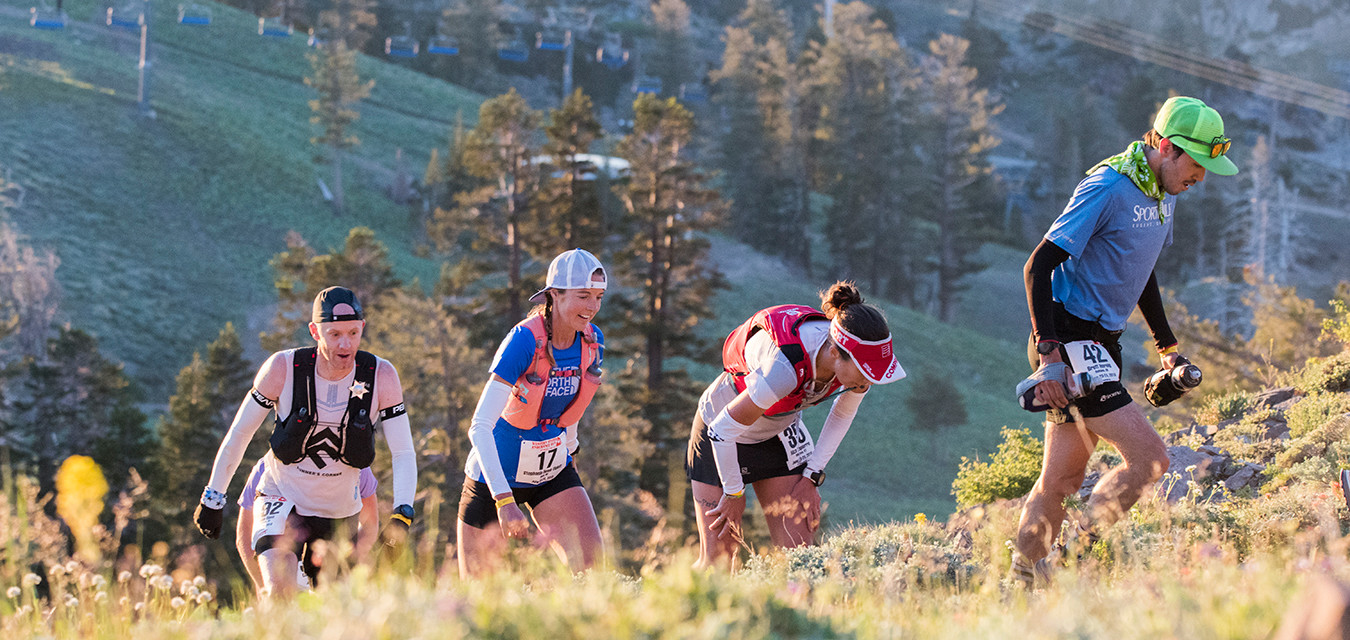
Aside from the gadgets, Lehkonen is leaving no stone unturned. It is notoriously hard to win a place at WSER100. Hopefuls enter a lottery, and improve their chances by entering the lottery multiple years in a row. This was Lehkonen’s third year submitting an application, which is relatively quick.
“It’s Western States. It’s that big and it’s hard to get into, so I’m viewing it as all in,” he said.
He flew to California for a weekend to look at the course. The race directors organised a three-day event where runners could do the last 112km of the course, with some of the checkpoints set up.
(06/21/19) Views: 60
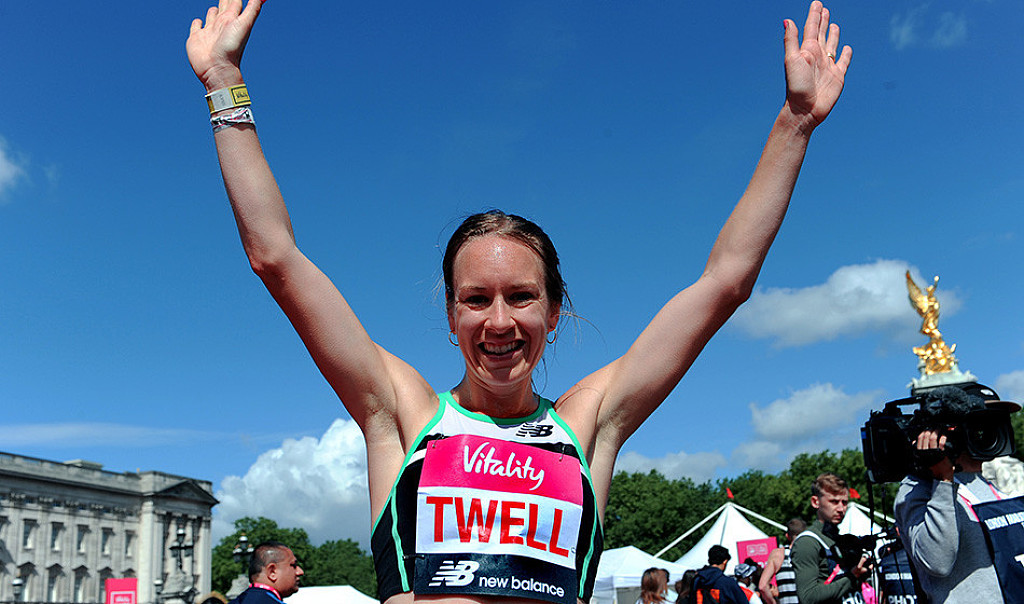
British Steph Twell has been having a great year and is set to race the Mattoni Olomouc Half Marathon this weekend
The 29-year-old, Steph Twell has already improved both her half-marathon and 10km PBs in 2019 and is looking forward to testing herself at a race she describes as “a bit of an undiscovered gem."
The Olomouc Half Marathon is an IAAF Gold Label race and as a result it offers athletes the chance to gain points in the IAAF world rankings, while it is also the third race in the EuroHeroes Challenge series which was launched last year with the support of European Athletics and aims to celebrate and encourage athletes from the continent.
Twell is looking to be competitive at the front of a European-only field and also gain experience of racing in warm conditions, with temperatures set to be around 28°C when the race sets off at 7pm local time in Olomouc, a city situated 179 miles south east of the Czech Republic capital of Prague.
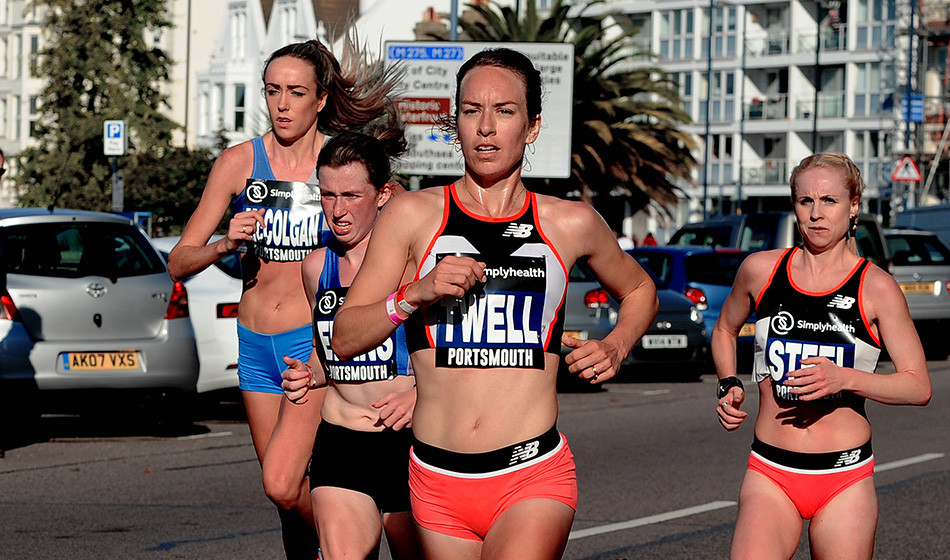
“It’s a new challenge for me to do a half-marathon at this time of year. I’m against a competitive field but one that I hope I can be quite close to the front of,” says Twell, who ran 71:33 when finishing second at The Vitality Big Half in March before getting close to that lifetime best when running 71:37 to win in Reading a week later.
“What was really important for me (in choosing to race in Olomouc) before the British Athletics selection policy came out for the Tokyo (Olympic Games) marathon, was really to try and sort out this confusion with the rankings system that I’m still trying to get my head around.
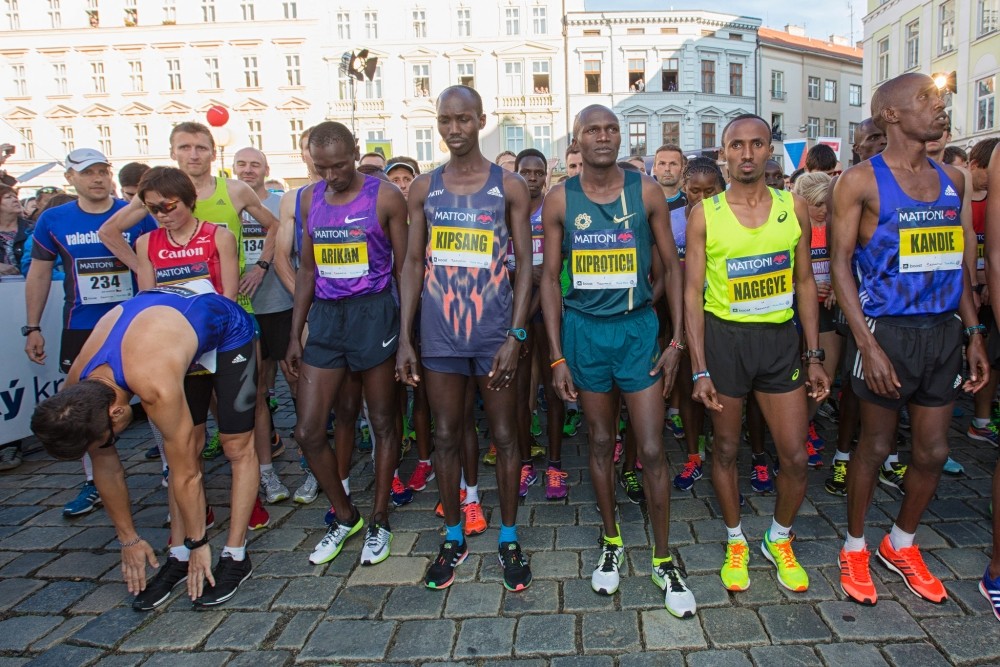
“It was a bit of an undiscovered gem, really, to have an IAAF Gold Label race at this time of year when maybe not everyone is targeting half-marathon. For me, it’s an opportunity to see where I can position myself and get as many points as possible to help support my opportunity to qualify for the Olympics. To come out here, in an IAAF ‘A’ race, I would love to try and get a podium place, if not a win, against some quality marathon runners.
“There’s that aspect for me personally trying to support myself as strategically as possible ahead of Tokyo,” adds the two-time Olympian. “But secondly, this concept (EuroHeroes) I just think is a fantastic concept. I have found it hard to be supported and to support myself bridging the gap to world-class athletics. I’ve been on the cusp for a long time but for me this year is about being more independent and trying to step up and improve in a new challenge over the roads.”
(06/21/19) Views: 58
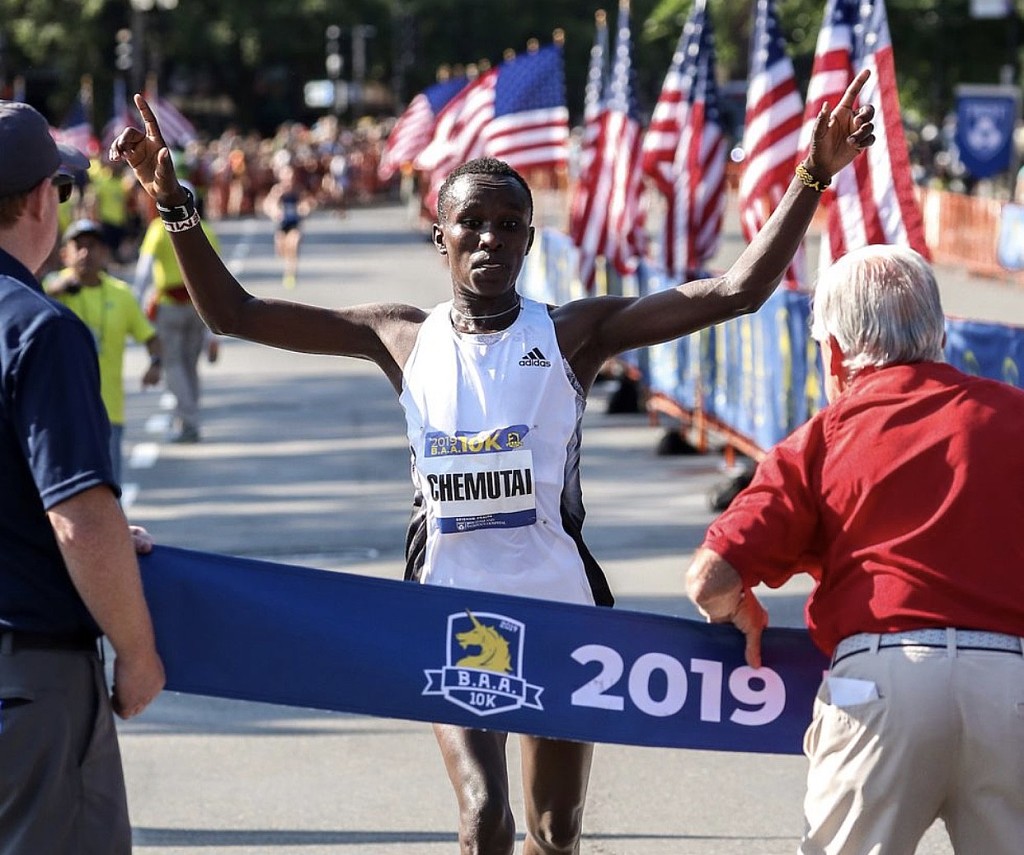
Fancy Chemutai wins BAA 10k women’s race and sets course record
A course record fell to the wayside at the 2019 B.A.A. 10K, presented by Brigham and Women’s Hospital. Fancy Chemutai of Kenya set a new women’s course record of 30:36.
Presenting sponsor Brigham and Women’s Hospital was represented by 550 runners, who have raised a combined $250,000 through today’s event.
Chemutai earned breakaway wins thanks to tactical moves made early in her race. After crossing the halfway mark in 15:25, Chemutai began to leave the rest of the women’s field behind, pulling away as she made her way towards Kenmore Square.
Splitting 8K in 24:33, Chemutai knew she was on course record pace and buckled down for the final minutes of racing. At that point, she had nearly a 25-second lead on countrywoman Brillian Kipkoech and was on pace to shatter Shalane Flanagan’s 30:52 course best.
“I saw it was coming, that the course record was coming,” she said. When asked if that motivated her, she smiled and said, “yeah, sure!”
Triumphantly crossing the finish in 30:36, Chemutai established a new course record. The time also ranks tied for second fastest in the world this year.
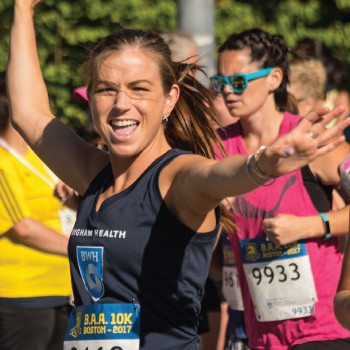
“I enjoy being in Boston and enjoyed to win. It was very hot. It was hot,” said Chemutai of her Boston road racing debut. “I was going for the course record, it was in my mind.”
Kipkoech placed second in 31:04, with 2015 Boston Marathon champion Caroline Rotich taking third in 31:58. Top American honors went to Aliphine Tuliamuk, eighth place in 32:27.
The men’s open race was a fierce battle between Kenyans David Bett, Daniel Chebii, and Stephen Sambu, alongside Tanzania’s Joseph Panga. With opening miles of 4:34 and 4:33, the men’s leaders came through 5K in 14:16 and then began to push the pace even more. The quartet broke from the field, and clocked a 4:29 fourth mile, setting up for a final push down Commonwealth Ave. towards the finish.
It was Bett who had the best sprint of the day, making the turn onto Charles Street first and holding off the hard charging Chebii, who would finish a second behind, 28:08 to 29:09. Sambu rounded out the top three in 28:11, followed by Panga (28:14).
(06/23/19) Views: 57
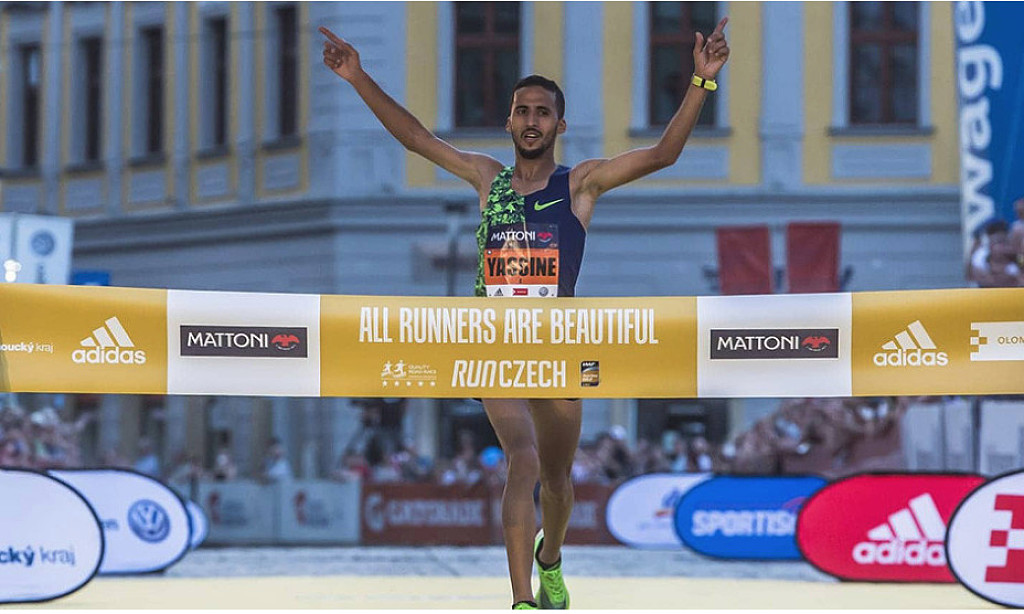
Yassine Rachik and Lilia Fisikovici win Olomouc Half Marathon
Italy’s Yassine Rachik and Lilia Fisikovici of Moldova continued their winning ways in the RunCzech EuroHeroes Challenge series, taking the titles at Mattoni Olomouc Half Marathon in the Czech Republic.
In hot conditions, with the temperature around 30°C at the start of the race at 7pm local time, Rachik clocked 64:26 and Fisikovici 73:32 for clear victories.
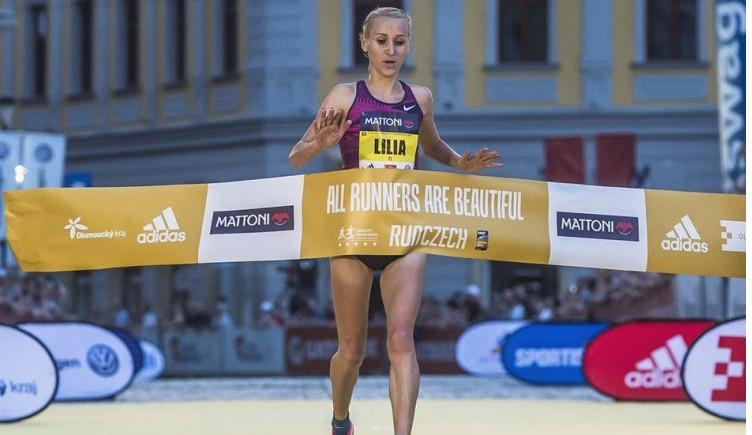
That makes it three wins from three races for the pair in the EuroHeroes series, following their success in Karlovy Vary in May and Ceské Budejovice at the beginning of this month.
The four-race series was launched in 2018 with the support of European Athletics and aims to highlight new sporting heroes from the continent, as athletes claim points for their performances and can compete for a separate EuroHeroes ranking and prize structure.
Ukraine’s Olha Kotovska was second in 74:35 and her compatriot Darya Mykhailova was third in 74:57. Matea Parlov finished fourth in 75:18.
In the men’s race, London Marathon ninth-placer Rachik solo ran his way to success, with Ukraine’s Roman Romanenko securing second in 66:01 and Ireland’s Paul Pollock placing third in 66:12.
The top Czech runners were Vít Pavlišta in fifth with 68:09 and Marcela Joglová in ninth with 77:55.
“It was hard to run alone,” said Rachik, “and it wasn’t easy to fight with that heat, too.”
A total of 10,078 runners took part in the Mattoni Olomouc Half Marathon events, with 6481 in the main race and 3597 in the family run.
The fourth and final event in this year’s EuroHeroes Challenge will be the Mattoni Ústí nad Labem Half Marathon, held on September 21.
(06/23/19) Views: 49
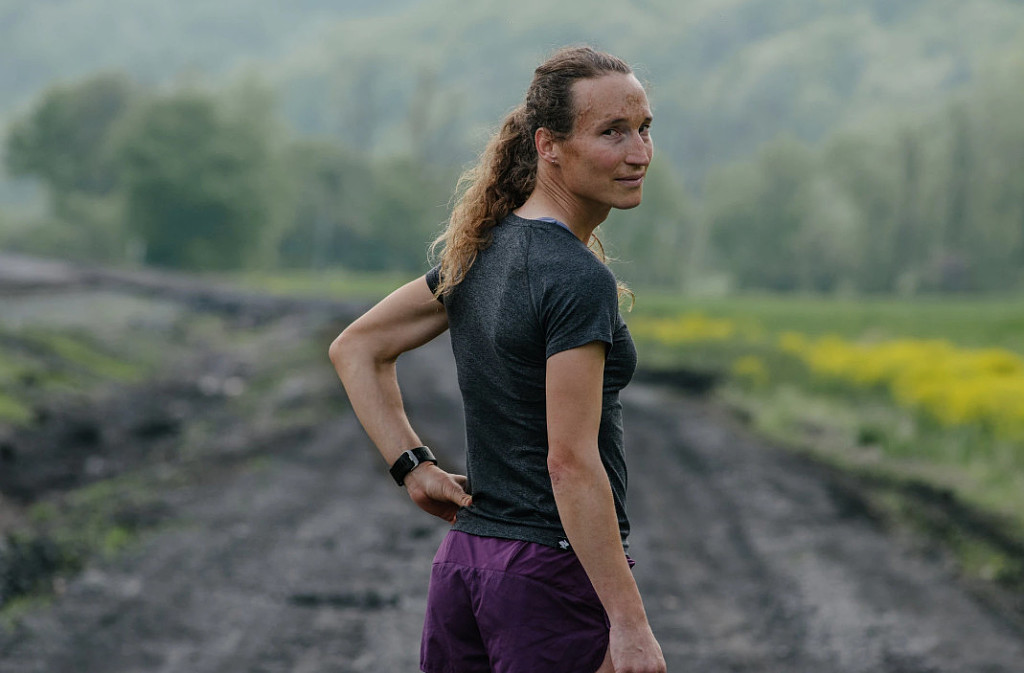
New Racing Rules Remove Some Barriers for Transgender Runners
As president of the board of the nonprofit that oversees one of the most prestigious ultradistance races in the country, John Medinger has had to deal with many concerns: sponsors, weather, permits, volunteers.
But it wasn’t until this year that he and his colleagues at the Western States 100-Mile Endurance Run were compelled to address an issue few would have envisioned when it was first held in 1974: transgender competitors.
“It’s not something we would have been thinking about back then, that’s for sure,” said Mr. Medinger, 68, who has run Western States five times and has been involved in race management since 1991. “But it’s the nature of society now.”
And it’s something that the world of competitive athletics, including the Olympics, USA Track & Field and the National Collegiate Athletic Association, has been grappling with: how transgender women, in particular, should be entered and scored in competition and whether they have an unfair biological advantage over cisgender women, whose identity reflects the sex they were assigned at birth.
Although the science is mixed on the biology, some people contend that transgender women have an advantage because of size and the presence of testosterone, even though hormone levels change during transition.
But others, most notably the researcher and transgender runner Dr. Joanna Harper, are skeptical that such an edge exists, particularly in endurance sports in which (as opposed to say, sprinting or shot-putting) transgender women appear to have similar cardiovascular measures as cisgender women and thus little or no advantage.
While Western States starts near the site of the 1960 Winter Olympics, there is no prize money, scholarships or endorsement deals are at stake.
There are no gold medals, but there is some precious metal involved: a handmade silver belt buckle for those who manage to complete the distance in less than 24 hours.
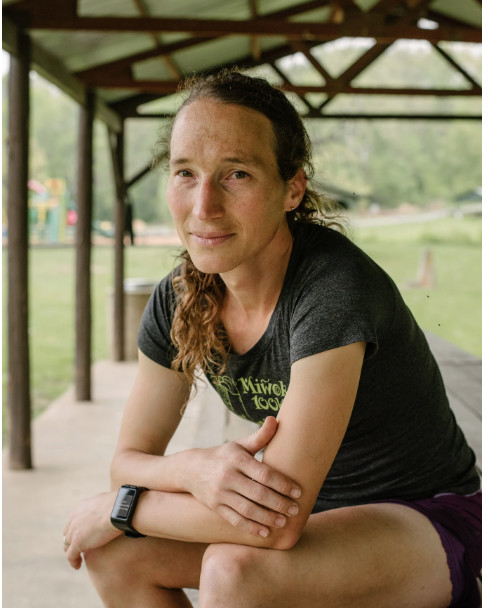
On June 29 and 30, 369 runners (chosen through a lottery entered by 5,862 runners) will take on the Western States challenge, as they attempt to navigate a mind-and-body-boggling 100 miles of trails and altitude changes from Squaw Valley to Auburn, Calif. The swiftest will be running to finish among the top 10 men or women. Recognition is also given to the top three males and females in five age groups from 30 to over 70.
The question of transgender fairness arose for Western States in December, when Grace Fisher — a transgender runner who is an outstanding ultradistance competitor — was selected through the race’s traditional lottery system.
The event’s management team decided it was time to come up with a policy. “We felt that this was not something we should ignore,” said Diana Fitzpatrick, a board member. “If it turned out that she finished in the top 10, it would be better for her and everyone that we had a policy in place.”
Back in high school in Utah, Ms. Fisher, now 38, was a male-identified track runner. She recalls that when some teammates ran a local marathon their senior year, “I said, ‘I’ll never do that, it’s crazy.’” Eventually, Ms. Fisher began running distances far longer than the marathon. She has completed about 40 ultramarathons, including eight 100-mile races.
She continued running during the years when, she said, “I was figuring things out.” After hormone treatments, she ran her first ultramarathon as a woman in 2015. She said she slowed down since her transition as a result of muscle mass loss, which can be attributed to hormonal treatments.
But Ms. Fisher, who lives in Hancock, Md., ran a personal best time in a 100-miler in Virginia last September of 18 hours 41 minutes. She was the first female finisher and fifth overall in that race.
Ms. Fitzpatrick, 61, a lawyer who is also a runner (she, too, has competed in Western States five times), worked with a committee of four other board members to develop the policy. They looked at existing guidelines from other organizations and races, and spoke to leading figures in transgender sports.
During the process, they were also cognizant that the runner who had sparked their action did not ask for the guidelines.
The guidelines they came up with, and which were announced in March, are being viewed as a model for other participatory running events.
Ms. Fitzpatrick acknowledged that “we really tried to have a `live and let live’ view on this.”
Hence Western State’s guidelines state that “a runner’s self-declared gender at registration will be accepted at face value.” No one need produce a driver’s license or other identification as has been the case for some races.
If, however, a finisher in the top 10 or among the top three in their age group is challenged, race management may ask the runner for documentation that they have undergone medically supervised hormone treatment for gender transition for at least a year before the race.
Even in the event that a transgender runner wins an award or is challenged and the challenge is upheld by race management, the guidelines state that “the runner will be allowed to keep their finisher’s buckle.”
That allowance, Ms. Fitzpatrick says, is to underscore that the new guidelines are “not about punishment.” By contrast, competitors who violate Western States doping policy are stripped of their silver buckle — as well as whatever other award they won.
“Underneath this all are real people with real feelings who have usually had a long, hard journey to get where they are,” Ms. Fitzpatrick said. “The last thing they need are additional challenges and hurdles.”
(06/22/19) Views: 45New York Times
