

Running News Daily
Top Ten Stories of the Week
1/24/2026
These are the top ten stories based on views over the last week.
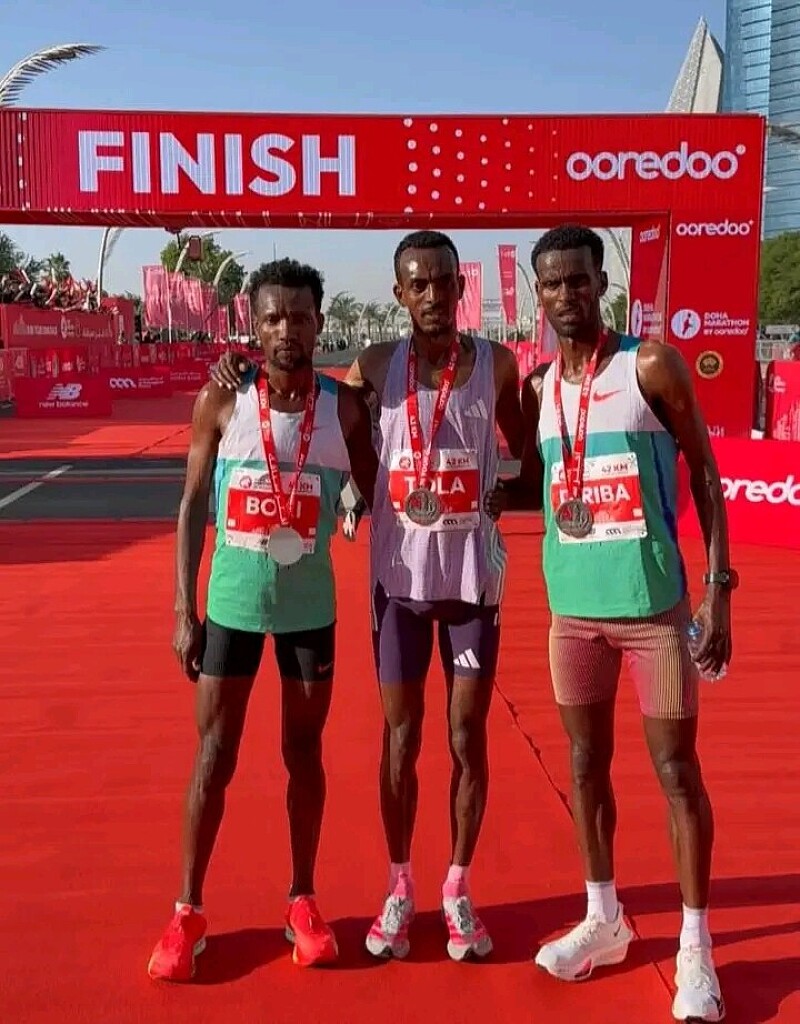


Tamirat Tola and Ethiopia’s Marathon Masterclass in Doha 2026
As dawn lifted over the Corniche and the desert air settled into a rare stillness, the 2026 Doha Marathon unfolded not as a contest of nations, but as a demonstration of Ethiopian supremacy. On the fast, flat streets of Qatar’s capital, the race became a study in patience, precision, and perfectly timed execution — orchestrated by an Olympic champion who understood exactly when to act.
Tamirat Tola arrived in Doha with quiet authority. Olympic gold had already sealed his place among the greats of the marathon, yet this race demanded a different mastery — one shaped by tactics, restraint, and the grinding reality of late-race fatigue. For much of the morning, the lead pack moved as a single organism, the pace controlled and efficient rather than reckless, each athlete conserving reserves for the moment when the marathon finally reveals its truth.
Through halfway, the tempo pressed gently against history. Tola’s running was economical and composed — shoulders relaxed, cadence smooth, effort measured. He allowed the race to come to him. By the final ten kilometers, attrition began its quiet work. One by one, challengers fell away until the contest distilled into an all-Ethiopian duel — strength set against strength, patience tested by resolve.

The decisive moment arrived at 41 kilometers, where illusion disappears and only conditioning and conviction remain. Tola shifted gears with a calm, deliberate surge. Asefa Boki responded bravely, matching strides at first, but the gap slowly widened. Fifteen seconds would separate them at the line — a margin modest on paper, immense in execution.
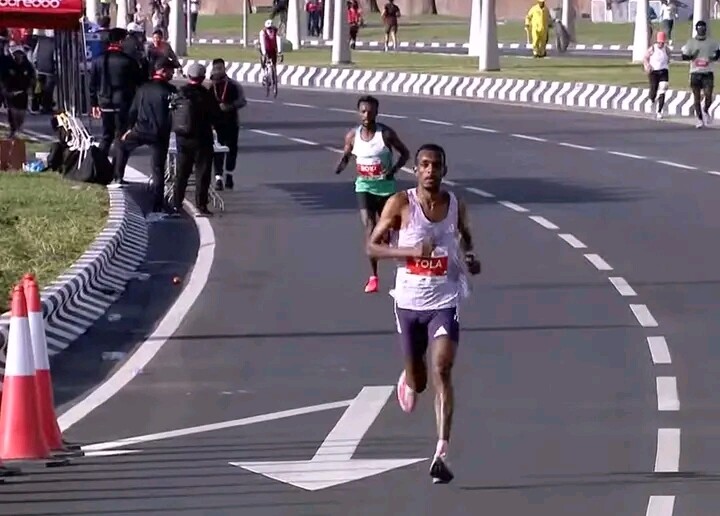
Tola crossed first in 2:05:40, shattering the previous course record of 2:06:49 and redefining what was possible on Doha’s roads. Boki followed in 2:05:55, with Boki Diriba claiming third in 2:06:26, completing an emphatic all-Ethiopian podium sweep. The dominance extended beyond medals: Dinkalem Ayele and Balew Yihunle secured fourth and fifth, sealing a clean Ethiopian lockout of the top five. Eritrea’s Oqbe Kibrom Ruesom and Kenya’s Nicholas Kirwa fought gamely further back, but on this day, Doha belonged unmistakably to Ethiopia.
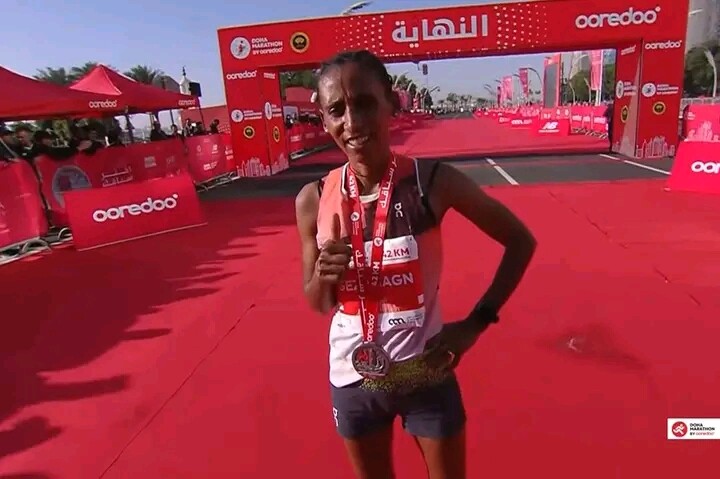
That authority was echoed powerfully in the women’s elite race. Tigist Gezahagn delivered a commanding performance to claim victory in 2:21:14, finishing just 28 seconds shy of the women’s course record of 2:20:46. Her run was defined by discipline — controlled pacing, intelligent energy management, and composure in the decisive closing kilometers. Tigist Girma followed in 2:22:33, while Guta Abiyote secured third in 2:23:21, confirming another Ethiopian sweep of the podium.
The depth was striking. Nine of the top ten women were Ethiopian, a reflection not merely of individual brilliance, but of a system that consistently produces marathoners who are technically sound, tactically intelligent, and resilient under pressure.
Beyond times and placings, Doha delivered a message. Tola, Gezahagn, and their compatriots showcased the full spectrum of Ethiopian distance-running excellence — patience over panic, precision over impulse, and authority when fatigue strips the race down to its essence. This was not just a marathon won; it was a hierarchy reaffirmed.
As the finish tape fell and the sun climbed higher over the Corniche, the conclusion was unmistakable. Ethiopian distance running remains not only alive, but dominant — and Tamirat Tola, operating at the height of his powers, continues to accelerate precisely when others begin to slow.
(01/16/26) Views: 384Erick Cheruiyot for My Bestruns.
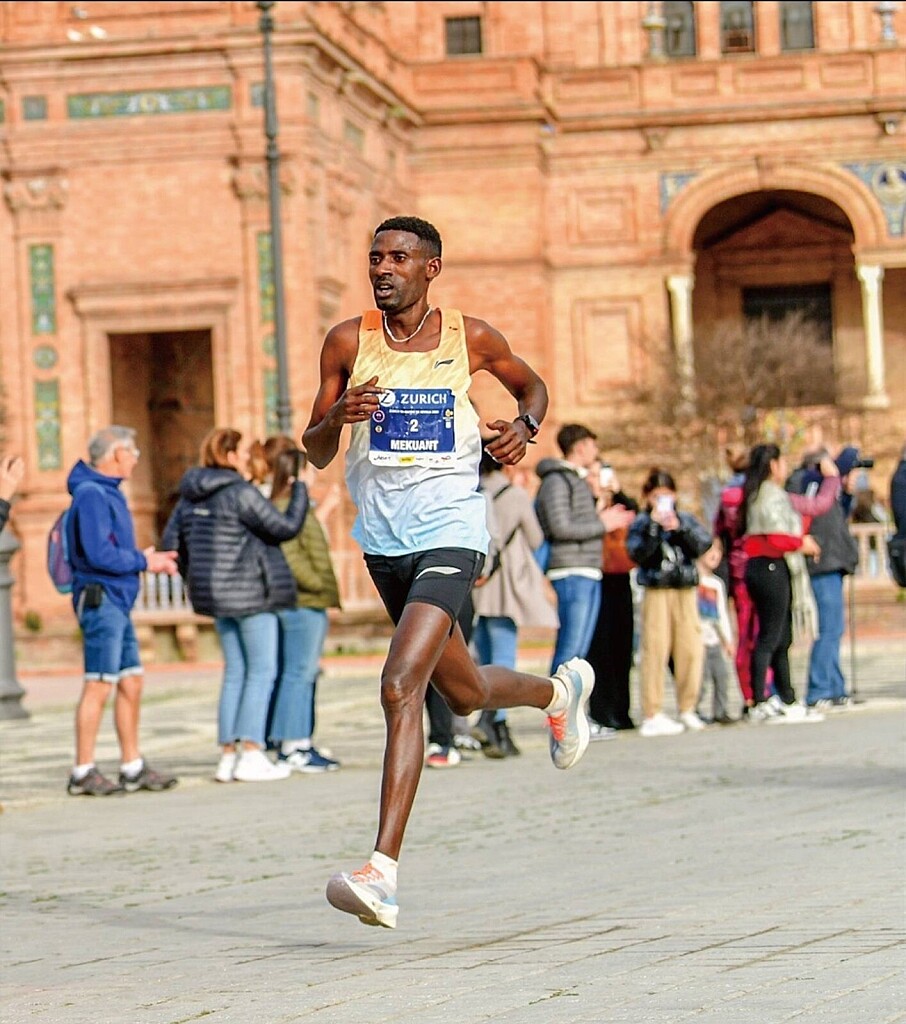
A Tactical Marathon Showdown: Elite Entrants Eye Hong Kong Glory
The Standard Chartered Hong Kong Marathon returns on Sunday, January 18, 2026, shaping up as one of the most intriguing early-season tests on the global marathon calendar. Established in 1997 and now a World Athletics Gold Label event, the race has built its reputation not on record-chasing, but on tactical nuance—where patience, positioning, and timing often trump raw speed.
That dynamic makes this year’s edition especially compelling, as a deep and accomplished elite field converges on a course known for demanding smart racing.
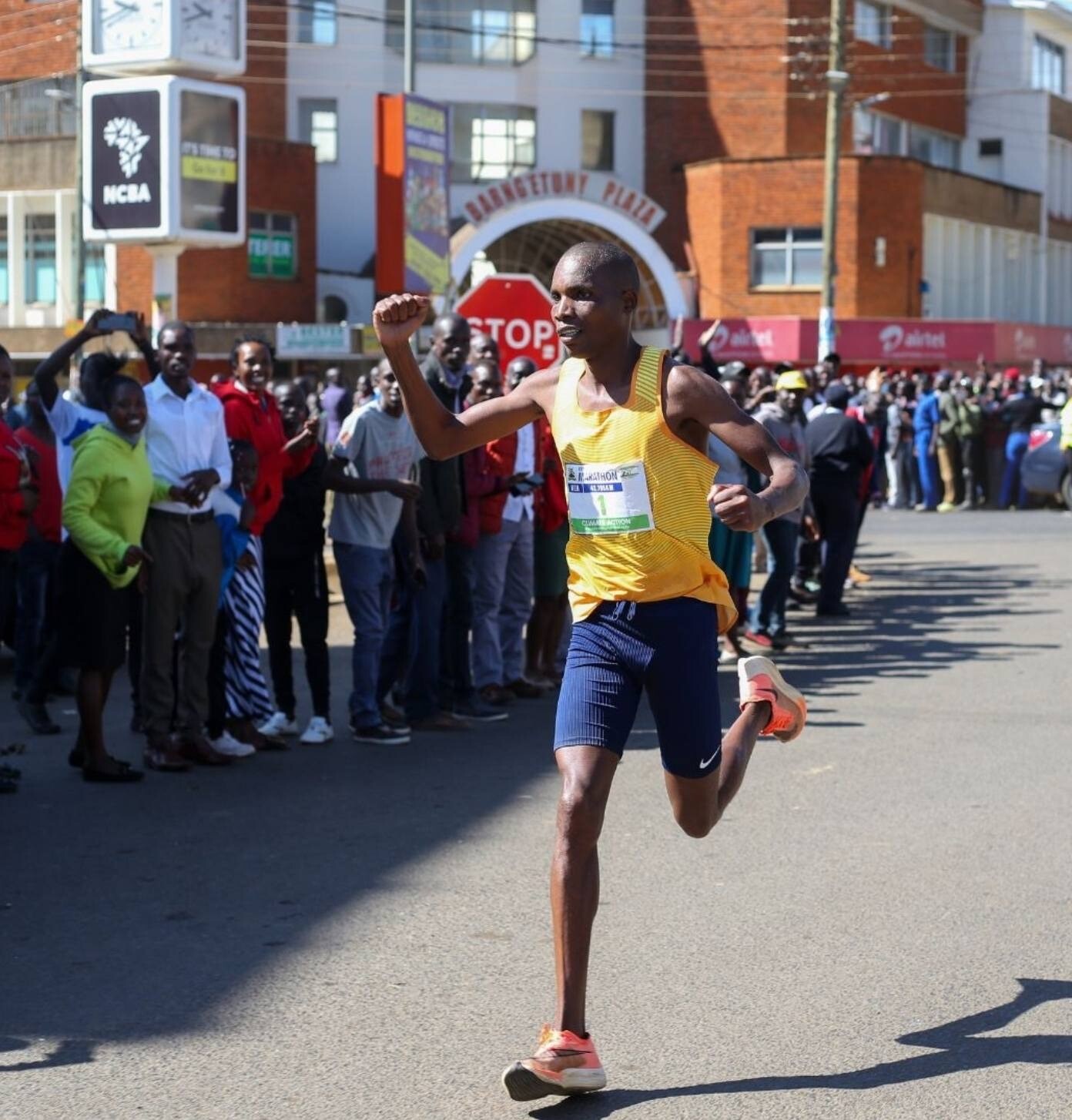
Leading the men’s start list is Ethiopia’s Gebre Mekuant Ayenew, whose personal best of 2:04:46 positions him as the clear favorite on paper. By global standards, Ayenew ranks among the sport’s upper tier—an athlete capable of world-class times if conditions allow.
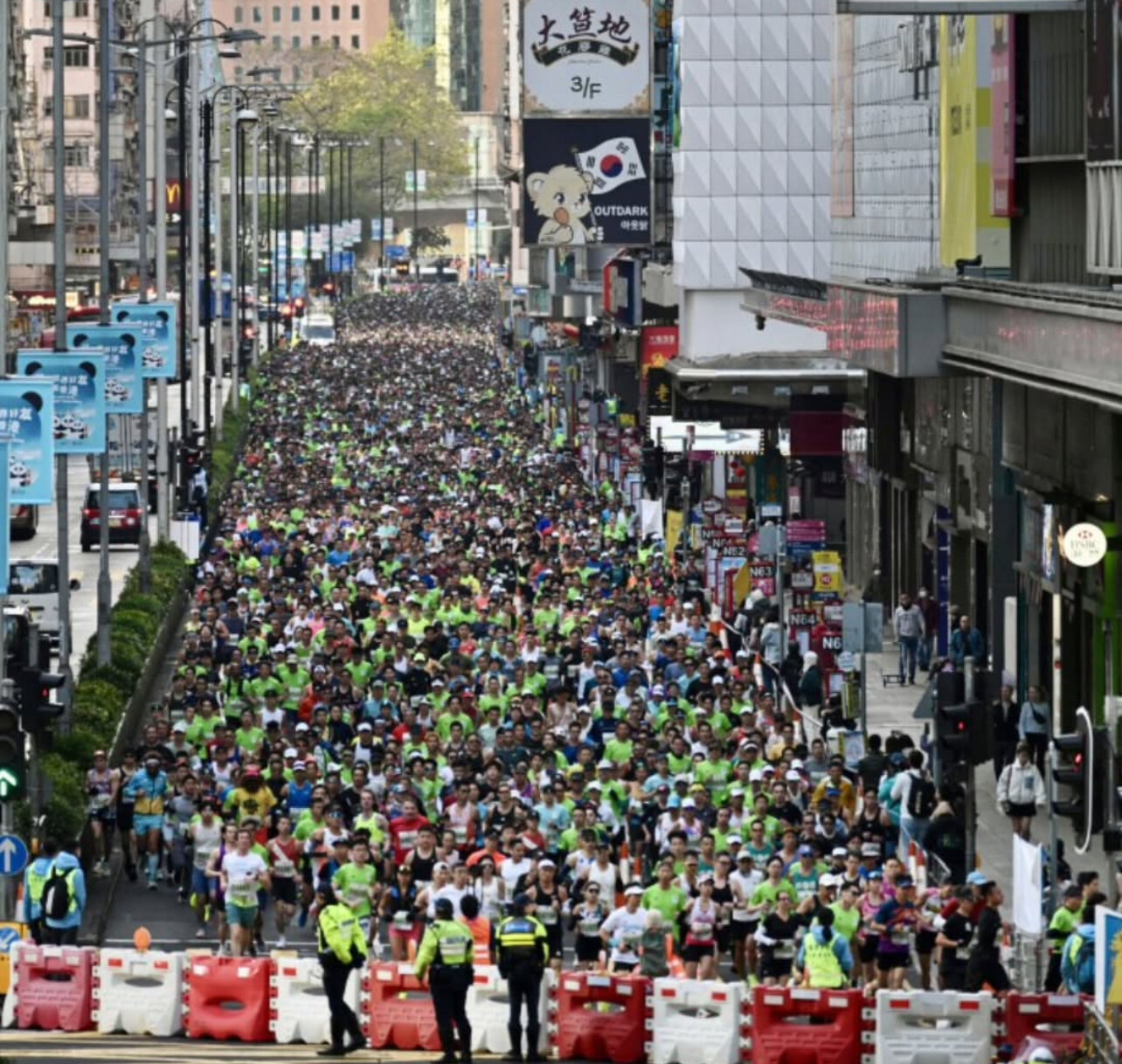
But Hong Kong rarely rewards straight-line speed alone. The urban course, winding from Nathan Road to Victoria Park, features sharp turns, rolling sections, bridges, and the ever-present factor of subtropical winter humidity. These elements routinely transform the race into a chess match, where tactical awareness becomes as decisive as fitness.
Kenya’s contingent arrives with depth and experience, forming a formidable counterbalance. Victor Kipchirchir (2:05:43) stands out as the most immediate threat. Known for measured pacing and a strong finish, Kipchirchir is well-suited to a race that rewards restraint before aggression.
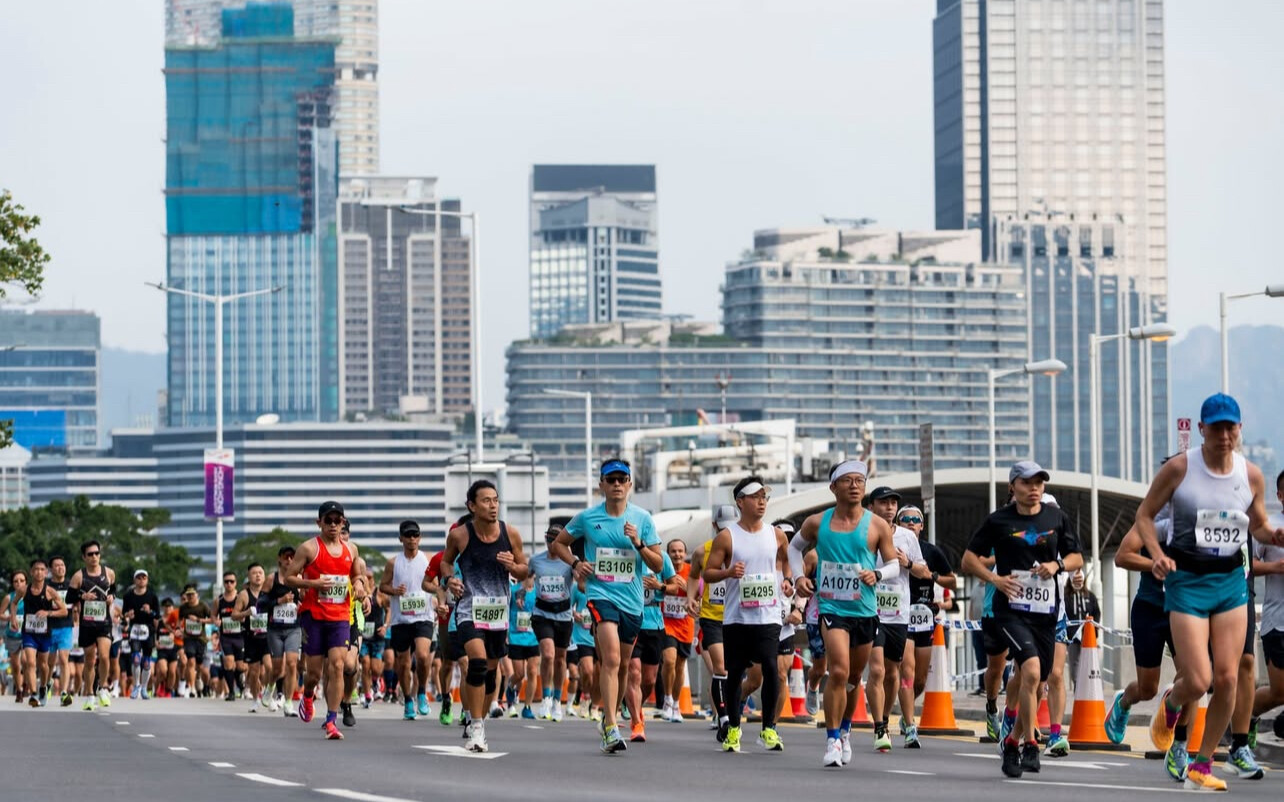
Backing him are Silas Kiprono Too (2:06:32), Kipkemoi Kiprono (2:06:45), Reuben Kiprop Kerio(2:07:00), and Simon Kipkosgei (2:07:07). Collectively, they offer tactical versatility and the ability to apply pressure during the critical middle stages—often where Hong Kong races are won or lost.
Ethiopia counters with its own depth. Abdi Fufa Nigassa (2:05:57), Gebru Nguse Redahgne(2:05:58), Yitayal Atnafu Zerihun (2:06:21), and Melaku Belachew Bizuneh (2:06:30) complete a formidable lineup. While their personal bests suggest the potential for fast running, Hong Kong history suggests that tactical surges and energy management often dictate the podium.
International intrigue comes courtesy of Yuki Kawauchi (JPN, 2:07:27), one of the sport’s most unpredictable racers. Renowned for his aggressive, fearless approach, Kawauchi has a habit of disrupting conventional pacing and forcing rivals into uncomfortable decisions. He is joined by Ghazouany Mohamed (MAR, 2:09:01) and Han Il Ryong (PRK, 2:09:42), underscoring the truly global character of the field.
Recent history provides useful perspective. In 2025, winning times hovered around 2:11–2:12, with Kenyan runners dominating the podium. The 2024 edition was similarly measured, reinforcing the course’s tactical reputation. Against that backdrop, the 2026 start list represents a notable shift: several contenders arrive with sub-2:06 credentials, raising the possibility of a quicker race—if the lead pack commits to pushing the tempo.
Still, the course demands respect. Early aggression has often been punished, while disciplined positioning and energy conservation through the mid-race sections have proven decisive. Misjudgment can lead to dramatic fade-outs over the final 10 kilometers; patience, on the other hand, often opens the door to late-race surges and podium-deciding moves.
That tension sets up a fascinating strategic question: will Ethiopia attempt to control the race through collective pacing, or will Kenya counter with tactical pressure and well-timed attacks? And could Kawauchi’s trademark aggression fracture the rhythm entirely?
With personal bests tightly clustered and tactical variables at play, Hong Kong once again promises a marathon where intelligence and restraint may outweigh even the fastest résumés.
As the 2026 marathon season gets underway, all eyes turn to January 18 when Hong Kong’s streets will host a contest shaped by history, strategy, and split-second decisions—another reminder that here, the smartest runner often wins.
(01/17/26) Views: 295Robert Kibet for My Best Runs
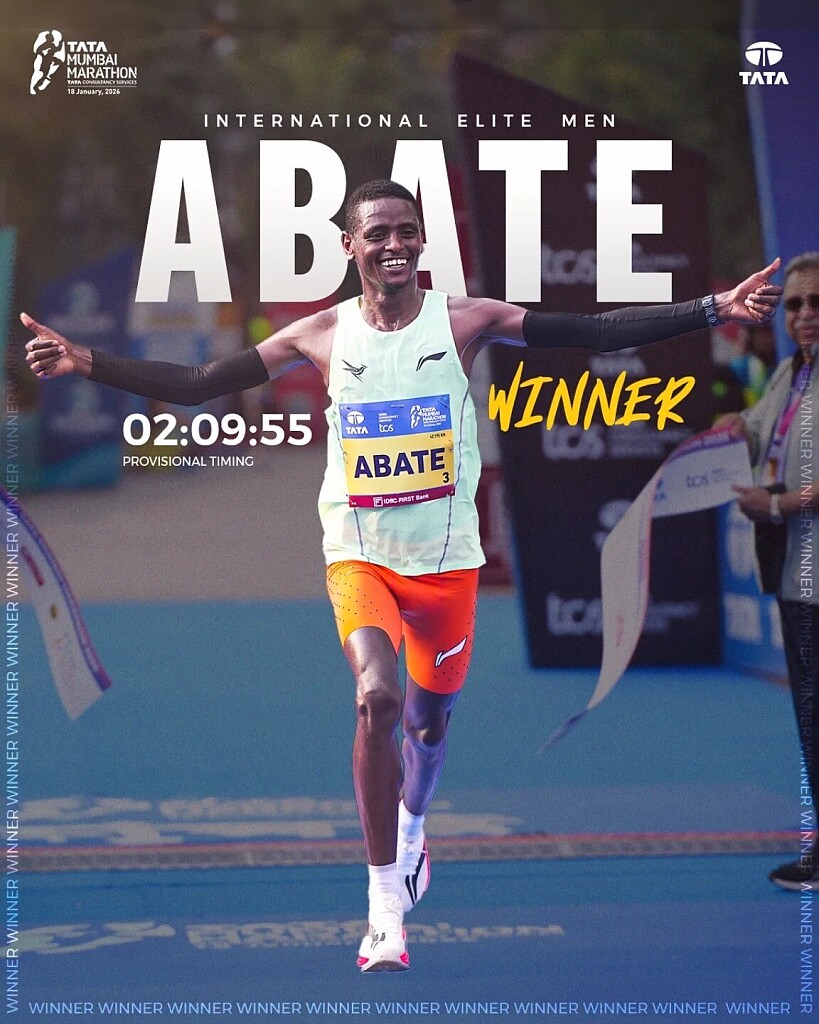
21st Tata Mumbai Marathon: Abate Deme Surges to Victory in Tactical Men’s Thriller
The 21st edition of the Tata Mumbai Marathon, staged under the title sponsorship of the Tata Group, produced a compelling men’s race shaped by strategy, endurance, and mental resilience. Run over Mumbai’s iconic 42.195 km course — featuring long exposed stretches along Marine Drive and a demanding spiral climb in the closing kilometres — the race unfolded under rising January temperatures and increasing humidity, turning it into as much a test of judgment as raw strength.
A High-Stakes Duel in the Final Kilometres
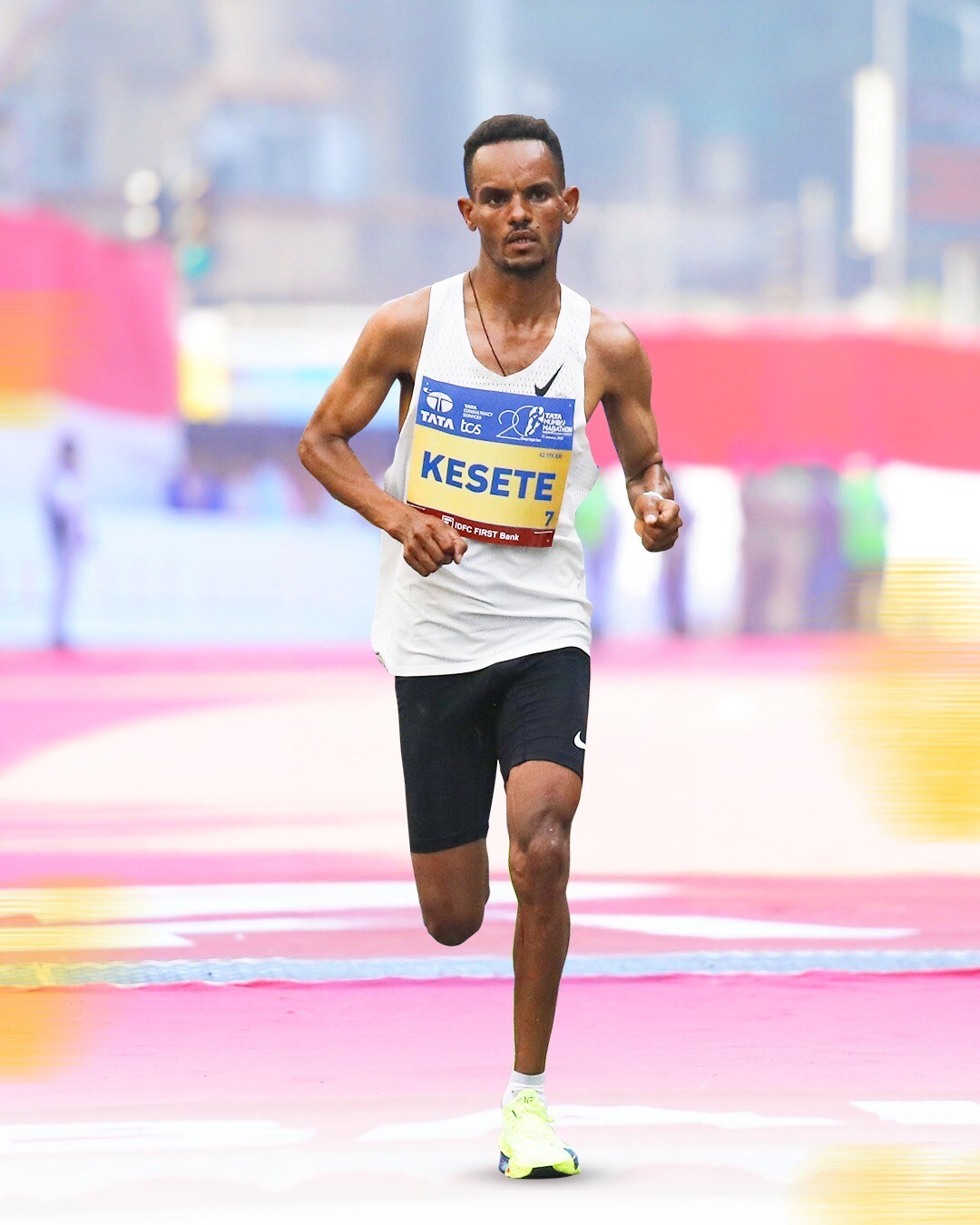
The men’s contest ultimately narrowed to a gripping duel between Ethiopia’s Tadu Abate Deme and Kenya’s Leonard Lang’at, with Eritrea’s Merhawi Kesete Weldemaryam remaining in contention deep into the race. As the decisive kilometres approached, the tension was unmistakable. “Neither of them giving any quarter. They’re both absolutely exhausted here,” commentators observed, capturing the mental and physical toll exacted by the Mumbai course.
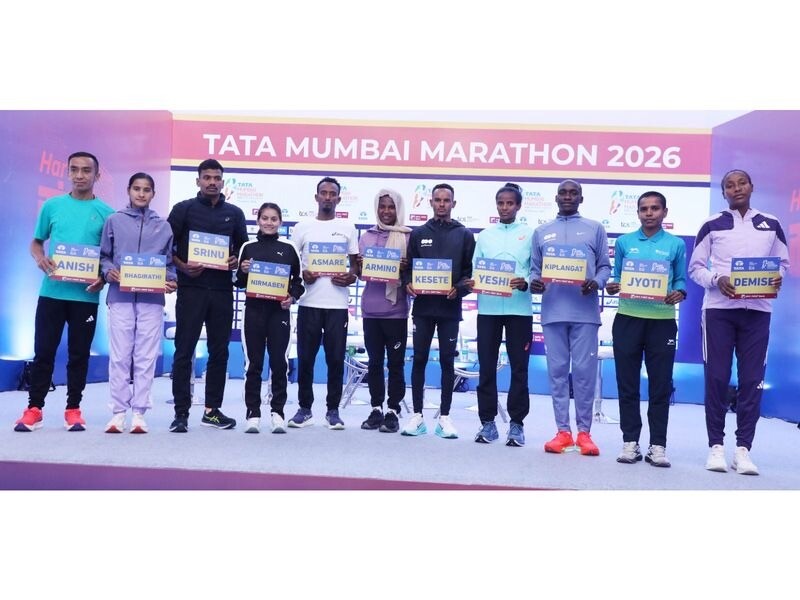
Abate, 28, arrived with an impressive résumé. His personal best of 2:05:55, set three years earlier in Tokyo, highlights his ability to combine speed with endurance. A frequent and consistent racer, Abate completed three marathons in 2025 alone — including one just six weeks before Mumbai — demonstrating exceptional recovery and conditioning. Inspired by Kenenisa Bekele, he blends track-like efficiency with road-racing instincts, conserving energy and striking precisely when it matters most.
Lang’at brought his own credentials to the battle. A seasoned marathoner known for strong finishes and tactical awareness, the Kenyan owns personal bests in the 2:08–2:09 range and has built a reputation as a relentless competitor in tightly contested races. As the leaders broke clear late, commentators noted, “It’s a mental battle between these two now, as much as a physical battle… Abate is moving smoothly. He can relax a little now; he’s got the race won.”
Weldemaryam, representing Eritrea, showcased steady progression on the international stage. Though unable to match Abate’s final acceleration, his endurance kept him among the leaders until the closing kilometres. “He’s been a good runner… getting better and better like a good wine,” the commentary reflected, underscoring his continued development.
Tactical Racing Takes Center Stage
By 40 km, the leaders had passed through 2:03:08, a clear signal that the race had shifted from time-chasing to a tactical contest of patience and resolve. Abate’s decisive move came after the final left-hand turn away from Marine Drive, where he surged with authority and opened a gap Lang’at could not close despite a determined pursuit.
The Mumbai course’s exposed roads, coastal winds, and late-race climb demanded precise energy management. Abate executed his race plan flawlessly — staying controlled through the middle stages, reading his rivals, and accelerating only when fatigue began to show in the field.
Lang’at, while ultimately second, demonstrated grit and composure throughout, while Weldemaryam and the chasing pack added depth to a men’s race in which every kilometre required concentration and discipline.
A Race Defined by Intelligence and Strength
The men’s race at the 21st Tata Mumbai Marathon will be remembered as a high-calibre strategic battle — one where Ethiopian excellence once again prevailed, but Kenyan and Eritrean challengers ensured a gripping international contest. Abate Deme’s well-timed surge earned him victory in 2:09:55, with Lang’at close behind and Weldemaryam rounding out the podium.
Once again, Mumbai proved that it rewards tactical intelligence, mental fortitude, and resilience as much as speed, reinforcing its reputation as one of Asia’s most demanding and strategically complex marathons.
Men’s International Elite Top 6 – 2026 Tata Mumbai Marathon
1. Tadu Abate Deme (ETH) – 2:09:55
2. Leonard Lang’at (KEN) – 2:10:10
3. Merhawi Kesete Weldemaryam (ERI) – 2:10:22
4. Gada Gemsisa Gudeta (ETH) – 2:10:49
5. Victor Kiplangat (UGA) – 2:11:02
6. Benjamin Kigen (KEN) – 2:15:28
(01/18/26) Views: 262Robert Kibet for My Best Runs
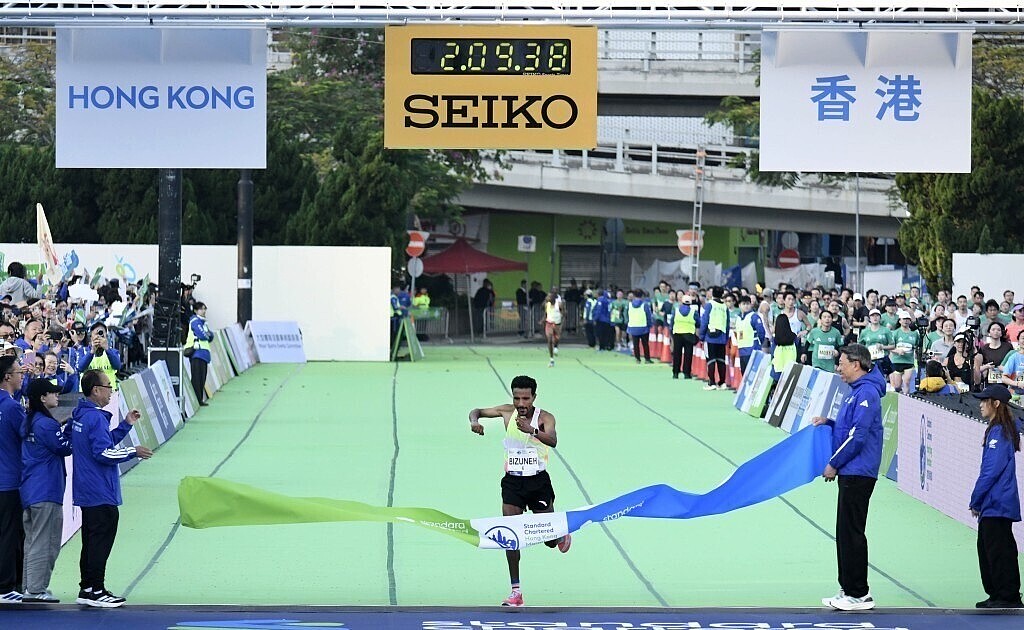
Balachew and Eshete Claim Hong Kong Marathon Titles in Thrilling 30th Edition
Ethiopia’s Bizuneh Balachew and Bahrain’s Shitaye Eshete Habte claimed top honors at the 30th Standard Chartered Hong Kong Marathon, delivering decisive performances on one of Asia’s most demanding urban courses along Victoria Harbour.
From the opening kilometers, the men’s race unfolded as a tactical chess match. A tightly packed lead group — including Kenyans Silas Too, Francis Kipkorir, and Douglass Kimeli — matched Balachew stride for stride through the first 25 kilometers. The pivotal moment came just past 30 km, when Balachew surged decisively, opening a small but crucial gap.
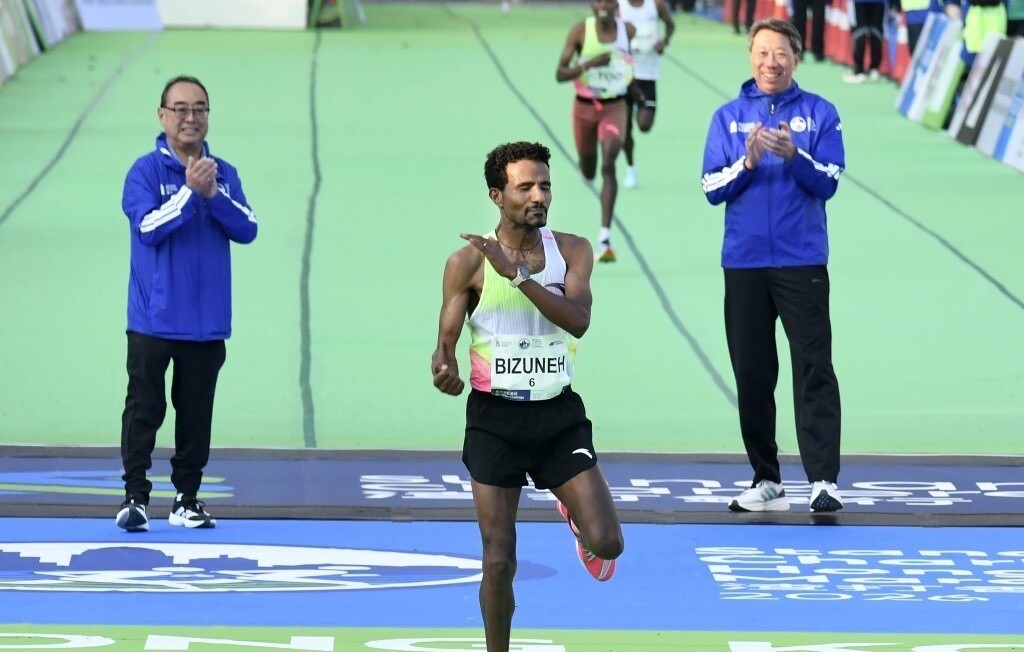
Despite an aggressive chase from the Kenyan trio, Balachew held his form and composure to cross the line in 2:09:39, finishing 17 seconds ahead of Too and 20 seconds clear of Kipkorir. The victory marked a significant international win for Balachew, who owns a personal best of 2:06 from Berlin in 2024.
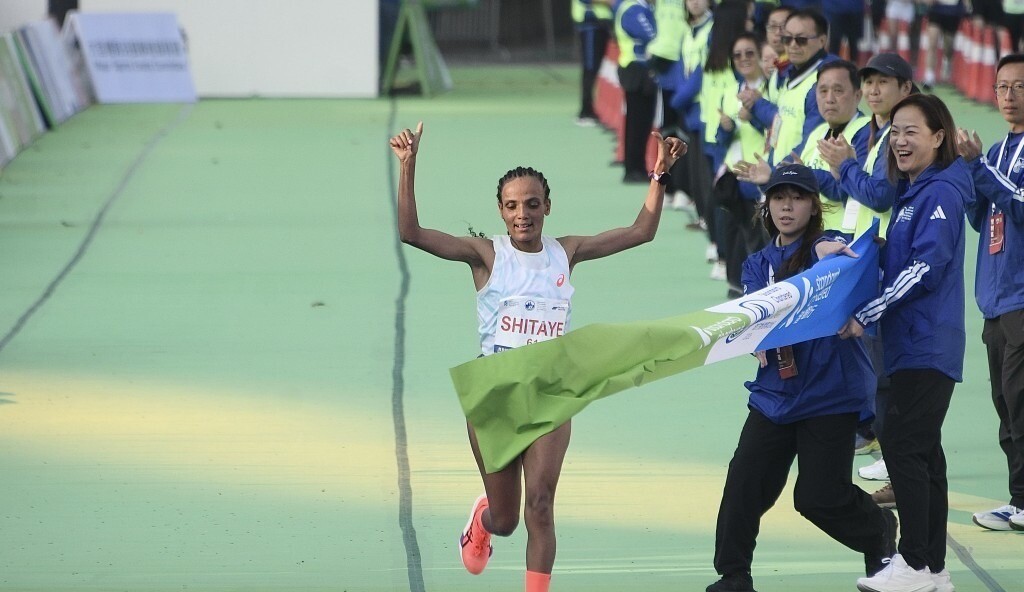
The depth of the men’s field was evident throughout the top ten, with Kimeli (2:10:17), Edwin Koech (2:10:24), and Han Ii Ryong (2:10:39) all finishing within a minute of the winner.
The women’s race proved equally compelling. Eshete Habte ran patiently through the early stages, keeping Ethiopia’s Tesfay Haftu and Kenya’s Linet Masai within reach. In the final kilometers, Eshete injected a well-timed surge, creating just enough separation to secure victory in 2:29:03 — 10 seconds ahead of Haftu and 20 seconds in front of Masai.
The women’s top ten reflected the event’s international depth, featuring athletes from Bahrain, Ethiopia, Kenya, and North Korea, underscoring the global competitiveness of the Hong Kong Marathon.
Course conditions played a defining role throughout the day. The 42.195 km route — beginning on Nathan Road, winding through tunnels, crossing the Stonecutters and Ting Kau Bridges, and finishing in Victoria Park — tested athletes with rolling terrain, tight turns, and coastal winds. While not conducive to fast personal bests, the course rewarded tactical intelligence, resilience, and patience — qualities exemplified by both champions.
Local runners also delivered standout performances, with Hong Kong residents Wong Yin-chun and Law Ying-ting impressing in the marathon divisions. Across the half marathon and 10 km races, tens of thousands of recreational runners filled the streets, creating a vibrant festival atmosphere.
The 30th edition of the Standard Chartered Hong Kong Marathon once again confirmed its reputation as a World Athletics Gold Label event — seamlessly blending elite competition, international representation, and mass participation into one of Asia’s most celebrated road races.
Elite Top 10 – Men
1. Bizuneh Balachew – 2:09:39
2. Silas Too – 2:09:56
3. Francis Kipkorir – 2:09:59
4. Douglass Kimeli – 2:10:17
5. Edwin Koech – 2:10:24
6. Han Ii Ryong – 2:10:39
7. Kiprono Kipkemoi – 2:10:53
8. Irena Gemechu – 2:10:54
9. Gebre Ayenew – 2:11:07
10. Anderson Seroi – 2:11:46
Elite Top 10 – Women
1. Shitaye Eshete Habte – 2:29:03
2. Tesfay Haftu – 2:29:13
3. Linet Masai – 2:29:23
4. Adilo Kesir – 2:30:00
5. Caroline Kilel – 2:30:44
6. Geremew Workenesh – 2:31:08
7. Emily Chebet – 2:32:29
8. Jon Su Gyong – 2:32:30
9. Pak Sol Gyong – 2:35:33
10. Vivian Kosgei – 2:35:37
(01/18/26) Views: 255Robert Kibet for My Best Runs
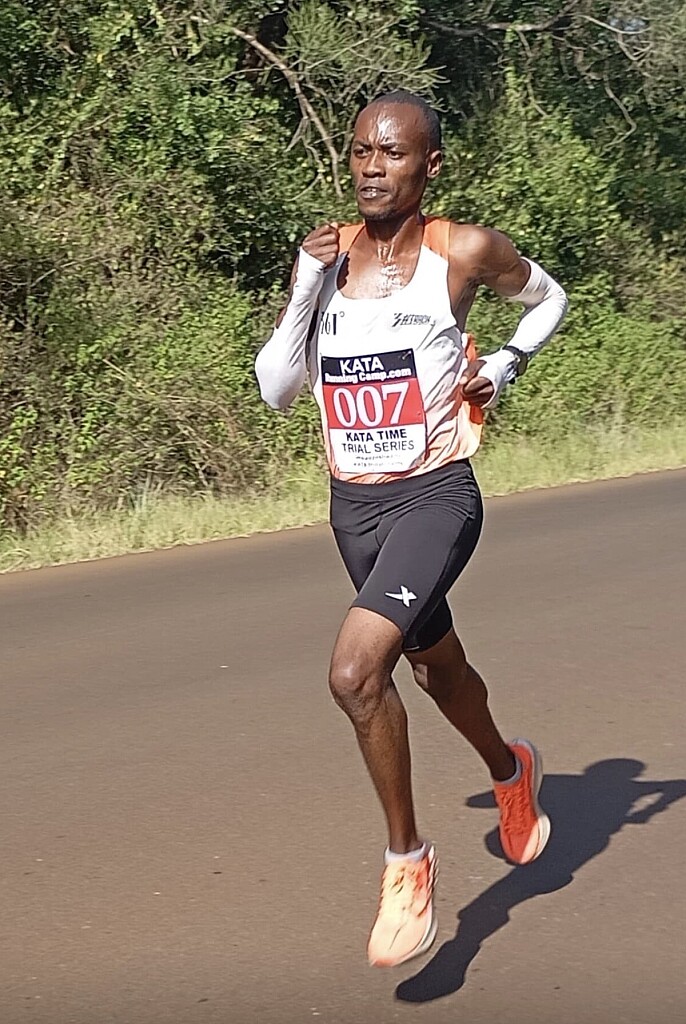
KATA Time Trial #52 Rewards Grit and Solo Efforts in Thika
KATA Time Trial No. 52 unfolded quietly on the familiar tarmac roads of Thika, but the morning (Jan 21) delivered a series of determined solo efforts and encouraging performances across the distances. With athletes often running alone against the clock, the session tested discipline, pacing, and mental toughness—hallmarks of the KATA training philosophy.
In the men’s 5km, 17-year-old Robin Musa delivered the standout performance of the morning, stopping the clock at 15:37. Running entirely on his own, Musa showed maturity beyond his years, holding his rhythm without the benefit of a pack. His effort drew appreciation from coaches and observers, underscoring his growing potential.
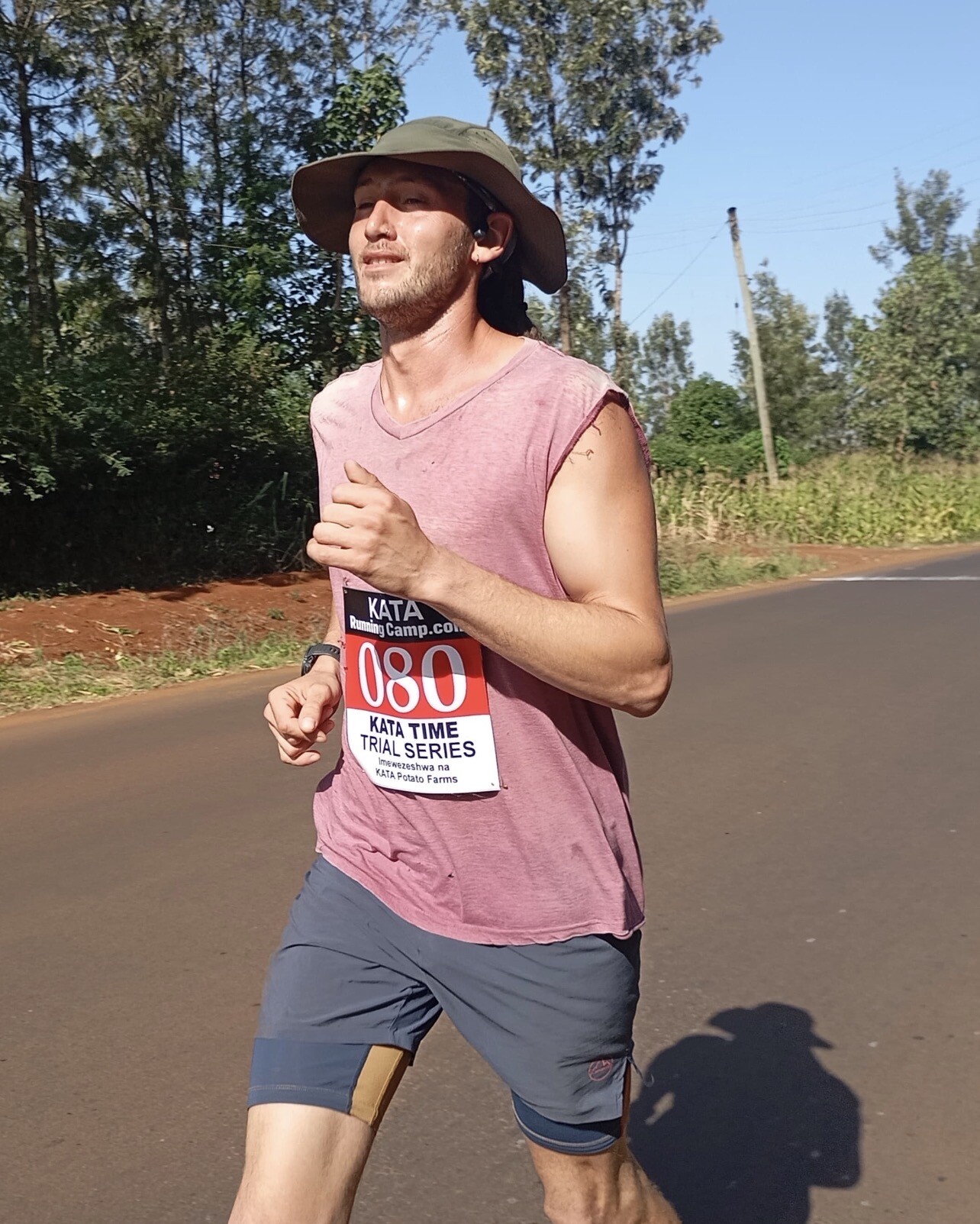
Finishing second was Yedi Kohen, KATA’s paid guest from Israel, who continues his preparation for an upcoming race. Kohen clocked 24:14, running barefoot on the tarmac. Beyond the footwear choice, his relaxed stride and controlled execution reflected steady progress within his training block.
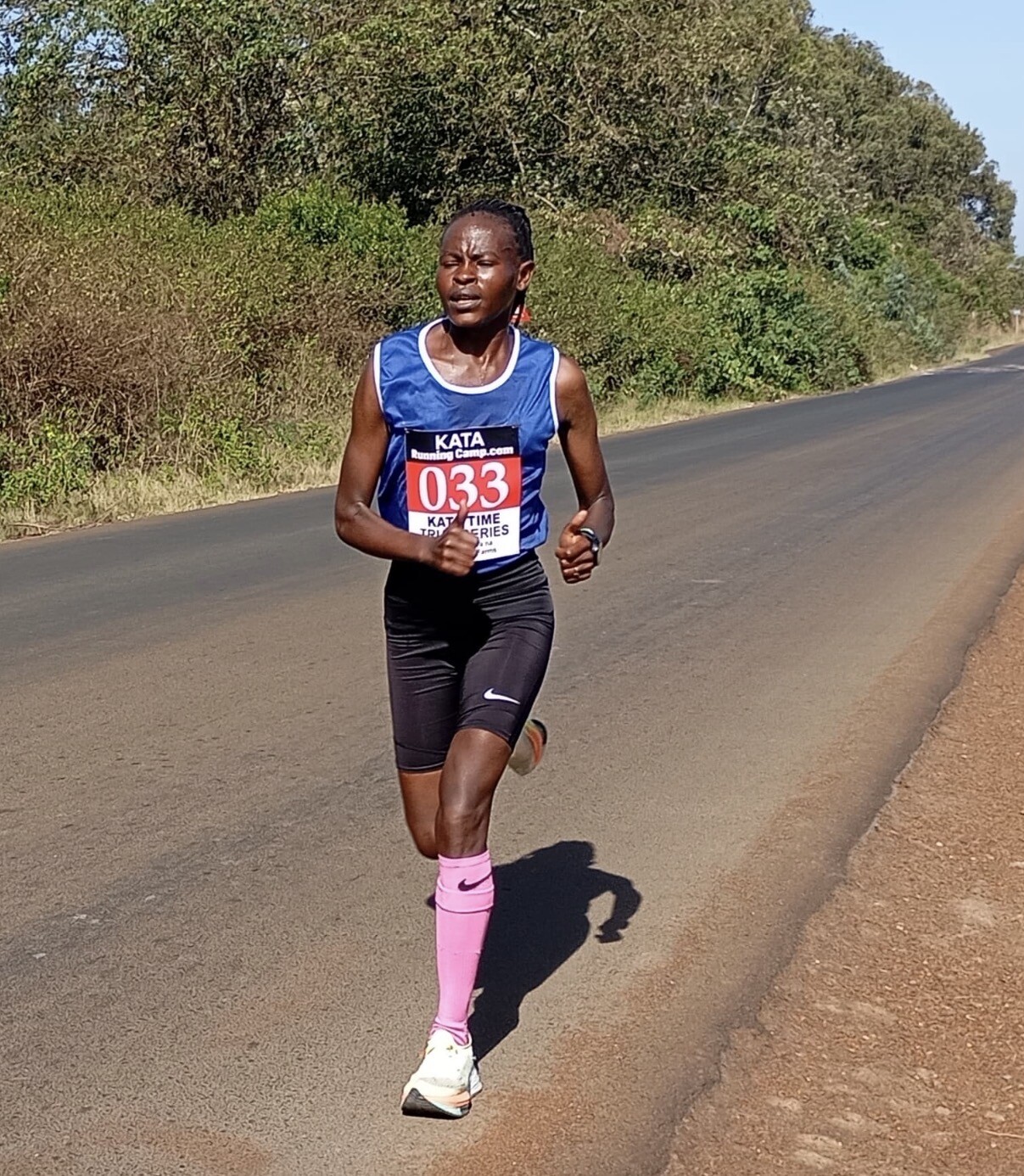
The women’s 5km featured a single competitor, but Regina Sandiki made the most of the opportunity, posting an impressive 19:18. A 400-metre specialist transitioning to longer distances, Sandiki continues to adapt well to endurance training, with her development suggesting a promising future.
The men’s 10km saw Stephen Kangethe take control early and maintain his lead throughout, crossing the line in 28:45. Running much of the race alone, Kangethe demonstrated strength and composure, particularly over the final kilometres. He later noted the challenge of pushing the pace without competition, having opened nearly a one-minute gap on the field.
Second place went to Raphael Karita in 29:43, followed by Peter Njeru, who rounded out the podium with 30:02.
In the women’s 10km, Loise Kiaríe claimed victory with a strong and consistent run, stopping the clock at 33:53. Jacinta Kamau followed in 34:41, while Susan Njuu secured third in 35:37, highlighting solid depth among KATA’s women over the longer distance.
Time Trial No. 52 may have been modest in size, but it reinforced a central truth of KATA’s program: progress is forged through honest effort, whether running in a pack or alone against the clock.
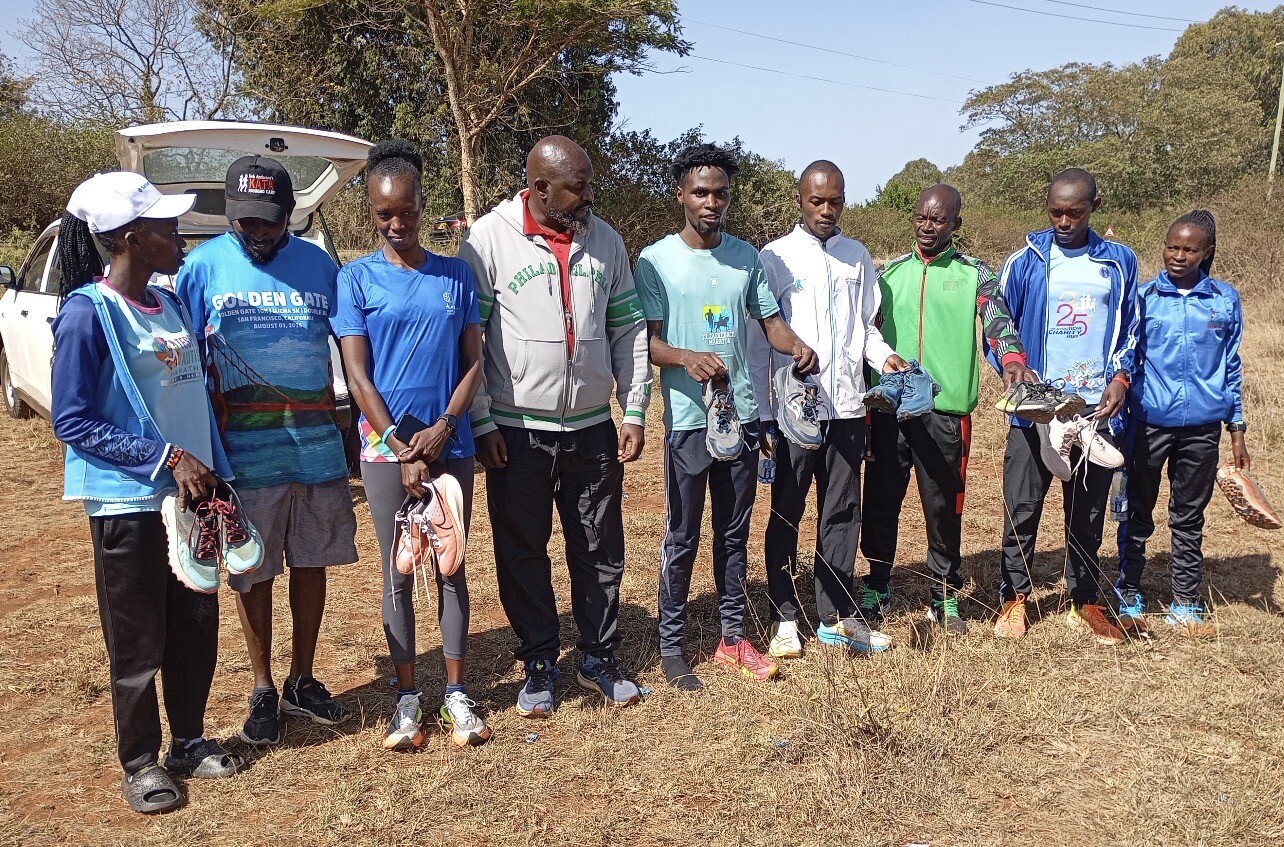
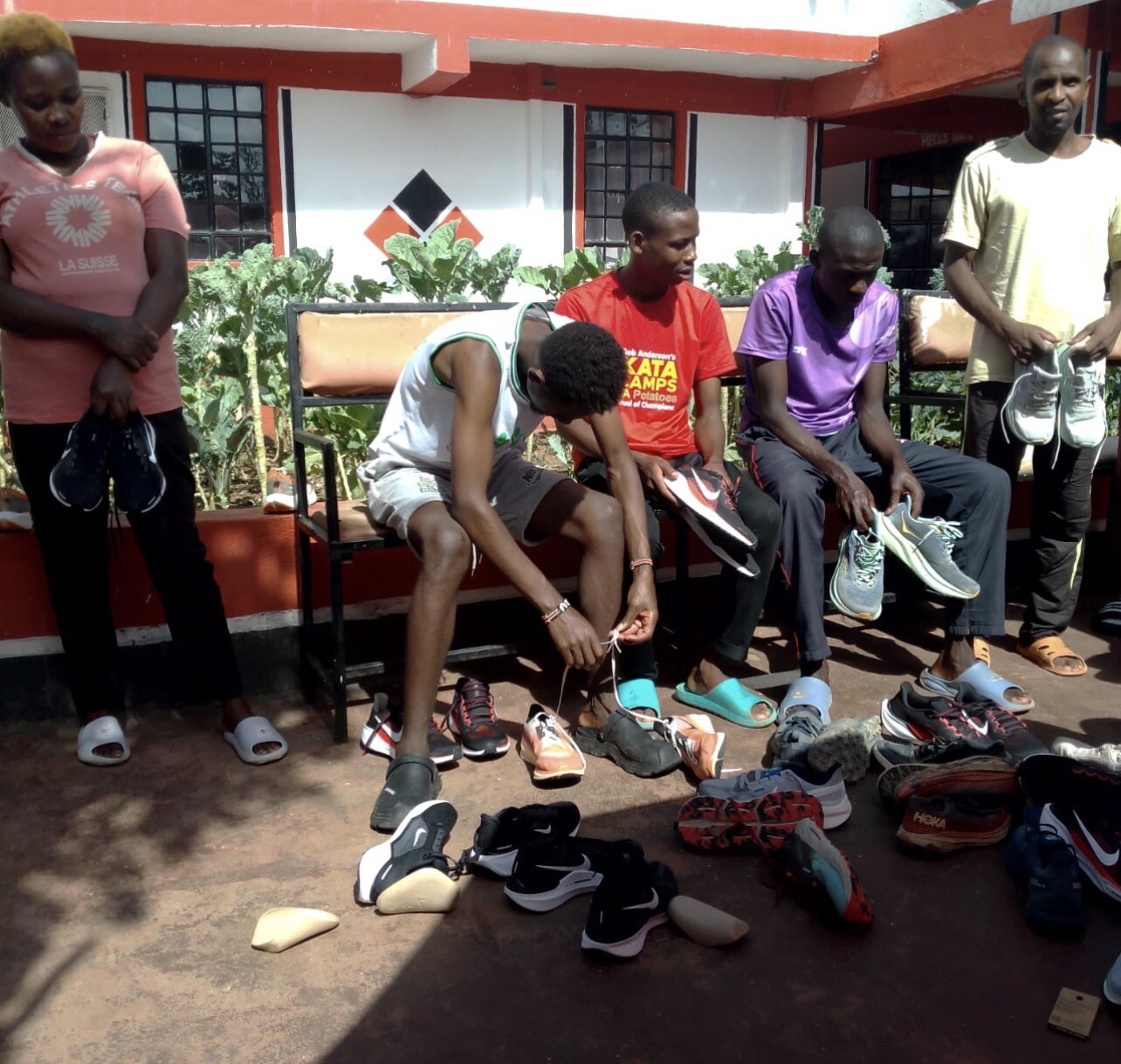
A previous guest from France, Marie Barin donated 30 pairs of running shoes to KATA. The fourth photo shows some of those shoes being handed out as prizes and the next photos shows some being handed out at KATA, The next photo is Dennis picking up the shoes. "This was so nice of Marie and Arthur, her mate, to make such a kind donation," says KATA director Bob Anderson.

Race Results
MEN 5km
1. Robin Musa (17) — Bib 08 — 15:37
2. Yedi Kohen (28) — Bib 80 — 24:14
WOMEN 5km
Out 1. Regina Sandiki (19) — Bib 81 — 19:18
MEN 10km
1. Stephen Kangethe (22) — Bib 07 — 28:45
2. Raphael Karita (27) — Bib 85 — 29:43
3. Peter Njeru (28) — Bib 46 — 30:02
4. James Murithi (29) — Bib 100 — 30:41
5. Bernard Waweru (40) — Bib 39 — 31:26
6. Joel Maina (40) — Bib 32 — 31:42
7. Boniface Mungai (30) — Bib 05 — 32:13
8. Charles Ndirangu (24) — Bib 79 — 32:31
9. Erick Cheruiyot (30) — Bib 40 — 32:35
10. Joseph Nyota (20) — Bib 31 — 33:31
11. Paul Nganga (45) — Bib 30 — 34:14
12. David Muriuki (40) — Bib 44 — 34:25
13. Bernard Gicheha (35) — Bib 76 — 35:37
14. Charles Ndirangu (64) — Bib 82 — 37:32
WOMEN 10km
1. Loise Kiaríe (24) — Bib 33 — 33:53
2. Jacinta Kamau (24) — Bib 36 — 34:41
3. Susan Njuu (40) — Bib 43 — 35:37
4. Jane Wanja (35) — Bib 83 — 36:52
5. Caren Chepkemoi (24) — Bib 70 — 38:22
6. Ruth Macharia (27) — Bib 68 — 43:39
(01/21/26) Views: 157Boris Baron
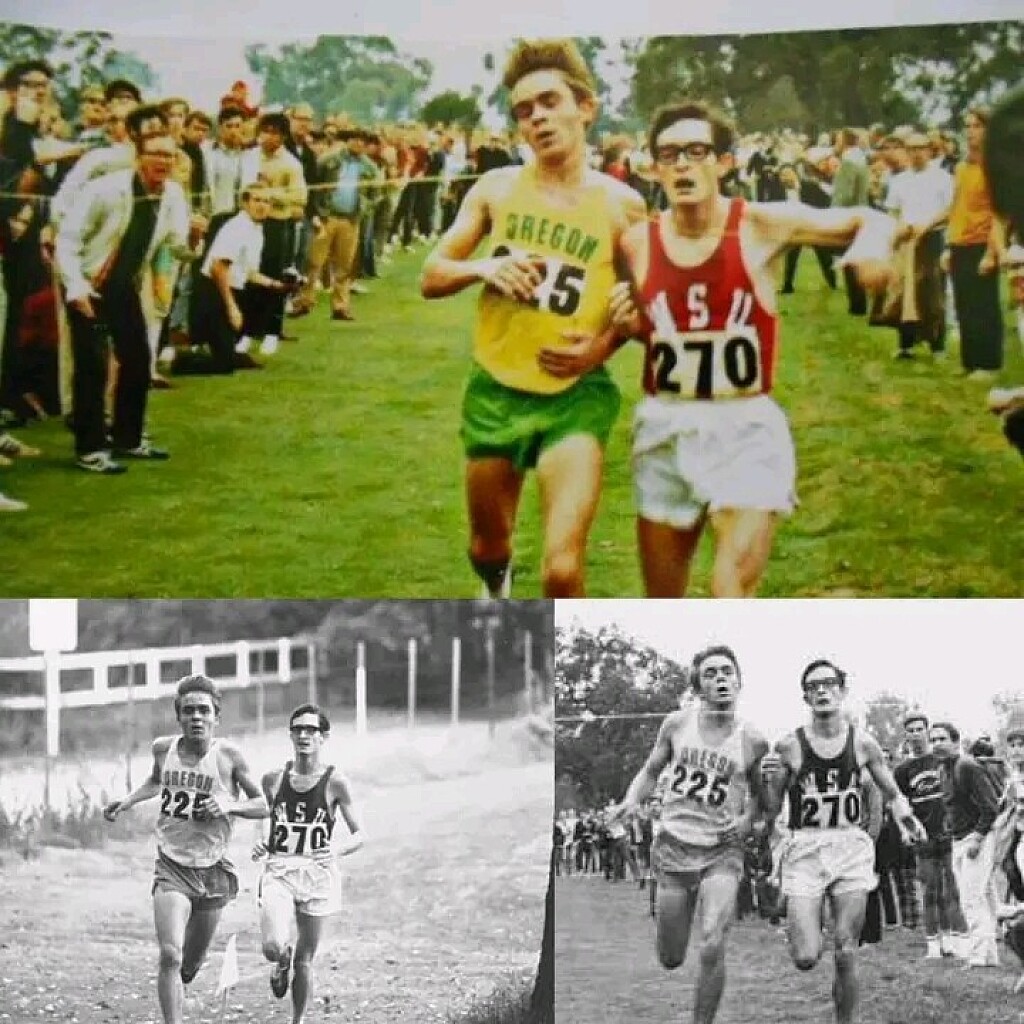
STEVE PREFONTAINE: THE FIRE THAT REDEFINED AMERICAN DISTANCE RUNNING
Steve Prefontaine was more than a gifted athlete—he was the heartbeat of a movement that transformed distance running in the United States. At a time when American runners struggled for global respect, Prefontaine emerged with fearless ambition, relentless confidence, and a refusal to race cautiously. He did not simply compete; he challenged the limits of effort itself.
Born in Coos Bay, Oregon, Prefontaine rose to prominence through sheer willpower and an uncompromising racing philosophy. He believed running was not about waiting for the perfect moment, but about seizing control from the gun. While others conserved energy, he attacked races head-on, forcing competitors into uncomfortable territory. This aggressive style made every race unforgettable and redefined how Americans viewed middle- and long-distance competition.
Prefontaine’s legacy was built not only on results, but on attitude. He raced with emotion, honesty, and pride, insisting that athletes owed their full effort to the sport and to themselves. To him, talent was meaningless without total commitment. That belief resonated deeply with young runners across the country, many of whom saw in him proof that courage could rival pedigree.
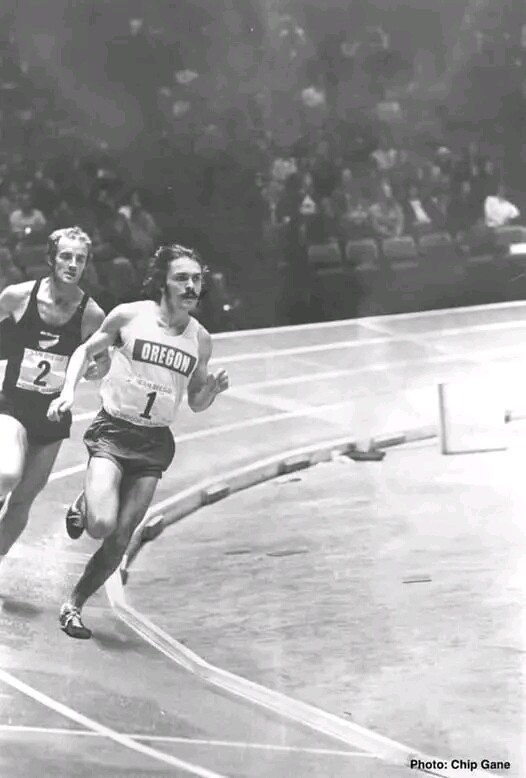
On the track, his performances spoke loudly. From the 1500 meters to the 10,000 meters, Prefontaine set remarkable times that placed him among the world’s elite. His personal bests—achieved in cities like Eugene, Helsinki, Milan, and Stockholm—reflected both his versatility and his willingness to test his limits repeatedly. At one point, he held every American record from 2,000 meters through 10,000 meters, a testament to his dominance and consistency.
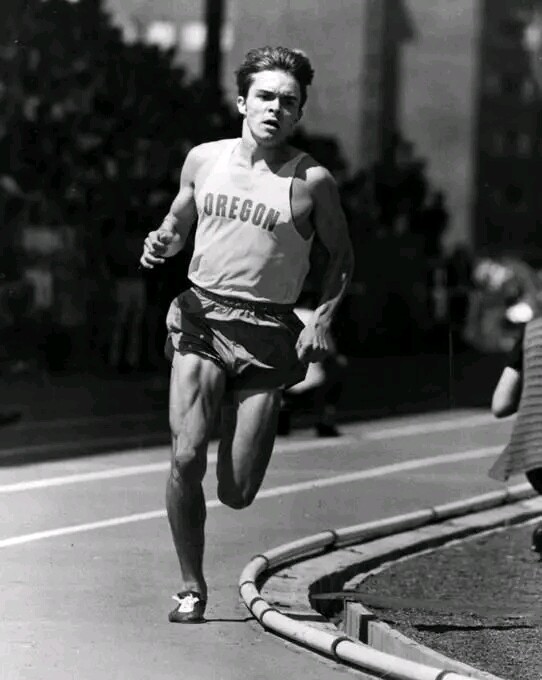
Yet what truly set Prefontaine apart was his influence beyond statistics. He became a voice for athletes, advocating for fairness, recognition, and respect at a time when amateur runners received little support. He helped shift the culture of American athletics toward professionalism and athlete empowerment, laying groundwork that future generations would benefit from.
Prefontaine’s life was tragically brief, but his impact proved permanent. His philosophy—run with courage, race with heart, and give everything—continues to shape the mindset of runners worldwide. Trails, stadiums, and training groups still echo with his spirit, reminding athletes that greatness is measured not only by victories, but by the honesty of one’s effort.
Decades later, Steve Prefontaine remains a symbol of fearless competition and unfiltered passion. He did not chase perfection; he chased truth in performance. And in doing so, he became more than a champion—he became a legacy.
Legends do not fade. They keep running through those they inspire.
(01/20/26) Views: 106Erick Cheruiyot for My Bestruns.
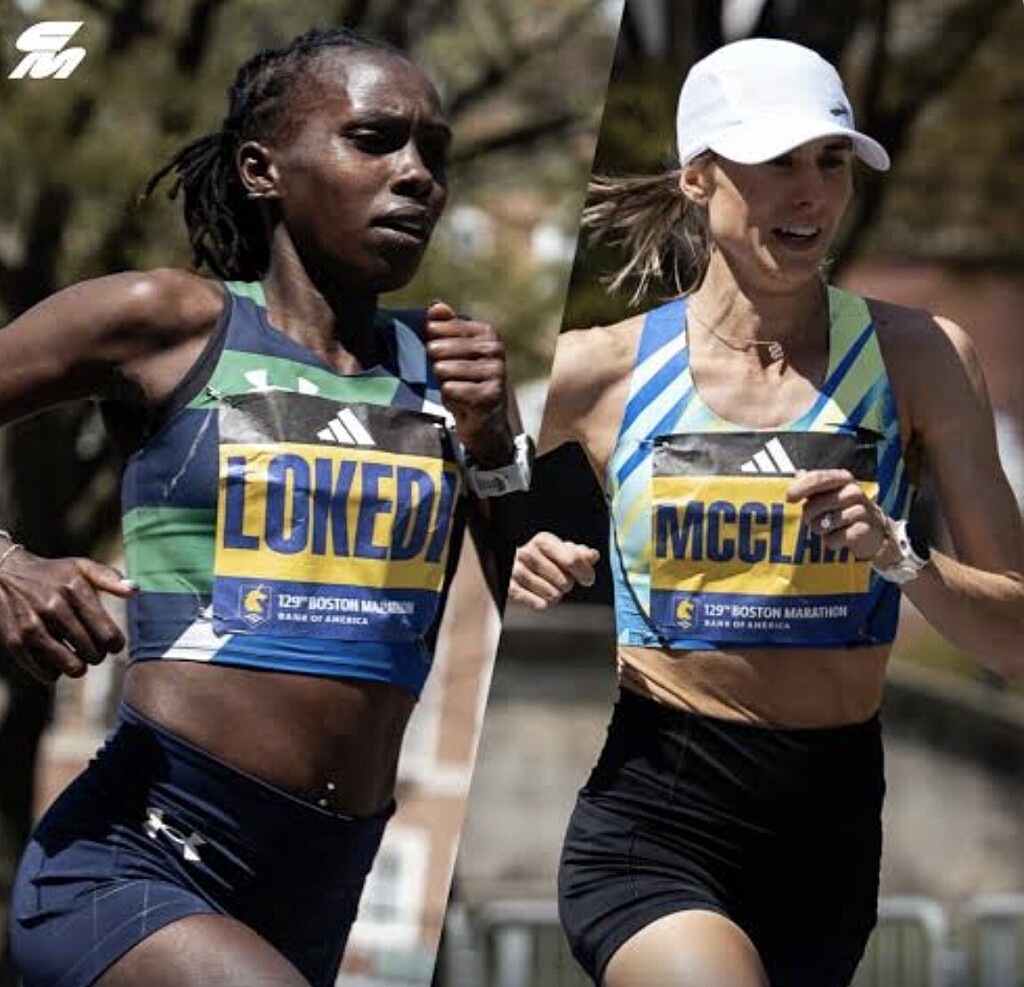
American Depth Meets Global Firepower in Women’s Field for 130th Boston Marathon
The Boston Athletic Association (B.A.A.) has unveiled the women’s professional field for the 130th Boston Marathon presented by Bank of America, and the lineup signals one of the most competitive women’s races in event history. Athletes representing 18 countries will take the start, led by what may be the deepest American contingent ever assembled in Boston.
Thirteen U.S. women in the field have broken 2:26 for the marathon, setting the stage for aggressive racing on a course where experience and tactics often matter as much as raw speed.
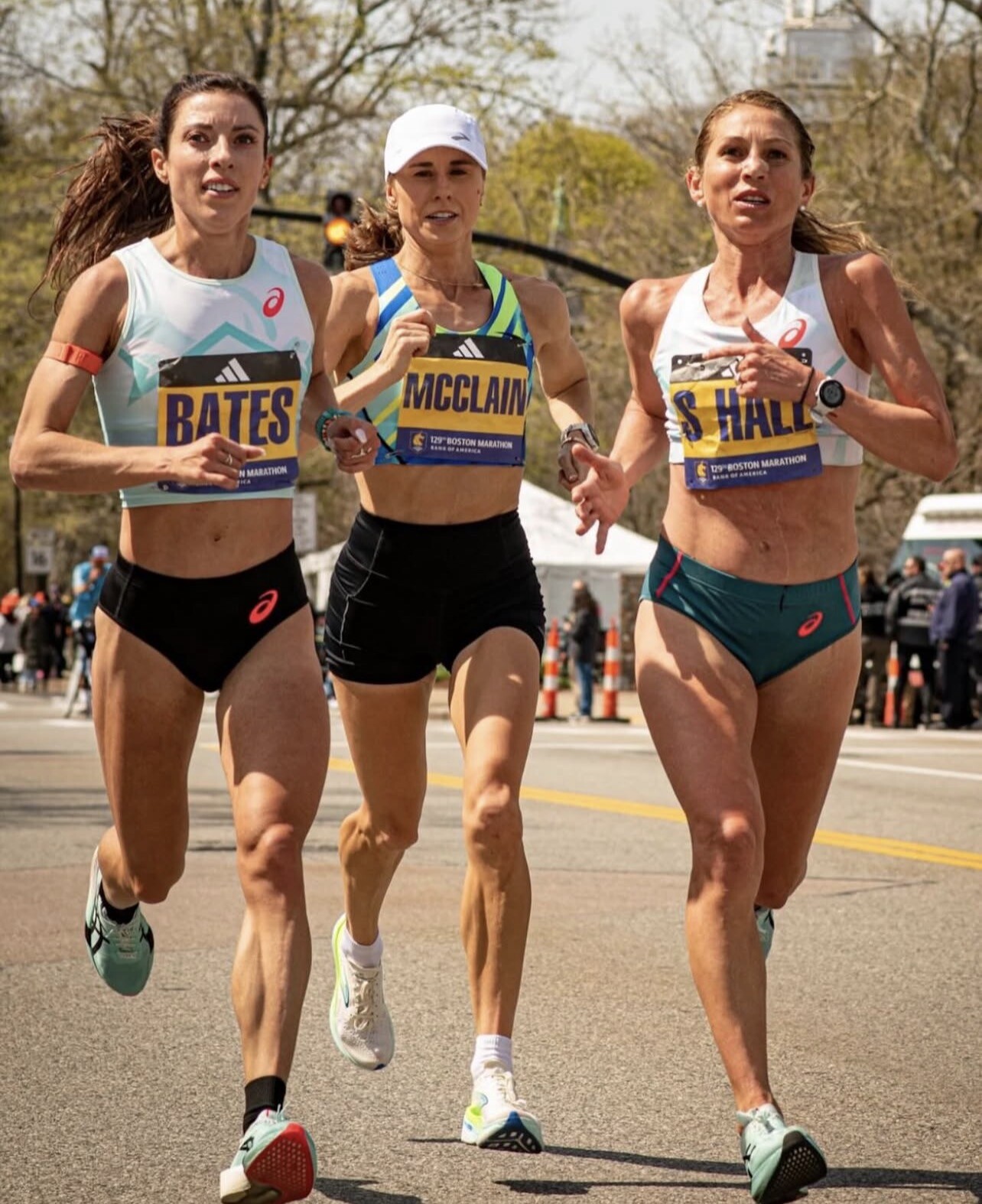
“The 130th edition of the Boston Marathon presented by Bank of America will feature unrivaled depth and head-to-head racing,” said Mary Kate Shea, Chief Operating Officer of the B.A.A. “The strength of the American field combined with the international experience sets the stage for a thrilling race on Boylston Street.
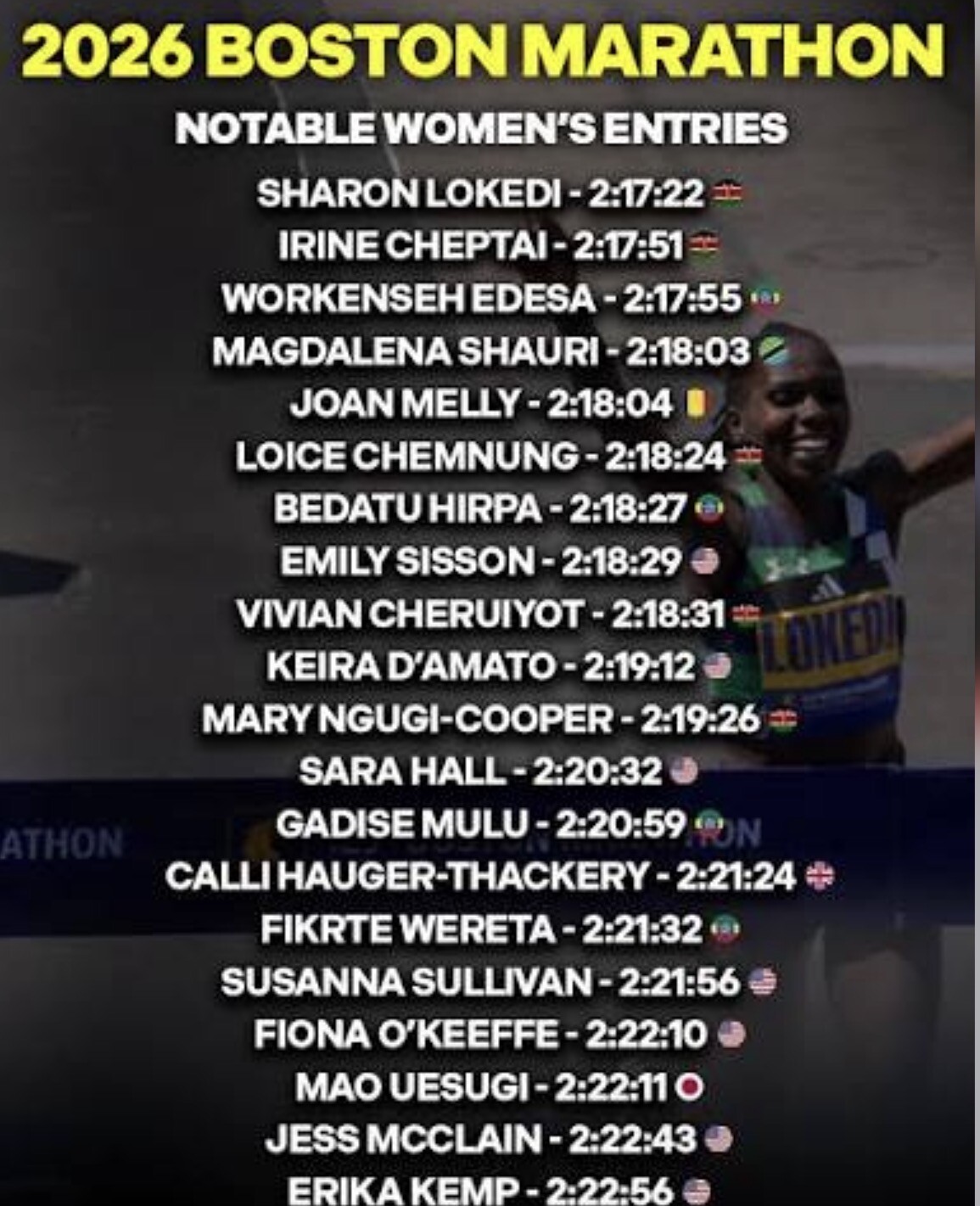
Headlining the U.S. squad is the full 2024 Olympic Marathon team: Emily Sisson, Fiona O’Keeffe, and Dakotah Popehn. Sisson enters as the American record holder at 2:18:29, while O’Keeffe is coming off a strong fourth-place finish at the 2025 New York City Marathon. Popehn posted a lifetime best of 2:24:21 at Chicago last fall.
Joining them is the entire U.S. team from the World Championships Marathon in Tokyo: Susanna Sullivan, Jess McClain, and Erika Kemp. McClain was the top American at Boston last year, finishing seventh in 2:22:43, while Kemp owns a personal best of 2:22:56, the fastest marathon ever run by a U.S.-born Black woman.
Annie Frisbie, eighth in Boston last year, returns after a fifth-place finish in New York, and Keira D’Amato, the former American record holder, will make her third Boston appearance. Veteran Sara Hallalso returns after a runner-up finish at the Houston Marathon in January.
Several Americans will make their Boston debuts, including Megan Sailor, Natosha Rogers, and Amanda Vestri, underscoring the breadth of U.S. talent now entering the marathon ranks.
Internationally, the challenge remains formidable. Defending champion Sharon Lokedi returns after her course-record 2:17:22 victory last year, joined by fellow Kenyans Irine Cheptai and Vivian Cheruiyot. Ethiopia is represented by Workenesh Edesa and Bedatu Hirpa, both proven winners on the global circuit.
Experience on Boston’s unforgiving course will be key for Calli Hauger-Thackery, who enjoyed a breakout 2025 season, and Kenya’s Mary Ngugi-Cooper, a five-time Boston top-ten finisher with a personal best of 2:19:25.
In the women’s wheelchair division, defending champion Susannah Scaroni leads the field after a dominant 2025 season that included victories in Boston, Chicago, New York, and Sydney. Switzerland’s Catherine Debrunner and Manuela Schär return as top challengers, with Schär holding the course record.
With elite depth across disciplines and generations, the women’s race at the 130th Boston Marathon is shaping up as one of the most compelling editions in recent memory—where tactics, experience, and courage will once again decide who claims glory on Boylston Street.
(01/21/26) Views: 84Boris Baron
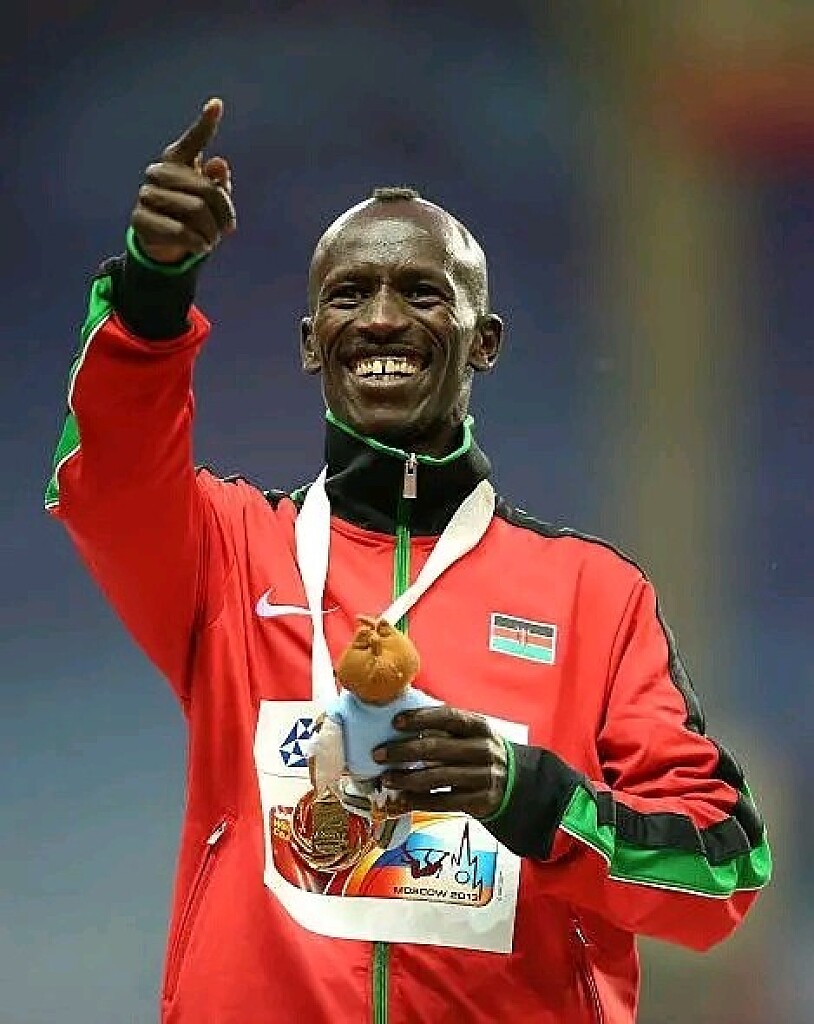
The Champion Who Carried His Culture
Some champions are remembered for what they won.
Others are remembered for how they expressed victory.
Ezekiel Kemboi belongs to the second kind.
From the quiet paths of rural Kenya to the thunder of Olympic stadiums, Kemboi carried more than speed. He carried belief, personality, and an unmistakable rhythm. In a discipline built on pain and precision, he introduced freedom. Where restraint was expected, he delivered expression.

Every barrier on the track became a statement. Fear or confidence. Silence or celebration. Kemboi chose confidence. He ran with joy when the race demanded suffering, and he remained relaxed when pressure tightened around him.
And when the race was won, Kemboi did something the world would never forget.
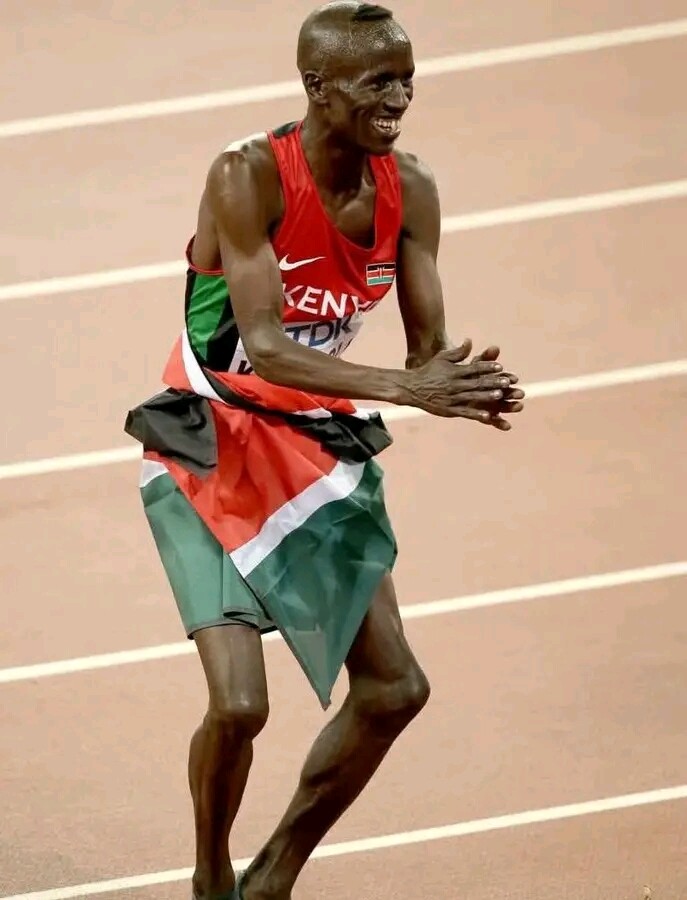
After every major victory, he danced.
Not as an afterthought—but as a signature. His celebrations were playful, deliberate, and deeply personal, blending African rhythm with sporting triumph. They were moments of release after struggle, expressions of gratitude after endurance, and messages to the world that winning did not have to look the same for everyone.
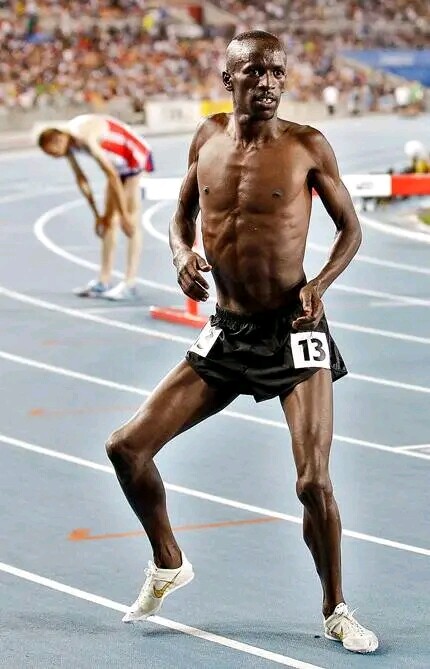
His record speaks for itself: Olympic gold medals, world championship titles, and performances that redefined steeplechase excellence. Yet his most lasting achievement lies beyond results. He expanded the meaning of victory.
Through his movement and his dance, Kemboi taught young athletes that identity is not a weakness. That joy can exist alongside discipline. That greatness does not require silence or conformity. His steps after the finish line became as iconic as his strides before it.
Across Africa and far beyond, his influence continues—on village tracks, school fields, and in the dreams of runners who learned from him without ever meeting him.
The lesson he left behind remains timeless: talent may open the door, but belief carries you through it. Face pressure with confidence. Run your race with purpose. And when your moment arrives—celebrate it fully.
Ezekiel Kemboi did not just win races.
He performed them.
He danced through them.
And in doing so, he changed the rhythm of the sport forever.
(01/22/26) Views: 80Erick Cheruiyot for My Bestruns.
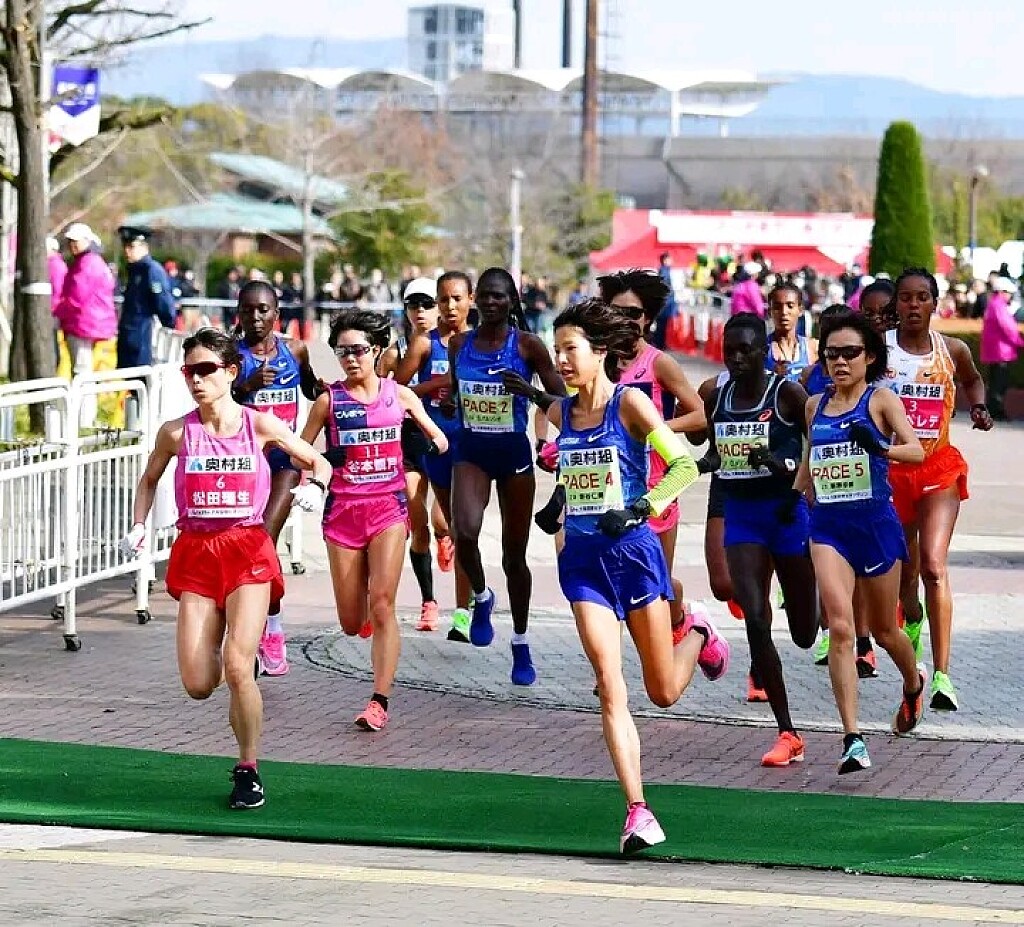
Crowned by the Streets of Osaka: Marathon Queens Clash for 2026 Glory
As dawn breaks over Osaka, the city will transform into a grand stage of endurance, elegance, and elite ambition. On Sunday, January 25, the 2026 Osaka Women’s Marathon returns with a promise that goes beyond distance — a promise of history, pride, and fierce competition among the world’s finest women marathoners.
The clock will strike 12:15 PM local time in Japan, while Africa awakens to the drama at 6:15 AM, and the Pacific coast watches under Saturday night lights. When the starting gun fires, all eyes will be fixed on the flowing rhythm of champions chasing both victory and legacy.
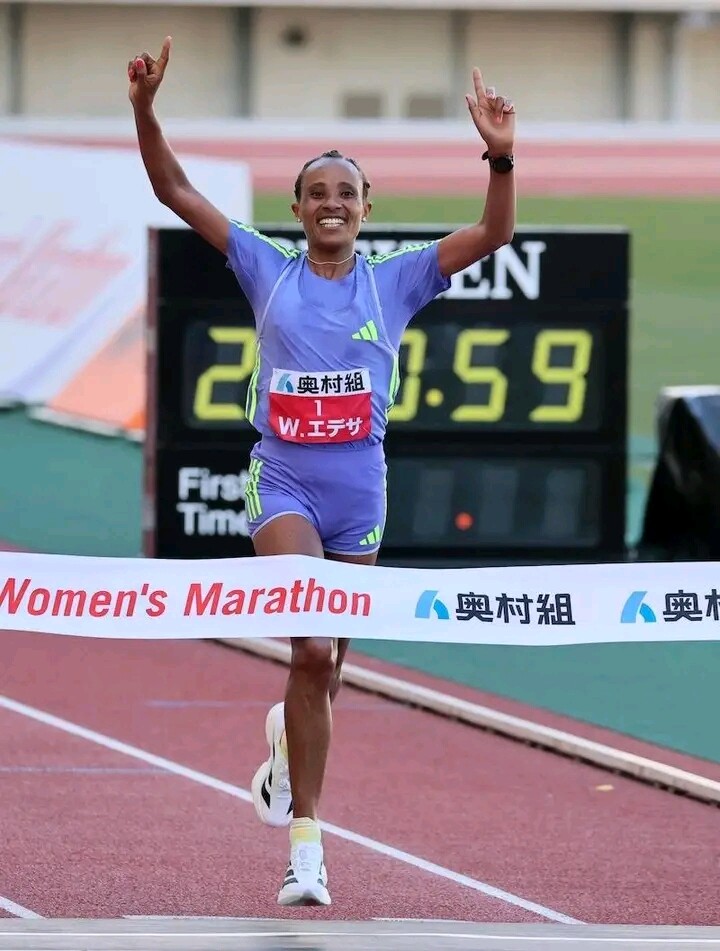
At the heart of this year’s spectacle stands Workenesh Edesa of Ethiopia, a runner already woven into Osaka folklore. Champion in 2024 and 2025, Edesa arrives seeking a rare and remarkable third consecutive title. Calm, composed, and devastatingly efficient, the 33-year-old brings with her a personal best of 2:17:55, set in Hamburg in 2025 — a statement of form that makes her the woman to beat once again.
But history does not go unchallenged.
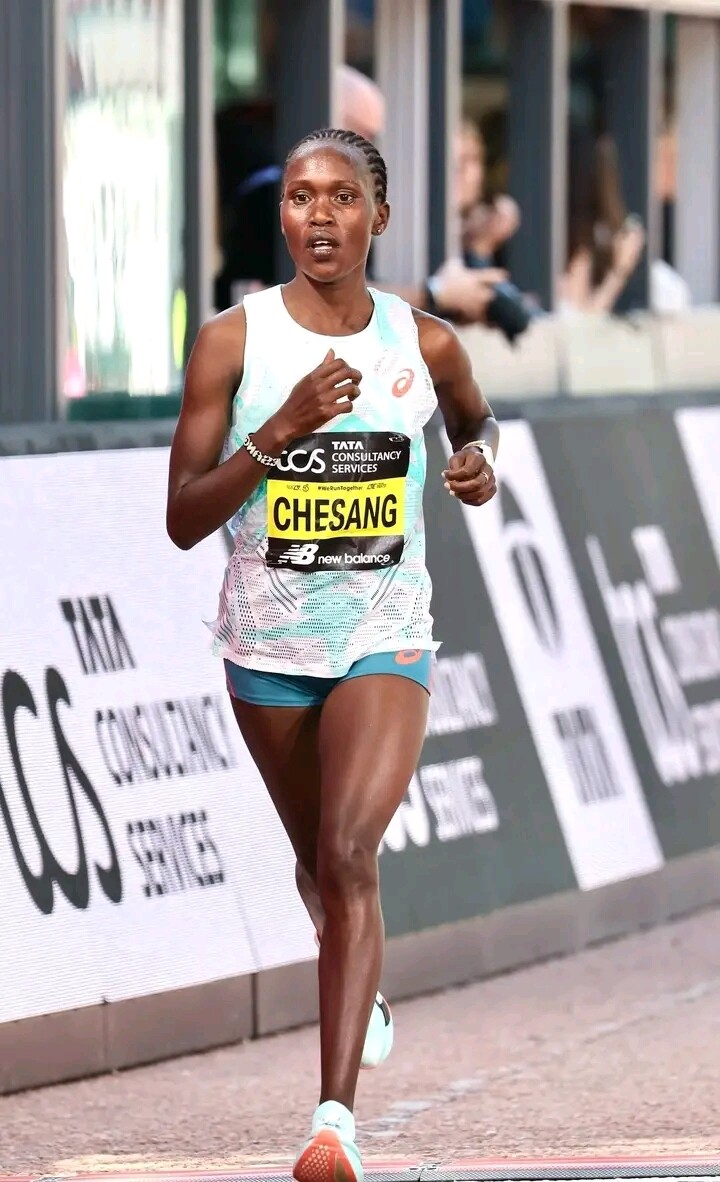
From Uganda, Stella Chesang steps onto the Osaka roads with quiet menace. At 29, she blends patience with explosive strength, owning a 2:18:26 personal best from Valencia. Her presence ensures that any moment of hesitation could be punished, and that the race will demand courage as much as conditioning.
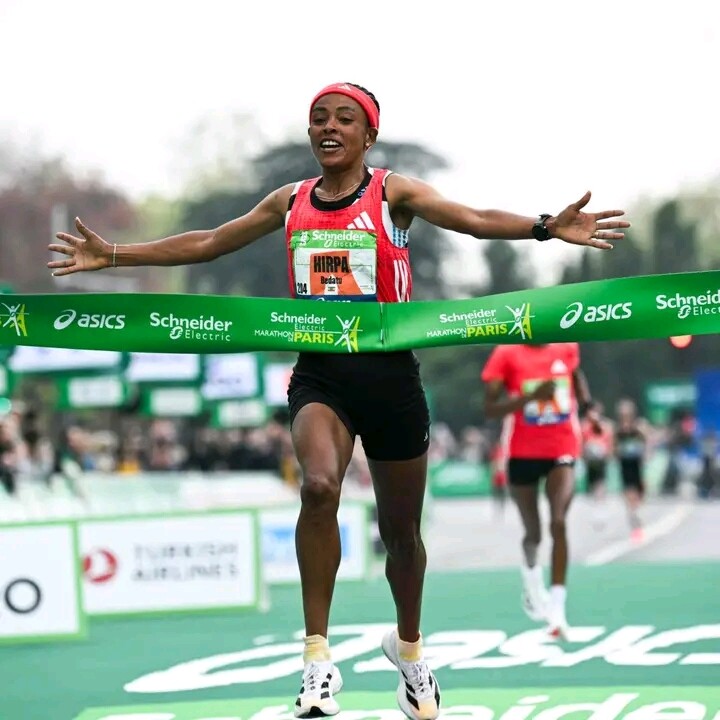
Completing the African trio is Ethiopia’s rising force, Bedatu Hirpa. At just 26, Hirpa represents the new generation — fearless, relentless, and hungry. Her 2:18:27 from Dubai signals readiness to step fully into the spotlight, and Osaka could be the stage where promise turns into authority.
Yet this marathon is not solely an African affair.
Japan answers with depth, discipline, and home-ground resolve. Mizuki Matsuda, racing for Osaka-based Daihatsu, leads the domestic charge. Her 2:20:42 from Berlin places her among Japan’s most reliable contenders, and the roar of local support may fuel something special. Alongside her, Mao Uesugi and Mizuki Nishimura embody consistency and youthful ambition, while veterans like Chiharu Suzuki, Madoka Nakano, and Nanaka Izawa bring experience carved from countless kilometers.
The Japanese lineup is rich in contrast — youth beside wisdom, patience beside boldness — each runner chasing her own definition of success on these familiar streets.
Osaka has always been more than a marathon course. It is a proving ground. A place where champions are tested not only by pace, but by pressure; not only by rivals, but by expectation. Every corner, every crowd, every silent stretch of road asks the same question: Who is ready to rule today?
On Sunday, the answer will be written step by step, breath by breath, across 42.195 unforgiving kilometers.
Three-time glory or a new queen’s coronation — Osaka is ready.
(01/23/26) Views: 46Erick Cheruiyot for My Bestruns.
