

Running News Daily
Top Ten Stories of the Week
1/17/2026
These are the top ten stories based on views over the last week.



Andreas Almgren Smashes European 10K Record With Stunning 26:44 in Valencia
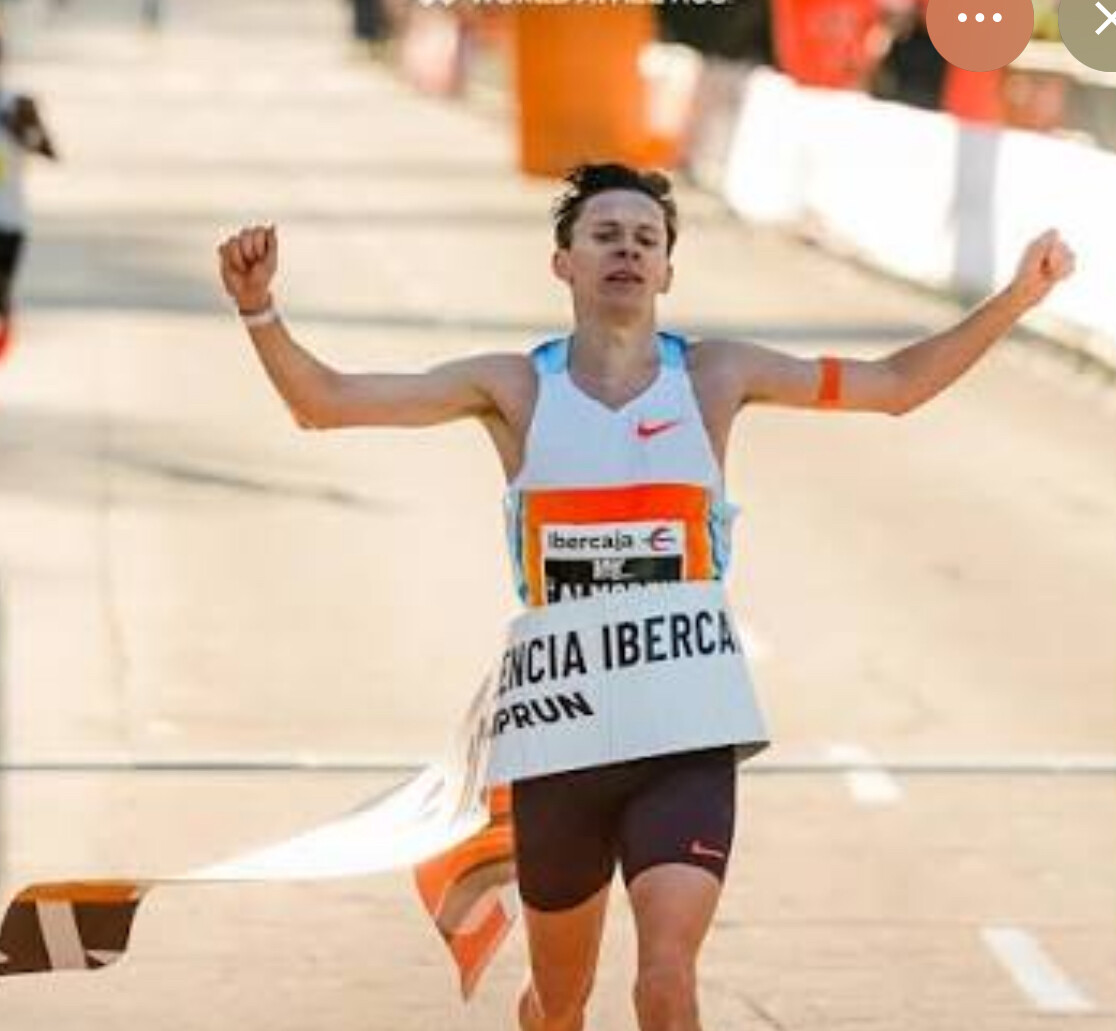
European distance running reached a historic milestone on January 11, 2026, as Andreas Almgren delivered one of the greatest road performances ever recorded on the continent, clocking 26:44 for 10 kilometers at the 10K Valencia Ibercaja in Valencia, Spain.
Run at an astonishing average pace of 2:40 per kilometer, Almgren’s performance set a new European record and placed him firmly among the world’s all-time greats at the distance. When he crossed the finish line, he collapsed to the pavement—an unmistakable image of a runner who had gone all the way to the edge.
A Race Run on the Limit
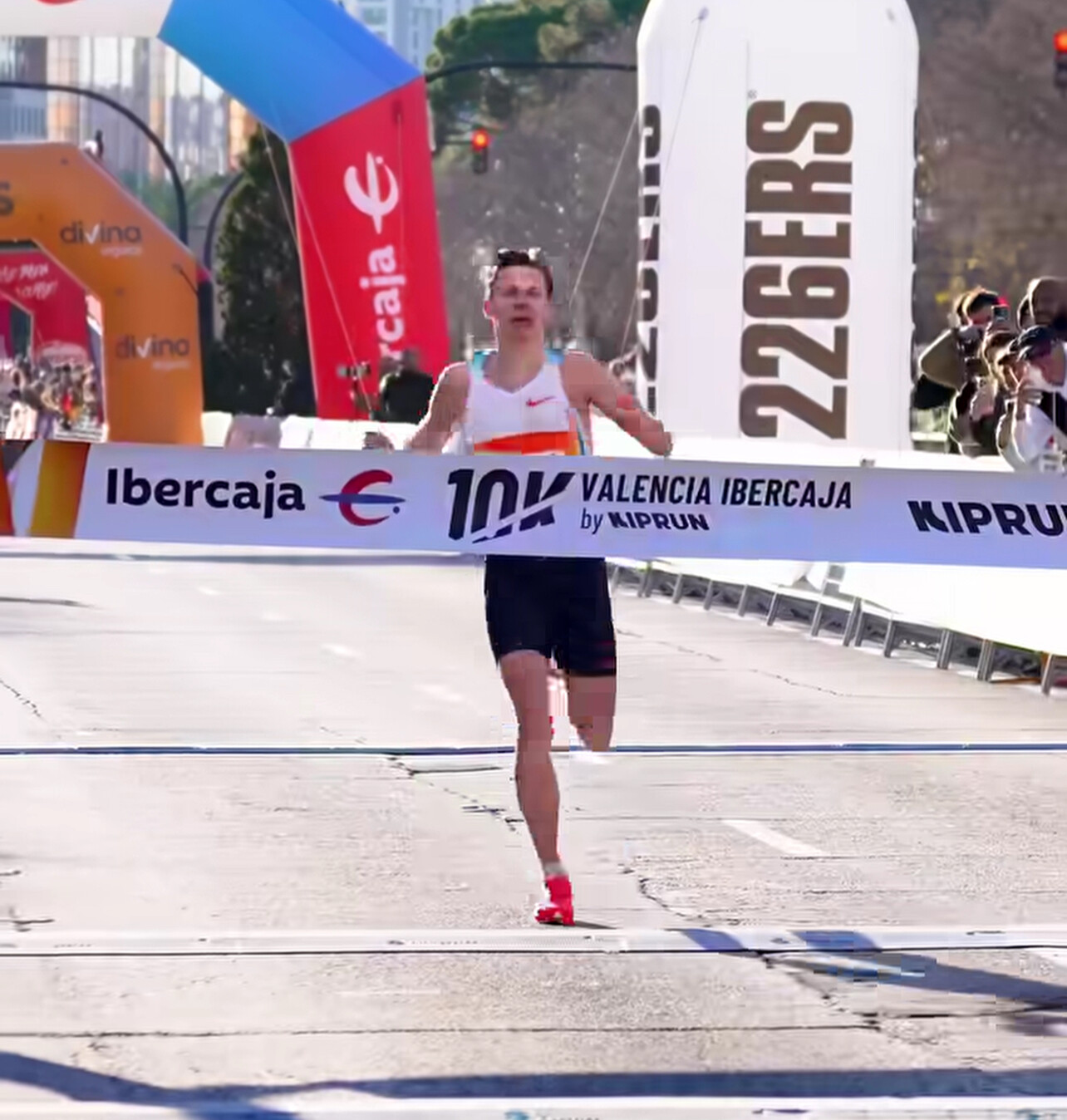
This was not a cautious record attempt. Almgren raced aggressively from the start, locking into a pace few athletes in the world can sustain. His effort was defined by precision and courage:
• First 5K: approximately 13:22
• Second 5K: nearly identical
That kind of balance at such speed is extraordinarily rare, even among global medalists.
Why Valencia Matters
Valencia has become one of the fastest road-running venues in the world, known for ideal winter conditions, smooth courses, and elite competition. Still, even on a fast course, 26:44 is a time that demands perfect execution. Almgren didn’t just take advantage of the setting—he maximized it.
A New Benchmark for Europe
By breaking 27 minutes, Almgren joined one of the most exclusive clubs in distance running. Only a handful of athletes worldwide have ever run that fast over 10 kilometers on the road.
For European distance running, this was more than a record—it was a shift in belief. The gap to East African dominance has been narrowing for years, but performances like this show that Europe is now capable of competing at the very highest level.
Years in the Making
Almgren has long been regarded as one of Europe’s most gifted talents, excelling on both the track and the roads. This performance, however, marks a clear breakthrough—proof that his development has reached full world-class maturity, combining speed, strength, tactical awareness, and mental toughness.
Collapsing after the finish was not a sign of distress. It was confirmation of a race run to perfection—nothing held back.
What This Means Going Forward
Records redefine expectations. Almgren’s 26:44 will change how European runners view the limits of the 10K and will resonate well beyond the continent as the sport looks toward upcoming World Championships and Olympic cycles.
This was not just a fast race.
It was a statement.
Final Word
On a January morning in Valencia, Andreas Almgren didn’t just run the fastest 10K ever by a European—he redefined what European distance running can be.
Runs like this don’t happen often. When they do, the sport moves forward.
(01/11/26) Views: 830Boris Barron

Eilish McColgan Reclaims European 10K Record in Valencia
VALENCIA, SPAIN — January 12, 2025 — Eilish McColgan once again asserted her place at the top of European road running, reclaiming the European 10K record with a superb 30:08 performance at the 10K Valencia Ibercaja.
Raced on the fast, flat streets of Valencia, the event has become the global benchmark for elite 10K racing. McColgan’s performance was a reminder that when conditions, competition, and preparation align, records are there to be challenged—and reclaimed.

McColgan’s 30:08 shaved two seconds off the previous European record, which had been set just one week earlier by Belgium’s Jana Van Lent. The quick succession of record-breaking performances highlights how rapidly standards are rising in women’s road racing, particularly at the 10K distance.
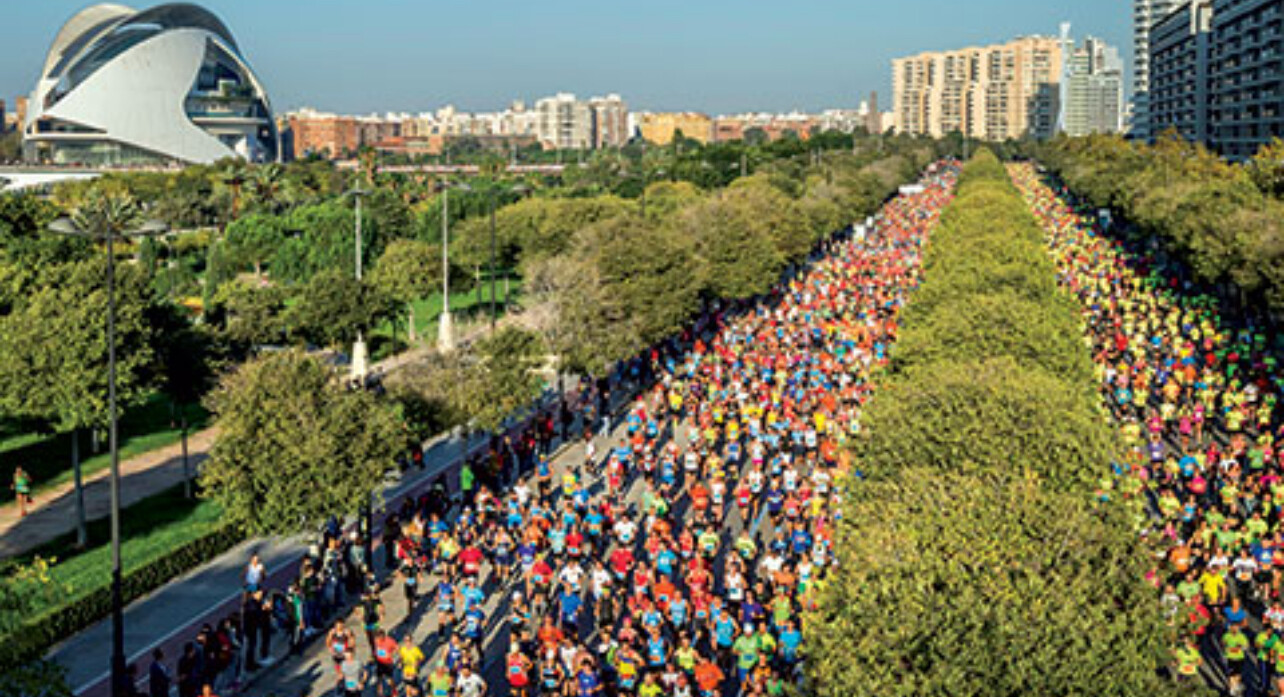
This was not unfamiliar territory for McColgan. She previously held the European 10K record, and Valencia offered the ideal setting to take it back. The course, known for its wide roads, gentle turns, and near-perfect winter conditions, has repeatedly proven itself as the place where limits are tested and redefined.
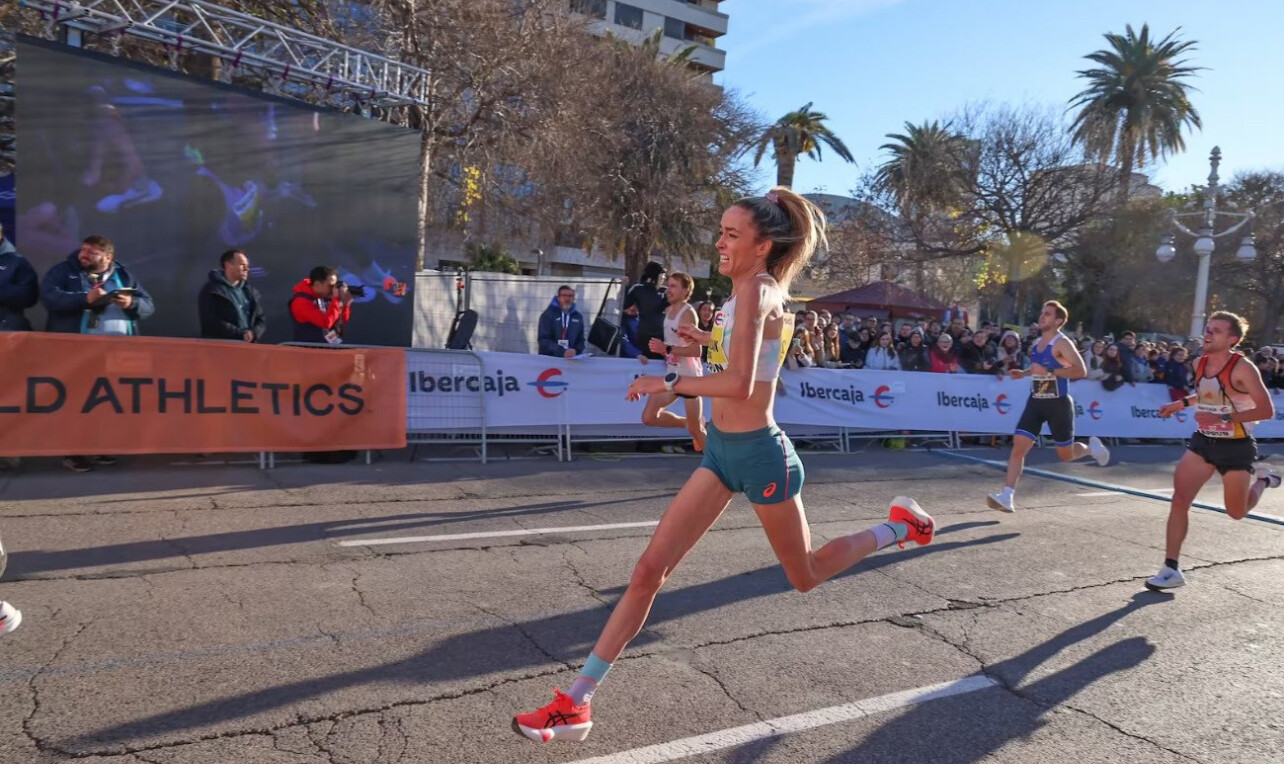
From the opening kilometers, McColgan ran with calm authority. She settled quickly into her target rhythm, maintained control through the middle stages, and continued to press without hesitation. There was no dramatic late surge—just sustained, efficient speed from start to finish. It was a performance built on precision and confidence.
Her time places her firmly among the fastest women ever over 10 kilometers on the road and reinforces her reputation as one of Europe’s premier distance runners. More importantly, it reflects a broader shift in women’s road racing, where records are no longer distant milestones but moving targets.
Valencia’s role in that shift continues to grow. The race now attracts extraordinary depth, not just at the front but throughout the field, creating an environment where athletes are pushed to run at their absolute limits. A strong performance here carries global significance.
For McColgan, this run adds another defining chapter to an already distinguished career. For European distance running, it signals a new era—one where excellence must be defended constantly, and where even continental records can be rewritten in a matter of days.
If Valencia has taught us anything, it is this: when runners want an honest test of where they stand, this is where they come.
Race details:
• Race: 10K Valencia Ibercaja
• Date: January 12, 2025
• Location: Valencia, Spain
• Result: Eilish McColgan — 30:08 (European Record)
(01/12/26) Views: 224Boris Baron
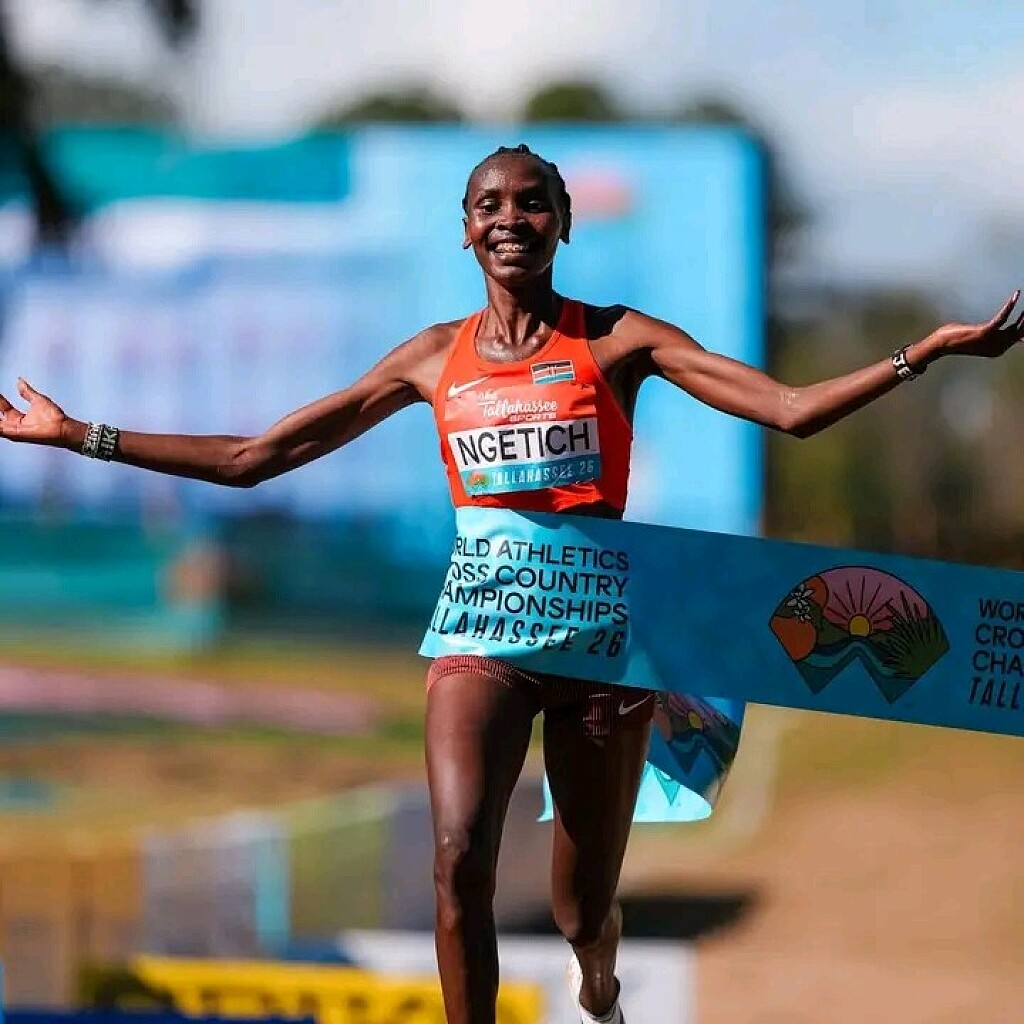
Agnes Jebet Ngetich Rewrites World Cross Country History with a Commanding 10km Masterclass
Agnes Jebet Ngetich did not just win the women’s senior race at the World Cross Country Championships — she redefined dominance.
On a demanding 10km course, the Kenyan star delivered one of the most emphatic performances ever witnessed in championship history, storming to gold in a breathtaking 31:28. From the opening kilometers, Ngetich ran with supreme confidence and authority, stretching the field relentlessly until the contest became a solo exhibition of speed, strength, and tactical brilliance.
By the time she crossed the finish line, the damage was done. Ngetich claimed victory by an astonishing 42 seconds, the second-largest winning margin ever recorded in the history of the World Cross Country Championships. It was not merely a win — it was a statement.
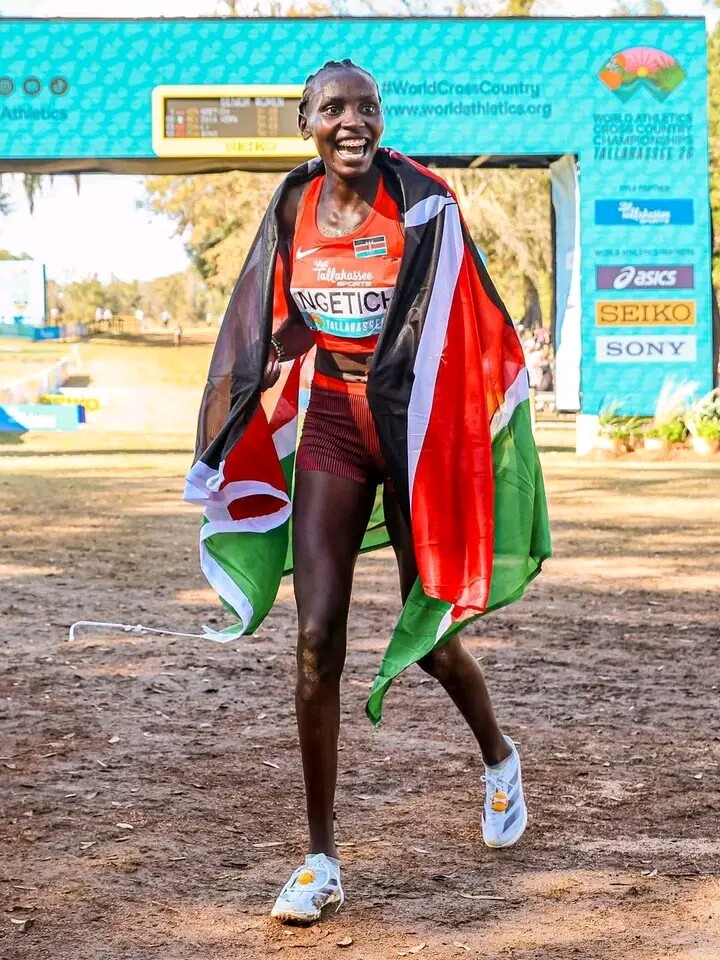
Behind her, Uganda’s Joy Cheptoyek fought valiantly to secure silver in 32:10, while Ethiopia’s Senayet Getachew completed the podium in 32:13, as Africa once again asserted its unrivaled supremacy in distance running.
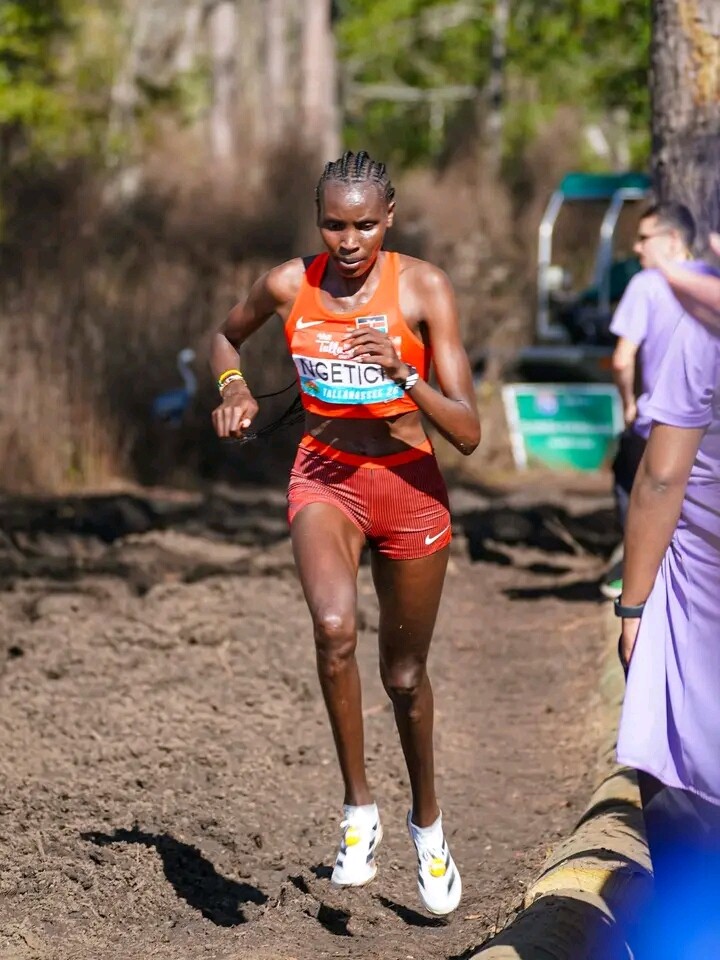
Women’s Senior 10km Medalists
Gold: Agnes Jebet Ngetich (Kenya) — 31:28
Silver: Joy Cheptoyek (Uganda) — 32:10
Bronze: Senayet Getachew (Ethiopia) — 32:13
The top-20 results showcased the depth and global reach of women’s distance running, with strong performances from Ethiopia, Uganda, Kenya, the United States, Australia, and Europe. Yet at the center of it all stood Ngetich — untouchable, unshaken, and in complete control.
This triumph further cements Agnes Jebet Ngetich’s status as one of the most formidable athletes of her generation. Known for her road racing excellence, she seamlessly transferred that brilliance to the cross-country stage, proving she is not only a queen of the roads but now a world champion on the grass and mud.
Her victory is a powerful celebration of women’s endurance, courage, and competitive fire — and another proud chapter in Kenya’s storied distance-running legacy.
As the dust settled and the cheers echoed, one truth remained unmistakable:
Agnes Jebet Ngetich did not chase history — she ran straight through it.
(01/10/26) Views: 206Erick Cheruiyot for My Bestruns.
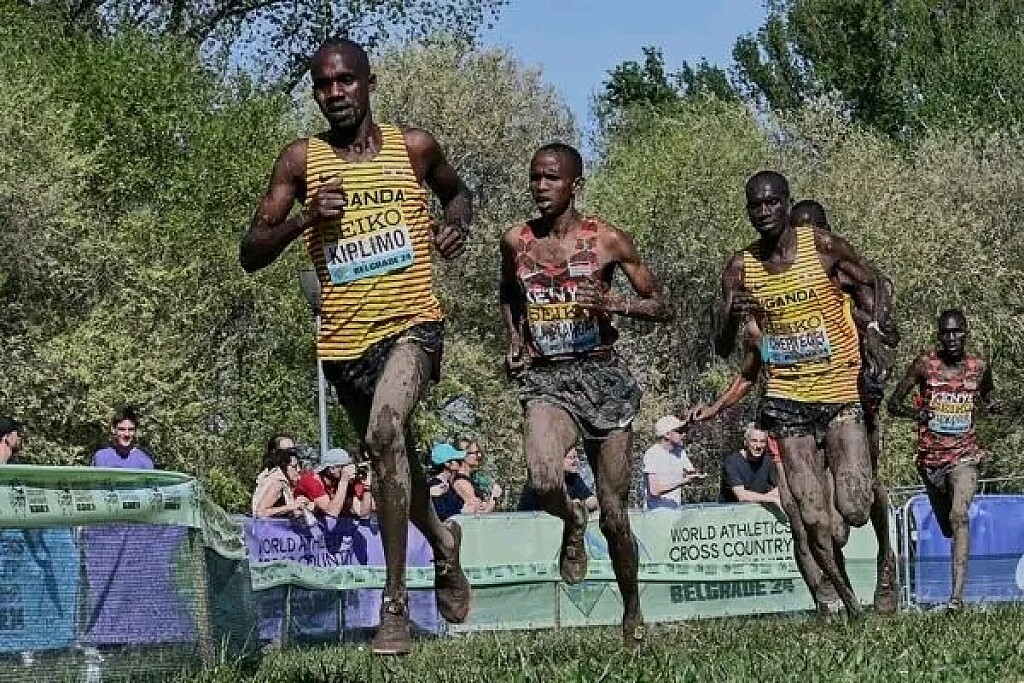
The Hardest Gold in Athletics: Men’s 10km World Cross Country Championship Preview
The world’s toughest distance runners are converging on Tallahassee, Florida, where the men’s senior 10km race at the 2026 World Cross Country Championships will crown the next ruler of the sport’s most unforgiving discipline. On Saturday morning, January 10, cross country running returns to its rawest form — a test where tactics, terrain, weather, and sheer willpower matter far more than personal bests or stadium glory.
All eyes will be on Uganda’s Jacob Kiplimo, the defending champion, who arrives carrying both confidence and expectation. Calm under pressure and devastating when the pace surges, Kiplimo understands that defending a cross country title is often harder than winning it. Every rival knows his strengths, every move will be marked, and any moment of hesitation could cost him the crown.
Ethiopia’s Berihu Aregawi comes to Tallahassee with unfinished business and revenge on his mind. One of the most consistent long-distance performers of his generation, Aregawi has conquered the track but still seeks ultimate validation on the grass and dirt. If the race stays controlled, his finishing speed could become lethal; if it turns brutal, his patience and efficiency may carry him through.
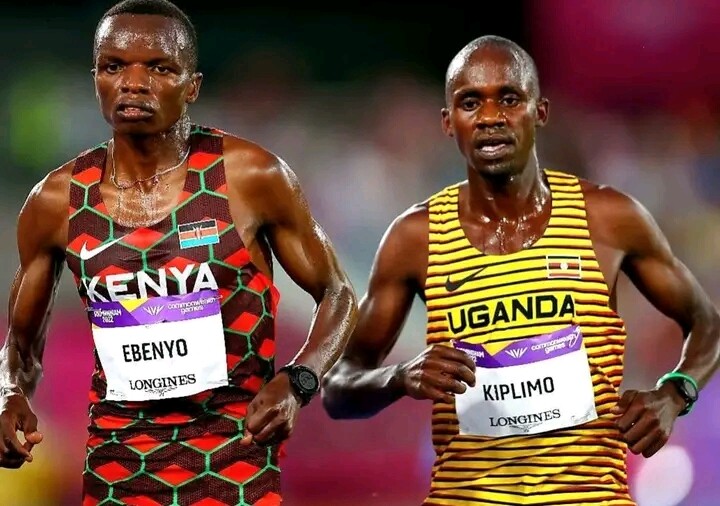
Kenya counters with depth, aggression, and hunger, led by the fearless Daniel Simiu Ebenyo. A natural racer who thrives in chaos, Ebenyo is at his best when the pace is relentless and the course unforgiving. With a powerful supporting cast behind him, Kenya’s strategy may be simple — make the race hard from the gun and dare everyone else to survive.
Europe arrives determined to break East Africa’s dominance. France’s Jimmy Gressier, the reigning 10,000m world champion, brings championship confidence and sharp race instincts, while Spain’s European cross country champion Thierry Ndikumwenayo is built for grinding, tactical battles where strength outweighs speed. If the race becomes a war of attrition, Europe’s challenge could grow stronger with every kilometer.
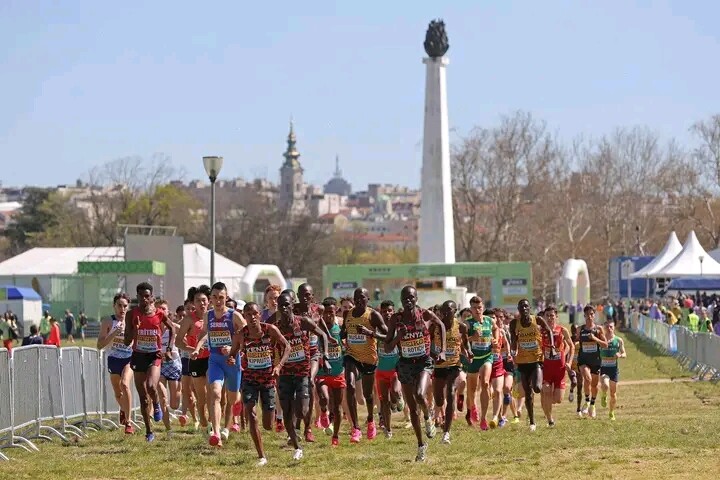
Danger also lurks beyond the favorites. Ethiopia’s rising force Biniam Mehary has the ability to follow any surge and strike late, while Tanzania’s Gabriel Gerald Geay, the reigning world marathon champion, brings enormous endurance and leadership to a discipline that often rewards resilience over reputation. Add in a deep and global field from the United States, Japan, Canada, Australia, and beyond, and Tallahassee promises one of the most competitive men’s races in championship history.
When the gun goes, there will be no hiding. Mud, hills, surges, and tactical games will strip the field down to its strongest contenders. By the final kilometer, medals will no longer be decided by rankings or predictions, but by heart, courage, and the willingness to suffer when the body pleads to stop.
Cross country crowns no easy champions. In Tallahassee, only one man will rise above the chaos to claim global glory — and when he does, he will have earned it the hardest way possible.
(01/09/26) Views: 198Erick Cheruiyot for My Bestruns.

A Golden Wave from the Hills: Kenya’s Young Lions Sweep the U20 Men’s 8KM Cross Country
Kenya’s love affair with cross country running gained a beautiful new chapter as the nation’s young stars delivered a performance that was as elegant as it was overwhelming. In the U20 Men’s 8-kilometer race, Kenya did not just win — it owned the course, sweeping gold, silver, and bronze in a breathtaking display of talent, unity, and promise.
Gliding over the grass with calm confidence, Frankline Kibet emerged as the heartbeat of the race. Patient in the early kilometers and fearless when it mattered most, Kibet surged away in the closing stretch to claim gold in 23:18. His finish was not rushed, but assured — the kind of victory that announces a champion in the making.
Close behind him, Emmanuel Kiprono turned the race into a thrilling duel, stopping the clock at 23:20. He chased every stride with determination, refusing to let go until the final meters. His silver medal effort was a powerful reminder that within Team Kenya, competition is fierce and excellence is shared.
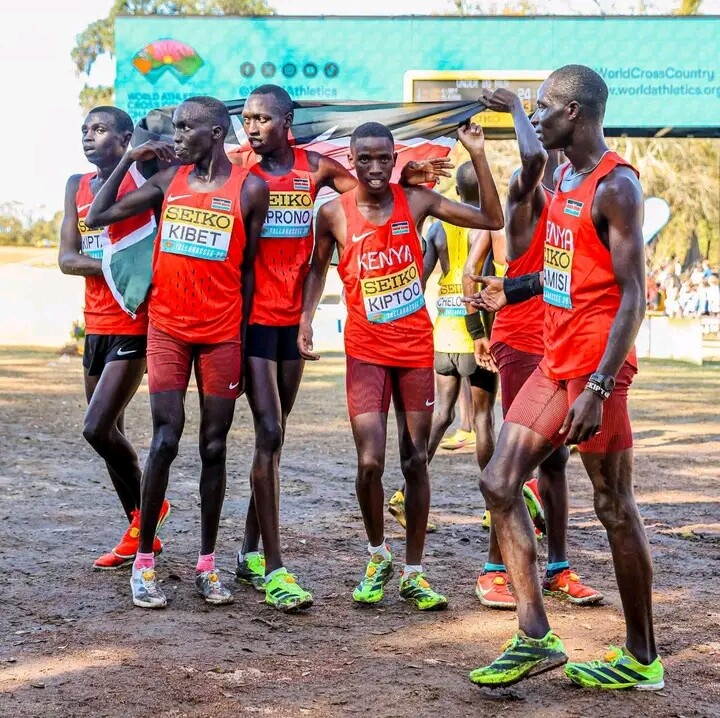
Then came Andrew Kiptoo Alamisi, whose brave and beautifully controlled run secured bronze in 23:28. As he crossed the line, history followed — Kenya had completed a flawless podium sweep, the national colors shining proudly at the front of the world.
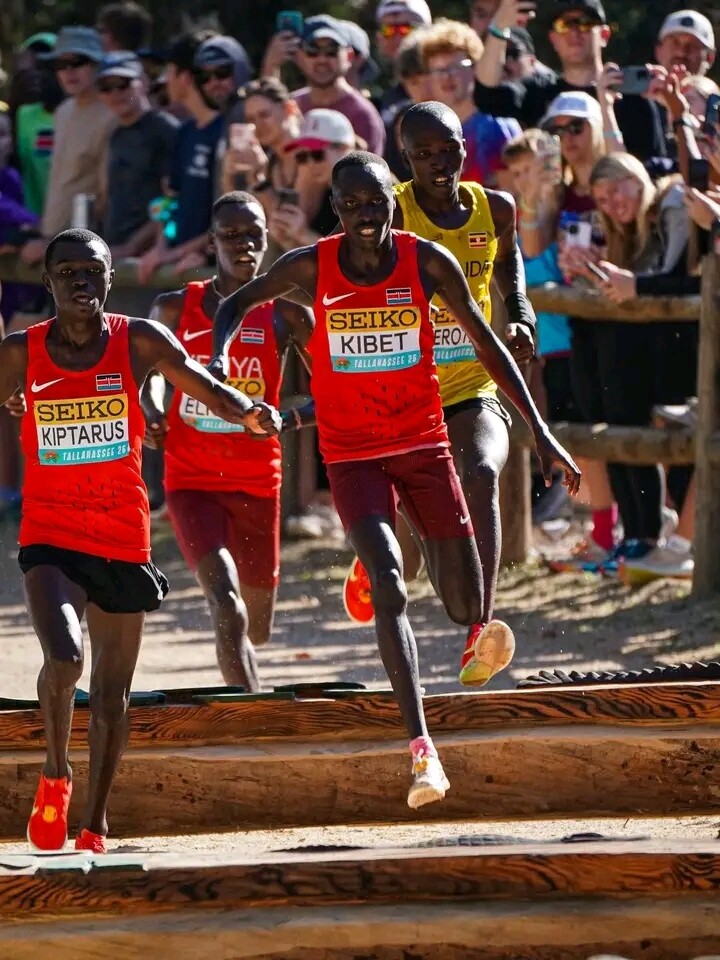
Yet the magic did not stop there. One after another, Kenyan athletes poured across the finish line, filling all ten top positions. It was depth without doubt, dominance without noise. Every stride echoed years of tradition, discipline, and the quiet dreams born on dusty village paths and rolling highland trails
1 .Frankline KIBET (Kenya) — 23:18
2. Emmanuel KIPRONO (Kenya) — 23:20
3.Andrew Kiptoo ALAMISI (Kenya) — 23:28
4. Andrew KIPTOO (Kenya) — 23:42
5. Abraham CHEROTICH (Kenya) — 23:47
6. Brian KIPTARUS (Kenya) — 23:49
7. Daniel Kiprotich CHELOGOI (Kenya) — 23:51
8. Edwin ELKANA (Kenya) — 24:00
9. Solomon ANDIEMA (Kenya) — 24:01
10. Dan KIPYEKO (Kenya) — 24:02
This was more than a race result; it was a promise. A promise that the future of Kenyan distance running is safe, strong, and already sprinting toward greatness. On the grass, under open skies, the young lions roared — and the world listened.
From the first step to the final kick, Kenya ran with grace, power, and heart. And once again, the road ahead looks golden.
(01/10/26) Views: 193Erick Cheruiyot for My Bestruns.

Habtom Samuel Commands Houston: Historic Half Marathon Debut with Course Record
On a cool Sunday morning, the streets of Houston became the stage for a remarkable debut and two fiercely contested elite races at the Aramco Houston Half Marathon. Eritrean distance runner Habtom Samuel, representing the University of New Mexico, delivered one of the most memorable performances in the event’s history, winning his first-ever half marathon in 59:01 and breaking the course record.
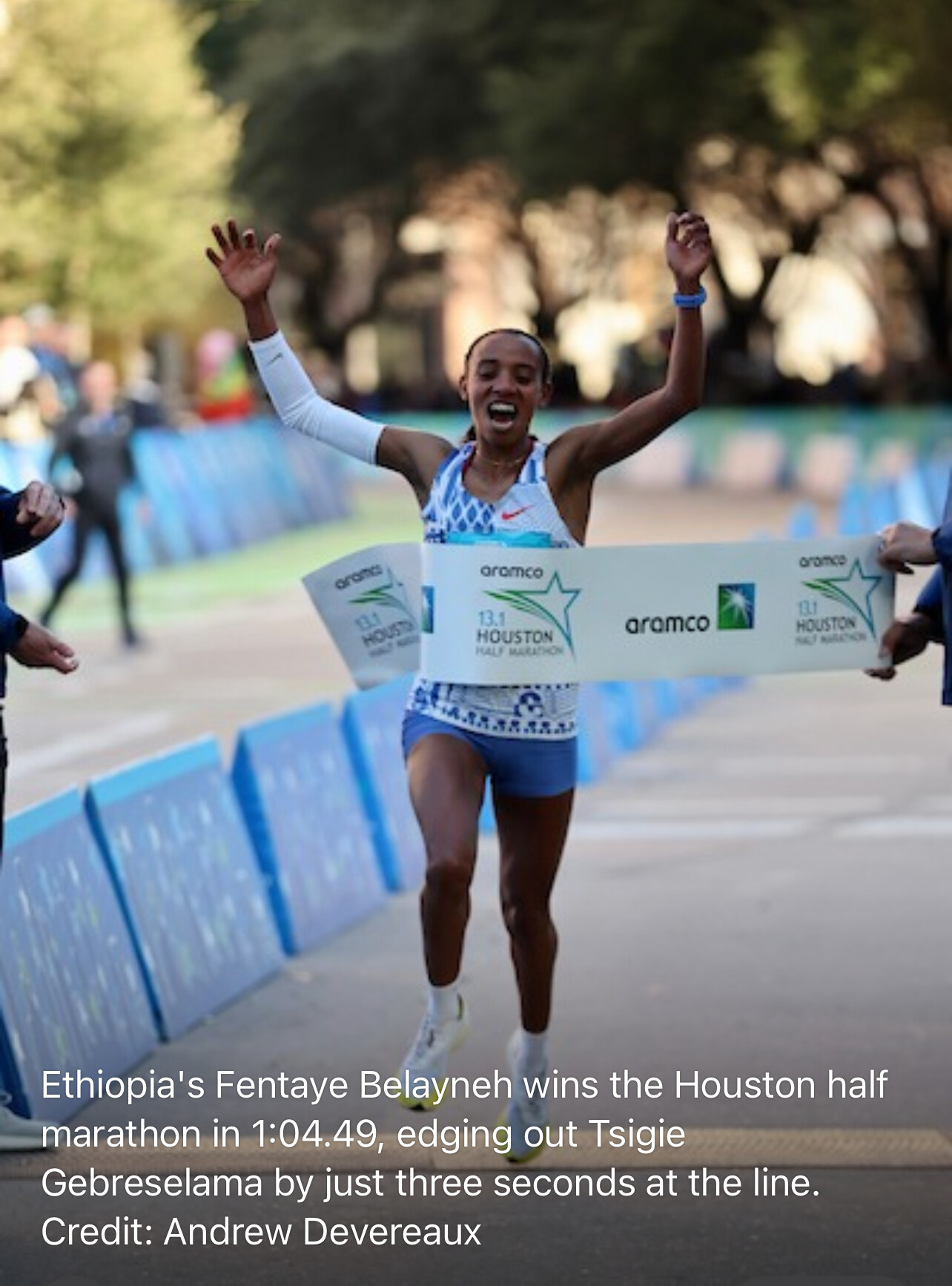
Minutes earlier, the women’s elite race produced its own drama, as Ethiopia’s Fentaye Belaynehoutkicked compatriot Tsigie Gebreselama in the final metres to claim victory in 1:04:49, capping a tactical and tightly controlled contest.
A Breakthrough Debut on the Roads
Samuel arrived in Houston quietly confident, but fully aware of the depth of the field. Known primarily for his NCAA cross-country titles and success on the track—particularly at 10,000 meters—he had spoken before the race about wanting to “test myself on the roads and see how I stack up against top professional athletes outside of track and cross country.”
That mindset guided his approach from the gun.
The men’s race unfolded at a measured tempo, with the lead pack carefully monitoring one another through the early miles. Kenya’s Patrick Kiprop briefly asserted control, opening a small gap and forcing the contenders to respond. Samuel remained composed, running efficiently just off the lead, conserving energy and reading the race with veteran patience.
Observers noted the maturity of Samuel’s tactics—an athlete clearly prepared not just physically, but mentally. His decision to race Houston, which he had described simply as “trying something different,” revealed itself as a calculated experiment executed to perfection.
Tactical Racing in the Women’s Field
In the women’s race, a similar theme of intelligent pacing played out. From early on, runners such as Taylor Roe and Buze Diriba Kejela pressed the pace, but it was Belayneh and Gebreselama who separated decisively by the halfway mark.
The Ethiopian duo worked together through much of the second half, steadily distancing themselves from the chase pack. Americans in the field pushed hard, but the early separation proved decisive, setting the stage for a head-to-head sprint finish.
Decisive Moves and a Record Falls
As the men’s race passed the 10-mile mark, the lead group began to fracture. Samuel moved with precision, smoothly closing on Kiprop before launching his decisive surge in the final mile. Once he moved to the front, the gap opened immediately—and decisively.
His final kilometers were controlled, powerful, and confident, culminating in a 59:01 finish that rewrote the course record on one of America’s fastest half-marathon routes.
Though post-race interviews were not yet available at the time of writing, Samuel’s body language and execution spoke volumes. The performance suggested not just success, but the arrival of a serious new force in elite road racing.
Belayneh’s finish was equally compelling. Timing her move perfectly, she edged Gebreselama in the closing strides, securing victory in 1:04:49 in one of the strongest women’s fields assembled this season.
Setting the Bar in Houston
Samuel’s course-record performance was remarkable not only because it came in his debut, but because it was achieved against a deep international field packed with experienced professionals.
Belayneh’s victory further reinforced Ethiopia’s depth in women’s distance running, while American Taylor Roe emerged as the top U.S. finisher in 1:06:20, continuing her steady rise on the road circuit.
A Launchpad for What’s Next
The significance of Houston extends well beyond one morning’s results. For Samuel, the transition from collegiate standout to elite road racer could not have been more emphatic. His debut suggests a future filled with major opportunities over longer distances.
For Belayneh, the win reaffirmed her tactical sharpness and finishing speed in a discipline that continues to deliver thrilling, high-level competition.
Houston once again proved why it remains one of the premier proving grounds in road racing—and why performances here often signal what’s coming next.
Top 10 Results — Aramco Houston Half Marathon 2026
Men’s Half Marathon
1. Habtom Samuel (ERI / University of New Mexico) — 59:01
2. Patrick Kiprop (KEN) — 59:14
3. Mohammed El Youssfi (MAR) — 59:21
4. Alex Maier (USA) — 59:23
5. Casey Clinger (USA) — 59:34
6. Ryan Ford (CAN) — 59:48
7. Rory Linkletter (CAN) — 59:49
8. Isai Rodriguez (USA) — 59:57
9. Hillary Bor (USA) — 1:00:04
10. Vincent Ngetich (KEN) — 1:00:29
Women’s Half Marathon
1. Fentaye Belayneh (ETH) — 1:04:49
2. Tsigie Gebreselama (ETH) — ~1:04:52
3. Buze Diriba Kejela (ETH) — approx.
4. Taylor Roe (USA) — 1:06:20
5. Natosha Rogers (USA) — 1:07:30
6. Makenna Myler (USA) — 1:07:37
7. Amanda Vestri (USA) — 1:07:43
8. Erika Kemp (USA) — 1:08:42
9. Susanna Sullivan (USA) — 1:08:44
10. Dakotah Popehn (USA) — ~1:08:54
(01/11/26) Views: 193Robert Kibet for My Best Runs
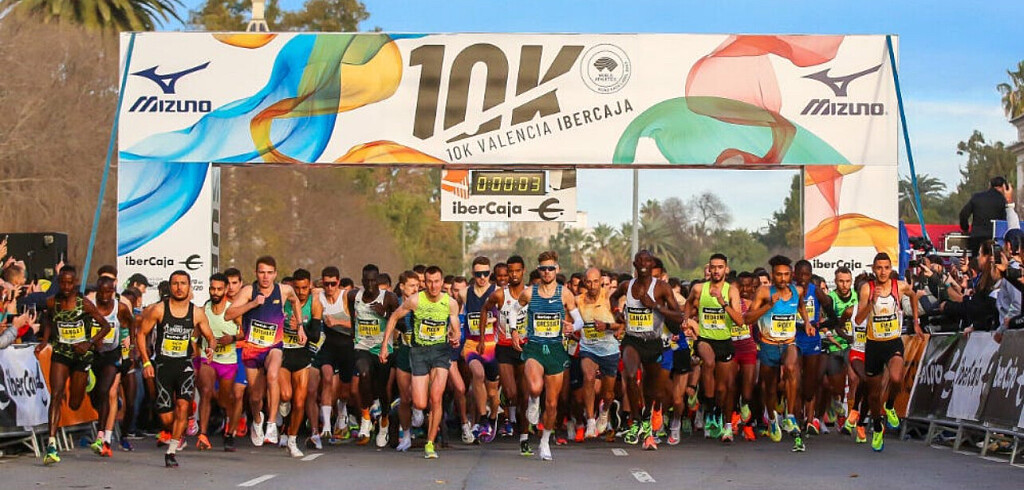
Imagine Running 32:59 for 10K — and Finishing 769th - The Staggering Depth of the Valencia 10K
At most road races around the world, a 32:59 10K is not just respectable — it’s exceptional. It can win age groups, place high overall, and in some races, even contend for the podium.
At the Valencia 10K, it barely cracks the top 800.
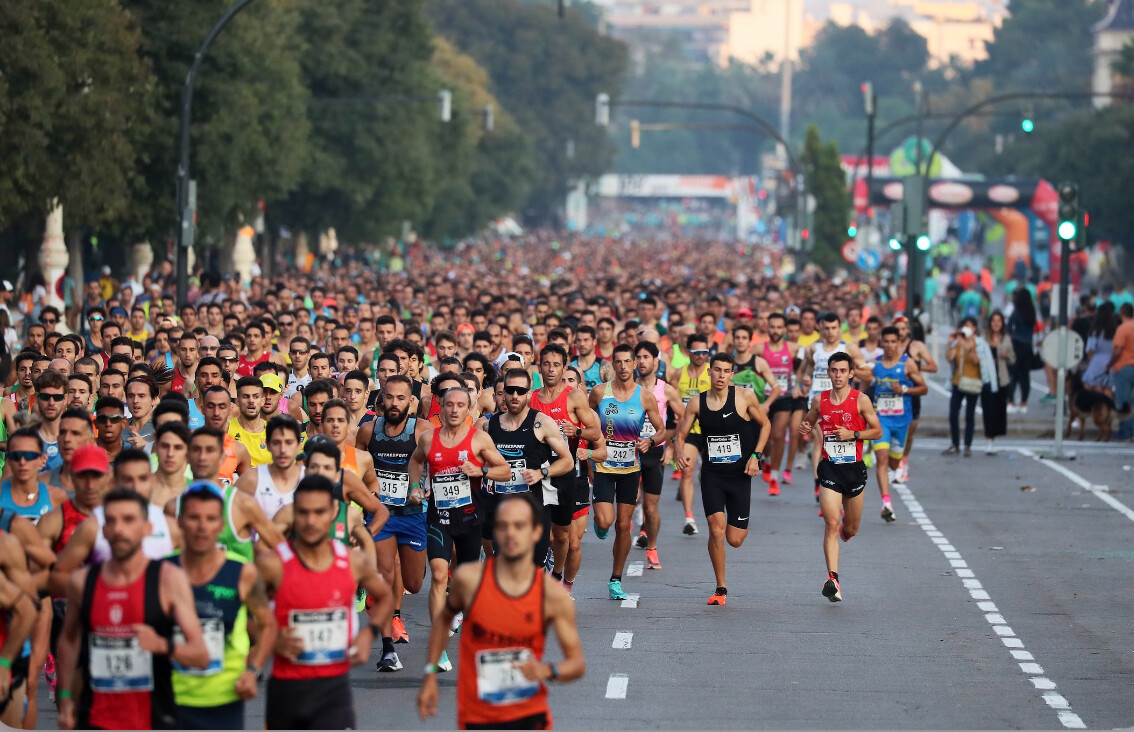
That single fact tells you everything you need to know about just how deep — and how relentless — this race has become. A Race Where Personal Bests Disappear Into the Crowd
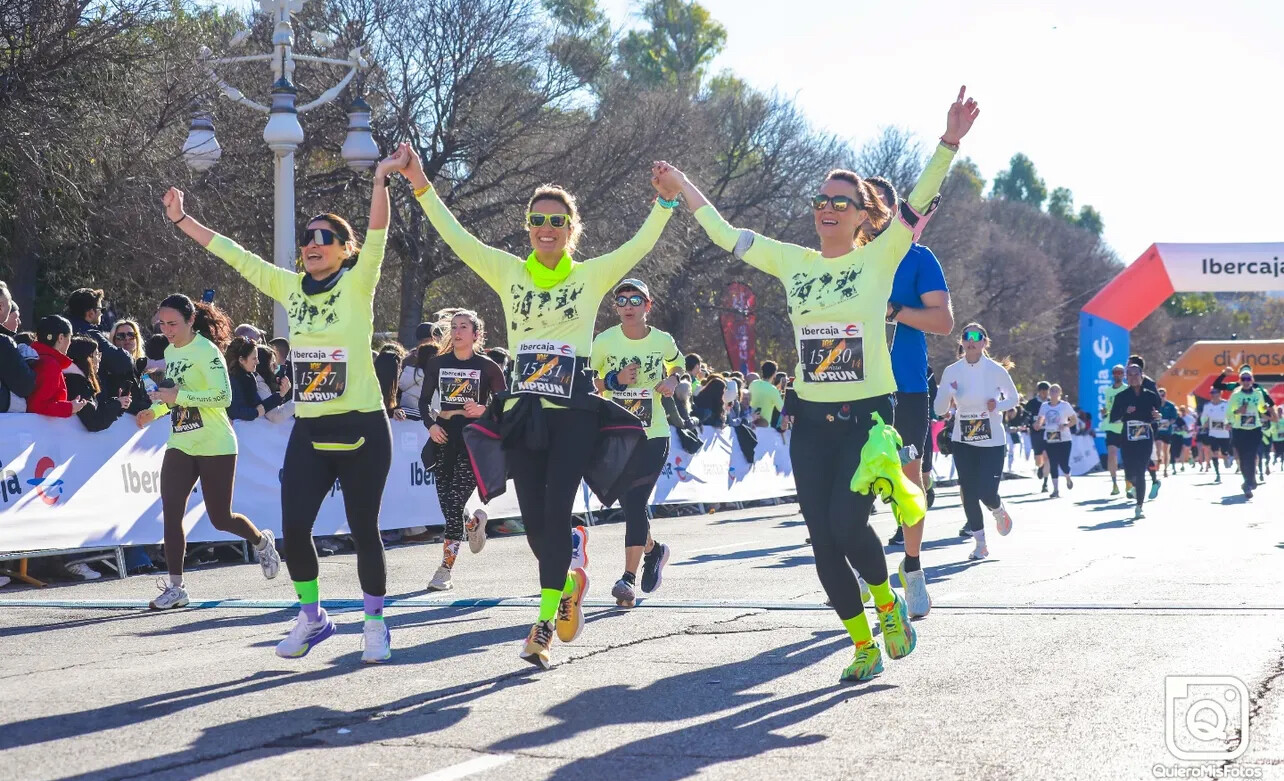
The Valencia 10K has quietly turned into the most competitive 10K road race on the planet, not just at the front, but throughout the entire field.
On this particular morning, a runner clocked a personal best of 32:59 — and crossed the line in 769th place.
Not because the run was poor.
But because the field was extraordinary.
The Numbers That Redefine “Fast”
Here’s a snapshot of the depth of the field from this edition of the Valencia 10K:
• Under 28 minutes: 35 runners
• Under 29 minutes: 97 runners
• Under 30 minutes: 219 runners (4 women)
• Under 31 minutes: 379 runners (12 women)
• Under 32 minutes: 567 runners (30 women)
• Under 33 minutes: 770 runners (55 women)
• Under 34 minutes: 976 runners (83 women)
• Under 35 minutes: 1,183 runners (114 women)
• Under 38 minutes: 1,872 runners (202 women)
• Under 40 minutes: 2,513 runners (277 women)
• Under 45 minutes: 4,163 runners (534 women)
• Under 50 minutes: 6,325 runners (1,044 women)
Let that sink in.
At many races, under 35 minutes might place you in the top 10 percent.
In Valencia, it doesn’t even get you near the front page of the results.
Why Valencia Is Different
This isn’t an accident. Valencia has deliberately built itself into the global capital of fast road racing.
Several factors converge:
1. A Course Built for Speed
• Pancake-flat
• Wide roads
• Gentle turns
• Perfectly measured
2. Ideal Racing Conditions
• Cool winter temperatures
• Low humidity
• Minimal wind
3. Elite Pacing at Every Level
This is the key difference.
Valencia isn’t just fast at the front — it’s fast all the way through the field. Pacing groups are precise. Runners arrive knowing exactly what they want to run, and they are surrounded by dozens — sometimes hundreds — of athletes capable of holding the same pace.
A New Definition of “Competitive”
What Valencia has done is quietly change how we think about competition.
Here, runners are not racing against one another as much as they are racing within a moving, perfectly calibrated machine. The result is an environment where personal bests are expected — but recognition is earned only at truly elite levels.
A sub-33-minute 10K, which once signaled elite amateur status, now places you mid-pack among world-class depth.
Why Runners Keep Coming Back
Despite the brutal reality of the results sheet, runners from around the world continue to flock to Valencia for one reason:
It delivers honesty.
You leave knowing exactly where you stand — not relative to a soft field, but relative to the deepest concentration of fast road runners anywhere.
For serious athletes, that clarity is addictive.
The Takeaway
A 32:59 personal best should feel like a triumph.
And it is.
But at the Valencia 10K, it also serves as a reminder: the global standard of distance running is rising fast — and nowhere is that more visible than on the streets of Valencia.
This isn’t just a race.
It’s a measuring stick for the modern era of road running.
(01/12/26) Views: 193Boris Baron
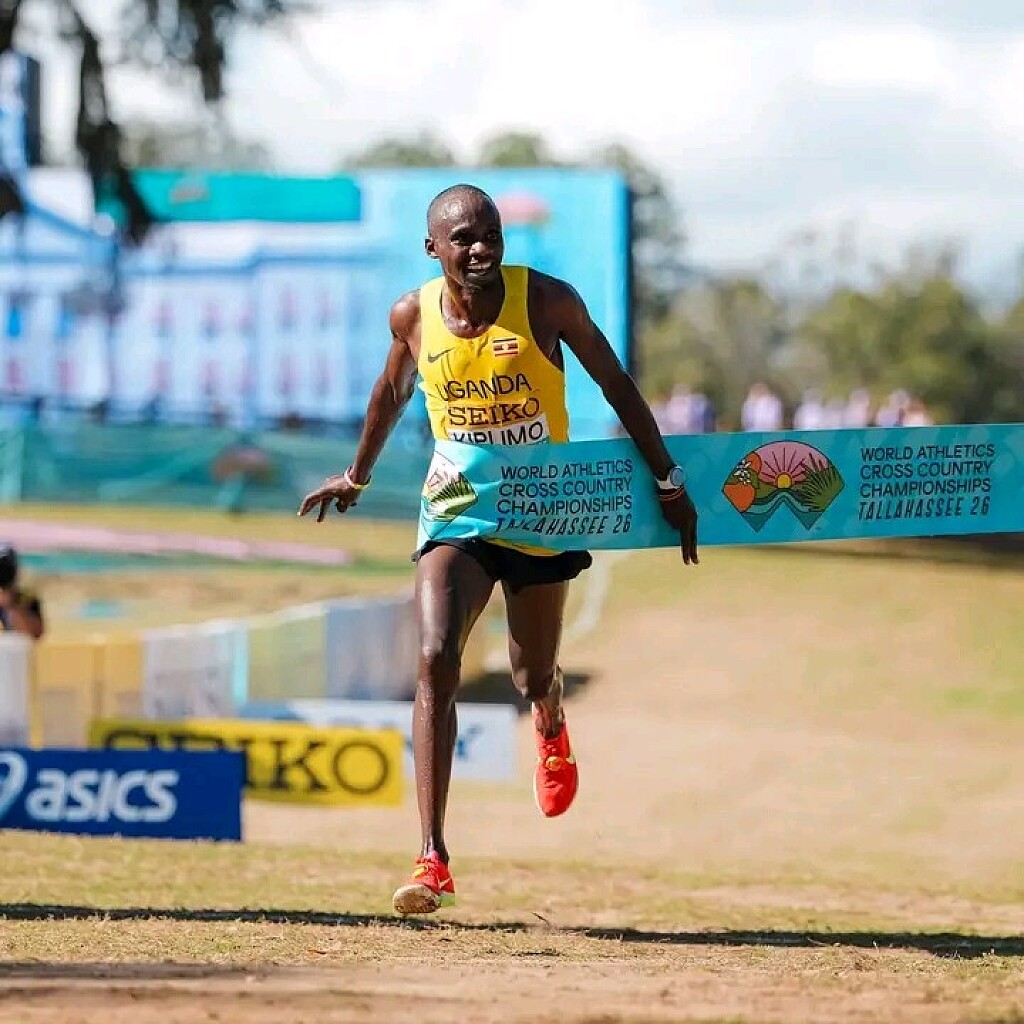
Jacob Kiplimo Reigns Supreme as the Undisputed King of Cross Country
The men’s senior 10km final delivered exactly what fans around the world hoped for—intensity, courage, and a breathtaking display of class from one extraordinary athlete. On a demanding course and under relentless pressure, Uganda’s Jacob Kiplimo once again reminded the world why his name is etched among the greats of cross country running.
For much of the race, a tightly packed lead group moved with caution, each contender waiting for the decisive moment. Ethiopia’s Berihu Aregawi and Kenya’s Daniel Simiu Ebenyo looked composed, matching every surge and refusing to blink. But champions are defined by timing, and with just two kilometers remaining, Kiplimo chose his moment perfectly.
What followed was ruthless brilliance.
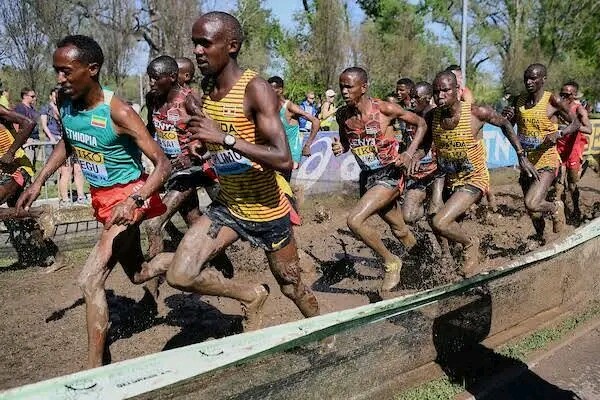
With a sudden and devastating change of rhythm, Kiplimo shifted gears and simply ran away from the field. His acceleration was clean, controlled, and utterly decisive—within seconds, the gap opened, and the race was effectively over. No one could respond. No one could follow. The Ugandan star powered on alone, floating over the final stretch with authority and confidence.
He crossed the line in 28:18, arms raised, sealing a glorious victory for Uganda and reaffirming his status as the master of cross country. Behind him, Aregawi fought valiantly to secure silver in 28:36, while Ebenyo showed trademark grit to claim bronze for Kenya in 28:45 after a hard-fought battle through the closing stages.
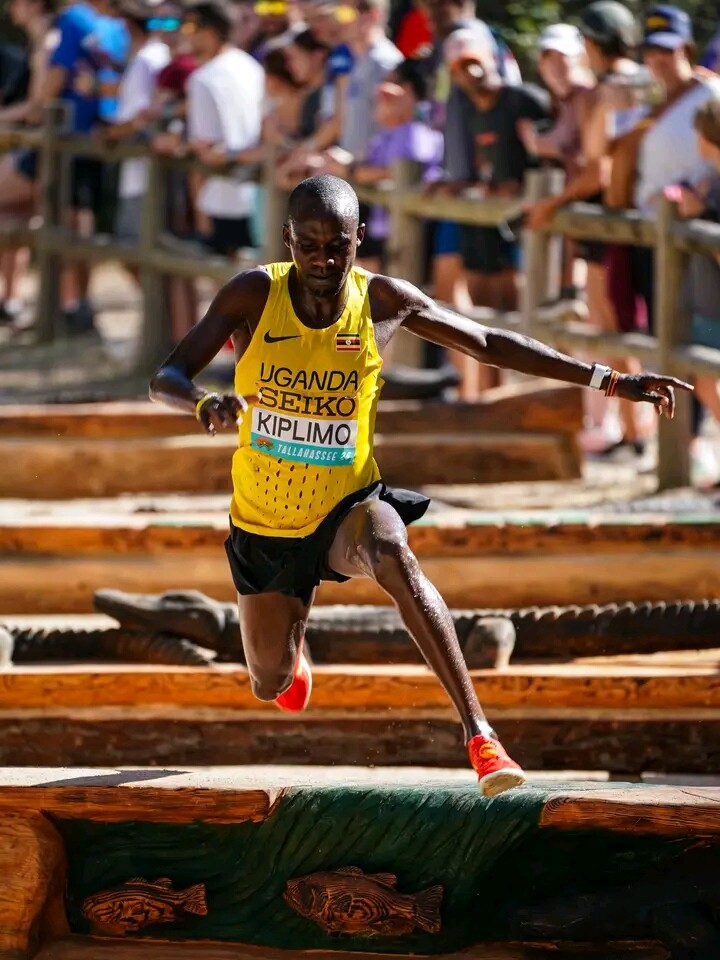
The depth of the field was remarkable, with athletes from Africa, Europe, Oceania, and the Americas filling the top 30—proof of the global strength of the event. Yet above them all stood Kiplimo, untouchable when it mattered most.
This was not just a win. It was a statement.
In a race packed with talent and ambition, Jacob Kiplimo delivered a performance of absolute dominance—calm under pressure, explosive at the critical moment, and supreme to the finish. Once again, the cross country crown belongs to Uganda’s golden champion.
(01/10/26) Views: 191
Erick Cheruiyot for My Bestruns.

Dubai’s Boldest Running Idea Yet: A 93-Kilometer Air-Conditioned Tunnel
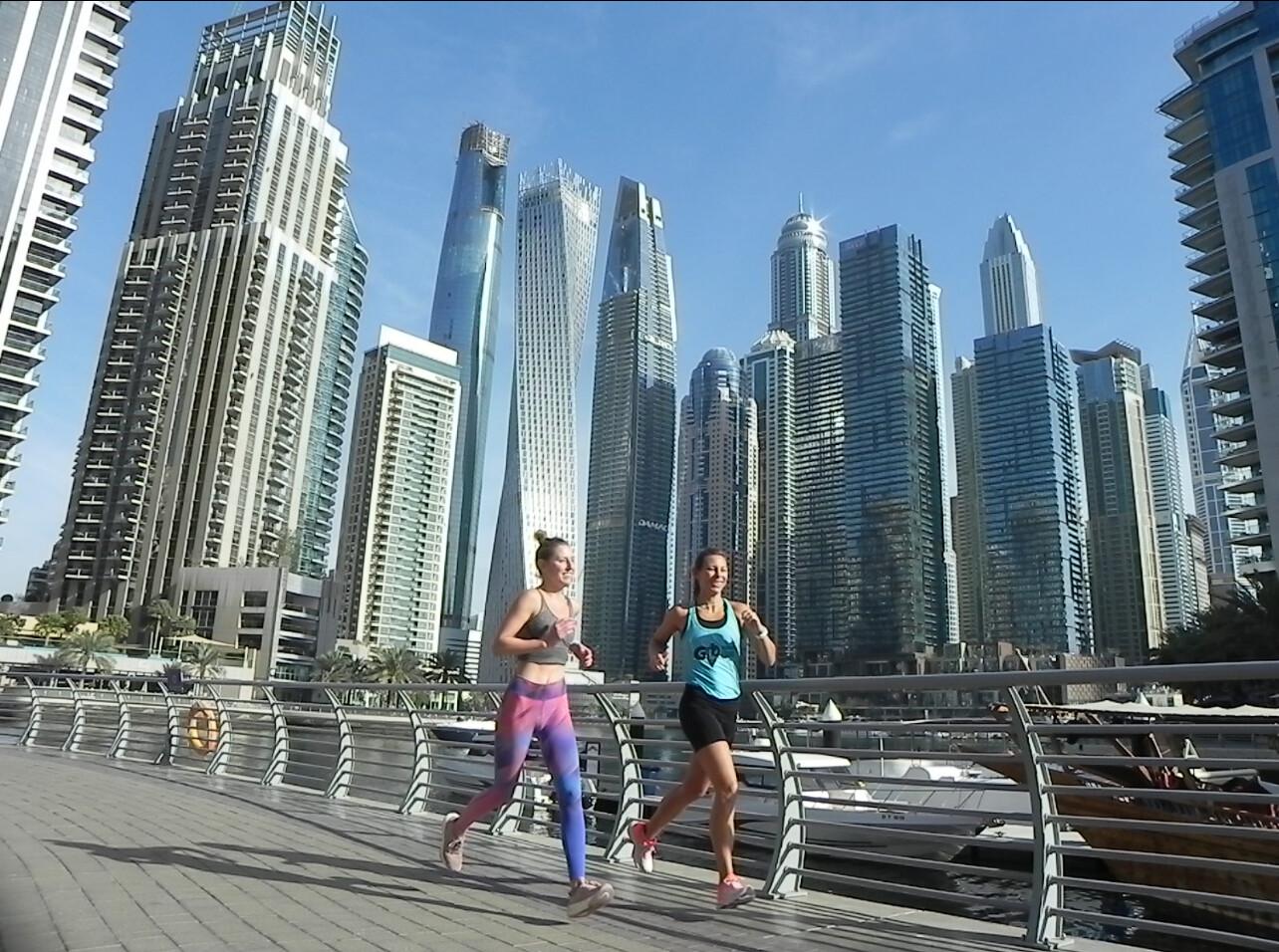
Dubai has never been shy about ambitious ideas. From indoor ski slopes in the desert to record-setting skyscrapers, the city has built a reputation for redefining what is possible. Now it is turning that ambition toward endurance sport with a proposal that has runners around the world paying attention: a 93-kilometer air-conditioned tunnel designed for running.
If built, it would be the longest climate-controlled running corridor ever attempted—an uninterrupted, weather-proof route stretching across large sections of the city.

Why This Matters to Runners

Dubai’s extreme climate is the driving force behind the proposal. For much of the year, outdoor running is limited to early mornings or late evenings, with daytime temperatures frequently exceeding 100°F (38°C) and high humidity compounding the stress on the body.
An enclosed, air-conditioned running tunnel would eliminate those constraints. Runners could train year-round, at any hour, without concern for heat illness, sun exposure, or traffic. For recreational runners, older athletes, and those new to the sport, that kind of consistency could be transformative.
Training Benefits—and Limitations
From a training standpoint, the advantages are clear:

• Stable temperatures
• Predictable, impact-friendly surfaces
• Long, uninterrupted distances
• A fully traffic-free environment
At the same time, running has always been shaped by the elements. Wind, hills, heat, and changing conditions are part of how runners adapt and improve. For competitive athletes, the tunnel would likely serve as a supplement, not a substitute—ideal for recovery runs, high-mileage days, or summer training, but not a replacement for real-world conditions.
What Would Something Like This Cost?
No official cost estimate has been released, but based on comparable large-scale urban infrastructure projects, a realistic figure can be narrowed to a much tighter range than early speculation suggests.
A purpose-built, enclosed running corridor with full climate control—without the complexity of deep metro tunneling—would likely cost between $120 million and $180 million per kilometer.
Applied to a 93-kilometer project, that places the total estimated cost in the range of:
$12 billion to $17 billion (USD)
That estimate includes structural construction, climate control and ventilation systems, lighting, safety infrastructure, and multiple access points—but assumes a design optimized specifically for runners rather than heavy transport use.
Sustainability Will Decide Its Legacy
Cooling nearly 100 kilometers of enclosed space in the desert raises obvious questions about energy use. Dubai officials have suggested renewable energy and advanced efficiency systems would be incorporated, though details remain limited.
Ultimately, the project’s long-term acceptance may hinge as much on sustainability as on ambition.
A Glimpse at the Future of Running Cities
Even if the full 93 kilometers never materialize, the concept itself reflects a broader shift: cities increasingly recognize running infrastructure as a public-health investment, not a luxury.
From protected running paths to car-free zones and illuminated night routes, urban design is evolving. Dubai’s proposal simply pushes that idea to its extreme.
Final Thoughts
A 93-kilometer air-conditioned running tunnel sounds futuristic—but so did many of Dubai’s previous projects before they became reality.
It won’t replace roads, trails, or the need to train in real conditions. But it could redefine what year-round running looks like in extreme climates—and open the sport to thousands who might otherwise never lace up.
For runners, that makes this idea worth watching closely.
(01/11/26) Views: 143Boris Baron
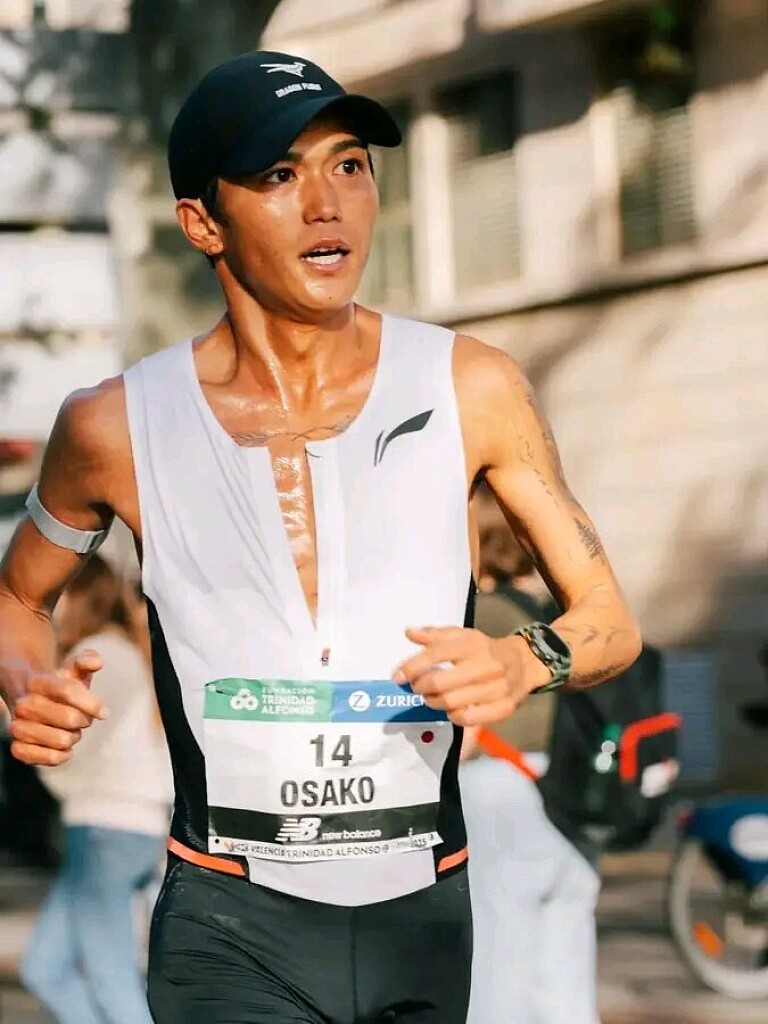
JAPAN CONFIRMS MARATHON SUPERPOWER STATUS WITH UNMATCHED DEPTH AND SPEED
A nation redefining depth, discipline and distance running.
Japan is no longer just competing in the global marathon conversation — it is shaping it. Japan has firmly established itself among the world’s elite marathon nations, with a level of depth and consistency that few countries can rival in modern distance running.
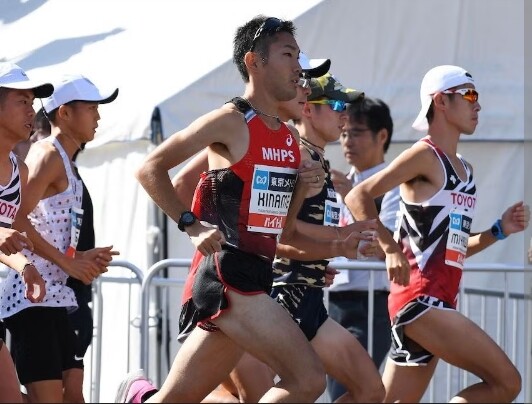
According to official World Athletics data, 93 Japanese athletes have broken the 2:10:00 barrier, a benchmark traditionally reserved for global championship contenders. Even more striking, 40 runners have dipped below 2:08:00, while 22 have crossed into the rarefied territory of 2:07 and 2:06 performances, a domain once dominated almost exclusively by East African powerhouses.
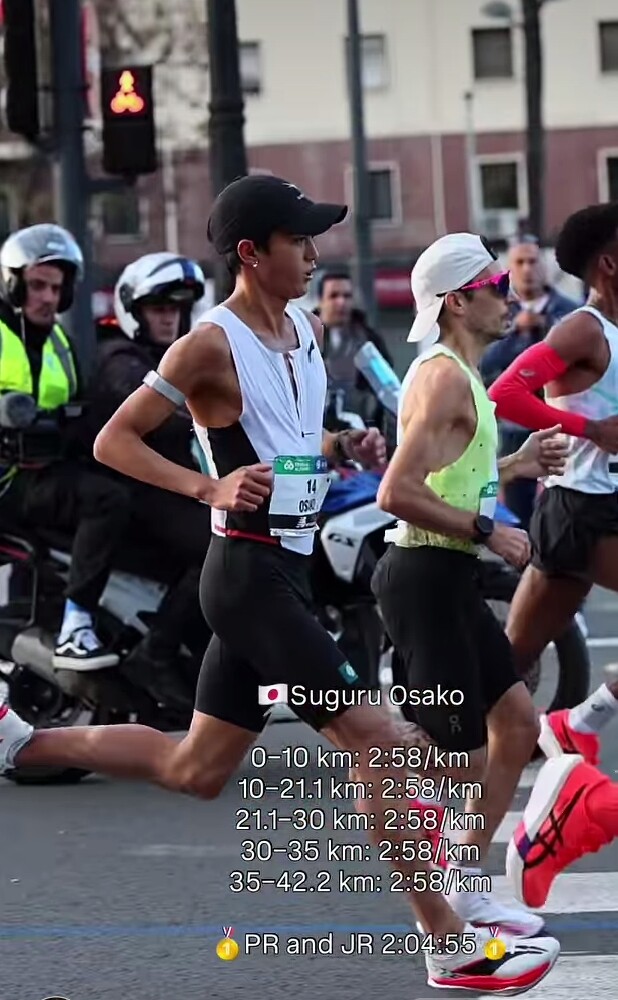
At the center of this historic surge stands Suguru Osako, the national record holder, whose 2:04:55 performance at the Valencia Marathon in December 2025 redefined what was thought possible for Japanese marathon running. Osako’s run was not only a national record but also a technical masterclass in pacing efficiency, metabolic control, and late-race resilience — elements essential at the highest level of the sport.
Yet Japan’s true strength lies far beyond a single performance.
Kengo Suzuki (2:04:56), Yohei Ikeda (2:05:12), Yuya Yoshida (2:05:16), Ryota Kondo (2:05:39), and Ichitaka Yamashita (2:05:51) form part of a formidable top-10 list that rivals the depth of any marathon nation worldwide. These athletes have delivered elite-level times across major marathon venues including Tokyo, Berlin, Fukuoka, Osaka, and Valencia, demonstrating adaptability to varied courses, climates, and tactical demands.
Technically, Japan’s rise is built on precision rather than chance. Athletes are developed through a rigorous system emphasizing high-volume aerobic conditioning, controlled race simulation, and data-driven pacing strategies. University ekiden competitions serve as an early proving ground, while corporate teams provide long-term athlete support, ensuring continuity from development to peak performance years.
This structure has created a competitive domestic environment where selection standards are unforgiving and every race is contested at world-class pace. As a result, Japanese marathoners arrive on the international stage already hardened by high-pressure racing.
Emotionally, the impact is profound. Each breakthrough performance represents years of discipline, sacrifice, and collective belief — a quiet but powerful challenge to the global marathon hierarchy.
As qualification windows for future Olympic Games and World Championships approach, Japan now possesses not just contenders, but depth capable of influencing race dynamics at the highest level.
The message to the world is unmistakable:
Japan is no longer chasing marathon excellence — it is defining it.
(01/14/26) Views: 115
Erick Cheruiyot for My Bestruns.
