

Running News Daily
Top Ten Stories of the Week
4/1/2023
These are the top ten stories based on views over the last week.
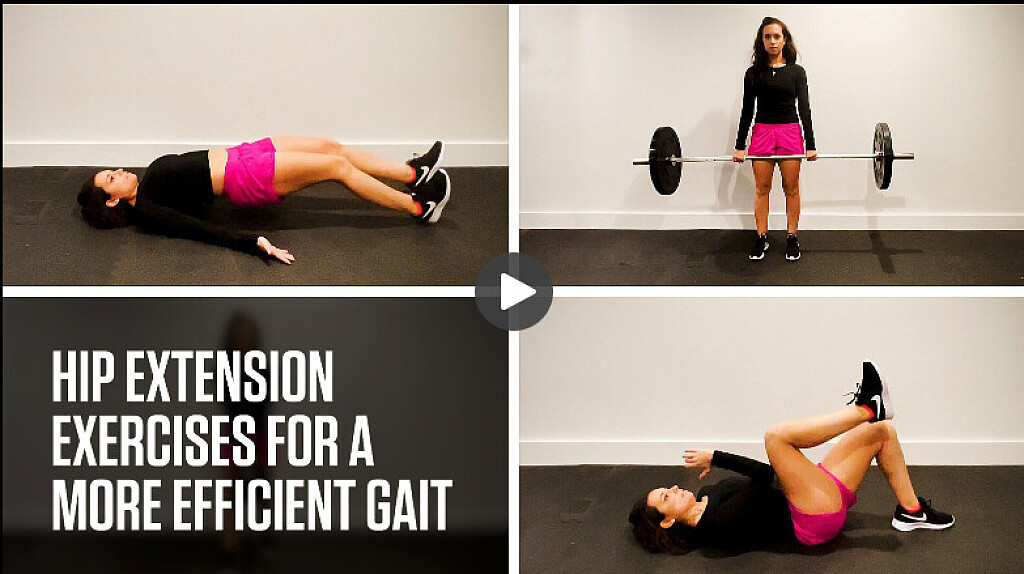


These 5 Hip Extension Exercises Will Make Your Stride More Efficient
Try these power moves to strengthen your posterior chain and add force behind your steps.
Your hips—and the muscles around them—take on more responsibility than you may realize. They hold you steady while sitting and serve as the mediator between a stable torso and fast-moving legs on a run. So, to perform at your best, you need healthy and strong hips.
While hip flexors often get a lot of our attention (because, hello, tightness and aches!), the hip extensors can always use more love—which is why you should add these hip extension exercises to your routine. “Hip extension exercises are integrally important for both runners and cyclists,” says Samantha Rothberg, C.S.C.S., certified strength coach and triathlete. “This movement pattern strengthens the muscles—the glutes and hamstrings—we need strong to ensure a safe and efficient gait on the run.”
More specifically, the gluteus maximus (the biggest muscle of the backside), drives the push-off phase of the running gait. “It also stabilizes the hips on the run to keep the low back, knees, and ankles safe,” Rothberg explains. Meanwhile, the hamstrings extend the leg in your midstance and also add force behind your push-off.
The Benefits of These Hip Extension Exercises for Runners
As Rothberg mentioned, the big power players that drive hip extension include your glute muscles (of the butt) and your hamstrings (on the back of the upper thighs). “These large posterior chain muscles are often under trained in favor of anterior muscles, such as the quadriceps and hip flexors, upon which we are over reliant because of poor posture and a sedentary lifestyle,” Rothberg explains. “Utilizing these large muscles [on the back of the body] is more efficient, will produce more power, and could help to prevent an overuse injury.”
Balancing out your lower body with hip extension exercises creates that efficiency in your stride by allowing all muscle groups to work at their best and add force to your steps. This also means you work better rather than harder to reach faster speeds, Rothberg adds.
How to use this list: Do each exercise below for 4 sets of 8-10 reps. If it is a single-sided exercise, go for 8-10 reps per side.
You will need a kettlebell or a heavy dumbbell for this workout. You’ll also need a barbell, but you can use a kettlebell or dumbbell in place of that, as well. An exercise mat is optional.
Rothberg demonstrates the exercises in the video above so you can learn proper form.
1. Single-Leg Glute Bridge
Why it works: Running is a single-leg sport and strengthening the legs one at a time prevents imbalances and helps you sidestep injury, Rothberg says. “Driving the elbow into the quad also ensures that the core is engaged and that you are driving through the down heel, and not kicking up to the sky with the elevated leg,” she adds.
How to do it: Lie faceup, knees bent and feet planted. Place left arm down by side. Lift right knee and bend right elbow. Touch right knee to right elbow, driving them into each other. This is your starting position. Drive through left heel to lift hips up. Engage glutes to lift hips; avoid lifting with low back. Slowly lower back down to starting position. Repeat. Then switch sides.
2. Deadlift
Why it works: “This exercise targets the entire posterior chain, teaches you to push off the ground effectively, which is important for running, and can be loaded and scaled as appropriate for your lifting level,” Rothberg says.
How to do it: Stand with feet hip-width apart, holding a kettlebell or dumbbell with both hands in front of hips. Hinge at hips by sending butt straight back, keeping back flat and core engaged. Keep weight close to body, reaching toward feet. Drive through feet and engage glutes to stand back up, extending hips. Repeat.
3. Kickstand Deadlift
Why it works: This deadlift variation also brings in a unilateral element, helping you strengthen one leg at a time. This helps keep your muscles symmetrical, Rothberg says, while providing the same benefits as a regular deadlift.
How to do it: Stand with feet hip-width apart, holding a kettlebell or dumbbell with both hands in front of hips. Step right foot back, so toe is in line with left heel, and keep right heel lifted. All weight should be on left leg. Hinge at hips by sending butt straight back, keeping back flat and core engaged. Keep weight close to body. Drive through left foot and engage glutes to stand back up, extending hips. Repeat.
4. Glute Bridge Walkout
Why it works: Adding a walkout to the glute bridge strengthens the hamstrings eccentrically, the lengthening (or lowering) phase, Rothberg explains. It also makes your glutes work isometrically, meaning they have to maintain contraction as you extend the legs. This helps to stabilize the hips, which can keep them from dipping on the run, too. “Many people get injured from not training the eccentric load—that’s often when they pull something,” she adds, which is why eccentric movements are so important.
How to do it: Lie faceup, arms down by sides, with knees bent and feet planted hip-width apart. Drive through heels to lift hips, engaging glutes and core. Avoid lifting with low back. Hold here. Then, step left foot forward. Then right. Continue alternating until legs are straight. Then pause and walk them back in, underneath knees. Lower hips. Repeat.
5. Barbell Romanian Deadlift
Why it works: Focus on the eccentric action of this exercise—that means slowing down the lowering phase, aiming for a five count as you go—to gain the most benefit. This helps you strengthen the posterior muscles in the lengthening phase, which increases your strength gains, Rothberg says.
How to do it: Stand with feet hip-width apart, holding a barbell (or two heavy dumbbells) with both hands in front of you. Hinge at hips by sending butt straight back, keeping back flat and core engaged. Move slowly, on a count of 5. Keep weight close to body. Drive through feet and engage glutes to stand back up, extending hips. Repeat.
(03/26/23) Views: 204Runner’s World
Strength Exercises to Run Faster
Once you fall in love with running and embark on your journey of training for races, it is natural to aim to run faster. When you are a beginner, the improvement in speed is a consequence of the quantum rise in endurance. This is because the gains are initially faster and taper off as you become a seasoned runner. Subsequent gains require you to add a variety of workouts to your training.
The two methods to become a faster runner are speed workouts and strength training workouts for runners. The former is an essential component of speed training and focuses on developing your cardiovascular system to deliver oxygen and clear metabolic waste. Speed workouts include intervals, tempo runs, and repetitions. However, we are not going to focus on them because they are a staple of speed training in any case.
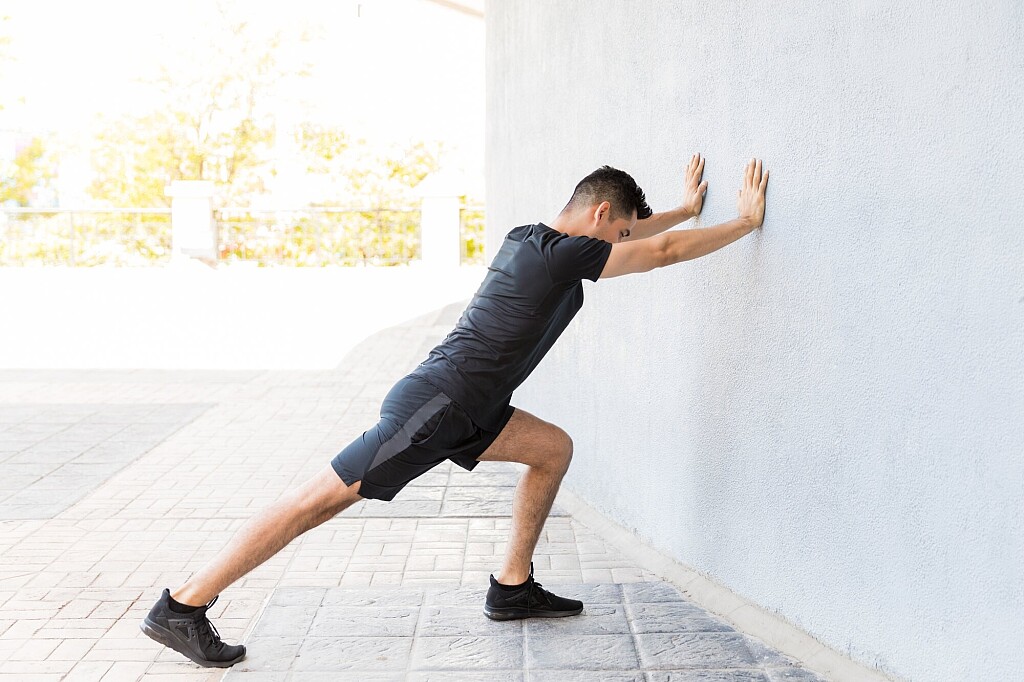
The latter aspect pertaining to strength is often neglected. However, it is this factor that activates muscles to develop power for speed. If we analyze the biomechanics of running, two facets stand out. These include the forward drive with the knee and the push-off with the ball of the foot. Do note that these actions need to be powerful.
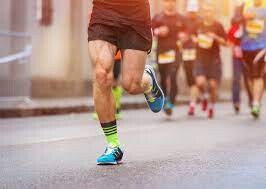
The forward drive requires the hip flexor to be strong. The push-off is a combination of the entire chain, which includes the calves, hamstrings, and glutes, providing propulsive power. You need to build some specific body parts to increase your running speed.
Here are a few types of bodyweight strength, gym strength, and high-speed running exercises to help you run faster over a period.
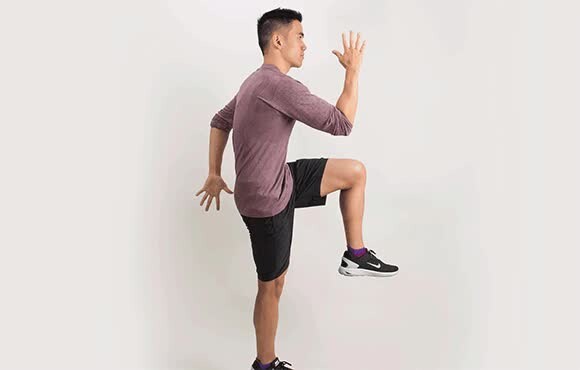
Forms of bodyweight strength exercises: Step-by-step guide
Listed below are some bodyweight strength exercises for runners that you may consider taking up:
1. Single-leg squat
The single-leg squat works the calves, thighs, glutes, and abdominals. This exercise is important for developing leg strength and helps in a larger ground reaction force at push-off. So, this leg workout for runners aids in increasing your overall stride length.
Start by standing on your right leg. Now, lift the other leg off the ground and either extend it at 45 degrees in front or bend it at the knee. Keep your arms in front of you to stabilize your body.
Engage your core and move your butt back to slowly lower yourself until you are either at a half squat position or deeper if your leg strength is in a good enough posture
Squeeze your abdominal muscles and glutes, as you push off the ground to come back to your starting position. Keep the left leg off the ground through the sequence.
Start with five repetitions (reps) and build up to 10. Do three sets for each leg.
2. Box jump
This workout targets the calves, glutes, and thighs. It helps develop explosive power in these muscles. Choose a box that is about 14-inch to 20-inch high. Use a height that works for you when performing this workout. It helps in an explosive push-off, which allows you to run faster when a speed workout demands it.
Keep the box about one short step away
Stand with feet shoulder-width apart
Sink down into a squat with your arms swinging back at the same time
Explode upward by pushing off the ground with your feet. While doing this, your Achilles tendon and calves will generate force. Use your arms to now swing forward and upward to add momentum to your movement.
Ensure you land on the box with your knees bent and have a soft landing
Step off the box
Perform about five to eight reps and two to three sets. Make sure to recover well between each jump.
3. Walking lunges
The walking lunge is one of the best core exercises for runners. It closely mimics the functional muscles used in running. It strengthens the quads, hips, and core. This exercise will help stabilize the body during the stance and push- off phase of running, allowing you to maintain posture at faster speeds.
Stand tall with your hands on your hips and step forward with your right leg; place the foot firmly on the ground
Sink your hips while keeping your torso upright and bending your right knee. The left knee will come close to the ground in a lunge.
Pause and feel the quads of the right leg contract to hold you in position isometrically
Ensure that your right foot is planted firmly in place. Now, rise and make a smooth transition by stepping forward with the left leg.
Sink your hips and bend the left knee
Repeat by alternating legs, as if you were walking forward with each lunge
Do 10 to 12 reps on each leg. Perform two to three sets.
4. Split jumps
This workout plays a pivotal role in core strength training for distance runners. It takes the standard lunge to the next level by helping you develop explosive power. It builds the hips, glutes, and core, helping you develop stability and balance. This aspect is imperative when running fast because balance and stability will help you maintain biomechanics.
Stand tall with the right foot placed about 2ft–3ft in front of the left foot. This is called a staggered stance. Keep your arms by the side.
Engage your core and keep your torso upright. Lower into a lunge with the right thigh reaching parallel to the floor and bend your knees. The left knee will come close to the floor.
Swing your arms up to gather upward momentum while jumping up explosively
Switch your legs while you are in the air so that your left leg comes forward and the right leg swings back
Land softly into a lunge with your left foot bent at right angles and your right knee coming close to the ground
Continue alternating legs in an explosive manner
Perform a total of eight to 10 reps. Do two to three sets.
Types of gym strength exercises
Here are a few forms of gym workouts that can be beneficial in strength training for marathon runners:
1. Deadlift
It is a compound exercise, which targets the major body muscles, such as hamstrings, quads, glutes, core, shoulders, lower back, and upper back. You may perform this workout with a barbell or use dumbbells as an alternative. You will develop propulsive force at the hips and glutes, which will translate into a harder push-off from the ground.
Choose an appropriate weight for the barbell and place the equipment on the ground such that the forefoot is under the bar. Keep your feet shoulder-width apart.
Bend forward with a straight back and grip the bar with an overhand grip (the palm should be facing toward your body), a little more than shoulder-width apart. To do this, squat down a little bit and bend your knees. Your head should be in line with your spine.
Think of the hip as a hinge and lift the bar off the ground by straightening up. The knees and hips will extend smoothly and the shoulders will push back as the bar reaches the thighs. Remember that if the transition from bending over to straightening up is done in proper form, the bar will graze the shins and knees on its way up.
Lower the bar slowly, ensuring you keep a straight back again
Perform six to eight repetitions. Do two to three sets.
2. Seated calf raises
The calves are constantly being worked when running. They are a major muscle group that comes into play for the push-off. This muscle group has two muscles. These include the outer calf (gastrocnemius) and the inner calf (soleus). The seated calf raise targets the soleus in a focused way while also working the gastrocnemius. With strong calves, you are likely to become a faster runner.
Sit upright on a bench with your feet flat on the ground
Ensure that the bench’s height is such that your hips are more or less in level with your knees
Grab two dumbbells and place them on your knees
Tighten your abdominal muscles and slowly lift your heels off the ground while keeping the ball of the feet planted firmly
Make sure to lift the heels to the highest possible level so that your calves feel a full contraction
Lower your heels back as slow as possible
Perform 10 to 15 reps. Do two to three sets.
Kinds of high-speed running exercises
Here are two high-speed running workouts to include in your training schedule:
1. High-intensity Interval Training (HIIT) or Tabata sprints
In this high-intensity form of running training, the heart rate reaches 95%-98% of your maximum heart rate for a short period. It works the anaerobic system and provides a boost to the neuromuscular system that trains the legs. You need to develop power and fast feet when executing this workout. So, you get trained for speed, which makes a transition into your submaximal runs, such as the half and full marathons. This training also improves running economy, which is a measure of how much oxygen you use at a certain submaximal speed.
Begin with a warm-up by jogging gradually for 10–15 minutes
Choose a track or a straight and level road with no obstructions or uneven surface
Start a sprint and build as much speed as you can within 20 seconds
Slow down and walk or jog for 10 seconds
Repeat this eight times to get a 4-minute workout
Do only one set if you are a beginner
Rest for 90 seconds and repeat this activity for two to three sets if you are a seasoned runner
2. Hill sprints
Hill sprints help you develop a combination of leg strength and speed. They are also easier on the legs because the pounding you take is much less than running on a level surface. Apart from being useful in preparing you for hills in races, this exercise develops faster running ability since you are working against your body weight on an incline.
Start with a warm-up by jogging with ease for 10–15 minutes
Choose a hill that has an inclination of 8%-12% with no obstructions or uneven surface
Burst up the incline in a sprint for 10–15 seconds
Slow down, turn around, and walk back down the hill
Ensure you have recovered well and your heart rate has dropped
Repeat this six times. Add a repetition every week to reach 12 reps.
(03/25/23) Views: 149Daniel Vaz
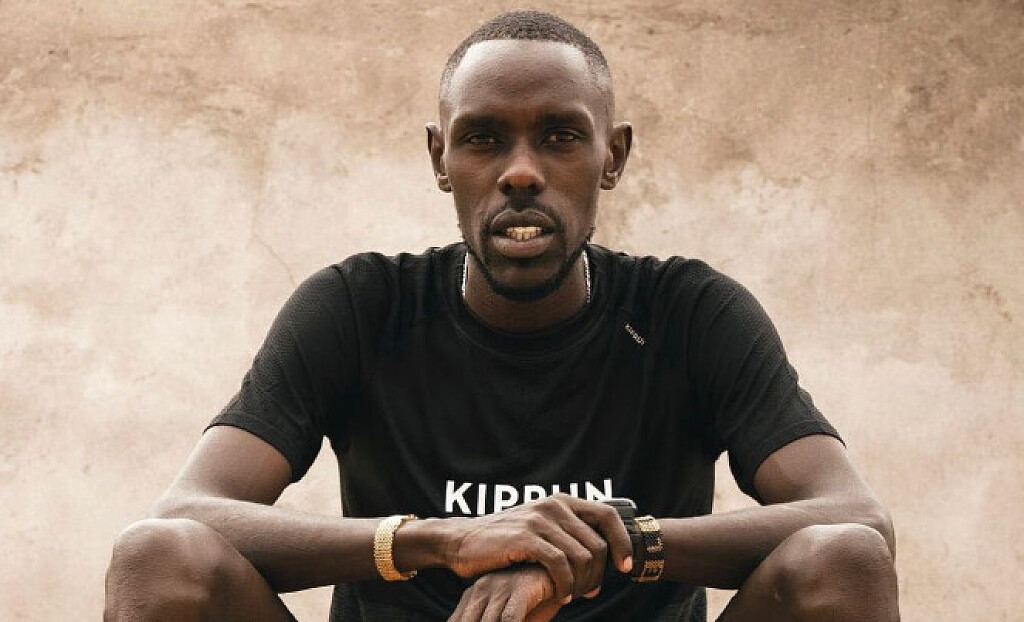
Paul Chelimo leaves Nike, signs with Decathlon-owned brand Kiprun
American Olympic medallist Paul Chelimo announced on Thursday that he has signed with Kiprun, a French brand owned by the sports retailer Decathlon. He was previously sponsored by Nike, a relationship that dated back to 2018, but he will be sporting a new look as he moves forward with the rest of his season.
Kiprun is not a big name in the North American running scene, likely due to the fact that Decathlon only has 15 stores across Canada (according to the retailer’s website) and none in the U.S. However, simply because it’s not a household name in Canada and the U.S. doesn’t mean it isn’t a good brand, and Chelimo clearly saw something in the company that he liked.
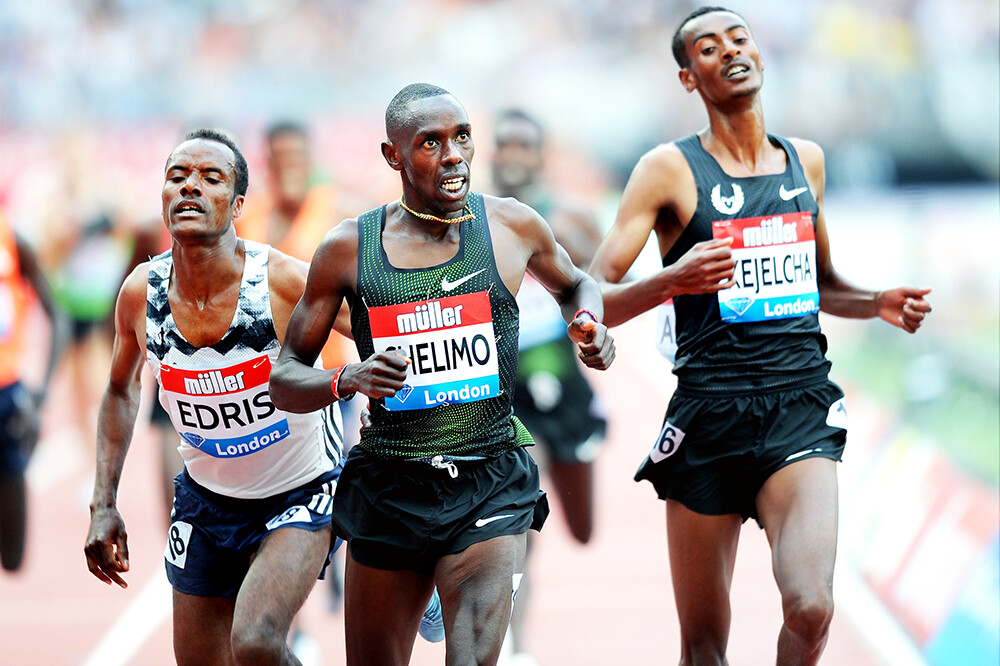
As his agent, Riad Ouled, told LetsRun, a lot of different brands were after a partnership with Chelimo. “He had offers from Asics, from On, and Nike wanted to renew him. But the project from Kiprun touched something in him.” Ouled added that a big draw for Chelimo was Kiprun’s willingness to let him have a say in the development of future shoes.
“He was very interested by … giving feedback,” Ouled said. “All of the brands offered him a lot of money, but Kiprun gave him consideration and said OK, we want to do shoes as you expect as a good runner.” Chelimo’s partnership with Kiprun is currently set to last until at least the 2028 Olympics.
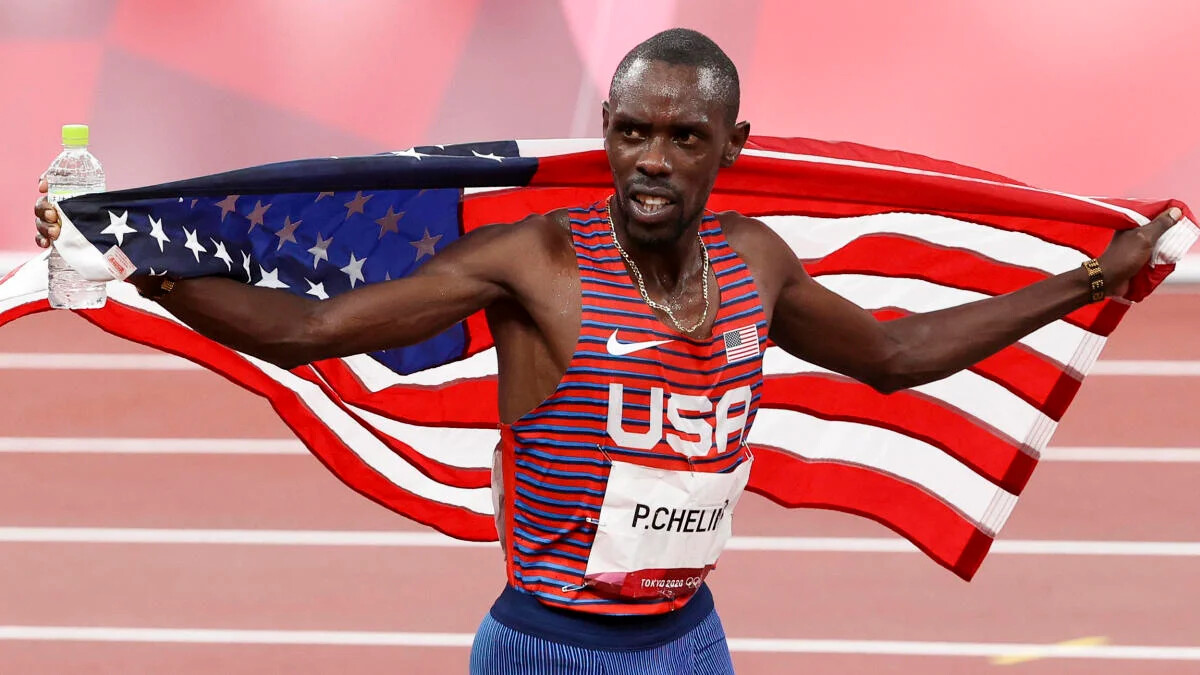
The two-time Olympic 5,000m medallist is Kiprun’s biggest athlete signing to date, as the brand has yet to attract many big names in running. The brand could be in for some big growth in the coming years, however, as there are plans to launch the Kiprun 42 House, which will be a training group for promising Kenyan athletes.
Chelimo will make his debut as a Kiprun athlete at the Berlin Half Marathon on April 2. He has run one half-marathon in his career and owns a PB of 62:19.
(03/24/23) Views: 130Ben Snider-McGrath
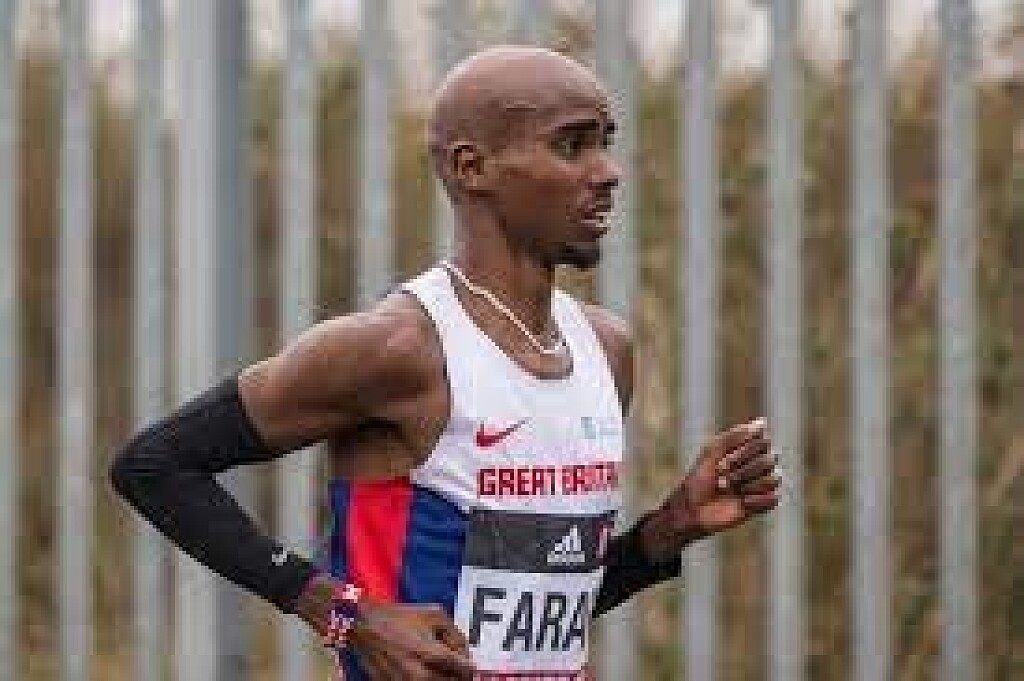
Mo Farah will race 10km in Gabon as part of London Marathon preparations
Mo Farah will race the Port-Gentil 10km in Gabon two weeks before what is expected to be the Briton's final London Marathon appearance.
The four-time Olympic champion, 40, announced in January that he expects 2023 to be his final year of racing before retirement.
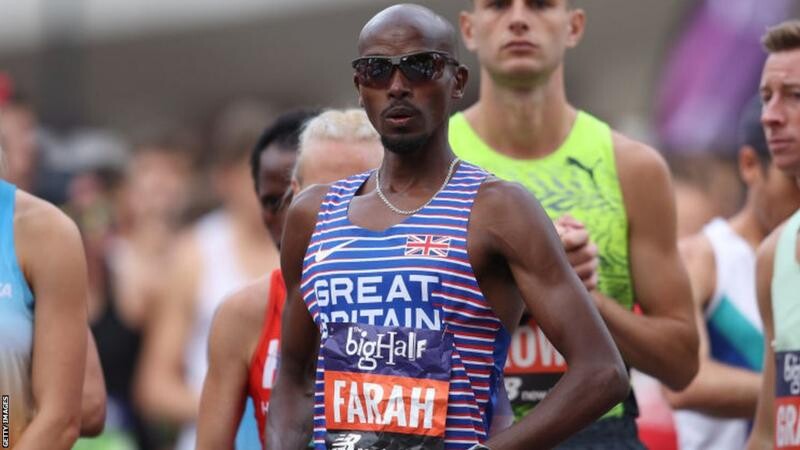
Farah is currently training in Ethiopia as he continues his preparations for the London Marathon on 23 April.
He is unsure if the marathon will be his last competitive event.
In a short video, the British marathon record holder said he has been "preparing well" in Ethiopia, adding he is "really excited" to test his fitness over 10km on 8 April in Gabon, 15 days before he takes to the streets of his home city.
A hip injury prevented Farah from taking part in last year's London Marathon, with the 2023 race set to be his first full marathon since 2019.
The six-time world track champion won the Big Half - a half marathon race - in London in September but he has raced just seven times since October 2019.
Farah's personal best over 10km on the road is 27 minutes 44 seconds, however that time was set in 2010 and he was surprisingly beaten by club runner Ellis Cross in his last outing over the distance at the Vitality London 10,000 last year.
The 2018 Chicago Marathon winner's highest London Marathon finish was third in 2018. He will face a stacked field in the 2023 race, which features four of the five fastest runners in history.
The 2023 London Marathon will be broadcast live on BBC TV, iPlayer and online.
(03/24/23) Views: 118Harry Poole
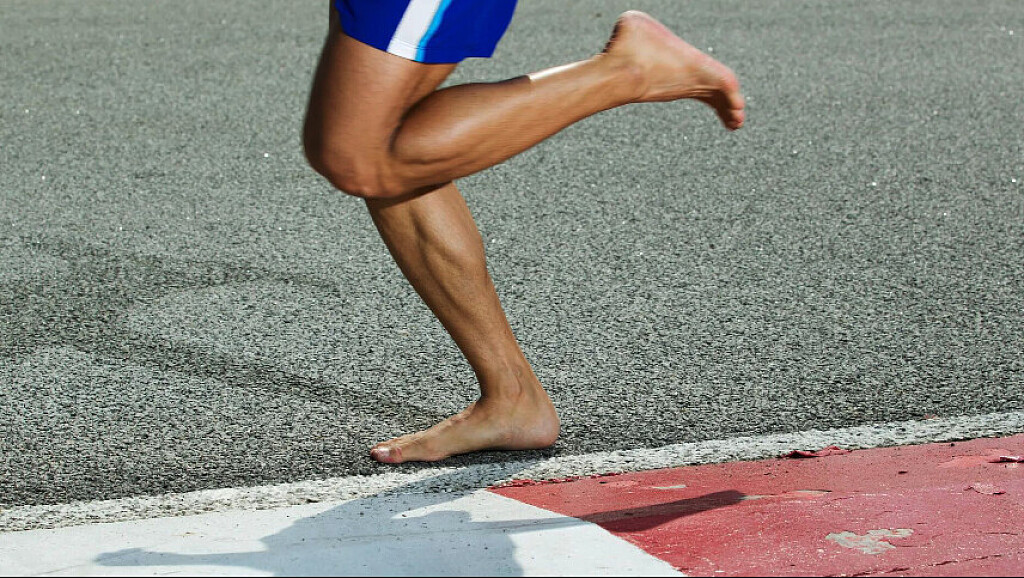
South African triple jumper runs barefoot 100m in 10.40 seconds
Competing at a track meet in the United Arab Emirates (UAE) on Sunday, a South African athlete named Lleyton Davids ran a sub-11-second 100m, running barefoot. A video posted by AIS Athletics (the athletics academy that hosted the meet) shows Davids flying toward the finish and crossing the line in second place. To make his run even more impressive, Davids is a triple jumper (he’s the two-time reigning South African champion), and sprinting isn’t even his main focus.
In the AIS Athletics video, Davids can be seen lining up in the blocks and waiting for the starting gun to sound. His competitors all have spikes on, but it didn’t end up helping them out much, as Davids flew past all but one of them.
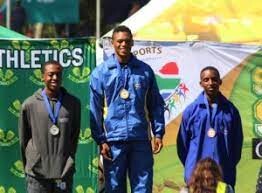
According to Davids’s World Athletics profile, his 100m PB is 11.02 seconds. He ran this time in March 2022, and while there’s a chance he has run other 100m races in his career (many lower-profile races aren’t listed by World Athletics, including his most recent run in the UAE), it’s amazing that he managed to better his official PB by more than half a second without spikes–or any shoes at all. (Davids appears to usually wear shoes when competing and training, as seen in various posts on his Instagram page.)
Davids’s new PB (official or not) is tied for the 106th fastest in South African history. With 105 men ahead of him on that list, it may not sound that impressive, but keep in mind that each of those runners was likely wearing spikes (or shoes of some kind).
Davids has won the triple jump title at the past two South African Championships, and he will have the chance to add a third at this year’s competition, slated for March 30 and April 1.
(03/25/23) Views: 112
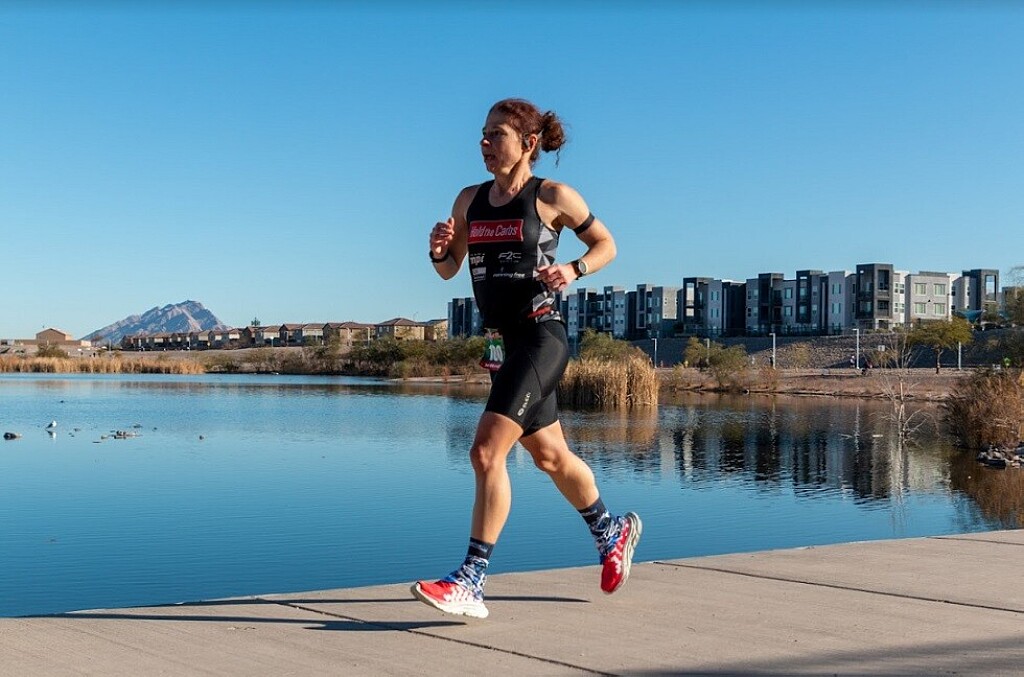
Viktoria Brown breaks 72-hour world record, 48-hour Canadian best in Italy
Earlier in March, Whitby, Ont., runner Viktoria Brown broke her own 48-hour Canadian record and 72-hour world record while competing at the GOMU (Global Organization of Multi-Day Ultramarathoners) six-day world championships in Policoro, Italy. Brown ran 364 km over 48 hours and 475 km after 72, beating her two previous records by 11 km and 8 km, respectively. She finished the six-day event with a grand total of 684 km to take home the women’s individual gold medal.
The event in Italy marked the first six-day world championship organized by GOMU, which was founded in 2021. Brown is a vice president, as is Greek ultrarunning legend Yiannis Kouros; Canadian ultrarunning pioneer Trishul Cherns is president. The organization held its first world championship event—a 48-hour competition—in New Jersey in September 2022, and Brown and the team are looking to add 72-hour and 10-day races into the mix in the near future.

Canada didn’t send a team to the GOMU worlds, so Brown competed for Hungary, where she also holds citizenship. She helped lift the Hungarian women to the team world championship to pair with her individual gold medal. Going into the event, Brown’s Canadian 48-hour record stood at 353 km, which she ran in June 2022 at the Six Days in the Dome event in Wisconsin. After two days of running in Italy, she had eclipsed her PB to add another 11 km to her national record, which now stands at a whopping 364 km.
Up next was the 72-hour mark, and Brown had her eyes on her world record of 467 km. She ran that amazing result at the same race where she posted her 48-hour best last June. Just like she did in Wisconsin, Brown charged forward after securing her 48-hour record, and eventually toppled her 72-hour best, too, with a tally of 475 km.
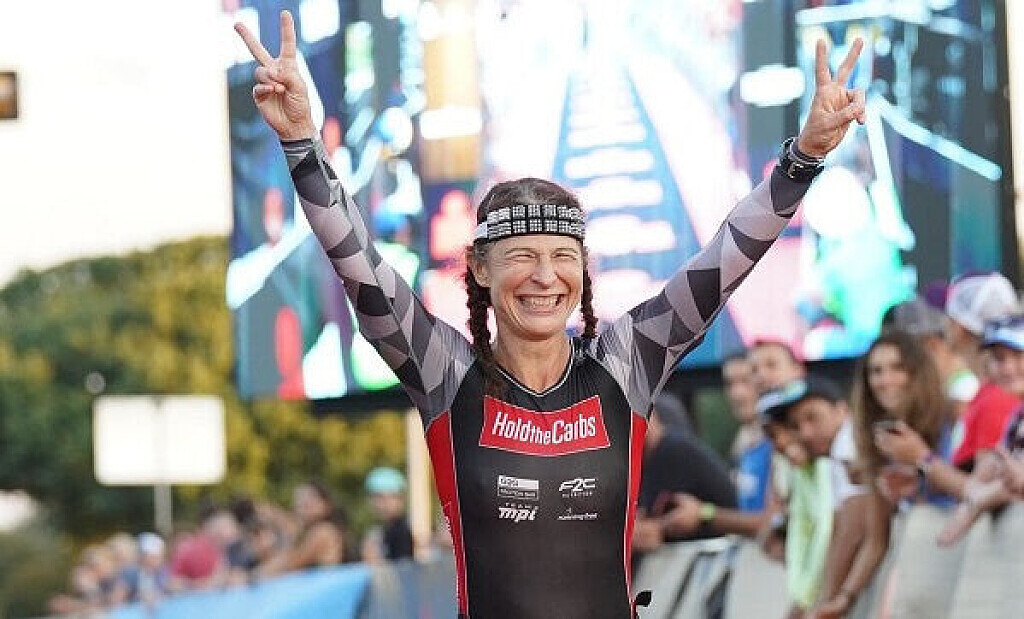
At that point, Brown already had two records in the books, but she was still only halfway through the six-day race. She carried on for another three days, eventually finishing with a phenomenal winning result of 684 km. That’s an amazing total, but even more incredible is the fact that it’s more than 50 km shy of Brown’s six-day PB (and, you guess it, another Canadian record) of 736 km. As with her 48- and 72-hour marks, Brown ran that result at the Six Days in the Dome last year.
Brown says the next race on her schedule is the Badwater 135 ultramarathon in California, but since that isn’t until July, she may take another shot at the 72-hour record with hopes of improving her world record once again.
(03/28/23) Views: 104Running Magazine
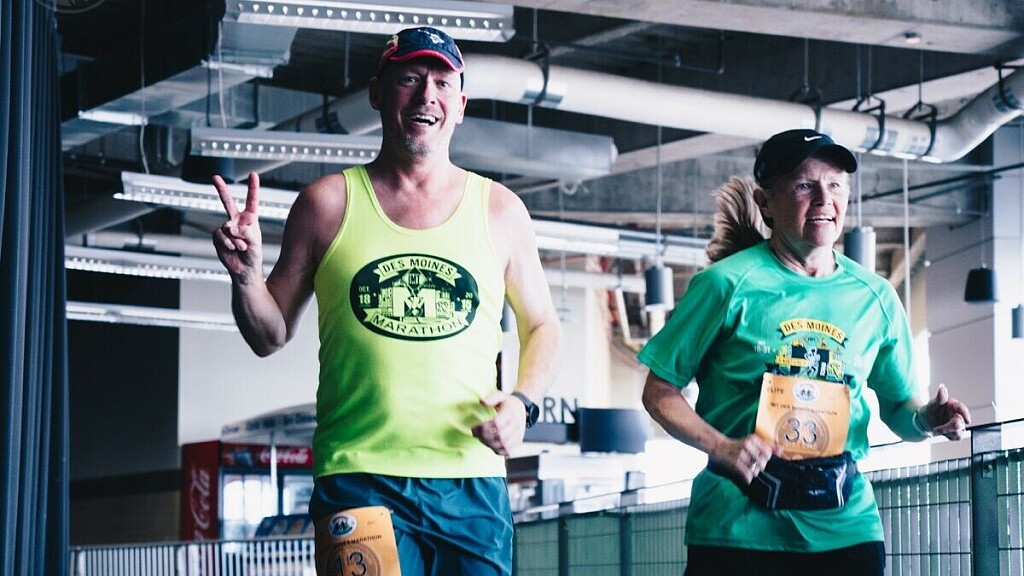
Four runners complete indoor marathon during pro basketball game
An unusual race took place in an NBA G League basketball game on Wednesday evening in Des Moines, Iowa. The Iowa Wolves hosted a mid-game marathon inside Wells Fargo Arena, which involved fans running 111 laps around the 380-meter concourse.
The event was hosted by the IMT Des Moines Marathon and the Iowa Wolves, a farm team for the NBA’s Minnesota Timberwolves. The runners began the marathon at 5 p.m., two and a half hours before tip-off, and were given a five-hour window to complete the race (by the time the game ended, around 9:30-10 p.m.). Four runners finished the full 42.195 kilometers.

“Running a marathon in the evening and on a flat course is very non-traditional,” said race participant Dennis Haney. “Most marathons start in the morning. And one that is the same temperature the entire time is very unusual.”
Fans watched and cheered on the marathoners before and during the game. The runners were featured on the arena’s jumbotron during most stoppages in play.
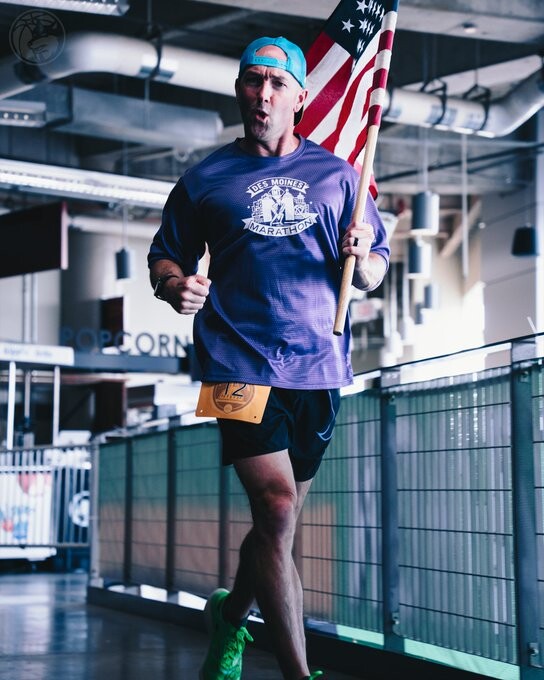
One participant told local news the race was an interesting experience. “The majority of the crowd was for the basketball game,” said the marathoner. “But it was fun to be heckled for 111 laps of the arena.”
According to the Des Moines Register, this was the first marathon held during a professional basketball game.
The Iowa Wolves went on to win 139-131 over the Birmingham Squadron.
(03/24/23) Views: 99Marley Dickinson
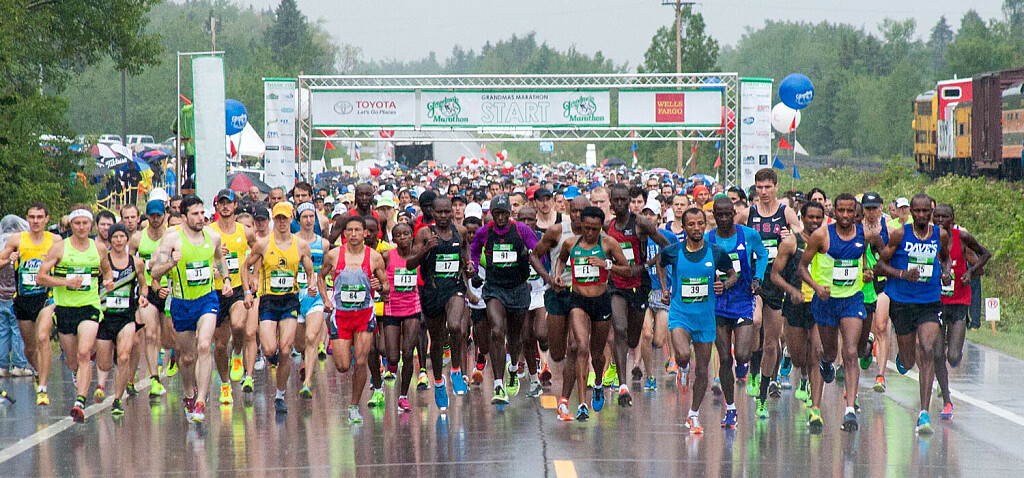
Grandma’s Marathon Field Full, Marking One of Quickest Sellouts on Record
The 2023 Grandma’s Marathon field has reached its capacity, making this one of the fastest sellouts on record for the 26.2-mile race.
More than 9,000 participants are signed up for both Grandma’s Marathon and the Garry Bjorklund Half Marathon, keeping this year’s event on pace to be one of (if not) the largest race weekends in history.
“It’s phenomenal to be talking about this in mid-March,” Marketing & Public Relations Director Zach Schneider said. “It’s reason for celebration, for sure, but the real work still lies ahead in making sure all these participants, as well as their families and friends, have a true Grandma’s Marathon experience when they come here in June.”
Limited entries do still remain in both the William A. Irvin 5K and Great Grandma’s Challenge, which enters participants in both the 5K on Friday night and full marathon on Saturday morning. With an entry fee price increase coming April 1, organizers expect those races to also be sold out within weeks.
William A. Irvin 5K (40 spots remaining)
$50 – January 1-June 1
Full Great Grandma’s Challenge (150 spots remaining)
$215 – January 1-March 31
$225 – April 1-June 1
To register or to find more information, please visit grandmasmarathon.com. The 2023 Grandma’s Marathon weekend will be held June 15-17 and is presented by Toyota, Members Cooperative Credit Union, and ASICS.
VOLUNTEER SIGNUP UNDERWAY
With perhaps a record number of participants set to descend on Duluth in June, the hunt is on for the thousands of volunteers who will help make the 2023 Grandma’s Marathon weekend a success.
To help encourage community members to volunteer their time, Grandma’s Marathon is offering the following incentive programs, both new in 2023:
· Any individual signed up to volunteer prior to April 1 will be entered to win a $100 gift card to Duluth Pack.
· Groups with 15 or more volunteers will be entered for a chance to win one of three $1,000 “Golden Tickets” for a donation to a non-profit organization of the group’s choosing.
NOTE: Volunteers should indicate they are a part of the group during the sign up process. If you would like to participate but your group is not listed online, please send an email to alivia@grandmasmarathon.com to be added to the program.
There are a variety of volunteer positions and shifts available throughout race weekend. For more information or to sign up as a 2023 Grandma’s Marathon volunteer, please click HERE.
For any questions or interview requests, please contact Marketing & Public Relations Director Zach Schneider via phone at (218) 343-9874 or via email at zach@grandmasmarathon.com.
ABOUT GRANDMA’S MARATHON
Grandma’s Marathon began in 1977 when a group of local runners planned a scenic road race from Two Harbors to Duluth, Minnesota. After seeing just 150 participants that year, the race weekend has now grown into one of the largest in the United States and welcomes more than 20,000 participants for its three-race event each June.
The race got its name from the Duluth-based group of famous Grandma’s Restaurants, the first major sponsor of the marathon. In addition to the 26.2-mile race, the organization has now added the Garry Bjorklund Half Marathon and William A. Irvin 5K to its weekend offerings.
As the popularity of Grandma’s Marathon has grown, our mission has stayed the same – to organize, promote, and deliver annual events and programs that cultivate running, educational, social, and charitable opportunities to our communities.
Grandma’s Marathon-Duluth, Inc. is a 501(c)(3) tax-exempt nonprofit organization with a nine-person, full-time staff and a 17-member Board of Directors.
(03/24/23) Views: 95Running USA
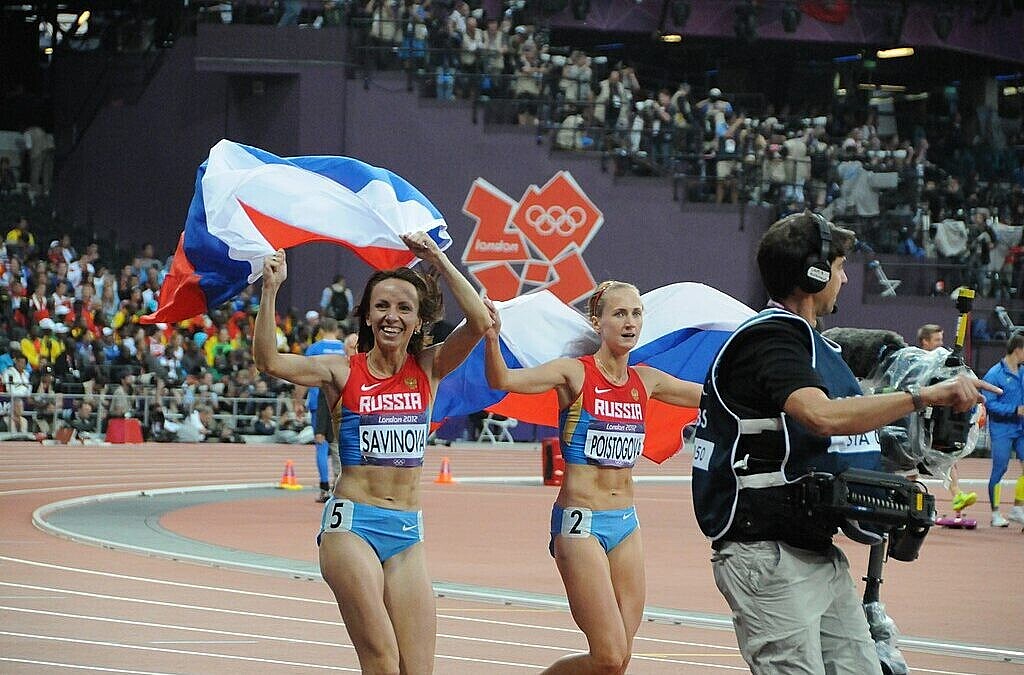
Russian doping ban lifted, but Ukraine war keeps athletes out
Russia and its athletes will remain banned from competition due to the ongoing invasion of Ukraine.
On Thursday afternoon, the World Athletics Council announced the reinstatement of the Russian Athletics Federation (RusAF) following a seven-year doping suspension. Despite their reinstatement into the sport, however, Russia will remain banned from competition due to its ongoing invasion of Ukraine.

“Athletes and officials for Russia and Belarus are still excluded for the foreseeable future due to the invasion of Ukraine,” said World Athletics president Seb Coe.
In the case that Russia decides to leave Ukraine, Coe says his instinct is that the ban would be reversed, allowing Russian and Belarusian athletes to participate in all World Athletics events.
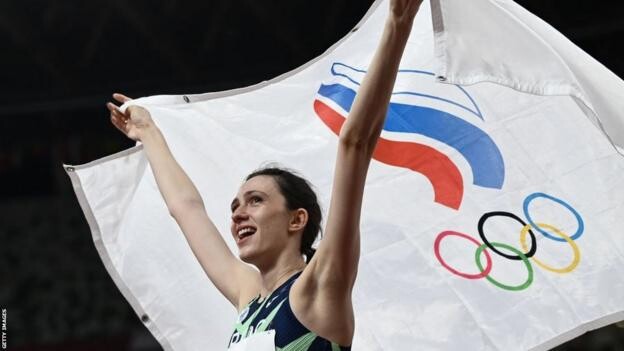
According to Rune Andersen, who served as the head of the World Athletics Task Force around reinstating the RusAF, told the WA Council that all required conditions have ultimately been met. RusAF has also accepted the ruling stating that there must be no backsliding from the new position.
“I believe RusAF still has a lot of progress to be made,” said Coe. RusAF has to follow 35 “special conditions” intended to ensure that anti-doping reforms remain in place, and continue to operate effectively. These special conditions will continue to be reviewed over the next three years.
The RusAF has been suspended from competing in World Athletics events since 2015 due to multiple doping violations. They are currently not eligible to host World Athletics events or send teams to international championships due to the World Athletics sanctions for the invasion of Ukraine.
“The integrity of our major international competitions has already been substantially damaged by the actions of the Russian and Belarusian governments through the hardship inflicted on Ukrainian athletes and the destruction of Ukraine’s sports systems,” said Coe in a press release. “Russian and Belarusian athletes, many of whom have military affiliations, should not be beneficiaries of these actions.”
The World Athletics stance on Russia continues to contrast with that of the International Olympic Committee (IOC), which is working to allow Russian and Belarusian competitors to participate in international competition and the Paris 2024 Games, as neutral athletes.
The reinstatement of RusAF was one of four noteworthy announcements to come from the 2023 World Athletics Council meetings.
(03/24/23) Views: 93
Running Magazine
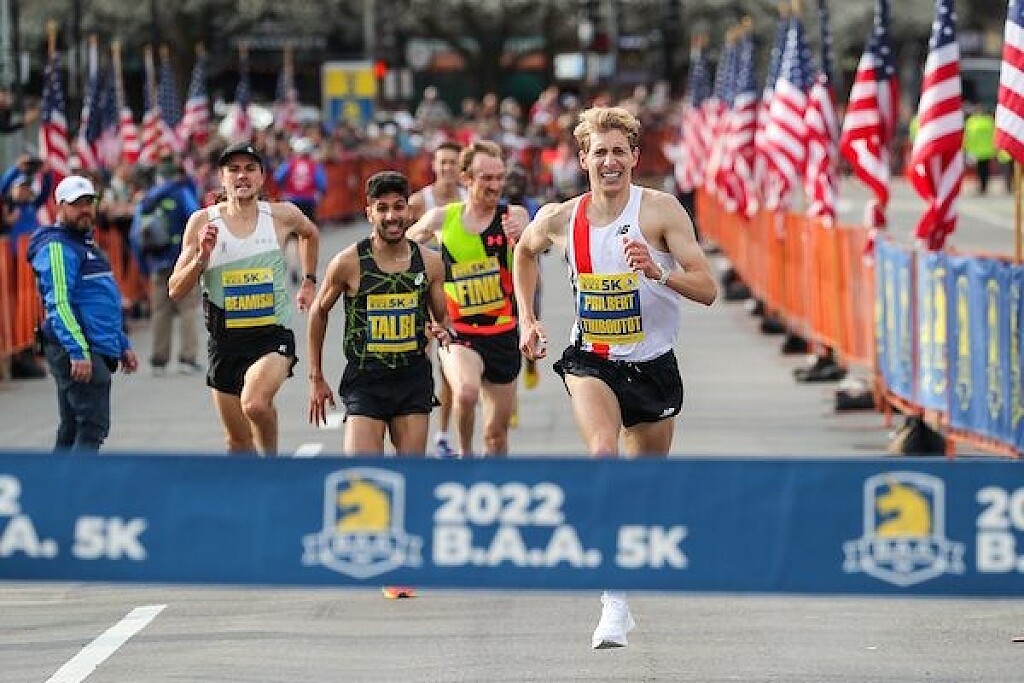
Reigning champions returning for B.A.A. 5K
Global medalists, returning champions and exciting challengers from Massachusetts will headline the Boston Athletic Association's 5K and Invitational Mile, the races which kick off the Boston Marathon weekend.
Both of the races will be held on Saturday, April 15.

Among the professional athletes entered in the B.A.A. 5K are reigning champions Charles Philibert-Thiboutot of Canada, Marcel Hug of Switzerland and Jenna Fesemyer of the USA. Recently crowned world cross-country champion Beatrice Chebet of Kenya will make her Boston road racing debut in the competition.
The B.A.A. 5K starts and finishes in Boston Common at 8 a.m., featuring 10,000 athletes from 87 countries and all 50 U.S. states.
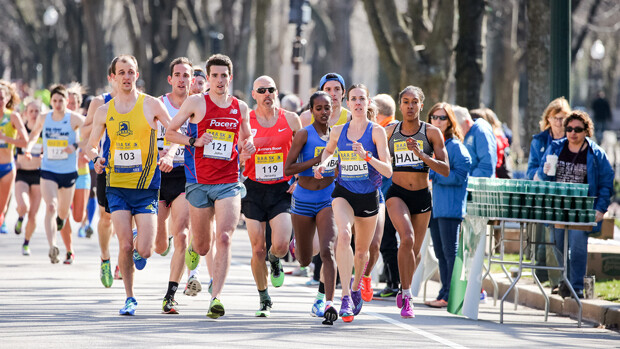
After the 5k, the Invitational Miles will be featured at the historic Boylston Street finish line.
Local Bay State stars Johnny Gregorek of Seekonk, the defending men's champion, and Ellie Shea of Belmont will compete in the three-lap race starting and finishing on Boylston Street.
Also in the field are 2022 B.A.A. Invitational Mile women’s runner-up Taryn Rawlings, 2021 NCAA Cross Country champion Whittni Morgan, and high school sub-four-minute miler Hobbs Kessler, who now runs professionally for Adidas.
“This year’s professional fields blend together experience with up-and-coming stars for the B.A.A. 5K and B.A.A. Invitational Mile,” Mary Kate Shea, B.A.A. Director of Professional Athletes, said. “Participants, spectators, and running enthusiasts will get to witness world-class competition at shorter distances two days before the 127th Boston Marathon.”
(03/27/23) Views: 86
