

Running News Daily
Top Ten Stories of the Week
3/18/2023
These are the top ten stories based on views over the last week.
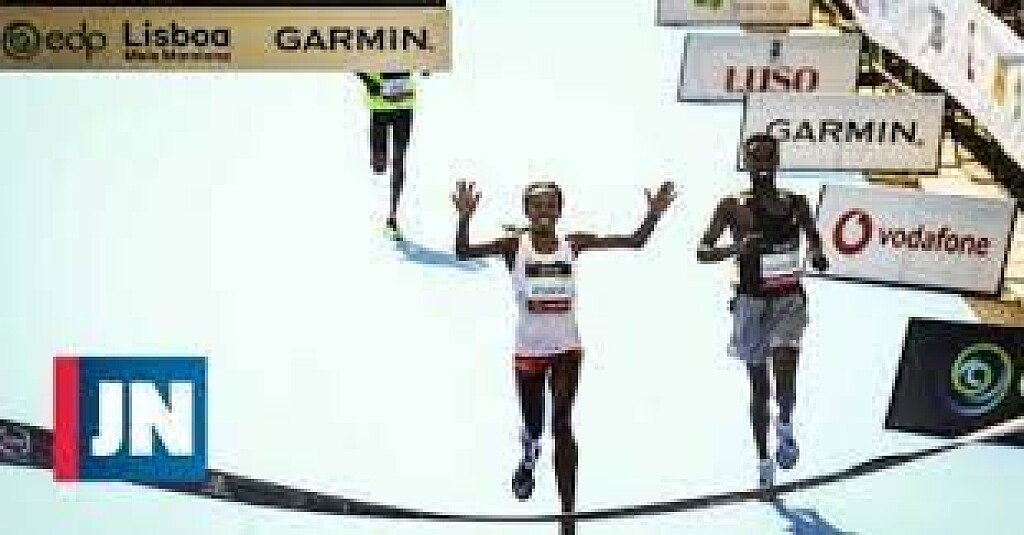


Melak and Ayana win Lisbon Half Marathon
Nibret Melak and Almaz Ayana achieved an Ethiopian double at the EDP Lisbon Half Marathon on Sunday (12), clocking respective times of 59:06 and 1:05:30 at the World Athletics Elite Label road race.
Melak was content to sit back as his compatriot Hagos Gebrhiwet and Kenya’s Rhonex Kipruto went through 5km on world record pace, the pair clocking 13:32 for a split eight seconds faster than Uganda’s Jacob Kiplimo ran at that point en route to his 57:31 world half marathon record set in Lisbon in November 2021. Melak was 10 seconds behind them.
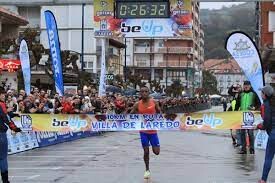
But they couldn’t sustain that pace and the leaders reached 10km in 28:11.
Melak closed the gap over the next couple of kilometres and with Kenya’s Vincent Ngetich Kipkemoi to the fore, that quartet passed 15km in 41:47.
Kipruto, who set the world 10km record of 26:24 in Valencia in January 2020, was struggling to keep contact by 20km and as the finish line neared, Melak kicked.
Making his half marathon debut, the 23-year-old managed to hold off Olympic and world 5000m medallist Gebrhiwet, winning by one second after a sprint finish. Kipkemoi was third in 59:10 and Kipruto fourth in 59:22.
New Zealand’s Jake Robertson completed the top five, running 1:00:05.
In the women’s race, Ayana ran alongside her compatriot Girmawit Gebrzihair and behind her pacemaker, passing 5km in 15:27. They formed part of an eight-strong group at that point.
They broke away with Kenya’s two-time world track medallist Margaret Kipkemboi and Ethiopia’s Tiruye Mesfin, reaching 10km in 31:06.
The race was down to Ayana, Kipkemboi and Gebrzihair by 15km, which they passed in 46:37, and Ayana continued to move away, eventually claiming victory by 20 seconds ahead of Kipkemboi, who ran 1:05:50 for the runner-up spot.
Gebrzihair was third in 1:06:28, Mesfin fourth in 1:06:31 and Kenya’s Purity Komen fifth in 1:07:08.
(03/12/23) Views: 159
Designing a Shoe for “The Running Class”
Why Tracksmith, an apparel brand immersed in the culture and heritage of running, started making shoes
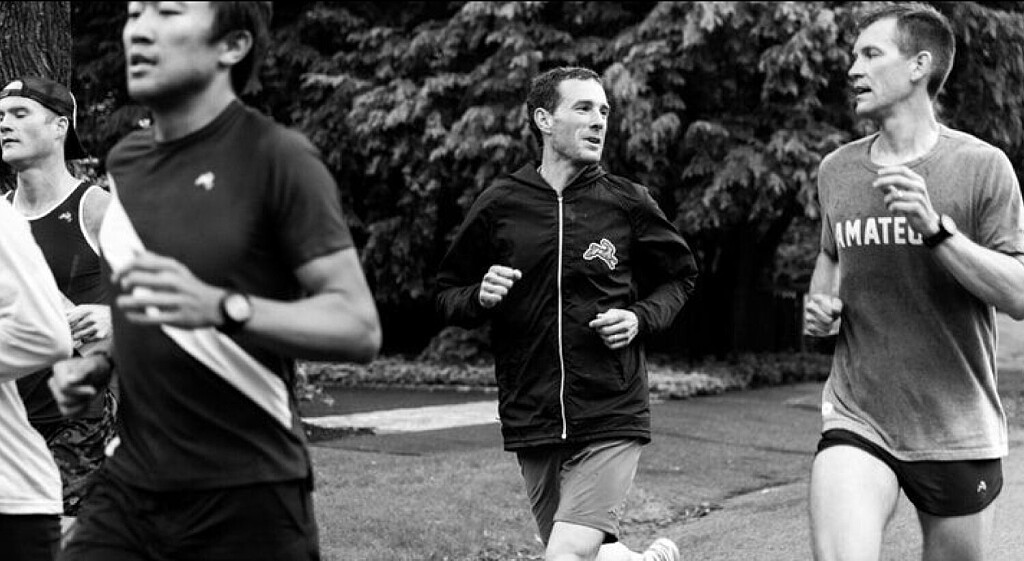
Several times every month, Matt Taylor can be spotted wearing a well-worn gray cotton T-shirt on his daily morning runs in suburban Boston.
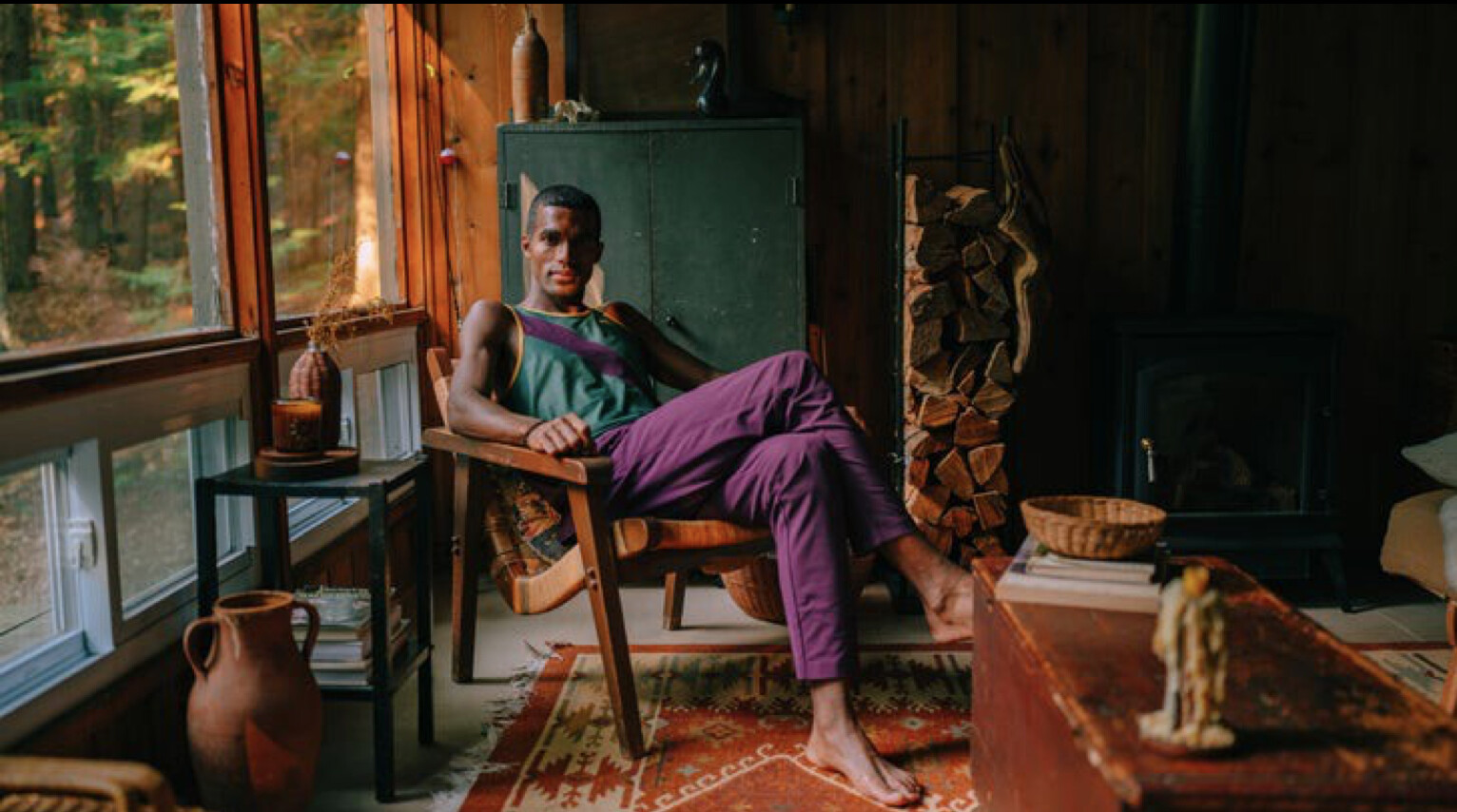
The “Tracksmith” lettering across the front has faded after an estimated 1,000 miles of running and more than a 100 cycles through the wash, but the original Grayboy brand produced at Tracksmith’s inception, in 2014, has otherwise held up pretty well.
To Taylor, the 45-year-old co-founder, CEO, and primary visionary for the venture capital-backed upstart, it’s a personal reminder and validation of the quality Tracksmith strives for in everything it makes, but also tied to the durable functionality necessary for the authentic daily training of a committed runner. It hearkens back to the previous generations of runners who toiled in the daily grind, another key element of Tracksmith’s vibe.
“We want to make high-quality products with the best raw materials, but we think about value, not price,” Taylor says. “If we can create a product that has a lot of value because of those things—durability, some performance characteristics, even something that aesthetically that looks and feels a lot better than anything else in the market—that’s where we put our focus.”
After eight years of making a name for itself in the apparel business, Tracksmith is making new waves at the start of 2023 with the launch of its first shoe, the Eliot Runner. It’s a retro-inspired, everyday training model with a modern Pebax midsole and insole that embodies the look and quality craftsmanship the brand has become known for, while also celebrating the culture of the sport.
The Eliot Runner is designed to be a performance-oriented training workhorse that’s capable of long runs, up-tempo workouts, recovery runs, and, well, just about any kind of running except for racing. And true to the brand’s running lifestyle aesthetic, it also looks nice with jeans.
The new shoe, like a lot of Tracksmith’s running apparel, ranks at the higher end of the price range for training models, but that’s directly related to the high-quality products it strives to produce, Taylor says. Tracksmith is focused on style, quality, and running culture. Those three tenets are baked into everything it produces—its apparel line, its thoughtful storytelling content, and now, its training shoe—by way of premium materials and a distinctive design aesthetic rooted in the heritage of the sport.
“It’s about being uncompromising on performance, but bringing more of a refined look to it, too,” says Tracksmith brand president Ryan Eckel, who previously worked alongside Taylor when both held marketing roles at Puma more than a decade ago. “When the company launched with apparel, it was able to rethink the aesthetic of what traditionally would look like for running, and we’ve tried to take that approach to footwear as well.”
When Tracksmith burst onto the scene as a premium running apparel brand in 2014, it didn’t intend to be a disruptor, but it quickly caught the attention of the marketplace with its retro vibe. It comes across as proud of its small but growing indie status, while relentlessly waving the flag of the “running class,” non-professional yet competitive runners dedicated to the pursuit of personal excellence.
At the time, the running apparel market was dominated by running shoe companies and outdoor brands focused primarily on making brightly colored nylon and spandex clothes in the midrange price point.
Tracksmith’s rise, along with Oiselle, Ciele, and Rabbit at about the same time, opened the floodgates for a wave of upstart apparel brands blending style and performance, including Roark, Saysky, Bandit Running, Satisfy, and Territory Run Co.
“Running apparel was not very inspired back then,” says Taylor, himself a former collegiate steeplechase runner. “All the resources were going into footwear, creating an opportunity to come out with product that was higher quality, with a different style and aesthetic to it, that was built from the subculture of running. That was a really powerful way to launch the brand, and it also created some reactions from people who were not sure what to make of it.”
In its early years, Tracksmith’s disruption was met with some resistance by an aging adult running population dominated by Baby Boomers and Gen Xers, but it found a connection with Millennials and Gen Z’ers who were interested in a different look and deeper meaning in their identity to running. Tracksmith has served that up continually with authentic, multi-platform storytelling.
Although runners have known Tracksmith as an apparel company, they’ve also been able to immerse in the brand’s social media posts, TV commercials, printed catalogs, and Meter magazine, all providing an immersive look into the sport. Prior to working at Puma, Taylor was an independent filmmaker who produced a series called “Chasing Tradition” about college cross country programs and athletes in pursuit of U.S. Olympic Trials qualifying times.
With Taylor’s leadership, Tracksmith has made it a point to create marketing campaigns based on real athletes doing real workouts, as opposed to having super fit models pose or do camera run-bys as most other brands do. During the 2021 U.S. Olympic Trials track championships, Tracksmith aired several TV spots during the NBC broadcast that included raw footage of amateur runners doing a workout of 400 repeats on the track. These more avant garde commercials, narrated by author and amateur runner Malcolm Gladwell, earned rave reviews from running fans for their authenticity and also because they weren’t blatantly hawking Tracksmith products.
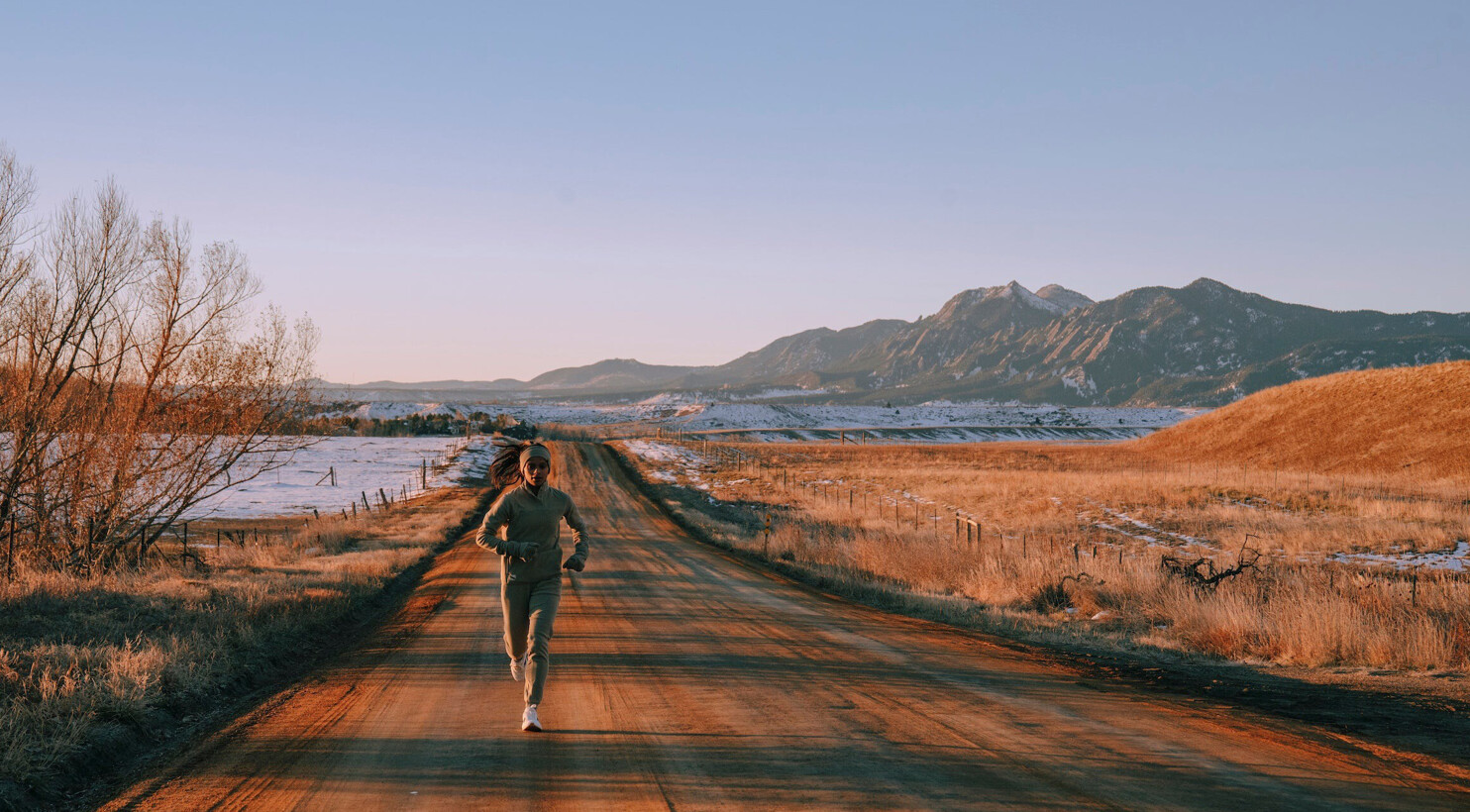
Tracksmith also recently produced a mesmerizing long-form video called “Church of the Long Run,” in which director Emily Maye orchestrated a crew and a sophisticated camera rig mounted on a truck to film runner Sam Roecker as she did a solitary 14-mile, 80-minute run on a snow-covered road in the foothills near Rollinsville, Colorado.
“Matt has really been ahead of his time with that type of storytelling,” says running coach Mario Fraioli, creator of “The Morning Shakeout” podcast and newsletter. “He was doing that before his experience at Puma, and his experience at Puma clearly helped put him in the position to launch Tracksmith. But if you look at the storytelling that the brand does, that’s been there since day one, and that’s all Matt Taylor. It’s been very intentional on his part. He saw an opportunity that, from a brand perspective, those types of stories weren’t being told.”
Inherent to the Tracksmith’s DNA is the celebration of the daily grind, the long-term training journey toward big goals, and the community and culture built around the shared suffering it fosters. It doesn’t sponsor top-tier elites like Nike, New Balance, and Hoka, but instead embraces the amateur spirit of passionate athletes who are otherwise unsponsored but are fervently committed to training. For example, Tracksmith’s community manager, Lou Serafini, broke four minutes in the mile as an unsupported runner and lowered his marathon PR to 2:14, after starting with the company in 2017. (He eventually signed a pro contract with Puma.)
A few years ago, Tracksmith began informally supporting amateur athletes who were close to the U.S. Olympic Trials qualifying standards in the marathon and long-distance events on the track. That led to a more formal Amateur Support Program (ASP) that provided racing kits and training gear to 130 athletes who competed in the 2020 U.S. Olympic Trials Marathon in Atlanta. The program expanded to support dozens of athletes in every discipline at the Track and Field Trials in Eugene, Oregon, in 2021, and has continued to evolve into 2023.
This year, athletes from both the U.S. and U.K. can apply to be part of the program that will provide them four quarterly stipends of $250 along with a racing kit, warmups, and Tracksmith Eliot Runner shoes, as well as virtual coaching and support through Zoom-based seminars.
That goes a long way in supporting hard-working athletes on the cusp, says Carmen Graves, a Denver-based runner in her second year with the ASP. “It’s pretty wild to see the sea of Tracksmith jerseys at the U.S. championships and Olympic Trials,” says Graves, who was seventh in the 3,000-meter steeplechase at last year’s U.S. outdoor track championships. “Tracksmith definitely stepped up to fill that gap between unsponsored and under-sponsored athletes. Just giving us something to help is sometimes enough to get to the next level, and I think that’s really important.”
Mostly, the program helps athletes sustain their careers with the chance to chase their dreams, but for several runners it has led to compete at the highest levels of the sport. For example, Keira D’Amato was 12th at the U.S. Olympic Trials Marathon while racing in Tracksmith gear, which she leveraged into an eventual Nike sponsorship that led to her breaking the American record last year at the Houston Marathon. Similarly, 3,000-meter steeplechase athlete Mason Ferlic competed unsponsored in Tracksmith gear on the track and earned a spot on the U.S. team that competed in the Tokyo Olympics.
“We know as runners, there are no shortcuts to anywhere worth going, but I think a lot of brands—and they would never say this explicitly—take a lot of shortcuts in how they do things, whether it’s with the products they’re making or marketing campaigns,” Fraioli says. “With Tracksmith, from the beginning, they have really prioritized authenticity and quality over quantity. They’ve never sacrificed the quality of their offerings, whether its products, events, experiences, in order to go big and appeal to a mass market. I think that was a major differentiating point, and I think that resonated with their customers and the people who feel most connected to their brand.”
Although Taylor is nearly 10 years into his role at Tracksmith, he says footwear has been on the brand’s roadmap since it set out to be a full-fledged running brand. It was always just a matter of timing and when the company would have the resources, internal team, and the bandwidth to properly develop a shoe coherent with its image and likeness, he says.
“We’re pretty particular in how we bring things to market,” Taylor says. “We wanted to make sure it was the best version of what we could achieve. To be honest, it took a little bit longer than expected. I think entrepreneurs are eternal optimists, and in my original pitch deck, I thought we’d get to footwear in year three, and we’re doing it in year eight. As we continue to execute our vision of being a global lifestyle running brand, footwear will play prominently into that strategy.”
When Tracksmith started its initial foray into the shoe business, internally, more than five years ago, the first modern marathon super shoes hadn’t even been released yet. But as soon as Nike unveiled its original models with carbon-fiber propulsion plates embedded in their midsoles in 2017, it signaled a massive shift in the industry that had every big running shoe brand consumed by the racing shoe category.
And while every brand eventually did launch their own versions of modern racing shoes, it created a hole in the training shoe category of the market. As Tracksmith worked behind the scenes on developing its new shoe, several other small brands entered the market, too, including Atreyu, Speedland, Norda, Nobull and Vimazi, while also giving rise to “athleisure” brands like AllBirds.
What sets Tracksmith’s approach to shoes apart, says product line manager product line manager Brent James, is that its focus has been more about serving the needs of dedicated runners and less about the actual products. In other words, it got into footwear on its own terms and timeline without concern for wholesale sales pressures about timing, pricing, and quantities.
“Being authentic to running and runners, it’s not always about those glamor race moments when you’re achieving PRs or winning races,” James says. “We know running is really about the work, and that’s really communicated through the imagery we share and the blood, sweat, and tears we represent through each launch. Delivering a shoe that is along for that ride and helping you through that, and equipping you for that work, is what we set out to do first.”
Launching a footwear line, even if it’s just one shoe, is no small task. In addition to gaining a company-wide competency of the footwear business and ramping up with new team members, Tracksmith also required developing new manufacturing partners and creating a distribution plan that doesn’t, at least at the outset, include running specialty stores. Most of Tracksmith’s apparel has been sold directly through its website, its original Boston retail store, and pop-up stores managed in New York and London.
Initially, the Eliot Runner will only be available through a similar network, although the brand’s presence in New York and London has evolved into exquisitely crafted retail shops with the same boutique atmosphere as its Boston location. Additional pop-up stores might become part of the brand’s marketing strategy, as well as wholesale distribution avenues.
Taylor and Eckel expect footwear to become a large part of Tracksmith’s business going forward, but not overnight. While the brand has a lot of ideas about potential future models, for the moment, there’s nothing else in the development channel. The brand will focus on pushing the Eliot Runner into the marketplace this spring and summer, while evaluating the feedback it gets from its unique distribution model.
“We want to be competitive with those brands within the mindshare of the consumers, for sure,” Eckel says. “Whether that’s at a literal shoe wall at a specialty store or somewhere else. We’re confident in our abilities to make product that is as good or better than other brands out there. So yeah, we certainly think we can compete with those brands over the long-term.”
(03/11/23) Views: 128Outside
Six ways to get over race-day nerves
Racing can be stressful. You get up early, force yourself to eat something and head off to the course. You get there and see hundreds (or even thousands) of people, and your mind starts spinning. You know you’re ready, but worries begin to creep in, all the same. You’re probably always going to have pre-race jitters (everyone gets them), but there are a few ways you can deal with them and perhaps alleviate some of your stress. Here are five tips to get you through race morning and onto the start line without experiencing too much anxiety.
1.- Envision the start
Throughout your training block, imagine it’s race day and mentally take yourself through the lead-up to the run. Picture yourself getting up early, eating breakfast and arriving at the venue. Imagine getting your bib, doing your warmup and finding your corral ahead of the start. This won’t eliminate all of your stress, but visualizing getting through all these steps ahead of time may help reduce your jitters when race day arrives for real.
2.- Focus on yourself
Don’t compare yourself to others. It’s so easy to look around at all of the other runners on race day, but do yourself a favour, and try to pay them as little attention as possible. You can’t control how well they run, so why worry about them before the start of the race? You can only control your own effort. Don’t stress about how everyone else might perform (or about how they look).
3.- Warm up before the run
Doing a warmup before your race is super important physically, but it can also help your mental game. As you go for a light jog or run through some drills (plan on giving yourself at least 20 minutes), you’ll be focused on the task at hand, rather than the fact that you’re about to start a big race. A warmup will distract you and help calm you down before you make your way to the start line. (Some relaxing music in your earbuds might also help.)
4.- Think back to your training
The night before your race or during your drive to the course, look through your training history, whether that’s in a journal or on a run tracking app. Revisiting workouts from your most recent training block will help remind you that you’ve put in the work, and that you’re ready to race. Knowing that you’re ready might not free you of all nerves, but it should reassure you that you could potentially have a great race.
5.- Convert your jitters to excitement
There’s only a slight difference, neurologists say, between nervousness and excitement, and it pays to remember this on race morning. Ultimately, you can’t get rid of your jitters completely, so it’s best to embrace them, and try to think in terms of looking forward to being in the race, instead of fearing it. Once that starting gun fires, you’ll likely just be in the moment, experiencing whatever happens, and enjoying every minute.
(03/11/23) Views: 108Running Magazine
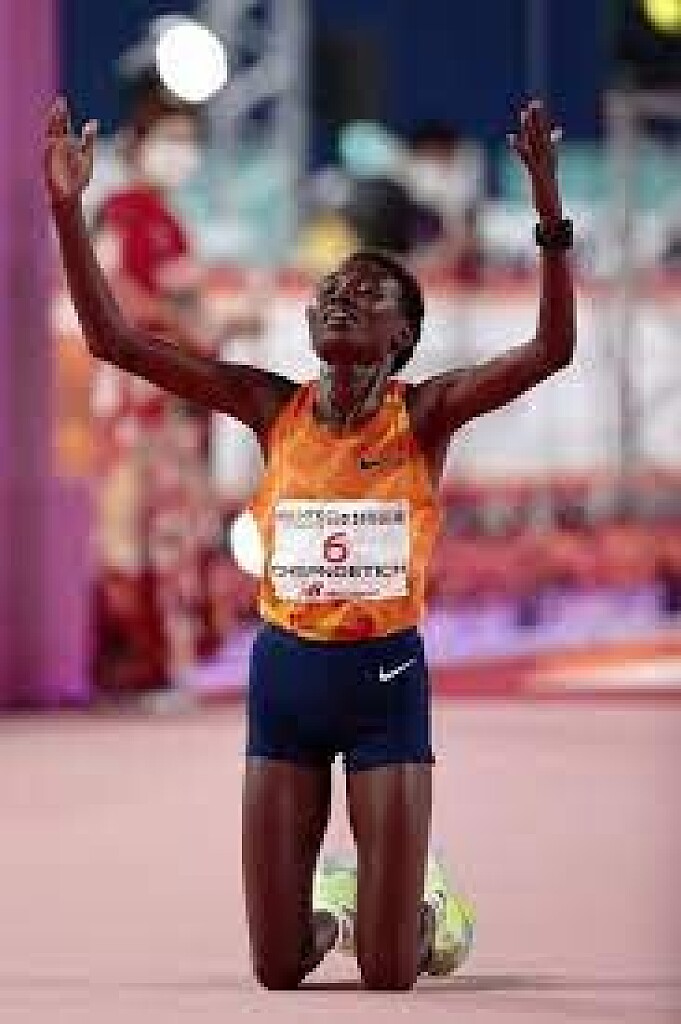
Chepngetich retains Nagoya Women's Marathon title
Kenya’s Ruth Chepngetich solo ran her way to victory at the Nagoya Women’s Marathon on Sunday (12), retaining her title at the World Athletics Platinum Label road race in 2:18:08.
The 2019 world marathon champion went into the race aiming to claim back-to-back wins and improve her own course record. While she was unable to beat the 2:17:18 she ran to win in Nagoya last year – that time being the second-fastest ever women-only marathon behind her compatriot Mary Keitany’s 2:17:01 set in London in 2017 – Chepngetich claimed a dominant victory, winning by more than three minutes ahead of Japan’s Ayuko Suzuki (2:21:52). Japan’s Honami Maeda was third in 2:22:32.
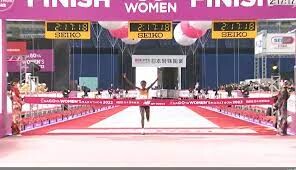
On a warm morning, Chepngetich went straight to the front of the field and was running ahead of the pacemakers. She led by 35 seconds from the 15-strong chase group at 5km, which she passed in 16:19.
By 10km her lead was 76 seconds as she crossed that checkpoint in 32:34, nine seconds ahead of her course record split from last year, but with that record performance having been achieved with a faster second half of her race.
The 28-year-old clocked 49:00 at 15km and picked up the pace over the next 5km, reaching 20km in 1:05:14 and half way in 1:08:47, 16 seconds ahead of her split en route to her 2:17:18 course record. The chase group, featuring Japan’s Yuka Suzuki, Maeda, Mao Uesugi, Ayuko Suzuki, Mirai Waku and Honoka Tanaike plus China’s Zhang Deshun and Li Zhixuan, were two-and-a-half minutes back, following the two pacemakers through in 1:11:19.
Chepngetich, who also retained her Chicago Marathon title in 2022 in 2:14:18 for the second-fastest women's performance in history, went on to pass the 25km point in 1:21:32, maintaining her pace. The chase group, now including Ayuko Suzuki, Yuka Suzuki, Uesugi, Maeda, Waku, Zhang and Li behind the one remaining pacemaker, sped up and reached 25km in 1:24:21.
Chepngetich continued to race against the clock and she reached 30km in 1:37:51, three minutes ahead of Ayuko Suzuki and Zhang (1:41:00), who were starting to drop their challengers in the chase pack. Ayuko Suzuki then dropped Zhang, too, as she continued to pick up her pace.
Unlike last year when Chepngetich sped up in the second half, her pace began to slow but she was still on for a sub-2:18 performance as the clock showed 1:54:24 at 35km. Maeda had moved past Zhang into third, with Ayuko Suzuki clear in second place and now on sub-2:22 pace (1:57:40), still three minutes behind Chepngetich but 25 seconds ahead of Maeda.
Chepngetich hung on, with victory in her sights. She reached 40km in 2:11:07 and went on to win in 2:18:08, claiming the current largest first-place prize money in marathon running of US$250,000. Finishing 3:44 behind her was Ayuko Suzuki, her 2:21:52 runner-up time a PB. Maeda's 2:22:31 for third was also a PB that qualifies her for Japan's Olympic marathon trial race.
Zhang finished fourth in a PB of 2:24:05 and Uesugi fifth in 2:24:16.
“I am happy, I defended my title,” Chepngetich said on the event live stream. “The race was good. It was not easy for me to run alone but I am happy and I am proud of today’s success.”
(03/12/23) Views: 107
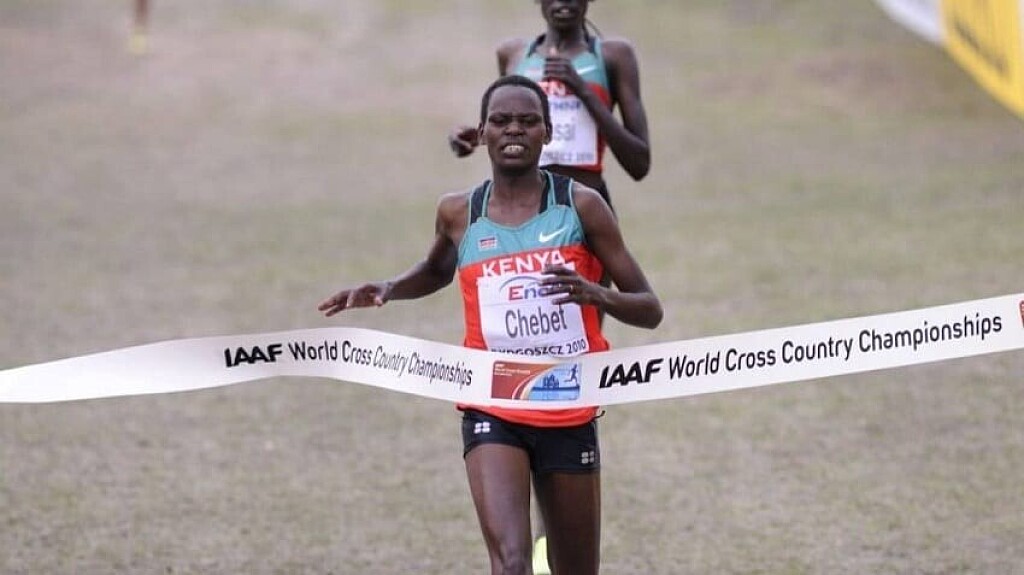
Next stop Milano Marathon set for April 2, for Emily Chebet
After winning the Eldoret City Marathon last year, Milano Marathon set for April 2 in Milan, Italy will be the next stop for Emily Chebet.
Chebet said she feels she is ready for Milano Marathon after recovering from an injury she picked last year.
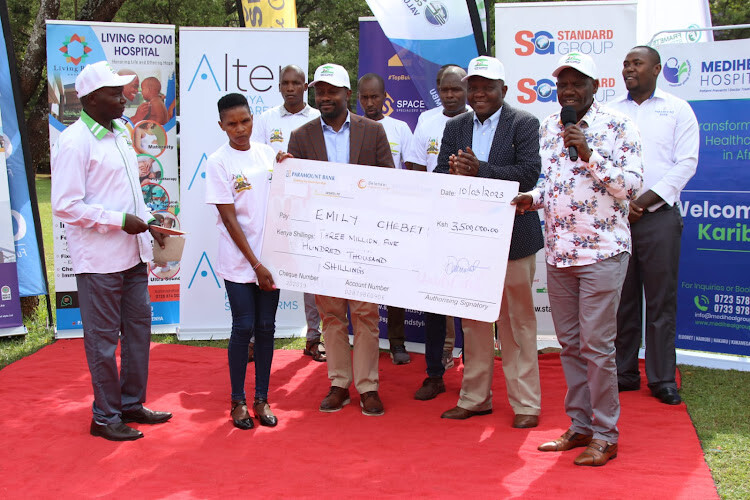
Chebet was speaking on Friday morning during the 2022 Eldoret City Marathon prize-giving ceremony in Eldoret.
“I thank God that we have finally been paid after a very long time. For now, I am preparing to compete in Milan and I look forward to good results," said Chebet.
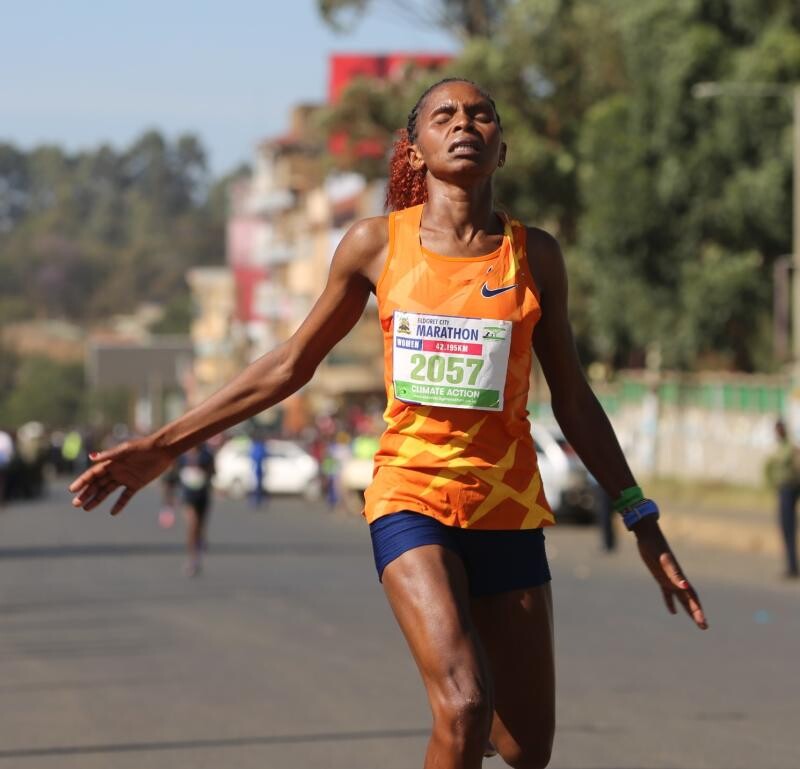
Last year, Chebet won the 4th edition of the Eldoret City Marathon after timing 2:29.58 ahead of Charlene Toroitich (2:30.13) and Lilian Jelagat (2:30.23) in the second and third places respectively.
“Eldoret City Marathon is very competitive and if you can do well here, you can compete on the global stage. I hope to return and defend my title here in Eldoret," said Chebet.
Two-time men’s winner Victor Kipchirchir Rotich said he is happy the long wait is now over.
“I am happy that we have been paid because we have waited for a long time. We knew the money will come but we did not know when. I am equally not sure if I will compete in this year's Eldoret race because I will compete in Siemens Marathon next month,” he said.
He advised those hoping to compete in the Eldoret City race to prepare well because it is not child's play.
“Eldoret City Marathon is no joke and those hoping to win the title must p[repare well. The course is hard because of the many corners,” he said.
Race director, Moses Tanui, said they will start preparations for the next edition immediately after paying last year's winners.
“I want to apologize to the athletes for taking long to pay but as I have explained, this was due to technical issues.
"I am happy we have paid them and this is behind us. We will now start organizing the 2023 edition. As a retired athlete, I could not do anything before settling what we owe them," he said.
Tanui said they hope to announce their plans for this year's edition next week and at the same time set up the Local Organising Committee.
Kipchirchir won the title in 2:13.10 ahead of Michael Mutai (2:13.23) and Josphat Kipkoech Bett (2:13.36).
The prize money was Kshs 18.5 million with Chebet and Kipchirchir taking home Sh. 3.5 million each.
(03/11/23) Views: 104Emmanuel Sabuni
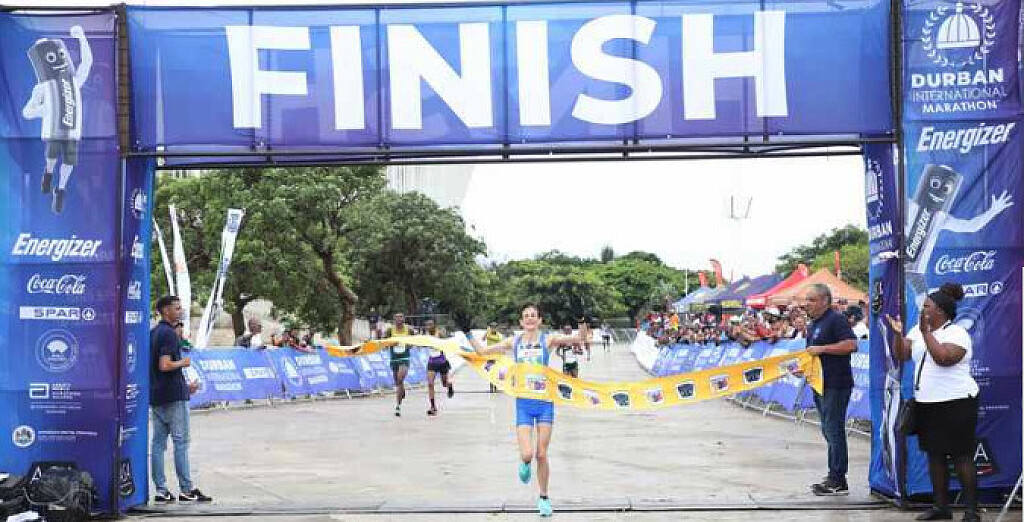
Annie Bothma races to Durban International Marathon win
Durban - Annie Botma ran the race of her life to win the Durban International Marathon this morning and finally become the South African marathon champion.
The Western Province athlete beat off a late challenge from Ethiopian Chaltu Bedo Nagashu to win by five seconds as she set a Personal Best time of 2:30:31 in the distance.It was only her third marathon but Bothma ran like a seasoned professional with the guts to rush into the lead from the onset.
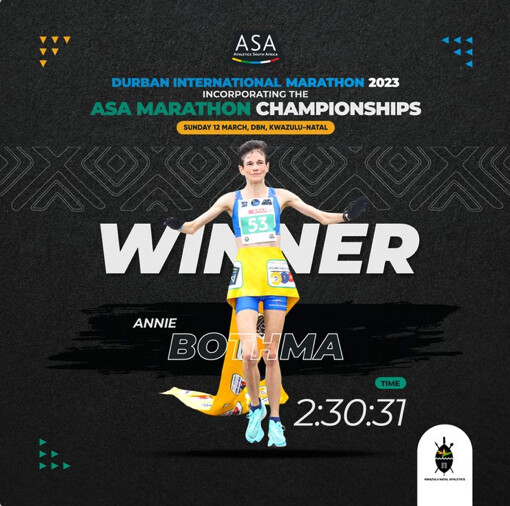
Back in 2019 Bothma was the first South African hone at the Cape Town Marathon but could not be crowned national champion because she was not running foe her province.She was determined to make amends thus tine around and she did so in style.
"I am delighted that I am national champion," she said at the end, although she felt let down by the lack of proper fuelling with the organizers apparently not allowing the elites to have their supplies at the points they wanted them.
Defending Durban International Marathon champion Shelmith Nyawira Muriuki of Kenya came in at third place.n the national championships, last year's winner Jenet Mbhele finished second behind Bothma having run a persinal best time of 2:37:08.
Nontokozo Mkhize was third in 2:40:53.
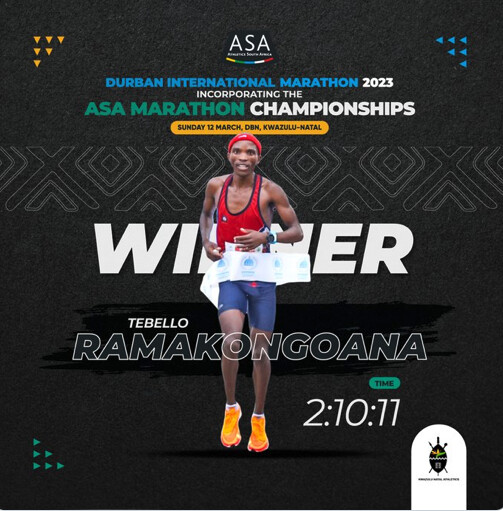
The men's race was a much more one-sided affair with Tebello Ramakongoana cantering to victory literally unchallenged victory.The athlete from Lesotho narrowly missed out on his country's national record as he ran a 2:10:11
Third at the Soweto Marathon last year, Ramakongoana got into the lead at about the 25km mark and never gave it up as he ran solo all the way to the finish.That he failed to dip below the targeted 2:08:10 was because he started at a much faster pace, Ramakongoana apparently refusing to listen to pacer Mbuleli Mathanga who was insteucted to run at a 3:05 per kilometre pace and going at a blistering 2:55 instead.But he had opened such a sizeable gap he was never goibg to be overtaken.
Central Gauteng Athletic's Simon Sibeko finished second some ten seconds later to replace Tumelo Motlagale as the ASA national marathon champion. Motlagale of the North West finished fourth overall behind Kenya's Corneluus Yego.
But he was not disgraced as he took second spot in the National Championships.
KwaZulu-Natal's .Bonginkosi Mavuso completed the podium placings.
The feel good story of this wet Sunday morning in Duban, however, was that of Bothma becoming national champion.
(03/12/23) Views: 103
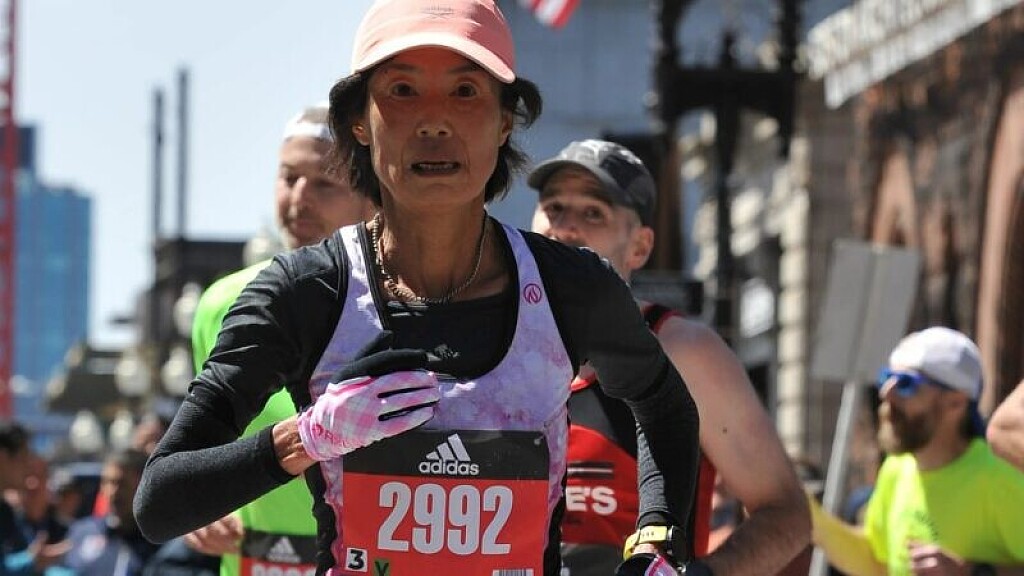
Japanese woman, 64, runs three sub 3:05 marathons in two weeks
Sixty-four-year-old marathoner Mariko Yugeta is already a huge celebrity in the Japanese running community, and she continues to prove that age is just a number. On Sunday at the Nagoya Women’s Marathon in Nagoya, Japan, Yugeta accomplished another memorable feat, running three sub-3:05 marathons at three different races in a span of 14 days.
On Feb. 26, Yugeta kicked things off at the Himeji Castle Marathon, where she ran 3:04:57 (winning her 60-64 age category). The following week, Yugeta won her age category for the fourth consecutive year at the 2023 Tokyo Marathon, posting a time of 3:04:18. Seven days later in Nagoya on March 12, she posted another sub-3:05 time, in 3:04:30, winning her age category once again.
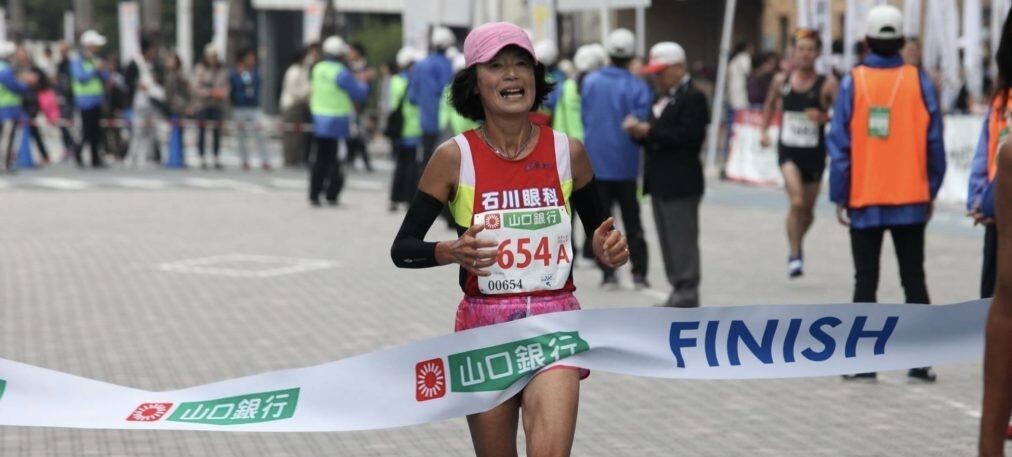
Yugeta is the first 60+ woman to break three hours for a marathon, holding the women’s 60-64 world record of 2:52:13 from the 2021 Osaka Marathon. Since her world record run, she has dipped under the three-hour mark four times.
Last year, Yugeta ran both Tokyo and Nagoya within seven days (both under 3:05) in preparation for the Boston Marathon, where she hoped to lower her world-record time; she fell short, but still won her 60-64 age category in 3:06:27.

Yugeta got into running by watching the finishers at the 1979 Tokyo International Women’s Marathon, when she was 21. She spent the next three years training, making her marathon debut in 1982 in Tokyo, where she ran 3:09:21, which was good for 34th place in the Tokyo International Women’s Marathon.
Forty years later, Yugeta is still getting faster. On May 13, she’ll turn 65 and enter the W65-69 age bracket, where she will challenge the 3:07:51 world record of her Japanese compatriot, Kimi Ushiroda.
In a 2021 interview with the nutrition brand Maurten, Yugeta said she doesn’t think about her age when she runs.
When Yugeta isn’t running, she is a mother to four children and teaches high school phys-ed, training alongside her 16- and 17-year-old high school students.
(03/13/23) Views: 102
Marley Dickinson
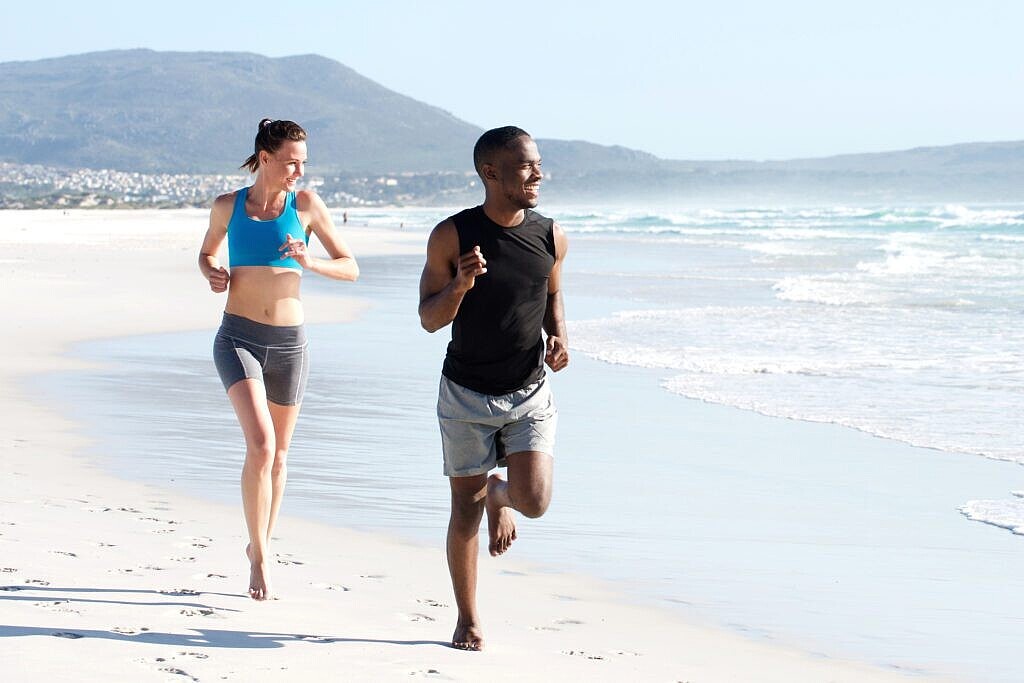
Six date ideas for running couples, it's time to combine your love life with your run life
If you’re dating a runner, that’s good news for you, because no matter what, you’ll always have something to bond over. You two share a common love (for running!), so why not incorporate running into your dates? There are plenty of ways to turn a run into a date (and vice versa), so it’s time to give it a try. Here are six ideas to get you started.
1.- Go for a run

This one’s pretty obvious, but if you don’t run with your partner, then you should test it out. You’re both so busy with work and training, and you might not have much time together when you’re finally done for the day. Running together is a great way to spend more time together without sacrificing any training hours. So lace up, head out the door with your significant other and enjoy a nice long run, side by side.
2.- Have a running picnic

Pack a backpack with your favorite foods and snacks and find a trail with a scenic lookout. You and your partner can run there together, then take a well-deserved break for lunch. After you eat and enjoy the scenery, you can run back (or have a nice, relaxed hike).
3.- Run and ride
If you’re training for a marathon and your partner is focusing on shorter races, your long runs are likely much longer than theirs. Or maybe it’s the opposite, and you’re the short-distance runner in the relationship. In either case, you can still hang out together on your long runs, with the marathon runner on foot and the 5K runner riding beside them on a bike. This will give the marathoner some welcome company for their long run, and it will give you a chance to chat.
4.- Enter a destination race
Plan a getaway with your partner and sign up for a destination race together. You can have a romantic weekend away while still doing what you both love—racing. Don’t forget to make reservations somewhere for your joint carb-loading meal. Maybe you have some vacation days to spare and you can tack on a few days after the race, so you can enjoy your destination post-run once the stress of the event is in the past.
5.- Couples massage
Book a couples massage for you and your partner. You’ve both been training so hard, so you deserve a treat, and what’s better than a massage to aid in your recovery? Enjoy a massage together to help your bodies unwind ahead of your next workout.
6.- Pace your partner
Now, we know that pacing your partner in a race won’t give you a chance to talk much, but it’s still a good way to spend some time together. Plus, your partner will appreciate your help as you pace them to a new PB (hopefully), and when it comes time for your A race, they’ll be there to return the favor.
(03/10/23) Views: 98Ben Snider-McGrath
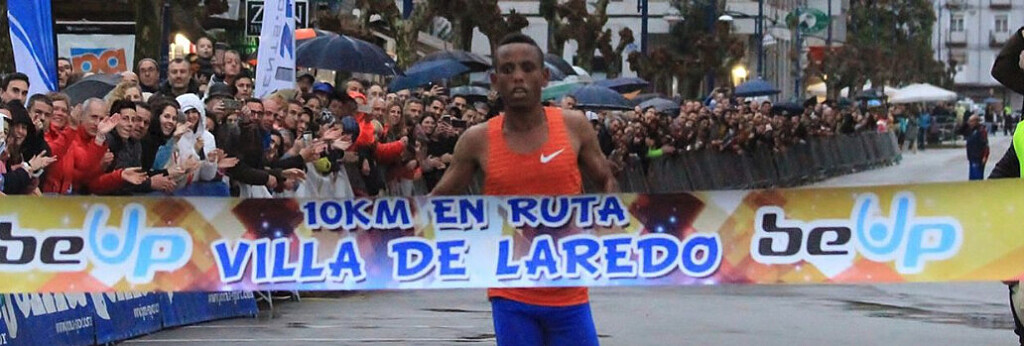
Aregawi goes No.2 all time with 26:33 10km in Laredo
World cross country silver medallist Berihu Aregawi stormed to a 26:33 10km win in the northern Spanish town of Laredo on Saturday (11).
In doing so, the Ethiopian 22-year-old achieved the second-fastest men's 10km of all time behind Rhonex Kipruto’s world record of 26:24 set in Valencia three years ago. He also broke the Ethiopian record by 23 seconds.
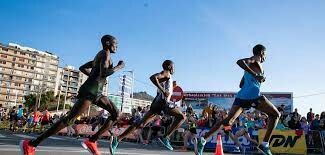
Aregawi is the world record-holder for 5km, a feat he managed in Barcelona on 31 December 2021 thanks to a 12:49 run, and he had set his sights on the 10km world record since then.
Contesting only his second ever 10km race and wearing his usual orange and blue outfit, Aregawi was due to be paced by Uganda’s Peter Maru but the 19-year-old 13:07.42 5000m specialist missed his flight the day before and the organisers were forced to find a replacement pacemaker in Spain’s Sergio Jimenez, a fine 7:47.95 3000m athlete.
Jimenez was asked to go through the opening 3km in 7:55, right on schedule to assault the world record, but to much surprise Aregawi overtook the pacemaker just before the first kilometre mark, which he reached in a frantic 2:36.
The Tokyo Olympic 10,000m fourth-place finisher maintained that brisk cadence, reaching 3km in 7:51 after successive kilometre splits of 2:37 and 2:38. Aregawi went through the halfway point in 13:10, on track for a world record. By then, he had built a 57-second margin on a quintet featuring Britain’s Tom Mortimer, Ireland’s Efrem Gidey, Morocco’s Abderraahmane Aferdi and the Spanish pair of Fernando Carro and Javier Guerra.
Despite running without a pacemaker and being hampered by slightly rainy conditions, Aregawi’s relentless rhythm continued into the second half of the race but his speed then slowed a bit and he covered the following kilometres in the 2:40/2:42 range. Even so, he was timed at 21:14 at 8km to keep a realistic chance of a world record performance.
However, a 2:43 ninth kilometre put him back and despite a brave final effort of 2:36 for the closing kilometre, he was just outside his goal.
"I have mixed feelings as the race was great but I had set the goal of breaking the world record," he said. "Running on my own for almost the whole race was not easy but the main handicap for me was the tight turns as the road was wet and I was afraid of slipping at the zebra crossings. But anyway, I’m really satisfied."
Way back, the 22-year-old Gidey beat his rivals in the chasing pack after a thrilling sprint to take the runner-up spot in 28:17 to Mortimer’s 28:18, while Spanish 3000m steeplechase record-holder Carro was given the same time in fourth.
Held jointly with the men’s race, the women’s event was won by Kenya’s world U20 3000m silver medallist Zenah Jemutai Yego.
The 20-year-old, contesting the second 10km race of her career so far, ran a PB of 31:03 to win by 10 seconds ahead of her compatiot Mirriam Chebet.
Morocco’s Soukaina Atanane completed the podium in 31:21.
Spain’s former triathlete Paula Herrero, who only took up athletics a few months ago, came fourth in a national record of 31:23 as the first four women all set respective lifetime bests.
(03/12/23) Views: 96
Chepngetich heads to Nagoya Women’s Marathon
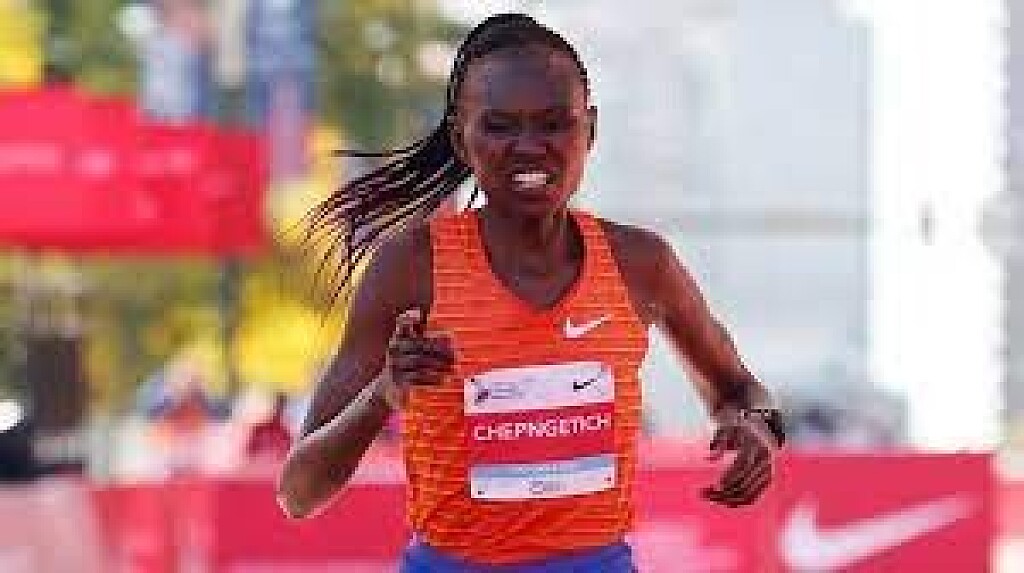
Ruth Chepngetich spoke confidently at the Nagoya Women’s Marathon press conference, explaining that her main aim for the World Athletics Platinum Label road race on Sunday (12) will be to retain her title and improve on her own course record.
The 2019 world champion smashed the course record last year by more than three minutes, clocking 2:17:18. It was just 10 seconds shy of her PB at the time, but she went on to win the Chicago Marathon later in the year in 2:14:18, the second-fastest performance in history and just 14 seconds adrift of the world record.
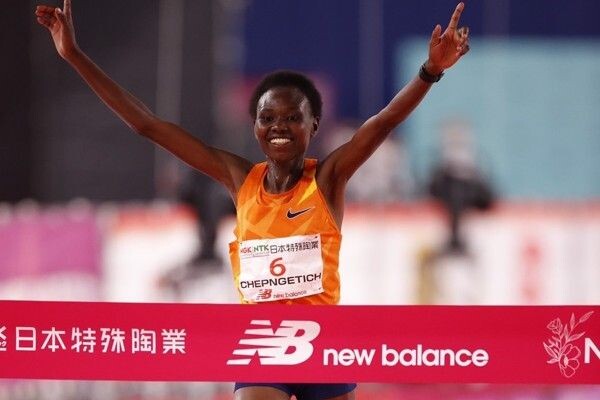
The 28-year-old Kenyan didn’t suggest she’ll be taking aim at the world record again on Sunday, but it was clear that she intends to win.
“I’m happy to be back in Nagoya,” she said. “My condition is good, and my target for Sunday is to defend my title with a course record.”
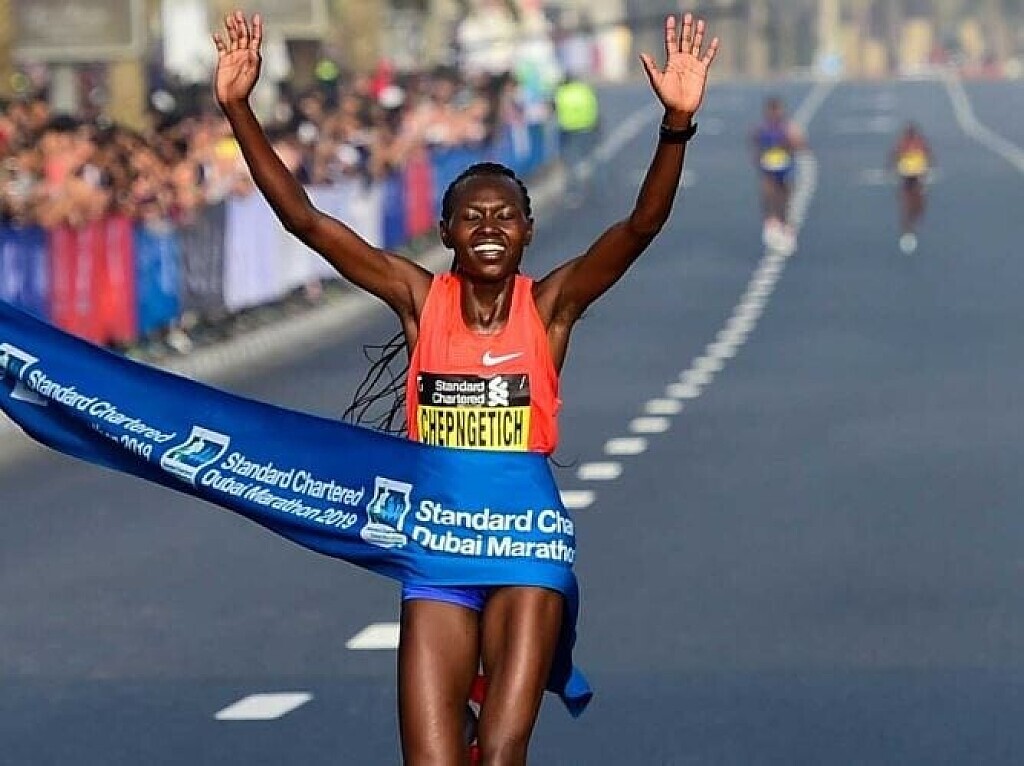
Chepngetich has raced just twice since her victory in Chicago last October. She clocked 1:07:53 to finish third at the Jeddah Half Marathon in December, and then ran 31:39 to place second over 10km in Jaen in January. Both performances may be a bit shy of her PB form for those distances, but whenever Chepngetich takes to the start line for a marathon, more often than not she will be in form to win. Of the nine marathons she has completed to date, she has won seven of them.
But she will be kept on her toes by compatriot Nancy Jelagat, who set a PB of 2:19:31 in her last race, the 2021 Valencia Marathon. Although she hasn’t raced for more than a year, the Kenyan’s PBs of 30:50 for 10km and 1:05:21 for the half marathon underline her calibre.
Japanese hopes rest with Ayuko Suzuki, who represented her country at the Tokyo Olympics. After finishing second at Japan’s Olympic trial race and then placing 19th at the Games, she went on to smash her PB with 2:22:02 at last year’s Berlin Marathon.
“I want to reach my fullest potential and improve my PB,” she said.
Fellow Olympian Honami Maeda, meanwhile, added: “I want to run under 2:24 and qualify for the selection race for Japan’s marathon team for the Paris Olympics.”
Other leading Japanese contenders include Mao Uesugi, Mizuki Tanimoto and Yuka Suzuki.
Australian duo Eloise Wellings and Isobel Batt-Doyle are also among the entries, along with China’s Li Zhixuan and Zhang Xinyan.
The Nagoya Women’s Marathon offers the world’s highest first prize of US$250,000. For the first time in four years, the race will have a mass field as the Japanese government finally lifted its Covid-related border restrictions last year.
(03/11/23) Views: 94World Athletics
