

Running News Daily
Top Ten Stories of the Week
11/26/2022
These are the top ten stories based on views over the last week.
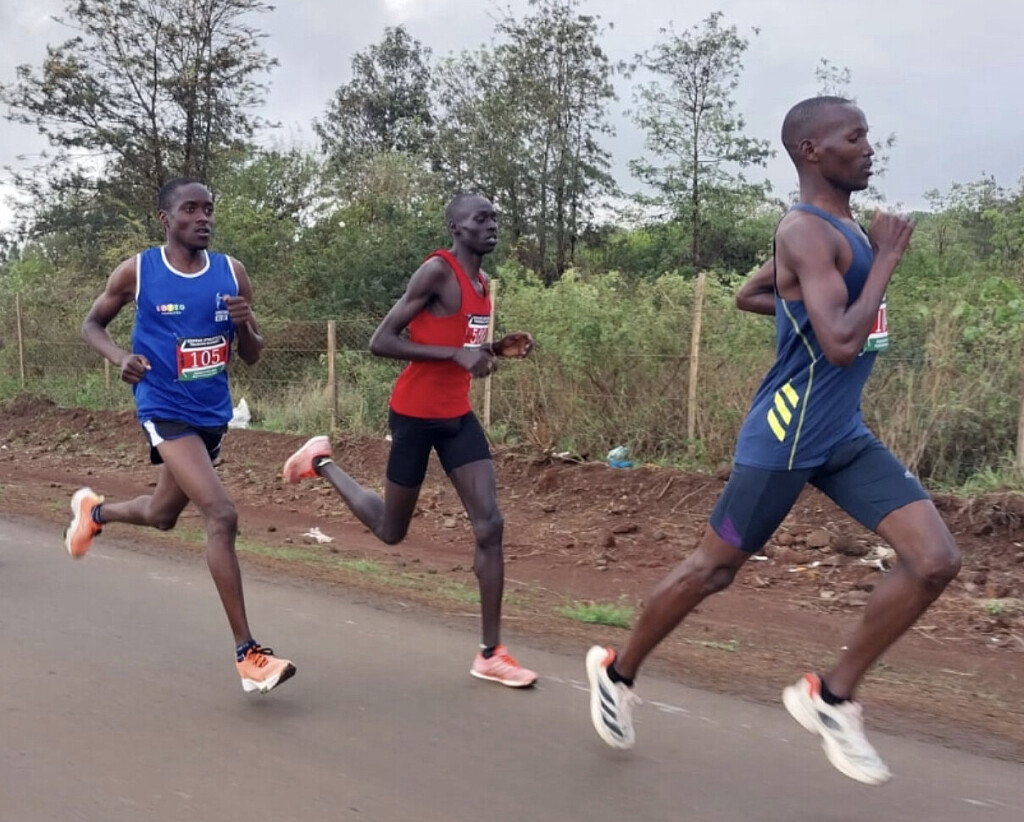


Peter Mburu and Zachariah Kirika ruled the 15th KATA Time Trail this morning in Thika
The 15th Kenyan Athletics Training Academy Time-Trials were held in Thika Kenya on Saturday. Peter Mburu and Zachariah Kirika came first in 10k and 5k respectively.
Peter retained the title he won in October in a time of 29:43.8 without big challenge as his would-be opponent Zachariah ruled the 5k category in 14:25.9.
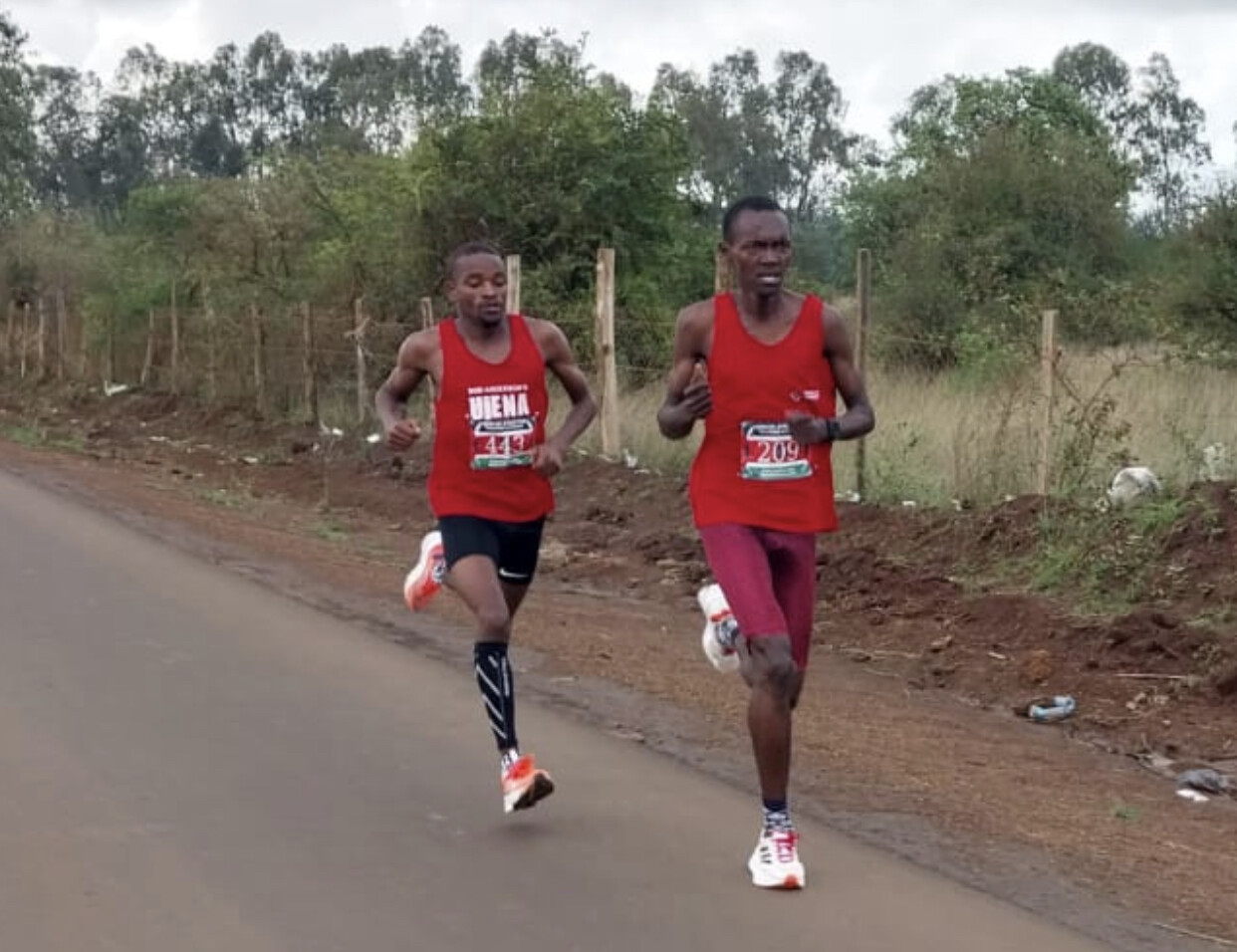
Newcomer Jonathan Korir from Ngong finished second in the 10km clocking 30:19.1 with upcoming Raphael Gacheru timing 30:31.8 for bronze.
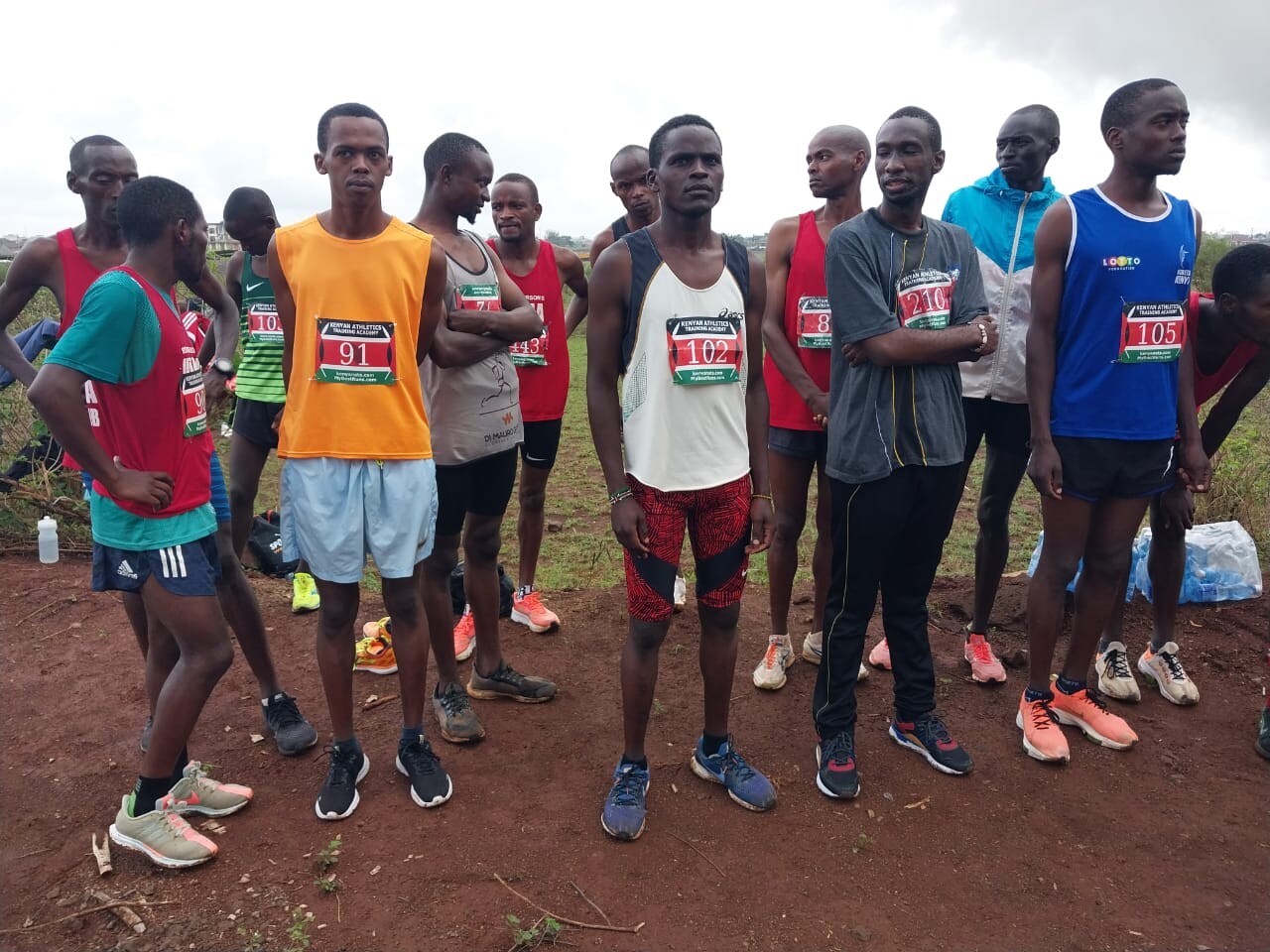
42-year-old Paul Ng’ang’a was first master clocking 34:42.
In 5Km, Erick Mutuku came second to Zachariah after crossing the finish line in 15:07.9 where Levis Kuria sealed the podium in 15:08.8.
In women, Caren Chepkemoi came first in the 10Km category in a Personal Best time of 36:49.9 followed by come-back Kellen Waithera who managed 37:53.9 while new-find Lilian Musenya led in 5Km in 21:10.9. Hannah Njeri clocked 26:30.6 to finish second.
The KATA Time-Trial, initially programmed to be held on the Track, were held on the 5Km loop after heavy rain made the track unusable.
The December trial, to be held on the track, will take place on 14th and will feature 10,000m and 5,000m respectively.
NAME BIB AGE TIME
10Km
1. Peter Mburu 105 24 29:43.8
2. Jonathan Korir 104 28 30:19.1
3. Raphael Gacheru 217 23 30: 31.8
4. Peter Wanyoike 92 26 30:42.2
5. Eston Mugo 87 29 31:02.5
6. Boniface Mungai 100 24 31:06.7
7. Evans Kiguru 82 27 31:16.2
8. Dennis Nyaga 86 24 32:03.0
9. Anthony Mukundi 80 34 32:43.4
10. Paul Ng’ang’a 98 42 34:42.3
11. Caren Chepkemoi 94 19 36:49.9
12. Kellen Waithera 88 34 37:53.8
5Km
1.Zachariah Kirika 209 21 14:25.9
2. Erick Mutuku 443 21 15:07.9
3. Levis Kuria 96 21 15:08.8
4. Fredrick Kiprotich 78 23 15:11.3
5. Alfred Kamande 90 24 16:07.6
6. Michael Mualuko 103 18 16:33.3
7. John Mutiso 101 18 17:13.4
8. Samuel Muiruri 72 27 17:22.1
9. Amos Chirchir 102 22 18:20.9
10. Lilian Musenya 81 21 21:10.9
11. Hannah Njeri 78 23 26:30.6
(11/19/22) Views: 172
Coach Joseph Ngure
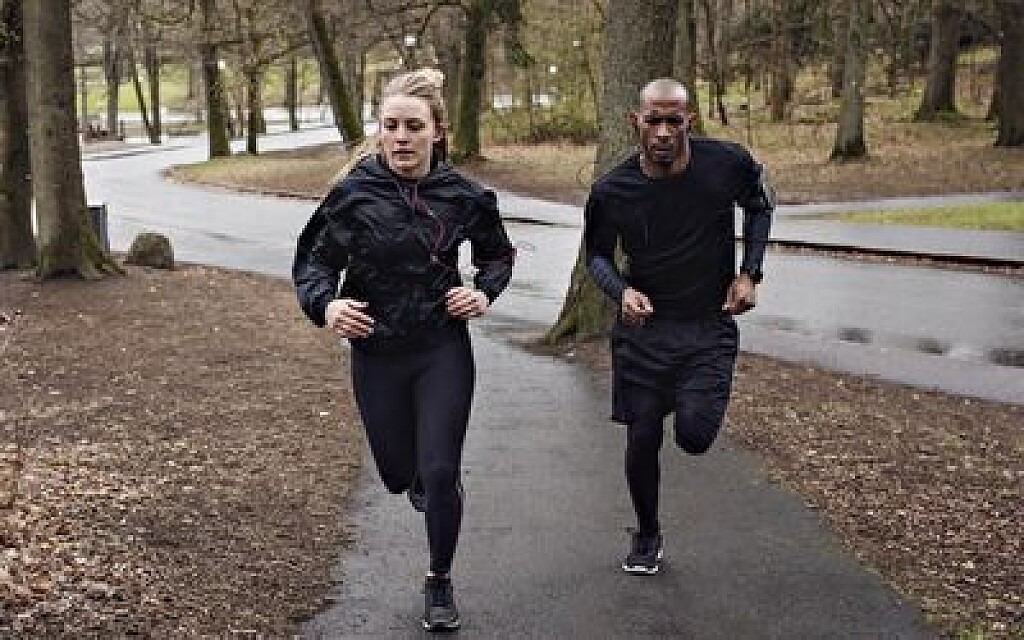
Tops Six dos and don´ts of running
Do you want to start running? Or you’ve been running for years? No matter whether you’re a beginner or a pro, these dos and don’ts could help you get more out of your running.
DOS:
1. START OUT SLOWLY
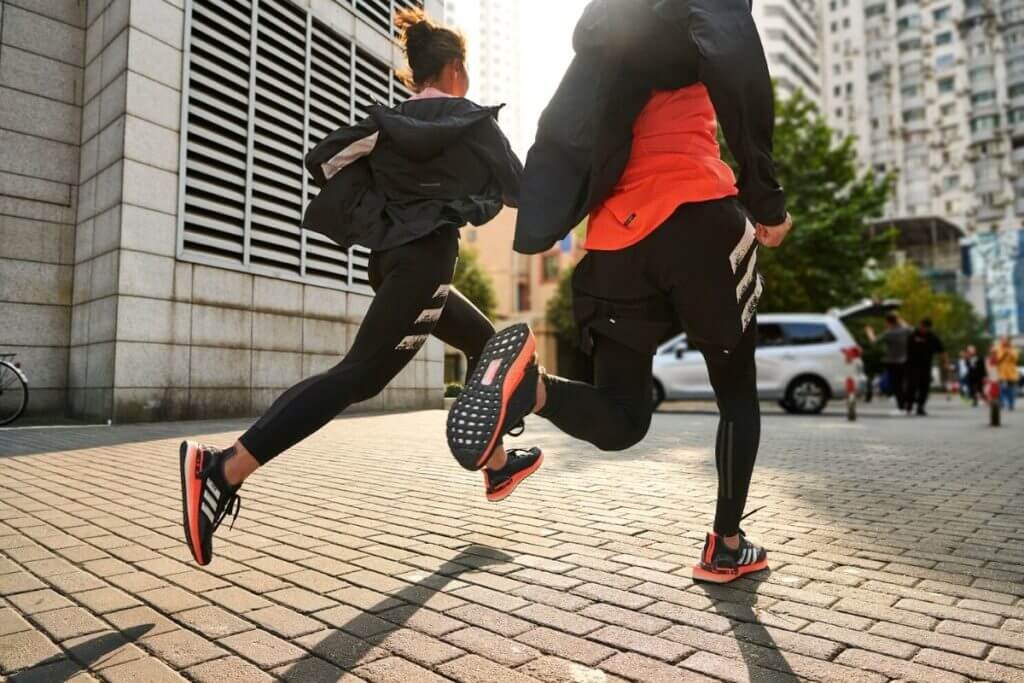
Naturally, you are very motivated at the beginning and want to reach your goal as fast as possible. So what happens? You start off too fast and overexertion, side stitches, and pain are the price you pay for overdoing it. Your body needs time to get used to running. Therefore, run the first kilometer at a moderate pace, i.e. where you can easily hold a conversation. That way you won’t burn yourself out on your long runs.
2. ADD VARIETY TO YOUR RUNNING WORKOUTS
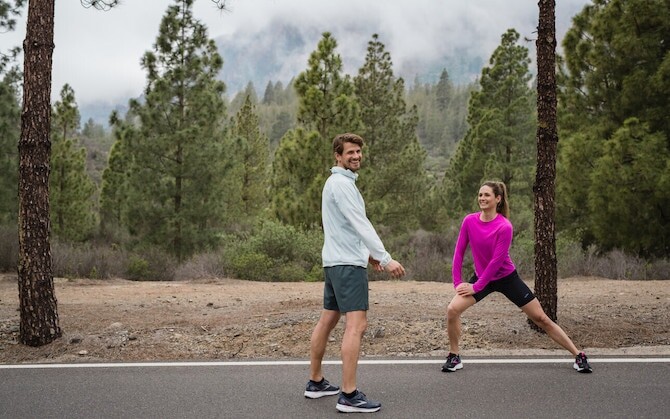
If you always run the same loop at the same pace, at some point you will plateau and stop making progress. Break out of your comfort zone and mix up your workout routine! You can challenge your body in new ways with a variety of running workouts like interval and tempo runs, hill sprints or running on different surfaces.
Also, how about doing some cross training with strength training or other endurance sports?
3. SCHEDULE REST DAYS
Your rest days are just as important as running regularly. Make sure to get plenty of recovery. You don’t want to be tired and exhausted, especially when you are just starting a new training plan, otherwise you will get demotivated quickly.
DON’TS:
1. EAT A BIG MEAL BEFORE YOUR WORKOUT
You order a big cheeseburger and fries although you have an afternoon run planned? This is definitely the wrong food choice and will slow you down during your training. You won’t be setting a new personal best on that day! Fatty, high-fiber and spicy foods are all a bad idea before running. A high-carb snack like a small bowl of oatmeal or a banana gives you the power you need without weighing you down. Also, make sure to leave plenty of time between when you eat and when you start your run.
2. HIT THE ROAD WITHOUT WARMING UP
A warm-up is designed to prepare your muscles for the upcoming workout. Warming up properly can improve your performance and prevent injuries. You can find the best stretches for warming up before a run on the adidas Runtastic Blog.
3. NEVER CHANGE YOUR SHOES
Running shoes also have an expiration date. Just think of how many kilometers you put on them in a year. There are several factors that influence the lifespan of your running shoes such as your weight, the age of the shoe, your running form, your shoe size, the shoe model and the surfaces you run on. As a rule of thumb, you should change your running shoes every 500 km (300 miles). This helps you avoid injuries.
(11/21/22) Views: 146Adidas Runtastic
Try these short intervals to boost VO2 max
Your VO2 max, the maximum amount of oxygen your body can use during dynamic exercise, is an important measure of aerobic fitness. While it’s only one of many factors that determine athletic performance, improving your VO2 max can help you get faster. Short interval sessions are an effective way for runners of any level to target VO2 max and boost speed.
When running short VO2 max intervals, being familiar with running by effort can be useful, especially if you’re using a watch (rather than a chest strap) to monitor heart rate. The lag on your watch won’t accurately report your heart rate during the interval, so focus on running at a hard effort–as fast as you can while maintaining the same effort throughout the entire interval session.
This takes practice, so don’t worry if you find it challenging to find the right pace at first. You can run these intervals on a track, road or trail.
Short interval workouts
While longer intervals and sprint intervals can also be used to boost VO2 max, these short intervals are a simple, fast way to get into the zone. The recovery time (try to keep moving) will probably feel slightly too short.
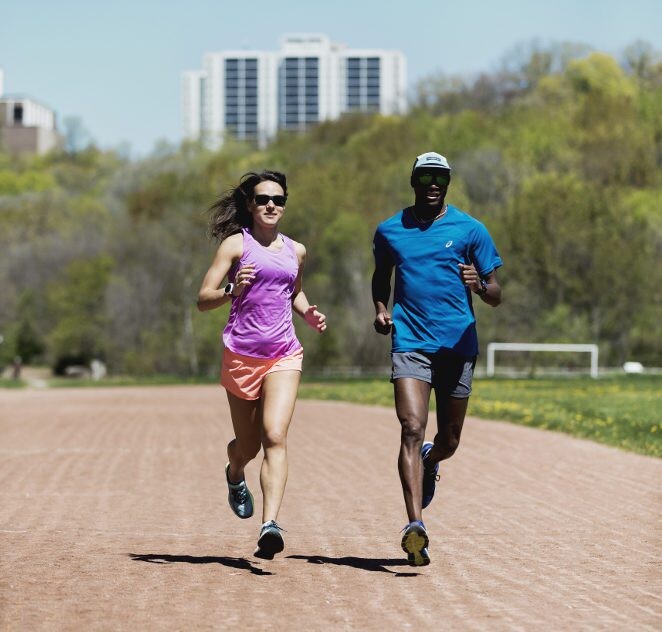
Warm up with 10 minutes easy running, and try one of the following, adjusting the number of intervals according to your ability:
30 x 30 seconds hard with a 15-second break
20 x 40 seconds hard with a 20-second break
15 x 60 seconds hard with a 30-second break
Cool down with 10 minutes easy running.
These workouts are all made up of short intervals with very short active recoveries to keep oxygen consumption high throughout the entire session. The first few intervals likely won’t feel too taxing, but the intervals will quickly start to add up, so you’ll feel spent by the time it’s complete.
(11/23/22) Views: 106Keeley Milne

Eilish McColgan was named Sunday Times Sportswoman of the Year giving her four awards in four days
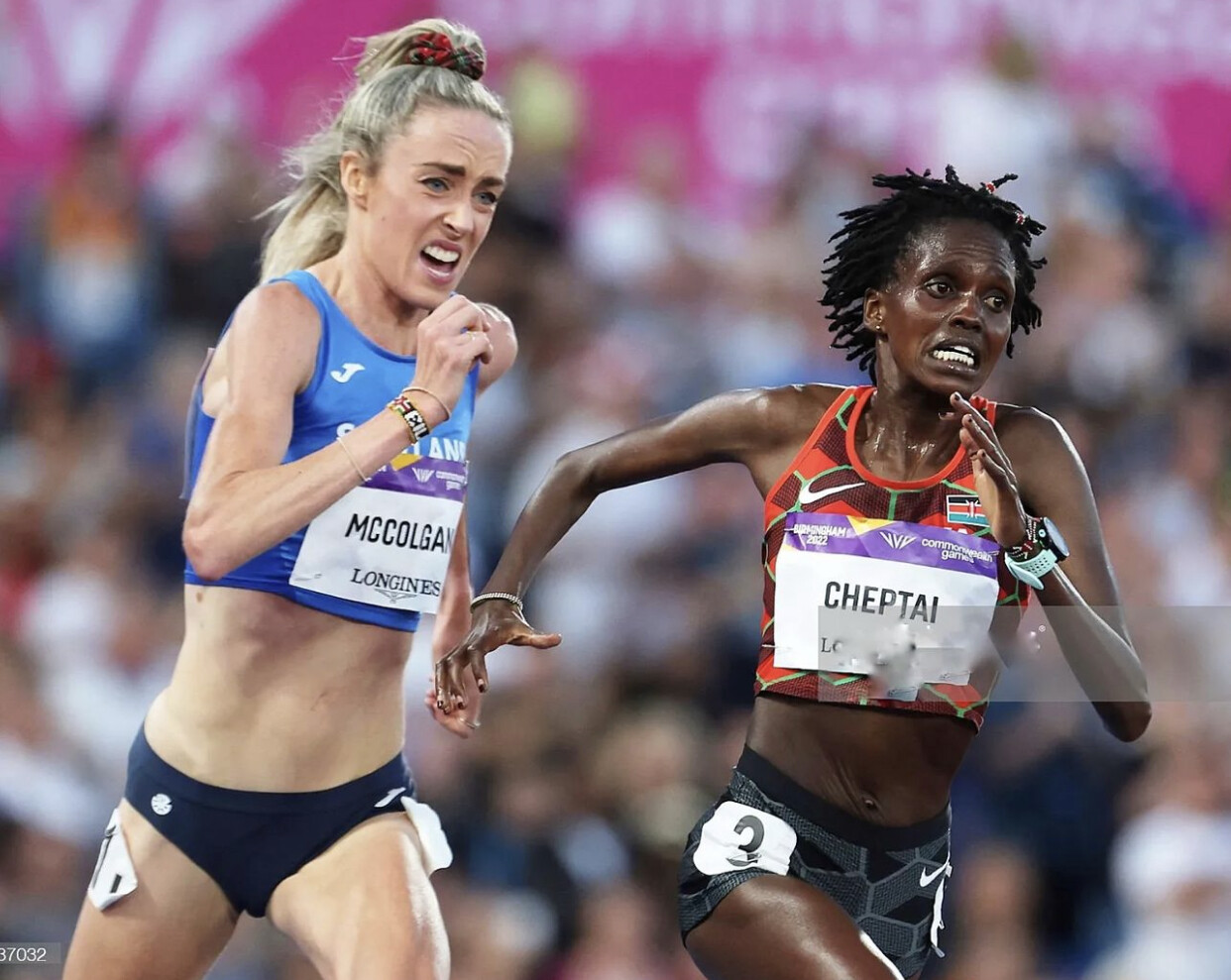
Eilish McColgan won gold in the women’s 10,000m at this summer’s Commonwealth Games in Birmingham
Eilish McColgan was on Thursday night named Sportswoman of the Year at The Sunday Times Sportswomen of the Year awards, in association with Citi. McColgan won 10,000m gold at the Commonwealth Games in Birmingham during the summer, and in doing so broke the Games record set by her mother, Liz, 32 years earlier.
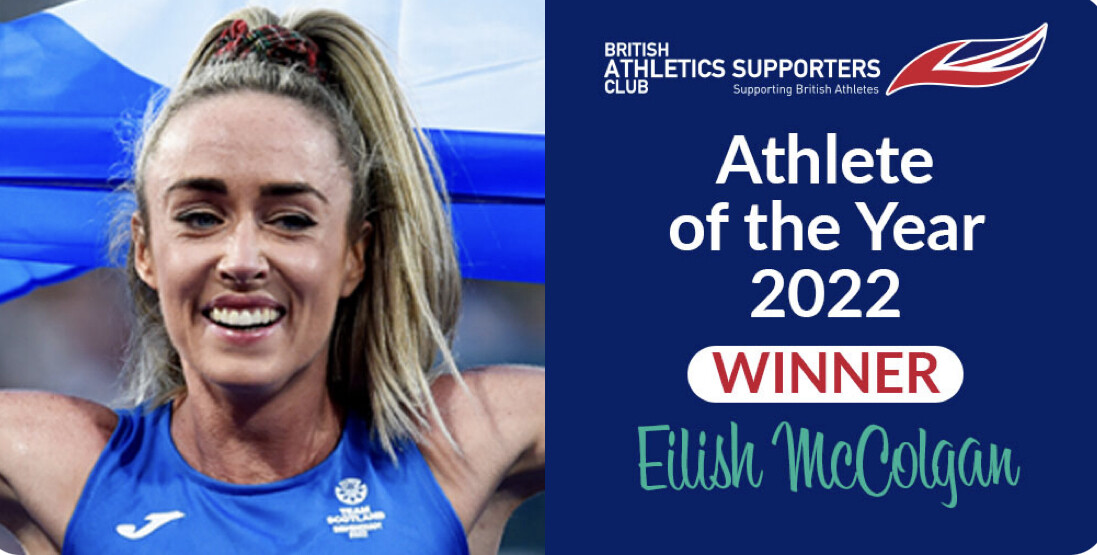
Elish Twitted "Thank you!!!
This has been such a crazy week. 4 awards in 4 days!
BT Sportswoman, Sunday Times Sportswoman, Scottish Women in Sport Athlete of the Year and now BASC Athlete of the Year! ??
Thank you!"
"One of the most exciting races I have ever watched was the Commonwealth's 10000m when Eilish pulled away over the last stretch to win gold," says MBR publisher Bob Anderson. "I was not there but I have watched that video at least 20 times and for sure will watch it many more times. She is so deserving of all the awards she has received. Well done and we can't wait to watch what's next."
Eilish McColgan (born 25 November 1990) is a Scottish middle- and long-distance runner. She is the 2022 Commonwealth Games 10,000 metreschampion with the Games record, and 5000 metres silver medallist.
McColgan is a four-time European Championships medallist, winning silver medals for the 5000 m in 2018 and 10,000 m in 2022, bronze in the 5000 m in 2022, and a bronze for the indoor 3000 metres in 2017.
She holds the European record in the 10 km road race, and British records for the 5000 m, 5 km and half marathon. She also holds the European best in the 10 miles on the roads.
(11/20/22) Views: 105

Advanced Training for a 5K Race in 4 Weeks
You've finally done it—signed up to run your first 5K race. You have a month to train for it. If you're an advanced runner who currently logs at least 20 miles a week, the following program will have you up to speed in four weeks.
Training Notes
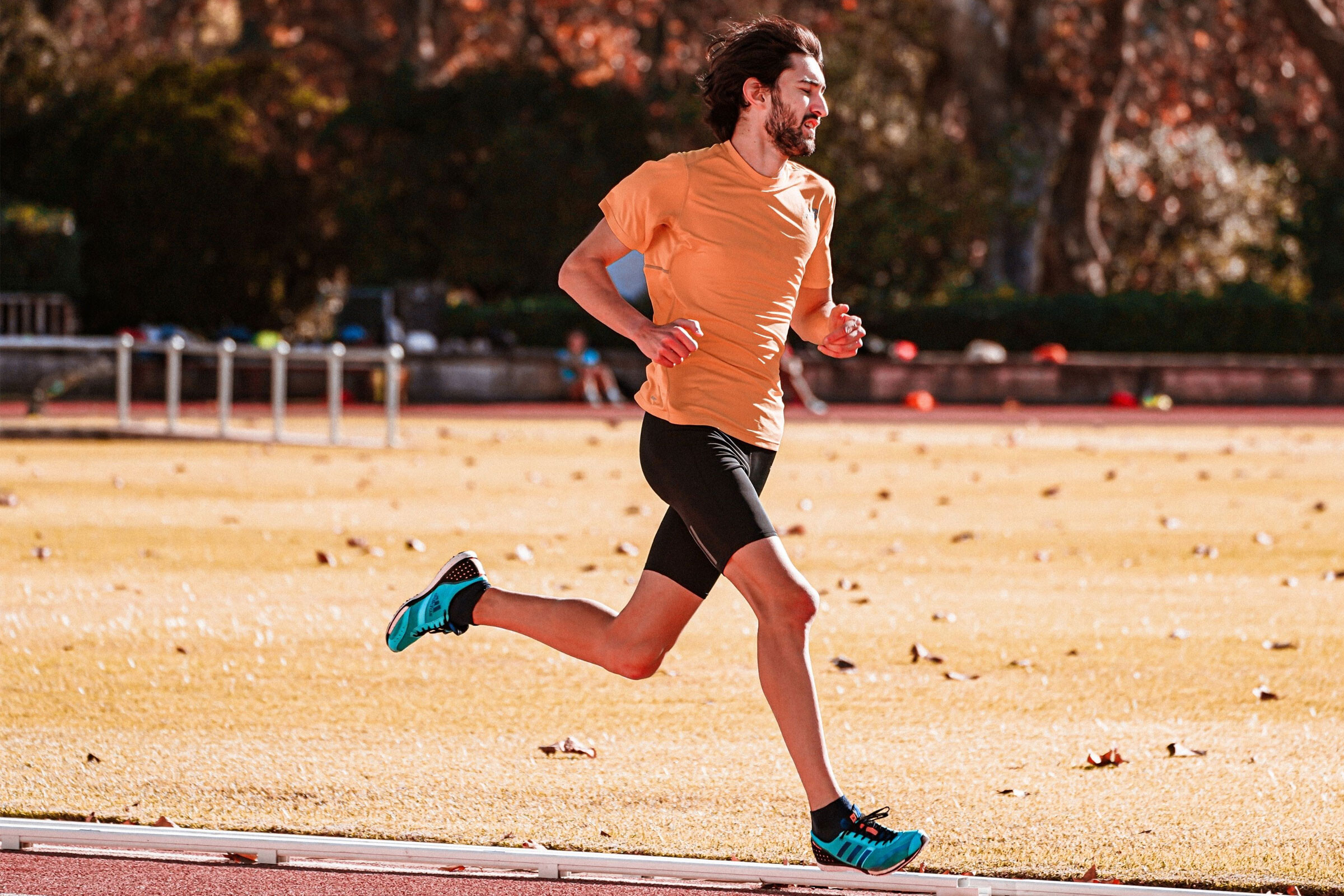
To understand the week-by-week advanced 5K training schedule that follows, first learn what each term stands for so you'll know exactly what to do each day.
Tempo Runs (TR)
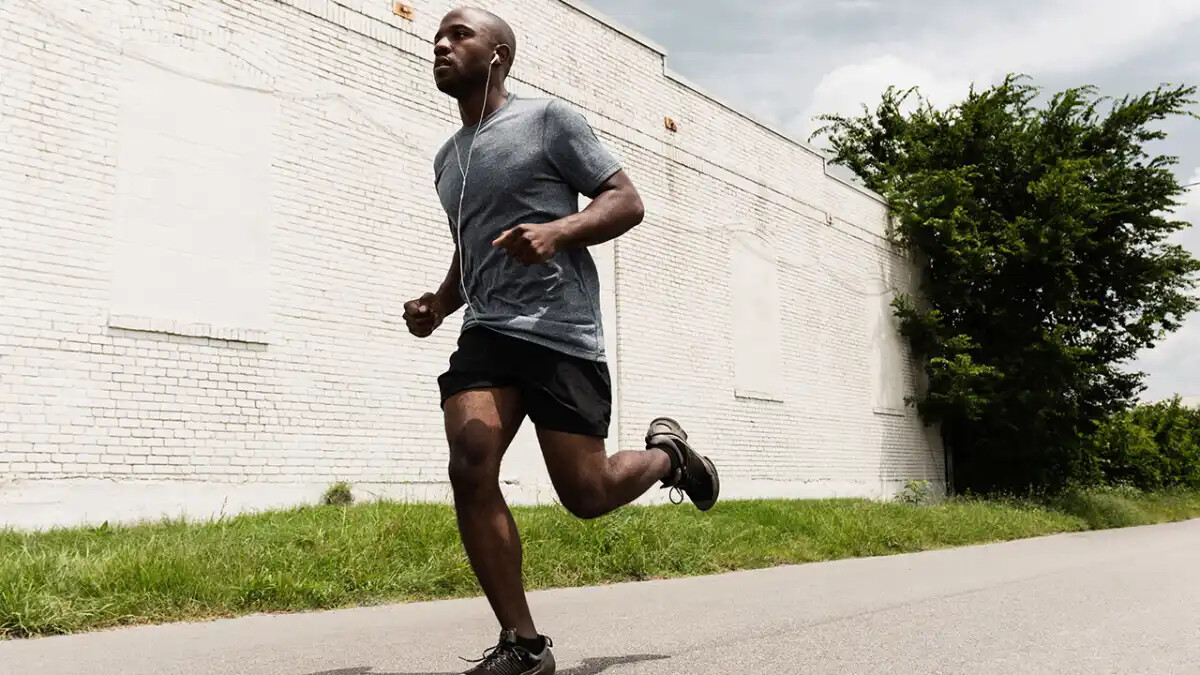
Tempo runs help you develop your anaerobic threshold, which is critical for fast 5K racing.
Start your run with 10 minutes of easy running, then continue with 15 to 20 minutes running at a pace that's about 10 seconds per mile slower than your 10K race pace. Wind up with a 10-minute cool-down.
Hill Repeats (HR)
For hill repeats, find a slope that's not too steep, and that's 200 to 400 meters long. Run up the hill at your 5K race pace. Recover with an easy jog down the hill. Then repeat.
5K Interval Workouts
Run your interval workouts at your 5K race pace, with a two-minute easy-paced recovery in between each interval. You should start and finish your 5K interval workouts with one mile of easy running to warm up and cool down.
Long Runs (LR)
You're not training for a long-distance event, but long runs will help you develop your stamina, which is important in 5K racing. Do your long runs at a comfortable pace: You should be able to breathe easily and talk in complete sentences. You should also do your easy runs (ER) at this effort.
Rest Days
You can take the day off on rest days or do some easy cross-training (CT), such as biking, swimming, or another activity.3 Strength training is an excellent way to improve your endurance, running performance and increase your injury resistance.
4-Week Advanced 5K Training Schedule
You can start on any day of the week you like, but you may wish to schedule the long run for a weekend day. You can also shuffle the days around to meet your needs, but be sure to incorporate sufficient rest and recovery.
Week 1
Day 1: 40 minutes CT or restDay 2: 25 minutes TR plus three hill repeatsDay 3: 3 to 4 miles ERDay 4: 5K intervals: 5 minutes at 5K effort (three times)Day 5: RestDay 6: 7 miles LRDay 7: 3 miles ER
Week 2
Day 1: 45 minutes CT or RestDay 2: 30 minutes TR plus four hill repeatsDay 3: 3 to 4 miles ERDay 4: 5K intervals: 5 minutes at 5K effort (four times)Day 5: RestDay 6: 8 miles LRDay 7: 3 miles ER
Week 3
Day 1: 40 minutes CT or restDay 2: 25 minutes TR plus four hill repeatsDay 3: 3 to 4 miles ERDay 4: 5K intervals: 5 minutes at 5K effort (three times)Day 5: RestDay 6: 7 miles LRDay 7: 3 miles ER
Week 4
Day 1: 30 minutes CTDay 2: RestDay 3: 20 minutes TRDay 4: RestDay 5: 2 to 3 miles ERDay 6: RestDay 7: 5K Race day— good luck!
(11/19/22) Views: 101
Christine Luff, ACE-CPT
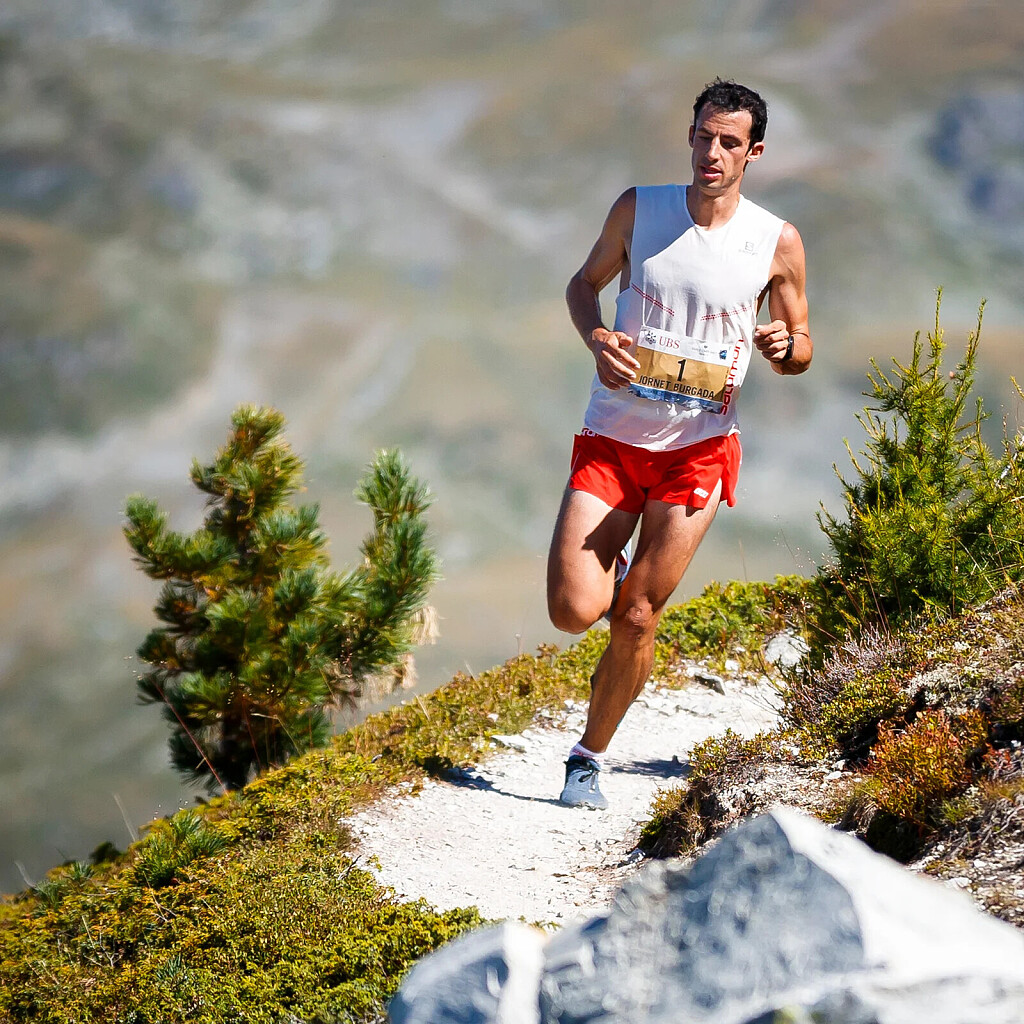
Kilian Jornet’s favorite fuel: you’ll feel like you’re ready to summit Everest
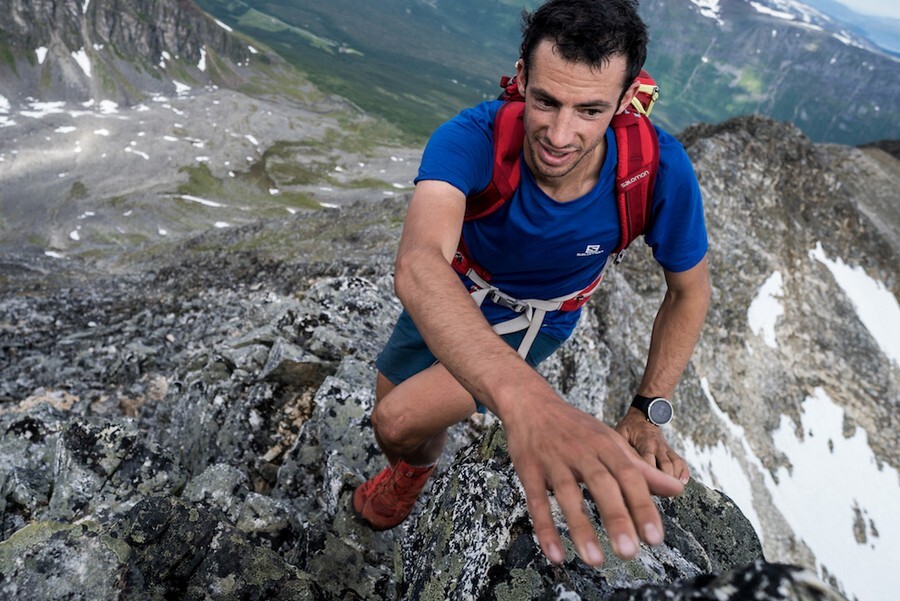
Arguably the GOAT of ultrarunning, 2022 UTMB and Hardrock champ Kilian Jornet lives in Norway with his partner (and fellow pro runner) Emilie Forsberg, where they grow their own vegetables and use them to create nutritious meals. They love these bean and lentil burgers, and you will too–full of protein and adaptable to every season.
Forsberg shares the recipe in her book Skyrunner: the burgers take less than ten minutes to prep, and work as a side or main dish. Forsberg writes: “I can eat these anytime, in summer with a light salad and roasted or grilled root vegetables, or in autumn or winter with tasty mashed potatoes, olive oil and salt.” Forsberg and Jornet eat mostly plant-based meals, and the combo of beans and lentils in these burgers packs a perfect plant-based protein punch.
Emelie’s bean and lentil burgers (makes 12 larger burgers)

Ingredients
1¾ cup cooked black beans
¾ cup cooked green lentils
¾ cup cooked red lentils
1 egg
3 Tbsp cornmeal
½ to 1 finely chopped onion
Salt and pepper
Other spices, like turmeric or chili powder, to taste
Olive oil for frying
Directions
Mix everything in a blender or food processor. Form the batter into burgers; fry in olive oil.
(11/22/22) Views: 98Running Magazine
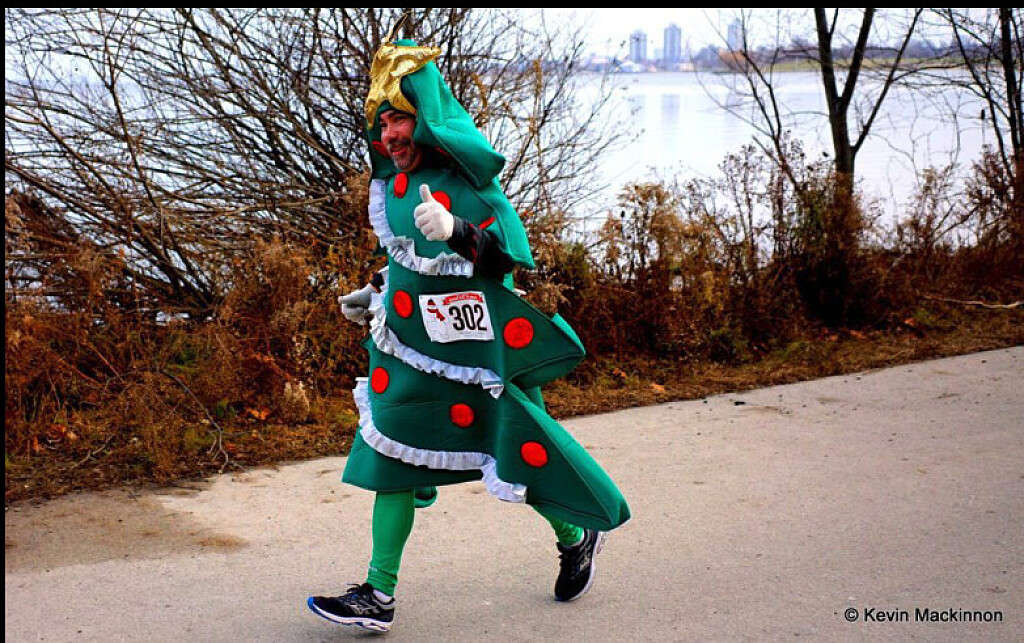
Nervous before your race? Try Christmas music
I know the headline may seem odd, but trust me, it’s like ketchup and pizza–don’t knock it until you try it. Ultrarunner and 24-hour American record holder Nick Coury said on a recent podcast that he always listens to Christmas music before races to help him stay relaxed.
“Not many of you know this but before all my races, I listen to Christmas music,” said Coury. “I find it soothing and that it helps me feel grounded and happy.”
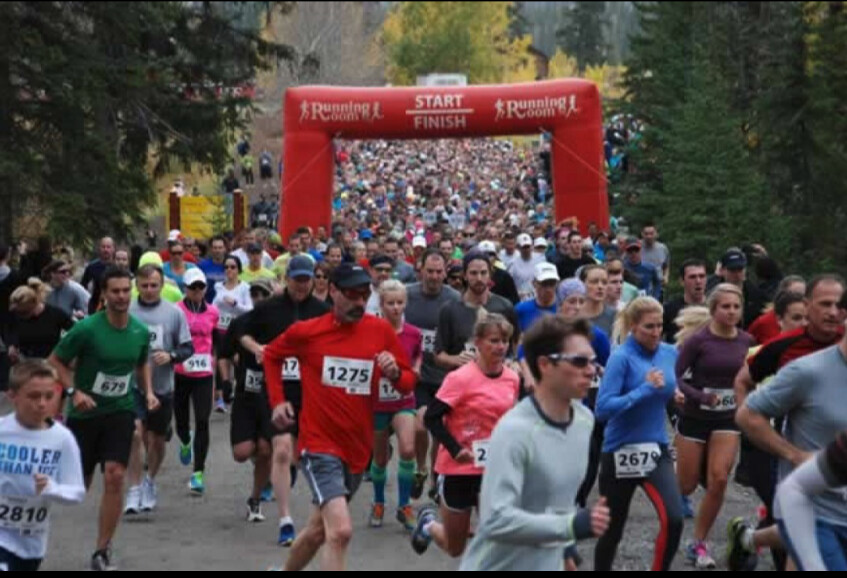
The ultrarunner is something of an authority on some esoteric things, like how to negative-split an ultra, something he attributes his success to being able to do. So we trust him on this.
“It stops my adrenaline from spiking or going out too fast,” said Coury. “It’s put me where I want to be for the first few kilometres of a race.”
At first, like many of you reading this, I thought it was odd. After I gave it a chance on my morning run, I couldn’t agree more. There’s something about Michael Bublé or Bing Crosby’s voice that calms your nerves and helps you feel a little more relaxed.
Research has shown that listening to music can affect the rhythm of your stride and effort level, so it only makes sense that Christmas music would have a relaxing effect due to its slower BPM.
Coury may need to convince me a little more before I start listening to Mariah Carey at my mid-July track meet.
(11/21/22) Views: 90Running Magazine
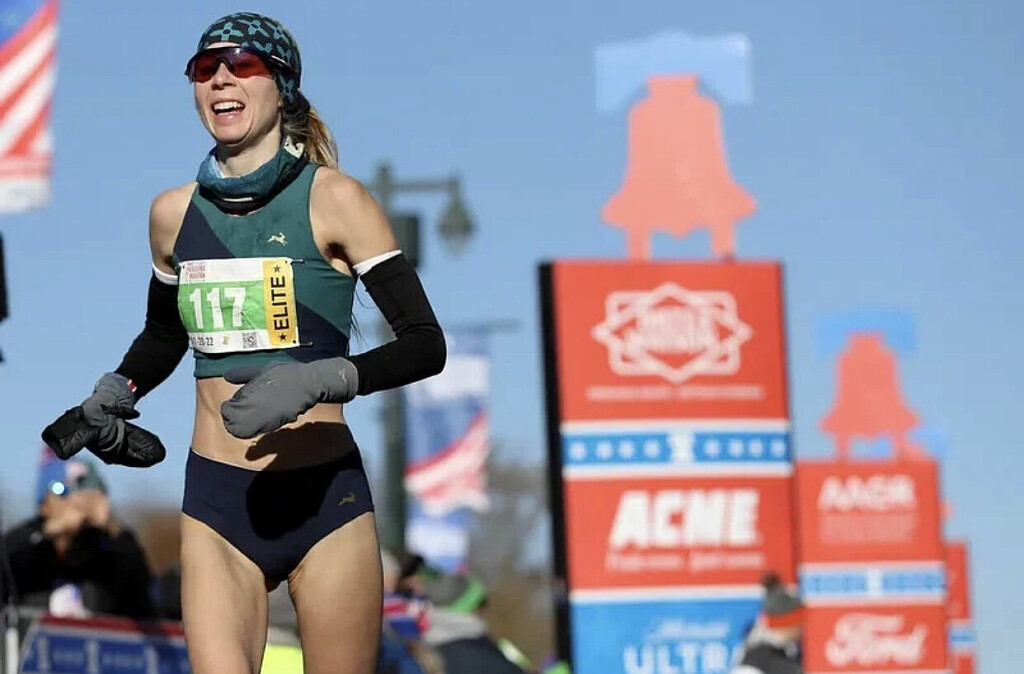
Amber Zimmerman captured the Philadelphia Marathon on her home course on a frigid day as Dominic Ondoro, a Kenyan who lives in Texas, won the men's race
As the sun began to light Ben Franklin Parkway and the city’s skyline on Sunday morning, spectators and competitors were warming up for the coldest Philadelphia Marathon since 1994. Hands and feet were cold, and even contact lenses froze.
Yet spirits prevailed as the city showed up for those who prepared for this day months in advance.
“I had a phenomenal group of people that last half mile before we made that turn up Kelly Drive, and that saved my life,” said women’s winner Amber Zimmerman, who recently moved to the city.
The temperature at the start was 35 degrees, but the wind made it feel like the low 20s. Eleven miles of the marathon were concentrated in Center City, blocking the wind somewhat. However, at the finish, the wind was fierce along Boathouse Row and Kelly Drive.
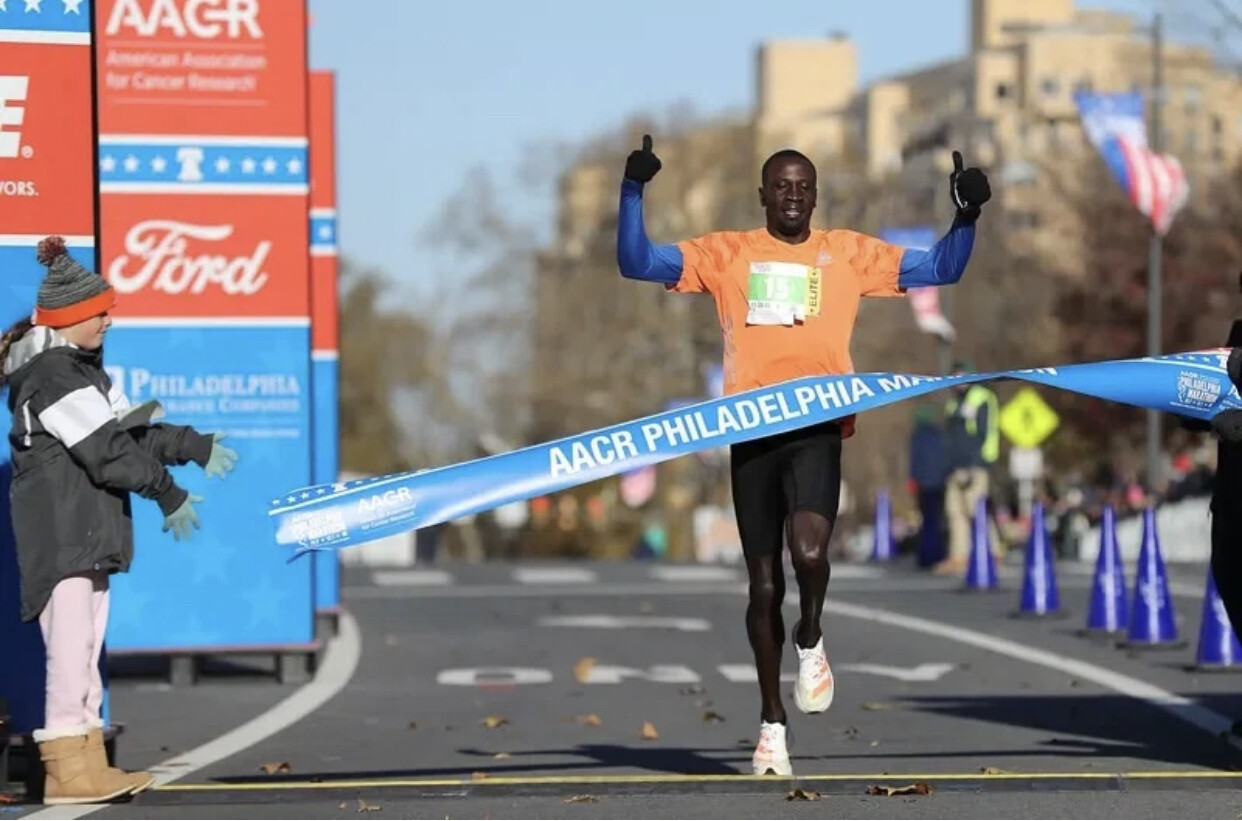
“The race was good, but there was a lot of wind,” said men’s champion Dominic Ondoro, who thought he was slowing down because of the gusts. “I enjoyed the course.” The Kenyan runner who lives in Texas broke away from the pack in the last few miles, finishing in 2 hours, 14 minutes, 20 seconds, followed by Gilmar Lopes of Brazil and Bernard Kiprop Koech of Kenya.
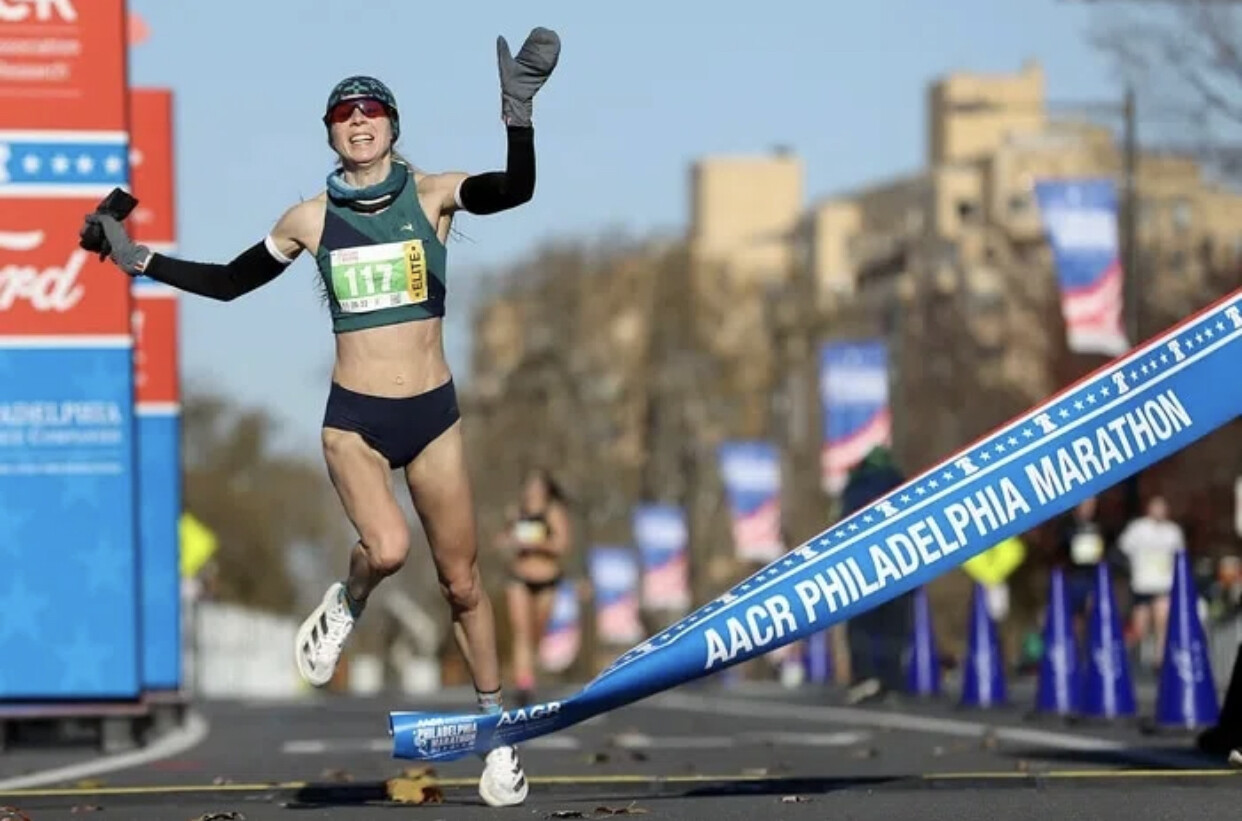
Zimmerman triumphed in 2:31:35, her new personal best. Maegan Krifchin of Long Island was second and Fantu Zewude Jifar of Ethiopia took third.
“They’re great runners and they’re brave runners,” Zimmerman said. “And I thought, you know, I’m going to try to be a brave runner to put myself in it.”
In the first half of the race, Zimmerman said she felt strong but hit a wall in Manayunk where her body started hurting. Nevertheless, she pushed to the finish, knowing that others were close behind. A regular runner since 7 years old, she posted her first win in her new city.
“I was thinking about that this week. I get a little bit teary about it,” she said when asked about her journey. “I really tailored my training. I coached myself and I played around with a lot of harder, longer runs, and that really worked out for me this time. I’ve been trying to make myself tougher.”
First-place finishers take home $10,000, plus an extra $1,000 for Zimmerman as a Philadelphian. What will she spend it on? Her blue heeler Doughnut (an Australian cattle dog), she said, pointing to her socks featuring blue doughnuts.
“He’s really sweet and I told him I was going to run this race for him and I was going to win for him,” Zimmerman, who ran at the University of New Mexico.
This year’s marathon was a notable one for the city, as a nonbinary category was added for the first time. Fifty-five runners registered in the category and race director Kathleen Titus said he believes it will grow in years to come, along with prize money for these athletes as well as para-athletes.
“You look at it and it’s a city of diversity as well as adaptivity,” she said. “... Whatever type of an athlete you are, if you’re a runner, we want you to feel that you can come to Philadelphia and participate as you are, in the ability that you are.”
The city also cheered on its first marathon long boarder, Chris Koch, who completed his 13th marathon. The 40-year-old Canadian was born with a partially developed right leg and foot. Shortly after he pedaled across the finish line, he joked, “I couldn’t feel my fingers the whole time.”
Koch completed his first marathon in 2016. “I guess I’m a glutton for punishment,” he said. “It’s a great challenge. I’m a motivational speaker and I encourage people to keep raising the bar and keep pushing themselves. I don’t want to be just talking the big talk.”
Sporting a Bobby Clarke Flyers jersey and blacked-out front teeth, Koch looked the Philly part. After visiting the city when he was speaking nearby, he decided to add it to his marathon list.
“I literally boarded out Ben Franklin Parkway to the Rocky stairs, climbed up the Rocky stairs,” he said. “... I’ve always found marathons [to be] a neat way to see the city.” Koch plans to attend the Flyers-Calgary Flames game at the Wells Fargo Center on Monday night.
Celebrations are in order for Koch and all the finishers. Runners will travel back home, rewind on the Thanksgiving holiday, and return to the grind soon enough.
When asked if she would be running on Monday, Zimmerman said she is probably going to walk. Probably.
(11/20/22) Views: 82Bridget Reilly
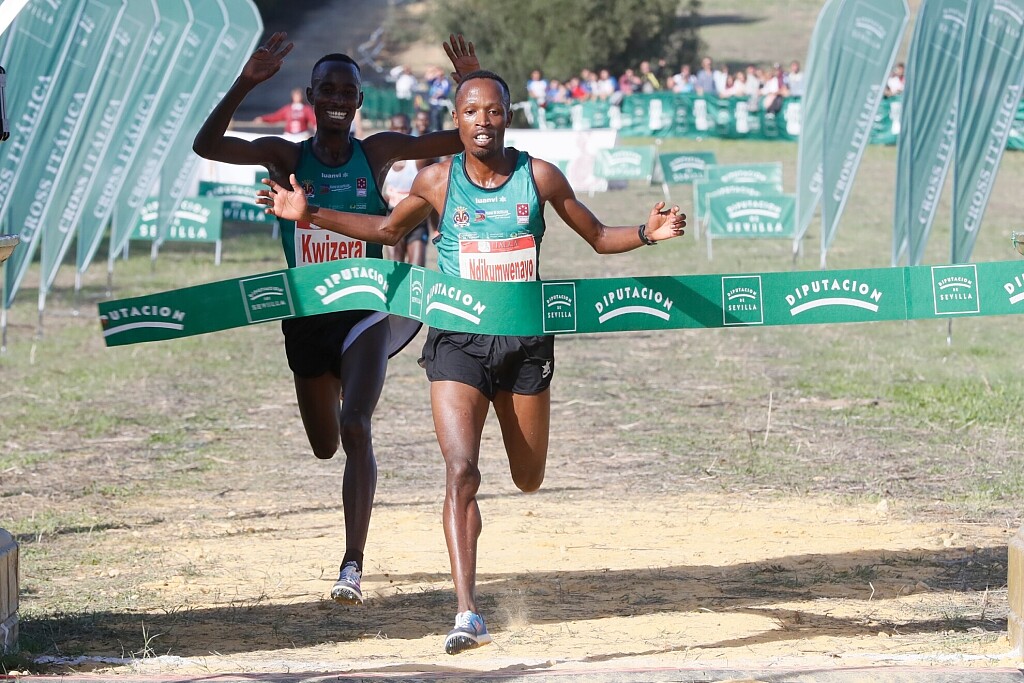
Turkey’s Yasemin Can and Burundi’s Thierry Ndikumwenayo claim Italica titles
Turkey’s Yasemin Can and Burundi’s Thierry Ndikumwenayo secured respective victories at the Cross Internacional de Itálica on the outskirts of Seville in what was the sixth World Athletics Cross Country Tour Gold meeting of the season, on a sunny and pleasant Sunday (20).
While Can prevailed over Uganda's Peruth Chemutai in a thrilling clash, Ndikumwenayo unleashed a sprint victory over his training partner Rodrigue Kwizera and a star-studded line-up.
The women’s contest was held over the slightly longer distance of 10.1km, but that was no barrier for Olympic steeplechase champion Chemutai, who took control of the race from the start. After just one minute into the race, only Kenya’s Purity Chepkirui and Nancy Jepleting, Yasemin Can and Ethiopia's Meselu Berhe managed to stay close to the 23-year-old Ugandan. Berhe was the first casualty as she began to lose ground before the second kilometer.
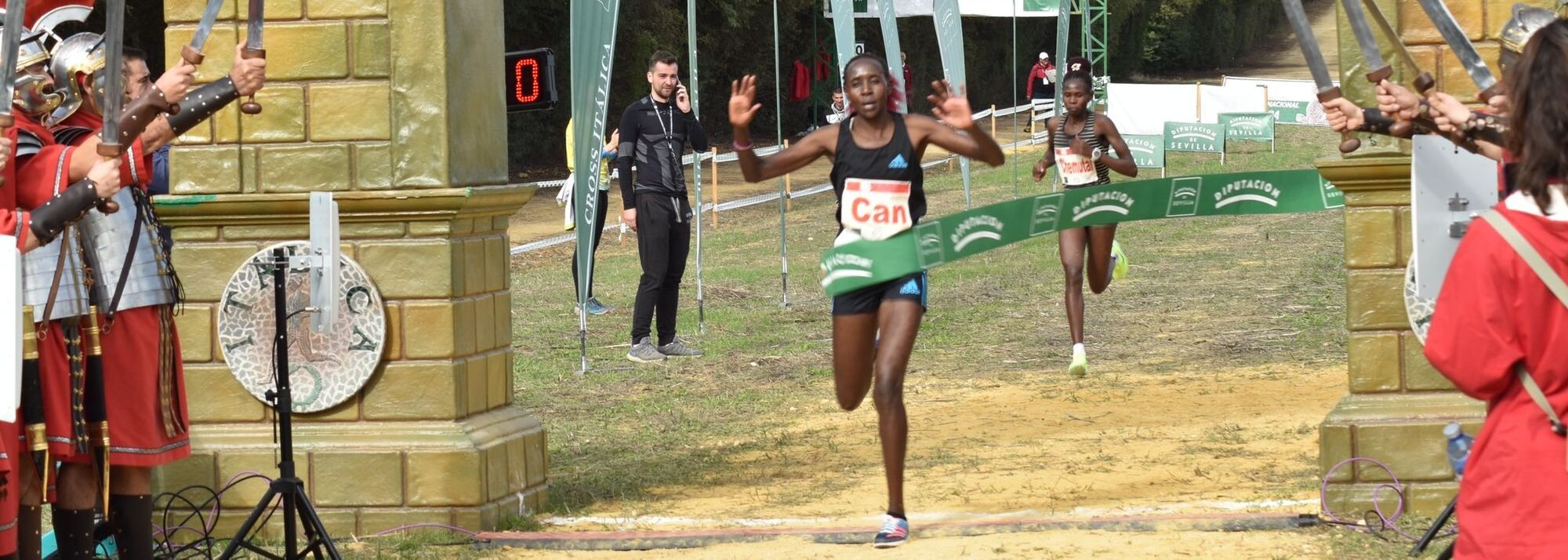
While Chemutai made most of the pacing duties at 3:18/km pace, 2021 world U20 1500m champion Chepkirui ran closest to her shoulder with four-time European cross-country champion Can in third and Jepleting in fourth. The first serious move came just before the fourth kilometer when Chemutai's relentless rhythm began to pay off as firstly Jepleting and then Chepkirui began to falter, leaving Can as Chemutai’s only rival.
Way behind the top-five, Spain's Isabel Barreiro, the winner in Amorebieta, headed a five-woman chase pack which also included steeplechase specialists Irene Sánchez-Escribano and Olympic finalist Carolina Robles, plus 5000m specialists Marta García and Portugal's Mariana Machado.
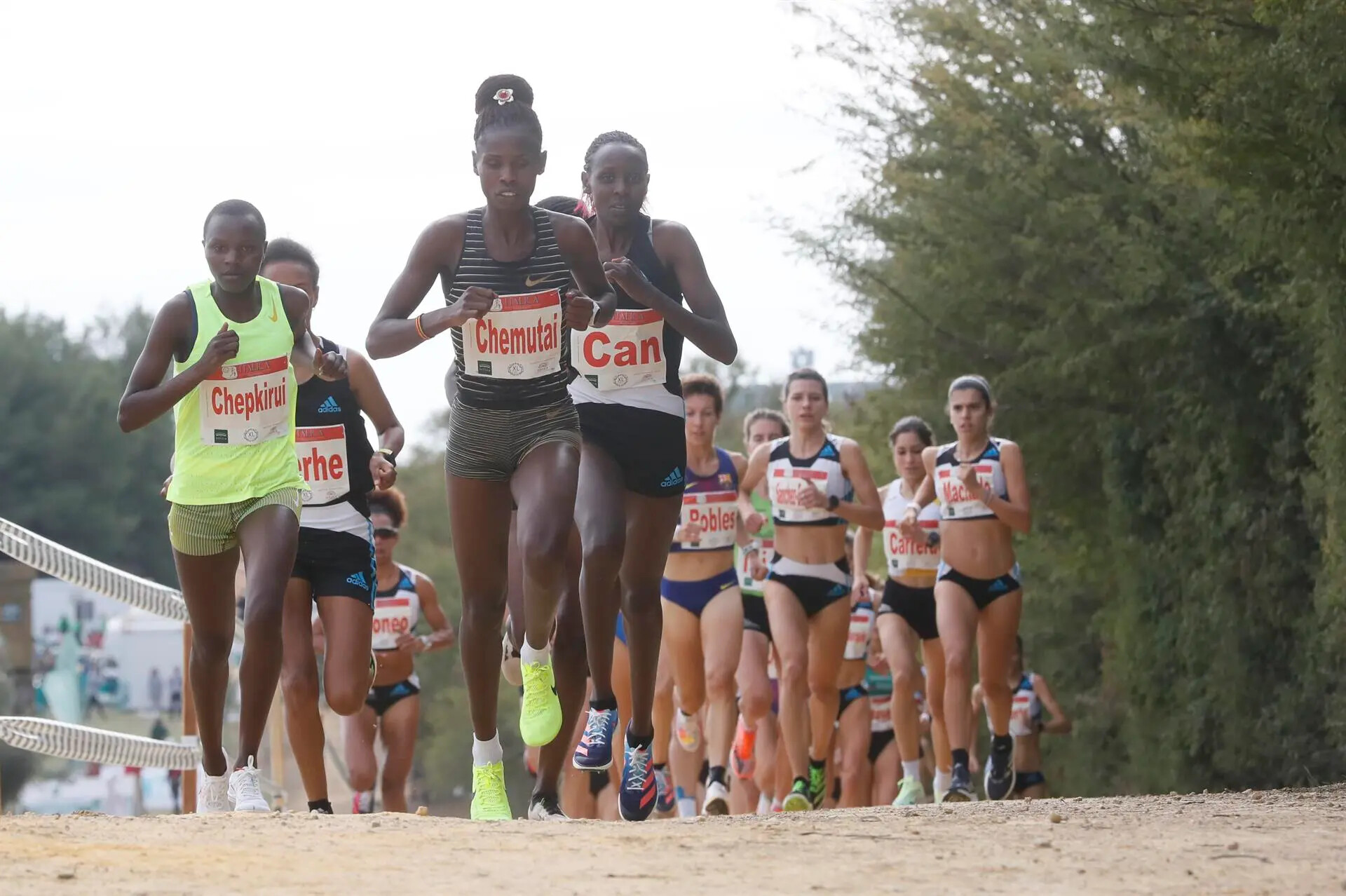
After successive 2.5km loops of 7:56 and 7:54, Can decided to take charge of the race, moving ahead of Chemutai with Chepkirui 14 seconds in arrears. Midway through the penultimate lap, Barreiro injected a brisker pace in pursuit of Jepleting and Berhe.
Can and Chemutai, timed at 8:01 for the penultimate lap, were locked in battle as they set off on the final lap. The Ugandan, who placed fifth at the 2019 World Cross in Aarhus, tried to get rid of Can on an uphill section with 750 meters remaining, but the Turk held off her challenge to regain the lead, launch her attack some 450 meters from home, eventually crossing the finish line unopposed in 32:31 to the Ugandan's 32:34.
More than a minute further back, Chepkirui secured third place while Barreiro displayed the form of her life as she passed Jepleting and Berhe to finish fourth. A fast-finishing García was a creditable fifth as she pipped Berhe in the home straight.
At the finish line, Can expressed her happiness at the win and felt optimistic about her chances at the European Cross Country Championships in Turin on 11 December, the day of her 26th birthday.
Ndikumwenayo maintains momentum
The men's race started with Spain's 2017 European cross-country silver medalist Adel Mechaal at the front of the pack. The 32-year-old led a large group with all the main favorites such as Ndikumwenayo, his fellow Burundian Rodrigue Kwizera and the Kenyan pair of Stanley Waithaka and Levy Kibet in close attendance.
With the clock reading 11:00, the in-form Ndikumwenayo moved to the front for the first time to head a group of eight. Ndikumwenayo heated up the pace as the leading group covered the second lap in 7:09 for the opening cicuit's 7:21. By halfway, Spain's world 1500m bronze medalist Mohamed Katir was in second place ahead of Kwizera and Waithaka, but midway through the penultimate circuit Eritrea's Merhawi Mebrahtu took the lead and his frantic pace whittled down the lead group to six men. After another swift lap, which only took 7:04, Kwizera led at the bell with Ndikumwenayo and Katir closest to him.
The Castellón-based Kwizera pushed hard throughout the closing lap, setting a cadence that Katir could not maintain before entering the final kilometer. Shortly afterwards, 19-year-old Mebrahtu lost any chance of a podium place and the race became a double Burundian-Kenyan affair, a duel resolved in favor of the former as Kwizera and Ndikumwenayo managed to build a sizeable margin on the Kenyan pair some 500 meters from home.
The two leaders completed the final lap in a brisk 6:50 before negotiating the tricky final bend. Once again, Ndikumwenayo – who ran a world-leading 7:25:93 for 3000m earlier this year – produced a speedy finish and prevailed over Kwizera, but only just as both were credited with the same time, 28:51. Six seconds back, Kibet took third place after overtaking Waithaka in the closing stages.
“This is my third win a row this cross country season,” said a delighted Ndikumwenayo. “I'm surprised because I only began to train a couple two months ago after the summer break but I feel great both physically and mentally. I'll now stop competing and will do a 25-day training camp in the altitude of Sierra Nevada (3479m). My next event might be a New Year’s Eve race in Spain but it's not confirmed yet.”
Leading results
Women
1.- Yasemin Can (TUR) 32:31
2.- Peruth Chemutai (UGA) 32:34
3.- Purity Chepkirui (KEN) 33:47
4.- Isabel Barreiro (ESP) 33:57
5.- Marta García (ESP) 34:07
6.- Meselu Berhe (ETH) 34:08
7.- Carolina Robles (ESP) 34:11
Men
1.- Thierry Ndikumwenayo (BDI) 28:51
2.- Rodrigue Kwizera (BDI) 28:51
3.- Levy Kibet (KEN) 28:57
4.- Stanley Waithaka (KEN) 29:00
5.- Merhawi Mebrahtu (ERI) 29:08
6.- Mohamed Katir (ESP) 29:17
7.- Nassim Hassaous (ESP) 29:27.
(11/22/22) Views: 82World Athletics

Why you maybe should run intervals over distance workouts in the cold
As the weather gets colder across Canada and snow begins to cover our beloved running tracks and trails, it becomes harder to find places to train. If you don’t have access to a treadmill or indoor track, it’s challenging to do distance repeats outdoors.
Generally, most Canadians are not racing this time of year due to the cold weather and lack of races. But those who plan on racing in the early spring need to get in workouts to keep in touch with their speed and intensity. Instead of worrying about finding a loop to do your distance workout, do intervals or fartlek training and focus on your perceived exertion.
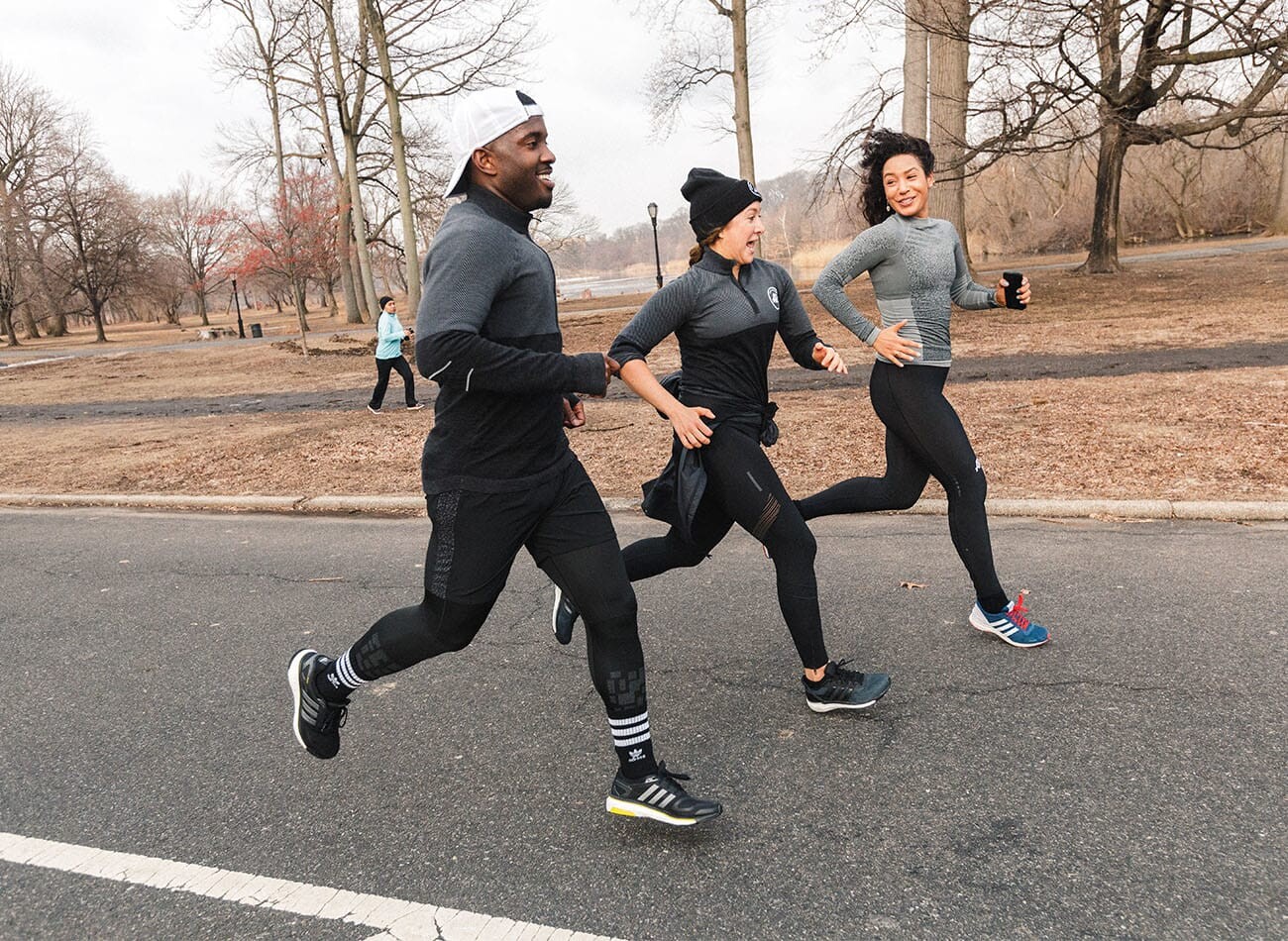
For example, doing 90-second intervals instead of 400m repeats won’t make too much difference physiologically, though mentally, you can focus on your output rather than hitting paces, which makes the workout more manageable.
Your running pace is also bound to be slower in colder temperatures, as it’s harder for blood to circulate to your muscles and keep them warm.

At the right intensity, interval workouts are suitable for all runners, from beginners to experienced. The great thing about interval training is it can be tailored to any individual and their goals and needs, plus it’s easy to track. Research has shown that it’s the most effective way to run and will help get you to your goals faster and help you enjoy running along the way.
Make sure you stick to plowed roads and lit-up streets with proper footing while doing intervals to ensure your safety. If you can’t get your workout in safely, it’s not the end of the world if you push it back a day or two.
(11/19/22) Views: 78Marley Dickinson
