

Running News Daily
Top Ten Stories of the Week
9/3/2022
These are the top ten stories based on views over the last week.



The original editor of Runner's World magazine has had a rough couple of years
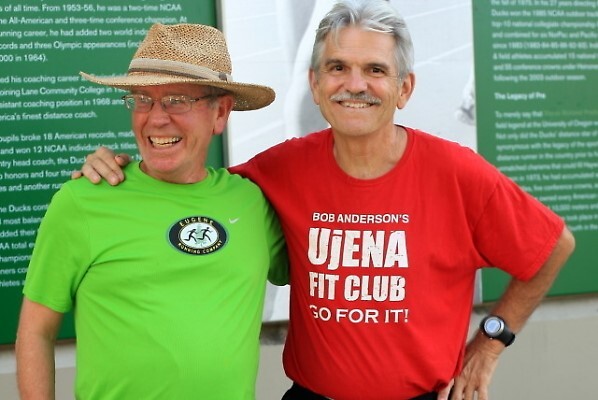
"I have been trying to get ahold of Joe Henderson for a couple of years," says MBR publisher Bob Anderson. "Joe was my first Runner's World editor many years ago. We worked together for years before I sold RW to Rodale Press in 1984. Joe has broken his silence and I wanted to share the message he posted on FB this last weekend. My heart goes out to Joe. We have missed you..."
A message from Joe Hendeson:
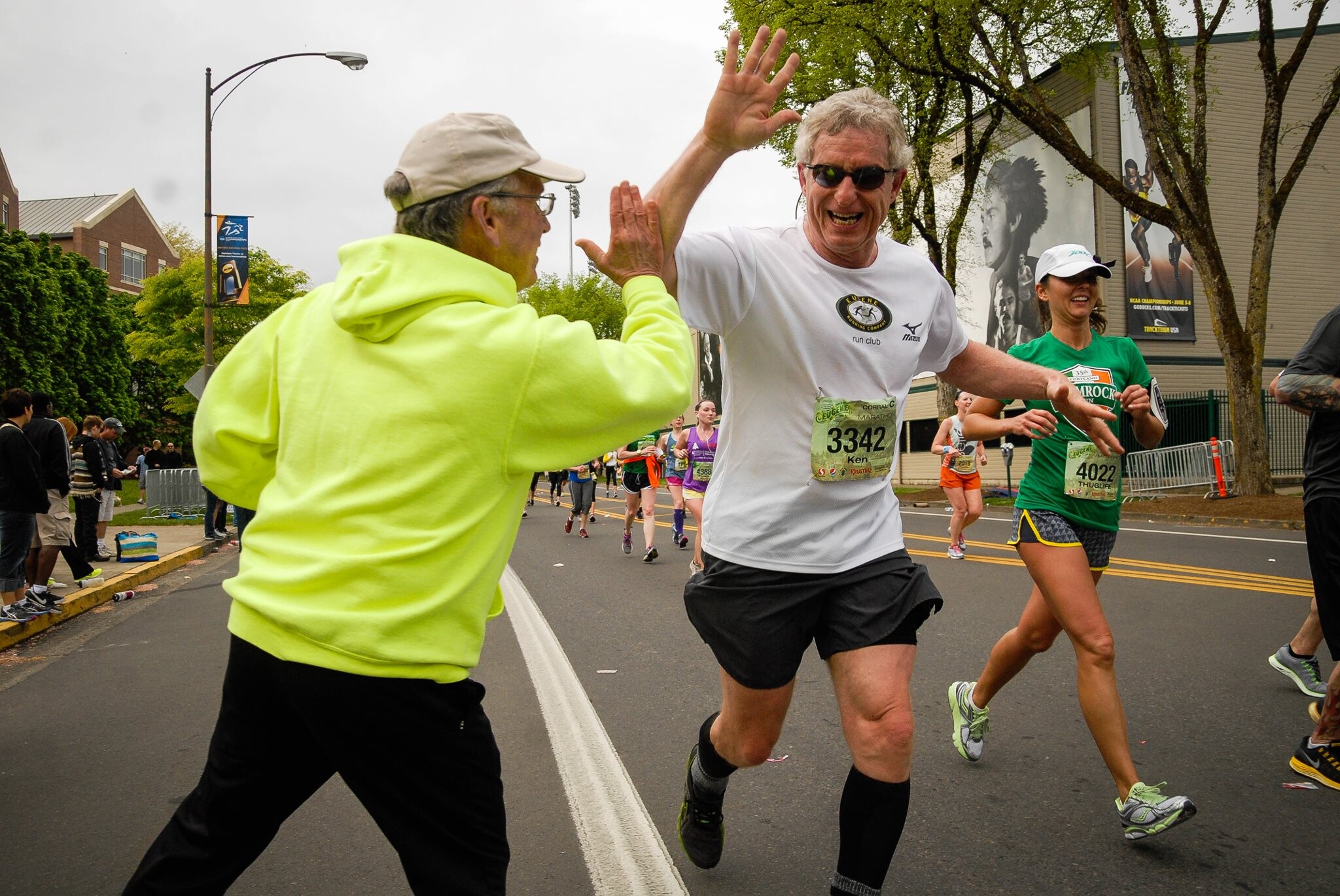
"You might have noticed. Running Commentary had an unbroken streak from 1982. Then it suddenly stopped coming to you about three years ago.
Writing for public consumption stopped then. Running ceased too, possibly forever.
At the least, I owe you an explanation.
In November 2019, I suffered a stroke. Much of the year 2020 does not exist for me, so far out of everything was I then.
I don’t remember at all the first two places I lived after having the stroke. The third is a partial memory,
I don’t remember falling out of bed and hitting a low-slung bookcase, only waking up on the floor — missing two front teeth, with a broken nose, broken right hand and left eye that pointed the wrong way.
Worst, my wife Barbara died in early 2020. I wondered for months afterward why she quit coming to see me.
It turned out that the hard fall was the beginning of a wake-up call. It was a slow but steady return to a new normal.
The physical therapist dismissed me after a year — with the warning to always carry a phone in case of a fall. One eye doctor said I was stuck with the odd eye condition.
He did perform successful cataract surgery on both eyes. Another doc later told me that the left eye was moving toward its proper position, though ever so slowly.
The right leg remained affected, but much less so than at first. I was told that it as 95-percent impaired when first tested. It is now five percent off — but still requires a walker. Running is impossible, in the third year post-stroke (or fall).
I now live at a senior center called Shalom House. I don’t try to run, and use a walker for daily walks of 30 minutes or more (which sounds better than saying a mile or so).
My running is no longer personal, but my interest in the sport remains strong. I attended a small part of the Olympic Trials last year, and more of the Pre meet, NCAA and Worlds in 2022. I still hope to get back to coaching, if the runners will have an ex-runner whose running days are increasingly ancient,
Best of all, my mind is almost fully awake again. I realize that my wife is no longer with us. I returned to published writing with this brief tribute on the second anniversary of her passing:
Barbara Hazen Shaw — July 27, 1944, to January 19, 2020.
My dear Barbara. I treasure our time together — though that time was too short at more than 30 years, and it ended too soon, several months before the actual ending.
A stroke incapacitated me at first. But I’ve made up for it by thinking of you every day since that fog has cleared.
In your 75 years, you lived a life to be admired — if not imitated. On your deathbed, you promised to keep “exploring the universe” in your own ways.
This you will do, I am sure. We should all be so lucky.
So what does this have to do with Running Commentary? Perhaps nothing if you never subscribed, and maybe just this if you did.
I’ve felt lately that I have taken advantage of you while giving nothing in return. So between now and early next year, I’ll send you chapters from a yet-unpublished book, Miles to Go."
(08/29/22) Views: 592Joe Henderson

How Dani Moreno Became the First-Ever American Woman to Podium at the OCC Race at UTMB
"How far is the podium?!" Dani Moreno yelled to her French friend as she crested a high point in the race at this week's hyper-competitive OCC race, based in Chamonix, France.
"Too far!" her friend responded.
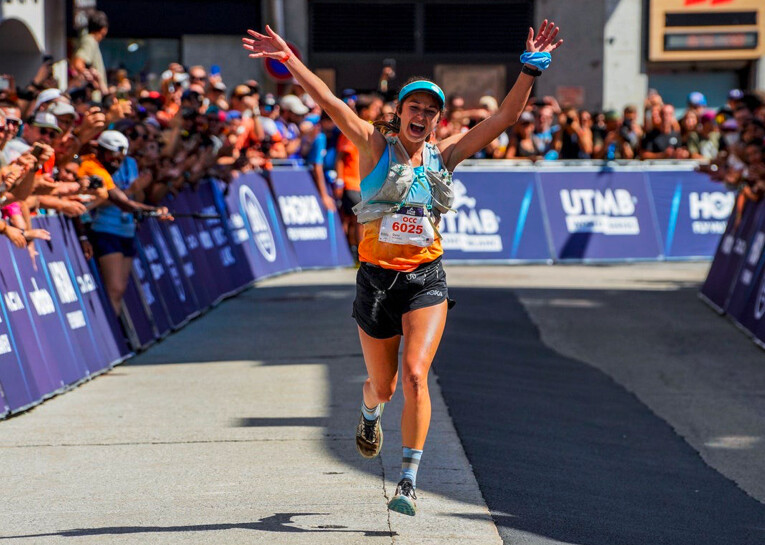
He would later regret saying that. Why? Because 6 hours and 17 minutes after starting, Dani Moreno, 30, from the Mammoth Lakes, California, secured her spot on the podium to finish in third place, the first-ever American woman to reach this level at OCC.
The OCC (Orsieres-Champex-Chamonix) race is a 56km (35 mile) option with 3500 m (11,500 feet) of elevation gain. Unlike the UTMB 100-mile race that circumnavigates Mount Blanc, starting and finishing in Chamonix, France, the OCC option begins in Switzerland and stays in the Valais region, until the finish, where it drops into the Chamonix valley. Winners expect to arrive at the finish in under six hours, while the cutoff is 14 hours, 30 minutes.
Weeks prior to OCC, Moreno experienced an unusually difficult race at Sierre-Zinal, in Switzerland. Before the race, she lost someone close to her back at home and a funeral service was the week of the race. She thinks the emotion caught up with her.
"I went into that race realizing I hadn't fully grieved," said Moreno. "I didn't represent myself and all this work I'd done." But after overwhelming support from friends and family, she recalibrated for OCC and showed up ready to compete. Her fiance traveled to Chamonix to help crew, along with a couple of friends.
Early in the race, Moreno would pass competitors on the ups and get passed on the downs, and yet she kept saying to herself: trust, trust, trust. Trusting in her strengths and pacing was critical, and it paid off halfway into the race.
"I passed five girls and moved into fourth at the halfway point," she said. "I could see the third-place woman but didn't know what was happening in front of them. Then third place and I were battling it out."
"You are As Strong As You Think You Are"
Moreno's secret weapon? Having fun-no matter what.
"It was fun the whole time," said Moreno. "Well, maybe the last downhill was agonizing because I was really trying to see if I could catch second place." She would make airplane arms, pretending to fly, while high-fiving spectators, always with a smile. "It felt like a fun day out with my friends."
Before the last descent, she received a huge boost after seeing her ultrarunning hero, Ruth Croft, who offered her words of encouragement. And at one of the last spots along the course, she remembers her fiance yelling to her: "You are as strong as you think you are!"
"Those last 90 minutes I sort of blacked out," said Moreno, digging deep to try and catch up to the second place woman. A few hundred yards from the finishing chute, she knew she'd done it, and the joy of her last few hundred yards was palpable. "It was a lot. First, I was like, I did it, but then I was like we did it. My coach, my family, everyone that believed in me."
Moreno finished in 6 hours and 17 minutes, only 7 minutes off the winning woman, Sheila Aviles, from Spain. The second-place woman, Nria Gil, finished only one minute ahead. Other American women in the top ten were Kimber Maddox (4th) and Allie McLaughlin (6th).
Running As Expression, Running As Order.
Dani Moreno moved to the eastern slope of California's Sierra Nevada Mountains after living and attending university at UCSB, where she ran cross country. Moreno is a four-time member of Team USA and a two-time USA champion. In addition to competing at the highest levels of the sport, Moreno maintains a full-time job at a construction firm, working in mergers and acquisitions.
"First, I was like, I did it, but then I was like we did it."
OCC was the longest race-both time and distance-that Moreno had ever pursued. But on her website, she writes that her goal is "to solidify myself as one of the best mountain runners in the world at the sub-ultra-distances." Refreshingly, she appears content with fine-tuning her performances in shorter trail races. So often in this sport, athletes feel pressure to level up to increasingly longer distances. For the next couple years, Moreno hopes to focus on marathon trail distances. However, more ultras are very much on the horizon.
"My plan is to do a 100K in the next year and a half, nestled between other shorter races, and keep inching my way up," she said. Moreno mentioned not wanting to do the CCC yet, the 101K option at UTMB. Yet.
"I'd like to do OCC again, and go about a little more aggressively this time." She plans to finish the Golden Trail Series, too, which she did last year.
Want to Run a UTMB Race? Here are Moreno's Three Rules:
Respect the weather. The weather in this dramatic region can change in an instant. Be ready for anything. "Practicing with your equipment is key," she says.
Learn how to move and fuel. Moreno is strict about practicing eating and drinking while training. During her OCC race she mixed up sports drinks and foods, things she was familiar with. The best place to learn what works-and what doesn't-is during training. "It's okay to fail during training," she said. Better to fail in training than in a race.
Be prepared for undulations. Constant ups and downs. "The undulations. Sometimes in the U.S. we tend to only go up and then down, and that's it. Here, there are multiple [big] ups and downs."
Beyond the competition, Moreno seeks trails not only as an elite athlete, but as a way of becoming a whole person, of building order and resiliency into her life.
"It helps me get through a lot of stuff," said Moreno. "It helps me organize and compartmentalize stuff in my life. Sometimes in life I can get overwhelmed by my emotions, Running provides important guidelines for that."
(08/28/22) Views: 91

Ethiopians Yehualaw and Yimer look for fast times at Antrim Coast Half
British distance runners Marc Scott and Callum Hawkins are also set to race 13.1 miles while Haile Gebrselassie and Jo Pavey will run the one mile fun run this weekend.
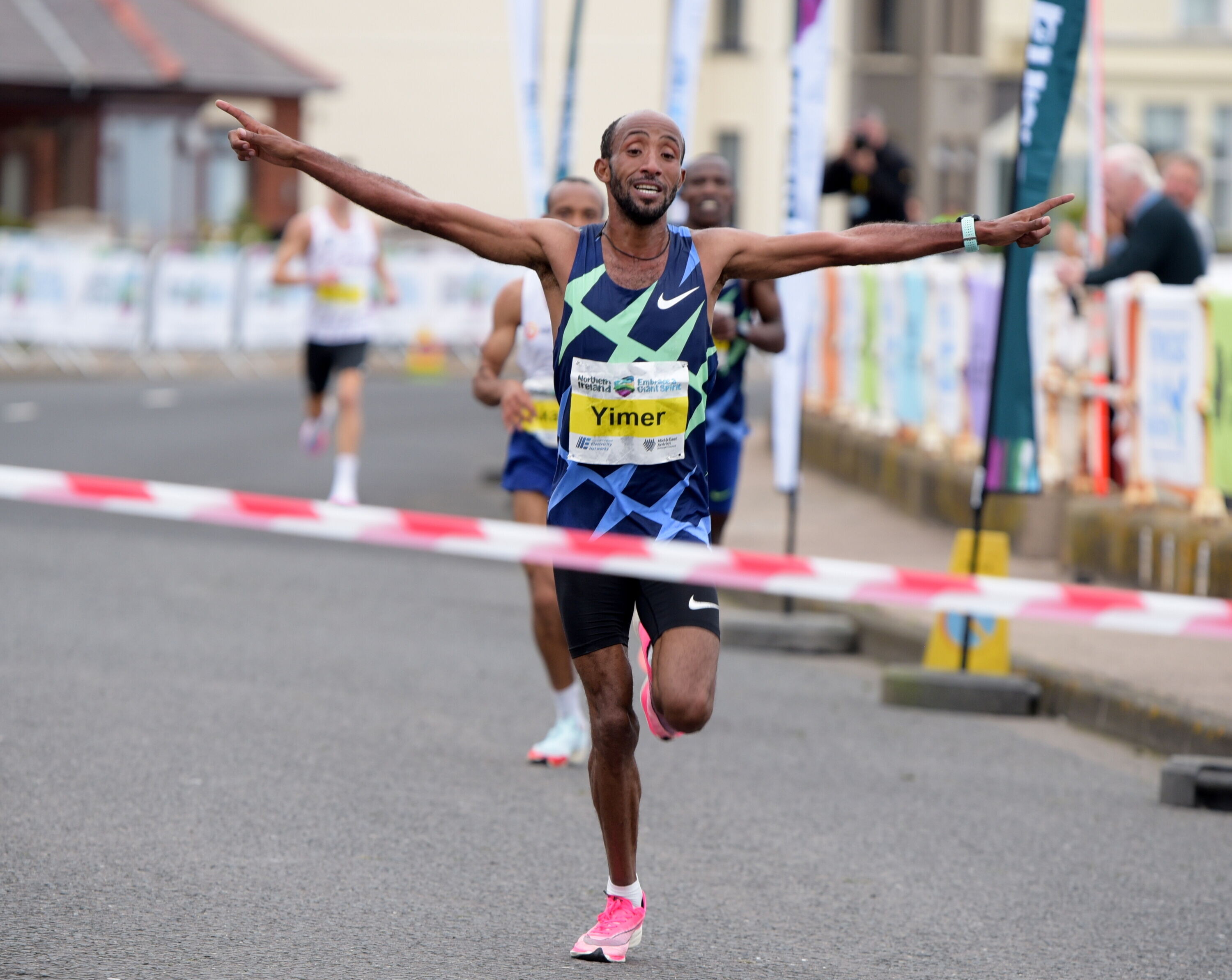
Ethiopian distance running stars Ethiopians Yalemzerf Yehualaw and Jemal Yimer lead a world-class line-up at the ‘Mid & East Antrim’ Antrim Coast Half Marathon in Larne, Northern Ireland, on Sunday (Aug 28). There is plenty of British interest too with Marc Scott and Callum Hawkins among the entries.
The event, which is set to be covered live on BBC online from 8.55am, sees Yehualaw coming into this year’s race having broken the women’s world record over 10km with 29:14 in Castellon, Spain, earlier this year, in addition to running the fastest female debut marathon ever of 2:17:23 in Hamburg in April.
At the Antrim Coast event last year she appeared to break the world record for 13.1 miles with 63:43 but was denied the mark due to the course being found to be 54 metres short.
Yehualaw will be joined at this year’s Antrim Coast event by her training partner Tsehay Gemechu. The 23-year-old Ethiopian comes to this year’s with a personal best of 65:08 and has been winner of the Lisbon Half-Marathon two years in a row and Copenhagen Half-Marathon in 2021.
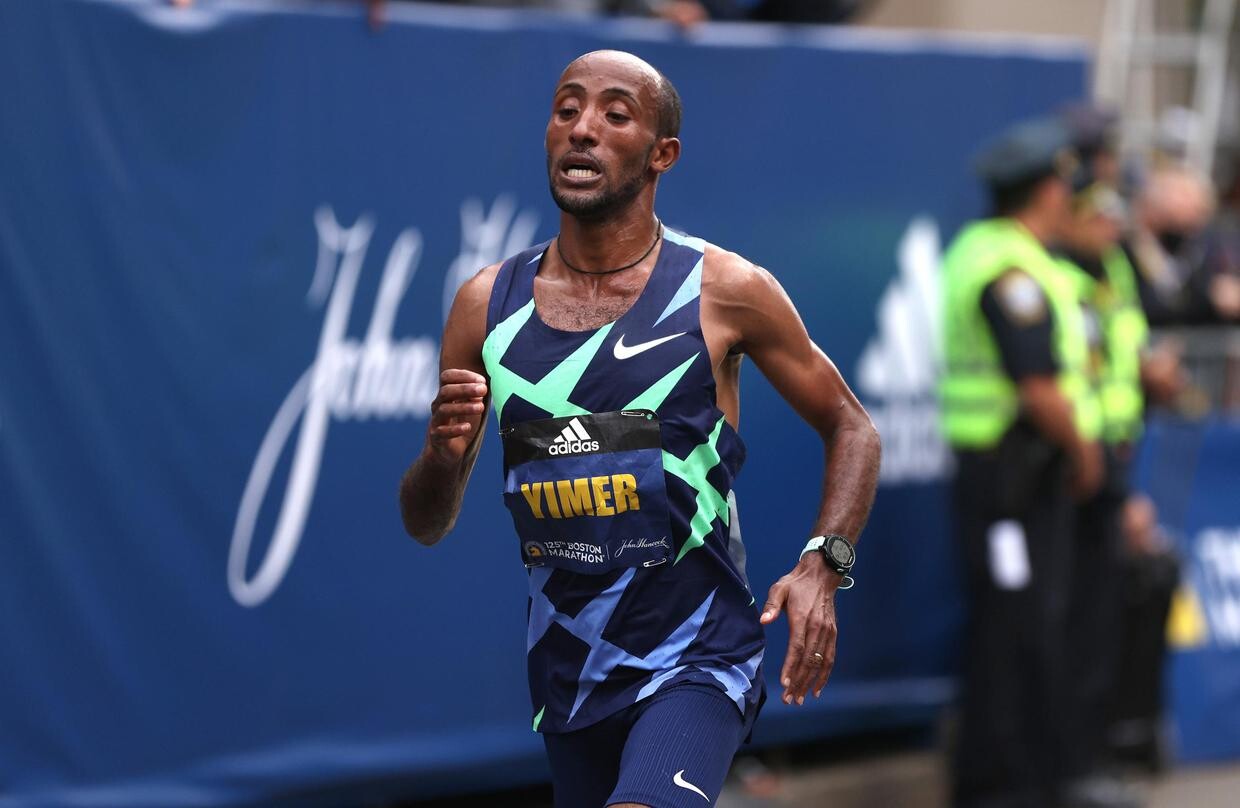
In addition for this World Athletics Elite Label road race there is Gete Alemayehu, who recorded 66:37 for second in Barcelona Half-Marathon in April. Beatrice Chepkemoi of Kenya, who has a PB of 67:29, will make it four women who have run under 67:30.
Three male pacemakers have been lined up and there is Northern Ireland interest courtesy of Emma Mitchell, Fionnuala Ross and Hannah Irwin.
The men’s field is led by Ethiopian record-holder and last year’s winner, Yimer. He is the quickest in the race with a PB of 58:33 but faces fellow Ethiopian Tesfahun Akalnew, who was was runner-up in Larne 12 months ago and has subsequently recorded a 2:06:55 marathon in Amsterdam.
Bethwel Birgen of Kenya is set to set the pace with Scott in particular hoping to be dragged under the 60 minute barrier. The Brit was not at his best in this summer’s track championships but has great pedigree on the roads after having won the Great North Run last year.
Could he get close to Mo Farah’s British record of 59:32 set in Lisbon seven years ago?
Also in the line-up are Shadrack Kimining of Kenya, Huseydin Mahamed of Ethiopia and Gizealew Ayana of Kenya, all of whom have broken the 60-minute barrier in the past.
Northern Ireland’s Stephen Scullion is also due to run plus Omar Ahmed of Birchfield Harriers.
The event has also secured a major coup with the signing of Haile Gebrselassie. The 49-year-old, who won multiple global titles during his career, will run the inaugural Antrim Coast Classic Street Mile for fun with Jo Pavey, young athletes and parents on Saturday evening (Aug 27) before joining race director James McIlroy to commentate on a half-marathon the next day.
(08/26/22) Views: 84Jason Henderson

What to Eat Before, During and After a Race
It is important to fuel your body with proper nutrition and water - before, after and during a race.
For a successful marathon, it’s critical to fuel your body with proper nutrition and keep it sufficiently hydrated before, during and after the race.
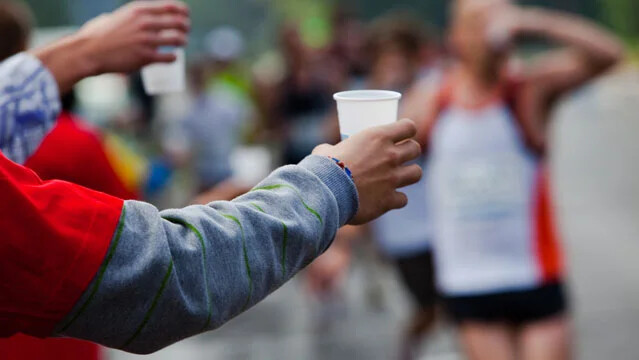
Before any big race, build up your energy reserves by loading on carbohydrates, starchy vegetables, fruits and lean protein for three days.
Inexperienced runners often make the mistake of taking heavy meals the day before the race. Overeating can overwhelm your digestive system. You may feel bloated or nauseous during the race.

What to eat before a race
Have a low-fat, high-carbohydrate and low-fibre meal about three hours before the race to prevent any indigestion, fatigue or stomach discomfort whilst running. Avoid heavy meals the day before the race and only eat familiar foods on the day itself.
Foods to eat
Bread/toast, bagel, peanut butter, fruit without skin (banana), pulp-free fruit juice or sports drink for a pre-race breakfast.
Rice, pasta, lean meat, starchy vegetables, fruits for “carbo-loading” at least three days before the race.
For hydration, drink 500 to 700 ml of fluid about three hours before the race.
Foods to avoid
Deep fried foods, foods high in saturated fats (red meat, processed foods like bacon, sausages and pastries).
Avoid dairy products (milk, cheese, yoghurt) on race day if you have a history of gastrointestinal problems. Some marathon runners skip morning coffee as it is diuretic.
Because the body uses more energy digesting fatty foods, your race performance might suffer if you consume excess fats.
What to eat during a race
Energy bars, energy gels and bananas are excellent for replenishing carbohydrate during a race. Take small bites while continuing the run.
Keep yourself hydrated. Dehydration occurs when water lost through heavy breathing and perspiration is not replaced adequately by fluid intake. You may lose up to 3 to 5 kg of water weight in a three-hour marathon.
To prevent dehydration during a race:
Take another 300 to 600 ml of fluid 15 minutes before the race begins.
Drink 150 to 250 ml of fluid at regular intervals to replace fluid loss. Take small sips while continuing to run.
Fluids include plain water (for runs lasting less than 90 minutes) and sports or isotonic drinks (for longer distances such as marathon).
Avoid soda, fruit juices and cordials. Their high sugar concentrations may delay gastric emptying and cause stomach discomfort during the run.
What to eat after a race
Hydrate with sport drinks after a marathon. Isotonic drinks are preferred as they contain similar concentration of salts and sugar as the human body. Avoid alcohol in the 24 hours following a race, as it promotes dehydration.
Do not drink just based on your thirst, as it won’t reflect all of your fluid needs. For a visual guide, your urine should be almost colourless a couple of hours after the run.
Within one hour after a race or marathon, grab a carbohydrate-rich snack such as banana sandwich, red bean bun, energy bar, peanut butter on a banana and a sports drink.
Within two to three hours after a race or marathon, have a balanced meal comprising a lean protein (fish, chicken), carbohydrates (rice, pasta, potatoes) and good fats (avocados, nut butter).
(08/26/22) Views: 84
Dr Darren Tay
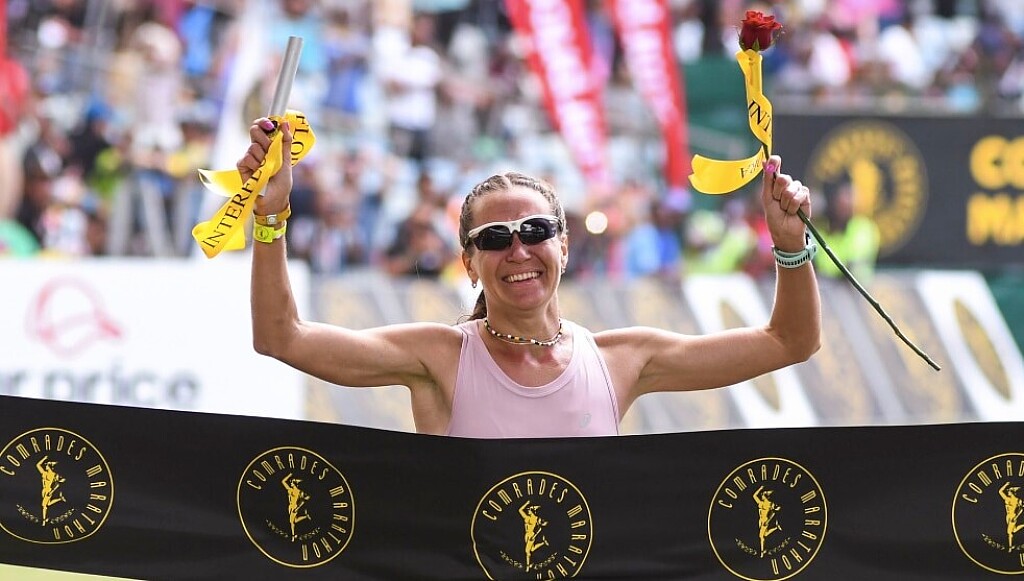
Russian Runner Alexandra Morozova Wins Women's 2022 Comrades Marathon Despite Controversy
Alexandra Morozova put a sideshow aside to emerge victorious in the 2022 Comrades Marathon today.
The Russian runner finished the grueling race in a time of 06:17:46.

As was reported by ENCA, she had been barred from participating in the even by the organizers, who had been instructed to do so by Athletics South Africa acting on a recommendation by World Athletics. Russia is currently experiencing isolation from the world of sports following the fallout from the country's ongoing invasion of Ukraine.
However, EWN reported that she launched an interdict with the Pietermaritzburg High Court to challenge her barring, which turned out to be a successful one for her.
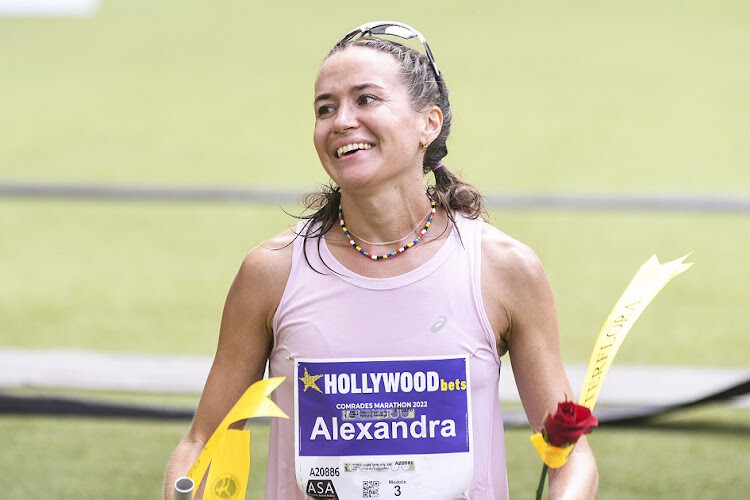
Morozova said after the win:
"It was amazing. All of my dreams came true today. It was the most difficult marathon of my career. I'm happy to be here to achieve this win. It was my turn this year.
"Thank you so much to the citizens of South Africa for the warm greetings. It was so special to run into the stadium and feel this warmth from the crowd.
Thank you so much for the opportunity."
EWN also added that she will have to return to the court in November to find out if she will receive her prize money or not.
(08/29/22) Views: 83Keba Mothoagae

Three simple steps to running hills with ease
Running hills seems simple: you power over the top and continue, right? Once you’ve tried a few hill training sessions, or find yourself suddenly running uphill in a race, you’ll realize there’s an art to it. Here’s how to maximize your hill training by running both up and down effectively and efficiently, without getting hurt.
1.- Practice long climbs at sustainable paces

Studies show many runners tackle hills too quickly at the outset, dashing up a long climb at a greater effort than they can maintain. If you’re running a hill sprint workout, this is fine, but in any other circumstance you want to run at an even, sustainable pace. You risk burning energy you won’t be able to regain later in the race or workout if you run full-tilt up every hill you see.
Aim to find a hill that takes you 10 minutes or longer to run up (or set your treadmill incline to the point where you feel a burn, but can smoothly keep pace). Try to mimic the effort you would be expending if you were running on flat terrain, regardless of how slowly it feels like you’re going. If your breathing is noticeably heavier, slow down.

2.- Use ‘long strides’ at the top to transition
If you run too quickly up a hill, you may find yourself pausing at the top or slowing down greatly to catch your breath before resuming your normal pace. You’ll also have a shorter stride as you head uphill, and it takes a conscious effort to switch back to your regular gait quickly.
Cue yourself to open up your stride and accelerate. For practice, find a short hill that takes under a minute to reach the top of. Run hard to the top, lengthen your stride and pick up your pace for 15 seconds. Jog down the hill to recover, and repeat five to 10 times.
3.- Practice good running form on the way down
You’ve probably seen others run downhill at full speed–if you’re a person who can comfortably and safely do that, you’re lucky. For most of us, downhill running is a skill to practice. You want to avoid putting on the brakes too much, but you also don’t want to be pounding down the hill or running out of control.
After your regular run, add in four to six 100-metre strides down a slope, or a gentle hill with a grade you are comfortable tweaking your speed on. Shorten your stride, keep your arms wide and low for balance, and aim to run smoothly with quick steps. If you find your breathing quiets, you can push a little bit harder. Over time, find steeper hills to run down while maintaining the same form.
(08/26/22) Views: 78Keeley Milne

World lead for Jakob Ingebrigtsen in Lausanne
Olympic 1500m champion enjoys emphatic win at Diamond League on Friday as Noah Lyles, Jasmine Camacho-Quinn and Joe Kovacs also take victories in the Swiss city.
There were plenty of surprises at the Athletissima meeting in Lausanne on Friday (Aug 26) with world champions Ryan Crouser, Grant Holloway, Tobi Amusan and Mutaz Essa Barshim among those suffering end-of-season defeats. But there was no doubt about the winner in the men’s 1500m as Jakob Ingebrigtsen stormed to victory in a world-leading mark of 3:29.05.
Using his predictable yet effective tactics of taking the lead shortly after the pacemaker went through 800m in 1:51, the Norwegian built a small lead at the bell and held his advantage over the final lap as Abel Kipsang of Kenya battled his way into second in 3:29.93 and Stewart McSweyn of Australia showed a welcome return to form with 3:30.18 in third.
Josh Kerr bounced back from his dismal Commonwealth Games experience by finishing fourth in 3:32.28 with fellow Brits Jake Heyward (3:34.99) and Matt Stonier (3:35.57) ninth and tenth. Commonwealth champion Olli Hoare, meanwhile, faded badly on the last lap to finish 12th.
“It was a good race,” said Ingebrigtsen. “I would have liked to have gone a little faster but considering I’ve had a lot of races, it was good. I’m now looking forward to the races at the end of the season and running even faster next year.
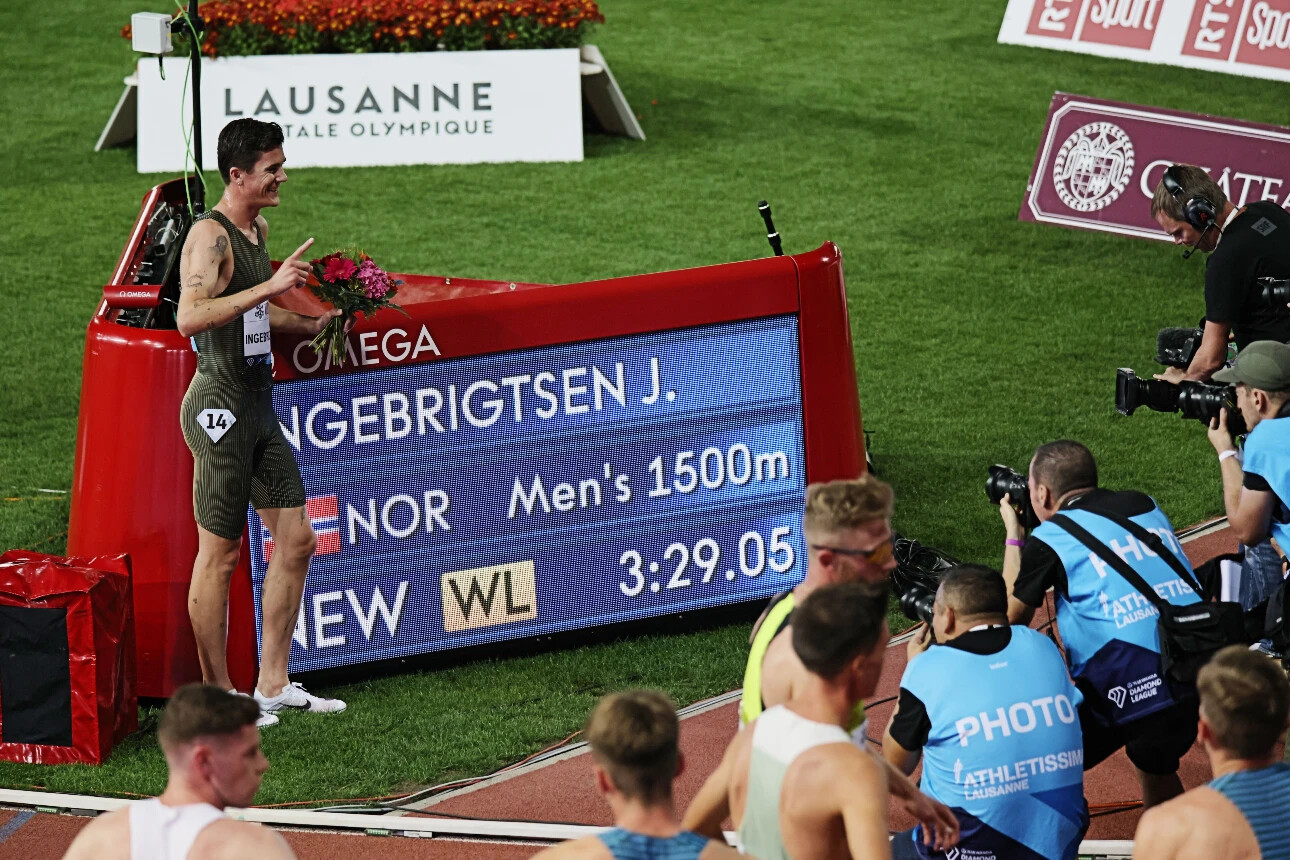
“All in all it’s been a good season but I’m ready to put in a lot of work this winter to win more races next summer. I don’t think we’re going to get any record times in Zurich (Diamond League final next month) but I think we will have a good competition there.”
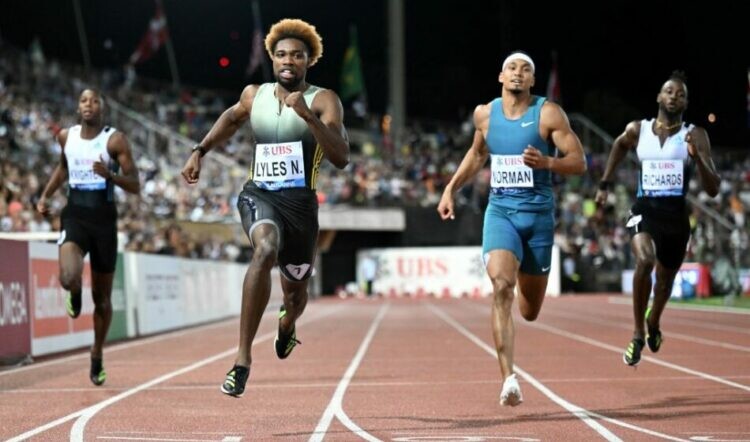
Chilly conditions in Lausanne were not conducive to fast sprint times but Noah Lyles ran a quick 19.56 (1.3) despite a poor start. Mike Norman, who had led into the home straight, was runner-up in 19.76 as Britain’s Charlie Dobson, on his Diamond League debut, ran 20.34 in eighth from the inside lane.
The much-anticipated women’s 100m showdown turned into an anticlimax when firstly world champion Shelly-Ann Fraser-Pryce withdrew with a minor injury and then Elaine Thompson-Herah, the Olympic champion, false started. In their absence Aleia Hobbs won in 10.87 (0.0) from Shericka Jackson’s 10.88 and Marie-Josee Ta Lou’s 10.89.
(08/27/22) Views: 76Jason Henderson

ADHD and runners: can diet help with management?
As a sports nutritionist, I commonly counsel runners and other athletes who have Attention Deficit Hyperactivity Disorder—generally referred to as ADHD (or ADD). ADHD is characterized by hyperactivity, impulsivity, and/or inattention. It affects 4-10% of all American children and an estimated 4.4% of adults (ages 18-44 years). ADHD usually peaks when kids are 7 or 8 years old. Some of the ADHD symptoms diminish with maturation but 65-85% of the kids with AHDH go on to become adults with ADHD.
Ideally, runners with ADHD get the help they need to learn how to manage their time and impulsiveness. Unfortunately, many youth athletes with ADHD just receive a lot of negative feedback because they have difficulty learning rules and strategies. This frustrates teammates and coaches. Older athletes with ADHD often run to reduce their excess energy, calm their anxiety, and help them focus on the task at hand. This article offers nutrition suggestions that might help coaches, friends, and parents, as well as runners with ADHD, learn how to calm the annoying ADHD behaviors.

• To date, no clear scientific evidence indicates ADHD is caused by diet, and no specific dietary regime has been identified that resolves ADHD. High quality ADHD research is hard to do because the added attention given to research subjects with ADHD (as opposed to the special diet) can encourage positive behavior changes. But we do know that when & what a person eats plays a significant role in ADHD management and is an important complimentary treatment in combination with medication.
• ADHD treatment commonly includes medications such as Concerta, Ritalin & Adderall. These medications may enhance sports performance by improving concentration, creating a sense of euphoria, and decreasing pain. These meds are banned by the World Anti-Doping Agency (WADA) and the International Olympic Committee (IOC). Hence, runners who hope to compete at a high level are discouraged from taking ADHD medications

• To the detriment of ADHD runners, their meds quickly blunt the appetite. Hence, they (like all athletes) should eat a good breakfast before taking the medication.
• The medication-induced lack of appetite can thwart the scrawny teen runner who wants to gain weight and add muscle. Teens should be followed by their pediatricians, to be sure they stay on their expected growth path. If they fall behind, they could meet with a registered dietitian (RD) with knowledge of sports nutritionist (CSSD) to help them reach their weight goals.
• An easy way for “too thin” runners to boost calories is to swap water for milk (apart from during exercise). The ADHD athlete who does not feel hungry might find it easier to drink a beverage with calories than eat solid food. Milk (or milk-based protein shake or fruit smoothie) provides the fluid the athlete needs for hydration and simultaneously offers protein to help build muscles and stabilize blood glucose.
• A well-balanced diet is important for all runners, including those with ADHD. Everyone’s brain and body need nutrients to function well. No amount of vitamin pills can compensate for a lousy diet. Minimizing excess sugar, food additives, and artificial food dyes is good for everyone.
• Eating on a regular schedule is very important. All too often, high school runners with ADHD fall into the trap of eating too little at breakfast and lunch (due to meds), and then try to perform well during afterschool sports. An underfed brain gets restless, inattentive, and is less able to make good decisions. This can really undermine an athlete’s sports career
• Adults with ADHD can also fall into the same pattern of under-fueling by day, “forgetting” to eat lunch, then by late afternoon are hangry and in starvation mode. We all know what happens when any runner gets too hungry – impulsiveness, sugar cravings, too many treats, and fewer quality calories. This is a bad cycle for anyone and everyone.
• All runners should eat at least every four hours. The body needs fuel, even if the ADHD meds curb the desire to eat. ADHD runners can set a timer: breakfast at 7:00, first lunch at 11:00, second lunch at 3:00 (renaming snack as second lunch leads to higher-quality food), dinner at 7:00.
•For high school runners with ADHD, the second lunch can be split into fueling up pre-practice and refueling afterwards. This reduces the risk of arriving home starving and looking for (ultra-processed) foods that are crunchy, salty, and/or sweet.
• (Adult) runners with ADHD are often picky eaters and tend to prefer unhealthy snacks. For guidance on how to manage picky eating, click here for adults and here for kids.
• Fiber-rich fruits, vegetables, and whole grains can be lacking on an ADHD runner’s food list. Their low fiber diet can lead to constipation. Fiber also feeds the zillions of microbes in their digestive tract that produce chemicals that can positively impact brain function and behavior. Everyone with ADHD should eat more fiber-rich foods like beans (hummus, refried beans in a burrito), seeds (chia, pumpkin, sunflower, sesame), and whole grains (oatmeal, brown rice, popcorn). They offer not only fiber but also magnesium, known to calm nerves.
• With more research, we’ll learn if omega-3 fish oil supplements help manage the symptoms of ADHD. At least, eat salmon, tuna, and oily fish as often as possible, preferably twice a week, if not more.
• Picky eaters who do not eat red meats, beans, or dark leafy greens can easily become iron deficient. Iron deficiency symptoms include interrupted sleep, fatigue, inattention, and poor learning and can aggravate ADHD. Iron deficiency is common among runners, especially females, and needs to be corrected with iron supplements.
• While sugar has the reputation of “ramping kids up”, the research is not conclusive about whether sugar itself triggers hyperactivity. The current thinking is the excitement of a party ramps kids up, more so than the sugary frosted cake. Yes, some runners are sugar-sensitive and know that sugar causes highs and crashes in their bodies. They should choose to limit their sugar intake and at least enjoy protein along with sweets, such as a glass of milk with the cookie, or eggs with a glazed donut. Moderation of sugar intake is likely more sustainable than elimination of all sugar-containing foods.
(08/27/22) Views: 76Colorado Runner

Budapest 2023 World Athletics Championships schedule will favor double bids
Next year's World Athletics Championships in Budapest will last for nine days - one less than the last five editions of this event - and will favor athletes seeking double bids.
Popular doubles such as the 100m/200m, 800m/1500m, 1500m/5000m, 5000m/10,000m, 20km/35km race walk, women's long jump/triple jump and women's 200m/400m have all been made possible with athletes attempting them not having to contest more than one round in any given session.
The 2023 World Championships schedule - from August 19 to 27 - will involve 49 disciplines including six road events which will be spread across five separate mornings.
All track and field finals will be contested in the evening sessions, with at least four finals scheduled every day, even on the first day.

The final two days will feature eight medal events and both will end with women's relays.
And, as has been the case at recent major championships, the mixed and single-sex 4x400m finals are held either side of the individual one-lap disciplines to allow athletes to partake in both relays and individual disciplines should they so desire.
The first evening session will end with the mixed 4x400m final.

The men's 100m will be in the spotlight on the second day, while the women's 100m takes center stage on day three.
The women's 1500m will be one of four finals held on day four.
The men's 400m hurdles will conclude the action on day five.
Both 35km race walk finals will be held on the morning of day six and there will be no rest on the seventh day, as both 200m finals will conclude the evening session.
The women's marathon starts on the penultimate day, which will later include the men's pole vault and both 4x100m finals.
The men's marathon will be held on the morning of the final day and the championships will end with both 4x400m finals.
"The release of the timetable is a significant milestone for the World Athletics Championships Budapest 23, now less than a year away," World Athletics President Sebastian Coe said.
"After seeing the extraordinary crowds that descended on Birmingham for the Commonwealth Games and Munich for the European Championships in the last month, we know the appetite for our sport across Europe is as strong as ever and we're looking forward to taking our premier event to central Europe for the first time.
"Creating the timetable for an outdoor World Championships is a complex balancing act, taking into account the needs of athletes, broadcasters and the host city, as well as our other stakeholders.
"I’m confident that a return to a nine-day programme and evening-only finals in the stadium will be embraced by our athletes and audience in Budapest, and by those watching around the world."
Peter Deutsch, chief executive of the Budapest 2023 local organising committee, added: "We have created a schedule that best serves the interests of the athletes, including Hungarian athletes and the audience.
"There will be a lot of competitions late in the evening because that will be the right weather for the athletes.
"Every night there will be great excitement, there will be finals, and every night there will be Hungarians in the field for the home fans to cheer on.
"Our aim is for the World Championships to strengthen Hungarian athletics, to achieve the best results and to make this wonderful sport as popular as possible."
Tickets are due to go on sale in late 2022.
(08/27/22) Views: 75
Mike Rowbottom

Everything You Need to Know About Running with a Group
Running is often thought of as a solo sport, but you're missing out if you always hit the roads by yourself. Group running can enhance your athletic experience.
What Is Group Training?
Group running is simply organized training, usually arranged by a local training association, running store, or health club. Training groups may meet once per week or several times during the week for a variety of running-related workouts.
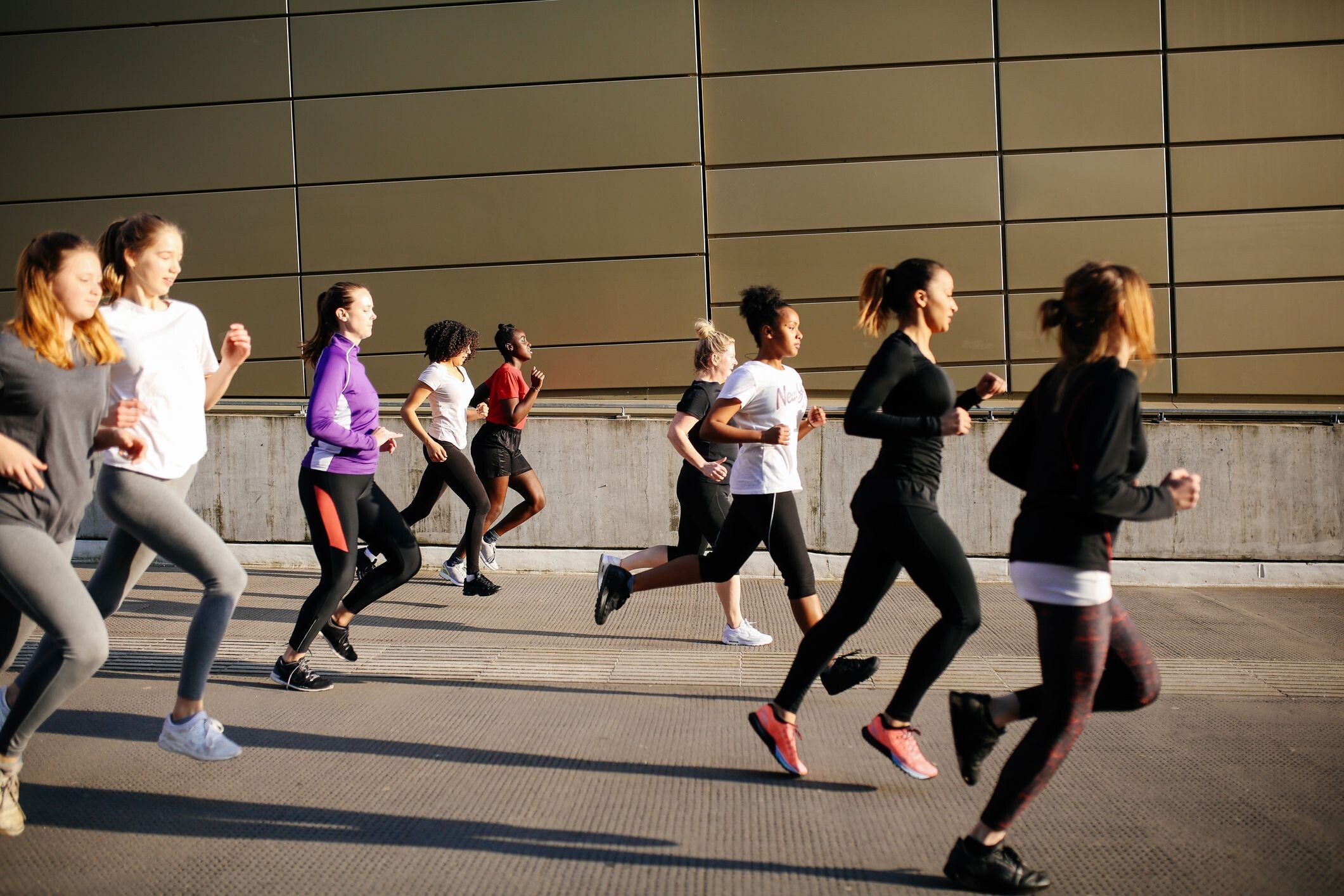
Usually, runners of all abilities are welcome, although you will probably be grouped according to your running pace. For example, there may be different sub-groups within a large group so that those running a 10-minute mile are not required to keep pace with those running a 6-minute mile.
Types of Running Groups
There are different types of running groups. Some training groups are organized around a specific goal. For example, those running a marathon might meet for weekly long runs to prepare for their event. But there are also other groups for athletes who participate in 10Ks, 10 mile, and half marathon events. And there are track groups for runners who participate in sprint distance events.
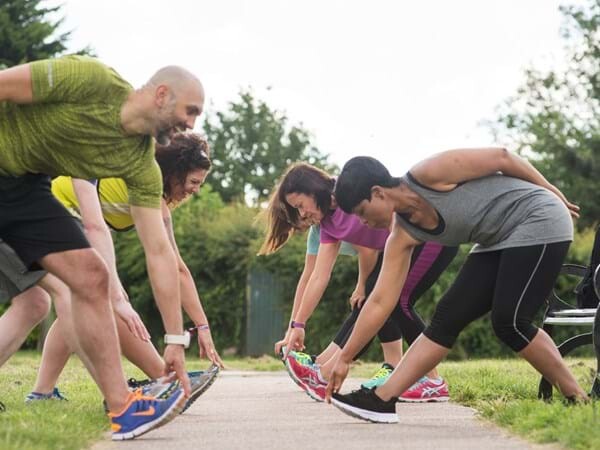
If you don't participate in running events, there are also running groups for people who simply enjoy the sport of running. Generally, these groups include running workouts along with other social functions. There are also running groups affiliated with charity organizations, such as Leukemia & Lymphoma's Team In Training (TNT).
Group Running Etiquette
Regardless of the type of group you join, there are certain rules of the road that you should follow to make your experience—and the experience of your fellow runners—more enjoyable.
First, leave your headphones at home. Engage with your fellow runners during the workout. Don't be afraid to start conversations. For example, you can ask questions about upcoming running events or previous running experience. Positive and friendly conversations will help the time fly by, especially on long runs.
Next, always follow traffic rules. Stay to the right side of the road, cross busy streets with the traffic signal, and try not to run more than two abreast to allow cars and cyclists to pass. Always run against traffic so that you can see oncoming cars and trucks.
Also, run with your group. While this rule might seem obvious, there may be times when you feel that you want to separate from the pack and run ahead or fall back behind the others. Be sure that you choose the right pace group and stay with the others to enhance the experience.
Lastly, respect your fellow runners if need to spit, blow your nose or pass gas. Move to the side or back of the pack so that others are not affected by your understandable but less-than-desirable bodily functions.
Benefits of Group Running
It doesn't matter which kind of running group you choose. You can expect to enjoy a wide range of benefits from the experience of running with others who share your love of the sport.
Safer Workouts
It's obviously much safer to run in pairs or with a group. It's tough to get lost if you're with a group and, even if you do take a wrong turn, you have each other to figure out how to find your way.
When running with a group, you're less likely to need to listen to music, which means you won't be distracted or not able to hear cars or other hazards. And if someone in the group gets injured or sick, there's always someone there to help. Potential attackers are also more likely to strike a lone runner than they are a group.
Creative Stimulation
Some people prefer to run alone so they can sort out their thoughts and do some brainstorming. But running in a group may actually get your creative juices flowing even more than running solo because you're able to bounce ideas off other people and ask them for feedback on a project or problem you're working out.
Increased Motivation
With group running, you get your own personal cheering squad. Members of running clubs and teams root each other on during races and support one another through long runs.
You'll also be more motivated to stick to your training because you and your running partners will hold each other accountable. It's harder to blow off a workout when you know that your teammates are expecting you to show up.
Improved Performance
Let's face it: everyone thrives on a little healthy competition. When you're running with others who are encouraging you to run faster and harder, it's easier to take it to the next level. When running alone you may be tempted to cut your workout short, but trying to keep up with running buddies encourages you to do that extra hill repeat.
Career Benefits
While some deals are sealed on the golf course, plenty of important business conversations have also taken place between runners on the road. Running with co-workers, clients, or even your boss is a great way to network and build your professional relationships.
Also, meeting new people through running is also a great way to expand your professional circles and potentially find a new job, make new contacts, or learn about other business opportunities.
Reduced Boredom
It's tough to get bored when you're running with others. You're also more likely to explore new running routes when running with a group, which will definitely make your runs more interesting.
Sense of Community
Running with a group gives you an incredible sense of community. Whether you're racing together, volunteering at a race, or cheering on your teammates, it's fun and rewarding to be connected with like-minded people and be part of something that's bigger than you. Runners can really relate to each other and are supportive of one another through running (non-running) problems and triumphs.
Expanded Social Circle
Anyone who has run with a group knows that it's a great opportunity to get to know people with similar interests. Many people have met their spouse, significant other, or close friends through a running group or club. Some runners end up traveling to destination races with friends they've met in running clubs or charity running programs.
Drawbacks of Group Running
While these group running benefits are substantial, there are some downsides to this type of workout.
For example, your group is not likely to have a lot of flexibility in terms of scheduling. Typical training times include early morning and early evening. If your schedule changes regularly and you have to skip workouts often then group training may not be for you.
Also, you may have good reasons for running alone. Some people need the experience of aloneness that running solo allows. For example, if your job requires you to be actively engaged in conversations all day long, you may need some quiet time at the end of the day.
(08/30/22) Views: 73Christine Luff
