

Running News Daily
Top Ten Stories of the Week
2/12/2022
These are the top ten stories based on views over the last week.



Fitness Trackers: We Love the Data, But Are They Messing With Our Mental Health?
Some experts suggest they could heighten anxiety and lower motivation. But it all depends on how you use them.
Although I don’t remember when I put my fitness tracker into long-term storage, I certainly recall the reason: It made me doubt myself.

Like many people, I’d started wearing a tracker—in my case, a Fitbit Alta HR—as a way to track my daily steps as well as heart rate, sleep, and calorie burn.
For about 18 months, I loved digging into this data and looking at trends, but then I noticed a shift: I didn’t see the numbers as a way to work toward my health goals—they’d become a replacement for my own self-awareness.
For example, I’d wake up feeling alert and well rested, but my data suggested I’d had a terrible night of sleep. Suddenly, I wasn’t so bushy tailed and ready for the day anymore. I’d finish a run thinking I’d crushed it, but my heart rate and calorie burn data said otherwise, so that accomplishment would turn to disappointment.
Pretty soon, I started checking my numbers to determine how to feel, rather than the other way around. That’s not the fault of Fitbit, or any brand of tracker, but it was enough to make me ditch the device altogether. And it turns out I’m not alone.
The Trouble With Trackers
One survey of over 1,800 people on fitness tracker usage, habits, and stress found plenty of benefits from usage, including increased activity, but nearly half of the people feel anxiety or pressure as a result of tracker data. That led 45 percent of that group to wear the trackers less often—even though many of them felt guilty for not wearing the devices.
“Fitness trackers can measure inactivity, and some of the men and women I evaluate say that trackers exacerbate their feelings of anxiety and depression related to their body, which further demotivates them,” Leela Magavi, M.D., a psychiatrist and regional medical director for Mindpath Health, tells Runner’s World. “Some of these individuals hide their trackers as they begin to perceive them as reminders of their perceived failure.”
Those who already have anxiety disorders may feel this even more deeply, she adds, and that becomes problematic when this level of concern spikes their heart rates—which the trackers record. For those with obsessive compulsive disorders, trackers can also heighten compulsions, such as overtraining or engaging in disordered eating, says Magavi.
Even if you don’t have emotional health challenges, trackers could shift your perception in a negative direction, similar to what I’d experienced. That’s why it’s helpful to take a step back and build more awareness around their usage.
Signs It Might Be Time to Break Up With Your Tracker
Although I chose to stop using my tracker, it’s possible to take a less drastic step. You just have to acknowledge how you’re using the tracker and, especially, how it’s making you feel when you do.
“One red flag is focusing too much attention on the numbers,” Rocky Snyder, C.S.C.S., California-based trainer and author of strength training guide Return to Center, tells Runner’s World.
Of course it’s beneficial to have goals, he says, and trackers make it easy to create those and gauge progress toward them.
“The trouble starts when people many not take into consideration how their body is feeling,” he says. “For example, you’re focusing on heart rate but not keeping in mind that you might be under more stress or have muscle tension or a pain response, which can all affect that reading. You need to look at the bigger picture and not become so myopic on the numbers and stats.”
Another sign that your tracker is a mental-health hindrance is that you’re not enjoying your activity, Snyder adds. Despite the expression of nearly every runner in a photo taken at a race, this sport is actually supposed to be fun, remember?
“Don’t let your daily goal distract you from the true, underlying purpose of every program, which is to live a happier and healthier life,” he says. “If you find that you are mentally consumed by your fitness tracker, try leaving it behind and practice being in the moment of whatever adventure you’re guiding your body through.”
How to Make the Shift Toward Self-Compassion
Using trackers in a different way can not only help you make peace with their limitations, but actually benefit you in ways that support your emotional wellbeing, says Magavi.
“Trackers can help individuals create routines and transform healthy behaviors into positive habits,” she adds. “Every healthy behavior can be perceived as a win. For those who struggle with self-motivation, as we all do from time to time, accountability is key, and trackers can help you see how much you’ve achieved and practice self-compassion.”
In general, using them as part of a much larger strategy and staying aware of their effects could keep you from veering into the “obsessing over data” trap. That way, Magavi says, they’ll feel like supportive technology that keeps you motivated instead of defeated.
With this in mind, it’s likely I’ll rescue my tracker from the depths of the junk drawer—and I’ll use it in a much different way when I do.
(02/06/22) Views: 135Runner’s World
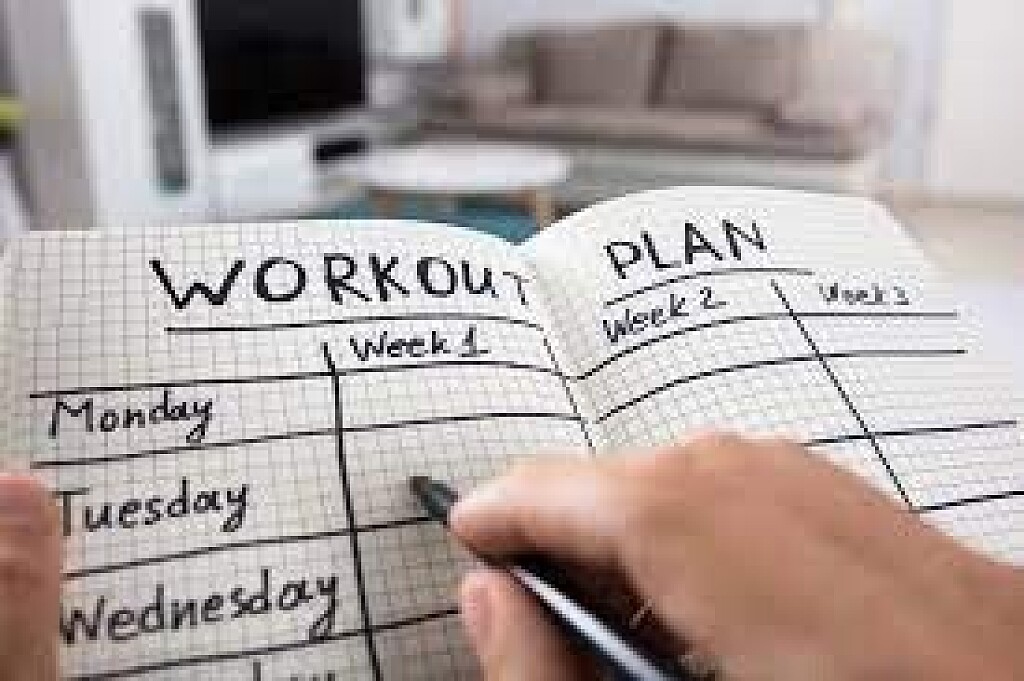
How to create a race plan, want to achieve your race goal? Make sure you plan for it
Like most runners, you probably follow some kind of training plan when preparing for a goal race, but when race day arrives, what do you do? Do you simply show up on the start line and hope for the best, or do you go into the race with a plan? Here at Canadian Running, we believe the latter is a better strategy if you’re trying to achieve a goal. Not sure where to start? Follow this guide to ensure you arrive at your goal race with a plan for success.
Know your pace ahead of time
In the last couple of weeks before your race, take an honest look at how your training has been going to create a realistic goal. If you’re not sure how to translate your times in workouts to a realistic race goal, ask a more experienced friend or coach.
Many coaches suggest having more than one goal heading into a race: a best-case goal, a realistic goal and a backup goal in case things don’t quite come together on race day. That way, you won’t be constrained by your goal if things are going better than expected, and if they go worse, you still have something to aim for rather than just giving up.

Have a strategy
In most races, ticking off kilometres like a metronome is not realistic. A hilly section of the race will likely be slower, and you may find yourself running a bit ahead of your goal pace at the beginning thanks to nerves and excitement. Knowing how you’re going to tackle different parts of the race ahead of time can stop you from panicking when you don’t hit your splits perfectly.
For example, if you know you tend to start out fast, plan to run the first kilometre a bit ahead of your goal pace and then settle into something more realistic after that. If you know there’s a hill late in the race, plan to adjust your pace to get you to the top without burning you out for the rest of the race. Want to have a strong finish? Plan at what point in the race you’re going to start your finishing kick.
Plan your nutrition

Regardless of what distance you’re running, you should plan what you’re going to eat on race day morning in advance so you have everything you need. Make sure it’s something you’re used to eating before a run or workout, so you know it won’t cause tummy troubles during the race.
If your race is longer, like a half or full marathon, make sure you plan out when, how much and what type of fuel you will be taking in during the race. This should be planned and practiced well in advance of your race so you know what your stomach can tolerate.
Plan your clothing
The night before the race, set out everything you’re going to need on race day morning. This includes the clothes you’re going to be running in, your warmup clothes, your nutrition (if you need it), and anything else you may need. If you got your race bib ahead of time, attach it to your shirt so you don’t accidentally leave it at home. There is no such thing as being over-prepared the morning of your race.
Make a schedule
Finally, plan out your morning so you get to the start line with as little stress as possible. Write out a schedule, starting with what time you’re going to get up, when you’re going to eat breakfast, when you have to leave your house and when you’re going to start warming up. Remember to give yourself more time than you need, because having extra time is far better than rushing, which will only increase your pre-race anxiety, and consider setting alarms throughout your morning to keep yourself on track.
(02/09/22) Views: 97Brittany Hambleton
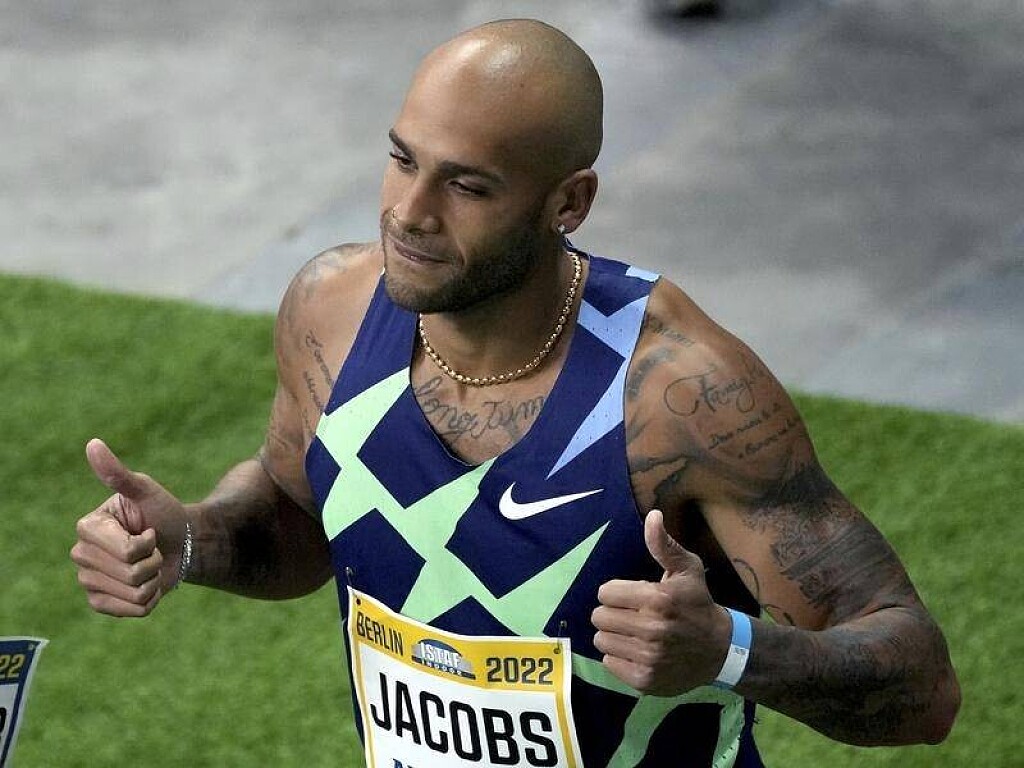
100m Olympic champion Marcell Lamont Jacobs wins his first race back since Olympics
The world’s fastest man, Marcell Lamont Jacobs, returned to the track in Germany on Friday to compete for the first time since his gold-medal-winning 100m performance in Tokyo. Jacobs ran an impressive 6.51 seconds over 60m to take the win at the ISTAF Indoor Meet in Berlin.
Jacobs had an ideal first race back, as he got out of the blocks well, using his power in his first few strides to separate himself from the field. His time of 6.51 seconds is only .04 seconds off the Italian national record he set in March of 2021. Arthur Cissé of the Ivory Coast was second in 6.60 and France’s Jimmy Vicaut was third in 6.61.

The reigning Olympic champion will have his eyes on the 60m title at the World Indoor Championships in Belgrade, Serbia, next month. Jacobs time is the fifth-fastest this year behind Christian Coleman and Treyvon Bromell of the U.S.

Coleman is the current 100m world champion, who just returned to competition last weekend at the NYC Millrose Games, after being suspended for a year due to missing a drug test in 2019.
Coleman ended up having to miss the Tokyo Olympics because of the suspension. All eyes will be on the 60m battle between Jacobs and Coleman at the World Indoor Championships.
(02/05/22) Views: 85Marley Dickinson
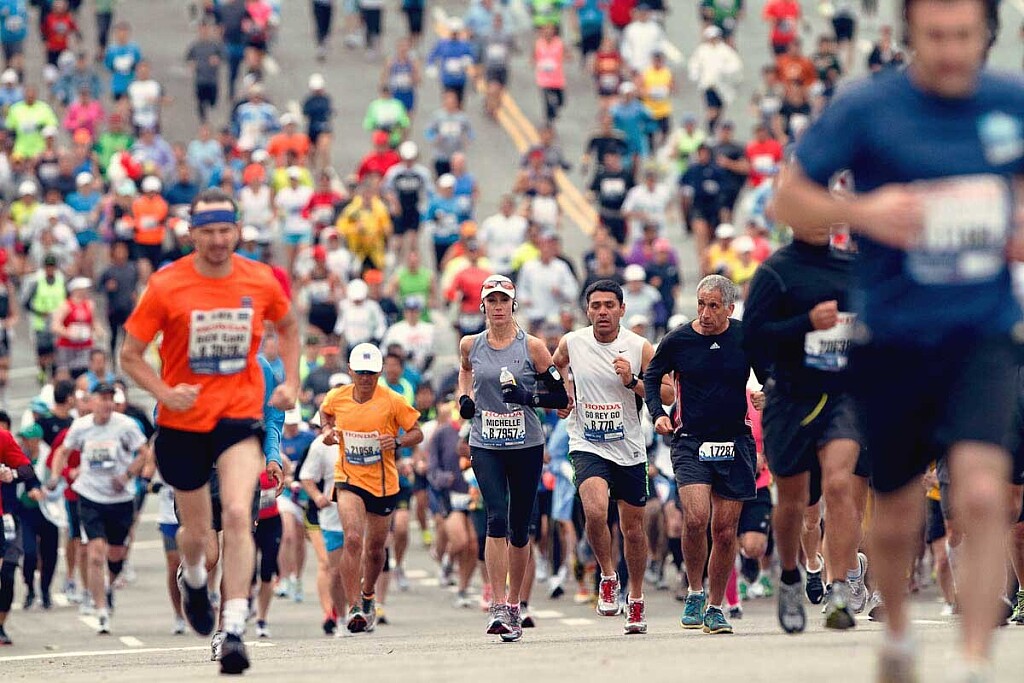
2022 Miami Marathon will celebrate 20 years this weekend
One of the largest running events in the world is celebrating decades in South Florida.
“We had our sights on being a big race,” said co-founder Frankie Ruiz. Twenty years later, the Miami Marathon is one of the biggest in the running world.
From its inaugural with only 3,400 runners to now having an average of 25,000, its become an international renowned running event.
“Ninety-nine point nine percent of the people that run this race aren’t doing it for a living or a profession,” said Ruiz. “The rest are just like me who are just having a good time sharing community, sharing a common goal that day.”

There have been some big names running some record times here in the magic city. The best time so far was just over two hours.
Like many other events, the Miami Marathon is returning for its 20th year after going virtual last year due to COVID-19.
They are seeing the demand from their participants as the race sold out back in November.
“Now, what I think we have is all this pent up demand,” Ruiz said. “We deferred a lot of those entries of people that were registered, because a whole lot of people registered for 2021. We pushed those over to 2022, and I think there’s definitely a greater sense of health and well-being and wellness and so forth and that’s why we’re seeing the demand in the sport right now.”
Twenty-six miles of roads across South Florida will transform into one the best courses in the country.
(02/04/22) Views: 84Alex Browning

Are you a shuffler or a bouncer, and does that matter?
Do you tend to drive your knees up high and get a lot of air when you run, or do you prefer to keep your feet closer to the ground? We tend to focus a lot on the elements of good running form and which stride patterns are better than others, but in this case, there may not be one right answer. According to new research, whether you’re a bouncer or a shuffler doesn’t appear to have any effect on your overall running economy.
The study

According to the authors of the paper, published in the International Journal of Sports Physiology and Performance, runners employ different strategies to lower their energy costs. Runners who keep their feet closer to the ground rely more heavily on strategies that propel them forward, while runners who get more air time focus on rebound strategies to get them to the finish line. We tend to think of runners who get more air time as stronger, more efficient runners, but is that truly the case?

The researchers recruited 52 trained runners (31 males and 21 females) to answer this question. Each participant completed a series of short treadmill runs at increasing speeds with two minutes of recovery between each. While they were running, the researchers measured their rate of oxygen consumption as a way to assess their overall running economy. A higher rate of oxygen consumption indicated a lower running economy. Markers were then placed on the participants so the researchers could assess their running kinematics in a separate series of tests to collect three-dimensional kinematic data for each participant.
Shuffling vs. bouncing
After analyzing their data, the researchers found that the amount of air time the participants had while running did not appear to affect their overall running economy. In other words, it didn’t matter whether they were shufflers or bouncers, or somewhere in-between. “Therefore, there is no advantage of choosing, favouring, or prescribing one specific global running pattern based on [these] metrics,” the researchers concluded.
The authors of the study continue to say their findings are consistent with work done by earlier researchers, which suggested that runners subconsciously adopt the ideal running biomechanics (stride length, stride frequency, contact time and leg stiffness) for them, a concept known as self-optimization.
These results lead the researchers to one final conclusion: “There is no advantage of choosing, favouring, or prescribing one specific global running pattern along a continuum based on [these] metrics. Therefore, coaches should not try to modify the spontaneous running pattern of runners at endurance running speed to improve RE (running economy).”
Should you ever try to change your stride?
This is not a straightforward question. As more research is done, it’s becoming increasingly evident that there is no one optimal way to run. Yes, there are certain characteristics of running form that are undesirable (like overstriding, pelvic drop or severe hunching of the shoulders), but generally, these issues cannot (and should not) be fixed by actively trying to change your running form. Instead, doing regular drills, stretches and a targeted strength training routine will help your body find its optimal running form on its own.
If you’re concerned about your running form, speak with a physiotherapist who specializes in running, or a coach who is trained in running biomechanics, to help you devise a stretching and strength-training routine to help you improve your running economy.
(02/05/22) Views: 82Brittany Hambleton
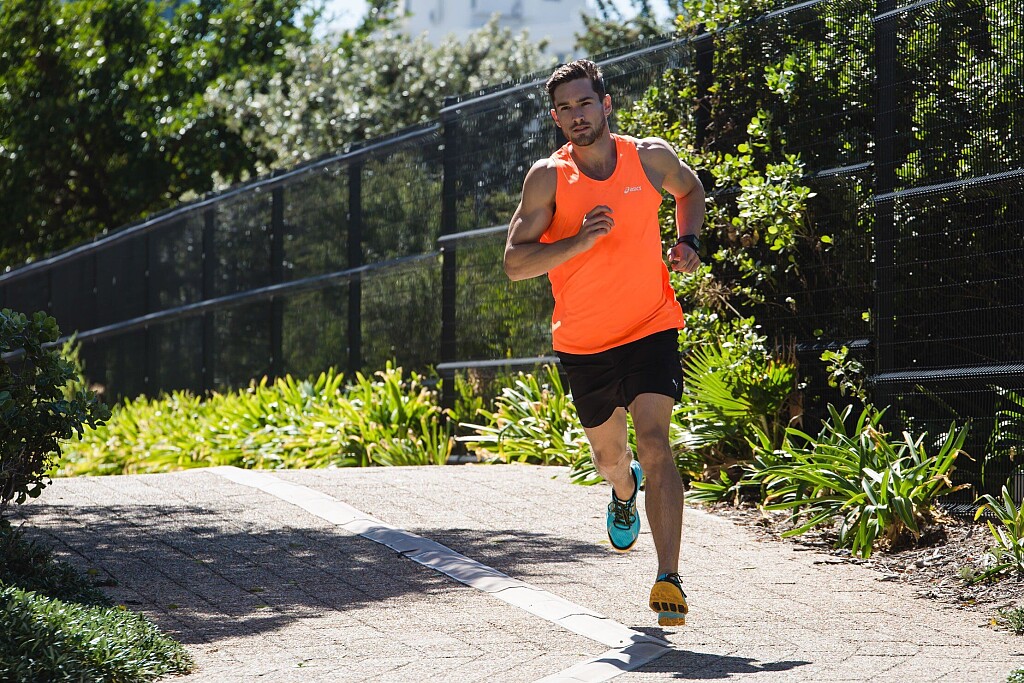
Three stages of speed work for beginners, use these three stages as a framework to help you get faster
Speed can be intimidating for many new runners to implement into training. If your goal is to get quicker, the purpose of speedwork is to help you feel more relaxed and comfortable while running at a faster pace. If you’re new to running or have simply never done a speed session before, you can use these three stages as a tool for training.
You’ll find the inclusion of speedwork will complement your easy mileage, and you’ll see the results first hand.

Stage one – Making strides
If you’ve never done any kind of max speed training (or if it’s been a while), it’s important to start small. Stage 1 exercises are a good introduction, setting the stage for more explosive work. Begin by doing strides for 80 to 100m four times with walk-back recovery. Adding these to your training one day a week will make a huge difference. Eventually, these strides should be done after every recovery run.

Stage two – Hills and intervals
After doing two to three weeks of stage one workouts, you can start to add intervals or short hill sprints in stage two. Interval work, such as two minutes on, one minute off, helps you operate outside of your comfort zone. Interval work should be done once or twice a week mixed in with a few easy runs.
Stage three – Add intensity
Once you have gradually built up and conquered a few weeks of stage one and stage two workouts, you can start to incorporate higher-intensity intervals, for example, 10 reps of 400m with short jog recovery. Limiting these exercises to once or twice a week maintains the appropriate intensity without risking injury or causing too much training fatigue.
(02/08/22) Views: 72Marley Dickinson
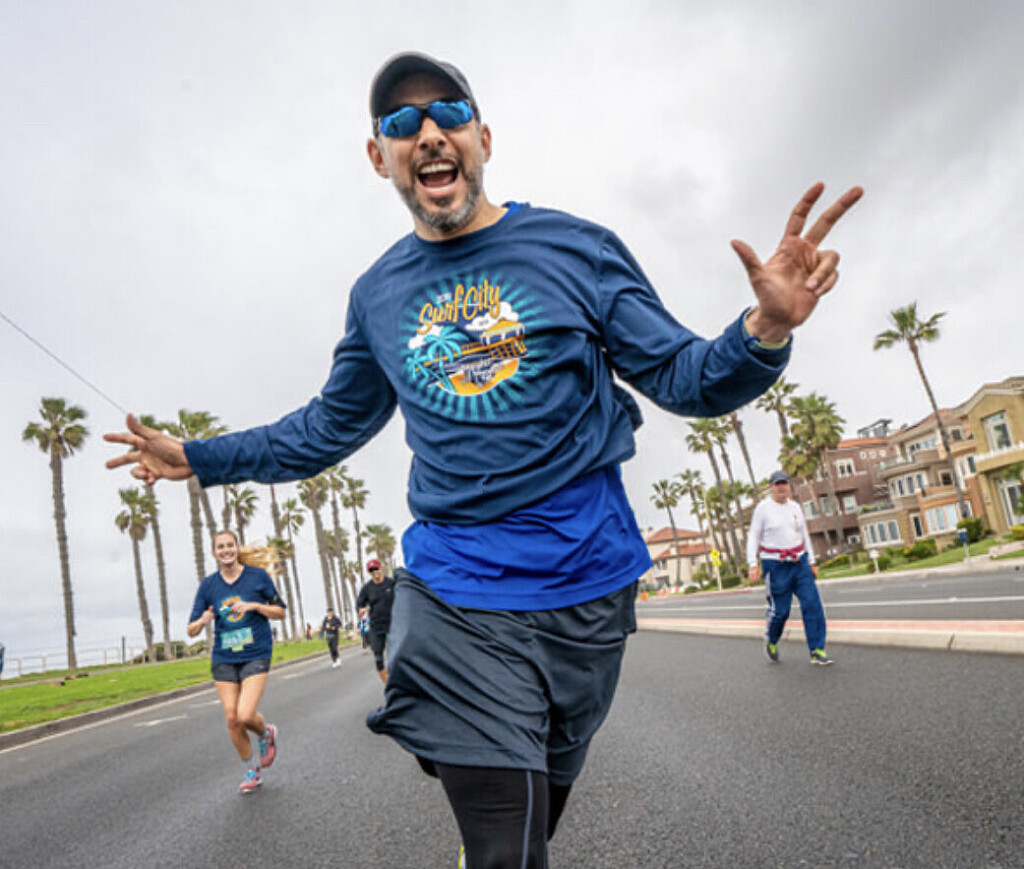
The Surf City USA Marathon in Huntington Beach returned its traditional first Sunday in February date for the first time since 2020
The Surf City USA Marathon in Huntington Beach had a field of approximately 2,000 people competing in the race’s 26th edition.
The 2021 race was delayed to Sept. 11 because of the coronavirus pandemic. It usually draws a capacity field of 2,500. The smaller field is likely due to the pandemic and the fact that this was the second running of the race in less than five months, race publicist Dan Cruz told City News Service.
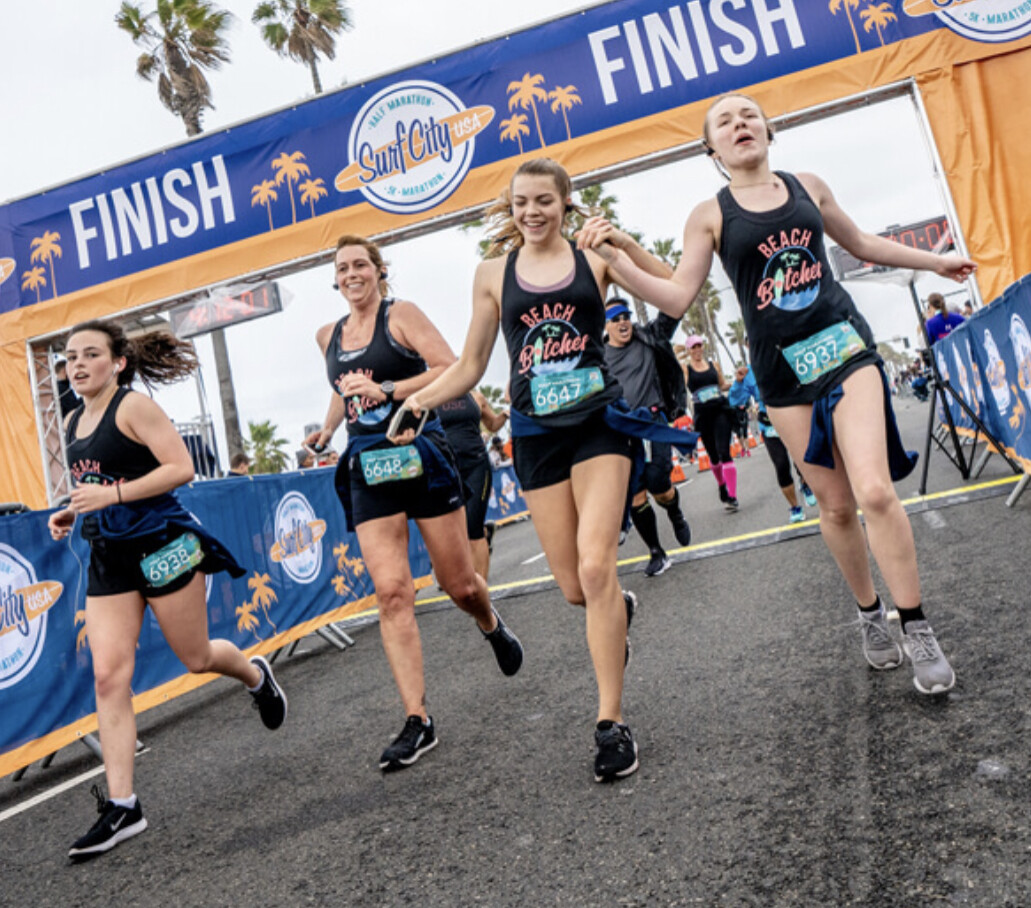
The marathon began at 6:30 a.m., 14 minutes before sunrise, on Pacific Coast Highway between the ocean and the Hilton Waterfront Beach Hotel.
The 26-mile, 385-yard course then quickly passed the Huntington Beach Pier. Miles two through nine went through Huntington Beach’s Central Park and miles 9 through 15 through the Bolsa Chica Ecological Reserve.
Miles 16 through 25 are on a beachfront running path paved over the sand. The final mile took runners along Pacific Coast Highway to the finish line, also near the Hilton Waterfront Beach Resort.
The marathon field was limited to 2,500 because the beachfront running path is not part of the race’s closed course and runners could encounter walkers, bicyclists and others not participating in the race. The path is only 8 feet wide for a few stretches, Cruz said.
Johanna Torgesen of Coronado won the women’s race with a time of 3:06:12.44.
Robert Mohr of New York won the men’s race with a time of 2:32:52.90.
The field also included Heather LeFriec, a physical education teacher from Spokane, Washington, who ran in the Surf City USA Marathon to fulfill her goal of completing 50 marathons by her 50th birthday in March.
LeFriec became a competitive runner as a senior at Oak Harbor High School about 65 miles north of Seattle after tennis was moved from fall to the spring. She wanted to stay active, compete in another sport, something that might help her lose weight. She wasn’t skilled at soccer and volleyball, so they were out.
Because she always liked running, she chose cross-country and finished 12th in the Washington state cross-country championships. After running one year at an Idaho community college, she was offered a scholarship at Gonzaga where she set a school record in the 10,000 meters that stood for more than a decade.
(02/07/22) Views: 68

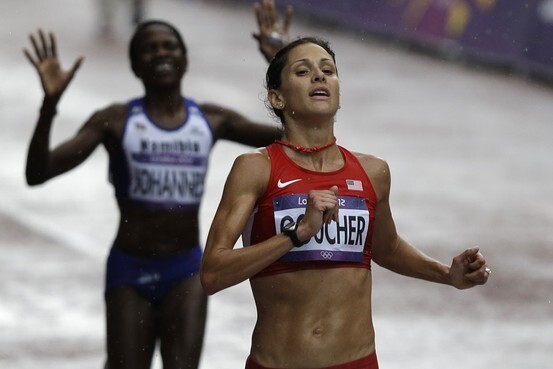
Kara Goucher has been diagnosed with neurological disorder
The running community was shocked on Tuesday when Kara Goucher, one of America’s most accomplished distance runners, announced that she will no longer be able to participate in the sport she loves. The two-time Olympian explained in an Instagram post that she had been diagnosed with repetitive exercise dystonia and that if she did not drastically cut back on her running, she’d not only risk losing her ability to run, but even to walk.
“This past week I was a patient in the neurology department at the Mayo Clinic,” Goucher said in her post. “The doctor confirmed repetitive exercise dystonia, and tried to tell me, as gently as possible, that the more I run the worse my symptoms will get. I have to drastically cut back or not only will I lose the ability to run at all, I will struggle to walk as well.”
A dystonia is a disorder characterized by involuntary muscle contractions, which can affect only one muscle, groups of muscles or muscles throughout the body. Although they are very rare, they can result from overuse or repetitive stress and tend to affect musicians and sometimes athletes.

Initially, symptoms (like a foot cramp or a tendency for one foot to turn or drag, a worsening in handwriting after writing several lines or difficulty speaking) may be very mild and only occur after prolonged exertion. Over time, they can get worse or more widespread, or not they may not progress at all.
Unfortunately, medical professionals don’t know exactly what causes dystonia and there is currently no cure, but there are some treatments available to help lessen some of the symptoms. Physiotherapy can also help affected individuals deal with or lessen their symptoms. Goucher said in her post that she had started on some medication that was helping with her symptoms.
Unfortunately, medical professionals don’t know exactly what causes dystonia and there is currently no cure, but there are some treatments available to help lessen some of the symptoms.
Physiotherapy can also help affected individuals deal with or lessen their symptoms. Goucher said in her post that she had started on some medication that was helping with her symptoms.
(02/09/22) Views: 66Brittany Hambleton

Olympic Champion Elaine Thompson-Herah, excited as she prepares to race over 60m in Birmingham
Multiple Olympic champion Elaine Thompson-Herah will race over 60m at the Müller Indoor Grand Prix – a World Athletics Indoor Tour Gold meeting – at the Utilita Arena in Birmingham on Saturday, February 19.
Thompson-Herah, gold medalist in the 100m, 200m and 4x100m relay at the Tokyo Olympics, is the Jamaican national record-holder and second-fastest woman of all time over 100m (10.54) and 200m (21.53). Her incredible CV includes five Olympic titles and one silver across two Games, in addition to a World Championships relay title and 200m silver in 2015. A World Indoor Championships bronze medalist over 60m, she has a personal best of 6.98.

“I’m so excited to race in Birmingham to start my 2022 campaign,” the 29-year-old told the British Athletics website. “I have enjoyed competing in the UK over the years and there is always a special atmosphere at this venue.
“I ran my PB at this arena in 2017 (6.98), so competing here means a lot to me. This year is a huge one. I have big goals for the World Athletics Championships later this summer, but first I’d like to give fans something to cheer about in Birmingham.”

The Müller Indoor Grand Prix is the fifth meeting of the 2022 World Athletics Indoor Tour (Gold). There are seven ‘Gold’ level meetings across the series, which started with Karlsruhe on January 28 and culminating in Madrid on March 2.
Throughout the series, each athlete’s best three results will count towards their overall point score. The athlete with the most points in each scoring discipline at the end of the tour will be declared the winner and will be awarded a USD$10,000 bonus along with a wild card entry for the World Athletics Indoor Championships Belgrade (March 2022).
(02/08/22) Views: 62

Kenyan Daisy Cherotich will be targeting personal best at RAK Half Marathon
Reigning Discovery Kenya cross country champion Daisy Cherotich hopes to lower her personal best when she lines up at the Ras Al Khaimah (RAK) Half Marathon to be held on February 19.
Cherotich has personal best of 66:15 clocked at the Lisbon Half Marathon while finishing second behind champion Tsehay Gemechu of Ethiopia.
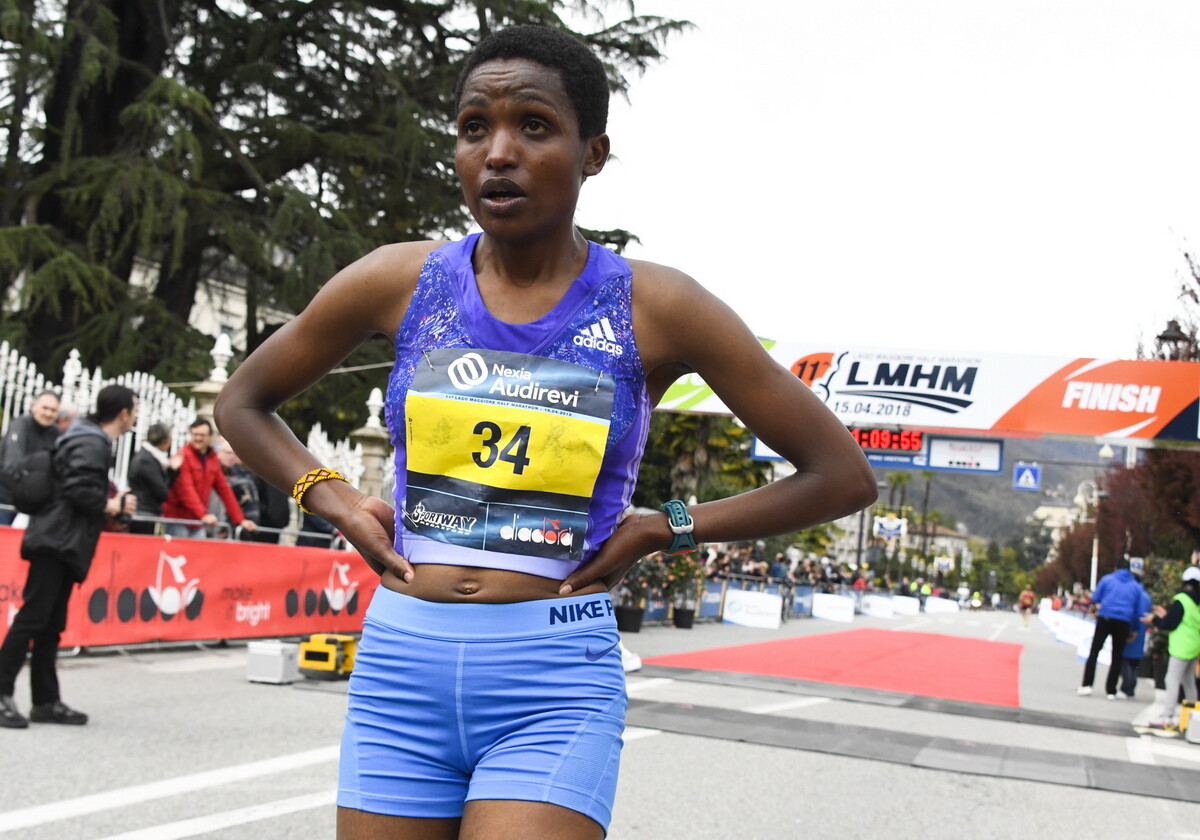
She said it will be a great achievement to win the RAK race with personal best.
“This has been in the pipeline for a long time and heading for the RAK Half Marathon, I want to make a difference in my career. I have not competed in many road races like my competitors but I believe I can pull a surprise,” said Cherotich.
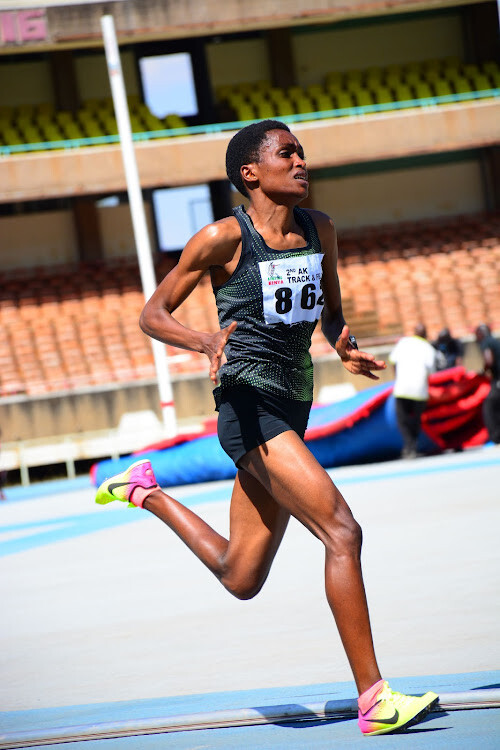
The Nandi-based runner, who trains alongside Eva Cherono, was a little-known athlete until she stunned top cream athletes to win the 2021 Discovery Kenya Cross Country championships held at the Eldoret Sports Club.
She made her half marathon debut at the Nexia Aidirevi Lake Maggiore Half Marathon timing 66:44 for the win after leading compatriot Leonida Mosop in a 1-2 podium finish.
“With my top-notch preparations, I am hoping to run a good race. As I expect good results and more so an improvement on my time because everybody,” she added.
RAK will be her fourth 21km and will be facing off with world marathon record holder Brigid Kosgei, Ethiopian Ababel Yeshane among others.
(02/04/22) Views: 61Emmanuel Sabuni
