

Running News Daily
Top Ten Stories of the Week
4/25/2020
These are the top ten stories based on views over the last week.
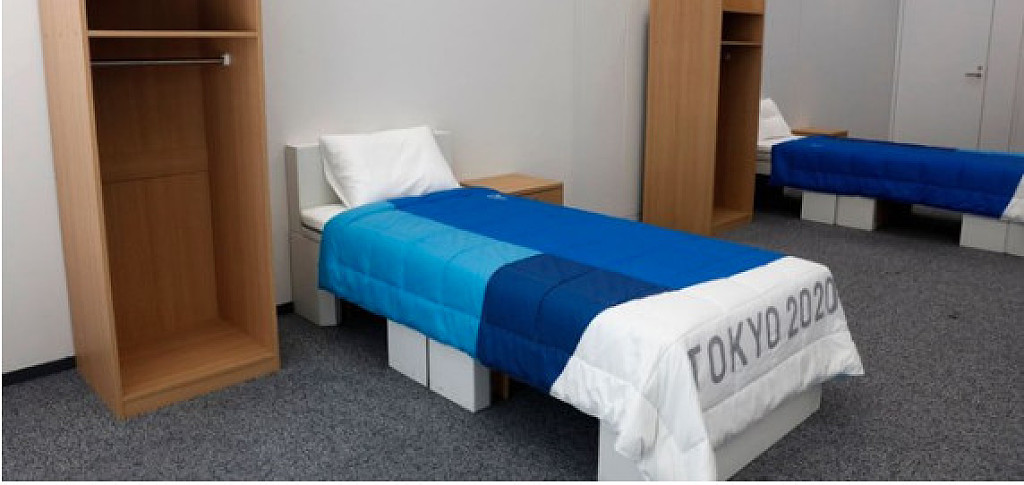


Group seeking to use Tokyo's Olympic Village to shelter homeless
A group representing the homeless is asking to use the athletes village for next year's Tokyo Olympics as a shelter during the coronavirus pandemic.
An online petition addressed to Tokyo Olympics organizers and the city government has drawn tens of thousands of signatures for permission to occupy the massive housing complex going up alongside Tokyo Bay.
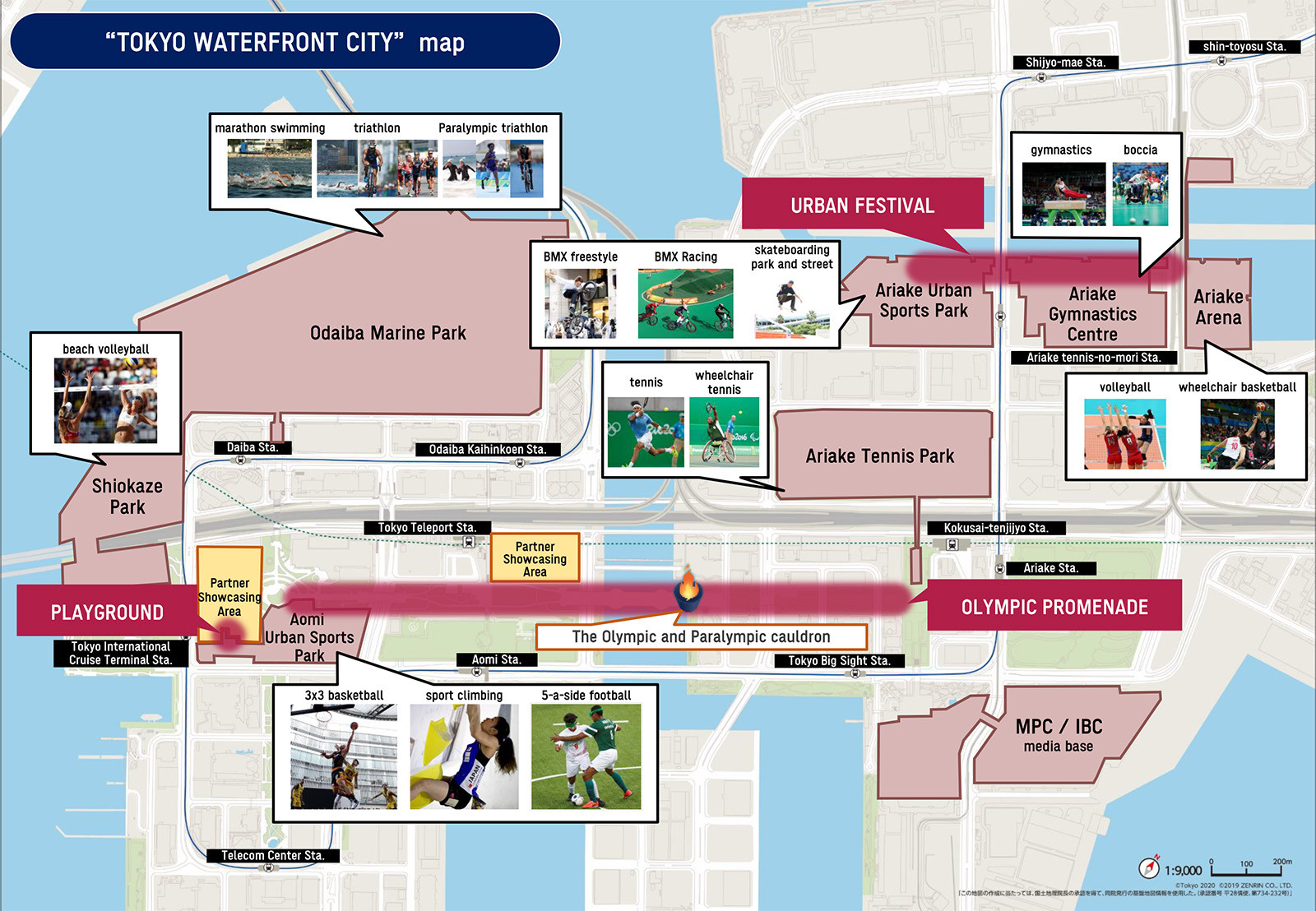
The village was to be home to 11,000 Olympic athletes and 4,400 Paralympic athletes. It is largely complete and empty with the Olympic opening postponed by the virus outbreak until July 23, 2021.
"We don't know how long this downturn will last, and so we have to change how we think," Ren Ohnishi, chairperson of the Moyai Support Center for Independent Living, told The Associated Press. "That includes how we work, how we deal with housing, how we give aid to those who need it."
Tokyo Olympics organizers declined comment, and the Tokyo metropolitan government also had no immediate comment on the petition. It's unclear when the petition will be submitted.
The petition reads in part: "If the outbreak continues for some time, many people may fall into poverty or lose their homes."
The homeless in Tokyo living on the streets total about 1,000 people. Another 4,000 are estimated to be staying at so-called "net cafes" -- numbering about 500 -- that offer internet access and cubicles to spend the night, according to a Tokyo city government study.
Many net cafes were shut down after the government asked businesses where the coronavirus might spread to voluntarily close.
The city government has prepared about 500 rooms at hotels for those who are no longer able to stay at the net cafes, and more are being readied if needs grow, city official Kazuo Hatananaka said.
Experts say homeless communities might worsen the pandemic's spread because of the inability to practice social distancing.
Society needs to grow more inclusive or else the outbreak will spread," Ohnishi said. "Our society is being tested. In Japan, many people still blame the poor as causing their own plight."
Although Tokyo appears orderly and prosperous, the city has a class of homeless people. They can be seen alongside rivers, under railway tracks and tucked into parks. Communities of the homeless have sprung up, many living out of cardboard boxes.
Nearly 16% of Japanese people fall below the poverty rate with annual income below the cutoff of 1.2 million yen ($11,000), according to 2017 Japanese government data. The poverty rate for single-adult households with children is higher, at 51%.
The unraveling of extended family support networks and job insecurity have left many in Japan vulnerable to setbacks that can lead to homelessness. Japan's culture of conformity also leaves many ashamed to seek help.
The athletes village complex is a joint real-estate venture involving major developers and the city of Tokyo. It will eventually have 24 buildings, including upscale condominiums that are priced at more than $1 million. Some units have been on sale, with occupancy planned after the Olympics close.
Japan has more than 10,000 reported cases of the coronavirus with about 200 deaths, according to Johns Hopkins University. Tokyo's daily reports of cases have climbed to more than 100 in recent weeks, and worries are growing that hospitals will run out of beds.
The coronavirus causes mild or moderate symptoms for most people and can include a fever, coughing and mild pneumonia. But those who don't have severe symptoms have added to the problem by unintentionally spreading the sickness. Worldwide cases have surged to more than 2 million people.
Japan declared a "state of emergency," initially centered around Tokyo and six other urban regions. This week it was expanded nationwide.
Tokyo Governor Yuriko Koike has mentioned using the village complex to house those under quarantine or patients who don't require intensive care in hospitals. But the city has bought hotel space and secured other housing, such as prefabricated homes built for security during the Olympics, for such use.
(04/19/20) Views: 273
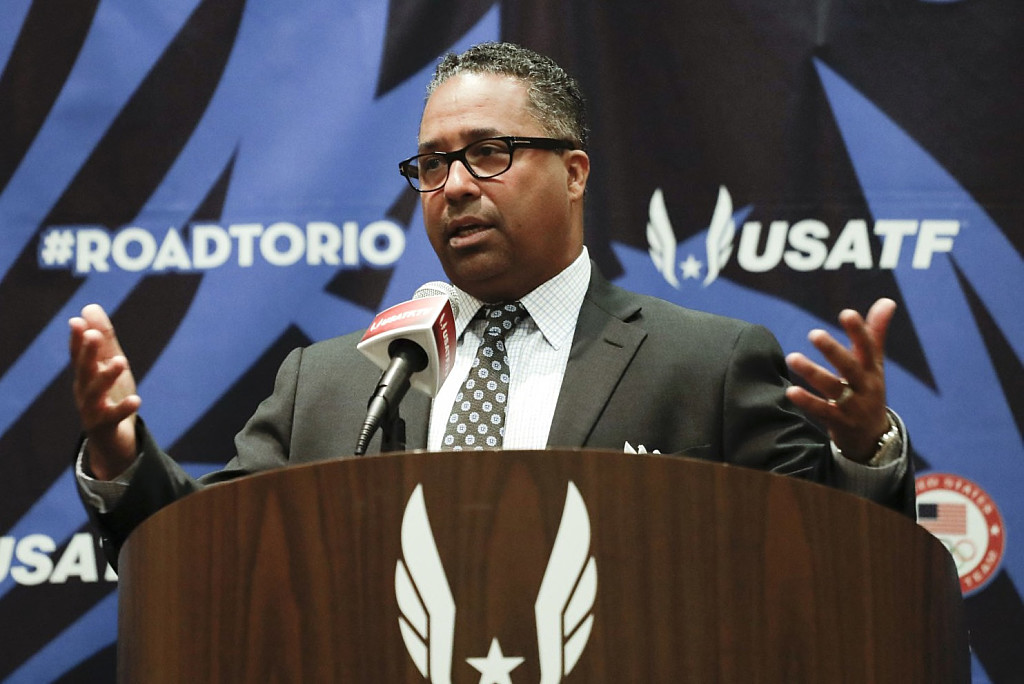
USA Track and Field lays off seven and CEO takes a 20% pay cut
USA Track and Field has laid off seven people from its 65-person staff and CEO Max Siegel is taking a 20% pay cut to offset lost revenue due to the coronavirus pandemic.
The organization that runs the country’s largest summer sport has been forced to cancel dozens of events, including the Olympic trials, which were scheduled for June. In 2016, trials produced around $5 million in revenue. They will be rescheduled to mesh with the Olympics, which have been pushed into 2021.
Sports Business Daily reported that all the cuts came in divisions that support the 8,000 live events the USATF sanctions.
(04/19/20) Views: 149
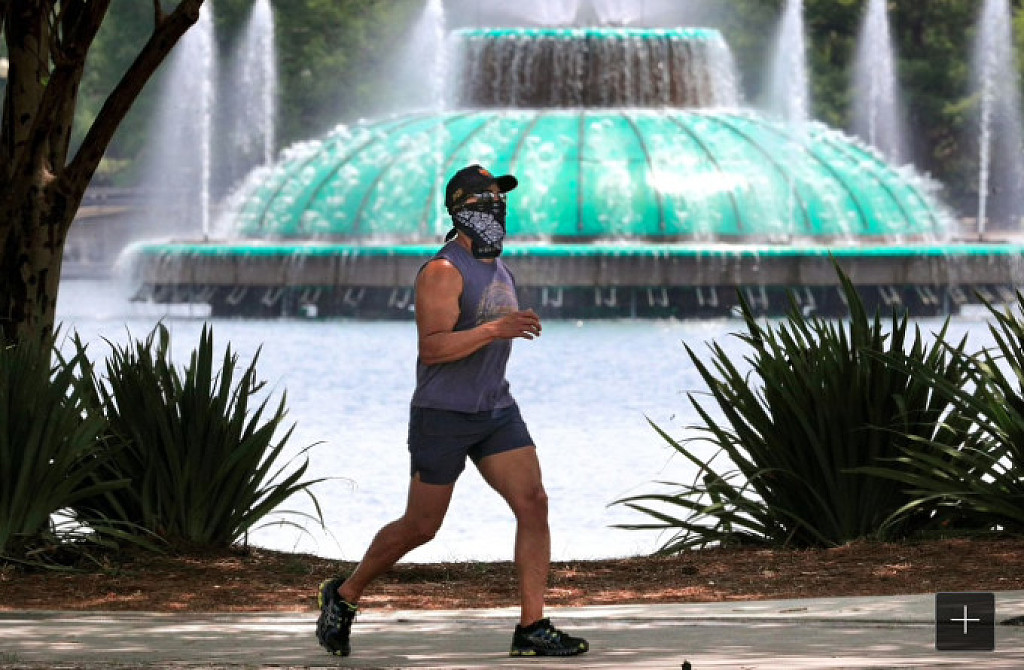
Should I wear a face mask while running and exercising outside?
The Centers for Disease Control and Prevention (CDC) recommends wearing a face mask in public.
But what if you’re zooming past people on a bike or running on an empty trail? Many people have asked if they still need a mask. Let’s face it: they’re not the most comfortable accessory when sweating your way through a workout.
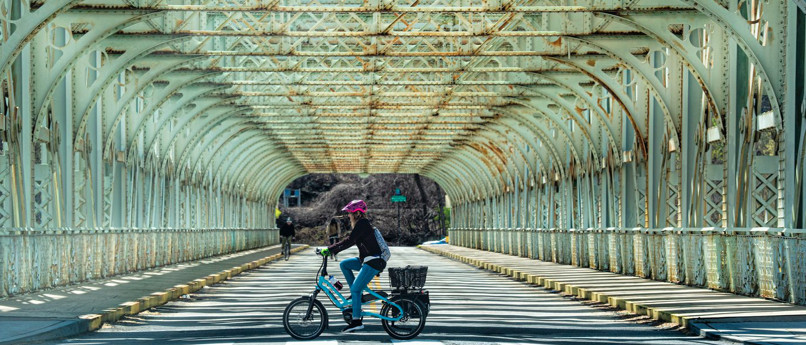
Here’s what you should know to stay as safe as possible while exercising outdoors.
Should I wear a mask while exercising outdoors?
The answer depends on where, and potentially when, you’re exercising.
The CDC recommends wearing a mask in public settings where it’s harder to stay away from people, like grocery stores and pharmacies. Currently, the rule is to maintain at least six feet between yourself and others. If you’ve jogged along Kelly Drive or in Wissahickon Valley Park, you know that’s often impossible, especially on sunny Saturdays.
“If you’re in an area where you know you’re going to be crossing paths with a lot of other people, you 100% should be wearing a mask, but in general, try to avoid those situations,” says Patrick Davitt, the director of the University of Sciences’ Health Science Program.
Davitt suggests finding less crowded areas and avoiding peak hours. As an avid runner currently training for a 100-mile race, he runs almost daily, often still outside, and without a mask during early morning jaunts.
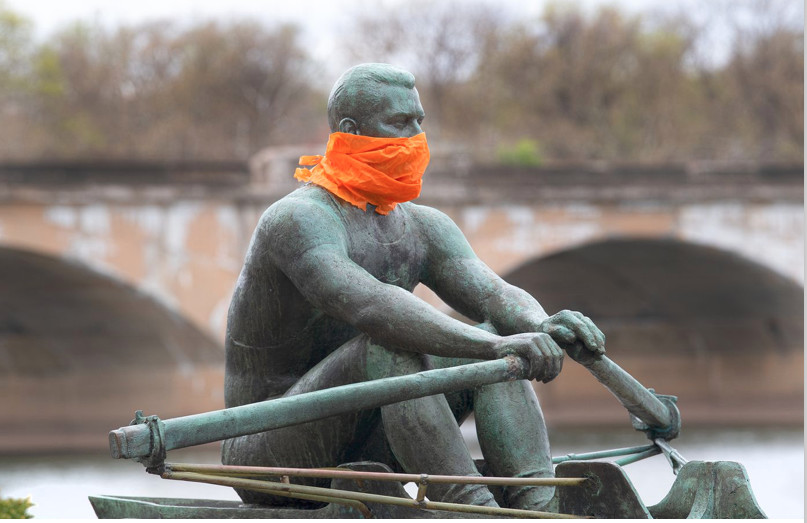
“As long as you’re running alone in an unpopulated area, you can keep the mask at home,” says Davitt. “But if you see someone in your oncoming path, cross the street well in advance — it’s just common courtesy as a runner.”
Avoid people, even if you’re wearing one
Make the effort to hop off the sidewalk or swerve into the grass. As a runner or biker, playing the game of coronavirus Frogger is extra important since others may not see you whizzing by from behind.
This applies even if you’re wearing a mask. Experts say that masks don’t replace social distancing, which remains one of the most important ways to slow the spread of the virus.
“Keeping that six feet of distance from someone else is more important than anything else,” says Bucks County Health Director Dr. David Damsker.
If wearing a mask, remember it won’t make you invincible. You may also need to adapt your workout, but don’t let this discourage you.
“Running and being outdoors is good for you, so you don’t want to stop,” says Davitt. “Just understand that exercising with something that’s covering your mouth, that you’re not used to wearing, is likely to change how your workout looks, and that’s okay.”
How to exercise with a mask
The obvious change: wearing a mask makes it harder to breathe. You may need to decrease the volume and intensity of your workout.
“Airflow will be restricted, so your body will have to work harder to perform at the same rate as you would without the mask, and that becomes exponentially true as the intensity goes up,” says Davitt. “The faster and harder you’re breathing, the more the mask is going to affect that.”
Listen to your body. This is extra important if you have underlying conditions, like asthma. Don’t be afraid to slow down and take breaks. Davitt says now may be a good time to back off a little anyway, especially if you’re prone to pushing yourself to your limit.
“If you go too hard, that can compromise your immune system, which you don’t want right now,” says Davitt.
To get used to exercising with a mask, practice inside. Wear it for at least an hour and get moving. Five minutes of jumping jacks is a great place to start.
“If it’s irritating your face, you need to find a way to reposition it or find another mask that works better for you,” says Dr. Alexis Tingan, assistant professor of physical medicine and rehabilitation and sports medicine at the University of Pennsylvania.
Make sure your mask is comfortableComfort is crucial so that you don’t adjust your mask once outdoors — which, experts emphasize, is essential to avoid spreading the virus. It’s challenging enough to avoid fidgeting with a mask when you’re not sweating it out, so take time to find the right fit.
One of the most comfortable Face Masks on the market is being made by UjENA Fit Club. These are made from high quality four-way stretch fabric. These Mindful Face Mask is what lifetime runner Bob Anderson is wearing all the time while in pubic.
A proper fit will also help you avoid a rash. If the mask starts to bother you, address it immediately.“Running has an analgesic effect, so your pain sensitivity gets temporarily dulled” says Davitt. “But it’s just like avoiding a blister — if you continue, you might be limited from going outside at all the next day.
”You may have to head home earlier than planned. If you’re far from home in a crowded area, Davitt says to act strategically. Can you use your shirt as a barrier to readjust the mask? Or shrug your shoulder to your ear to reposition?
Avoid touching the mask with your hands.As the weather gets warmer, working out with a mask becomes less appealing. Choose a style that’s optimal for exercising.“I’d advise against the ear-loop medical masks. They can get soggy,” says Tingan.
“While the CDC recommends cotton for indoor situations, there’s no set guidelines on exercising. Cotton is going to be incredibly uncomfortable and you’ll become much more likely to touch the mask.”
Cotton absorbs sweat, but it’s not moisture-wicking. The sweat stays in the fabric, often leaving you soaking wet by the end of a workout. Finding a breathable material is key. If you’re shopping online, look for the words “breathable” and “microfiber.”
“You’ve got to work with your resources. The mask prevents droplets from going out into the air, so anything is better than nothing,” notes Tingan. “But if cotton makes your workout miserable, then you’re less likely to wear it correctly, or to wear a mask altogether.”
You may want to find an alternative for exercise. Tingan recommends balaclavas and buffs.
Balaclavas cover the whole head and neck; look for a style that covers the mouth and nose. Avoid wool, and look for microfiber, an absorbent, fast-drying material.
A buff is a tube of stretchy material that you can pull up over your nose and mouth. Its name comes from one of the main brands that makes them; they’re also sometimes called “neck gaiters.”
“Balaclavas and buffs have elastic and a close fit, so they’re also less likely to move around when you’re running,” says Tingan.
If you go the cotton route, consider wearing a sweatband around your forehead. This helps trap sweat to prevent you from wiping your face.
Virtual exercise and races
Own a treadmill, stationary bike or bike trainer? If you’re anxious about exercising outdoors, it may be worth checking out trending virtual exercise apps like BitGym, Virtual Runner, and Zwift allow runners and bikers to explore different courses, often simulated from those around the world. Some apps, like Zwift, allow you to also compete with others.
“I can be cycling alongside someone from Sweden or Brazil, or running down the road and see this cartoon avatar trying to pass me,” says Davitt of Zwift. “It’s making the indoor workout more fun, and it brings back a sense of camaraderie that’s missing while we’re all social distancing.”
(04/18/20) Views: 135

Two Oceans pain for champ Mthembu
Two Oceans Marathon defending down-run champion, Bongmusa Mthembu, was keen to entrench his dominance in this year’s edition of the competition but the coronavirus stifled his advancement.
The Bulwer-born athlete was left dejected by the cancellation of the Two Oceans Marathon.
The marathon was set to take place last week where scores of local and international runners from were to come together with their sights set on supremacy in the Cape Town annual road running extravaganza but it wasn’t to be. Mthembu reigned supreme last year and was looking forward to dazzling once again.
“I was looking forward to the Two Oceans Marathon. I was disappointed when I heard that it had been cancelled. I worked very hard for that competition,” said the elite member of the Arthur Ford Running Club.
“I knew that many athletes were coming for me and I needed to do something special to step up. I even took a break from social media to focus on preparations for defending my crown. If I had my way, the race would have been postponed instead of cancelled. I know I speak for many runners who felt that the race should have been scheduled for another time this year.”
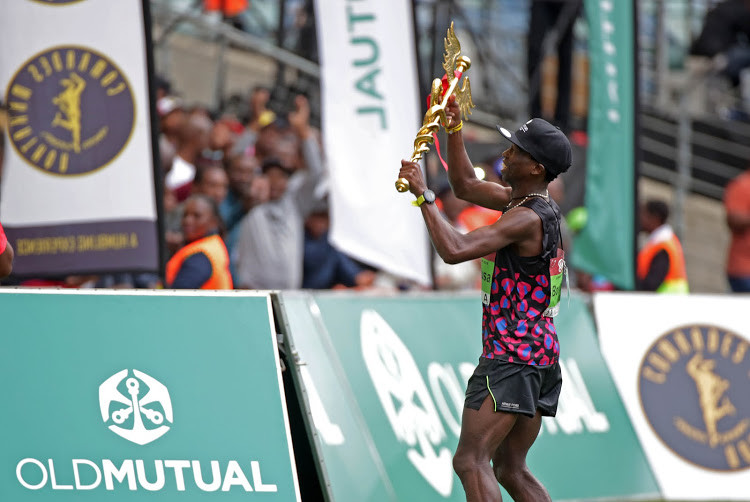
Mthembu is also the current holder of the Comrades Marathon down-run title after winning the ultra-marathon between Pietermaritzburg and Durban in 2018. He came close to winning the Comrades up-run last year but was pipped by Edward Mothibi. The Covid-19 outbreak has forced the organizers of this year’s Comrades to postpone the race.
“We respect the decision taken by South African government (placing the country on lockdown and suspending community gatherings). This is a natural disaster. The rest of the world is suffering from the same virus. Our preparations (for Comrades Marathon) have been distracted, we can’t hide that but we need to accept it. If we have to start afresh, let it be. The lives of South Africans are more important than the sport. This will pass and we will come back and compete again,” he added.
The decision about this year’s Comrades Marathon is yet to be taken. The SA biggest marathon was scheduled to take place on June 14. Mthembu will be eyeing his fourth title this year if the 2020 race happens. He has made the down-run his own but feels strongly that a race like the Two Oceans is a great precursor to the dash between Pietermaritzburg and Durban.
“The focus was purely on the Two Oceans and then thereafter I was going switch my mind towards the Comrades Marathon. I’m also a defending champion for the down-run. We will wait and see what the future holds. But as I said, the most important for now is to comply with the rules and regulations of the country. We can’t be worried about Comrades while the rest of the world is trying to fight this virus. Let us fight the virus first and then we can focus on running races,” Mthembu explained.
The 36-year-old distance specialist was the winner of the world famous race in 2014, 2017 and 2018. He made his Comrades debut back in 2006.
“I always want to be consistent, my brother. That’s what always pushes me to do well.
(04/22/20) Views: 96
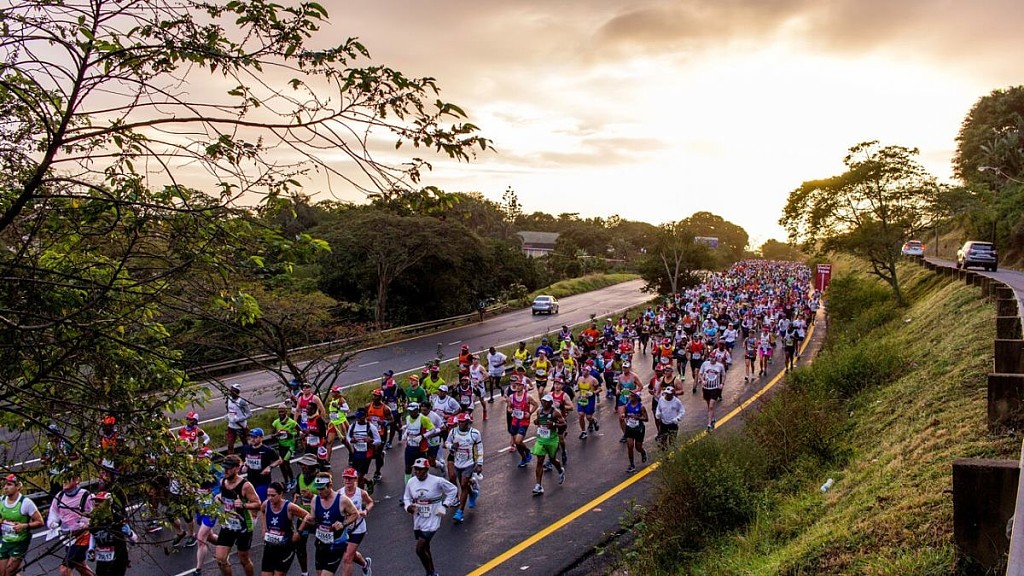
The Comrades Marathon 2020 has been officially postponed
The 2020 Comrades Marathon has been postponed indefinitely. The postponement of the most famous and historic ultramarathon in South Africa was announced on Friday morning by Athletics South Africa.
The Comrades Marathon route travels between two cities, Pietermaritzburg and Durban. The direction changes, however, between “up” and “down” years. “Up” years see racers run 87K with about 2,000 meters of elevation gain. “Down” years are a bit further, hitting 90K, but the run is a net downhill.
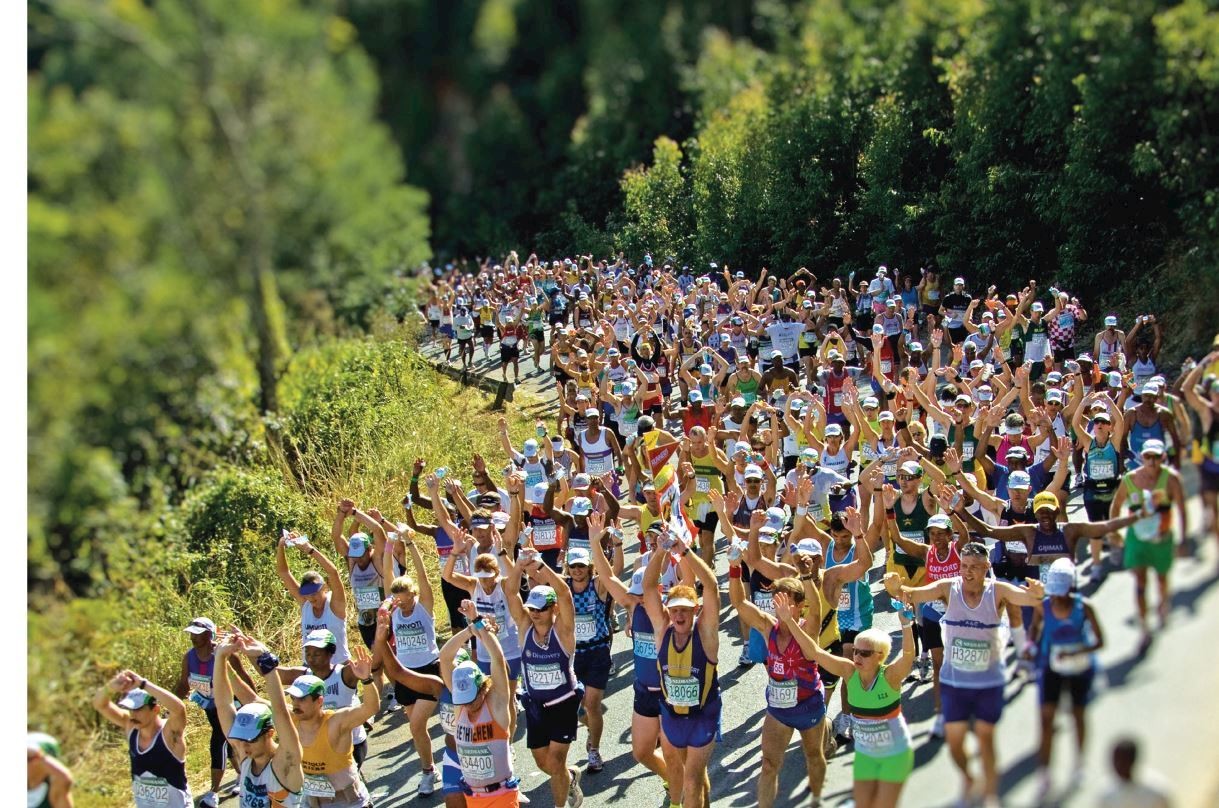
It was set to be a down year in 2020, so the race was scheduled to start in Pietermaritzburg and head to Durban, on South Africa’s east coast. The cut-off for the Comrades Marathon is 12 hours.
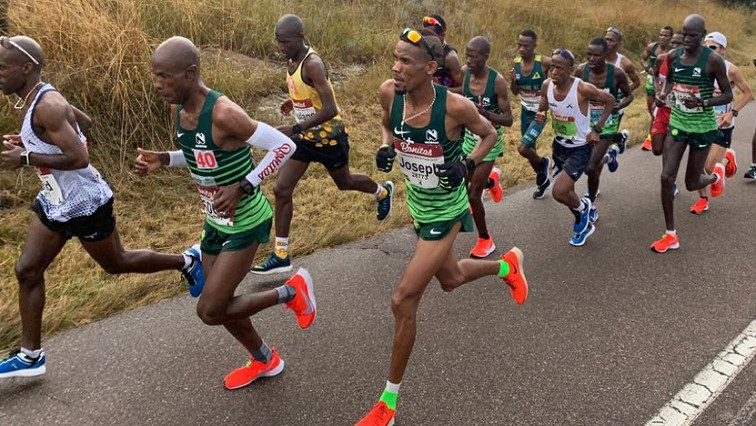
Both Jim Walmsley and Camille Herron, American ultra running legends, were set to compete at the 2020 event was originally scheduled for Sunday June 14.
The news follows the April 9 announcement that South Africa would be extending its lockdown by another 14 days, before re-evaluating the country’s public health needs.
Aleck Skhosana, president of Athletics South Africa, told Sport24, “The Comrades Marathon is therefore postponed from 14 June to a suitable date that will be determined between ASA, KZN Athletics and the Comrades Marathon Association as soon as conditions around the management of the virus allow us to under the guidance of the Government.”
(04/17/20) Views: 88Madeleine Kelly
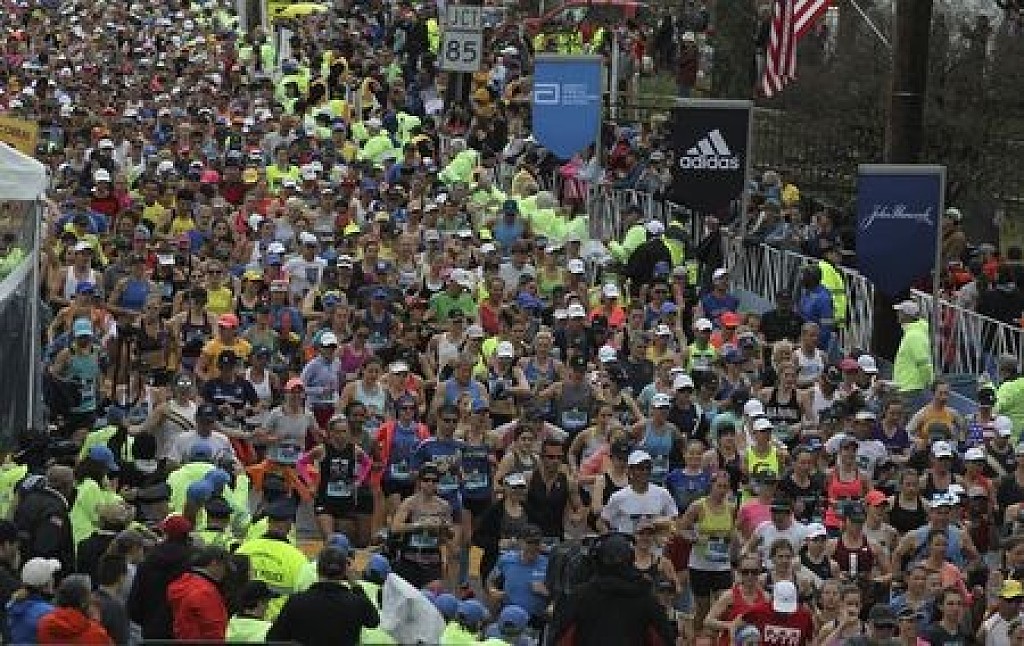
Boston Marathon was supposed to be run on Monday, and officials tell Boston Marathon runners to stay home, wait for official September start
Monday represents the originally scheduled date of the 2020 Boston Marathon until the coronavirus pandemic moved the race to September.
Officials in Hopkinton, Massachusetts, the site of the start of the race, are reminding runners to remain home on Monday and wait for the fall to run the marathon.
The Hopkinton select board issued a statement Wednesday night “strongly urging” runners to remain home and avoid the marathon course.
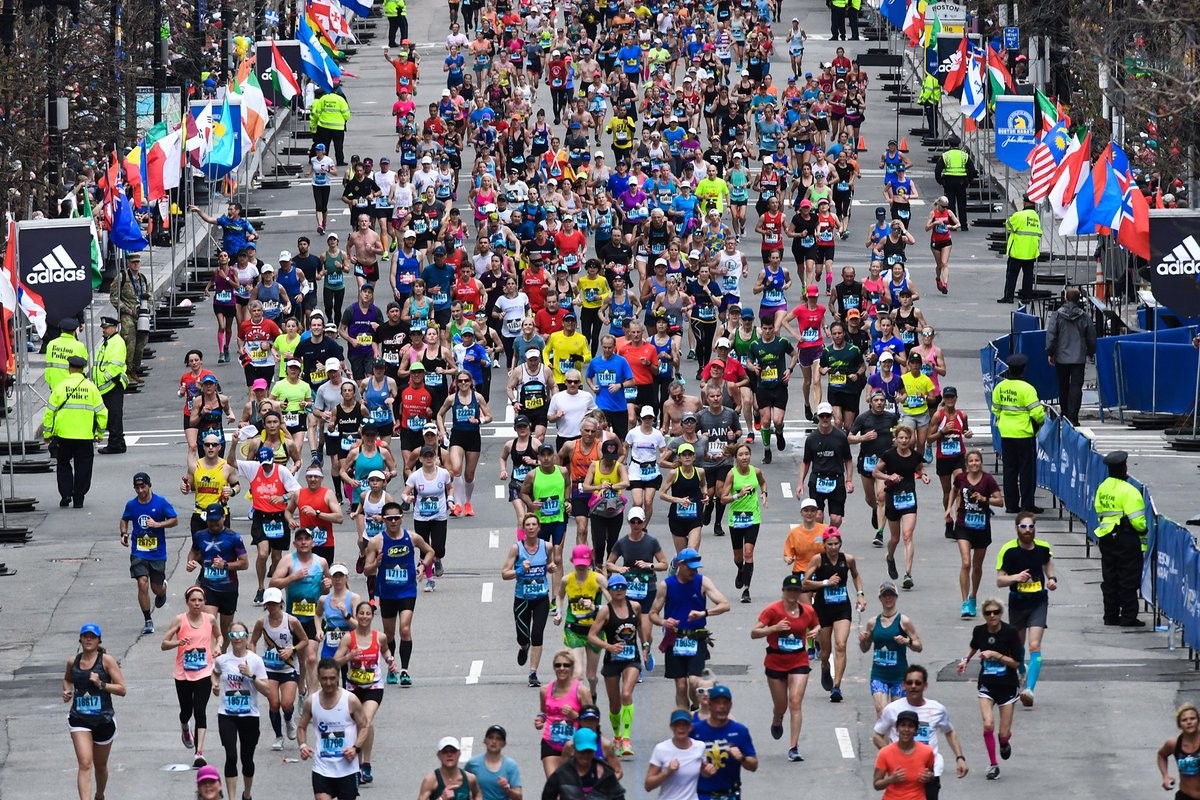
Parking restrictions in downtown Hopkinton, around the Town Common, and in locations near the start line will be in place, the town said.
“In the spirit of keeping not only those who run, but the citizens of Hopkinton and its first responders safe, we are asking everyone to continue complying with the Commonwealth’s Stay-at-Home Advisory,” Select Board Vice Chair and Boston Athletic Association Liaison John Coutinho said in a statement.
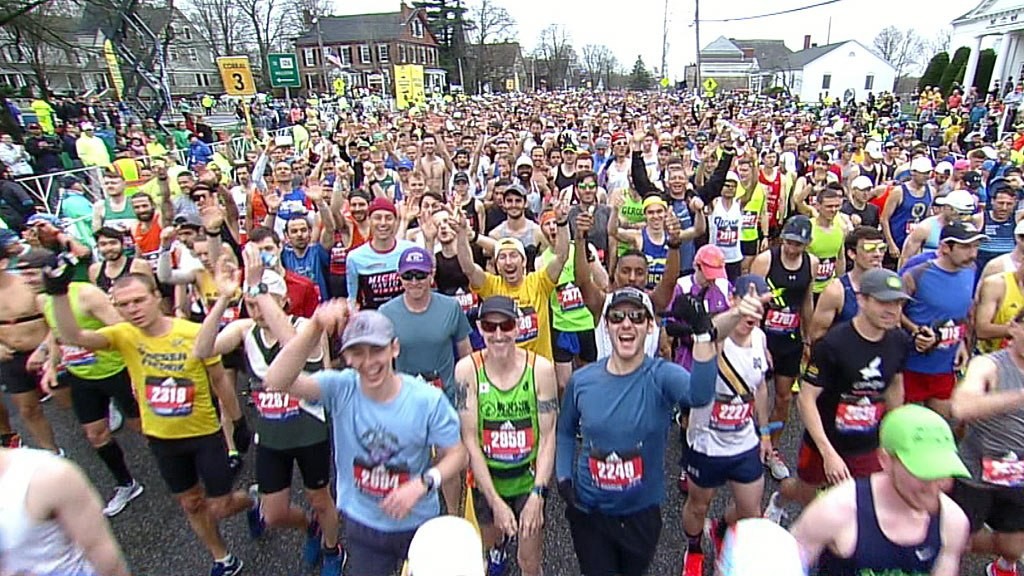
Normally, 4,000 local, state and federal law enforcement officers and 480 members of the National Guard are on hand for the running of the Boston Marathon. There are also 1,900 medical personnel present, according to the Boston Athletic Association.
“We urge anyone considering running the Boston Marathon course this weekend to stay home, follow social distancing guidelines, and help flatten the curve. Groups of runners would divert valuable, urgent resources from the cities and towns along the course. We must work together to stop the spread of coronavirus, so we can run again in September,” a BAA spokesperson said.
In March, officials announced that for the first time in the marathon’s 124-year history, it would be postponed. Boston Mayor Marty Walsh said that rescheduling the event versus canceling it saves regional economies roughly $211 million. Charities gain around $40 million from the event.
Gov. Charlie Baker designated Sept. 14 as a state holiday so people could take the day off and celebrate a new version of Marathon Monday.
(04/17/20) Views: 83Michael Bonner

800m silver medalist Emmanuel Korir is disappointed to be locked up in foreign land due to the coronavirus pandemic
Emmanuel Korir observed that he is unable to train at all, unlike his Kenyan counterparts who can do individual training following the closure of camps. He said this will give the Kenyan-based runners an edge once the crisis ends.
While imposing a lockdown, the USA government said: “All parks and recreational areas are now closed to the public and all limits. Public and private gatherings of any number of people are prohibited. Anyone returning from travel at 100+ miles outside the city must self-quarantine for 14 days.”
The kinesiology (the scientific study of human or non-human body movement) student at the University of Texas at El Paso (UTEP) said he wishes he was in Kenya.
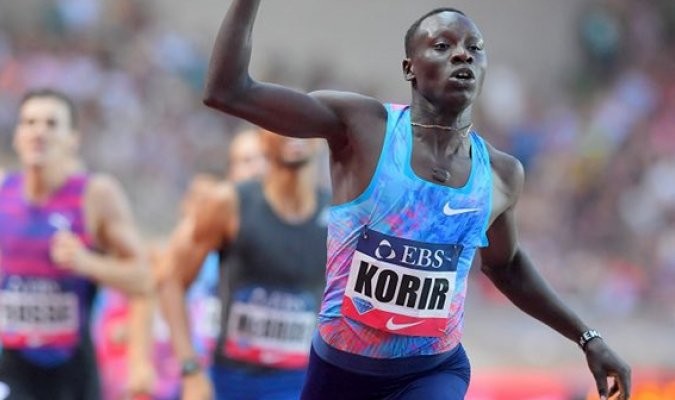
“We are not allowed to do any kind of training. Luckily, back home in Kenya, I could run in the forest alone or conduct some training on my own unlike here. Life is at its worst but I have to try my best to survive,” said Korir.
The man, who anchored Team Kenya to the 4x400m relays title at the Africa Athletics Championships in Asaba, Nigeria two years ago, hopes that he will manage to return stronger once the pandemic is over.
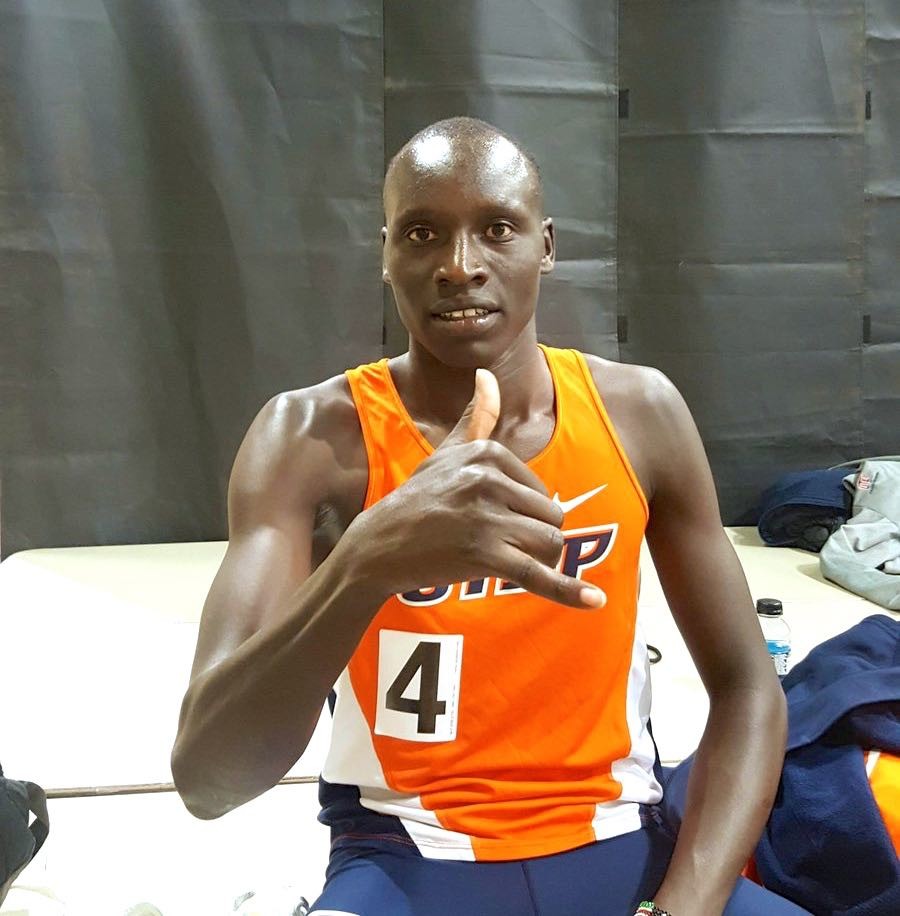
“I had good plans this year and I was ready to compete at the Doha Diamond League opener (in May) but all that is water under the bridge. I have nothing to look forward to. No one had expected this pandemic,” added Korir.
As a student, he conducts his classes online with two to three lessons per day.
“I do my studies by attending online classes that keep me busy, killing off the boredom,” he said. He said he is facing the most difficult time of his life with the only move allowed being a trip to the grocery store.
“We are allowed to have enough stock for about two weeks but one can still replenish whenever provisions run out,” he added.
(04/20/20) Views: 80Emmanuel Sabuni
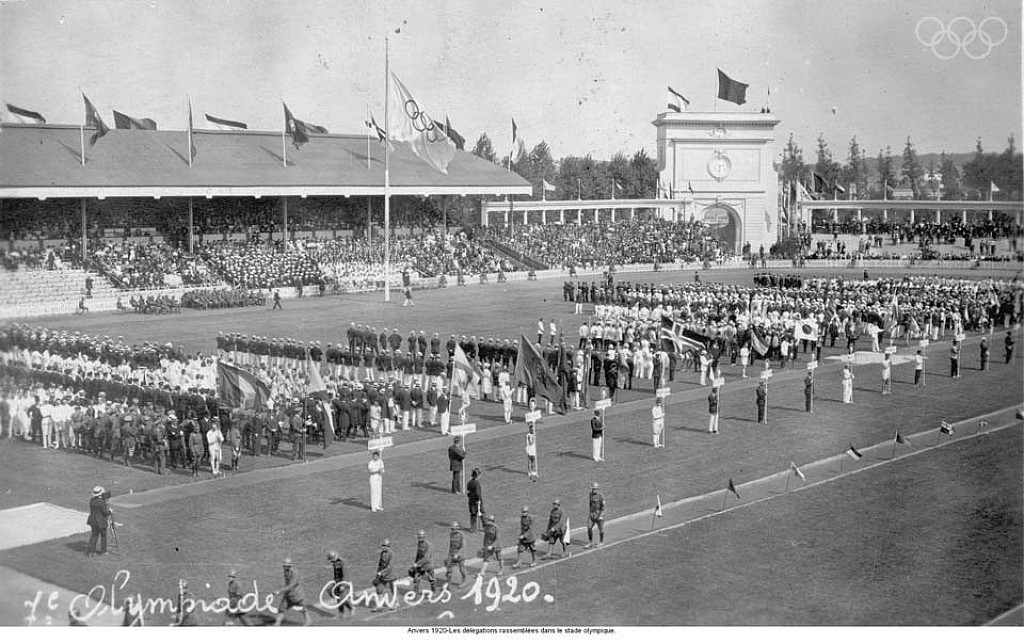
Despite the epidemic in 1920, Olympics went ahead
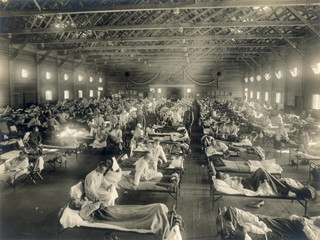
It’s a macabre coincidence that the lead-up to the Olympic Games of 100 years ago was fraught with a universal calamity all too similar to that which we are now facing in 2020.
Already by January of 1919 there had been 400,000 deaths reported in the USA alone from the “Spanish Influenza” epidemic which was ravaging the world, but there was no question of that country – the most successful at the Games since their revival in 1896 – withdrawing from the next celebration planned for 1920. Far from it.
In March 1919 the Central News Agency in New York reported the definitive decision of the US sports administrators: “In reply to a query from the Swedish Athletic Association, prominent officials here at the Amateur Athletic Union declared ‘America stands ready to send a representative athletic team to the next Olympic Games, regardless of the time or place which may be designated’”.
The members of the French Olympic Committee – whose opinion counted for much as founders of the modern Olympic movement – were more circumspect, but their hesitation had nothing to do with health matters. They declared, “The Olympic Games should not be held before 1921 as there would not be sufficient time for the Allied countries which have supported, and are still supporting, the burdens of the war to prepare adequately for a meeting in 1920”.
Those burdens of war had, of course, been horrendous. There had been an estimated 8.6 million military fatalities – 1.3 million of them in France and over 900,000 throughout the British Empire – and yet the toll from influenza between 1918 and 1920 would be far greater. Though there was not even public radio in those days there was still widespread newspaper reporting of the epidemic but no screaming headlines of doom-laden predictions. The Minister of Health in Great Britain, for instance, announced in July 1919 that in the six months to 31 March there had been 136,000 deaths from influenza in England and Wales, but this caused no barrage of demands from Members of Parliament for immediate Government action. To provide some sort of perspective, in his same address to the House of Commons the Minister reported that there had been 488,000 visits to venereal disease treatment centres the previous year. The MPs moved on, undisturbed, to other business.
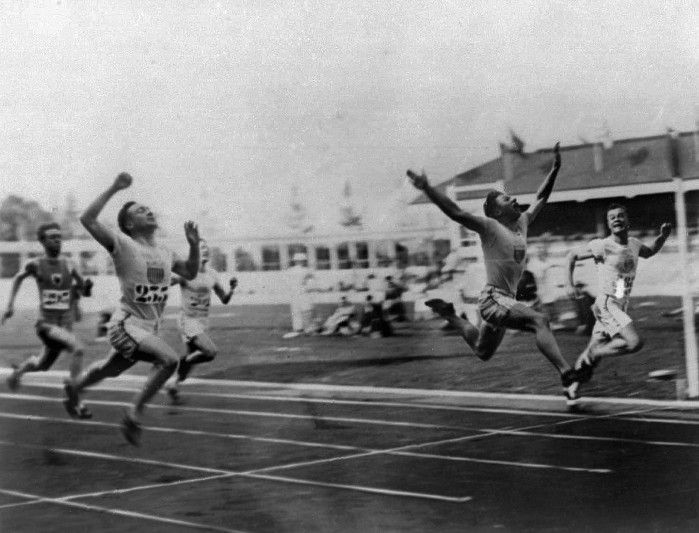
No thought was apparently given to the idea of suspending major international sporting events attracting thousands of spectators. Already in 1919, in the euphoria of peace at last, there had been an Inter-Allied Games held from 22 June to 6 July at the Stade Pershing, in Paris, specially built for the occasion by the US Army, in which 1500 athletes from 18 nations took part. Then, when the protracted Olympic Games of 1920 opened in Antwerp as per schedule on 20 April, lasting until 12 September; there were actually more competitors than there had been in the Stockholm Olympics of 1912 (2607 as against 2547) and one more country (29).
Why was there such indifference at these mass gatherings to the health implications? Well, that’s a question which needs more expertise to answer fully than that of a mere athletics writer with an interest in history, but perhaps a salient factor is that the populace of a century ago lived with the impact of infectious diseases every day of their lives to a far greater extent than we do today, and though there were strong views expressed on the wisdom of taking part in an Olympic Games these were for other reasons entirely.
In Britain a campaign to boycott the Games on the grounds that they were getting too seriously competitive was led by no less a person than Sir Theodore Cook, who had helped organise the 1908 London Games and had written the Official Report and become an International Olympic Committee member! For those reasons, his views were naturally given due attention but were out-weighed most notably by the counter-arguments of Sir Arthur Conan Doyle, the creator of Sherlock Holmes and an avid athletics enthusiast. Then Sir Theodore rather undermined his stance by entering the literature section of the Olympic Arts competitions in Antwerp and taking second place!
(04/20/20) Views: 77Bob Phillips

Kevin Webber runs his version of Marathon des Sables at home
AFC Wimbledon fan Kevin Webber was diagnosed with terminal prostate cancer five years ago and given only two years to live, he tells Sky Sports News reporter Jeremy Langdon.
That diagnosis changed Kevin's perspective on life and, when it came to making up a bucket list, the Marathon des Sables (MdS) was top.
The brutal Saharan ultra-marathon is notorious. Normally around 250 kilometers long, it means six days of suffering in desert heat with a pack on your back.
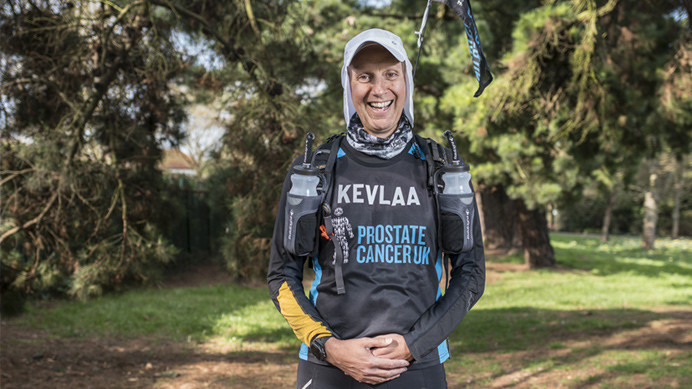
Kevin warmed up with two conventional marathons - against medical advice - while undergoing chemotherapy before running the MdS in 2016, 2017, 2018 and 2019.
This year would have been the fifth - and also would have made him the only person to run the event that many times with stage 4 cancer - but coronavirus forced the race in Morocco to be postponed early this month.
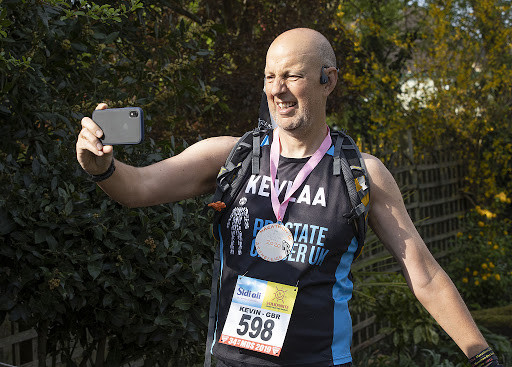
So Kevin decided to run it instead in his back garden and round his house in Epsom, Surrey.
He said: "I thought I'm not going to allow cancer to stop me doing things so equally I'm not going to allow coronavirus stopping me doing things either".
Kevin ran the 2019 race distance of 232km - around 140 miles - and fittingly made it a truly home event with the United Kingdom placed in lockdown.
"It would have been very easy for me to have gone out on the road and run a marathon in a day but that wouldn't have proved the point. About the solitude. About getting on when you're on your own. I wanted to prove to people in lockdown that even if you self-isolate you can do things," he added.
It meant an astonishing 2,700 laps round his house with each lap consisting of only 80 meters. It was not the easiest circuit either. Thirty metres through the garden. Ten metres down the side of the house - twice - together with another 20 meters at the front of the house round his two cars.
(04/21/20) Views: 70Jeremy Langdon
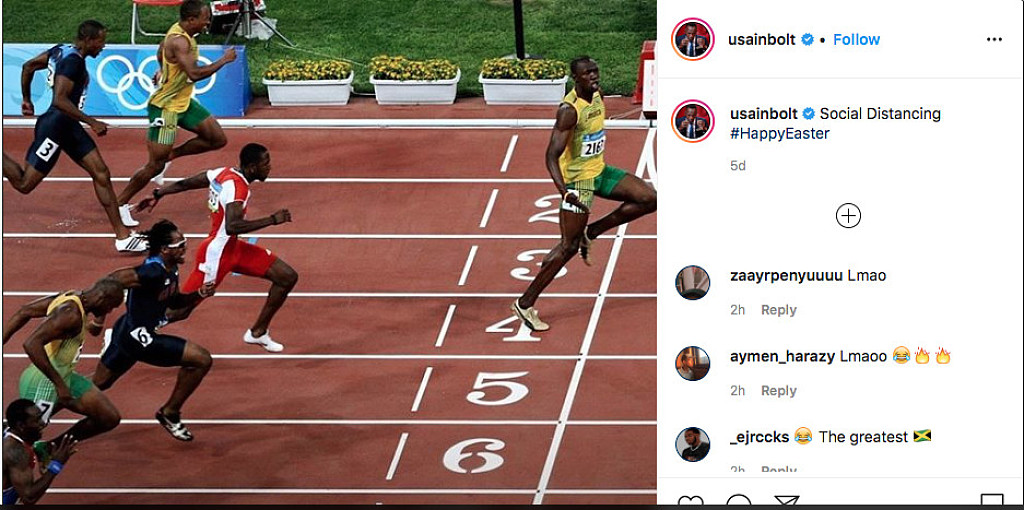
Bolt goes viral with cheeky 'social distancing' Olympic photo
Retired track star Usain Bolt showed he's still a few steps ahead when he posted a picture of him outstripping his rivals at the Beijing Olympics with the cheeky caption: "social distancing".
Bolt's post, featuring a picture of the 2008 Olympics 100m final, blew up on social media, drawing more than half a million likes and 90 000 retweets.
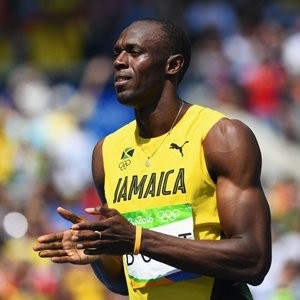
It showed the Jamaican crossing the finish line at the Bird's Nest stadium in a then-world record time of 9.69, glancing round from Lane 4 as his despairing competitors trail two paces behind.
"Savage", commented one Twitter user, while New York Times journalist Christopher Clarey posted another picture of Bolt out in front on his own, captioned "self isolation".
Bolt's chest-thumping celebration in Beijing added to a legend that grew further when he won the 200m in another world-record time. He retired in 2017 with eight Olympic gold medals and the current 100m mark of 9.58, set in 2009.
Bolt, 33, has been encouraging Jamaicans to self-isolate during the coronavirus pandemic, posting videos of himself exercising at home and juggling footballs with a friend. He also helped promote a major fundraiser, Telethon Jamaica.
After retiring from athletics, Bolt, a Manchester United fan, attempted to launch a career in football, and had a trial with Australia's Central Coast Mariners before contract talks failed.
(04/19/20) Views: 69
