

Running News Daily
Running News Daily is edited by Bob Anderson and team. Send your news items to bob@mybestruns.com Advertising opportunities available.
Index to Daily Posts · Sign Up For Updates · Run The World Feed
Search Results for Ultra
Today's Running News
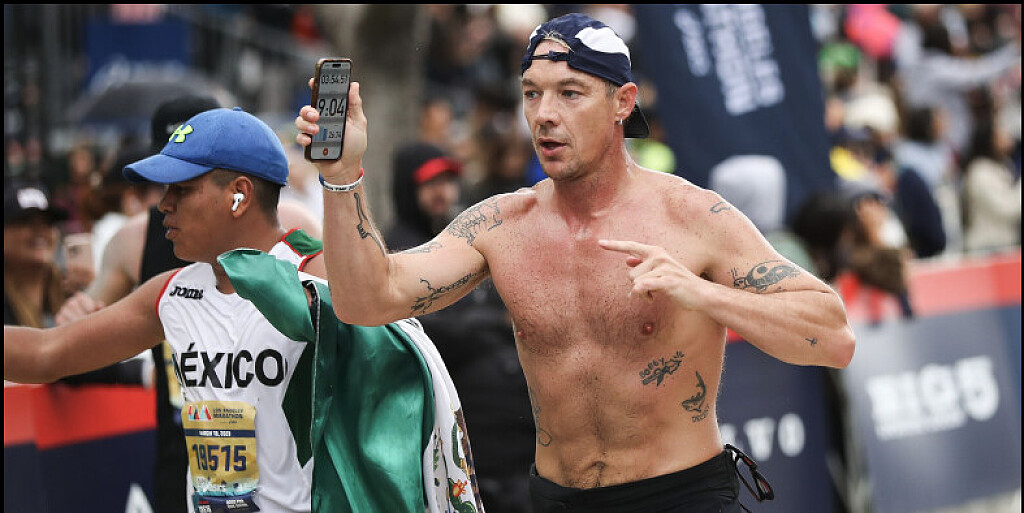


So It Turns Out Diplo Says He Ran the LA Marathon on LSD
Never try anything new on race day, unless you’re Diplo, I guess.
When Diplo ran the Los Angeles Marathon last weekend, breaking the four-hour mark with Olympian Alexi Pappas by his side, that was impressive enough. The 44-year-old DJ said he hadn’t done a proper marathon build in preparation; he was under-trained and pulled off a fantastic finishing time of 3:55:16 anyway. Now he claims the entire 26.2-mile footrace was one big acid trip.
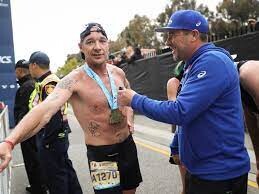
On Wednesday, he revealed in an Instagram post that, because the longest he’d ever run previously was 11 miles (technically untrue according to his previous half marathon results), “I did what any normal person would do and took LSD” (the psychedelic drug, not “long slow distance”). Before the marathon, he’d also shared his oddly specific goal—which he met—of beating Oprah’s 1994 PR, when she ran the Marine Corps Marathon in 4:29. Some folks call it “the Oprah effect.” Diplo brought some bravado to Instagram on that front as well, saying, “I ate that. Sorry Oprah.”
He went on to thank Pappas for pacing him, and said, “Shout out my knees which will never be the same, and my kids for waiting for me at the finish line. If anyone needs me I’ll be sitting down.”
It’s not unheard of to run under the influence of psychedelics. At the Burning Man Ultramarathon, a 31-mile run looping around Black Rock City four times, at least one runner has done the whole thing on LSD. Sarah Rose Siskind, told nonprofit media outlet Psymposia, “I did one training run where I ran 20 miles on LSD, and I found that the main problem was that I ran extraordinarily slowly — I was so distracted by everything. So, I figured it wasn’t a performance-enhancing drug, exactly. But, it certainly wasn’t increasing my risk profile.”
Another runner, Michael Versteeg, has spoken about incorporating psilocybin mushrooms into his experience running the Cocodona 250, a 250+ mile ultramarathon from Black Canyon City to Flagstaff, Arizona. Versteeg microdoses for his long runs and says while it’s not the same as full on tripping, “you’re experiencing colors, you’re experiencing the landscape in a much more vivid way.”
The trusted advice many runners abide by is “nothing new on race day,” but Diplo doesn’t exactly play by the rules.
(03/26/2023) ⚡AMPby Runner’s World

Unbelievable! Camille Herron Shatters 48-Hour World Record
She covered 270.5 miles in two days of running.
She averaged 10:39 per mile pace, which included at least one 40-minute nap, according to her Instagram, so her actual moving pace was faster.
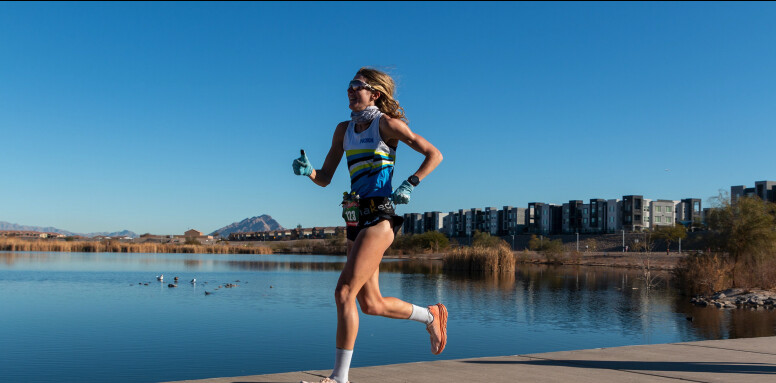
She hit 148 miles for the first 24 hours, and 122.5 miles in the second day, as rain poured down on the runners. Only two men have ever run farther over 48 hours. She covered 1,088 laps of the track.
Herron, 41, ran marathons in the early part of her career, recording a personal best of 2:37:14 in 2012 in Houston. She began running ultra distances in 2015 and found immediate success. She won the 2017 Comrades Marathon in South Africa, and she’s also the world record holder for 100 miles, 12 hours, and 24 hours.
In a phone call with Runner’s World before she left for Australia, Herron said she planned to take 6- to 8-minute power naps a couple of times in the first 24 hours. “A lot of 24-hour runners don’t sleep at all for 24 hours, but I found when I did that little bit of lying down and closing my eyes and meditating, it really helped me,” she said. “I was able to extend my 24-hour record by 5 miles.
“You hear about hallucinations with ultra runners,” she continued. “When I start to feel that happening with my brain is when I lie down.”
Earlier in her career she was sponsored by Nike and Hoka, but at the end of 2022 she left Hoka and signed a new deal with Lululemon.
Other elite runners weighed in on the snippets of video posted to Herron’s instagram during the event. Colleen Quigley, Keira D’Amato, and Zach Bitter were among those expressing their admiration for Herron’s feat.
Camille Herron destroyed the world record for 48 hours of running, covering 435.336 kilometers (270.5 miles) around a 400-meter track in Bruce, Australia.
The previous record, 411.5 kilometers (255 miles), was set by Jo Zakrzewski of Great Britain in February. Herron exceeded that by 15.5 miles. She bested the previous record about 45 hours into the event—and kept running for almost another 3 hours after that.
(03/26/2023) ⚡AMPby Runner’s World

Trail and ultrarunners run mostly for mental benefits, study finds
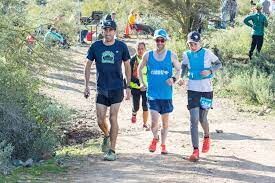
At least once in their athletic career, every runner will be asked why they run. There are countless reasons why runners pick this sport, and everyone’s answer to that question—why?—will be different. However, according to a recent survey conducted by researchers at University of Central Lancashire in the U.K., more than 90 per cent of ultrarunners and trail runners are in the sport because it “is important for [their] mental health” and it helps them “feel more positive in life.”
The survey
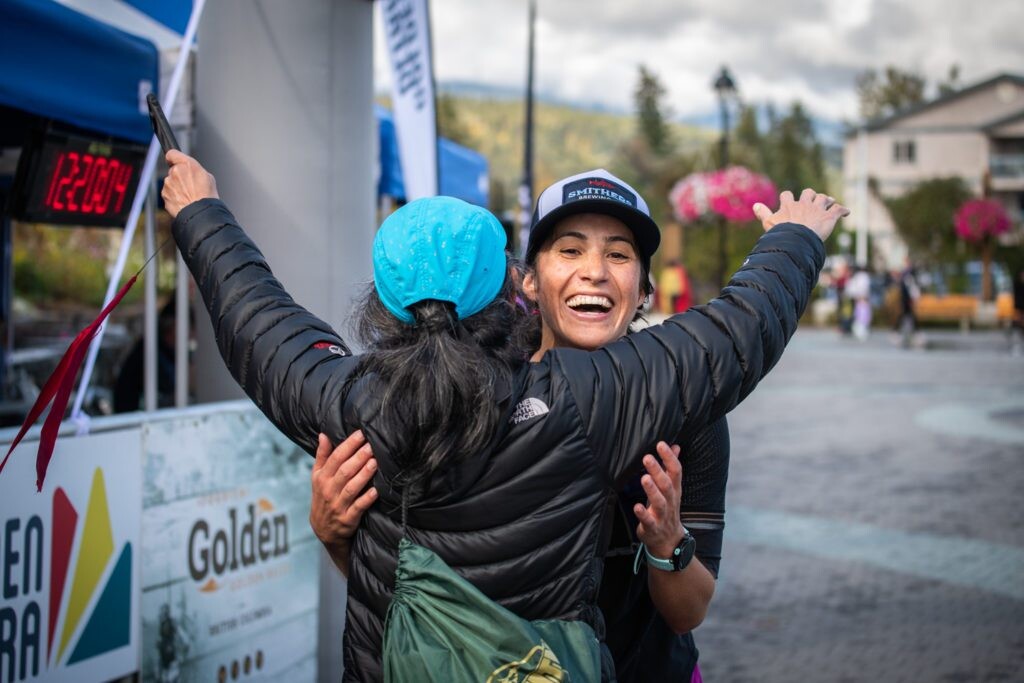
The survey was conducted for the Trail Ultra Project, which, as noted on Instagram, “aims to explore and document the growth of trail and ultrarunning in North America and the U.K.” The survey, which was live on the Trail Ultra Project website for six months, from April to Sept. 2022, received more than 1,000 responses.
Of those 1,000 runners who filled out the survey, 536 were British, 379 were American, 36 were Canadian and the remaining 68 respondents were from 28 different countries. Just over 59 per cent of those who responded were men, and 40 per cent were women (0.9 per cent identified as non-binary). Ninety-one per cent of respondents had completed at least one trail race and a little over 70 per cent had run at least one ultramarathon.
Why runners run
Of all of the more than 1,000 runners who responded to the survey, the vast majority cited their mental health and increased positivity as a reason they’re in the sport. The survey asked individuals to say how important different parts of the sport are to them, on a scale of one to five (one being not important at all and five being very important).
When it came to the statement that “running is important for my mental health and helps me to feel more positive in life,” 68 per cent of respondents scored it at a five. Twenty-two per cent gave that statement a four, adding up to 90 per cent of trail runners and ultrarunners surveyed noting that the mental benefits of the sport were important to them. Only one per cent of respondents gave this reason a score of one.
The “mental health and general positivity in life” statement was by far the most popular of all the reasons listed. Other high-scoring options included how running provides respondents with a “connection to nature and wild landscapes” (61 per cent voted a five, 23 per cent voted four), the alone time running can create (43 per cent scored this at a five and 30 per cent said four) and how running can be an “escape from the pressures” of everyday life (36 per cent voted five, 27 per cent voted four).
Regardless of what gets someone started in running or what encourages them to stick with it, there is no wrong reason to love the sport. You may be in the one per cent of people who don’t care about running’s mental benefits, or that may be the biggest reason for your time as a runner. Whatever the case, if you can find your own answer to the question “Why do you run?” you’ll be set for a long and happy athletic career.
(03/20/2023) ⚡AMPby Ben Snider-McGrath
The 2023 Barkley Marathons Has Three Finishers
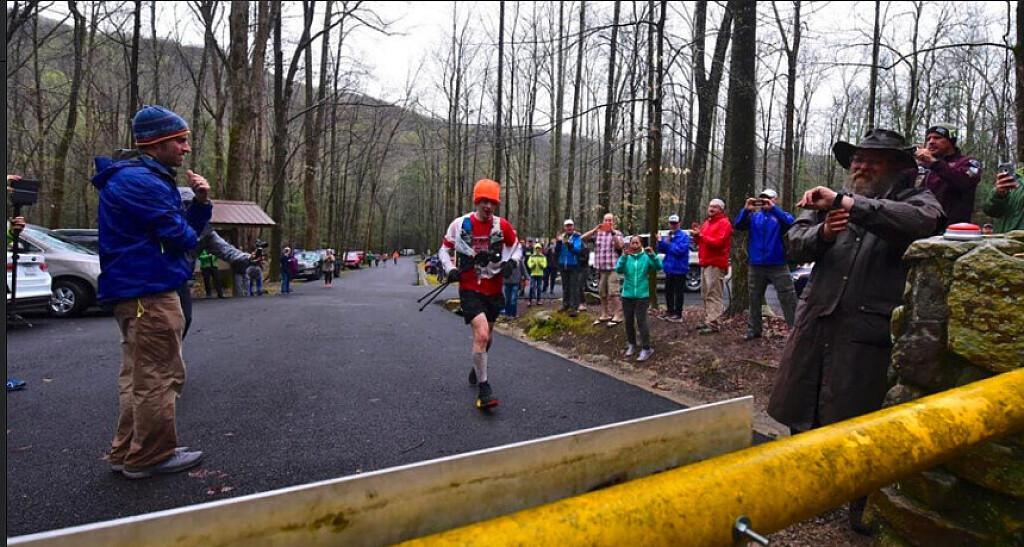
This week on the rough and rugged terrain of Tennessee's Frozen Head State Park, legends were born.
Amid cold, wet weather and little sleep, John Kelly, Aurelian Sanchez, Karel Sabbe, and Damian Hall put on quite a show this week at the dastardly and often cruel ultra-distance quagmire known as the Barkley Marathons in Wartburg, Tennessee. So did Jasmine Paris, even though she didn't last quite as long as her male counterparts in what was one the best and most exciting editions of this small, quirky, and extremely grueling race yet.
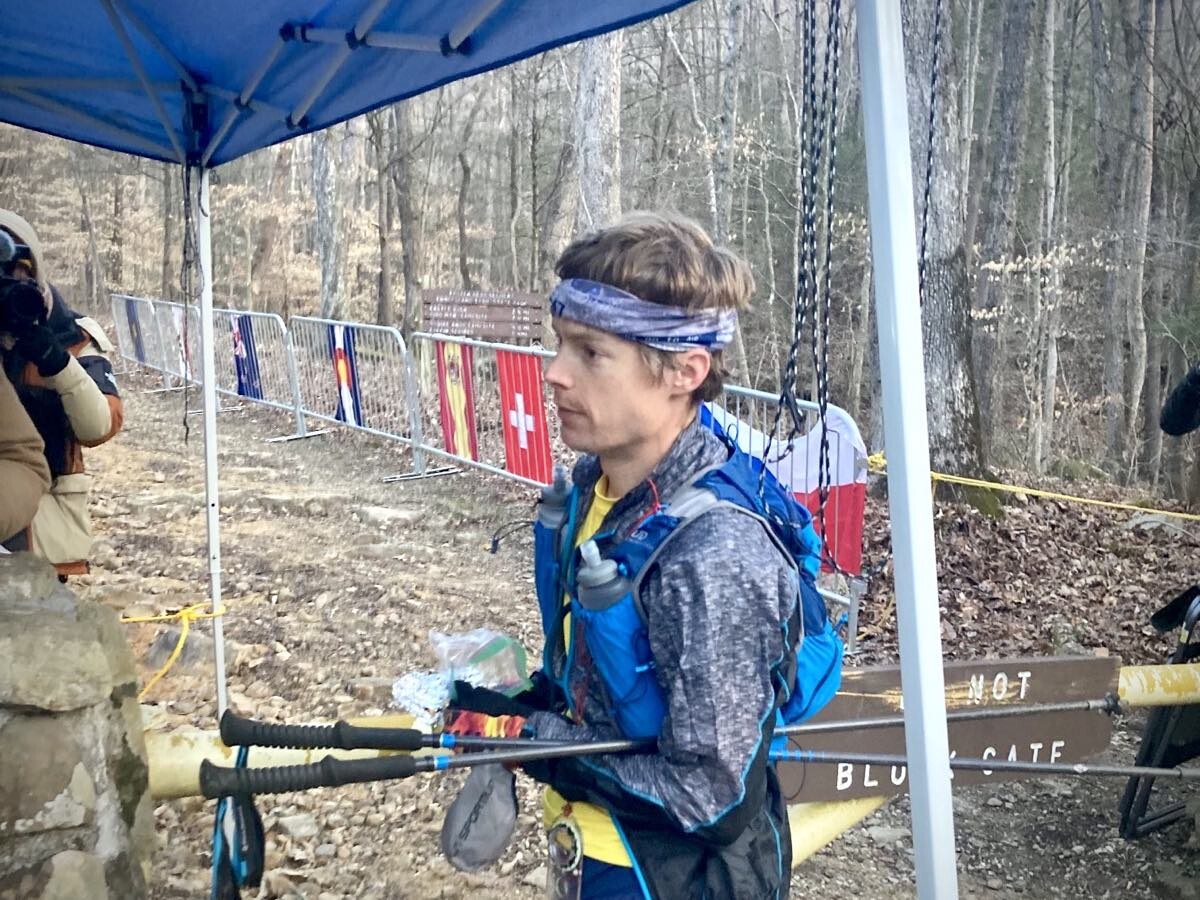
This year's race was the first time that four runners began the rarely-experienced fifth loop and only the second time three runners completed the course, which is roughly 130 miles in length and includes about 63,000 feet of elevation gain, within the 60-hour time cutoff.
Aurelian Sanchez was the first to finish the race, but not without encountering a bit of a challenge near the end after a day hiker removed one of the books, believing the race was over. The 32-year-old Frenchman thought he was doomed and returned to the yellow gate with the pages he had, only to find the book waiting for him at the finish. He tore out his page and got credit for completing the course in 58 hours, 23 minutes, and 12 seconds.
Next was John Kelly, the 38-year-old local runner from nearby Boone, North Carolina, who became a two-time finisher and only the third person to record more than one successful finish. He wound up back at the infamous yellow gate of the start/finish area about 19 minutes after Sanchez, in 58:42:23. He had been the most recent Barkley finisher back in 2017, which seems like a lifetime ago, given how COVID-19 seemed to change the scope of time.
"Call me the Benjamin button of Barkley," Kelly tweeted at one point on the last day of the race. "I'm reverse aging on course."
After that, a suspenseful hour went by in anticipation of Karl Sabbe. Finally, with less than seven minutes to spare, the 32-year-old Belgian dentist, who holds the Fastest Known Time on the Appalachian Trail, finally appeared with all the necessary pages to become the third and final finisher of the 2023 event in 59:53:33.
Hall, a Barkley "virgin" (as race director Gary Cantrell refers to participants) from the UK, started the fifth loop with 10 minutes to spare-marking the first time in the race's 36-year history that four runners were out on the final lap-but returned after 53 hours of sleep-deprived running with no pages, tapping out and calling it quits after getting lost for a long period of time.
Earlier in the event, the UK fell running champion Jasmin Paris became the second woman ever to start the fourth lap of the five-lap event in the event's history. She gave it a good go at becoming the first woman finisher, but ultimately timed out on the fourth loop when she returned with nine pages collected. She didn't finish, but she did set a new women's record after becoming only the second woman to start the fourth loop along with Sue Johnston's strong effort in 2001.
The event began on Tuesday, March 14, when about 40 intrepid runners headed out on the course to see if they could join the very exclusive finisher's club. Since the race's inception in 1986, only 18 of the roughly 1,000 runners who have attempted the Barkley Marathons have completed it.
Although Utah's Jared Campbell has finished it three times (2012, 2014, 2016), the only other runner with more than one finish, aside from Kelly, is Colorado's Brett Maune (2011, 2012).
Boulder-based Brian Metzler has run more than 75,000 miles in his life, competing in every distance from 50 meters to 100 miles, running the Rim-to-Rim-to-Rim run across the Grand Canyon and back several times, racing pack burros on many occasions and going up Colorado's Longs Peak 20 times. In 2018, he ran the Great Wall of China, completed the Leadman series and ran a 100K in South Korea. He is the founding editor of Trail Runner and the author of "Kicksology: The Hype, Science, Culture and Cool of Running Shoes."
(03/18/2023) ⚡AMPby Trail Runner Magazine
Pennsylvania woman rips fast 40 miles for her 40th birthday
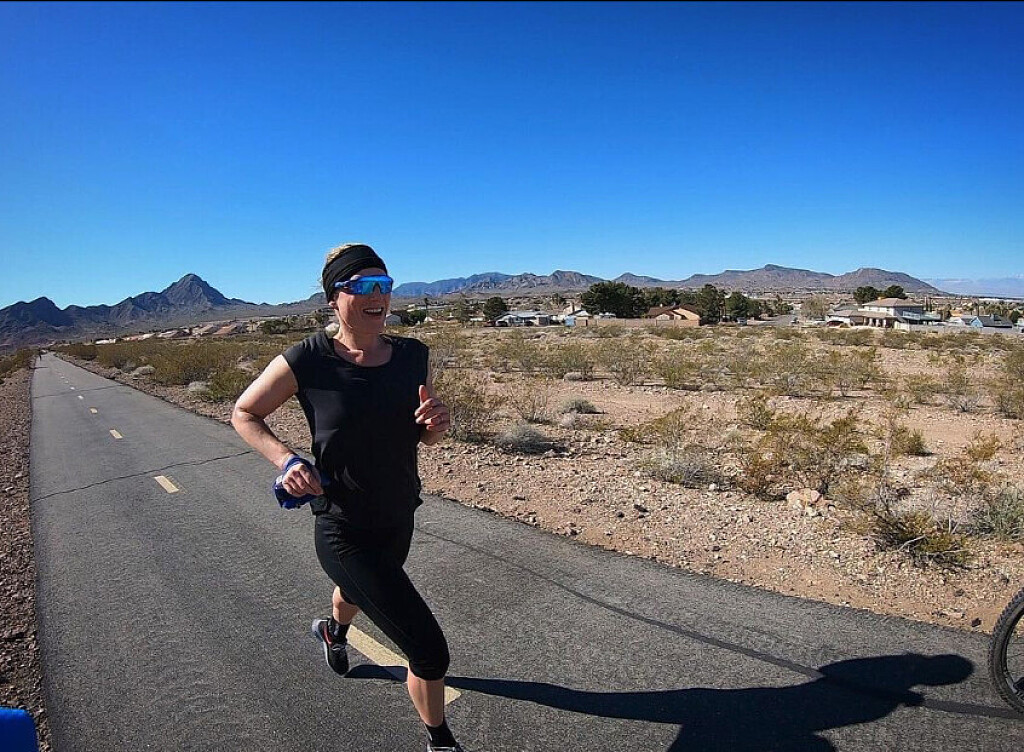
Some runners celebrate reaching a new age category by heading out for their new number in minutes or covering it in kilometres; Holly Benner of Macungie, Penn. took it to the next level, ripping a speedy 40-mile trail run to celebrate her becoming a quadragenarian.
Benner covered 40 miles (64 kilometres) in just over five hours, averaging a pace of five minutes per kilometre.
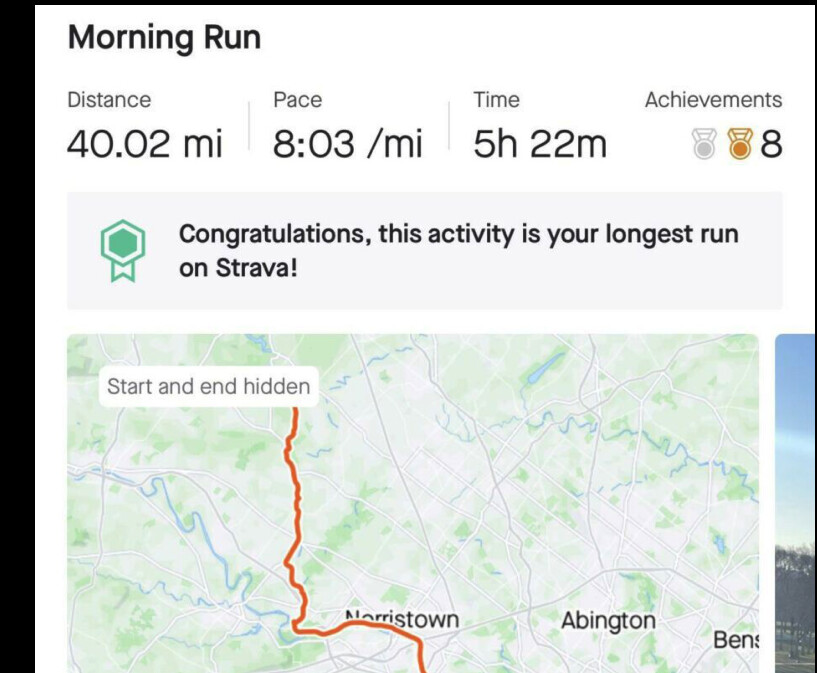
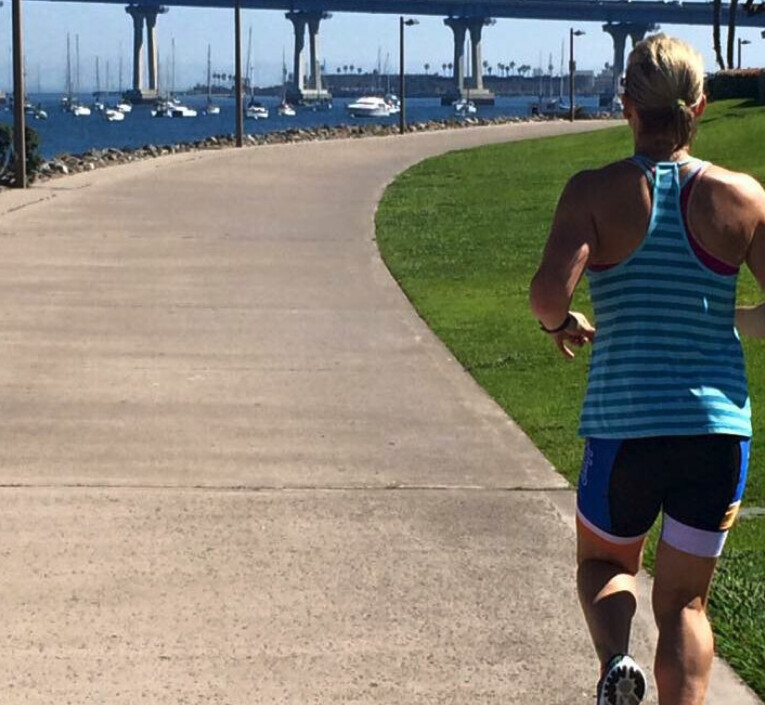
Going in, Benner intended to cover 40 miles but had no particular time goal. “I just went with the flow,” she says. “I felt great at 20 kilometres and never looked back. It’s so cool to see what our bodies are capable of.”
Benner knew she wanted to spend her birthday doing something she loved, which is how running 40 birthday miles came into her mind. “It was so much fun—it’s cool to challenge yourself,” says Benner. “I didn’t do this to prove anything.”
Benner comes from an athletic background. She was the team captain of her NCAA collegiate swim team and went on to race triathlon at an elite level before taking up trail running in 2010. She has run ultra-trail races from 50K to eight hours, reaching the podium in her last two of three races.
In December, she hit her long-time goal of a sub-three-hour marathon at the 2022 California International Marathon, finishing in 2:53:55. Benner considers herself primarily a road marathoner, but intends to get more into ultra-trail racing eventually. “My immediate goal is sub-1:20 for the half and then attempt a sub-2:45 marathon in the fall,” she says.
“There’s a few 50K’s in Canada that I have my eye on,” she laughs.
When we asked Benner what she was most excited about in turning 40, like a true masters runner, she said, “the new age category.”
(03/18/2023) ⚡AMPby Running Magazine
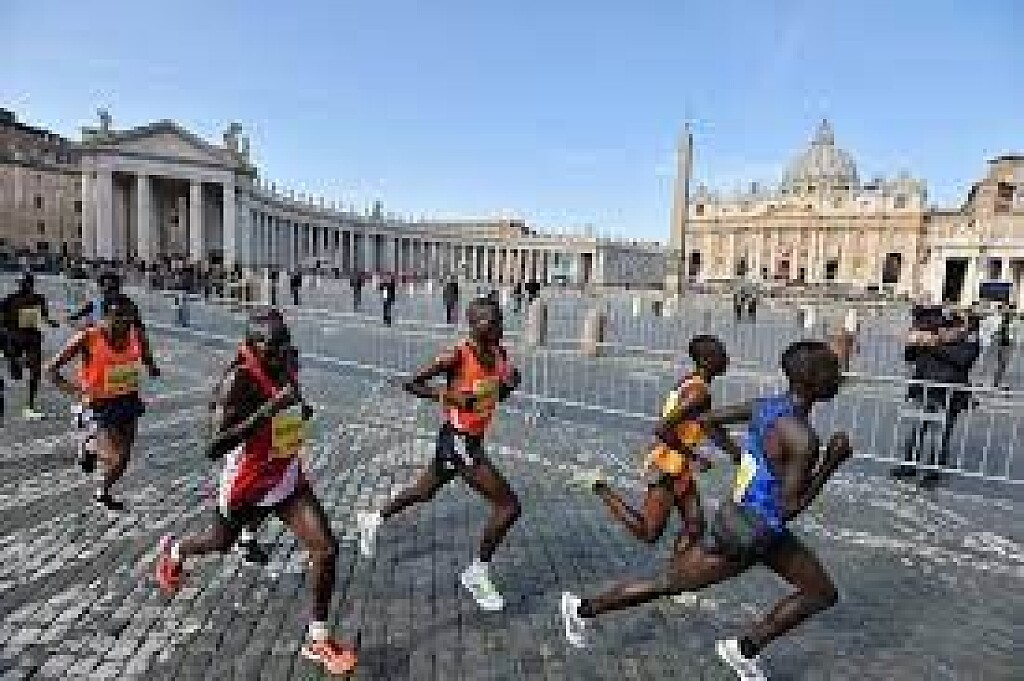
Ethiopians poised to dominate Rome Marathon
The Acea Run Rome The Marathon has proved a happy hunting ground in recent years for athletes from the east African nation
Winners of the Rome Marathon in the past include Emile Puttemans of Belgium, Bernie Ford from Britain and Stefano Baldini of Italy. But Ethiopia has dominated in recent years and the east African nation will be tough to beat again in the 2023 event on Sunday (March 19).
Six of the last nine men’s winners and seven of the last eight women’s champions in Rome have come from Ethiopia and runners from that country lead the entries this weekend too.
Fikre Bekele will attempt to defend his men’s title whereas fellow Ethiopian Zinash Debebe Getachew leads the women’s line-up.
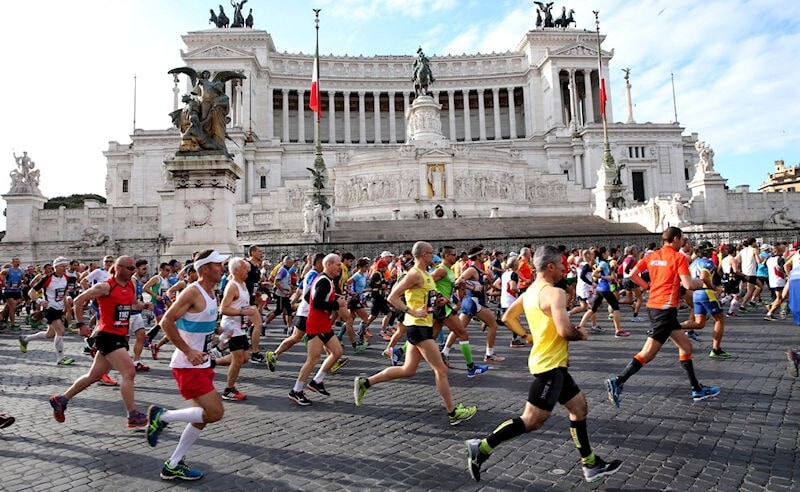
Bekele ran a course record of 2:06:48 last year in the Italian capital but has since improved his best to 2:06:16 when he won the Linz Marathon in October.
Also expected to be at the front of the 15,000-strong field are Berhanu Heye and Alemu Gemechu of Ethiopia along with Nicodemus Kimutai of Kenya. Look out too for reigning Dublin Marathon champion Taoufik Allam of Morocco.
Women’s favorite Getachew has a best of 2:27:15 but will be challenged by Brenda Kiprono of Kenya, plus Mulugojam Ambi and Amid Fozya Jemal of Ethiopia.
The women’s course record is held by Alemu Megertu with 2:22:52.
Italian interest, meanwhile, includes Nekagenet Crippa (the older brother of European 10,000m champion Yeman), Stefano La Rosa and Giorgio Calcaterra. The latter, who is now aged 51, is known as the ‘king of Rome’ as he first ran the Rome Marathon 20 years ago and has completed 330 marathons during his life, won the world 100km title three times and has notched up 12 consecutive victories in the famous 100km del Passatore ultra-marathon.
A little further down the field, all eyes will be on Ermias Ayele, a former race director of the Great Ethiopian Run who is aiming to complete the 26.2 miles barefoot in memory of the great Abebe Bikila, who stormed to Olympic glory on the streets of Rome in 1960.
“Abebe Bikila laid the foundation for the success of not only Ethiopian athletes, but Africans in general as he was the first black to win a gold medal in the Olympic Games,” he says. “However, I have always felt that he did not get the recognition he deserved. Moreover, his story always inspired me and that’s why I am planning to emulate him in the same place and the same way, where he made history and pay tribute to all he’s done for athletics and Ethiopia.”
(03/17/2023) ⚡AMPby Jason Henderson

Run Rome The Marathon
When you run our race you will have the feeling of going back to the past for two thousand years. Back in the history of Rome Caput Mundi, its empire and greatness. Run Rome The Marathon is a journey in the eternal city that will make you fall in love with running and the marathon, forever. The rhythm of your...
more...
Runner Sues After He Was Shot By Hunter on Missouri Trail
Fred Cay says he can no longer run marathons or ultramarathons and is suing the turkey hunter and the state of Missouri after suffering injuries as a result of the 2021 incident.
On the morning of May 8, 2021, Fred Cay donned a yellow vest and headed out to a bucolic public trail in St. Louis overlooking the Missouri River to put in some miles at the Weldon Spring Conservation Area, a popular hiking, biking—and hunting—spot. However, his 8.2-mile run on the Lewis Trail was cut short when a hunter fired his shotgun at Cay, felling the then 47-year-old endurance athlete. First responders wheeled Cay to a clearing and he was flown to the hospital by helicopter.

He’s now suing the hunter, Mark A. Polson, the state of Missouri, and a group involved with developing trail systems in the region, according to the St. Louis Post-Dispatch. An incident report shows that Polson thought he’d shot at a turkey. The hunter, 62 at the time of the incident, told investigators that he fired one shot at a flying turkey and then immediately heard a person scream. He said that when he found Cay, he’d been hit in the side by three shot pellets, including two that went into the chest cavity.
According to the lawsuit, Cay alleges that he suffered a collapsed lung, punctured lung, lacerated spleen, punctured pericardium, and two puncture wounds in the side. He went through multiple surgeries—exploratory, open-heart, and to repair damage to his lungs and other organs—and suffered a blood clot while recovering.
Before the shooting, Cay competed in marathons and ultramarathons, and now, his attorney, Carey Press, argues in court records, his “endurance and running ability has been hindered by his injuries, and it is unknown if they will ever return to their previous capacity.”
Polson had a permit to hunt in the conservation area that day, but Cay’s lawsuit claims there weren’t adequate warnings to notify runners, cyclists, and pedestrians of the managed turkey hunt taking place.
“By specifically regulating, inviting, and permitting these hunters to be in such extremely close proximity to public recreational users, MDOC breached its duty to keep public users, such as Fred Cay, free from foreseeable harm,” the lawsuit states.
Mark Zoole, in charge of the district’s defense, told a reporter that while the Metropolitan Park and Recreation District “naturally feels sympathy for Mr. Cay’s injury, it is not responsible in any way for the incident.” He continued, “The District did not own or control the property where it occurred, and did not have any control over the actions of the individuals involved.”
Polson, the hunter, entered an Alford plea to second-degree assault early this year, an acknowledgment that there is enough evidence to convict, but not an admission of guilt. His sentence was suspended and he’s been placed on probation for five years, with conditions that he cannot obtain firearms or hunting licenses during this time, and must complete a hunter safety course.
Turkey hunting season begins again this April at the Weldon Spring Conservation Area, but Polson won’t be amongst his fellow sportsmen this year. Nor will Cay be joining fellow runners for local events like the St. Louis Track Club’s upcoming Weldon Spring Trail Marathon and Half.
(03/11/2023) ⚡AMP
Three Rules to Keep Your Running Simple
One of my most memorable runs took place in Costa Rica when I was wearing sandals, board shorts, and a bathing suit after river rafting, and I couldn't resist the opportunity to run through a rainforest full of birdsong and howler monkeys.
My watch couldn't find the GPS signal to measure distance, but I didn't let that, or the lack of running shoes, stop me. I ran for 30 minutes, energized and entranced by the surroundings. That joy-filled run is a powerful reminder that we don't always need a planned workout or gear to reap the benefits of a run. We just need to break into a run and go.

Having run trails and ultras for two decades, I sense that runners are overthinking and over-complicating the relatively simple act of trail running more than ever before. We have way more access now to information and commentary about ultra-distance running, and more biofeedback due to sensors on smartwatches, phones, and gadgets. We follow elite runners online and try to train like them. It's easier than ever to fall into the comparison trap, feeling that our training is inadequate compared to the others we follow on Strava and social media.
I'd encourage you to tune out those messages and tune into the reasons you chose running long distances on trails in the first place: because it's healthy, beautiful, adventurous, and it makes you feel better. It's motivating and rewarding to train for an ultramarathon. And it's relatively cheap and simple, especially compared to gear-intensive sports like skiing or cycling. Just lace up your shoes-it's OK if those shoes are designed for road running!-and find your way to some dirt path somewhere, then go.Don't Let Perfect Be the Enemy of Good
During the many years I coached runners, the most difficult-to-coach clients tended to share a perfectionist streak that made them research the heck out of the sport and ask all sorts of questions, ranging from foot strike to electrolytes. Paradoxically, they often skipped workouts, or on race day, they DNFed. I suspect these high-achievers spread themselves too thin to fit in their training, plus they wanted each workout and race to be planned and executed to an extremely high standard. They couldn't adapt to a "good enough" or "some is better than none" mindset to just get out and get 'er done, and their seriousness sucked much of the joy out of the process.
Coach Liza Howard, a highly accomplished ultrarunner, told me she had a similar experience with some of her athletes. "I've had a lot of 'come to Jesus' talks where I say, 'You just need to get out and run.'" She says they'll send her articles about certain hill workouts to add to their training, or ask what their stride length should be, and she'll reply, "I don't want to talk to you about any doodad unless you start getting at least six hours of sleep." Three Basic Rules
The food writer and journalist Michael Pollan famously distilled all his research into a single line of nutrition advice composed of three short phrases that are rules to follow: "Eat food. Not too much. Mostly plants."
Could we come up with a similar line of basic advice for our sport? I'll try: Run regularly. Not too fast. Mostly trails.
Run Regularly.
"Regularly" means consistently and frequently, following a sensible pattern that gradually increases the amount you run over weeks and months, depending on your goals. Carve out time to run at least three, preferably more, times a week, even if it's only for 20 minutes on some days. Sometimes, generally once a week, push the duration of a run to a point that feels challenging and fatiguing. Prioritize a good night's sleep to recover, and make sure you don't stack too many extra-long or hard-effort runs on top of each other so that you can adequately recover from the stress.
"Training is not always exciting, and in some cases, it may even be boring," says competitive ultrarunner Jade Belzburg, who coaches with her partner Nick de la Rosa at Lightfoot Coaching. "How many easy eight-mile runs have I done in the last eight years? Too many to count. And yet, I find these simple, consistent runs are what have made the biggest impact over time."
We don't always need a planned workout or gear to reap the benefits of a run. We just need to break into a run and go.
"Regularly" also suggests naturally and normally. This can be accomplished by paying attention to your internal cues-breath rate, fatigue and sweating-to determine how hard you're running and to find a sustainable effort level that allows you to keep going for the duration of your run, ideally with more joy than stress.
Howard advises the athletes she coaches to focus on their breathing to determine an appropriate pace and to ignore their watch mid-run, then review the watch's data afterward rather than while running. Not Too Fast.
This brings us to the next rule: "not too fast." Most of your runs should be at a steady "tortoise" pace that feels sustainable and allows you to talk in full sentences. Running in the aerobic zone (less than 80 percent of your max heart rate, or, put simply, at an effort level that allows you to talk) has numerous benefits and develops your aerobic energy system for long-distance running. If you get so winded running up a hill that you gasp while trying to speak, then downshift to hiking.
"Learn the rate of perceived exertion"-a scale of 1 to 10, with 10 being maximum unsustainable effort and speed-"and keep most runs at what feels like an easy pace of 4 to 6," advises de la Rosa. The beauty of the rate of perceived exertion is that you follow your body's cues, not your watch's pace or heart rate reading.
Some high-intensity workouts with bursts of faster running are beneficial for any runner, to boost cardiovascular fitness and develop quicker leg turnover for speed. Hence, most runners fit some form of speedwork into their weekly routine. But most running should feel relatively slow and easy.
Mostly Trails.
OK, so why the final rule: "mostly trails"? The inherent variability and enjoyment of trail terrain can help you accomplish the first two points-to run more regularly and intuitively, and not too fast. If you're an urban dweller in a flat region who can only get to a trailhead occasionally, don't despair. Run wherever is most convenient and motivating, and try getting creative using stairways or a treadmill's incline to simulate hills.
Stay Safe, Simply
After you purchase the most basic and essential piece of gear-your running shoes-you'll face decisions about clothing, gear, hydration, and fueling. These aspects of trail running quickly become expensive and complex. To simplify, ask yourself, what do I need to stay safe?
The riskiest, most potentially life-threatening scenarios of trail running involve getting too hot (heat stroke) or too cold (hypothermia), dehydration or overhydration without adequate sodium (hyponatremia), getting lost, or getting hurt and not being able to get help. Start by planning your clothing, gear, and hydration now to avoid those scenarios in the future.
Use layers of clothing to regulate your body temperature and to provide sun and wind protection. A lightweight, breathable wind shell that repels rain can be a trail runner's best friend. Investing in gear such as a headlamp and a GPS tracker with an SOS button (in case you're out after dark or in the backcountry out of cell range) are wise investments for mountain runners, as is a basic first aid kit.
Carry plenty of water, along with some form of electrolytes such as salty snacks or tabs that dissolve in fluid, to replace fluids and salt you lose through sweating. Drink to thirst and do "the spit test" to determine if you're hydrating adequately. Is your mouth too dry to easily form spit? Then you need to drink!
You'll need something to carry your gear and hydration. As with shoes, a comfortable hydration vest or waist pack is a highly individualized choice. Try some on, read reviews, and look for bargains such as sales on last year's models.Tips to Fill Your Tank
Eating before, during, and after a longer run is vital, too, but it's more of a performance matter and rarely a safety issue. If you bonk from low blood sugar or puke, you'll still have enough stored energy in the form of fat to keep slogging through your run. As long as you're adequately hydrated, you'll be OK when you get home, or to the next aid station in a race, where you can regain some calories. You just won't run well or feel good, so let's avoid that scenario with proper fueling!
The amount and type of food you should consume mid-run depends on your fitness, body size, and the intensity and duration of your outing, so you'll need to experiment to find what works for you.
Generally speaking, you don't need to consume calories during everyday lower-intensity runs that are shorter than about 90 minutes, as long as you start your run with a "full tank" from healthy and satisfying eating throughout the day. Don't forget to refuel post-run, to restore the burned energy. Nonetheless, it's wise to carry a simple snack such as an energy gel on any run, and use it if you feel weak, or in case you end up on the trail longer than expected.
For runs and races that go from several hours to a full day, aim to eat around 200 calories per hour after the first hour. Don't demonize carbs, as they're your best energy source mid-run. Whether simple sugars from gels and sports drinks or a picnic-like buffet of sweet and starchy snacks, what works best for you during a long run can depend on many factors, including your stomach and palate. The best advice I got for parenting my two kids also applies to mid-ultra fueling: "Do what works!"
In addition to trying specialized gels and powders on the market, I also encourage you to experiment with everyday options on longer trail runs that are available from any grocery store, including potato chips, trail mix, a banana, or a good ol' PB&J. For sugar, try a cookie or some candy.
Most of all, try to remember that food is an athlete's fuel and friend, and it's best to eat a variety of food in quantities that leave you feeling truly satisfied. Runners who develop an adversarial or overly controlling relationship with food are doomed to suffer negative consequences in the long run, literally and figuratively. Ultimately: don't overthink it, and do what works best for you.
(03/10/2023) ⚡AMPby Trail Runner Magazine
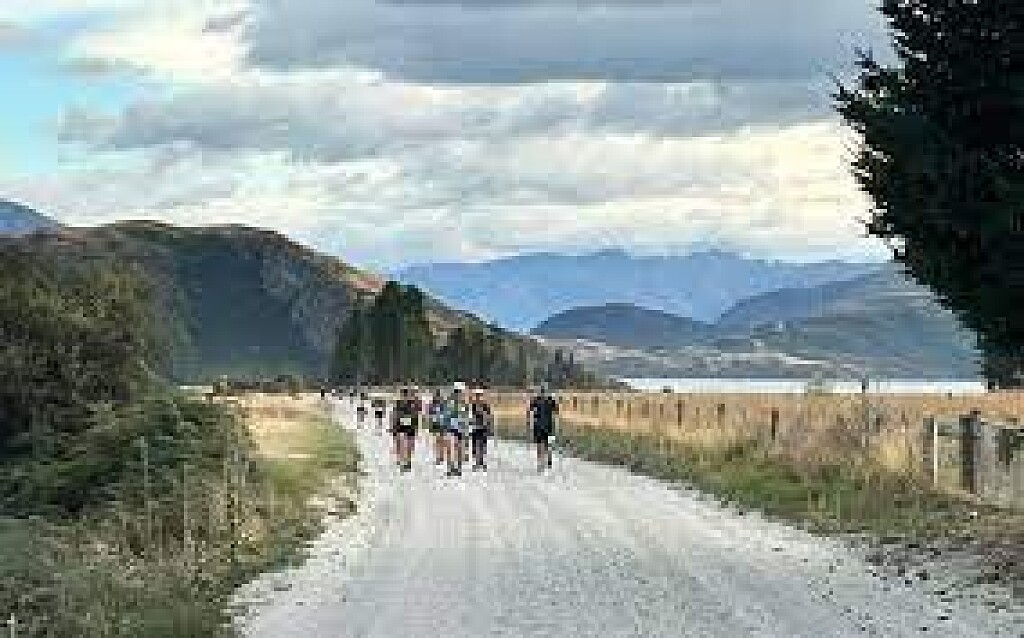
110 Ultra Trail Runners Evacuated from Race Course
Heavy rains caused a river to overflow, stranding runners in freezing temperatures during the Southern Lakes Ultra in New Zealand.
A 7-day, 6-stage ultra-marathon on the South Island of New Zealand, was interrupted by severe weather earlier this week, which resulted in several athletes needing to be rescued, according to the New Zealand Herald. Rains quickly became intense, causing the Arrow River to rise in the wee hours of the morning, leaving runners stranded and unable to cross. Temperatures hovered around freezing, which meant athletes started experiencing hypothermia. Rescue efforts included personnel from the New Zealand Police Department, Search and Rescue, Fire and Emergency New Zealand, and Queenstown rescue helicopters.All in, 110 racers were evacuated. Seven race participants and one official were flown to Queenstown Lakes Hospital to be treated for hypothermia. According to reports, all have been released and are doing well. The South Island of New Zealand (Te Waipounamu) is known for its stunning glacial lakes and towering mountains. Runners of the event are promised endless breathtaking views before finishing in Queenstown, known as the adventure capital of the world. Participants have the choice between the long course (261 km) or the short course (226 km), and are encouraged to go at their own pace—from hiking to competitive running. The Southern Lakes Ultra spans 6-stages from February 19-25, including a rest day. It’s billed as a race that’s perfect for experienced trail runners and beginners alike. Each stage is between 10 and 70 kilometers. According to the race website, the course requires comfort in the backcountry. “Please, do not take lightly the terrain you will be in. Some of our stages are remote. You will be climbing and descending for hours, potentially some in the dark. You must be confident in the backcountry, on trails.”
Despite the weather conditions and rescue efforts, the race is continuing as planned. Some athletes have voiced disappointment in that decision, saying the race should have been called off and river levels checked more frequently. According to reports, one athlete said, “Conditions on the mountain were treacherous in the dark for an event which was pitched for beginner ultra competitors. ‘Show must go on mentality’ seems tone deaf.”
Most importantly, everyone is safe and accounted for. Rescue Coordination Centre Operations Manager Michael Clulow said he was grateful for everyone who helped with and supported the rescue effort.
(03/10/2023) ⚡AMPby Runner’s World
Top six reasons ultra runners are a breed apart, Ultrarunners' brains might be wired differently (how else to explain it?)
Ultra runners are pretty unique athletes. How many people are willing to run 50K, 100K, 100 miles or more? The answer is not a lot, which is why ultra running is so different from other sports. There are things that ultra runners do that no other athletes (not even short-distance runners) understand. Don’t believe us? Take a look at these few differences between ultra running and other sports.
Eating contests
To run an ultra marathon, you have to train well, but when race day arrives, your success will come down to how much you can eat–because after you’ve been running for several hours, your digestive system might be a little out of whack (and what goes in has been known to come back out). If you can keep enough nutrition down to keep your energy levels high for the entire race, you’ll do well.
To do that, ultra runners will eat some pretty random things on the race course (flat Coke and scalloped potatoes, anyone?), besides your classic energy gels and electrolyte drinks. Athletes in other sports are very careful about what they eat or drink before and during competitions, but for ultra runners, it seems like pretty much anything will work as fuel to get them to the finish line.
Weird sleeping habits
A basketball player wouldn’t take a court side nap, just like a hockey player would never go to sleep on the bench or in the penalty box, but that’s not the case with ultra runners. If you’re in a race that will take you more than a day to complete, you’re going to get pretty exhausted on the course, and that might mean you’ll need to take a nap break at some point–even if it means lying down by the side of the trail, or in a ditch, for a few minutes of shut-eye. (It’s called a dirt nap, for the uninitiated.) Ultra runners get pretty good at sleeping anywhere and for however long, so they can re-energize and get back to racing.
No rush
In most sports, you’re encouraged to go as fast as possible, because your speed will be rewarded with a touchdown, goal, basket or some other form of points. In ultra running, athletes aim to complete each race in good time, but there’s no rush. In fact, going too fast will only hurt your result and jeopardize your chances of finishing the race at all. Ultra runners quickly learn how to find a comfortable pace that they can hold for hours upon hours (or even days) of running and power-hiking.
No end
While most ultra marathons have set distances, some events are open-ended and go as long as it takes until only one runner is left standing. These are known as backyard ultras, and they task competitors with running a 6.71-km (4.17-mile) lap every hour for as many hours as they can. One by one, athletes will drop out of the race, either because they can’t go any longer or because they don’t complete a lap before the hour is up. Can you think of any other sport with this last-runner-standing, no-end-in-sight format? Didn’t think so.
No schedule
The Barkley Marathons is one of the most infamous ultra marathons on the planet, but despite its cachet, it is incredibly secretive. The race’s start date isn’t even public knowledge until the athletes are at the start line. This would never fly in other sports. The NHL couldn’t tell players to be on-call and ready for a random start date for a game, but in the world of ultra marathons, this system works (for the Barkley Marathons, at least).
Get emotional
After running 100 miles, you’re going to be beaten down, both physically and mentally. Because of this mental wear, you may burst into tears at any moment. In most sports, crying may be a sign of weakness, but in ultras, it’s pretty normal. No one’s going to judge you, and who knows, if they see you crying they may join you.
(03/08/2023) ⚡AMPby Ben Snider-McGrath
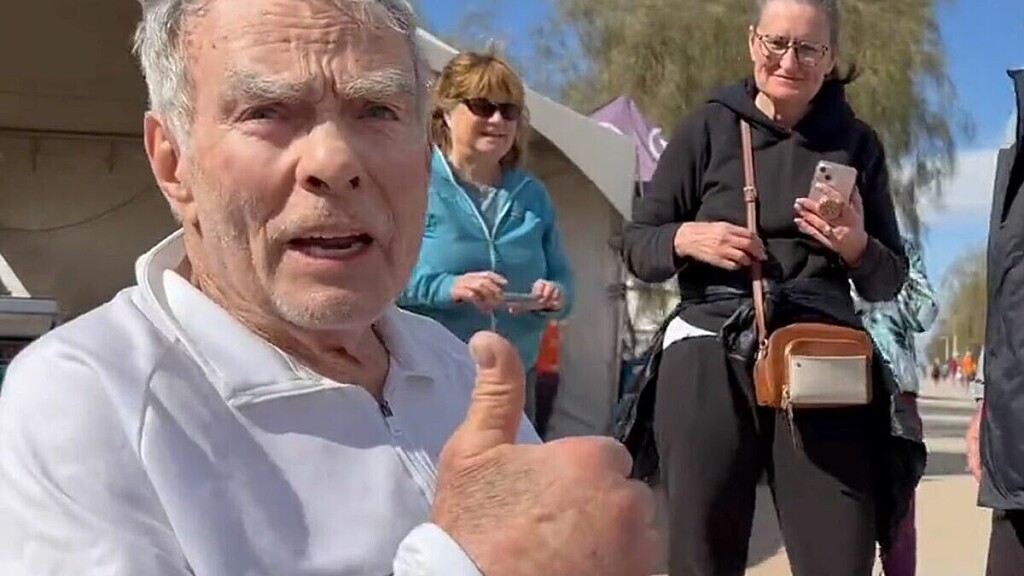
80-year-old runs wild time at USATF 100 Mile Championships
The USATF 100-mile road national championships were held in Henderson, Nev. on Friday and Saturday at the Jackpot Ultra Running Festival, and while the elite men and women produced impressive results, the performance of the weekend has to go to David Blaylock, an 80-year-old athlete from Salt Lake City, Utah. Blaylock finished the race in a fantastic time of 29 hours, 47 minutes and 29 seconds, and he was followed by three other men in the 80-plus age division, each of whom finished the race.
80-plus division
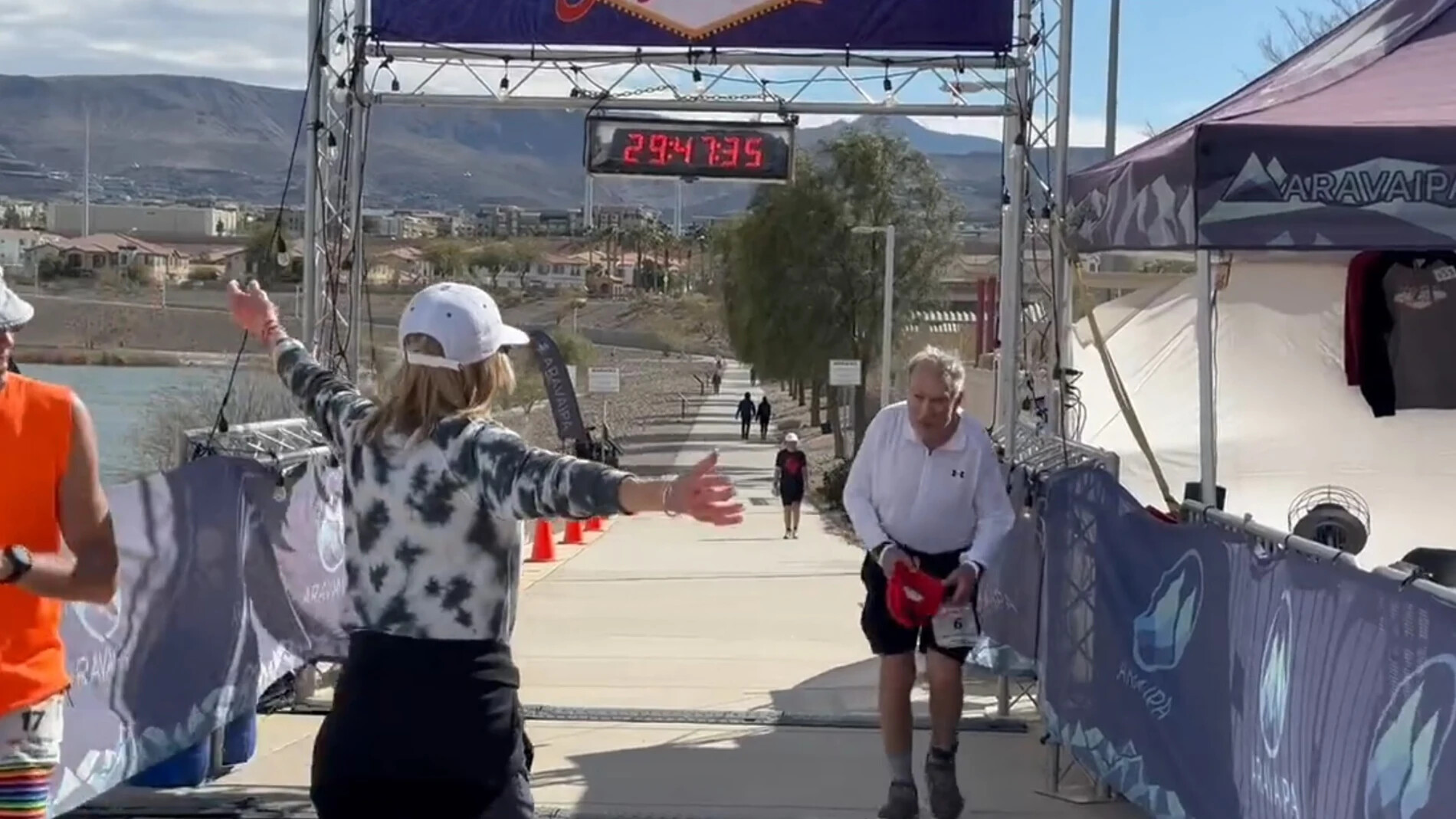
Before this year’s race, Blaylock had already raced the Jackpot 100 several times, and he had managed to break 30 hours on multiple occasions. In 2022, the final year of his 70s, he ran 31:56:28 at the event. While this was still a great result, it wouldn’t have been a surprise if Blaylock, now in the M80 division, didn’t break 30 hours again over 100 miles, but he did just that on Saturday, crossing the finish line with 12 and a half minutes to spare.
The fact that Blaylock ran 100 miles at the age of 80 is impressive enough, but his sub-30-hour result makes the achievement all the more amazing. His average pace was just over 11 minutes per kilometre for the 160K race. Although it’s unclear where Blaylock’s result ranks all-time among Americans, based on the USATF record books, his 29:47 sits near the top. The current M80 American record over 100 miles belongs to Maurice Robinson, who posted a time of 29:03:21 at a race in Kansas in March 2022.
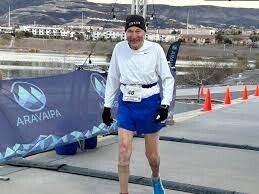
While Blaylock ultimately won the M80 race by more than 20 minutes, his victory was far from a lock. He had to chase 83-year-old Edward Rousseau for most of the run, and for a long stretch, he was an hour back of first place. It wasn’t until the 95th mile that Blaylock made the pass on Rousseau, and from that point on, his lead only grew.
Rousseau ended up crossing the line in a fantastic time of 30:09:08, and 80-year-olds Ian Maddieson and Denis Trafecanty finished third and fourth, respectively, in times of 37:15:39 and 37:59:42.
The elite races
San Francisco‘s Jonah Backstrom, 49, took home the men’s national 100-mile title with a winning time of 14:11:03. He won the race by more than 30 minutes over second-place finisher Zach Merrin, who finished in 14:48:59. Third place went to Pete Kostelnick, who stopped the clock almost an hour later in 15:47:24. In the women’s race, Nevada local Sierra DeGroff won in 15:59:56, just eking out a sub-16-hour result. She finished close to an hour ahead of second-place Lisa Cabiles, who completed the race in 16:42:54. Heather Huggins finished third in a time of 17:09:29.
(03/07/2023) ⚡AMPby Ben Snider-McGrath

Lattelecom Riga Marathon
If you have never been to Riga then, running a marathon or half-marathon could be a good reason to visit one of the most beautiful cities on the Baltic Sea coast. Marathon running has a long history in Riga City and after 27 years it has grown to welcome 33,000 runners from 70 countries offering five race courses and...
more...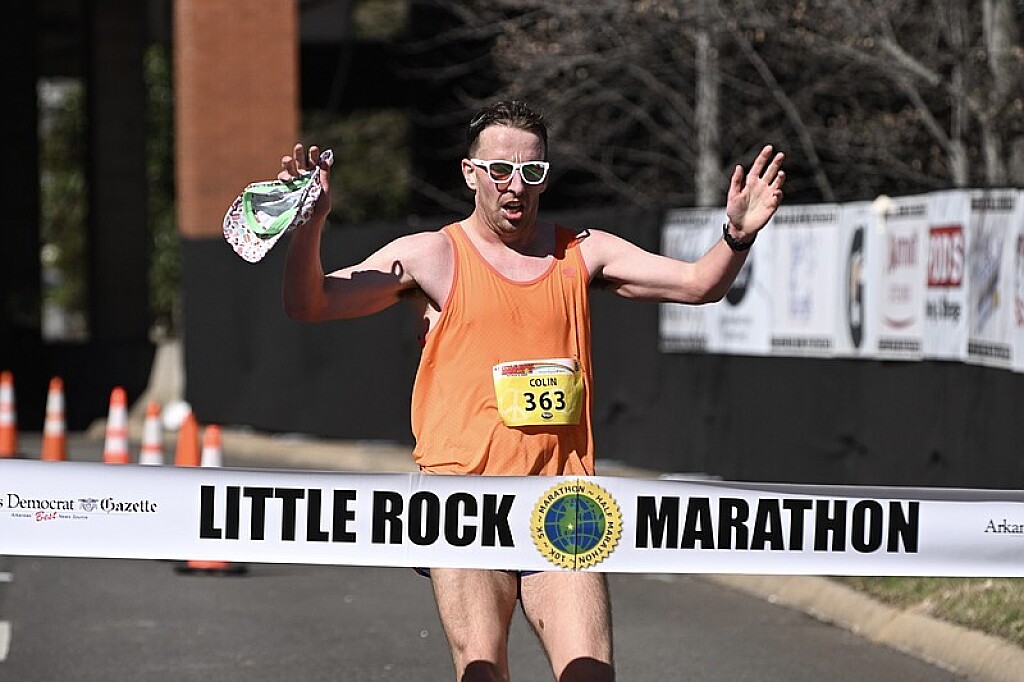
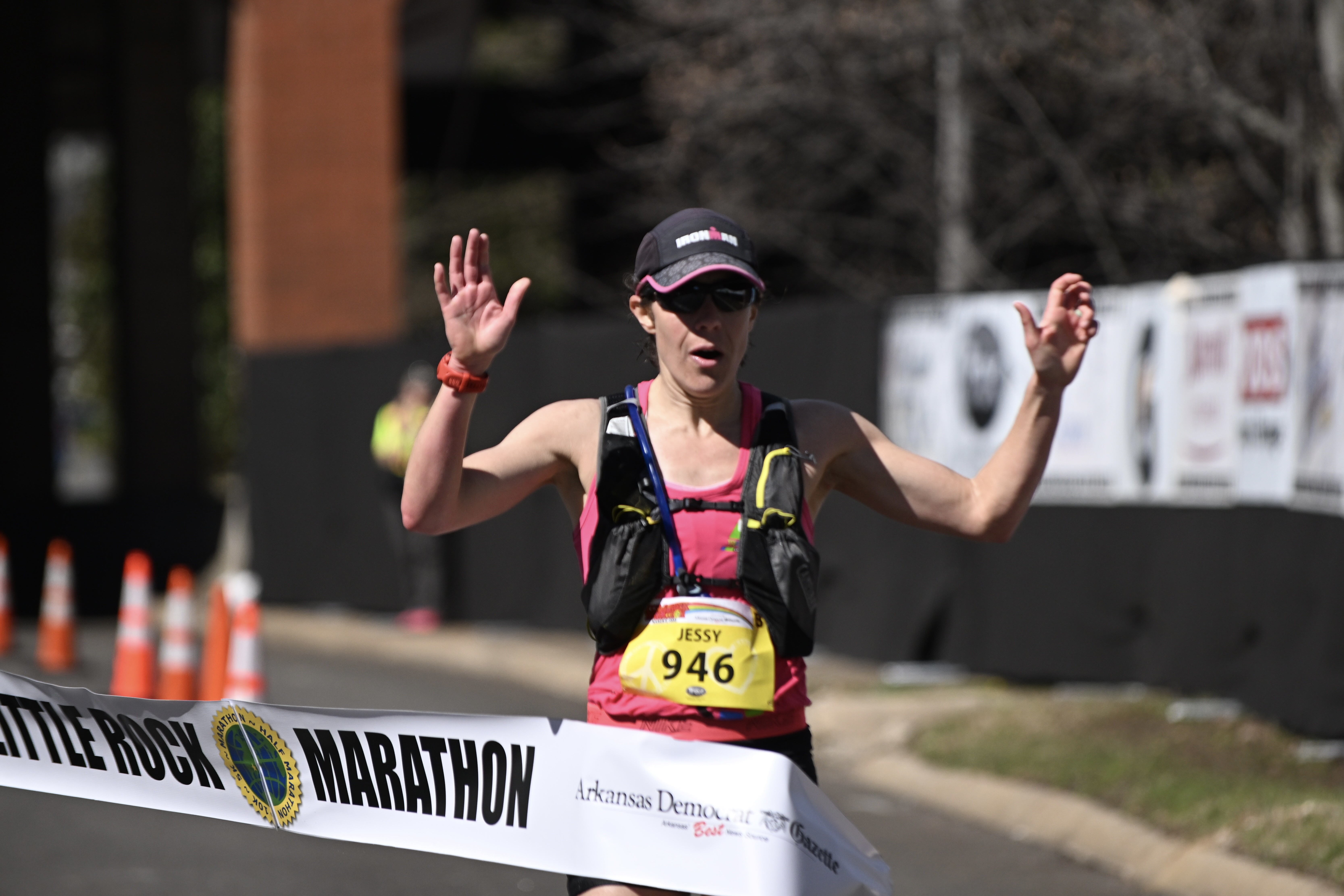
Colin Boerger and Jessy Sorrick win 2023 Little Rock Marathon
Colin Boerger and Jessy Sorrick are the winners of the 2023 Little Rock Marathon.
Beginning shortly after 11 a.m. Sunday and continuing into the afternoon, finishers of the 21st Little Rock Marathon will trickle across the finish line on La Harpe Boulevard.
Their legs plenty tired after completing the 26.2-mile course, runners will take a couple hundred more steps, following the signs directing them inside the back of the Statehouse Convention Center.
The runners will pose for pictures, then go grab a snack to refuel or some more water. Others might go for a celebratory Michelob Ultra -- or two -- before seeking out their friends and family for a hug.
But before any of that, each finisher will find a smiling volunteer and bow their head, awaiting one of the hundreds of oversized, sparkly, brightly-colored medals that will be placed around their neck.
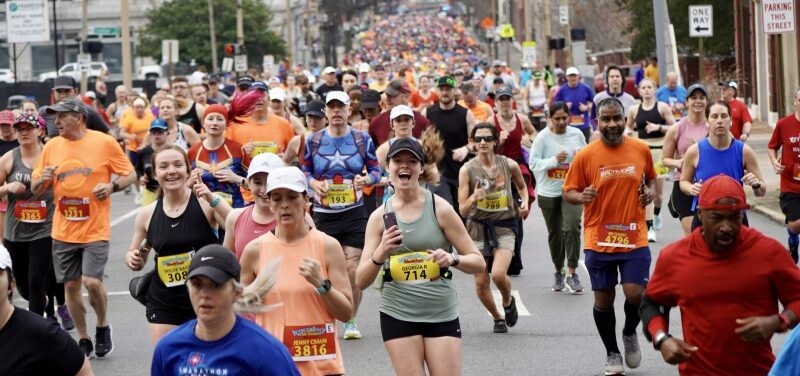
Since its third edition in 2005, the Little Rock Marathon has awarded those who complete the race with a distinct, intricate prize -- enormous in size while also extravagant in detail.
This year's medal is no different, measuring in at more than 8 inches wide and nearly 3 pounds. Inspired by the theme, "Peace, Love, Little Rock Marathon," it features an interlocking peace sign and heart surrounded by symbols associated with the hippie movement such as flowers, doves, music and a van, brought to life with an array of bright, sparkly colors as is tradition for executive director Geneva Lamm.
Year after year, Lamm attempts to one-up herself with a unique and elaborate design, ensuring that each runner -- everyone from Searcy native Tia Stone, winner in five of the last seven women's races, to the final finisher -- has something to appropriately commemorate their accomplishment.
The idea spawned from a race Lamm ran in southern Texas shortly after beginning her role with the Little Rock Marathon in 2002. Lamm had just finished the marathon and her friend had completed the 5K race.
"When we finished, we got the same medal, and I was like, 'Oh, no, no, I did the marathon. I didn't do the 5K,' Lamm recalled. "They're like, 'No, that's the medal for everybody.' "
That didn't sit right with Lamm. She believed that everyone should get a medal the size of their individual achievement.
So, Lamm set out to make that the case for her race in Little Rock. She sketched out what she wanted of the first medal -- mostly in stick figures -- but quickly discovered that the companies bidding to produce them had a different idea of what it would actually look like.
That led Lamm to teach herself how to use the Adobe Creative Suite so she could specifically design the medals on her own. In 2006, she produced a sparkly version of the race's corporate logo, which Lamm calls "The Shield."
From there, the medals took on a life of their own, and each year, Lamm tasks herself with designing something one-of-a-kind to fit that race's theme.
In 2008, it was "Six in the City" to celebrate the race's sixth edition. In 2012, the theme was disco. The 2015 race was pirate-themed -- perhaps Lamm's favorite to date -- and as is the case each year, Lamm and race organizers encourage runners to dress in costume.
But idealizing and designing the medals is one thing. It's another to produce them, especially as the race has grown as large as 10,000 total runners across the different competitions -- marathon, half-marathon, 10K and 5K.
Steve Hasty, owner of Hasty Awards in Ottawa, Kan., has worked in conjunction with Lamm on and off for the last 12 years. It's not guaranteed Hasty will be the one chosen to produce the medals each race -- because the Little Rock Marathon is a fundraiser for the City of Little Rock's Parks and Recreation Department, Lamm has to run an annual blind-bidding process to determine who will get the contract for a given year.
But Hasty holds a special place in his heart for Little Rock because the medals are such a passion project for Lamm.
"There's no question that the Little Rock Marathon is the most fun race," Hasty told the Arkansas Democrat-Gazette. "[Geneva] is an educated customer, which makes it a lot easier."
The bidding typically begins in June, and for an early March race, Hasty likes to begin production no later than September.
For the marathon medals, the die-casting process begins by forcing each of the different colors of zinc-based alloy into the molds. Each of the different colors, many with glitter -- a Lamm specialty -- is allowed to dry before Hasty moves on to the next color.
All told, creating the Little Rock Marathon medal takes about 50 days. That's before the ribbon is hand-sewn on, all adding up to a cost of $13 per medal and leaving little profit margin for Hasty.
The goal is then to have all the medals completed and in Little Rock no later than January. Across the different competitions, that's between 9,000 and 10,000 medals -- almost a 400% increase from the 2,502 that participated in the inaugural race in 2003.
Lamm keeps a notepad on her desk at home with ideas for future themes, and she's already thinking about concepts and designs of medals for at least the next five years.
After 19 years, it's nothing but "a labor of love."
"It's always on my mind," Lamm said. "We're always trying to figure out how to do something better and new. ... The payoff for me and my staff is seeing those people cross the finish line."
(03/06/2023) ⚡AMPby Mitchell Gladstone

Little Rock Marathon
The mission of the Little Rock Marathon is provide a premier event open to athletes of all abilities, while promoting a healthy lifestyle through running and walking and raising money for Little Rock Parks & Recreation. Since inception in 2003, more than $1,093,000 has been donated to Little Rock Parks & Recreation. Little Rock Marathon Race Weekend is held the...
more...
Love Advice from the Non-Runner Significant Other
Runners love runners, and while runners often date and marry other runners, some runners date non-runners who despise running.
My fiance is the latter. Running isn't for her. It isn't for everyone. A large part of me wishes we could share the miles and time together, and she wishes we could actually spend a Saturday morning together instead of me going on a long run only to come back, eat, and nap.
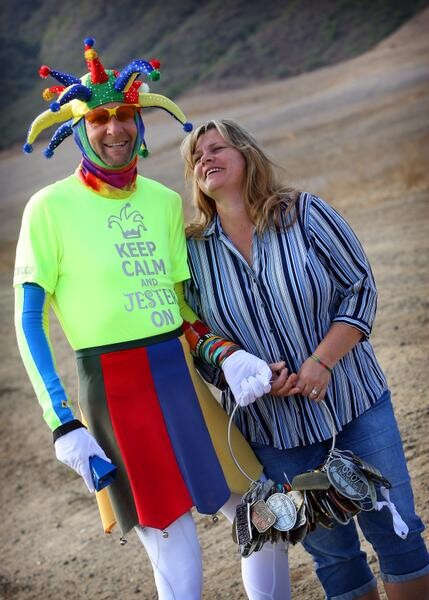
There's give and take in any relationship, but with any passion comes sacrifice. We see the passion on display everyday, but little do we hear about the sacrifice, the unfiltered thoughts of those who might not share the same affinity for run culture.
This Valentine's Day, we give them the mic. To my fiance, and to anyone else in similar situations, I hope you feel seen today.
Forty Years and 200+ Hundred Milers
If anyone can understand the grind and sacrifice of supporting an ultrarunner, it's Martha Ettinghausen. Her husband, Ed, 60, has logged more than two hundred 100-plus milers since his first in 2009-one of three people ever to hit that milestone.
For the vast majority of those races, the couple from Murieta, California, has done it all stride for stride. Martha was crew chief, sacrificing weekends, birthdays, and Mother's Days for her runner. It also included nights at home waiting to eat dinner until late hours, delayed romantic evenings on vacation due to Ed being "lost in the moment" of a run, and endless time and money poured into the sport.
"It really has cost us a fortune," Martha said. "There's so much sacrifice, if you want to call it that, that was given up for Ed to pursue his dream. I look at the time and money spent over the years. Sometimes I say, 'This could be our new car,' or, 'This could be an amazing vacation.' Really, it's kind of a selfish hobby, but so is any hobby."
But that's not what Martha takes away from Ed's passion. It has taken years to find balance, and also to recognize that you can be supportive without having to attend every race like she did at first. Now, she goes when she wants to.
"For the first 19 years of marriage, I don't think we spent one night apart," Martha said. "That was a lot of time together. We did everything together, and I like that connection, but in order to find my own life outside of it while he's off doing his thing, I had to learn to do my own thing. He's pursuing his passion; I can pursue mine also."
This has taken various forms: Saturday morning walks with her friends, starting her own business, not waiting to eat meals, even walking 104 miles herself last April at Beyond Limits in California. A big reason she pursued most of these passions was Ed's inspiration.
"One of the biggest things I've learned from Ed doing ultras is going in with a positive mindset and believing you can do it," Martha said. "Never be negative or allow doubt. That carries into every aspect of life. Don't take it so seriously. Watching Ed, I'm like, "You know what? I can do anything.'"
These are lessons learned from 40 years of marriage and 14 years of ultras. While it has its pros and cons and still requires conversations and compromises from both, Martha said the best advice she has for a non-runner significant other is letting each other know what makes the other happy and working toward those goals.
"I would never ask him not to run because that would be like taking his soul away," Martha said. "It's about finding a balance, about what's going to make both people happy. It's sitting down and asking, 'Can we satisfy the runner's desires and passion with the partner's desires and passions?'"
We Don't Talk About Trail Running
When you love something, you want to share it with those you love. Take running. Runners love sharing their goals, training, miles, tales from run group, what the pros are doing, what they read, listened to, or saw about running, *insert endless examples here.*
If you paused at any point during that and sighed, you've likely been on the receiving end of a runner, and Stephen Ettinger, 33, wants you to know something:
"I've gotten the impression that it's a widespread problem among ultrarunners," he said. "Corrine and I have this anecdote that, at some point, I was like, 'You have to find some other people in the trail running community to talk about this stuff. Find an outlet. Talk about trail running with them because I can't listen to you talk about trail running all the time. It's driving me bonkers.'"
He's (mostly) kidding, but he's not wrong. If you put a quarter in a runner's jukebox, that song will play in its entirety. His wife, pro runner Corrine Malcolm, was guilty of it, and she heard that feedback. She's now a podcaster, author, editor-in-chief of FreeTrail, race announcer, Pro Trail Runners Association board member, and various other trail adjacent projects.
Ettinger gets his ultra stories in moderation now, and, with someone who lives and breathes the sport, he knows how important it is for her. It's a lot, but it's a healthy outlet runner's need, especially as Malcolm faced injuries in recent years.
"An injured runner is an unhappy runner," Ettinger said. "It's super frustrating for them, and it's hard to be the partner of someone who's frustrated because you don't want them to be sad and bummed out. How can you not when you can't do the thing you love? Like anyone, they need an outlet."
Ettinger has found his own outlet in recent years. It wasn't something he expected after retiring from professional mountain biking and going to medical school and doing his residency in San Francisco. But when the trails in the city weren't as accessible to bikes as running was, he ran with it.
Before that, the couple split up at trailheads to bike and run. Going together, he says, brought them closer. They understand that Ettinger could spend that time reviewing charts and Malcolm could be going faster to train.
He's not sure why, but he said he might even sign up for an ultra this summer.
"It's not my most favorite thing, but I do enjoy it," Ettinger said. His parting advice: "Never expect 10 toe nails. Expect weird tan lines, and make sure to give your dog a break from running every now and then."
Balancing 'Me Time' and 'Us Time'
Char Ozanic, 46, of Grand Junction, Colorado, is not a fan of running. She recalled bad experiences with the required elementary school mile. When asked if she'd ever run a race again now, she said, "I'm giggling so much it hurts. No."
Ultrarunning found its way into her life through her husband, Matt, 48. They have two boys, and when they moved out, running filled his rediscovered free time as a work destresser.
"By the time the boys left, we had already been in the schedule mode of practices, dinners, and booked weekends so we fell back into that rhythm again quickly," Char said. "But, instead of the boys, it was Matt."
There were mixed feelings initially. Matt had found a passion, but it involved hours they could otherwise spend together or visiting their boys. If this was going to be their life, compromises were a must. Mostly, they had to prioritize scheduling things they wanted or needed around, and not over, those of the other.
"We had a lot of sit-downs," Char said. "You can't get your feelings hurt about every moment you're expecting to get [with your partner] because I also have a life of my own. It's our schedule. It belongs to both of us. You just need to be mindful of each other."
Part of the adjustment was significant amounts of "me time," Char said. Matt usually does two 100 milers a year. This year, one is the Moab 240. Many nights after work and long-run weekends add up fast for Matt.
"You have to genuinely be okay with being by yourself," Char said. "I go see movies by myself all the time, especially movies Matt might hate, or have a spa day. I do a lot of mental health stuff when he's trekking some big miles."
Sometimes it can be tough to find time together, especially in big mileage weeks. Char said that sometimes that means combining "me time" with "us time."
"If I'm craving more us time, I'll go to the trail with him and aid him along the way," she said. "I get my 'me time' and I get time with him. Other times, I like kicking him out the door to read a good book. It's all about balance."
This is also the case for races. Char has only missed one ever for Matt. Travel, she says, is her favorite perk. "It brings us to so many places," Char said. "He'll sign up for a race in, like, Beaver Canyon, Utah. I've never heard of it. Then we go and it's so beautiful. When he's racing, I can go on these small hikes and venture out to do what I want, too. I Google things I can try."
His best advice for anyone dating a distance runner: "Always have snacks around. Easy to grab. Runners can go from wanting a snack to ragingly starving quickly. Trust me. Snacks."
Never Run to Impress
Who hasn't done something to impress a person they're dating? Justin Charboneau, 33, can relate. When he started dating his now-wife, Brittany, 34, in 2016, she was qualifying for the 2020 U.S. Olympic Marathon Trials with sites on going pro.
So, Justin did what any love-struck person would do in that situation: sign up for a half marathon. He completed it, plus some other races and triathlons, too. It wasn't his thing, but he kept up the charade because he thought Brittany wanted him to run.
But in 2022, they hadthe talk.
"I started a cookie company in 2019 and running stopped," he said. "I still do Peloton and cycling now, but I kept running sometimes, and it got to a point where Brit's like, 'Do you like running?' I said no. She was like, 'You don't have to be a runner.' It was a huge weight off my shoulders."
Though he doesn't run anymore, Justin admires the work Brit, and other runners, put in to complete these long distances. He experienced running firsthand, and he wasn't a fan, but what Brittany does inspires him. At the same time, it can be a challenge. Being Denver-based with most friends from the running community, running can dominate the conversation and the attention.
"I've felt a little bit not heard or lonely because Brit does so much," he said. "There were times early on when it felt like Brit was doing all these awesome things and everyone's telling me my wife is so amazing. I got to a point where I'm like, 'What can I do to get some attention?' Eventually, I stepped back and realized that this is us. It's our life. Everything either of us do is for both of us. She inspires me, and it makes me excited to celebrate with her and be her support system."
That same friend group has no judgments since Justin stopped running. He joins them for "Fun Club" after runs and he's heartily welcomed, he said. The only other challenge, Justin says, is working around a runner's schedule. Brit goes to bed early and Justin is a social night owl, so compromising is a must.
"Being social after work fills my bucket. Sometimes, that's completely opposite of what Brit needs during training," Justin said. "It's an interesting thing to navigate because we still want to spend time together, so how can we find those things that fill both our buckets? It's a challenge, but definitely doable."
Finally, his best advice for anyone dating a distance runner: "Always have snacks around. Easy to grab. Runners can go from wanting a snack to ragingly starving quickly. Trust me. Snacks."
Young Love on the Trails
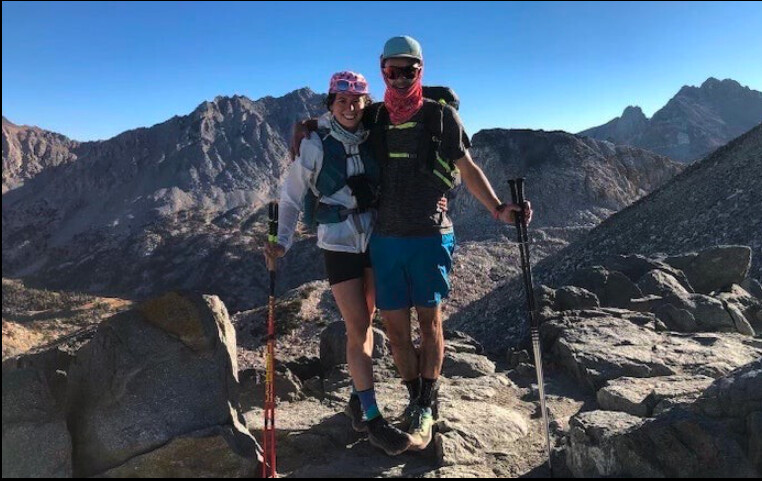
We conclude with our youngest couple: Heidi Strickler, 33, and Hannah Gordon, 38, of Seattle, Washington, an 11-month-old relationship between two passionate outdoor lovers. Strickler is more the runner of the two, competing in ultras and spending days in the mountains. Gordon enjoys a three- to six-mile run here and there, but is more of an outdoor generalist with passions for hiking, biking, and rock climbing.
Together, they find love on and off the trails.
"I view our relationship as three relationships: Heidi with herself, me with myself, and us," Gordon said. "I think we're pretty aligned. We both have interests in certain things and would like to pursue those, and also share them. But that doesn't mean the other person needs to be 100 percent in it."
Each part of that trio requires intentionality and attention, Gordon adds. When she goes on her adventures, or Strickler goes on hers, they both return fulfilled in their passion and, in turn, better versions for their partners.
"I almost wonder if there's an independence level in both parties that works well for people who are partnered, with ultrarunning or some big passion," Gordon said.
At the same time, scheduling becomes intentional, too. Planning their passions is as important as planning to be together. For example, Tuesdays are set aside for just them. Outside of that, they work around friends, work, and being outside, to spend time together. Through communicating ahead of time, they make it work. One thing they haven't experienced yet, Gordon and Strickler said, was a big training block for Strickler.
"I see the potential conflict depending on how many races per year are being trained for if that gets in the way of what we're hoping for intentional time together," Gordon said. "I think I could see that would be something we would just need to talk about. I think it's still solvable."
Additionally, Gordon says that having someone with inner drive to do things like ultras is attractive.
"Watching Heidi, I see such joy and exuberance when she comes back from the mountain," she added. "For me as a partner, I am very thankful that I am with somebody who finds so much joy in the activity that she's born to do. I can see the joy on her face when she comes back and brings in the mud and she's just smiling and beaming that she got to get so dirty and run 30 miles in the cold - which makes no logical sense to me."
(03/05/2023) ⚡AMPby Trail Runner Magazine
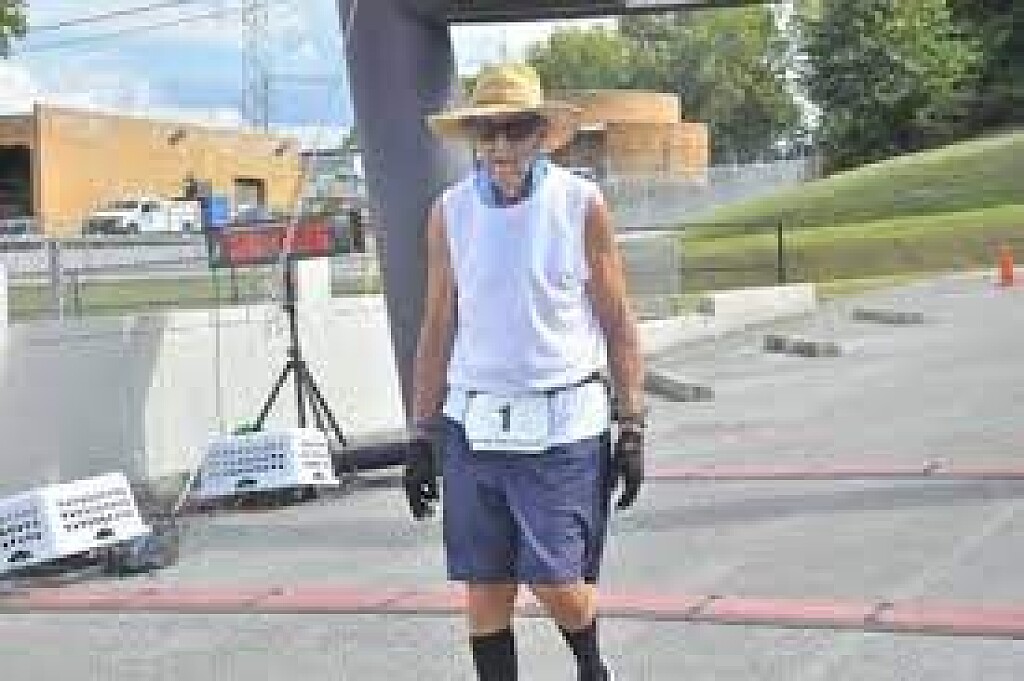
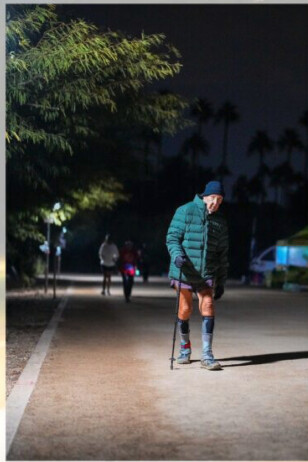
The 90-Year-Old Man Who Still Crushes 100 Milers
Don Jans clipped the curb with his car as he pulled into a rest stop in Texas. It was a minor incident that likely stemmed from the exhaustion of a solo, 2,000-mile drive home to Florida, after completing 127 miles at January's Across the Years in Phoenix.
Inspecting the damage, the 90-year-old Florida man was relieved to see none. So, he hopped in his sleeping bag for a few hours before waking up around 3 A.M. to get back on the road. A few miles later, the car rebelled.
"The temperature gauge was at the max, so I pulled off the interstate and shut it down," Jans said. "Around three or four in the morning, I get towed to a mechanic in Ozana, Texas, which is in the middle of nowhere. When I got there, I climbed back in my sleeping bag and the mechanics arrived around 7 A.M. and found me there. Unfortunately, they didn't do radiators."
Jans received another tow to another mechanic in town and was back on the road the next day after sleeping in that mechanic's lot that night. He would make it home a day or so later.
In a way, it's a fitting description of Jans as runner and person. At 90 years old, Jans finds ways and reasons to keep moving in his 10th decade on Earth, and his fifth running.
If he can do it, he'll do it. It might take a little longer than it used to, or, using one of Jans's many sayings and mottos, "Don't be getting in a hurry."
"I have no explanation for why I should keep running, but I highly recommend it to everybody," he said. "It's just great to be out there on the course, in the fresh air, and the training isn't a burden. I mean, if it's something you like to do, it's not punishment. If it's punishment, you need to find something you like. That's what we're here for right? To have fun."
A Wife, a Man, and a Van
Endurance goals have been top of mind for Jans since 1980. Then 48, he started running to lose weight. Realizing he enjoyed the challenge, he became a triathlete. One race turned into another, and he eventually qualified for and ran Kona in 1987.
The same happened when he transitioned to trails in the 1990s. He found new challenges and a community in running.
"The people in the ultra and running community are such a wonderful bunch to be around," Jans said. "Everybody helps everybody. They're just the salt of the earth. I said to myself that this was the place to be."
With the help of his wife Dorothy, they packed into the family van and found races to run and volunteer at all over the country. Though never a runner herself, Dorothy became the "ultimate crew chief" for Jans. She took extensive notes, took pictures of what Jans wore so he had a reference for future races, and stocked the van like a mini aid station on wheels for other runners in need.
"She was a super mom," said Sharon Jans, 67, Jans's daughter. "I have three brothers and three sisters, and caretaking people out was kind of her life. She just extended that to runners. She helped a lot of people here and there at so many races. Whatever they needed, she had it somewhere in that van. She loved it. It kept her busy."
While they mostly stuck to the Southeast near their Clearwater, Florida home, Jans racked up multiple ultra finishes a year after 1990, including the Umstead 100 (eight times), JFK 50 (also eight times), and Ancient Oaks 100, to name a few. He was in his 60s and 70s for the majority of these.
Then, it all came to a halt in 2009.
They first noticed it at a race. Jans came into an aid station and found Dorothy asleep in the van. She had never missed him or been asleep at any aid station before.
Soon after, Dorothy was diagnosed with lymphoma. When that seemed to be cured, another diagnosis followed.
"We went through a battle for five to six years," Jans said. "You lose track of time, and I'm not blaming the medical people. Once you think you're over one hurdle, there's another one. There's a continual series of disappointments, if you want to call it that. You just do it. We had been married for 60-some years, and for these next years, I was a full-time caregiver. Nothing else. You just do it."
When Dorothy passed away in October 2015, Jans didn't know what to do. He hadn't run in years while tending to his wife and best friend. He had a hip replacement and had done some swimming and walking, but nothing near what he used to. He wasn't sure if he'd ever run like he did.
A Comeback Story
Looking for something to occupy his mind and time, one conversation led to rediscovering his goals through discovering a new race.
Depending on who you ask in the family, you'll get a different story. Jans goes with his version in which one of his daughters, Marilyn Jans Schupbach, 69, alerted him to the existence of A Race for the Ages (ARFTA). The Tennessee-based race is essentially a timed, multi-day race but with a couple twists. Everyone 40 and younger gets to run the final 40 hours of the race. Anyone 41 and older is allotted a number of hours equal to their age. In 2018, that meant Jans, who was 85, got 85 hours to run.
"I was just trying to recoup mentally from losing my wife, so it was a distraction, get your mind onto something worthwhile," Jans said. "Marilyn told me, 'Why don't you try this and see how it goes?'"
Intrigued by the concept, Jans signed up, training around the roads in his new home in The Villages, Florida. He was also motivated by having someone to race with: Marilyn.
Jans had inspired her and Sharon to get into ultras in the 1990s, and Marilyn wanted to see if she could catch her dad. I signed up with him," Marilyn said. "That was my first and last time. I'm so much younger and he started 21 or 22 hours ahead of me. I never caught up with him. He ran 120 miles and I had 104. He was like 85 at the time, by the way."
While Marilyn hasn't returned, Jans has become a fixture at the event. He's run every single one since 2018, including 119 miles in 2022. He's also been able to convince his other daughter, Sharon, to join him for the last two.It may help that he pays her race entry and signs her up.
"I didn't think I could ever do that race," Sharon said. "Then, he just paid for my race entry and told me, 'You can do it. Give it a try.' I had done some 50Ks, but I had never tried anything like it. Since then, I've done a couple 100 milers. I even did Long Haul 100 in January with Marilyn. Dad missed it because he was tired from the drive home [from Across the Years]."
"I beat him by one mile," Sharon said. "He's 25 years older than me, and it took me until the final hour to catch up. He rests, but he never stops."
Most recently, he added Across the Years to his annual race calendar. At his inaugural run at age 90, he ran 127 miles during the six-day race. Rainy weather and cooler temperatures caused some hiccups, like a "frog strangling downpour," he said, leading to him "being old in a 1010 dome tent with wet clothes and cold weather."
Despite the conditions, he said it was one of his favorite race experiences. He said he'll just have to "come back next year with a different plan," which includes not driving home right after the race ends.
Going Further
Not everyone is blessed with mobility later in life. Genetics, previous injuries, and the wear and tear of life can build up.. For Jans, his abilities at 90 are a blessing, and he recognizes that.
Though not as fast as the people who, quite literally, run circles around him, he gets out there everyday anyway. Most importantly, he shows up on race day.
"Truth be told, you don't feel like you're 90," Jans said. "It's just a number. Even though you can't perform like you did 10, 15 years ago, I still feel the same way. When I wake up in the morning, I do. I don't say, 'Oh golly, I have to train.' I say, 'I want to go train.' It's a delight, not a punishment. I'm sure it's the same way for the guy who won the last-person-standing race at ATY. We wake up and say, 'Oh boy! We get another to go for a run.'"
His biggest opponent right now is cutoffs. The standard 30 to 36 hours aren't conducive for runners who need more time to hit their goals. While events can't go on forever, we are seeing more events that tailor to these needs.
In fact, Jans is seeking out his first 10-day race, and not because he wants more time to hit 100. His next goal after that?
"I'd like to do a 200-miler," he said. "I think I'd need a 10-day race to do it, which I don't think that's in the cards. A lot of races keep talking about doing a 10-day event, but I don't know if that's just scuttlebutt. I'll just keep trying to do my best if I can't find 10-day events. Just keep going."
(03/04/2023) ⚡AMPby Trail Runner Magazine
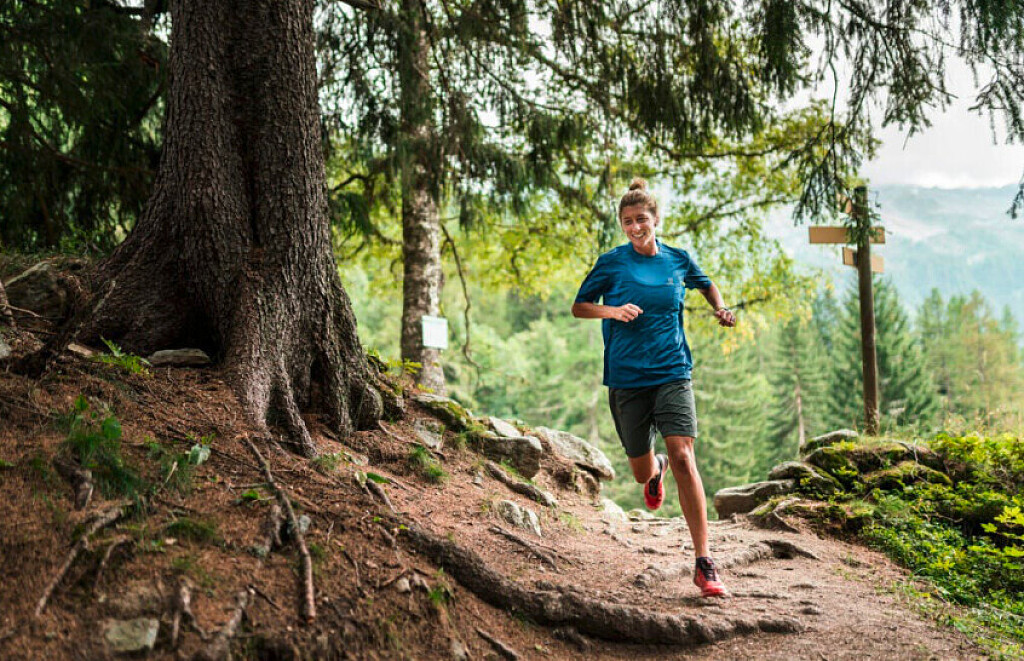
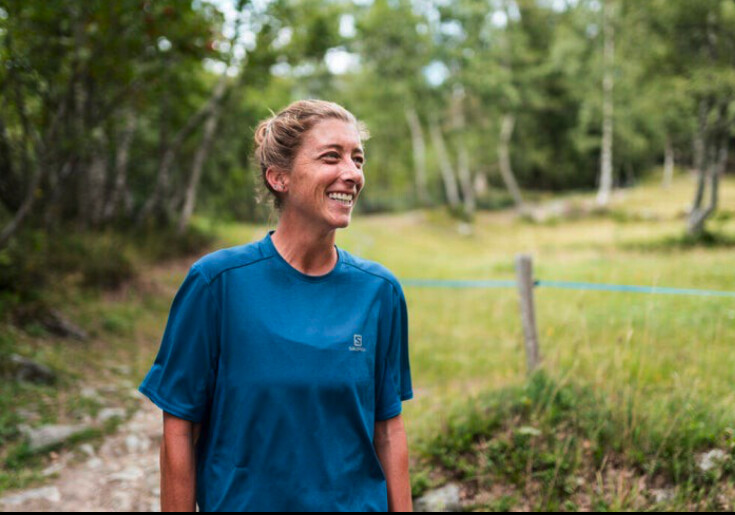
How Courtney Dauwalter Keeps Running Simple
In a world where fitness tracking devices and high-tech training plans dominate the running scene, ultrarunner Courtney Dauwalter has found success by keeping things simple.
Dauwalter's love for running started at a young age, with the Presidential Fitness Test in elementary school.
"I started running in elementary school when we had to run the mile for gym class," she said. "I remember loving it. I really liked how it felt to run, and I really liked how I could push myself as hard as I wanted."
In 1997, Dauwalter's passion for running evolved when she joined the cross-country team at her Minnesota high school. "When I joined the cross-country team, a whole social element got added to running that made me fall in love with it even more," she said.
But as many runners know, it's easy to lose sight of the joy of running amidst the pressure to achieve personal records and track every metric imaginable. Unlike many in the endurance space, Dauwalter does not use Strava, but she does still think it's a great tool for others.
Dauwalter, now the top women's ultrarunner in the world, has found success by sticking to her roots and embracing a simple approach to training. She has not worked with a running coach since she her high school cross-country days. Her strategy includes a flexible training plan that allows for rest days, spontaneous runs, and a mindset that focuses on the joy of the movement. "I think it's important to stay in touch with why you love running," Dauwalter said.Dauwalter's evergreen approach is atypical. But should it be?
Her process has paid off, with impressive performances in ultra-marathons. But Dauwalter's success is not just measured in podiums and race times. For her, running is a way to connect with nature and others who share her love for the sport.
As we continue to navigate the complexities of modern fitness culture, perhaps we can learn something from Dauwalter's approach. By embracing the childlike joy of running and simplifying our approach to training, we may find that the movement becomes more meaningful and enjoyable.
Keeping Things Loose (After Coffee)
Unlike many of her peers, Dauwalter shuns the rigidity of a training regimen and doesn't obsess over the particulars.
"Every morning after coffee, I'll decide what my run is for the day based on how my body and brain are feeling," she said. "Sometimes that's a long run on some of my favorite trails, or summiting a local peak, or it might feel like a great day for hill repeats or intervals, and some days I won't really know what I'm doing until I leave the house and let my feet choose the route."
Her daily runs typically last between two and four hours, and, while she may know when a race is coming up, she decides what her training will look like based on how she feels physically and mentally.
"There are so many ways to train, enjoy, and go after running goals. Having a training plan, using devices and analyzing data, or not doing any of those things, are all great options," she explained. "I think it depends on the person and how they find joy. But I also think there is no downside to occasionally leaving the watch at home and heading out the door for a run where you just listen to your body and not worry about metrics."
Her general approach involves listening to her body and not following a predetermined plan, allowing her to focus on the experience rather than the results. For instance, if she's training for a race with a lot of climbing, she'll incorporate more mountain runs into her routine.Over the years, Dauwalter has focused on being more adaptive to her body. She stays in tune with her emotions and doesn't take things too seriously. She approaches her training with a sense of playfulness, which keeps her motivated and engaged.
Dauwalter's cheerfully unconcerned approach to training is the exact opposite of what you might expect from a world-class athlete. Rather than obsessing over sleep metrics and biomarkers, she keeps her routine flexible and listens to her body. She doesn't overthink her diet, instead opting to eat what looks good, sounds good, or is most convenient. Some of her favorites include nachos, pancakes, gummy bears, Snickers, root beer, etc.
"I almost always just go running without a structured plan. I am usually wearing a watch that can tell me data, but I am not looking at this during my run," said Dauwalter. "I find the most joy when I leave my house and let my feet be the tour guides."Without a predetermined plan, she's learned to tune in to her body and react accordingly. Her approach permits her to pay close attention to what her body tells her and avoid disregarding symptoms or signs that she should change course.
The basics of enjoying the processes are essential for Dauwalter. She does better when she's not holding too tightly to any piece of running. The flexibility of her training keeps things fresh and fun
Take a Break from the Gadgets
"Sometimes our gadgets can get in the way of our enjoyment of the run," said Dauwalter. "The gadgets are cool, but so is the simplicity of running."
Her primary approach helps in races when things inevitably get challenging. She speaks about turning to her mental "filing cabinet" and "telling herself jokes" to overcome the obstacles of the mind and body she's trained in.
Moreover, her decluttered training style extends to the simplicity of using breathing and mindfulness exercises to focus on the calm of the trails. Keeping it simple helps push through demanding times. Focusing on her breathing or looking at the trail where she's headed can bring peace in trying moments.
Dauwalter's intuitive running style may not be for everyone, but the approach can provide a refreshing change of pace. Dauwalter's lower-intensity mindset offers a powerful reminder that running can be as simple as putting on our shoes and heading out the door.
"It really can be just you out in nature with the sound of your breathing and footsteps, rolling with the terrain at whatever pace feels good that day," she said. "I try to run like this as much as possible."
(03/04/2023) ⚡AMPby Trail Runner Magazine
Japanese man runs 3:28 marathon in wooden sandals
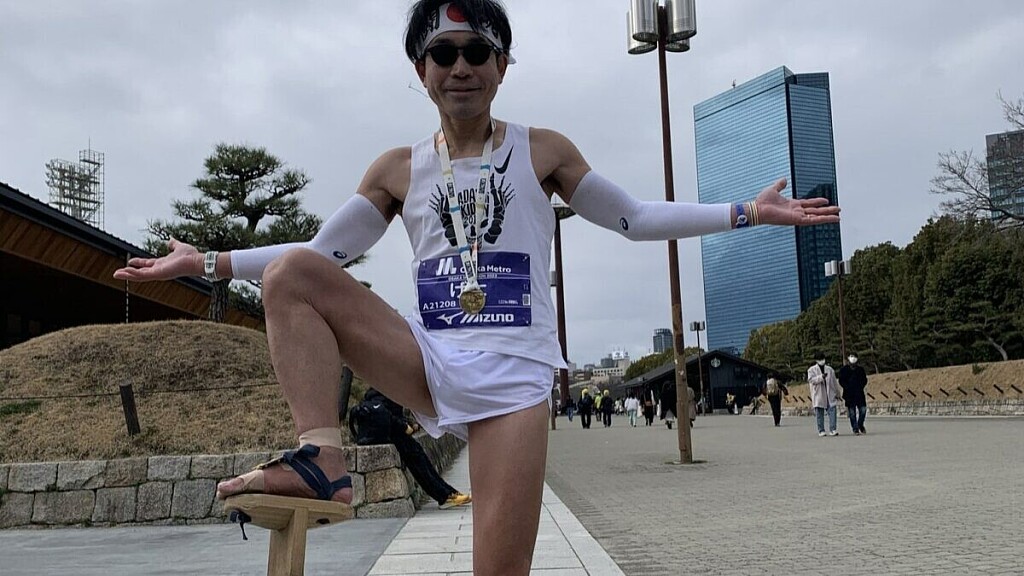
Finishing a marathon is hard enough, but one Japanese runner pushed his limits at the 2023 Osaka Marathon, clocking a three-hour and 28-minute marathon while wearing traditional wooden Japanese geta sandals.
Takanobu Minoshima, a 47-year-old runner from Sapporo, averaged a pace of 4:56/km over 42.195 kilometres while wearing the wooden shoes and even had the word “Geta” as his name on his Osaka Marathon bib.
His final finishing time was 3:28:11 for 2,896th place (out of 10,000+ runners), which is only eight minutes shy of the 2023 Boston Marathon qualifying time of 3:20:00 for his M45 to 49 age group.
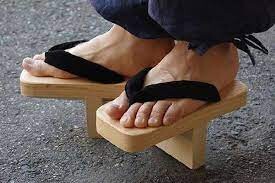
Geta are traditional Japanese sandals that are often paired with the yukata (robe) for informal occasions, such as summer festivals. The geta has a slab of wood attached to the foot with strings or ribbons and rests on a sturdy piece of wood (that’s a little higher than the maximum stack height allowed by World Athletics!). We have to hand it to him for being able to stay on his feet for an entire marathon while wearing these.
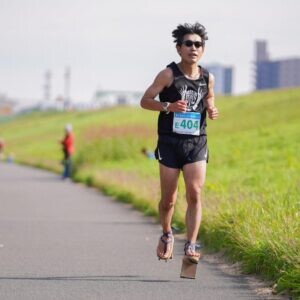
This isn’t the first time Minoshima has raced wearing geta. In 2019, he ran a 100K ultra race in 13 hours and 45 minutes at the Kamalai Shrine 100 in Taiwan. He has a marathon best of 2:59:20 from the Hokkaido Marathon in 2014, when he wore regular running shoes.
(03/02/2023) ⚡AMPby Running Magazine
Five times non-running sports stars smashed foot races
Have you ever wondered if your favorite athletes in other sports could make it as elite runners? They’re at the top of their own sports and they’re clearly athletically gifted, so it wouldn’t be the biggest surprise if they could transition into running. Well, we can’t say for sure which athletes could have had success on the track or road if they’d dedicated their careers to running, but thanks to a few races over the years, we’ve been able to see a few sports stars in action.
Here are the top five times athletes from other sports crushed it in running races.
Arjen Robben
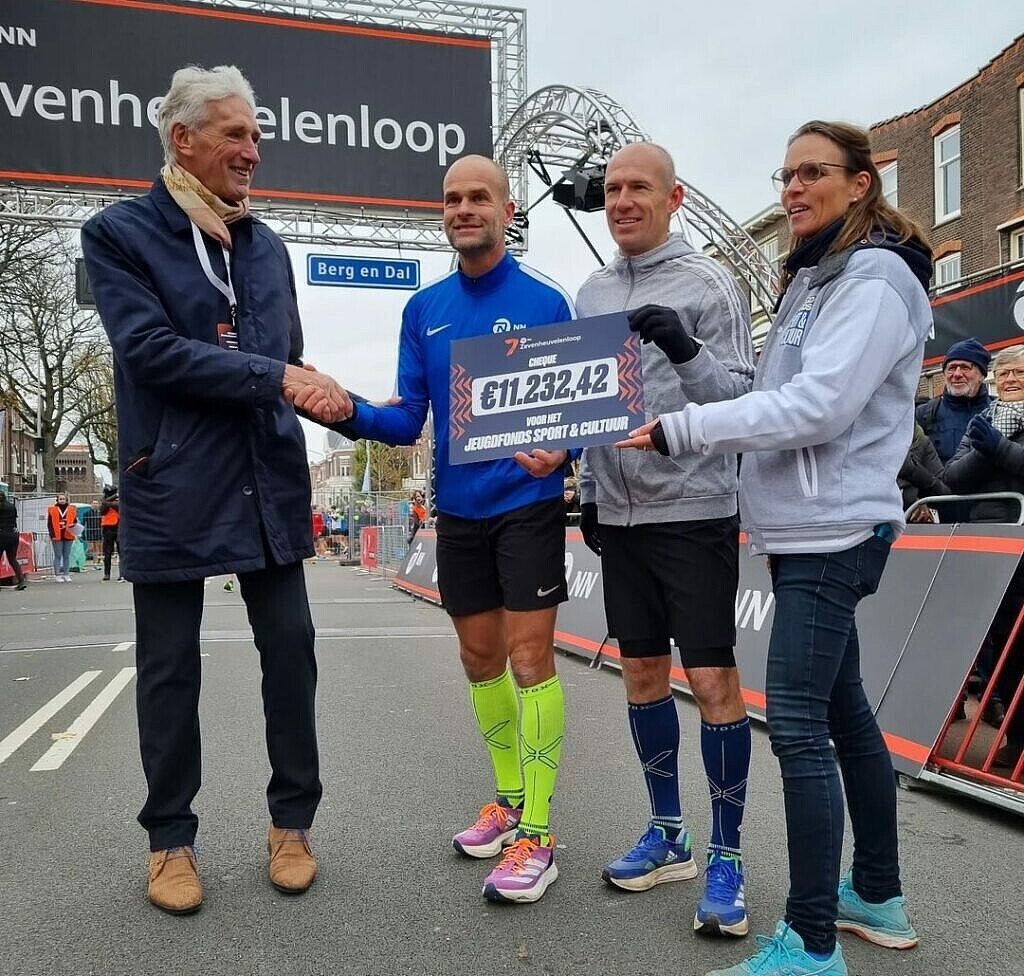
In November, former Dutch soccer star Arjen Robben ran the Zevenheuvelenloop, a popular 15K race in Nijmegen, Netherlands. Robben played for some of the top clubs in Europe, including Real Madrid and Bayern Munich, and he made it to the World Cup Final in 2010 with the Dutch national team. In Nijmegen, he ran the 15K course in 55:01, a time that works out to a pace of 3:40 per kilometer. As a player, Robben was known for his speed on the pitch (in 2014, he reached a top speed of 37 kilometers per hour during a World Cup match), but few people knew he could lay down such an impressive result on the roads.
Wayne Gretzky
In 1982, Wayne Gretzky (you might also know him as the best hockey player of all time) ran an exhibition race in Sweden alongside Pelé, Sugar Ray Leonard and Björn Borg—some of his fellow sports stars of the day. The race was 60m, and right from the gun, there was no doubt that it was Gretzky’s to win. He blasted off of the starting blocks and flew away from his competitors, eventually crossing the line in 7.24 seconds. (Granted, he was considerably youner than his competiors at the time.)
Alex Honnold
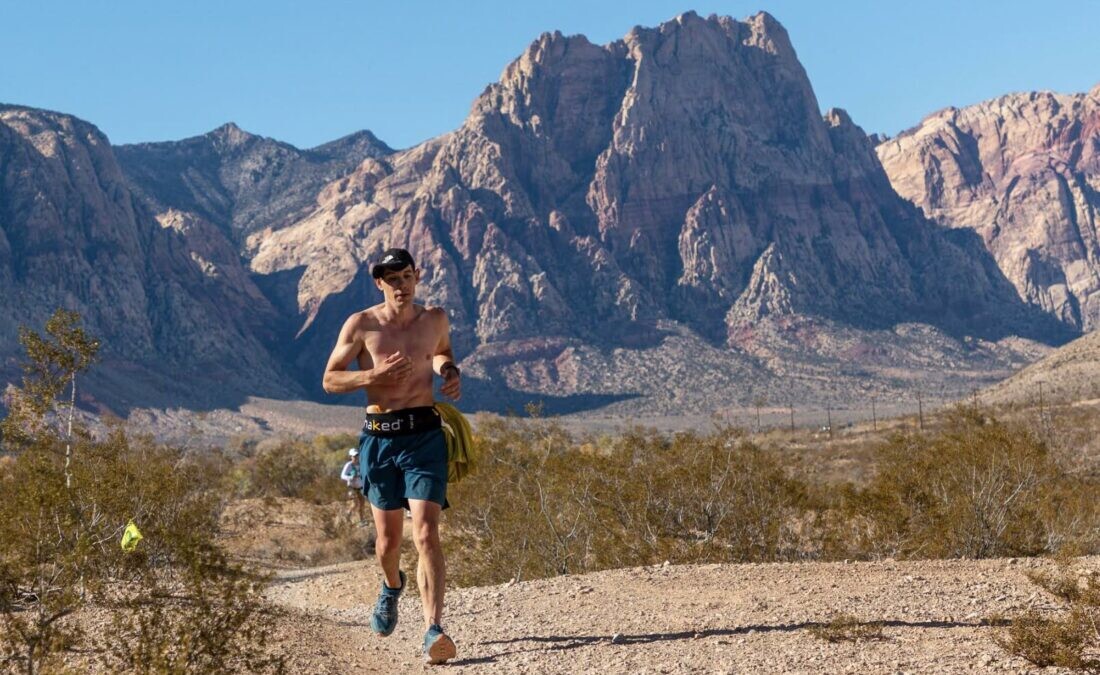
Alex Honnold is one of the world’s most famous climbers, thanks mainly to his 2017 free solo (meaning he climbed without ropes) ascent of Yosemite’s El Capitan and the subsequent Oscar-winning film, Free Solo, which documented his climb. It turns out that Honnold is not just a rockstar climber, as he proved he can run pretty quickly (and far) when he wants to. In November, he ran the Red Rock Canyon 50K Ultra near Las Vegas, racing to a sixth-place result in five hours and 23 minutes.
Therese Johaug
Norwegian cross-country skier Therese Johaug has the most impressive transition to running on this list, thanks to a couple of 10,000m races she ran in 2019 and 2021. Johaug is a six-time Olympic medalist (four of them gold) and a 19-time world championship medalist (with a whopping 14 gold). She entered the 2019 Norwegian 10,000m championship on a whim (after the race, she told reporters she hadn’t run on a track in 11 years) and ended up winning the title in a championship record of 32:20.86. That time was the fifth-fastest result in Norwegian history, but Johaug didn’t stop there. She ran another 10,000m in 2021 and improved her PB to 31:32.88, which is the fourth-best on Norway’s all-time list.
Chris Froome
British cycling champion Chris Froome may not have run an actual race, but in the 2016 Tour de France, he did resort to running the course for a stretch following a crash. Froome had a kilometer to go in that day’s stage when he collided with a motorcycle. His bike was wrecked and couldn’t have gotten him to the finish, so he turned and ran uphill until his team caught up and gave him a new ride. Froome lost the stage that day, but he won the Tour de France overall, thanks in part to his on-the-spot decision to run.
(02/28/2023) ⚡AMPby Ben Snider-McGrath
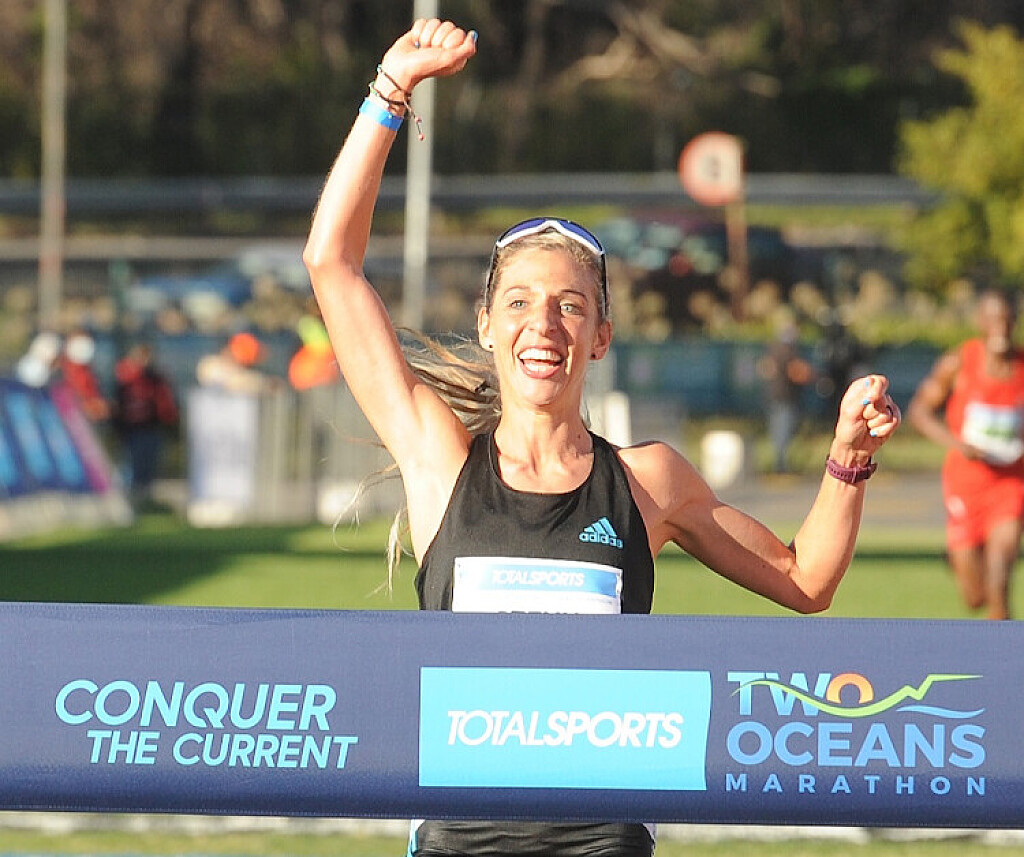
Gerda Steyn hopes for a fourth win at Two Oceans
With 50 days to go to the “world’s most scenic race”, the Totalsports Two Oceans Marathon (TTOM) is shaping up to be an elite fest with a stellar field.
Once again, any athlete who breaks the record in the Men’s or Women’s Ultra Marathon Race can look forward to a record incentive of ZAR 250,000 (EUR 12,800) in cash.
With prize money for the Totalsports Two Oceans Ultra Marathon at ZAR 250,000, any record-breaker could look forward to a massive ZAR 500,000 pay day on 15 April 2023.
Nkosikhona “Pitbull” Mhlakwana, who made a sensational Totalsports Two Oceans Marathon debut last year, lived up to his nickname showing tremendous tenacity finishing in a superb second place behind Ethiopia’s Endale Belachew, with Sboniso Sikhakhane coming in third.
As expected, the 30-year-old considers himself to be a bit stronger and wiser, and determined to do one better this year.
“My main goal is to improve my position from last year,” says Mhlakwana.
The Hollywood Athletic club athlete says he picked up invaluable experience last year and now knows what to expect.
Another epic battle for supremacy is expected this year in the women’s Ultra. Gerda Steyn and ASICS athlete, Irvette van Zyl, who both shattered Frith van der Merwe’s longstanding women’s 56km record of 3:30:36 set in 1989, have confirmed they will line up again this year.
Steyn (3:29:42) became the first woman to run the grueling route in sub 3:30. The 32-year-old returns this year in a bid to be crowned champion for an unprecedented fourth consecutive time, while running as the current record-holder.
The three-time champion, who will be running in her permanent blue number, 6067, will, however, not have it all her own way, with the 34-year-old Van Zyl (3:30:31) finishing just a few seconds behind her last year. The purists can rest assured that Van Zyl will come out guns blazing and ready for another classic battle with Steyn.
Steyn says she is very excited to be preparing for the Totalsports Two Oceans Marathon again.
“This will be my fifth time running the race, and I am really hoping for a fourth win after taking the title three times in a row now. Last year was such a highlight for me. I am just hoping to repeat that experience and that win. The preparations until now have been going well, which makes me even more excited for the race,” she says.
With 50 days to go before Race Day, Steyn feels the next three to four weeks will be crucial to her preparations.
“Another very exciting aspect of this year’s Totalsports Two Oceans Marathon is that it will be the first time that I will be running in my permanent number in any race.
“Usually, one has to complete 10 Ultra Marathons, but I managed to win the race three times, therefore earned a blue number. This brings a very special touch for me. At the moment I am preparing for the Two Oceans in Johannesburg. The energy level and excitement is at an all-time high," adds Steyn before wishing all runners everything of the best with the final stretch of preparations.
If excitement levels are high for the Ultra on the Saturday, the battle for supremacy in the Half Marathon on Sunday, 16 April, will be even higher. The likes of previous winners Stephen Mokoka, Elroy Gelant, as well as Precious Mashele from the Boxer Athletic Clubs, have all confirmed their entries. Moses Tarakinyu from Zimbabwe is back to defend his title with Entsika’s Desmond Mokgobu also looking to improve on his third place from last year.
Last year’s winner, Fortunate Chidzivo, will not be lining up to defend her title in the women’s Half Marathon this year, which leaves the race wide open for a new champion to be crowned.
(02/28/2023) ⚡AMPby AIMS
Two Oceans Marathon
Cape Town’s most prestigious race, the 56km Old Mutual Two Oceans Ultra Marathon, takes athletes on a spectacular course around the Cape Peninsula. It is often voted the most breathtaking course in the world. The event is run under the auspices of the IAAF, Athletics South Africa (ASA) and Western Province Athletics (WPA). ...
more...
Ethiopian runner breaks women-only world 50K record in South Africa
Ethiopia’s Emane Seifu Hayile broke the women-only 50K record at a race in South Africa on Sunday, running 3:00:29. Competing in the Nedbank Runified Breaking Barriers Ultramarathon in Gqeberha, a coastal South African city, Hayile shaved almost four full minutes off the previous women-only world record. She was less than a minute off American Des Linden‘s 50K women’s mixed-gender race world record of 2:59:54 from 2021.
Women-only races mean that there are no men in the field. Because of the potential benefit that female runners can receive while pacing off male athletes, World Athletics recognizes two types of records for road races, making it possible for Hayile’s 50K record to co-exist with the one belonging to Linden, which she ran alongside male pacers.
Despite running in a women-only race, Hayile came extremely close to claiming the outright 50K world record, finishing mere seconds behind Linden’s time. She ran with two fellow Ethiopians and a Swedish athlete in the opening stages of the race, passing through 10K in just over 36 minutes and 15K in 54. At around 20K, Hayile and her compatriots dropped the Swedish runner and carried on in a three-way battle. At the halfway mark, the trio clocked a split of 1:30:28, just shy of sub-three-hour pace.
Over the next 10K or so, Hayile dropped her two remaining challengers, and by the 40K checkpoint she was almost a minute ahead of second place. She clocked a 2:32 marathon and managed to accelerate as she neared the finish, crossing the line just north of three hours. Hayile won the race by six minutes and bettered the women-only record by four minutes.
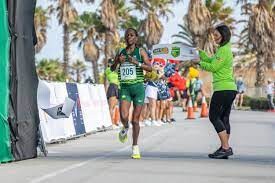
“I am lost for words and don’t know how to describe it,” Hayile told World Athletics after the race. “All in all, it was an exciting event. I’m very happy.”
In the men’s race, South Africa’s Tete Dijana ran a course record of 2:39:04. This result is the second-fastest 50K of all time, sitting just 20 seconds behind American CJ Albertson‘s world record of 2:38:44, which he ran in Oct. 2022.
(02/27/2023) ⚡AMPby Ben Snider-McGrath
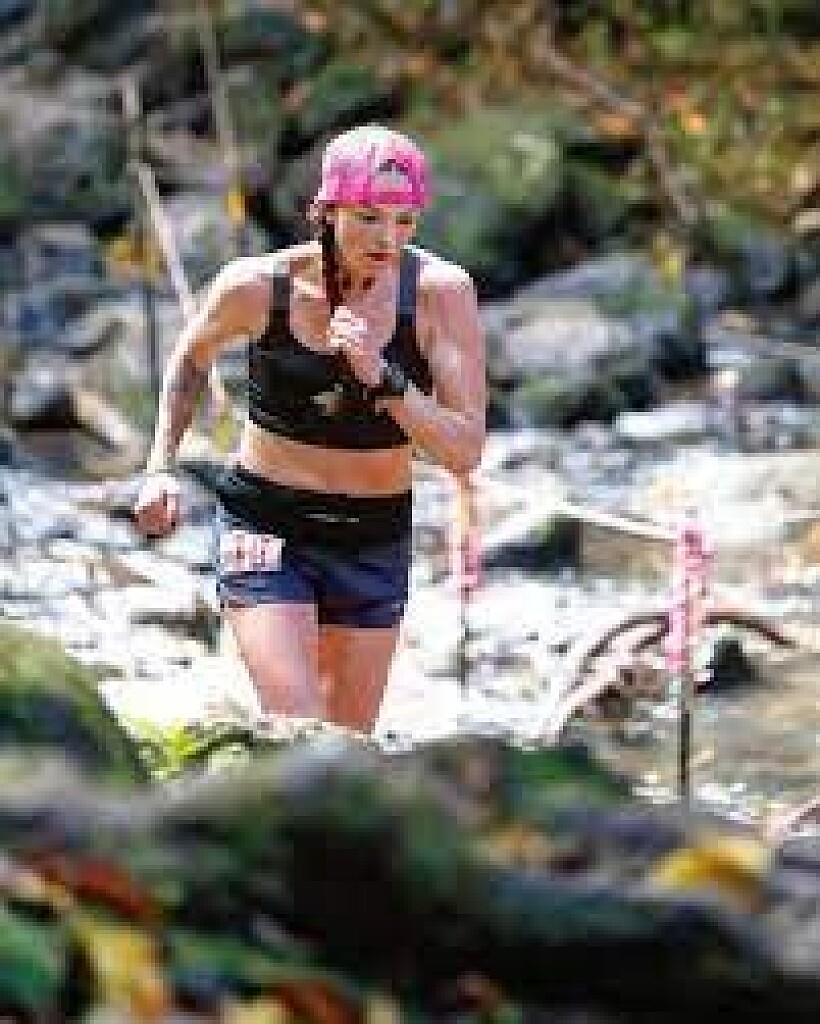
After 113 straight ultramarathons, Candice Burt still isn’t done
American ultrarunner and race director Candice Burt completed a 50K on Sunday morning. She did the same thing on Saturday, and also on Friday, and for 110 days before that. In November, Burt, who hails from Boulder, Colo., decided to shoot for the Guinness World Record for most consecutive ultramarathons.
The previous record was 23 days, a total Burt surpassed about three months ago, and she’s still going, with a whopping 113 consecutive ultramarathons to date.
When Burt started her ultramarathon record attempt, the number to beat was 11 days. The total has reportedly been changed on multiple occasions since Burt set out to break the record, and it currently sits at 23 days on the Guinness World Records site. The record Burt was chasing and has since beaten is listed as a female and non-binary mark, but she has also smashed the male record of 21 days.
As Burt noted on her website, she can’t recall exactly what sparked her desire to chase this record, but she said it could have been after she saw ultrarunner Jacky Hunt-Broersma run 104 marathons in a row in 2022, or Alyssa Clark, who ran 95 straight marathons in 2020.
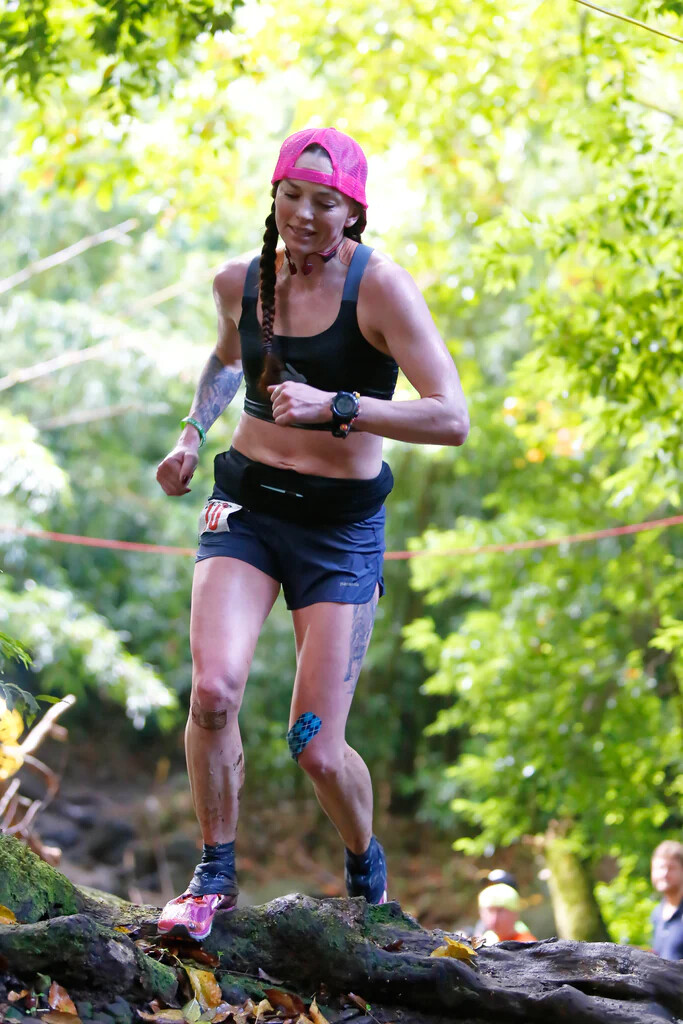
Burt added that it may have been her own previous hiking and ultrarunning feats that convinced her she could complete a challenge as big as an ultramarathon streak. But it looks like she could keep going for a while.
While Burt has now produced an incredible streak of more than 100 days, she wrote that she wasn’t even sure if she could make it to the record. “From the very start of considering the streak I just wanted to be open to doing it for as long as my body would hold up,” she wrote. “I wasn’t sure if that would even be the record-breaking 23 days, but I wanted to try.” Despite this uncertainty, she said that her goal was to go “much, much bigger” than 23 days, and even early in this journey, a result in the triple digits was on her radar.
Burt is the race director of popular ultras like the Moab 240 and Bigfoot 200.
(02/27/2023) ⚡AMPby Ben Snider-McGrath
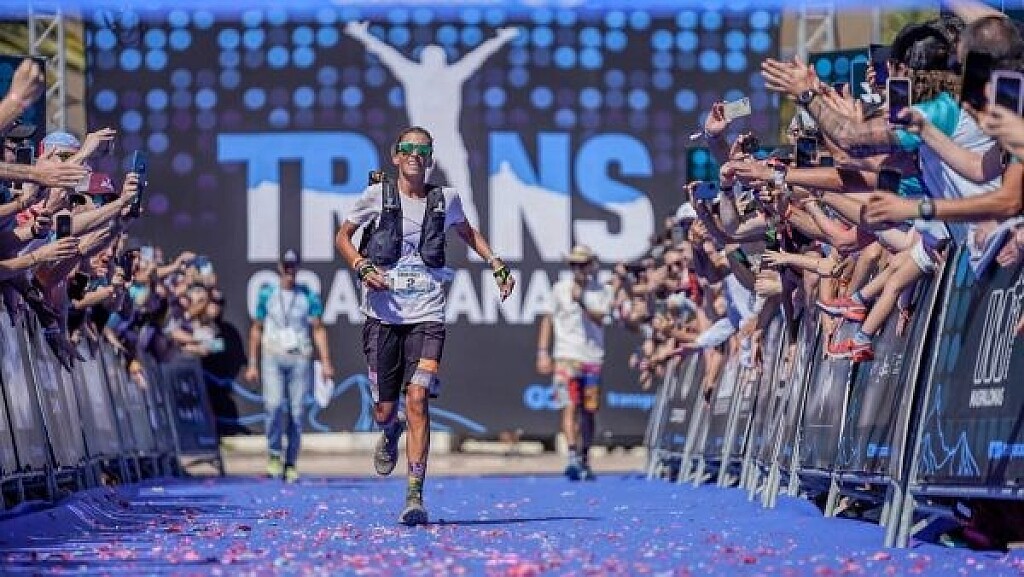
Courtney Dauwalter dominates Transgrancanaria in record-setting fashion
American ultrarunning star Courtney Dauwalter proved why she’s the athlete to beat on the ultramarathon scene after an incredible performance at the Transgrancanaria in Spain’s Canary Islands on Saturday. Dauwalter crossed the finish line of the 128K course in 14:40:39, a course record and almost two full hours ahead of second-place finisher (and Canadian) Jazmine Lowther. The Transgrancanaria marked the start of the 2023 Spartan Trail World Championships series.
Dauwalter’s dominance
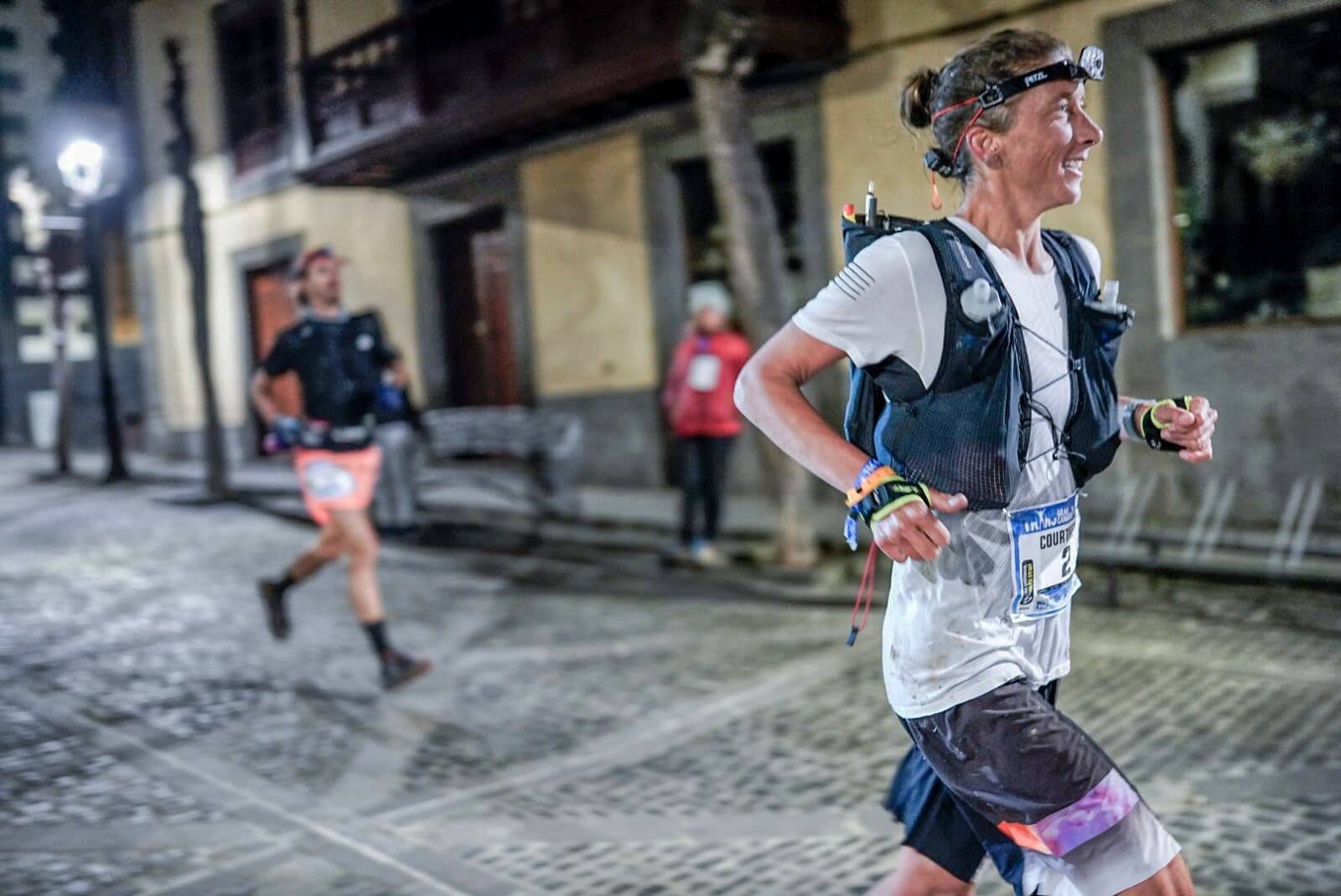
Everyone in the trail and ultrarunning communities knows that Dauwalter is an all-time great, but it’s still awe-inspiring when she shows up to hotly contested races and dominates her competitors. As listed on the trail and ultrarunning results database UltraSignup, Dauwalter entered the Transgrancanaria on a 14-race win streak that stretches all the way back to March 2021. (The last time she failed to reach the top step of the podium came at the Barkley Marathons.) She added yet another win to her resume on Saturday, extending that amazing streak to 15 and counting.
The Transgrancanaria is held on Gran Canaria, one of the Canary Islands, and it takes athletes along an arduous 128K course that features more than 7,000m of elevation gain. Dauwalter started the race chasing Lowther and Spain’s Claudia Tremps, who led for the opening stages of the run. About a quarter of the way into the race, Dauwalter took control of the field and moved into first place. From that point on, she never looked back, leaving Lowther and Tremps to battle it out for second place.
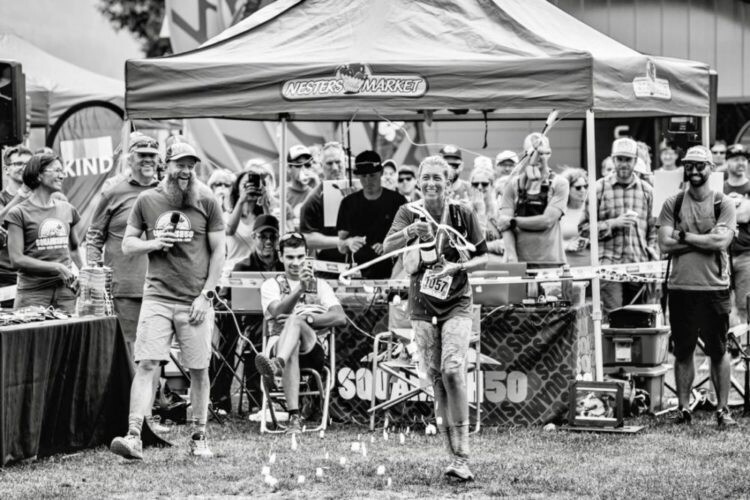
Dauwalter’s relentless attack on the course worked out to an average pace of 6:53 per kilometer, a blazing speed to hold in a race as long and as difficult as the Transgrancanaria. More than 90 minutes behind her, the race for second was quite close. Lowther and Tremps ended up just seven minutes apart, with the Canadian crossing the line in 16:26:41 and the Spaniard stopping the clock in 16:33:34.
In the men’s race, Spain’s Andreu Simon won in 13:39:33, followed by Portugal’s Miguel Arsénio (13:44:37) and American Tyler Green (14:06:46).
(02/27/2023) ⚡AMP

5 one-liners to use on runners
Runners are complex individuals. One of the best ways to get to know a runner you’d like to date is by doing the thing they love with them. But how do you break the ice? There are plenty of cheesy running lines out there, but you need to make sure your icebreaker is 1) clever, and 2) effective.
If you are on dating apps, it’s easy to get excited when you come across someone who shares your hobby. Asking a runner, “What are you training for?” or “What’s your Strava?” can seem too forward. Instead, try any of these running-inspired one-liners to spark your sense of humour and showcase your knowledge of the sport.
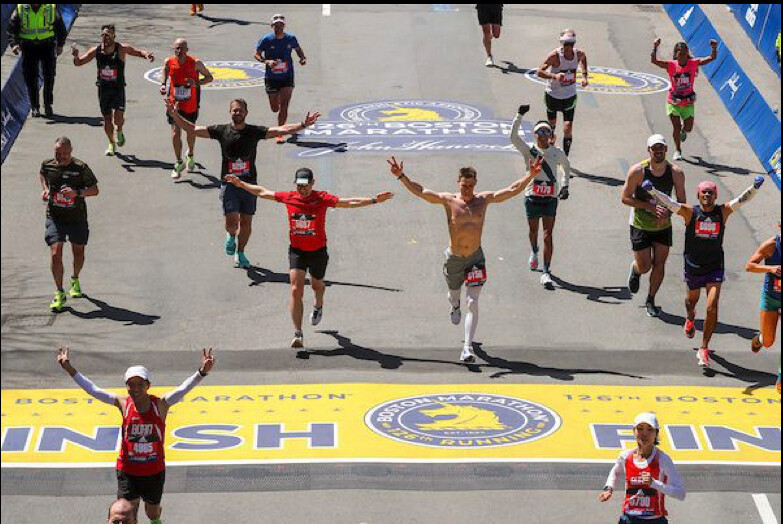
Is your middle name Garmin? Because you make my heart race!
Simple. Witty. What more could you ask?
Roses are red, violets are blue. Do you mind if I come on a run with you?
Who doesn’t love a good rhyme–or a running partner? According to Women’s Health, any fitness challenge between two parties is great for emotional bonding, attraction and motivation. Plus, you get to help each other chase training goals.
Is this a speed workout? Because you just took my breath away!
It might be a bit on the cheesy side, but in our eyes, it’s a 10.
You must be a marathoner, because you’ve been running through my mind all day!
This line could also work on ultrarunners–but they’re likely still out there.
Your PB isn’t the only number I’m interested in.
A personal best can last a year or two, but nowadays, a phone number can last forever… unless they change it.
(02/25/2023) ⚡AMPby Running Magazine
Hellah Sidibe Runs Frustration into the Ground
The former soccer phenom was burnt out and angry. Then he started running every day, no matter what.
Hellah Sidibe shared his story with producer Sarah Vitak for an episode of The Daily Rally podcast. It was edited for length and clarity.
I went into this dark area in life where I was just mad. Why is this happening to me?
It all came down to, all right, I’m pissed at everything, but let me stop making excuses. Just look at myself, and just deal with what I can handle, what I’m in control of. That’s how it started.
My full name is Hellah Sidibe, but I have a nickname: Hellah Good. I got that nickname back in college. I played Division I soccer. Every time I would take the ball and start sprinting down the line, they’d just say, oh, he’s Hellah good.
Growing up in Mali, West Africa, soccer was the number one sport. We just loved playing, and we loved watching the top players on TV. We were trying to play like them: we were trying to score goals and celebrate the way they do.
We lived in an area where there’s dirt, so we would use our feet to trace and make marks. You would literally make the whole soccer field. In order to still see the line, we would go into our kitchens. When we make food, we make food with wood and charcoal. Everybody would fill that up in a can from their house and bring it to the field. The path that we created with our feet, we’d spray that chalky gray-white powder along those lines so it looked like the white soccer lines.
We’d pick teams. Say: you’re Brazil, you’re Argentina. We’d always take the South American teams because they were the best in the world at the time, when I was young. We would pick players, and we would be like, you’re Thierry Henry, you’re Luís Figo. I’d say, I’m Ronaldo Nazário. Sometimes you’d just paint their numbers on your back, on your bare skin.
We would recruit our own team within the neighborhood. The next neighborhood was within a five-minute walk, and we’d go play them. Their neighborhood we would call allez, which is away. And there was no pressure. We did it because we wanted to, and no one was yelling at us.
When I came to the U.S., it got a little competitive. There started being consequences. If you didn’t do something right, the punishment was: let’s make you run. So I got to college, and it added more to that because I was playing under a coach. His mindset was that we might not be the most skillful team in the country, but we’re gonna be the fittest team in the country. It was to a point in that sometimes the track team would joke around and say, are you guys with the UMass track team or the soccer team? Because whenever they went by the field, they’d see us just huffing and puffing.
So I started hating running. I would cramp up in my calves, my lungs would be burning, and my hamstrings would be on fire. I started having a fear of it. It wasn’t a fear where I hated the game, but it was fear of going to practice for that specific reason. You’re getting yelled at like it’s not enough, even though you feel like you’re giving your absolute best.
Out of almost 400 players, I was one of 20 picked up to face the US youth national team. All of those teams were after me: phone calls from teams, telling me, we want this player. We like his skillset. I was approached by Sporting Kansas City my senior year, and they were one of the top teams in the MLS and won the MLS Cup the year that I finished college.
I was told: you’re gonna get picked up in the draft.
There were domestic roster spots and international roster spot at the time. I don’t know if that’s changed; I haven’t really looked into it. It was the rule that only eight international players could be picked up per team, and the rest had to be domestic players.
The assistant coach at Sporting Kansas City was like, hey Hellah, I’m sorry to tell you this, but the reality is right now. We’d rather have a young player that is a U.S. citizen that’s not as talented as you, but we can develop them and we don’t have to worry about the paperwork side of it. But also we can pick up a big European player that can sell jerseys and tickets that can take the spot. Versus, I’m somebody who hasn’t made a name for himself.
He was just telling me the reality. It wasn’t even his decision.
Just seeing that—it is frustrating, and it’s tough. Your goal is to play the game that you love, and it’s getting pulled away from you.
I just started hating everything. I’m not a doctor, but I do think there was some depression looking back. When you’re in that spot, nothing matters. Someone could smile at you or could even want to hug you, and you want nothing to do with that.
It was a looking-at-myself-in-a-mirror moment. What can you do with yourself right now? What are you in control of? I literally had that conversation with myself. Being an athlete, you always fall back on your physical ability because it makes you feel a certain way mentally. You like challenging yourself. You like competing on the field.
I was just like, what are you gonna do now? You tell yourself you’re going to go to the gym every day for a week, and you can’t even last three days. Do something, and hold yourself accountable for once. Be consistent.
So that is what led me in 2017 to when I said, what is a fear of mine that I wanna face? And running was the first thing that hit my mind.
It was a two-week goal of ten minutes a day within the first week. I didn’t care about distance. It was time. I would just start my watch, and then after ten minutes I’d be done, so I’d be just over a mile.
The ten-minute goal wasn’t because I couldn’t do more than ten minutes; it was just attainable. I just knew that it wasn’t so much where I was going to hate it.
That didn’t last more than a week. Even within the first week, I was going as far as four miles, which is way longer than ten minutes. But I would get lost in it. It wasn’t about pace or distance or anything. It was about just being out there in the present moment.
I ran every day for two weeks. And then I said, I don’t want to get ahead of myself, but I can see myself doing this for the rest of my life. Let me do it every day for a year.
And now we’re here, running every day for 1,989 consecutive days. About to hit 2,000 consecutive days. And running across the U.S., doing a hundred-mile race, and still loving it like day one.
When things aren’t necessarily working out in life, it does mean it’s the end of you. It just means that it’s preparing you for something even greater. You just have to focus on what you can control and keep putting one foot in front of the other. Right now, I would not trade this for anything. Nope, I would not.
Hellah Sidibe is a runner, speaker, and content creator. He has run for more than 2,000 consecutive days. In 2021, he ran across the United States. In September of 2022, he competed in the Leadville Trail 100 Ultra Marathon. You can learn more about him at hellahgood.com.
(02/25/2023) ⚡AMPby Outside On Line
Documentaries every runner should watch
If you’re tired of wasting time scrolling through Netflix searching for the right movie or show to watch, we’ve got you covered. There are plenty of movies out there on running, but we’ve selected five of the best documentaries for you to watch. Before you get started on these films, though, be warned: sudden bursts of inspiration are highly likely while watching these flicks, so be ready to feel the need to go for a run after viewing.
The Barkley Marathons: The Race That Eats Its Young
This film was released in 2014, and it tells the story of the Barkley Marathons, race founder Laz Lake and the runners who dream of finishing the event. Producers followed the 2012 event, before which only 10 people had completed the Barkley Marathons, but that number is up to 15 today. The documentary brought this race into the mainstream, and although viewership was likely primarily runners, it captivated non-running audiences as well.
Boston: The Documentary
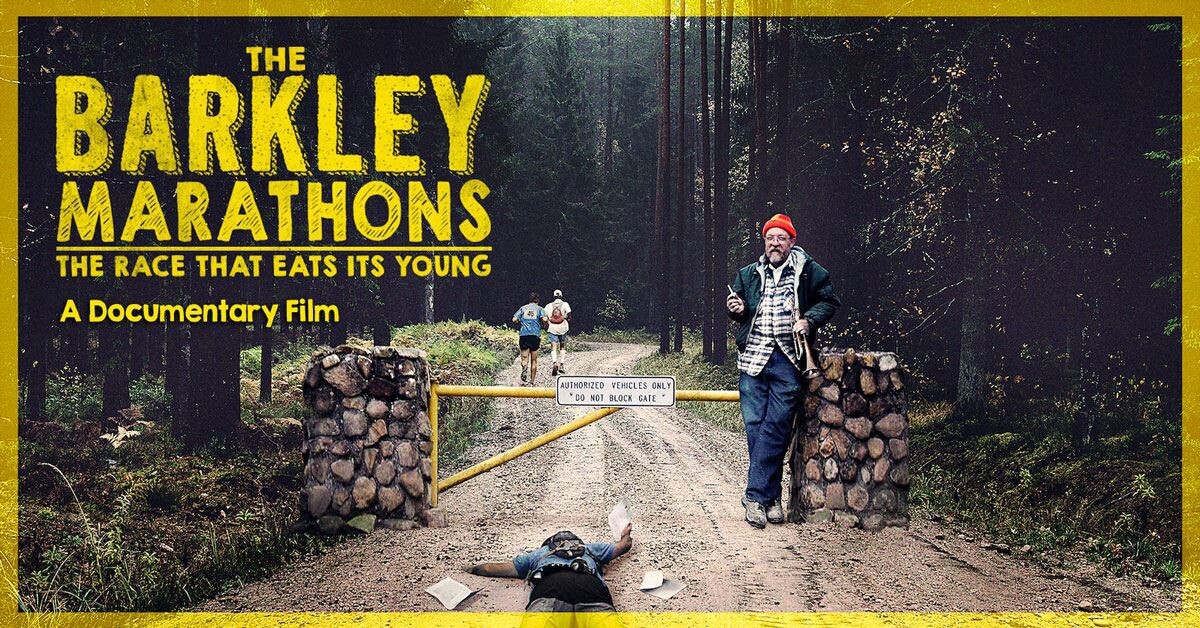
This 2017 documentary covers the history of the Boston Marathon, from its humble beginnings in 1897 right up to modern times. The film, which is narrated by Boston native Matt Damon, follows legends of the race (like the event’s first official female participant, Kathrine Switzer), 2014 winner Meb Keflezighi and four-time winner Bill Rodgers, as well as other past champions. In addition to the race’s history, the documentary looks to the future as organizers worked past the tragic events of 2013 and towards the Boston Marathons yet to come.
The Runner
In Oct. 2022, The New Yorker released a short, 17-minute documentary called The Runner that follows an Indigenous Canadian ultrarunner named Darius Sam. The film documents a 100-mile run in 2020 that Sam set out to complete to raise money and awareness for mental health. Since then, Sam has continued with ultrarunning, and in 2021 he became the youngest male to run the Moab 240, a behemoth of a race through Utah. Sam’s efforts have also led to a whopping $150,000 raised for mental health charities.
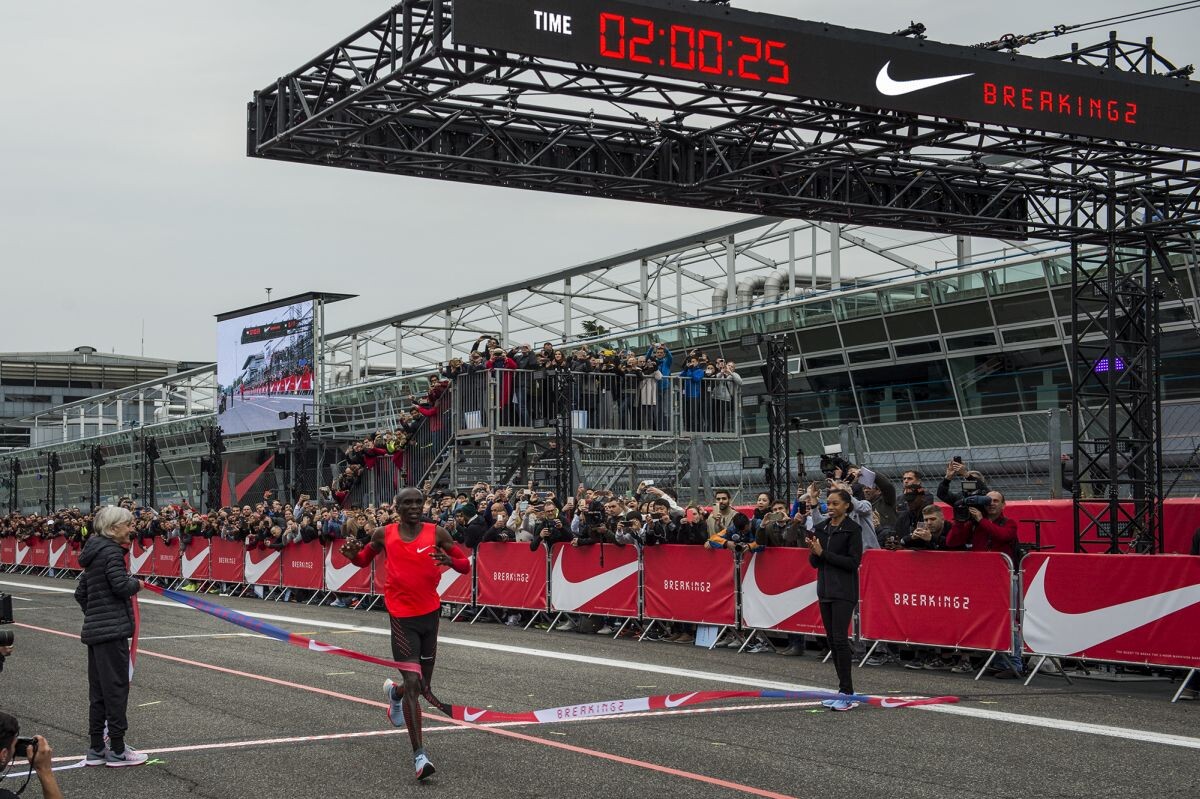
Breaking2
This documentary was produced by National Geographic and Nike, and it followed the build-up to the first-ever sub-two-hour marathon attempt, Nike’s Breaking2 project, in Italy in 2017. The film dives into the lives of the three Breaking2 athletes (Eliud Kipchoge, Zersenay Tadese and Lelisa Desisa), the months of planning that went into the attempt and the run itself. Although it ended up being unsuccessful (Kipchoge ran 2:00:25), it was still thrilling to watch, and the documentary is just as exciting.
Icarus
Although this Oscar-winning documentary is not a running-specific film, it should still be at the top of every runner’s must-watch list. The Netflix film intended to focus on doping and how difficult (or easy) it is to get away with cheating in elite sports, but it quickly turned into a story about doping in Russia, which ultimately led to the downfall of a years-long program that involved countless Russian athletes and sports officials.
(02/23/2023) ⚡AMP
by Ben Snider-McGrath
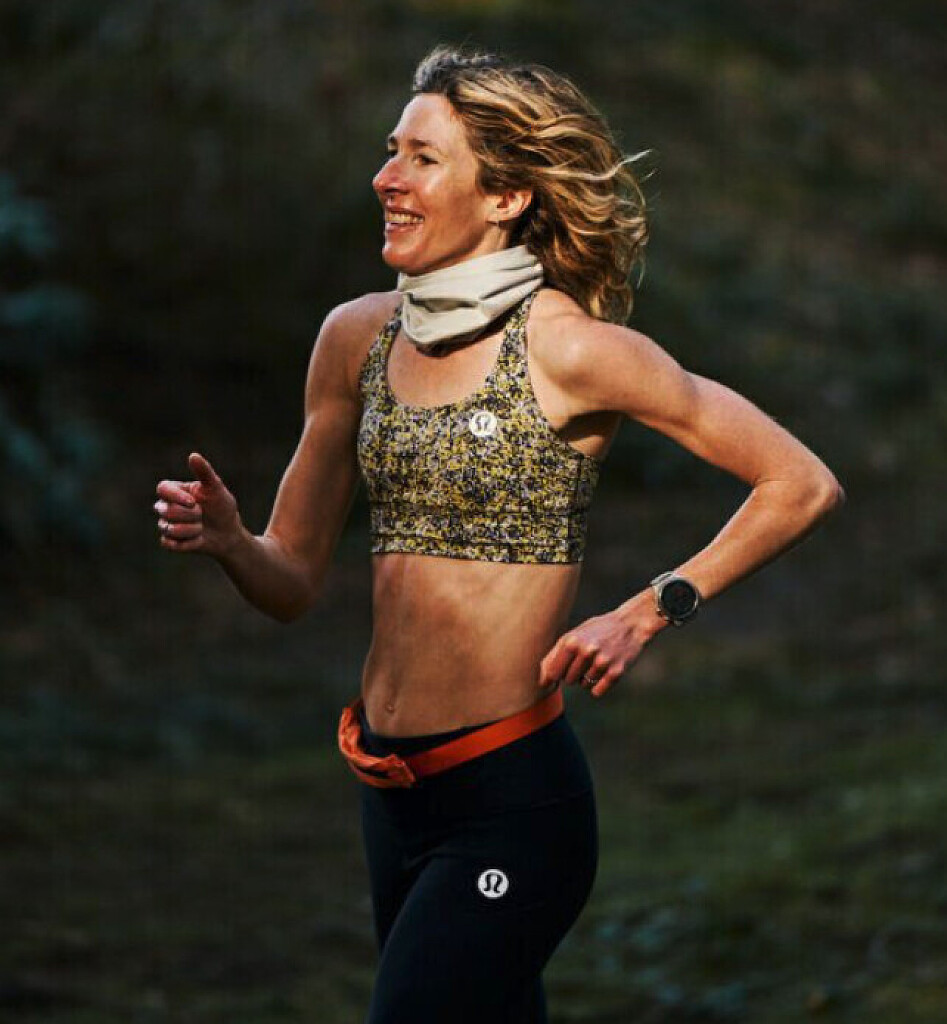
Ultrarunner Camille Herron announces new sponsor: Lululemon
Hundred-mile and 12-hour world record holder Camille Herron of Oklahoma City, Okla. ended speculation about her new sponsor with Wednesday’s announcement that she has joined forces with the running and yoga brand Lululemon. The runner recently announced that she would be sponsored by a company that is new to the ultratrail space in 2023. “It feels like a dream come true,” Herron told us after a week spent at the brand’s Portland, Ore. facilities.
Herron is the first and only woman to achieve sub-13 hours for 100 miles, 150 km for 12 hours and 270 km over 24 hours, and she won the 90-km Comrades Marathon in South Africa in 2017. She reached 100,000 lifetime miles in 2022. She was formerly sponsored by Hoka.
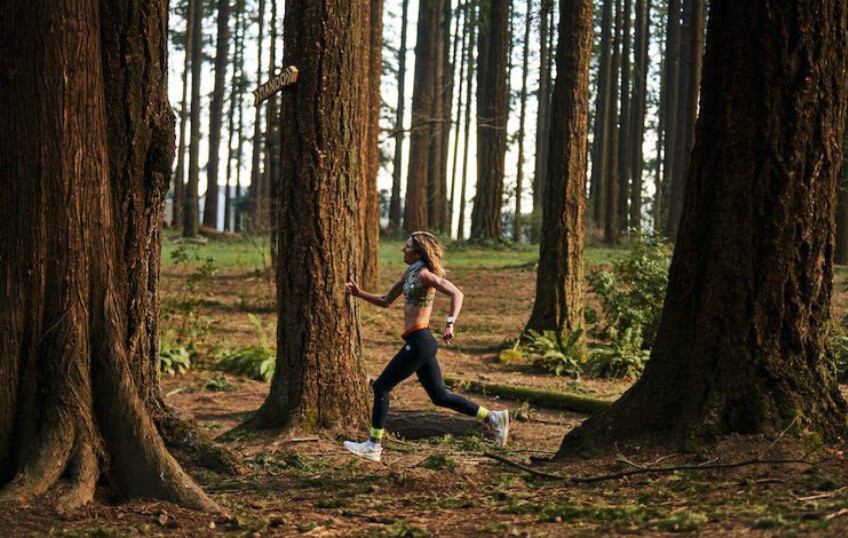
Herron says she’s most excited for the support she’s received beyond her athletic ability: “It means a lot to me that they appreciate my human qualities beyond my athletic talents,” she says. “My professional background is in science and research, and they recognized how I can help the brand with my scientific knowledge. I’m a cerebral person–I’m more than an ultrarunner. It spoke to my heart that Lululemon recognized this. They seemed to know more about me than I knew about myself! I was blown away.”
The philosophy
Herron is excited to be partnering with Lululemon because of their track record as a brand that has women front and centre, and she joins a long list of other female Lululemon-sponsored runners, including Colleen Quigley, Mirna Valerio and Tara Davis, and others. “I feel a sense of women’s empowerment joining with them,” Herron says. “They believe in me and support me, and they care about the whole human. They’ve been asking me about my mental health and wellbeing, and I thought that was really cool–I’ve never been asked about that. I’ve connected with someone to help me with my mental and emotional health, and how I manage stress.”
“Last year at Western States, I started my period after the Forest Hill aid station, and I shared that, and it resonated with a lot of women. Sharing my journey, my athletic career in my 40s–that’s pretty much unheard of. It’s really cool for me to have Lululmeon’s support. I’m very grateful.”
The gear
Herron’s excited about Lululemon’s running clothing: “We’ve been having fun mixing and matching that top [the Invigorate Training Tank] with shorts. I really like old-school split shorts, and Lululemon has that. I imagine myself being a unicorn or a superhero, mixing and matching Wonder-Woman-type colours. We’re bringing back colour to the sport!”
She is also impressed with their socks, and their run bras: “Being an ultrarunner, I spend a lot of time on my feet,” says Herron. “To be able to take off my socks after a run, and my feet are dry and my toes are in good shape, is huge. “I also love how they put pockets in everything.”
She’s also impressed with the brand’s efforts to produce high-quality running shoes, even if shoes appropriate for very long days on the road, track or trail remain a work in progress. “Me being a science person, I can offer a lot of feedback on developing their shoes,” Herron says. “It’s such a great opportunity to collaborate. We’ve had lots of meetings–I’ve been to the company headquarters in Vancouver and met the shoe people; all the products are incredible, and I’m excited to bring them to the ultratrail community.”
Goals for 2023
Herron is excited for the future: “I feel so blessed to be 41 and still getting faster,” she says, adding that she’s grateful for the brand’s support. “This is a long-term commitment, not only for my athletic career but also helping them with product development. I’m going to be continuing my focus on world records, try to improve some of them, and also go further; I want to go for the 48-hour and 6-day records; I’m hoping I have the opportunity this year to go beyond 24 hours.”
This summer, however, she’ll be focused on trails, with Western States in June and Leadville (another 100-mile trail race) in August. “Every time I show up at Western States, I get a bit better,” she says.
On Feb. 18, Herron plans to challenge her own world records for 100 miles and 12 hours at The Raven in Mount Pleasant, S.C. She will also plan to qualify for the 24-hour world championship in Taiwan, which takes place in December 2023.
(02/18/2023) ⚡AMPby Running Magazine
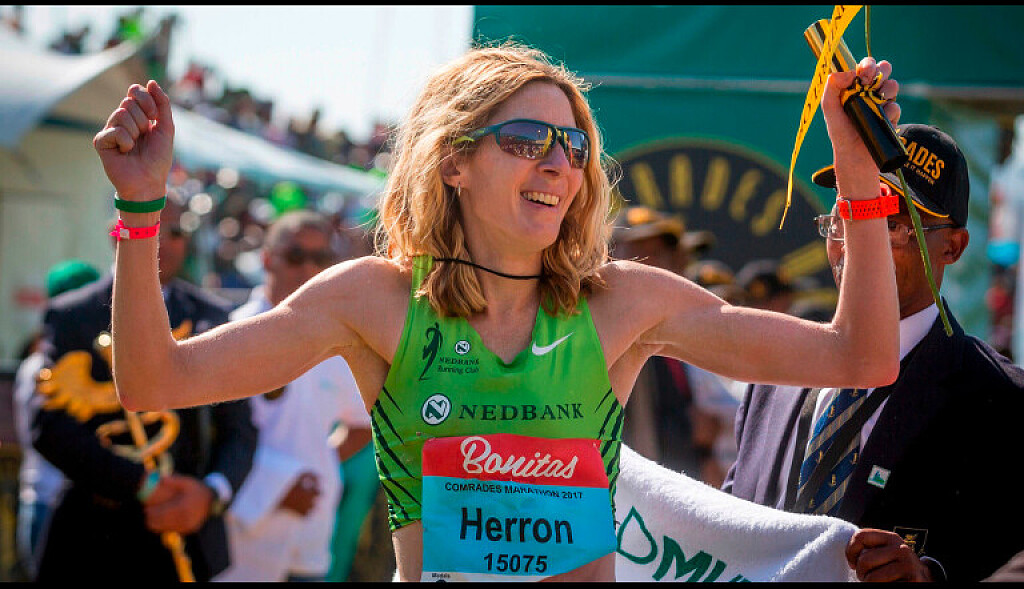
Camille Herron’s Advice: Skip the Long Run
Bones are made of dynamic tissues that need stress, just not too much, says one of the world's best ultrarunners
In January, my social media feeds were filled with the typical new year posts—year-end recaps, reflections and resolutions, and hopes for the coming year. But one tweet caught my eye.
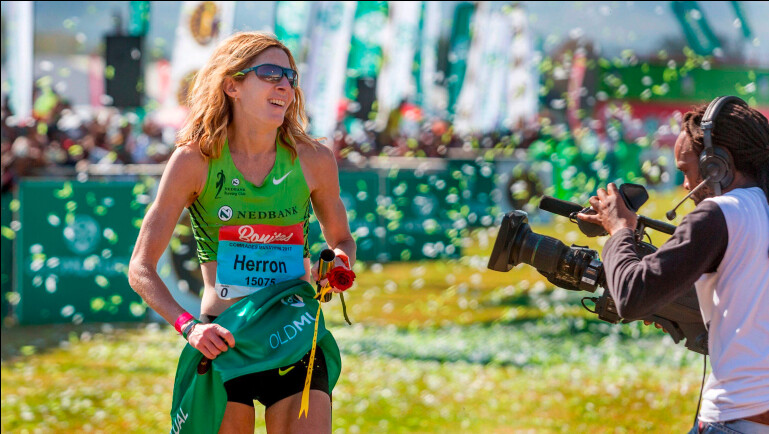
Ultrarunner Camille Herron shared one reason why she thought she was “crushing world records” in her forties: She only does one or two long runs a month (nothing over 22 miles) and she never does back-to-back long runs. Case in point: she ran one easy 20-miler in the lead-up to the Jackpot Ultra Running Festival’s 100-mile race last year, which she won outright. Instead, she focuses on cumulative volume and running frequency.
In her words, “Long runs are overrated.”
In the world of ultrarunning, where there’s a bravado around epic big-mileage days, Herron seems like an anomaly. Among the replies to her tweet, there was curiosity tinged with a side of skepticism. How could an ultra-distance athlete—one who holds world records for 100 miles and for the longest distance covered in 24 hours—run no longer than what you’d typically do in a marathon build-up? Shouldn’t her training mirror what she’d need to do in an ultra?
Karen Troy saw Herron’s tweet too. But her first thought was, “Wow. Someone’s actually trying to do it.” To Troy, who’s a professor of biomedical engineering and the director of the musculoskeletal mechanics lab at Worcester Polytechnic Institute, Herron’s training philosophy reflected what she’d read in scientific journals and seen in the lab related to mechanical stress and bone adaptation. “To me, it really aligned well with a lot of the theory,” she says.
Bone is a dynamic tissue. It changes, adapts, and gets stronger in the same way that muscles do. And in order for them to get stronger, you have to load them.
Bones have a “set point”—akin to the thermostat in your house—for the optimal amount of mechanical stress it wants to experience. Depending on the amount and rate of force transmitted through the bone, bone cells respond by either adding or removing bone. Too much force and the cells build bone to temper the load. Too little force and the cells get rid of bone so that it can sense more load.
Scientists have long been interested in finding the sweet spot between the amount of physical activity that induces adaptation and strengthens bone and the amount that can lead to injury—a fine line that many runners are intimately familiar with. What they’ve found in studies with animals like mice and rats is that, after back-to-back loading cycles, bone cells start to ignore the mechanical stress and stop adapting. Troy says it’s like when you walk into a smelly room. “It smells pretty bad for 10 to 15 minutes, and then you adapt. If you stay in the room, it stops smelling,” she says.
However, just like your nose can become re-sensitized if you leave the smelly room, bone cells do too. Studies have found that bone cells start to pay attention to mechanical stress again after a four-to-eight-hour rest period. When you spread the load over multiple sessions rather than one sustained bout, you gain more bone. (Tendons and ligaments respond similarly.)
The evidence suggests that distance running has diminishing returns when it comes to bone health. Troy hypothesizes that bone may respond to the stress of running over the first half mile or so but then become desensitized to the monotonous, repetitive loading. “You’ll get muscle and cardiovascular adaptations, but your bones aren’t paying attention anymore,” Troy says. “You’re just adding miles and potentially accumulating damage, but you’re not going to add adaptive stimulus that will help the bone become stronger.”
There isn’t a lot of data in people, making Herron an interesting case study. “Humans are made to move frequently,” Herron says. “The body responds to change and dynamic stimuli, so you need to stress the body in different ways.” It’s an approach she believes can work for runners at all levels and distances.
Her training is peppered with frequent, shorter bouts of running. Most days, Herron will run 10 to 15 miles and then doubles back for six or seven miles after a four-to-eight-hour rest period. Over a two-week period, she completes four main workouts—short intervals like 400-meter repeats; long intervals like one-to-three-mile repeats; a progression run, usually incorporated into a long run; and a hill session where she stresses both the uphill and downhill components to load her body eccentrically.
In between workouts, she runs easy and incorporates strides and drills twice a week. She likes to race a marathon or 50K a couple of weeks before a big race as a way to practice her nutrition and stress her body “just enough.”
“You can’t just look at a singular long run or back-to-back long runs. You have to look at the whole picture. Every run is like bricks that add up over time,” she says. Over the years, Herron has played around with her training formula and has cut back on her long runs, emphasizing quality over quantity and running for time rather than just distance. “I’m totally fine doing two hours as my long run,” she says.
It makes sense that Herron’s training is steeped in science. She was pre-med at the University of Tulsa before turning her focus to scientific research, studying the impact of strength training on bone and muscle. In graduate school at Oregon State, she investigated the relationship between mechanical stress and bone recovery for her master’s thesis. By studying bones, maybe she hoped to understand why she experienced multiple stress fractures in high school and college. What she learned shaped how she trains.
But she didn’t put the theory into practice right away. Early in her marathon career, she was still doing long runs up to 26 miles. It wasn’t until she started training at altitude that she began to split up her runs. Her coach (and husband) Conor Holt thought it would help her acclimate to the altitude, but she says, “It was like a rocket to the moon.” She recovered better and felt more spark in her legs.
Sabrina Little, ultrarunner and five-time U.S. National Champion, has also seen the benefits of this style of training. In college, she used to log big miles, a 30-mile run before doubling back for another 20 miles the next day. But once she graduated, she no longer had the luxury of dedicating endless hours to training. She expected to be less prepared for races but a funny thing happened—she performed better. It turns out that running multiple times a day may have other performance-boosting effects too.
“When I set the American record in the 24-hour run, my longest run was maybe 16 or 17 miles,” Little says. She would train in the morning and then come back for a faster session in the afternoon. “Breaking things into shorter blocks was beneficial. I was able to do higher integrity work instead of just long, slow distance,” she says. She thinks it helped her body absorb her training.
Now, as a parent to two young kids, Little definitely doesn’t have long blocks of time, so she practices what she calls “prepositional running”—before things, between things, and after things.
However, both Herron and Little logged many miles before happening upon their current training strategy. “I don’t want to say big days aren’t needed, but it’s hard to say what role they play,” Little says. “There’s a way in which the big races are kind of grandfathered into your legs, like you’re never too far away from your last 50-miler.”
While Herron and Little’s training mirrors research findings, it can’t be considered in isolation.
There are other factors that influence bone health and adaptation aside from mechanical loading—genetics, nutrition, running gait, and how much bone you laid down during your peak bone-building years. Hormonal health matters, too, because bone cells have sex hormone receptors. If your hormone levels are low, Troy says it tips the balance toward bone removal, leaving the tissue more vulnerable to injury.
Whether or not eschewing long, sustained bouts of running is the key to success and injury prevention, there are benefits to fostering the idea that not everyone needs big days on the road or trails.
“Most people have responsibilities and can’t spend all that time outside,” says Little. “People should know there are other possibilities. It could get a broader scope of people participating.”
(02/12/2023) ⚡AMP

High school runner disqualified for celebrating
The running world is confused after a high-school runner was disqualified from the Maryland 1A West Region meet for celebrating during his 300m victory. Catoctin High School senior Brody Buffington set out to defend his state title over 300m, but his title defense did not come without some controversy. Buffington knew he had a lead down the final stretch, and threw his arms in the air about 20 metres before the finish line, which resulted in a disqualification for “taunting.”
His celebration cost him the victory and the chance to retain his 300m title. According to The Maryland Herald, Buffington was disqualified for “an action which brings discredit to an individual or their school, citing the NFHS rule book.”Many notable members of the running community expressed confusion on Twitter about why Buffington was DQ’d, seeing no harm in what he did:
“I’ve watched this video 20 times. What am I missing?! I see a kid running hard and having fun. I see him enjoying his moment. I don’t see any disrespect. Gah, track and field, why are we killing our own excitement?” – @KaraGoucher, U.S. Olympian and marathoner.
“That’s so stupid. Why do we keep hindering ourselves as a sport.” – @LylesNoah, reigning 200m world champion.
“Is that the celebration he got DQ’d for?” – @ReidCoolsaet, a two-time Canadian Olympic marathoner and ultrarunner.
“That’s messed up!” – @LukeMathews95, Australian 800m Commonwealth Games medallist.
Sometimes disqualifications make sense, but in Buffington’s case, it makes no sense, as the other athletes in the race were his teammates. In my opinion, if you are winning races, you deserve the right to show off a bit of emotion.
300m, but his title defense did not come without some controversy.
(02/10/2023) ⚡AMPby Running Magazine
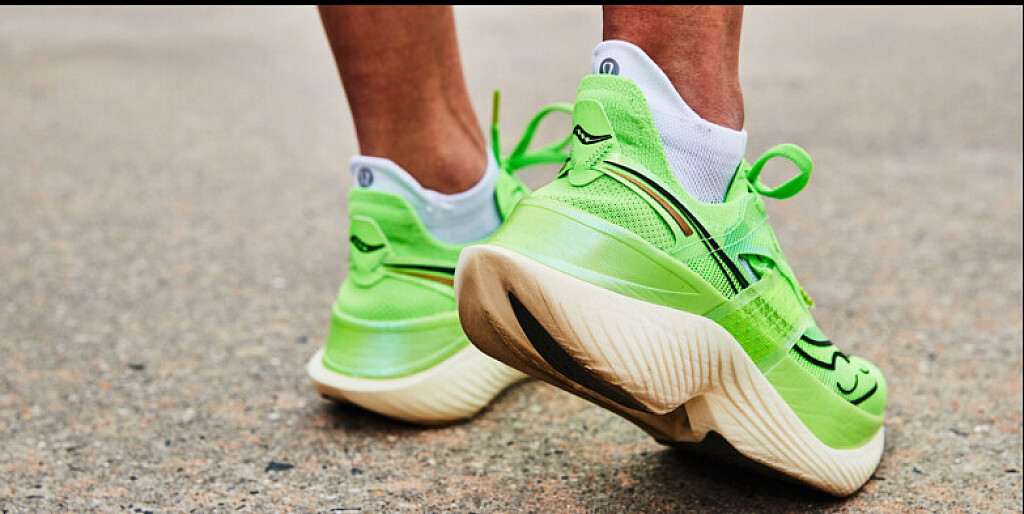
Do Super Shoes Give Regular Marathoners a Performance Boost?
Research shows economy gains at slower paces, but they’re smaller and not guaranteed.
It’s no coincidence that running records have been falling in droves in the era of super shoes. While researchers still may not be able to fully explain how the technology works, they have shown that the ultra-compressible foam, curved carbon-fiber plate, and rockered geometry that first appeared in the Nike Vaporfly 4% in 2017 provide competitive runners a 2.7–4.2 percent boost in running economy. In other words, thanks to these shoes, runners need 2.7-4.2 percent less energy to run the same pace—meaning that they can conserve that energy to run farther or expend it to run faster.
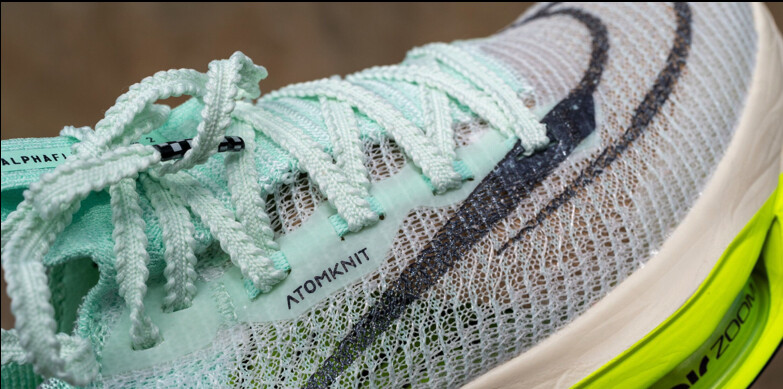
One caveat is that, until now, super shoes have been tested only at running speeds of 7:26/mile or faster. Translated into marathon times, that means the science is applicable to someone who runs a marathon in 3:15 or faster—a feat accomplished by only 21 percent of the 2021 Boston Marathon field.
However, new research has finally emerged that looks at whether the majority of runners get an edge from super shoes. The answer: probably yes, but less.
Research for Non-Elites
Dustin Joubert, Ph.D., a kinesiology professor at St. Edward’s University in Austin, Texas, likes to do research, in his words, “for the people.” This is how he came to conduct a study looking into whether super shoes, specifically the Nike ZoomX Vaporfly Next% 2, confer the same running economy advantage to athletes who run at slower paces.
“There’s a lot of people who don’t fit under the umbrella of the speeds that have been tested in all this laboratory research, and a lot of people are asking: Should I spend my money on this? Do they work for slower people?” said Joubert. “That was the next logical question to me.”
To answer the question, Joubert and his colleagues recruited 16 runners—eight men and eight women with prior-year 5K PRs averaging 19:06 and 20:18, respectively—and had them complete two sets of four 5-minute running reps on a treadmill. Each runner ran one set at a 12 kilometers/hour pace (8:00/mile, which would be marathon pace for a runner with a 5K PR of 22:15), and the other set at 10K/hour (9:40/mile, which would be on the slower end of easy pace for that same 22:15 5K runner). Within a given set, the runners tested two different shoes: they ran one 5-minute rep in an experimental carbon-plated shoe, the Nike ZoomX Vaporfly Next% 2, and the other rep in a control shoe, the Asics Hyper Speed. Then, the runners repeated the reps but reversed the order in which they wore shoes (e.g., Asics first, then Nike).
The researchers chose the Asics Hyper Speed as the control shoe because it lacks the technology of the Vaporfly (carbon plate and advanced foam) but matches its mass. This was an important variable to match because mass affects running economy; a heavier shoe will require more energy to move and could therefore confound results. One earlier study compared the Vaporfly to runners’ everyday training shoes, but most regular training shoes are more than 100 grams (3.5 ounces) heavier—the equivalent of about 40 pennies. Imagine lifting those pennies 55,000 times (the average number of steps in a marathon, for men; women take about 63,000 steps). That would require quite a bit more energy!
Economy Advantages for 3:30–4:15 Marathoners
The new study found that, on average, running economy was better in the Vaporfly than in the Hyper Speed. However, at these slower speeds, the improvements were smaller than at faster speeds: runners gained just 1.4 percent in running economy at 8:00/mile pace and 0.9 percent at 9:40/mile pace, compared to the 2.7–4.2 percent advantage runners gained at speeds of 7:26/mile or faster. (And, as we’ll see below, even those improvements came with a caveat.)
Joubert speculates that the reason for this difference comes down to how the foam in the shoes is working. Much of the running economy advantage comes from compressing the compliant/resilient foam in the shoes and then having that energy returned as the foam springs back. A faster runner who is generating larger ground reaction forces will compress the foam more than a slower runner who, because of their speed, isn’t generating as much ground reaction force.
“The shoe is not creating energy for you; it’s only giving back what you put into it,” explained Joubert.
Not Everyone Benefits
Before you decide “an advantage is an advantage,” there is one other finding from this study that should give runners pause. While the results from the 16 test subjects showed a 0.9–1.4 percent average improvement in running economy, one third of the participants actually showed worse running economy when they ran at the 9:40/mile speed in the Vaporflys, compared to the control shoe. This finding diverges from the results of testing done on the Vaporflys at faster speeds, where runners experienced varying degrees of running economy improvement, but no one saw a detriment.
One possible reason has to do with the Vaporfly’s carbon plate. Research has shown that increased longitudinal bending stiffness, or the rigidity of a shoe underfoot, helps to improve running economy at faster speeds by reducing the amount of energy your foot requires as you land and push off from the metatarsophalangeal joint (where your foot connects with your toes). Joubert hypothesizes that, at slower speeds, the stiff carbon plate might stop saving runners energy and instead create a need for more energy in order to get “up over” the plate.
“If the plate’s really stiff, maybe at these slower speeds that’s an impairment to economy,” Joubert said.
Nathan Brown, a doctor of physical therapy at Pineries Running Lab in Stevens Point, Wisconsin, and senior contributor at Doctors of Running, said that this finding in particular helps to reinforce the shoe selection guidance he already offers his patients and the runners he coaches.
“If your goal of picking a shoe for race day is to get faster, but there’s a 30 percent chance that you get worse, I care more about finding the shoe that you like to run in than the shoe that may or may not give you a benefit,” said Brown.
So, Should You Wear Super Shoes?
If you’re an 8:40-9:00/mile marathoner, what should you do? Do you gamble on being in the 66 percent of responders and plunk down your cash for a pair of super shoes? Or do you stick with what you have?
Footwear is ultimately a personal decision, so here are a few more points to consider.
Choose a shoe that’s comfortable.
If a super shoe feels uncomfortable, that might be an indicator that the shoe won’t help you make the economy gains you’re seeking. Joubert guesses that the comfort of your shoes could affect biomechanical aspects of your race-day performance, including economy. “I think if a shoe is uncomfortable, it’s probably not going to be economical,” he said.
Brown emphasizes focusing on comfort and confidence in a race-day shoe rather than “carbon [plate] or no carbon.” To determine whether it’s comfortable, Brown recommends trying your racing shoe in a few workouts and, if your goal race is a marathon, a few long runs in advance of race day.
“You want to feel comfortable [in the] shoe and confident psychologically,” he said. “To know what to expect on a long run from your race-day shoe can be a big deal for performance.”
Don’t wear a super shoe (or any one shoe) for every single run.
Heather Knight Pech, a decorated masters runner and coach for McKirdy Trained and Knight Training, tells every one of her athletes, from high schoolers to masters runners, to invest in a minimum of three pairs of running shoes: a trainer (e.g., Brooks Ghost), a lightweight trainer (e.g., New Balance Rebel), and a race-day shoe (e.g., Nike Vaporfly Next%). She then has them rotate among these shoes for several reasons. First, it decreases injury. Research has shown that runners who rotate their shoes decrease their injury risk by 39 percent compared to runners who wear the same pair for every run.
“Running is a repetitive motion, so you avoid overloading any one muscle, bone, or tendon,” said Pech. “And on the flip side, you’re simultaneously strengthening other structures by rotating your shoes.”
In his physical therapy practice, Brown has found that super shoes tend to reduce the loading on lower leg structures like the Achilles tendon and calf. As a result, he’s noticed a trend in repetitive stress injuries further up the chain, to the hamstrings and hip flexors, in runners who wear that shoe for most or even all of their runs.
The second reason Pech advises runners to rotate shoes is that it forces them to decide between shoes for a given run, which helps them gain a better sense of self-awareness. “We should be very dialed in to how we feel—that’s part of running training and racing,” said Pech. The saying she repeats is: different shoes for different runs for different days.
Look at a variety of styles and brands.
The Nike Vaporfly was the first high-stack carbon-plated shoe on the market, and as a result, it is arguably the most well known. Most brands now have a similar shoe, and while research shows they’re not yet up to par when it comes to running economy, that doesn’t mean different shoes won’t work better for certain runners based on foot anatomy, running stride, and even pure preference.
Pech points out that the Nike Vaporfly is a very high, very narrow, very bouncy shoe. The Saucony Endorphin Pro, on the other hand, she describes as “more stable underfoot, with firmer foam. It’s great for runners who want to feel the ground.” Meanwhile, the Asics Metaspeed, which is also slightly wider underfoot than the Nike Vaporfly, offers two versions between which runners can choose based on their running style: cadence (increasing their turnover) or stride (increasing their stride length).
“I think they’ve all caught up, in that, now, there are different shoes for different people,” said Pech.
Remember: economy isn’t everything.
While running economy does influence running performance, it’s only one small part; how well you eat and sleep, your level of anxiety, how consistently you trained, how well you tapered, and numerous other factors have an equal, if not greater effect on the time you ultimately run in any given race.
Therefore, if you’re a 3:30–4:15 marathoner and don’t want to shell out the money or risk finding yourself in the 33% “anti-responder” group, double down on some basics like pre- or post-run nutrition or even just sleep. Plus, when you beat your Vaporfly-wearing counterparts, you’ll never have to ask, “Was it the shoes?”
(02/04/2023) ⚡AMPby Runner’s World
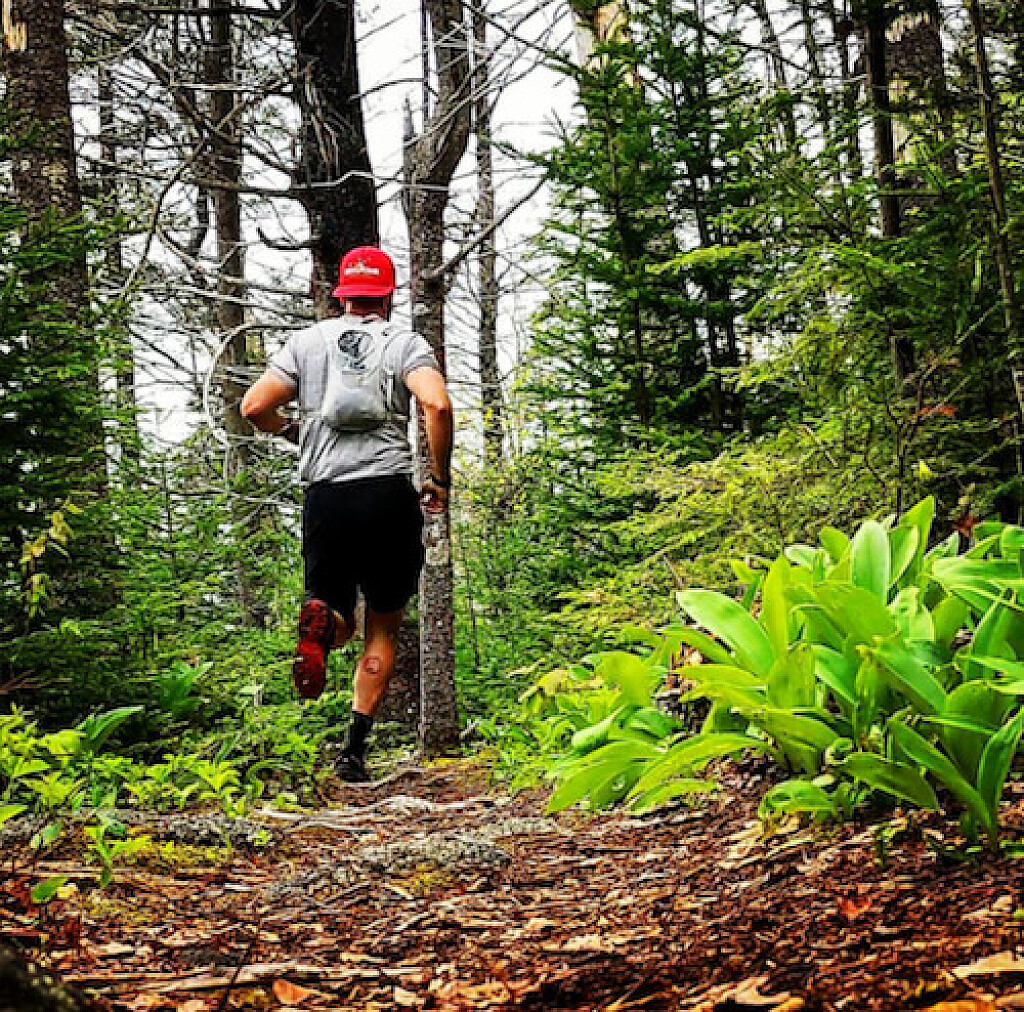
Why you should run in nature, there are numerous benefits to getting outside in nature for your run
There’s something dreamlike about running along a quiet, country road or through a park with grand, overarching trees. The gentle sounds of a babbling brook or sweet birdsong can sweep away the pain during a long or tough run. Whether you’re new to running outside or enjoy an occasional jog through your neighbourhood, here’s why you should embrace the outdoors and explore some new, nature-filled routes on your next run.
Running outside isn’t always a pleasant experience. Rain, snow, gusting winds, and sweltering or freezing temperatures can make your workout much more challenging. You may have to look out for trip hazards or icy patches that aren’t present while running indoors. But would I swap this for a run on a treadmill in a temperature-controlled gym, watching a movie? Absolutely not.
Surrounding yourself with nature can be refreshing and motivating
Choosing a running route with some greenery or natural scenery can improve your mood and potentially motivate you to step outdoors for a run more often. A survey of 1,581 Dutch novice runners published in Environment and Behaviour found that runners preferred to run in parks or out of town. Running in spaces with greenery made runners feel mentally refreshed, reflecting growing evidence that exercising in natural areas helps reduce stress. It’s possible that elements of these routes (e.g., the absence of cars) also make runners feel safer, which may increase motivation to run.
Running outside can build mental toughness
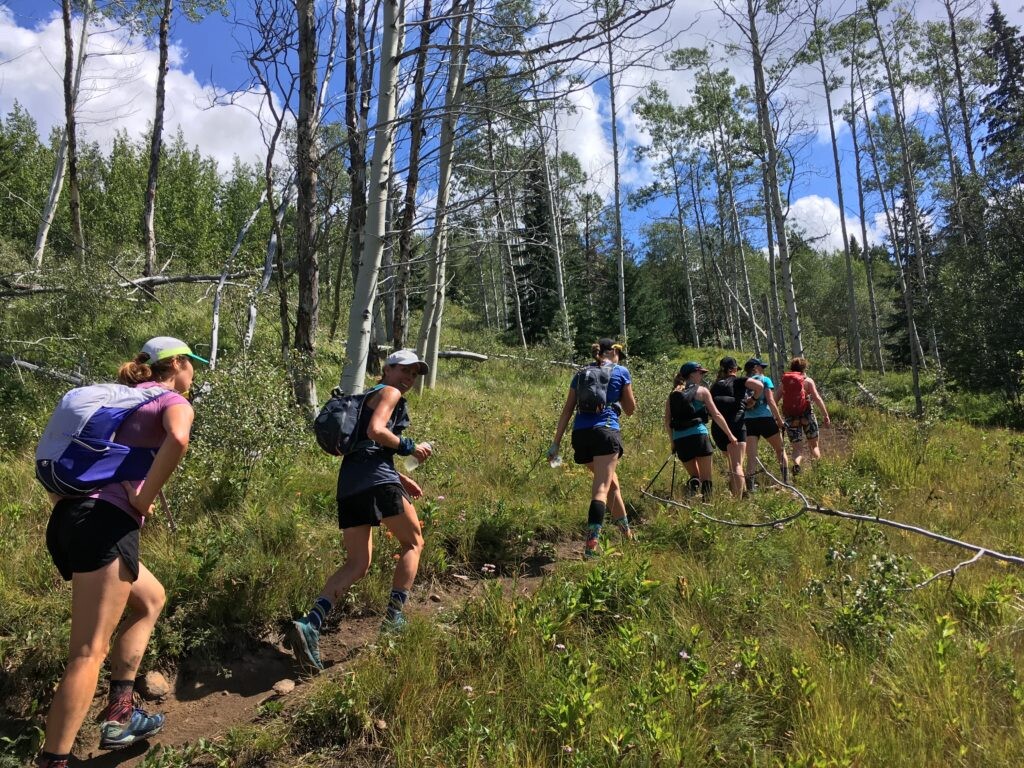
Running outdoors on a rainy, cold, or windy day may not appeal to some, but these runs may make you mentally tougher. A study in The Sport Psychologist interviewed 12 ultrarunners about their perceptions of mental toughness. Ultrarunners race events of 50K or longer, which can take several hours or days to complete, so these runners need to train and prepare well.
According to this study, an important component of mental toughness for ultrarunners was the ability to work through tough and unpredictable environments. Running in the elements can make you feel powerful and build self-confidence. And if you’re training for an event, occasionally embracing suboptimal weather conditions can help mentally prepare you for whatever conditions are present on race day.
You can “flex your muscles” and get stronger by running outside
There are some differences in how your leg muscles respond to running outdoors versus on a treadmill. Some muscles activate more or at different times to help absorb the greater impact from running on harder outdoor surfaces. Some outdoor running surfaces, like trails, get your stabilizing muscles working harder to help keep you balanced on an uneven surface. Without a doubt, training on a variety of surfaces helps strengthen various muscle groups and makes you a stronger runner.
Try running with nature
To reinvigorate your running routine, next time it’s a little snowy or rainy, consider embracing nature and running outside through a green or natural area As always, put safety first. Dress appropriately for the weather, listen to your body, and ensure that others know where you are going and when you expect to return.
(02/03/2023) ⚡AMPby Lauren Moretto
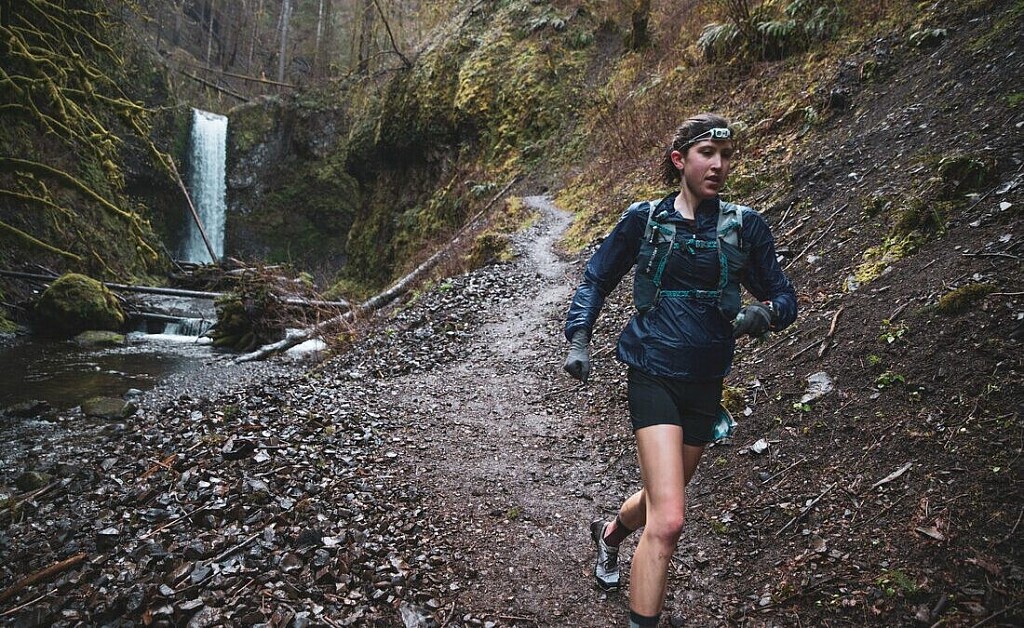
Run through the winter like a pro with these tips
Unlike many endurance athletes who switch to skiing in the winter months, elite ultrarunner Ellie Pell runs all winter. Her experience running through the cold, dark months has resulted in some wisdom–when it’s coldest out, Pell often fits her running in the early mornings, before sunrise.
Pell was a fan favourite at Western States last year, where she finished 14th among the women (this year she’ll be back to crew her best friend and golden ticket winner Riley Brady). From Ithaca, N.Y., Pell recently relocated to Boulder. “I also have poor circulation in my hands, which can complicate both running enjoyment and opening nutrition packets,” says Pell. Here are a few things she has found to help.
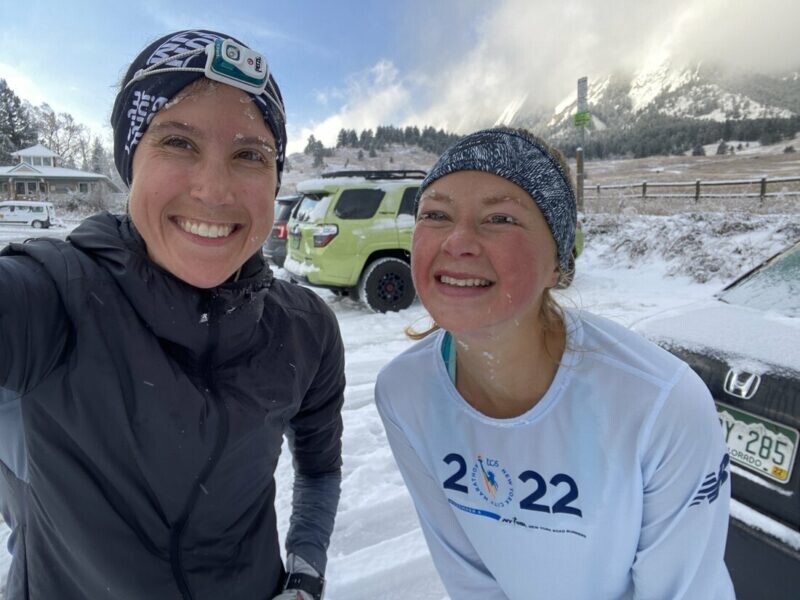
Use gloves with a wind mitt, or gloves under mittens
The friction between the fingers in the gloves increases warmth, and the wind mitt protects the heat from leaving your fingers. If it is especially cold, I put a pair of hand warmers inside the mitt to cling to, but unless you are under 10 degrees (or have Raynaud’s syndrome) the wind mitt is surprisingly good at trapping that heat.
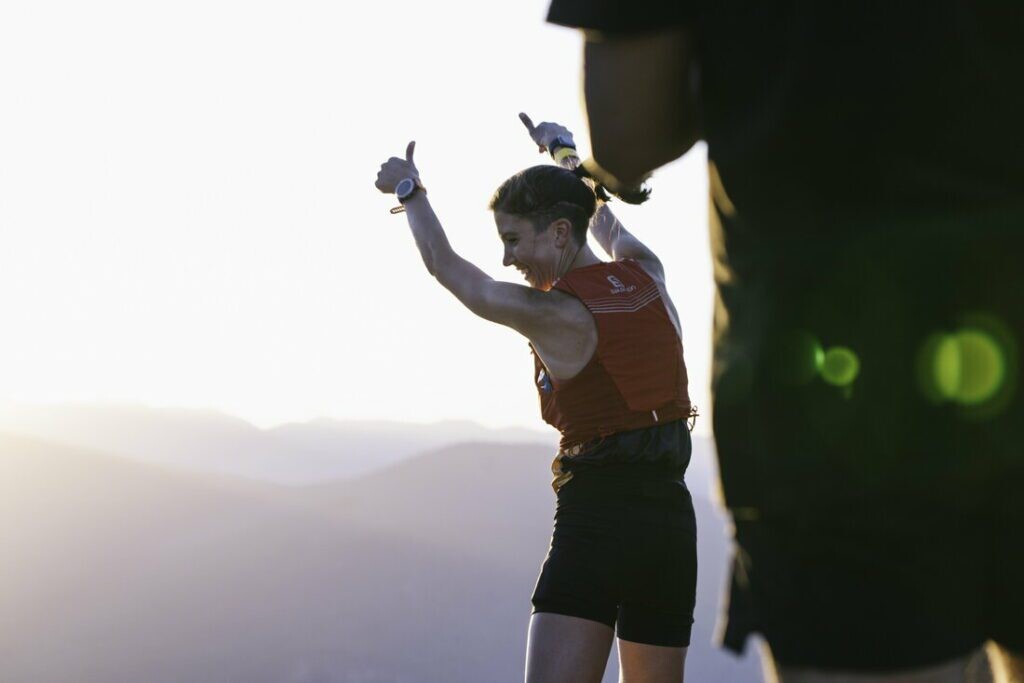
Keep fuel close to the body (for warmth) or drink your nutrition
“There is nothing worse than a frozen gummy or cold gel when it is cold outside,” says Pell. “It also stinks when sports drink freezes in the nozzle or bottle.” Pell solves this issue by keeping her nutrition as close to her body (and heat centre) as possible. She also tries to limit the number of packets she has to open, so she doesn’t waste time struggling to open packaging with cold fingers.
Pell says she favours gummies or chews on really cold days, because she can open them pre-run. “The hardest thing in the winter is drinking cold fluid when it’s cold, she says. “I try to prepare by using warmer water in the morning when I prepare my bottles and keeping them near the heater in my car–every little bit helps.”
On icy roads, experiment with trail shoes/microspikes
“I find the winter is a great time to test out different trail shoes on the icy or snowy roads,” Pell says. “The traction on soft surfaces after a big snowstorm is a better focus for me than trying to maintain a pace.” Pell explains that a good road-to-trail pair of shoes work really well for this, and help a runner get to know the feel underfoot. Later, when things thaw, this training makes it easy to decide whether the shoes would be a good pick for a race day in the mountains.
“Having recently moved to a place that has mountains to run all year, the ice doesn’t stop our training,” she says. Pell carries a nice pair of microspikes in her pocket or pack to use if she hits icy sections.”It sounds a lot more burdensome than it is, and when your luck runs out dancing over the ice, that extra few ounces of gear is worth it,” she says.
Use the tools available for you (no shame in hitting the treadmill or track)
Even if you’re a hardcore all-season trail and mountain runner, the treadmill is worth considering on really cold days. While you’ll certainly gain mental toughness from running in the cold, Pell says sometimes an indoor run may be more beneficial if it’s nasty out, especially if you have speedwork scheduled.
“When it’s under a certain temperature (which varies for everyone), it becomes difficult for muscles and tendons to adequately warm up to assume the turnover needed for effective speedwork,” she says.”Instead of chancing a pulled muscle or tendon, if a treadmill is an option, take it!”
If indoor training is not an option, Pell says winter is a good time to focus on effort over pace.”Tuning in to how your body feels at a certain effort, rather than pace, is very useful for trail runs and races with varied terrain,” she adds.”Keep the effort honest, do your best and get ready to fly, come spring.”
(01/30/2023) ⚡AMPby Keeley Milne
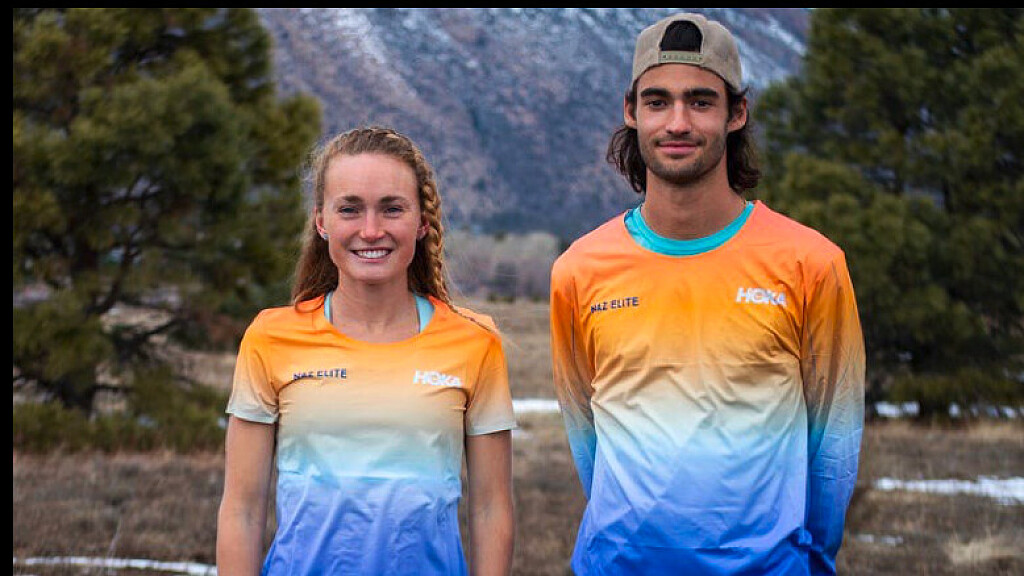
Here's Why It Feels Like Every Elite Runner Is Changing Sponsors Right Now
Tim Tollefson celebrated the new year shoveling a lot of snow, dreaming about a summer of possibility, and changing his shoes.
After six years with Hoka, Tollefson, 37, the well-known elite American ultrarunner from Mammoth Lakes, California, signed a new multi-year sponsorship deal with Craft. It might seem like a curious move this time of the year, but, in reality, most athlete sponsorship contracts in running are one-year partnerships that end on December 31. That typically gives brands the upper hand in these situations because they can have an easy out whenever an athlete doesn't have a great year of results, or they no longer fit with their marketing goals. It always comes down to the money, though sometimes it's in the athlete's best interests to start fresh, to leverage their recent results and social media platform to find a better deal with a brand that better fits their racing goals.
Because there are more brands partnering runners than ever before, and presumably more sponsorship money available, top-tier distance runners who are still at the top of their game-like Tim Tollefson, Allie McLaughlin, Josette Norris, Paige Stoner, David Ribich, Dani Moreno, Erin Clark, Natosha Rogers, Colin Bennie, Dillon Maggard, Camille Herron, and others-have been able to seek out new opportunities to continue their careers with the necessary support.
The terms of the newly signed deals haven't been disclosed, but there is a huge range in pay for professional distance runners-roughly $15,000 on the low end for a partially sponsored trail runner without significant international results, to $300,000 at the high end for a top-tier marathoner with Marathon Majors podium results. Certainly that means some live a life of luxury, while others are forced to work part-time jobs and pinch pennies to get by.
But there are also often signing bonuses, as well as premiums paid for earning appearance fees, major victories, global medals, podium finishes, breaking records, and other incentives, so running faster can be a fast track to a boost in income. However, most athletes are considered independent contractors, and many have to pay for their own healthcare, body work, and travel, depending on the details of their brand partnership.
"You start getting an idea of who's going to be available, for one reason or other, in the last few months of the year, and that's when brands and athletes start talking," said Mike McManus, Hoka's global sports marketing director. "As an athlete, you're as valuable as whatever money anyone wants to give you, but it's a process and all about negotiating. Sometimes you can match the money being offered; sometimes it just doesn't make sense for the partnership."
What Tollefson liked about Craft was similar to what he liked about Hoka six years ago-an upstart brand ready to make an impact in trail racing, its new line of trail shoes, and the trail community overall. Craft sees Tollefson as a runner with name recognition and several significant race wins in the past three years, not to mention a leader in the sport who started the Mammoth Trail Fest last year.
"This [new partnership with Craft] has reignited my deep passion for the sport and has reminded me of the things I want to accomplish," he said. "It's almost like a start-up situation led by passionate people who are excited to make an impact and want to support the people who are along for the journey. Curiosity drives me and I like a challenge. I know I am going to have some lifetime achievements ahead."
More Big Moves in Trail and Ultra
After an extraordinary year of racing on the trails, Allie McLaughlin changed from On to Hoka as her primary sponsor. The charismatic 32-year-old from Colorado Springs won the daunting Mount Marathon race in Alaska, placed among the top five in several Golden Trail Series races, and won both gold and bronze medals in the inaugural World Mountain and Trail Running World Championships in Thailand. She'll be representing the U.S. in this year's World Championships in Austria, in June, while also returning to the OCC 54K race, as part of the Ultra-Trail du Mont-Blanc (UTMB) festival in Chamonix, in August.
"It was really interesting to see how much trail means to them [Hoka], not only with their sponsorship of UTMB, but in general how they're helping push the sport forward," said McLaughlin, who had been with On since 2021. "There are a lot of reasons I like what Hoka is doing, but ultimately, the emphasis they're putting on the team and their athletes is really exciting."
Other trail and ultrarunners who have switched brands include Erin Clark, who finished 7th at last year's CCC, who left Hoka to sign with Nike, even though her partner, Adam Peterman, the 2022 Western States 100 champion and ultrarunning world champion, re-signed with Hoka.
Spanish trail runner Sara Alonso has changed from Salomon to ASICS, while Craft also signed Arlen Glick, a prolific 100-mile specialist from Ohio, and Mimmi Kotka, a Swedish runner with numerous podium finishes in Europe, to its team. Meanwhile, previously unsponsored American trail runners Tabor Hemming (Salomon) and Dan Curts (Brooks) are among those who have signed new deals.
Meanwhile, Dani Moreno, a world-class mountain runner from Mammoth Lakes, California, and Camille Herron, a record-setting ultrarunner from Warr Acres, Oklahoma, are both also leaving Hoka for yet-to-be-announced brands that offered better deals.
Bigger Transitions for Road and Track Runners
For track athletes and marathon runners, a change of shoe brands is often a more involved change, mostly because it often means changing training groups and coaches, too.
For example, Josette Norris, the fifth-place finisher in the 1,500m at the 2022 World Athletics Indoor Championships, not only switched from Reebok to On, but she left Reebok's Virginia-based Boston Track Club, and coach Chris Fox, and moved west to Boulder, Colorado, to join the On Athletics Club under Dathan Ritzenhein.
Similarly, David Ribich, one of the best American mile runners on the track last year, switched from the Seattle-based Brooks Beasts track club to the Nike-backed Union Athletics Club under Pete Julian.
Colin Bennie, the top American finisher in the Boston Marathon in 2021-previously with Reebok but unsponsored last year-signed with the Brooks Beasts but will be training on his own in San Francisco. Dillon Maggard, who was second at the U.S. cross country championships and ninth in 3,000m at the indoor world championships in 2022, is returning to Seattle to train with the Brooks Beasts, after being unsponsored last year. Natosha Rogers, who was a finalist in the 10,000m at last summer's World Athletics Championships in Eugene, Oregon, has changed from Brooks to Puma, but will continue to train on her own in Colorado. Middle-distance runner Cruz Culpepper, after short stints at the University of Washington and the University of Mississippi, gave up his remaining college eligibility to sign with Hoka and its NAZ Elite (NAZ) team.
Last summer, Paige Stoner left the Virginia-based Reebok group and Fox, her longtime coach, to train in Flagstaff, Arizona, partially because she didn't have other marathoners to train with on a regular basis in Charlottesville. She increased her volume last fall training with Sarah Pagano and Emily Durgin and won the U.S. championship at the California International Marathon in December with a course record of 2:26:02, her debut at the distance.
In January, Stoner parlayed that into a new deal with Hoka, as she also joined the Flagstaff-based Northern Arizona Elite and will be training with a group of strong marathoners-including Aliphine Tuliamuk, Alice Wright, Kellyn Taylor, and the recently unretired Stephanie Bruce-under the guidance of coaches Alan Culpepper, Ben Rosario, and Jenna Wreiden.
"I was especially drawn to NAZ because they have proven to be a powerhouse in the marathon, which will likely be my primary focus in the years to come," Stoner said. "I believe the team has all of the tools it takes to compete at the highest level in the sport, and I am eager to begin this new chapter."
Learning the Ropes
For track and road running, the path to success for elite-level, post-collegiate athletes typically includes earning a sponsorship right after the track season in June and joining a sponsored training group and coach. From there, it's all about improving times and placing high in U.S. championship races, with hopes of becoming fast enough to earn a spot in elite track meets in Europe or one of the World Marathon Majors.
But most road and track runners have agents to help smooth out those transitions, whereas most trail runners do not. Plus, trail running is considerably more unstructured, with a greater range of race distances and a lot more unknown variables. That means the challenge of figuring out what opportunities exist on the trails-what races to run, how to train on trails, what gear is needed, how to race considerably longer distances, and how to attract sponsors-often requires them to learn on the fly.
Those are all reasons professional trail runner Andy Wacker recently formed The Trail Team, a non-profit organization that will help guide young runners along the path becoming successful, potentially sponsored trail runners, while also playing a role in boosting the level of competitive trail running in the U.S.
The Trail Team put out a call for candidates to become one of six inaugural team members in 2023. Once selected this spring, those athletes will go through a training camp, receive a stipend, get continued mentorship from Wacker, McLaughlin, Adam Peterman, and Grayson Murphy, and prepare for a variety of U.S. races.
"I've reached out to a lot of young athletes and the main thing I found is they need a mentor," said Wacker, a Salomon-sponsored athlete. "They don't necessarily need a coach-a lot of them have a college coach that they might continue working with-but they need someone who is going to help them with all of their questions and translate everything to trail running.
"It's still really hard to be an individually sponsored athlete, and I think it's hard for a young athlete to get recognition and build their brand, so we're hoping to help with that," he added. "There are more participants and more excitement than ever in trail running, but there are also growing pains. So there are a lot of ways we think we can help so they don't have to figure it out on their own."
Like Wacker, Tollefson is one of those athletes who did have to figure it out on his own. He was a good runner in high school and college, but he never qualified for the state meet and never earned All-American honors. But, with a relentless work ethic, he's become one of the most successful American trail runners of the past decade, having placed second at the CCC 100K in Chamonix, in 2015, and twice placed third in the Ultra-Trail du Mont-Blanc 171K in 2016 and 2017.
Although his personal race plans aren't finalized yet, those deals are allowing him to step away from his career as a physical therapist and become fully immersed in running for the first time in his career.
"All of us athletes are multidimensional; we're more than just a pretty face rocking a bib," Tollefson said. "Everyone has a unique story. I think there are more brands interested in telling those stories, and Craft is definitely one of them. Some people have written me off, but I'm confident my best races are ahead of me. Craft believes in me, and I feel like I need that belief to get the best out of myself."
(01/29/2023) ⚡AMPby Trail Runner Magazine
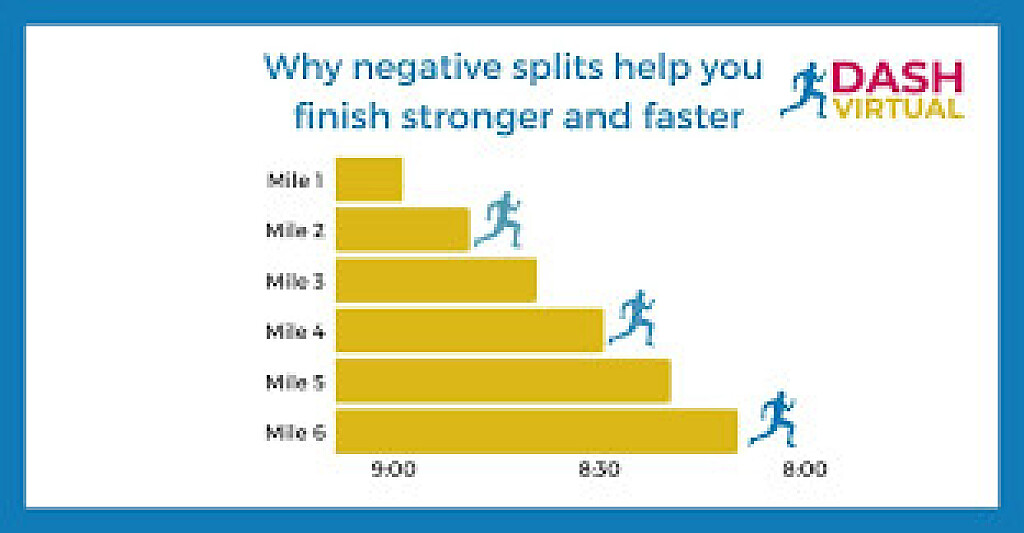
Here's Why Negative Splits Are the Key to Racing Faster (and Happier)
I wasn't too impressed with my first marathon experience.
Don't get me wrong . . . I loved the 2008 New York City Marathon with its amazing crowd support, challenging course, and the thrill of running through New York's five boroughs.
But like many marathoners, I hit the wall at mile 20. Each subsequent mile was slower than the last, and I felt worse than I ever had in any other race. While I was proud of my finish time, I didn't like how I finished the race.
After more than a decade of coaching marathoners, I've come to a realization that really transformed my relationship to training: how you run a race is just as important as the final result.
If you're able to finish in a way that makes you feel good-if you can finish strong-you're much more likely to consider the race a success and feel more fulfilled by your performance.
One pacing approach of finishing strong is commonly referred to as "negative splitting." Negative splits refer to finishing a race faster than you started. It usually means that the first half is slower than the second, requiring you to speed up during the final half of the race.
This strategy is usually preferred over other race pacing strategies (like positive splits, where you run the first half faster than the last half, or even splits where each half is as close as possible) for a variety of reasons.
First, it's physiologically easier. For races like the half-marathon or longer, it's easier to run faster once the body is fully warmed up. That typically happens only after the first few miles of racing, making a negative split easier to manage.
Second, negative splits leave you feeling more empowered and fulfilled when you finish a race strong. It just feels good! Athletes who negative split races feel more confident after speeding up during the second half of a race.
And finally, it's better for fast times. Most records at the national and world level have been run with negative splits, showing that it's the ideal pacing approach for the fastest times possible. Let's look at some of these performances to inspire our own negative split ambitions.
Negative Splits and Records
A clear trend emerges when you study most world and national records: they were run with negative splits! While not every world record has been run with a negative split, it's the most common approach. Here are a three famous examples:
In 2014, Dennis Kimetto ran the world marathon record in 2:02:57 by running the first half of the race in 61:45 and the second half in 61:12.
Years later, Eliud Kipchoge set another world record in the marathon in 2019 by running 2:01:39. His half-marathon splits were 61:06 and 60:33. He also ran his second half marathon about 10 seconds faster than his first when he broke two hours in the marathon in October 2019 during a time trial.
While most world records at distances over 800m are run with negative splits, this strategy starts to break down at the ultramarathon distances. Many ultra races often have unpredictable terrain, dramatic elevation changes, and higher altitudes. Combined with the sheer distance of ultras, finishing the race slower than you started is usually inevitable. Of course, usually doesn't mean always, though! Arizona ultrarunner Nick Coury, 35, set a 24-hour American Record with an impressive negative split, running 173 miles and clipping off 6-minute miles at the end. It did take this elite athlete more than a decade to refine, but it can be done.
How to Run Negative Splits
Now that we've established the benefits of negative split races, now that we know this approach can be easier and more empowering-not to mention the historic strategizing of negative splits at the highest levels of running-how do we do it ourselves?
If you're able to finish in a way that makes you feel good - if you can finish strong - you're much more likely to consider the race a success and feel more fulfilled by your performance.
Running a race with a negative split is no easy task. It requires much more effort in the second half to run faster because of cumulative fatigue. So how do we train for this feat?
The first step is to get comfortable running negative splits when the stakes are low. Practice finishing an easy distance run faster than you started. It can be helpful to run the first mile at a slower pace to help the warm-up process and the last mile at a more moderate effort. This makes that negative split easier to attain.
You can then practice running a structured workout with negative splits. This is more challenging, since you'll be running at faster efforts and will be pushing yourself in a similar way to a race. (Don't forget your encouraging self-talk.)
This approach works best when you're running a series of repetitions of the same distance (i.e., 6 x 800m) so you can work on each repetition getting slightly faster than the last.
In a race situation, accurate pacing becomes a top priority if the goal is to run negative splits. You must first understand what you're capable of, and what's realistic for you, so you don't start too fast. For example, if you want to negative split your next half marathon and you think you're in shape to run about two hours, it's helpful to run close to this pace for the first 10-11 miles. Running a pace that'll net you a 1:45 finish time is too fast!
Can Negative Splits Make You Happier?
In my coaching opinion, the answer is yes! While the destination (your race result) is important, so is the journey (how you ran the race). Racing negative splits ends the race on a positive note. You finish the race running fast, feeling powerful, and likely outkicking many of your competitors. It's a direct way of imprinting a positive memory on your brain at the very end of a race. That final feeling is lasting and a good reminder of all the effort you put into a race.
For runners who struggle with pre-race anxiety, it can be difficult to frame races as positive experiences that make you feel good. These athletes usually dwell on what can go wrong or how they'll perform. But having just one negative split race is an enormous confidence-booster and can be effective at reducing anxiety in future races.
Even if you don't end up negative splitting a race, we can have an "emotional negative split" by focusing on finishing the race strong. The last mile or half-mile is a great opportunity to pick up the pace, put out those airplane arms, and smile as you charge to the finish line. Positive split or not, you'll finish the race feeling powerful.
If you're a runner who wants to race fast, feel better about your performances, and make racing a more positive experience, try negative splits. They're tough-but so worth it.
(01/28/2023) ⚡AMPby Trail Runner Magazine
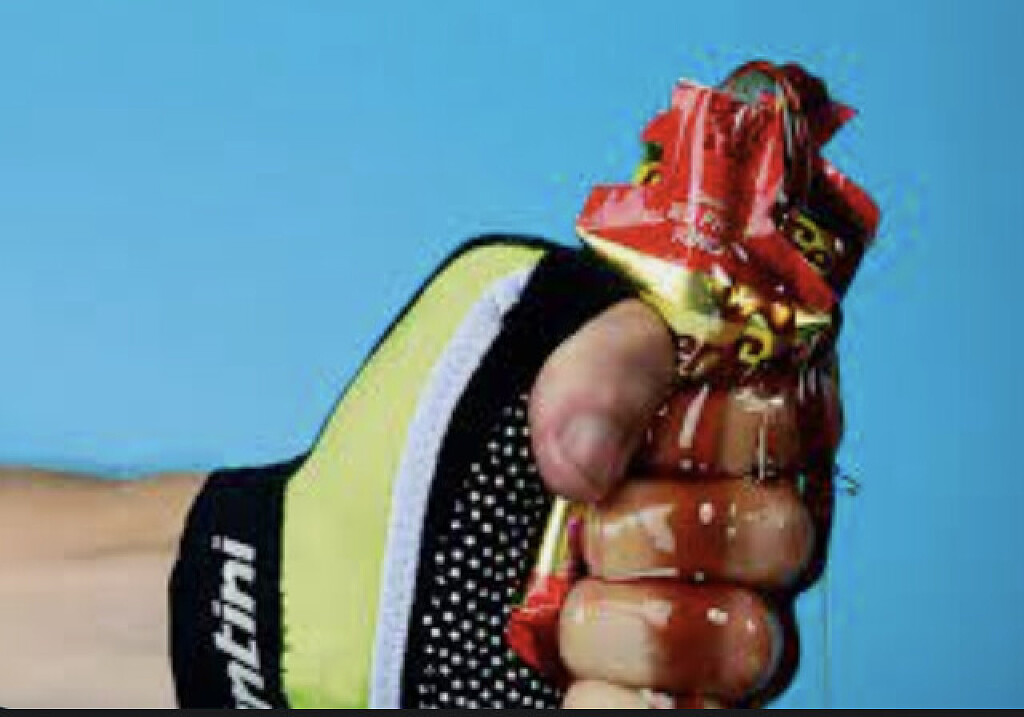
I Replaced Running Gels with Real Food and This Is What Happened
I'm obsessed with running gels.
"You're hooked," my fiance would say every time I came home from a trip to my local running store with a heap of energy gels. It's not goo, I would tell him. It's gel. I thought he was just gel-ous that I basically got to eat frosting on my long runs, sucking down flavors like salted caramel, birthday cake, campfire s'mores, sea salt chocolate My mouth is watering.
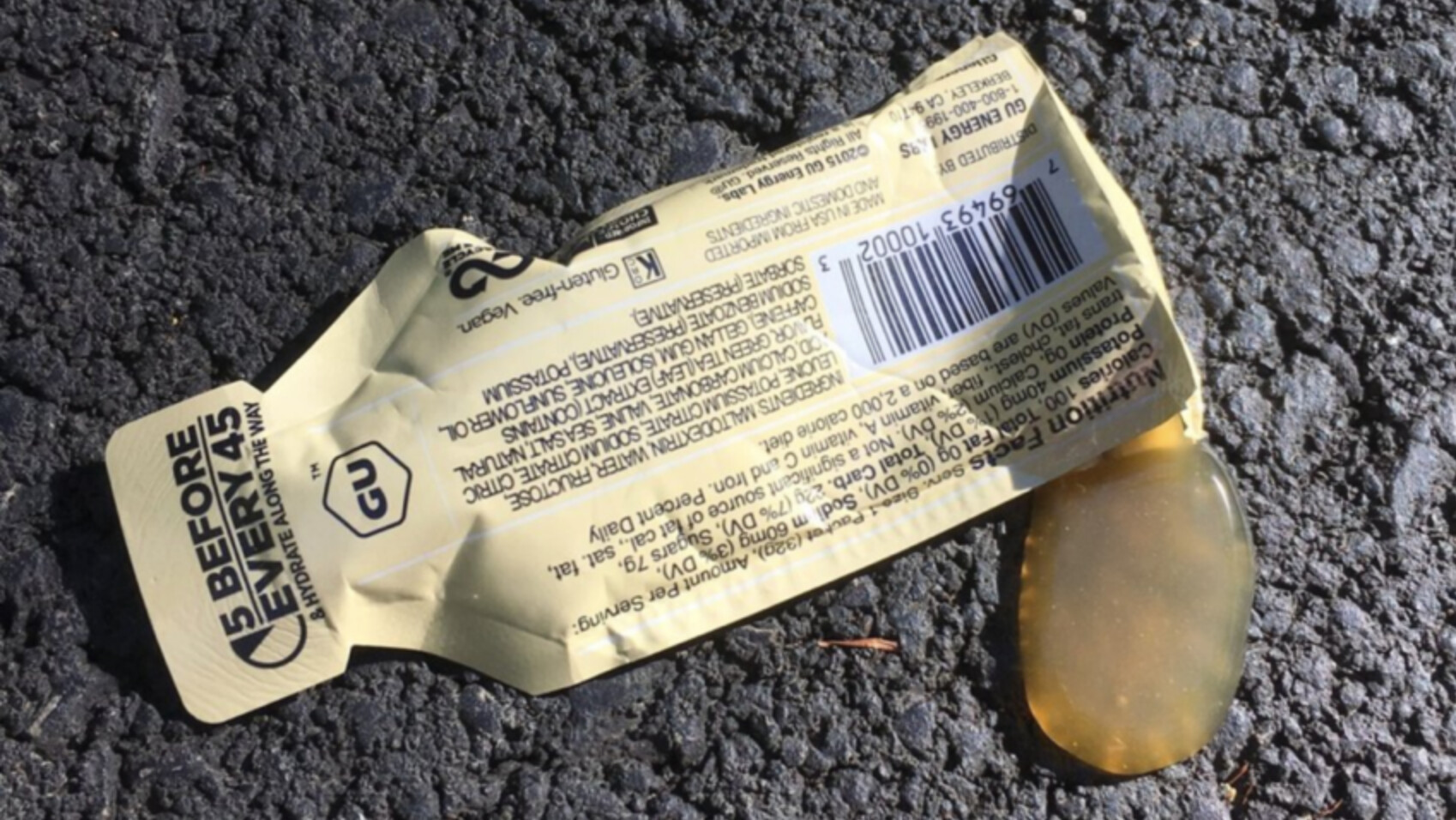
I discovered the magic of gels when I started running marathons two years ago. It was a great trade-off in my mind - you're running longer miles, so you get a reward about halfway. Fun! I distinctly remember running the Hamilton Glow Marathon in Hamilton, Ohio and shouting at my dad on the side of the course, "I GET TO EAT A GEL SOON!"
But, I'll be honest, my zealousness for energy gels was not the most financially healthy habit. Gels are $1.60 a piece at my local running store and I bought three or four a week to stick in my drawers, backpack, car and jackets. After a year of this, I estimate I spent around $300 on gels alone.
Even more concerning, I believed I wouldn't be able to run well without gels and never completed a long run without one. I went out of town one weekend and didn't bring any gels, so I refused to join my dad for a long run. At the time, I truly thought I wouldn't get through half the run without a gel.
That particular weekend out of town was eye-opening. I knew I wanted to stop leaning on gels but still needed a way to replenish lost electrolytes and glycogen. So I decided I was going to start substituting energy gels with whole, real foods to prove I didn't need them to be a good runner. It was time to face my fears and kick the crutch I'd been leaning on for over a year.
What to Look for in an Energy Gel Replacement
The editors at Women's Running provided a perfect resource for learning what I needed to do to fuel my long runs with natural foods.
Authors Caitlyn Pilington and Malissa Rodenburg write: "Fueling is important during long runs, but your choice of what to fuel with lends itself to flexibility. Ultimately, all of our bodies are different and therefore tolerate things differently. You'll no doubt see a majority of athletes fueling themselves with gels, blocks, sports drinks, or other commercial products. And there's honestly nothing wrong with that-sports products are engineered to be absorbed properly and help you perform."
There are all kinds of brands of energy gels, but I'll be touching on my favorite, GU. Each packet contains 100 calories, 125 mg sodium, 40mg potassium, 22g of carbs and 7g of sugar. So a gel replacement would need to cover those bases plus be compact, easily digestible and (hopefully) tasty.
Nutritionist Sarah Cuff focuses on holistic fueling, so she was eager to speak on the topic of replacing gels with whole foods. She says the three main factors to consider in a gel or whole food replacement are sodium, carbohydrates and sugars.
Sodium
If you're a 'super sweater' like me (I could fill a bathtub wringing out my running clothes) you'll want to pay close attention to this next bit.
"When we sweat, sodium is the electrolyte lost at the highest proportion," Cuff says. "So while most energy gels will include some potassium and magnesium and calcium, they are not necessarily required because we don't lose them in any high amount when we sweat. Sodium is most important."
She adds that the amount of sodium needed depends on a variety of factors like how much you generally sweat, the temperature and how much energy you're exerting. Cuff says a good rule of thumb is if you're drinking one liter of water an hour, you want to make sure you're intaking at at least 600 mg of sodium. Learning this, I realized the sodium in my favorite GU gel and the whole food replacements don't meet those standards, so I needed to supplement with sodium in my water.
"Some athletes who want to be as natural as possible might use coconut water and sprinkle sea salt in it - it's not super tasty, though some people like it," Cuff says. "I'd suggest getting a natural electrolyte drink such as Skratch Labs Hydration or Tailwind. Make sure they have at least 300 mg of sodium per serving."
Carbohydrates
"Another important number we want to be looking at is the carbohydrate number, because that's what primarily fuels our long runs," Cuff says. "We know from studies that we need 30-60g per hour on long runs and up to 90g on really long runs (marathons, ultra marathons) to adequately replace what we're burning. The question is, where can we get those carbs?"
GU gels contain a sort of 'super' carbohydrate called maltodextrin, which is easily broken down while exercising and therefore great for most athletes - though it can cause gastrointestinal issues in some. So my whole food gel replacements need to contain up to 90 grams of carbs and must be as easily broken down as maltodextrin.
Sugars
Sugars are required for the fueling process on long runs. Most gels use carbohydrates like maltodextrin to produce glucose and fructose. When you intake sugar, your body breaks it down into glucose and fructose which can be used for energy right away.
"Ideally, we're looking at what's easy for our digestive system to break down while we're running," Cuff says. "Sugar is digested pretty darn quickly. Now, straight table sugar would be difficult to stomach, but there are companies who have packaged maple syrup into small serving sizes. That's a very natural whole food alternative to gels."
My Energy Gel Replacements
Over the course of four weeks I packed five different snacks on my longer runs, ranging from 10-16 miles, and ranked which ones worked the best for me and which ran me into the ground. I also took Cuff's advice and tried Skratch Labs hydration drink mix, which contains 70 calories, 17g of carbs, 15g sugar and 710 mg sodium per serving.
White Bread with Honey
Calories: 132 | Carbs: 28g | Sugar: 7g | Sodium: 180mg
Probably the most boring sandwich I've ever made turned out to be my favorite energy source during this experimentation period. I took one piece of white bread, drizzled on a little bit of honey, folded it up and wrapped it in a sandwich bag. It fit neatly in my running pack around my waist and, even if it did get a little smushed, tasted glorious when I needed it. I had zero tummy troubles and felt as energized as when I took an espresso flavored gel.
Sweet Potato
Serving size: 4oz. | Calories: 112 | Carbs: 26g | Sugar 6g | Sodium: 73mg | Potassium: 448mg
I'm a fiend for sweet potatoes. They're excellent for running because of their phytochemical content which can reduce post-workout inflammation - and I'm usually all kinds of inflamed after a good tenner. I chose a small sweet potato, about the size of my palm, and cooked it long enough before my run so that it was cooled. I wrapped it in a paper towel and stuck it in my pack and, when the time came, I ate that sucker like it was a donut, skin and all. I didn't finish the whole thing, because half did the trick. I felt fueled and it digested well. The trade-off is the low sodium content, but because I supplemented with my water, it evens out.
Banana
Serving size: Medium banana | Calories: 110 | Carbs: 28g | Sugar 15g | Potassium: 450mg
Tried and true, I knew bananas would never fail me. This is often my pre-run snack because I can digest it easily and it has carbs and natural sugars that are broken down quickly. The downside is that it didn't fit in my running pack, so I had to put it in my jacket pocket, which was a little uncomfortable. Like the sweet potato, there's little sodium, but I had my supplemented water.
Cereal
Serving size: cup| Calories: 100 | Carbs: 20g | Sugar 1g | Sodium: 140mg | Potassium: 170mg |
For this energy gel replacement, I packed a cup of dry, plain Cheerios in a tiny baggie. While I'm a big fan of cereal, it's not exactly easy to pour into your mouth while running. I also didn't feel as fueled during the second half of my run, leading me to believe I might not have packed enough. The issue is, if I packed anymore, I'd be crunching cereal for a whole mile. Plus, it really dried out my mouth and made me thirsty.
Dates
Serving size: 2 dates | Calories: 133 | Carbs: 36g | Sugar 32g | Potassium: 334mg
I had high expectations for this snack. Dates are delicious, compact and full of natural sugars, so it makes sense why runners sometimes substitute them for energy gels. However, I didn't anticipate how the three medjool dates would glob onto each other into a golf ball sized glob. That wasn't the biggest issue though; my stomach did not do well with dates. I experienced camping, bloating and overall my digestive issues caused me to cut the run short. Further research led me to discover that my body must not have liked the high amount of fiber and sulfites in the dates. So this snack may work for some, but for me, it was a hard pass.
Will I Give Up Energy Gels?
This experiment resulted in more than great runs and weird stares (have you ever seen a runner chomping on a whole sweet potato?!), it also provided me with the answer that I was looking for: I don't need energy gels to be a good runner. They're not a magical potion that gives me a boost as good as the speckled mushroom in Mario Kart.
But, energy gels are a useful, efficient tool to quickly recover lost glycogen and keep you going on long runs. I certainly have no desire to give them up, but I know now that I can substitute a gel for whole foods, if I so please. In the weeks after my trial, I purchased one gel. Given my track record, I'd say that's pretty goo-d.
(01/28/2023) ⚡AMPby Trail Runner Magazine
Avoid the seven most common tapering mistakes the week before a half marathon
The week before a half marathon can make or break one’s performance. Months of training can be wasted by trying to fit in one last workout. On the other hand, resting too much in the week before a half marathon (or even the week before a 5k) can leave one feeling flat and low-energy on race day.
Tapering is a training microcycle that usually takes place the week before a key event, such as a half marathon or a 5k. Longer events like marathons or ultramarathons require longer tapers. Tapering for an event is one of the most complicated and mysterious aspects of athletic performance.
Learn the seven most common tapering mistakes people make the week before a half marathon. Follow the training plan for the week before the race to arrive fresh, fit and fast at the start line!
Tapering for a half marathon the week before is easy to mess up. Don’t make these seven mistakes!
1. TRAINING TOO MUCH BEFORE THE RACE
Many amateur runners think it is good to train hard right up until the race, particularly in the last few weeks. But these efforts turn out to be counterproductive. Standing at the start feeling tired is a recipe for disaster.
Instead, decrease total training volume by 30-50% in the week before a half marathon, but not the number of intensity sessions. For example, if the total distance ran two-weeks before the event was 50 km, the total distance should be no more than 35 – 25 km in the final week before the event.
Intensity should not drastically decrease despite overall distance dropping. For example, if a training plan usually calls for two days of intensity per week, still perform those two days of intense training during the final week before the event.
Reduce the number of intervals in a session by 20% of what they were in the last hard week of training. Even though overall running distance decreases, intensity may actually increase relative to the amount of total distance.
The bottom line: a good taper focuses on quality, not quantity. Do short and fast runs; decrease overall training distance by cutting back on endurance run distance.
2. NOT WORKING OUT AT ALL
Tapering and reducing training volumes does not mean you should just put your feet up and stop working out. The tricky part about tapering is not to lose the fitness and pace endurance you have built up. The best way to avoid this is by reducing your mileage and focusing on short and intense workout sessions.
In the last week, it is important to get one more hard workout in four or five days before the race. This is designed to give your muscles one last training stimulus and to prepare your body for the demands of the upcoming race.
Retaining intensity while decreasing training volume in the week before a half marathon has been shown to be an effective tapering strategy for most athletes.[1]
3. STRENGTH TRAINING AND UNFAMILIAR EXERCISES
In the week before a half marathon avoid strength training and unfamiliar exercises. Fatigued and/or sore muscles can quickly endanger performance. Of course, continue to do stretching and mobilization exercises if they have been a regular part of training.
One exercise that could be beneficial in the week before a half marathon is a meditation exercise. Often, athletes develop performance anxiety due to the upcoming event and the abundance of energy (if they are tapering correctly). Meditation can help the mind prepare for the demands ahead of it.
Try the guided meditation by professional ultramarathoner Timothy Olson, posted in a video:
4. CHANGING EQUIPMENT THE WEEK BEFORE AN EVENT
Never change any equipment the week before a key race! This ranges from running shoes to sports nutrition and diet. New running shoes can cause an injury that robs one of even starting a half marathon. Sports nutrition can lead to cramps or GI issues that ruin a race.
5. POOR DIET AND ALCOHOL CONSUMPTION
Letting diet slip the week before a big event is tempting. The body is busy replenishing glycogen stores, appetite is high, but total calorie expenditure should have decreased. This can lead one to give in to sugar cravings, especially if one is nervous about the upcoming event.
Now is more important than ever to eat like an athlete. Give the body the nutrients it needs to freshen up before putting in an amazing performance. Here are the nine best foods for runners. Don’t skimp on carbs the two days before the event, and use this carb calculator.
Having an extra drink or two might feel good and promote relaxation; however, it can also lead to poor sleep and dehydration. If maximal performance is on the line, skip the nightcap in the week before a half marathon.
6. NOT SLEEPING ENOUGH
Sleep is crucial throughout all training phases, but especially in the week before a half marathon. If one has been training hard, the body needs sleep to rebuild and regenerate.
Race nerves can prevent athletes from getting quality sleep in the lead-up to an important event. Here are some practical tips to get fantastic sleep during this crucial week:
Go to bed an hour earlier than usual
Wake up an hour later than usual
Take a nap during the day
Meditate instead of lying in bed awake if having trouble sleeping
If sleep doesn’t come (especially the night before the event), just keep eyes closed and focus on breathing
Don’t stress about not sleeping enough (this will cause sleep issues itself)
7. CATCHING UP ON LIFE
Training for an event sometimes means putting other life factors aside for a time. Weeding the garden, helping kids with homework, cooking dinner or finishing a big project at work all take energy. It can be tempting to finally tackle those life factors that have been put off during training since tapering means less time spent training.
Don’t think of tapering as less time training, but more time for recovering. Because recovering is training too, all those projects can wait one more week. Don’t feel guilty about putting the feet up on the sofa or sneaking off for a nap. Ask partners for continued understanding for one more week and assure them their understanding will mean a lot.
(01/26/2023) ⚡AMPby Morgan Cole
Why conversations surrounding eating disorders so often fall short
As an avid trail ultra-runner, I used to believe that working on my self-esteem and self-confidence, fixing my relationship with eating and divesting from diet (a.k.a. “wellness”) culture was enough for me to stay on the path toward healing. For context: I struggled with an eating disorder (undiagnosed bulimia) for about three years, starting my recovery five years ago. Today, I can confidently say, I have finally arrived at a place where I feel at home in my body, but I must stress that the path to getting here was winding and convoluted.
You see, one of the challenges of struggling with an eating disorder in the running community, especially if you’re a Black woman, is that most of the runners talking about their struggle are thin, white, elite women runners. This was true seven years ago, and it is still true today.

Eating disorders are thus seen as a predominantly white affliction, and the ways in which they are talked about have the effect of “centering” whiteness–i.e., it assumes everyone in the conversation is white. As a result, when it comes to questions about the causes of eating disorders, most discussions lack nuance, focusing on body image, why eating enough or eating “healthy” is important for recovery, the “runner’s body” and the ideal of thinness—surface discussions about how striving for a certain body esthetic is problematic, with an emphasis on what is now framed in the running world as the “any body is a runner’s body” narrative.
This discourse offers an incomplete picture. Non-white and Black folks like myself end up feeling disconnected and excluded from the narrative, and other complex layers around development, diagnosis and recovery are ignored. If you’re someone who lives with multiple marginalized identities (I’m an immigrant who identifies as a Black Kenyan-Somali Muslim woman), many of these factors are rooted in systemic issues. Of course, for folks who identify as queer, or trans, it’s even harder to feel seen. The stories we read, by default, have a tendency to distance eating disorders from the larger framework of oppression, thus allowing these systems to go unchecked and further complicating recovery for some (or rather, the majority, since studies have shown that eating disorders are highest in trans communities).
I offer up this piece as part of my attempt to broaden the discussion established by the current wave of writing and thinking on eating disorders in the running world. When we rarely address the politics of what it is like to run and live in a marginalized body struggling with an eating disorder, we cause further harm. Most Black and non-white folks end up struggling alone in silence, like I did. In addition, the running world furthers this harm when they choose to center body image and/or behavioral factors when talking about the causes of eating disorders. Framing eating disorders as a struggle with body image alone turns it into an issue about one’s individual relationship with their body and excuses institutionalized oppression.
As a Black woman who struggled with body dysmorphia and focused on healing my body image for the first few years of my recovery, I can honestly say that that was only one piece of the puzzle. During this time, I also turned to the Body Positive movement, which is heavily adopted in the running world, but I still felt like something was missing.
The way Body Positivity is currently viewed in the running world, there is an emphasis on loving and accepting your body as it is. There is little to no attempt to understand the systemic reasons that it’s more complicated than that in our world. This can partly be explained by the faces behind the Body Positive movement–again, mostly small bodied, white women. For this reason, Body Positivity does little to nothing to fight against anti-fat bias and other systems of oppression, and this is why for me it wasn’t enough.
Learning from fat activists about how the Body Positive movement had its roots in fat activism and fat liberation and then deviated from this politic once it became popularized, helped me reach the place I am today. So did learning about how systems of oppression operate within the running spaces I’m in, and how these continue to complicate not only my relationship with my body, but also my eating.
Although I say I feel at home in my body today, this work is multifaceted and non-linear and forever ongoing, because we live in a toxic world where anti-fat bias has been normalized, and, just like the stories we see about eating disorders in the running world, it is the thin, white experience that gets centered.
We need to do better. We can start by de-centring the experience of white women and featuring more diverse stories of marginalized folks.
We can decouple health and running and stop talking about health alongside weight loss in our running communities. This promotes fatphobic messaging and causes harm.
We can find or create running communities that do not promote diet culture and/or normalize disordered behaviors. For me, this happened organically through the Project Love Run collective/initiative.
(01/25/2023) ⚡AMPby Filsan Abdiaman
Rak Half Marathon
The Rak Al Khaimah Half Marathon is the 'world's fastest half marathon' because if you take the top 10 fastest times recorded in RAK for men (and the same for women) and find the average (for each) and then do the same with the top ten fastest recorded times across all races (you can reference the IAAF for this), the...
more...
Here’s why the rule of 10 will level-out your running consistency
Runners hear it all the time: consistency is key. The rule of 10 (committing to just 10 minutes) can be a perspective shift for those days when putting on your shoes and getting out the door seems like too much, and you’ll still build consistency.
We know that logging the simple workouts and easy runs day after day is what creates strong runners and initiates breakthroughs–but what about when the excuses are coming in fast and furious and you just aren’t feeling it?
10 minutes is an easy commitment (and I have an even smaller one)
Ultrarunner and writer Nicolas Triolo writes about the rule of 10 in trailrunnermag. “10 minutes is the time it takes for me to fold laundry. To take a powernap. To grind, brew, and enjoy a pourover,” he says. “To scroll Instagram and come out the other side wondering if I remembered to breathe. 10 minutes is a blip, a negligible unit, hardly anything at all.”
Guaranteed you’ve probably wasted ten minutes sitting on your couch, staring at your shoes and pondering the weather, your slightly tight calf and whether that taco salad you just ate was a good choice pre-run. I certainly have. I have an even smaller commitment I’ll make to myself–get my running clothes on. In the summer, that’s fairly simple, but in the winter it is a bit more effort–determining how many layers to wear, whether I need a headband or gloves, trail shoes or road.
10 minutes is an easy commitment (and I have an even smaller one)
Ultrarunner and writer Nicolas Triolo writes about the rule of 10 in trailrunnermag. “10 minutes is the time it takes for me to fold laundry. To take a powernap. To grind, brew, and enjoy a pourover,” he says. “To scroll Instagram and come out the other side wondering if I remembered to breathe. 10 minutes is a blip, a negligible unit, hardly anything at all.”
Guaranteed you’ve probably wasted ten minutes sitting on your couch, staring at your shoes and pondering the weather, your slightly tight calf and whether that taco salad you just ate was a good choice pre-run. I certainly have. I have an even smaller commitment I’ll make to myself–get my running clothes on. In the summer, that’s fairly simple, but in the winter it is a bit more effort–determining how many layers to wear, whether I need a headband or gloves, trail shoes or road.
If I get my stuff on and I still don’t want to run, fine–that means a rest day is in order. I sincerely cannot think of a time that actually occurred, though. Once the clothes are on, getting out the door seems much easier. If you can’t commit to 10 minutes, just commit to running clothes.
Even if you stop after 10 minutes you’ll reap benefits
Renowned coaches David and Megan Roche have a phrase they share with athletes: “just give us 10 minutes.” If life throws a curveball at an athlete and they can’t manage to fit in their run, 10 minutes of movement still counts. It still builds consistency and creates physiological adaptations that pay off in the long term.
Roche explains that his running career began with 10-minute runs and he owes those short runs everything, as they initiated the adaptations that enabled him to continue to run longer, harder and faster.
The key to getting better is getting out there, 10 minutes at a time
“Consistent reinforcement is key, and even short runs do the trick. Add some intensity like hill strides, and running economy can go through the roof relatively quickly,” Roche says in trailrunnermag.
Not only do runs as short as 10 minutes pay off, but they help you train your brain to continue your running routine. There should be many runs that you’re enthused to head out the door on, but lacking motivation on occasion is normal. The more you get out the door and log a run, even a short one, the easier it is to continue to do it. One foot in front of the other, 10 minutes at. time.
(01/23/2023) ⚡AMPby Running Magazine
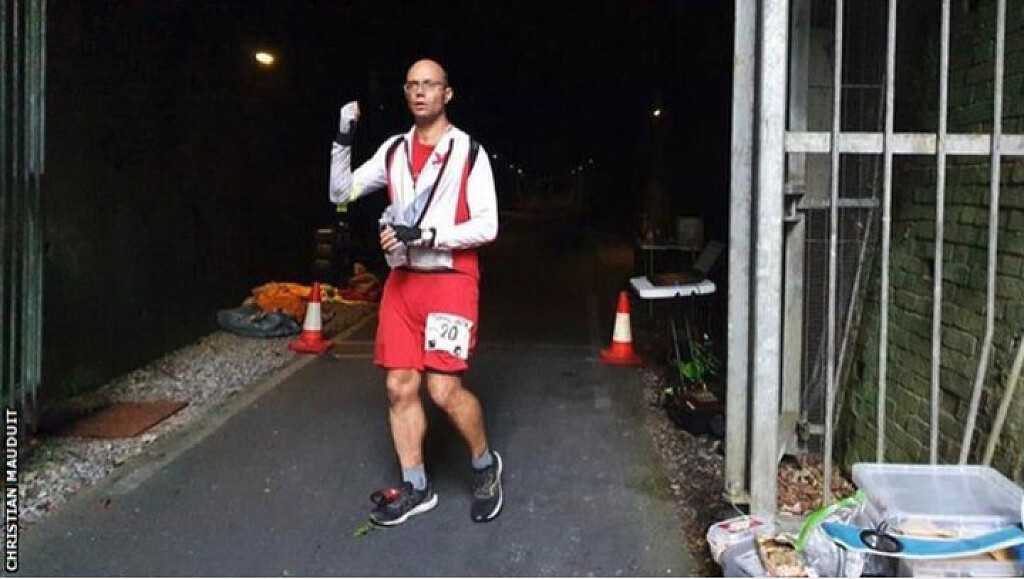
Tunnel Ultra: The mind-bending 200-mile ultra-marathon in the dark
How do you like to spend your weekend off?
Do you put your feet up in front of the TV? Maybe shopping is your way to unwind? Perhaps you're a bit more adventurous and enjoy a stroll in the countryside?
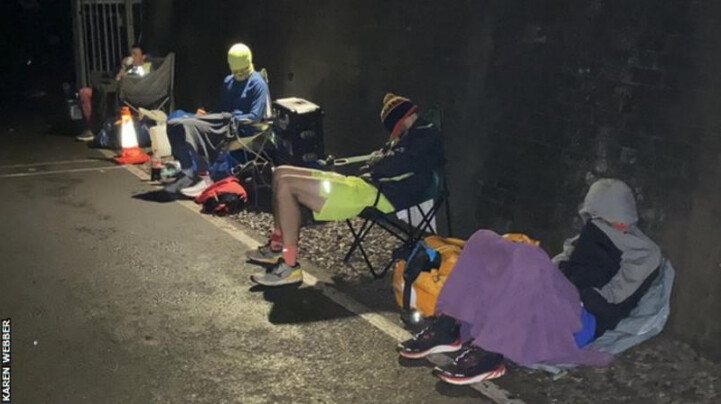
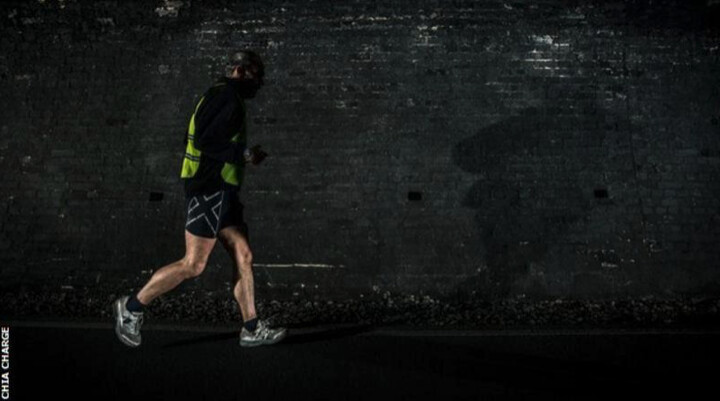
That doesn't quite cut it for some people, who choose to run a 200-mile ultra-marathon in a disused railway tunnel instead.
The Tunnel Ultra is a race like no other. It's easy to find longer events. Some even involve repeating the same loop for days on end. But nowhere else can you take part in a race so twisted that you spend more than two days in darkness doing a one-mile shuttle run 200 times, or so punishing that one runner went temporarily blind - then thanked the race organiser for the privilege.
No outside support is permitted, headphones are banned and runners are not allowed to run side by side. Oh, and there is a strict time limit of 55 hours.
The Tunnel website describes it as "a mind-bending test of extreme endurance and sensory deprivation". It is more health warning than marketing slogan.
"I could be sat on the sofa watching Strictly with the wife and kids. Or do I want to be in a dripping tunnel, tired and miserable, knowing I've got work on Monday?" Guy Bettinson, a 45-year-old programme manager from Cumbria who won the Tunnel in 2020, wonders out loud. "I'd rather waste my weekend putting myself through misery."
"It's so pointless. You're not getting from A to B, which makes it such a massive mental challenge," says Andy Persson, another finisher that year. "If you can push your mind further than you think is possible, it's quite empowering."
Christian Mauduit, a French software engineer who won the 2021 edition, says: "I'm chasing that internal adventure - that meeting with myself. It's like a little kid - they want to see how close they can come to the fire. I'm still that little kid."
Bettinson describes every ultra-marathon start line as a "mid-life crisis anonymous meeting". "We've all got issues," he says. "It's clearly some kind of therapy."
The race takes place in Combe Down Tunnel, a mile south of Bath city centre, and starts at 4pm on a Friday in March. No more than 40 runners make it that far, partly because of a strict - and deliberately opaque - qualification process and largely because the tunnel is not big enough to accommodate many more. "Even the start line is weird," says Mauduit. "You have to stand one behind another in a queue."
Combe Down was restored as a cycle path in 2013 after 47 years under weeds. It is the UK's longest foot tunnel - and the obvious setting for an ultra-marathon if your name is Mark Cockbain.
"I like things that have got an X-factor," says Cockbain, a prolific former ultra-runner who set up the Tunnel in 2019 to add to his brilliant yet brutal portfolio of events as a race organiser. "As soon as I got permission to use the tunnel, it was a no-brainer."
The race is low key in the extreme. A fold-up table outside one end of the tunnel serves as race HQ. There is no shelter or rest area to speak of unless runners have the foresight to bring a camping chair. They must all share a portable toilet which, by the end of the weekend, would not look out of place at a music festival. Refreshments are limited to water and tea, while the most luxurious snacks are Pot Noodles. If you're lucky, they might not be out of date.
"I cut back on delicacies," says Cockbain in the matter-of-fact style for which he has become famous in the ultra-running community. "You can get through any of these races with a bit of water and food. I wanted to make it all about the running."
For Mike Raffan, a 43-year-old IT manager from Aberdeen who finished second in 2021, that's part of the appeal. "It's nice that there isn't any nonsense," he says. "The Tunnel is pure, unadulterated running. You run from one end to the other in a straight line, turn around a traffic cone, come back again, and just keep going. That's it." Persson agrees. "There's no fanfare. If you're looking to be pampered, you've come to the wrong place."
All of which adds up to a notoriously low finish rate. Of the 31 runners who started the inaugural Tunnel, only two completed it, and 13 in total in the three years it has been in existence.
"I don't want there to be no finishers," says Cockbain. "But I do want them to go through hell to get there."
So how exactly do you survive a race that is deliberately designed to break you physically, mentally and emotionally?
In one sense, it is simple. "The only things you have to think about are moving, eating, drinking, sleeping and going to the toilet. That's the limit of your universe," says Max Newton, a fundraising manager from Sheffield who was among the seven finishers in 2020. "All that jazz in real life is nonsense."
"One tactic for me is 100% commitment," says Raffan. Those words carry added weight from someone who ran 182 miles in 42 hours around his back garden three months after open-heart surgery in 2020. During another Cockbain race he continued running in conditions so bleak that his eyeball froze. "I never thought about not finishing the Tunnel. Before the race I told them, 'Do not let me stop unless there's a medical reason for it'."
Mauduit's approach is similar. "I'm asking myself all the complex questions - 'Why am I doing this? Should I go there?' - before the race, in training. During the race I just finish the lap - there's no question."
"You have to be all in. If doubt creeps in, you're gone," says Cockbain. A 50-year-old electronics engineer by trade, he completed 199 marathons and 106 ultras - including some of the toughest in the world, notably five Spartathlons, three Badwaters, a double Badwater and a 300-mile race in the Arctic - before knee problems forced him to stop running in 2011. "I could sit in a corner and hit my head with a spoon for three days if that's what I decided to do."
Bettinson admits the "possibility of failure was a big thing" when he stood on the start line, yet he went on to finish in a scarcely believable 43 hours nine minutes. It remains a Tunnel record by more than six hours and is "up there with some of the all-time greatest ultra achievements", according to Cockbain, not a man given to hyperbole.
Repeatedly running along the same stretch of tarmac throws up a mental challenge rarely found in races of any distance, let alone 200 miles (the total distance is actually 208 because the tunnel is slightly longer than a mile).
"The difficult thing with doing 100 laps is there are 100 chances to stop," says 49-year-old Newton, who also ran a 300-mile lapped ultra last summer. Even if runners quit mid-lap, they must make their way back to the start line. Mauduit agrees that the turnaround point at race HQ is often the most difficult. "Once you're on the course it's easy - everyone can do two miles," he says.
"When you reach the start line again you're facing two choices. One is calling it a day. You will still suffer, your legs will hurt, the pain will follow you for hours, and you have to deal with the fact you gave up. Or you can beat your own personal record in the tunnel and write history. You only have to be motivated for five seconds - just enough time to pick your butt up and get into the tunnel. During the Tunnel I don't do 200 miles; I do two miles 100 times."
A positive mindset is universal - some would argue essential - among those who have completed the race.
"When it's really hurting and I'd rather be in bed, I say to myself, 'I love this tunnel and I can't believe I've got this opportunity'," says Persson, a 57-year-old counsellor from Bristol who once ran 900 miles from Land's End to John O'Groats in 17 days.
"You've got to embrace it - there's no point fighting it or being grumpy. You have to find the bits that make it good," says Newton. Alan Cormack, who finished second in the inaugural Tunnel, adds: "You don't have to worry about weather, mud, navigation. And you don't have to carry a pack."
With no scenery, music or conversation, surely it must be boring? "On these runs you're often very busy," says Mandy Foyster, who staggered over the finish line five minutes inside the time limit in 2021 to become the only female runner to have completed the race. "You don't have time to get bored - you're doing maths in your head and you're so focused on keeping going."
Persson says "my personality likes routine", while Mauduit positively loves it. He once ran 238 miles in 48 hours on a treadmill, but says his favourite events are six-day races. His record is 541 miles.
For Raffan, ultras are his meditation. "People ask what I think about when I'm running. Absolutely nothing. At the best points your mind is empty. When you're in that proper trance state you're not thinking about anything."
Running 200 lengths of the tunnel means running 200 times past a speaker built into the wall at the midway point that resembles a giant eyeball and pumps out classical music on loop all day and night. "There are these little submarine-style windows which glow different colours," says Newton. "It's like super stereo."
Cormack describes it as a screeching violin, which Bettinson claims "adds to the weirdness and psychological torture". Mauduit is more direct: "It drives you nuts."
More psychological torture comes in the form of darkness. There is only dim lighting in the tunnel - which is shared with cyclists and walkers during the day - and even these are switched off between 11pm and 5am.
"Not only are you in the darkness, but you are alone and you have no headphones. It's like a giant meeting with you and your feet," says 47-year-old Mauduit. "All human bodies are conditioned by daylight. In a standard race, when the sun rises you feel great. In the tunnel you have no reference - it's always night."
"It became a very big battle to stay awake," says Foyster, a seasoned ultra-distance athlete whose idea of celebrating her 50th birthday was to cycle between Ben Nevis, Scafell Pike and Snowdon and sleep on the summits of each. "When I got to the end of the tunnel I'd step out in the daylight and just stand there for 10-15 seconds."
Foyster put more thought than most into keeping the so-called sleep monsters at bay - "I had perfume to spray and a Vicks to stick up my nose - anything to stimulate your senses" - but her most valuable tool was a small spray bottle. "When I felt myself falling asleep I sprayed myself in the face with water. That was absolutely fantastic."
Some runners might grab a power nap outside the tunnel - and pray it doesn't rain. Others treat sleep as an inconvenience in a race with an already demanding time limit. A rare few don't even afford themselves the luxury of sitting down.
"If you stop you've got to start again. If you don't stop you don't have to start again. I just kept going," says Bettinson, whose 17 years in the Army have proven an excellent grounding for ultra-running. "I did end up lying down a couple of times, but you're in so much pain by the second night that you can't sleep anyway. And you're just wasting time by not moving."
Raffan pulled out of the 2019 Tunnel after 100 miles to join his wife and daughter at the zoo. It remains his only DNF from more than 50 ultras. When he returned in 2021 he deliberately did not bring a chair. "I ended up sitting on somebody else's, but that was good because whenever they needed it, it forced me to get out."
"I don't trust myself to set an alarm and wake up, so I didn't take the risk," says Mauduit. "The only time I stopped was at the refreshment table or to go to the bathroom."
If sleeping is optional in the Tunnel, hallucinations are all but guaranteed.
"I saw a family of abominable snowmen, a massive slug and I thought I was on the edge of a cliff," says Karl Baxter, who failed to finish the race in 2020 but conquered it with less than an hour to spare the following year.
"Orange blobby monsters kept floating at me out of the darkness," says Foyster, who blames her good friend Baxter for convincing her to sign up for the race. "I wasn't in a tunnel a lot of the time - I was running through Egyptian tombs or over a suspension bridge with deep ravines."
Mauduit recalls: "On the last day it got insanely bad. I was seeing stairs; I was walking on a glass floor. I couldn't escape from it. The hallucinations were an order of magnitude stronger than anything I've ever had before. It was mind-blowing."
Cockbain has seen it countless times. "It's just total carnage," he says. "People are losing their marbles. If they stop for a rest, they can't remember which way they're going."
The effects lasted beyond the race for Persson. "I saw ticker tape, carvings in the wall, and I was convinced there was a glass conservatory with flowers. My wife and daughter picked me up and I was still hallucinating by the time I got home. I've never had that level of it before - it was so extreme."
Training for the race varies wildly between competitors. Bettinson's longest run in the build-up to his victory was a mere 12 miles; Foyster "did a lot of fast walking"; Cormack, who was scared of the dark as a child, favoured night-time runs; and Baxter attempted to simulate the boredom with lengthy treadmill sessions or by running up and down a one-mile stretch of road. He managed 48 of them one day.
Eating and drinking strategies are equally individual, but, given that runners burn about 20,000 calories during the course of the race, hunger triumphs over health. Dentists and doctors, look away now.
Pizzas, chocolate, cake and flat cola fuelled Foyster for nigh on 55 hours. Baxter polished off tube after tube of salt and vinegar crisps, all eaten on the move to save time. Jam sandwiches, flapjacks and Pot Noodles - "they really hit the spot" - kept Newton going. Raffan tucked into supermarket meal deals and butteries - a "really dense, stodgy" Scottish pastry - but describes cold custard as his "secret weapon". Persson's menu of quiche, sausage rolls and overnight oats seems positively gourmet by comparison.
Bettinson is powered by a concoction of Lucozade, pineapple juice and beetroot juice. He also liquifies food and puts it in baby pouches "so it's easy to get down". Because it is impossible to replace the energy you are burning, his plan is "fuel early and then cling on".
As the saying goes, what goes in must come out, although most runners visibly wince when they remember a toilet situation that Newton laughingly describes as "a disgrace".
Bettinson says: "The first time I did the Tunnel it was a little chemical kiddy loo that you'd take camping. It was in a half-collapsed tent with a broken zip. Mark deliberately put it in a puddle, so you had to get your feet wet just to get inside it, and after the first 50 miles it was like a festival loo - you had to hover over the top."
Even if runners can cope with the boredom, darkness and sleep deprivation, pounding tarmac for longer than some weekend breaks last takes an immense physical toll.
"Of course your legs will hurt - you're running 200 miles. What did you think was going to happen?" says Mauduit, a man whose CV also features winning a Deca Ironman - a triathlon consisting of a 23-mile swim, 1,118-mile bike ride and a 262-mile run.
"Everything after 20 miles involves pain," says Bettinson, who admits that theory was tested when his hips were in "absolute agony" 100 miles in. "Anyone can get round it - you just have to want to."
Newton's approach veers towards the spiritual. "In a weird way, if you run through excruciating pain it doesn't hurt any more," he says, with the caveat that this approach doesn't always translate to his partner Anna. "She's worried I'm going to die. She has seen me in a bad state - sometimes it has been a bit messy."
Cockbain has this advice: "The feeling of wanting to give up doesn't last - if you put something in its place."
Runners know better than to expect sympathy from Cockbain, whose stable of events also includes an unsupported 300-mile run from Hull to the south coast as well as a race where pairs of runners in boiler suits are chained together and have 24 hours to cover as much ground as possible. You can sense the disappointment in his voice when he recalls how The Hill, which involved climbing up and down a hill in the Peak District 55 times - equating to 160 miles - in 48 hours had to be scrapped after the pub which doubled as the checkpoint closed down.
Perhaps Bettinson sums up Cockbain best: "Mark has a motivational speech at the start of his races: 'If you're going too slow, speed up.'"
Baxter, a 51-year-old from Norfolk who spent 12 years in the Army and now drives lorries for a living, turned an ankle during his second attempt at the Tunnel. "It came up like an egg. I sat down for 20 minutes and I was going to quit. Mark said, 'A twisted ankle never killed anyone' and told me to carry on. It taught me a lot. Once I got to 150 miles I knew I was going to finish."
Individual motivation comes in different forms, but a common thread among finishers is the time, energy and money they have invested in a race that often few people outside their close circle of family and friends know about. Nobody gets into ultra-running for the glory, least of all those taking part in Cockbain's events.
"My wife is handling all the family by herself, working and having no fun," says Mauduit, who rode his motorbike from Paris to take part in the Tunnel. "I'm having this five-day vacation so I should do something good with that."
Bettinson flips the question on its head. "My why for being there is I chose to be there. I've paid the money, I've done the training, I've turned up. Why on earth wouldn't I finish?"
Foyster, meanwhile, does it for the sheep. Having grown particularly fond of the animals during endurance adventures such as running the width of the UK or cycling the length of it, she now uses ultra-marathons to help raise funds for a sheep sanctuary in Lincolnshire.
"When I was struggling in the Tunnel, my friend sent me videos of the sheep. I'm thinking of them at the tough times," she says. "Some people ask me if I have a coach. I say my coach is a sheep called Bella."
Foyster, who works at an animal sanctuary near Norwich, has run the London Marathon dressed as a sheep and even had a fancy dress costume lined up for the Tunnel, but never got chance to wear it because she was in such bad shape later in the race. What was the outfit? "A sheep dressed up as Darth Vader."
The gruelling nature of Cockbain's races and the derisory finish rate creates a special sort of camaraderie among runners, evident from the dark humour on the start line to the support they offer each other as they push beyond their limits.
"Everyone feels like they're in it together. It doesn't feel competitive," says Newton. Cormack, who runs a cleaning company in Aberdeen, adds: "Nobody cares if you're first or you're 20th." Bettinson says: "Mark's events feel less like a race and more about the entrants against the event as a collective. You're only ever racing against yourself."
Foyster, 56, says she goes into any event with a "1,000% determination to finish it", but her unwavering drive in the Tunnel took her to a place she had never been before.
"After 100 miles my body started to break down," she recalls. "By 150 miles I had adopted my walk-shuffle approach, and in the last 10 miles I completely lost my mind. I kind of went over to the other side.
"At mile 192 I became completely disorientated and started going the wrong way. I thought I was wandering along a quiet country lane. I didn't know who I was or what I was or what I was doing."
In a rare moment of weakness/graciousness (delete depending on the coldness of your heart), Cockbain allowed Foyster's friend to accompany her as she staggered to beat the time limit. He even turned cheerleader on Foyster's final lap.
"At mile 198 my vision went," says Foyster. "I couldn't see anything. I crashed into the wall a few times. I had a broken tooth. I felt like I just needed to collapse on the floor. It was the first time that I'd felt worried about myself physically.
"Mark appeared behind us on a bicycle shouting 'you've got to go faster'. I was running blind - I was running into a white mist. I felt like I was sprinting flat out. I kept running until Karen the timing lady caught me in her arms." Foyster had finished in 54:55, not even time for another lap.
Because she was "in a complete and utter state", Foyster says she did not get to savour the finish line moment. "That's the only bit I regret."
She didn't miss much. "There are only a handful of people there. You get a bit of a clap, Mark shakes your hand and gives you your medal," says Persson. "It's not like you've got people patting you on the head," says 55-year-old Cormack, who then slept on the back seat of his car because he was too tired to put his tent up.
"Mark said a few words - I was so knackered I can't remember what - and I just picked my box up and went to the train station," says Bettinson. "It was a busy weekend and there were a lot of people ready for a day out. There was me, absolutely stinking, wheeling this box and eating bits of scabby old sandwich."
Foyster was so spent that she had to be carried to her hotel room. Baxter, who did some of the carrying, says: "That was just as hard as the last few miles."
"If you finish one of Mark's races you get respect from him. That means a lot," says Newton. Bettinson agrees. "Most of my medals I chuck in the bin. If it's one I'm bothered about I keep it in a drawer. I've kept the Tunnel one."
Cockbain's goal is simple: "All I want is that someone walks away remembering it for the rest of their life. Ultimately we're going to live and die. How are you going to fill up the middle of that? Achievements last forever."
"Races aren't pretty - that is real life," says Foyster. "The Tunnel is the hardest I've pushed myself. I've never needed help like that, so my overwhelming feeling was I was so grateful."
Mauduit, who describes the Tunnel as an "awesome race", adds: "I thank Mark for putting it together. I discovered something new. It was a blast. It all makes sense because it doesn't make sense. It's worth every penny."
Baxter remembers clearly his feelings in the week after the Tunnel. "I was buzzing. I felt on top of the world. I felt invincible." Newton recalls: "When I was telling people about the Tunnel I was talking with a smile on my face."
But what on earth is next for those who have completed one of the most challenging ultra-marathons invented?
Baxter tells a story typical of a certain breed of ultra-runners. "My girlfriend said, 'Is that it?' I said, 'No way. I want to go further.' Plus, no-one has done it twice." He may have company. "I'll be back one day," says Mauduit. "I'm thinking about it."
Cockbain recognises the signs from his own running days. "It's a drug. It's an addiction. It's a never-ending 'what's next?' You never get satisfied."
Even Bettinson, the record holder, says: "My holy grail is I want to finish an event where I know I've given absolutely everything - even if I don't finish. It could be one mile or it could be a thousand miles.
"I'm still chasing that unicorn."
(01/22/2023) ⚡AMPby BBC
Should you be spending more time on recovery?
Don't overwhelm yourself with pace and distance, focus more on R&R... Repetition and recovery.
Learning to run can be intimidating, especially when you are getting advice from everyone and their uncle on what to do and how to reach your goal. The goal for every new runner is to get more comfortable running, but when you are just starting, you are generally more prone to injury by overtraining or increasing distance too quickly.
How do you find that proper balance between training and recovery, and what should you prioritize? Oliver Roy-Baillaregon, an ultrarunner and physiotherapist at The Running Clinic in Lac Beauport, Que., says beginners should focus more on how often they run and how good they feel afterward, rather than pace or distance.
“There’s a lot of evidence from clinical research and results that show the importance of consistency for injury prevention and long-term adaptation to training for beginners and elites,” says Roy-Baillargeon. In other words, his approach is to run more but less. “Start small, but try to get out every other day, even if it is five to 10 minutes at a time.”
He also believes that however long you run, beginners should spend the same amount of time on active recovery (i.e., stretching, rolling, cross-training.) “This approach is the safest way to let your body gradually adapt to this new stress on your muscles, tendons, ligaments, joints, etc.,” says Roy-Baillargeon. “The more you focus on recovery, the better your body will become at coping and handling the stress you put on those muscles during a run.”
Training smart and listening to your body sounds simple on paper—like getting better at anything, it takes practice and a routine. “Ensure you are getting in nutritious meals, rest and downtime before or between runs.
“Simple as that,” Roy-Baillargeon laughs.
(01/17/2023) ⚡AMPby Marley Dickinson

More Prize Money Is Flowing Into Trail Running. What Does That Mean for the Sport?
Annie Hughes, one of the top trail runners in the U.S. for the past two years, had another amazing season running ultra-distance races in 2022. On September 17, the 24-year-old Hoka-sponsored runner and part-time college student won the Run Rabbit Run 100 in Steamboat Springs, Colorado, her fourth win of 100 miles or longer since April. Earlier this year, she won the Coldwater Rumble 100 in January, Cocodona 250 in April and the High Lonesome 100 in July.
Those were all exceptional efforts in really challenging races, but the big difference she experienced after crossing the Run Rabbit Run finish line, 21 hours and 26 minutes later, was that she won $17,500. (And yes, she was handed one of those cartoonish, oversized checks at the awards ceremony.)
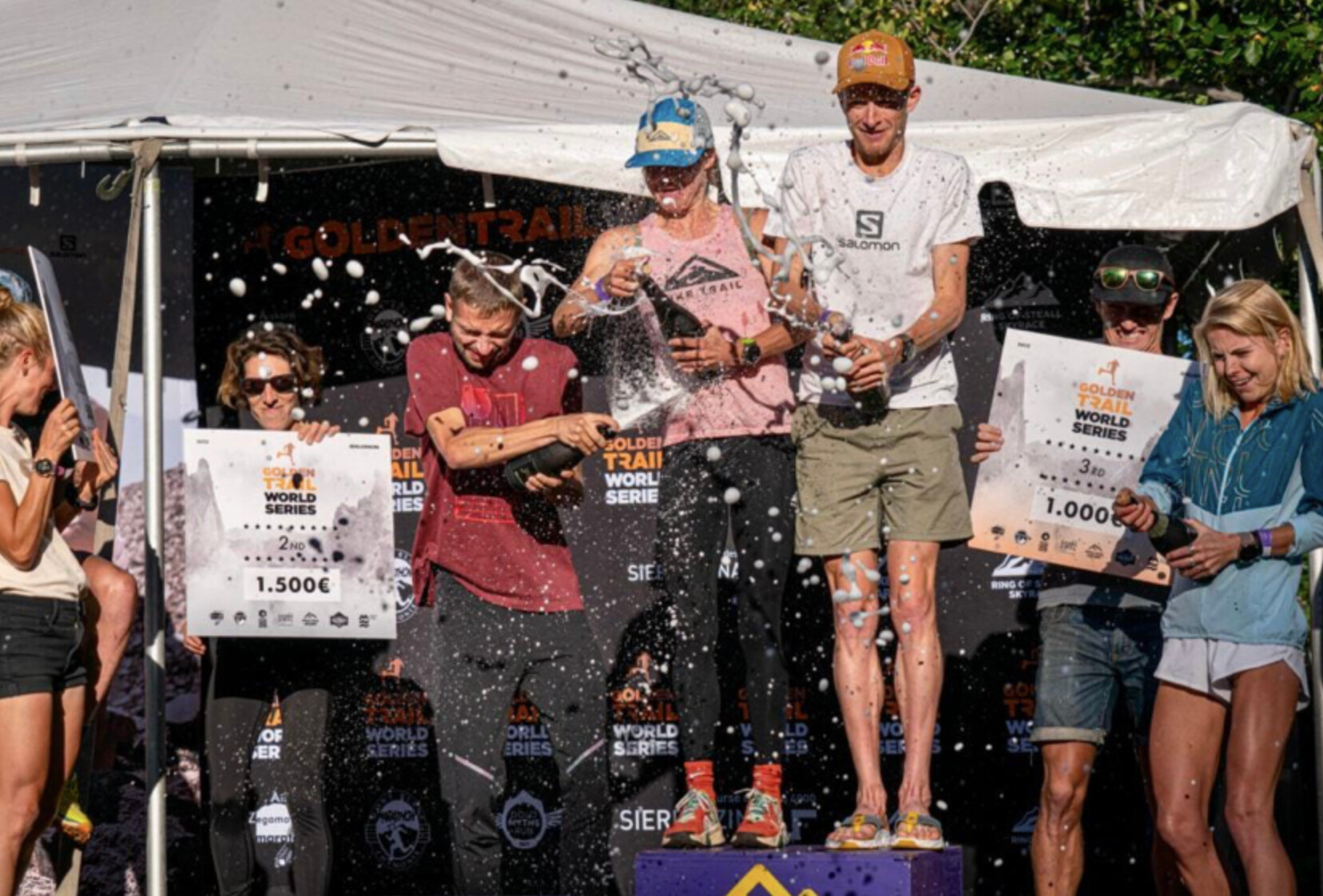
Run Rabbit Run is one of the rare American trail races that offers a relatively large prize purse, and for a decade, it's been the largest in the sport. Hughes earned $15,000 for winning the women's race and split another $5,000 with Arizona trail runner Peter Mortimer (who placed 12th overall) as part of the event's new team competition.
"That wasn't the reason I was drawn to the race, but it was definitely pretty cool to win that much money," Hughes said. "I'm glad I did it, because it wound up being a really great race with an amazing course on a beautiful day."
The origins of trail running were always more about the joy and freedom of ambling through the natural world, and less about the specific time and pace of any run or race, which is why winning big cash prizes is mostly uncommon in the sport, even for top-tier runners like Hughes. Over the past two years, Hughes has won 10 races of 50 miles or longer, yet her Run Rabbit Run victory was the first time she's ever earned money for her efforts.
More sponsorship money and bigger cash prizes are flowing into the sport, helping the top athletes earn a full-time living in the sport and become global stars. But that evolution has also created a desperate need for a unified governing body and more consistent drug-testing as doping becomes a more acute concern.
A Windfall of Prize Money
Historically, America's biggest and most notable trail running races haven't offered any prize money at all-Western States 100, Hardrock 100, Dipsea Trail Race, Leadville 100, Mount Marathon Race, Seven Sisters, Black Mountain Marathon/Mount Mitchell Challenge-partially because races simply couldn't afford to pay it, and also because, at the soul of the sport, that's not what the races were historically about or why most top runners were competing.
But with the continued growth of the sport-trail running has grown by 231 percent over the past 10 years, according to one report-and the dawn of a new level of professionalization over the past decade, there is a lot more money being injected into the sport. That includes more high-profile events and race series, more brands investing in the sport, more sponsored runners and trail running teams, as well as a growing expectation that prize money should be part of the equation as it is in road running, triathlon, and even obstacle course racing.
For many years, The North Face 50 near San Francisco was one of the only ultra trail races in the world to offer a significant prize purse. From its inception in 2006, until it disappeared after 2019, that race famously awarded $30,000 in prize money, which included $10,000 to the top finishers in the men's and women's races, plus $4,000 for second and $1,000 for third. It was a race to look forward to at the end of the calendar year, both for the cash awards and the prize-induced competition that drew top runners from around the world.
During that span, Run Rabbit Run, though a lower-profile race, quietly began dishing out some of the biggest payouts in the sport, in part because race organizers Fred Abramowitz and Paul Sachs believe in rewarding its top athletes for their efforts (as well as giving back to the community via even bigger charitable contributions). The race winnings come primarily from entry fees of the 600-runner event and sponsors, if and when the race has them. That wasn't possible back in the early days of the sport, when entry fees were minuscule and cash sponsors were mostly non-existent, but things have started to change.
Abramowitz and Sachs, who both earn their living as attorneys, are unique in that they want to give back to the elite athletes and the Steamboat Springs community, but they also want to help grow the sport. Abramowitz outlined what he calls "A Blueprint for Sponsors of Ultra Running," a three-page document that explains how and why trail ultrarunning-both as a sport and as individual races-can connect to more casual runners, sports fans, and the general public.
He points to the rampant growth of NASCAR, Professional Bull Riding, and professional poker over the past 20 years from their roots as fringe sports, relatively speaking, to mainstream spectacles with massive fan bases, TV contracts, and social media followings. Trail and ultrarunning aren't there yet, Abramowitz has noted, but they've certainly been growing rapidly.
"Today millions watch those events, though the actual number of participants is minuscule," Abramowitz wrote in his missive. "Ultrarunning can learn from these events: it needs new ideas, new ways of attracting the already committed runners and the casual sports fan to our terrific sport. Fields need to be competitive and races [need to be] dramatic; there are hundreds of 100-mile races, but those that offer competitive fields are a handful at most. Most ultra-races offer spectacular scenery in interesting venues."
Abramowitz said sponsors should support races such as Run Rabbit Run that offer prize money not merely because it's good for sport, but also because prize money can attract competitive fields, and competitive fields attract interest-from spectators, participants, potential sponsors, and the general public. He also points out that having prize money at more domestic races is a way to keep the sport from becoming entirely Euro-centric, which has been an increasing trend in the past several years.
The trend of cash purses seems to be increasing, and on the face of it, that's good for elite athletes capable of podium finishes. But it's a complex topic and one that certainly will simultaneously increase the competitiveness of the sport while, some argue, continue to pull the sport away from its organic, racing-in-nature roots that was mostly viewed as the antithesis of competitive road racing.
On the same day Run Rabbit Run paid out $75,000 in total prize money, the Pikes Peak Ascent awarded $18,000 in prize money for its top 10 finishers-including $3,000 apiece to the men's and women's winners-while the Pikes Peak Marathon, on September 18, had an additional $10,500 in total prize money for the top five runners. The races also offered $2,000 (Ascent) and $4,000 (Marathon), respectively, as course-record bonuses, and a $10,000 premium to any runner surpassing a pie-in-the-sky time well ahead of the course records. None of those records were broken, but the $28,500 in total prize money-partially backed by the Salomon-sponsored Golden Trail Series-was one of several large prize purses offered at U.S. races this year.
Other big American prize purses were also primarily tied to the Golden Trail Series events-the $50,000 spread over four races at the mid-June Broken Arrow Sky Races in Olympic Valley, California, and the September 25 Flagstaff Sky Peaks 26K race in Flagstaff, Arizona, where runners competed for $18,000 in prize money and a chance to compete at the Golden Trails World Series Final, and the $15,000 winner's earnings at the Madeira Ocean & Trails 5-Day Stage Race in October.
Also of note, the November 18-20 Golden Gate Trail Classic paid out $25,000 in total prize money to the top five finishers in both the 100K and half-marathon races, which were part of this year's nine-race $270,000 Spartan Trail World Championship Series.
Meanwhile, the Cirque Series, sponsored by On, paid out $3,600 in total prize money at each of its six sub-ultra mountain running races in the U.S., including $1,000 for the men's and women's winners. The Mt. Baldy Run-to-the-Top on September 5 in Southern California offered $3,000 to runners who broke the event's longstanding course records, and Joe Gray and Kim Dobson obliged by taking down each mark.
Most U.S. Trail and Mountain Running Championships have a minimum of $2,000 in prize money. Typically that comes from regional sponsors eager to support the local race organizations, such as the case with Northeast Delta Dental's contributions behind this year's Loon Mountain Race in Lincoln, New Hampshire, which hosted the U.S. Mountain Running Championships. That event had a $1,500 total prize purse that was paid out to the top three men and women in each race, but it also had an additional $1,500 for an Upper Walking Boss premium that was spread among the top three fastest times in each gender on the super-steep upper part of the course.
Meanwhile, the 2022 World Mountain and Trail Running Championships in Thailand paid out $66,000 to the top five finishers over four races, including $4,000 to the winners of each event.
"(The prize money) is way better than it's ever been, both for the athletes earning it and the number of sponsors who are contributing to it," says Nancy Hobbs, executive director of the American Trail Running Association and the chairperson of the USATF Mountain Ultra Trail Council that oversees national championship races and the U.S. Mountain Running Team.
From a longer view over the past decade or so, Joe Gray agrees there is more money coming into the sport than ever before. As a top-tier pro since 2008 and 21-time U.S. champion, he's regularly won more prize money at high-level races in Europe for more than a decade. But more than the growth of prize money, he has seen more brands interested in putting money behind athletes, races, and the sport in general.
"I think there has always been prize money there, and if you're successful you could make a lot more money really quickly," said Gray, a two-time World Mountain Running Champion. "I do think there is more money coming from the sponsors paying out better contracts and bigger bonuses, which I think will wind up being more beneficial to athletes overall."
Most elite trail runners get annual stipends from their sponsoring brands and bonus money for top performances. Gray is backed by Hoka, but he also has sponsorship deals with Fox River Socks, Kriva, Never Second, Knockdown, Tanri, Momentous, Casio, and GoSleeves. In addition to Hoka, Annie Hughes gets additional support from Ultraspire, Coros, and Tailwind Nutrition. But the life of professional trail runners-independent contractors who don't get healthcare and retirement program benefits-can get expensive with the growing cost of travel, regular bodywork/physio treatments, and private health insurance.
The sport's top-tier elite athletes-Joe Gray, Kilian Jornet, Courtney Dauwalter, Jim Walmsley, Maude Mathys, and Scott Jurek, among others-make a good living from their sponsorships. But there are really only a handful American trail runners making more than about $50,000 a year from shoe brand sponsorships. (Most "sponsored" trail runners are making somewhere between $10,000 to $30,000 per year.) The bottom line is that winning prize money, for those who are fast enough to consistently finish on the podium in big races, certainly helps make ends meet and is necessary to keep the sport's top athletes from having to work other jobs so they can focus entirely on training, recovery, and racing.
"This [2022] is the first year I've gone all-in on trail running," said Hughes, who worked as a waitress in Leadville the previous two years. "I'm able to live off what I make, but I'm not really saving anything. So it was really nice to win that money because then I can put some away in savings."
Higher European Standards
So far, Abramowitz appears to be right about the sport shifting to more of a European focus, and it's, at least in part, tied to the increased prize money that has attracted competitive athletes. While many top-tier European events have paid out modest prize purses for years, some of those races have also helped out visiting runners by way of travel stipends, hotel accommodations, or appearance fees. That's partially because European races are generally larger (500 to 1,000 participants or more) than U.S. races (typically fewer than 500 participants).
Unlike Hughes, who only raced in the U.S. this year, American runner Abby Hall, who runs for the Adidas-Terrex team, raced three times in Europe and earned prize money each time. She placed second in the Transgrancanaria 126K in the Canary Islands in March (which doubled as the Spartan Trail World Championship), finished third in the CCC 100K in Chamonix in August, and won the Transvulcania by UTMB 72K back in the Canary Islands in October.
Like Hughes, Hall receives an annual stipend and race bonuses from her sponsor, but admits it's been nice to have more opportunities to win money-both because it helps her make a living wage and because it's consistent with other professional endurance sports.
"In the past, it hadn't even been a consideration before, for how income would work out as an athlete," Hall said. "But this year it actually added up to be a decent amount. I'm grateful for the opportunities."
In 2022, American runner Hayden Hawks won an off-the-radar 100K a race in Krynica, Poland, and brought home the 100,000 zloty winner's prize ($26,000), one of the bigger individual purses ever awarded in trail running. In 2017, when Hawks won the CCC race, he didn't win anything because UTMB had refused until 2018 to offer prize money at its races, partly because race founders Catherine and Michel Poletti have believed that increased prize money will bring more incentive for some athletes to consider doping or that agents would take too big of a cut.
UTMB finally began offering prize money to podium finishers in 2018 with a total purse of about $34,000 (35,000) and continued that through 2021. But after forging a business relationship with Ironman and launching the new UTMB World Series, it has increased the prize money awarded in Chamonix. In 2022, UTMB said it paid out about $162,000 in total prize money (the approximate equivalent of its stated 156,000 prize purse) to the top 10 men and women finishers of the UTMB, CCC, and OCC races.
That includes $10,400 to the winners of each of those races, with approximately $5,200 going to second-place finishers and $3,125 for third. Fourth- and fifth-place finishers in each of those races earned about $1,500, while 6th through 10th took home $1,000.
While those more notable ultrarunning paydays can be big windfalls for a trail runner, they still pale in comparison to what elite-level road marathoners and triathletes earn at the biggest races that have a much larger audience, including live TV coverage. For example, the 2022 Boston Marathon awarded $876,500 in prize money and $150,000 to the winners, while New York City Marathon paid out $530,000 in total prize money at its November 6 race, including $100,000 to the men's and women's winners. The 2021 Ironman World Championships in St. George, Utah, had a $750,000 prize purse, including $125,000 to the winners, similar to what was awarded at the 2022 Ironman World Championships October 6-8 in Hawaii.
While only a few top trail runners could have opted to pursue a marathon or triathlon career instead of trail running, what's more relevant is the spike of growth trail running. Although it is not yet internationally televised as major marathons and triathlons are, the surge in participation and livestream viewing options is starting to bring in more media attention and sponsorship money than ever before. And more media attention begets more participation and professionalization.
"I think we'll definitely see ultra-trail running continue to grow for years to come," says Mike McManus, director of global sports marketing for Hoka. "I think it's at a point where it's just on the cusp of the real growth that's coming and all that will come with it, similar to where the marathon was in the 1980s and triathlon in the 1990s. It might never be as big as marathoning, but trail running will definitely get more built out as it continues to grow."
"It's nice to make some money for the sport we do. This is my job, and being able to support my family with a decent chunk of money is pretty nice," Hawks says. "I definitely don't go after races just for money, but if there is a gap in my schedule where I can win a little bit of money, I am definitely going to take advantage of that for sure. I want to continue to be in this sport and live this lifestyle as long as I can, so knowing that there are sponsors and races investing more in runners is something I am really grateful for."
The Ongoing Dilemma
While Abramowitz and Sachs have been eager to give out prize money at Run Rabbit Run, not all races are equipped to do so. Many U.S. races are garage-shop operations that barely break even, while some are just too small to make it happen. The Western States 100-Mile Endurance Run (WSER) is operated by a non-profit organization, and offering prize money goes against the mission of the race, says race director Craig Thornley.
The biggest concern that race directors have, including Thornley, is that prize money attracts athletes willing to use performance-enhancing drugs because the sport lacks a comprehensive anti-doping strategy that includes both post-race testing and out-of-competition testing.
"In general, I think the prize money is probably a good thing because professional athletes are able to make a living," Thornley said. "But I think, as a sport, we'll probably have to be more aware of people trying to use drugs or some other ways to get that prize money."
A few years ago, the Western States 100 famously announced its zero-tolerance policy regarding the use of performance-enhancing drugs (PEDs) that prohibits any athlete who has been determined to have violated anti-doping rules or policies-by World Athletics, World Anti-Doping Agency (WADA), U.S. Anti-Doping Agency (USADA), or any national sports federation-is ineligible for entry into the WSER. Although Western States has regularly drug-tested its top finishers, only a few other big trail or ultra-distance races test its finishers with a WADA-sanctioned program.
Thornley believes the incentive to cheat has probably increased as more brands have stepped up to sponsor athletes, but the increase in prize money probably makes it more tangible.
He's not the only one. Ultrarunning coach and podcaster Jason Koop, an outspoken proponent for authentic drug-testing in the sport, agrees, saying that it's time for the sport to collectively start developing mandatory drug-testing protocols, even on a small scale. While he doesn't believe doping is prevalent in trail running, he believes it's definitely already an issue.
"People would be fooling themselves if they thought that every trail running performance was clean. If you think that that's the case, then I have a bridge to sell you," Koop says. "Prize money or no prize money, I think the bigger thing is that the ecosystem is developed enough and there is enough financial reward at stake to where everyone kind of owes it to everybody else to get something done."
In other words, it's time for the sport to take some next steps-either by big governing bodies or small factions of people interested in the long-term health of the sport-to develop more structure and universal anti-doping policies.
(01/14/2023) ⚡AMPby Trail Runner Magazine
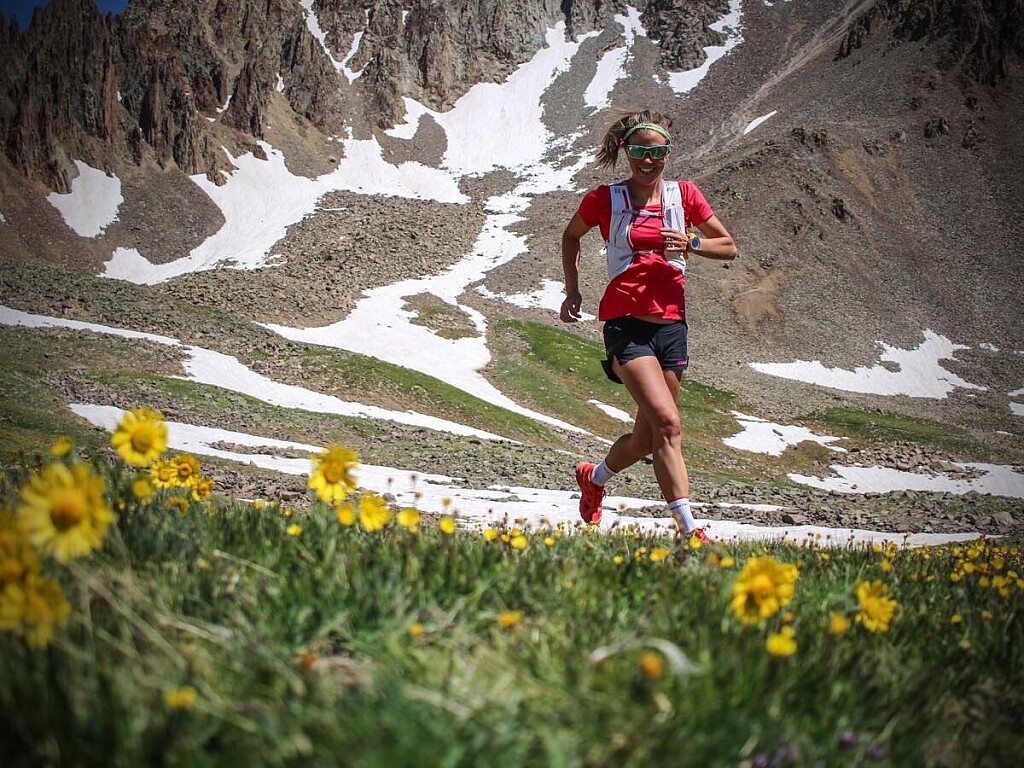
Hate hills? Here’s how to change that, pro ultrarunner Emelie Forsberg shares her tips and favorite uphill workouts
Hill workouts can be tough. They are also a powerful tool for building strength, making your body injury-resistant, and translate to speed on the flats: if you can learn to enjoy them it’s much easier to get out there.
“I love the feeling of being able to push myself to the max, as if the resistance is my friend,” Norway-based ultrarunner and ski mountaineering pro Emelie Forsberg shares in her book Sky Runner.
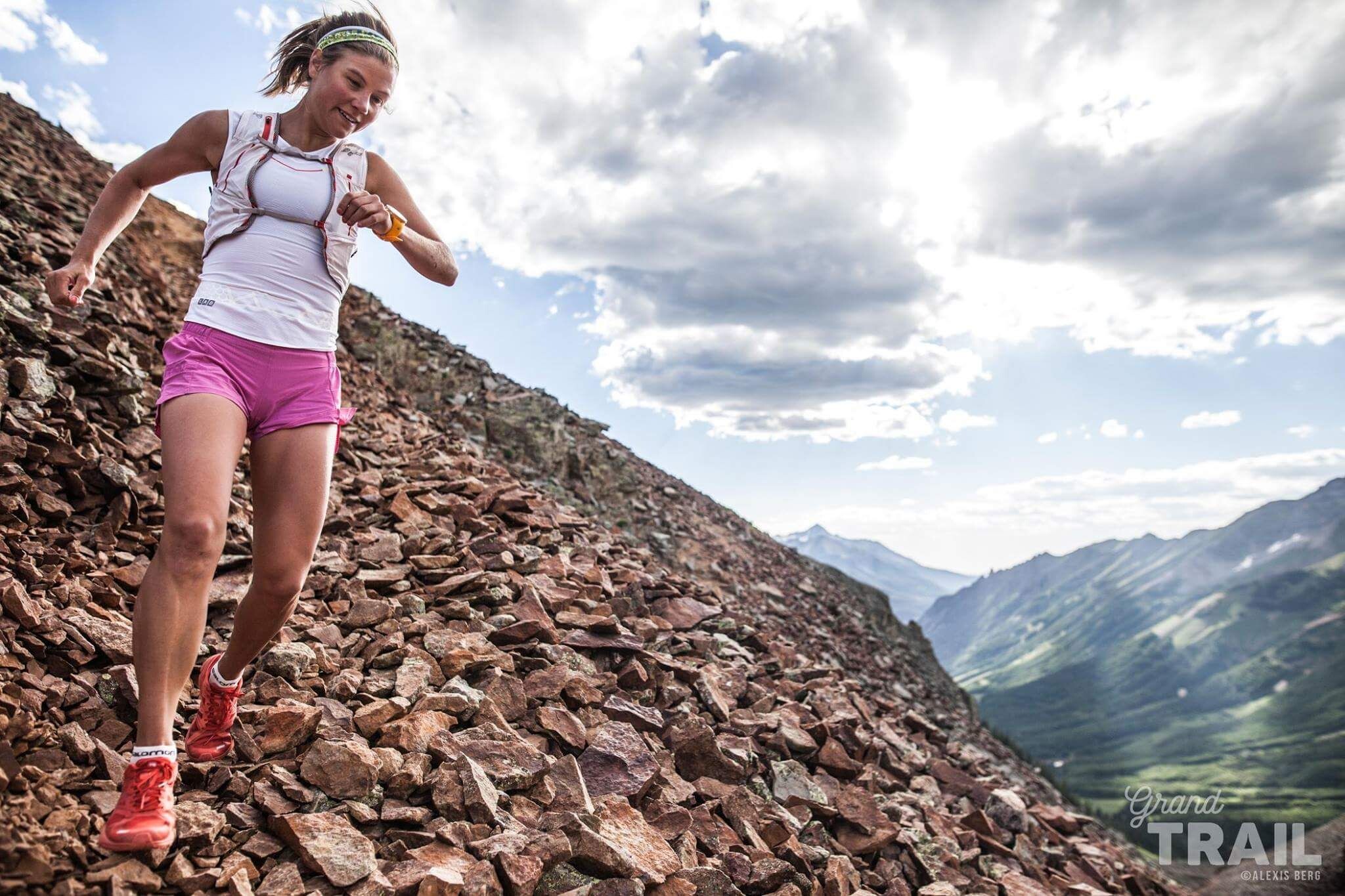
Try these tips and workouts to find your groove as you test out (or build on) your hill-climbing abilities. You, too, may soon be loving your uphill sessions.
Find the right technique
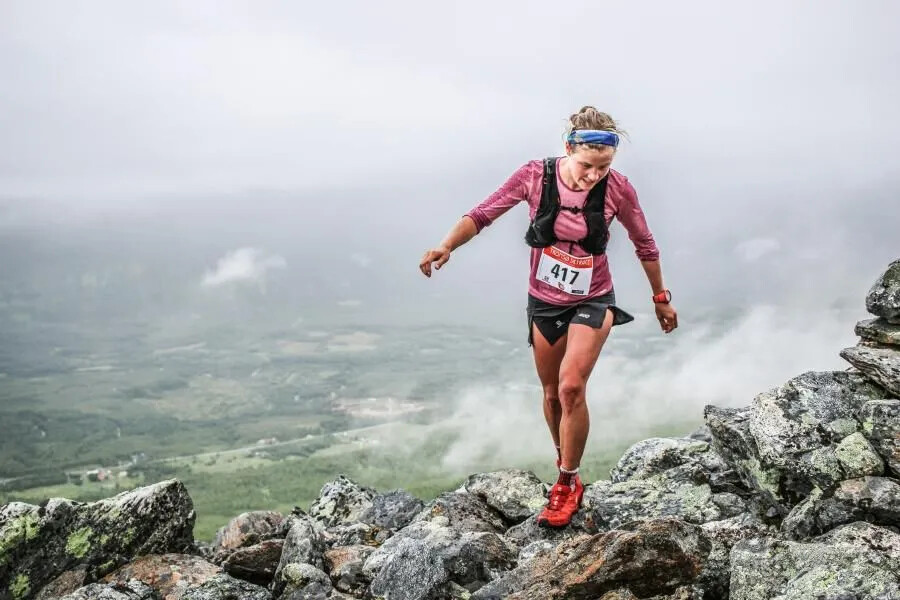
Forsberg suggests trying to make hill running as comfortable as possible by finding the right technique for the hill you’re on. For very steep hills she suggests switching between two methods of climbing: walking very fast with large strides, pushing against your thighs with your hands and arms, and taking shorter, faster steps with a higher turnover rate.
“Neither of these are faster than the other, but it’s nice to switch between the two techniques to use different muscle groups,” Forsberg explains, noting that she finds the shorter strides harder so opts to work on them more often in training. “I want to train with what I’m less comfortable with.”
Easier hill intervals
Forsberg suggests trying this session (adjusting the number of intervals to your ability) if you’re new to hills or returning to interval training, and says the pace and effort “should feel manageable the entire time.”
Warm up with 10 minutes easy running
10 x 2 minutes, easy run downhill for recovery (approx one minute)
Cool down with 10 minutes easy running
Hill sprints
“This is a very explosive exercise that can be very hard,” shares Forsberg, suggesting runners start moderately with fewer repetitions and increase accordingly. “It’s much more fun to get a positive surprise rather than never wanting to do the exercise again,” she explains. We definitely agree.
Warm up with 10 minutes of easy running
10 x 30 seconds of hard running with 30 seconds rest
Repeat 3x, with 2 minutes of recovery time in between each block
Cool down with 10 minutes of easy running
After a challenging uphill or speedwork session, make sure to take a recovery day or do some very easy running.
(01/13/2023) ⚡AMPby Keeley Milne
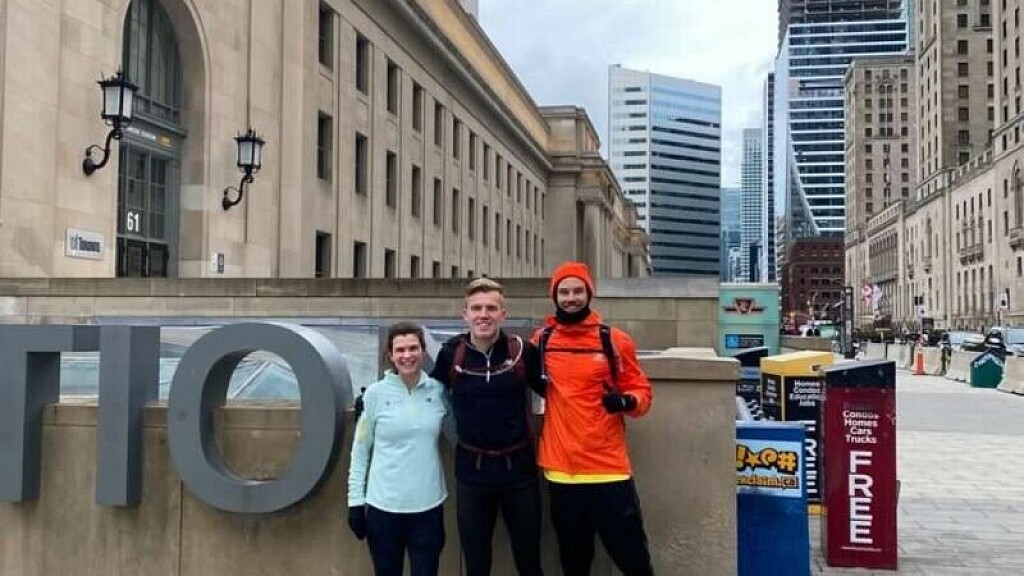
Toronto man runs entire subway system in cool challenge
On Saturday morning, Alex Cutulenco may have found a better way to deal with Toronto traffic: he ran 96 kilometers, covering all of the city’s TTC subway lines, in under nine hours.
Cutulenco wanted some motivation to get back on the roads in the new year, so he registered for the TTC Virtual Challenge through the Canada Running Series. The TTC Virtual Challenge requires participants to walk or run 76.5 kilometers (the length of Toronto’s subway system) anytime before January 31. (Registration is now closed.)
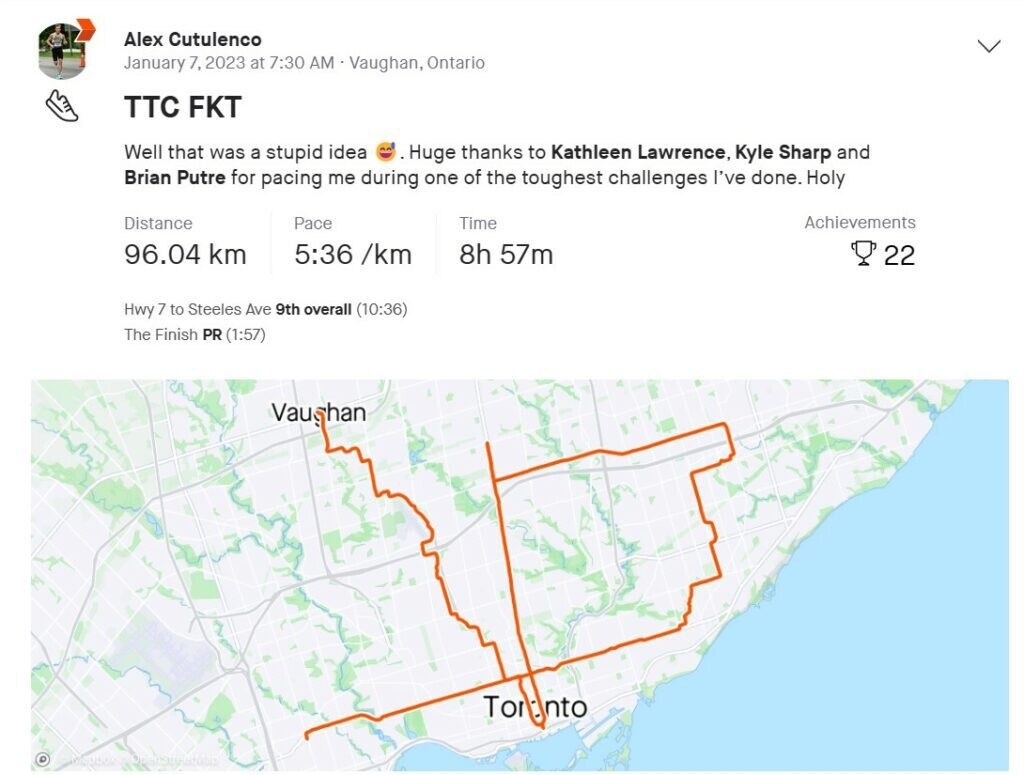
“I am always looking for new challenges and ways to make winter running fun,” says Cutulenco. “I wanted to take this challenge to the next level. When I drew out the entire course, matching the TTC lines, and saw that it yielded nearly 100K, which felt up my alley.”
Cutulenco started his run at Vaughan Metropolitan Center, which is approximately 25 kilometers away (and a 50-minute ride) from Toronto’s Union Station. Then he headed south to Union, then north toward Finch, marking the end of Line 1. “Line 1 was the hardest part,” Cutulenco says. “From Union to Finch is all uphill, but thankfully I had several running friends there to support me during my challenge.”
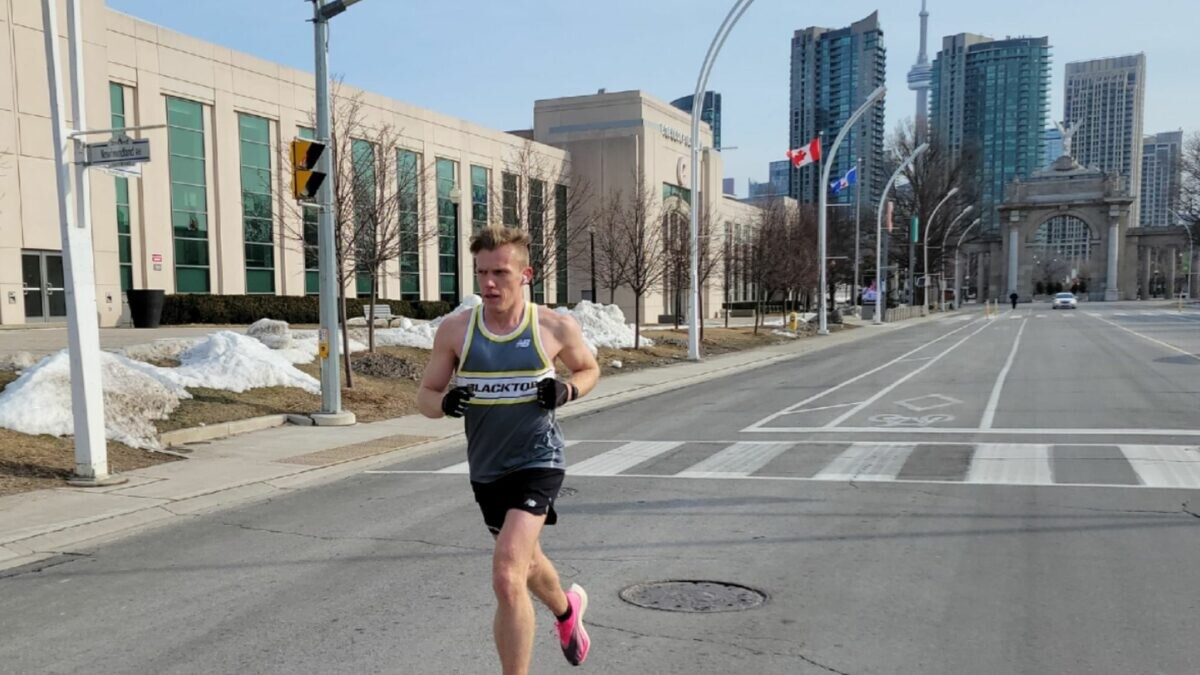
Out of the 96 kilometers, Cutulenco states he ran solo for only 17 of them. “My biggest fear was my brain not being capable of navigating down the home stretch,” he laughs.
His friends from his BlackToe training group and his wife, Sofia, supported him over the eight hours and 57 minutes of running, while Cutulenco averaged a speedy 5:30/km pace. “Without the support, this challenge would have never been possible,” he says.
“My wife thought I was nuts by the end of it,” laughs Cutulenco. “I am not sure if I’ll be touching the ultramarathon distance anytime soon, but maybe once (Toronto’s) Eglinton TTC line is finished.”
Cutulenco crossed his virtual finish line at Etobicoke’s Kipling Station, marking the end of Line 2, only 20 kilometers south of where he started in Vaughan.
The 29-year-old is no stranger to running cool accolades and accomplishments. In November, he was second at the Road2Hope Hamilton Half-Marathon in 1:13:18, and in September, he was one of the top Canadian finishers at the 2022 Berlin Marathon.
(01/11/2023) ⚡AMPby Running Magazine
Boost recovery quickly by focusing on two things
Recovering quickly and well after hard workouts and long runs is a key part of building strength and power over a season, and (hopefully) nailing some goals along the way. While there are a wide variety of tools out there that claim to help runners recover quickly and with little effort, the two key ingredients that coaches (and science) widely agree on are free and underutilized: sleep and calories.
Focus on these two things, and you’ll notice your ability to recover improve, without purchasing a single fancy gadget or embarking on any early-morning cold plunges.
Get more (and better) sleep

Coach and author of Training Essentials for Ultrarunning Jason Koop shares that the “effect that high-quality sleep has on your immune system and your ability to recover (or not) is quite astounding.” Studies have suggested that proper sleep can reduce the chance of injury in adolescent elite athletes at approximately the same rate as strength training.
Not only will quality sleep help you rebound from workouts, but it will also help you function better during your daily life, and is constantly being credited with contributing to a wide variety of health benefits, including longevity.
Get started today
Work on optimizing four factors in your bedroom: calm, cool, dark and quiet. Koop suggests minimizing clutter (that includes televisions and screens of any type), keeping your room at an ideal range of 15.5 C to 19.5 C (60–67 F), and minimizing light and sound in your room.
“Light (and the absence thereof) has the biggest effect on telling your body when it is time to sleep and time to be awake,” he writes. Blackout curtains and covering objects with power lights are good options to assist with this.
Consume enough energy to support your activity level
“If sleep is the gold standard for recovery, energy balance is next in order of priority,” says Koop. Regardless of the specific foods you are eating, you will simply not improve as a runner unless you are consuming enough calories to support your daily activities, as well as your training.
In a society that seems fixated on appearances, this can be a challenge, and men and women pro athletes have spoken candidly about their challenges with disordered body image and disordered eating.
“If you are losing weight because you are not sufficiently supporting your training workload with calories and nutrients, you will lose both fat and lean muscle mass,” explains Koop. “Athletes who are too lean cannot train as effectively, because they cannot recover from hard efforts as quickly.”
Get started today
Working with a registered dietitian can be helpful if you aren’t sure where to start–and if that’s not accessible for you, there’s a gamut of science-backed nutritional info out there. Make sure you’re tapping into quality information: both Dr. Stacy Sims and Pamela Nisevich Bide are both well known for helping athletes excel at the nutritional components of their training, and have helpful books and websites to delve into.
Educating yourself as much as possible on nutrition and focusing on food as fuel can be a great jumping-off point. Remember that your body needs a great deal of energy on recovery days. You may feel like you’re actively doing less, but behind the scenes your body is repairing tissue damage and building strength for your run.
(01/10/2023) ⚡AMPby Keeley Milne
The Many Gifts of Joe Kleinerman
Runner. Soldier. Coach. NYRR founder. Administrator. Advocate. Volunteer.Joe Kleinerman was all these things, and more. He gave so much to running and to NYRR. We run to celebrate and honor him at the annual Joe Kleinerman 10K
An Early Start in Running
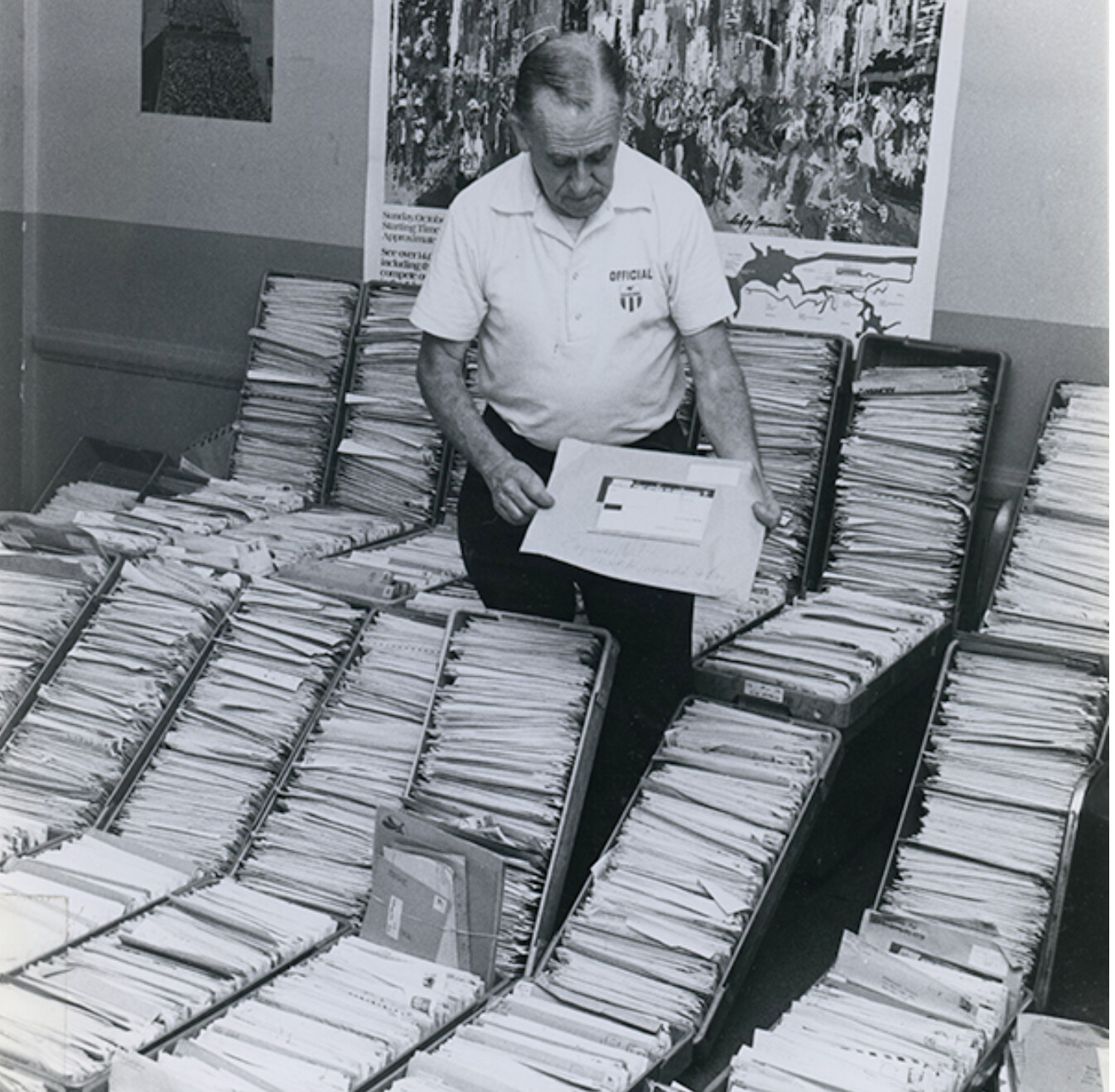
Joe was born in 1912 in Spring Valley, NY, the youngest of four children in a family recently immigrated from Ukraine. He grew up in New York City and started running as a teenager after he and one of his brothers attended the Millrose Games at Madison Square Garden. Joe captained the cross country team at DeWitt Clinton High School, where he also ran track (half-mile and mile). During the summers he trained at Macombs Dam Park in the Bronx.He competed for City College, then won an athletic scholarship to Kansas State University. It was the mid-1930s, the depths of the Great Depression, and when Joe received a job offer with the U.S. Postal Service back in NYC, he could ill afford to turn it down. He returned home to take the job and would remain a Postal Service employee for 32 years. And he continued to run. Joe joined the Millrose Athletic Association and became one of their standout competitors, placing in the top 10 at the Boston Marathon 1941 and 1942 and running a best time of 2 hours and 38 minutes. In an interview years later he noted: “That’s 2:38 with sneakers, on dirt roads, and without any water stops!”
He served as a staff sergeant in the U.S. Army Air Corps during World War II, including 19 months with the 599th Airborne in the South Pacific. He once placed fifth in a 1-mile race in Hawaii on a course laid out by another NYC serviceman also named Joe – last name DiMaggio.
"Joe ran hundreds of races before injuries caused him to stop competing at age 53. He stopped running at age 70 but was able to resume light jogging after knee-replacement surgery in his 80s.
From Competitor to Coach
Joe became the assistant coach of Millrose in 1958 and head coach in 1967. He enthusiastically recruited runners to Millrose, making the team a powerhouse, and was known to many as “Coach” for the rest of his life.At Joe’s memorial service, longtime Millrose runner and 1974 New York City Marathon winner Norb Sander recalled, “Joe was a great coach. He did not intrude. He didn’t criticize you. He was behind the scenes always to make sure that things went smoothly.”
Administrator and NYRR FounderJoe’s interest in working “behind the scenes” led him increasingly toward the administrative side of road racing. In the 1950s all competitive running in the U.S. was governed by the Amateur Athletics Union (AAU), which prohibited women from running distances over a mile, repeatedly failed to take a stand against racial segregation, and discouraged age-group competition. These regressive restrictions and biases frustrated Joe and other runners. In 1958 they formed the Road Runners Club of America (RRCA) to administer road racing.
Later that year Joe, Ted Corbitt, Harry Murphy, and about 40 other runners founded NYRR, then known as the Road Runners Club – New York Association. Joe served as NYRR’s vice president and secretary. He's pictured above with Corbitt and New York City Marathon co-founder Vince Chiappetta. He never sought the limelight, preferring to work behind the scenes. Joe directed and scored countless races and meets – a laborious and task in an era when all recordkeeping was done by hand.
Advocate and VolunteerJoe also worked tirelessly to make running more inclusive and equitable. In 1967, along with Nina Kuscsik and New York City Marathon co-founder Vince Chiappetta, he successfully led a movement to allow women to run AAU-sanctioned races longer than a mile. Later he helped put together a U.S. women’s team for the fabled London-to-Brighton 52-mile road race in England – and saw a dream fulfilled when the women won the race.
Together with Ted Corbitt and others he introduced “veterans” races for runners age 35 and older as well as ultramarathon (50K and 50-mile) national championships. As far as it’s known, Joe never received any compensation for his thousands of hours of service to running. In his old age he remained close to the NYC racing scene and to NYRR’s offices on East 89th Street, where the lobby was named after him following his 90th birthday. He loved to tell stories and to marvel at the growth of running and NYRR over the decades."I considered Joe the heart and soul of Road Runners Club – New York Association," said Gary Corbitt, the son of Ted Corbitt. "Many of the innovation the sport enjoys today were started in New York in the 1960s. My father felt that Joe put in more volunteer hours for the betterment of our sport than anyone else worldwide."
Joe died on Veterans Day in 2003 at age 91. At his memorial service, friends shared their memories of a man who lived large, his gruff manner belying a boundlessly generous spirit. “He barked,” recalled Joe’s Millrose teammate John Garlepp. “If you don’t get the bark, there’s something wrong, either he’s not feeling well or he doesn’t like you.”
Joe's niece, Ruth Kleinrock, said at the service, "Having an uncle who was so instrumental in the sport of running, especially women's running, is something of which my sisters and I will always be proud."Joe Kleinerman dedicated his life to running and creating opportunities for all. We’re grateful to him for it.
(01/08/2023) ⚡AMP
Joe Kleinerman Classic 10K
Make good on your New Year’s running resolution by taking part in the Joe Kleinerman 10K! Kleinerman, a founding member of NYRR, the longtime coach of the Millrose Athletic Association, and a beloved NYRR employee until his death in 2003 at age 91, was a true competitor. Take on the challenge of this chilly 10K through beautiful Central Park. The...
more...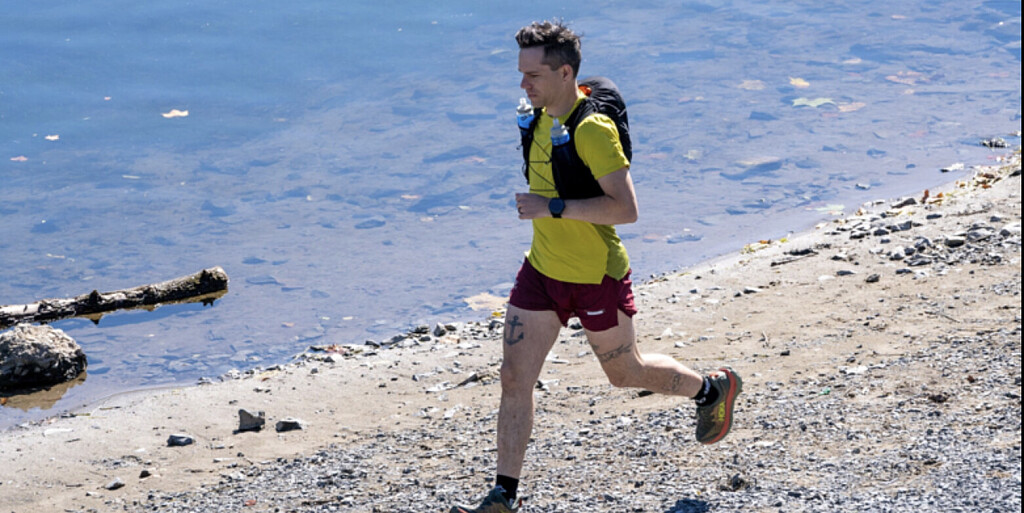
Ultramarathons Require Mental Strength and Camaraderie—Here's How You Can Conquer One
Want to take your running to the next level? Here’s what to expect from an ultramarathon.It may seem aggressive, too intense, borderline insane, but ultrarunning—that means running any distance longer than a marathon—is on the rise. In fact, it’s been consistently growing a following over the past few decades: more than 611,000 runners participated in ultras in 2020 versus fewer than 150,000 just 10 years earlier, according to a survey from RunRepeat and the International Association of Ultrarunners.
Although the distance alone makes ultras sound hardcore—not to mention the terrain (they’re typically off-road) or the pre-dawn start times or those reported mid-race hallucinations—runners love them. And for good reason. ing up to the start of your first ultramarathon, know there will be plenty of people out there to support you.
by Runner’s World
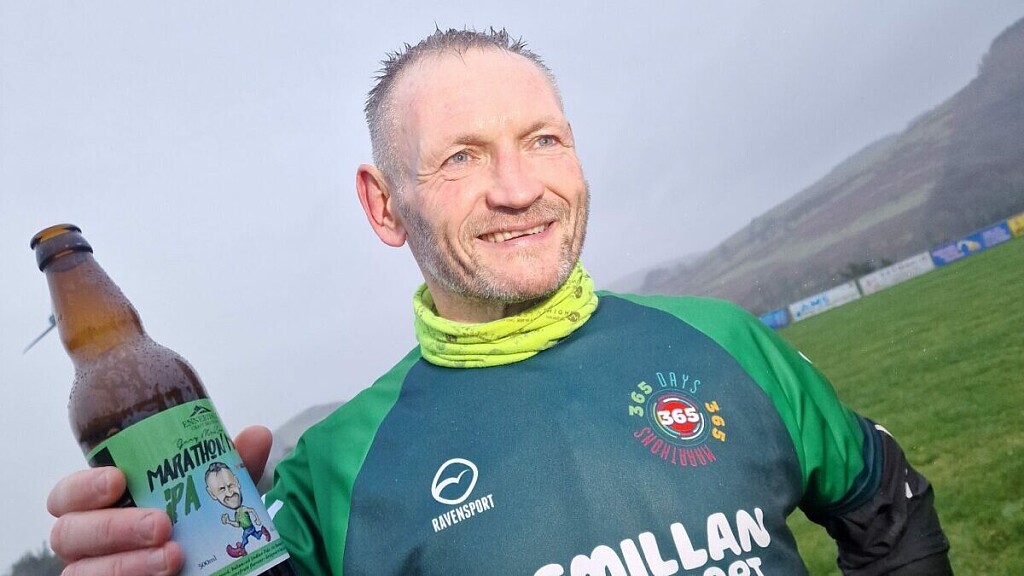
British man completes 365 straight marathons, earning a well-deserved beer
On Saturday, Gary McKee completed his 365-day run streak of a marathon every day in his hometown of Cleator Moor, U.K. Thousands of supporters and media were on hand to help him celebrate his accomplishment of covering more than 9,500 miles (15,289 kilometers) while raising more than $2,000,000 for charity.
McKee’s marathon streak was not the only streak that ended. McKee went one year without drinking, and celebrated his huge run with a well-deserved cold one. The beer was a personalized craft IPA from Ennerdale Brewery in Cumbria, U.K., called “The Marathon Man 365 IPA”.
McKee ran the final stretch with his friends and family and immediately thanked everyone who came out for all their support during his challenge: “The reason I’m doing this is that I’m lucky enough to be able to take on a physical challenge of this scale, and every day I think about all the people going through cancer treatment who face their own physical and emotional challenges.”
McKee ran for Macmillan Cancer Support and Hospice in West Cumbria, which supported his father through a cancer diagnosis in 1997. His father recovered from cancer, but died from an unrelated illness in 2005.
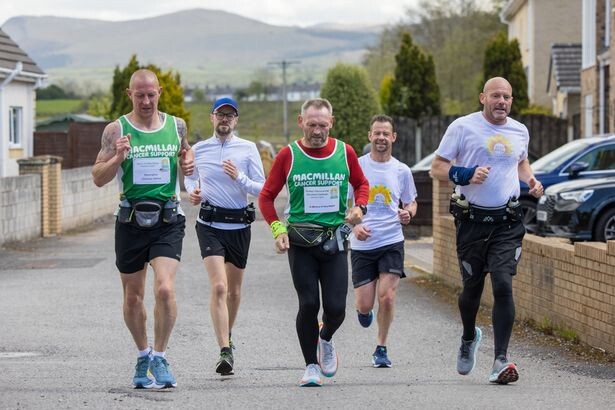
McKee, who is himself a father of three, routinely woke up at 5 a.m. and headed out on his marathon before starting his work shift at 2 p.m.
Although McKee is considered to be the first British runner to run 365 consecutive marathons, Spanish ultrarunner Ricardo Abad Martinez holds the world record, with 607 marathons in 607 days between October 2010 and February 2012.
McKee told local news he will take a break from marathoning over the next couple of weeks to spend time with his family before planning his next challenge.
(01/03/2023) ⚡AMPby Running Magazine
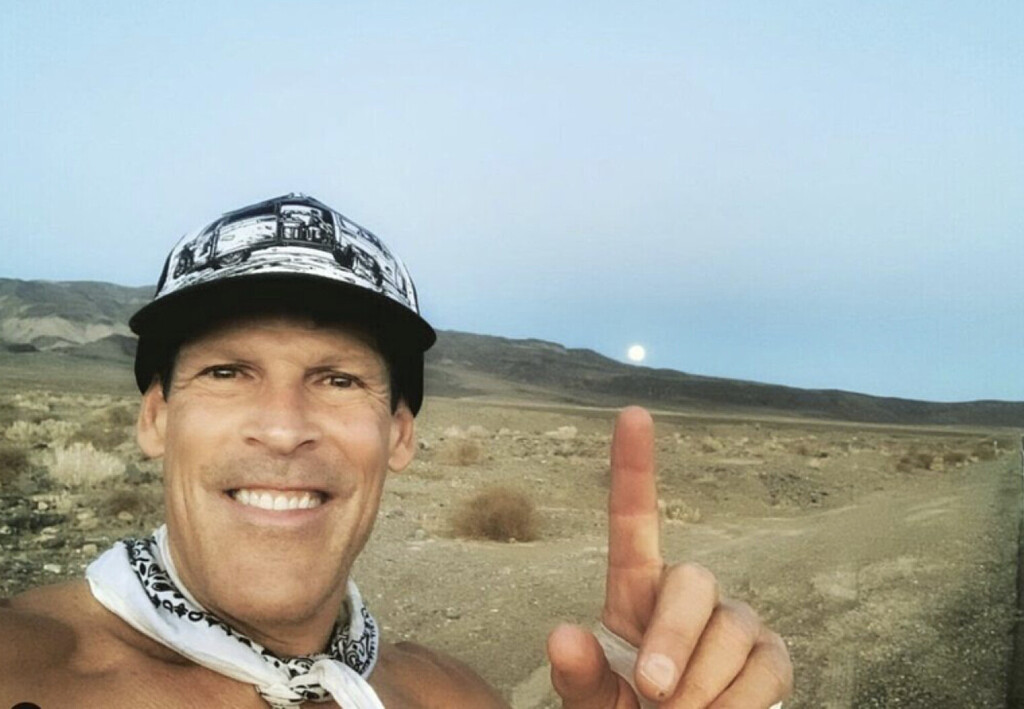
Top 10 most popular running stories of 2022
Tt’s time to recap the most popular running stories. This year, the running community saw a lot of firsts and controversies. It was the first time we were made aware of a 6-year-old running a marathon; it was also the first time we saw a runner who chain-smoked during a marathon. As many of us returned to our favourite races and conquered new goals, we can’t ignore some of the mind-boggling stories.
Here is a countdown of the top 10 most popular running stories of the year.
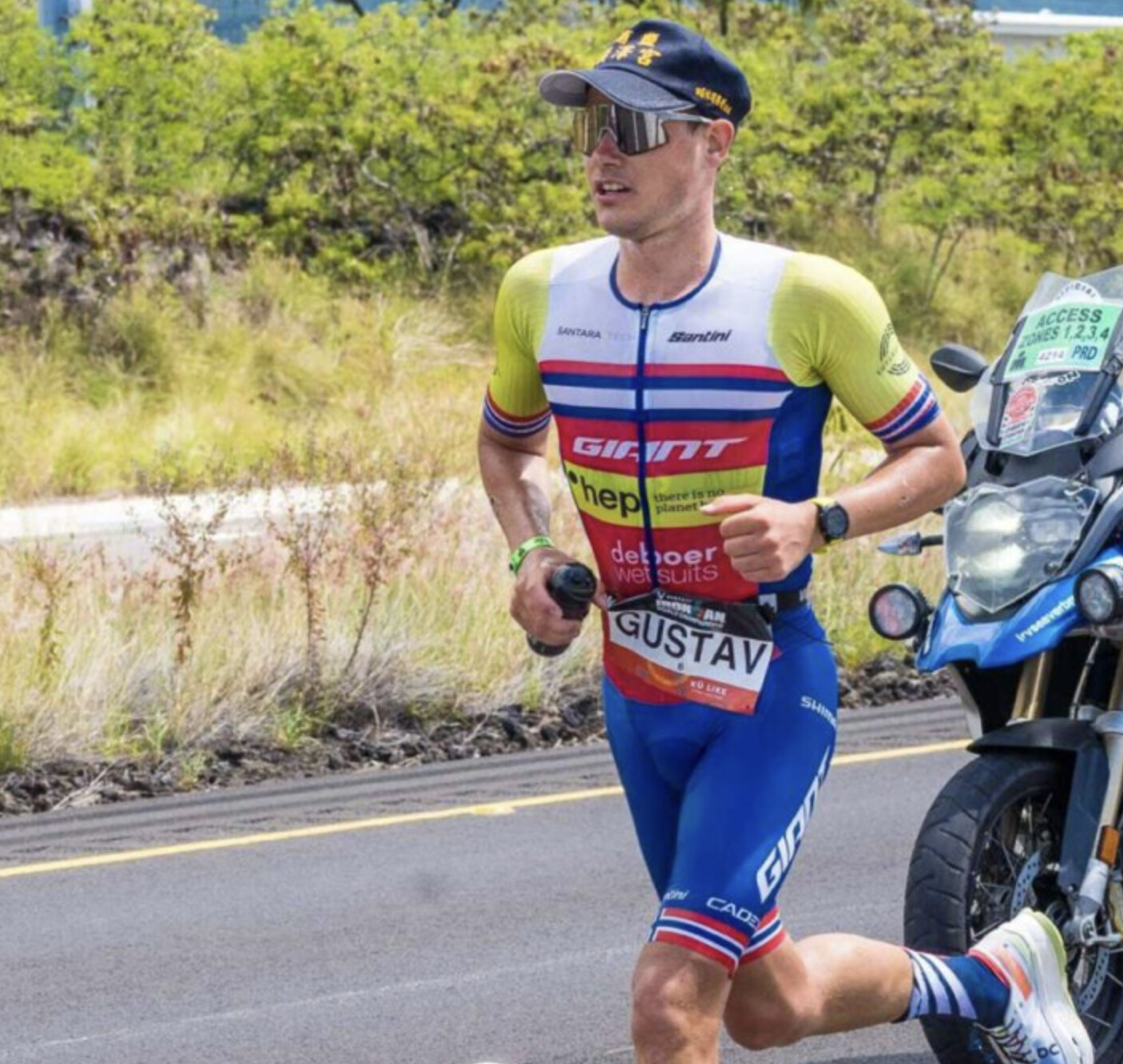
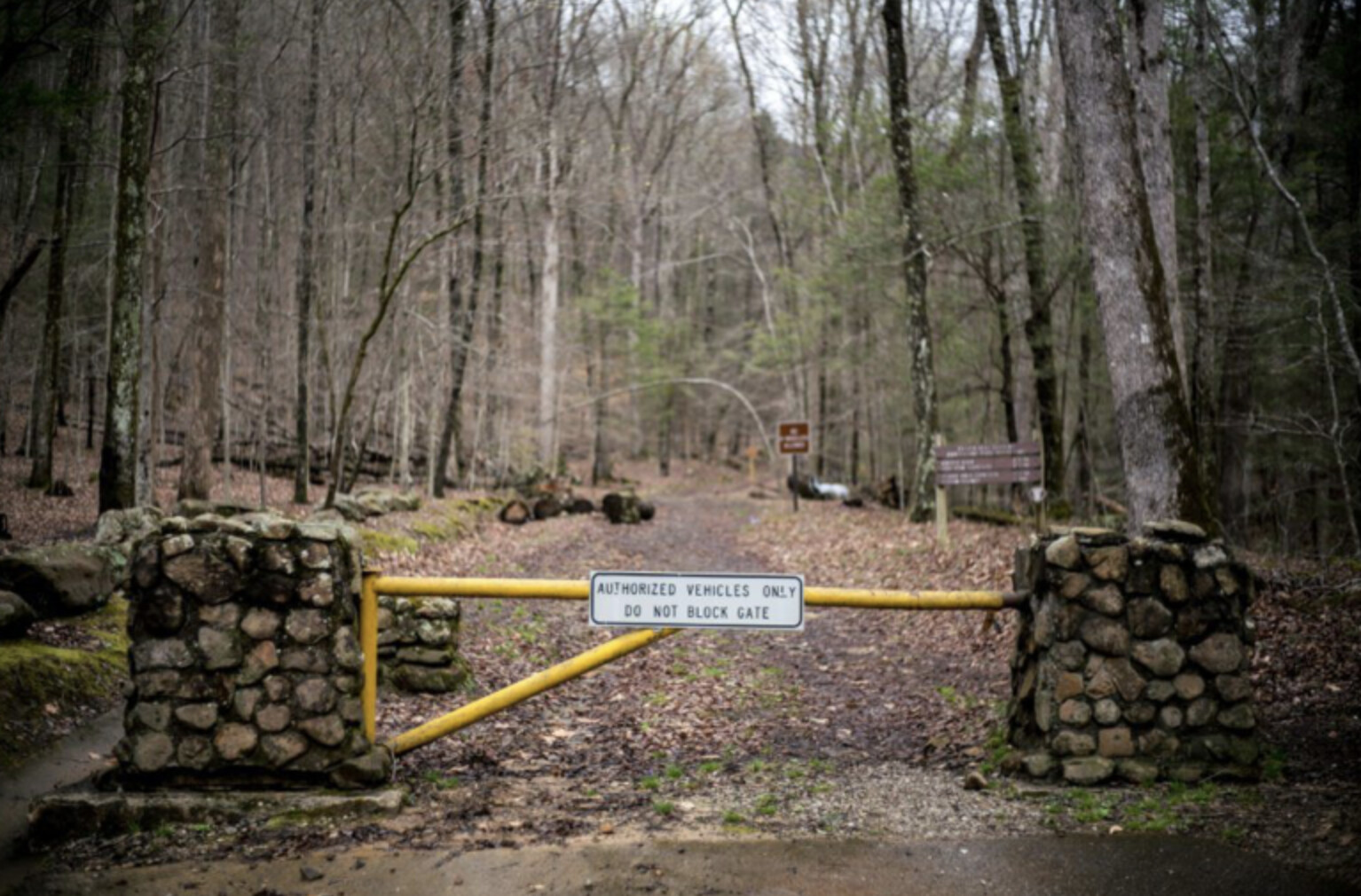
10) Ironman World Championship champion’s “chunky” shoes spark controversy
In October, Norway’s Gustav Iden made headlines as he ran a 2:36 marathon after a 180-kilometre bike and 3.8 km swim, earning his first Ironman world championships title. It wasn’t only his wild time that turned eyes, but the On Cloudboom Echo 3 carbon-plated running shoes that he wore, which have a reported stack height of 50 mm (legal for Ironman races).
9) Six-year-old’s marathon sparks controversy on social media
In May at the Flying Pig Marathon in Cincinnati, Ohio, a family of eight from Bellevue, Ky., all completed the 26.2-mile race together in eight hours and 35 minutes, including two children aged 12 and six. The family took on tons of criticism over the advisability of allowing a six-year-old to cover the marathon distance. Many experienced marathoners and coaches, including Lee Troop and Kara Goucher, have weighed in online, stating that six is too young for the marathon.
8) Turkey trot runner takes out his competitor at finish line
In November at a local 10K turkey trot, Xavier Salvador of Washington, D.C., impeded the line of Jack Huber of Delmar, N.Y., with 50 metres to go, after noticing Huber threatening to pass him on the right. Instead of checking if Huber was OK after the fall, Salvador made sure his GPS watch was stopped.
7) Barkley Marathons ends with no finishers (again)
In March, for the fifth straight year, the Barkley Marathons in Frozen Head State Park near Wartburg, Tenn., came to an end with zero finishers, after the only remaining two competitors, Karel Sabbe and Greig Hamilton, bowed out on their fourth loop (of five) of the 20-plus mile course. Sabbe’s fourth loop was one for the history books, as he was found off-course in another town, chatting with a garbage can who he thought was a person.
6) ‘Ultramarathon man’ Dean Karnazes attacked by coyote during 150-mile race
In August, acclaimed ultrarunner and author Dean Karnazes posted a video that he was attacked by a coyote during Headlands 150-mile Endurance Run, held outskirts of San Francisco. Karnazes said was OK, but that he had several cuts on his face and body from the attack.
5) “Poopgate” continues as Arizona high school bans track use
In February, human feces were found under the bleachers at the Red Rock High School track in Sedona, Ariz., which resulted in a ban on public use. In the aftermath, there was plenty of buzz and finger-pointing on social media about the ghost pooper’s possible identity, using the hashtag #poopgate. To this day, it is still a mystery who did the deed.
4) California man runs an ultramarathon in roundabout
In November, a runner from Healdsburg, Calif., was getting tired of his usual running routes, so he went out on a six-hour, 58-kilometre run around the local roundabout, never once switching directions. The best part is that, a week later, he did it again, in the opposite direction.
3) WATCH: Florida high school runner gets sucker punched mid-race
In March, we saw a candidate for “wildest video of the year” when a high school runner at a Florida track meet was sucker punched and knocked to the ground by another athlete during a 1,600m race.
2) Colorado runner wins all four races at Disney Marathon weekend
In January, Brittany Charboneau of Colorado climbed to the top of the podium on four occasions during the Disney Marathon Weekend in Orlando, Fla. She won the 5K, 10K, half-marathon and marathon over four days, while dressed as her favourite Disney characters. Simply amazing!
1) Chinese man runs a 3:28 marathon while chain-smoking
In November, we witnessed one of the wildest running stories ever, when Uncle Chen went viral for chainsmoking cigarettes during the Xin’anjiang Marathon in Jiande, China. It is well known that smoking cigarettes hinder running performance, but that didn’t seem to bother 50-year-old Uncle Chen, who clocked an impressive three hours and 28 minutes.
(01/02/2023) ⚡AMPby Running Magazine
How Trail Gear Became Streetwear
Earlier this year, the Gen Z icon Zendaya was photographed wearing a pair of the Swiss running brand On's Cloud Ultras. The Cloud Ultra is one of the cushiest and most rugged offerings in the On lineup, meant for "epic mountain mileage," according to the company's website. Yet Zendaya was not accruing mountain mileage at the time, or any mileage at all for that matter. She was on the street in Boston holding a green juice in one hand and her pet Schnauzer in the other.
Zendaya is not the first celebrity to take to trail runners. In a fashion shoot with Hypebeast, the rapper Pusha T called his Salomon XT-6s "the silhouette that's running the game." And Bill Murray, who seems to be every generation's icon, was spotted wearing a pair of On's Cloudventures at Cannes last year.
Of course, athletic apparel has a long tradition of finding its way from the courts, fields, and trails of competition to the closets of celebrities. "A Polo coat might be one of the most formal pieces of fashion menswear, but its origin story comes from a piece of functional clothing used for sport," explained Mike Belgue, the Brand Director for Reigning Champ, a performance brand that skillfully blurs the lines between fashion and function. The same brand that makes a super breathable Dot Air Running Pant also produces a $600 Handknit Varsity Sweater that has its roots in classic athletic wear. Like other boutique running brands, Reigning Champ seems to suggest that a company can be a one-stop-shop for looking your best and performing your best.
Where the Runway Meets Running Trails
What has been interesting, however, is the way running companies have responded to the recent surge of interest in the sport, both in terms of participation and influence, taking street style and incorporating it into their offerings. The inspiration now seems to be multi-directional. With the runway and running trails now sharing a surprising amount of DNA, high-performance and high-fashion have never been more aligned.
Take, for example, On's collaboration with the fashion brand Loewe. The product images from this collection do not feature people running but posed in various states of moodiness. The apparel on display is clearly designed to function as both a utilitarian piece of gear as well as a conversation piece. On's Active Jacket is an example of trail-ready streetwear with a nod to eye-catching design. Made of a lightweight and windproof ripstop nylon that folds down neatly into its own kangaroo pocket. I found it ideal for warm-ups, bike commutes, and cool jaunts. It also features an eye-catching angular neck-to-armpit zipper that sets it apart from purely performance-oriented windbreakers.
To Britt Olsen, the general manager of the Americas for On, such popularity beyond the trails isn't necessarily a surprise. "During the pandemic there was a clear signal that consumers were wanting casualization and comfort with style," she explained. "Performance will always be at the core of what we do, but as more people are wearing our pieces in a non-running environment, we are constantly exploring versatile and interesting new styles to fill those needs."
"Honestly, we used to be ashamed of our background in fashion," related Tom Daly, co-founder of the running and mindfulness brand District Vision. In their mid 20s, Daly and co-founder Max Vallot were working in the fashion industry in New York City and growing increasingly dissatisfied. They decided to start a brand that felt more in tune with their personal passions, but Daly now sees value in their fashion upbringing.
"Looking back, we can see a qualitative component to what we do that can be attributed to our backgrounds," said Daly, noting the care and attention they give to sourcing materials and creating products, steps too often overlooked in trying to achieve mass market appeal. "These things defy certain trends," he said. "And I suppose a background in fashion could give you the confidence to do that."
Authenticity Is Fashion and Function
When I asked Daly why trail running gear appears to the current zeitgeist, he alluded to the palpable passion running brands have for their products and communities. "Fashion yearns for authenticity, and there's something really authentic and respected about outdoor brands with beautiful values."
There is also something to be said about the overbuilt functionality of specialized gear. Belgue noted that "a shoe that one can run in for 20 kilometers in the mountains, in the rain, gives the user a sense of confidence and comfort when used out of the elements. It feels good to know that you have the gear on in case you need to run for the subway."
Ultimately, this sense of genuine joy might best summarize the unique union of street, trail, and fashion runway. "We love technical outdoor garments with hyper-specialized use cases," Daly explained. "We have a three-layer jacket with an external foraging pocket for fruits and vegetables and an internal waterproof compartment. This makes us happy."
It may just be that brands designing clothes that make them happy happens to be in vogue right now. The legendary costume designer Edith Head once said, "You can have anything in life if you dress for it." Perhaps what this marriage of trailwear and street style signals: what we want most right now, as we emerge into this post-pandemic cultural ecosystem, is one-part protection from the elements, one-part connection with the outdoors, and one-part joy in the guise of chunky mountain shoes, a swarthy zipper, or a foraging pocket.
It won't be long before big brands will start designing clothes meant to mimic this trend and the fashion cycle moves on in some ever-evolving Hegelian Dialectic that is style. The pop icon Zendaya will be photographed in something more polished, and trail shoes will be exclusively for trail runners again. In the meantime, let's all channel our inner Bill Murray and keep style, performance, and comfort synonymous for as long as possible.
(01/01/2023) ⚡AMPby Trail Runner Magazine
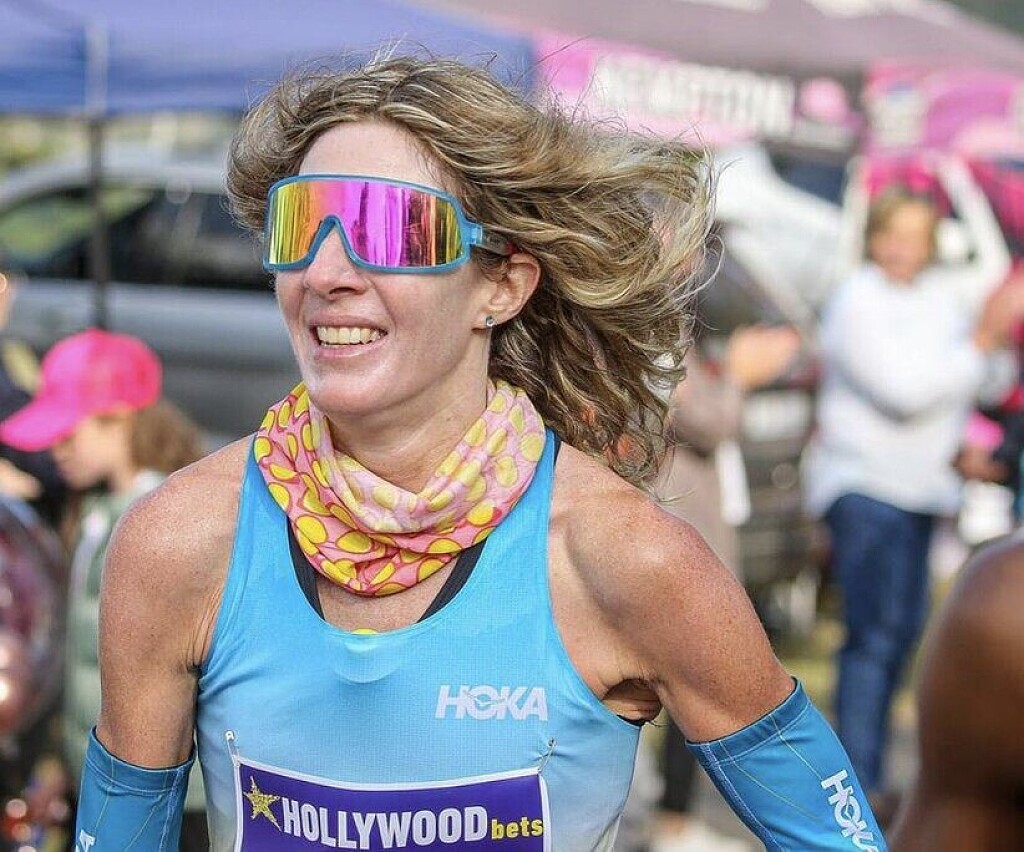
World ultrarunning champion Camille Herron parts ways with Hoka
The women’s 100-mile world record holder, Camille Herron, announced on social media today that she is parting ways with her longtime sponsor, Hoka, and beginning a partnership with a major brand new to the ultra-trail community in 2023.
“The end of 2022 marks the end of my journey representing Hoka. Thank you for all the wonderful support,” Herron wrote on her Instagram. “My time with the brand has been some of the best years of my career, and it is a testament to the harmony and happiness I have felt while representing Hoka.”
The 2022 season was eventful for the 41-year-old ultrarunner from Norman, Okla. She set 12-hour and 100-mile world records on the track and road and became the 117th runner and the youngest female ever to reach the 100,000 Lifetime Miles club.
She is also the first and only woman to run under 13 hours for 100 miles, exceed 150 km for 12 hours and reach 270 km over 24 hours.
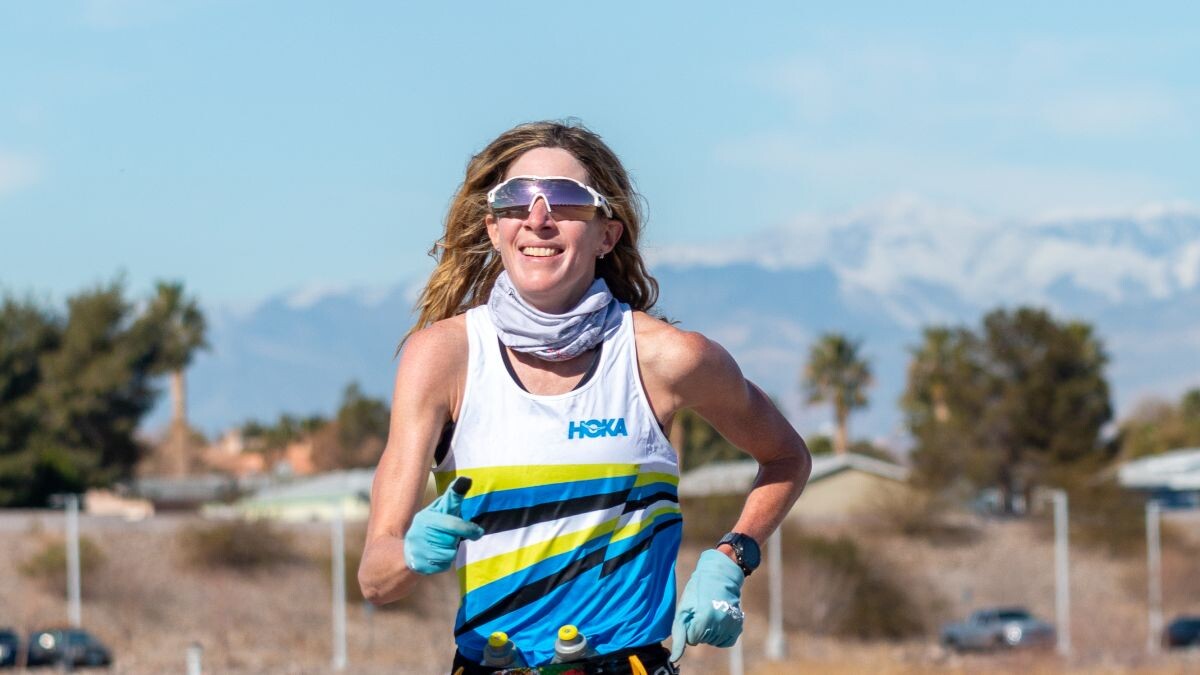
Herron plans to announce her new sponsor in mid-January, but she gave her fans a hint, stating that she was presented with a dream opportunity to partner with a major brand that will be new to the ultra-trail community. “Right now is the time for brands to get behind, support and elevate women in a significant way, and I am excited about all the possibilities to come from this new collaboration,” Herron wrote.
Many major running brands, such as Nike, New Balance and Adidas, have already dipped into the ultra-trail scene. Two running brands with strong records of empowering women in sport are Puma and Lululemon, neither of which has really dipped into the ultra-trail scene yet.
Herron said on her Instagram that the news will come in a few weeks.
(12/29/2022) ⚡AMPby Marley Dickinson
Do Runners Drink Too Much Alcohol?
A growing body of research says that no amount of alcohol is good for our fitness and health. It’s time to rethink our relationship with booze.
Pro ultrarunner Coree Woltering doesn’t do anything halfway. “If I’m going to do it, I want to do like 120 percent, no matter what it is,” he says. When he brings that attitude to his running and racing, the results speak for themselves—like setting a new fastest known time on the 1,000-plus-mile Ice Age Trail across Wisconsin in 2020.
However, Woltering also brought that attitude to the bar. “It wasn’t just a ‘let’s have two beers and be done’ thing,” says the 32-year-old from Dalton, Georgia. Two beers at his house would lead to four more at the bar. “Six a night would be normal.” The results were noteworthy—but in all the wrong ways. His training became inconsistent. After long nights out, he’d sometimes skip sessions. When he did get out to run, he found his focus and mental fortitude lacking. Woltering doesn’t take over-the-counter pain management medications like Tylenol or ibuprofen. Instead, he’d slam a beer or two late in a race, hoping to hush the screaming of his feet and legs.
This approach is not unusual, says David Wyrick, PhD, a public health education professor and the director of the Institute to Promote Athlete Health & Wellness at the University of North Carolina, Greensboro. Wyrick studies alcohol use among student-athletes. Pain control is one of three primary reasons athletes report using alcohol (along with stress management and as a way to celebrate). Though, when it comes to pain, “there’s no evidence that alcohol has medicinal benefits,” says Wyrick.
Almost all the benefits Americans attribute to alcohol—that it is good for the heart, helps you sleep, eases pain—are false, says George F. Koob, PhD, director of the National Institute on Alcohol Abuse and Alcoholism. “The truth is, there’s no safe amount of alcohol, not even one drink a day,” he says.
And yet: Running culture—which is otherwise populated by protein-shake-drinking, heart-rate-tracking, health-obsessed fitness nuts—is enmeshed with drinking. From brewery-based runs to the infamous beer mile to groups with the motto “a drinking club with a running problem,” alcohol is as much a part of the fabric of our sport as energy gels. But the fact is, alcohol destroys lives and families. Running culture that glibly celebrates it is feeding that destruction.
Pulling them apart doesn’t mean eliminating alcohol. Koob has spent the last eight years working on issues around alcohol abuse, yet he describes his own approach to alcohol as “one eye open.” A glass of beer or wine every now and then? That’s fine for most runners. But blithely telling yourself beer is a recovery drink because it has carbs and your Tuesday night run ends at a bar? Not so much.
It’s time to take a good look at what we know—and don’t know—about alcohol’s relationship to our health, running performance, and mental well-being.
Booze and Sleep Don’t Mix
Three years ago, journalist Lisa Slade, a 38-year-old recreational marathoner, purchased a Whoop wearable device. Each morning, Whoop prompted her to input data about what she did before bed. Questions included: Did you eat a big meal? Are you under a lot of stress? Did you consume alcohol last night?
At the end of the first month, Slade got a summary of her data. “Pretty much the only thing I noticed that negatively impacted me to an alarming amount was alcohol,” she says. Slade had considered herself a light drinker—maybe a beer while making dinner, or two cocktails if she was out with friends. Even that low dose, though, was affecting her recovery times and sleep quality by as much as 20 percent. “I could tell that I was having a harder time recovering from it,” she says. After “just one or two drinks, I’d wake up and wouldn’t feel so good, like I hadn’t slept super well.”
Emily Capidolupo, senior vice president of data science and research at Whoop, says Slade’s revelation is common among new Whoop users. She adds that many cut back on drinking after a few months of using the wearable, which uses biometric data like heart rate, heart-rate variability, respiration rate, and sleep quality to score a user’s overall recovery. Alcohol “is one of those things we know is bad for us, but we don’t realize quite how bad,” she says. When Whoop presents the data in a tidy end-of-month report, it’s clear for many users that alcohol is a poison. “It’s a fun poison,” says Capidolupo. “But it’s poison.”
When you head out for beers after an evening run, you put an extra task on your body’s to-do list. In addition to recovering, it now must divert energy to breaking down the alcohol entering your bloodstream, inhibiting crucial functions like repairing exercise-induced muscle damage. Alcohol also impacts your immune system, blocking inflammatory responses vital to this process. For chronic drinkers, the negative effect on immunity can lead to more illness and fewer training days.
Compounding the issue, though, is that the most popular time to imbibe is in the hours before bed. Alcohol wrecks sleep quality, says Christopher Winter, MD, a Charlottesville, Virginia–based sleep specialist and host of the Sleep Unplugged podcast. If this seems counterintuitive, and a single beer makes you drowsy, you’re not alone. Alcohol is the most popular sleep aid in the country, he says, but that’s because most people don’t understand the difference between being sedated and being asleep.
Alcohol suppresses your central nervous system. That is not high-quality rest. Since alcohol relaxes a lot of the muscles involved with breathing, you may breathe less deeply as you sleep, lowering your oxygen saturation levels, says Winter. When you’re not getting enough oxygen, your body’s natural response is to wake you up. Alcohol also suppresses deep sleep, which is when your body makes growth hormone.
“If you’re grinding out the miles and trying to recover before a race or your next training session, alcohol impairs your ability to do that,” he says. It may also interfere with the secretion of melatonin, a hormone associated with sleep, which can mess with your shut-eye schedule causing daytime drowsiness and nighttime restlessness—so you reach for another beer. If you do plan to drink, drink less and do it very early, says Winter. “There really is no way to sidestep its negative properties.”
Not being able to fall asleep can cause extreme anxiety, especially as you count the minutes wide awake until the alarm says it’s time to get up. Many people turn to alcohol to dull anxiety, though it’s neither good nor effective, says Winter. It may mask the issue for a night, but it won’t give you the rest you need. If you’re struggling to get to sleep at night, first clean up your sleep hygiene by logging off devices and stress-inducing news sources at least an hour before bed. Consider meditation or quiet journaling, which can help you unwind, says Winter. And if you’re still worried about your sleep quality, take the issue to a sleep specialist.
The Pandemic Didn’t Help
J.R. Jamison, a 43-year-old Indiana-based author and NPR host, took up running 10 years ago and eventually lost 80 pounds. He was healthy and fit and loved how running got him out into the world. But when the pandemic hit, he found it difficult to differentiate between weekends and weekdays.
Jamison admits his weekend drinking habits had always been on the heavy side. But when Tuesday night started to feel just like a Friday night and no one was going anywhere, weekend drinking became everyday drinking. Next thing he knew, the running habit that had changed his life had fallen by the wayside. “There’s no doubt that substance use disorders have skyrocketed since the pandemic,” says Dave Rabin, MD, PhD, a San Francisco–based psychiatrist. A CDC report from August of 2020 found that 13 percent of Americans started or increased their use of substances like alcohol during the first six months of 2020.
Rabin says that, at its core, substance use stems from a human desire to avoid discomfort like stress, anxiety, or lack of control. And if we haven’t learned healthy, long-term strategies for managing discomfort, we look for something to alleviate that discomfort. Alcohol often produces the desired numbing effect.
As Jamison found himself drinking more, he had less energy and motivation. He’d wake up with brain fog and struggle through a day of work. With no impetus to run, and little accomplished professionally, he’d reach for a drink each night.
What’s so insidious about alcohol and other sedatives, says Rabin, is that these drugs numb our frontal-cortex activity, decreasing our insight and judgment. As a result, we unwittingly train ourselves to embrace a casual attitude toward self-reflection—and wind up oblivious to our problematic behavior, he says.
Running, however, does the opposite. It results in a neurochemical response in the brain, with endogenous pleasure molecules, endogenous opioid molecules, and endogenous cannabinoid molecules, plus dopamine and serotonin, all releasing on cue like one glorious feel-good chorus. This is why addiction specialists often recommend it as a coping mechanism for those struggling with alcohol use disorder, says Rabin.
But running won’t help if you can’t summon the motivation to do it. It took Jamison more than a year to rediscover his enthusiasm. As 2021 came to a close, he committed to Dry January. “I didn’t have a drop to drink throughout January, and I started to notice that I wasn’t waking up anymore with headaches,” he says. He started running again. “I liked the way I felt. I was happier. I just decided not to drink again, and I haven’t.”
The Myth of Healthy Drinking
Not long after Lisa Slade saw the effect of alcohol on her Whoop data, she clicked around the Internet looking for more info on why the impact was so dramatic. “We’ve been told our whole lives that a beer or a glass of wine is heart-healthy,” says Slade, who has since cut back her drinking. “But I was reading studies about the effects of alcohol and it turns out that maybe it’s not good for you at all.”
Alcohol is a known carcinogen, a substance that can cause cancer, says Tim Rebbeck, MD, a professor of cancer prevention at Harvard University. When you drink, your body relies on two enzymes to break alcohol molecules into pieces small enough for removal from the body. That breakdown process creates a byproduct called acetaldehyde. Laboratory, animal, and human studies have all shown that acetaldehyde causes DNA damage to cells, and this damage can lead to cancerous tumors. “We are sure that alcohol is a causative factor in some cancers, and it’s supported by lots of different lines of evidence,” says Rebbeck.
Getting the word out that alcohol—like tobacco—is a carcinogen has been difficult for several reasons. For one thing, alcohol is socially acceptable and even socially encouraged. Furthermore, the relationship between alcohol and cancer is more complicated than smoking’s direct link to lung cancer. Head, neck, liver, and breast cancer all have strong links to alcohol, says Rebbeck. But, of course, some people who never drank a drop will still get breast cancer and vice versa. “It’s a complex story, and people have a hard time digesting complex stories,” he says. And how much of a role alcohol played in any one person’s cancer development is an impossible equation to tease out.
As for a glass of wine being heart-healthy, recent research has debunked that advice, says Koob. The early studies concluding that it helps your heart were based on the resveratrol in red wine, but the amount you’d have to drink to get the benefits of the compound would tear your liver up, he says. A 2019 study published in the Journal of The American Heart Association confirms this, finding that heavy drinking is a risk factor for cardiovascular disease.
Even studies that find some benefit to drinking may not hold up under scrutiny. Over the years, a handful of meta-analyses of all-cause mortality among drinkers versus nondrinkers found a “J-shaped curve” between the two. Basically, mortality was slightly higher for nondrinkers, but dipped for moderate drinkers, and then rose sharply for heavy drinkers, forming a J. This would appear to make the “glass of wine for heart health” statement true. But in 2015, researchers took a closer look at these studies. When they teased out exactly why many abstainers did so, they found a confounding variable: These people were eschewing alcohol because of existing health concerns. In other words, they were less healthy than the moderate-drinking group to begin with. When researchers adjusted the data to account for abstainers with outstanding health concerns, the initial hump on the J flattened out.
Studying alcohol use and health effects is difficult, in part because people often don’t remember how much they consumed or because they aren’t being honest about it, says Rebbeck. That makes giving recommendations on how much and how often to drink difficult, too.
Interestingly, not a single expert interviewed for this story told us to stop drinking. Several mentioned that they occasionally enjoy wine and beer. “‘Don’t ever do anything that might harm you’ is not useful messaging,” says Rebbeck. Life is full of things that can harm us. Overly charred toast. Processed meats. The flame retardant on our couches. Uneven sidewalks waiting for unsuspecting runners.
A better approach is to consider your personal risk factors, your tolerance for risk, and the joy that alcohol—in moderation—brings you. If you have a family history of breast cancer, or head and neck cancers, you may decide the risk isn’t worth it. If you don’t, drinking in moderation may be a risk you’re willing to take. However, “limiting your exposure to alcohol is the bottom-line answer,” Rebbeck says. “You are consuming a carcinogen. How much of that do you really want?”
The Longest Race: Sobriety
For Coree Woltering, that amount was zero. On November 1, 2021, Woltering got sober. In past years, he’d taken time away from drinking and seen an improvement in his training. But then he’d go back to drinking—and plunge off the deep end. There wasn’t a happy medium where he just had one beer every other night. “It wasn’t just like I drank to get drunk,” he says. “I really enjoyed the taste of certain wines, certain beers. But that’s part of the problem, I enjoyed it to 150 percent.”
A week of sobriety passed. Then another. He jumped in to crew a friend through an ultra and got offered a shot of Fireball at an aid station. When he turned it down, everyone was surprised. “They’re like, ‘Oh, are you not feeling well?’ I’m like, ‘No, I feel great. I’m just not drinking.’ And everyone’s like, ‘Oh, are you sick?’ ‘No, I’m not sick. I’m just literally not drinking.’” That drinking culture and running culture knot is tight.
In the first month, Woltering focused on consistency. He set a goal to run every day in December and hit 30 of the 31 days. Over time, the awkwardness with friends abated, and Woltering found a community of similarly sober athletes. But his performance wasn’t doing the about-face he’d hoped for.
The second month was the rough one. “It was like, ‘Oh, now I feel every little pain in my body,’” he remembers. And then there was the FOMO. “It’s like, for the rest of my life, am I missing out on all these beers and wine that I haven’t tasted yet?”
It would take Woltering six months to get back to a place where he felt good. Yet he wasn’t seeing the times he’d hit in previous training peaks. That was frustrating. Giving up alcohol was supposed to be this golden ticket to better health.
Finally, eight months into sobriety, things started to click. His times began to improve. Those better numbers bolstered his commitment to the sober path. And then, in October of 2022, three weeks before hitting a year of sobriety, Woltering won the Blue Ridge Ultra 50K. It was his first ultra victory since 2019. He celebrated with cake and ice cream.
(12/25/2022) ⚡AMPby Runner’s World
Kilian Jornet Won the Biggest Races and Launched His Own Apparel Brand
Heading into the 2022 ultramarathon season, Spanish runner Kilian Jornet hadn't contested a 100-mile race since 2018, when he dropped out of the Ultra-Trail du Mont Blanc (UTMB) following an allergic reaction from a bee sting. In the ensuing years, Jornet, now 35, had two children with his partner, Swedish ultrarunner Emelie Forsberg, and he launched his own trail-running footwear and apparel brand, NNormal. Fatherhood and entrepreneurship didn't slow him down, however; the running world's greatest of all time began the season with a win at Sweden's 100-mile Tjrnarparen Trail Ultra. He then pulled off an audacious double, winning Colorado's Hardrock 100 as well as the UTMB-and set course records in both events. Outside spoke with Jornet about his remarkable year.
OUTSIDE: You've done several 100-mile races in 2022 after a few years running shorter events. Was that a planned break? KILIAN JORNET: In 2019, I wanted to focus on shorter distances, with the Golden Trail Series and an Everest expedition. In 2020, I wanted to spend time with my family. To try something different, I trained mostly on roads. In 2021, the focus was on a trip to the Himalayas and getting fast in short distances, specifically the vertical kilometer.
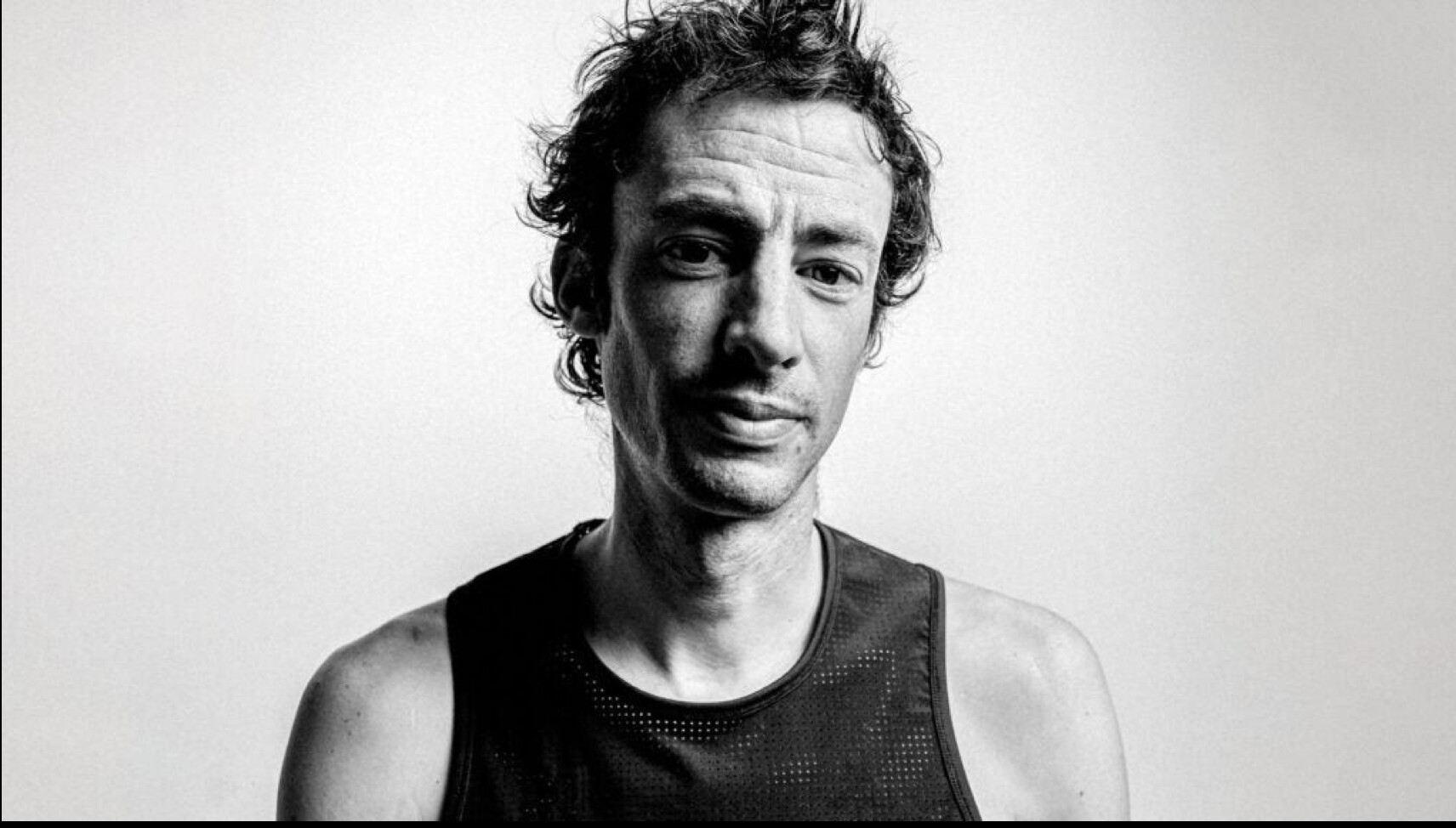
Your long-term partnership with Salomon ended last year. What made you decide it was time to do your own thing? I've always been a geek when it comes to gear. I had the idea of developing something on my own, but it was more a dream than a project. Then last year, through a mutual friend, I met the Fluxa family, who own Camper shoes, and told them that I wanted to do something in the outdoor space. Since the first conversation, we saw that we shared the same values and vision around social and environmental responsibility. From there things went fast. I'm very grateful for all the years at Salomon, and for all their support and what we did together, but it was time to do something different.
How did the idea for NNormal come about? We thought that the best way to implement our ideas-in terms of products, marketing, and corporate responsibility-was to create our own company. The benefit of cofounding a company is that you don't need to answer to shareholders at the end of the year, so you can develop your mission without any pressure. Of course, you want it to be economically sustainable, but you can always put product and company values at the forefront.
With the exploding popularity of ultrarunning, do you believe there will be more professional athletes in the near future? In the past five years, I've seen many more athletes becoming professional-not just to survive, but earning a good salary. More brands are creating teams with great resources. I think that will continue, and I hope it increases equality and diversity in the sport. Many of the big competitions have fewer female participants than male, and many of the sponsorships are from brands in Western countries. In this regard, brands have a big role to play, not only in equal sponsorship opportunities, but also when it comes to marketing and communication.
Many outdoor apparel brands say that protecting the environment is an important part of their company philosophy. How does NNormal plan to tackle that challenge? At NNormal we want to focus on durability. That means making products that perform well for a long time and are easy to repair. They should also have emotional durability, which means that they look good today and in five years. We want to make collections that are timeless and not designed according to seasonal trends. It's important to have great standards when it comes to the environmental footprint of the materials as well as the production process. Most important, we want to base our business model not on overconsumption but on finding different ways to be economically sustainable.
The running-shoe market is notoriously competitive. What makes you optimistic that NNormal can succeed? The first thing is to define success. Is it to sell a lot, or to have a quality product? We have a great team of footwear developers-we have the experience of Camper for shoe development and comfort, and we have a very talented group for performance footwear. For our first shoe, the Kjerag, we wanted to make something that performs well on different terrain and over different distances. I think our approach of durability, comfort, and versatility will appeal to many athletes. But we'll see what our customers think.
(12/18/2022) ⚡AMPby Trail Runner Magazine
