

Running News Daily
Running News Daily is edited by Bob Anderson and team. Send your news items to bob@mybestruns.com Advertising opportunities available.
Index to Daily Posts · Sign Up For Updates · Run The World Feed
Articles tagged #Marita Koch
Today's Running News
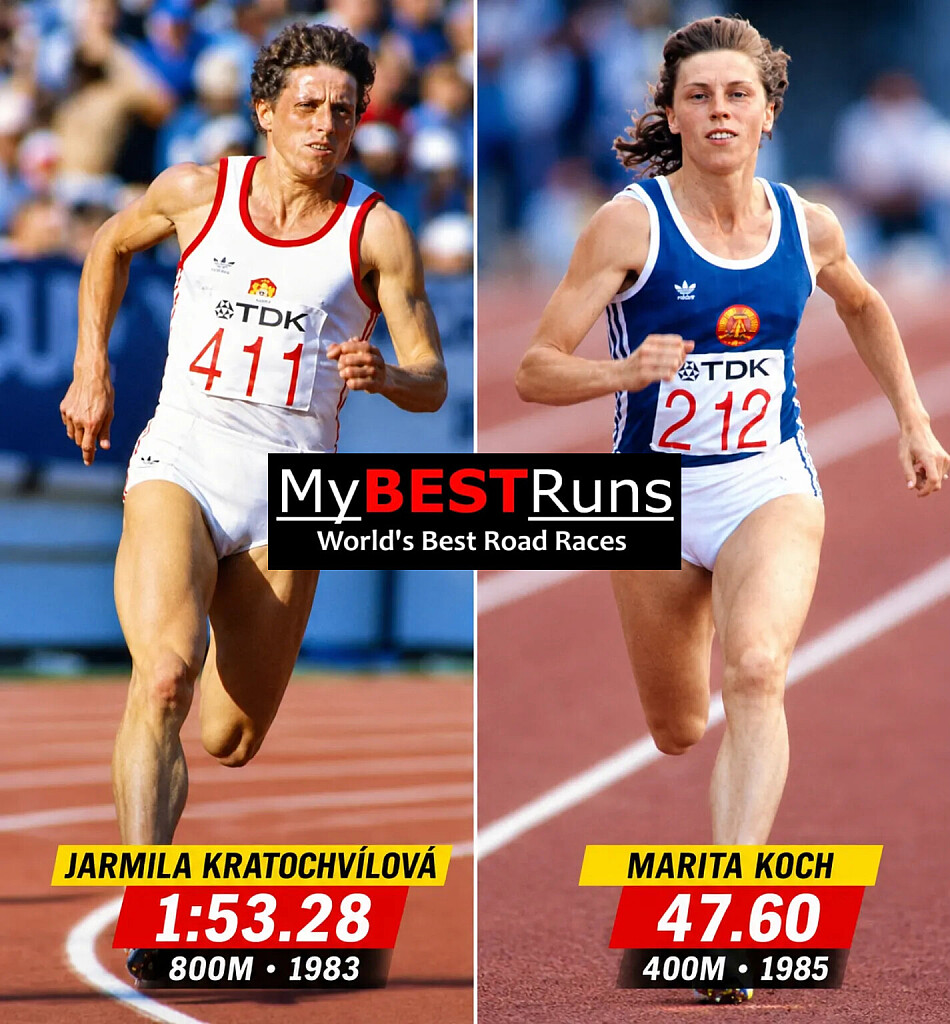


Four Decades On, Two Legendary Women’s World Records Remain Untouchable As A New Generation Closes In
Some world records are broken within a few years. Others survive generations, becoming extraordinary milestones that challenge even the most talented athletes in history.
In women's athletics, two performances from the 1980s continue to stand above the rest. More than four decades after they were achieved, Jarmila Kratochvílová's 800m world record of 1:53.28 and Marita Koch's 400m world record of 47.60 remain untouched, despite enormous advances in training, sports science, nutrition, recovery and competition technology.
What makes these records particularly remarkable is that today's generation is finally beginning to approach performances that once appeared almost impossible to challenge.
The first of these historic achievements belongs to former Czechoslovakian middle-distance star Jarmila Kratochvílová, who produced one of the greatest performances ever witnessed in women's athletics.
On July 26, 1983, at an athletics meeting in Munich, Germany, Kratochvílová stormed to an astonishing 1:53.28 in the women's 800m. Her performance established a new world record, replacing the previous mark and setting a standard that has now survived more than 43 years.
Despite countless attempts by some of the greatest middle-distance runners the sport has produced, nobody has managed to run faster. It remains the longest-standing individual outdoor world record in athletics.
The second extraordinary achievement came from East Germany's Marita Koch, who established the women's 400m world record with a breathtaking performance of 47.60 in Canberra, Australia, on October 6, 1985.
Koch's remarkable speed and consistency over one lap of the track produced a time that has remained the world record for more than 41 years. Even as generations of world champions, Olympic medallists and outstanding quarter-milers have emerged, her mark has continued to resist every challenge.
However, the conversation surrounding these two historic records has become increasingly interesting in recent years, with modern athletes beginning to produce performances that bring them closer to the long-standing benchmarks.
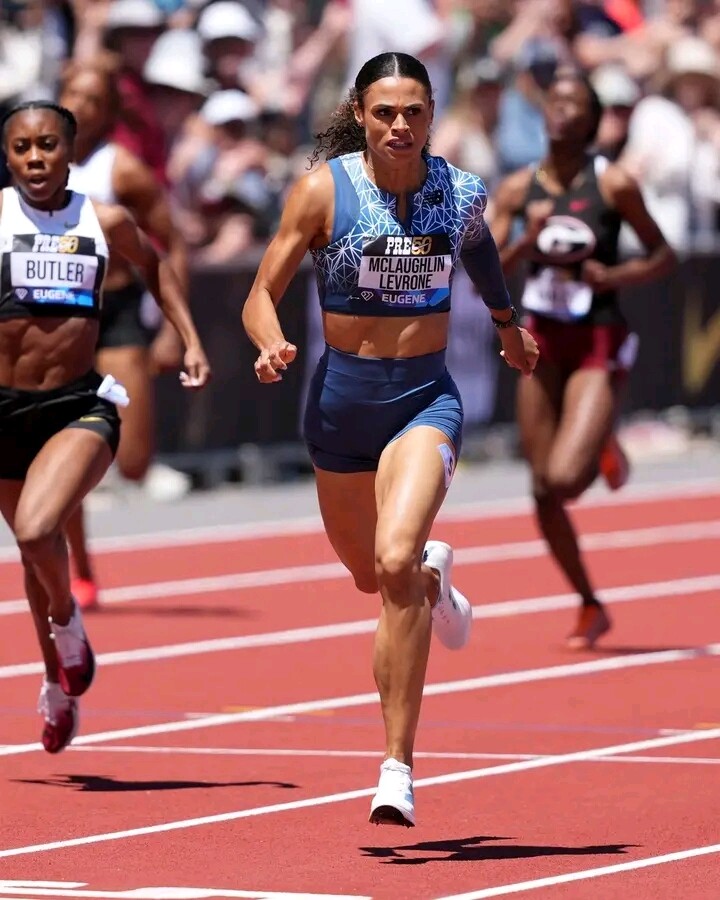
On the women's 400m circuit, American superstar Sydney McLaughlin-Levrone has emerged as one of the most serious challengers to Koch's record.
At the 2025 World Athletics Championships in Tokyo, McLaughlin-Levrone delivered a magnificent performance to win the world title in 47.78, moving into second place on the all-time list.
Dominican Republic's Marileidy Paulino was equally impressive, taking silver in 47.98. Their performances made history as the first occasion on which two women had broken the 48-second barrier in the same race.
McLaughlin-Levrone's 47.78 left her just 0.18 seconds outside Koch's world record, bringing a performance that had stood for four decades into sharper focus than ever before.
The women's 800m has also witnessed a remarkable resurgence, with Switzerland's Audrey Werro emerging as one of the biggest challengers to Kratochvílová's legendary mark.
Werro produced a stunning 1:53.70 at the Weltklasse Zürich meeting on August 27, 2026, setting a Swiss national record and moving to third on the all-time list. Her performance brought her within just 0.42 seconds of the world record.
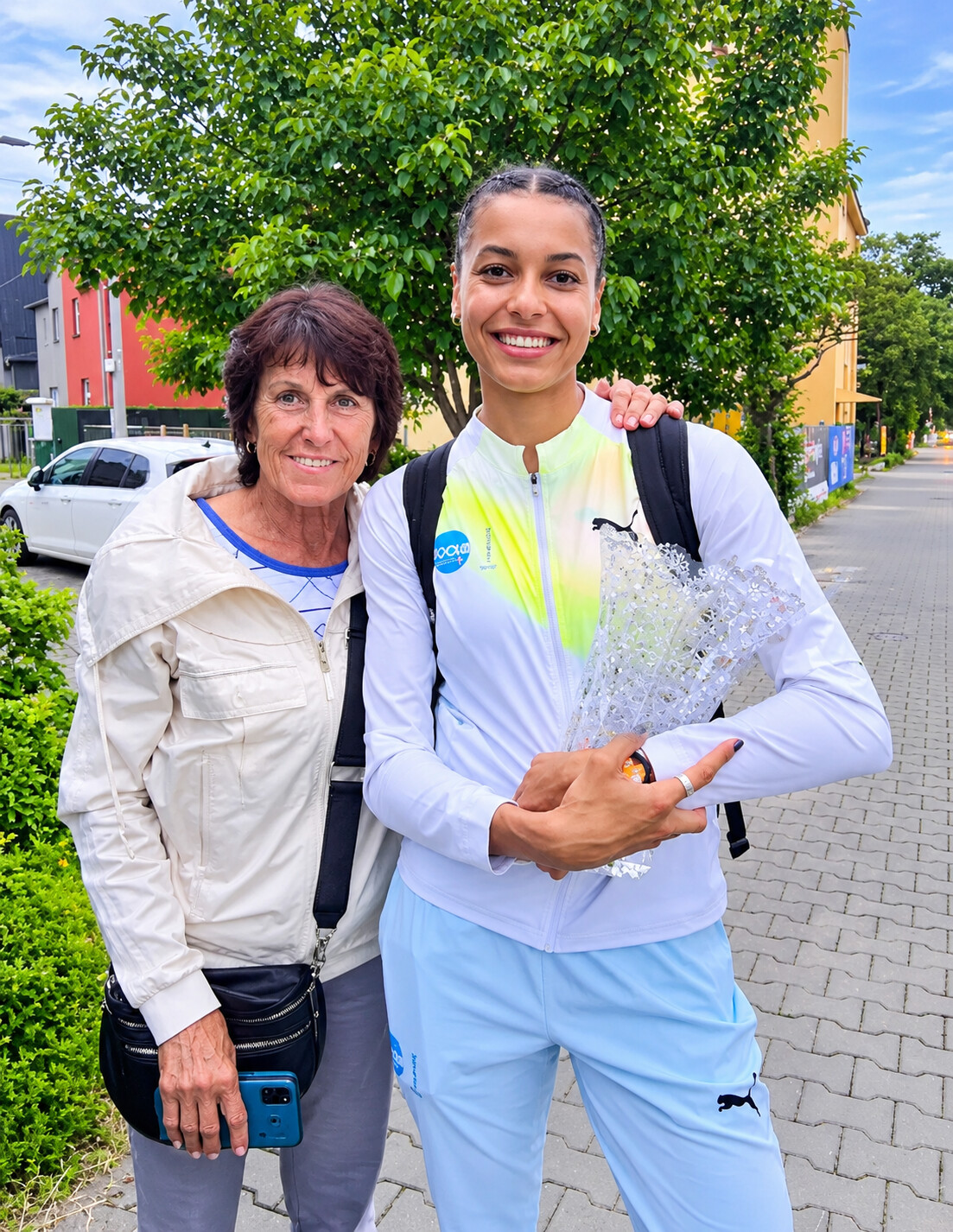
At just 22 years old, the Swiss star has demonstrated that the gap between the modern generation and the historic benchmark is becoming increasingly narrow.
Britain's Olympic champion Keely Hodgkinson has also strengthened the challenge. She clocked an outdoor personal best of 1:54.33 in Stockholm in June 2026 before producing a sensational 1:54.87 to break the women's indoor 800m world record in Liévin, France, in February.
Although the indoor and outdoor records are separate, Hodgkinson's achievements underline the extraordinary level of competition currently developing in women's middle-distance running.
Beyond the performances themselves, however, these two records carry a complicated historical background.
Both were established during the Cold War era, when state-sponsored doping programmes, particularly in parts of Eastern Europe, raised serious questions about the integrity of international athletics.
The East German sporting system, in particular, has faced extensive historical scrutiny over its use of performance-enhancing substances. Consequently, Koch's record has remained part of a wider debate about the athletics environment in which some of the era's greatest performances were produced.
Kratochvílová's achievements have also attracted scrutiny over the years. However, historical concerns about the sporting systems of that period should not automatically be treated as proof of individual wrongdoing. Neither athlete has been found guilty of a doping violation, and both records remain officially recognised by World Athletics.
What makes the longevity of these performances even more fascinating is how dramatically athletics has evolved since the 1980s.
Today's athletes benefit from sophisticated training programmes, advanced sports medicine, improved recovery methods, nutritional science, biomechanical analysis and modern competition equipment. The introduction of advanced running footwear has also transformed aspects of the sport.
Yet, despite all these developments, two performances produced more than four decades ago continue to occupy the highest positions in the record books.
Kratochvílová's 1:53.28 and Koch's 47.60 have become much more than historical statistics. They represent two of the most formidable challenges in women's athletics, constantly reminding modern champions of the extraordinary standards required to rewrite sporting history.
With McLaughlin-Levrone getting closer in the 400m and Werro producing increasingly impressive performances over 800m, the possibility of seeing either record fall has become an increasingly exciting prospect.
The question is no longer simply how long these records can survive, but whether the current generation has the extraordinary ability to finally bring two of athletics' most enduring records to an end.
Will Koch and Kratochvílová's legendary marks finally fall, or will they remain standing for another generation?
by Erick Cheruiyot for My Best Runs.
Login to leave a comment
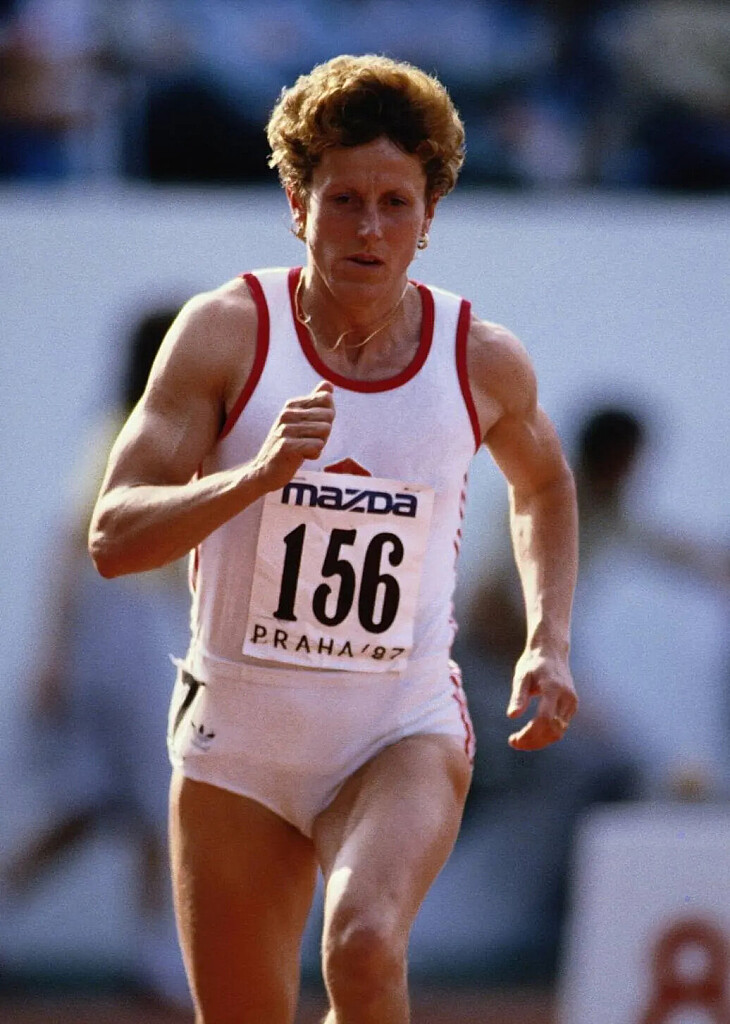
Oldest Running World Records: The Historic Marks That Refuse To Fall
Some world records are broken within months or even weeks. Others survive for years, becoming part of athletics history and turning every new generation of challengers into another chapter in their remarkable story.
As of September 25, 2026, a remarkable collection of long-standing running world records continues to stand across the track. At the top of that list is one of the most enduring marks in modern athletics: Jarmila Kratochvílová’s women’s 800m world record of 1:53.28, set in Munich in 1983. The record has now stood for 43 years, making it the oldest current outdoor track world record in athletics.
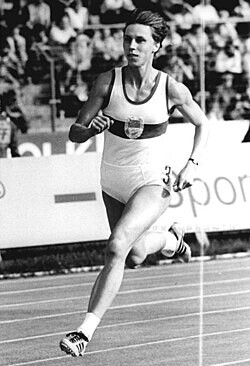
Kratochvílová’s performance remains extraordinary not only because of its longevity, but also because of how rarely athletes have come close to it. Decades after it was established, the 1:53 barrier remains one of the most formidable standards in women’s middle-distance running.
The next-oldest record on the board belongs to Marita Koch, whose 47.60 for the women’s 400m has remained untouched since 1985. Koch’s mark is now 40 years old, while Florence Griffith-Joyner’s extraordinary world records of 10.49 for 100m and 21.34 for 200m, both established in 1988, have survived for 38 and 37 years respectively.
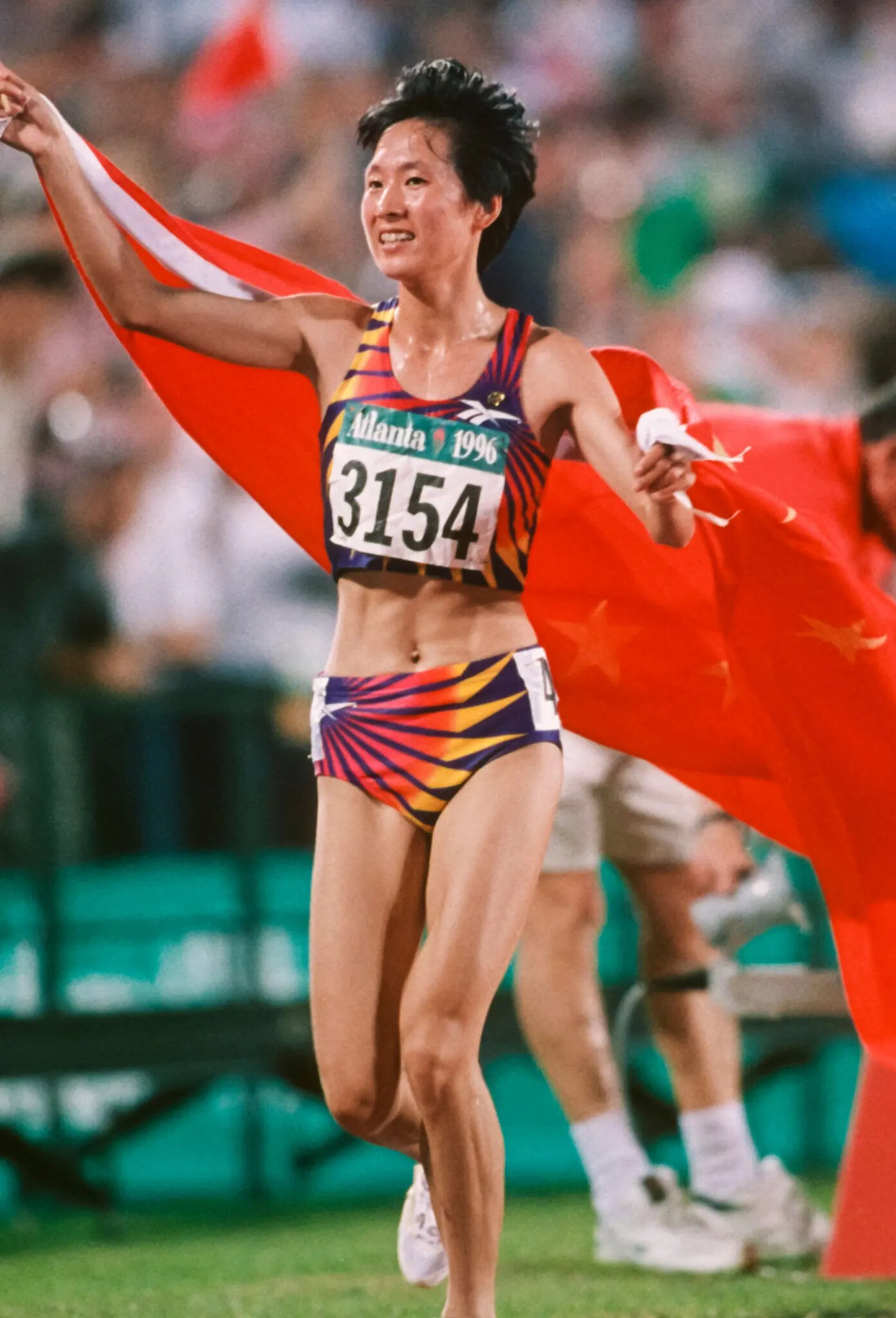
Those records from the 1980s and early 1990s form one of the most intriguing chapters in athletics history. They belong to an era that produced performances still sitting at the very top of the all-time lists, with modern generations repeatedly attempting to reach standards that have resisted decades of competition.
China’s Wang Junxia added another remarkable mark to that era when she ran 8:06.11 for 3000m in 1993. That record has now stood for 32 years, while Morocco’s Hicham El Guerrouj set the men’s 1500m world record of 3:26.00 in 1998, giving the list another mark that has survived for more than a quarter of a century.
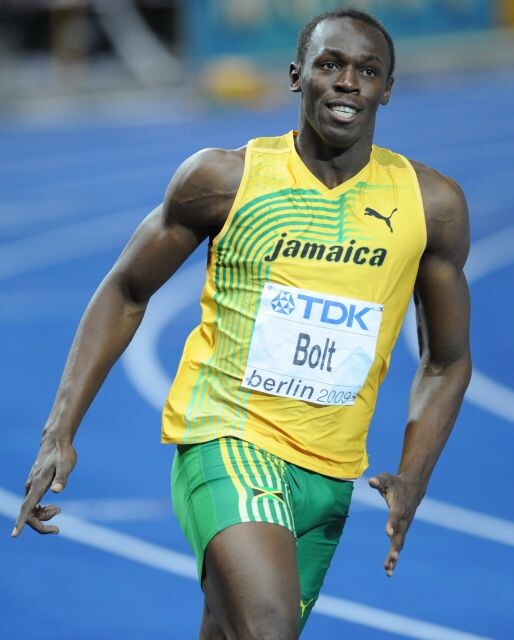
Then comes a different kind of longevity: the extraordinary sprint records of Usain Bolt.
Bolt’s 9.58-second 100m world record, set in Berlin in 2009, and his 19.19-second 200m record, established at the same championships, are now both 17 years old.
When Bolt produced those performances, many of today’s elite sprinters were still children. Yet despite enormous advances in training, sports science, track technology and competition, his two marks remain the standards that every new generation must chase.
The list also highlights the remarkable staying power of more recent records. Kenya’s David Rudisha set the men’s 800m world record of 1:40.91 at the London 2012 Olympics, while South Africa’s Wayde van Niekerk stunned the world with 43.03 in the 400m at the Rio 2016 Olympics.
Kenya’s Beatrice Chepkoech followed with her historic 8:44.32 world record in the women’s 3000m steeplechase in 2018. Uganda’s Joshua Cheptegei then established the men’s 5000m and 10,000m records in 2020, running 12:35.36 and 26:11.00 respectively.
More recently, Ethiopia’s Lamecha Girma set the men’s 3000m steeplechase world record at 7:52.11 in 2023, while Kenya’s Faith Kipyegon produced another landmark performance that year, running 4:07.64 for the women’s mile.
Together, these records create a fascinating timeline of athletics—from the pioneering performances of the 1980s to the spectacular achievements of the modern era. Some have survived for more than four decades, while others are still in the early stages of what could become an equally remarkable reign.
And that is what makes world records so captivating: every generation arrives believing that today’s impossible can become tomorrow’s target, yet some numbers continue to stand as enduring reminders of performances that changed the sport forever.
by Erick Cheruiyot for My Best Runs.
Login to leave a comment

Jarmila Kratochvílová and the 800m Record That Time Could Not Touch
Some records are broken within months. Others survive for years. Then there are the rare marks that outlive generations and become part of sporting mythology. Few achievements in athletics carry that aura more powerfully than the women’s 800 metres world record of 1:53.28, set by Jarmila Kratochvílová on July 26, 1983, in Munich.
More than four decades later, the astonishing performance still stands untouched, making it one of the oldest and most remarkable world records in track and field. In an era where training science, technology, and competition standards have advanced dramatically, that number continues to resist every challenge.
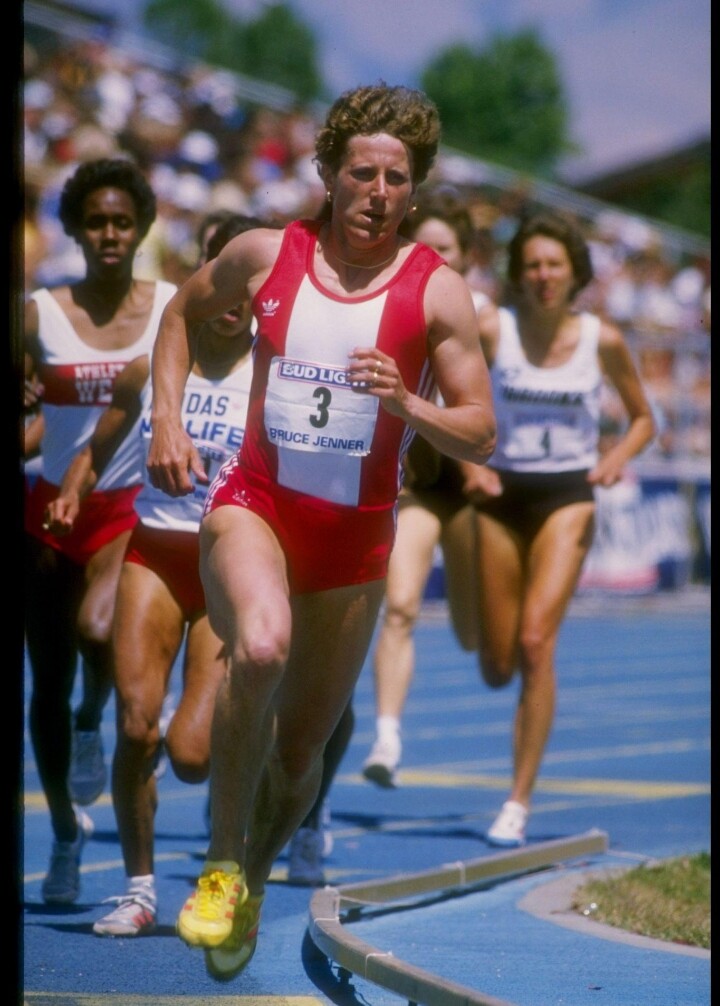
What makes the feat even more extraordinary is the story behind it. Kratochvílová was primarily known as a 400-metre specialist, not an 800-metre star. Her appearance in Munich came after a late change of plans caused by injury, and she was not even expected to headline the event. Yet when the gun fired, she produced one of the finest races ever seen.
She passed the opening lap in a fearless 56.1 seconds, surged through 600 metres in 1:26.3, and still found another devastating finish over the final bend and straight. Crossing the line in 1:53.28, she did far more than win a race—she created a benchmark that would challenge every generation to come.
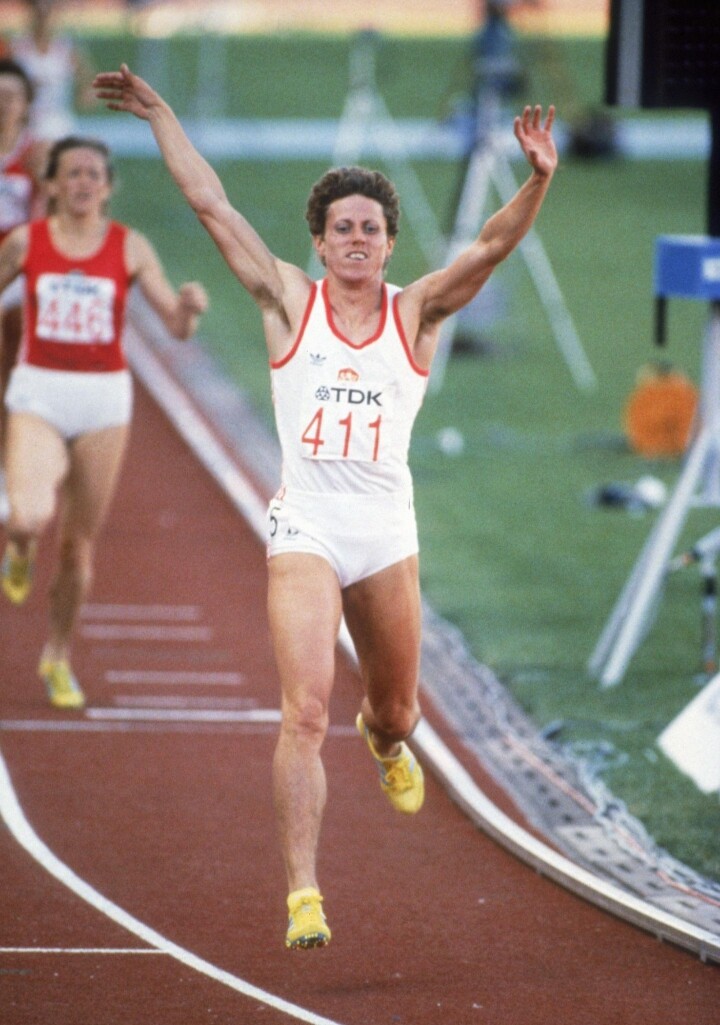
That unforgettable evening crowned a sensational 1983 campaign. Weeks later, at the first-ever World Championships in Helsinki, Kratochvílová completed a rare and historic double by winning gold in both the 400 metres and the 800 metres. She also ran 47.99 for the 400m that season, becoming the first woman in history to break the 48-second barrier. Only a select few athletes, including Marita Koch, have since joined that elite company.
Her rise had already been confirmed earlier when she claimed Olympic silver in the 400 metres at the 1980 Summer Olympics. Many believed even greater Olympic success awaited her, but history intervened. The boycott of the 1984 Summer Olympics denied her the chance to compete on sport’s biggest stage once again.
Even after leaving competition, Kratochvílová continued shaping the sport. As a coach, she guided Ludmila Formanová to the 800m world title in 1999, proving her knowledge and influence extended well beyond her own racing career.
Her record has not escaped controversy or debate. In 2017, World Athletics proposed stricter standards for the ratification of older world records, raising questions over marks set before modern testing systems. Yet the 1:53.28 remained official, preserving one of the sport’s most famous milestones.
As of 2026, athletes continue to chase history. Among the strongest modern contenders is Keely Hodgkinson, whose rise has renewed belief that the seemingly impossible may one day fall. But until that moment arrives, Kratochvílová’s run in Munich remains the gold standard.
Whether it survives another season or another generation, one truth is certain: Jarmila Kratochvílová did not simply set a world record—she created a legend that time itself has struggled to defeat.
by Erick Cheruiyot for My Best Runs.
Login to leave a comment
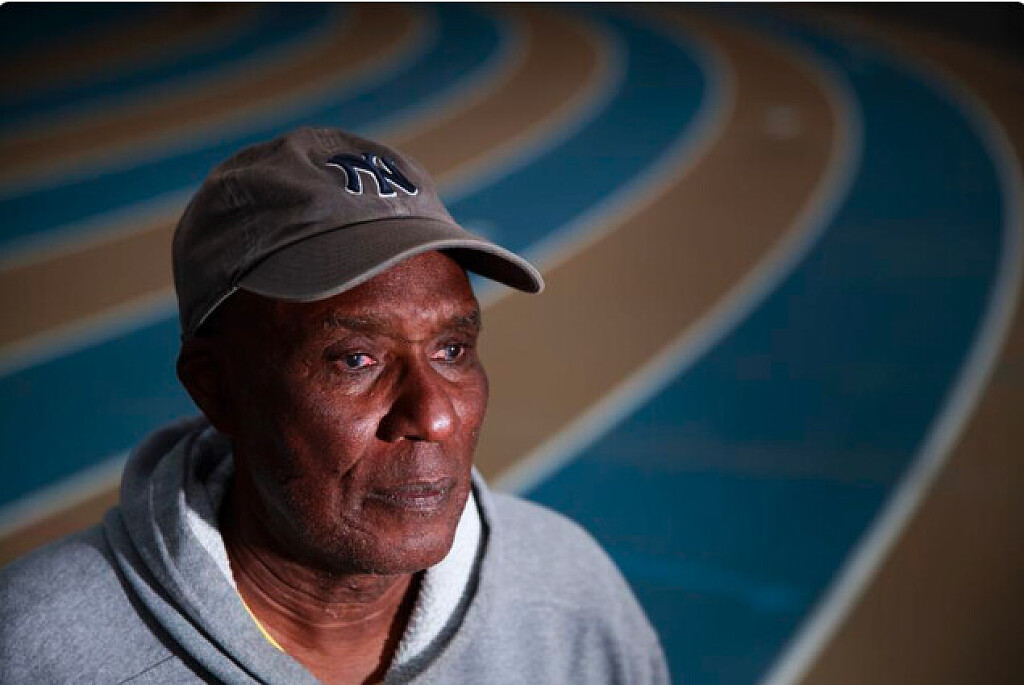
At 69, Bobby Kersee is track's 'mad scientist' and as influential as ever
Four years ago, the man associated with speed more than any track and field coach in the world felt himself slowing down, and he did not know why.
Since he was born in Panama in 1954 to a Panamanian mother and U.S. Navy father, Bobby Kersee has always been restless, a self-described wanderer with energy that matched his athletes. But in 2019, feeling unusually sapped, he called his doctor in St. Louis. Blood tests produced results dangerously far beyond the norm. Pancreatitis kept him stuck in a hospital for four weeks.
Once discharged, Kersee gave up red meat and alcohol.
What he would not quit was track.
Forty years after coaching his first world champion Kersee, now 69, paced relentlessly for four hours on Thursday while watching his training group at West Los Angeles College.
“Everyone kind of says the same thing: You know, he's different in terms of he's basically a mad scientist,” said Athing Mu, the 20-year-old reigning Olympic and world champion at 800 meters who switched to Kersee’s coaching in September to expand her range. “He knows what he's doing.”
Under cloudy skies at the track high above Culver City, nine athletes in his training group, dubbed Formula Kersee, ran tailored workouts and waited for his every word, from the barked “let’s go!” to commands about mechanics he hollered to athletes mid-run. He lifted hurdles, held court with reporters and stopped only to film block starts with his iPhone.
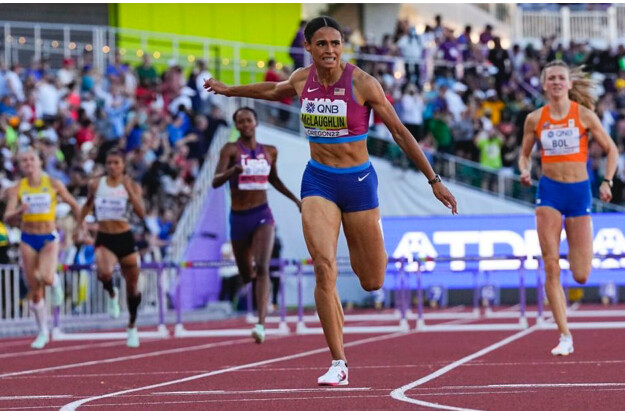
At an age when he might have become anachronistic, Kersee and his methods still represent sprinting’s gold standard, associates and athletes say. Invigorated by a training group that describes itself as a family and could be dominant into the next decade behind headliners Mu and 23-year-old 400-meter hurdles world champion and world record-holder Sydney McLaughlin-Levrone, Kersee said his career has no discernible finish line.
His coaching, primarily of sprinters and hurdlers, has brought his athletes at least one gold medal in 10 consecutive Summer Olympics, a litany of world championships and world records and, for Kersee, veneration, criticism and influence.
As the first professional meet held at UCLA’s Drake Stadium since 1990, and a key early tentpole in USA Track & Field’s attempted plan to grow its U.S. fanbase before the 2028 L.A. Olympics, this weekend’s Los Angeles Grand Prix is both a callback to a time when track’s popularity soared and, its organizers hope, a harbinger such times can return.
Outside of Sebastian Coe, the 1984 Olympic gold medalist in the 1,500 who has since ascended to lead track’s global governing body, World Athletics, few figures have spanned both eras as prominently as Kersee.
Athletes and associates credit his ability to turn seemingly outlandish goals and times into tangible results to an ability to know what they need. Malachi Davis, who has overseen McLaughlin-Levrone’s training since she turned professional, likened Kersee to a conductor, his whistle and yellow stopwatch replacing a baton to direct “a beautiful dance of confidence and knowledge.”
Many coaches can teach how to run fast and build a race plan, McLaughlin-Levrone said, but Kersee understands “how to break it down piece by piece.”
Robert Forster, a Santa Monica-based physical therapist who has worked with Kersee’s athletes since 1983, said Kersee understands the “work-rest ratio” better than any coach, and does not overtrain where other coaches might double down on mileage. Forster has seen Kersee send an athlete home to rest just from the look on their face, and likes to tell a story about the 2016 Olympics, that Kersee later confirmed. Allyson Felix, the Los Angeles native who under Kersee became the most decorated athlete in track’s history, was nursing a severely sprained ankle and the physical therapist told Kersee it needed to be iced 20 minutes every hour. Forster did not expect, however, that Kersee would stay up the entire next night icing the ankle as Felix slept.
Kersee was an early adopter of technology, upgrading his video cameras at a Westwood electronics store years before he could film block starts of sprinters Jenna Prandini and Morolake Akinosun on his iPhone and zip the footage to an iPad on the infield of the West L.A. track.
Yet the Kersee mystique has endured as much because of his grasp on psychology as biomechanics — feeling for when to push and when to pull back.
Brandon Miller, a top 800-meter hopeful who began working with Kersee in September, has heard other athletes describe Kersee as “crazy.” He disputes that characterization, but noted that Kersee knows to stoke his competitiveness entering a workout’s final repetition with four words: “OK, what you got?”
“I've never met any coach like him,” Mu said. “He's not going to make you do anything that's for his sake. You know, it's gonna be all for you and the benefit of you and your career. And so, I come in here, I knew that he was very intentional, and that's something I needed, especially if I want my career to be long.”
Raised by a grandmother as an “A-train baby” bouncing between the Bronx and Queens, Kersee lost his mother, Daphne, when he was 14, before moving to San Pedro for high school.
He put himself through college at Long Beach State by working at a youth correctional facility in Whittier, where Kersee watched wards from midnight until 8 a.m. After graduating, he had two jobs: Track coach at Cal State Northridge, and counselor at another youth facility in Chino. He took over UCLA’s track and field program in 1980 and that provided enough money to be comfortable. Coaching Greg Foster to his first world championship in 1983, and watching his athletes win six golds and four silvers at the Los Angeles Olympics one year later, provided the final confidence he could sustain coaching as a career.
But he did not leave behind the edge required to do his former jobs.
“I used to work in the prisons, so you can’t walk into the prisons being Mother Teresa,” he said. “And then I did find myself carrying a little bit too much of that to the track. I had to calm myself down and say, 'Wait a minute, you’re not working with a warden.'”
Once, an elderly woman approached Kersee in an airport in Indiana and told him she did not like what she had seen from Kersee or the other famed coach with the B.K. initials: Bobby Knight. He did not belittle his athletes, he said, but he also didn’t leave room for interpretation about who ran the workout. The edge created a mystique that “he's crazy,” Miller said. “But he's not. I feel like everybody has preconceptions of everybody but you won't really know unless you're there and you're with them every day.”
Just as when he built his vaunted World Class Athletic Club in the 1980s, he will only train those he can coach hard and have chemistry. His athletes typically train Monday, Tuesday, Thursday and Friday. He treats Monday Zoom calls with the group as though he is re-interviewing for the job. It’s more convenient than years before, he said, when he recalled gathering before dawn in Europe to address their complaints with him.
“I think we have that understanding that I’m going to listen and respect them,” he said. “But my job is to get the job done for them individually and collectively but you hired me. And if you hired me, let me do my job.”
That job, essentially, can be reduced to one thing: Imparting confidence in his plan. And no one does it like Kersee, said Davis, who sprinted professionally before aiding McLaughlin-Levrone.
“He's a competition coach, so the time it counts, you feel confident,” Davis said. “And your head coach is basically your general and then competition is basically war. And yes, you prepare for war but that final voice, that presence, that action, that essence, that’s Bobby. And he earned that by what he’s accomplished throughout his career.”
Kersee allows that age has softened him. As McLaughlin-Levrone recalled last August, Kersee earned her trust when he saw her overwhelmed with emotion at a 2020 practice and handed her a paper showing a wheel of emotions, saying he had trouble expressing himself, too.
Though accustomed to criticism of himself for years — he joked he would be buried in a track, and "probably as much as people hate me, they’ll put me in lane one, because I’ll be stepped on the most" — he worries about how the inundation of social media affects athletes’ mental health. He has traveled to support the singing ambitions of Formula Kersee sprinter Chloe Abbott. This spring, a smiling Kersee was featured on TikTok when his athletes remade the opening credits of the 1990s sitcom “Family Matters.”
Four decades into his career, he has “a whole lot of knowledge and a whole lot of patience,” he said. “But still, don’t let grandpa get out of the chair.”
Ato Boldon was never coached by Kersee during his sprinting career but has known him for 31 years, since they overlapped at UCLA, and has seen a “golden-hearted” side to the coach. He also described Kersee’s coaching equivalent as either Knight or San Antonio’s Gregg Popovich.
“Everybody under him wins,” said Boldon. “But it’s not necessarily a democracy.
“... As time has gone on, people are like, ‘Wow he’s so this or he’s so that, he’s so abrasive.’ Listen, do you want results, or do you not want results?”
No one argues that Kersee gets results. The most common criticism is how rarely his athletes compete en route to smashing records and claiming gold.
Among athletes, meet directors, agents and track officials who see a need for the sport’s biggest stars and strong competition to draw in casual fans, it has become a question of how to unite what is best for the top athletes’ futures with what is best for the sport’s growth. The tensions surrounding the discussion are not dissimilar from the way “load management” in the NBA has sparked concerns whether it will turn off fans from the regular season.
Because many top athletes train under Kersee, he has become a focal point. There is also his history of pulling athletes late before a meet, sometimes because of injury, and sometimes as a power play, as in 1994, when a dispute over pay led him to withdraw Gail Devers from a high-profile Los Angeles indoor meet.
The topic reignited last week when he withdrew Mu and McLaughlin-Levrone from the Grand Prix, a meet for which he serves as co-promoter. It came soon after telling Track & Field News in February that even he would like to see McLaughlin-Levrone run more often, and told The Times in March that there was no reason meets in the U.S. couldn’t draw thousands if the sport’s leaders banded together to promote strong competitions.
Asked about the balance of what is best for his athletes, or the sport, Kersee this week called it a byproduct of limited sponsorship money within the sport, which incentivizes performances at the biggest meets, which often require qualification earlier in the season. Only a handful of stars make big money and can afford to be choosy. He contrasted it with the NFL and NBA, where athletes can still earn a paycheck while resting.
“I think it’s a little tougher on our athletes to try to balance out wanting to run for the public and run for our sport and also knowing if I run too much or make one little mistake it might cost me making a team,” Kersee said. “That if I go out there and run five or six races I’m going to get to the point of, 'OK why is he running me so much and she gets injured over there, did she really need to run?'”
McLaughlin-Levrone released a statement after being pulled from the Grand Prix field that she “regrettably” would not be competing, citing her coach’s choice. It also said she trusted his judgment, which the world record-holder echoed again Thursday.
“He has a plan and he is going to work it out to perfection,” said Boldon, who will call Saturday’s meet as part of NBC’s broadcast team. “It might not benefit USATF, it might not benefit the fans, but you tell me, what moment stood out most from last summer's world championships?”
It was McLaughlin-Levrone’s stunning 50.68 time to win the 400-meter world title and lower her own world record. The run cut through the noise to make SportsCenter. It also left McLaughlin-Levrone sore for days, she said. Seeing her parents in the stands, for the first time after becoming the first woman to run under 51 seconds, she told them “that hurt, so bad.”
“We've been very calculated in when we run and I think it's yielded us great results,” McLaughlin-Levrone said. “Bobby always uses analogies and he's like, 'You don't take the Ferrari out every day for a drive. You take it out when it needs to come out and it does its things and you put it back in the garage.' So, your body can only be pushed to a certain level so much in your career.
“You only have so many races in your legs and I think we're really strategic about which ones we choose to run. Obviously I know the sport wants to see a little bit more and I think we're trying to figure out how to do that in a safe way that we can still accomplish our goals and give them something to look forward to.”
For McLaughlin-Levrone and Mu, the question is not whether they will make this summer’s world championships in Hungary, or next summer’s Paris Olympics, but which events — possibly plural — they will run.
When Kersee evaluates whether to bring an athlete into his coaching, he also looks for their potential range. He thought he lost his job coaching Felix when he told the 200-meter star during his interview that he would have her run the 400.
Mu and McLaughlin-Levrone’s youth and potential range is one of the sport’s most speculative discussions; news about their upcoming races create instant headlines. The duo are “two of maybe the most talented athletes he’s ever had,” Boldon said.
Their world championships last summer gave McLaughlin-Levrone an automatic berth into the upcoming world 400-hurdle field, and Mu an entry into the 800. With that secured, Kersee has focused on running McLaughlin-Levrone in the open 400 meters, where Marita Koch’s world record of 47.60 has been effectively unapproachable for 38 years — only four women have run even faster than 49 seconds in the past 20 years. She once thought 47.60 was “impossible.” Not anymore.
“It's a very daunting number to look at, I'll tell you that,” McLaughlin-Levrone said. “But at the end of the day, I think if we can take the 400 hurdles to 50.6, I think 47.6 isn't too far off.”
In addition to her 800-meter world title, Mu once owned the collegiate 400-meter record and ran on the U.S. 4x400-meter relay team that won Olympic gold in Tokyo.
“I'm still super young and I have not touched the surface of a lot of things yet,” Mu said. “But I do have visions, which is like really big goals of competing in obviously the Olympics again, and then worlds and hopefully, doubling up.”
Would that mean the 800 and 400, or the 800 and 1,500?
“Hopefully both,” she said. “I mean, I would love to have a chance to do 4/8 and then go ahead and do the 8/15 at some point.”
Maybe this explains why Kersee moved so quickly across the track during practice. There was no sign he had once slowed down.
“I’m glad,” he said, “I have that Energizer Bunny still in me.”
This story originally appeared in Los Angeles Times.
Login to leave a comment
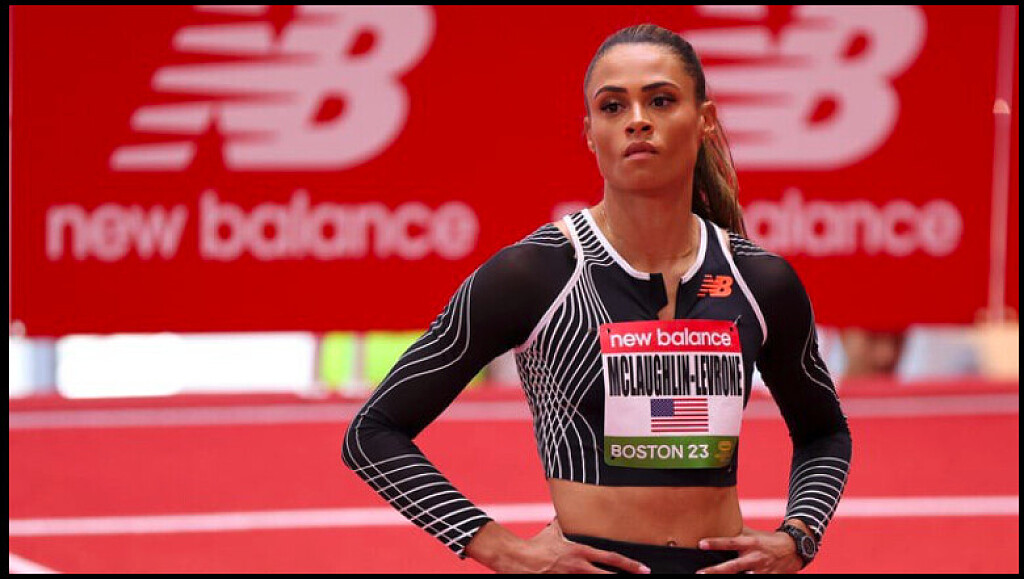
10 Reasons to Start Following Track and Field This Year
The 2023 season should be full of record-breaking performances from the sport’s biggest stars. Here are the most important things to know.
Track is back, and if the results from the indoor season and early outdoor meets are any indication, it should be another year of eye-popping results around 400-meter ovals this summer.
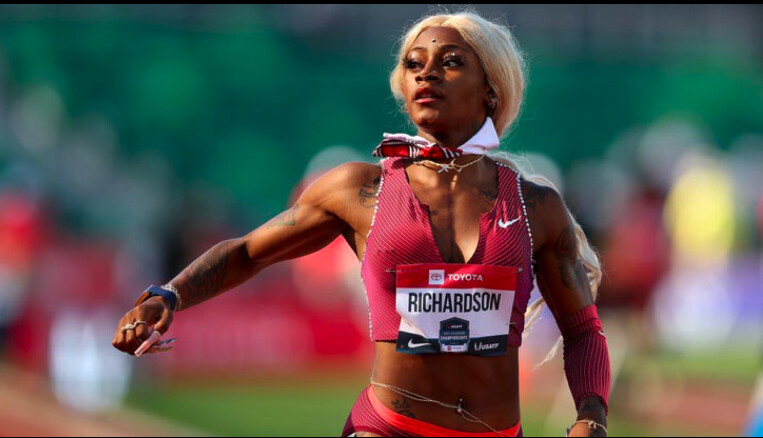
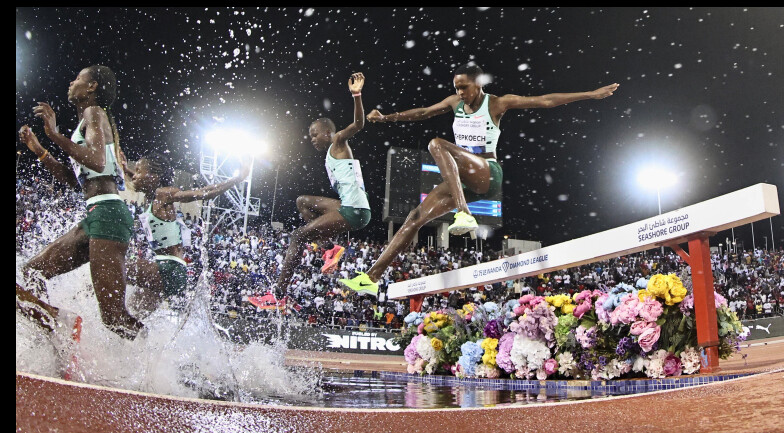
Why is track and field relevant to the average recreational runner?
Perhaps you’re running some of the same distances in your training and racing. Or maybe you have a connection to some of the events from your youth, days in gym class or on the playground. From a human performance perspective, no sport showcases the all-out speed, red-line endurance, max power, dynamic agility, and meticulous bodily control as track and field does.
Here’s a primer on the most awe-inspiring athletes and events of this summer’s track season. Because, come on: with a sport that includes events as multifaceted as the pole vault, as primal as the shot put, and as wild as the 3,000-meter steeplechase—a 1.8-mile race with 28 fixed barriers to hurdle and seven water pits to jump—what’s not to like?
One of the many things that makes track and field so special is that it’s one of the most diverse sports on the planet, both culturally and athletically.
Last summer, athletes from a record 29 different countries earned medals in the 25 different running, jumping, and throwing events at the World Athletics Championships in Eugene, Oregon.
At the highest level, there are athletes of all shapes and sizes from every culture and socioeconomic background. While there certainly are racial and cultural stereotypes that need dissolving and vast inequality among competing countries, from a performance point of view the sport is largely meritocratic, based on the time or distance achieved in a given competition.
Watching American Sydney McLaughlin-Levrone masterfully win the 400-meter hurdles in a world-record time last summer in front of a deafening crowd at Hayward Field in Eugene was a riveting experience. It was vastly different than watching Grenada’s Anderson Peters win the javelin world title with a career-best throw of 90.54 meters on his final attempt to beat India’s Neeraj Chopra, but both had edge-of-your-seat excitement, athletic excellence, and cultural significance.
One of the knocks against track and field in recent years is that it hasn’t done enough to attract casual fans the way professional football, basketball, hockey, and soccer have. Following the On Track Fest, the USATF Los Angeles Grand Prix on May 26-27 in Los Angeles is trying to up the ante by combining a mix of elite-level competition, an interactive fan festival, and top-tier musical performances.
Billed as the one of the deepest track meets ever held on U.S. soil, it will feature a star-studded 400-meter face-off featuring Americans Michael Norman, the reigning world champion, and Kirani James, a three-time Olympic medalist from Grenada, and a women’s 100-meter hurdles clash with world champion Tobi Amusan of Nigeria, Olympic silver medalist Keni Harrison of the U.S., and Olympic gold medalist Jasmine Camacho-Quinn of Puerto Rico.
Saturday’s action will be broadcast live on NBC Sports from 4:30 P.M. to 6 P.M. ET and be followed by a concert event called the Legends Jam, which will include appearances from some legendary athletes and be headlined by Grammy-winning singer Judith Hill.
American sprint sensation Sha’Carri Richardson will be racing the 100-meter dash at the USATF Los Angeles Grand Prix. You probably remember her for her perceived failures more than the astounding times she’s actually achieved on the track.
Two years ago, the sprinter from Dallas blew away the field in the 100-meter dash at the U.S. Olympic Trials with a 10.86 effort, but then she was famously suspended after testing positive for cannabis (which is on the World Anti-Doping Agency’s list of banned substances) and missed the Tokyo Olympics as a result. (She admitted using the drug to cope with the pressure of qualifying for the Olympics while also mourning the recent death of her biological mother.)
Then last year, despite strong early season performances, Richardson failed to make the finals of the 100-meter or 200-meter at the U.S. championships, so she missed out on running in the first world championships held on American soil.
This year, the 23-year-old sprinter appears to be locked in and better than ever, posting a world-leading 10.76 100-meter time on May 5 in Doha (she also ran an eye-popping 10.57 with an over-the-limit tailwind on April 9 in Florida) and posted the second-fastest time in the 200-meter (22.07) on May 13 at a meet in Kenya.
If she keeps it all together, expect Richardson to finally contend with elite Jamaican sprinters Shericka Jackson and Shelly-Ann Fraser-Pryce in the 100 and 4×100-meter relay in August at the World Athletics Championships in Budapest, Hungary.
A few years ago, American sprinter Fred Kerley was on his way to becoming one of the world’s best 400-meter runners. But he wanted more than that. What he really had his heart set on was becoming the world’s fastest man, a moniker that goes with the most dominant sprinter in the 100-meter dash.
Ignoring doubters, Kerley retooled his training and earned the silver medal in the 100-meter at the Tokyo Olympics (.04 seconds behind Italy’s Marcell Jacobs) and then continued his ascent last year by winning the U.S. championships (in 9.76, the sixth-fastest time in history) and world championships (9.86).
The 28-year-old from San Antonio, Texas, also became one of just two other runners (along with American Michael Norman and South African Wayde van Niekerk) to ever run sub-10 seconds in the 100-meter, sub-20 seconds in the 200-meter, and sub-44 seconds in the 400-meter. So far this year, Kerley has two of the four fastest 100-meter times of the season, including a speedy 9.88 on May 21 in Japan.
After trading barbs on social media this spring, Kerley and Jacobs are expected to face off in an epic 100-meter showdown on May 28 at a Diamond League meet in Rabat, Morocco, marking the first time the Olympic gold medalist and the world champion in the men’s 100m face off since the 2012 Olympic final, when Jamaican Usain Bolt beat countryman Yohan Blake. American Trayvon Bromell, the silver medalist at last year’s world championships, is also in the field, so it should be an extraordinary tilt.
If you’re a gambler, bet on Kerley to win that one and eventually get close to Bolt’s 9.58 world record. (To do so, he’ll be running faster than 26 miles per hour!) But don’t count out Kenya’s Ferdinand Omanyala, the early world leader (9.84), or fellow American sub-9.9 guys Bromell, Norman, Christian Coleman, and Noah Lyles at the 2023 World Athletics Championships on August 20, in Budapest. Depending on which three Americans join Kerley (who has an automatic qualifier) at the world championships, it’s actually quite likely the U.S. could sweep the top four spots in the 100 in Budapest.
If you’ve ever wanted to see the world’s top track and field stars competing live in the U.S., this is the year to do it. The May 26-27 USATF Los Angeles Grand Prix meet and June 3-4 Portland Track Festival are part of what might be the mosst compelling outdoor track season ever held on U.S. soil.
If you’re looking for an athlete to marvel at, start with Sydney McLaughlin-Levrone, the gold medalist in the 400-meter hurdles at the Olympics in 2021 and World Athletics Championships last summer. She’s been one of the sport’s rising stars since she was a teenager and yet she’s only 23. Her trajectory is still rising—especially since she moved to Los Angeles to train under coach Bob Kersee. Driven by her strong faith, McLaughlin-Levrone is the personification of hard work, grace and competitiveness.
This year she’ll temporarily step away from her primary event to show off her pure sprinting prowess when she opens her season in a “flat” 400-meter race at the Diamond League meet in Paris on June 9. Her personal best in the 400-meter is 50.07 seconds, set when she was a freshman at the University of Kentucky, but she clocked a speedy 50.68 while running over hurdles, en route to a world-record setting win at last summer’s world championships.
Her best 400-meter split as part of a 4×400-meter relay is 47.91, so it’s within reason to think she could be one of several runners to challenge the long-standing world record of 47.60 set in 1985 by East German Marita Koch. Because McLaughlin-Levrone has an automatic qualifier to the world championships in the 400-meter hurdles, she will likely run the open 400-meter at the U.S. championships and decide after the meet which one she’ll focus on.
American 800-meter ace Athing Mu has looked unbeatable for the past several years as she won Olympic gold in the event at the Tokyo Olympics and last year’s world championships. In fact, she has been unbeatable, having won 13 straight races since she dropped out of a mile race at the Millrose Games in January 2022. Going back to 2020 (when she was a senior in high school) and 2021 (during her one season at Texas A&M), she’s finished first in 51 of her past 53 races (relays included), with her only loss being a narrow runner-up finish to Kaelin Roberts in the 400-meter at the 2021 NCAA indoor championships.
Mu, who is also coached by Kersee and trains with McLaughlin-Levrone, seems to be the most likely athlete to challenge the women’s 800-meter world record of 1:53.28, set in 1983 by the Czech Republic’s Jarmila Kratochvílová. It’s the longest standing record in track and field, and only two runners have come within a second of it in the past 15 years. Her personal best of 1:55.04 is an American record and the eighth-fastest time in history. She’s still only 20 years old, so she has many years to keep improving and other historic opportunities ahead of her.
Mu said earlier this year she’d like to try a 400-800-meter double at an Olympics or world championships if the schedule permits—it’s only been done once successfully by Cuba’s Alberto Juantorena at the 1976 Games—but her coach has said she might attempt a 800-1,500-meter double next year at the Paris Olympics.
This year, Mu will run the 1,500 meters at the USATF Championships in July, but will likely defend her 800-meter title at the world championships in Budapest, as well as potentially running on the U.S. women’s 4×400-meter relay and the mixed-gender 4×400-meter relay (with McLaughlin-Levrone) for an opportunity to win three gold medals in a single championships.
With apologies to quarterback extraordinaire Patrick Mahomes, gymnastics all-arounder Simone Biles, and skiing superstar Mikela Shiffrin, pole vaulter Armand Duplantis just might be the most dynamically talented athlete in the world. That’s because he’s the world’s most dominant athlete (and has set six world records) in arguably the most demanding discipline, not only in track and field but quite possibly in any sport. No sport discipline involves such a dynamic combination of speed, power, precision and agility, and Duplantis, who is only 23, is already the greatest of all-time.
Prove me wrong or watch him set his latest world record (6.22 meters or 20 feet, 5 inches) at an indoor meet on February 25 in Clermont-Ferrand, France. That’s the equivalent of vaulting onto the roof of a two-story building, and in his case, often with room to spare.
Duplantis, who grew up in Lafayette, Louisiana, to athletic parents with Swedish and Finnish heritage, represents Sweden in international competitions. He started pole vaulting at age three, set his first of 11 age-group world-best marks at age seven, and won an NCAA title in 2019 as a freshman competing for LSU before turning pro.
All indications are that North Carolina State junior Katelyn Tuohy could become the next American running star. All she has done since she was young is win races and break records.
After winning the NCAA outdoor 5,000-meter a year ago, she won the NCAA cross country title in November. During the indoor track season this past winter, she set a new collegiate mile record (4:24.26) and won both the 3,000-meter and 5,000-meter title at the NCAA indoor championships in March. On May 7, the 21-year-old from Thiells, New York, broke the NCAA outdoor 5,000-meter record by 17 seconds, clocking 15:03.12 at the Sound Running On Track Fest.
Tuohy will be running both the 1,500-meter and 5,000-meter at the NCAA East Regional May 24-27 in Jacksonville, Florida, with the hopes of eventually advancing to the finals of both events at the June 7-10 NCAA Division I championship meet in Austin, Texas.
University of Arkansas junior Britton Wilson is a top collegiate star who is ready for prime time at the pro level. She won the 400-meter in a world-leading and collegiate record time of 49.13 in mid-May at the SEC Championships, where she also won the 400-meter hurdles (53.23) in a world-leading time. The 22-year-old from Richmond, Virginia, was the runner-up in the 400-meter hurdles at last year’s U.S. championships and fifth in the world championships, and could contend for a spot on Team USA in either event at the July 6-9 U.S. championships.
Kerley and Lyles are expected to square off in a 200-meter race at the USATF New York Grand Prix meet on June 24 at Icahn Stadium on Randall’s Island in New York City. There are also two high-level Puma American Track League meets in Tennessee—the Music City Track Carnival June 2 in Nashville and the Ed Murphey Classic August 4-5 in Memphis—and two Under Armour Sunset Tour meets organized by Sound Running on July 22 in Los Angeles and July 29 in Baltimore.
The best U.S. meet of the year, though, will be the USATF Outdoor Championships held July 6-9 in Eugene, Oregon, where American athletes will be vying for top-three finishes to earn a chance to compete for Team USA at the 2023 World Athletics Championships August 19-27 in Budapest.
The U.S. season will culminate with the September 16-17 Pre Classic in Eugene, Oregon, a two two-day meet that will double as the finals of the international Diamond League circuit and should include many of the top athletes who will be representing their countries in next summer’s Paris Olympics. (And if you want to see the country’s top high school athletes run unfathomable times for teenagers, check out the Brooks PR Invitational on June 14 in Seattle, Washington.)
At the June 2 Diamond League meet in Rome, Italy, the men’s field in the 5,000-meter run will have what might be the fastest field ever assembled, with 13 runners who have personal best times of 12:59 or faster.
The field will be headlined by Joshua Cheptegei of Uganda, who lowered the world record to 12:35.36 in Monaco three years ago. (That’s a pace of 4:03 per mile!). But it will also include Kenya’s Jacob Krop (12:45.71) and Nicholas Kipkorir (12:46.33), Ethiopia’s Yomif Kejelcha (12:46.79), American Grant Fisher (12:46.79), Canadian Mohammed Ahmed (12:47.20), and Guatemalan-American Luis Grijalva (13:02.94), among others. With a big prize purse at stake and pacesetters ramping up the speed from the start, it should be a race for the ages.
by Outside Online
Login to leave a comment
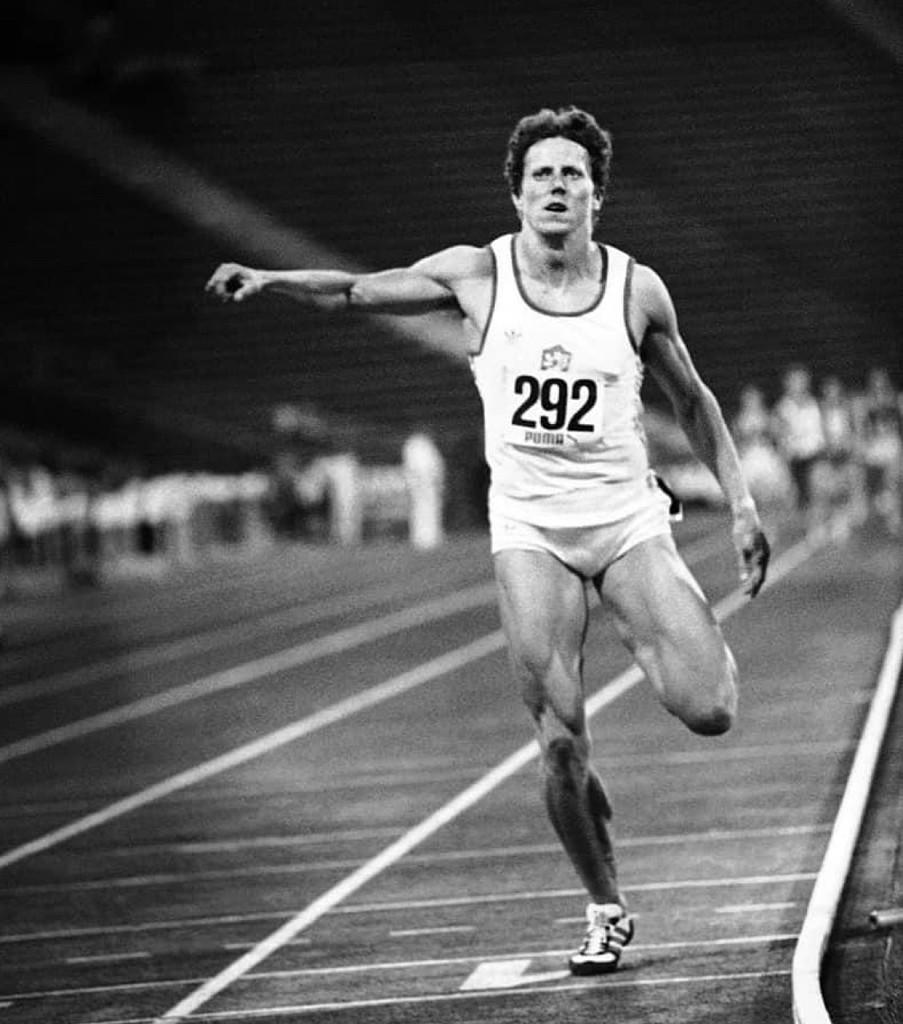
Will this world record ever be broken? Maybe in another 100 years!
38 years ago Czech runner Jarmila Kratochvilova set the still standing world record of 1:53.28 over 800 meters for women. Is this record legitimate and will it ever be broken? Dave Ross asked on FB.
In 1983, Kratochvílová broke the 800 m world record with a time of 1:53.28. At the World Championships shortly afterwards, she set a world record of 47.99 seconds to win the 400 m.
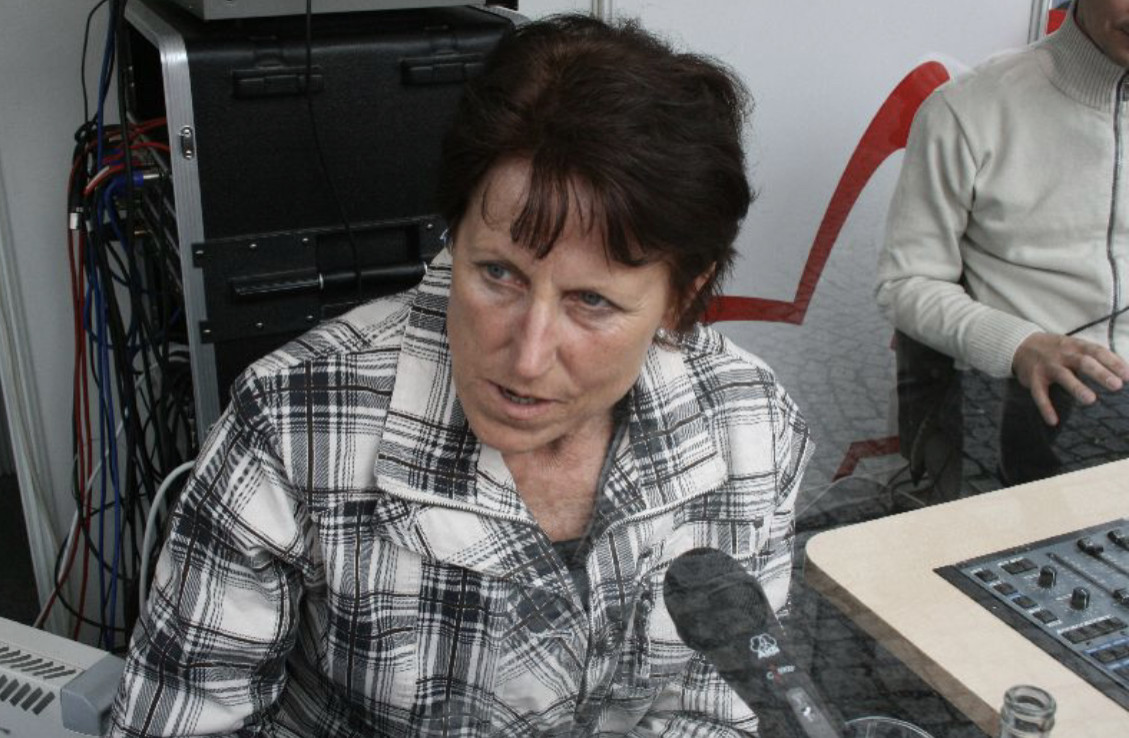
Kratochvílová's 1983 400-metre world record of 47.99 seconds stood for two years until it was broken by her great rival Marita Koch in 1985. Koch's 400-metre world record of 47.60 seconds still stands as of 2021. Koch and Kratochvílová are the only women who have broken the 48 second barrier in a 400-metre laned race.
Her 800-metre world record is the longest standing track record in men or women's athletics, and was described by 1996 Olympic champion Svetlana Masterkova as ".. very fast. It's impossible for women to run so fast. It will last for 100 years."
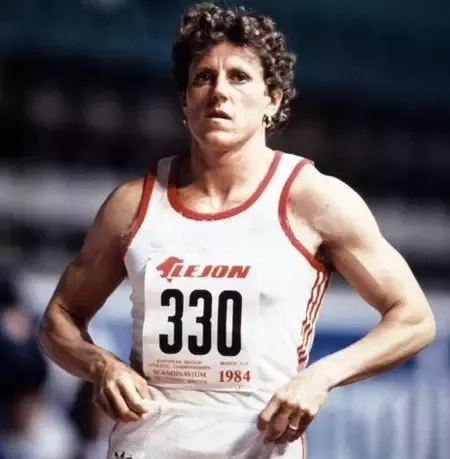
Kratochvílová was a late developer, not breaking 53 seconds for the 400 metres until she was 27, and she was 32 when she set her world records.
Her remarkably fast times and her atypical muscular physique spawned rumors of illegal drug use.
Kratochvílová has maintained her innocence, and although in 2006 the Prague newspaper Mladá fronta DNES claimed to have uncovered a doping program run by Czechoslovakia's Communist government, there was no link to Kratochvílová despite her being her country's highest profile athlete.
She and her coach of 20 years, Miroslav Kvac, maintain that it was rigorous training and high doses of vitamin B12 that account for her records, a claim treated with scepticism by several anti-doping campaigners. In 2017, she criticized a proposal by European Athletics to remove suspicion about drug-taking by voiding all world records set before 2005.
Login to leave a comment
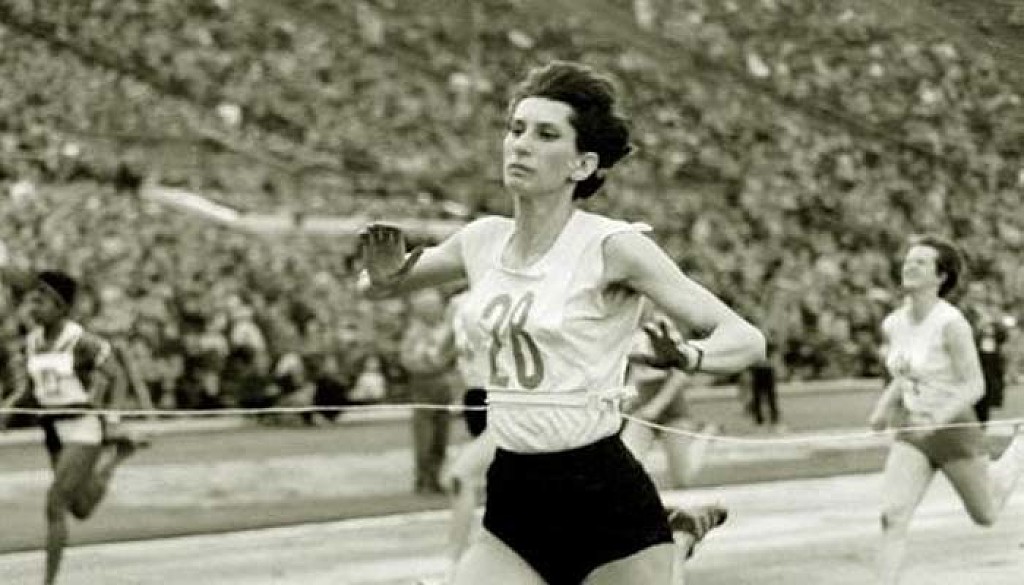
The first lady of Polish sport, Irena Szewinska
Only one athlete in history has set world records at 100m, 200m and 400m: Irena Szewinska – the brightest star of Polish athletics.
The first lady of Polish sport, as she was called by Poland’s president Andrzej Duda, is a five-time Olympian and seven-time Olympic medallist, with her achievements including three gold, two silver and two bronze medals.
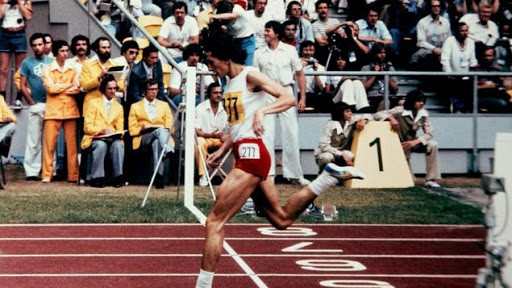
Her Olympic journey
Szewinska was born in Leningrad in 1947 to a Ukrainian mother and Polish father. She moved with her parents to Warsaw when she was still a child.
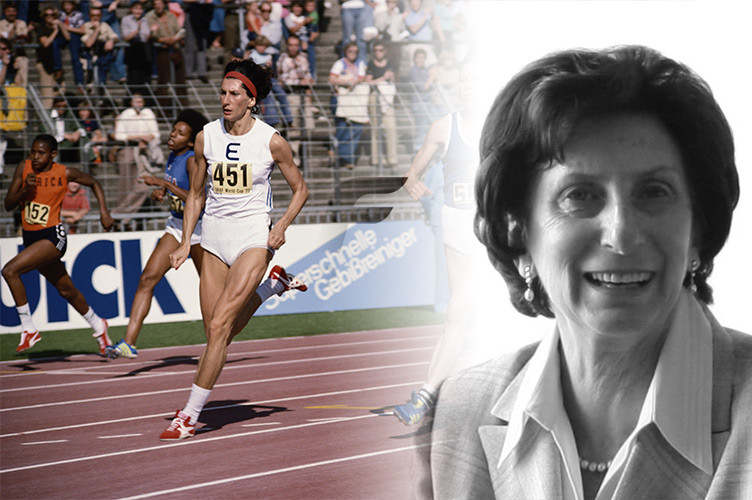
At the age of 14 she started athletics at her school in Warsaw, where she was coached by Jan Kopyto, a former javelin thrower who competed at the Melbourne 1956 Olympic Games.
"I ran so fast in the school trials that the teacher requested a re-run because she thought she'd made a mistake in measuring the time,” Szewinska said in an interview with the Polish Press Agency.
The Polish sprinter made her Olympic debut at the Tokyo 1964 Olympic Games at only 18 years of age. Competing under her maiden name of Kirszenstein, she won silver medals in the long jump (6.60m) and the 200m (23.1).
She went on to win her first Olympic gold medal in the 4x100m – Poland’s second Olympic medal in that event after their bronze in Rome in 1960 and their first ever relay gold medal at the Games.
In 1965, she snatched the 100m world record (11.1) from USA’s Wyomia Tyus, who remained one of her strongest competitors over this distance for the next three years. That same season, Szewinska broke the 200m world record for the first time, running 22.7 in the Polish capital.
After earning a degree in economics from the University of Warsaw, Szewinska’s second Olympic appearance was in Mexico City in 1968.
“Things started badly for me in Mexico City,” she said. “I didn’t qualify for the long jump final, and my second event was the 100m which wasn’t my favorite event. Because of my height, I always start poorly, and by the time I was in full stride the race was over.”
She finished third in the 100m (11.18) behind the US one-two of Tyus and Barbara Ferrell. Szewinska then qualified for the 200m final after finishing third in her semifinal and lined up against a strong field.
In 1974, only two years after her first attempt at the 400m, Szewinska became the first woman to break 50 seconds with a hand-timed performance of 49.9 in Warsaw. The 400m women’s world records were recognised from 1957 but from 1975 onwards they had to be electronically timed.
The first electronically timed world record was set by Finland’s Riitta Salin, who ran 50.14. The first woman to run a sub-50-second electronic time was Christina Brehmer from East Germany who ran 49.77 in May 1976. This record only stood a month before Szewinska ran 49.75 on home soil.
Her Olympic and world record performance in the 400m remains the Polish record. She added a third Olympic gold medal to her collection, equalling Australian Shirley Strickland's record at that time of the most Olympic athletics medals won by a woman.
The spikes that she wore at the 1976 Games are now on display in the Museum of World Athletics™ – the world’s first 3D virtual sports museum.
In 1977, at 31 years of age, Szewinska was up for another challenge: lining up against Marita Koch at the inaugural IAAF World Cup in Dusseldorf.
Koch dominated the race but Szewinska, a renowned strong finisher, fought to the end to overtake Koch in the last 30 metres, winning in 49.52, her second best ever time.
Szewinska’s long athletics career ended after her fifth Olympic participation in Moscow in 1980. She pulled a muscle during the semifinals of the 400m which forced her to put an end to her Olympic journey. She retired from the sport soon after and gave birth to her second son in 1981.
Career transition
After a 16-year career in athletics, Poland’s most decorated Olympian transitioned to become a respected administrator in sports, giving back to the sport that she loved since her school days.
In 2012, she was inducted into the IAAF Hall of Fame. Four years later, she received the Order of the White Eagle, Poland’s highest award.
"Sport was a great adventure of my life, when I was an athlete and my fate was that I am still connected with sport. I am passionate about it, this is my hobby," she said.
On Friday 29 June 2018, Szewinska lost her long battle with cancer aged 72.
by World Athletics
Login to leave a comment
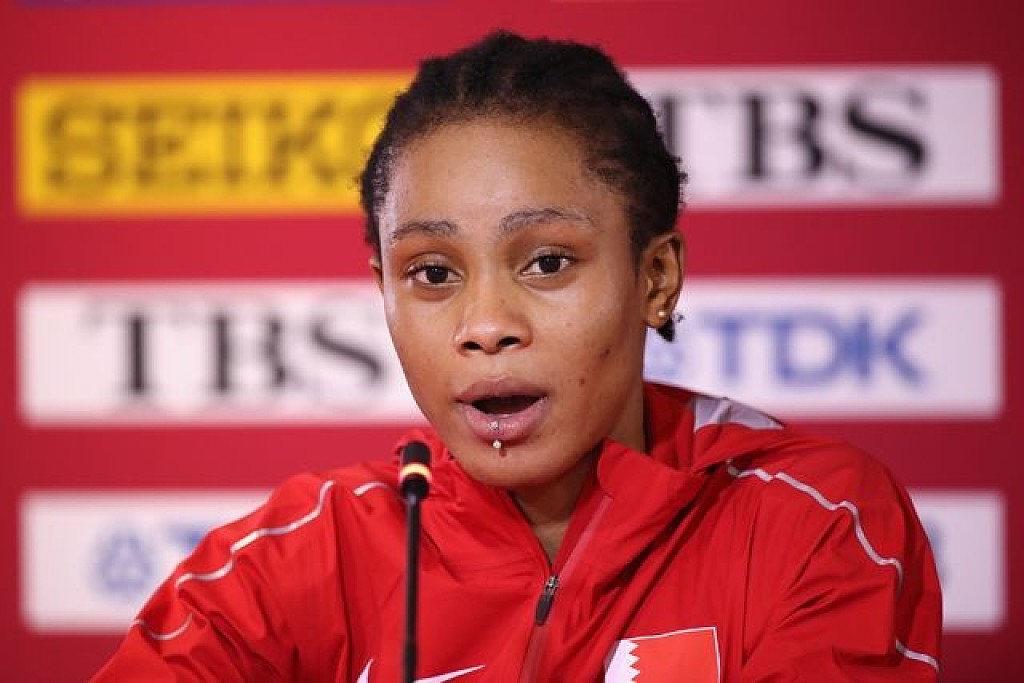
Doping charges against Bahrain's 400m world champion Salwa Eid Naser dismissed
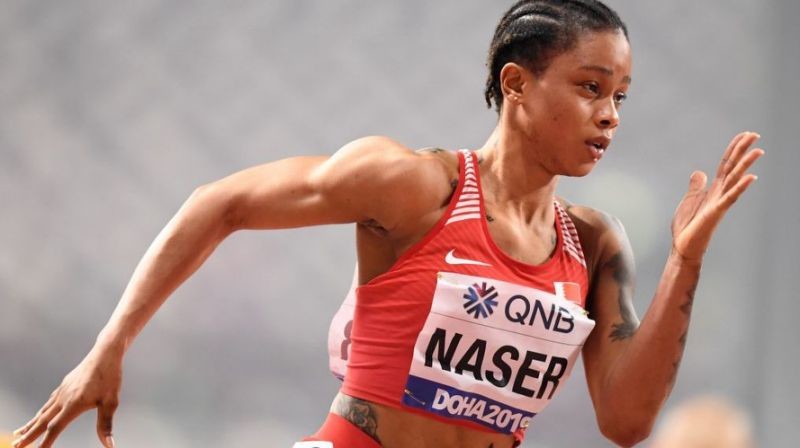
The doping charges brought against Bahrain's 400 meter world champion Salwa Eid Naser have been dismissed, the Athletics Integrity Unit announced on Tuesday.The 22-year-old Naser was provisionally suspended in June and charged with failing to meet 'whereabouts' criteria.
The AIU charged the Nigerian-born runner with four alleged 'whereabouts' failures which included three missed tests between March 2019 and January this year.But the World Athletics Disciplinary Tribunal did not confirm a missed test from April 2019, therefore meaning Naser had not missed three tests within 12 months which is required to prove an anti-doping violation.
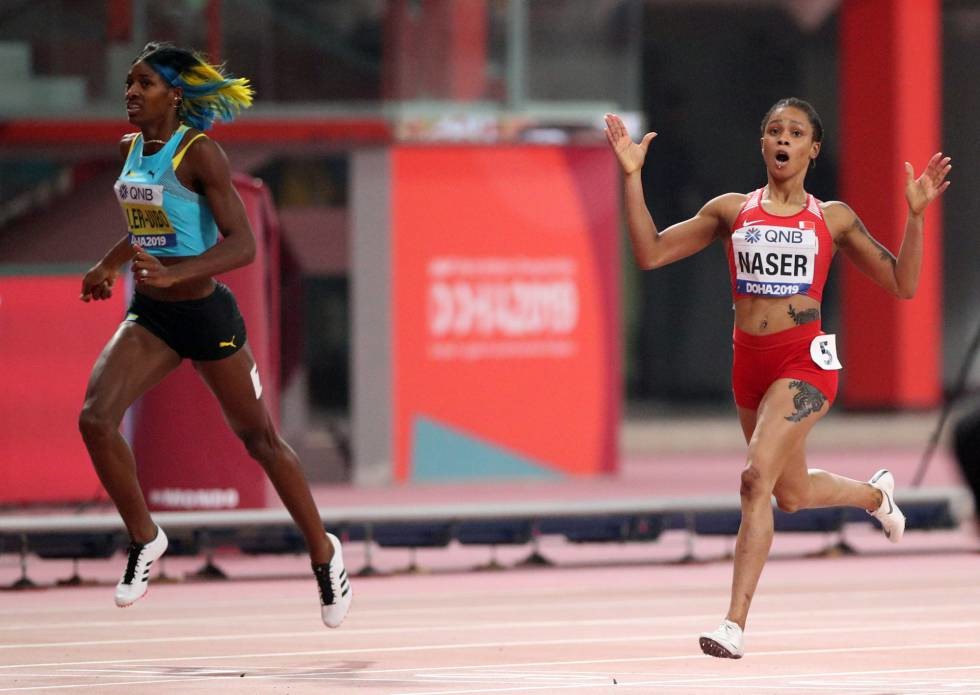
The AIU added that it has the right to appeal to the Court of Arbitration for Sport.Naser stunned athletics in Doha last year when she powered to the third-fastest 400m time in history to win the world title.
Her time of 48.14 seconds has only been bettered by East German Marita Koch in 1985 and former Czech runner Jarmila Kratochvilova in 1983.The AIU is the independent anti-doping watchdog for track and field, set up in 2017.
Login to leave a comment
