

Running News Daily
Running News Daily is edited by Bob Anderson and team. Send your news items to bob@mybestruns.com Advertising opportunities available.
Index to Daily Posts · Sign Up For Updates · Run The World Feed
Articles tagged #Estonia
Today's Running News
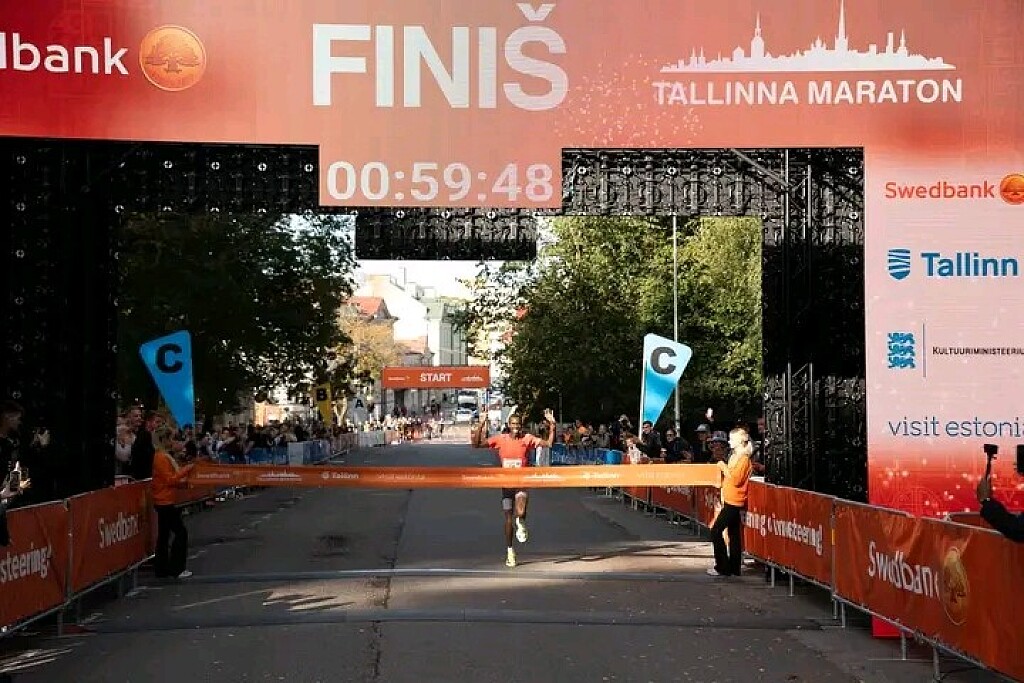


History Made in Tallinn as Vincent Kiptoo Breaks One-Hour Barrier in Estonia
Kenya produced a remarkable double victory at the 2026 Swedbank Tallinn Marathon Half Marathon in Estonia, with Vincent Kiptoo and Regina Wambui Ndungu claiming the men’s and women’s titles in record-breaking fashion.
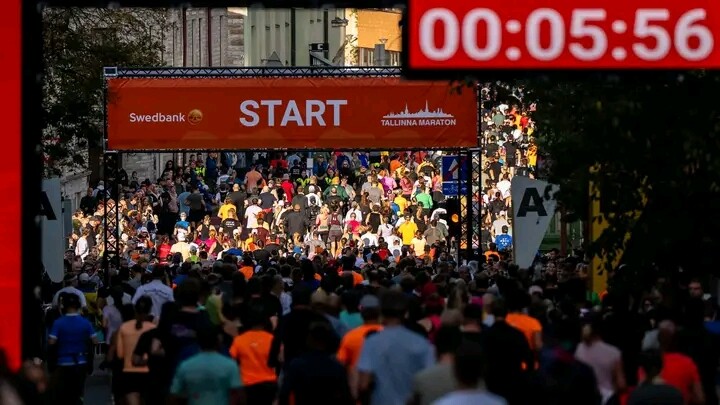
Kiptoo delivered the headline performance of the morning, storming to victory in 59:48 to become the first athlete to run a half marathon in under one hour on Estonian soil. His performance also established a new Tallinn Half Marathon course record, marking a historic milestone for both the Kenyan and the race.
The Kenyan’s victory was backed by an impressive display of depth from his compatriots. Johana Erot finished second in 1:00:51, recording a personal best, while Enos Kipruto Saat completed the podium in 1:01:22. Kenya therefore swept all three men’s podium positions.
The fastest Estonian in the men’s race was Leonid Latsepov, who finished in 1:04:20, giving the home crowd another performance to celebrate despite the dominance of the Kenyan contingent.
The women’s race provided another Kenyan triumph, with Regina Wambui Ndungu producing a superb 1:07:35 to take the title and set a new Tallinn Half Marathon course record. Her performance completed a memorable Kenyan double on a morning when both winners rewrote the course records.
Winsam Jerono secured second place in 1:10:29, also improving her personal best, while Morocco’s Soukaina Atanane took third in 1:11:24. The fastest Estonian woman was Pille Hinn, who crossed the line in 1:23:02.
The men’s result was particularly striking, with Kenya occupying every place on the podium. Kiptoo’s historic sub-hour run was followed by Erot’s personal-best performance and Kipruto Saat’s strong third-place finish, underlining the depth of Kenyan talent over the half-marathon distance.
For Kiptoo, the 59:48 performance represents more than a race victory. Breaking the one-hour barrier in Estonia places his name in the history of the Tallinn Half Marathon and gives him a course record that will now become the benchmark for future editions of the race.
Ndungu’s victory added another layer to the Kenyan success. Her 1:07:35 not only secured the women’s title but also lowered the course record, meaning both elite races produced new standards on the same morning.
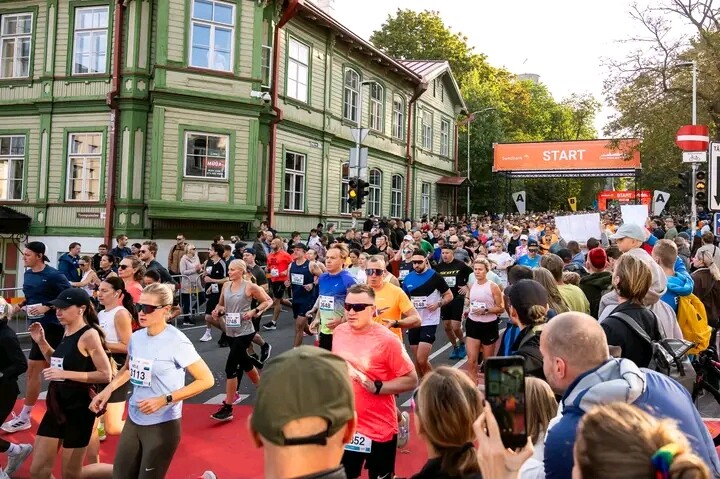
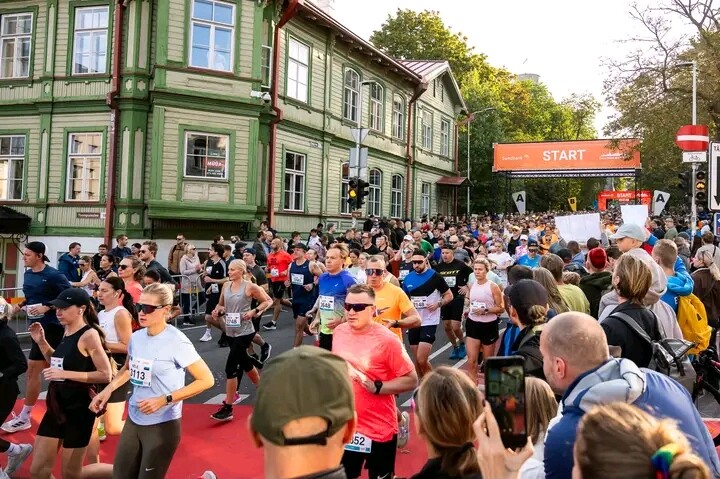
The scale of the event added to the occasion, with more than 5,000 runners taking on the 21.1-kilometre challenge. The streets of Tallinn were filled with runners of different levels, creating a vibrant backdrop for a morning that produced two Kenyan victories and two new course records.
The half marathon was only one part of a packed Tallinn running weekend. The 10K Tallinn Autumn Run was scheduled to follow at 14:00, with the Nike Youth Run later in the evening at 18:30, keeping the Estonian capital at the centre of the running action throughout Saturday.
The weekend will then reach its grand finale on Sunday morning with the Tallinn Marathon, scheduled for a 09:00 start. With thousands of runners continuing to take to the streets, the city’s celebration of distance running is set to continue.
For Kenya, however, the defining moment of the half marathon will remain Kiptoo’s historic 59:48. Alongside Ndungu’s course-record victory, it gave the country a spectacular start to the Tallinn Marathon weekend and etched another memorable chapter into Kenya’s remarkable road-running story.
by Erick Cheruiyot for My Best Runs.
Login to leave a comment

Tallin Marathon
The Tallinn Marathon has won a sure place in the competition calendar of runners and has become an attractive destination for running tourists looking for new experiences. About 20 000 running enthusiasts from 56 different countries participated in the 2017 event. As a tradition, the marathon will take place in every second Sunday of September, this year 9th of September,...
more...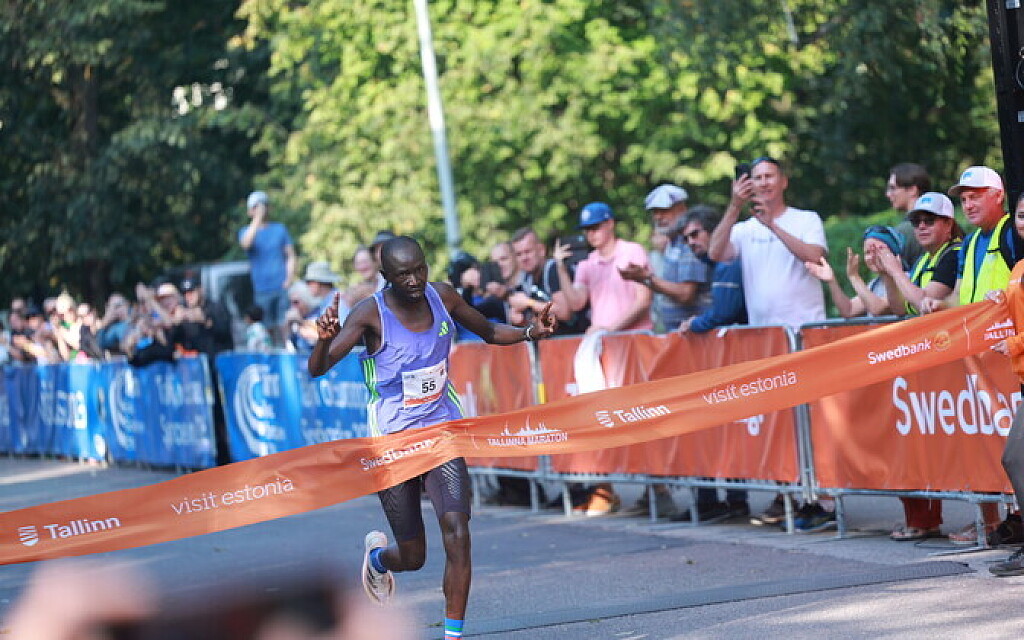
Tallinn Marathon win goes to Kenya
The Tallinn Marathon, held on Sunday, was won by Kenyan runner Samwel Kiptoo. Tiidrek Nurme was crowned Estonian champion, finishing fourth overall.
Thirty-year-old Samwel Kiptoo finished the race with a time of 2 hours, 13 minutes and 48 seconds. The last time a Kenyan marathoner did not win in Tallinn was in 2018 when Roman Fosti claimed first place.
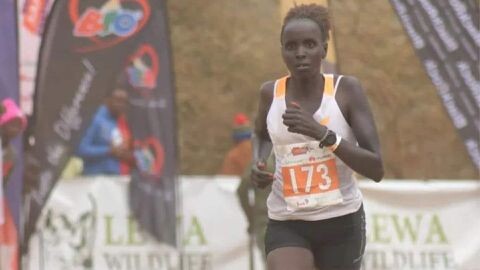
The second to cross the finish line was Ethiopian Geleto Barecha Tolosa, trailing the winner by 22 seconds. Kenyan Ishmael Chelanga Kalale came in third, finishing 51 seconds behind Kiptoo.
Tiidrek Nurme, running his first marathon on home soil, was the fastest Estonian, placing fourth overall with a time of 2:15:04. He missed out on third place by just 25 seconds.
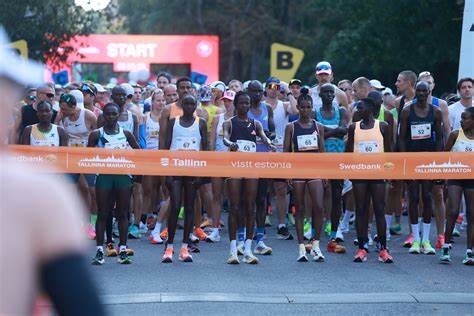
Leonid Latsepov secured the silver medal in the Estonian championships, finishing fifth overall (+2:56). Bert Tippi took the bronze, placing eighth overall (+13:54).
In the women's race, Kenyan runners swept the podium. Mercy Kwambai claimed victory with a course record of 2:31:09, breaking the previous mark set two years ago by fellow Kenyan Pauline Thitu by 20 seconds. Kwambai also finished 10th overall.
Hildah Jepkogei Cheboi took second place with a time of 2:31:29, while Euliter Jepchirchir Tanui secured third with a time of 2:31:48.
by ERR News
Login to leave a comment
Tallin Marathon
The Tallinn Marathon has won a sure place in the competition calendar of runners and has become an attractive destination for running tourists looking for new experiences. About 20 000 running enthusiasts from 56 different countries participated in the 2017 event. As a tradition, the marathon will take place in every second Sunday of September, this year 9th of September,...
more...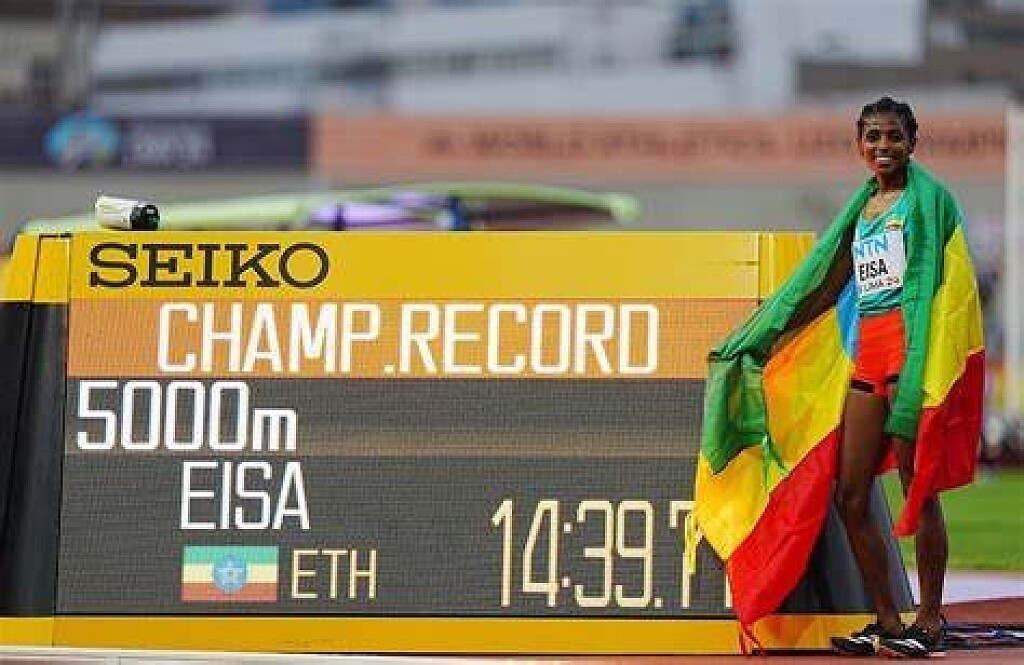
Eisa runs championship record to retain world U20 5000m title in Lima
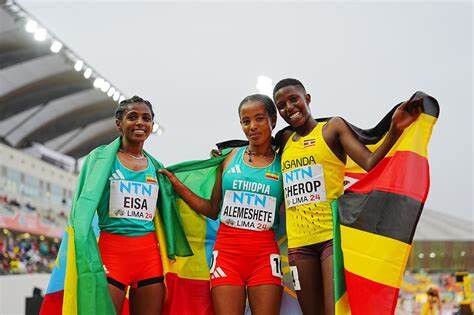
On a cool, crisp evening in the Peruvian capital on Tuesday (27), Ethiopia’s Medina Eisa turned up the heat on her rivals to successfully defend her 5000m title, the highlight of the first day of action at the World Athletics U20 Championships Lima 24.
Eisa’s winning time of 14:39.71 carved more than 28 seconds off the championship record set by Genzebe Dibaba, which had stood since 2010, and brought her home well clear of her compatriot Mekedes Alemeshete. The two broke away from the field from the outset and alternated pace-setting duties, passing 2000m in 5:58.59 with a 40-meter lead.
By 3000m, reached in 8:57.28, they’d built a 70-meter lead and from there it only extended, with Eisa breaking clear of her compatriot with three and a half laps to run and lapping most of the field to hand women’s 5000m gold to Ethiopia for the eighth time in the last nine editions.
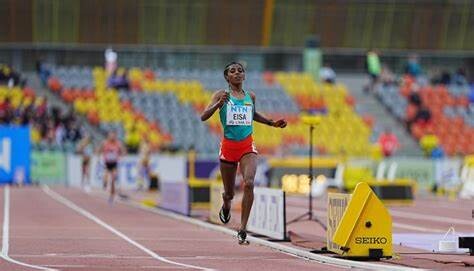
“I'm very happy with this win and to achieve a championship record after the Olympics,” said Eisa, who finished seventh in the 5000m in Paris. “I wanted to be a champion, I have wanted this for months.”
Alemeshete followed her home in 14:57.44, with Uganda’s Charity Cherop getting bronze in a PB of 15:25.02.
The men’s 5000m proved a very different race, with some early moves proving inconsequential and the final boiling down to a sprint finish, with seven clustered together at the bell. As the contenders hit full speed on the final turn it was Kenya’s Andrew Kiptoo Alamisi who soon took flight like a bird, soaring to victory in 13:41.14 ahead of Ethiopia’s Abdisa Fayisa (13:41.56) and Uganda’s Keneth Kiprop (13:41.73).
Australia reigned supreme in the mixed 4x400m final, their quartet of Jordan Gilbert, Bella Pasquali, Jack Deguara and Sophia Gregorevic controlling the race and hitting the line comfortably in front in an Oceanian record of 3:19.27. Poland claimed silver in 3:20.44 with China coming through strongly for bronze in 3:21.27 courtesy of a big final leg from Liu Yinglan.
In the men’s shot put, it was no surprise to see gold go to the Netherlands for the first time in 24 years, but it wasn’t the thrower many were expecting, with Dutch U20 record-holder Yannick Rolvink – who topped the entry lists by more than a metre – finishing fifth with 19.88m.
It was his teammate, Jarno van Daalen, who shone brightest, the 18-year-old adding 36cm to his lifetime best with his opening round effort of 20.76m. That was a mark no one else could match in the subsequent rounds, though South Africa’s JL van Rensburg came close, launching a PB of 20.74m in the final round for silver. Germany’s Georg Harpf took bronze with 20.28m.
With four events completed in the heptathlon, Croatia’s Jana Koscak tops the standings with 3536 points, the 2022 European U18 champion adding to her 13.80 hurdles performance and 1.81m high jump earlier in the day with a 12.01m shot put and 25.12 200m in the afternoon session.
Second overnight is Switzerland’s Lucia Acklin, who rocketed up the standings during the latter part of the day after throwing 13.42m in the shot put and clocking a PB of 24.42 in the 200m. That leaves her on 3472 points. Australia’s Mia Scerri sits third with 3385, closely followed by Czechia’s Adela Tkacova who is fourth with 3351, aided by her season’s best of 24.14 in the 200m.
"It's been a long day, but I'm happy," said Koscak. "I ran a solid 200m, a good high jump, but the hurdles and shot put could have been a little better. It's been a long process because I've been travelling a lot, with climate changes, times zones. This is the World Championships so I'm not going to complain."
In the women’s 100m semifinals, Jamaica’s Alana Reid was highly impressive when winning in 11.44 (-0.3m/s), easing off the gas far from the line to beat Nigeria’s Justina Tiana Eyakpobeyan (11.56) and Aleksandra Stoilova of Australia (11.58), who also advanced. Kishawna Niles of Barbados and Britain’s Nia Wedderburn-Goodison were the quickest qualifiers, both clocking 11.39 in the first semifinal ahead of South Africa’s Viwe Jingqi (11.49). Germany’s Chelsea Kadiri won the third semifinal in 11.52 ahead of Adaejah Hodge of the British Virgin Islands (11.59).
Thailand’s Puripol Bonsoon, who finished fourth in this event two years ago, was the quickest qualifier for the men’s 100m final, clocking 10.30 (-0.6m/s) in the semifinals to edge South Africa’s Bradley Nkoana by one thousandth of a second. Jamaica’s Gary Card qualified in third with 10.39.
Deandre Daley of Jamaica powered to victory in the first semifinal in 10.34 (-0.9m/s) with Japan’s Naoki Nishioka taking the second automatic spot in 10.43. South Africa’s Bayanda Walaza recovered from an early stumble to win the third semifinal in 10.33 (-0.2m/s) ahead of Britain’s Teddy Wilson (10.35) and China’s He Jinxian (10.36), who also advanced.
China’s Wang Xiaobo led the way in men’s javelin qualification, launching 73.83m with Slovenia’s Tom Tersek next best with 73.37m ahead of Germany’s Oskar Janicke (73.02m). Ukraine’s Illia Saievskyi was the only other thrower to surpass the 72.50m automatic qualification mark.
In women's pole vault qualification, the automatic qualifying mark of 4.25m wasn't necessary and four athletes cleared 4.10m with faultless performances. One vault was all it took for USA's Molly Haywood to make the final as she entered at 4.10m and cleared that first time. She'll be joined by athletes including Estonia's Miia Tillmann, Australia's Tryphena Hewett and Austria's Magdalena Rauter.
The women’s 3000m steeplechase heats saw a dominant performance from race favourite Sembo Almayew who coasted to victory in 9:30.59 ahead of Kenya’s Diana Chepkemoi and Uganda’s Nancy Chepkwurui (9:49.06). Ethiopia’s Firehiwot Gesese eased to victory in the other heat in 10:00.96 ahead of Uganda’s Loice Chekwemoi (10:01.85) and Kenya’s Sharon Chepkemoi (10:07.59).
by Cathal Dennehy for World Athletics
Login to leave a comment
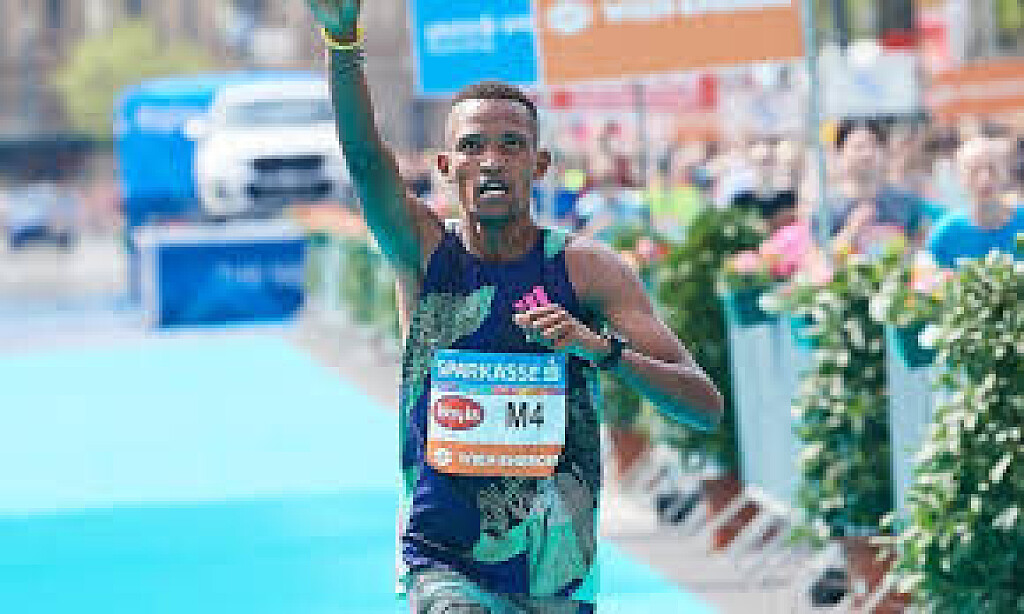
Bethwell Yegon and Chala Regasa head start list in Vienna
Bethwell Yegon returns to the Vienna City Marathon where he was runner-up in unusually warm conditions last year. The Kenyan hopes to go one better this time and win his first marathon on 21st April. He will be challenged by Ethiopia’s Chala Regasa, who is also targeting a first major marathon triumph.
Both athletes have personal bests of slightly over 2:06 and head the competitive men’s field of the Vienna City Marathon. Over a dozen athletes on the current start list have personal records of sub 2:10 and a number of them hope to qualify for the Olympic marathon in Paris this summer.
With over 40,000 entries the Vienna City Marathon is Austria’s biggest one-day sporting event and the only road race in the country that features a World Athletics Elite Label. The figure includes entries for shorter races staged parallel to the marathon.
Bethwell Yegon ran a stunning marathon race in Berlin in 2021, when he came from far behind, overtook Ethiopia’s superstar Kenenisa Bekele and almost challenged for victory in the final stages. Yegon finished second and improved his personal best by more than two minutes to 2:06:14. This remains the fastest time of the 31 year-old who trains in Iten, the heart of Kenyan long distance running. “I am happy to return to Vienna and my goal is to fight for victory and take a place on the podium. Hopefully the weather conditions will be fine and there will be a strong group to run with,” said Bethwell Yegon, who clocked 2:06:57 a year ago, which is the fifth fastest time ever run in the history of the Vienna City Marathon.
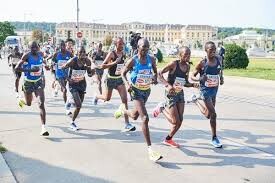
Chala Regasa has already run on Vienna’s roads as well, though in a different role. The 26 year-old Ethiopian was part of the pacemaking team that supported Eliud Kipchoge when he sensationally broke the two hour marathon barrier in 2019. It was a year ago when Regasa finally ran his marathon debut in Rotterdam with a fine 2:06:11 for fifth place. With this time he is currently the fastest runner in the field. Vienna will be his second marathon and his strong half marathon PB of 59:10 suggests that there is some room for improvement. His biggest career win so far came in the New Delhi Half Marathon in 2022, where Regasa clocked 60:30 and beat a strong field.
Felix Kibitok is another runner who features both, a personal best of sub 2:06:30 and a very fast half marathon PB. The Kenyan was fifth in Barcelona in 2022 with 2:06:28 and achieved 59:08 in the Prague Half Marathon back in 2019. On two more occasions Kibitok ran sub one hour half marathon times. Samsom Amare from Eritrea, who won his marathon debut in Abu Dhabi in 2023 with 2:07:10 and was ninth at the World Half Marathon Championships in 2023, plus Kenyans Albert Kangogo (2:07:48) and Leonard Barsoton (2:09:06) could well challenge for a place on the podium as well.
The Vienna City Marathon is one of the last few races during the second half of April giving athletes a chance to qualify for the Olympic Games’ marathon in Paris this summer. The official qualifying time is 2:08:10 and the qualifying window shuts on 30th April. There are a number of athletes who will try to fulfill their Olympic dream in Vienna: Belgium’s Lahsene Bouchikhi has a personal best of 2:08:36 from Valencia last year while Daniel Paulus is the national record holder of Namibia. He clocked 2:08:40 in his debut in Daegu, South Korea, in 2023. Juan Pacheco from Mexico is also expected to try to qualify for Paris. He has a personal record of 2:09:45 while Tiidrek Nurme from Estonia has run 2:10:02.
The Vienna City Marathon will also be hosting the Hungarian national marathon championships for the second time in a row. Around 40 of the best athletes from the neighbouring country will come to Vienna to determine their champions.
by AIMS
Login to leave a comment

Vienna City Marathon
More than 41,000 runners from over 110 nations take part in the Vienna City Marathon, cheered on by hundreds of thousands of spectators. From the start at UN City to the magnificent finish on the Heldenplatz, the excitement will never miss a beat. In recent years the Vienna City Marathon has succeeded in creating a unique position as a marathon...
more...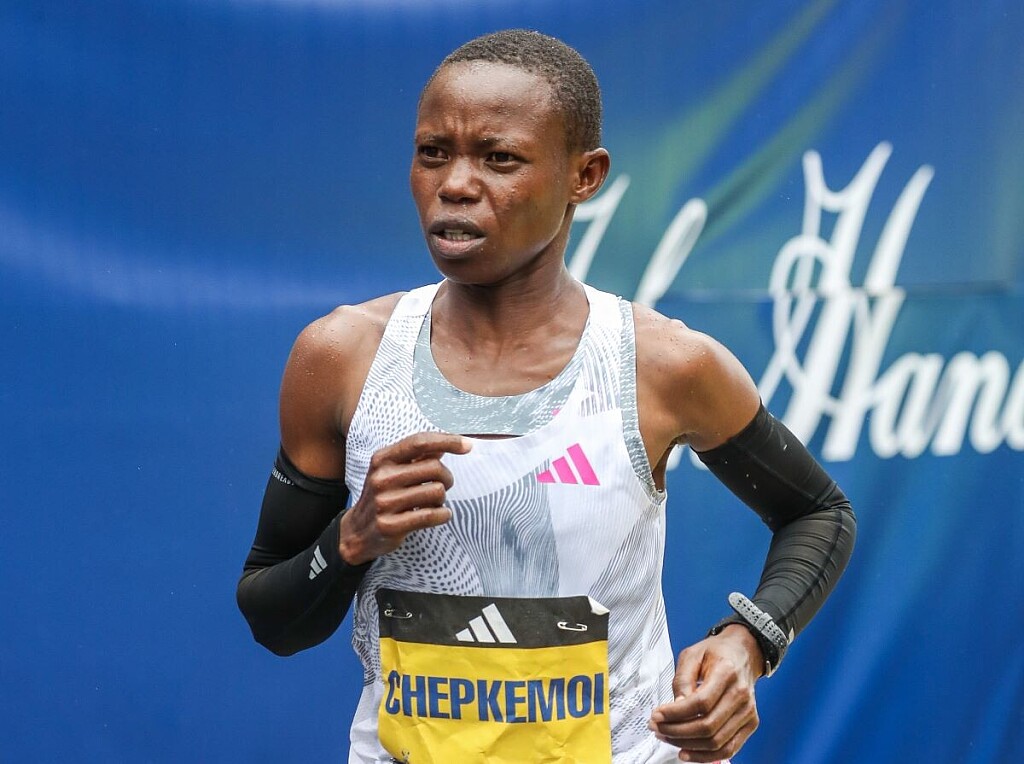
Boston Marathon finisher receives three-year doping suspension
On Thursday, the Athletics Integrity Unit (AIU) announced the suspension of Kenyan marathoner Maurine Chepkemoi after she tested positive for erythropoietin (EPO) on Nov. 3 during an out-of-competition doping test in Iten, Kenya.
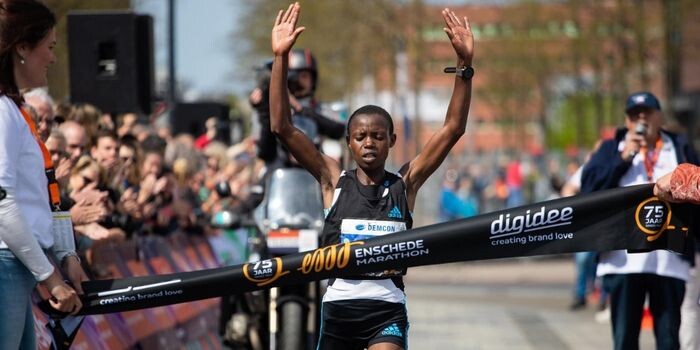
Chepkemoi has a marathon personal best of 2:20:18 from a second-place finish at the 2021 Amsterdam Marathon. Since 2021, she has won the Enschede Marathon in the Netherlands in a course record time of 2:21:10 and finished 16th at the 2022 Berlin Marathon and 31st at the 2023 Boston Marathon in 2:35:25.
The length of her suspension was reduced by one year for admitting to the anti-doping rule violation (ADRV). The automatic period of ineligibility imposed is four years, unless the athlete can demonstrate that the ADRV was not intentional. In Chepkemoi’s case, she accepted her wrongdoing and the charges laid by the AIU, resulting in a three-year ban until Nov. 2026.
In a statement to Canadian Running, Chepkemoi’s agency, Demadonna Athletics, confirmed that their athlete openly admitted to seeking and using EPO.
EPO has been on the World Anti-Doping Prohibited List since the 1990s; it is used to improve endurance performance or to speed up recovery.
Chepkemoi was one of two Kenyan runners suspended for three years by the AIU on Thursday. The other runner was 2:08-marathoner Thomas Kibet. The 27-year-old tested positive for the steroid norandrosterone after a second-place finish at the 2023 Tallinn Marathon in Estonia.
There are currently 73 Kenyan athletes on the AIU’s Global List of Ineligible Persons. The Kenyan government is in the first year of their $25 million dollar five-year campaign to test more athletes and fight against doping in athletics. The AIU is working with the Kenyan Government, Athletics Kenya and the Anti-Doping Agency of Kenya (ADAK) to combat the issue and test more Kenyan athletes.
by Marley Dickinson
Login to leave a comment
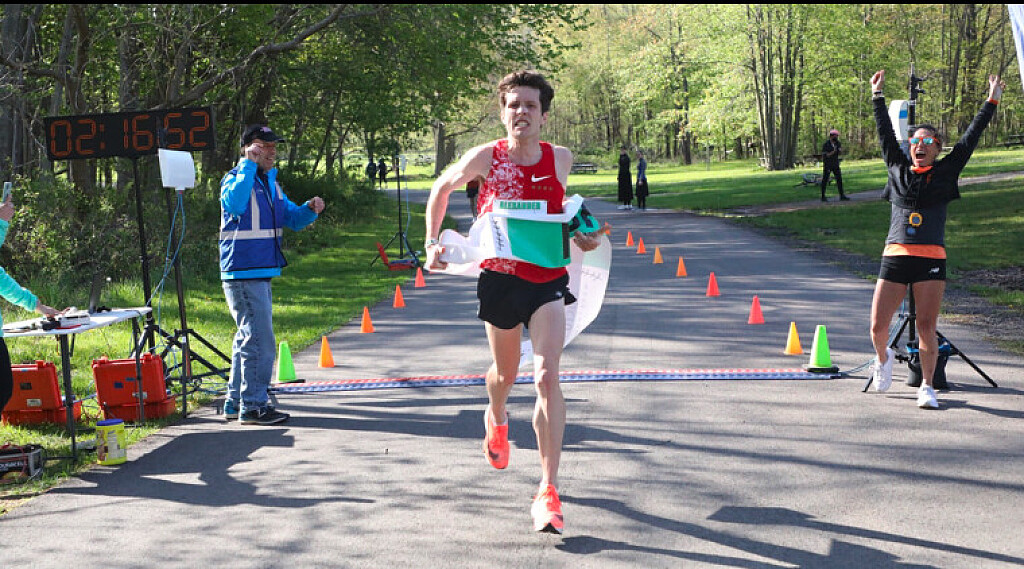
Want to Qualify for the U.S. Olympic Trials? This Race Is Specifically Built for You.
For elite amateur marathoners, qualifying for the Olympic Trials is the ultimate life goal. Bakline’s McKirdy Micro Marathon removes the challenges of running a fast 26.2.
When it comes to trying to run a fast marathon, Zacch Widner knows that bottle service isn’t a luxury but a necessity. No, not tableside bottle service at a nightclub, but the ability for marathon runners to easily identify and grab their own hydration bottles off of a table every 5K or so on course while running at an extremely fast pace.
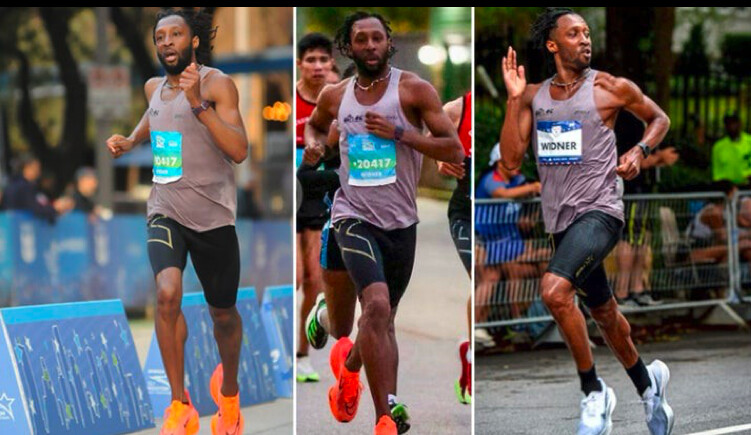
At the Berlin Marathon on September 23, the 32-year-old aspiring elite runner from Lansing, Michigan, was on the verge of running the race of his life. But because his bottles weren’t readily available at each aid station, he wound up grabbing only one of his eight bottles and suffered the consequences.
Although running the race without optimal calorie and hydration intake led to frequent cramping, he still finished in 2:20:02. That’s the second-best time of his career, but still two minutes short of his goal of breaking the U.S. Olympic Trials men’s qualifying standard of 2:18:00.
Widner is one of dozens of American runners—most of whom work nine-to-five jobs—still hoping to earn the standard (or 2:37:00 for women) by the December 5 deadline, in order to qualify for the U.S. Olympic Trials Marathon on February 3 in Orlando.
For Widner, it’s much more than a personal goal. It’s a commitment to a friend and former teammate. “It was a bummer,” says Widner, who works full-time as an IT analyst for the state of Michigan. “I know I’m capable of running faster. I didn’t capitalize on taking fluids, so when it came to running all out, I just couldn’t do it. I think the stress of it is actually what caused the cramps, because every time I missed a bottle, I just stressed out more…just mentally started destroying me.”
Three weeks later, Widner is ready to take another shot at the OTQ standard, this time at Bakline’s McKirdy Micro Marathon on October 14—a unique elite-only race that will be held about 30 miles north of New York City. Set on a nine-loop course at Rockland Lake State Park, the no-frills race will provide bottle service to each of the 180 entrants who met a stout qualifying standard (2:25 for men, 2:45 for women) to register.
“It’s got everything you need,” he says. “You have a lot of tough, fast runners. You have pacers and a flat course with a well-organized system for everyone’s fluids. I’m ready to go.”
In 2020, when running races were shut down because of COVID-19, athlete agent Josh Cox and Ben Rosario, founder and head coach of the Hoka NAZ Elite team, developed an elite-only marathon in Arizona that gave about 100 athletes from around the world the chance to run a highly competitive race on a USATF-certified course amid the still-pervasive coronavirus.
Known as The Marathon Project, the race was held in Chandler, Arizona, on December 20, 2020. Seven U.S. men ran faster than 2:10, while 12 American women finished under 2:30—the first time that’s ever happened. Martin Hehir, a fourth-year medical student who was coming off weeks treating COVID-19 patients, won the race in a personal best 2:08:59, while Sara Hall was the women’s winner in a personal best of 2:20:32, at the time the second-fastest marathon ever run by an American woman.
Several runners who trained under Flagstaff, Arizona coach James McKirdy and his online platform McKirdy Trained were in the race, and they performed well. He was so impressed by the concept that he quickly went about replicating it by hosting small regional marathons around the U.S. for a wider range of runners in early 2021.
At one of the McKirdy Micro Marathon races held at Rockland State Park, Denver-based runner Alex Burks won the race and lowered his personal best from 2:23:47 to 2:16:52. Dozens more earned personal bests and Boston qualifying (BQ) times.
“We really liked that idea and thought we could develop that concept for the masses, and they went off without a hitch,” McKirdy says. “The athletes had a great time and many runners—I think close to 150—earned a BQ from our races. So when the U.S. Olympic Trials qualifying standards were released two years ago, we felt we had the chops and experience to provide a marathon that would provide full on-course support for runners trying to qualify.”
Bakline’s McKirdy Micro Marathon will be held on a nine-lap, 26.2-mile course that will start with one 2.63-mile partial lap, followed by eight successive laps on a 2.945-mile circuit. Runners can have up to eight hydration bottles that will be set up on a series of well-marked, eight-foot tables 20 feet apart.
While the majority of runners will be aiming for the U.S. Olympic Trials qualifying standards, others are shooting for faster times. McKirdy and co-organizer Heather Knight Pech have enlisted pacers to guide runners to three different goal times for men (2:10:00, 2:11:30, and 2:18:00) and two for women (2:29:30 and 2:37:00).
The men’s field is headlined by Tsegay Tumay, an Eritrean runner with a 2:09:07 personal best who trains in Flagstaff under McKirdy. Tiidrek Nurme is an Estonian runner who is coming off a 31st-place, 2:15:42 at the World Athletics Championships on August 27, in Budapest. American runner Ben Blankenship, who finished eighth in the 2016 Olympic 1,500-meter finals in Rio de Janeiro, is making his marathon debut. Another OTQ hopeful is Hosava Kretzmann, a 29-year-old member of the Hopi Tribe from Flagstaff, Arizona, who finished sixth in his debut at the Los Angeles Marathon earlier this year in 2:19:58.
Among the runners who should be at the front of the women’s race is newly signed Nike athlete Calli Thackery, a British runner who just placed seventh in the half marathon at World Athletics Road Running Championships with a 1:08:56 personal best. American Makenna Myler has a 2:40:45 personal best, but is shooting for the U.S. Olympic Trials Marathon qualifying standard just seven months after giving birth to her son in mid-March. (In 2021, she placed 14th in 10,000 meters on the track in the U.S. Olympic Trials seven months after giving birth to her daughter.) She had originally registered and was onsite for the October 1 Twin Cities Marathon in Minneapolis, but that race was canceled because of extreme heat.
Other runners include Monica and Isabel Hebner, identical twins who most recently competed for the University of Texas, who will be making their marathon debuts with hopes of running in the 2:34-2:35 range, and Maura Lemon, a mother of three from Dayton, Ohio, who owns a 2:42:57 personal best but is aiming for the 2:37 OTQ standard.
Many U.S. runners on the cusp of the OTQ times ran the Chicago Marathon on October 8, while others are waiting until the California International (CIM) Marathon on December 5.
What the McKirdy Micro Marathon aims to do is eliminate the challenges that runners face at other races—difficult travel, congested race expos, crowded race courses, and, perhaps most importantly, a lack of bottle support on the course. Plus, it offers a spectator friendly circuit where family, friends, or coaches can cheer for runners on every loop.
“This gives them that chance to run fast,” Knight Pech says. “There’s still a lot of runners out there—a lot of women and a lot of men—who are sitting on the cusp of the qualifying standards. And they should have the opportunity to be able to swing large and take a moonshot. We believe this race gives them a real chance to get it done here in a way that I don’t think other races offer them.”
While the top three men’s and women’s finishers in the U.S. Olympic Trials Marathon will represent the U.S. at the Paris Olympics, just getting to the Olympic Trials is a lifetime goal for many runners. It’s the deepest and most competitive domestic marathon in the U.S., but it only happens every four years. While a tiny portion of the qualifiers are sponsored professional athletes, most of the runners have already moved on to full-time jobs.
For Widner, there is more at stake than just running a fast time. He’s forever running to honor Jeremiah Hargett, a former teammate at Oakland Community College in suburban Detroit who dealt with ongoing mental challenges. One day back in 2011, Hargett called Widner and told him how much he believed in him as a runner and as a friend, and how they’d both eventually make it to the U.S. Olympic Trials. Sadly, Hargett took his own life the very next day. Widner has more or less dedicated every race to Hargett since then.
Although his best time in the 1,500-meter run (3:53.90) fell well short of the Olympic Trials qualifying standard on the track, Widner hasn’t given up his pursuit for Hargett. Amid the rigors of working full-time for the past eight years, he’s continued to improve as a long-distance runner.
Despite what he calls a disastrous marathon debut at the CIM in 2018—where he went out way too fast and wound up struggling to finish in 2:45:39—he’s still chasing that goal. In 2022, he had a breakthrough race at Grandma’s Marathon in Duluth, Minnesota, lowering his personal best to 2:19:54. In January, he lowered his best time in the half marathon to 1:05:52 in January, but that was still nearly three minutes off the half-marathon OTQ of 1:03:00.
He’s continued to add mileage—he’s averaged about 94 miles per week this year—executed better workouts, and improved his fueling strategy, especially since McKirdy started coaching him in March. Now he’s on the cusp of reaching that magical qualifying mark once again.
But it’s as much for Hargett as it is for him.
“That’s the reason I keep running,” Widner says. “It’s the closest thing to my heart. Every time I run, I think about him and his family. When that happened, mentally, it changed me. After that, I bounced up and started running much better.”
“Running taught me how to be patient, and it is teaching me that life is the exact same way,” Widner adds. “It’s all about being patient, and when things go wrong or things seem to not go the way you were expecting, to just stay relaxed and understand that it could change for the better. I’ve been able to use that for everything in life—all my connections, and then have that thought in my mind to make the Olympic Trials, just like he agreed that we would do together.”
by Outside Online
Login to leave a comment
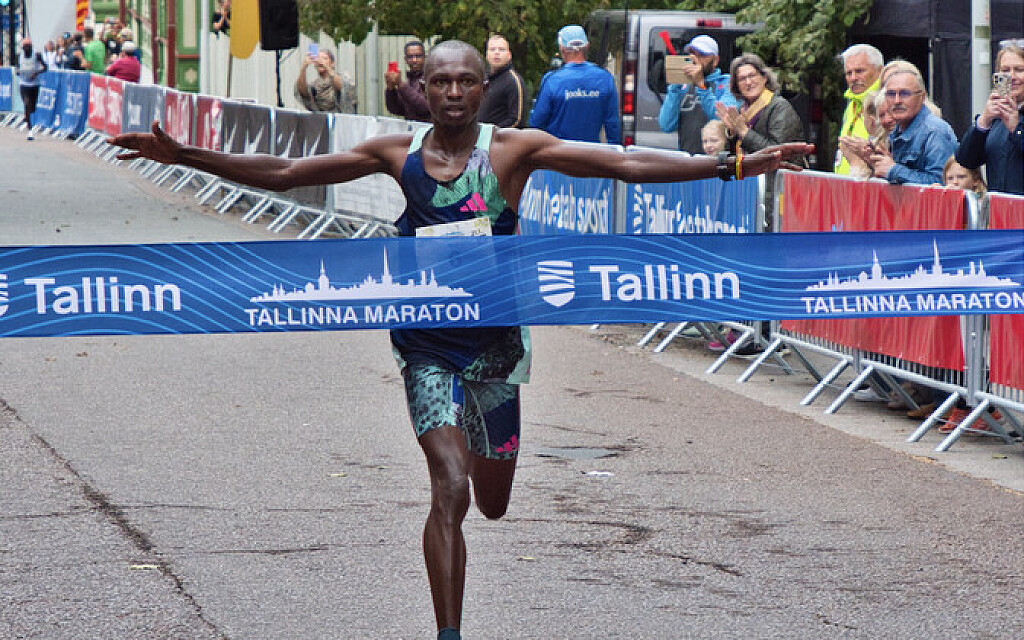
Uganda's Ali Chebures victorious in Tallinn half-marathon
Ugandan long-distance runner Ali Chebures won the Tallinn half-marathon on Saturday in a time of 1:01.35, while Kenyan runners were also dominant in both men's and women's events.
After Chebures came four Kenyans in-a-row: Elvis Chevor (1:01.45) was second, Eric Leon Ndiema (1:01.50), Solomon Koech (1.02.01) fourth and Collins Kipkirui Kipkorir (1:02.04) finished fifth.
The Kenyans also swept all before them in the women's half-marathon; Beatrice Cheserek, who finished ninth overall (ie. was beaten by just eight men runners), came first with a time of 1:08:22.
Janet Ruguru Gishumbu (1:08.30) was second, Lydia Jebichi Korir (1:08.49), third.
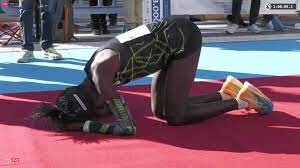
Estonian runner Jekaterina Patjuk finished sixth (1:17.11), and another Estonian, Liina Černov, came eighth (1:24.56).
Marathon weekend continues with the 10K race Saturday afternoon and then the full marathon, starting 9 a.m. Sunday morning.
by Andrew Whyte, Kristjan Kallaste
Login to leave a comment
Tallin Marathon
The Tallinn Marathon has won a sure place in the competition calendar of runners and has become an attractive destination for running tourists looking for new experiences. About 20 000 running enthusiasts from 56 different countries participated in the 2017 event. As a tradition, the marathon will take place in every second Sunday of September, this year 9th of September,...
more...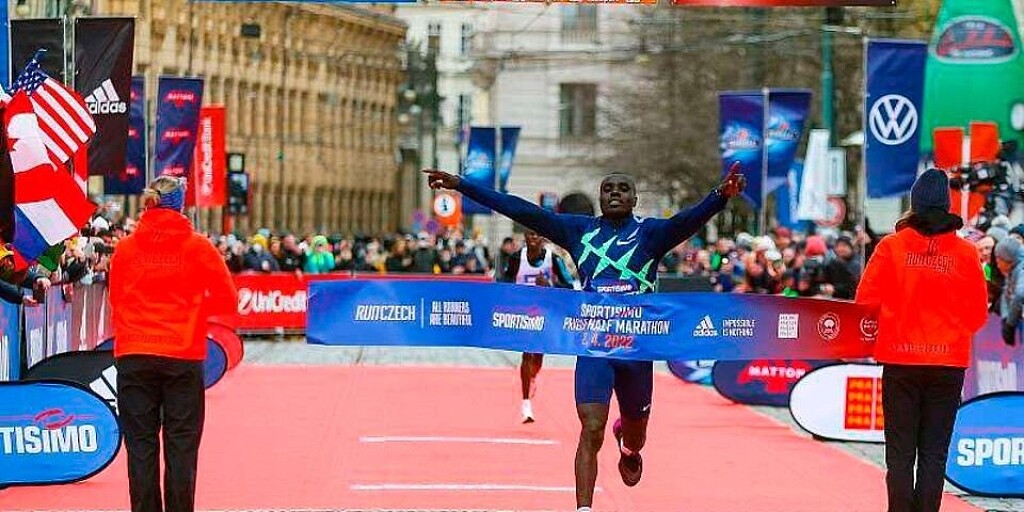
No reprieve as two more Kenyans suspended for doping
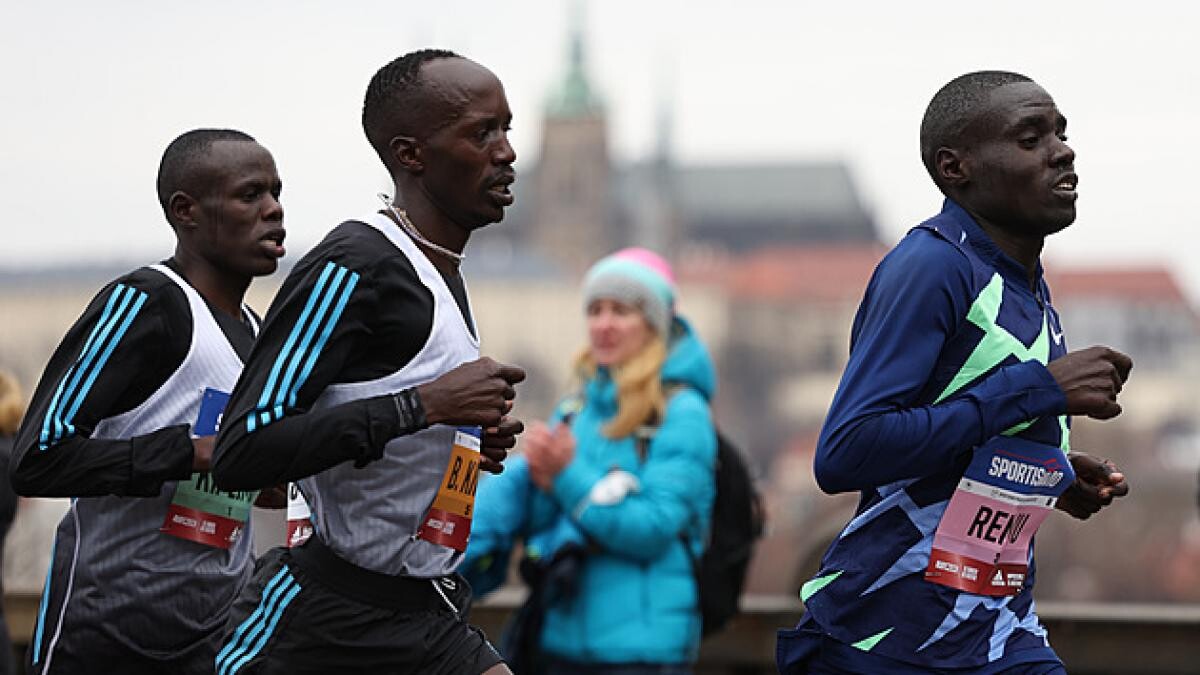
Athletes Integrity Unit (AIU), the body formed by World Athletics to combat doping in the sport, Tuesday provisionally suspended Ibrahim Mukunga Wachira and Kenneth Kiprop Renju for the use of banned substances.
Mukunga, who won a half marathon race in Estonia in socks in 2017, has been suspended for the use of prohibited Norandrosterone, while the national 10,000m champion Renju got nabbed for the use of Methasterone.
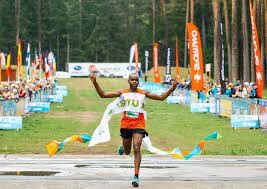
Renju is the most successful of the duo, besides winning the national title on April 27 this year, he also won Lille 10km race on March 27 in France, Prague Half Marathon on April 2 in the Czech Republic and Lisbon Half Marathon on May 22 in Portugal.
He started the season with a third place finish at Ras Al Khaimah Half Marathon on February 19 in the United Arab Emirates.
Mukunga and Renju’s ban comes only four days after the 2021 Boston Marathon champion, Diana Kipyokei and her compatriot Betty Wilson Lempus were suspended for using banned substances.
Kipyokei and Lempus’ suspension came only three days after Kenyan marathon runners Mark Kangogo and Philemon Kacheran were banned for doping.
Kacheran, who was been banned for three years on Monday last week, was hounded out from Team Kenya that was already in Birmingham for the Commonwealth Games held July 28 to August 8 in the British second capital city.
Kacheran’s ban came six days after compatriot Lawrence Cherono, the 2019 Chicago and Boston marathon champion, was prevented from competing in the World Athletics Championships in Oregon, also for a doping offence.
Besides Kacheran, three other Kenyans were banned from taking part at the Commonwealth Games due to doping.
They were female marathoners Stella Barsosio, Changwony and 1,500m runner Kumari Taki.
Close to 30 Kenyans athletes have been flagged down for various doping offences. The list could grow since more cases that are yet to be revealed are at the Anti-Doping Agency of Kenya (ADAK).
In 2016, the country was placed in category A of the World Anti-Doping Agency’s (WADA) compliance watch list.
by Ayumba Ayodi
Login to leave a comment
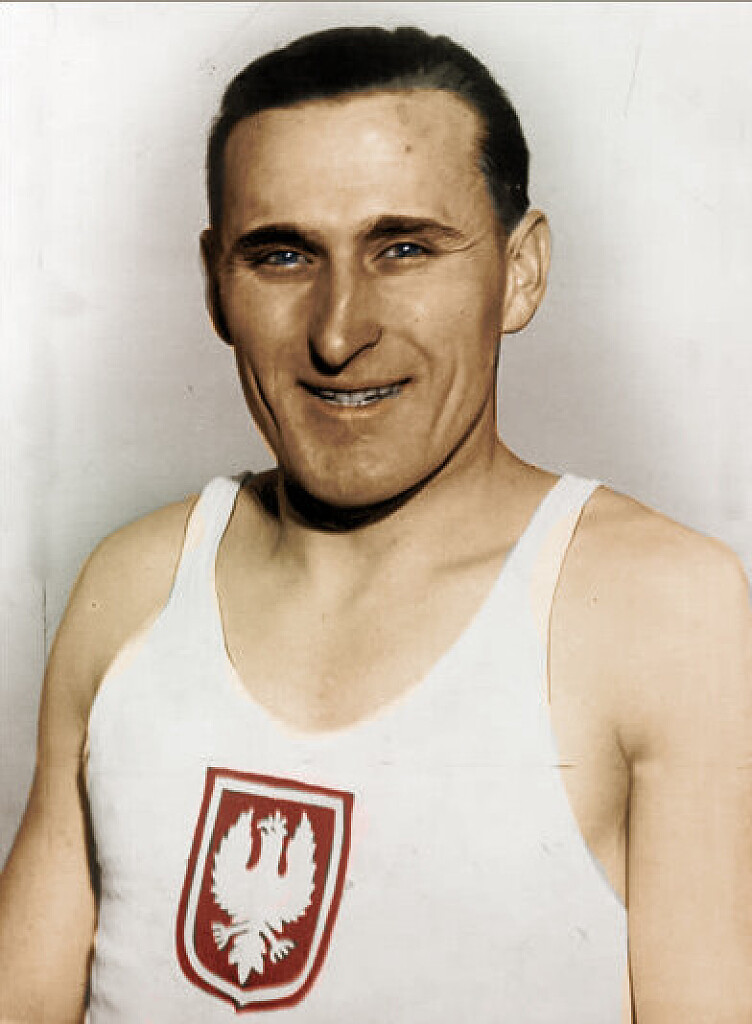
Remembering Kusocinski's athletics feats and heroic struggle
It was 90 years ago today that Janusz Kusocinski ran his way into the world record book.
Already a prolific national champion in his homeland, at distances ranging from 800m to 10,000m, the 25-year-old Pole made a name for himself at a global level when he crossed the line in an international 3000m race in Antwerp, Belgium, ahead of John Fellowes of the USA in 8:18.8.
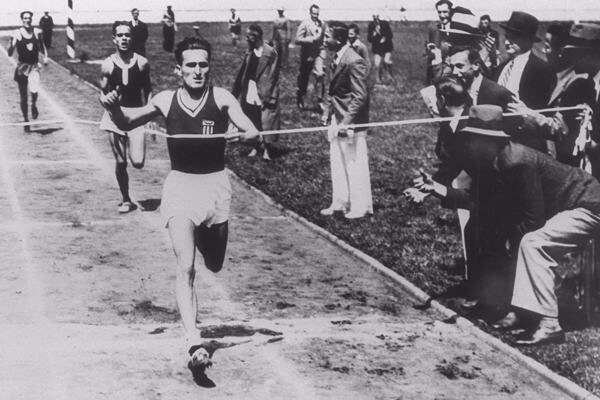
“Kusy,” as the popular Warsaw gardener was known to friends and the wider public in Poland, eclipsed one of the enduring global marks set by the finest of all the formidable Flying Finns.
The world record for 3000m had belonged to the peerless Paavo Nurmi for six years. The nine-time Olympic gold medallist had clocked 8:20.4 in Stockholm in 1926.
To prove it had been no fluke, 10 days later – on 29 June 1932 – Kusocinski claimed another of Nurmi’s world records. On that occasion, he smashed it by 13 seconds, his 19:02.6 for 4 miles obliterating Nurmi’s 1924 figures of 19:15.6.
First non-Finnish winner
A month later, Kusocinski enjoyed his finest half an hour in track and field.
Running for his country in the Los Angeles Coliseum on 31 July, he fought a nip and tuck battle with Finn Volmari Iso-Hollo for 24 laps of the 1932 Olympic 10,000m final.
Iso-Hollo led by a metre going into the final lap but then Kusocinski sprinted clear before slowing to a jog and still winning by 1.1 seconds. His time, 30:11.4, shattered the Olympic record Nurmi had established in Amsterdam four years previously: 30:18.8.
In succeeding Nurmi, Kusocinski became the first non-Finnish winner of the Olympic 10,000m crown. He was the only non-Finn to win the coveted Blue Riband of distance running until Emil Zatopek in London in 1948.
For Iso-Hollo, compensation came seven days later in the form of the 3000m steeplechase gold medal. The Finnish typesetter would have claimed the world best too had the stand-in trackside lap-counter not been distracted by the decathlon pole vault, allowing the field to complete an extra circuit of the track.
Iso-Hollo went on to win another steeplechase gold, plus a 10,000m bronze medal, in front of Adolf Hitler and the Nazi regime at the 1936 Olympics in Berlin.
Resistance hero
Kusocinski proceeded to etch his name into national folklore as a fearless fighter against the Nazi occupation of his homeland.
When Hitler’s troops invaded Poland in September 1939, Kusocinski volunteered for the Polish Army and was drafted into the machine gun company as a corporal in the Second Battalion of the 360 Infantry Regiment. In the fight to defend Warsaw, he was wounded twice and was awarded the Cross of Valour.
After the country fell to Nazi Germany, he worked ostensibly as a waiter at the Red Rooster Bar in Warsaw while secretly operating as a member of the underground resistance movement known as the Wolves, using the pseudonym Prawdzic.
Kusocinski was arrested by Gestapo officers at the gate of his house in Warsaw on 28 March, 1940. He was interrogated and tortured at Gestapo headquarters but refused to reveal the names of fellow resistance members.
On the night of 20-21 June, he was transported to Palmiry on the outskirts of Warsaw and executed in Kampinos Forest as part of what the Nazis called Operation AB, an attempt to exterminate all Polish intelligence operatives.
Nine decades on, the name of Janusz Kusocinski, world record-breaker, Olympic champion and national hero lives proudly on in Poland.
Scores of streets and primary schools throughout the country carry his name. So does the Janusz Kusocinski Memorial meeting, which celebrated its 68th edition in Chrozow on 5 June this year and is part of the World Athletics Continental Tour Gold series.
Vladimir Kuts took part in the inaugural event in 1954 and meeting records dating back to the 1970s are held by greats such as Alberto Juantorena (1:43.66 for 800m), Irena Szewinska (49.75 for 400m) and Bronislaw Malinowski (8:21.2 for the 3000m steeplechase).
An athlete by chance
Kusocinski was born in Warsaw in 1907, the son of a railway clerk. Armed conflict took its toll on his family when he was a child. His eldest brother, Zygmunt, was killed in France in World War I. Another brother, Tedeusz, was a casualty of the Polish-Bolshevik War in 1920.
In his youth, Janusz’s first sporting love was football. He played as a dashing forward for various clubs in Warsaw.
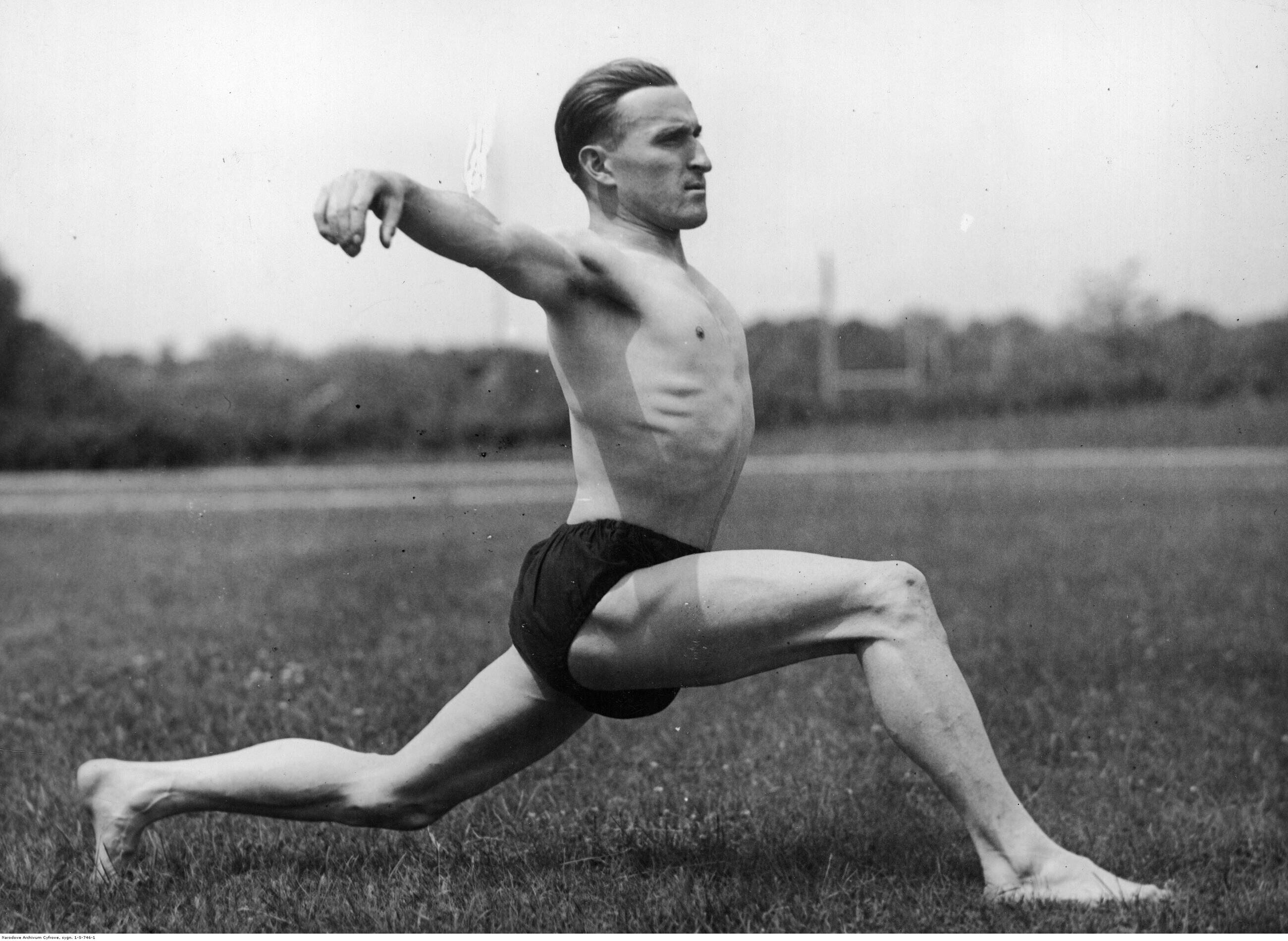
He became an athlete by accident. In 1925, his sports club RKS Sarmata was a relay runner short for a workers’ holiday meeting. Kusocinski agreed to stand in and helped the Sarmata team to victory.
The following year he started competing as an 800m and 1500m runner and came under the wing of the club’s celebrated track and field coach: one Aleksander Klumberg.
Klumberg became Poland’s national athletics coach between 1927 and 1932. Back in 1922, the native Estonian had become the first official holder of the decathlon world record after posting 7485.61 points in Helsinki. In 1924 he had taken the decathlon bronze medal at the Paris Olympics, behind Harold Osborn and Emerson Norton of the USA.
The young Kusocinski thrived under Klumberg’s regime of intense interval training, winning the Polish 5000m and cross country titles in 1928. His running career was interrupted by a year of national service in the Polish Army but he was stronger upon his return, capturing national titles at 800m, 1500m, 5000m and cross country leading up to his annus mirabilis in 1932.
He represented Poland at the inaugural European Championships in Turin in 1934, placing fifth in the 1500m and taking silver in the 5000m behind Roger Richard of France.
Kusocinski hung up his racing spikes after returning from Italy but dusted them off to win the Polish 10,000m title in 1939.
By that time, he had moved on from gardening to become a PE teacher, coach and then a successful journalist, rising to editor-in-chief of Kurier Sportowy.
Then came the Nazi invasion, and the heroic struggle and tragedy that followed.
In 2009, Kusocinski was posthumously awarded the Commander’s Cross with Star of the Order of Polonia Restituta - “for outstanding contribution to the independence of the Polish Republic, and for sporting achievements in the field of athletics.”
by Simon Turnbull (World Athletics)
Login to leave a comment
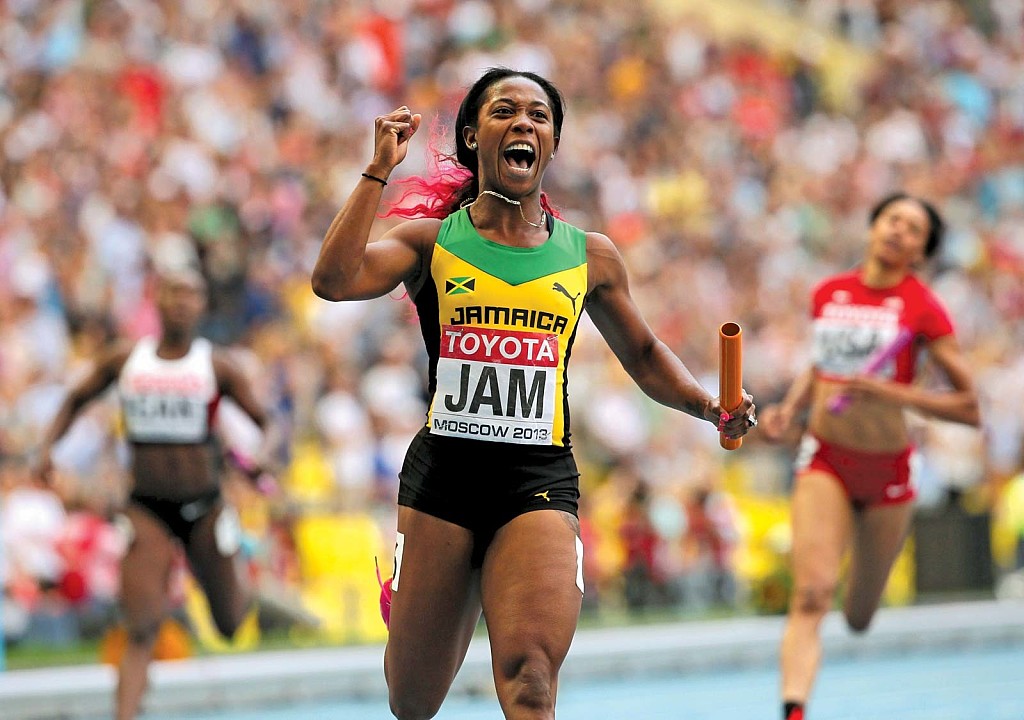
Sprint stars Shelly-Ann Fraser-Pryce and Andre De Grasse will headline the Kamila Skolimowska Memorial in Poland
On Sunday 5, a World Athletics Continental Tour Gold meeting, while there will also be a wealth of champions in action in the field events, including a fond farewell to a legend of Polish athletics in Piotr Malachowski.
Fraser-Pryce will race her specialist event, the 100m, where she will face stiff opposition from compatriot Shericka Jackson. However, the two-time Olympic 100m champion should prove tough to beat, having clocked a PB of 10.60 in Lausanne last week.
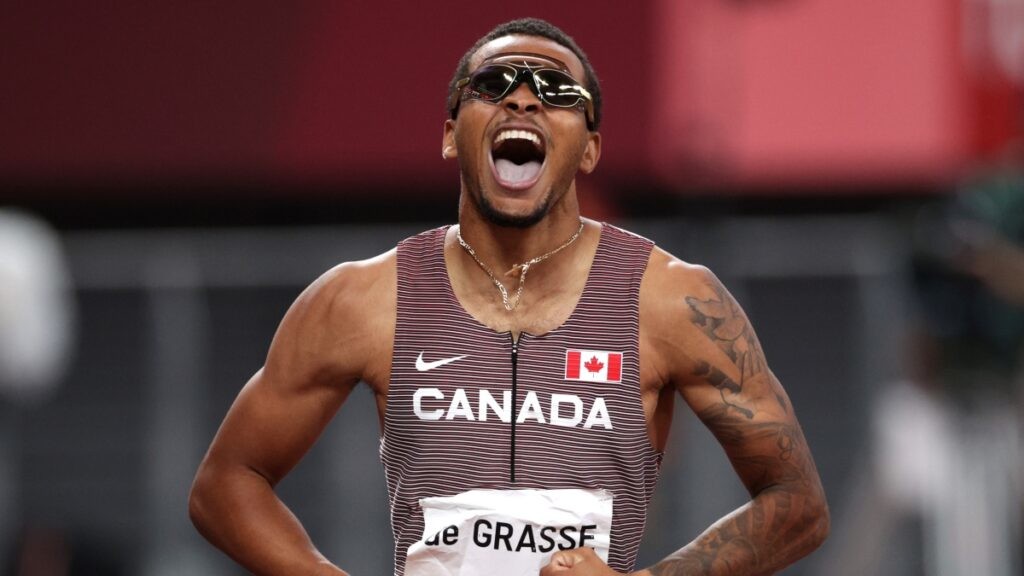
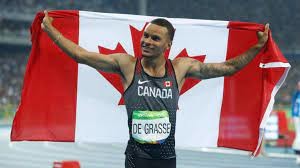
De Grasse will line up in the 200m, the event in which he’s the Olympic champion, having clocked a Canadian record of 19.62 to take gold in Tokyo, which he backed up in fine style with a wind-assisted 9.74 (2.9m/s) to win over 100m at the Eugene Diamond League. Also in the field are Italy’s Filippo Tortu, Turkey’s Ramil Guliyev and Britons Nethaneel Mitchell-Blake and Reece Prescod.
Another Olympic champion will be in action in the men’s 110m hurdles, with Jamaica’s Hansle Parchment looking to back up that Tokyo win against a formidable US duo in Devon Allen and Daniel Roberts.
Brazil’s Alison Dos Santos, who took bronze in Tokyo in a South American record of 46.72, should prove tough to beat in the 400m hurdles. Fellow Olympic finalists Yasmani Copello of Turkey and Rasmus Magi of Estonia should be his closest pursuers.
US pair Michael Cherry and Vernon Norwood will be big contenders in the men’s 400m along with Botswana’s Isaac Makwala, while Poland’s Karol Zalewski, Kajetan Duszynski and Jakub Krzewina should mount a strong challenge on home turf.
The favourite for the women’s 400m is Marileidy Paulino of the Dominican Republic, who backed up her Olympic silver medal with recent wins in Lausanne (50.40) and Paris (50.12). Britain’s Jodie Williams will also be in the reckoning following her PB of 49.97 to finish sixth in the Olympic final, while the home charge is led by Justyna Swiety-Ersetic and Anna Kielbasinska, the latter in sparkling form following a PB of 50.38 in La Chaux-de-Fonds last month.
Nigeria’s Tobi Amusan, who clocked 12.60 to finish fourth in the Olympic final, should be tough to beat in the 100m hurdles, though US pair Sharika Nelvis and Christina Clemons will put it up to her along with Britain’s Cindy Sember.
The women’s 400m hurdles features a clash between the fourth-, fifth- and sixth-place finishers in the Olympic final: Janieve Russell of Jamaica along with Anna Ryzhykova and Viktoriya Tkachuk of Ukraine.
There will be a string of local heroes in action across the field events, with Olympic champion Wojciech Nowicki headlining the men’s hammer field, which also includes four-time world champion Pawel Fajdek and the man who split the Poles on the podium in Tokyo: Eivind Henriksen of Norway.
All eyes will be on Piotr Malachowski in the men’s discus as the 38-year-old performs in front of his home crowd for the last time before bringing the curtain down on a career that has included one world title, two world silver medals, two European golds and two Olympic silvers.
“Over 20 years of training, effort and sacrifice are now behind me,” said Malachowski. “It was a great time, full of joy. It is now times to say goodbye. I am retiring, bidding farewell to the fans, thanking them for the invaluable support they have given me over the years.”
Also in the field are Jamaica’s Fedrick Dacres, Slovenia’s Kristjan Ceh and Lithuania’s Andrius Gudzius.
Poland has a typically strong hand in the men’s pole vault where Piotr Lisek and Pawel Wojciechowski take on Olympic silver medallist Chris Nilsen and world champion Sam Kendricks.
The men’s shot put will be a must-see event, reuniting the top four finishers from the Tokyo Olympics: USA’s Ryan Crouser and Joe Kovacs along with New Zealand’s Tom Walsh and Brazil’s Darlan Romani.
Johannes Vetter is the star attraction in the men’s javelin, the German looking to put his Tokyo disappointment firmly behind him as he takes on Olympic silver medallist Jakub Vadlejch of the Czech Republic.
Italy’s Gianmarco Tamberi will take star billing in the men’s high jump where the Olympic champion takes on Olympic bronze medallist Maksim Nedasekau, while the women’s high jump features Ukraine’s Yaroslava Mahuchikh, Yuliya Levchenko and Iryna Herashchenko along with Poland’s Kamila Licwinko.
Poland’s Maria Andrejczyk will be a popular presence among fans, not only due to her Olympic silver in Tokyo but due to her decision to auction off that medal to raise money for a Polish toddler’s heart surgery. Polish convenience store Zabka won the auction and returned the medal to Andrejczyk, who said that she believes “the good we do comes back to us.” In Silesia she will take on world champion Kelsey-Lee Barber of Australia.
Poland’s Malwina Kopron will take on France’s Alexandra Tavernier in the women’s hammer, the woman she beat to the bronze medal at the Tokyo Olympics, while fellow finalist Joanna Fiodorow is also in the field. Portugal’s Auriol Dongmo is the leading entrant in the women’s shot put.
Olympic 10,000m champion Selemon Barega of Ethiopia and 3000m steeplechase champion Soufiane El Bakkali of Morocco are the star attractions in the distance races, the two squaring off over 3000m in a field that includes rising star Tadese Worku of Ethiopia, the world U20 champion, and Abel Kipsang, who finished fourth in the Olympic 1500m final.
by World Athletics
Login to leave a comment
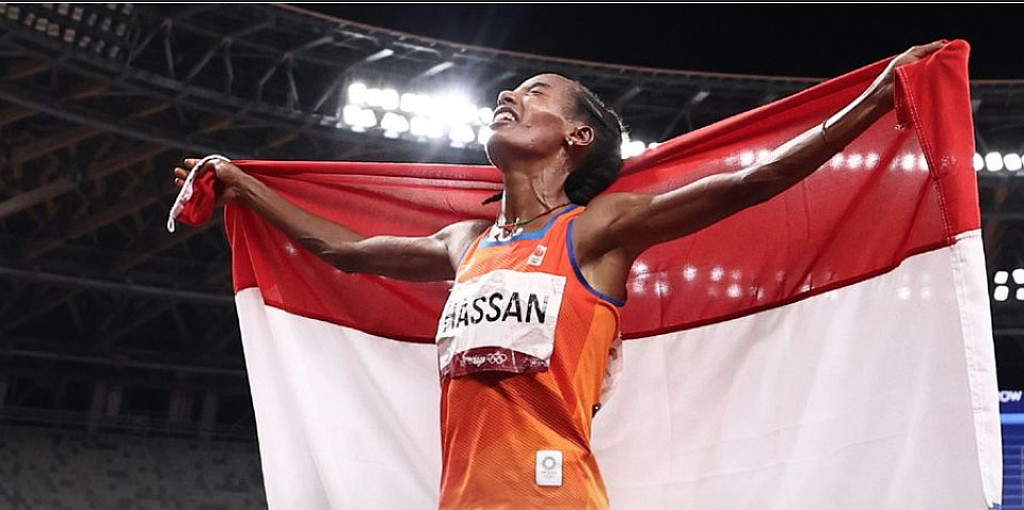
Hassan and Warner among Tokyo 2020 Closing Ceremony flag bearers
More than 50 athletes from the sport of athletics will carry the flags for their nation at the Closing Ceremony of the Olympic Games Tokyo 2020 on Sunday (8).
Ten days of competition, which included three world records, 12 Olympic records and 28 area records, came to a close with the men’s marathon on Sunday morning, with Kenya’s marathon great Eliud Kipchoge retaining his title.
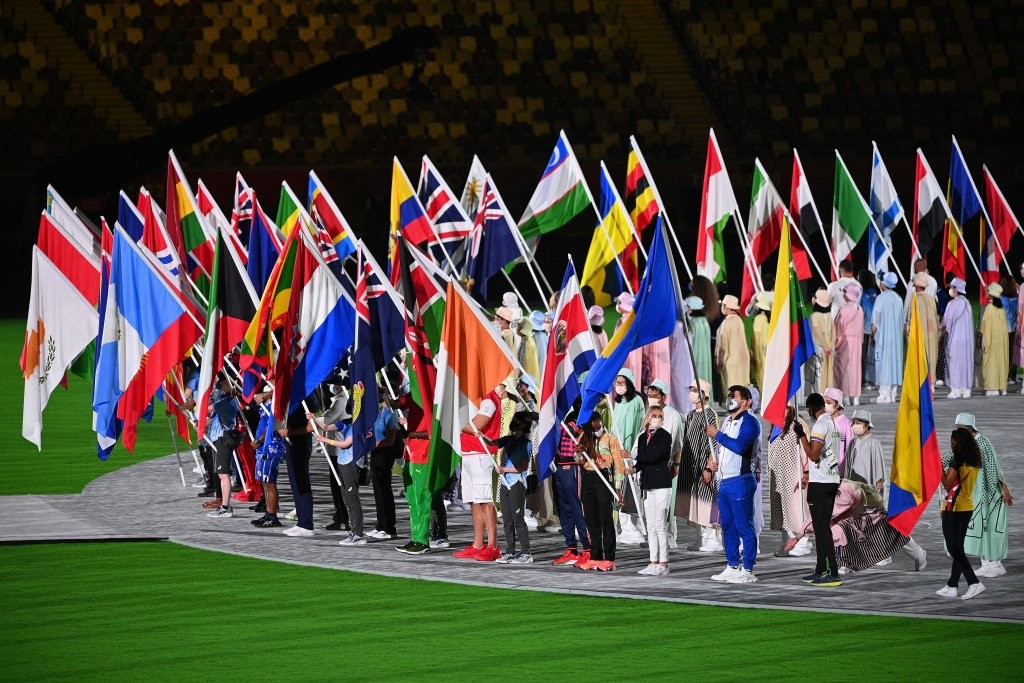
Now his fellow Olympic gold medallists Sifan Hassan, Damian Warner, Pedro Pichardo and Peruth Chemutai will be among the flag bearers returning to Tokyo's Olympic Stadium as the 2020 Games come to a close.
For Hassan, the moment will cap an incredible performance in Tokyo, with the Dutch star having claimed an unprecedented medal treble of 5000m and 10,000m golds plus 1500m bronze over nine days.
“I am so happy and I cried during the medal ceremony,” the 28-year-old said after her 10,000m triumph on Saturday. “I actually realised that I am done, the Games are over.”
Warner’s victory had been secured on Thursday, when he became just the fourth man in history to break the 9000-point barrier to win the decathlon title. The Canadian’s 9018-point tally was one of the 12 Olympic records set at the Tokyo Games.
Portugal’s Pichardo, meanwhile, leapt to the triple jump title, setting one of the 151 national records achieved at these Olympics with his winning mark of 17.98m. In that same competition, the bronze medallist was world indoor record-holder Hugues Fabrice Zango and as a result, Burkina Faso became the 100th country to have won an Olympic medal in athletics.
For Chemutai, victory came in the 3000m steeplechase. Other medallists in Tokyo carrying their nation’s flag will be Ethiopia’s Selemon Barega, Grenada’s Kirani James, Kenya’s Timothy Cheruiyot and New Zealand’s Valerie Adams.
With the 2020 Games delayed a year due to the pandemic, athletes and fans now have only three years to wait until Olympic action returns in Paris in 2024.
Athletics flag bearers at the Tokyo 2020 Olympic Games Closing Ceremony
Listed in the order in which they will march. List correct at time of publication and may be subject to change.
Antigua and Barbuda (ANT) - Cejhae Greene (men’s 100m)
Andorra (AND) - Pol Moya (men’s 800m)
Italy (ITA) - Lamont Marcell Jacobs (men’s 100m and 4x100m)
Uganda (UGA) - Peruth Chemutai (women’s 3000m steeplechase)
Uruguay (URU) - Maria Pia Fernandez (women’s 1500m)
Ecuador (ECU) - Glenda Morejón (women’s 20km race walk)
Estonia (EST) - Maicel Uibo (decathlon)
Eswatini (SWZ) - Sibusiso Matsenjwa (men’s 200m)
Ethiopia (ETH) - Selemon Barega (10,000m)
Eritrea (ERI) - Nazret Weldu (women’s marathon)
Netherlands (NED) - Sifan Hassan (1500m, 5000m and 10,000m)
Guyana (GUY) - Emanuel Archibald (men’s 100m)
Canada (CAN) - Damian Warner (decathlon)
Gambia (GAM) - Ebrima Camara (men’s 100m)
Cuba (CUB) - Zurian Hechavarría (women’s 400m hurdles and 4x400m)
Grenada (GRN) - Kirani James (men’s 400m)
Kenya (KEN) - Timothy Cheruiyot (men’s 1500m)
Cote d'Ivoire (CIV) - Marie-Josee Ta Lou (women’s 100m and 200m)
Costa Rica (CRC) - Noelia Vargas (women’s 20km race walk)
Comoros (COM) - Fadane Hamadi (men’s 110m hurdles)
Congo (CGO) - Gilles Anthony Afoumba (men’s 400m)
Zambia (ZAM) - Sydney Siame (men’s 200m)
Djibouti (DJI) - Souhra Ali Mohamed (women’s 1500m)
Jamaica (JAM) - Demish Gaye (men’s 400m and 4x400m)
Sri Lanka (SRI) - Yupun Abeykoon Mudiyanselage (men’s 100m)
Saint Lucia (LCA) - Levern Spencer (women’s high jump)
Chinese Taipei (TPE) - Chen Chieh (men’s 400m hurdles)
United Republic of Tanzania (TAN) - Male Alphonce Felix Simbu (men’s marathon)
Czech Republic (CZE) Jakub Vadlejch (men’s javelin)
People's Republic of China (CHN) - Su Bingtian (men’s 100m and 4x100m)
Tuvalu (TUV) - Karalo Hepoiteloto Maibuca (men’s 100m)
Dominica (DMA) - Thea Lafond (women’s triple jump)
Trinidad and Tobago (TTO) - Andwuelle Wright (men’s long jump)
Namibia (NAM) - Beatrice Masilingi (women’s 200m)
New Zealand (NZL) - Valerie Adams (shot put)
Haiti (HAI) - Mulern Jean (women’s 100m hurdles)
Pakistan (PAK) - Arshad Nadeem (men’s javelin)
Panama (PAN) - Jorge Castelblanco (men’s marathon)
Bahamas (BAH) - Megan Moss (women’s 4x400m)
Paraguay (PAR) - Derlys Ayala (men’s marathon)
Barbados (BAR) - Tia-Adana Belle (women’s 400m hurdles)
American Samoa (ASA) - Nathan Crumpton (men’s 100m)
Virgin Islands, US (ISV) - Eddie Vovett (men’s 110m hurdles)
Bosnia and Herzegovina (BIH) - Amel Tuka (men’s 800m)
Botswana (BOT) - Anthony Pasela (men’s 4x400m)
Bolivia (BOL) - Angela Castro (women’s 20km race walk)
Portugal (POR) - Pedro Pichardo (men’s triple jump)
Honduras (HON) - Ivan Zarco Alvarez (men’s marathon)
South Africa (RSA) - Anaso Jobodwana (men’s 200m)
South Sudan (SSD) - Abraham Guem (men’s 1500m)
Republic of Moldova (MDA) - Andrian Mardare (men’s javelin)
Luxembourg (LUX) - Bob Bertemes (men’s shot put)
Rwanda (RWA) - John Hakizimana (men’s marathon)
Lesotho (LES) - Neheng Khatala (women’s marathon)
United States of America (USA) - Kara Winger (women’s javelin)
by World Athletics
Login to leave a comment
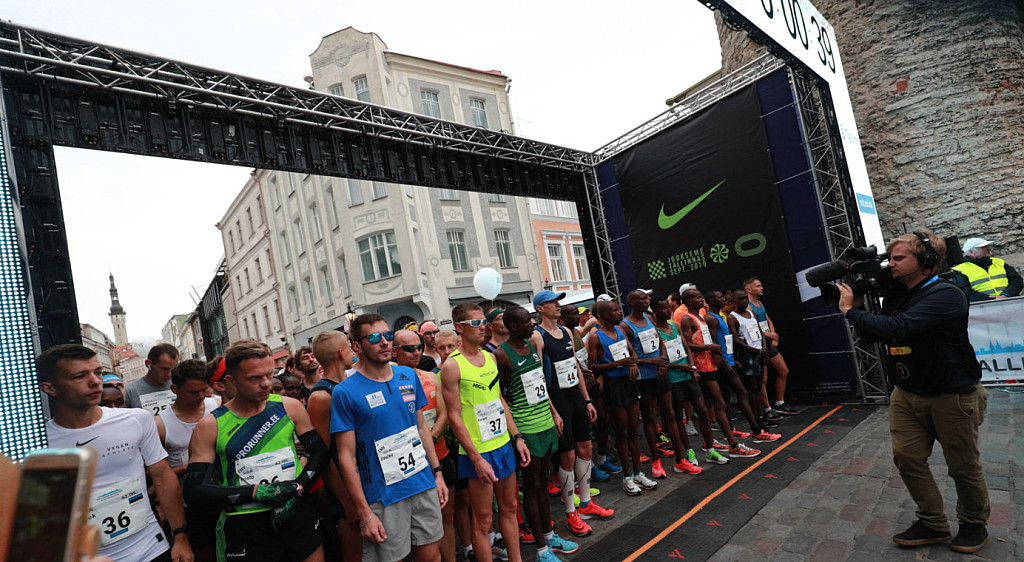
Thousands of runners took part in this year's Tallinn Marathon on Sunday, running around the capital city
This year's event was won by Josphat Leting from Kenya, who finished in 2:12.42. Raido Mitt, who finished in seventh place, was the fastest Estonian.
More than 20,000 people signed up to participate in Sunday's marathon and Saturday's half marathon. The marathon course started at Viru Gate in the Old Town.
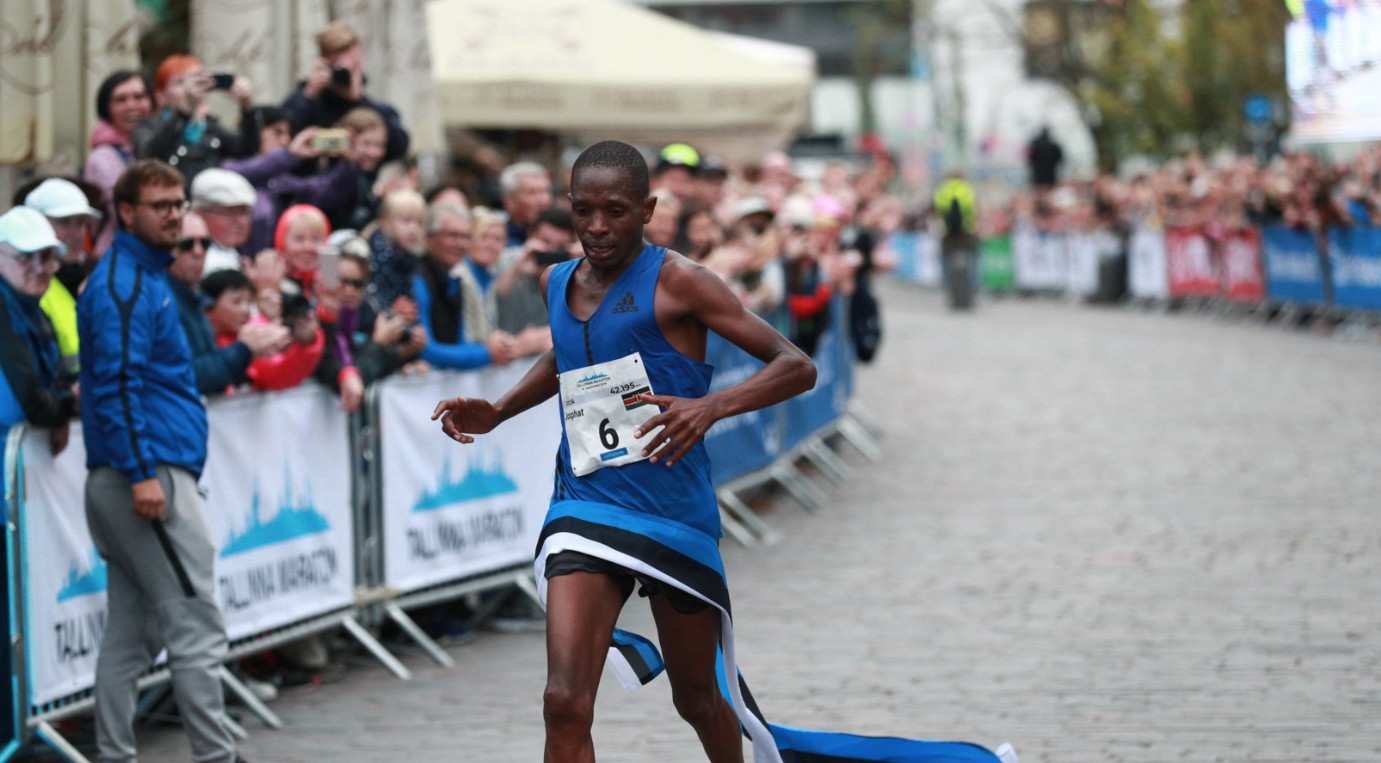
Today's Tallinn Marathon was the biggest ever long distance running event in Estonia.
The race record was set in the women's marathon distance as well as the men's and women's half marathon. Never before have the first five marathons of the Tallinn Marathon been finished in less than 2 hours and 16 minutes.
A true world class was shown at the half marathon distance. The winner was Evans Cheruiyot from Kenya with a new Tallinn Half Marathon record in 1 hour and 29 second.
Login to leave a comment
Tallin Marathon
The Tallinn Marathon has won a sure place in the competition calendar of runners and has become an attractive destination for running tourists looking for new experiences. About 20 000 running enthusiasts from 56 different countries participated in the 2017 event. As a tradition, the marathon will take place in every second Sunday of September, this year 9th of September,...
more...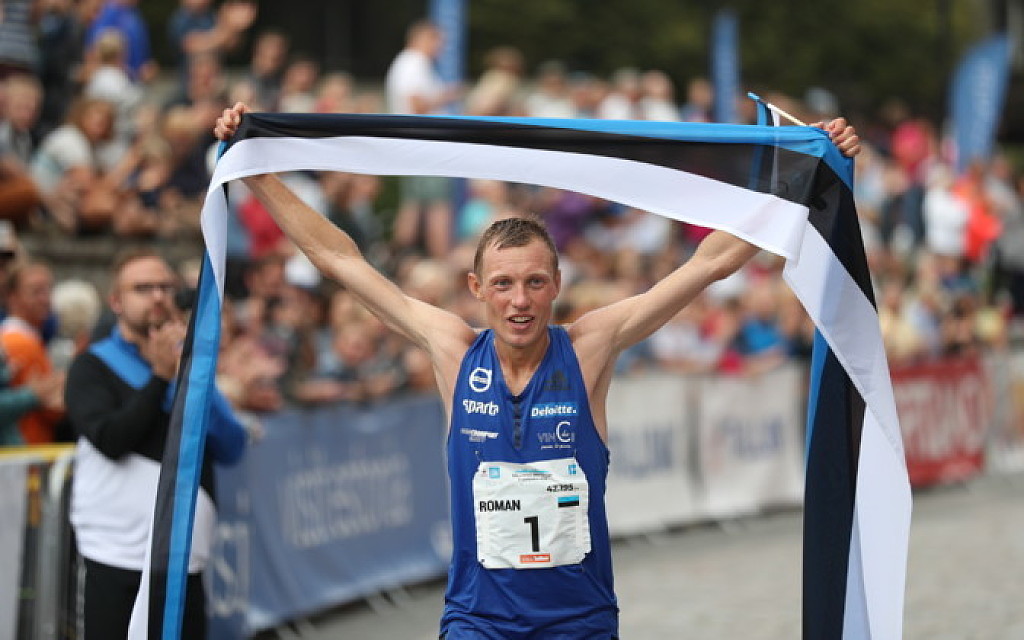
Estonian Roman Fosti won Sunday's Tallinn Marathon
Login to leave a comment
