

Running News Daily
Running News Daily is edited by Bob Anderson and team. Send your news items to bob@mybestruns.com Advertising opportunities available.
Index to Daily Posts · Sign Up For Updates · Run The World Feed
Articles tagged #Dick Hoyt
Today's Running News
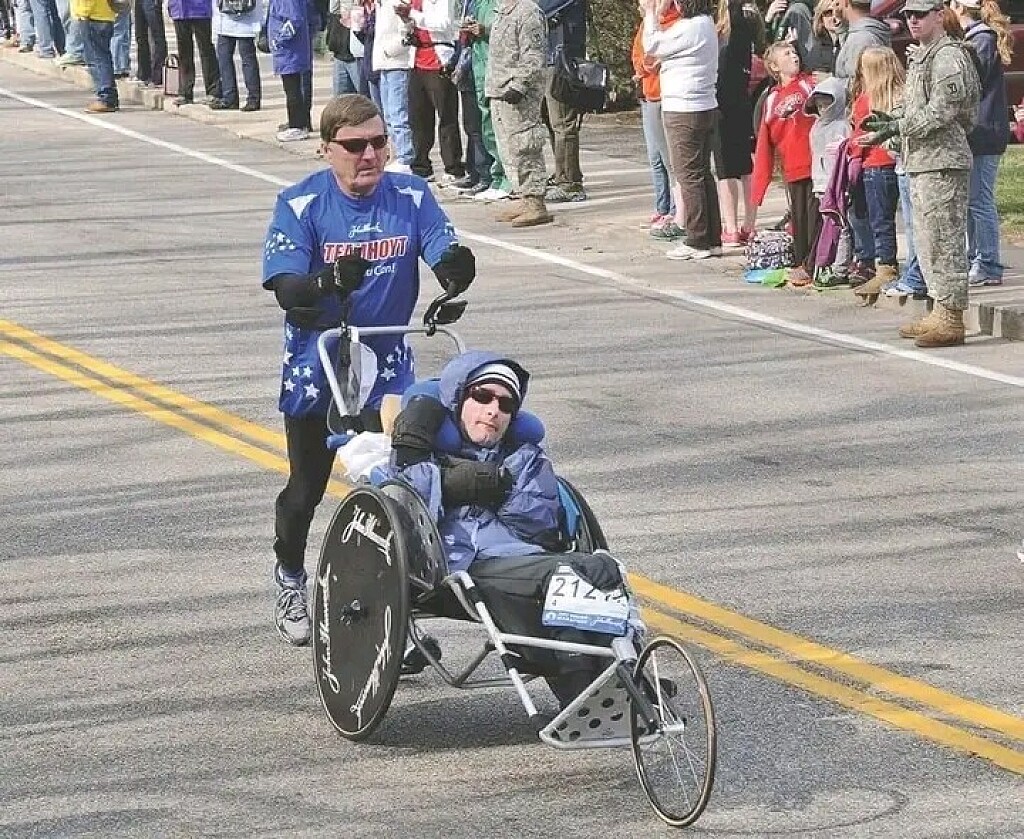


“Carrying a Dream: The Timeless Legacy of Dick Hoyt and His Son Rick”
On March 17, the running world paused to remember a man who redefined the true meaning of endurance, love, and partnership—Dick Hoyt. He passed away at the age of 80, leaving behind not just records and races, but a story that continues to move hearts across generations.
Their journey began in 1977 with a simple, yet powerful request. Rick Hoyt, born with cerebral palsy and unable to speak, expressed a desire to take part in a local five-mile race. For most, it would have seemed impossible. But for Dick, a father with no running background, there was only one answer—yes.
Pushing his son in a wheelchair, Dick lined up at the start. They crossed the finish line near the back of the field, but what they achieved that day went far beyond placement. After the race, Rick communicated something that would change everything: when he ran, he didn’t feel disabled.
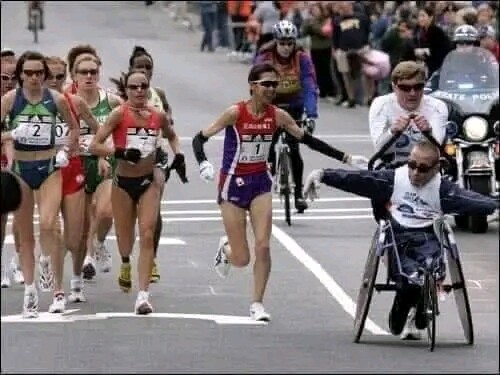
That single moment ignited a lifelong mission.
From then on, father and son became inseparable on the roads. They ran, cycled, and even competed in triathlons—covering thousands of miles together. Their bond grew stronger with every race, every mile, and every challenge conquered side by side.
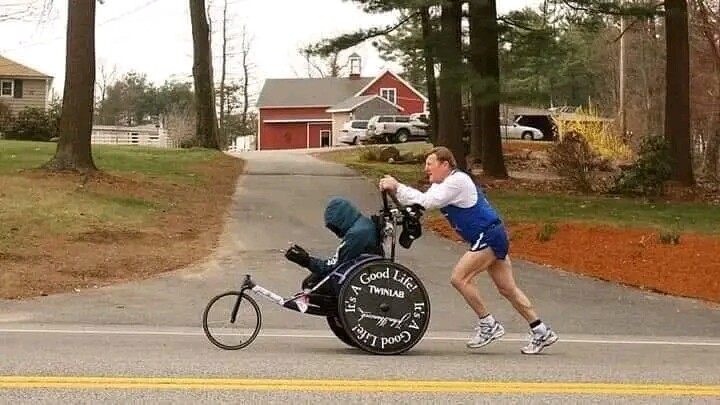
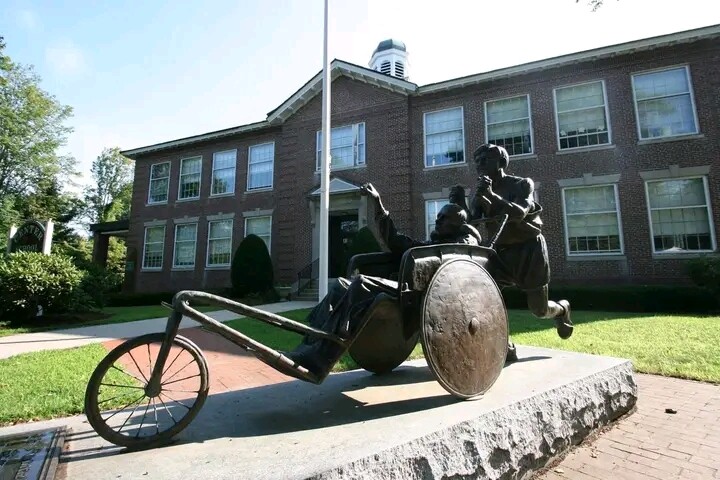
Their story reached its peak at the legendary Boston Marathon, where they competed an astonishing 32 times. It wasn’t just about finishing races—it was about proving that limits are often defined by perception, not reality. In 2013, their extraordinary journey was immortalized when a statue was dedicated to them at the marathon’s starting line, a lasting tribute to their impact on sport and humanity.
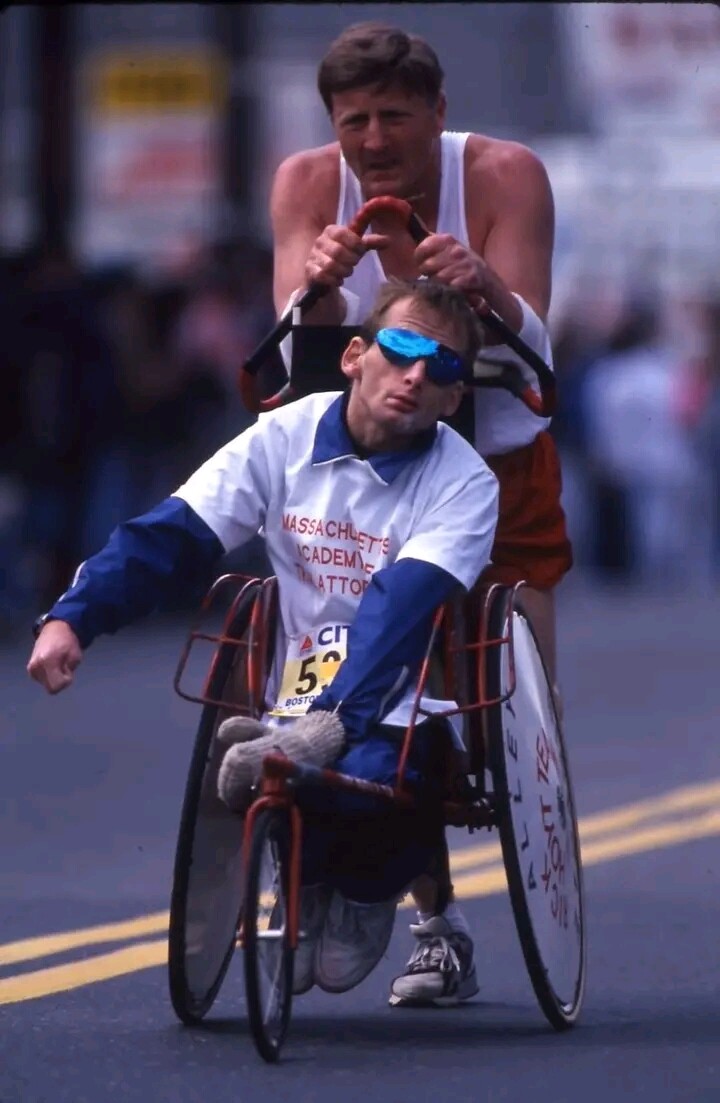
What made Team Hoyt remarkable wasn’t speed or medals—it was purpose. Dick didn’t just push a wheelchair; he carried his son’s dreams, turning them into a global symbol of resilience and unconditional love.
Today, as the world reflects on his passing, the legacy of Dick and Rick Hoyt lives on far beyond the finish lines they crossed. Their story reminds us that the strongest force in sport—and in life—is not physical strength, but the power of the human spirit, fueled by love.
And perhaps their greatest victory was never recorded on a clock—it was in showing the world that no obstacle is too great when you refuse to leave someone behind.
by Erick Cheruiyot for My Best Runs.
Login to leave a comment
Boston Marathon
Among the nation’s oldest athletic clubs, the B.A.A. was established in 1887, and, in 1896, more than half of the U.S. Olympic Team at the first modern games was composed of B.A.A. club members. The Olympic Games provided the inspiration for the first Boston Marathon, which culminated the B.A.A. Games on April 19, 1897. John J. McDermott emerged from a...
more...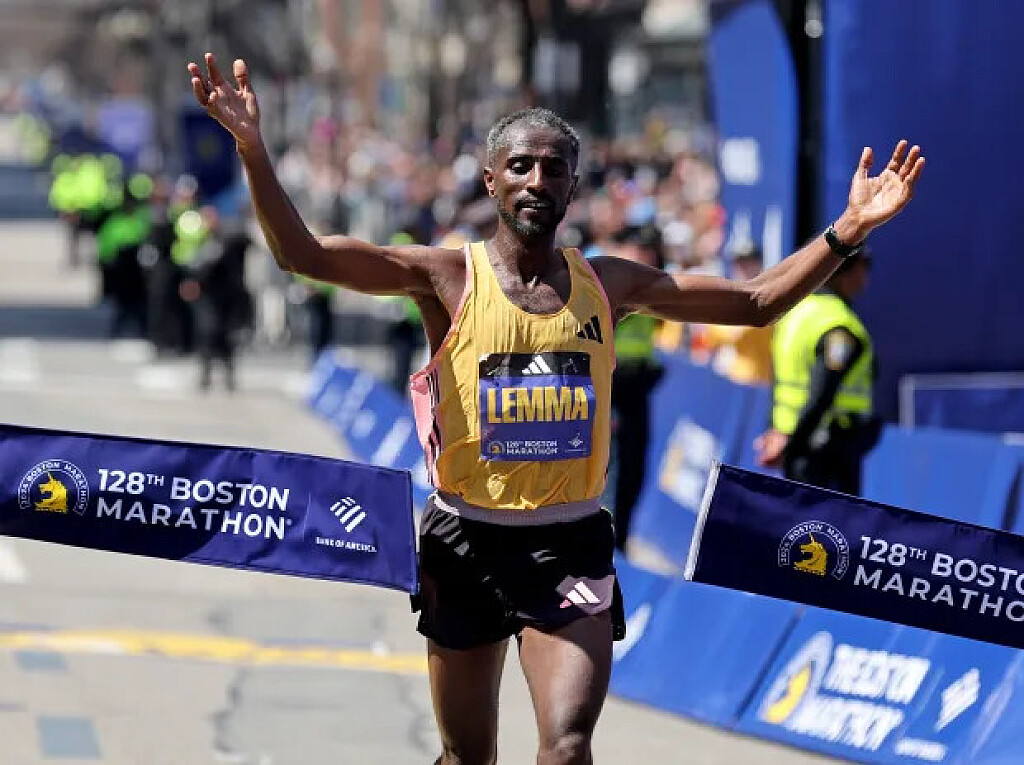
Who is Sisay Lemma, the winner of the 2024 Boston Marathon?
Sisay Lemma was born in 1990 in the Oromia Region of Ethiopia. He is the winner of the 2024 Boston Marathon, with a time of 2:06:17.
Sisay Lemma is an Ethiopian long-distance runner who specializes in the marathon. He is the winner of the 2024 Boston Marathon, with a time of 2:06:17.
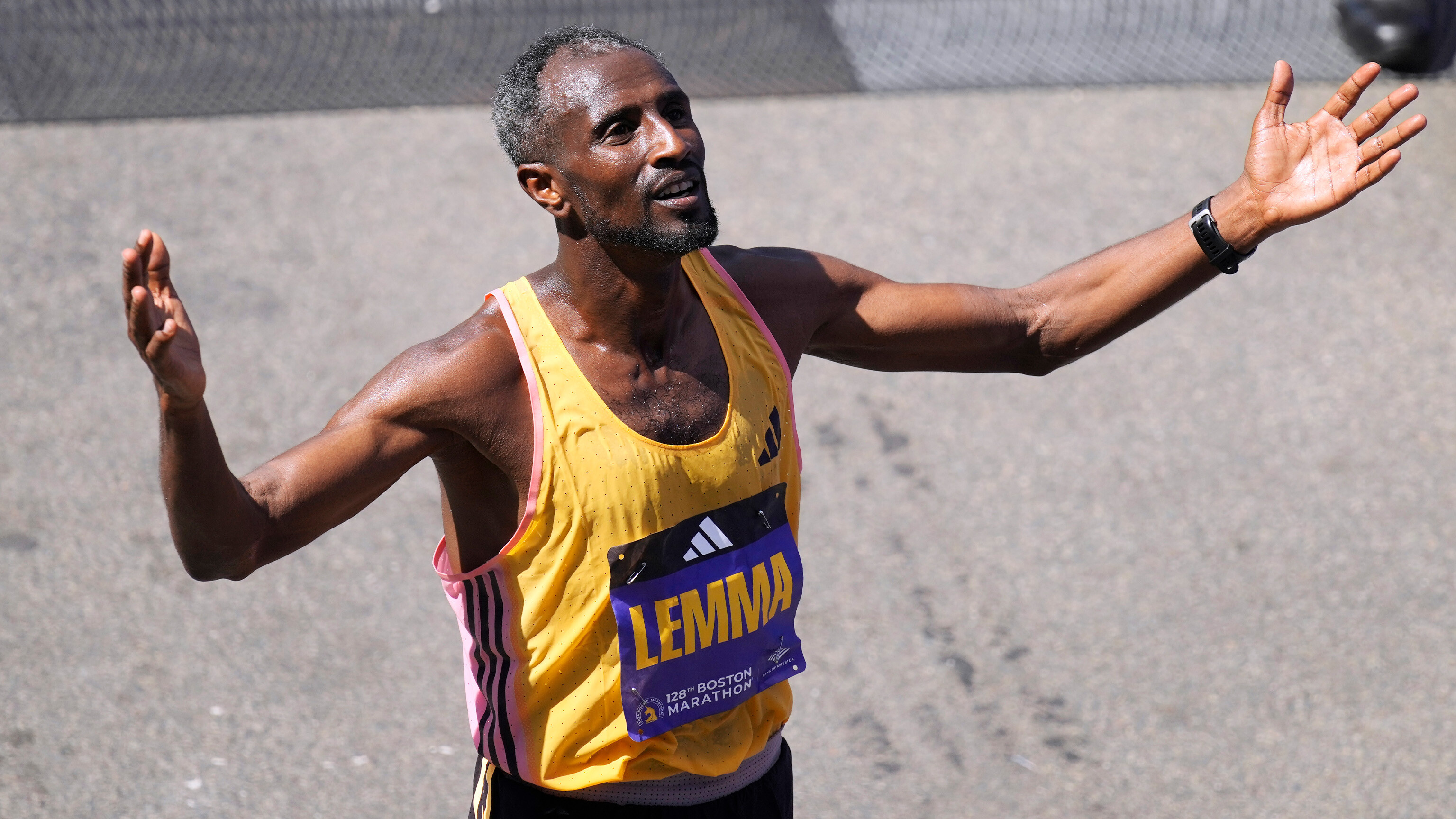
This was his first victory at the Boston Marathon, but he has previously won other major marathons, including the 2021 London Marathon and the 2023 Valencia Marathon. Lemma is also a three-time bronze medalist at the World Athletics Championships.
Lemma was born in 1990 in the Oromia Region of Ethiopia. He began running at a young age, and quickly showed promise. He made his international debut in 2013, and won his first major marathon in 2018, when he won the Rotterdam Marathon.
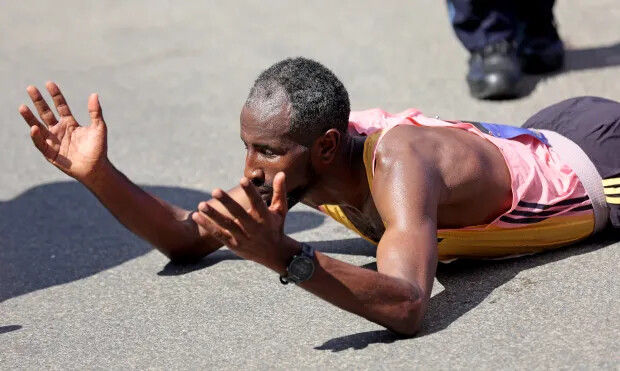
Lemma is known for his strong finishing kick. He has often won races by coming from behind in the final stages. He is also a very consistent runner, and has never finished a marathon outside of the top 10.
Lemma is a rising star in the world of marathon running. He is still relatively young, and has many years of good running ahead of him. He is a strong contender for medals at the major marathons, and the Olympic Games.
Here are some of Sisay Lemma’s career highlights:
Winner of the 2024 Boston Marathon
Winner of the 2021 London Marathon
Winner of the 2023 Valencia Marathon
Three-time bronze medalist at the World Athletics Championships
Winner of the 2018 Rotterdam Marathon
Personal best of 2:01:48 for the marathon
The Boston Marathon: The King of Marathons
The Boston Marathon is an annual foot race held in Boston, Massachusetts, United States. It is considered to be the most prestigious marathon in the world, and is one of the world’s oldest continuously run sporting events. The race is traditionally held on the third Monday in April, and it follows a 26.2-mile (42.2 km) route through the streets of Boston and the surrounding towns.
The Boston Marathon was first held in 1897, and it was inspired by the success of the marathon race at the 1896 Summer Olympics in Athens, Greece. The race was originally intended to be a qualifier for the 1897 Summer Olympics, but it quickly became a popular event in its own right. The Boston Marathon has been held every year since 1918, with the only exceptions being in 1918 due to World War I, and in 2020 due to the COVID-19 pandemic.
The Boston Marathon is known for its challenging course, which features several hills, including the infamous Heartbreak Hill at mile 20. The race is also known for its large and enthusiastic crowds, which line the streets throughout the course to cheer on the runners.
The Boston Marathon has been won by some of the greatest marathon runners in history, including Dick Hoyt, Bill Rodgers, Joan Benoit Samuelson, and Kathrine Switzer. The race has also been the site of several world records, including the first sub-2:00 marathon in 1978 by Geoffrey Hirt.
The Boston Marathon is more than just a race; it is a tradition and an institution. The race is a symbol of Boston’s resilience and spirit, and it is a source of pride for the city’s residents. The Boston Marathon is also a major fundraiser for charity, and it has raised millions of dollars for local charities over the years.
by Laura Islas
Login to leave a comment
Boston Marathon
Among the nation’s oldest athletic clubs, the B.A.A. was established in 1887, and, in 1896, more than half of the U.S. Olympic Team at the first modern games was composed of B.A.A. club members. The Olympic Games provided the inspiration for the first Boston Marathon, which culminated the B.A.A. Games on April 19, 1897. John J. McDermott emerged from a...
more...
Rob Gronkowski named grand marshal for 2024 Boston Marathon
New England Patriots great Rob Gronkowski has been named grand marshal for the 2024 Boston Marathon, the Boston Athletic Association announced Tuesday.
Gronkowski will also receive the 2024 Patriots' Award, presented to a person or organization who is "patriotic, philanthropic, and inspirational, and fosters goodwill and sponsorship." In addition to his athletic achievements, Gronkowski founded the Gronk Nation Youth Foundation, which donated the funds to build Gronk Playground on the Charles River Esplanade.
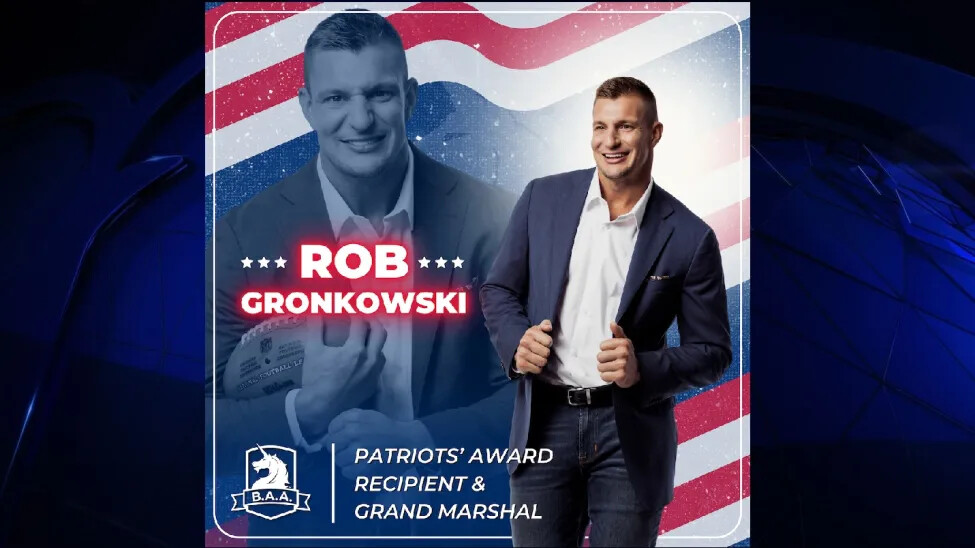
"Giving back has always been a priority in my life," Gronkowski said in a statement. "When I first got to New England, Mr. Kraft and the Patriots Foundation ingrained in the team the importance of giving back to the community that gives back to us. And this community has supported me throughout my entire career. Now it's time for me to give back to help set others up for their own journey, especially the youth. This is why the Gronk Playground project is close to my heart. My family and I are honored to be able to give kids an awesome new space to play in the city.”
“We are honored to have Rob Gronkowski as part of our Boston Athletic Association's long-standing traditions and celebrations this year. The work that he has done and continues to do for the Boston Community exemplifies what we look to recognize with our Patriots’ Award," B.A.A. Director of Development Nicole Juri said in a statement. “Having him also serve as Grand Marshal on race day will bring a lot of added joy and excitement for the thousands of spectators who will be lining the streets from Hopkinton to Boston.”
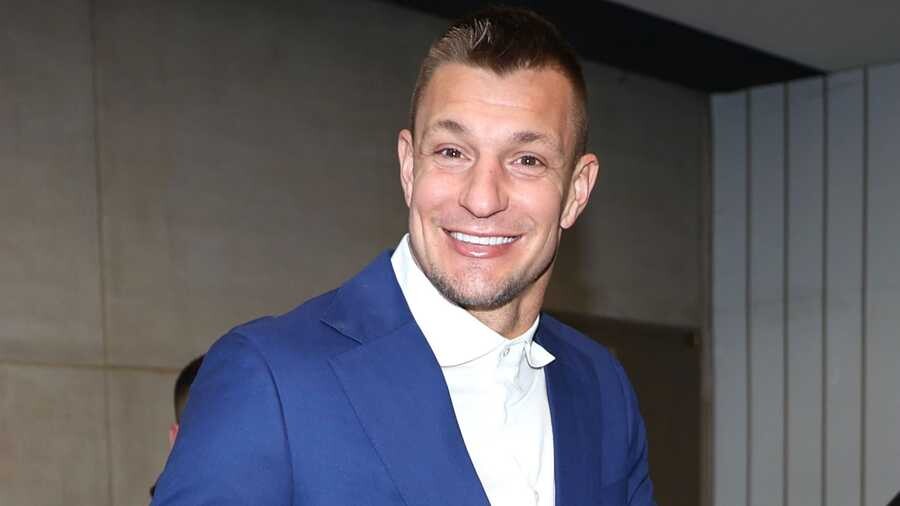
Gronkowski will be honored at the B.A.A. Gives Back Celebration on April 13. In his role as grand marshal, he will be driven along the marathon course from Hopkinton to Boston, delivering the tropy to the finish line ahead of the athletes on race day on April 15.
Past recipients of the Patriots' Award include Robert and Myra Kraft and the New England Patriots, Red Auerbach and hte Red Auerbach Youth Foundation, the Boston Red Sox Foundation, Rick and Dick Hoyt, Joan Benoit Samuelson, David Ortiz, Tim Wakefield, Tedi Bruschi, Adrianne Haslet, Marty Walsh.
Login to leave a comment
Boston Marathon
Among the nation’s oldest athletic clubs, the B.A.A. was established in 1887, and, in 1896, more than half of the U.S. Olympic Team at the first modern games was composed of B.A.A. club members. The Olympic Games provided the inspiration for the first Boston Marathon, which culminated the B.A.A. Games on April 19, 1897. John J. McDermott emerged from a...
more...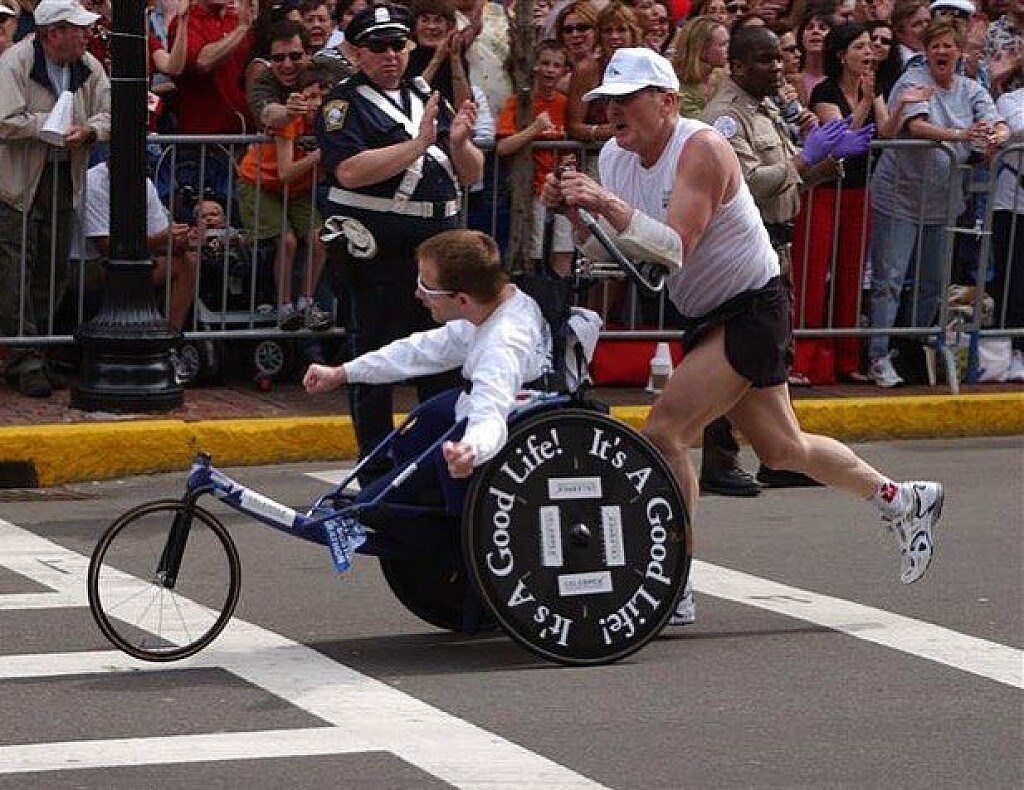
Boston Marathon icon Rick Hoyt dies at 61
On Monday, the Hoyt Family announced the death of Boston Marathon icon Rick Hoyt at age 61. Hoyt was a longtime staple of the Boston Marathon, who was pushed to the Boston Marathon finish line in his wheelchair by his father, Dick, for 32 years between 1980 and 2014.
“It is with profound sadness that the Hoyt Family announces the passing of our beloved brother and uncle, Rick, this morning. Rick was 61 years old. Rick passed away due to complications with his respiratory system,” the family said in a statement. “As so many knew, Rick along with our father, Dick, were icons in the road race and triathlon worlds for over 40 years and inspired millions of people with disabilities to believe in themselves, set goals and accomplish extraordinary things.”
Hoyt had cerebral palsy, which left him a quadriplegic. In 1977, he told his father, Dick, that he wanted to take part in a charity run for a lacrosse player who was paralyzed in an accident. Dick pushed his son for the race, and after, he told his father, “When I’m running, I don’t feel handicapped.”
The duo’s participation in marathons, triathlons, and endurance events showcased that physical disabilities should never limit one’s aspirations. Hoyt’s presence on the Boston Marathon course symbolized courage and the belief that anything is possible.
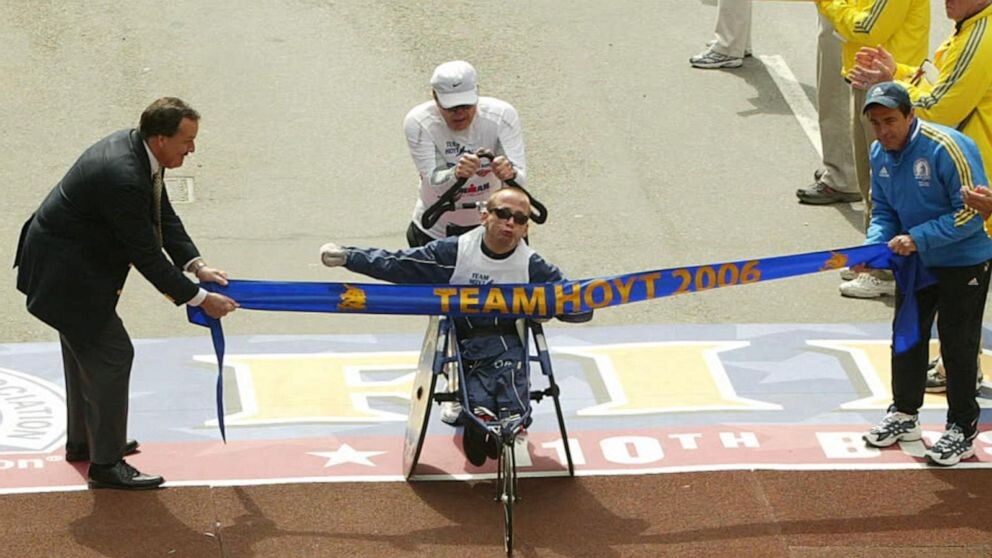
Dick died in March 2021 at age 80. The same year his son retired from marathons.
The Boston Athletic Association (B.A.A.) released a statement in memory of Hoyt:
Rick Hoyt will always be remembered as a Boston Marathon icon and for personifying the “Yes You Can” mentality that defined Team Hoyt. We are fortunate to have been able to call Rick a friend, mentor, pioneer, and Boston Marathon finisher. His legacy will live on through the Rick & Dick Hoyt Award, which is presented each April around the Boston Marathon to someone who exhibits the spirit of Team Hoyt through advocacy and inclusion.
Our thoughts go out to the Hoyt family, Rick’s many friends, and all who were touched by his positivity.
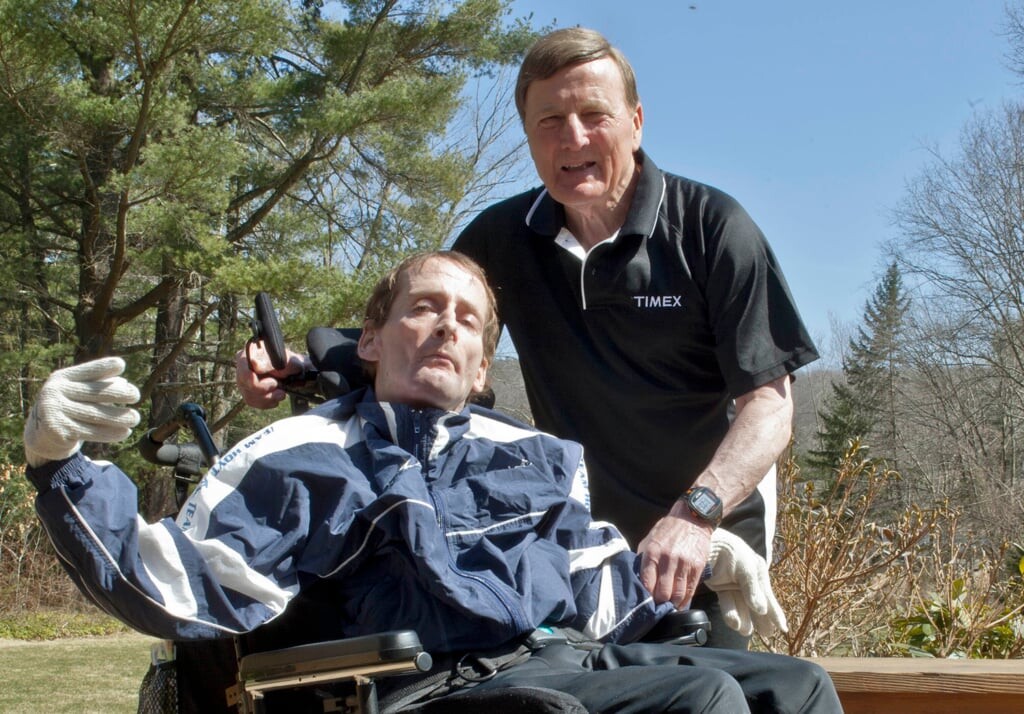
The B.A.A. has continued to honour Hoyt’s legacy at the Boston Marathon, establishing the Rick & Dick Hoyt Award in 2021. The award annually recognizes individuals who promote inclusivity and advocate for others in the community.
by Marley Dickinson
Login to leave a comment
Boston Marathon
Among the nation’s oldest athletic clubs, the B.A.A. was established in 1887, and, in 1896, more than half of the U.S. Olympic Team at the first modern games was composed of B.A.A. club members. The Olympic Games provided the inspiration for the first Boston Marathon, which culminated the B.A.A. Games on April 19, 1897. John J. McDermott emerged from a...
more...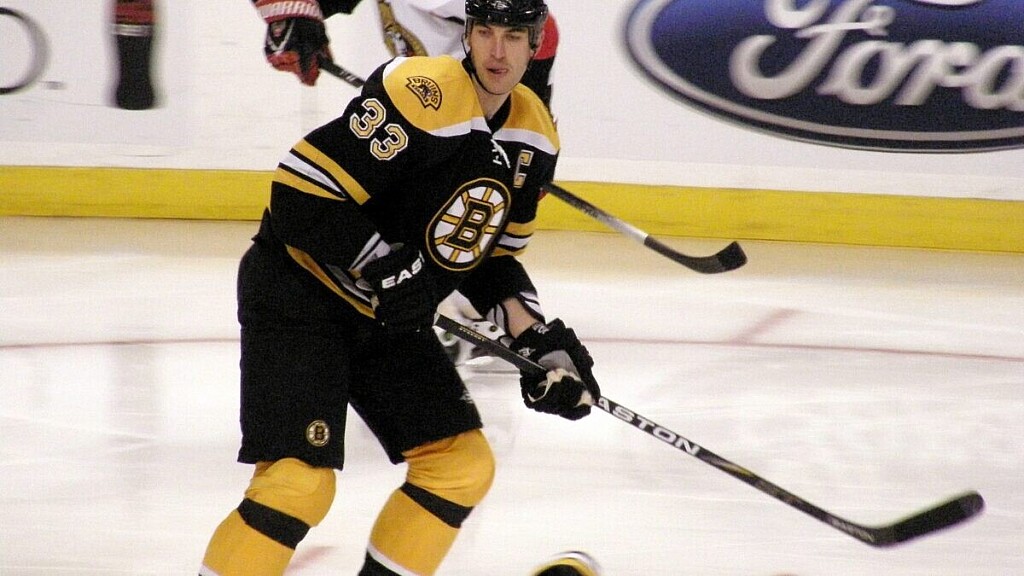
Tallest player to ever play in the NHL is running the 2023 Boston Marathon
The former Boston Bruins defenceman and captain, Zdeno Chara, who stands at six feet and nine inches, will run his first marathon in Boston.
After 26 years in the NHL, the 6’9″ defenceman, Zdeno Chara, is ready for his next challenge—the 2023 Boston Marathon. On Sunday, the tallest player in NHL history said on his Instagram that he plans to run his first marathon on April 17, in support of two Boston-based charities, the Thomas E. Smith Foundation and The Hoyt Foundation.
Chara holds the all-time NHL record for most games played by a defenseman, with 1,680. Chara played for four teams over his 20+ year career, starting with the New York Islanders, Ottawa Senators, Boston Bruins and Washington Capitals.
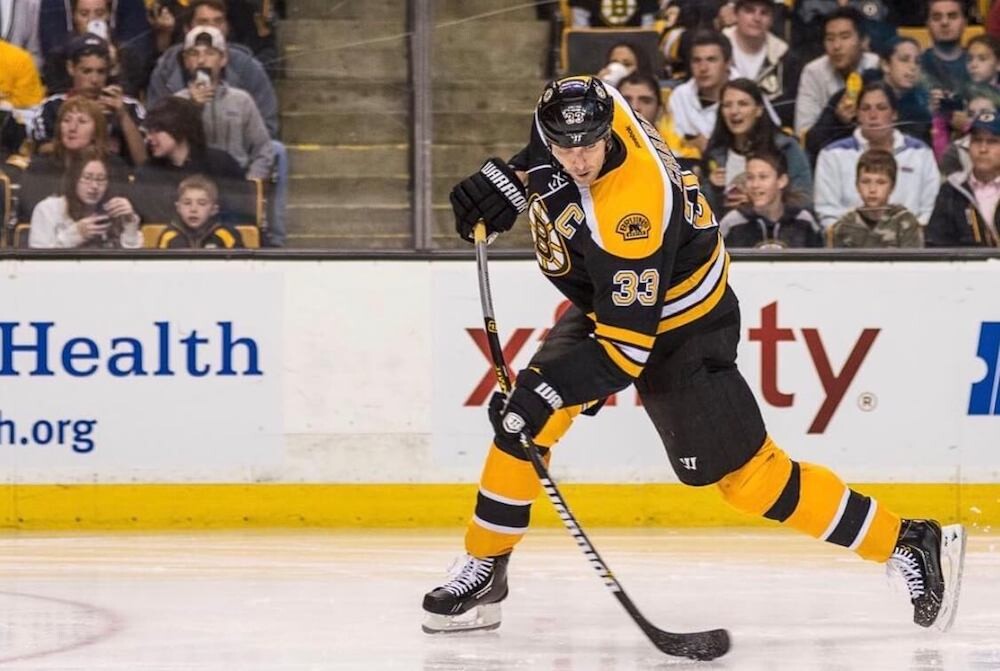
“I’m so happy to announce that I am running my first marathon,” Chara wrote on his Instagram. “There’s no better first marathon than the Boston Marathon on April 17th!
“The Hoyt Foundation has made an incredible impact on millions of people worldwide and personally helped to motivate (the Bruins) to our 2011 Stanley Cup win,” He said in the post. “The Hoyt Foundation has an amazing legacy with the iconic marathon.”

Dick and Rick Hoyt became a well-known Boston Marathon pair, Dick pushing his son in a wheelchair along the 26.2-mile course dozens of times. Dick Hoyt died in September 2021 at the age of 80.
The Thomas E. Smith Foundation’s mission is to better the lives of those affected by and living with paralysis through financial and emotional aid while supporting preventive innovations that decrease the risk of spinal cord injuries.
You do not often see athletes of Chara’s stature take on the marathon, especially on a course as difficult as Boston. We think he’ll certainly be easy to spot in his corral.
by Running Magazine
Login to leave a comment
Boston Marathon
Among the nation’s oldest athletic clubs, the B.A.A. was established in 1887, and, in 1896, more than half of the U.S. Olympic Team at the first modern games was composed of B.A.A. club members. The Olympic Games provided the inspiration for the first Boston Marathon, which culminated the B.A.A. Games on April 19, 1897. John J. McDermott emerged from a...
more...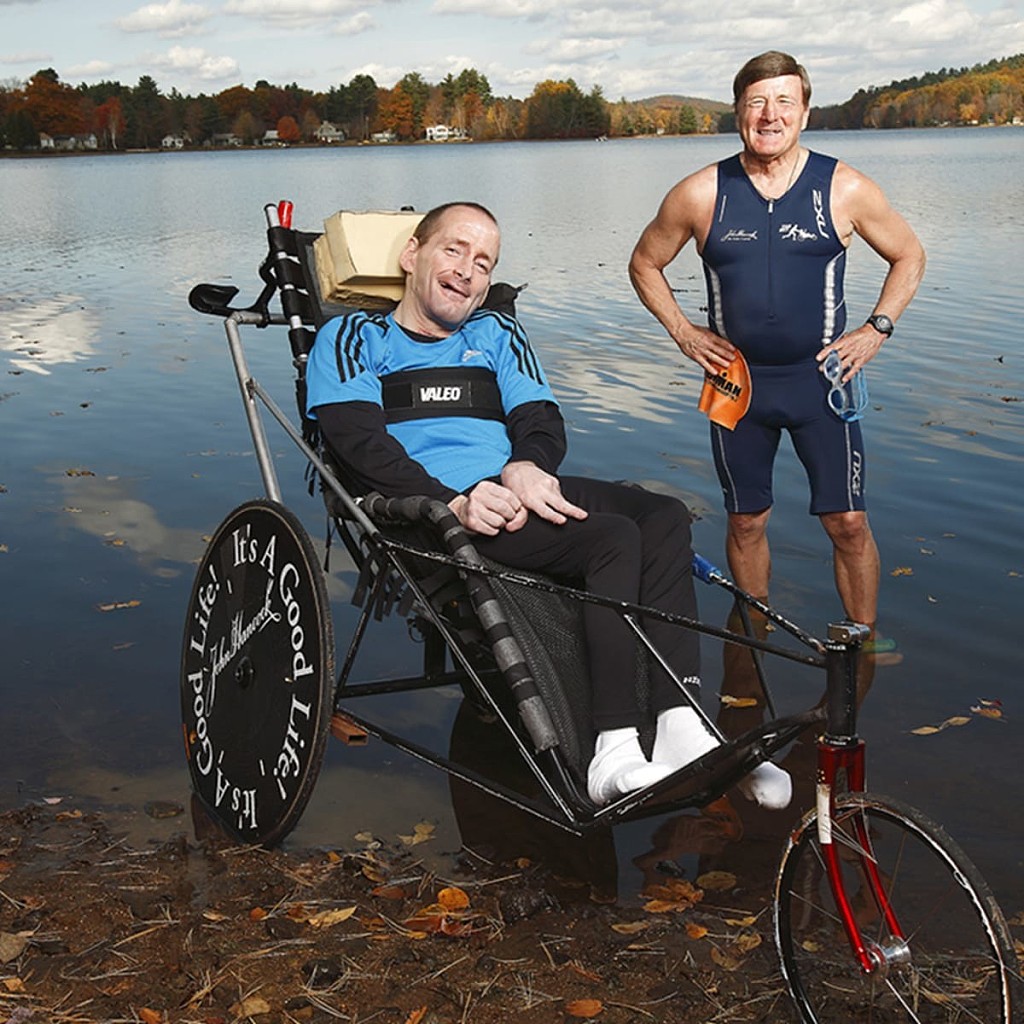
One of the legends of the Boston Marathon Dick Hoyt dies at 80
Boston Marathon legend Dick Hoyt, has died at the age of 80, his family confirmed to WCVB.
Hoyt passed away in his sleep Wednesday morning, according to longtime Boston Marathon race director Dave McGillivray.
For close to 40 years, Dick Hoyt was a fixture of the marathon course, pushing his son, Rick, a quadriplegic with cerebral palsy, from 1981 until 2014.
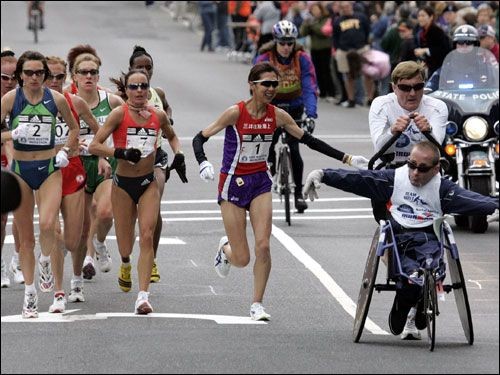
“The message is: Yes, you can. There isn’t anything you can’t do as long as you make up your mind to do it," Dick Hoyt told WCVB in 2016. "There is no ‘No’ in the Hoyt vocabulary.”
In addition to Boston, the pair competed in more than 1,100 marathons and triathlons.
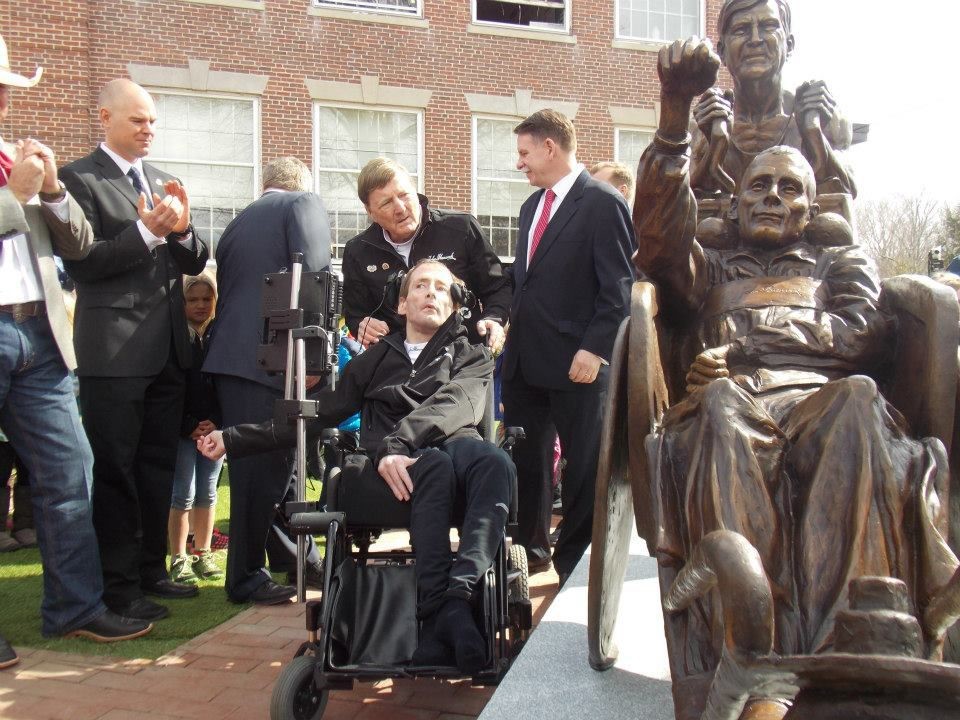
"We are tremendously saddened to learn of the passing of Boston Marathon icon Dick Hoyt. Dick personified what it means to be a Boston Marathoner, finishing 32 races with son Rick. We are keeping his many family & friends in our prayers," the Boston Athletic Association said in a statement after news of his passing.
Hoyt was a lieutenant colonel in the Air National Guard for more than 30 years.
Originally planning to retire after the 2013 race, Dick Hoyt returned in 2014 to honor those killed and injured in the Boston Marathon bombings. Team Hoyt was stopped at the 25-mile mark when the explosions halted the event.
A bronze statue of Dick and Rick Hoyt was dedicated near the Marathon's start line in Hopkinton in 2013. Dick Hoyt served as the Grand Marshal of the race in 2015.
Login to leave a comment
Boston Marathon
Among the nation’s oldest athletic clubs, the B.A.A. was established in 1887, and, in 1896, more than half of the U.S. Olympic Team at the first modern games was composed of B.A.A. club members. The Olympic Games provided the inspiration for the first Boston Marathon, which culminated the B.A.A. Games on April 19, 1897. John J. McDermott emerged from a...
more...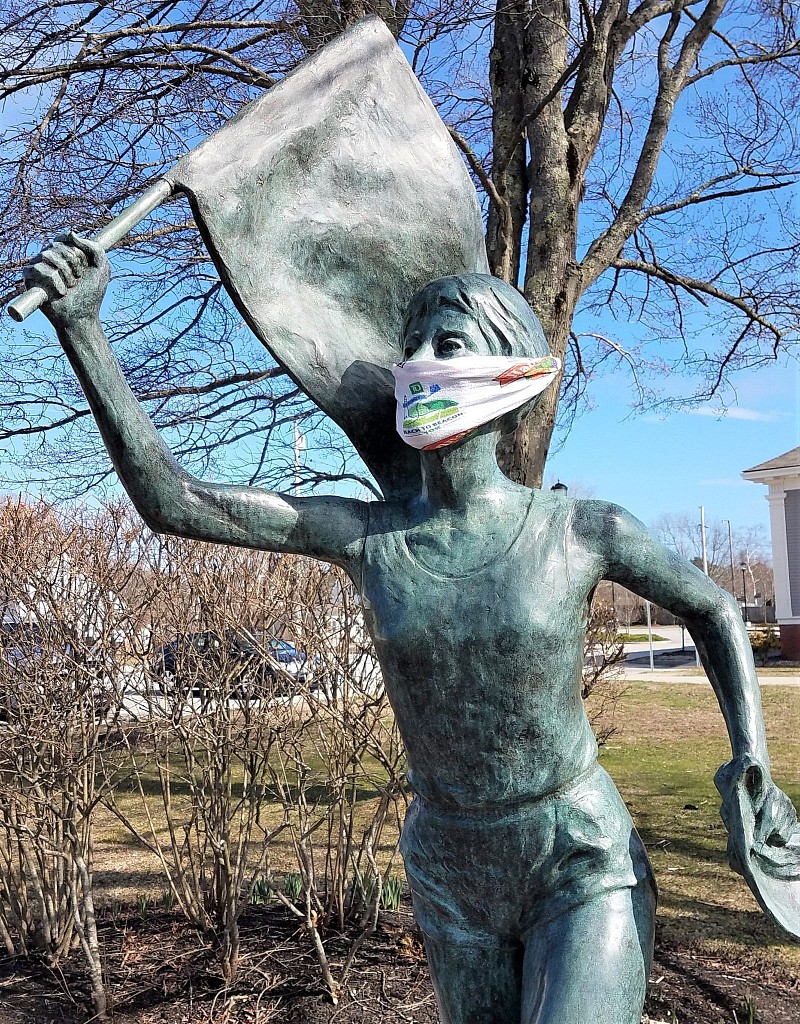
The Runner Statue-COVID-19 Mask Movement
Over the weekend, famous runner statues from Boston to Boulder donned a new look to support solidarity in slowing the coronavirus.
Runners are among the healthiest people. We prize and appreciate our good fortune, and want to encourage the same in others. We’d like everyone to be health—to follow federal guidelines, both for exercise and for disease prevention.
That was the thinking behind the Runner Statue-COVID-19 Mask movement. It began Saturday morning in Mystic, CT. By Sunday afternoon, it had spread to Cape Elizabeth, Maine, Hopkinton, Massachusetts, Central Park in New York City, Davenport, Iowa, and Boulder, Colorado.
In each location, a well-known runner statue is now wearing a low-tech protective face mask. The message: Do your part to prevent the spread of COVID-19.
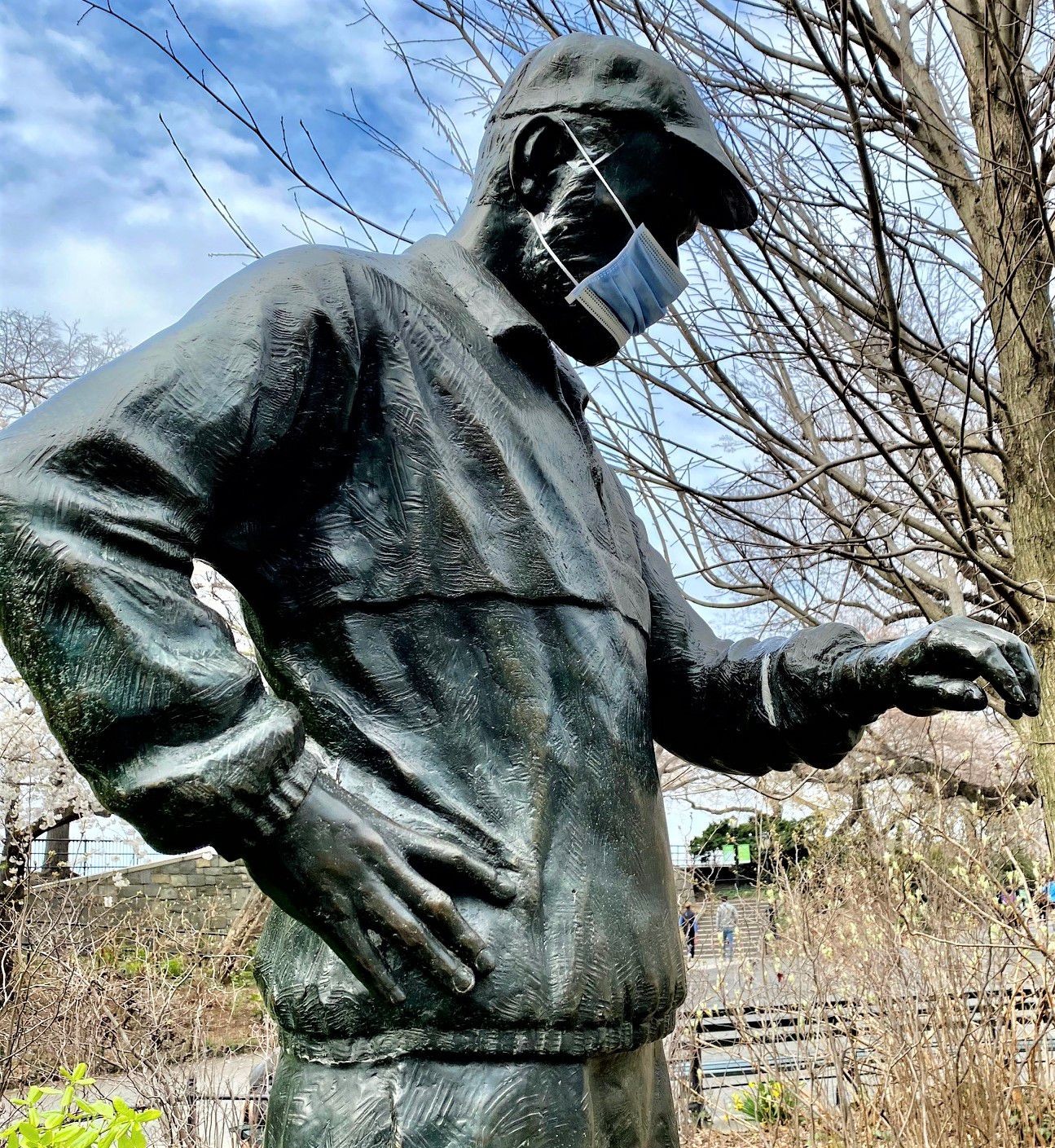
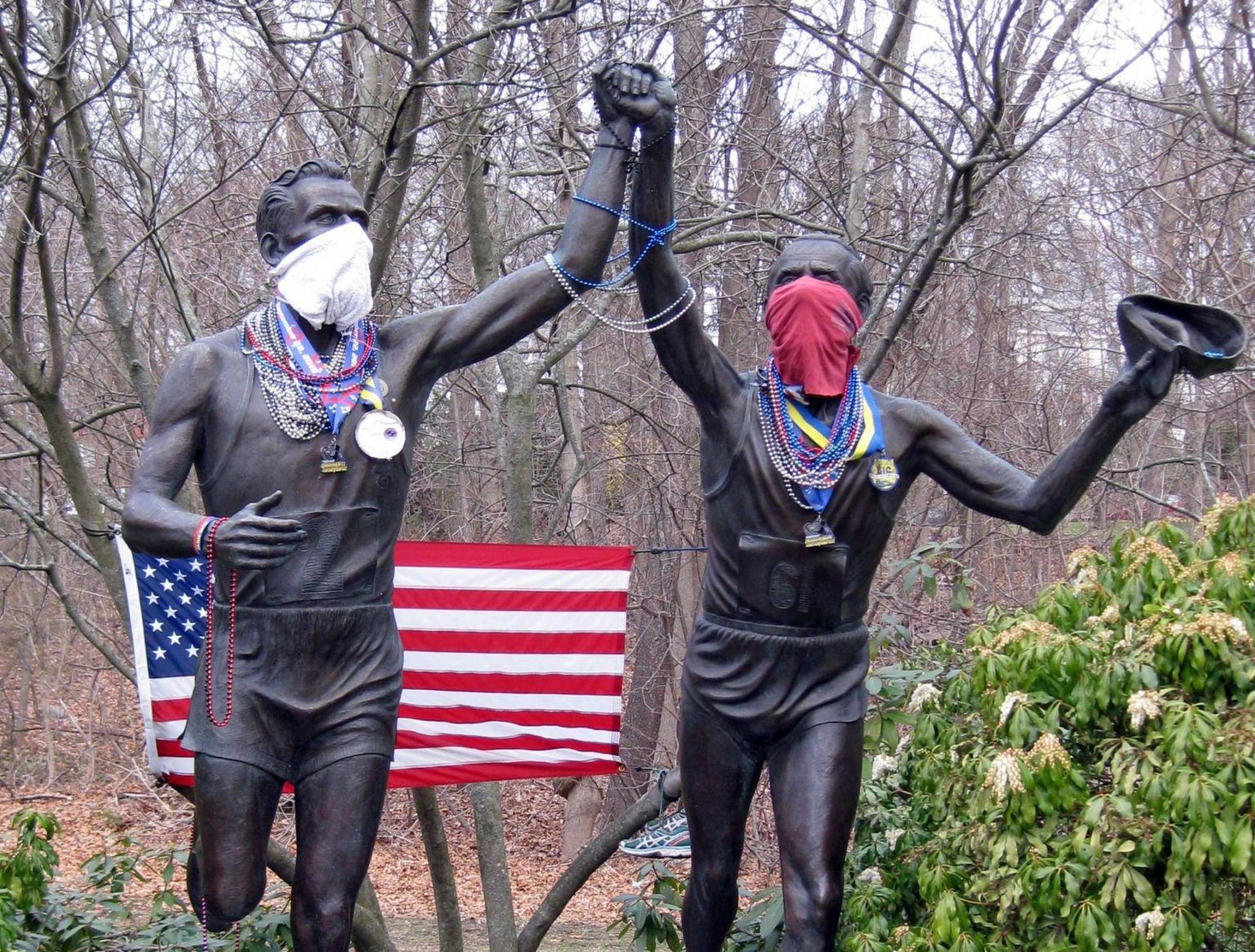
The Boston Marathon course has three such mask-wearing statues. In Hopkinton, “The Starter” George V. Brown wears a mask immediately adjacent to the Boston Marathon start line. Nearby, the statue of Rick and Dick Hoyt shows off their colorful masks.
Near the Marathon’s 19-mile mark in Newton, the double statue of “Old John” Kelley and his younger self shows them both wearing bandanna masks. These were fashioned by Ray Charbonneau from recycled road race t-shirts.
Born on a Morning Run
The story starts, like many, with a morning run. On Saturday morning, my wife, Cristina, and I met my brother, Gary, for an easy 3-mile jog on the banks of the meandering Mystic River in Connecticut. We had barely begun when Gary said, “You know what might be cool—to put a COVID mask on the Kelley statue.”
Mystics’s statue of John J. Kelley, 1957 Boston Marathon winner, has been a favorite local landmark for about five years now. It has a sparkling location in a tiny parklet that overlooks Mystic Pizza, made famous by the 1988 Julia Roberts movie. Before our biggest annual road races, Kelley is often attired in that’s year’s t-shirt.
Gary’s idea seemed so perfect that Cristina and I rushed home post-run to complete the mask project. To be honest, I merely “supervised,” since I have no sewing or crafting skills. Fortunately, Cristina is one of those creative types. She was even smart enough to realize that a statue mask would have to be larger than the bright masks she had already turned out for family members. Most statues are literally larger than life.
We rushed back to downtown Mystic to give Kel’ his new facemask. It was made of green shamrock material to honor his Irish roots. No one asked what we were doing, though several families strolled by and gave us an enthusiastic “thumbs up.”
Back home a few minutes later, I was ready for a nap. Then it hit me. I knew of a half-dozen other runner statues, and I knew runners who lived in those communities. What if I could get all those statues to wear covid masks?
Idea Runs Across the Country
Honestly, it took little effort on my part. A handful of friends, both new and old, “ran” with the suggestion. In Central Park and Cape Elizabeth, police quickly descended on my mask-placing co-conspirators. Moments later, having heard an explanation for the masks, the very same officers volunteered to help.
My buddy in Cape Elizabeth needed it. Marty Clark was struggling on crutches to give Joan Benoit Samuelson a facelift. Now we’ll let you in on one of Joanie’s secrets: She has no ears. (Makes you more aerodynamic.) Or maybe she just has hair over her ears. In both Cape Elizabeth and Davenport, IA, where the Bix-7 has erected statues of Samuelson and Bill Rodgers, my friends had trouble keeping the mask in place.
But Bix race director Michelle Juehring persisted until she achieved success. “I love the solidarity of this project—the way it says we’re all in this together,” she observed.
Rodgers was a big fan from the get-go. “I’m so glad to be wearing a mask next to Joan Samuelson in Davenport,” he said. “If others see us, and then they wear a mask also, we’re going to beat this disease in America.
At Central Park’s reservoir, thronged with walkers and runners, a socially-distanced crowd gathered around the Fred Lebow statue. When the onlookers realized what was going on, they broke into applause. “I was stunned,” said Scott Lange, who once worked for Lebow at New York Road Runners.
In Boulder, Rich Castro got a mask onto Frank Shorter only a couple of hours after we began with Kelley in Connecticut. Castro had already worn a mask around town on his morning errands. “I hope more people help us spread the message,” he said. “There are too many nonbelievers around.”
Shorter concurred. “Any and all expressions of solidarity are a good thing,” he said.
In Hopkinton, where the Boston Marathon begins, Tim Kilduff found a talented high schooler, Emily Karp, to make masks and corralled a Hopkinton Board of Selectmen member (John Coutinho) and photographer (Bruce MacDonald) for the effort. Today, Monday April 6, this team plans to mask 1946 Boston winner Stylianos Kyriakides at the marathon’s 1-mile mark. (Look hereto see why this requires a special effort.)
“This has been fun,” Kilduff said. “It’s a good thing. I think it might really catch on.”
by Amby Burfoot (Podium Runner)
Login to leave a comment
Bill Johncock's dream of pushing his disabled son in the Boston Marathon has to wait until September
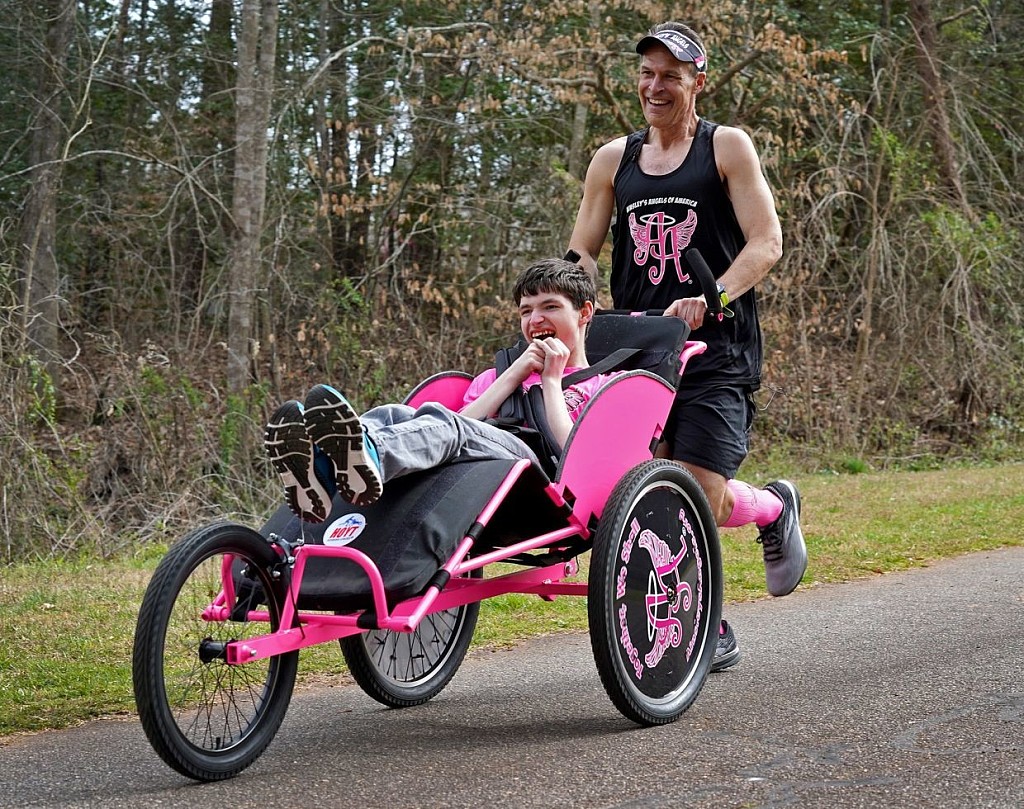
Bill Johncock and his differently-abled son Logan have gotten pretty accustomed to rolling with the punches over the past year, as Dad has pushed them – quite literally – toward a big running goal: the 2020 Boston Marathon.
The first major milepost came on March 2,2019, when Johncock fought through leg cramps at the Myrtle Beach Marathon but ultimately won the battle, pushing then-20-year-old Logan across the finish line in a borrowed racing wheelchair in a time fast enough to qualify them for Boston as a “duo team”.
Much more recently, a different borrowed racing chair turned out to have a steering problem that wore out Johncock’s arms more than his legs at the Atlanta Half Marathon, a tune-up race he ran with Logan just a few weekends ago.
And now they are having to roll with something Johncock never could have anticipated when he first started down his personal road to Boston: With the coronavirus pandemic and the current trend of cancelling large public events continuing, the Boston Marathon – originally set for April 20 – has been postponed to Sept 14.
Johncock’s trying to take it all in stride.
“It’s just like the chair, or the weather. It’s something that is beyond our control, ” says the 55-year-old podiatrist. “We’re gonna control what we can control. The rest, we’ve gotta put it in God’s hands.... We’ll go to Plan B.”
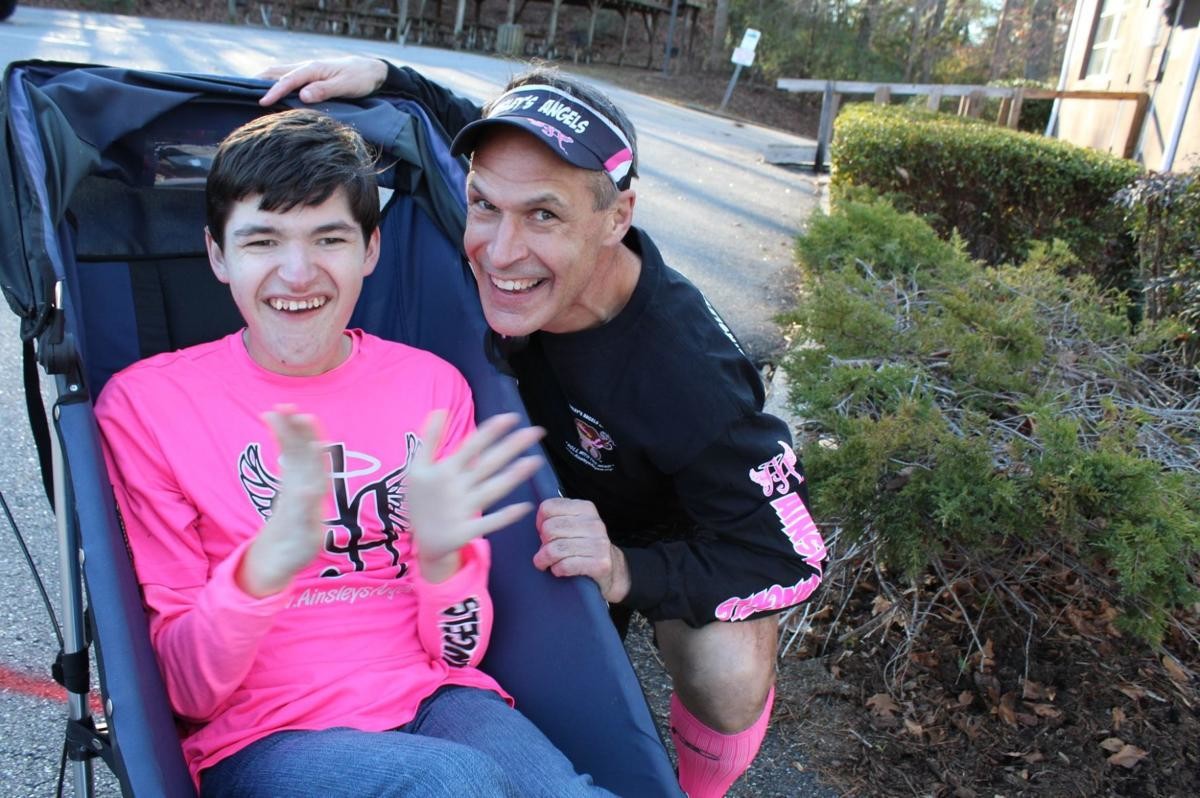
But at the same time, you can tell how big a blow it is to him. After all, getting to the Boston Marathon with Logan – who has a rare genetic disorder called Angelman syndrome, which makes walking difficult and talking impossible – has been Johncock’s dream for the past 15 years.
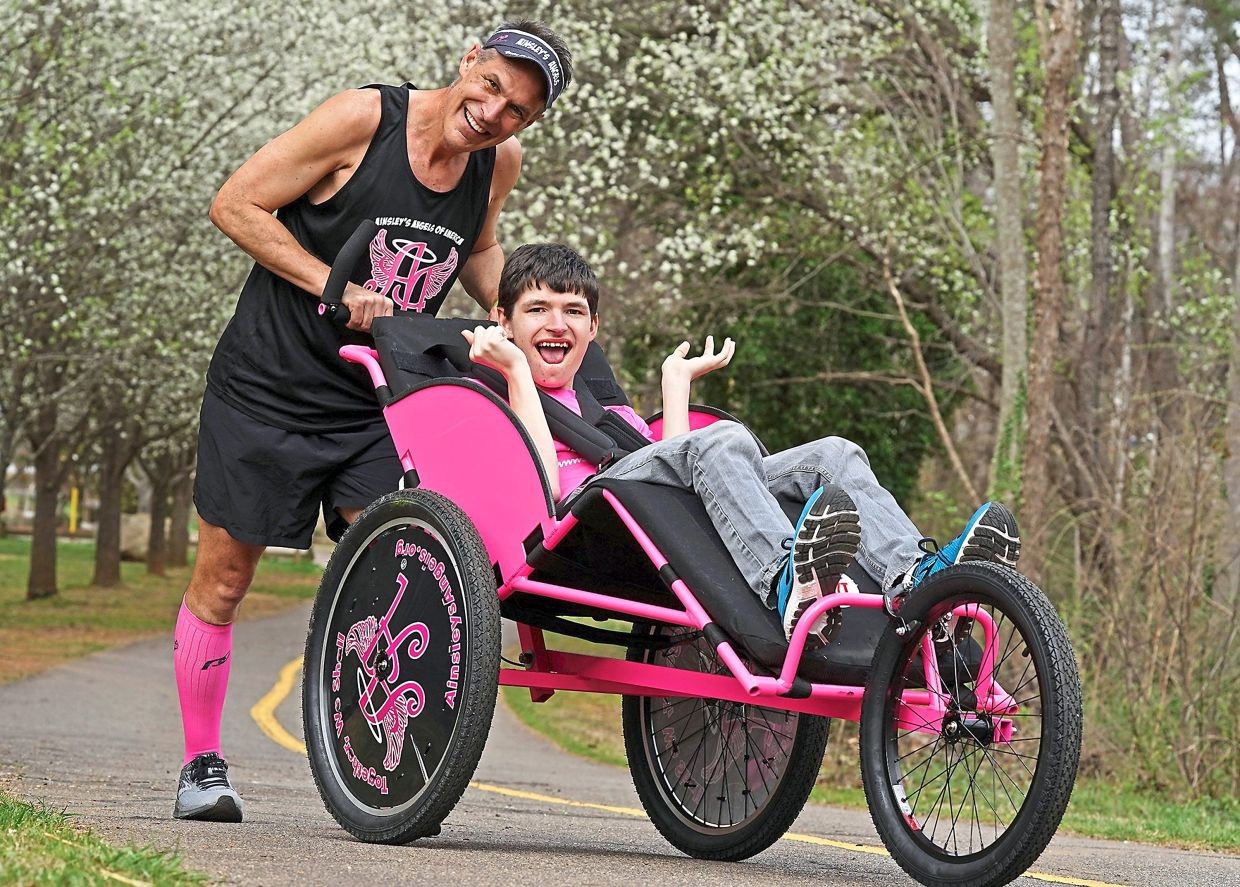
Johncock developed a nearly instant passion for running when he was 13 years old.
Even after Johncock started having kids of his own, he kept running, eventually logging more than 100 marathons. He pushed his first son, Drake, in a jogging stroller on the weekends. But by the time Logan came along, Drake was on to other things, and as his three kids grew up, Johncock bonded with each of them over different activities.
His and Logan’s was running; in fact, by the time Logan was about two years old, they were already entering races together.
“My oldest son used to like to ride in the running chair that we had well enough, but... Logan just lit up – in a different way, ” Johncock says. “I guess maybe because of some of his lack of mobility, he really enjoyed the movement of it. It was just like, ‘Wow.’”
Angelman is somewhat similar to Down syndrome, marked by delayed development and intellectual disability.
Logan can’t speak at all, communicating either via a very limited sign-language vocabulary he uses only “if he’s really motivated”, his dad says, laughing – “he signs pretty good for cheeseburgers, but he doesn’t sign very well for broccoli” – or by either pointing or pulling his parents or siblings toward what he wants. He can feed himself, but he can’t dress himself. He can walk, but not very far or for very long; and he certainly can’t run.
Oh, and one other thing about people with Angelman: They generally are unusually happy. Logan is no exception. And the more his dad ran with him, the happier he seemed.
‘The best motivation in the world’
As an individual, Johncock has qualified for and run the Boston Marathon six times – in 1984 with his dad, then again in 1991,1992,1993,2002 and 2005.
But it was while there solo in 2005 that he got the idea to mix things up a little bit. While at the race expo in Boston, he happened to meet Dick Hoyt and his son Rick, who for decades were a fixture at the event, with Dick pushing Rick (who has cerebral palsy) and the pair inspiring countless spectators and runners along the way.
Johncock went home inspired, eventually signing up to push then-six-year-old Logan in the Thunder Road Marathon in Charlotte later that year. Johncock also decided to tie a charity component to his efforts, and wound up raising US$30,000 (RM127,500) for a playground for Logan’s school – the Conover School, which serves children with special needs.
After their long run in Charlotte, Johncock pushed Logan through another marathon in 2007, and a third in 2013. But while these other marathons permitted children, Boston’s rules specify that riders on duo teams must be 18 or older.
Logan became “legal” in 2017, and in 2019, Johncock mustered up the time and the motivation to try to qualify, at age 54.
But, as always, all Johncock can do is just roll with it. “A life is more important. As big as this is for us, the health of a lot of other people is more important. So yeah, it looks like we’ll have to wait. But... eventually, we’ll get there.”
Login to leave a comment
Boston Marathon
Among the nation’s oldest athletic clubs, the B.A.A. was established in 1887, and, in 1896, more than half of the U.S. Olympic Team at the first modern games was composed of B.A.A. club members. The Olympic Games provided the inspiration for the first Boston Marathon, which culminated the B.A.A. Games on April 19, 1897. John J. McDermott emerged from a...
more...