

Running News Daily
Running News Daily is edited by Bob Anderson and team. Send your news items to bob@mybestruns.com Advertising opportunities available.
Index to Daily Posts · Sign Up For Updates · Run The World Feed
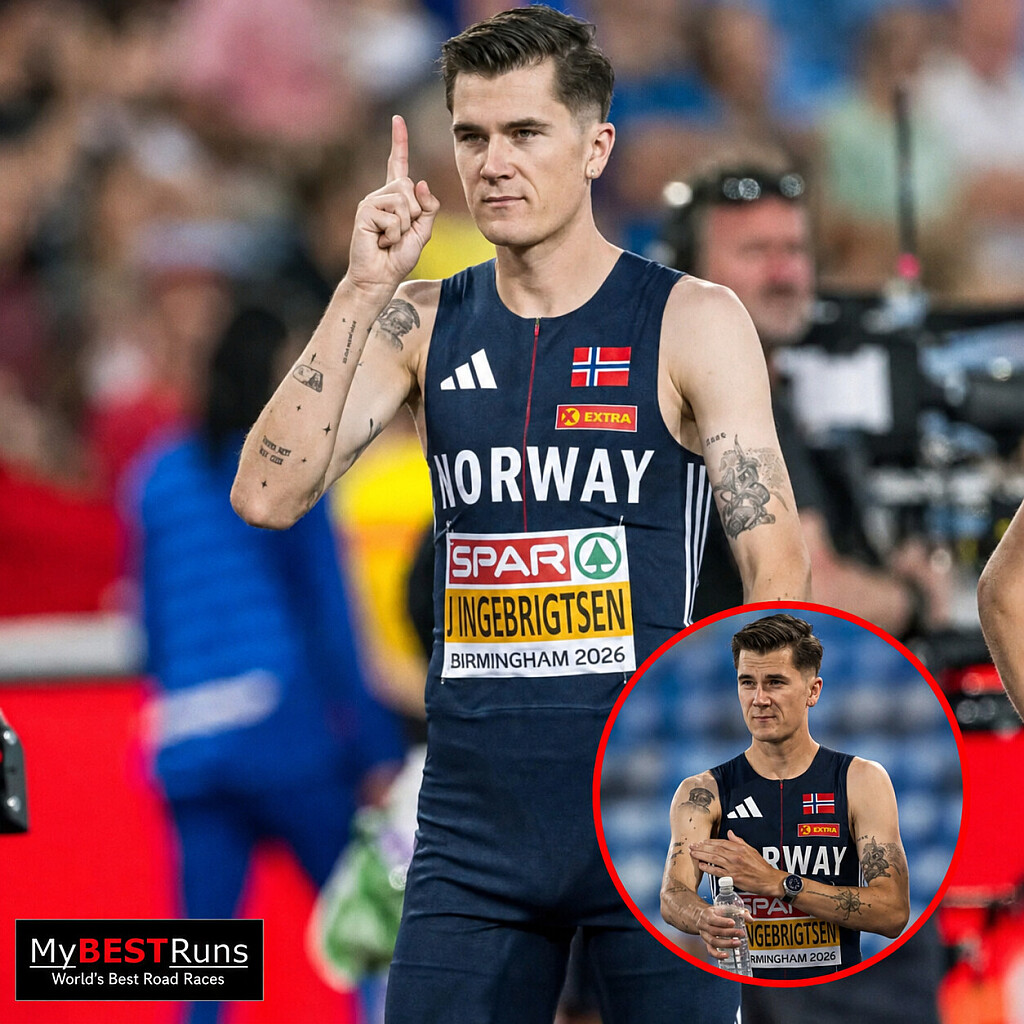


Jakob Ingebrigtsen Heads To Brussels: A Champion Searching For His 1500m Magic

Jakob Ingebrigtsen is heading to Brussels — and the Norwegian superstar arrives with something to prove.
The two-time Olympic champion has been confirmed for the men’s 1500m at the Allianz Memorial Van Damme on September 4, the opening night of the 2026 Wanda Diamond League Final. With Brussels bringing together the world’s elite for the final battle of the Diamond League season, Ingebrigtsen’s presence immediately adds another layer of intrigue to an already spectacular meeting.
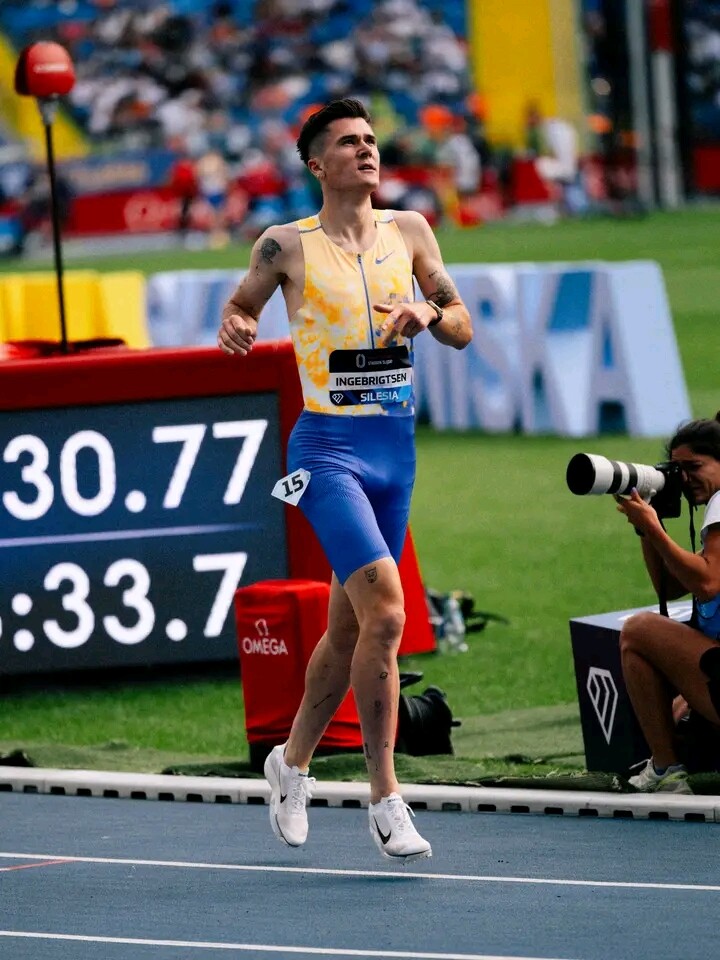
For Ingebrigtsen, however, this is about much more than another Diamond League appearance. It is another important step in a comeback that began under some of the most difficult circumstances of his career.
The Norwegian spent almost 11 months away from competition after an Achilles injury required surgery earlier this year. When he finally returned at the European Championships in Birmingham, there were legitimate questions about how quickly he could rediscover the form that had made him one of the most feared middle-distance runners in the world.
He answered them emphatically.
In his first race of 2026, Ingebrigtsen produced a trademark finishing burst to win the European 5000m title in 13:15.29, securing an extraordinary fourth consecutive European crown in the event. The victory also extended his record as the most successful male athlete in European Athletics Championships history.
But the 1500m has presented a very different challenge.
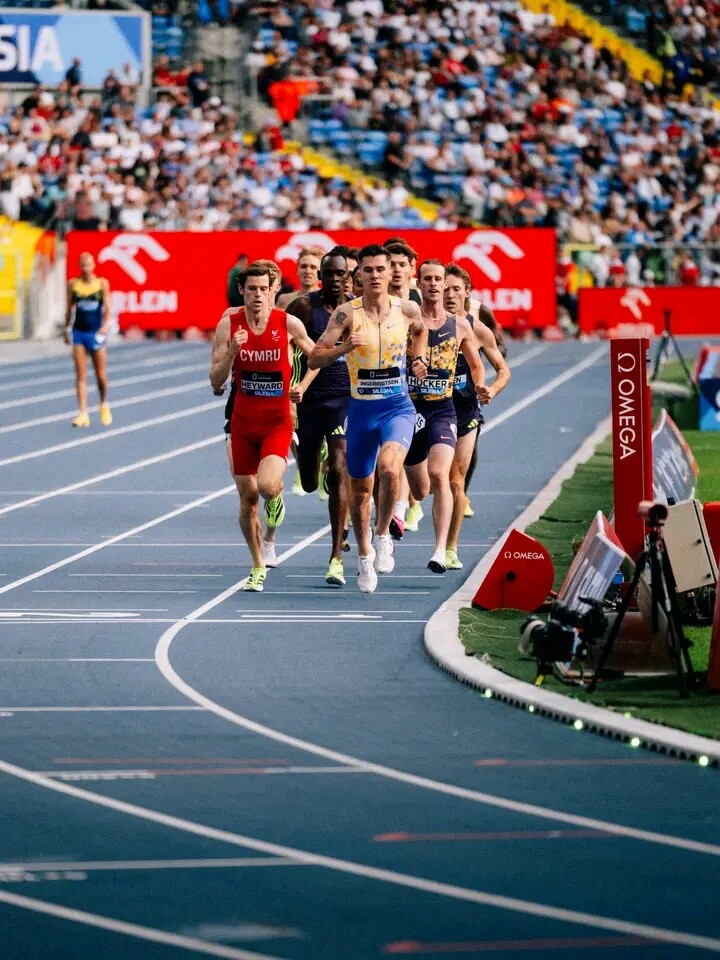
Ingebrigtsen returned to Diamond League competition over 1500m in Silesia on August 23, finishing fourth in 3:31.19. Four days later in Zürich, he was fifth in 3:32.16. Those performances were far from disastrous for an athlete still rebuilding his racing sharpness, but they also revealed that the explosive rhythm that once made him almost untouchable over 1500m is still being recovered.
Now comes Brussels.
The Belgian capital provides Ingebrigtsen with his third Diamond League 1500m race of the season and perhaps his most intriguing opportunity yet to show how far his comeback has progressed.
There is history here, too. In 2024, Ingebrigtsen won the Brussels Diamond League 1500m in 3:30.37, beating Timothy Cheruiyot and Cole Hocker in a world-class field.
Two years later, he returns to the same stage under completely different circumstances.
This time, he is not arriving as the untouchable favourite who has dominated every major 1500m challenge. He is arriving as a champion rebuilding himself — race by race, lap by lap, and with his body still demanding patience after a serious Achilles setback.
That is precisely what makes Friday night so compelling.
Brussels is the opening night of a two-day Diamond League Final, with the Allianz Memorial Van Damme serving as the season-ending championship meeting for the series. For Ingebrigtsen, it represents another opportunity to turn encouraging signs into a definitive statement.
Can he rediscover the speed?
Can he unleash the devastating final 300 metres that has become his trademark?
And, most importantly, can he once again look like the Jakob Ingebrigtsen who has ruled the 1500m and 5000m on the biggest stages?
There is another chapter waiting beyond Brussels.
The World Athletics Ultimate Championship in Budapest, scheduled for September 11–13, promises another major showdown, with Ingebrigtsen expected to face fierce opposition including Britain’s Josh Kerr. The rivalry between the two has already produced some of the most compelling middle-distance battles of recent years.
But before Budapest, there is Brussels.
One race. One final Diamond League stage. One more opportunity for Ingebrigtsen to remind the athletics world that his comeback is not simply about returning to competition — it is about returning to the very top.
The Norwegian has already shown that the championship instinct remains intact.
Now, he needs the 1500m speed to come back.
And if Jakob Ingebrigtsen finds that missing gear in Brussels, the rest of the middle-distance world may have a serious problem.
by Erick Cheruiyot for My Best Runs.
Login to leave a comment
Latest Running News
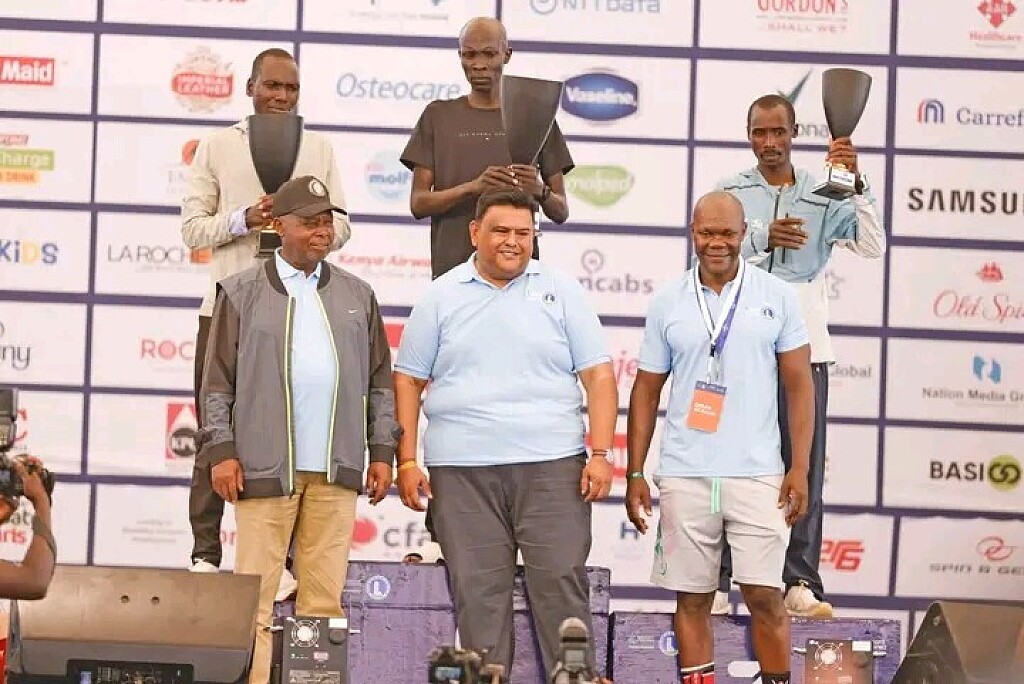
Abraham Kiptum And Mercy Kandie Rotich Crowned Champions After Thrilling 42km Battles At The 2026 Nairobi Marathon
The 23rd edition of the Standard Chartered Nairobi Marathon delivered a spectacular celebration of endurance, determination and competitive excellence on Sunday, October 25, 2026, as Abraham Kiptum and Mercy Kandie Rotich claimed the men's and women's 42km titles in a memorable showcase of Kenyan road-running talent.
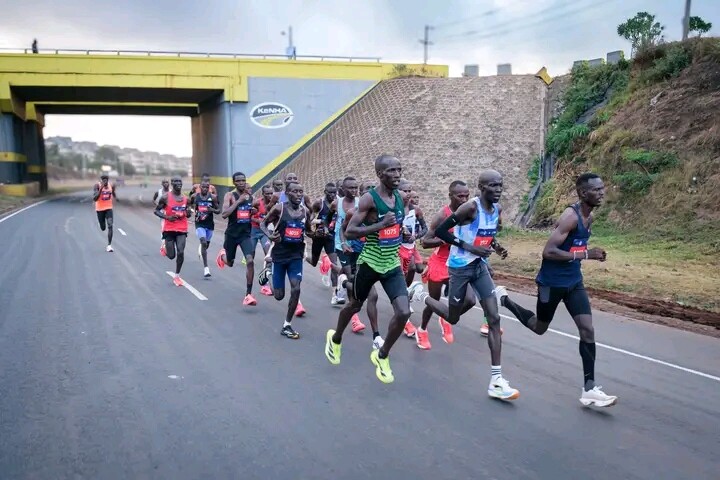
With thousands of runners taking to Nairobi's Southern Bypass, the full marathon provided a compelling test of physical strength, tactical discipline and mental resilience. For the elite athletes at the front, every kilometre presented an opportunity to gain an advantage, while the demanding distance required unwavering concentration from the starting gun to the finish line at Uhuru Gardens.
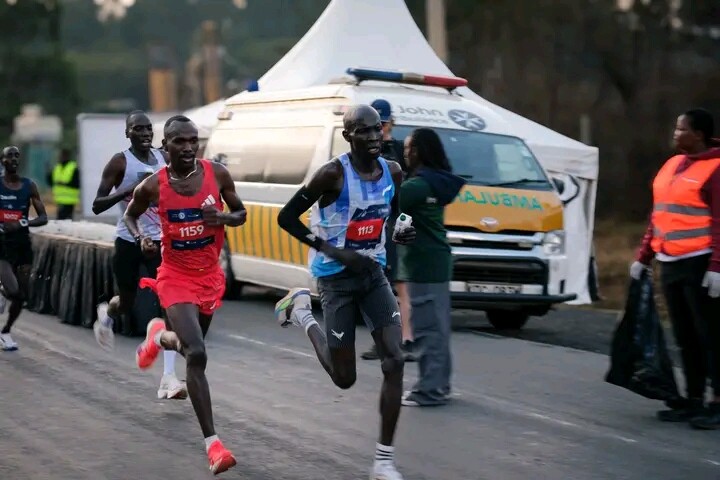
In the men's race, Kiptum produced an impressive performance to secure victory in 2:10:35, narrowly missing the course record by just 23 seconds. The 37-year-old Kenyan demonstrated his experience and endurance throughout the contest, ultimately establishing himself as the strongest performer over the 42.195-kilometre distance.
Kiptum's victory was particularly significant given his recent return to competitive marathon running. The athlete from Kapsabet had continued rebuilding his career and arrived in Nairobi following victory at the CRDB International Marathon in Dar es Salaam, Tanzania, in August. His latest triumph provided another encouraging chapter in his return to the forefront of distance running.

The men's contest produced an exceptionally close battle for the remaining podium positions. Fellow Kenyan Amos Kipkemoi Cheruiyot finished second in 2:10:37, just two seconds behind the champion, while Mark Kibiwott secured third place in 2:11:05.
Dismas Kiplimo finished fourth in 2:11:15, followed by Henry Kiprono Togom, who completed the top five in 2:11:55. The depth of the leading performances underlined the quality of competition on a morning when the front-runners pushed each other towards impressive finishing times.
Kiptum's performance also highlighted the importance of consistency and preparation in marathon running. Having invested months in training, the experienced Kenyan delivered when it mattered most, navigating the course with the composure required to emerge victorious against a competitive field.
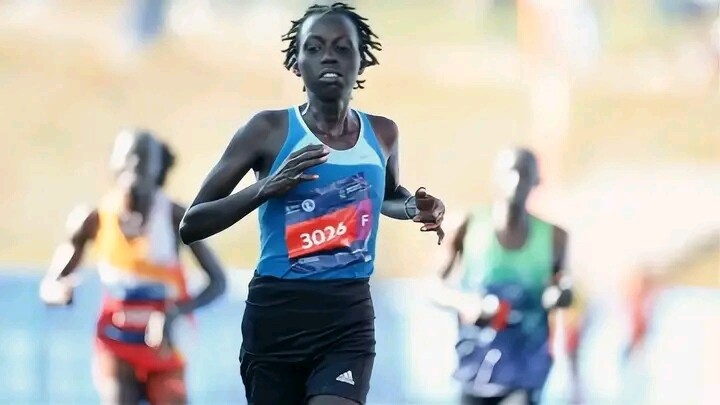
The women's 42km race was equally captivating, with Mercy Kandie Rotich claiming the championship in 2:31:25 after a determined performance over the challenging distance.
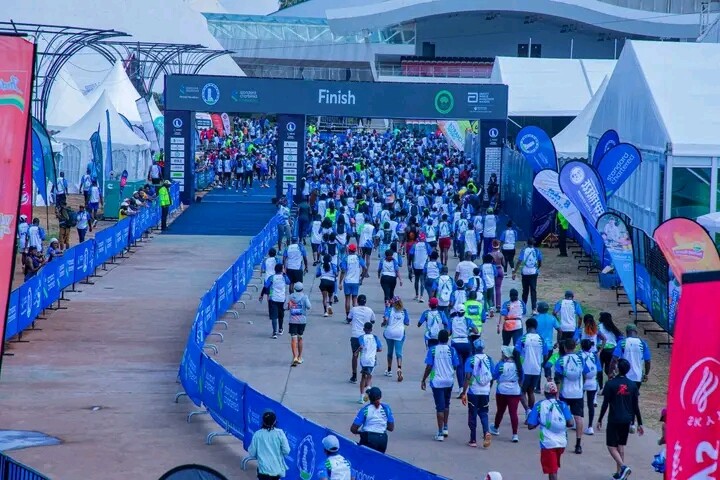
Rotich demonstrated resilience and composure as the race unfolded, maintaining her challenge through the later stages before securing the victory. Her performance earned her a place among the latest champions of one of Kenya's prominent annual road-running events.
The battle for the women's title was decided by the narrowest of margins. Peris Jerono finished second in 2:31:27, only two seconds behind Rotich, while Ruth Wakabu completed the podium in 2:31:36. The three leading women finished within just 11 seconds of one another, providing a dramatic conclusion to the contest.
Shyline Jepkorir placed fourth in 2:34:35, while Dorothy Kipkilach finished fifth in 2:36:38, rounding out the leading performers in the women's division.
The narrow margins between the leading athletes reflected the unpredictable nature of marathon racing, where pacing, endurance and the ability to respond under pressure can determine the outcome after more than 42 kilometres of competition.
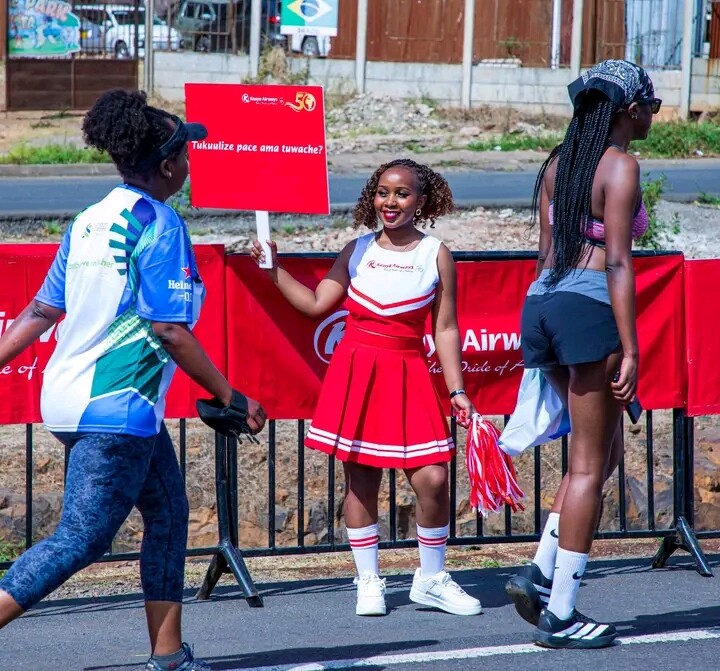
Beyond the podium battles, the full marathon represented a celebration of the determination that defines long-distance running. Every athlete who took on the distance faced the challenge of managing energy, overcoming fatigue and maintaining the mental strength necessary to reach the finish line.
The Southern Bypass provided the setting for these performances, with the runners navigating the Nairobi course before completing their challenge at Uhuru Gardens. The event brought together elite competitors and recreational athletes, united by the ambition to test their limits over the classic marathon distance.
The 2026 edition once again demonstrated the enduring appeal of road racing in Kenya, a country internationally recognised for producing exceptional distance runners. It also offered a platform for athletes to pursue personal ambitions, compete for prestigious honours and showcase the depth of talent within Kenyan athletics.
For Kiptum and Rotich, however, the day belonged to the pursuit of victory. Their respective performances secured them the coveted men's and women's marathon crowns, while the fiercely contested podium finishes ensured that the 42km races delivered the drama and excitement expected of a major road-running championship.
As the 23rd Standard Chartered Nairobi Marathon concluded, the achievements of the two champions stood out as the defining moments of the full-marathon competition, celebrating not only speed and endurance but also the preparation, perseverance and competitive spirit required to conquer 42.195 kilometres.
by Erick Cheruiyot for My Best Runs.
Login to leave a comment

NAIROBI MARATHON
Nairobi Marathon is an annual road running competition over the marathon distance held in October in Nairobi, Kenya. First held in 2003, the competition expanded and now includes a half marathon race along with the main race. It was part of "The Greatest Race on Earth", fully sponsored by Standard Chartered Bank....
more...
Frankfurt Marathon Champions Wait For The Final Finisher In A Powerful Celebration Of Every Runner
The true spirit of marathon running was beautifully displayed at the 2026 Mainova Frankfurt Marathon, where the celebration extended far beyond the elite athletes who crossed the finish line first. In a heartwarming tradition, the race's men's and women's champions waited inside the historic Festhalle Frankfurt to welcome the final finisher, reminding the world that every marathon journey deserves recognition.
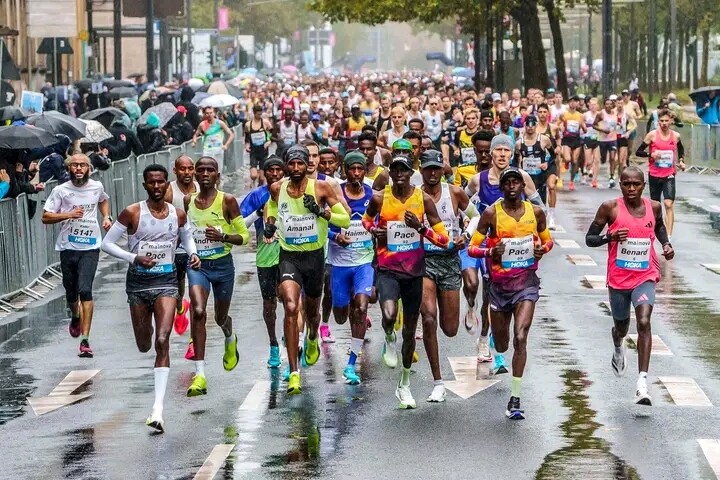
As the final runner entered the magnificent venue, the atmosphere transformed into an unforgettable celebration. Confetti filled the air as music, dazzling lights and a red-carpet welcome created a moment usually associated with the sport's biggest stars. Standing alongside the champions, the last finisher received a hero's reception, demonstrating that the achievement of completing a marathon deserves to be celebrated regardless of finishing position.
Ethiopia's Jirata Lelisa Dinki, who won the men's race in an impressive 2:05:26, and compatriot Zeineba Yimer Worku, the women's champion in 2:19:45, were among those celebrating the final runner's remarkable achievement.
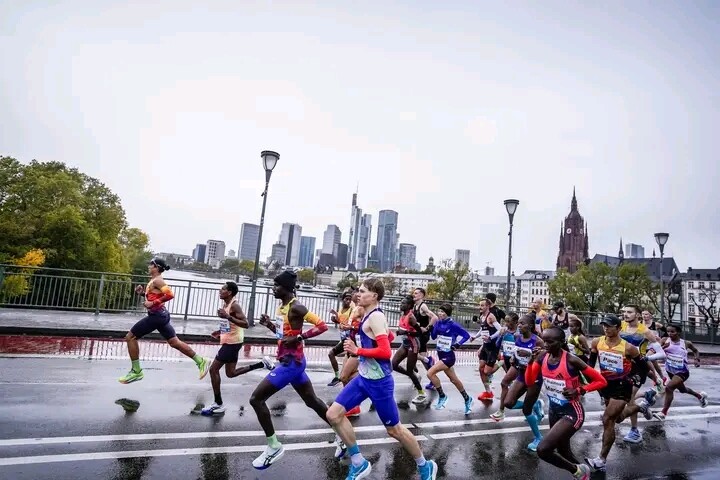
Their presence sent a powerful message about the values that make marathon running special. While elite athletes push the limits of human performance in pursuit of victory and fast times, thousands of other runners take on the same 42.195-kilometre challenge for deeply personal reasons. For some, the goal is to achieve a personal best; for others, it is to overcome adversity, fulfil a lifelong ambition or simply reach the finish line.
The final finisher's journey may have taken longer than that of the champions, but the determination required to keep moving forward deserves equal admiration. Every kilometre represents effort, sacrifice and perseverance, and crossing the finish line marks the successful completion of a challenge that demands both physical endurance and mental strength.
Frankfurt's special welcome captured an essential truth about distance running: a marathon is not only a race against the clock but also a personal battle against exhaustion, doubt and the temptation to give up. By waiting for the final runner, the champions helped ensure that the day's celebrations included someone whose achievement might otherwise have gone unnoticed.
In a sport often defined by world records, course records and podium finishes, this touching tradition offers a refreshing reminder that the value of a marathon cannot be measured by time alone. The fastest runners may make headlines for their performances, but every finisher has a story worth telling.
At the Mainova Frankfurt Marathon, the champions had already conquered their own challenges. Yet their decision to welcome the last runner created another memorable moment, showing that greatness in sport is measured not only by what athletes accomplish but also by the respect they show others.
Because when the final runner receives the same warmth, applause and celebration as the champions, the message is unmistakable: every runner matters, every finish line represents an achievement, and nobody should be left behind when it is time to celebrate.
by Erick Cheruiyot for My Best Runs.
Login to leave a comment
Mainova Frankfurt Marathon
Frankfurt is an unexpectedly traditional and charming city, with half-timbered buildings huddled in its quaint medieval Altstadt (old city), cosy apple wine taverns serving hearty regional food, village-like neighbourhoods filled with outdoor cafes, boutiques and street art, and beautiful parks, gardens and riverside paths. The city's cache of museums is second in Germany only to Berlin’s, and its nightlife...
more...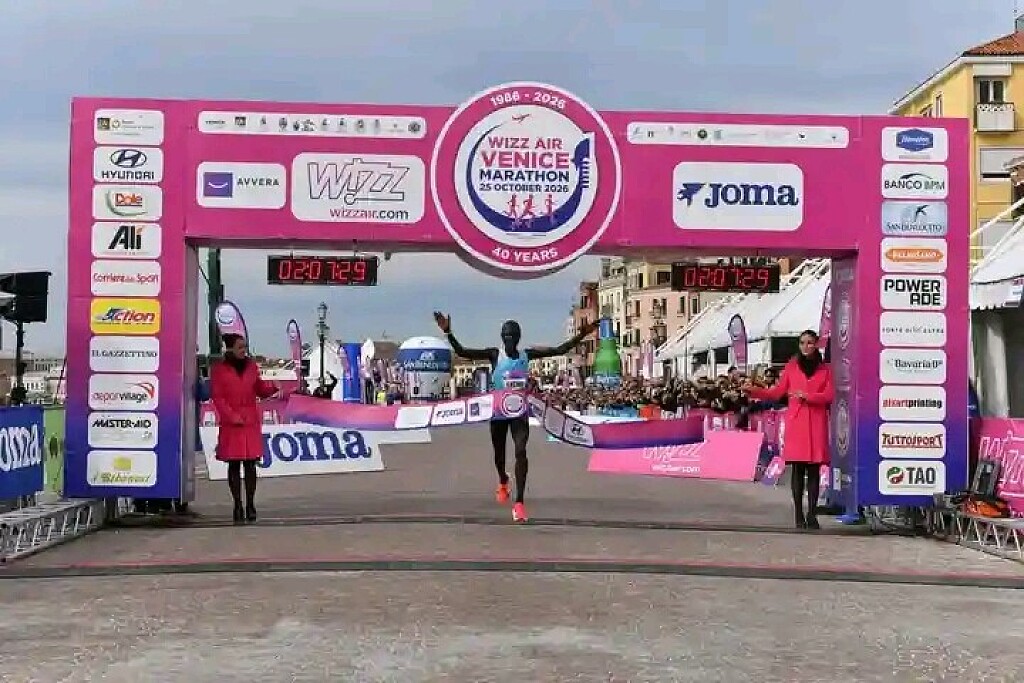
Peter Kwemoi Ndorobo Breaks Venice Marathon Course Record as Jackline Jerono Makes History in 40th Anniversary Edition
Kenya celebrated a memorable double victory at the 2026 Wizz Air Venice Marathon on Sunday, October 25, as Peter Kwemoi Ndorobo stormed to the men's title in a course-record 2:07:31 while Jackline Jerono claimed the women's crown in 2:26:16, the third-fastest women's marathon time in the race's history.
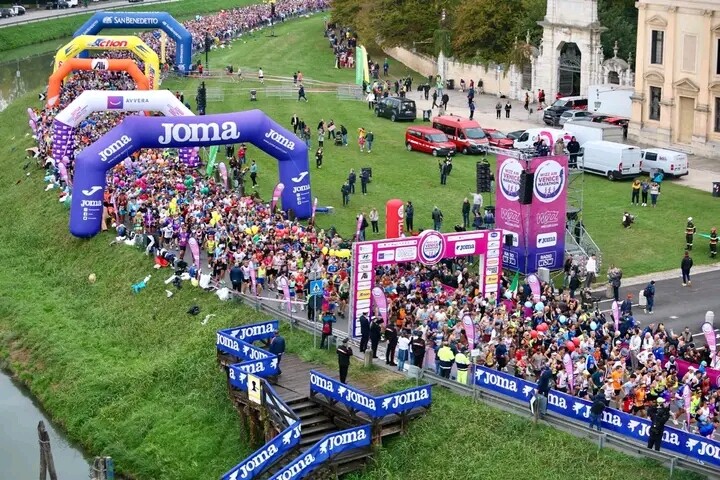
The 40th anniversary edition of the celebrated Italian road race delivered a spectacular combination of record-breaking performances, fierce competition and emotional moments, with Kenyan athletes taking centre stage in both elite races.
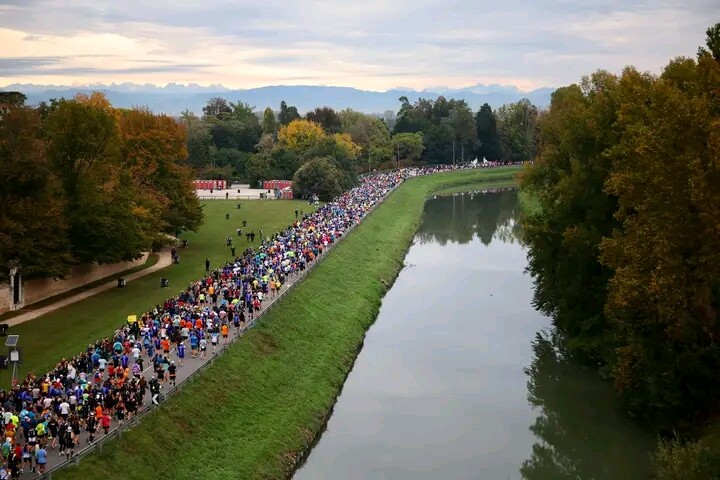
Ndorobo produced an outstanding performance in the men's race, crossing the finish line in 2:07:31 to establish a new course record. His victory highlighted his strength and composure over the demanding 42.195-kilometre distance, which includes challenging bridges and changes in terrain that test even the most experienced marathon runners.
Ethiopia's Berhanu Tarto Yatede finished a close second in 2:07:47, just 16 seconds behind the winner, after delivering an impressive performance of his own. Kenya's Dickson Simba Nyakundi completed the podium in third place in 2:07:56, making it a particularly strong showing for the East African nation.
The men's race also featured several other impressive performances. Kenya's Collins Kipsang Kemboi finished fourth in 2:08:07, followed by compatriot Evans Kipkorir in fifth in 2:08:41. Ethiopia's Teresa Nyakola Gela placed sixth in 2:08:50, while Kenya's Felix Kimutai finished seventh in 2:09:00 and Wesley Ledama eighth in 2:09:01. Kenya's Elkana Kipkemei Kiprop took ninth in 2:10:14, with Ethiopia's Deribe Robi Melka completing the top 10 in 2:10:55.
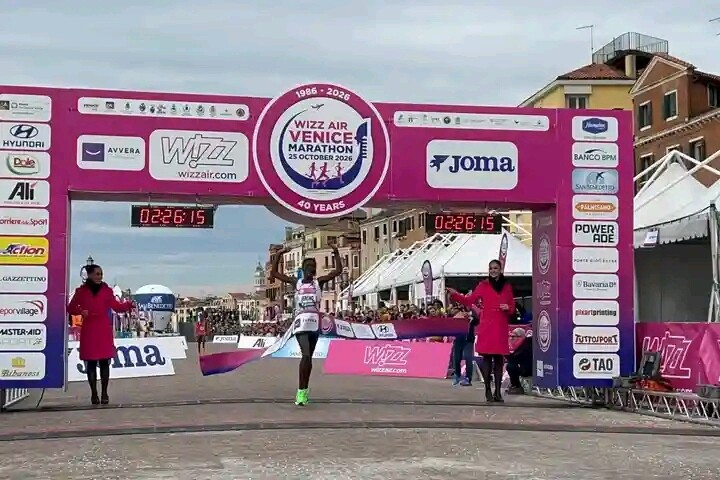
In the women's competition, Jerono delivered a superb performance to secure victory in 2:26:16, recording the third-fastest women's marathon time ever achieved at the Venice Marathon. Her performance added another memorable chapter to the event's 40-year history and underlined her strength over the classic distance.
The Kenyan runner faced a determined challenge from Ethiopia's Alemaz Samuel Teshale, who finished just seven seconds behind in 2:26:23. Teshale's performance was particularly notable as she made an impressive marathon debut, immediately establishing herself as a formidable competitor over the distance.
Ethiopia's Worknesh Alemu Mola completed the podium in third place in 2:28:46, ensuring that the leading positions were shared between Kenya and Ethiopia.
Kenya's Chepkemboi Domtyla Lagat finished fourth in 2:33:34, while Ethiopia's Webalem Basazew Ayele took fifth in 2:36:36. Italy's Federica Moroni was the leading Italian finisher in sixth place in 2:49:39, followed by compatriot Giorgia Bonci in seventh in 2:54:38. Lia Visintin finished eighth in 2:57:49, while Hungary's Zsofia Malatinszky completed the top 10 in 3:00:05.
The results underlined the continued strength of Kenyan and Ethiopian distance running, with athletes from the two nations dominating the leading positions in both elite competitions.
As the Wizz Air Venice Marathon marked four decades of racing, Ndorobo's course-record triumph and Jerono's historic performance provided two of the defining moments of the anniversary edition. Their victories ensured that Kenya left Venice celebrating a remarkable double, with both champions delivering performances worthy of the occasion.
by Erick Cheruiyot for My Best Runs.
Login to leave a comment
Venice Marathon
The Venice Marathon is one of the most beautiful marathons known for the historical, artistic and picturesque surrounding in which it takes place. It starts in Stra, a small village located at about 25 km west of Venice, at the beginning of the Riviera del Brenta, a beautiful area near the River Brenta, where the rich and noble Venetians built...
more...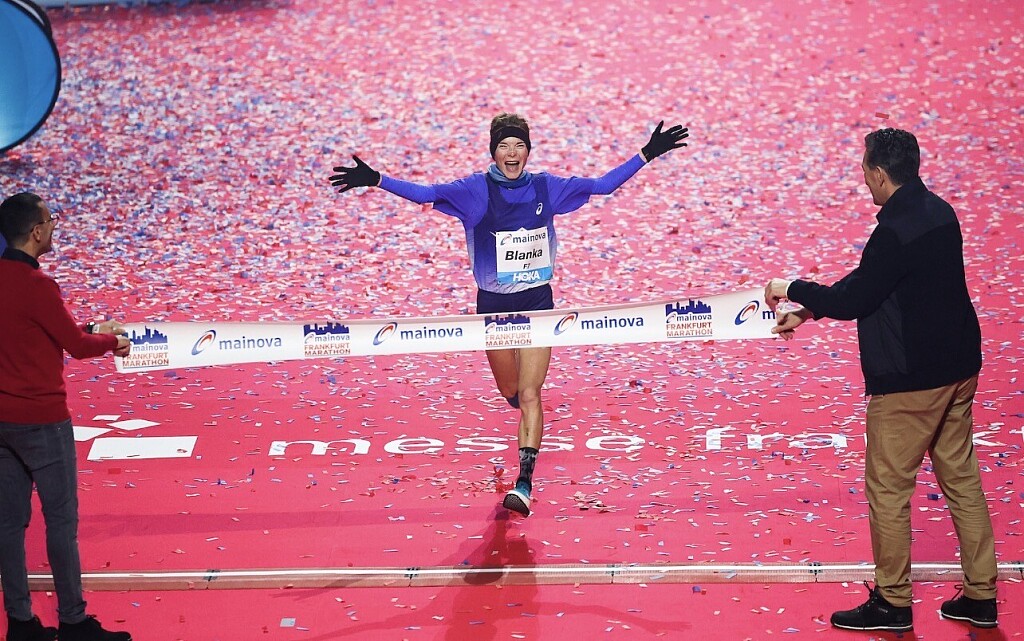
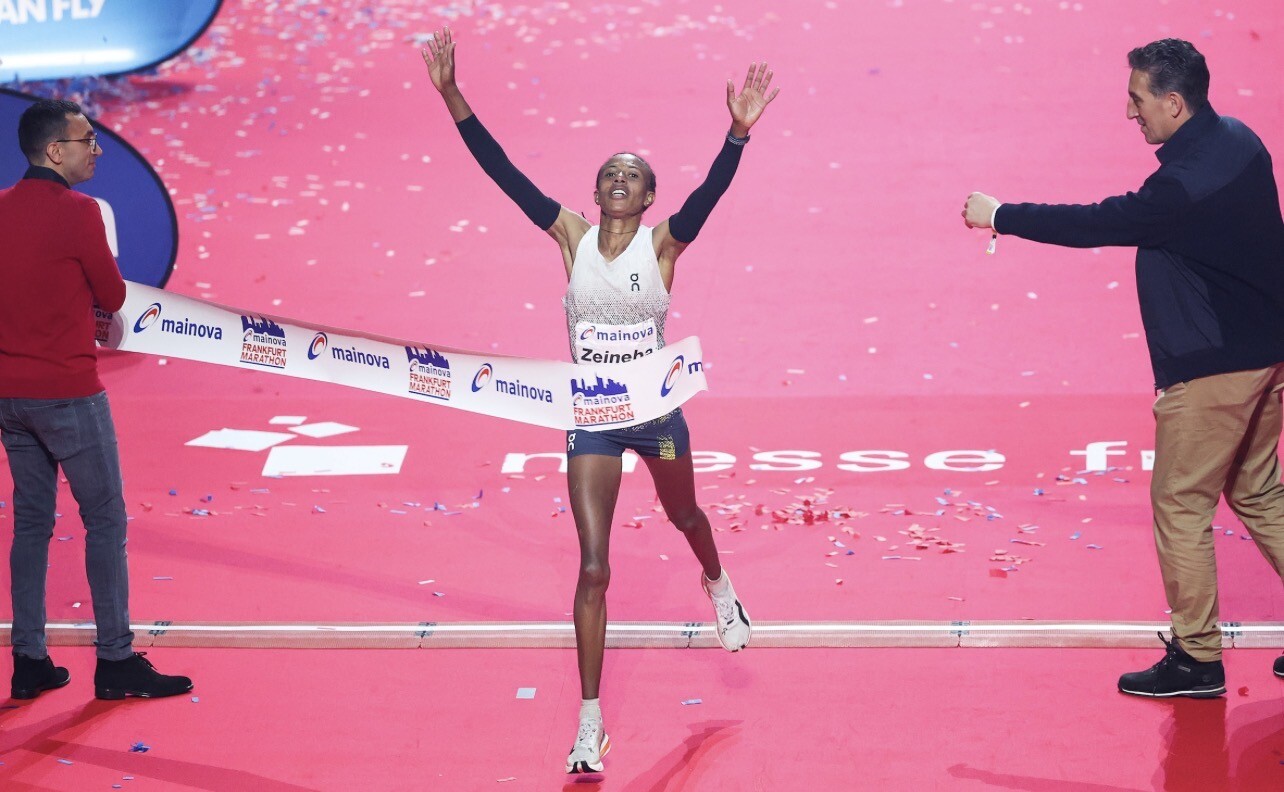
Dinki and Yimer Win Frankfurt as Germany’s Dörfel Runs Stunning 2:20:46 Debut
Ethiopia’s Jirata Dinki and Zeineba Yimer claimed victory at the 43rd Mainova Frankfurt Marathon, but Germany’s Blanka Dörfel delivered perhaps the day’s biggest breakthrough, finishing second in her marathon debut in 2:20:46.
Despite wet and windy conditions, the 24-year-old became the second-fastest German woman and eighth-fastest European woman in marathon history. Only German record holder Irina Mikitenko has run faster among her compatriots.
Yimer won the women’s race in 2:19:45, while Ethiopia’s Beriha Gebreslasie finished third in 2:22:46.
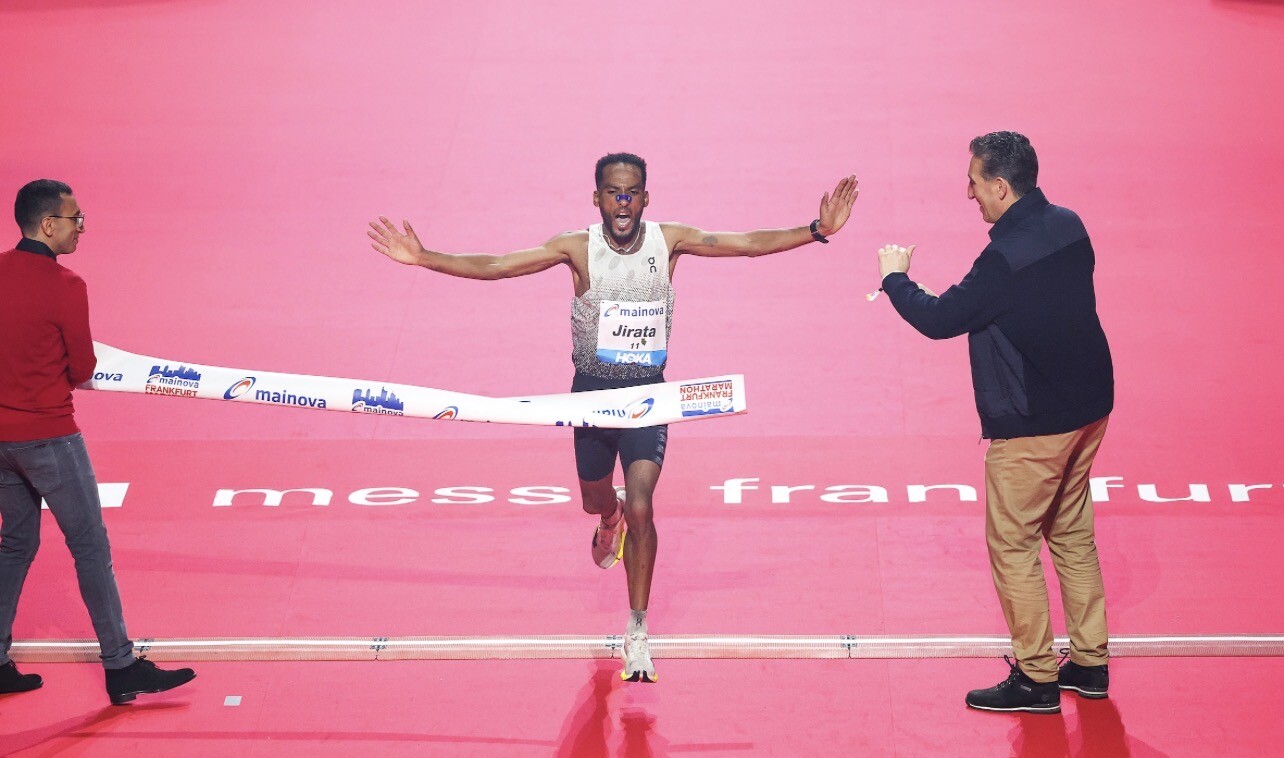
In the men’s race, Dinki surged away in the closing kilometers to win in 2:05:26, improving his personal best by nearly three minutes. Germany’s Amanal Petros finished second in 2:05:46, becoming the first German man to reach the Frankfurt podium in more than 25 years. Kenya’s Benard Biwott, the 2024 champion, took third in 2:06:23.
A record 19,720 runners from 128 nations entered this year’s event.
Dörfel Delivers a Remarkable Debut
Yimer, the women’s favorite, led from the start alongside fellow Ethiopian Siranesh Yirga. After 30 kilometers, Yirga could no longer maintain the pace, leaving Yimer alone at the front.
Although she struggled in the closing kilometers, the 28-year-old held on to secure victory with the sixth-fastest women’s performance in Frankfurt history.
“I was hoping I would win. The weather was not on our side. The rain slowed me down, but I am very happy with my performance,” Yimer said.
Behind her, Dörfel was producing an extraordinary first marathon.
After passing halfway in 1:10:29, the German moved clear of a group that included American Betsy Saina and Kenya’s Marion Kibor. Running with a smooth, controlled stride, she steadily reduced the gap to the leaders and moved into second place at 33 kilometers.
For a time, a sub-2:20 finish appeared possible. Even as the effort caught up with her over the final five kilometers, Dörfel held her position and entered Frankfurt’s Festhalle to an enthusiastic reception.
“I ran without a watch as I do in training, going purely by how I feel, not by the time,” she said. “It was always a bit of a mystery to me what time I could achieve. It wasn’t until I was in the Festhalle that I saw the 2:20 and realised just how fast I was.”
Standing water added to the challenge, but the crowd helped carry her through.
“So many people were shouting ‘Blanka, run!’ It was a brilliant day,” she said.
Dinki Wins a Tactical Battle
The men’s race began with hopes of challenging Petros’ German record of 2:04:03. Petros, Samuel Fitwi and Richard Ringer joined a large lead group, but the weather soon pushed record ambitions aside.
The leaders passed 10 kilometers in 29:55 and halfway in 1:03:01, setting up a competitive second half,
With roughly 10 kilometers remaining, Petros and Biwott increased the pace and opened a small gap. Fitwi dropped back with muscle problems, while Ringer tried to bridge the gap before also losing ground.
Dinki, however, was moving forward.
The 24-year-old Ethiopian arrived in Frankfurt with a personal best of 2:08:18 and caught the leaders around 37 kilometers. Petros attacked again, shaking off Biwott, but Dinki responded before making the decisive move of his own with about two kilometers remaining.
“I had not reckoned with him,” Petros said.
Dinki crossed the line in 2:05:26, cutting 2:52 from his previous best and earning the biggest victory of his career in just his third marathon.
“The weather was not ideal, so I started off more cautiously. But I was sure I would run a good race. This is a huge victory for me,” Dinki said.
Petros finished 20 seconds behind, recording the fastest time ever run by a German man at the Frankfurt Marathon.
“I gave it a go, but in that weather it was clear that a record was not going to happen. Then I suppose I attacked a bit too early – I will learn from that,” Petros said. “Of course I would have liked to win, but that is how it goes in the marathon.”
Ringer finished fifth in 2:07:07, with Fitwi seventh in 2:08:57.
by Race News Services
Login to leave a comment
Mainova Frankfurt Marathon
Frankfurt is an unexpectedly traditional and charming city, with half-timbered buildings huddled in its quaint medieval Altstadt (old city), cosy apple wine taverns serving hearty regional food, village-like neighbourhoods filled with outdoor cafes, boutiques and street art, and beautiful parks, gardens and riverside paths. The city's cache of museums is second in Germany only to Berlin’s, and its nightlife...
more...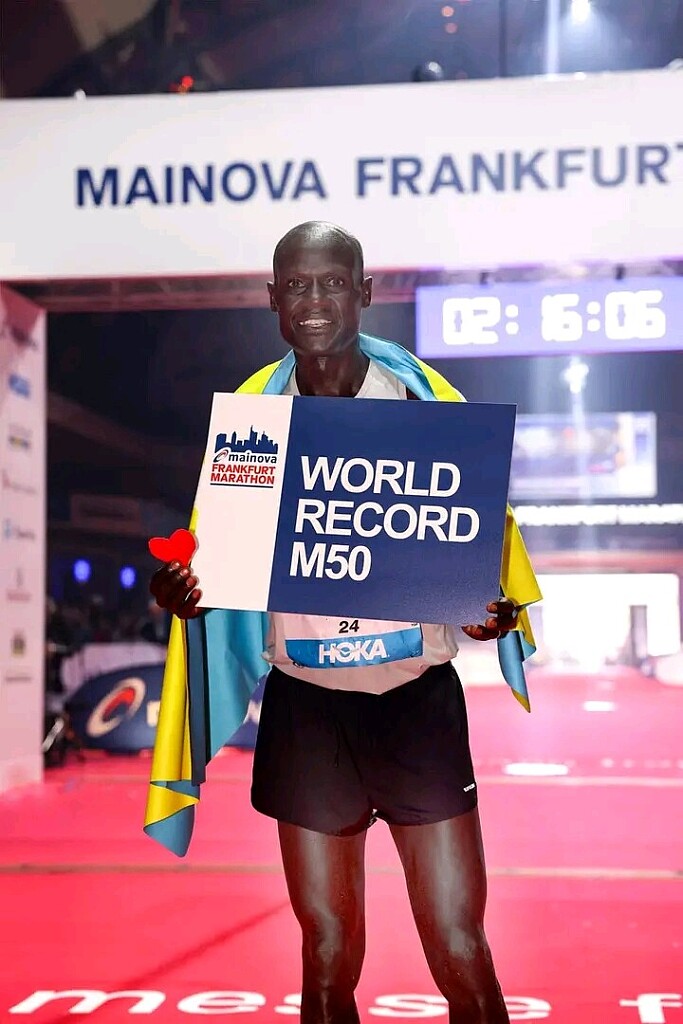
Mark Kiptoo Shatters M50 Marathon World Record As Ethiopian Duo Shine In Frankfurt
Kenyan distance-running veteran Mark Kiptoo delivered an extraordinary performance at the 2026 Frankfurt Marathon in Germany on Sunday, October 25, setting a new men's M50 marathon world record with a remarkable time of 2:15:24.
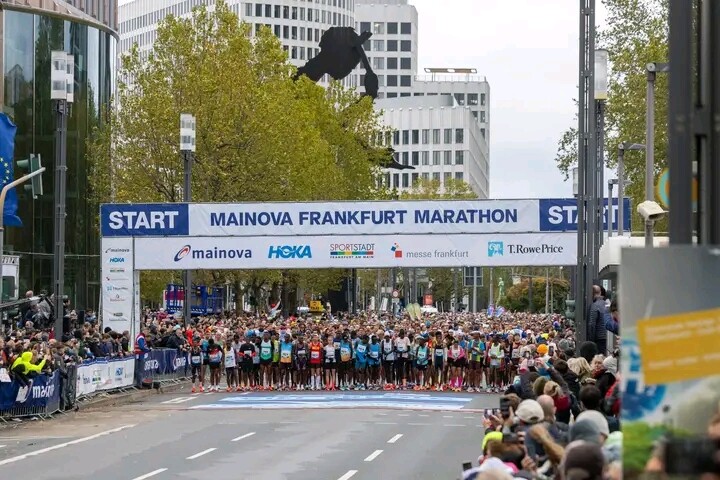
At 50, Kiptoo continues to defy expectations, demonstrating that age is no barrier to exceptional endurance, speed and determination. His performance highlighted another remarkable chapter in a career defined by longevity and an unwavering commitment to distance running.
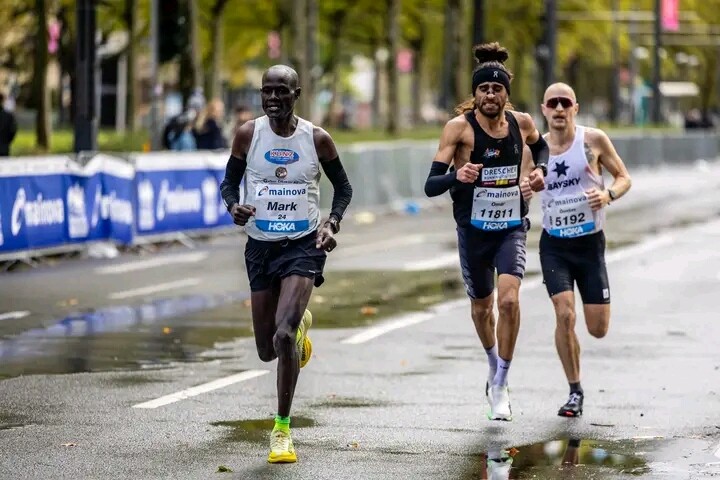
The Kenyan improved on the previous M50 marathon world record of 2:19:29, set by South Africa's Titus Mamabolo in 1991, by an extraordinary four minutes and five seconds. The previous mark had stood for 35 years, making Kiptoo's achievement an especially significant milestone in masters marathon running.
His latest record-breaking performance comes just weeks after he reportedly set an M50 half-marathon world record of 1:03:57 in San Sebastián, Spain. The two achievements underline his exceptional form and ability to maintain an extraordinary level of competitiveness at an age when many athletes have long since retired from elite competition.
Frankfurt has played a defining role in Kiptoo's marathon journey. He made his marathon debut at the German race in 2013 at the age of 37, finishing second in 2:06:16. A year later, he returned to claim victory in 2:06:49, establishing himself among the leading marathoners of his era.
In 2018, Kiptoo again made history on the same course, recording 2:07:50 to establish a then-world record in the men's M40 masters marathon category. His return to Frankfurt in 2026 has now delivered another extraordinary chapter, with the Kenyan rewriting the M50 record books at the age of 50.
From competing against the world's leading marathoners in his 30s to producing record-breaking performances in the masters ranks, Kiptoo has demonstrated remarkable longevity, discipline and determination. His journey is a powerful reminder that age does not necessarily signal the end of sporting excellence.
Kiptoo's achievement was one of the standout stories of the Frankfurt Marathon, which also witnessed Ethiopian runners dominate the elite races, with Lelisa Denki and Zeineba Yimer claiming the men's and women's titles, respectively.
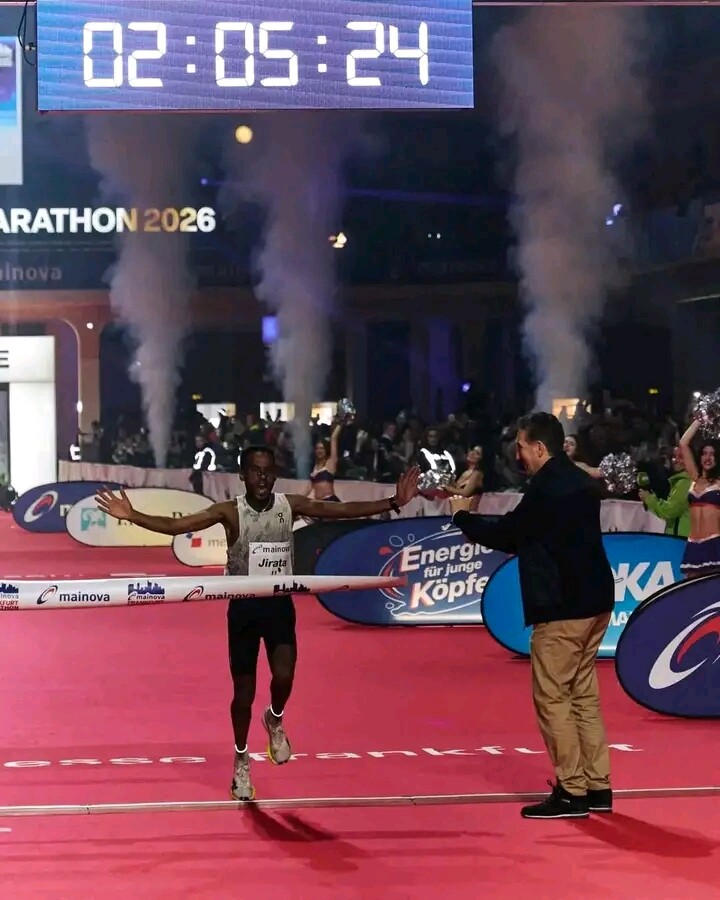
In the men's race, Denki produced an impressive performance to take victory in a personal-best time of 2:05:26. Germany's Amanal Petros delighted the home crowd by finishing second in 2:05:46, while Kenya's Benard Biwott secured third place in 2:06:23, ensuring a strong podium finish for the East African nation.
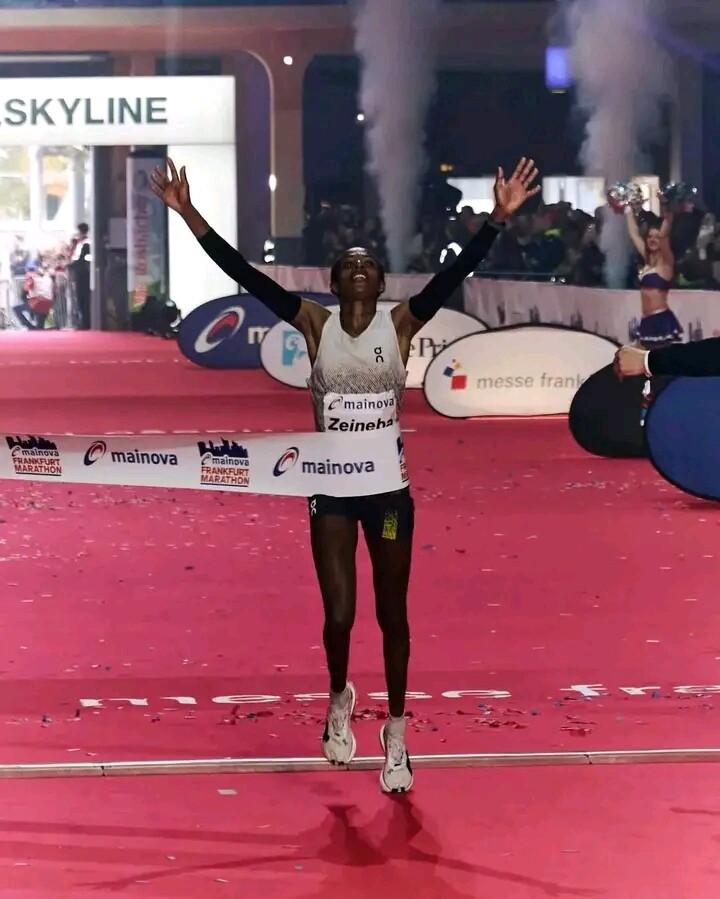
The women's contest was equally compelling, with Ethiopia's Yimer taking the title in 2:19:45. Germany's Blanka Dörfel finished second in 2:20:46, while Ethiopia's Beriha Gebreslasie completed the podium in third place with a time of 2:22:46.
The results underlined Ethiopia's strength in international marathon running, while the performances of Petros, Biwott and Dörfel provided memorable moments for German athletics fans on home soil.
For Kiptoo, however, the spotlight belonged to his remarkable achievement in the men's M50 category. His 2:15:24 performance represented an exceptional demonstration of endurance and competitive ability at an age when many former elite runners have long since stepped away from top-level competition.
Frankfurt has long held a special place in Kiptoo's marathon career. He made his marathon debut at the event in 2013, finishing second in 2:06:16 before returning a year later to claim victory in 2:06:49. He also established a world record in the men's over-40 category on the same course in 2018, clocking 2:07:50.
His latest performance further strengthens his connection with the German race, where he has repeatedly demonstrated his ability to produce outstanding results across different stages of his career.
Beyond the numbers, Kiptoo's achievement carries an inspiring message for runners around the world. His continued success demonstrates the value of discipline, experience and perseverance, challenging conventional assumptions about the age at which athletes can remain competitive.
For Kenya, his performance adds another remarkable chapter to the country's rich distance-running heritage. Meanwhile, the victories of Denki and Yimer ensured that Ethiopia also left Frankfurt celebrating a memorable day on the marathon circuit.
The 2026 Frankfurt Marathon therefore delivered a compelling combination of elite competition and sporting inspiration, from the fast times at the front of the men's and women's races to Kiptoo's extraordinary achievement in the masters category.
At 50, Kiptoo continues to challenge expectations and push the boundaries of what is possible in distance running, proving that a passion for excellence can endure long after many athletes have retired.
by Erick Cheruiyot for My Best Runs.
Login to leave a comment
Mainova Frankfurt Marathon
Frankfurt is an unexpectedly traditional and charming city, with half-timbered buildings huddled in its quaint medieval Altstadt (old city), cosy apple wine taverns serving hearty regional food, village-like neighbourhoods filled with outdoor cafes, boutiques and street art, and beautiful parks, gardens and riverside paths. The city's cache of museums is second in Germany only to Berlin’s, and its nightlife...
more...