

Running News Daily
Running News Daily is edited by Bob Anderson and team. Send your news items to bob@mybestruns.com Advertising opportunities available.
Index to Daily Posts · Sign Up For Updates · Run The World Feed
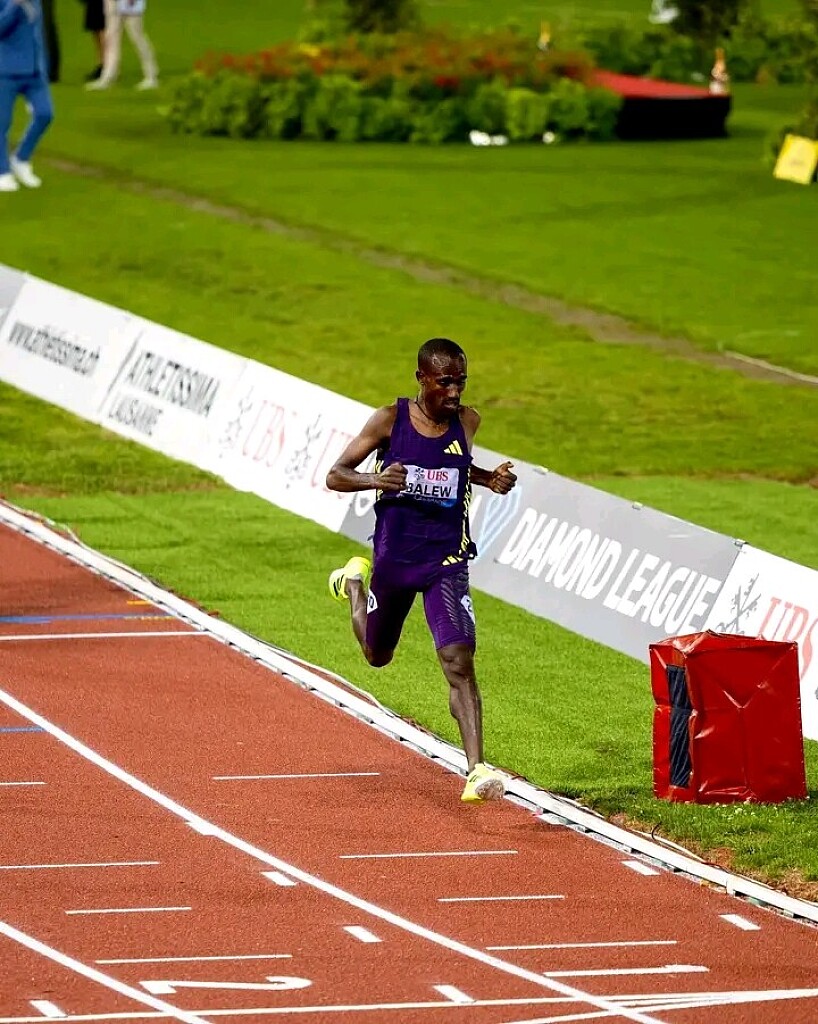


Six Men Smash the 13-Minute Barrier in a Stunning Lausanne 5000m Showdown

The men’s 5000m at the Lausanne Diamond League produced one of the most electrifying distance races of the season, as six athletes broke the coveted 13-minute barrier in a breathtaking display of speed and depth.
Bahrain’s Birhanu Balew emerged victorious in a fiercely contested race, clocking 12:57.55 to secure a brilliant win against a world-class field. Balew held off relentless pressure behind him to claim the victory as the race exploded into a spectacular battle over the closing stages.
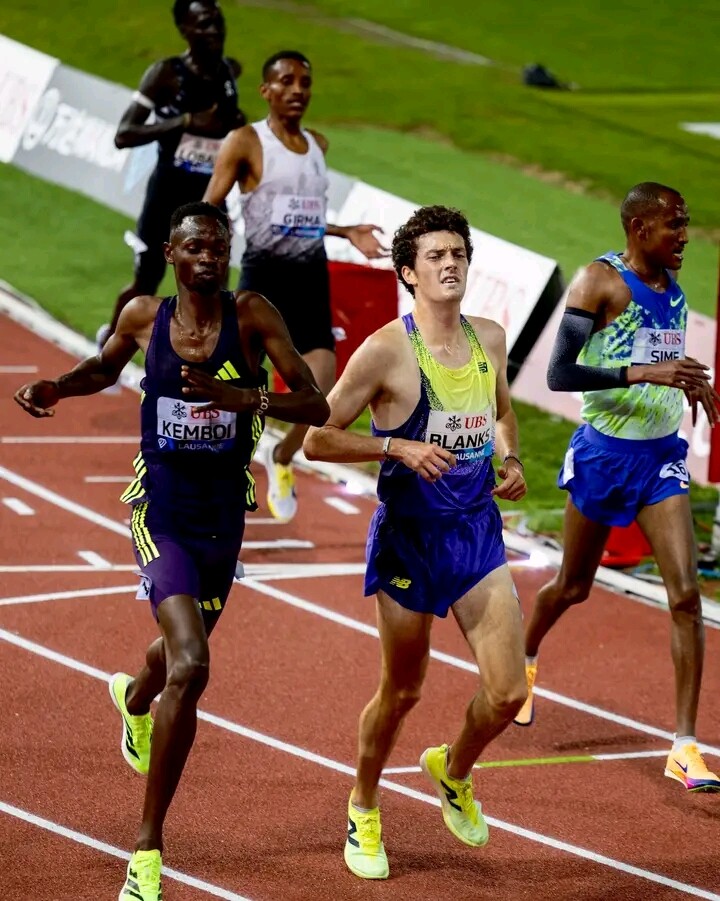
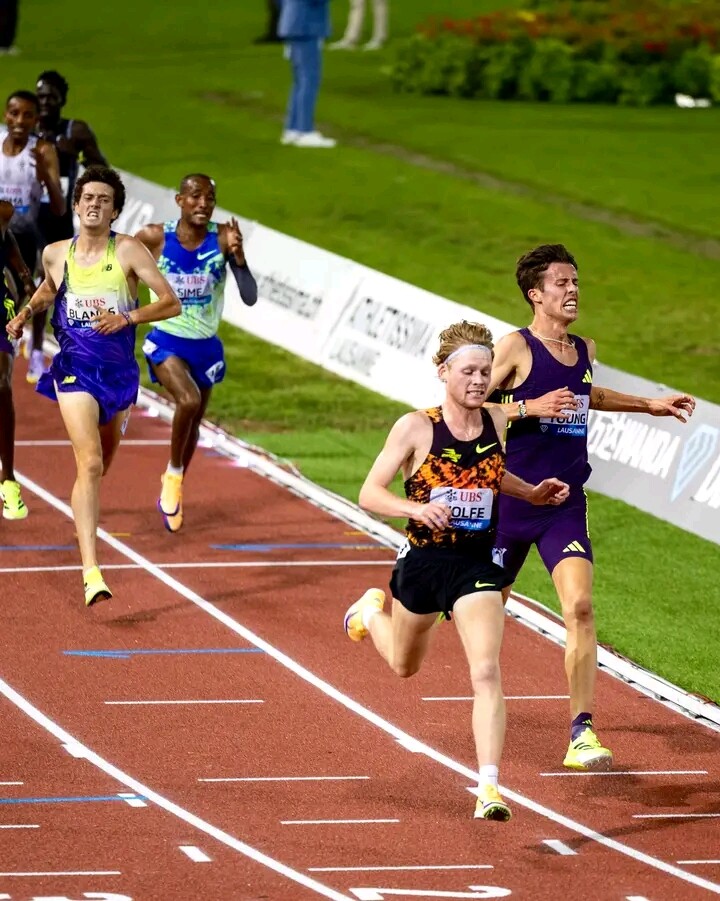
The United States produced an especially impressive performance, with Parker Wolfe leading a powerful American charge in second place. Wolfe crossed the line in a personal best of 12:58.20, while Nico Young followed closely in third with a season's best of 12:58.33. Graham Blanks made it three Americans in the top four, dipping under 13 minutes with 12:59.16.
Kenya’s Cornelius Kemboi added another sub-13-minute performance in fifth, clocking 12:59.33, while Ethiopia’s Mezgébu Sime completed the extraordinary group of six athletes under the historic barrier with 12:59.48 in sixth place.
The quality of the race was underlined by the fact that Ethiopia’s Kuma Girma, despite recording a season's best of 13:00.22, could finish only seventh. Switzerland’s Dominic Lobalu took eighth in 13:00.73, followed by Ethiopia’s Kahiri Bejiga, who ran a personal best of 13:03.27.
Grant Fisher, one of the biggest names in the field, finished 11th in 13:07.74 on a night when the remarkable depth and pace of the competition left no room for error.
Lausanne has once again delivered a memorable night of distance running, with the men’s 5000m becoming a showcase of the extraordinary standard currently being produced on the track. Six men under 13 minutes in a single race was a powerful statement, while Balew's victory and the exceptional performances from the American trio ensured this was one of the standout races of the 2026 Diamond League season.
Top 10 finishers:
1. Birhanu Balew (Bahrain) — 12:57.55
2. Parker Wolfe (United States) — 12:58.20 PB
3. Nico Young (United States) — 12:58.33 SB
4. Graham Blanks (United States) — 12:59.16
5. Cornelius Kemboi (Kenya) — 12:59.33
6. Mezgébu Sime (Ethiopia) — 12:59.48
7. Kuma Girma (Ethiopia) — 13:00.22 SB
8. Dominic Lobalu (Switzerland) — 13:00.73
9. Kahiri Bejiga (Ethiopia) — 13:03.27 PB
10. Egide Ntakarutimana (Burundi) — 13:07.21
In a race packed with exceptional talent, Balew ultimately had the decisive finishing strength—but Lausanne's biggest story was the sheer depth of the performance, with six men racing beneath 13 minutes and turning the 5000m into an unforgettable Diamond League showdown.
by Erick Cheruiyot for My Best Runs.
Login to leave a comment
Latest Running News
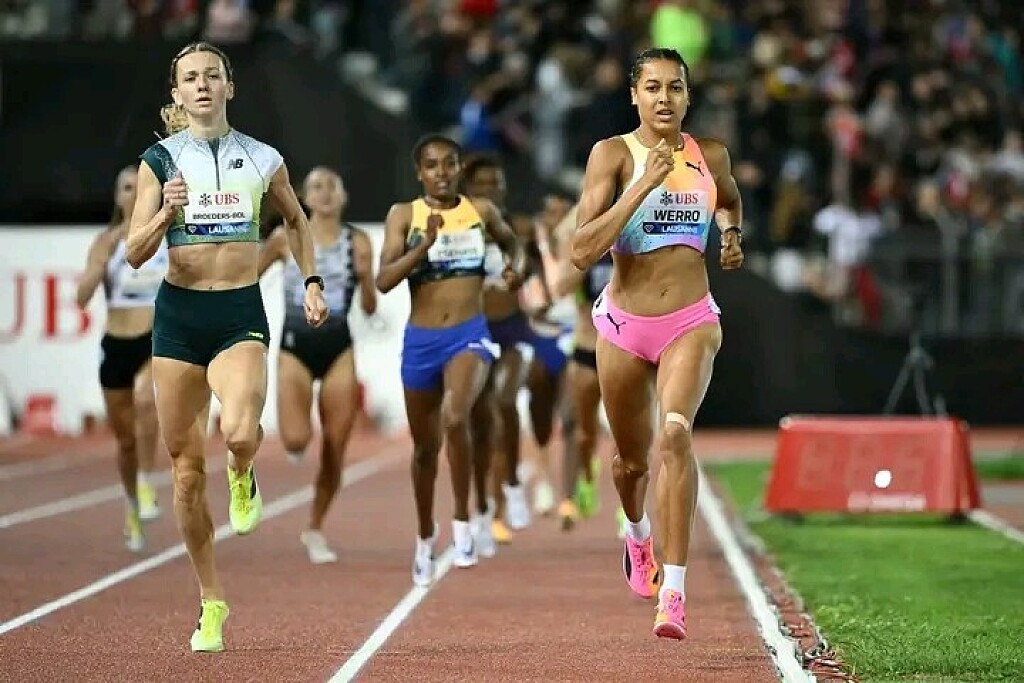
Werro Survives Stunning Broeders-Bol Charge in Record-Breaking Lausanne 800m
Audrey Werro produced another extraordinary performance on home soil, holding off a fierce late charge from Femke Broeders-Bol to win a breathtaking women's 800m at the Lausanne Diamond League in a new meeting record of 1:55.33.
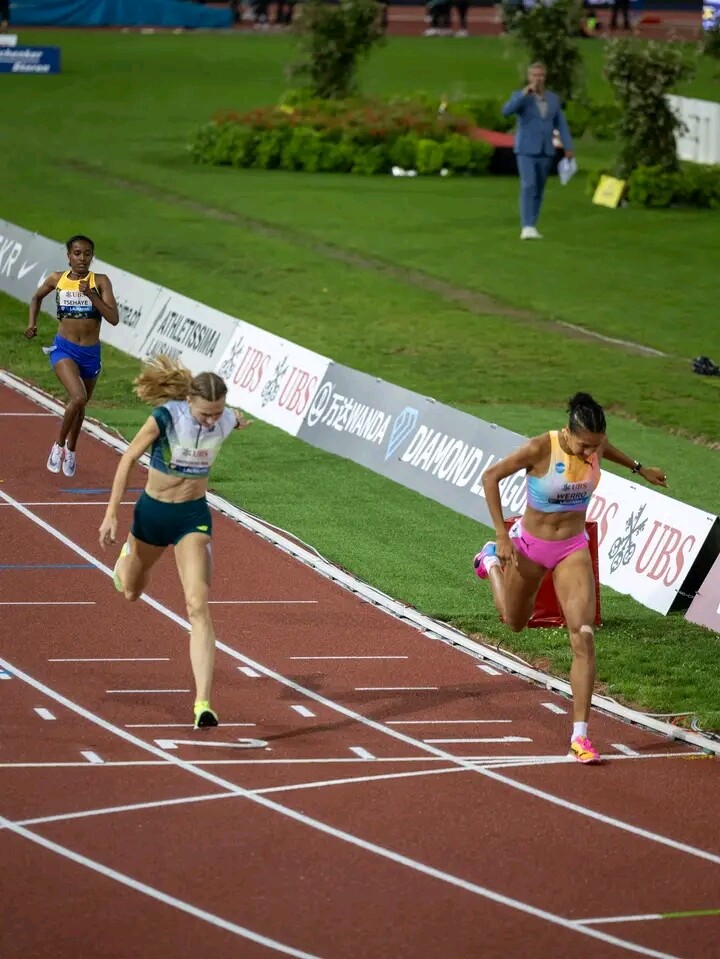
Fresh from becoming European 800m champion, Werro looked to be on course for a comfortable victory as she entered the final straight with a clear advantage. But the race exploded into a dramatic battle over the closing metres when Broeders-Bol unleashed a sensational finishing kick, clocking a remarkable 14.8 seconds for the final 100 metres compared with Werro's 15.4.
The Dutch star closed rapidly and came within touching distance of Werro, but the Swiss favourite had done enough to hold on, crossing the line just eight hundredths of a second ahead. Werro's winning time of 1:55.33 established a new meeting record and further strengthened her remarkable run of form.

Broeders-Bol finished second in a superb 1:55.41, and although she narrowly missed victory, she left Lausanne with a historic achievement of her own. Her performance shattered the Dutch women's 800m national record previously held by Ellen van Langen, marking one of the finest races of her career.
Eighteen-year-old Ethiopian talent Saida Tsehaye completed an outstanding podium, running a huge personal best of 1:56.92 to finish third. Her breakthrough performance underlined the extraordinary depth of the race and announced another exciting young force in women's middle-distance running.
Behind the leading trio, Switzerland's Veronica Vancardo finished fourth in 1:58.68, with compatriot Valentina Rosamilia fifth in 1:58.93. American Addison Wiley placed sixth in 1:59.22, while Kenya's Lilian Odira was seventh in 1:59.25.
For Werro, it was another unforgettable night in front of her home crowd. The European champion combined strength, confidence and composure to withstand one of the most explosive finishing charges of the season, while Broeders-Bol produced a national-record performance that came agonisingly close to victory.
In the end, Lausanne witnessed a race in which history was made at both ends of the finish line: Werro claimed the meeting record and another major victory, Broeders-Bol rewrote the Dutch record books, and teenage sensation Tsehaye announced herself on the world stage with a huge personal best.
The women's 800m is delivering exceptional racing in 2026—and this electrifying showdown in Lausanne was further proof that the event is hotter than ever.
by Erick Cheruiyot for My Best Runs.
Login to leave a comment
Olympic Champion Winfred Yavi Beats World Champion Faith Cherotich in Lausanne Steeplechase Thriller
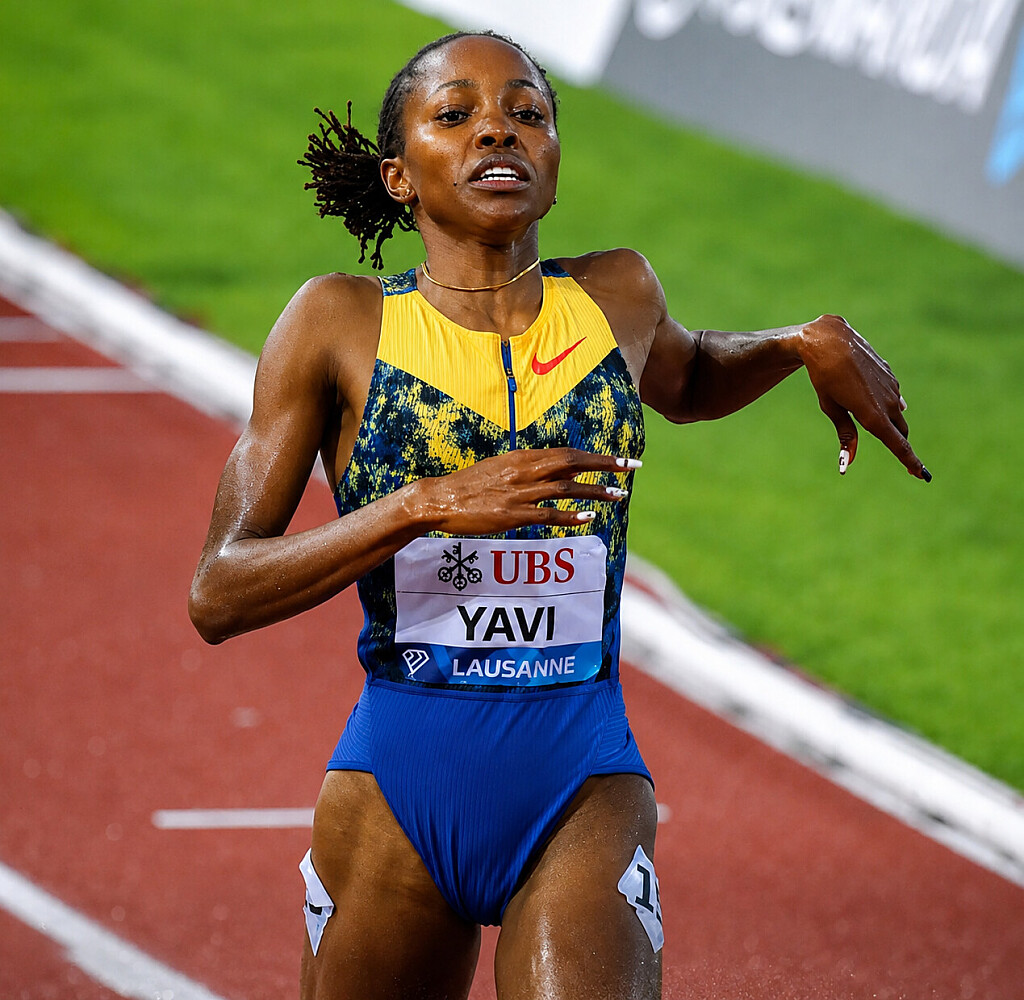
Winfred Yavi delivered a statement performance at the Lausanne Diamond League, defeating reigning world champion Faith Cherotich in a thrilling women's 3000m steeplechase showdown and taking the lead in their increasingly compelling 2026 rivalry.
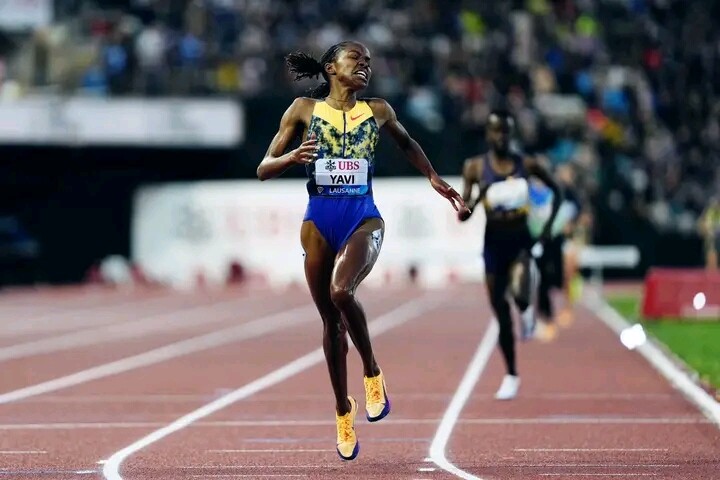
The Bahraini star, the 2024 Olympic steeplechase champion, led from the opening stages and never surrendered control, crossing the line in a meet record of 9:00.04. Cherotich, the reigning world champion, fought hard throughout but had to settle for second in 9:01.90.

The victory gave Yavi the upper hand in their head-to-head battles this season, with the Olympic champion now holding a 2-1 advantage over Cherotich in their three meetings in 2026.
For much of the race, Cherotich remained within striking distance of Yavi, staying close as the two stars negotiated the barriers at a relentless pace. However, Yavi refused to give her Kenyan rival an opportunity to take control, maintaining the lead and producing another powerful display when the pressure intensified in the closing stages.
It was a fascinating battle between two of the dominant figures in women's steeplechasing. The reigning Olympic champion against the reigning world champion lived up to expectations, and on this occasion, Yavi had the answers.
Tunisia's Marwa Bouzayani completed the podium in 9:05.55, while Kenya's Doris Lemngole finished fourth in 9:07.09. American Lexy Halladay rounded out the top five with a personal best of 9:08.35.
Yavi's winning time was not only enough to secure another important victory over her biggest rival but also established a new Lausanne meet record, underlining the exceptional standard of the race.
With Yavi now leading their season series 2-1, the rivalry between the Olympic champion and the world champion is becoming one of the most exciting battles in women's distance running. Lausanne belonged to Yavi, but Cherotich remains close enough to ensure that their next meeting could produce another spectacular contest.
by Erick Cheruiyot for My Best Runs.
Login to leave a comment
Kenya Unveils Strong Squad for 2026 World Athletics Road Running Championships in Copenhage
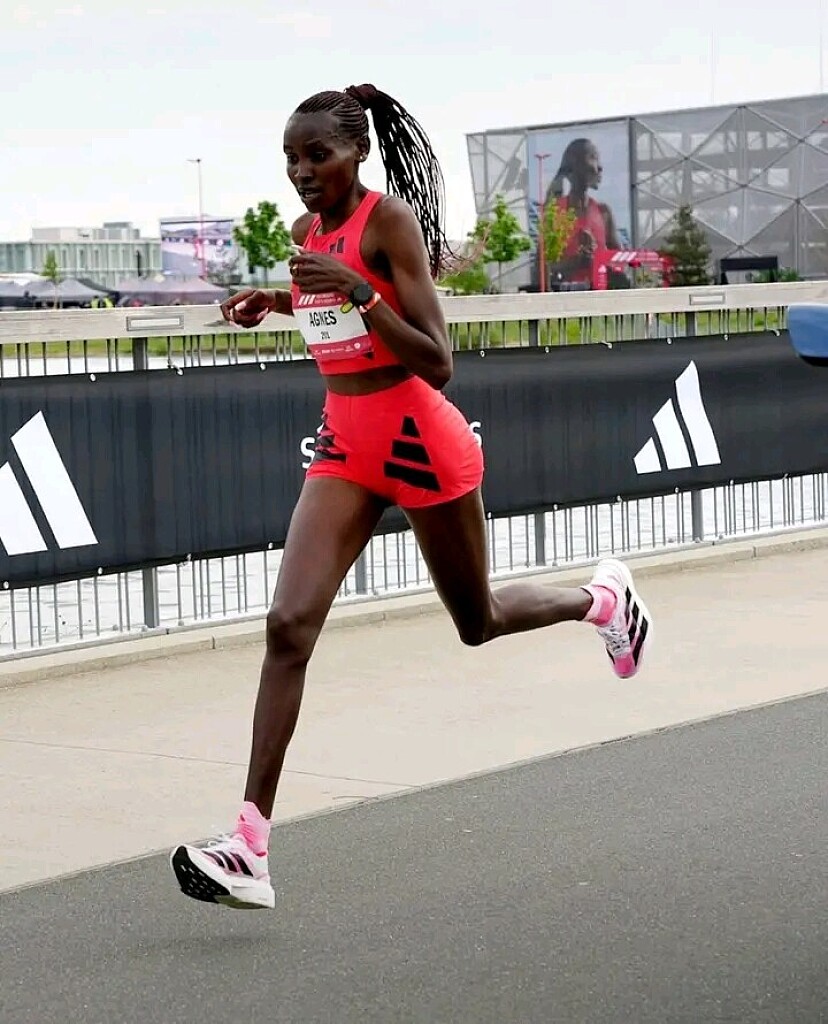
Kenya has unveiled a formidable squad for the 2026 World Athletics Road Running Championships, with some of the country’s leading distance-running talents selected to represent the nation in Copenhagen, Denmark, on September 19–20.
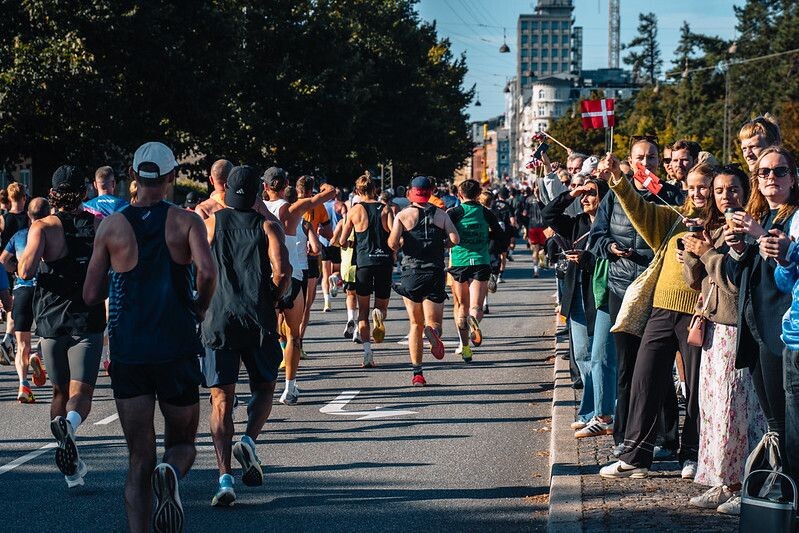
The team features a blend of established international performers and emerging stars, underlining Kenya’s ambition to make a strong impact across the half marathon, 5km and one-mile races.
Leading the women’s half marathon team is Agnes Jebet Ngetich, one of the most accomplished young distance runners in the world. She will be joined by Daisilah Jerono, Veronica Loleo and Lilian Kasait Rengeruk as Kenya looks to challenge for the women’s team and individual honours.
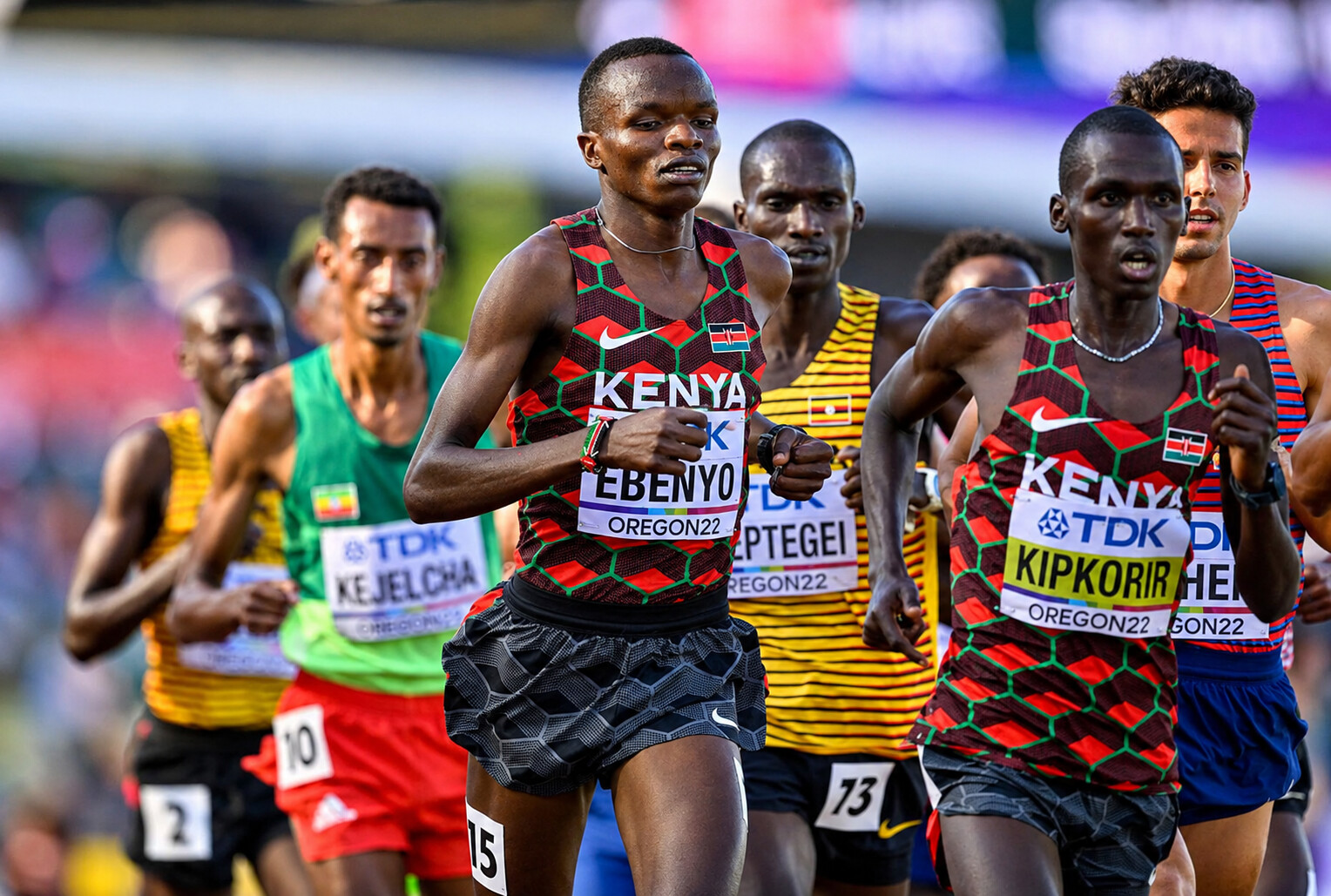
The men’s half marathon squad is equally impressive, headlined by Daniel Simiu Ebenyo. The experienced Kenyan will line up alongside Michael Kiplagat Temoi, Nicholas Kipkorir Kimeli and Gideon Kipkertich Rono, giving Kenya a powerful quartet capable of competing at the front of a championship field.
Kenya will also field two athletes in each of the 5km races. Charles Kiboino and Mathew Kipchumba Kipsang have been selected for the men’s event, while Caroline Makandi Gitonga and Caroline Nyaguthii Nyaga will carry Kenya’s hopes in the women’s race.
The one-mile races will provide another opportunity for Kenyan athletes to showcase the country’s renowned middle- and long-distance strength. Brian Komen and Daniel Kyumbe Munguti will represent Kenya in the men’s race, with Miriam Cherop and Naomi Korir selected for the women’s event.
With representation across all six individual races, Kenya heads to Copenhagen with a well-balanced squad and plenty of international experience. The championships will bring together the world’s leading road runners for two days of high-level competition, with Kenya once again expected to be among the nations fighting for medals.
For a country with such a rich tradition in distance running, the 2026 World Athletics Road Running Championships present another major stage for Kenyan athletes to demonstrate their speed, strength and championship racing ability on the streets of Copenhagen.
Team Kenya
Half Marathon – Men: Michael Kiplagat Temoi, Nicholas Kipkorir Kimeli, Gideon Kipkertich Rono, Daniel Simiu Ebenyo
Half Marathon – Women: Agnes Jebet Ngetich, Daisilah Jerono, Veronica Loleo, Lilian Kasait Rengeruk
5km – Men: Charles Kiboino, Mathew Kipchumba Kipsang
5km – Women: Caroline Makandi Gitonga, Caroline Nyaguthii Nyaga
One Mile – Men: Brian Komen, Daniel Kyumbe Munguti
One Mile – Women: Miriam Cherop, Naomi Korir
Kenya’s road-running stars now have their sights firmly set on Copenhagen, where they will look to turn the strength of the squad into medals and memorable performances on the world championship stage.
by Erick Cheruiyot for My Best Runs.
Login to leave a comment
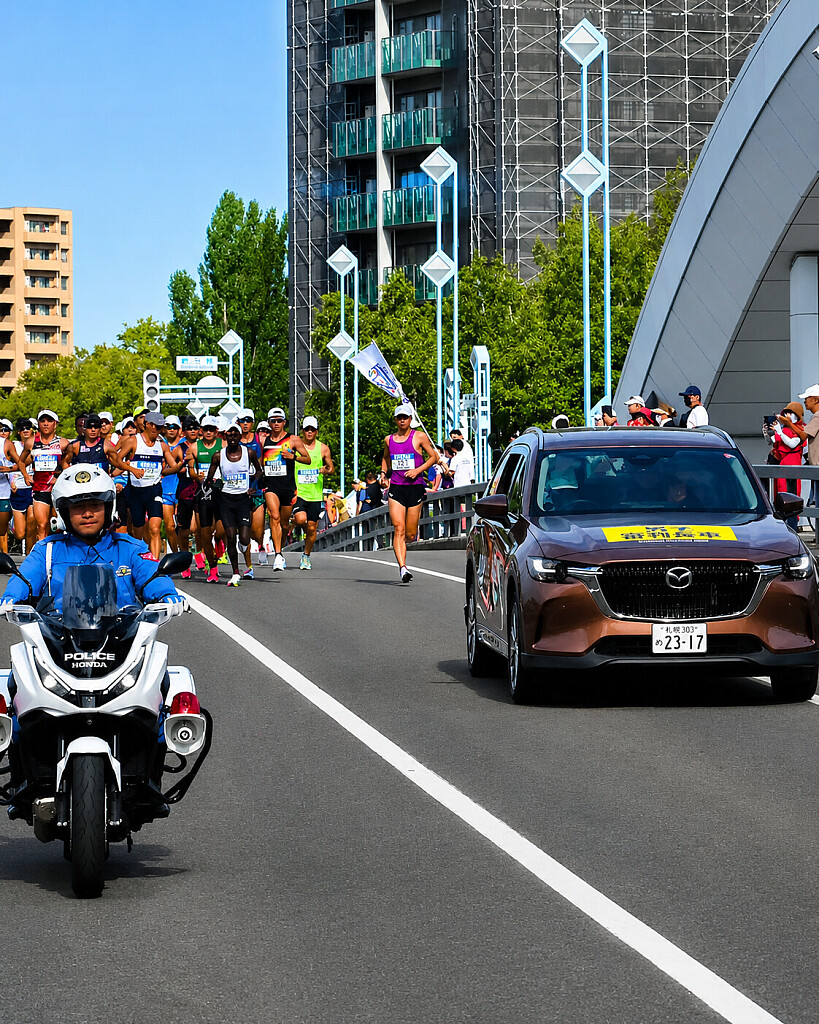
Hokkaido Marathon 2026: A Historic Summer Race Puts Heat Safety First
When thousands of runners line up in the heart of Sapporo on Sunday, August 30, 2026, they will be taking part in one of Japan’s most distinctive marathon traditions — a race where the battle is not only against the clock and the 42.195-kilometre distance, but also against the summer heat.
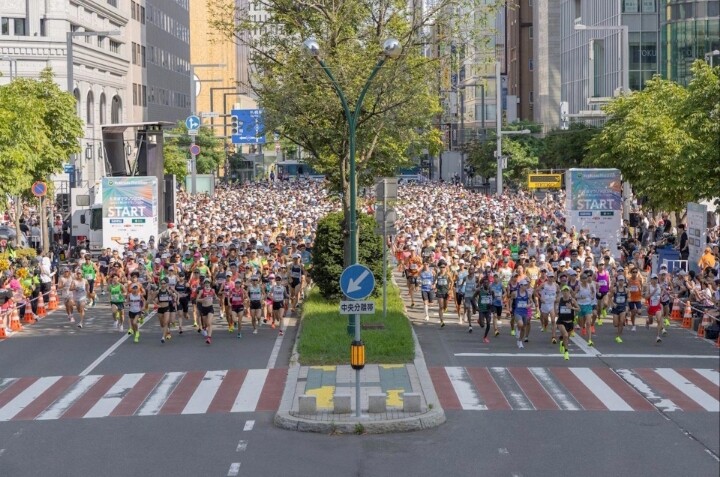
The Hokkaido Marathon traces its roots to 1987, when the inaugural race attracted just 439 entrants. Over nearly four decades, it has grown into a major international marathon, welcoming runners from Japan and around the world while maintaining its unique identity as one of the country’s few major summer marathons.
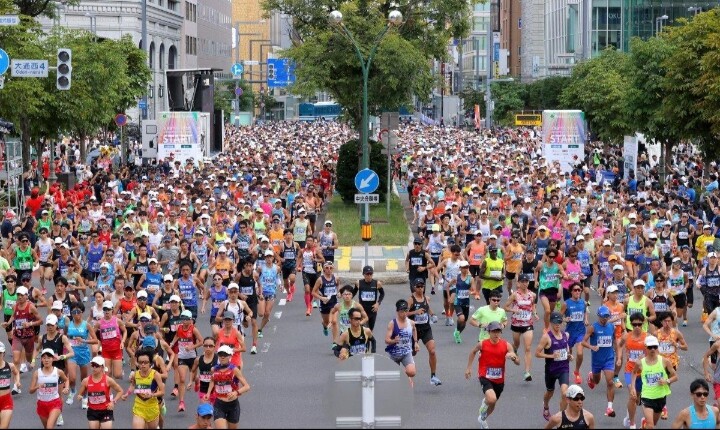
That summer setting is precisely what makes heat management such an important part of the Hokkaido Marathon experience.
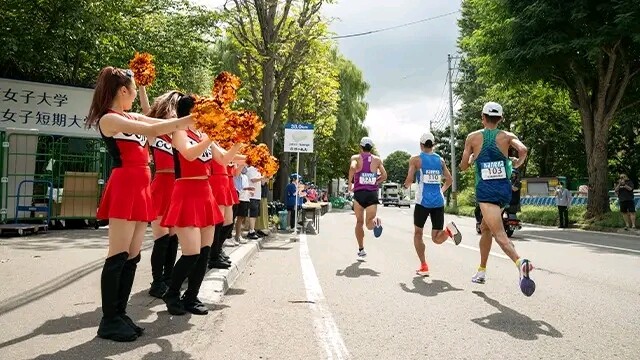
The 2026 edition will begin at 8:30 a.m. from Odori Nishi 4-chome, with the course winding through some of Sapporo’s most recognisable landmarks, including Susukino and Hokkaido University. But while the atmosphere will be festive and competitive, organisers are urging athletes to treat heat-related illness with the utmost seriousness.
As one of Japan’s few marathons held during the summer, Hokkaido Marathon carries a heightened risk of heatstroke. Mild heat illness may improve with rest, cooling and appropriate hydration, but severe heatstroke can become life-threatening and demands rapid action to lower body temperature.
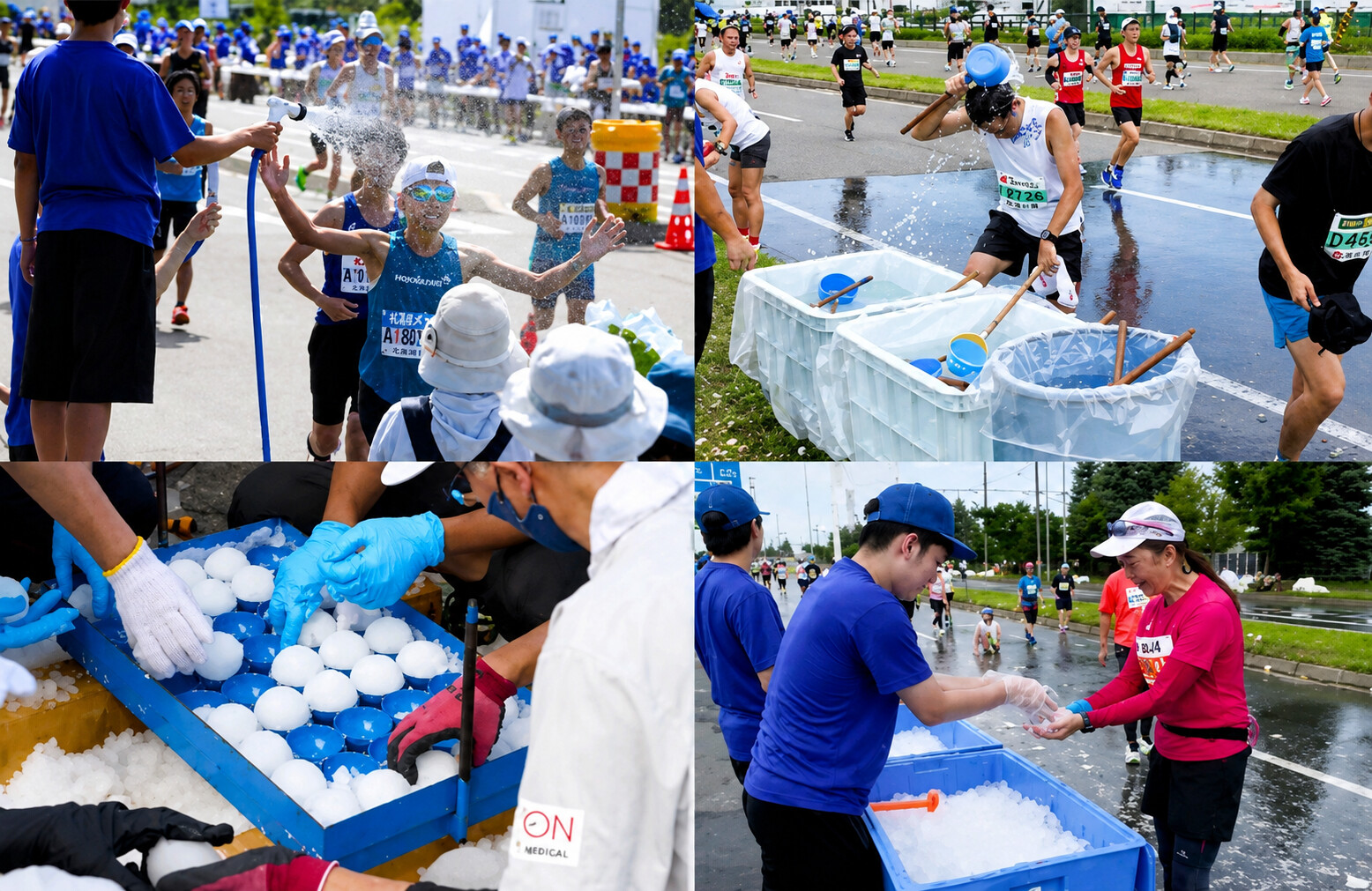
The organisers have therefore placed medical preparedness at the centre of the 2026 event. Since the 2022 Hokkaido Marathon, an ice-bath system has been available for emergency cooling — an approach also used during the marathon and race-walking competitions at the Tokyo 2020 Olympic Games.
If medical staff suspect severe heatstroke accompanied by impaired consciousness, a doctor may assess the athlete, including measuring rectal temperature when necessary. Where appropriate, the runner can be rapidly cooled using an ice bath before being transported to a medical facility.
For competitors, recognising the warning signs early could make all the difference.
Feeling dazed, unusually confused, mentally foggy or unable to remain fully alert during the race should never be dismissed as ordinary fatigue. Runners experiencing such symptoms are being urged not to force themselves forward. They should stop, rest and seek medical assistance.
The same responsibility applies to fellow runners and spectators. Anyone who notices a competitor appearing confused, disoriented or seriously unwell should immediately alert the nearest medical or first-aid team.
Hydration is another critical part of the organisers’ message — but the advice is not simply to drink as much water as possible.
Both insufficient sodium intake and excessive fluid consumption can contribute to hyponatremia, a potentially dangerous drop in blood sodium levels. Runners should therefore pay attention to both fluid and sodium replacement during the marathon rather than relying solely on water.
The race is also expanding its cooling measures in 2026. An ice distribution point will be available at approximately 13.2 kilometres, while new water-dousing points will be introduced at the end of selected aid stations. These facilities are designed to give runners additional opportunities to cool their bodies as the race progresses.
A cooling spray may also be carried and used as another practical measure against the heat.
Such precautions are particularly significant given the Hokkaido Marathon’s history. From its modest beginning in 1987, the event gradually established itself as an important testing ground for athletes preparing to compete in hot-weather conditions. Japanese and international elites have repeatedly used the race to test their endurance and heat tolerance, while the event has also welcomed some of the world's leading distance runners.
Today, the marathon combines that elite tradition with a huge mass-participation atmosphere. What started with fewer than 500 entrants has evolved into an event capable of attracting around 20,000 runners, turning Sapporo into a celebration of distance running each summer.
But the message for 2026 is clear: finishing the marathon is never more important than protecting your health.
For runners chasing personal bests, international athletes seeking victory and recreational participants simply hoping to complete the distance, knowing when to slow down, stop or seek help is part of racing intelligently.
On August 30, the streets of Sapporo will once again provide a spectacular stage for 42.195 kilometres of running. Yet beneath the excitement, the Hokkaido Marathon is sending an equally important message: run hard when your body allows it, cool down when necessary, stay alert to the heat and never ignore the warning signs.
After nearly four decades of history, the Hokkaido Marathon continues to evolve — and in 2026, protecting the runners who make that history possible is firmly at the heart of the race.
by Erick Cheruiyot for My Best Runs.
Login to leave a comment

Hokkaido Marathon
The Hokkaido Marathon, inaugurated in 1987 with just 439 participants, has evolved into one of Japan's premier marathons, attracting nearly 20,000 runners annually. Held every August in Sapporo, Hokkaido, it stands as the nation's only full-scale summer marathon. The race commences and concludes in Sapporo's Odori Park, offering a scenic course that weaves through the city's landmarks, including the vibrant...
more...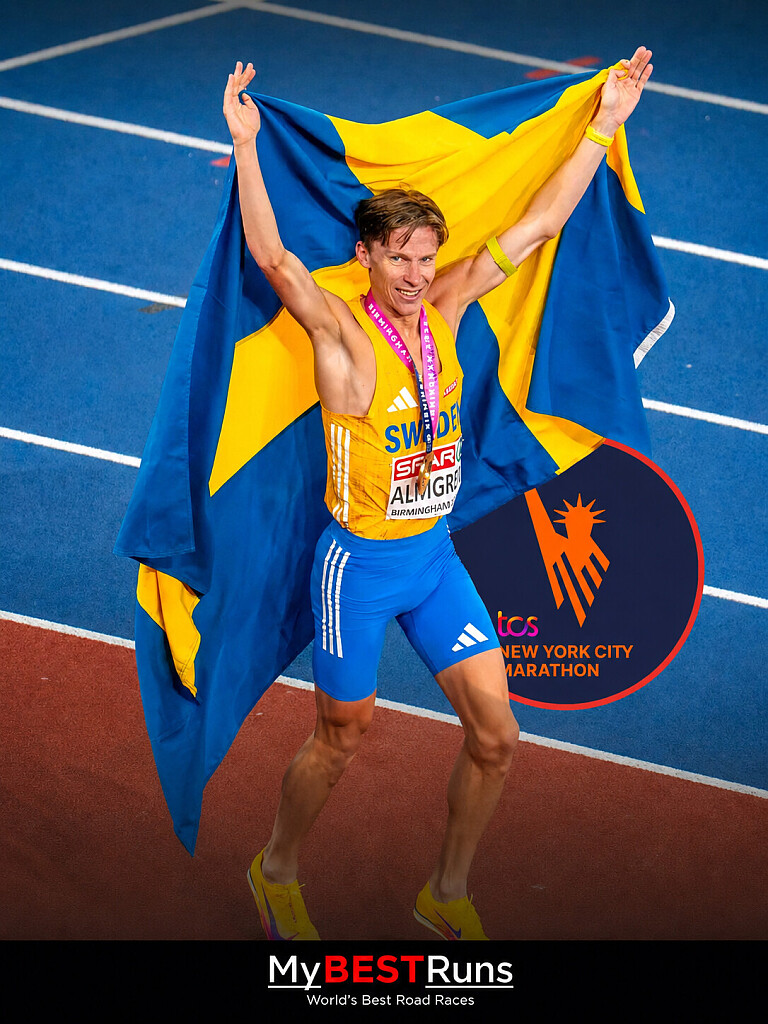
From European Records to 42.195km: Andreas Almgren Takes on New York
Andreas Almgren has spent the past two seasons transforming himself into one of Europe’s most formidable distance runners. Now, the Swedish star is ready to take on an entirely new challenge — the marathon.
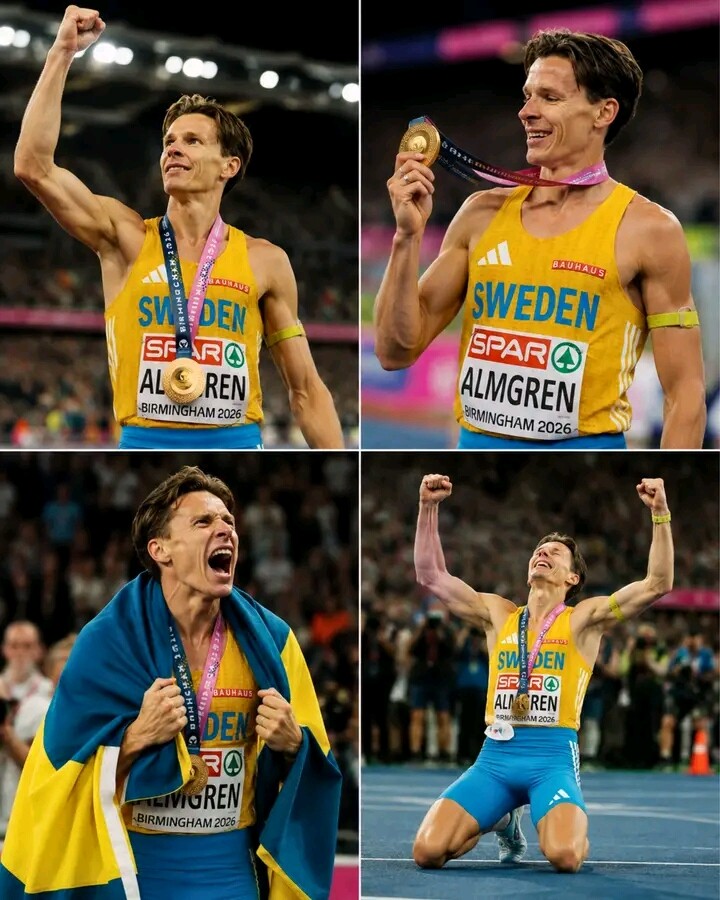
Fresh from a commanding European 10,000m triumph in Birmingham, Almgren has confirmed that he will make his marathon debut at the TCS New York City Marathon on November 1. The decision adds another intriguing chapter to a remarkable rise that has seen him repeatedly rewrite the European record books.
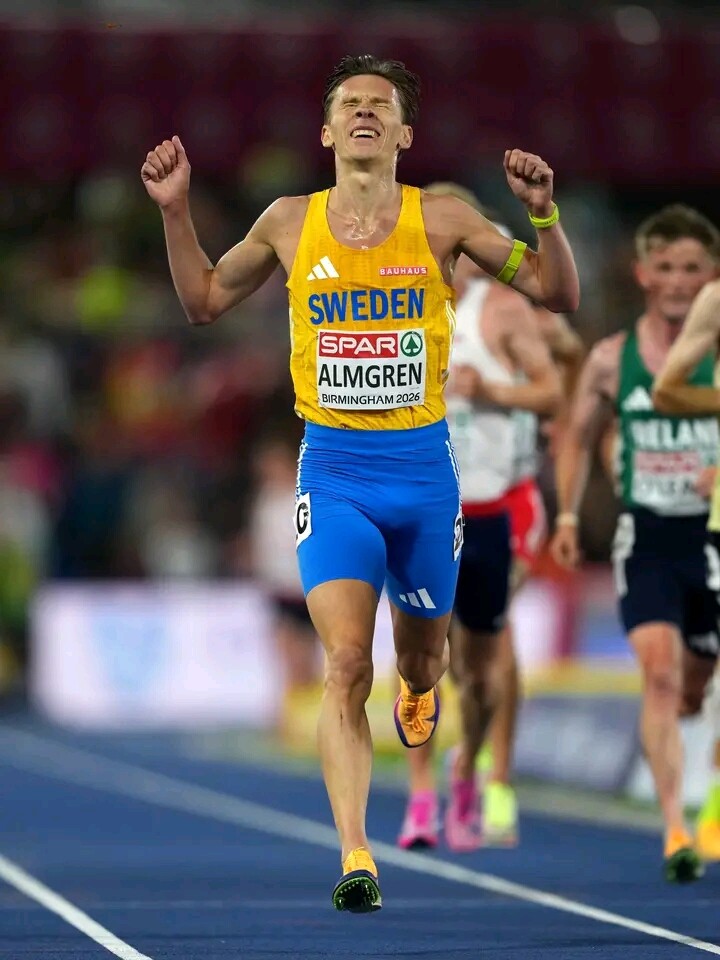
The 31-year-old owns European records of 12:44.27 for 5,000m, 26:45 for 10km on the road and 58:41 for the half marathon — extraordinary marks that underline both his speed and his growing endurance. His 26:45 in Valencia in January 2026 lowered his own European 10km record, while his 58:41 in Valencia last October made him the first European athlete to break the 59-minute barrier for the half marathon.
His latest achievement came in Birmingham, where Almgren produced one of the most dominant performances of the European Championships. He stormed to the 10,000m title in 27:23.44, setting a championship record and adding a major senior title to the World Championships bronze medal he won over the same distance in Tokyo last year.
Yet his choice of New York for his first marathon is what makes the announcement particularly fascinating.
Rather than selecting a traditionally fast, flat course where a debutant can concentrate almost exclusively on the clock, Almgren has chosen one of the most demanding and tactically complex marathons on the calendar. The New York course takes runners through all five boroughs and across five bridges before the finish in Central Park, combining repeated climbs, descents, turns and constantly changing race dynamics.
It is a course that rewards patience, strength and tactical intelligence as much as raw speed. For Almgren, whose career has been built around racing at the highest level rather than simply accumulating fast times, the setting could provide a fascinating test of how his exceptional track and road credentials translate to 42.195 kilometres.
And he will not be entering a quiet debut race. The 2026 field features defending men's champion Benson Kipruto, former champion Geoffrey Kamworor, Dutch star Abdi Nageeye, American contenders Conner Mantz and Zouhair Talbi, as well as several other elite marathoners. Almgren is one of a small group of high-profile athletes making their marathon debuts in New York.
The race will also mark the 50th anniversary of the modern five-borough New York City Marathon course, adding even greater significance to an already prestigious occasion. With Almgren bringing European-record credentials, a fresh continental title and the confidence of a breakthrough period behind him, his first encounter with the marathon promises to be one of the most closely watched stories of the autumn road-racing season.
For a runner who has already conquered the track and rewritten the European road-running record books, New York represents the beginning of another journey.
On November 1, the question will no longer be how fast Andreas Almgren can run 5,000m, 10km or a half marathon.
It will be how far that extraordinary speed and endurance can carry him over 42.195 kilometres through the streets of New York.
by Erick Cheruiyot for My Best Runs.
Login to leave a comment
TCS New York City Marathon
The first New York City Marathon, organized in 1970 by Fred Lebow and Vince Chiappetta, was held entirely in Central Park. Of 127 entrants, only 55 men finished; the sole female entrant dropped out due to illness. Winners were given inexpensive wristwatches and recycled baseball and bowling trophies. The entry fee was $1 and the total event budget...
more...