

Running News Daily
Running News Daily is edited by Bob Anderson and team. Send your news items to bob@mybestruns.com Advertising opportunities available.
Index to Daily Posts · Sign Up For Updates · Run The World Feed
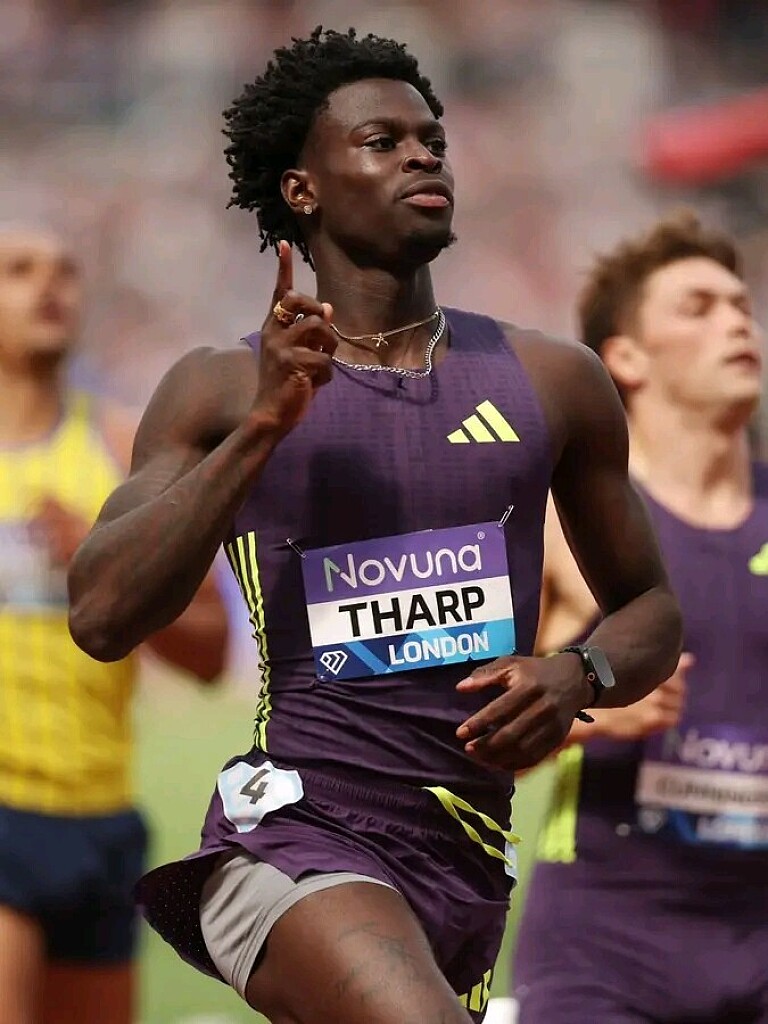


Ja'Kobe Tharp stamps his authority with London Diamond League meeting record

Ja'Kobe Tharp continued his remarkable rise in the men's 110m hurdles by delivering another commanding performance at the London Diamond League, underlining why he is rapidly becoming one of the most dangerous hurdlers in the world this season.
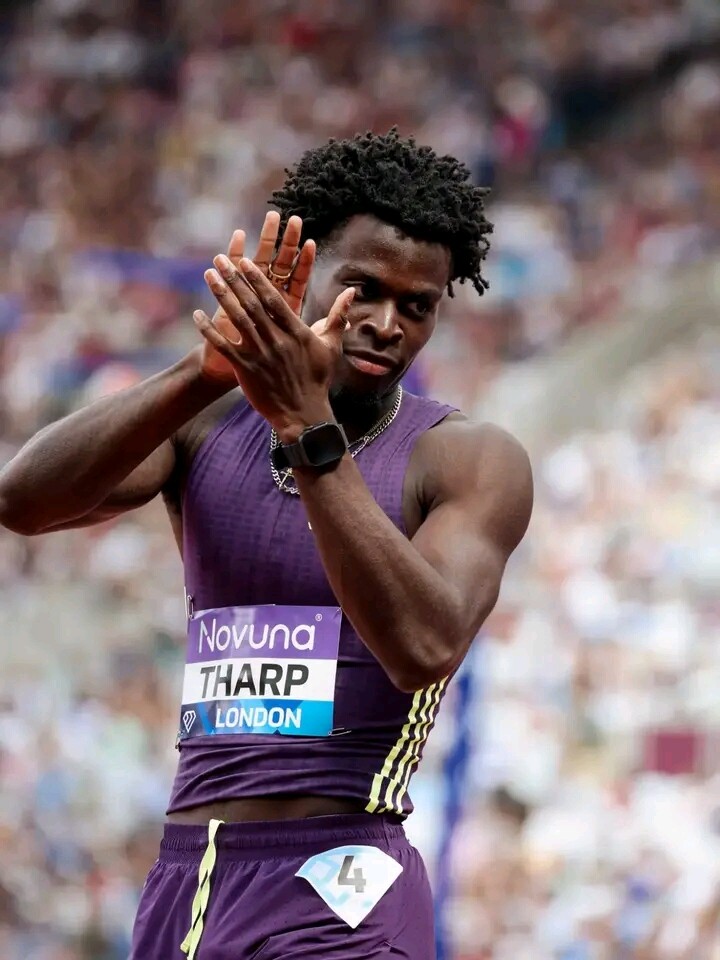
The American sprint hurdler stormed to victory in 12.89 seconds, setting a new London Diamond League meeting record and emerging as the only athlete to break the 13-second barrier in the race. His winning time came with virtually no wind assistance, adding even greater significance to an already exceptional performance.
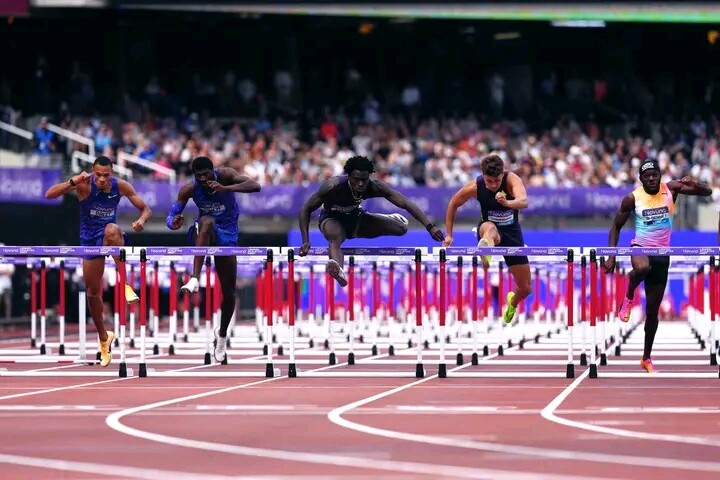
The triumph capped an outstanding week for Tharp, who had already clocked a blistering 12.85 earlier in the week. Producing two world-class performances within a matter of days—both under almost neutral wind conditions—demonstrates not only his outstanding speed but also a remarkable level of consistency at the highest level.
As the rest of the field chased in vain, Tharp looked composed from the gun, attacking each hurdle with precision before powering through the finish line to secure another emphatic victory. His ability to combine flawless technique with explosive acceleration has quickly elevated him into the conversation among the world's elite sprint hurdlers.
With the World Championships drawing closer, Tharp's latest statement in London could hardly have come at a better time. Consecutive sub-13-second performances have sent a clear message to his rivals that he is no longer just an emerging talent—he is a genuine contender capable of challenging for global honours.
His London victory was more than another win; it was a declaration of intent. By rewriting the meeting record and extending an already impressive run of form, Ja'Kobe Tharp has firmly established himself as one of the standout stars of the 2026 athletics season.
by Erick Cheruiyot for My Best Runs.
Login to leave a comment
Latest Running News
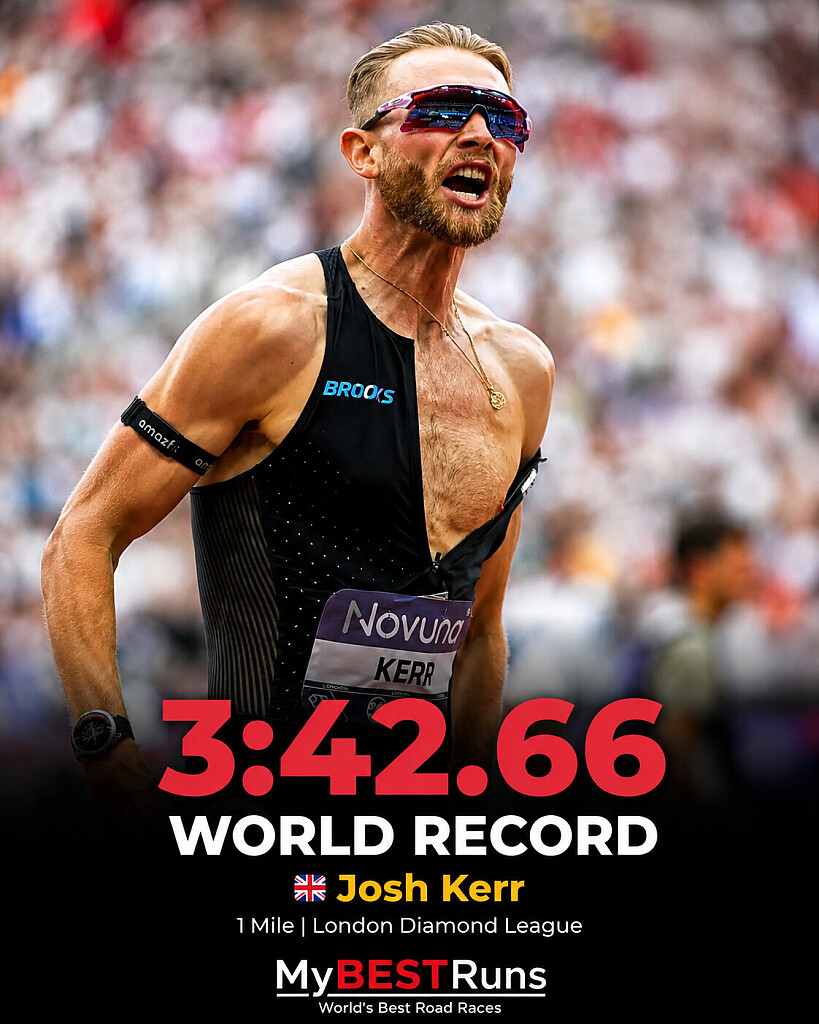
Project 222 shattered: Josh Kerr rewrites history with sensational mile world record
British middle-distance star Josh Kerr has etched his name into athletics folklore after producing one of the greatest performances the sport has ever witnessed, smashing the men's mile world record at the London Diamond League in front of a euphoric home crowd.
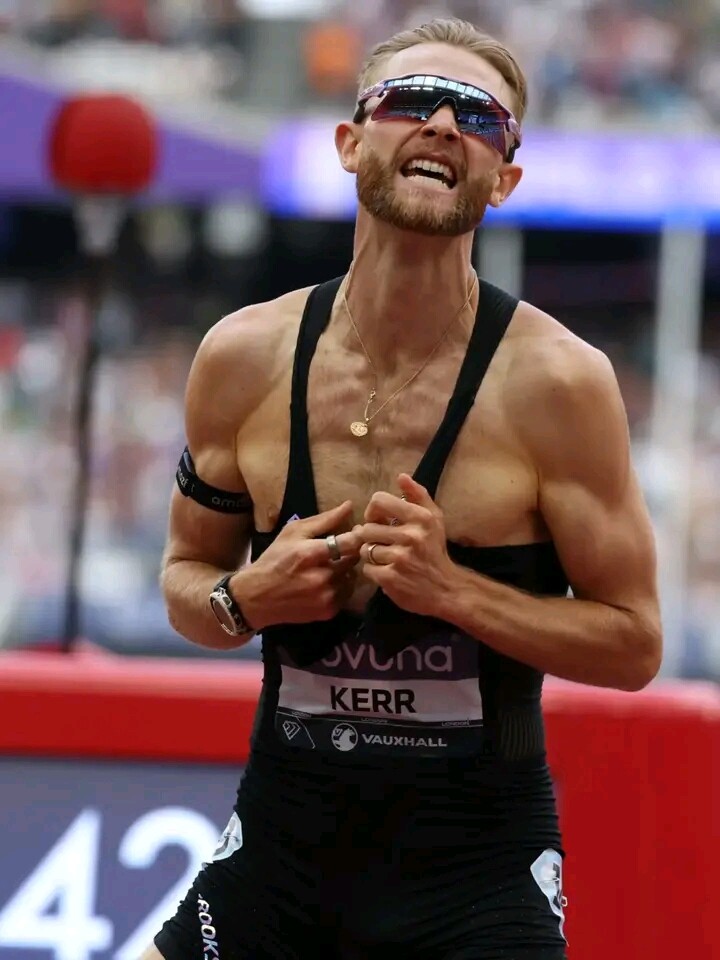
After months of anticipation surrounding Project 222, Kerr delivered on his bold promise in spectacular fashion. The British star stormed to an astonishing 3:42.66—exactly 222.66 seconds—to become the fastest miler in history and finally erase one of athletics' most iconic records.
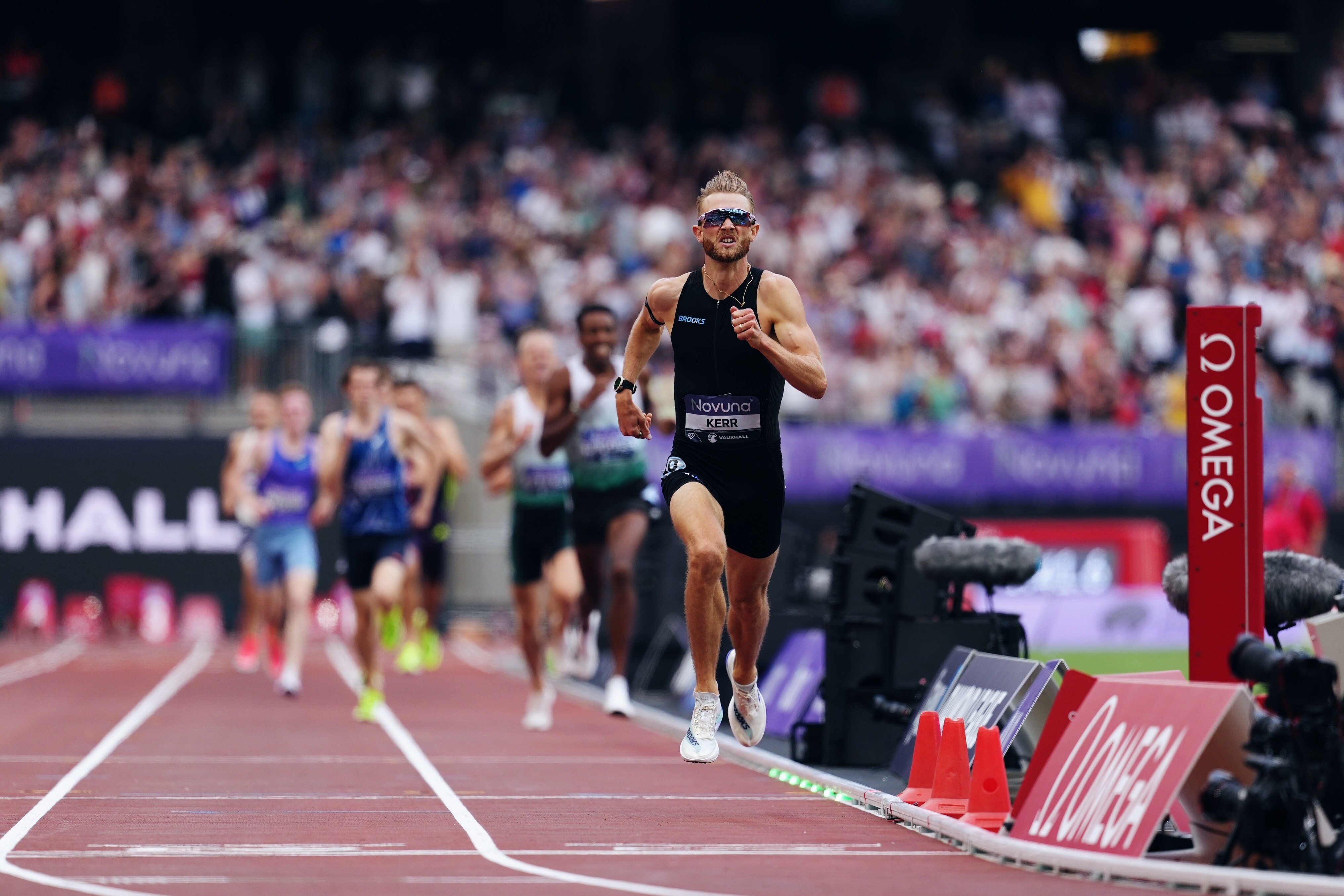
His breathtaking run eclipsed the legendary 3:43.13 set by Moroccan great Hicham El Guerrouj in 1999, a mark that had stood for 27 years and was widely regarded as one of the most untouchable world records in track and field.
From the moment the pacemakers led the field through the opening laps, it was evident that Kerr had arrived with one objective—to make history. Maintaining relentless rhythm and remarkable composure, he unleashed a devastating final surge that carried him across the finish line in record-breaking fashion, igniting wild celebrations inside the London Stadium.
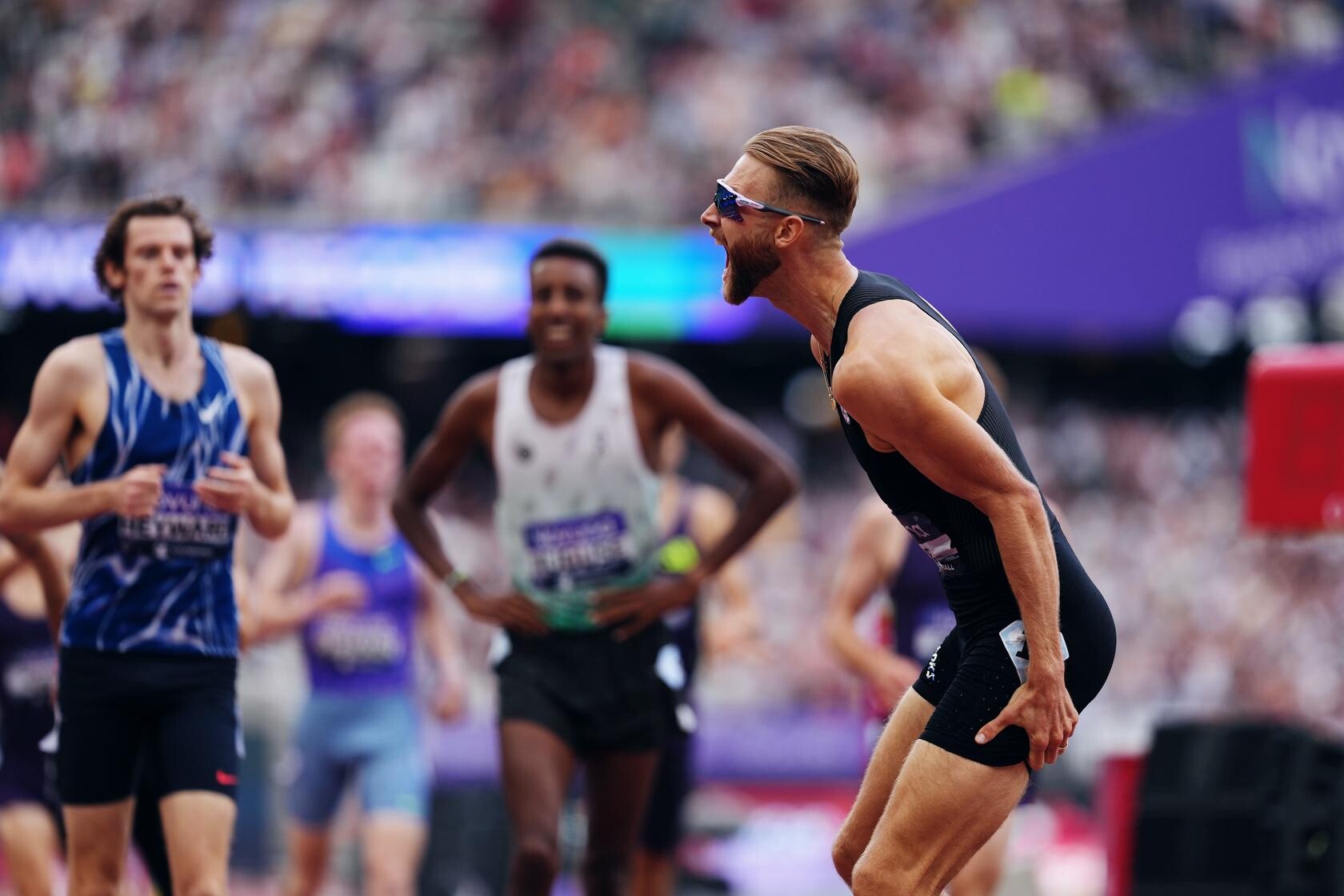
Project 222 was more than a slogan; it was Kerr's ambitious mission to complete the mile in under 223 seconds. On one unforgettable evening, he exceeded even those lofty expectations, stopping the clock at 222.66 seconds and proving that months of meticulous preparation, confidence, and fearless racing had culminated in the performance of a lifetime.
The achievement represents far more than a Diamond League victory. It marks the end of one of the longest-standing chapters in athletics history and signals the beginning of a new era in middle-distance running. Breaking such a revered record on home soil, surrounded by thousands of passionate British fans, made the moment even more memorable.
With his extraordinary 3:42.66, Josh Kerr has not only fulfilled the promise of Project 222 but has also secured his place among the greatest middle-distance runners of all time. On a historic evening in London, he proved that even the sport's most enduring barriers are meant to be broken.
by Erick Cheruiyot for My Best Runs.
Login to leave a comment

Jessica Hull unleashes devastating finishing kick to lead Australian one-two in London 3000m thriller
Jessica Hull delivered a masterclass in championship racing, producing a breathtaking final-lap surge to claim victory in a high-quality women's 3000m at the London Diamond League on Saturday.
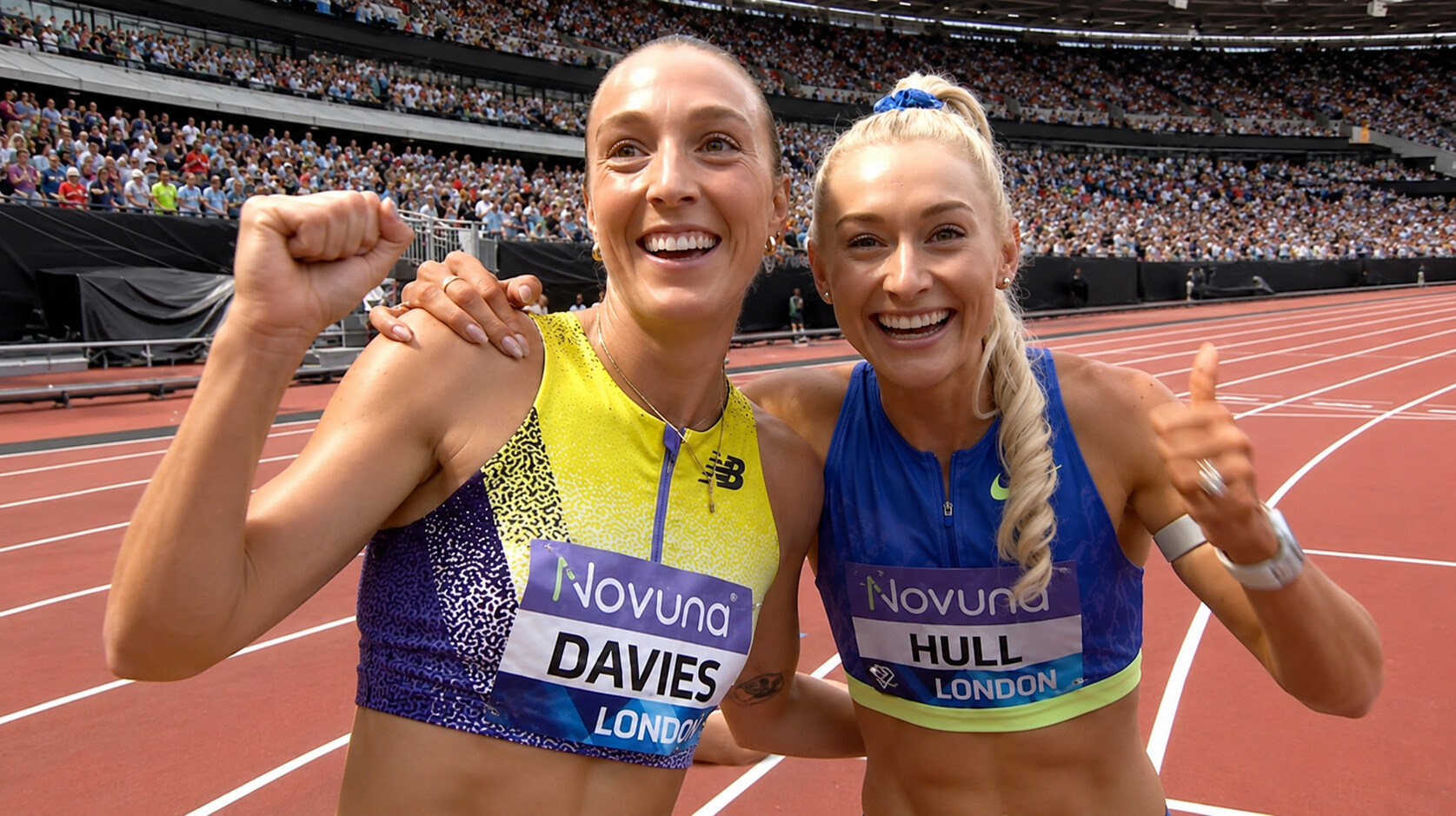
The Australian star timed her race to perfection before unleashing a devastating kick over the closing 400 metres, powering clear to cross the finish line in 8:24.69. Her composed tactical display and explosive finish proved too much for a world-class field as she secured one of the standout victories of the meeting.
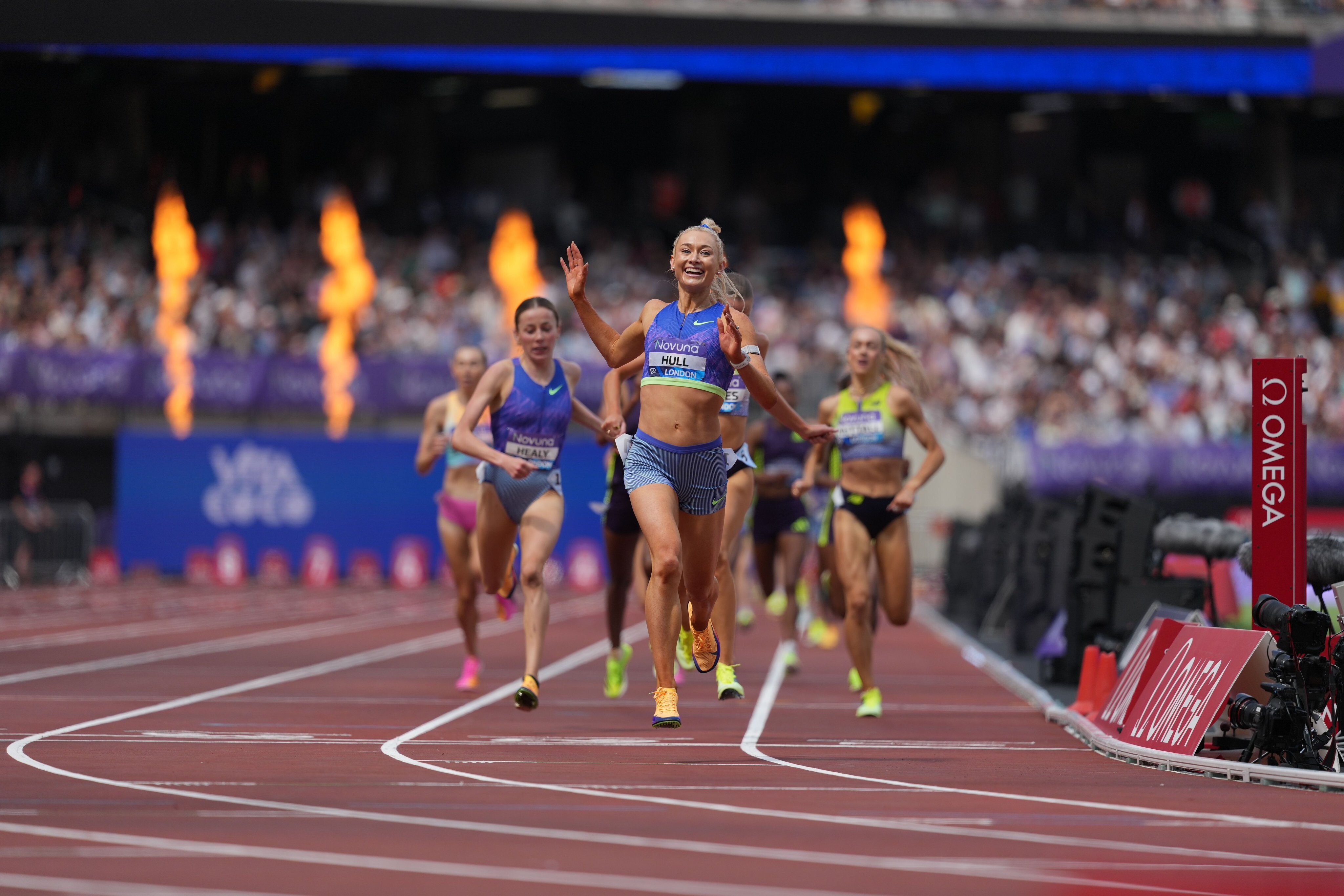
Australia celebrated an unforgettable evening as Rose Davies completed a memorable one-two finish. Davies ran superbly throughout the race, staying in contention until the closing stages before finishing second in 8:25.38, underlining Australia's growing strength in women's distance running.
Ireland's Sarah Healy also enjoyed a breakthrough performance, producing a lifetime best of 8:25.63 to finish third. Her personal best marked another significant step forward in her rapidly developing international career and demonstrated her ability to compete with the world's elite.
British fans were equally encouraged by the performance of Hannah Nuttall, who delivered the race of her life on home soil. Nuttall clocked a personal best of 8:26.48 to finish fourth, capping an outstanding evening with a performance that showcased her continued progress on the global stage.
The race developed into a thrilling battle of endurance, patience and speed, but when the decisive moment arrived, Hull's superior finishing gears separated her from the field. Her commanding victory not only highlighted her exceptional racing instincts but also reaffirmed her status as one of the world's premier middle- and long-distance athletes.
With multiple personal bests, an Australian one-two finish and a spectacular winning kick from Jessica Hull, the London Diamond League produced another unforgettable chapter in an already remarkable athletics season.
by Erick Cheruiyot for My Best Runs.
Login to leave a comment

Inside the Brooks Hyperion 222: The Revolutionary Spike Built to Help Josh Kerr Chase History
When the world's fastest milers line up, victory is often decided by the smallest of margins. At the very highest level, every gram, every stride, and every fraction of a second matters. As Josh Kerr prepares for his ambitious "Project 222" attempt to run the fastest mile in history, he will do so wearing a pair of spikes created with one purpose alone—to help redefine what is humanly possible.
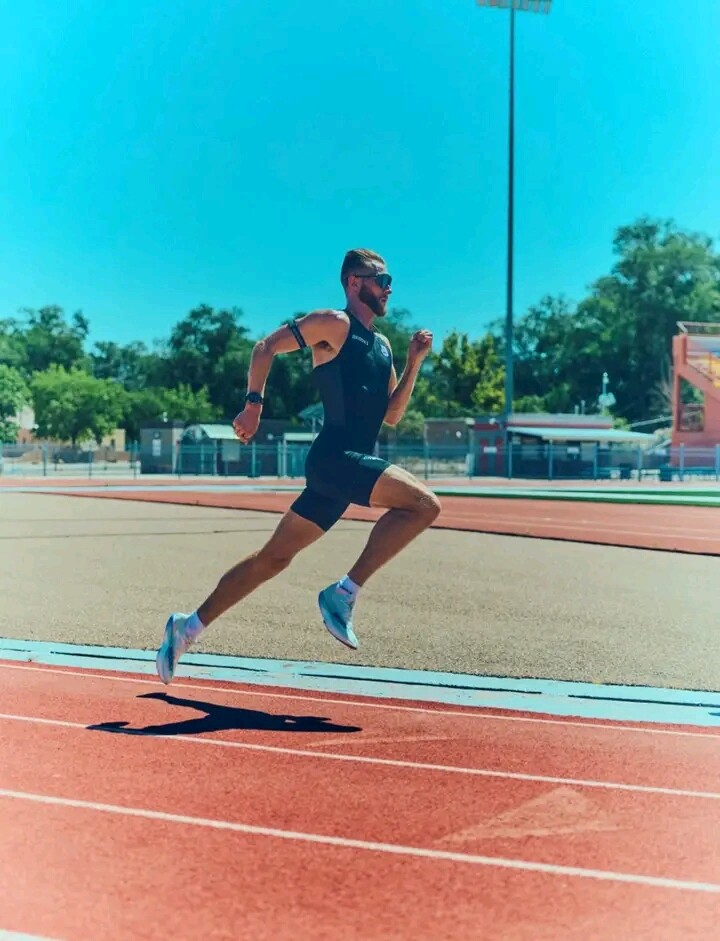
The Brooks Hyperion 222 is not a commercially available racing shoe. It is a highly specialized prototype, meticulously developed by the engineers and sports scientists at the Brooks Run Research Lab to complement Kerr's unique running mechanics. Every element has been carefully refined to maximize speed, efficiency, and performance over the mile.

At the heart of the design is a bespoke carbon-fiber plate, custom-built to match Kerr's biomechanics and the exact shape of his foot. Rather than relying on a one-size-fits-all approach, Brooks engineered the plate specifically for the British middle-distance star, allowing for optimal energy transfer with every stride while maintaining stability through the bends.
The shoe also features an aggressive rocker geometry that promotes a smoother and more powerful transition from foot strike to toe-off. This innovative design helps maintain momentum throughout the race, reducing energy loss and encouraging the forward propulsion required to sustain world-record pace over four laps.

Traction is equally critical at speeds approaching 16 miles per hour. To maximize grip on the track, the Hyperion 222 is fitted with custom titanium pins that provide exceptional bite into the surface while keeping overall weight to an absolute minimum. The result is greater confidence through the turns and more efficient power delivery during every acceleration.
Completing the package is Brooks' specially tuned ATPU foam, engineered exclusively for Kerr's Project 222 challenge. The lightweight cushioning is calibrated to deliver the ideal balance of responsiveness and energy return, supporting the relentless rhythm required to cover the mile in under 3:42—or 222 seconds.
Whether Josh Kerr succeeds in rewriting the record books or not, the Brooks Hyperion 222 represents the cutting edge of performance footwear. It is a striking example of how elite athletic talent, scientific innovation, and precision engineering are coming together in the relentless pursuit of sporting greatness.
This afternoon, all eyes will be on Kerr. And beneath every stride will be one of the most advanced track spikes ever created, built with a single mission—to help make history.
by Erick Cheruiyot for My Best Runs.
Login to leave a comment

At 40, François D'Haene Reclaims the GR20 Crown with a Historic Sub-30-Hour Run
Age is often seen as the greatest opponent in endurance sports. Yet for François D'Haene, it has become another challenge to conquer.
The legendary French trail runner has once again etched his name into the history books after setting a new supported Fastest Known Time (FKT) on the iconic GR20 in Corsica. Covering approximately 160 kilometers across one of Europe's most demanding mountain trails, D'Haene completed the route in an astonishing 29 hours, 46 minutes and 20 seconds, becoming the first athlete ever to break the elusive 30-hour barrier.

The GR20 stretches diagonally across the Mediterranean island of Corsica from Calenzana in the north to Conca in the south. Renowned for its unforgiving terrain, the route features around 12,000 meters of cumulative elevation gain, with steep ascents, rocky ridges and highly technical descents that have earned it a reputation as Europe's toughest long-distance hiking and trail-running route.
D'Haene began his remarkable journey at 4:30 a.m. on Wednesday, July 8, and reached Conca at 10:16 a.m. the following morning, maintaining an extraordinary pace across nearly 30 hours of relentless climbing and descending. Throughout the effort, a rotating team of pacers accompanied him in accordance with supported FKT guidelines, helping him maintain his rhythm across the brutal mountain course.
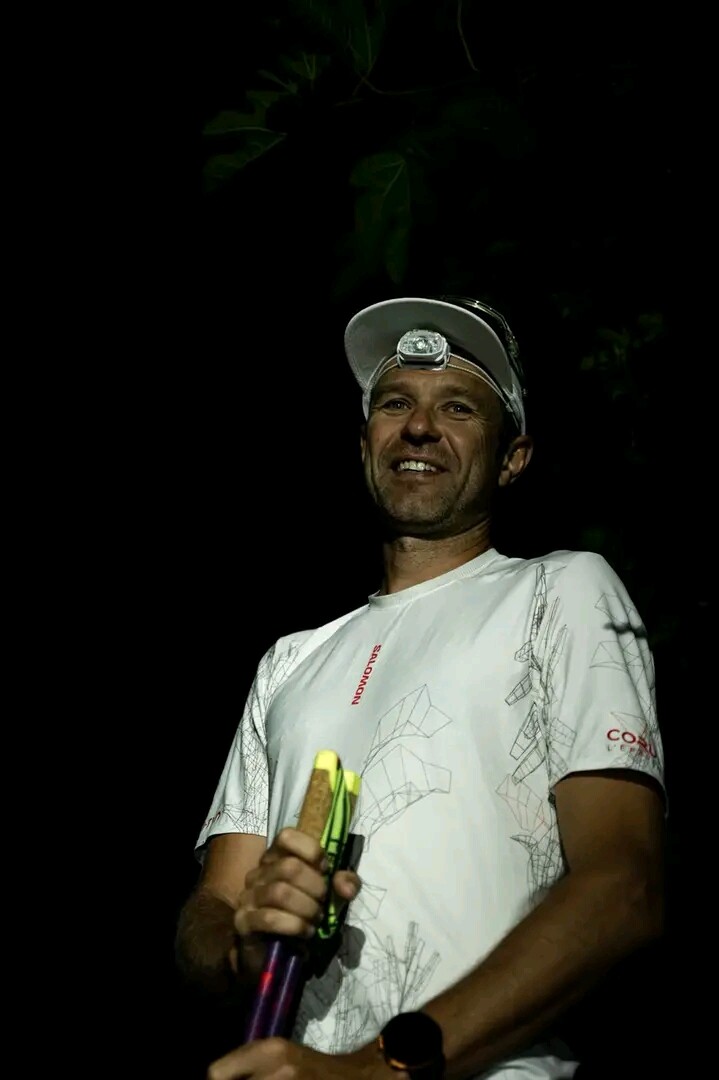
His performance erased the previous supported record of 30 hours, 25 minutes, set by Corsican trail specialist Lambert Santelli in 2021. In doing so, D'Haene shaved nearly 40 minutes off a mark many believed would stand for years.
What makes the achievement even more extraordinary is the story behind it. D'Haene first claimed the GR20 record in 2016, running 31 hours and 6 minutes. Several years later, Santelli eclipsed that performance on home soil. Rather than leaving the record behind, D'Haene returned a decade later—not simply to reclaim it, but to redefine what was thought possible.
At 40 years old, he proved that experience, resilience and meticulous preparation can be just as powerful as youthful speed. While many elite endurance athletes begin to slow with age, D'Haene continues to raise the standard, delivering one of the most impressive performances of his already legendary career.
His latest triumph adds another remarkable chapter to a résumé that already includes four Ultra-Trail du Mont-Blanc (UTMB) victories, four Diagonale des Fous titles, and the Hardrock 100 counterclockwise course record. Those accomplishments alone secured his place among trail running's all-time greats. This historic return to the GR20 only strengthens that legacy.
Breaking the 30-hour barrier on one of the world's most unforgiving mountain routes is more than just another record—it is a powerful reminder that greatness is measured not only by talent, but by the willingness to return, evolve and achieve what once seemed impossible.
François D'Haene did exactly that, turning back the clock and once again proving that true champions never stop rewriting history.
by Erick Cheruiyot for My Best Runs.
Login to leave a comment

From Marathon Miles to a University Degree: Chinese Graduate Stuns Ceremony With 70+ Medals Earned Through Running
For most graduates, a university degree is the defining symbol of years of dedication and sacrifice. For 24-year-old Jin Yanwei, however, that achievement shared the spotlight with another remarkable testament to perseverance—more than 70 marathon medals that helped shape his journey to graduation.

On June 23, during the graduation ceremony at Xi'an Traffic Engineering Institute in Shaanxi Province, China, Jin walked across the stage to receive his degree like every other student. But moments later, he returned carrying a shoulder pole weighed down by over 70 marathon medals, with several more draped around his neck. The unexpected display left the audience in awe, drawing thunderous applause before the striking moment quickly captured the attention of millions online.

What many in the hall did not know was that Jin's success had been built not only in lecture rooms but also on roads and race courses across China. Although he was not a sports major, he transformed his passion for distance running into a source of financial support throughout his university years.
Jin completed his first marathon in 2021, a milestone that sparked an extraordinary commitment to endurance racing. Over the following years, he regularly competed in marathons and other long-distance events, using prize money and race incentives to help cover his educational expenses. What began as a personal challenge gradually became a practical way to finance his studies while pursuing his academic goals.
His achievements were no accident. They were the product of relentless discipline and consistency. Jin maintained a demanding training schedule, averaging around 15 kilometres every day and covering between 350 and 400 kilometres each month. In the past two years alone, he has run an astonishing 7,835 kilometres, a distance that reflects countless hours of dedication, resilience, and self-belief.
The image of Jin standing proudly in his graduation gown, balancing a shoulder pole overflowing with marathon medals, has since become a powerful symbol of determination. Every medal represented another finish line crossed, another challenge conquered, and another step towards securing both his education and his future.
Jin Yanwei's story is a powerful reminder that success is often built one step at a time. His graduation was not only the celebration of academic achievement but also the culmination of thousands of kilometres, unwavering commitment, and the courage to turn passion into purpose. In the end, those marathon miles delivered far more than medals—they helped carry him all the way to his university degree.
by Erick Cheruiyot for My Best Runs.
Login to leave a comment
