

Running News Daily
Running News Daily is edited by Bob Anderson and team. Send your news items to bob@mybestruns.com Advertising opportunities available.
Index to Daily Posts · Sign Up For Updates · Run The World Feed


Project 222: Josh Kerr Eyes History as Mile World Record Attempt Draws Near

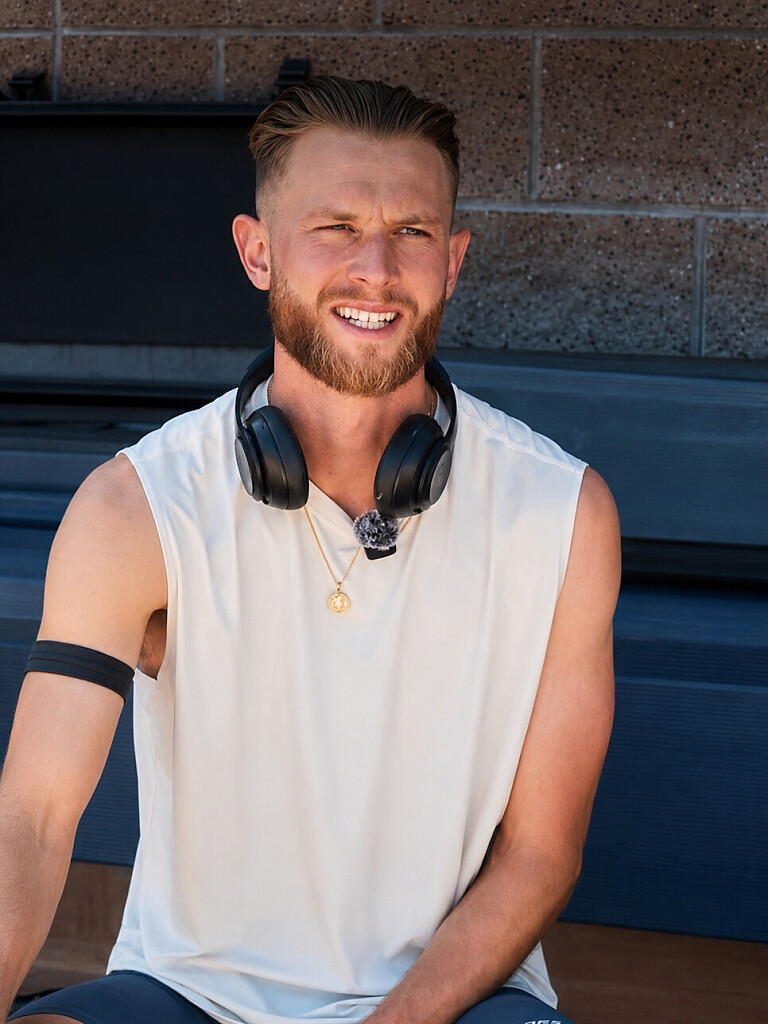
With just three weeks remaining before his bold assault on one of athletics' most revered records, Josh Kerr has sent an unmistakable warning to the running world.

The reigning world champion has revealed that he recently completed a demanding 4,000-metre training session at projected mile world-record pace—and, remarkably, admitted it felt more comfortable than he had anticipated. It is the clearest indication yet that the Scottish star is peaking at precisely the right moment for what could become one of the defining races in modern middle-distance history.
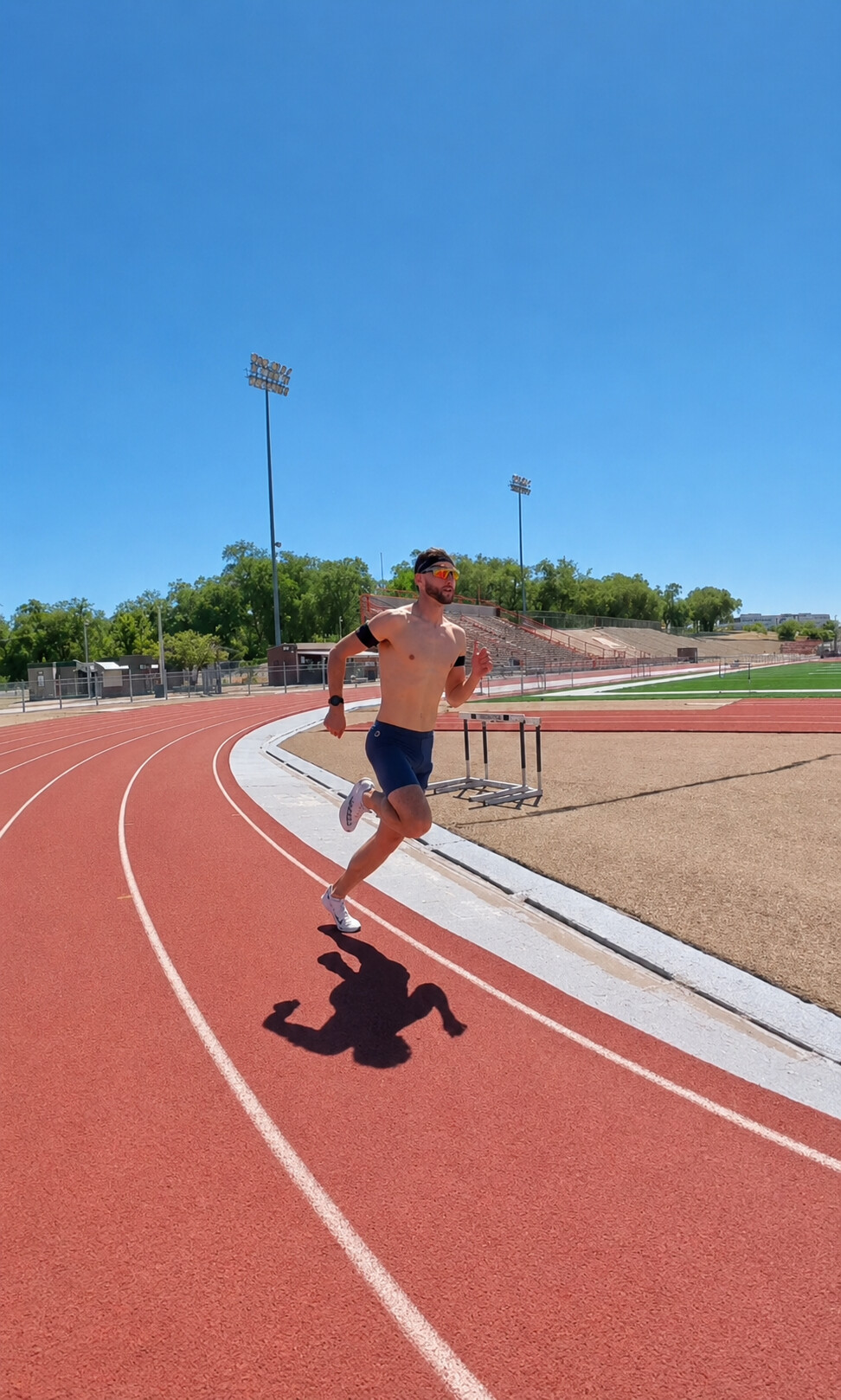
Kerr has set his sights on Hicham El Guerrouj's iconic world record of 3:43.13, established in Rome in 1999. The mark has resisted every challenge for nearly three decades, becoming one of the sport's most enduring achievements. But Kerr is not arriving in London merely hoping to equal history—he wants to rewrite it.
The ambitious campaign has been named "Project 222," a reference to the 222 seconds required to complete the mile in 3:42, a time that would not only eclipse El Guerrouj's legendary performance but establish a new benchmark for the event.
The record attempt is scheduled for Friday, 18 July, at the London Athletics Meet, part of the prestigious Diamond League series. Kerr enters the race already as Britain's record holder with 3:45.34, making him the sixth-fastest miler in history. His latest training session was carefully designed to determine whether he could sustain world-record rhythm over an extended effort—and by every indication, the answer was a resounding yes.
Everything is now falling into place. A packed London stadium is expected to provide a thunderous atmosphere, elite pacemakers have been assembled to deliver the perfect tempo, and Kerr will lace up specially prepared Brooks racing spikes for the occasion.
The ingredients for history are all there.
Now, the athletics world waits to see whether a determined Scotsman can accomplish what no athlete has managed in 27 years—run the fastest mile ever witnessed and usher one of track and field's most iconic records into a new era.
by Erick Cheruiyot for My Best Runs.
Login to leave a comment
Latest Running News
Beneath the Surface: The World's Deepest Marathon Proved the Greatest Triumph Isn't Measured by Time
There were no roaring crowds. No finish-line fanfare. No sweeping landscapes to admire. Not even daylight.
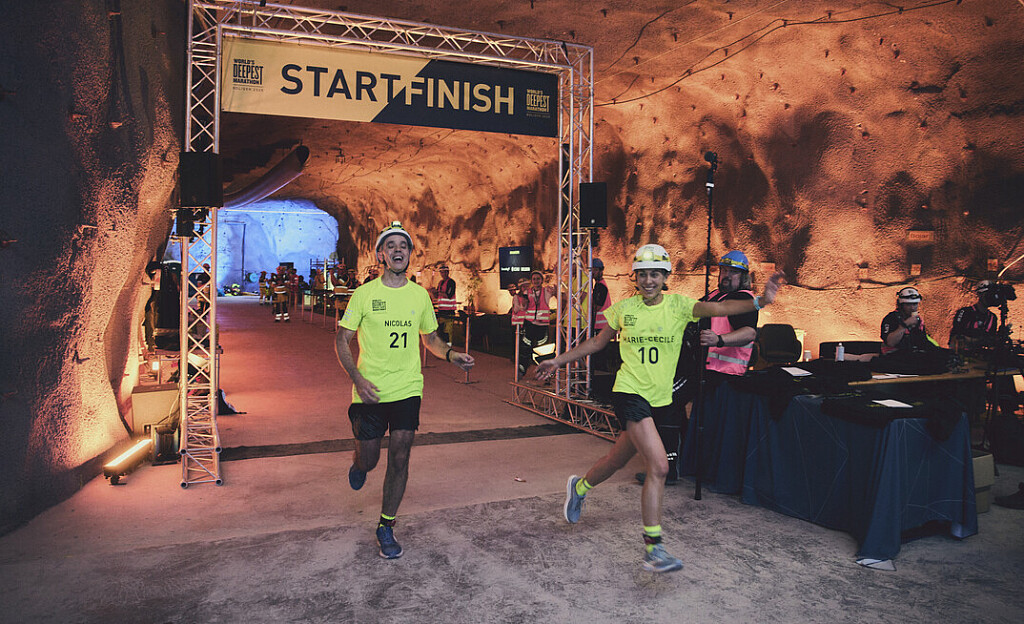
Instead, fifty-five runners descended 1,120 metres below sea level—an astonishing 1,312 metres underground—into Boliden's Garpenberg zinc mine in Sweden to take part in the World's Deepest Marathon, a race unlike any other in history. Staged on October 25, 2025, the remarkable event brought together participants from 18 countries, pushing the boundaries of endurance while rewriting the record books.
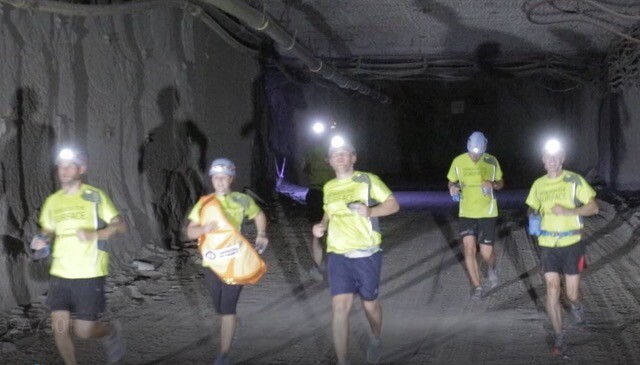
Far removed from the spectacle of traditional marathons, the race unfolded deep within a working mine, where darkness, isolation, and unforgiving conditions replaced the usual excitement of city streets.
The course itself was as extraordinary as the venue. Runners tackled a certified 3.84-kilometre underground tunnel, completing 11 laps to cover the official marathon distance of 42.195 kilometres. Every step was taken in an environment unlike any other, where athletes navigated the pitch-black tunnels wearing helmets and headlamps, relying entirely on artificial light to guide their way.
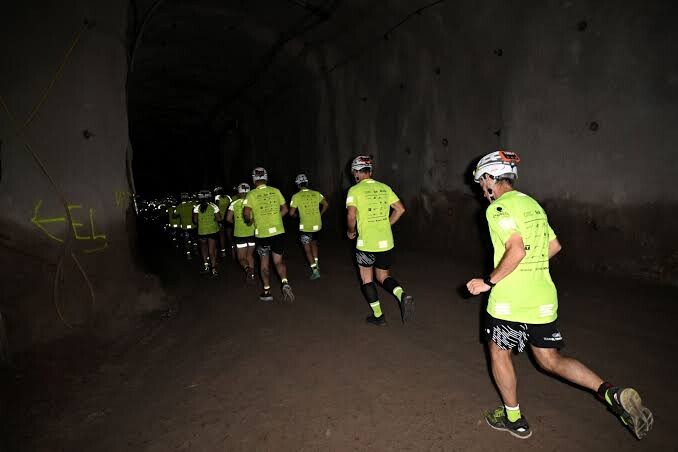
Conditions underground were relentless. Temperatures hovered around 30°C, humidity remained high, and the stillness of the mine created an eerie silence broken only by the sound of footsteps echoing through the tunnels. Dust-filled air and the absence of natural light added another layer of physical and mental challenge, making every kilometre a test of resilience.
The field itself reflected the race's unique spirit. Mining executives, first-time marathoners, and accomplished ultrarunners stood shoulder to shoulder at the start line, united by a shared determination to embrace one of the world's most unconventional endurance challenges.
Remarkably, all 55 runners completed the marathon. The fastest crossed the line in just over three hours, while the final finisher arrived approximately seven hours after the race began. Yet, despite the impressive performances, the event's defining moment had nothing to do with finishing times or records.
Late in the race, one exhausted runner struggled through her final lap, fighting fatigue with every stride. Three athletes who had already completed the marathon noticed her battle. Rather than celebrating their own accomplishments, they turned back into the tunnel and ran the final lap alongside her, offering encouragement until she reached the finish.
They had already finished once.
They chose to finish again.
It was a simple act of selflessness, performed where there were no spectators to applaud and no cameras waiting to capture the moment. Deep underground, where recognition mattered least, the true spirit of distance running shone brightest.
The event also left a lasting legacy beyond personal achievement. The World's Deepest Marathon earned two official Guinness World Records—Deepest Marathon (Individual) and Deepest Underground Marathon Distance Run (Team)—while raising more than US$1 million for charity, proving that the race delivered an impact far beyond the mine itself.
In the end, the world's deepest marathon was about far more than setting records or conquering one of the planet's most unusual race courses. It became a powerful reminder that the greatest victories in sport are often the quietest—found not in medals or headlines, but in the willingness to turn back, lift someone else, and cross the finish line together.
Sometimes, the brightest light in sport shines from the deepest places on Earth.
by Erick Cheruiyot for My Best Runs.
Login to leave a comment
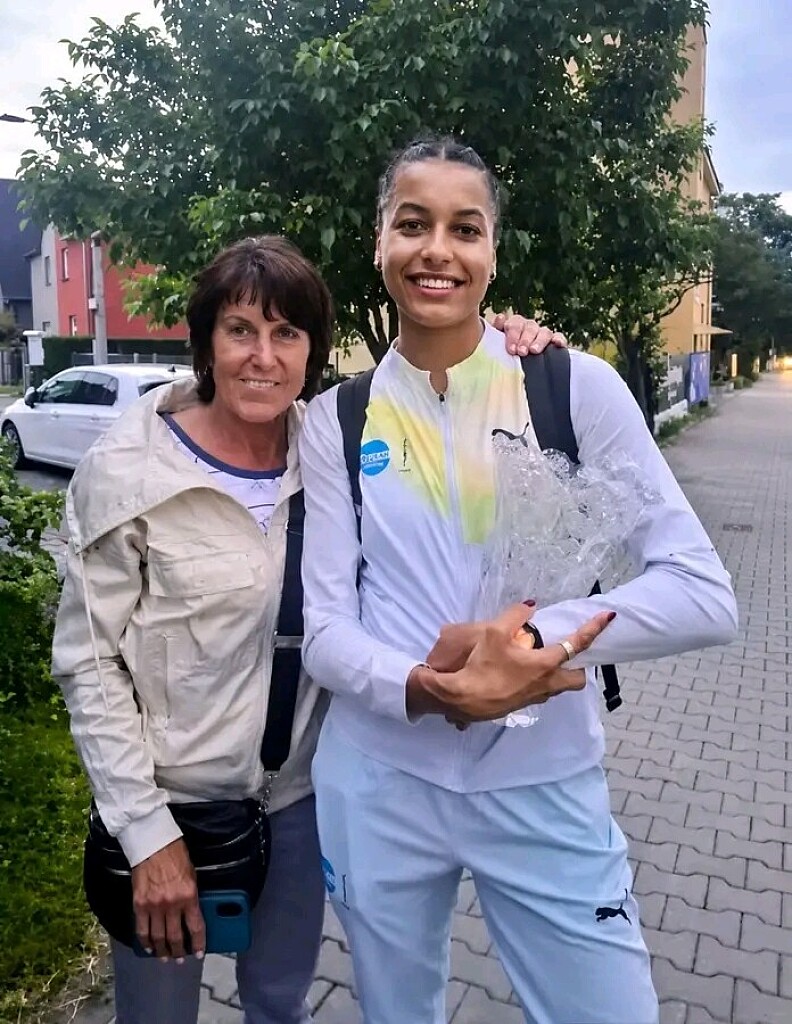
Audrey Werro's Rapid Rise Brings Jarmila Kratochvílová's Historic 800m World Record Into Focus
The women's 800 metres has entered one of its most fascinating chapters in years as rising Swiss sensation Audrey Werro edges ever closer to one of athletics' most enduring records.
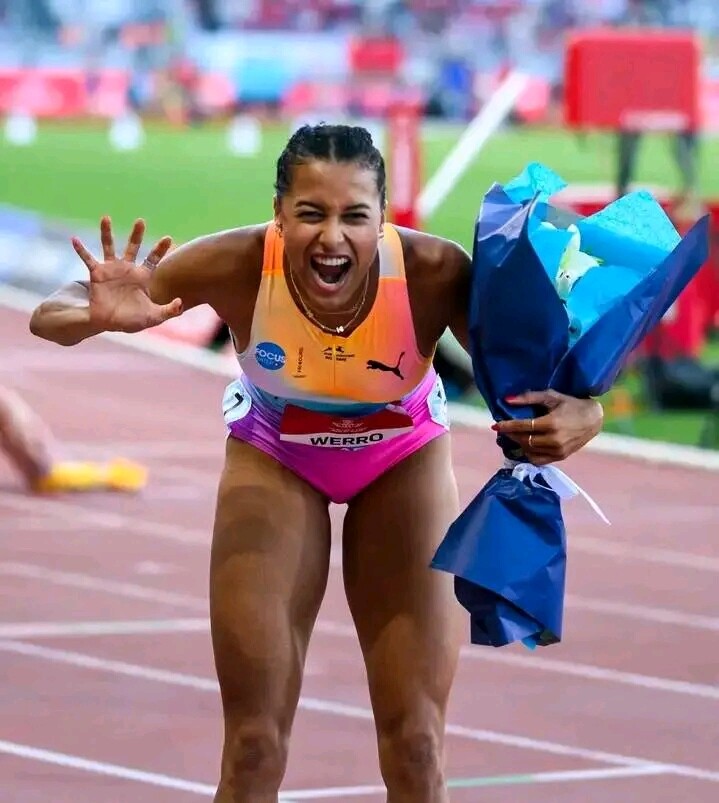
Standing between Werro and history is the remarkable mark of 1:53.28, set by Jarmila Kratochvílová in 1983—a performance that has remained untouched for more than four decades and continues to rank among the oldest world records in track and field.
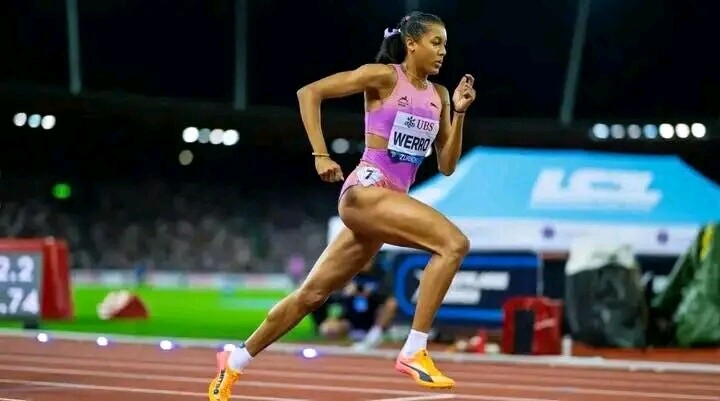
Werro's charge toward history gathered even greater momentum with a breathtaking victory at the Paris Diamond League, where she stormed to a sensational 1:53.80. The performance not only secured the win but also shattered the Diamond League record and meeting record, while establishing a new world-leading time and a Swiss national record. It was a statement performance that confirmed her status as one of the most exciting middle-distance athletes of her generation.
The talented Swiss runner has combined exceptional speed with tactical maturity and remarkable consistency, transforming what once seemed an untouchable world record into a genuine subject of discussion. Every race further strengthens the belief that she possesses the talent and confidence to challenge one of athletics' most enduring marks.
Although Kratochvílová's legendary record still stands, Werro's remarkable progression has reignited anticipation around the women's 800m. Her fearless racing style and relentless improvement have breathed new life into an event that has waited decades for an athlete capable of threatening history.
Whether the historic 1:53.28 falls this season or in the years ahead remains uncertain. What is undeniable, however, is that Audrey Werro has placed herself firmly on the doorstep of greatness, ensuring that every appearance on the track will be watched with growing excitement as the athletics world waits to see whether one of its oldest records can finally be rewritten.
by Erick Cheruiyot for My Best Runs.
Login to leave a comment

Former LSU Sprint Star Godson Oghenebrume Sentenced to 27 Months in U.S. Federal Prison
Nigerian sprint sensation and former LSU standout Godson Oghenebrume has been sentenced to 27 months in federal prison in the United States after being convicted of illegally possessing a firearm while in the country on an F-1 student visa.

The 23-year-old, one of Nigeria's fastest sprinters and the 2024 SEC men's 100m champion, was sentenced in Baton Rouge, Louisiana. Upon completing his prison term, he could also face deportation or removal proceedings under U.S. immigration law.

The conviction stems from an incident on February 7, 2025, when authorities say Oghenebrume possessed and discharged a Glock 43X 9mm pistol, despite federal law prohibiting non-immigrant visa holders from possessing firearms except under limited circumstances.
According to court records, the incident began when the mother of Oghenebrume's infant child arrived at his apartment with the baby while another woman was inside the residence. An argument reportedly erupted outside the apartment, during which Oghenebrume allegedly fired the weapon while the child was present.
Prosecutors stated that after returning inside, another confrontation broke out when the child's mother entered the apartment and encountered Oghenebrume and the other woman. The dispute spilled outside once again, and Oghenebrume allegedly discharged the firearm multiple more times as she fled the scene. Investigators later documented several bullet impacts in the walls of the apartment complex.
Although no fatalities were reported, the incident resulted in federal charges that ultimately led to his conviction and sentencing.
Before his legal troubles, Oghenebrume had established himself as one of the brightest emerging names in sprinting. Representing Louisiana State University (LSU), he captured the 2024 SEC 100m title and recorded a lifetime best of 9.90 seconds, placing him among the fastest Nigerian sprinters in history and marking him as a rising force on the international stage.
The sentence brings an abrupt halt to what had appeared to be a promising athletics career, with the former collegiate star now facing both a prison term and uncertainty over his future in the United States.
by Erick Cheruiyot for My Best Runs.
Login to leave a comment

Valencia Marathon 2026: Can John Korir Challenge the Two-Hour Barrier?
The 2026 Valencia Marathon is already shaping up to be one of the most eagerly anticipated races of the year, with an exceptional men's field confirmed for 6 December. As the countdown begins, one question is capturing the imagination of athletics fans worldwide: Can John Korir become the next man to break the two-hour barrier in an official marathon?
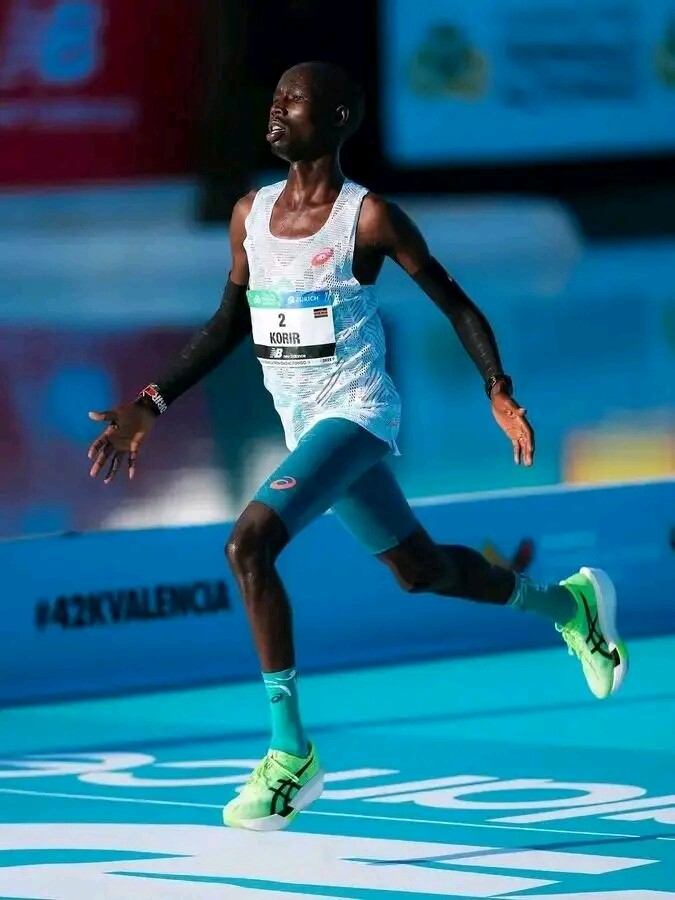
Korir returns to Valencia as the defending champion, having stormed to victory in 2025 with a then-personal best of 2:02:24. Since that triumph, the Kenyan has elevated his career to another level. On 20 April 2026, he delivered a sensational performance at the Boston Marathon, smashing the course record and lowering his lifetime best to 2:01:52. That remarkable run confirmed his status as one of the fastest and most dangerous marathoners in the world.
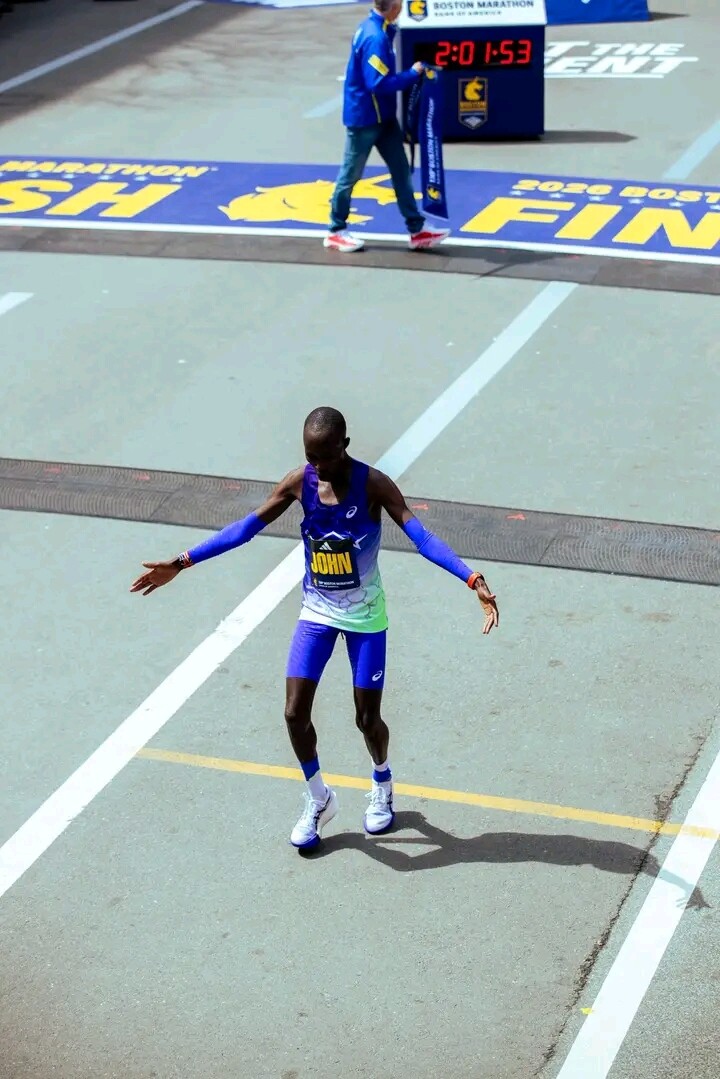
With his confidence soaring and his form peaking, Korir now heads back to the Spanish city where he first announced himself as a Valencia champion. The course's flat profile, cool December conditions and reputation for producing exceptionally fast times make it an ideal venue for another historic performance.
Standing in his way is Ethiopia's Yomif Kejelcha, whose marathon career has begun in spectacular fashion. In April, Kejelcha stunned the athletics world by clocking 1:59:41 on his 26.2-mile debut in London, becoming only the second athlete in history to cover the marathon distance in under two hours. His arrival in Valencia immediately raises the prospect of another record-breaking performance.
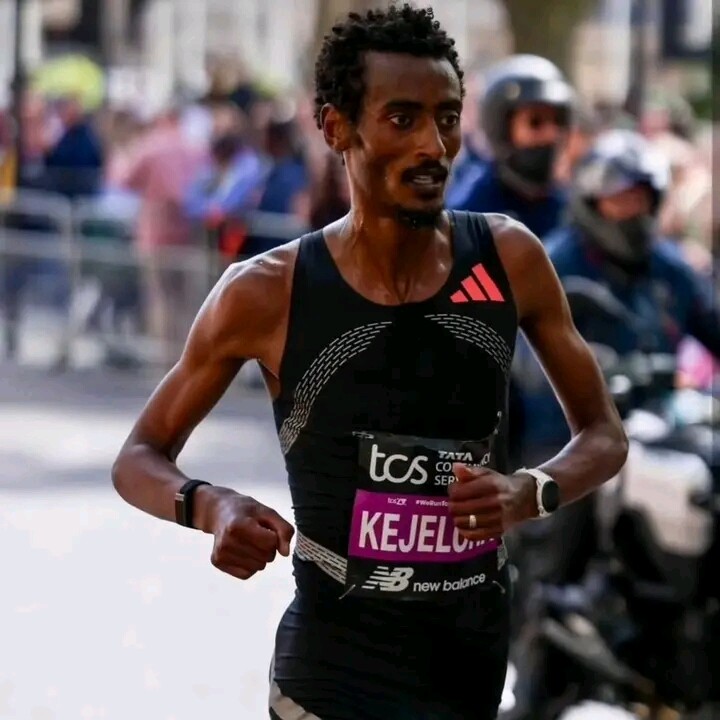
Kejelcha is no stranger to success on Valencia's streets. In 2024, he produced a then-world-record 57:30 to win the Valencia Half Marathon, demonstrating just how perfectly the course suits his aggressive racing style. That previous success makes him one of the leading contenders for marathon victory.
Adding even greater quality to the field is fellow Kenyan Alexander Mutiso, the 2024 London Marathon champion, who owns a personal best of 2:03:11. With three proven world-class athletes lining up, the men's race promises to be one of the strongest marathon contests of the season.
While breaking the two-hour barrier in an official marathon remains one of the greatest challenges in athletics, Valencia has built a reputation as a stage where extraordinary performances become reality. If the pace is relentless and the weather cooperates, fans could witness one of the fastest marathons ever run.
On 6 December, the streets of Valencia will host far more than a battle for victory. They will provide the stage for a fascinating showdown between defending champion John Korir, the explosive Yomif Kejelcha, and Alexander Mutiso—a clash that could redefine the limits of marathon running.
by Erick Cheruiyot for My Best Runs.
Login to leave a comment

VALENCIA TRINIDAD ALFONSO
The Trinidad Alfonso EDP Valencia Marathon is held annually in the historic city of Valencia which, with its entirely flat circuit and perfect November temperature, averaging between 12-17 degrees, represents the ideal setting for hosting such a long-distance sporting challenge. This, coupled with the most incomparable of settings, makes the Valencia Marathon, Valencia, one of the most important events in...
more...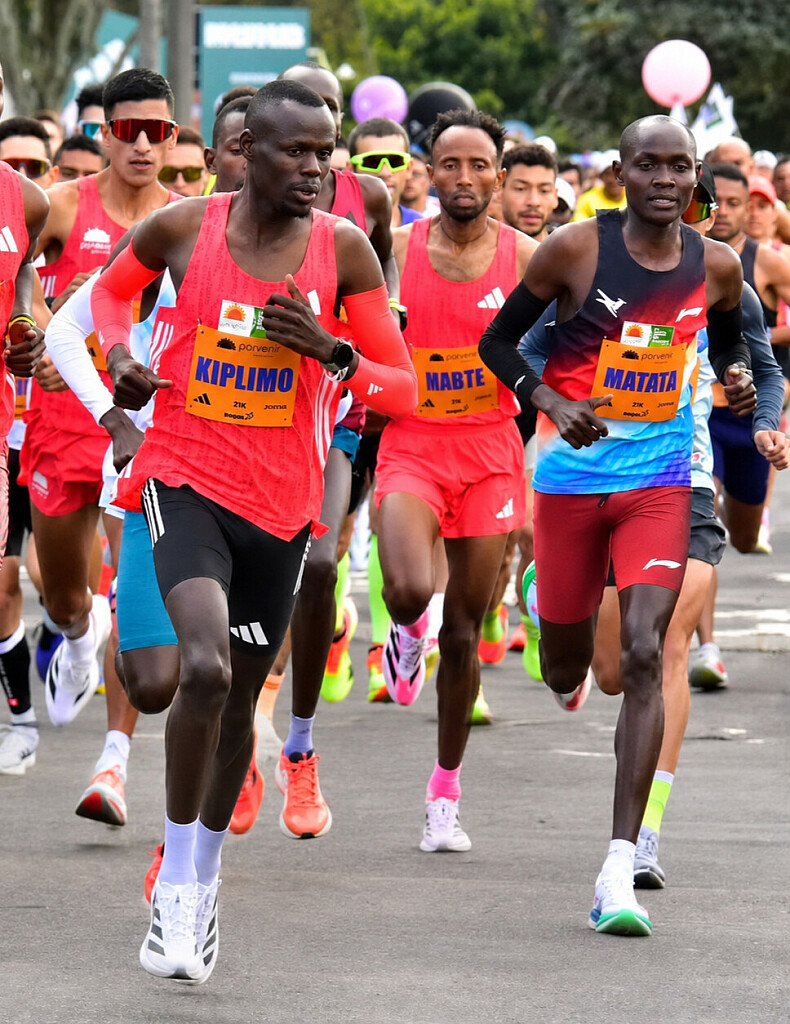
Elite International Field Confirmed for 2026 Bogotá Half Marathon
The stage is set for another thrilling edition of the Bogotá Half Marathon, with race organisers unveiling a world-class elite field for the 2026 event, scheduled for 26 July in Bogotá, Colombia.
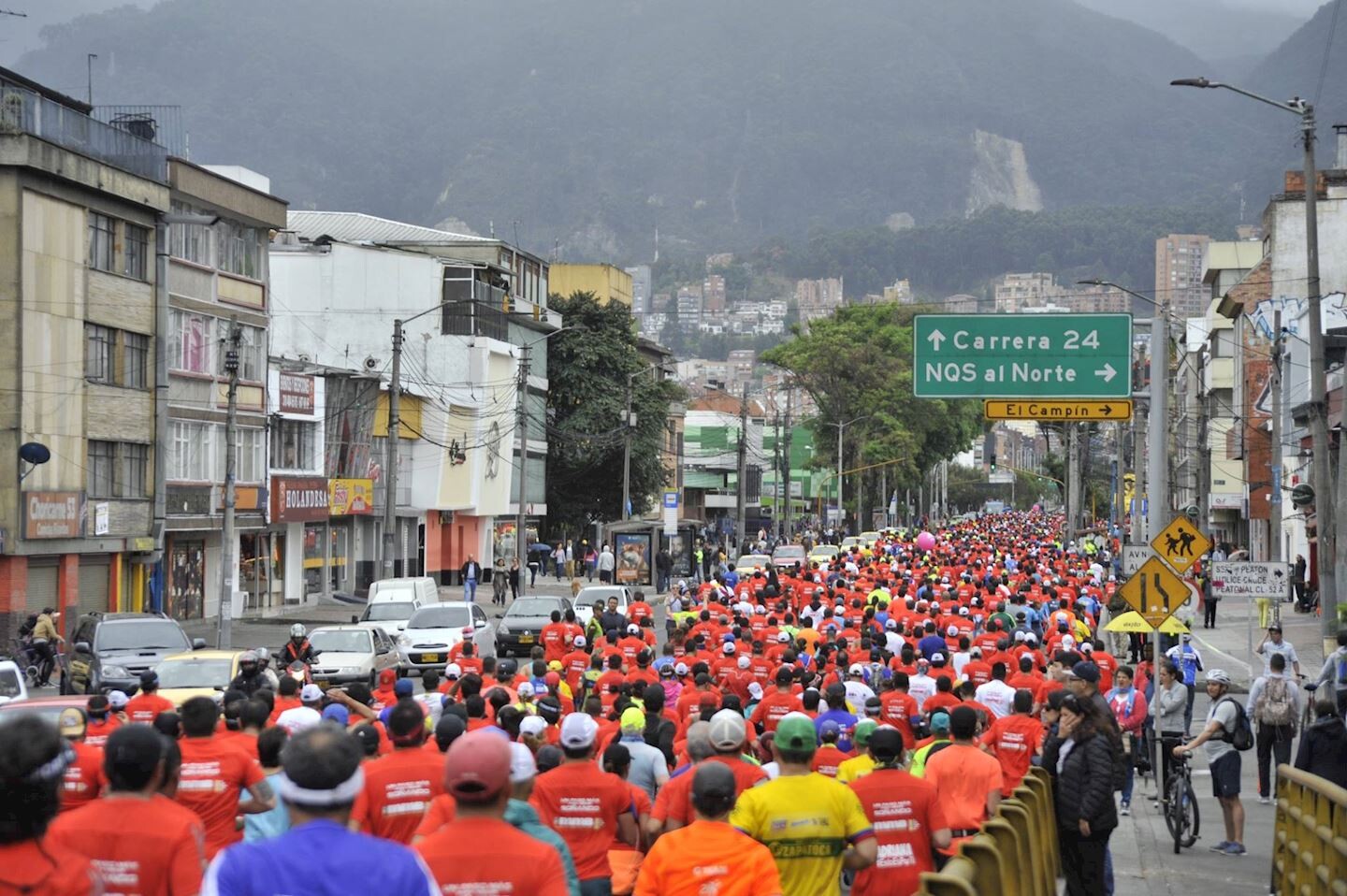
Athletes from across the globe are expected to converge on the Colombian capital for one of South America's most prestigious road races, setting the scene for an intense battle on Bogotá's challenging high-altitude course.
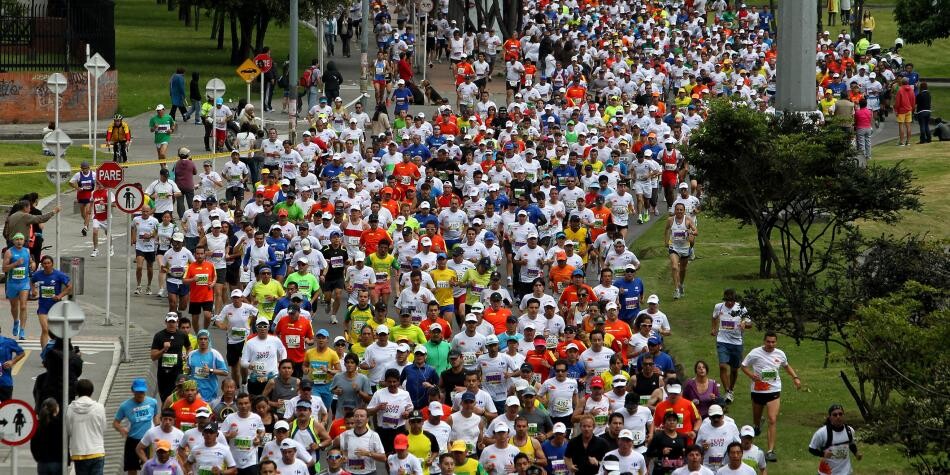
Among the standout names in the men's field is Philemon Kiplimo, whose exceptional personal best of 58:11 makes him one of the fastest athletes confirmed for the race. He is joined by Charles Matata (59:15), Gideon Kiprop (59:20) and Erick Sang (59:38), adding further quality to an already stacked international lineup.
While the Kenyan quartet arrives with impressive credentials, they will face strong opposition from elite runners representing other nations, ensuring the race is far from a one-country contest. The diverse field promises a fascinating clash of styles, experience and tactics as athletes chase victory through the streets of Bogotá.
Renowned for its altitude of more than 2,600 metres above sea level, the Bogotá Half Marathon has long been regarded as one of the most demanding races on the international road-running calendar. Success on this course requires not only speed but also exceptional endurance, patience and race management.
With proven performers and emerging talents from around the world set to take their places on the start line, the 2026 Bogotá Half Marathon is shaping up to deliver another memorable chapter in the event's rich history. Fans can look forward to a captivating contest as some of the world's finest distance runners battle for top honours in Colombia.
by Erick Cheruiyot for My Best Runs.
Login to leave a comment

Bogota Half Marathon
The Bogotá International Half Marathon, or mmB as it is traditionally known, is an annual road running competition over a half marathon distance 21.0975 kilometres (13.1094 mi) taking place in Bogotá, Colombia in late July or early August. Established in 2000, it holds IAAF Gold Label Road Race status, making it the first and thus far only South American race...
more...