

Running News Daily
Running News Daily is edited by Bob Anderson and team. Send your news items to bob@mybestruns.com Advertising opportunities available.
Index to Daily Posts · Sign Up For Updates · Run The World Feed
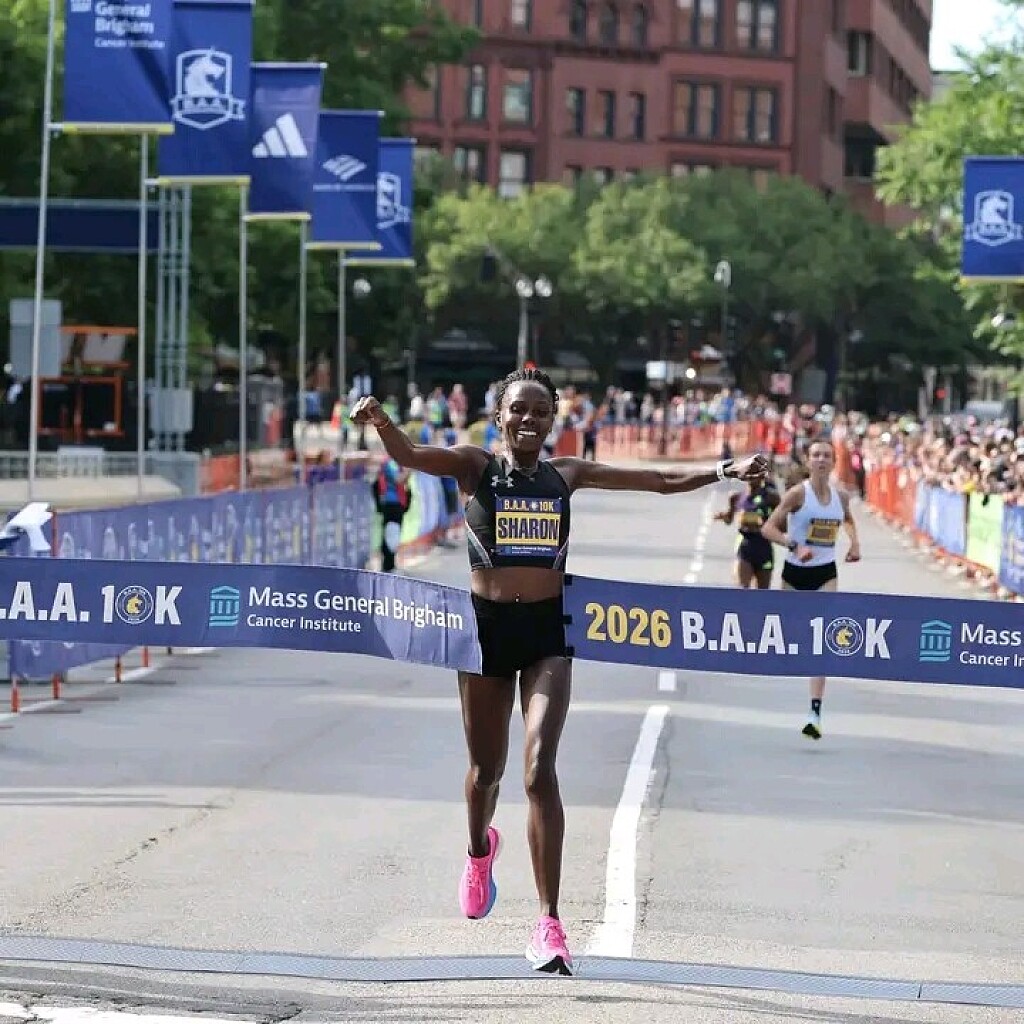


Sharon Lokedi Retains B.A.A. 10K Title in Thrilling Boston Contest

The 2026 B.A.A. 10K delivered one of the closest finishes of the road racing season as Sharon Lokedi successfully defended her title in a fiercely contested race through the streets of Boston.
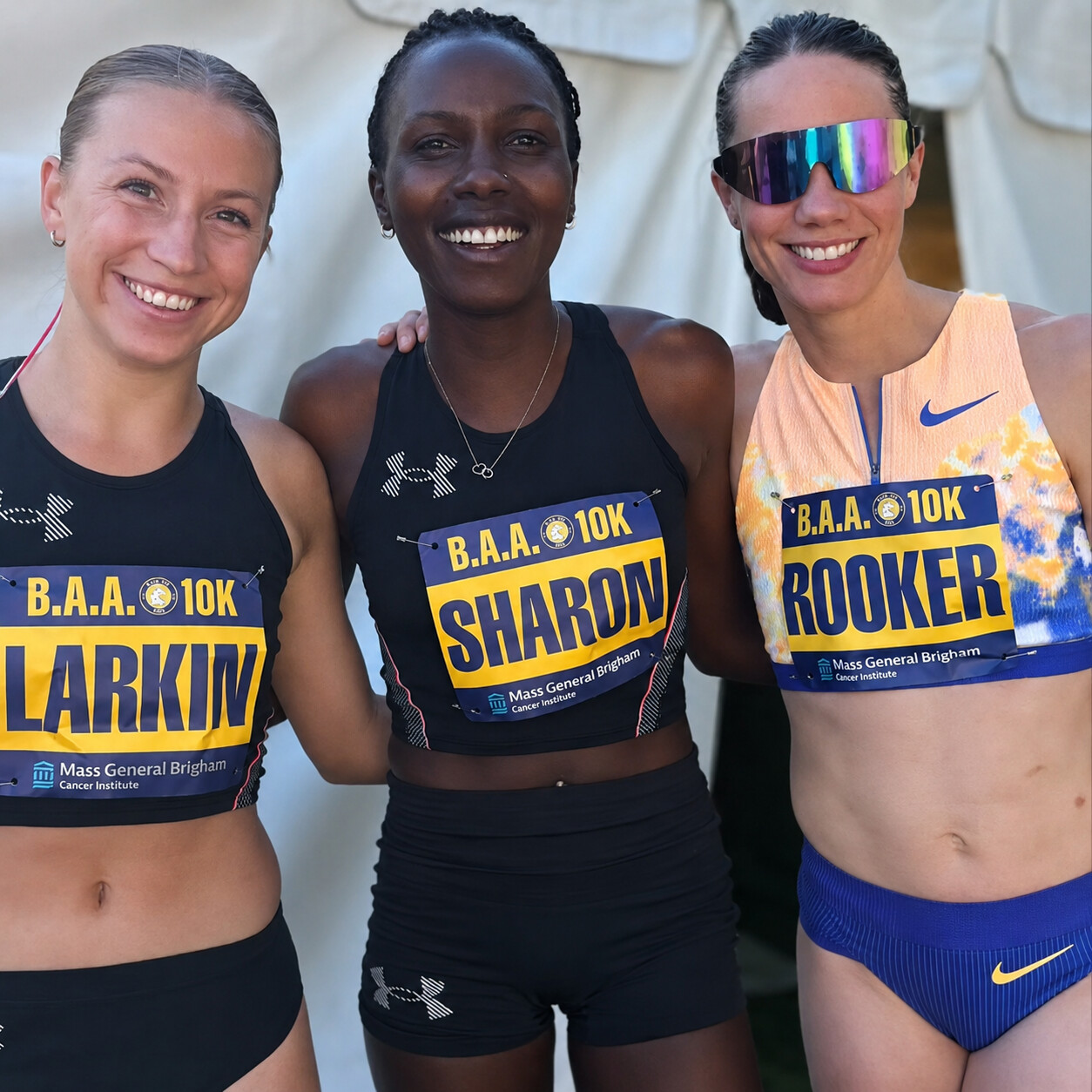
Lokedi crossed the finish line in 31:27, securing back-to-back victories at the prestigious event after another display of patience, strength, and tactical excellence. However, the outcome remained uncertain until the closing stages as a tightly packed lead group battled for every second.
American runner Rachael Rudel finished just four seconds behind the winner in 31:31, producing a strong performance that kept the race alive deep into the final kilometres. Close behind was Veronica Loleo, who claimed third place in 31:33 after a determined effort that saw her remain in contention throughout the race.
Women's Top Three
1. Sharon Lokedi (Kenya) – 31:27
2. Rachael Rudel (USA) – 31:31
3. Veronica Loleo (Kenya) – 31:33
With only six seconds separating the three athletes on the podium, the race showcased the exceptional depth and competitiveness currently present in women's road running.
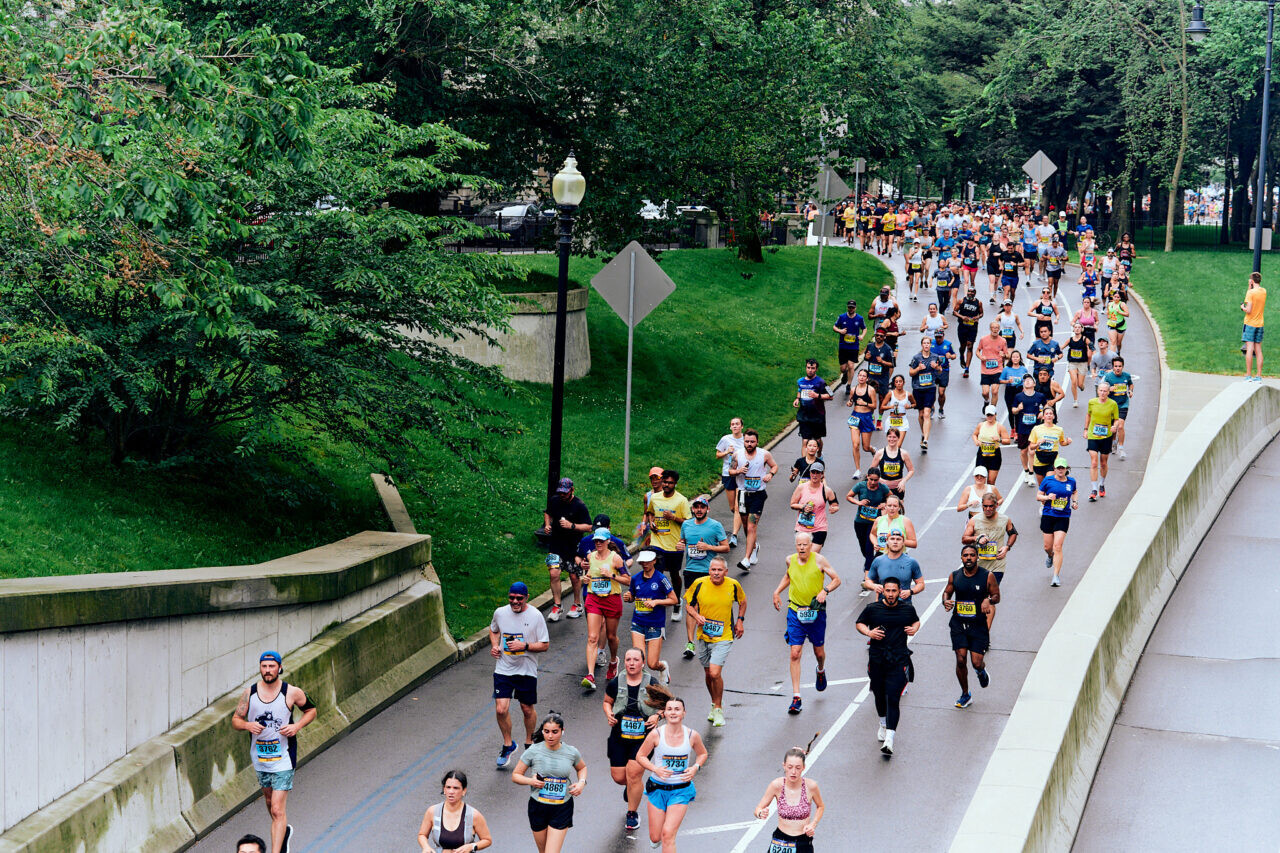
The event unfolded at a relentless pace, with several athletes remaining in contention well into the latter stages. As the field approached the decisive moments, Lokedi found the extra strength needed to create a small but crucial advantage, holding off the challenges behind her to successfully defend her crown.
For Loleo, the podium finish marked another significant achievement on the international stage, while Rudel's runner-up performance demonstrated the growing strength of American distance running in major road races.
The narrow margins at the finish reflected the quality of the competition and provided spectators with an exciting conclusion to one of the premier road racing events on the calendar.
In the end, it was Lokedi who emerged victorious once again, but the 2026 B.A.A. 10K will be remembered as a race defined by depth, drama, and a thrilling battle among three outstanding athletes.
by Erick Cheruiyot for My Best Runs.
Login to leave a comment

B.A.A. 10K
The 6.2-mile course is a scenic tour through Boston's Back Bay. Notable neighborhoods and attractions include the legendary Bull and Finch Pub, after which the television series "Cheers" was developed, the campus of Boston University, and trendy Kenmore Square. ...
more...Latest Running News
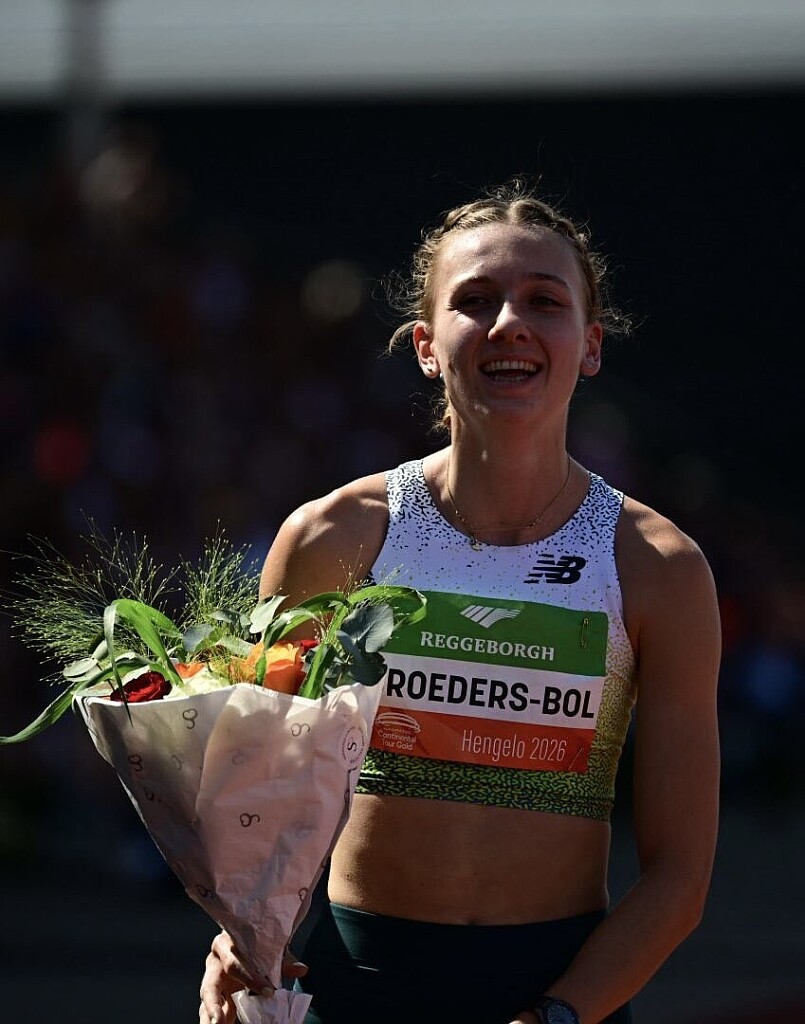
Femke Bol Gives Hengelo an Afternoon to Remember with Emotional 800m Victory
Some performances are measured by the stopwatch. Others are measured by the emotions they leave behind.
At the FBK Games in Hengelo, Dutch star Femke Bol produced the latter.
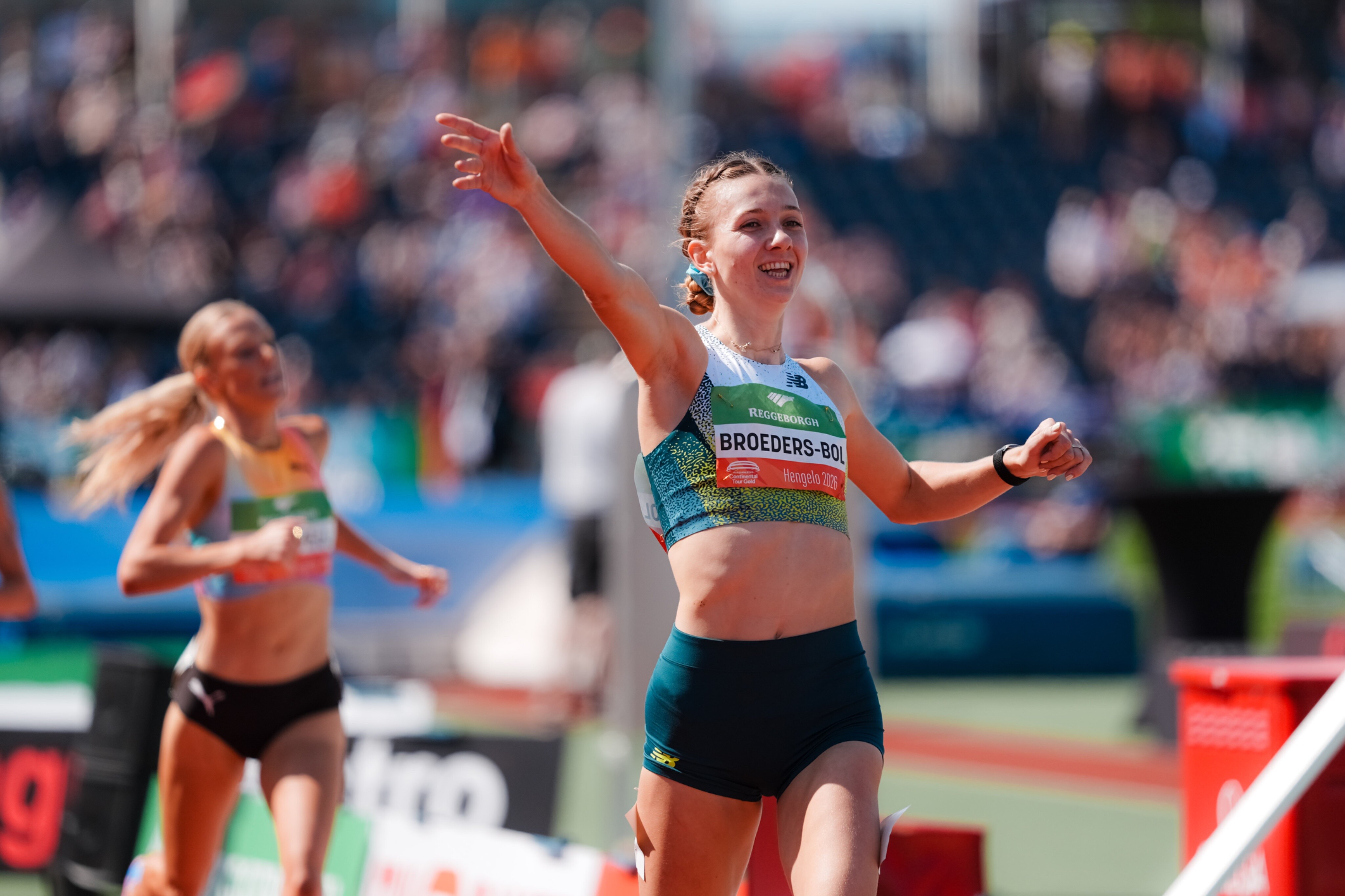
Her winning time of 1:57.41 in the women's 800m may not threaten any world records, nor will it dominate discussions about the fastest times in history. Yet for the thousands packed inside the stadium, it was a performance that felt every bit as special.
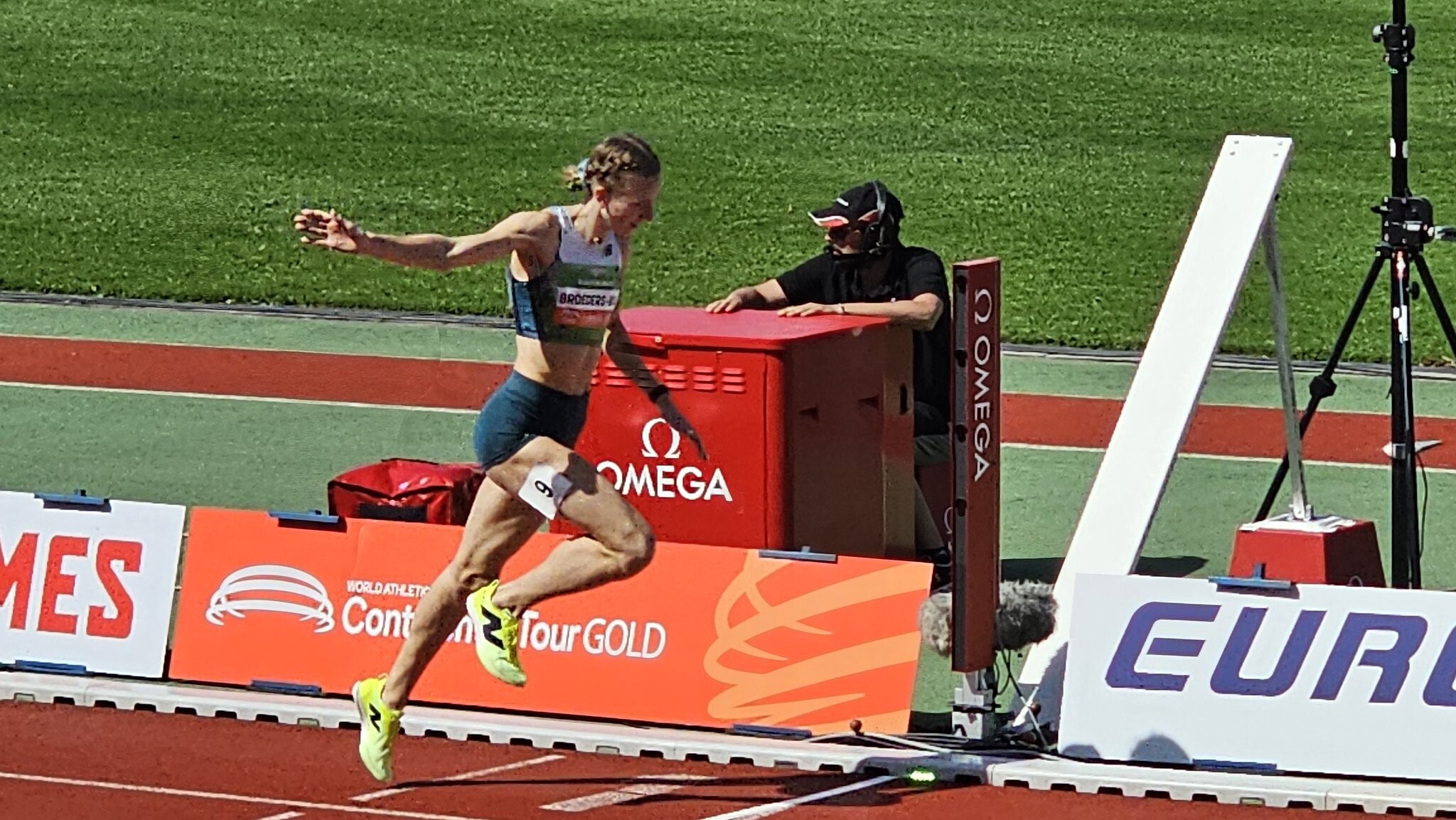
Competing on home soil, Bol carried the hopes and expectations of an adoring crowd. The Dutch superstar responded in the way champions often do—by delivering when it mattered most. As she surged down the home straight, the roar from the stands grew louder with every stride, transforming an ordinary race into an unforgettable afternoon.
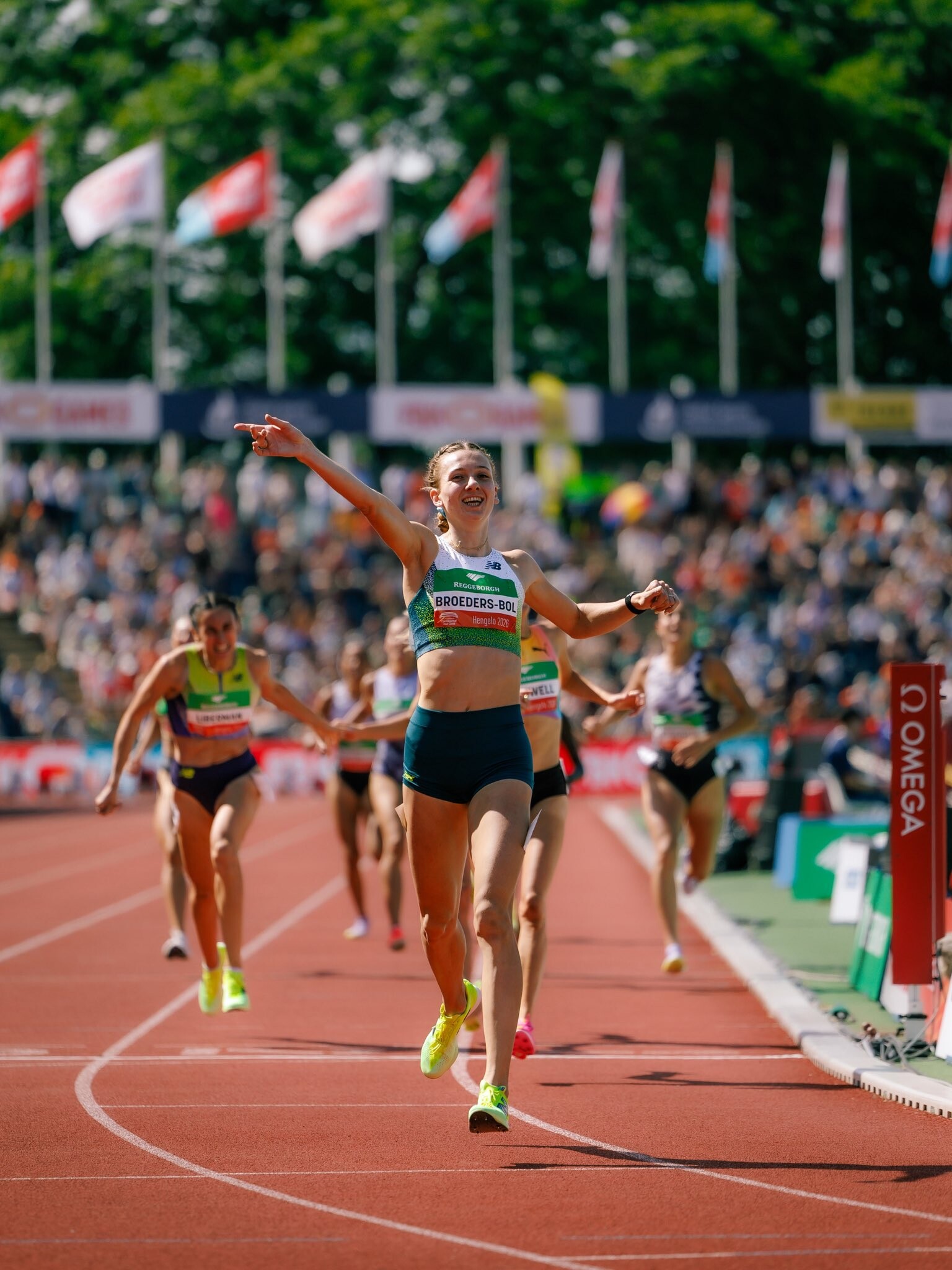
The result was about far more than numbers on a clock. It was about connection. It was about an athlete giving her supporters something to celebrate and a crowd lifting one of their own to victory.
Bol crossed the finish line in 1:57.41, securing the win and igniting scenes of joy around the stadium. While faster times have been recorded in the history of the event, few victories have carried such emotional weight.
The race served as a reminder that athletics is not always defined by records and statistics. Sometimes the most memorable moments come when an athlete and a crowd share an experience that transcends the result itself.
For Femke Bol, Hengelo became one of those afternoons.
The clock showed 1:57.41. The atmosphere, however, told a much bigger story.
Not every victory needs to be the fastest. Some victories simply need to mean the most.
by Erick Cheruiyot for My Best Runs.
Login to leave a comment
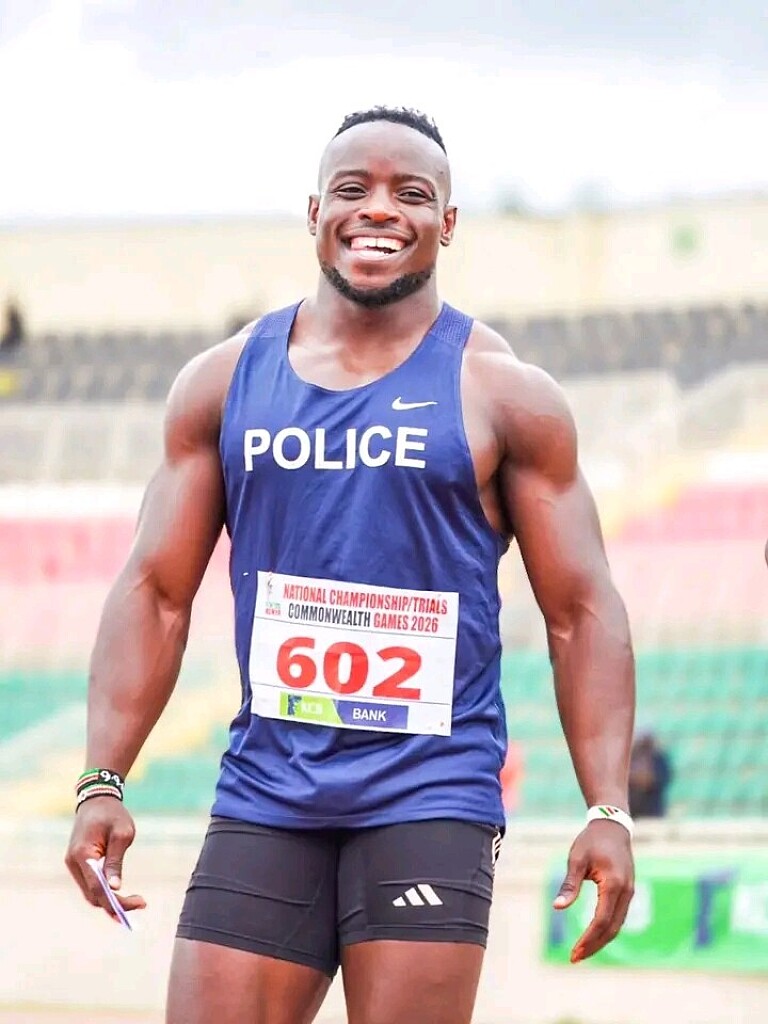
Ferdinand Omanyala Chasing History: Kenyan Sprint King Sets His Sights on a Commonwealth Games Record
Kenya’s sprint sensation Ferdinand Omanyala has never hidden his ambitions, but his latest declaration may be his boldest yet. After securing his place in the men's 100m at the 2026 Commonwealth Games, the African record holder has made it clear that he is not travelling to Glasgow simply to compete—he is going there to make history.
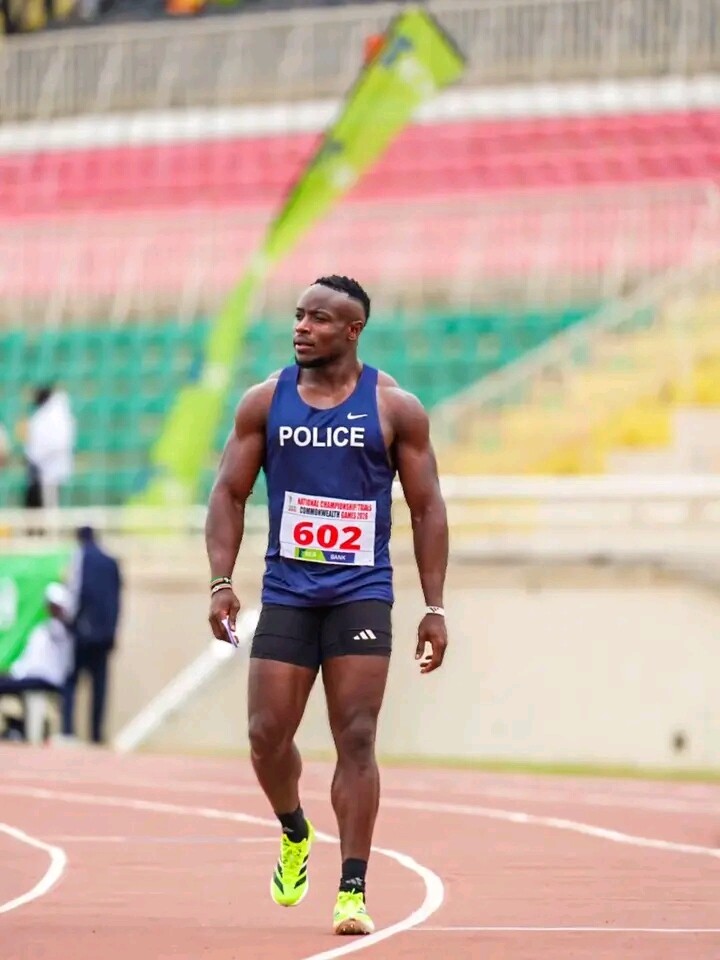
Speaking after booking his ticket to Scotland, Omanyala revealed the driving force behind his campaign.
"I am excited about the Commonwealth Games. There’s nothing that’s taking me there apart from history. I want to be the first African to win it twice. That’s the history I am chasing."
Those words reflect the mindset of an athlete who has already transformed African sprinting and now stands on the brink of another historic milestone.
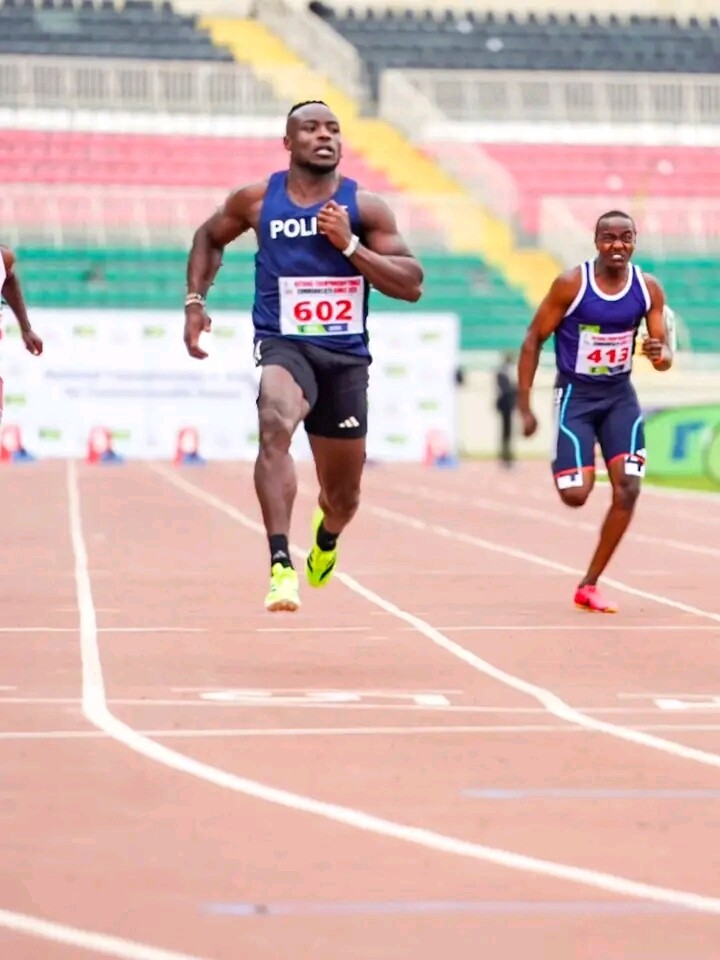
The 2026 Commonwealth Games, scheduled for July 23 to August 2 in Glasgow, Scotland, will provide Omanyala with an opportunity to achieve something no African sprinter has accomplished before—capture two Commonwealth Games 100m titles.
The Kenyan star first etched his name into the history books when he stormed to gold in Birmingham in 2022, ending decades of dominance by athletes from traditional sprinting powerhouses and proving that Africa could produce world-class champions in the shortest event on the track. That victory was more than a personal triumph; it was a defining moment for African athletics.
Four years later, the challenge is even greater.
The sprint landscape has become increasingly competitive, with emerging talents from across the globe eager to dethrone established champions. Yet Omanyala remains one of the most feared names in the event. His explosive starts, powerful acceleration, and ability to deliver under pressure have consistently placed him among the world's elite.
For the 29-year-old, Glasgow represents far more than another championship appearance. It is an opportunity to cement a legacy that extends beyond medals and records. A successful title defence would elevate him into a category occupied by only a select few sprint legends and further strengthen his status as one of Africa’s greatest-ever sprinters.
The journey to Glasgow will demand months of intense preparation, discipline, and consistency. But if Omanyala's career has demonstrated anything, it is his willingness to embrace ambitious targets and pursue them relentlessly.
As the countdown to the 2026 Commonwealth Games begins, the Kenyan speedster is focused on a singular mission. Not simply to win, but to carve out a piece of history that could stand for generations.
For Ferdinand Omanyala, Glasgow is not just another destination on the athletics calendar. It is the stage where history awaits—and where one of Africa's fastest men hopes to become its first two-time Commonwealth Games 100m champion.
by Erick Cheruiyot for My Best Runs.
Login to leave a comment
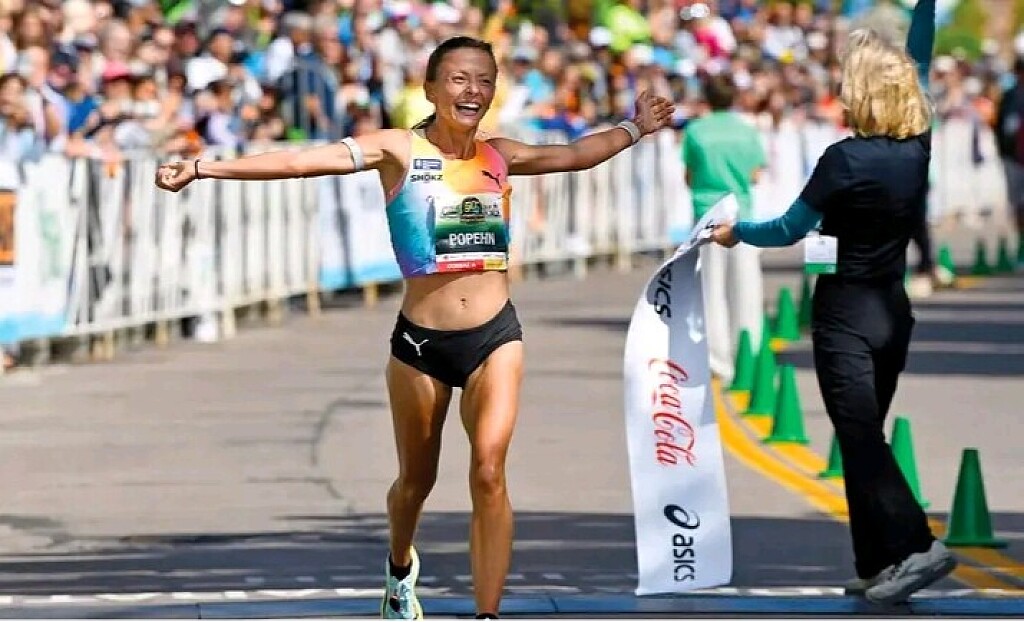
Dakotah Popehn Delivers Historic Triple Crown as Home-State Star Triumphs at Grandma’s Marathon
The 50th edition of Grandma’s Marathon produced another unforgettable chapter in its rich history on Saturday morning, as hometown favorite Dakotah Popehn thrilled thousands of spectators by claiming a remarkable third career title along the iconic shores of Lake Superior.
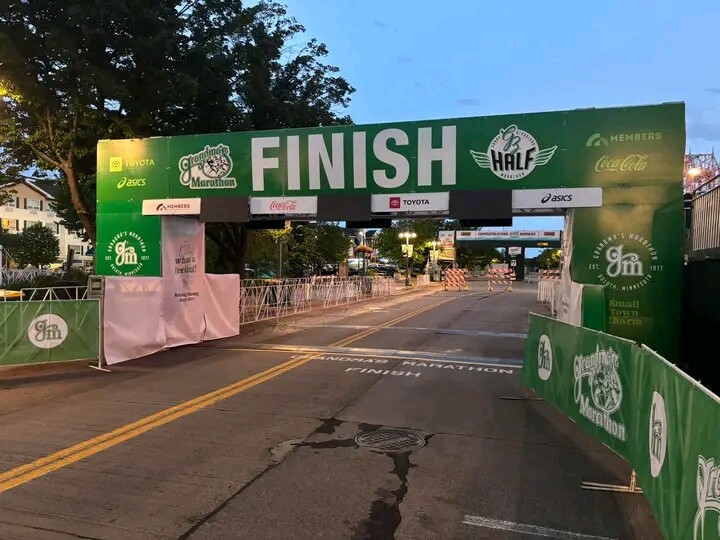
Under cool, humid conditions that provided an ideal stage for fast racing, the elite women’s field engaged in a captivating battle from Two Harbors to the finish line at Canal Park in Duluth. The race remained tightly contested deep into the final miles before Popehn showcased her experience, strength, and tactical brilliance to break away when it mattered most.
Roared on by passionate Minnesota supporters lining the course, the U.S. Olympian surged clear in the closing stages to cross the finish line in 2:28:51. The victory elevated Popehn into an exclusive group of women who have won Grandma’s Marathon three times, further cementing her place among the event’s all-time greats.
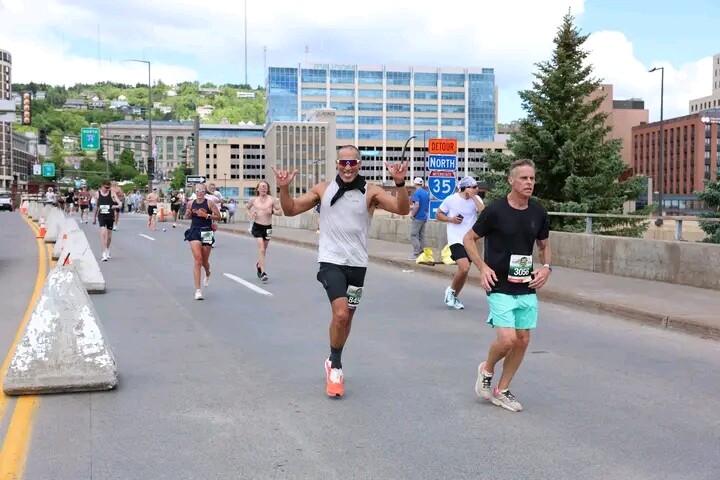
The race was far from straightforward. Ethiopia’s Bashanke Bilo delivered an outstanding performance in her North American marathon debut, staying within striking distance of the lead for much of the contest. Despite her determined challenge, she ultimately finished second in an impressive 2:29:36.
Completing the podium was Chicago’s Jane Bareikis, whose strong and consistent run earned her third place in 2:30:23 after a spirited effort throughout the demanding 26.2-mile journey.
Behind the leading trio, several American athletes produced notable performances. Mary van Laarhoven secured fourth place in 2:32:40, while Hannah Branch rounded out the top five with a time of 2:34:03. Annmarie Tuxbury, Sarah Czuprynski, Shalaya Kipp, Jennifer Pope, and Shannon Smith completed the top ten in a highly competitive women’s field.
Women's Top 10 Results – Grandma’s Marathon 2026
1. Dakotah Popehn (USA) – 2:28:51
2. Bashanke Bilo (Ethiopia) – 2:29:36
3. Jane Bareikis (USA) – 2:30:23
4. Mary van Laarhoven (USA) – 2:32:40
5. Hannah Branch (USA) – 2:34:03
6. Annmarie Tuxbury (USA) – 2:35:00
7. Sarah Czuprynski (USA) – 2:35:36
8. Shalaya Kipp (USA) – 2:36:58
9. Jennifer Pope (USA) – 2:37:59
10. Shannon Smith (USA) – 2:38:24
As Grandma’s Marathon celebrated its golden anniversary, the women’s race provided a fitting showcase of courage, tactical excellence, and perseverance. Yet the day ultimately belonged to Dakotah Popehn, whose unforgettable performance transformed a hometown dream into a historic triumph.
With her third Grandma’s Marathon crown secured, Popehn’s name is now permanently woven into the fabric of one of America’s most celebrated road races—a champion once again, and a legend forever.
by Erick Cheruiyot for My Best Runs.
Login to leave a comment

Grandmas Marathon
Grandma's Marathon began in 1977 when a group of local runners planned a scenic road race from Two Harbors to Duluth, Minnesota. There were just 150 participants that year, but organizers knew they had discovered something special. The marathon received its name from the Duluth-based group of famous Grandma's restaurants, its first major sponsor. The level of sponsorship with the...
more...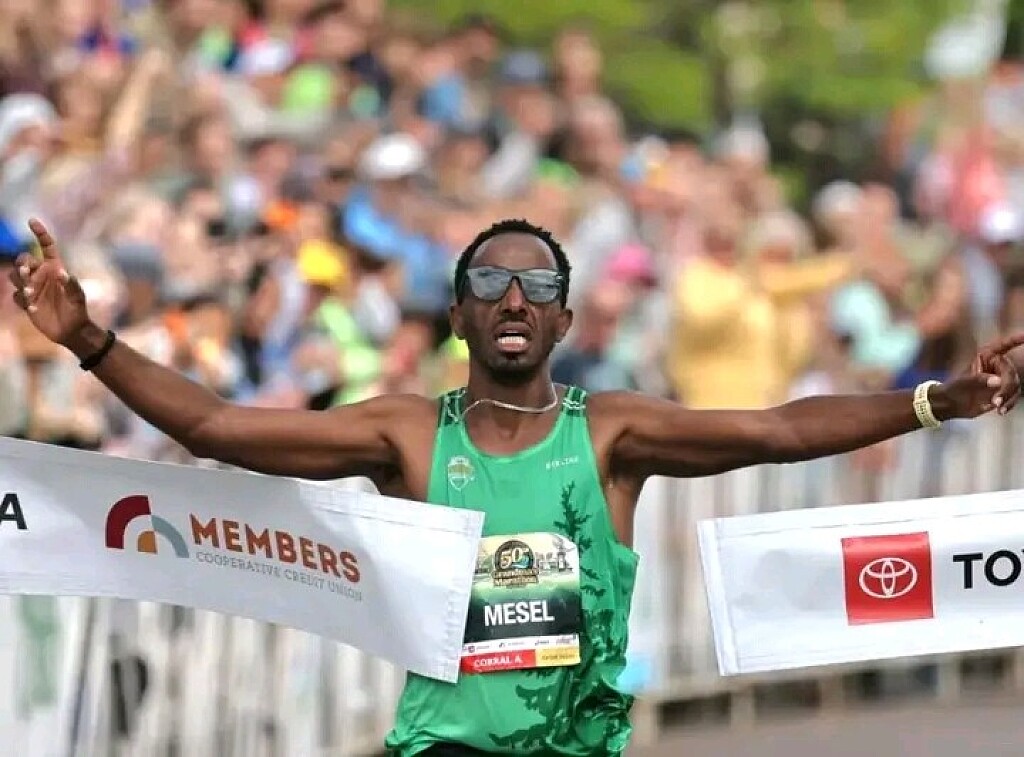
Amanuel Mesel Makes History at Grandma’s Marathon with Landmark Victory for Eritrea
The 50th edition of Grandma’s Marathon delivered a memorable chapter in long-distance running history on Saturday morning as Eritrea’s Amanuel Mesel stormed to victory in Duluth, becoming the first athlete from his nation to win the prestigious race.
Set against the breathtaking backdrop of Lake Superior, the iconic course from Two Harbors to Duluth provided ideal racing conditions for both elite athletes and thousands of recreational runners celebrating the event’s golden jubilee. Cool temperatures and calm weather created the perfect stage for a fiercely contested battle among the men's elite field.
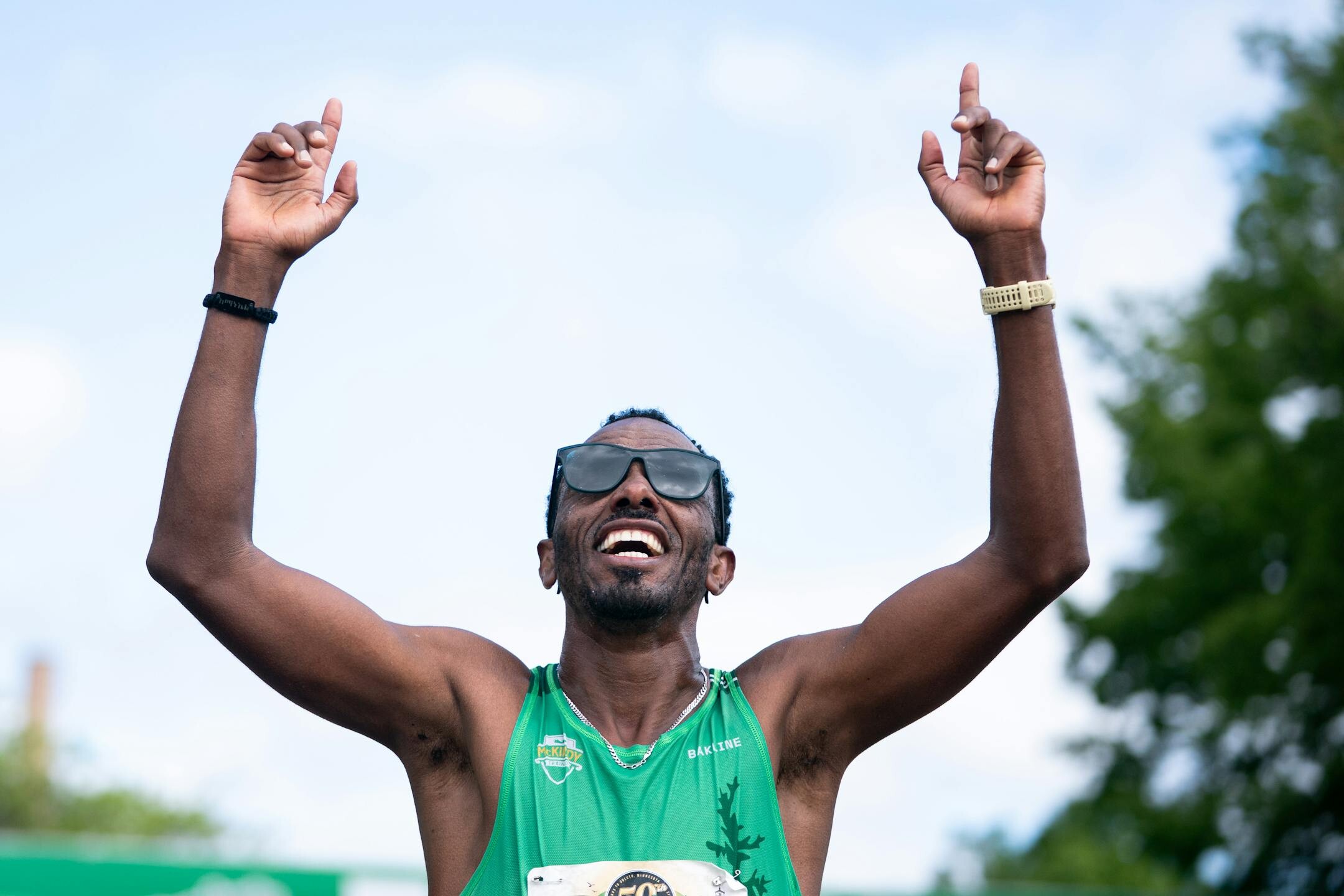
At 35 years old, Mesel demonstrated experience, patience, and tactical brilliance as he emerged from a tightly packed lead group to claim victory in 2:11:21. His triumph was more than just a personal achievement—it marked a historic breakthrough for Eritrean athletics at one of North America's most respected marathons.
Kenya’s veteran marathoner Elisha Barno, 41, fought courageously throughout the race and secured second place in 2:12:50 after remaining in contention deep into the closing stages. Ethiopia’s Getinet Gedamu completed the podium in 2:13:03, capping off a highly competitive East African sweep of the top three positions.
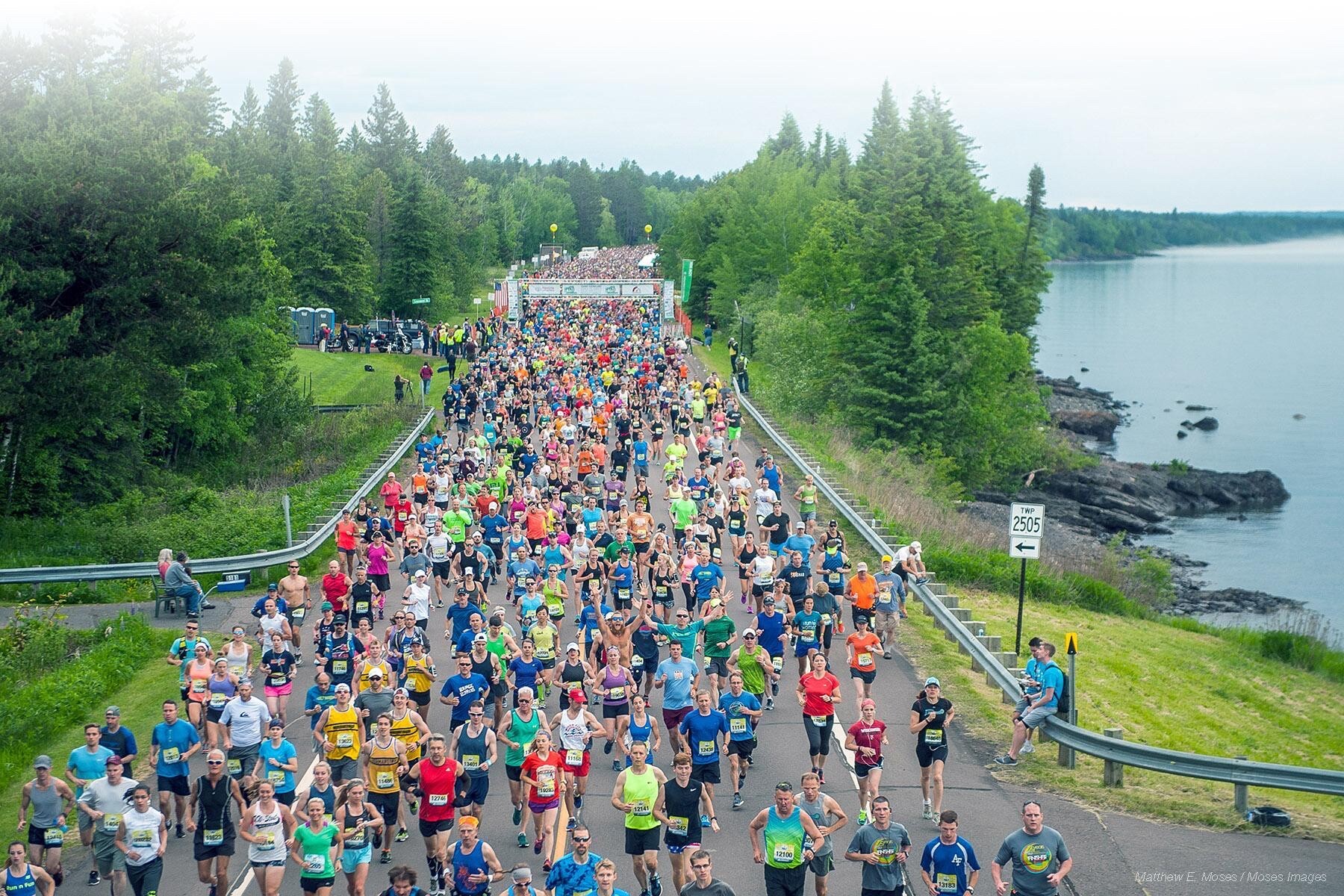
The race remained remarkably close from start to finish, with several athletes separated by only seconds as they approached the final miles. In one of the tightest finishes in recent Grandma’s Marathon history, the fourth through sixth-place finishers crossed the line within just six seconds of one another, highlighting the extraordinary depth of the field.
Kenya’s Milton Rotich narrowly missed the podium, finishing fourth in 2:13:04, while Americans Will Norris and Joseph Whelan impressed on home soil with fifth and sixth-place finishes respectively. Fellow Kenyans Benard Rotich and Sammy Rotich also secured top-ten positions, while Ethiopia’s Mohammed Bati and American Dillon Maggard rounded out the leading ten.
Men’s Top 10 Results – Grandma’s Marathon 2026
1. Amanuel Mesel (Eritrea) – 2:11:21
2. Elisha Barno (Kenya) – 2:12:50
3. Getinet Gedamu (Ethiopia) – 2:13:03
4. Milton Rotich (Kenya) – 2:13:04
5. Will Norris (USA) – 2:13:08
6. Joseph Whelan (USA) – 2:13:10
7. Benard Rotich (Kenya) – 2:13:30
8. Mohammed Bati (Ethiopia) – 2:13:38
9. Sammy Rotich (Kenya) – 2:14:13
10. Dillon Maggard (USA) – 2:14:42
As the sun rose over Minnesota’s North Shore, the 50th Grandma’s Marathon delivered everything fans could hope for—historic achievement, dramatic competition, and a new champion whose name will forever be etched into the race’s rich legacy. For Amanuel Mesel, it was a victory years in the making. For Eritrea, it was a milestone moment that will be celebrated for generations.
by Erick Cheruiyot for My Best Runs.
Login to leave a comment
Grandmas Marathon
Grandma's Marathon began in 1977 when a group of local runners planned a scenic road race from Two Harbors to Duluth, Minnesota. There were just 150 participants that year, but organizers knew they had discovered something special. The marathon received its name from the Duluth-based group of famous Grandma's restaurants, its first major sponsor. The level of sponsorship with the...
more...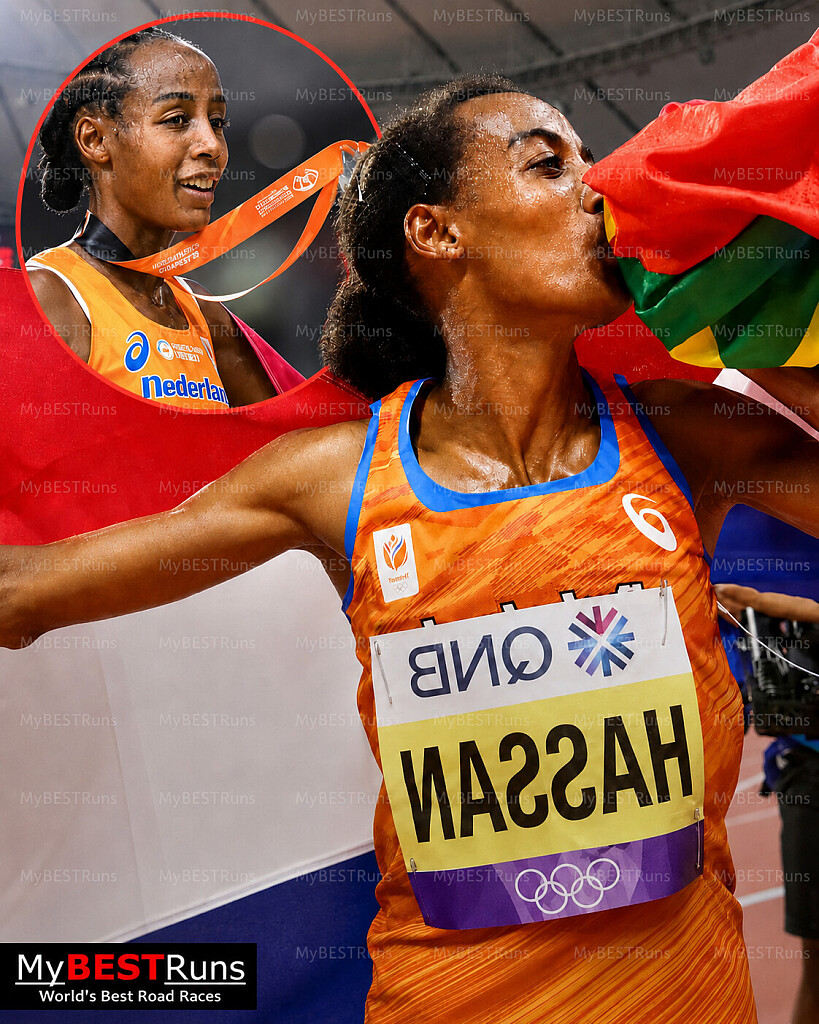
The Achilles Setback That Changed a Marathon Season: Sifan Hassan’s Unfinished Pursuit of History
In elite sport, the smallest moments can have the biggest consequences. For Sifan Hassan, one routine training session on a treadmill proved to be the turning point of an entire marathon season.
Earlier this year, the reigning Olympic marathon champion announced her withdrawal from the 2026 London Marathon after suffering an Achilles injury during what her management described as an unfortunate treadmill accident. The setback occurred approximately six weeks before race day, abruptly halting preparations for one of the most anticipated appearances of the season.
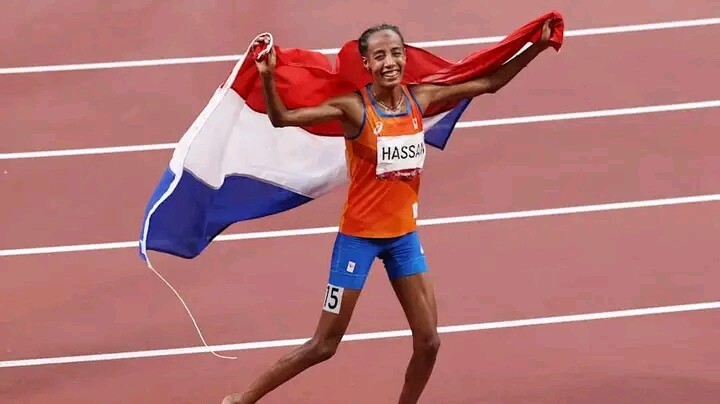
Hassan entered the year carrying the weight of extraordinary expectations. She was not only the defending London Marathon champion but also one of the strongest contenders to challenge the elusive 2:15 barrier in women’s marathon running. Few athletes possess a résumé comparable to hers. From Olympic gold medals in the 5,000m and 10,000m to her historic marathon triumphs, Hassan has consistently pushed the boundaries of what distance runners can achieve.
Initially, there was hope that the injury would be manageable. Like many elite athletes, she attempted to train through the discomfort, believing time and careful management might allow her to return in time for London. But the Achilles tendon had other plans. As the weeks passed, recovery failed to progress as expected, leaving Hassan with little choice but to step away from competition.
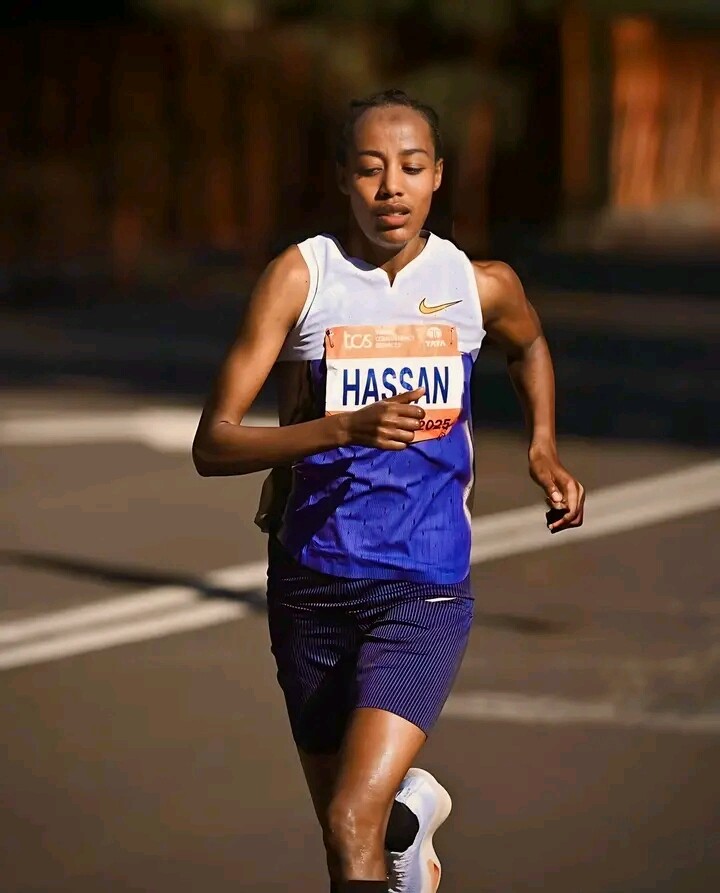
Her withdrawal created a significant shift in the dynamics of the London Marathon. What had been expected to be a showdown featuring one of the sport’s greatest champions suddenly became an open race. The absence of Hassan altered the landscape and opened the door for others to seize the moment.
Among them was Tigst Assefa, who delivered a performance for the ages. Taking advantage of the opportunity, the Ethiopian star stormed to a remarkable 2:15:41, setting a new women-only world record and producing one of the finest marathon performances ever witnessed. It was the kind of historic race many believed Hassan would have been central to contesting.
Instead, she watched from the sidelines as the record books were rewritten.
Yet Hassan's response reflected the maturity and patience that have defined her career. Rather than rushing back, she emphasized the importance of listening to her body and allowing the healing process to take its natural course. It was a reminder that even the greatest champions cannot negotiate with injury.
For athletes operating at the highest level, talent, preparation, and determination can overcome many obstacles. Recovery, however, follows its own timeline. No amount of ambition can accelerate an Achilles tendon's healing process.
The marathon world continues to wonder what might have happened had Hassan lined up in London healthy and fully prepared. Could she have challenged the record? Could she have become the first woman to break the 2:15 barrier?
Those questions remain unanswered.
What is certain is that Sifan Hassan's story is far from finished. If her career has demonstrated anything, it is her remarkable ability to return stronger after adversity. The treadmill incident may have delayed another historic chapter, but it has not closed the book.
For now, the marathon world waits patiently for the return of one of the most extraordinary distance runners the sport has ever seen.
by Erick Cheruiyot for My Best Runs.
Login to leave a comment
