

Running News Daily
Running News Daily is edited by Bob Anderson and team. Send your news items to bob@mybestruns.com Advertising opportunities available.
Index to Daily Posts · Sign Up For Updates · Run The World Feed
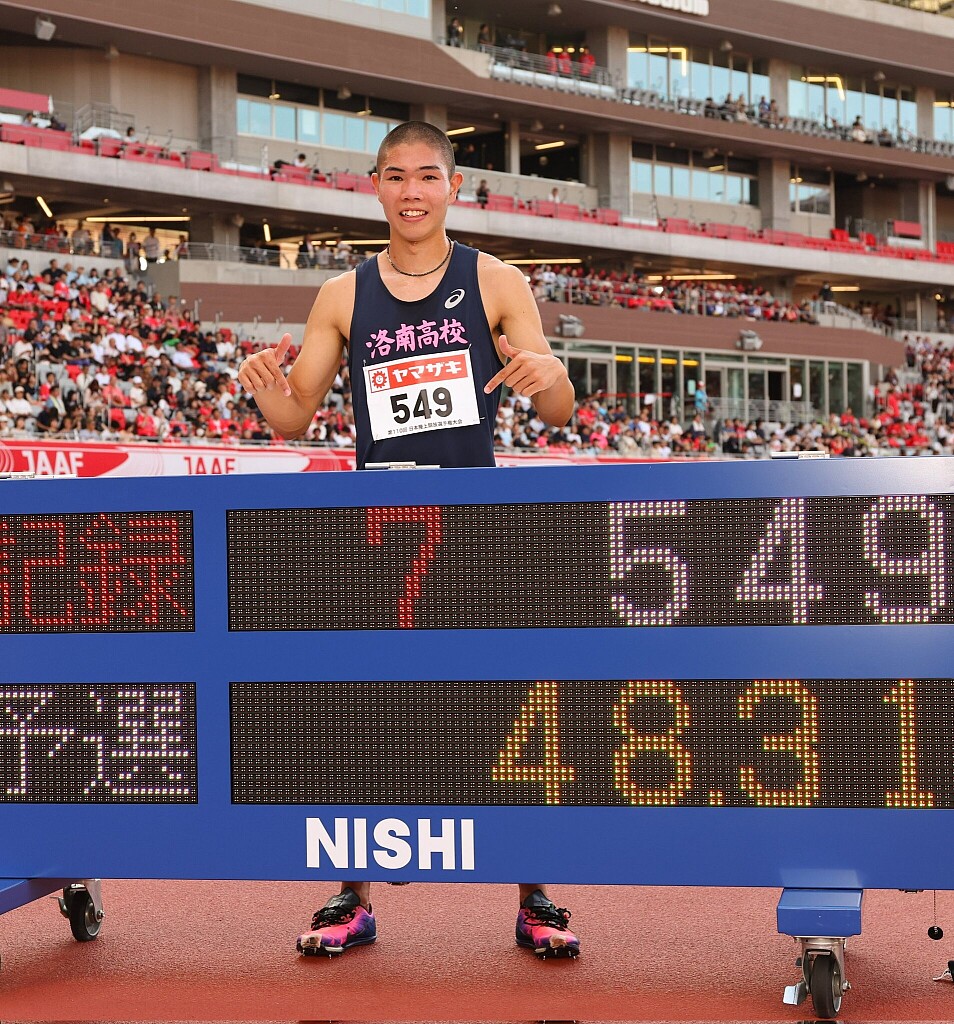


History Rewritten in Aichi: 17-Year-Old Taiju Goto Runs 48.31 to Shatter U18 World Best

Japanese sprint hurdling has witnessed a seismic moment of brilliance as 17-year-old Taiju Goto delivered a performance for the ages at the Japanese Athletics Championships in Aichi Prefecture, rewriting the global U18 record books in spectacular fashion.
In a race that defied expectations and dissolved the boundaries of age-group performance, Goto stormed to a personal best of 48.31 seconds in the 400m hurdles, a time that not only secured him victory in his heat but also sent shockwaves through the senior ranks he was competing against.
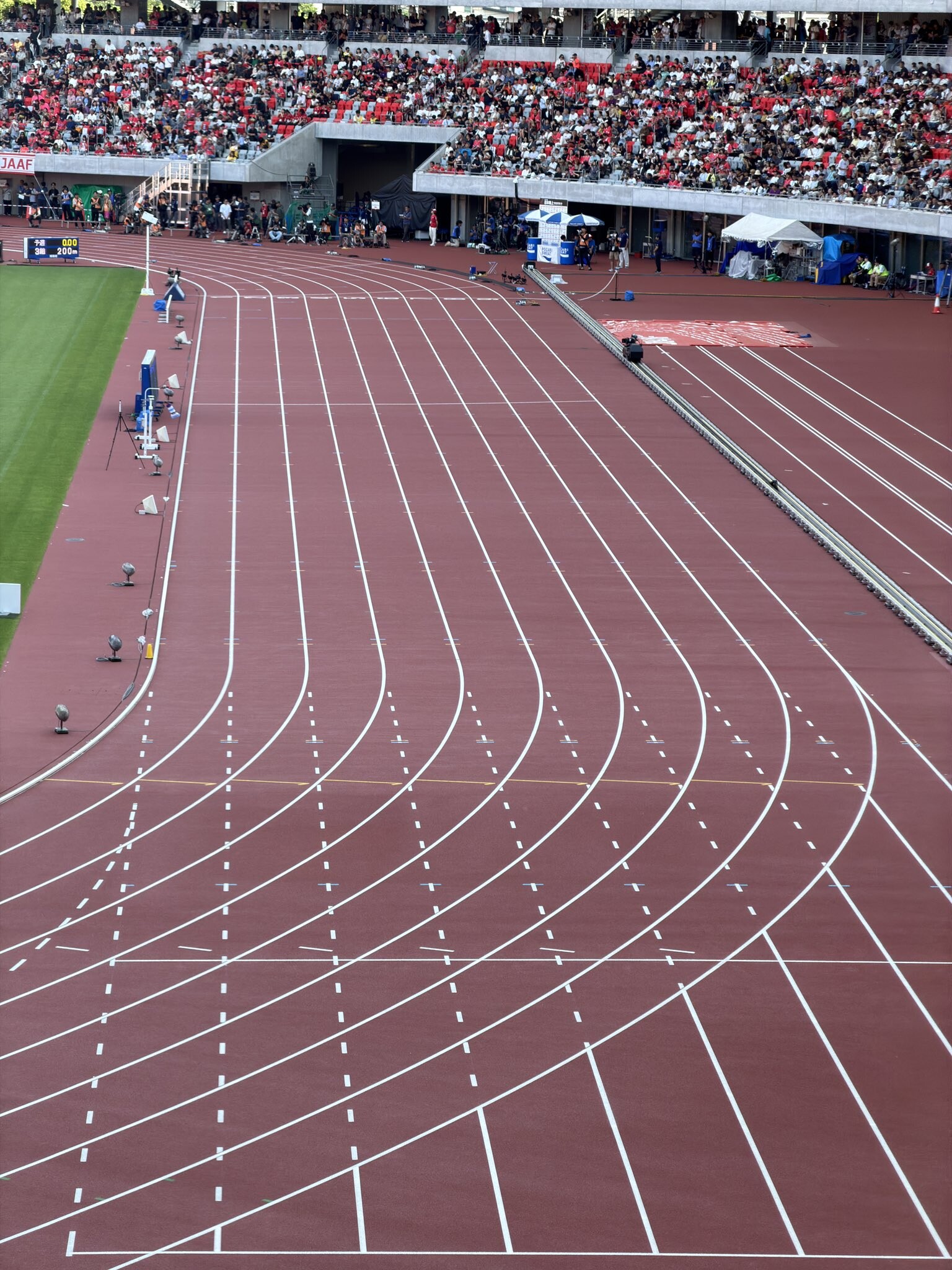
Against a field stacked with experienced national-level hurdlers, the teenager displayed remarkable composure, rhythm, and power between barriers, executing a race far beyond his years. His explosive finish down the home straight sealed a statement win and a place in the final, but it was the clock that told the real story.
With this run, Goto has obliterated the U18 world best, becoming the first athlete under 18 years old in history to break the 48.50-second barrier in the event. It is a landmark achievement that elevates him into entirely uncharted territory for junior sprint hurdling.
Beyond age-group dominance, the performance carries even greater statistical weight. His 48.31s now places him 6th on the all-time U20 global list, a staggering feat that underscores just how exceptional this breakthrough truly is when measured against older and more physically developed athletes.
What makes the run even more compelling is the context: Goto did not simply win against his peers—he outperformed senior competitors on one of Japan’s biggest national stages, announcing himself as a generational talent in the making.
As the championships continue, all eyes will now turn to the final, where anticipation builds around whether the teenage sensation can once again rise to the occasion. One thing is already certain—Taiju Goto has stepped into the global spotlight, and he has done so with record-breaking authority.
by Erick Cheruiyot for My Best Runs.
Login to leave a comment
Latest Running News
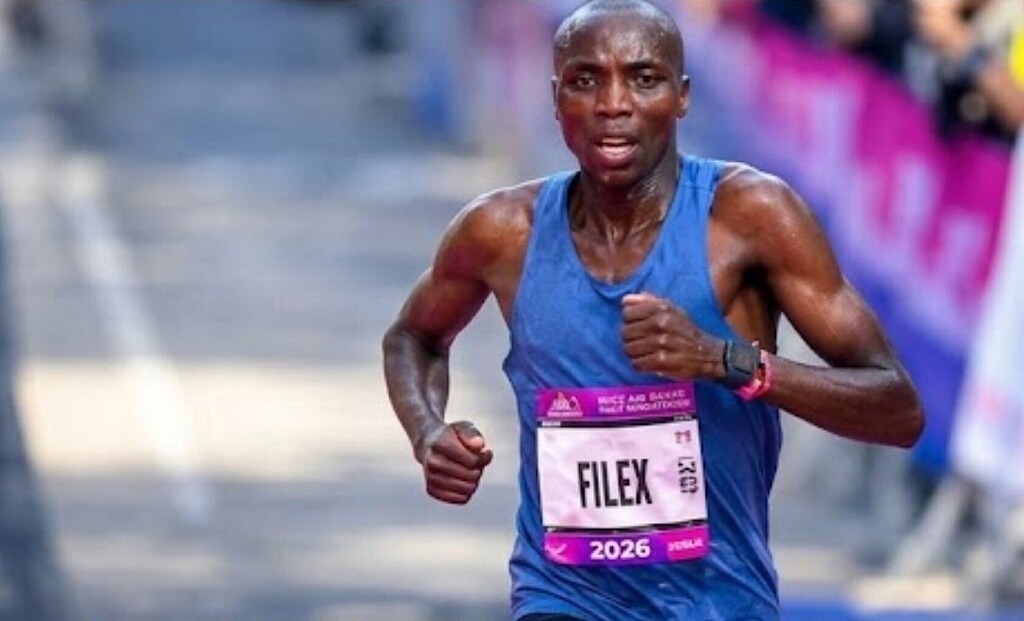
Filex Kibet Smashes Course Record as Netsanet Desta Claims Women’s Crown at Rome Half Marathon
Kenya’s Filex Kibet delivered a sensational performance at the 2026 Wizz Air Rome Half Marathon by Brooks, storming to victory in a remarkable 59:22 to establish a new men’s course record and headline an impressive display of distance running in the Italian capital.
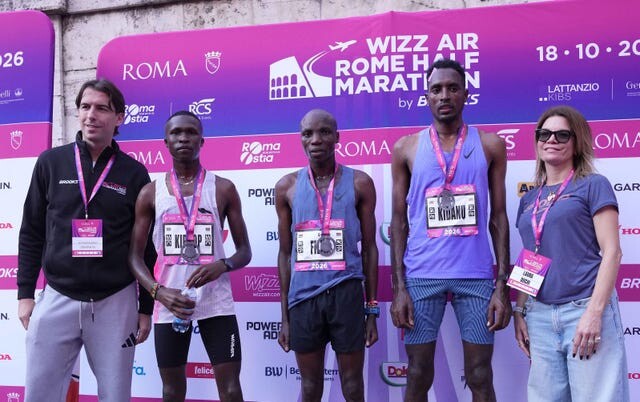
The Kenyan produced a commanding performance over the 21.0975km distance, combining speed, endurance and tactical discipline to secure the prestigious title. His record-breaking achievement was the defining moment of an exciting competition that brought together some of the finest road-running talents from East Africa.
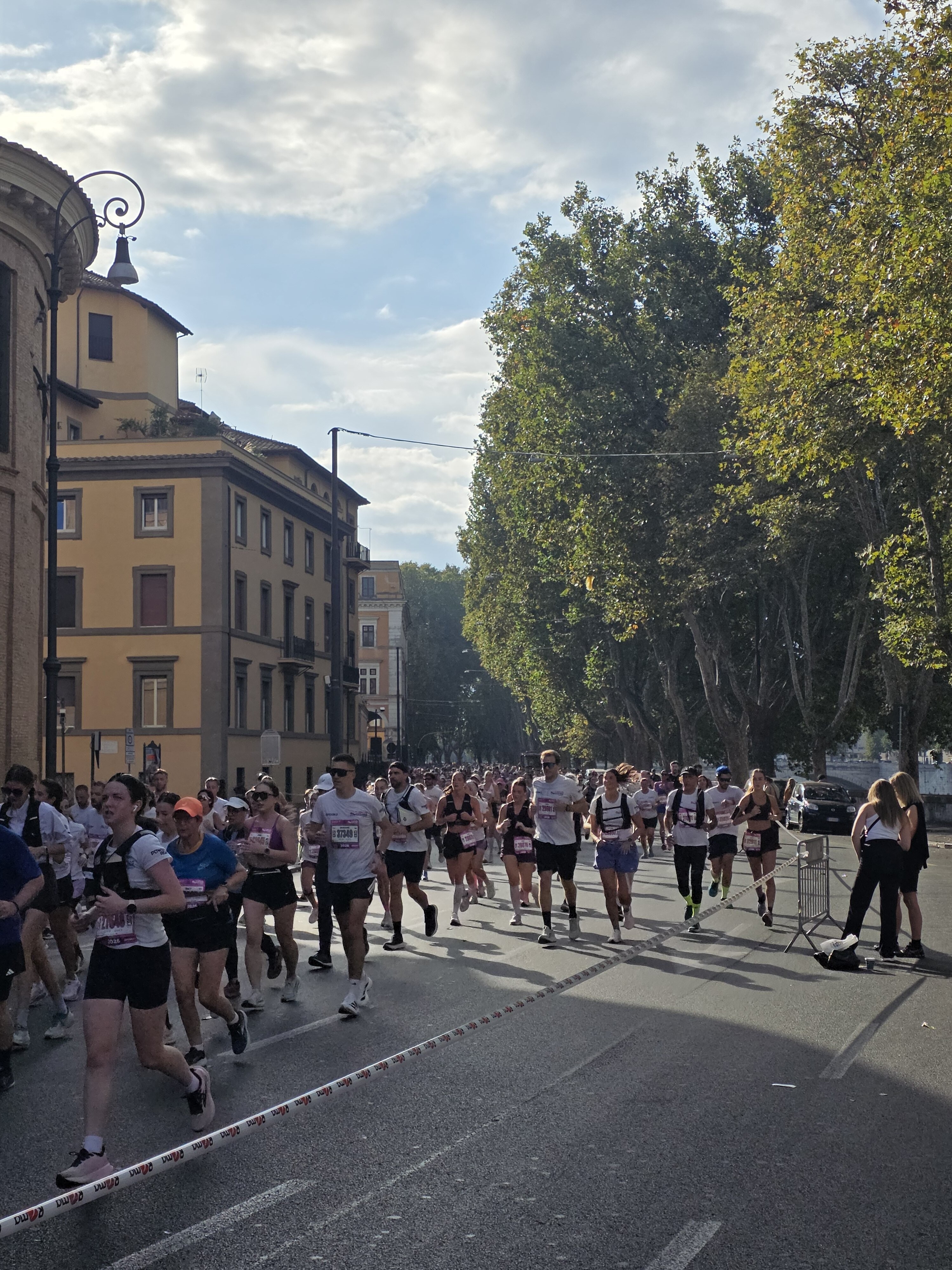
Kibet's winning time not only secured him a place in the event's history but also demonstrated his ability to compete at an exceptional level on the international road-running circuit. Breaking the one-hour barrier in a half marathon remains a significant benchmark in elite distance running, and his performance underlined the quality of the men's field.
Ethiopia's Selemon Atakiti Kidanu emerged as one of the standout performers of the day, producing an outstanding half-marathon debut to finish second in 59:38. Despite competing over the distance for the first time, the Ethiopian displayed remarkable composure and endurance, crossing the finish line just 16 seconds behind the eventual champion.
Kenya's Elisha Kiprop completed the men's podium after clocking 1:00:13, ensuring that two Kenyan athletes finished among the top three. His performance added further strength to Kenya's presence in a highly competitive race that saw the leading contenders produce impressive times on the streets of Rome.
While Kibet dominated the headlines in the men's competition, Ethiopia's Netsanet Desta delivered an equally impressive performance in the women's race, claiming victory in 1:07:26 to complete a memorable day of elite road racing.
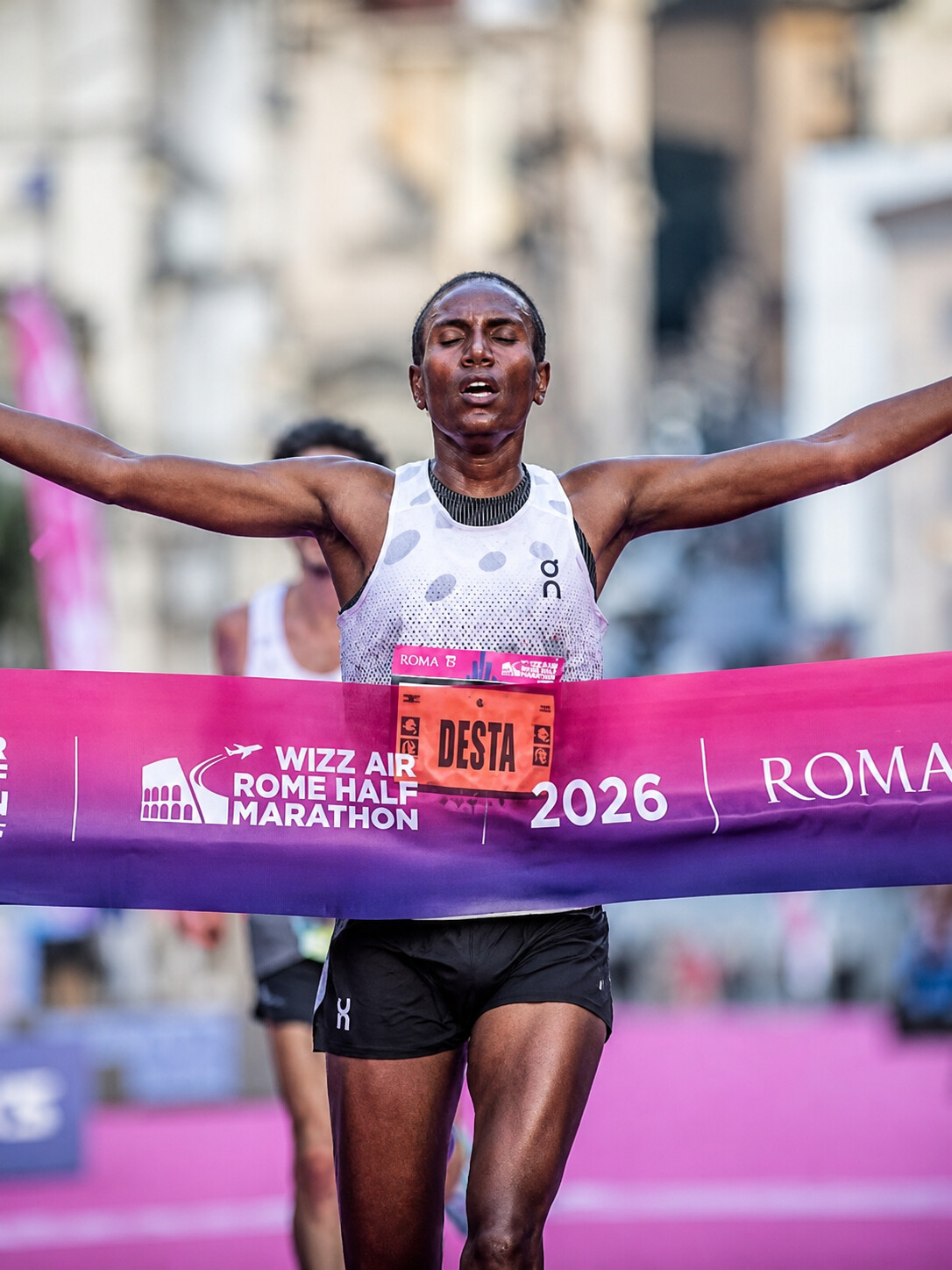
Desta demonstrated exceptional consistency throughout the demanding half-marathon distance, maintaining the pace necessary to overcome a competitive field and secure the women's title. Her victory highlighted Ethiopia's continued strength in international distance running.
Kenya's Regina Wambui Ndungu mounted a strong challenge but ultimately settled for second place in 1:07:48, finishing 22 seconds behind the Ethiopian champion. Ndungu's performance ensured Kenya was represented on both the men's and women's podiums.
Ethiopia's Yalemget Yaregal rounded out the women's top three, crossing the finish line in 1:08:22 to complete an impressive Ethiopian showing in the women's competition.
The contrasting victories of Kibet and Desta provided the perfect storyline for an event that continues to attract accomplished distance runners to one of Europe's most historic cities. With athletes competing against the clock and one another, the race delivered both a new course record and an impressive collection of performances.
For Kibet, the achievement represents another significant milestone, with his name now attached to the men's course record. His 59:22 performance establishes a new standard for future competitors seeking success at the Rome Half Marathon.
Kidanu's impressive debut also offered a glimpse of his potential over the distance, while the strong performances of Kiprop, Ndungu and Yaregal further demonstrated the depth of talent competing at the event.
The 2026 edition will be remembered particularly for Kibet's record-breaking triumph, as the Kenyan's exceptional run added a new chapter to the race's history and reinforced Rome's growing reputation as a destination for elite international road racing.
With the men's course record rewritten and two deserving champions crowned, the Italian capital once again provided a memorable stage for some of the world's most accomplished distance-running talents.
by Erick Cheruiyot for My Best Runs.
Login to leave a comment

Rome Half Marathon
An unforgettable race through the heart of Rome! The Rome Half Marathon will be an amazing opportunity to discover the city’s gems. The route, 21.0975 km long, will pass through the city center, crossing the city’s most iconic landmarks, including the Colosseum, the Circus Maximus, the Baths of Caracalla, Piazza Navona and many other historical sites. This incredible half marathon...
more...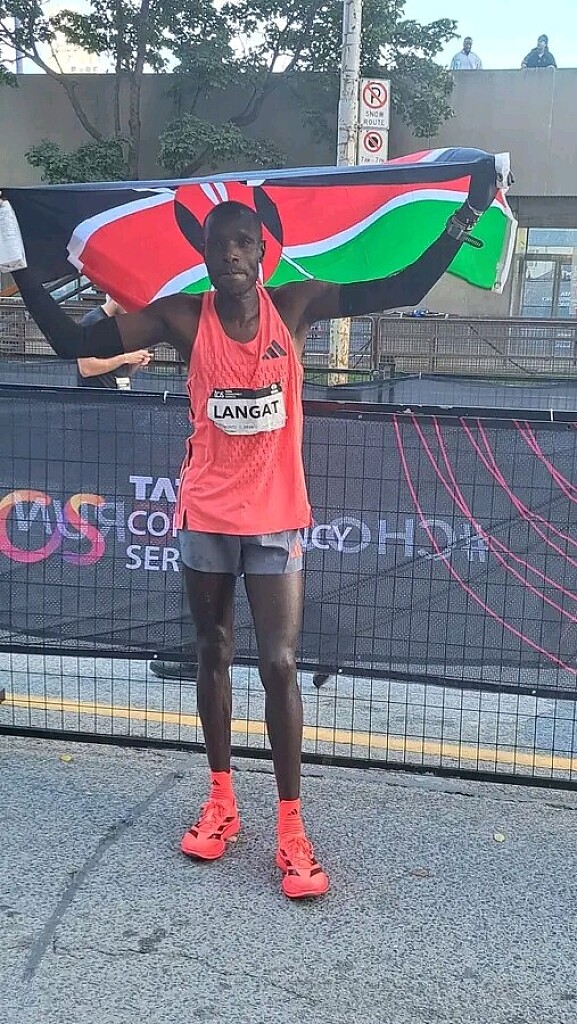
Leonard Langat Leads Kenyan Clean Sweep With Title Defence At Toronto Waterfront Marathon
Kenya delivered a commanding performance at the 2026 TCS Toronto Waterfront Marathon, as Leonard Langat successfully defended his title and led a remarkable Kenyan sweep of the men’s podium in Toronto, Canada.

Langat crossed the finish line in 2:06:51, confirming his dominance for a second consecutive year. The Kenyan distance runner once again demonstrated his strength and consistency over the 42.195-kilometre distance, retaining the crown he claimed in 2025.
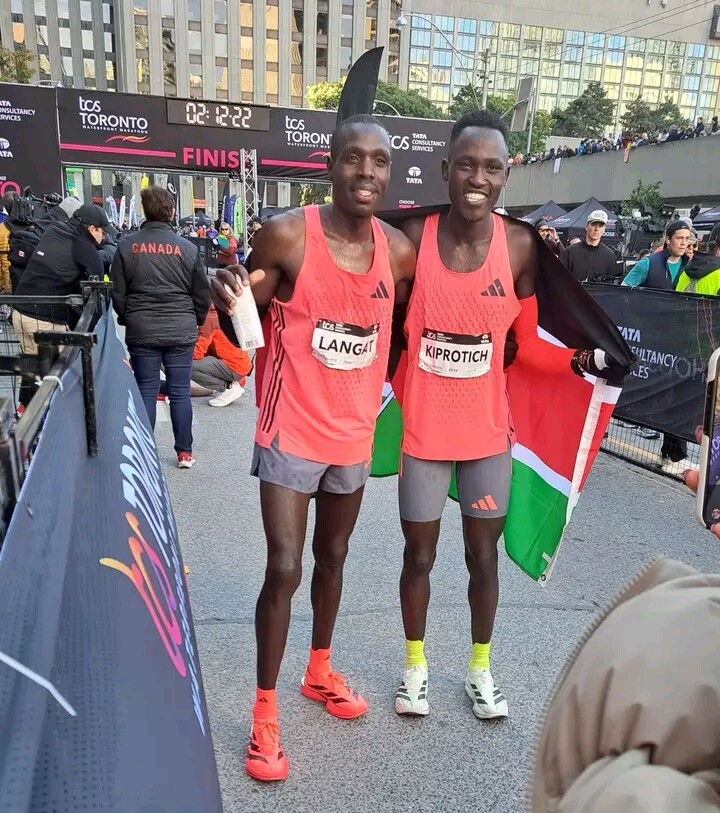
Fellow Kenyan Noah Kipkemboi secured second place in an impressive 2:07:21, while Fanny Kiprotich completed the all-Kenyan podium, finishing third in 2:07:25. The narrow four-second gap between Kipkemboi and Kiprotich added further intrigue to an outstanding Kenyan display.
Kenya’s dominance extended beyond the podium, with Absel Rutto finishing fourth in 2:07:32 and Elvis Cheboi taking fifth. The top five positions were occupied entirely by Kenyan athletes, underlining the country's remarkable depth and continued strength in international marathon running.
Langat's successful title defence was the highlight of a memorable day for Kenya, with three compatriots securing the podium places and five finishing among the top five. The performance reinforced Kenya's reputation as a powerhouse in long-distance running and demonstrated the country's ability to produce world-class marathoners.
The defending champion's victory was particularly significant given the competitive nature of the field, which featured accomplished marathon runners determined to challenge his supremacy. However, Langat rose to the occasion, producing another outstanding performance that demonstrated his ability to deliver under pressure on one of Canada's biggest road-running stages.
Meanwhile, Andrew Davies claimed the Canadian men's championship in 2:08:48. Davies delivered an impressive performance to become the leading Canadian finisher, earning national honours in a race that saw Kenyan athletes dominate the overall standings. His achievement provided a significant highlight for the home nation.
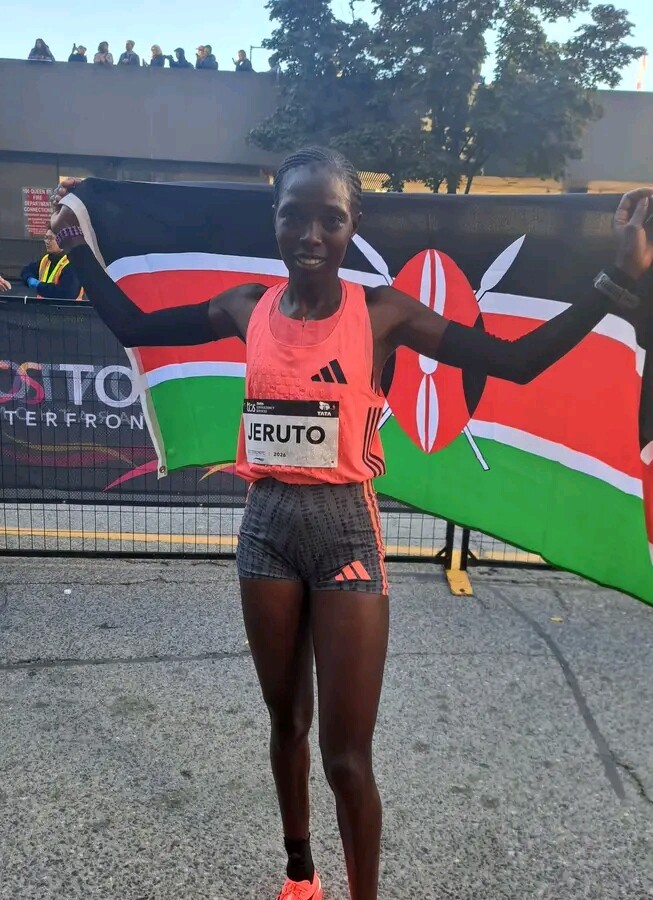
In the women's competition, Leah Jeruto emerged as the overall champion, crossing the finish line in 2:21:19 to secure victory at the 2026 TCS Toronto Waterfront Marathon. Her triumph added to Kenya's success at the event, making it another memorable outing for the country's distance-running contingent.
Jeruto faced strong competition from Ethiopia's Nigsti Haftu, who finished second in 2:21:34, just 15 seconds behind the winner. Fellow Ethiopian Ayinadis Teshome completed the women's podium in 2:22:51, while Biruktayit Degefa followed in fourth place with 2:24:07. Their performances highlighted the fierce rivalry between some of East Africa's leading marathon runners.
The women's race also demonstrated the remarkable depth of international marathon competition, with athletes from Kenya, Ethiopia and Canada producing impressive performances. Jeruto's victory, combined with Langat's successful title defence, ensured that Kenya celebrated a memorable double triumph in Toronto.
Canada also celebrated success in the women's national championship, with Dayna Pidhoresky taking the Canadian women's title in 2:26:02. Her performance highlighted the strength of the country's leading female distance runners and gave Canadian supporters another reason to celebrate at their home marathon.
Top 10 Men's Finishers – 2026 Toronto Waterfront Marathon
1. Leonard Langat (Kenya) – 2:06:51
2. Noah Kipkemboi (Kenya) – 2:07:21
3. Fanny Kiprotich (Kenya) – 2:07:25
4. Absel Rutto (Kenya) – 2:07:32
5. Elvis Cheboi (Kenya) – 2:07:37
6. Wesley Kiptoo (USA) – 2:08:08
7. Gizealew Ayana (Ethiopia) – 2:08:10
8. Yismaw Atinafu (Ethiopia) – 2:08:44
9. Andrew Davies (Canada) – 2:08:48
10. John Gay (Canada) – 2:13:01
Top 10 Women's Finishers – 2026 Toronto Waterfront Marathon
1. Leah Jeruto (Kenya) – 2:21:19
2. Nigsti Haftu (Ethiopia) – 2:21:34
3. Ayinadis Teshome (Ethiopia) – 2:22:51
4. Biruktayit Degefa (Ethiopia) – 2:24:07
5. Maritu Ketema (Kenya) – 2:24:45
6. Beatrice Cheserek (Kenya) – 2:24:54
7. Regina Cheptoo (Kenya) – 2:25:48
8. Dayna Pidhoresky (Canada) – 2:26:02
9. Betty Chepkorir (Canada) – 2:28:29
10. Florence Caron (Canada) – 2:29:37
Beyond the individual victories, the marathon once again demonstrated its importance as a major destination for elite distance runners seeking international recognition and competitive performances. The combination of established champions, emerging contenders and strong domestic representation contributed to another compelling edition of the prestigious Canadian road race.
With Langat defending his crown, Kenya sweeping the men's podium, Jeruto claiming the women's title, and Canadian champions Davies and Pidhoresky earning national honours, the 2026 TCS Toronto Waterfront Marathon delivered an impressive showcase of distance-running excellence. The event celebrated both international competition and domestic achievement, with Kenya's outstanding depth and Canada's leading runners sharing the spotlight.
by Erick Cheruiyot for My Best Runs.
Login to leave a comment
TCS Toronto Waterfront Marathon
The Scotiabank Toronto Waterfront Marathon, Half-Marathon & 5k Run / Walk is organized by Canada Running Series Inc., organizers of the Canada Running Series, "A selection of Canada's best runs!" Canada Running Series annually organizes eight events in Montreal, Toronto and Vancouver that vary in distance from the 5k to the marathon. The Scotiabank Toronto Waterfront Marathon and Half-Marathon are...
more...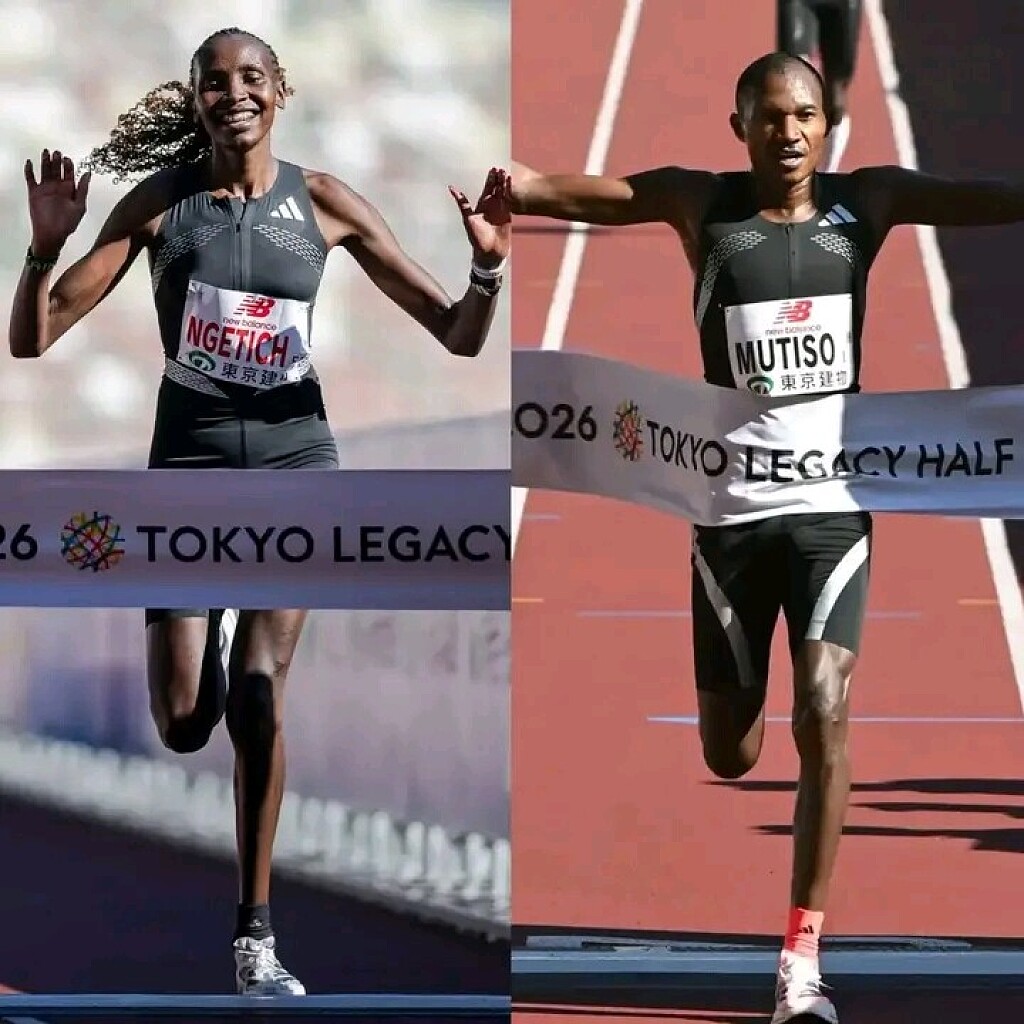
Alexander Mutiso Munyao and Agnes Ngetich Rewrite Tokyo Legacy Half Marathon Records With Kenyan Double Victory
Kenyan distance runners Alexander Mutiso Munyao and Agnes Jebet Ngetich delivered outstanding performances at the 2026 Tokyo Legacy Half Marathon, securing victories in the men's and women's races while setting new course records in a memorable display of Kenyan endurance and speed.
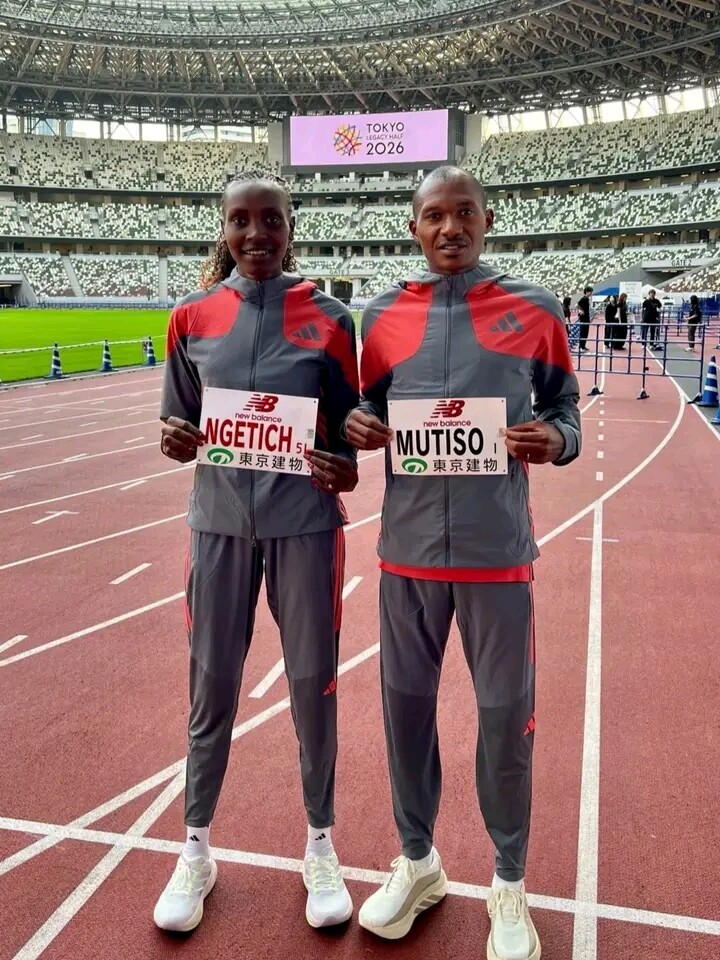
The two athletes produced impressive runs to underline Kenya's continued strength in international road racing, with Mutiso winning the men's race in 59:51 and Ngetich dominating the women's contest in 1:04:23.
Mutiso led the men's race with an impressive performance, crossing the finish line in 59 minutes and 51 seconds to claim the title and establish a new course record. His time improved the previous course record by one second, marking a significant achievement on the streets of Tokyo.
The Kenyan demonstrated the speed and endurance required to excel over the half-marathon distance, completing the 21.0975-kilometre race in under one hour. His performance further highlighted his ability to compete at the highest level of international road running and added another notable result to his racing career.
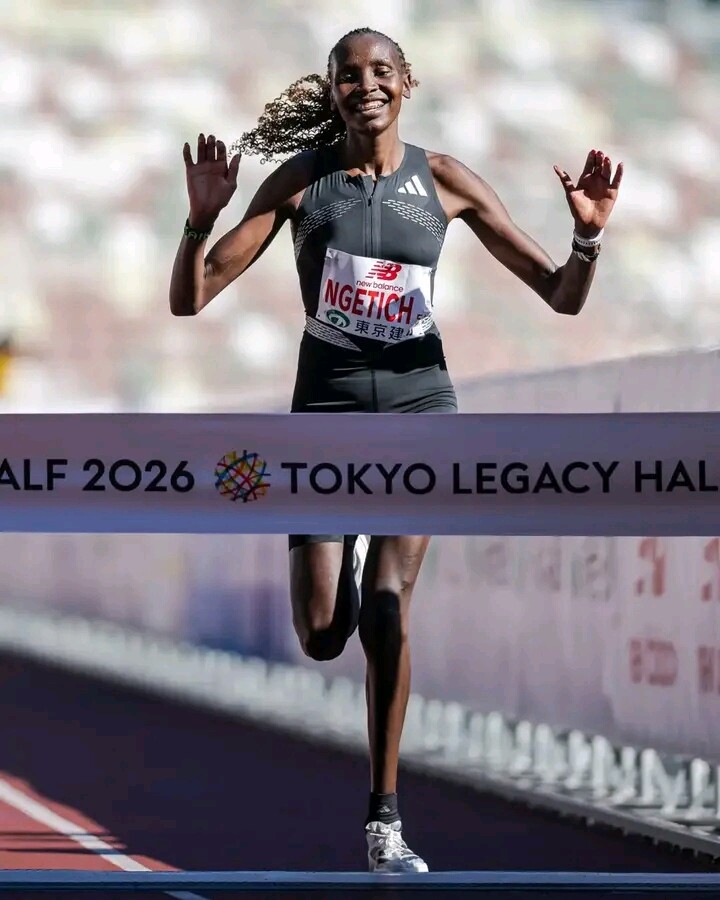
In the women's race, Ngetich delivered a commanding performance, stopping the clock at 1:04:23 to secure victory and lower the existing course record. The Kenyan star demonstrated remarkable strength and consistency, separating herself from the chasing pack as she powered towards the finish line.
Fellow Kenyan Tabita Jeli Kamau finished second in 1:08:28, more than four minutes behind Ngetich. The substantial margin underlined Ngetich's dominance on the day, as she produced an exceptional performance to secure the women's title and establish a new benchmark for the course.
Ngetich's time of 1:04:23 was an impressive achievement over the half-marathon distance, reflecting the exceptional pace and endurance that have made her one of Kenya's leading distance-running talents. Her victory further strengthened the country's reputation for producing athletes capable of delivering outstanding performances on the international road-running circuit.
The double victory gave Kenya plenty to celebrate in Tokyo, with both Mutiso and Ngetich combining individual success with new course records. Their performances highlighted the depth of Kenyan talent in road running and the country's continued presence among the leading forces in international distance athletics.
Beyond the two victories, the results demonstrated Kenya's ability to excel in both the men's and women's competitions on the same international stage. With Mutiso breaking the men's record and Ngetich producing a commanding women's victory, the Kenyan athletes turned the 2026 Tokyo Legacy Half Marathon into a memorable occasion for their country and another notable chapter in their respective careers.
by Erick Cheruiyot for My Best Runs.
Login to leave a comment

Tokyo Legacy Half Marathon
The Tokyo Legacy Half Marathon celebrates Tokyo's Olympic heritage, offering runners a scenic course through iconic landmarks, including start and finish at teh Olympic stadium. It attracts participants worldwide, promoting sportsmanship and cultural exchange. The event highlights Tokyo's vibrant atmosphere, combining athletic challenge with city exploration, making it a memorable experience for both local and international runners....
more...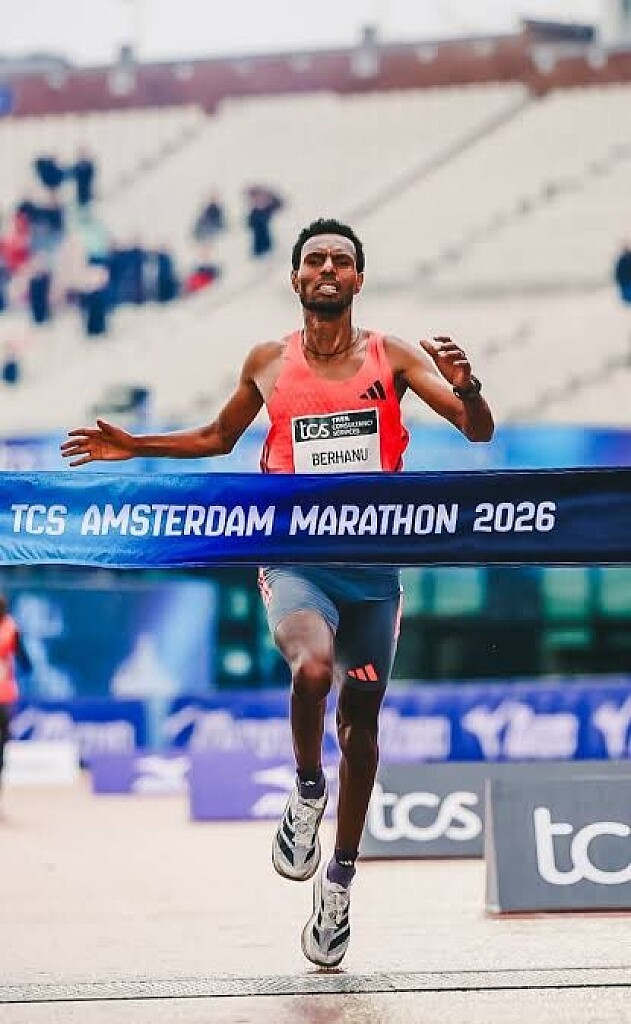
Lemi Berhanu Delivers Stunning 2:03:33 Victory After Thrilling Final-Kilometre Surge In Amsterdam
Ethiopian distance-running star Lemi Berhanu produced a sensational performance to win the 2026 TCS Amsterdam Marathon in a personal best of 2:03:33 on Sunday, overcoming fierce opposition from Kenya's Nicholas Kipkorir before unleashing a decisive finishing surge in the closing kilometre.
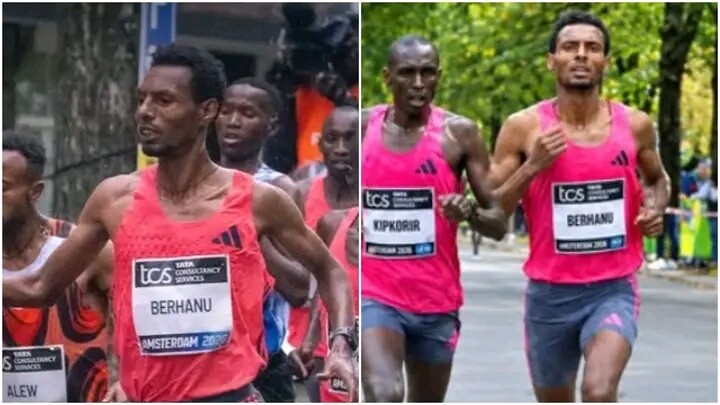
The 31-year-old's victory was a remarkable demonstration of endurance, tactical patience and determination. Having arrived in the Dutch capital with a previous personal best of 2:04:33, Berhanu improved his lifetime best by exactly one minute, delivering the fastest marathon of his career on one of the world's most renowned fast courses.
However, the victory was far from straightforward. Kenya's Kipkorir mounted a determined challenge in the closing stages, turning the contest into a gripping battle between two athletes determined to claim the Amsterdam crown.
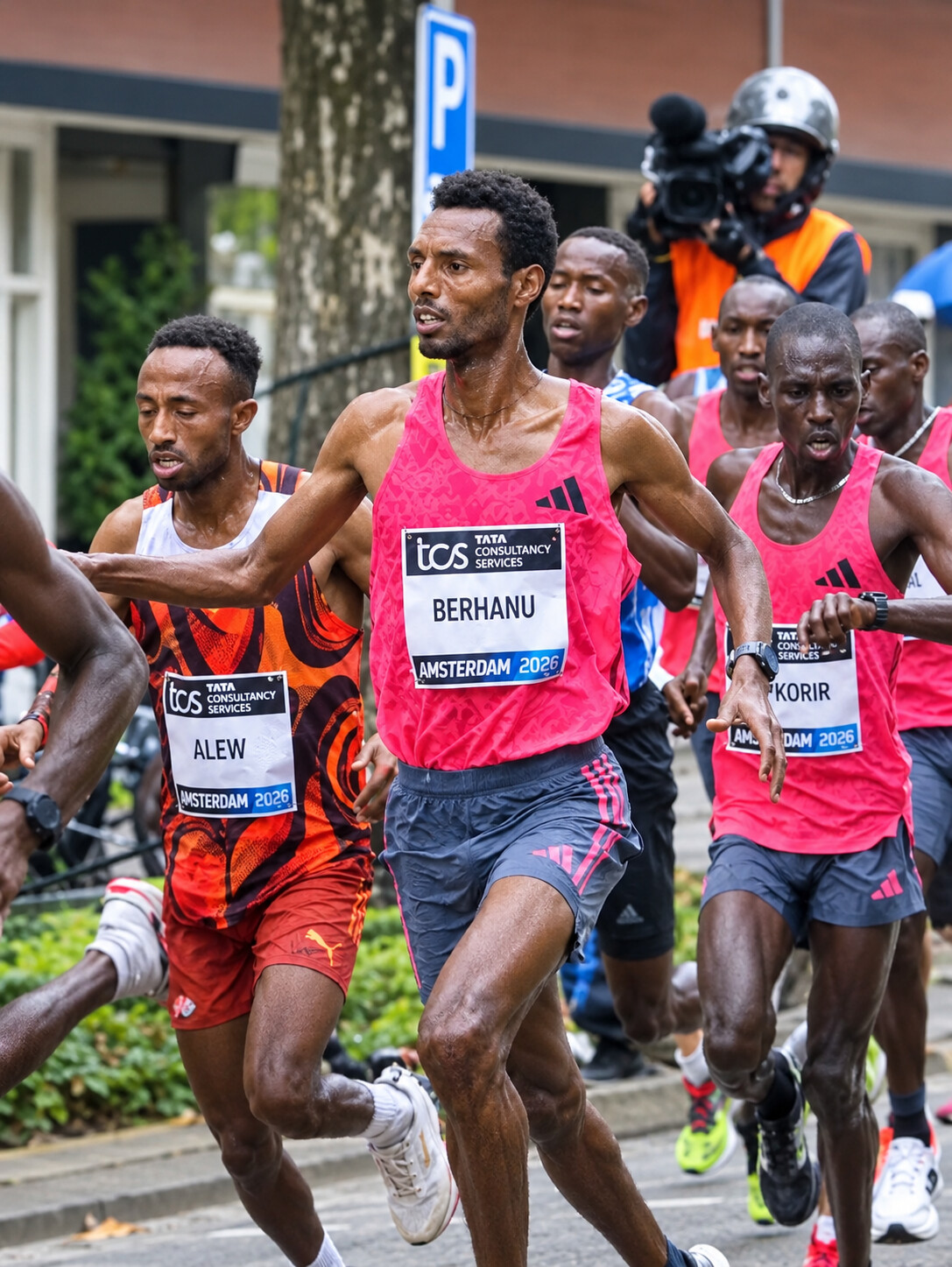
With only a few kilometres remaining, Kipkorir surged towards the front, applying relentless pressure and forcing Berhanu to dig deep to remain in contention. The Kenyan's acceleration threatened to shift the balance of the race, creating an intense duel as the finish line drew closer.
Berhanu refused to surrender. Remaining composed under pressure, the Ethiopian stayed close to his rival, conserving enough energy to respond when the decisive moment arrived. Every stride carried enormous significance as the two leaders fought for supremacy in the closing kilometres.
Then came the final kilometre.
With victory hanging in the balance, Berhanu unleashed a devastating finishing surge, finding another gear when it mattered most. His acceleration proved decisive, allowing him to edge away from Kipkorir and secure a memorable victory. The Kenyan fought bravely to the finish, but Berhanu's perfectly timed move ultimately made the difference.
Kipkorir crossed the line in 2:03:39, just six seconds behind the winner with a huge personal best, while compatriot Patrick Mosin completed the podium in 2:03:58. Their performances underlined the extraordinary quality of the men's field, which produced remarkable depth and speed throughout the race.
Berhanu's winning time was also just three seconds outside the Amsterdam Marathon course record of 2:03:30, established by Kenya's Geoffrey Kipchumba in 2025. Kipchumba returned to defend his title, but it was Berhanu who stole the spotlight with a performance that combined tactical intelligence with an exceptional finishing kick.
The Ethiopian's triumph carries additional significance given his long journey in elite distance running. In 2016, at just 21 years old, he announced himself on the international stage by winning the prestigious Boston Marathon. That breakthrough established him as one of Ethiopia's promising marathon talents and appeared to herald a career filled with major international victories.
Over the following decade, Berhanu continued building his career through international competitions, including races in Mumbai and Prague. Now, ten years after his Boston breakthrough, he has delivered another defining performance, demonstrating that experience and persistence can still produce extraordinary results at the highest level.
His Amsterdam victory also reinforces the race's reputation as a destination for world-class marathon performances. Known for its predominantly flat course and competitive elite fields, the Dutch capital continues to attract athletes looking to challenge their personal bests and produce exceptional times.
The 2026 men's race provided further evidence of that reputation, with all 10 leading finishers recording times of 2:05:16 or faster. Kenyan runners occupied five of the top six positions, highlighting the country's formidable depth in international marathon running.
2026 Amsterdam Marathon Men's Top 10 Results
1. Lemi Berhanu (Ethiopia) — 2:03:33
2. Nicholas Kipkorir (Kenya) — 2:03:39
3. Patrick Mosin (Kenya) — 2:03:58
4. Kalipus Lomwai (Kenya) — 2:04:09
5. Sila Kiptoo (Kenya) — 2:04:13
6. Justus Kangogo (Kenya) — 2:04:24
7. Jonathan Korir (Kenya) — 2:04:53
8. Isaia Lasoi (Kenya) — 2:04:57
9. Yihunilign Adane (Ethiopia) — 2:05:16
10. Yohei Ikeda (Japan) — 2:05:16
For Berhanu, however, the numbers tell only part of the story. His victory was built on patience under pressure, the courage to withstand Kipkorir's late challenge and the strength to produce a decisive acceleration when the race was on the line. A minute faster than his previous best, he has transformed a memorable win into a personal milestone.
Amsterdam has once again delivered a spectacular marathon, raising an increasingly compelling question for the global running community: does a race capable of producing such depth, speed and drama deserve a place among the Abbott World Marathon Majors?
With another outstanding edition now complete, Berhanu's triumph has given the Dutch capital a compelling new chapter in its marathon history.
by Erick Cheruiyot for My Best Runs.
Login to leave a comment
TCS Amsterdam Marathon
Do you want to enjoy Amsterdam in October and all that the city has to offer you? Want to feel a real athlete and start and finish in the historic Olympic stadium? Or run across the widely discussed passage under the beautiful National Museum? Then come to Amsterdam for the annual TCS Amsterdam Marathon in October! The TCS Amsterdam Marathon...
more...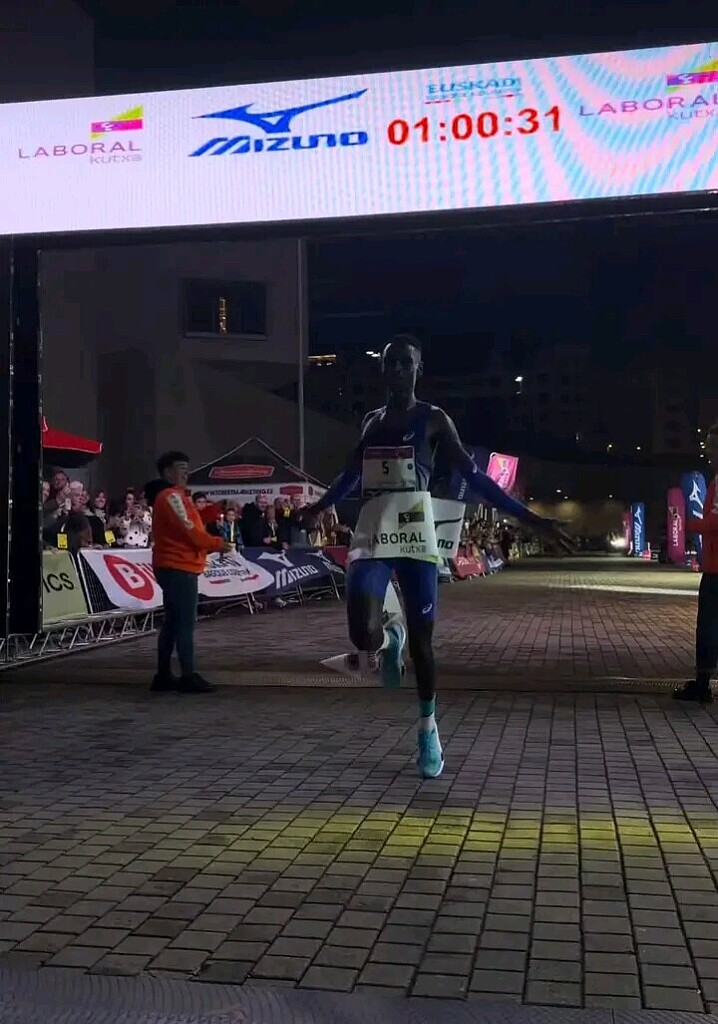
Deogratius Musobo Makes a Winning Statement in Bilbao with Course Record on Half Marathon Debut
Ugandan distance-running star Deogratius Musobo delivered an impressive performance in Spain, claiming victory at the Bilbao Half Marathon with a course record and a personal milestone that makes his achievement even more remarkable.
Musobo crossed the finish line in 1:00:34, producing a commanding performance on his half marathon debut to secure the title and establish a new course record. His breakthrough victory marks an exciting moment for Ugandan road running, as he demonstrated his ability to compete at a high level over the 21.1km distance.
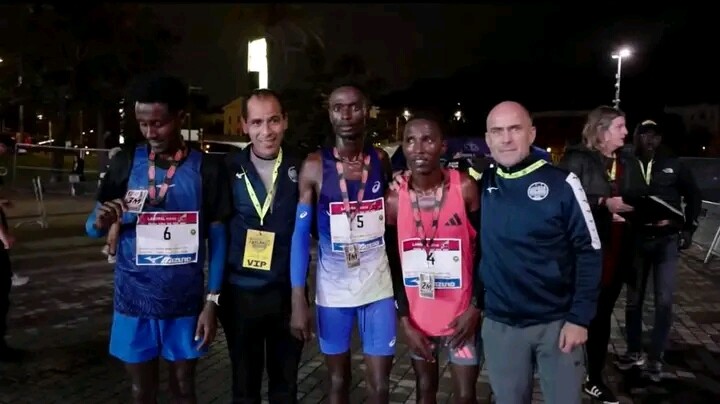
The race also produced a thrilling battle for the remaining podium positions, with Kenya’s Evans Kipkorir finishing just 11 seconds behind the winner. Kipkorir clocked 1:00:45, recording a personal best in an impressive display of consistency and determination.
Ethiopia’s Alemayehu Mulate Teshager completed the podium after crossing the line in 1:00:47, also achieving a personal best. The Ethiopian finished just two seconds behind Kipkorir, underlining how closely contested the fight for second place was.
The narrow margins between the three leading athletes highlighted the competitive quality of the race, with all three breaking the 61-minute barrier.
For Musobo, however, the day belonged to Uganda. To win a major road race on his debut over the half marathon distance while setting a course record is a significant achievement, offering an encouraging indication of what he could accomplish as he gains more experience over the distance.
His victory adds another memorable moment to Uganda’s growing presence in international distance running and provides fresh encouragement for the country’s athletes competing on the global road-running circuit.
With a course record already secured on his first attempt at the distance, Musobo has given himself a strong foundation for the next chapter of his career. His performance in Bilbao will be an important benchmark as he looks ahead to future challenges on the international road-running stage.
Musobo’s triumph was a proud moment for Ugandan athletics, while the personal-best performances from Kipkorir and Teshager added further quality to a memorable contest on the streets of Bilbao.
by Erick Cheruiyot for My Best Runs.
Login to leave a comment

Bilbao Night Half Marathon
The TotalEnergies Bilbao Night Marathon will celebrate its 14th edition on October 21, 2023, running through the most beautiful streets of the Biscayan capital together with 10,000 participants from 5 continents, to enjoy the quintessential night race on the Spanish calendar. This race has 3 distances (only the marathon distance is available at World’s Marathons at this moment), Marathon, Half...
more...