

Running News Daily
Running News Daily is edited by Bob Anderson and team. Send your news items to bob@mybestruns.com Advertising opportunities available.
Index to Daily Posts · Sign Up For Updates · Run The World Feed
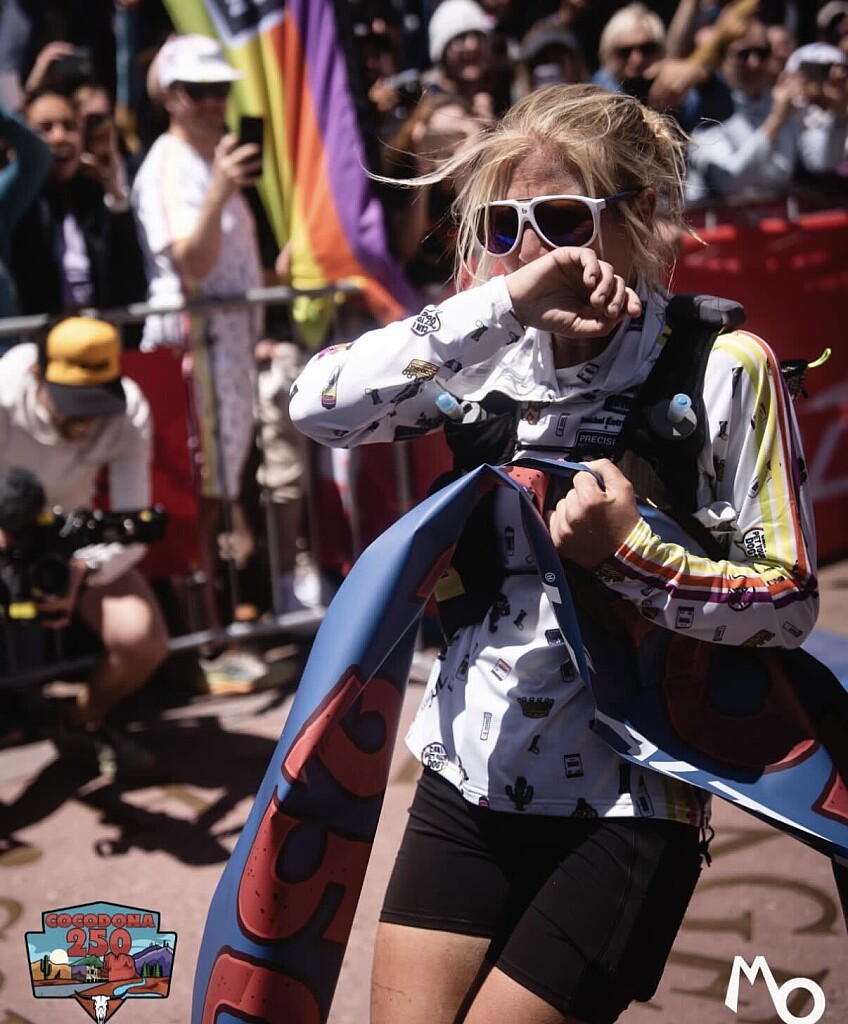


From Exclusion to Domination: Rachel Entrekin’s Historic Cocodona Triumph Redefines Women’s Endurance Running
For decades, women were pushed to the margins of competitive distance running, denied opportunities in races that today define the pinnacle of endurance sport. The idea of women conquering extreme distances was once dismissed entirely by sporting authorities who believed the female body was incapable of enduring such physical punishment.
The history is impossible to ignore.

The legendary Boston Marathon did not officially allow female entrants until 1972, despite women proving for years that they could compete at the highest level. Even more striking, the Olympic marathon remained closed to women until the 1984 Games, a staggering reminder of how recently barriers still existed in elite running.
Now, decades later, the sport has witnessed another groundbreaking chapter — one that perfectly captures how dramatically the landscape has changed.
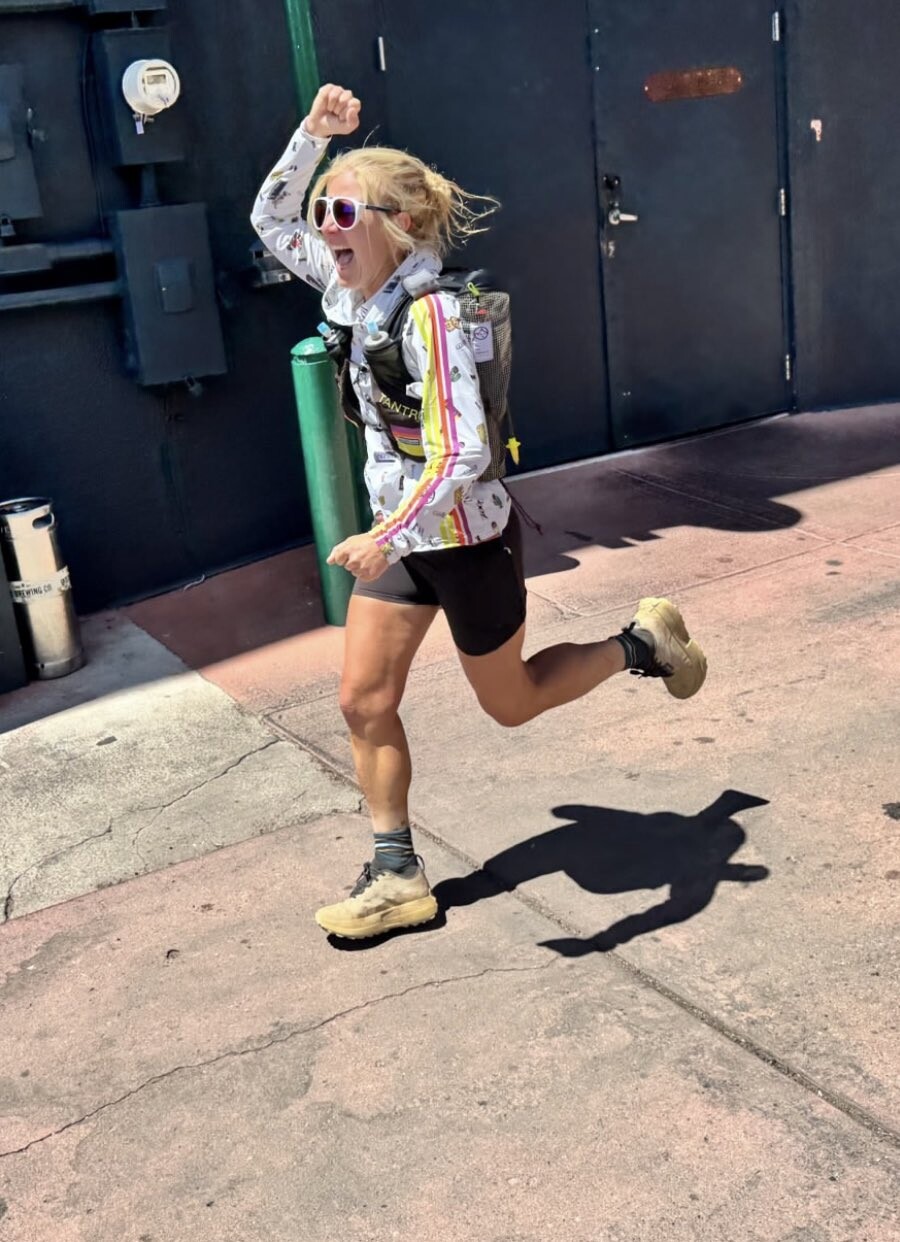
While men may generally possess advantages in raw speed and physical strength, endurance science has increasingly highlighted areas where women excel — particularly in prolonged fatigue resistance, energy efficiency, and the remarkable ability to tolerate physical suffering over extreme durations. Few performances in recent memory have illustrated that reality more powerfully than what unfolded this week in the Arizona wilderness.
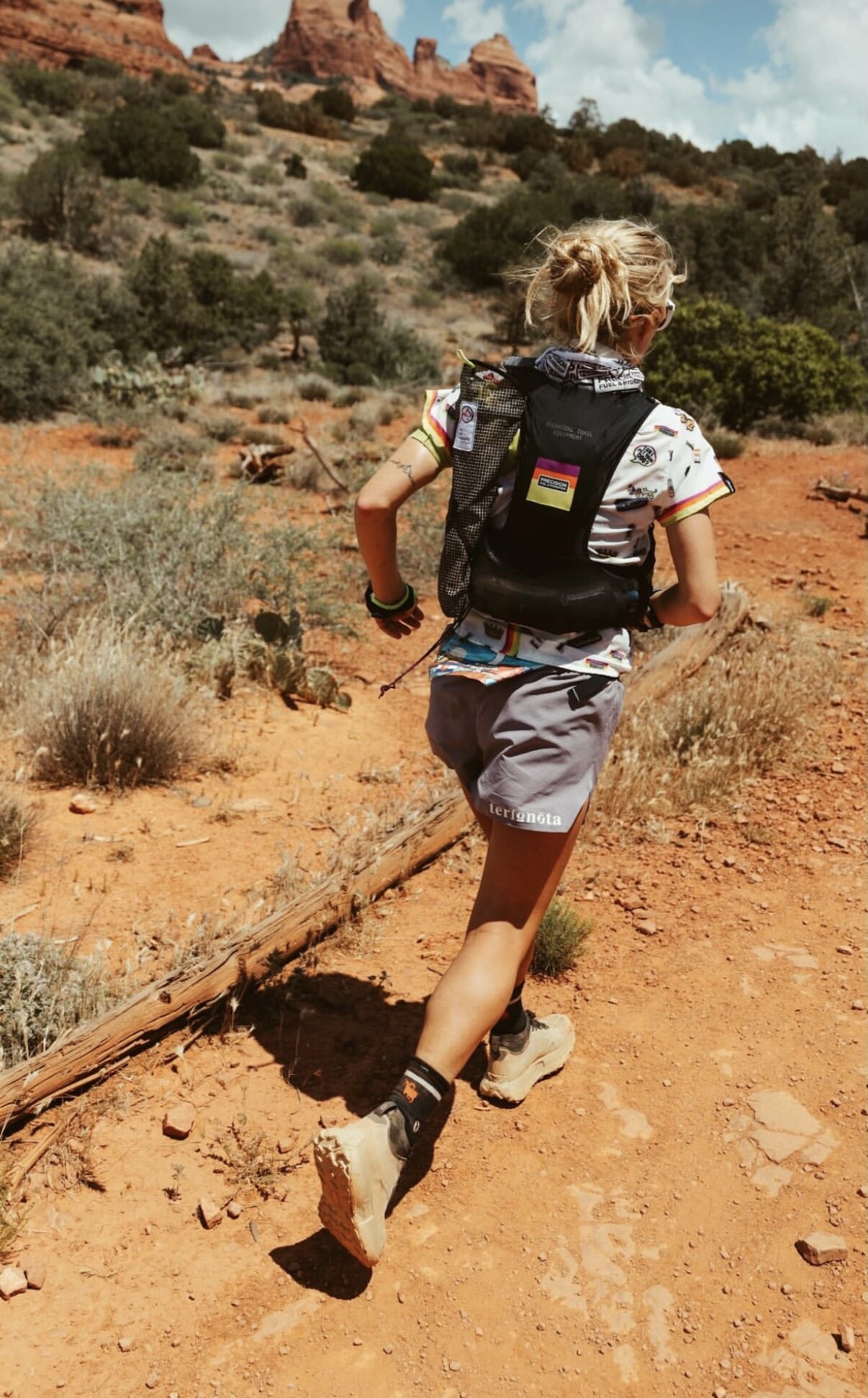
On the brutal and unforgiving trails of the Cocodona 250, Rachel Entrekin produced one of the greatest ultramarathon performances ever witnessed, defeating the entire field outright to claim her third consecutive title in spectacular fashion.
The American endurance star conquered the staggering 254-mile course in an astonishing 56 hours, 9 minutes, and 48 seconds — the fastest time ever recorded over the distance by any athlete.
Male or female.
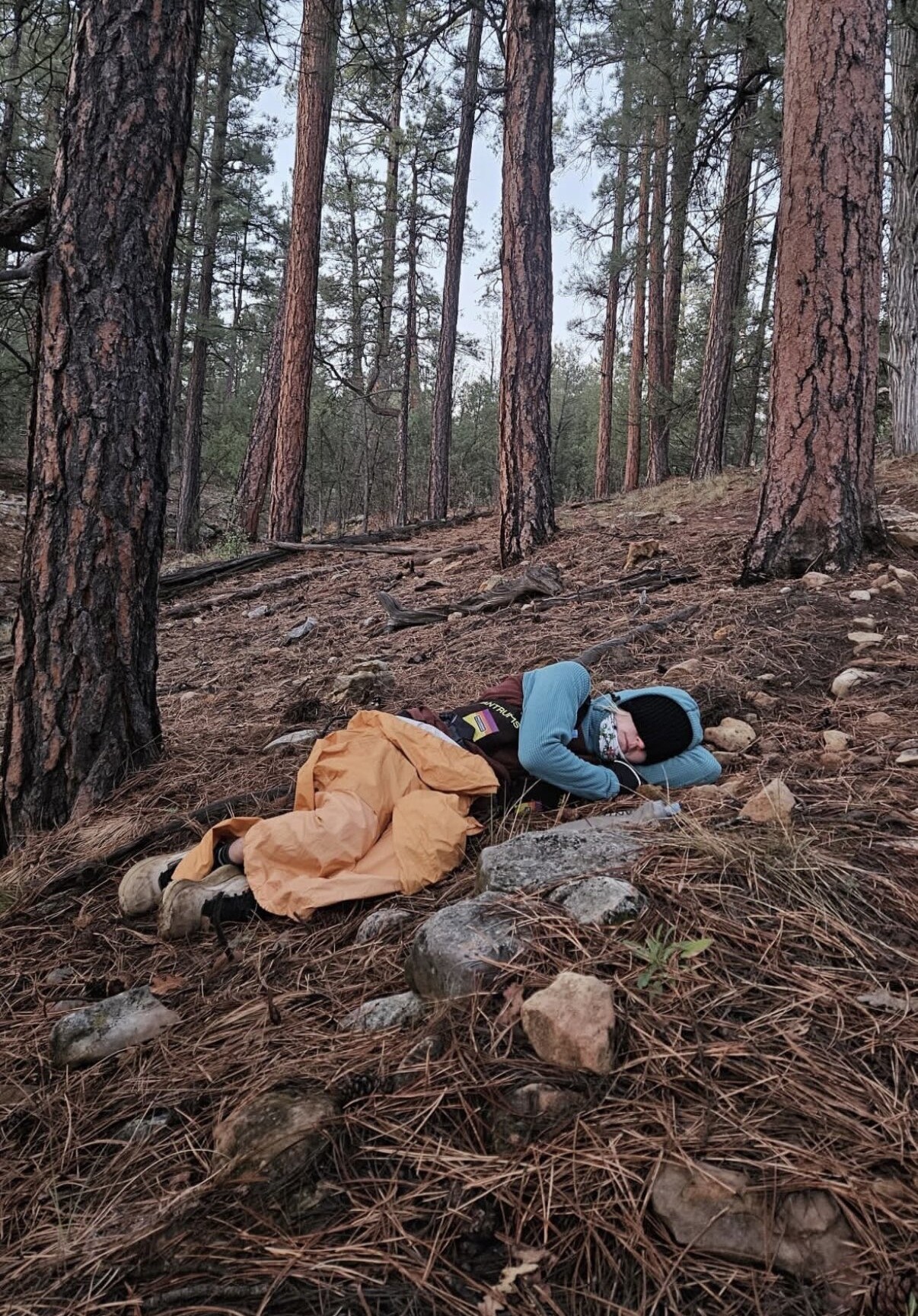
Across punishing mountain climbs, endless desert trails, technical terrain, and crushing exhaustion, Entrekin remained relentless from start to finish. Even more astonishing was the physical sacrifice behind the achievement: she reportedly completed the entire race on just 15 minutes of sleep.
In a contest where most athletes battle hallucinations, muscle failure, and severe mental fatigue, Entrekin somehow maintained elite-level pace and composure for more than two continuous days of running. The performance did not merely secure victory — it completely shattered assumptions about the limits of human endurance.
The Cocodona 250 is widely regarded as one of the most grueling ultramarathons on Earth. Stretching across Arizona’s harsh backcountry, the race tests athletes through sleep deprivation, brutal elevation gain, extreme temperatures, and relentless physical punishment that pushes even the world’s strongest runners to collapse.
Yet Entrekin appeared almost untouchable.
Adding another fascinating layer to the historic achievement was the footwear behind the run. Entrekin covered the entire course wearing the unreleased norda 055, a highly anticipated trail shoe expected to launch in the summer of 2026. Her extraordinary performance has already generated massive curiosity within the global running community, with many eager to learn more about the shoe that carried her through one of ultrarunning’s greatest displays of dominance.
More importantly, however, her victory symbolizes something far bigger than records, technology, or trophies.
It represents the evolution of women’s distance running itself — from exclusion and doubt to complete mastery on the sport’s most demanding stages. What was once considered impossible has now become undeniable reality.
And deep in the deserts and mountains of Arizona, Rachel Entrekin did more than simply win a race.
She delivered a performance that may forever redefine the boundaries of endurance sport.
by Erick Cheruiyot for My Best Runs.
Login to leave a comment
