

Running News Daily
Running News Daily is edited by Bob Anderson and team. Send your news items to bob@mybestruns.com Advertising opportunities available.
Index to Daily Posts · Sign Up For Updates · Run The World Feed
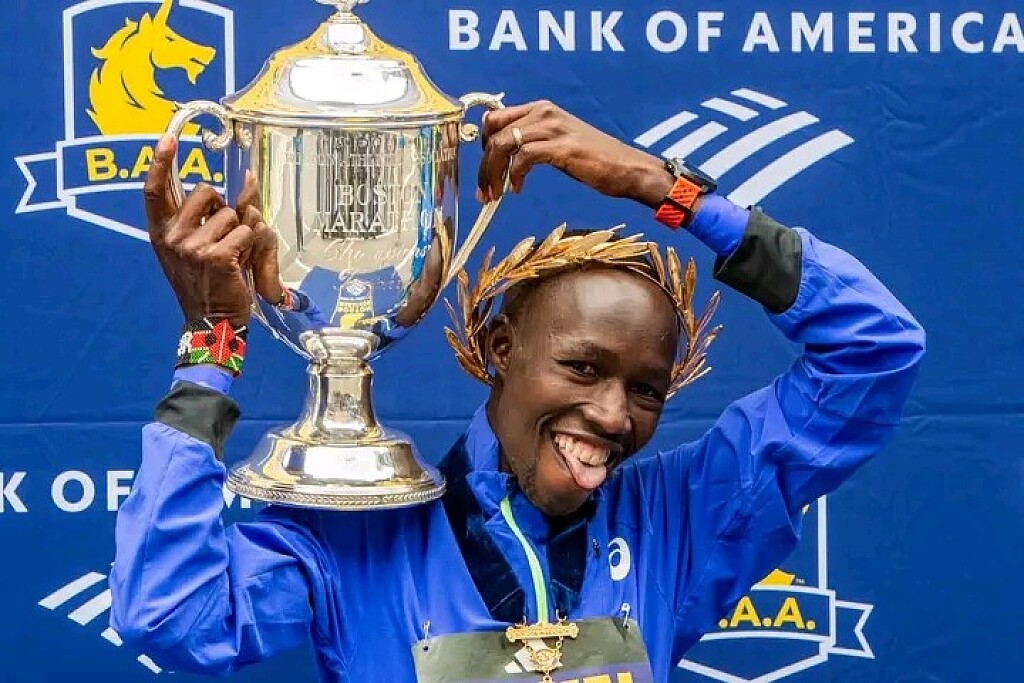


Korir’s Relentless Surge: A Boston Masterpiece That Rewrote History
On a cool 20th of April morning at the Boston Marathon, history did not merely repeat itself—it was emphatically rewritten. Kenya’s John Korir delivered a performance of rare authority and precision, storming to victory in 2:01:52 and erasing a record that had stood untouched for over a decade. In doing so, he eclipsed the legendary 2:03:02 set by fellow Kenyan Geoffrey Mutai in 2011—by a staggering 70 seconds.
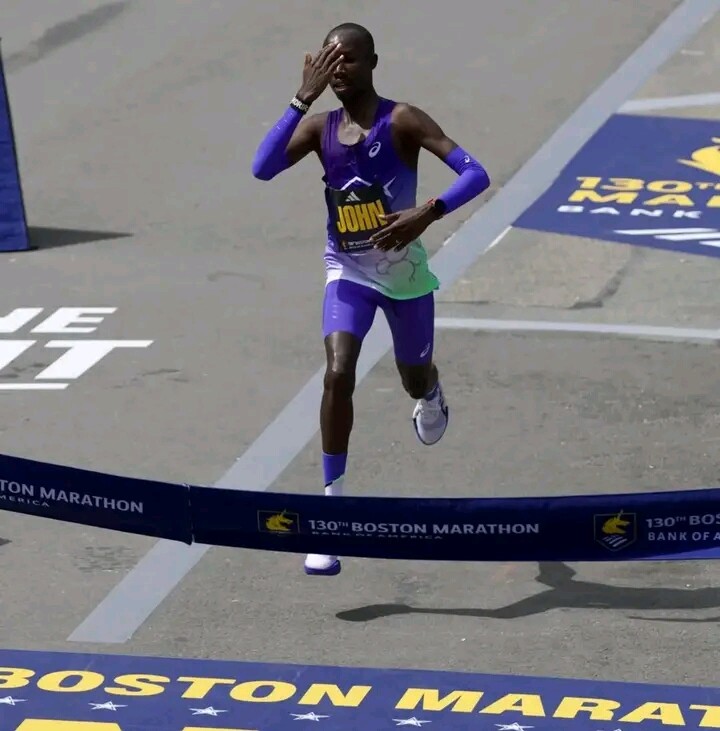
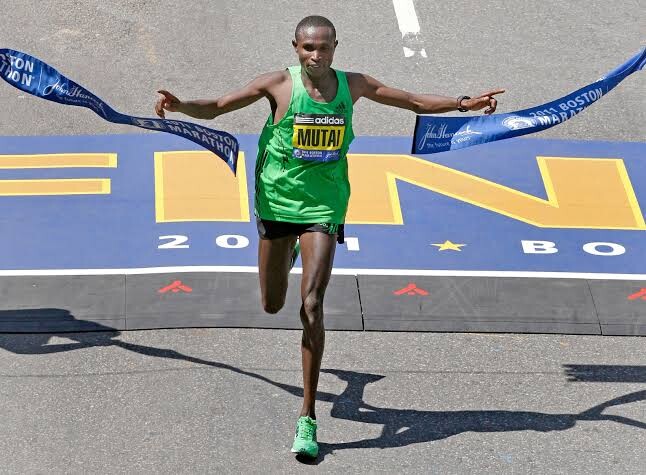
This was no ordinary win. It was a calculated dismantling of one of the most revered course records in marathon history, achieved not through reckless speed, but through a perfectly judged rhythm that crescendoed into a devastating second-half surge.
From the opening kilometers, Korir signaled intent. By 5K, he was already 15 seconds ahead of Mutai’s historic pace, clocking 14:20. Though the margins fluctuated slightly—Mutai briefly edging ahead around 20K—the race remained delicately poised through the halfway mark, with Korir passing in 1:01:50, eight seconds faster than the 2011 benchmark.
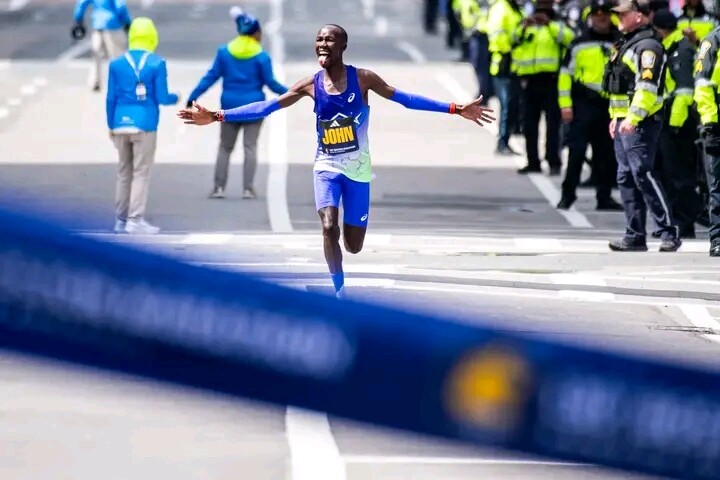
But it was beyond 25K that the race transformed.
With a decisive injection of pace, Korir began to stretch the field and history alike. By 30K, he had carved out a remarkable 45-second advantage over Mutai’s split. What followed was a masterclass in endurance and controlled aggression. At 35K, the gap widened further, and by 40K, Korir was a full minute ahead of the legendary schedule.
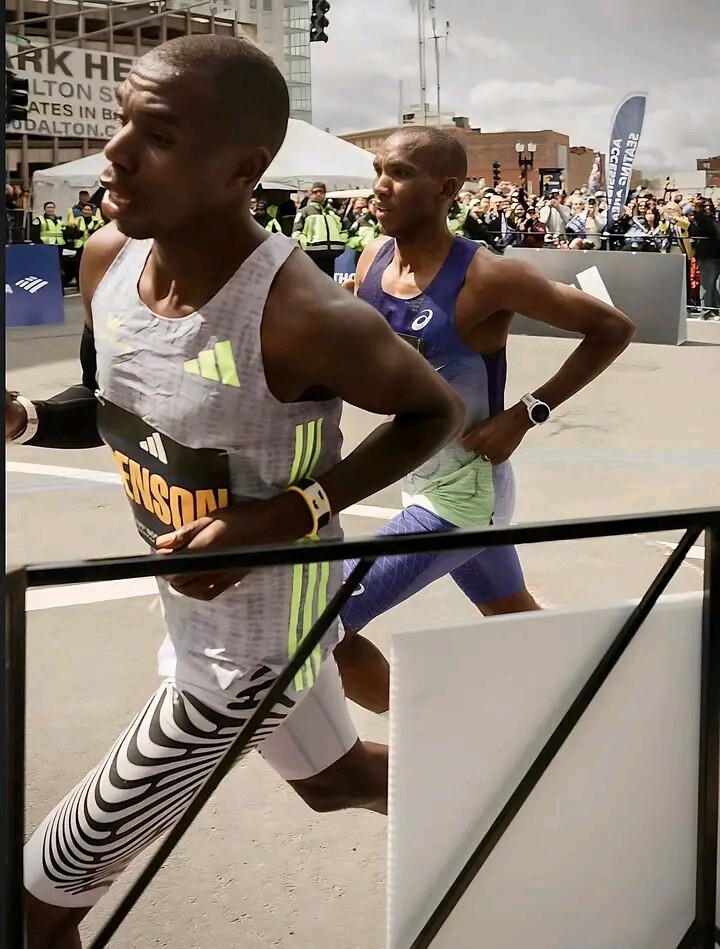
The defining moment came on the unforgiving slopes of Heartbreak Hill. Where races are often lost, Korir surged. His astonishing 4:42 mile over this iconic segment was not just fast—it was defiant. In a section where fatigue typically dictates caution, Korir attacked, turning the course’s greatest challenge into his platform for separation.
From there, the outcome was inevitable.
He crossed the finish line in 2:01:52, sealing the fastest time ever recorded on this storied course and completing the fastest second half in Boston Marathon history—an extraordinary 1:00:02 for the final 13.1 miles.
Context only deepens the brilliance of the performance. Mutai’s 2011 run benefited from a powerful 21 mph tailwind, widely regarded as one of the most favorable conditions the race has seen. Korir, by contrast, navigated a more modest 9 mph assisting breeze. The temperatures were similarly cool in both editions, but the reduced wind advantage in 2026 underscores the sheer quality of Korir’s run.
Step by step, split by split, the data tells a compelling story: this was not a fleeting burst of brilliance, but a sustained, strategic dismantling of a legendary benchmark.
In the end, the numbers speak with clarity—but the performance resonates even louder. John Korir did not just break a record; he redefined what is possible on the demanding roads of Boston, delivering a run that will stand as a new reference point for marathon excellence.
by Erick Cheruiyot for My Best Runs.
Login to leave a comment
