

Running News Daily
Running News Daily is edited by Bob Anderson and team. Send your news items to bob@mybestruns.com Advertising opportunities available.
Index to Daily Posts · Sign Up For Updates · Run The World Feed
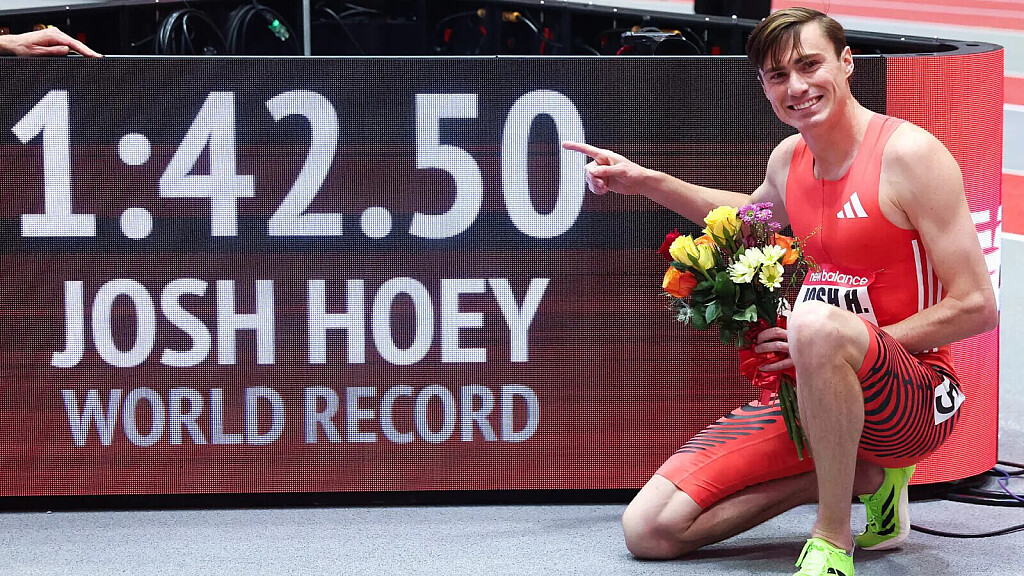


A New Chapter Was Written as Hoey Surpassed Kipketer’s Iconic Mark
On a crisp January evening in Boston, the 2026 edition of the New Balance Indoor Grand Prix delivered a moment that will echo through middle-distance running for years to come. In a race that blended precision pacing with fearless ambition, American rising star Josh Hoey produced a stunning 1:42.50 over 800 meters, shattering one of the sport’s most enduring records.

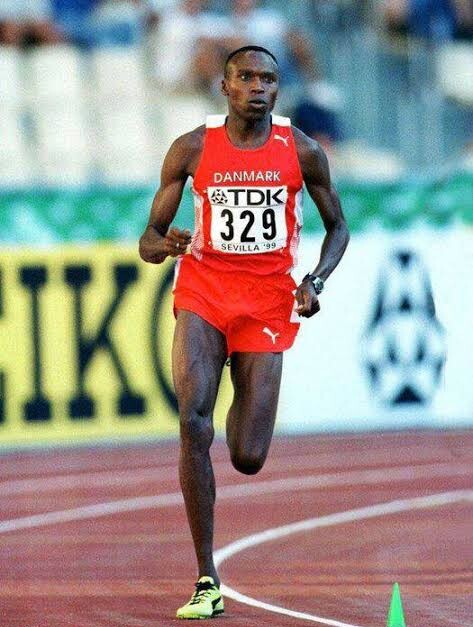
For 28 years, the indoor world record of 1:42.67—set in 1997 by the legendary Wilson Kipketer—had stood as a seemingly untouchable benchmark. Generations of elite runners had come close, but none could eclipse the mark. That changed in emphatic fashion as Hoey surged across the finish line, becoming the first man since Kipketer himself to dip under 1:43 indoors.
The race unfolded with a sense of purpose from the outset. Hoey was guided through the early stages by his brother, Jaxson, whose measured pacing ensured the tempo was both aggressive and controlled. From there, Hoey took command, maintaining his rhythm with remarkable composure before unleashing a decisive final push that left the field trailing.
What makes this achievement even more compelling is the passage of time it bridges. Hoey was not even born when Kipketer set his iconic record—a detail that underscores both the longevity of the previous mark and the magnitude of this generational shift. In breaking it, Hoey has not only etched his name into the record books but also signaled the arrival of a new force in global middle-distance running.
Beyond the time itself, the manner of victory spoke volumes. This was no desperate chase of history—it was a controlled, confident dismantling of it. Hoey didn’t just break the record; he claimed it with authority, winning convincingly and redefining what is possible in the indoor 800 meters.
As the World Indoor Tour season unfolds, all eyes will now be on Hoey. Records, after all, are meant to be challenged—but performances like this don’t just challenge history, they transform it.
by Erick Cheruiyot for My Best Runs.
Login to leave a comment
