

Running News Daily
Running News Daily is edited by Bob Anderson and team. Send your news items to bob@mybestruns.com Advertising opportunities available.
Index to Daily Posts · Sign Up For Updates · Run The World Feed
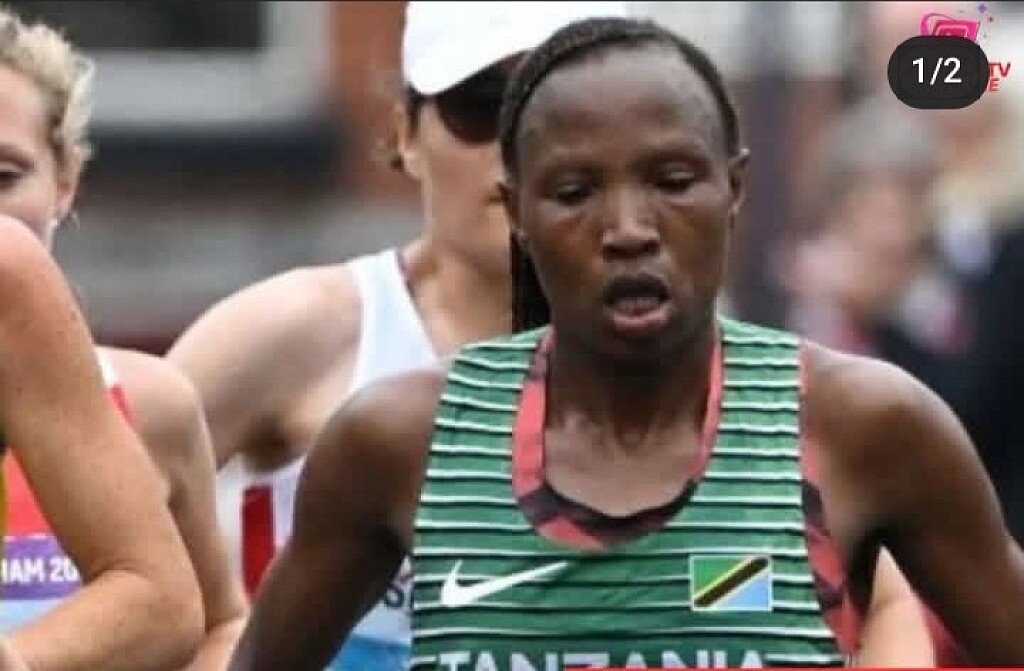


Ten-Year Ban Rocks Tanzanian Athletics as Jackline Sakilu Sanctioned for Doping Violations
In a development that has sent shockwaves across the African distance running community, Tanzanian marathoner Jackline Sakilu has been handed one of the most severe doping sanctions in recent years—a 10-year ban from competition by the Athletics Integrity Unit (AIU).
The ruling, which took effect on September 17, 2025, follows a comprehensive investigation that confirmed the presence of multiple prohibited substances linked to testosterone in the athlete’s system. The substances identified—Androsterone, Etiocholanolone, 5α-Adiol, and 5β-Adiol—are recognized metabolites indicative of exogenous testosterone use, constituting a clear violation under anti-doping regulations aligned with the World Anti-Doping Agency (WADA) code.
Sakilu, 39, had built a reputation as one of Tanzania’s leading marathon figures, highlighted by her victory at the Chongqing Marathon in China, where she clocked an impressive 2:21:27 under demanding heat and humidity. That performance, along with all her competitive results dating back to June 29, 2024, has now been officially annulled as part of the sanction.
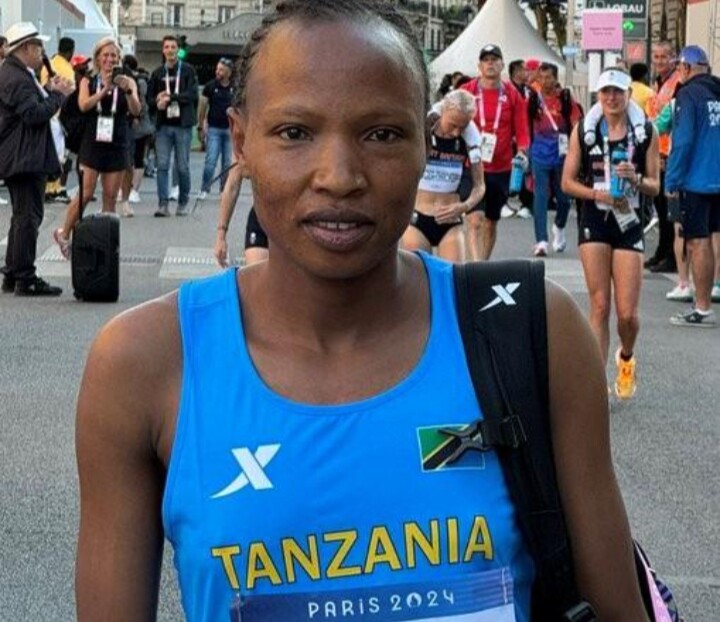
According to the AIU’s findings, multiple samples collected in both South Korea—during the Seoul Marathon—and in Arusha, Tanzania, tested positive for the banned substances. The consistency of the results reinforced the conclusion that the substances originated externally rather than naturally.
In her defense, Sakilu cited the use of common medications, including Ibuprofen and Prednisolone. However, these explanations were dismissed by investigators, who found no scientific link between the medications and the prohibited compounds detected. Furthermore, she did not possess a Therapeutic Use Exemption (TUE), weakening her case significantly.
The AIU classified the violation as aggravated, citing repeated use of banned substances over an extended period. This determination ultimately led to the imposition of the maximum-length sanction, sidelining Sakilu from the sport until 2035. In addition to the ban, she faces the forfeiture of titles, prize money, and rankings accumulated during the affected period.
The case stands as a stark reminder of the sport’s ongoing battle to uphold integrity and fairness. While Sakilu’s achievements once symbolized resilience and competitive excellence, this ruling redefines her legacy within a cautionary narrative that underscores the consequences of breaching anti-doping rules.
As global athletics continues to tighten its enforcement mechanisms, this decision reinforces a clear and uncompromising message: the future of the sport depends on clean competition, transparency, and unwavering accountability.
by Erick Cheruiyot for My Best Runs.
Login to leave a comment
