

Running News Daily
Running News Daily is edited by Bob Anderson and team. Send your news items to bob@mybestruns.com Advertising opportunities available.
Index to Daily Posts · Sign Up For Updates · Run The World Feed


Boston Marathon Expands to Six Start Waves Beginning in 2026 to Ease Crowding
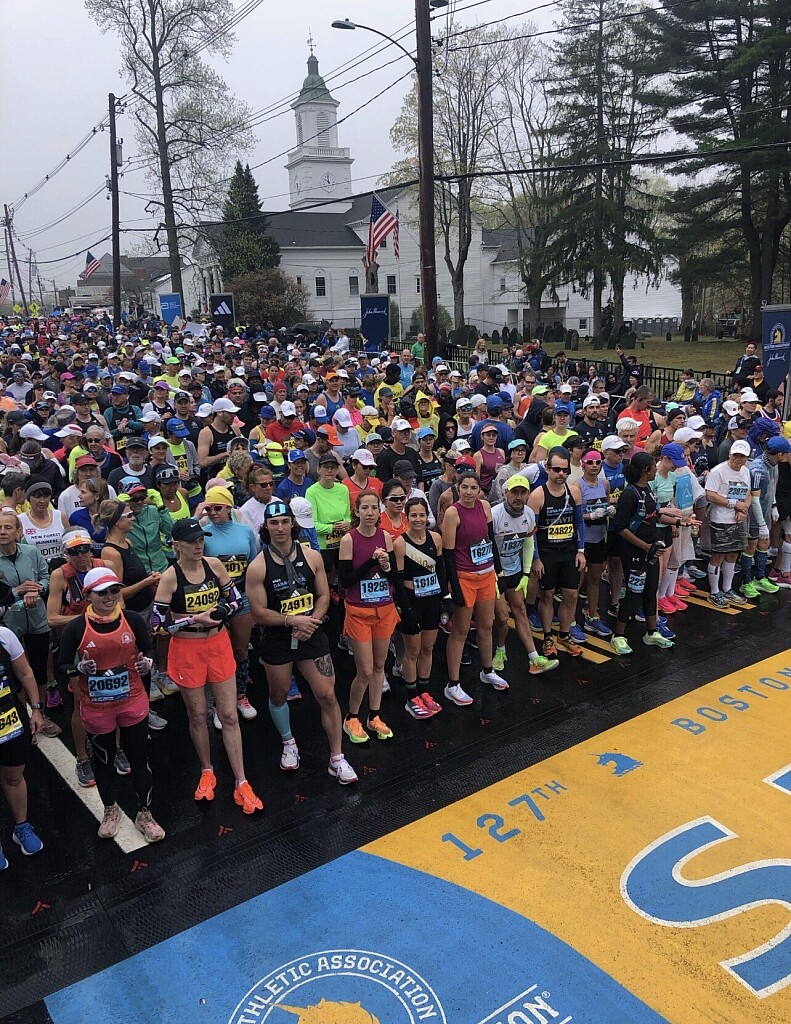
If you’ve ever run one of the marathon majors, you know how crowded the start lines can be. Thousands of runners are all trying to find enough road space to settle in. It can be chaotic, and the Boston Athletic Association (B.A.A.) has recognized that by introducing two new start waves for the 2026 race and beyond.
In a recent press release, the B.A.A. confirmed that the Boston Marathon will move from four start waves to six. The overall field size will remain at 30,000 runners, but the additional waves are designed to improve the flow of athletes from the start in Hopkinton to the finish near the Boston Public Library.
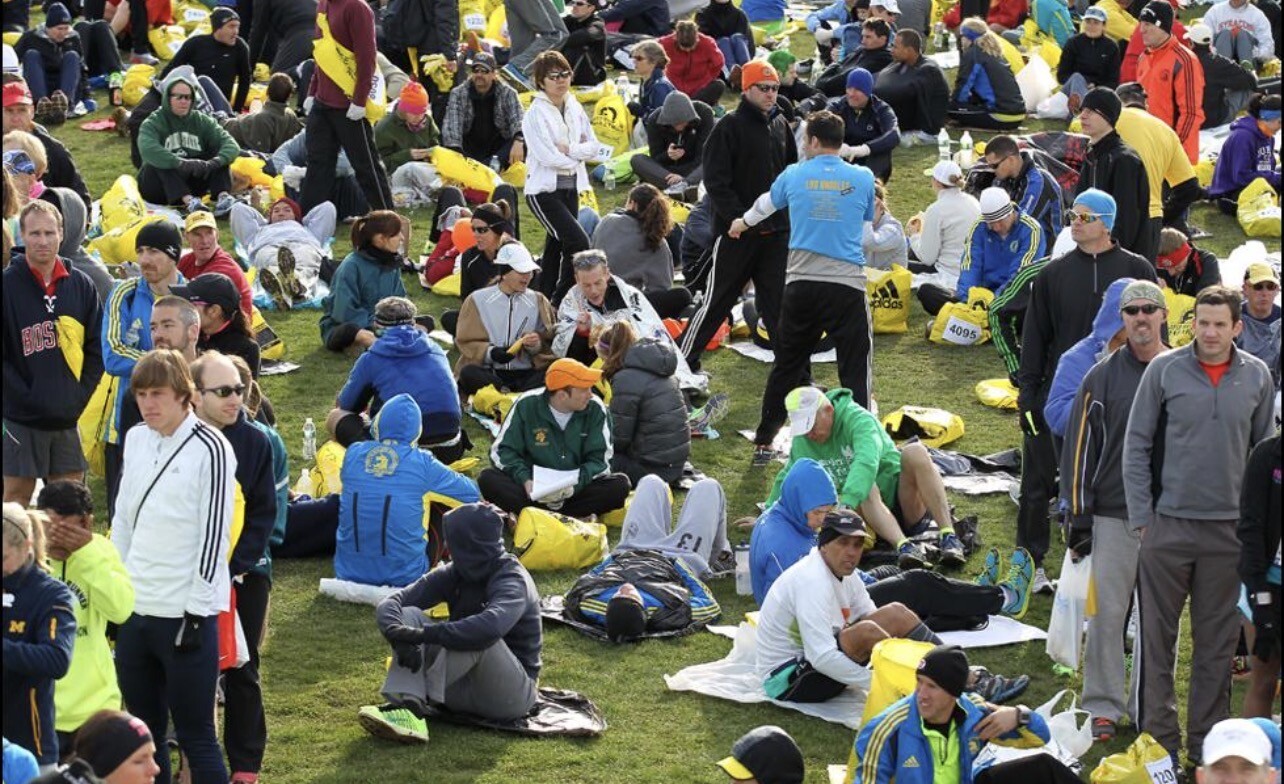
For years, Boston runners have been required to arrive three to four hours before their start time at the southwest corner of Boston Common. From there, they board school buses—often packed with 50 runners each—for the ride to a schoolyard in Hopkinton. With only four waves in the past, the system could feel congested, with overlapping groups of runners creating long lines for buses, gear check, and pre-race porta-potties.
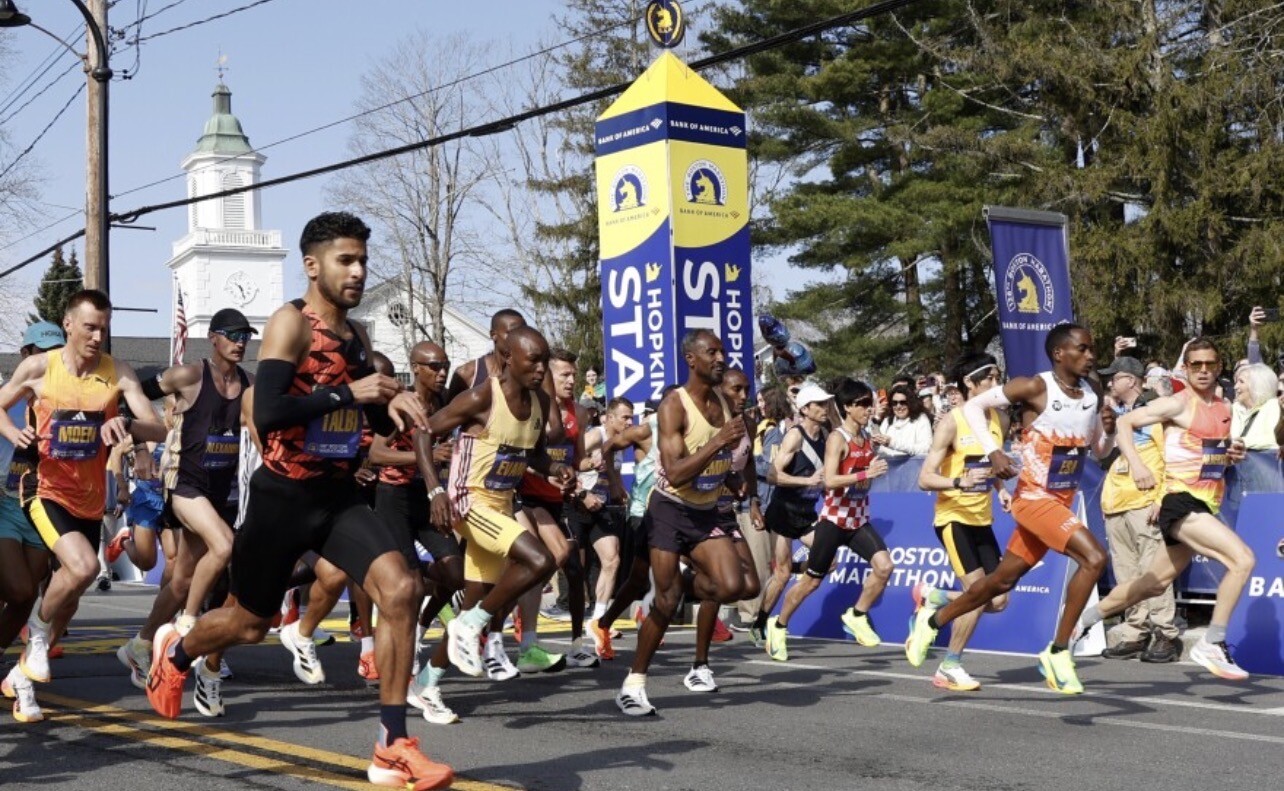
With two additional waves, organizers hope to reduce congestion and create a smoother race-day experience. Runners should encounter shorter lines and a more relaxed buildup before the race—leaving more time to focus on preparation and fueling.
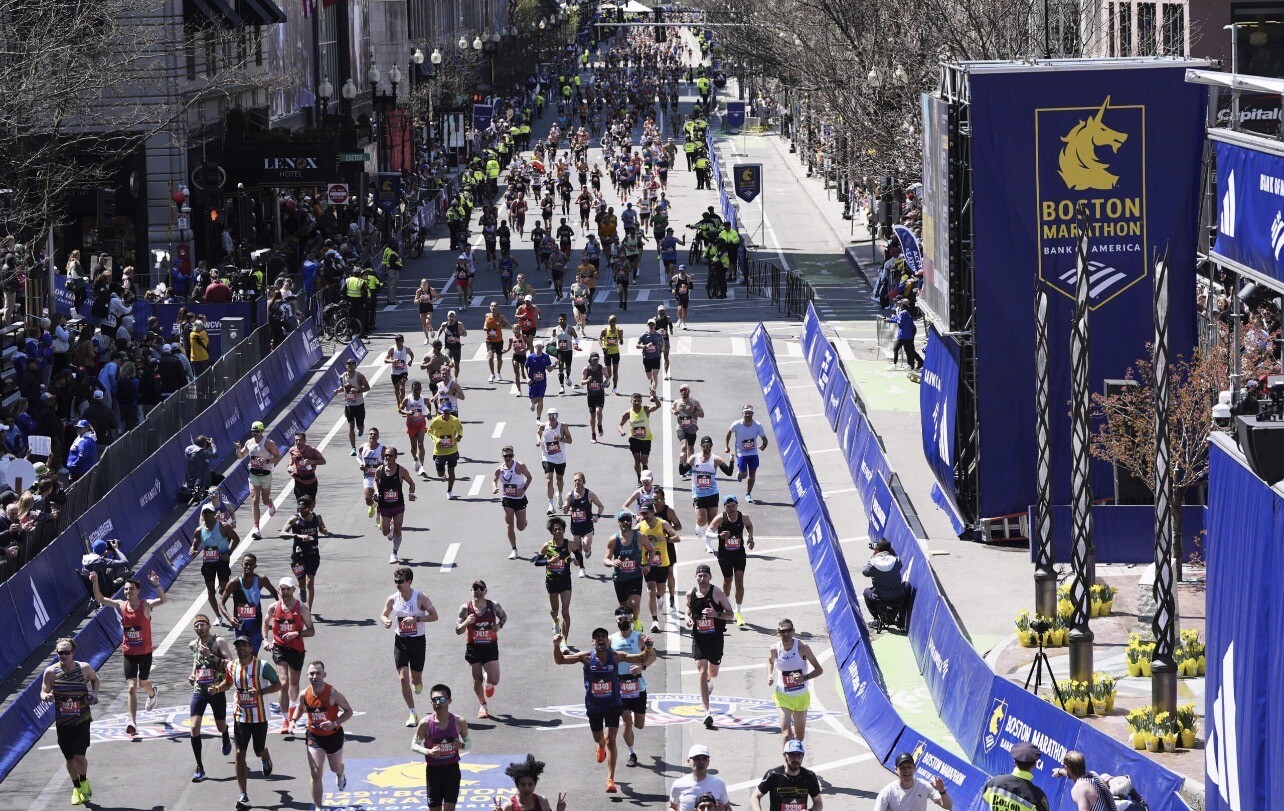
According to the B.A.A., the change follows an extensive review of race-day logistics. Crowd scientists studied athlete density throughout last year’s race and concluded that the entire start process—from gear check and bus loading to the athletes’ village and the Hopkinton starting line—would benefit from a more continuous flow of athletes.
Under the new system, wave sizes will range from approximately 3,200 to 7,100 runners, depending on qualifying times and projected finish times. In recent years, each of the four waves typically included around 7,500 runners, which contributed to the congestion.
“The new six-wave start system is aimed at enhancing each participant’s experience,” said Lauren Proshan, the B.A.A.’s Chief of Operations. “All athletes are anticipated to be across the starting line before 11:30 a.m., like previous years, and will have the same amount of time to complete the course as in 2025, with the finish line closing at 5:30 p.m. in Boston.”
The B.A.A. also announced that bib numbers, corral assignments, and start times for the 130th Boston Marathon will be released later. The race will take place on Patriots’ Day, April 20, 2026.
For many runners, the Boston Marathon start has always been part of the experience—long bus rides, crowded staging areas, and thousands of athletes waiting together in Hopkinton. With the addition of two more start waves, the B.A.A. hopes the journey from Hopkinton to Boston will begin a little more smoothly for everyone.
by Boris Baron
Login to leave a comment

Boston Marathon
Among the nation’s oldest athletic clubs, the B.A.A. was established in 1887, and, in 1896, more than half of the U.S. Olympic Team at the first modern games was composed of B.A.A. club members. The Olympic Games provided the inspiration for the first Boston Marathon, which culminated the B.A.A. Games on April 19, 1897. John J. McDermott emerged from a...
more...