

Running News Daily
Running News Daily is edited by Bob Anderson and team. Send your news items to bob@mybestruns.com Advertising opportunities available.
Index to Daily Posts · Sign Up For Updates · Run The World Feed
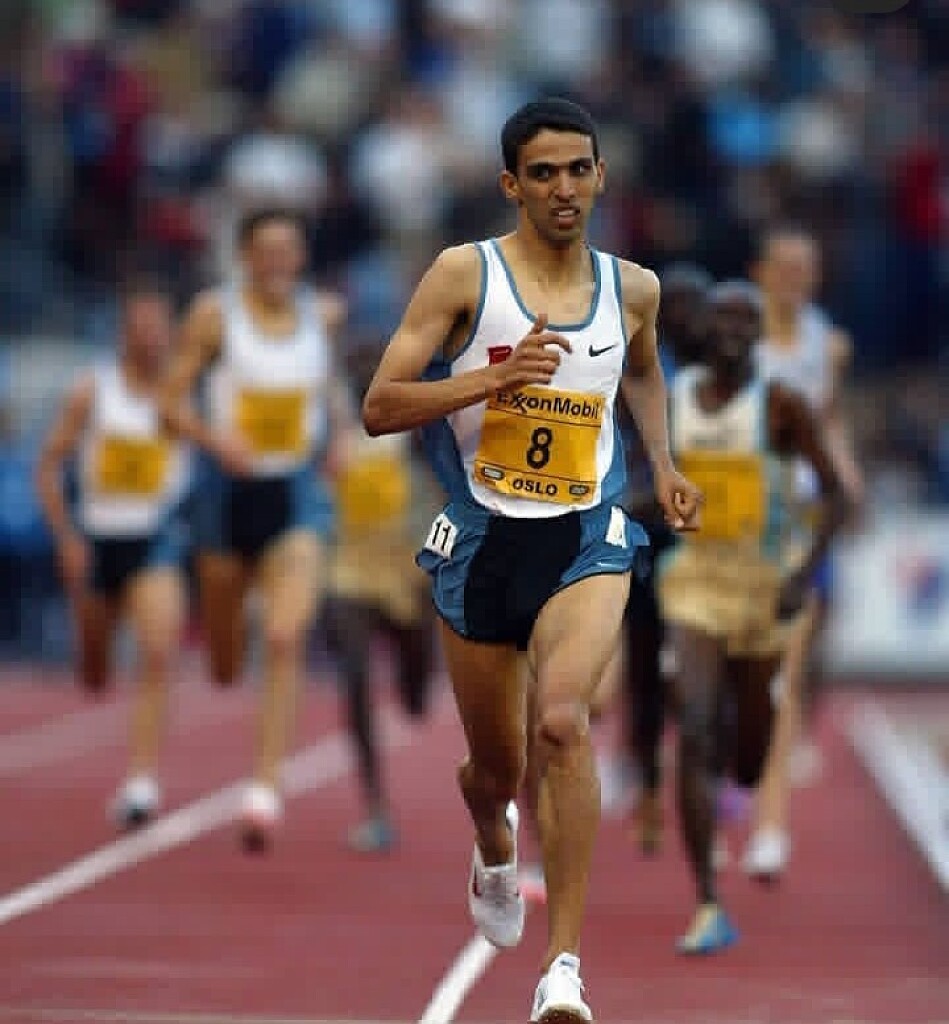


Chasing 3:26 — The Extraordinary Standard Set by Hicham El Guerrouj
For more than a quarter of a century, the men’s 1500 metres world record has stood as one of athletics’ most revered and demanding achievements. The legendary 3:26.00, set by Morocco’s iconic middle-distance master Hicham El Guerrouj in 1998, remains a benchmark of near-perfect racing — a performance that still defines the outer limits of human speed and endurance over the metric mile’s shorter cousin.
Breaking that mark would require far more than raw talent. It demands a rare combination of physiological excellence, tactical brilliance, technological advantage, and the perfect competitive environment.
The Pace of Perfection
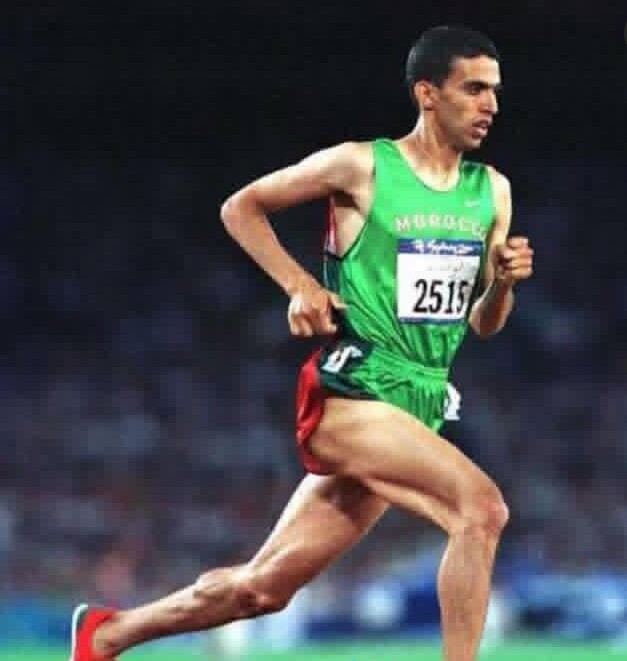
To surpass 3:26.00, an athlete must sustain an astonishing rhythm from start to finish. The record pace translates to roughly 13.7 seconds per 100 metres and about 54.9 seconds per 400-metre lap. Maintaining that speed over three and three-quarter laps of the track means running close to sprint velocity while preserving enough strength for a decisive finish.
What makes the record even more remarkable is how El Guerrouj completed the race. After already covering the first 1100 metres at blistering speed, he unleashed a final lap of approximately 53 seconds, a finishing surge that would be exceptional even in a fresh 400-metre race. Any athlete hoping to rewrite history must produce a similarly devastating closing kick.
The Physiological Equation
The 1500 metres sits at the crossroads between endurance and speed. Success at world-record level requires a finely tuned balance between the aerobic system — which supplies the majority of energy — and the anaerobic system responsible for explosive surges.
Elite training models typically emphasize high-volume aerobic development, often accounting for the majority of an athlete’s preparation, complemented by intense intervals run faster than race pace. This combination builds the stamina required to maintain record tempo while preserving the speed necessary to finish with authority.
The Importance of Perfect Conditions
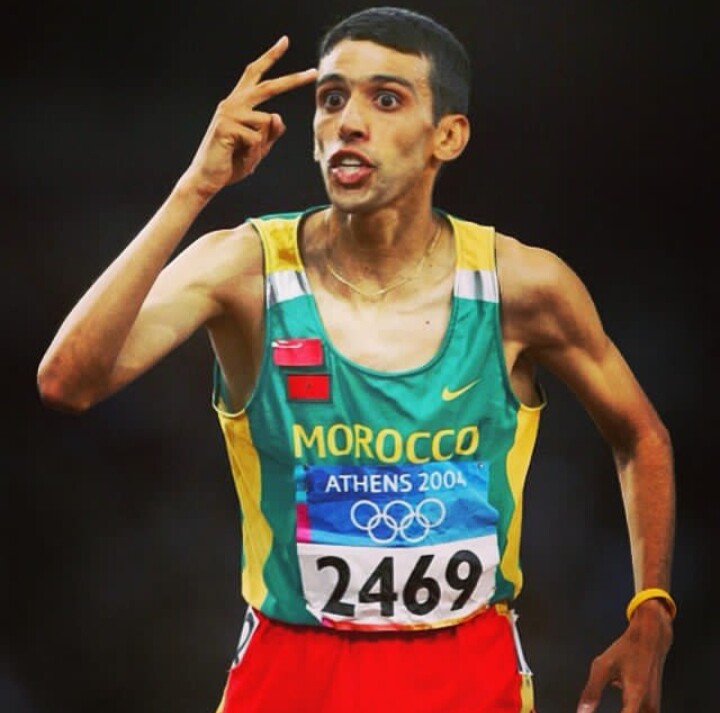
Even the greatest athletes depend on ideal circumstances to produce historic performances.
Pacemakers play a decisive role, guiding the early stages of the race and ensuring a consistent rhythm through the first 800 to 1000 metres. Their presence prevents tactical hesitation and shields the contenders from wind resistance.
Environmental factors also matter. Record attempts usually occur in calm conditions, with moderate temperatures and low wind — elements that minimize energy loss and allow athletes to focus entirely on maintaining pace.
Modern technology has further pushed the limits. Advances in carbon-plated racing spikes and highly responsive synthetic tracks have helped athletes convert effort into forward momentum more efficiently than ever before.
The Pressure of Competition
World records rarely happen in isolation. They emerge when elite competitors push each other relentlessly through the final laps. A fast race requires rivals willing to maintain relentless pace and challenge for victory until the final 200 metres.
Norway’s middle-distance star Jakob Ingebrigtsen, who has already run 3:26.73 — the European record — is among the athletes bringing the barrier closer to reality. His performances demonstrate how narrow the gap has become between the present generation and El Guerrouj’s enduring standard.
The Official Path to History
For any performance to replace the record, it must occur at a competition recognized by World Athletics, with fully certified timing systems and immediate anti-doping verification. Only under these strict conditions can a new mark be ratified as the fastest 1500 metres ever run.
A Record That Still Defines Greatness
More than two decades after it was set, 3:26.00 continues to symbolize the pinnacle of middle-distance running. Breaking it will require flawless pacing, extraordinary physiology, fierce competition, and a moment when every variable aligns.
Until that day arrives, the time produced by Hicham El Guerrouj remains not just a world record — but one of the greatest performances in the history of track and field.
by Erick Cheruiyot for My Best Runs.
Login to leave a comment
